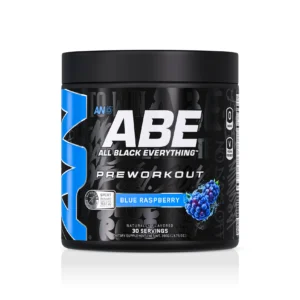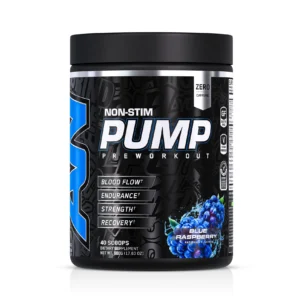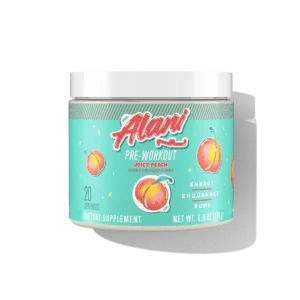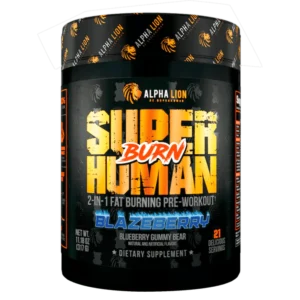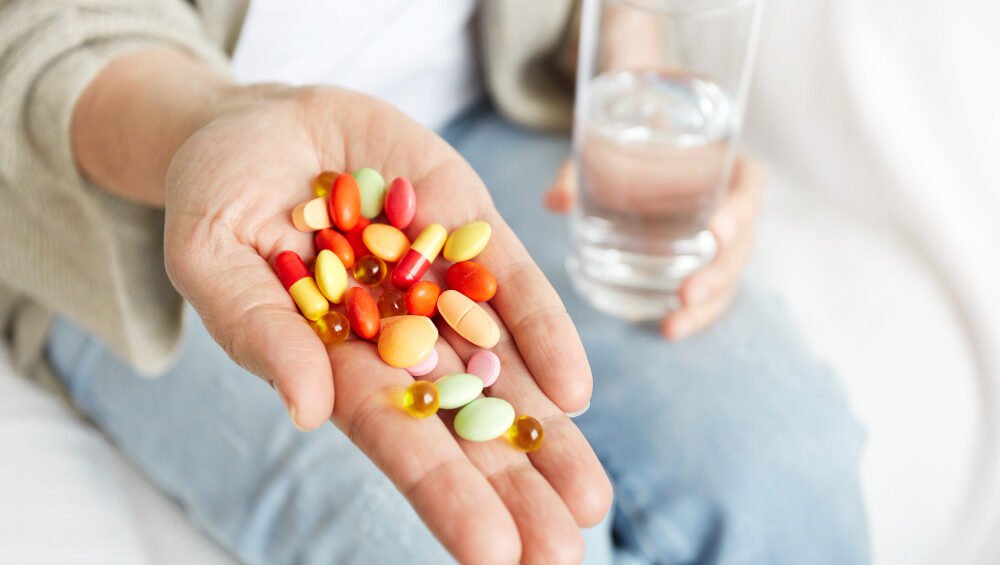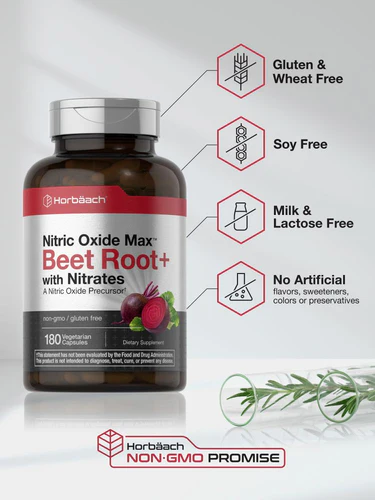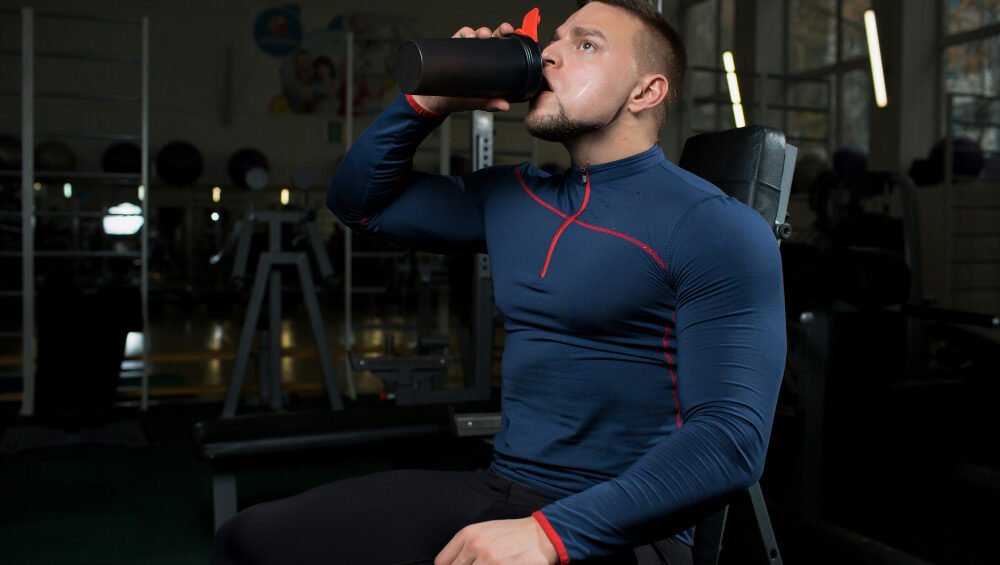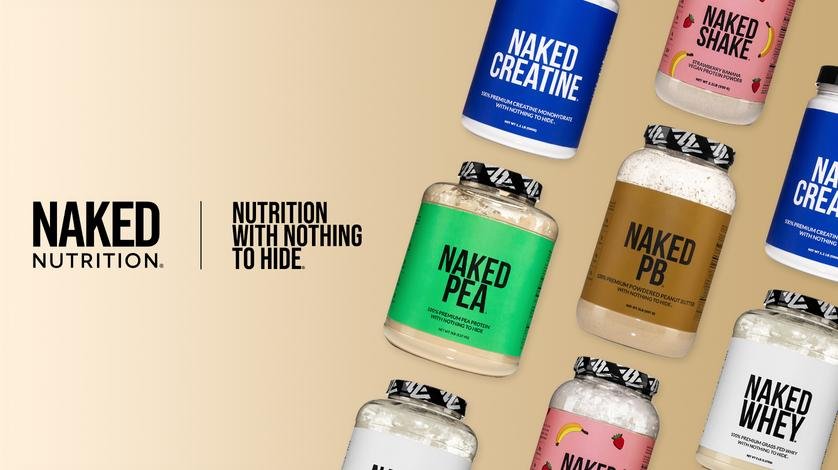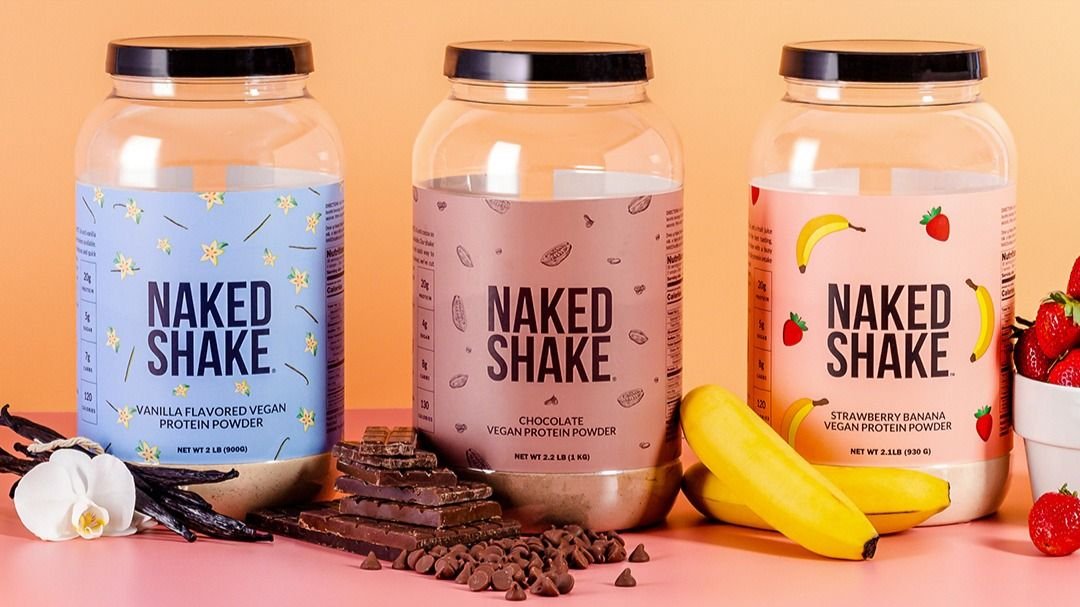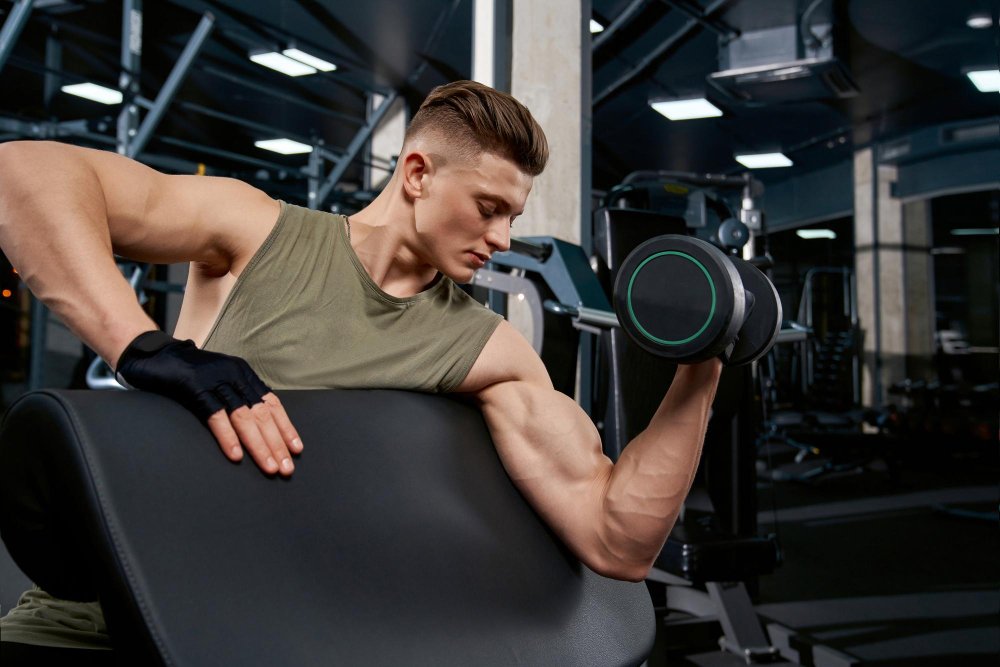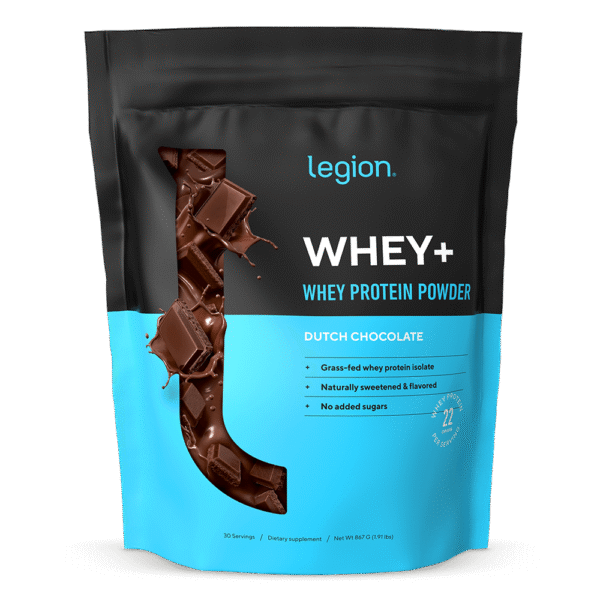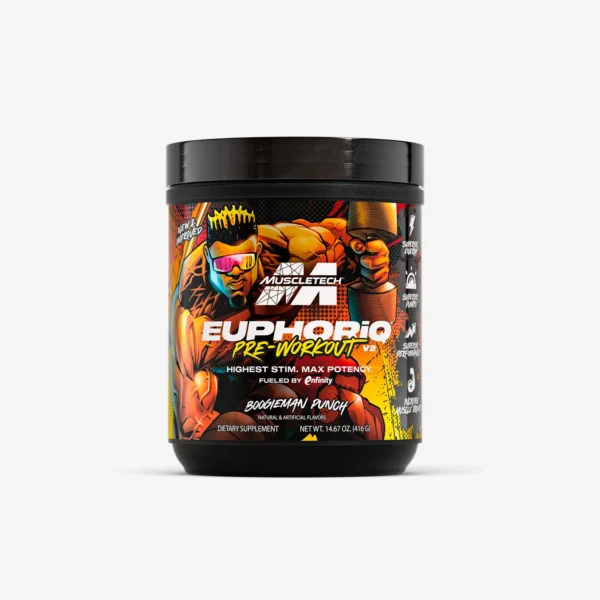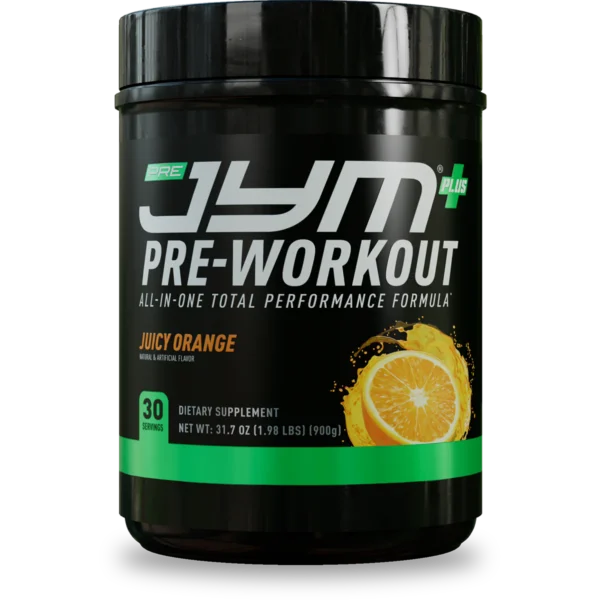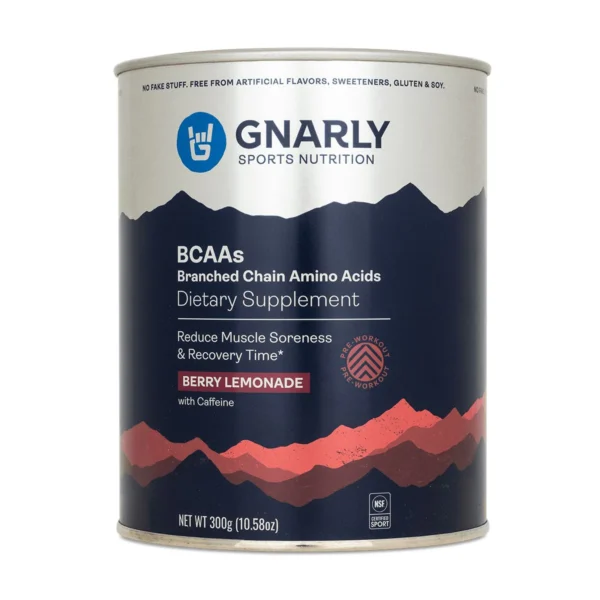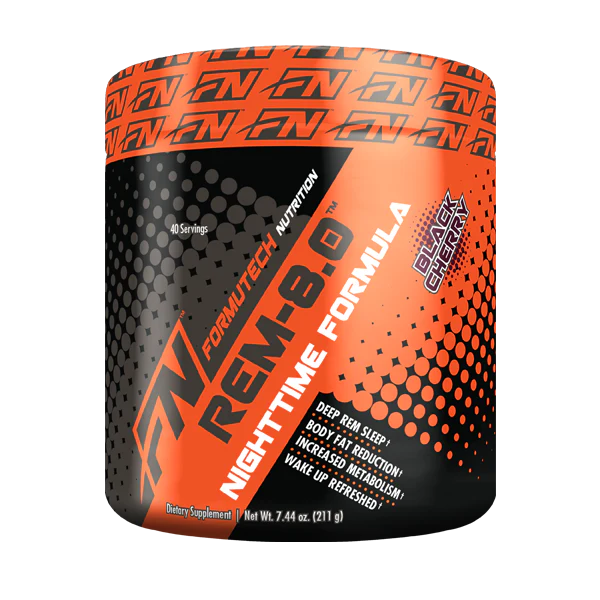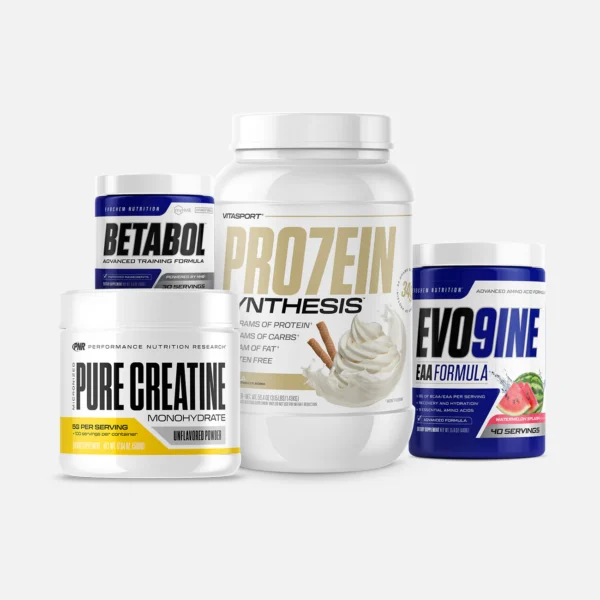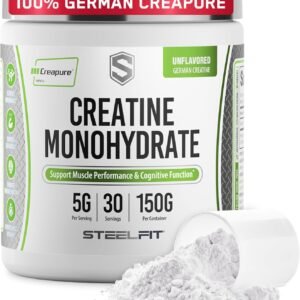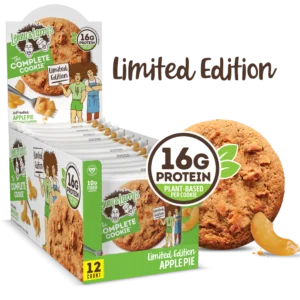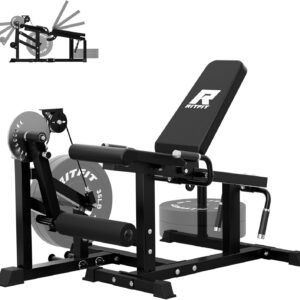



instagram supplements and gym equipment for sale

facebook gym supplements usa. Gym equipments and gym supplements for sale instagram profile social media

Guide to Finding Reliable Supplement Reviews

Navigating the Information Maze: A Professional’s Guide to Finding Reliable Supplement Reviews

The global dietary supplement market is a behemoth, projected to reach hundreds of billions of dollars within the next few years. This growth is fueled by an increasingly health-conscious public seeking to optimize wellness, fill nutritional gaps, and proactively manage their health. Walk into any pharmacy, grocery store, or browse online marketplaces, and you are met with an overwhelming array of bottles promising everything from enhanced cognitive function and peak physical performance to improved joint mobility and immune support.

This abundance of choice, however, presents a significant challenge for the consumer: how does one distinguish between genuinely beneficial products and those that are, at best, ineffective and, at worst, potentially harmful? The answer, for most, lies in seeking out reviews. Yet, the very landscape of supplement reviews is a minefield of biased opinions, fraudulent testimonials, and pseudoscientific claims. The quest for reliable information is not merely about finding a well-liked product; it is a matter of personal health, financial investment, and scientific integrity.

This guide is designed to equip you with the critical thinking skills and strategic knowledge necessary to cut through the noise. We will move beyond the simplistic five-star rating and delve into a multi-faceted approach for identifying trustworthy supplement reviews. We will explore the inherent limitations of common review sources, outline the hallmarks of credible information, and introduce you to specialized, authoritative platforms where evidence and expertise take precedence over marketing hype.

Check: how to get coupon discounts on Amazon

The Inherent Pitfalls—Why You Cannot Trust Most Review Sources

Before identifying where to find reliable reviews, it is crucial to understand why the most readily available sources are often the least trustworthy. Blind trust in these platforms can lead to poor decisions.

1.1. E-commerce Giants (Amazon, Walmart, etc.): The Wild West of Opinions
Major online retailers are the first stop for many shoppers. While they offer convenience, their review systems are plagued with systemic issues:

  • Fake and Incentivized Reviews: The practice of sellers offering free products in exchange for a “honest” review is widespread. These reviews are often disproportionately positive to maintain the seller’s status in the Amazon Vine program or similar systems. Furthermore, outright fake reviews, purchased in bulk from “review farms,” can artificially inflate a product’s rating.
  • Lack of Verification: There is no way to verify that a reviewer has actually used the product for a meaningful duration, or even at all. A review stating “Seems great, can’t wait to try!” is useless yet common.
  • The Placebo Effect and Short-Term Impressions: Many supplements, particularly those for energy or mood, can produce a strong placebo effect. Reviews based on a few days of use often reflect this initial psychological boost rather than the product’s long-term efficacy.
  • No Expert Oversight: Reviews are from the general public, who lack the scientific or medical background to evaluate a product’s formulation, bioavailability, or potential interactions with medications.

1.2. Brand and Retailer Websites: The Curated Echo Chamber
It should be self-evident, but reviews hosted directly on a supplement company’s website are inherently biased. These are marketing tools, not objective assessments. Negative reviews are frequently filtered out, and positive testimonials are hand-picked to present the product in the best possible light. Relying on a brand’s website for reviews is like asking a car salesman if his cars are reliable—the answer is predictably and universally affirmative.

Guide to Finding Reliable Supplement Reviews

1.3. General Health Blogs and Affiliate Sites: The Conflict of Interest
A significant portion of the health content on the internet is published by affiliate marketers. Their primary goal is not to educate but to earn a commission for every sale made through links on their site. This creates a powerful financial incentive to:

  • Highlight Positives and Omit Negatives: They will emphasize a product’s benefits while downplaying or ignoring its shortcomings, competing products, or critical scientific evidence.
  • Create “Top 10” Lists: These lists are often structured to include as many affiliate-linked products as possible, with rankings influenced by commission rates rather than objective quality.
  • Use Persuasive, Unscientific Language: Be wary of sites filled with phrases like “miracle cure,” “doctor’s hate this one trick,” or “scientifically proven” without linking to robust, peer-reviewed studies.

Check our supplement brand reviews

Why Popularity Is a Poor Proxy for Efficacy

One of the most dangerous assumptions consumers make is equating popularity with effectiveness. High sales volume often reflects marketing reach, influencer exposure, or aggressive discounting—not clinical merit. In fact, some of the most heavily promoted supplements rely on trendy but weakly supported ingredients, while well-researched compounds remain underrepresented due to lower profit margins or lack of brand storytelling appeal. A disciplined reviewer separates market success from biological plausibility. This distinction is critical: the human body does not respond to branding, testimonials, or algorithms—it responds to dosage, bioavailability, and biochemical interaction. Understanding this disconnect protects consumers from mistaking social proof for scientific proof.

From Passive Consumption to Evidence Literacy

The ultimate goal of reading supplement reviews should not be product selection alone, but the development of evidence literacy. This means learning to recognize study quality, differentiate correlation from causation, and understand why some effects appear strong in early trials yet disappear under rigorous testing. An evidence-literate consumer no longer asks, “Does this supplement work?” but instead, “For whom does it work, under what conditions, and at what dose?” This shift fundamentally changes the review process—from scrolling opinions to interrogating data. Over time, it also reduces dependency on external recommendations, allowing individuals to make confident, autonomous health decisions grounded in science rather than persuasion.

The Hallmarks of a Reliable Supplement Review

A trustworthy review is not a simple testimonial. It is an evaluation based on a structured framework. When assessing any review, look for these critical elements:

2.1. Transparency and Disclosure
The source should be transparent about its funding, potential conflicts of interest, and review process. Do they accept free products from manufacturers? Do they use affiliate links? If so, how do they ensure this doesn’t bias their conclusions? Credible sources will have a clear “About Us” and “Methodology” page explaining their standards.

2.2. Scientific Rigor and Evidence-Based Analysis
The core of a reliable review is its grounding in scientific evidence. This means:

  • Reference to Clinical Studies: The reviewer should cite specific human clinical trials (not just animal or lab studies) that support the supplement’s primary ingredients.
  • Evaluation of Dosage: Does the product contain an effective dose of the active ingredient? Many products are “under-dosed,” containing amounts too small to produce the claimed effect. A good review will check the dosage against what has been established in scientific literature.
  • Assessment of Bioavailability: How well is the ingredient absorbed by the body? For example, different forms of magnesium (citrate, oxide, glycinate) have vastly different absorption rates. A credible review will comment on the form used.
  • Third-Party Testing: This is non-negotiable for quality assurance. Does the brand test its products for purity, potency, and contaminants (like heavy metals or microbes) through an independent lab such as NSF International, USP, or ConsumerLab.com? Reviews should mention whether a product is third-party tested and by which organization.

2.3. Critical and Balanced Perspective
No supplement is perfect. A trustworthy review will discuss both the potential benefits and the drawbacks. This includes:

  • Potential Side Effects and Interactions: Who should avoid this supplement? Does it interact with common medications?
  • Cost-Effectiveness: Is the product fairly priced compared to competitors offering similar quality and dosage?
  • Comparison to Alternatives: How does this product stack up against other leading brands? A review that only examines one product in isolation is less valuable than one that provides a comparative analysis.

Where to Find Reliable Supplement Reviews—A Tiered Approach

Now that we understand the criteria, let’s explore the specific types of sources that consistently meet these high standards.

Tier 1: Independent, Subscription-Based Testing Organizations
These are the gold standard for objective supplement information. They operate on a subscription model, which removes the conflict of interest inherent in affiliate marketing.

  • ConsumerLab.com: Often considered the most authoritative source, ConsumerLab.com independently tests supplements for quality, purity, and label accuracy. They select popular products from the market, put them through rigorous laboratory analysis, and publish detailed reports. Their reviews tell you unequivocally if a product contains what it claims, in the amount it claims, and is free from contaminants. They also provide extensive research summaries, dosage recommendations, and potential drug interactions. The subscription fee is a worthwhile investment for anyone serious about their supplement choices.
  • Labdoor: Labdoor follows a similar model, purchasing products anonymously and testing them for label accuracy and purity. They then rank products within a category (e.g., Vitamin D, Protein Powder) based on a combination of scientific efficacy and measured quality. Their data-driven approach is highly valuable, and they offer a lot of information for free, with more detailed reports available through a premium subscription.
  • USP Verified and NSF Certified: While not review sites per se, looking for the USP (U.S. Pharmacopeia) or NSF International certification marks on a product is a shortcut to quality. These organizations certify that a supplement has been manufactured to high standards of purity, potency, and good manufacturing practices (GMP). If a product bears one of these seals, it has passed a rigorous voluntary audit.

Tier 2: Expert-Driven Platforms and Scientific Databases
These sources provide deep dives into the science behind the supplements, helping you understand why an ingredient might work before you even look at a specific brand.

  • Examine.com: This is an unparalleled resource for evidence-based information on supplement ingredients. Examine.com‘s team of researchers aggregates and synthesizes thousands of scientific studies on everything from creatine and curcumin to ashwagandha and zinc. Their “Human Effect Matrix” provides a clear, visual summary of the evidence for each purported benefit. While they generally do not review commercial brands, their ingredient databases are foundational knowledge. By using Examine.com, you can first determine if the science supports the use of a particular ingredient for your goal, making you a more informed consumer when you later evaluate specific products.
  • PubMed / Google Scholar: For those with the ability to navigate scientific literature, going directly to the source is invaluable. Searching for the primary ingredient (e.g., “rhodiola rosea fatigue clinical trial”) on PubMed will bring you the original research. Look for meta-analyses and systematic reviews, which represent the highest level of evidence by combining results from multiple studies. This approach requires scientific literacy but offers the most direct access to the facts.

Tier 3: Critical and Analytical Health Journalism
Certain publications employ journalists who specialize in health and science and are committed to rigorous, investigative reporting.

  • Medscape, WebMD (with caution): These platforms provide information written or reviewed by healthcare professionals. While they may not review specific brands, their monographs on supplement ingredients are generally reliable and highlight evidence, side effects, and interactions. Use them for background research.
  • The Examine.com Research Digest: A paid subscription service that summarizes the latest and most important supplement studies each month, saving you the time of sifting through primary literature.
  • Reputable University and Medical Center Websites: Websites affiliated with major institutions like the Mayo Clinic, Cleveland Clinic, or Harvard Medical School often publish fact-based articles on supplements. These are excellent, unbiased sources for understanding the potential benefits and risks.

Check Myths and Facts about supplements
Are supplement reviews on Amazon reliable? guide to find reliable supplement reviews

A Cautious Approach to Professional Opinions

  • Licensed Healthcare Providers: The most reliable review you can get is a personalized one from your doctor, dietitian, or pharmacist. They know your health history, current medications, and specific needs. Crucially, always consult with a healthcare provider before starting any new supplement regimen.
  • Specialist Pharmacies (Compounding Pharmacies): Pharmacists at compounding pharmacies often have deep knowledge of nutraceuticals and can provide expert advice on brand quality and potential interactions.

A Practical Framework for Your Personal Evaluation

Armed with knowledge of reliable sources, you can create a systematic process for evaluating any supplement:

  1. Identify Your Goal: Be specific. Instead of “boost energy,” think “reduce afternoon fatigue related to poor sleep.” This clarity will guide your research.
  2. Research the Ingredient(s): Before looking at brands, go to Examine.com or a medical site to see if the core ingredients have solid evidence for your specific goal.
  3. Check for Third-Party Verification: Search for the product or brand on ConsumerLab.com or Labdoor. If it’s not listed, look for a USP, NSF, or other independent quality seal on the product’s packaging.
  4. Scrutinize the Label:
    • Dosage: Does it match the effective dose found in studies?
    • Form: Is the ingredient in a bioavailable form (e.g., magnesium glycinate vs. oxide)?
    • Fillers and Additives: Avoid products with excessive fillers, artificial colors, or allergens you wish to avoid.
  5. Read Reviews with a Critical Eye: Now, and only now, glance at Amazon or other retail reviews. Look for detailed, long-term reviews that mention specific, measurable outcomes. Ignore five-star reviews that are vague or one-star reviews based on shipping damage. Look for patterns in the feedback.
  6. Consult Your Healthcare Provider: Discuss your findings and your decision with your doctor or pharmacist to ensure it is safe and appropriate for you.

Check also: supplements studies – go deeper into the supplements world
Are supplement reviews on Amazon reliable? guide to find reliable supplement reviews

Empowering Yourself as an Informed Consumer

In the vast and unregulated world of dietary supplements, the responsibility for safety and efficacy falls largely on the consumer. The path to finding reliable reviews requires a paradigm shift—from seeking simple testimonials to demanding evidence-based analysis. By understanding the pitfalls of common review sources, recognizing the hallmarks of credibility, and prioritizing independent, science-driven platforms like ConsumerLab.com and Examine.com, you can transform yourself from a passive buyer into an empowered, informed decision-maker.

This process requires more effort than simply clicking the “top-rated” filter on an e-commerce site, but the payoff is substantial. It is the difference between wasting money on a placebo and investing in a high-quality product that genuinely supports your health and well-being. In an industry filled with noise, let scientific evidence and independent verification be your guide.

pre-workouts supplements

Top 10 Pre-Workout Supplements Ranked by Effectiveness

You’ve set the alarm for 5 AM. You’ve packed your gym bag. You’re mentally prepared to crush your legs, back, or chest. But as you stumble into the kitchen, half-asleep, a critical question arises: What will fuel this impending assault on your limits? For millions of athletes, bodybuilders, and fitness enthusiasts, the answer lies in a single scoop of pre-workout powder.

The pre-workout supplement market is a booming, often bewildering, landscape. Walk down the supplement aisle or browse online, and you’re met with a cacophony of neon tubs, explosive names, and bold claims. It’s easy to get lost in the marketing hype. That’s precisely why we’re here—to cut through the noise with a data-driven, evidence-based analysis.

Our mission is not just to list popular products, but to rank the top 10 pre-workout supplements based primarily on one criterion: scientific effectiveness. We’ve dissected the formulas, evaluated the dosages of key ingredients against clinically studied amounts, and considered factors like transparency, value, and user experience. This is your definitive guide to finding the perfect chemical co-pilot for your training sessions.

Pre-Workout as a Performance Lens, Not Just an Energy Drink

A pre-workout should be understood as a performance lens—it amplifies whatever foundation you bring into the session. If sleep, hydration, and nutrition are dialed in, the right formula can sharpen output, extend working sets, and improve neural drive. If they are not, even the strongest stimulant cocktail will merely mask fatigue. This is why scientifically dosed ingredients like Citrulline and Beta-Alanine matter more than sheer caffeine load: they enhance physiological capacity rather than borrowing energy from tomorrow. The most effective pre-workouts don’t make you feel invincible—they make you measurably better under load.

Tolerance, Cycling, and the Long Game of Pre-Workout Use

One of the most critical yet ignored factors in pre-workout effectiveness is tolerance management. Chronic high-dose caffeine use desensitizes adenosine receptors, blunting both stimulatory effects and natural energy rhythms. Savvy athletes cycle stimulants strategically—using full-dose pre-workouts for high-intensity or PR-focused sessions, and lower-stim or stim-free formulas for volume days or evening training. This approach preserves sensitivity, improves sleep quality, and maintains long-term effectiveness. In other words, the best pre-workout protocol isn’t about maximum stimulation—it’s about sustainable performance progression over months and years.

Our Ranking Methodology: Beyond the Hype

Before we dive in, it’s crucial to understand our framework. We did not rank these based on flavor or which brand has the most influencers. Our ranking is built on a multi-point system:

  1. Ingredient Efficacy (40%): Does the product contain ingredients with robust scientific backing for improving performance? We prioritized formulas built on proven compounds like Citrulline Malate, Beta-Alanine, and Creatine.
  2. Dosage Transparency & Adequacy (30%): A “proprietary blend” is often a red flag for under-dosing. We rewarded products that fully disclose the amount of each ingredient and provide them in clinically effective doses (e.g., 6-8g of Citrulline Malate, 3.2g of Beta-Alanine).
  3. Stimulant Clarity & Safety (15%): Caffeine is the king of stimulants, but its source and amount matter. We favored products that clearly state their caffeine content (from anhydrous caffeine) over those with obscure “energy blends.”
  4. Value & User Feedback (15%): While science is primary, real-world results matter. We considered the cost per serving and aggregated consistent feedback from a wide range of users on factors like focus, pump, and energy without excessive side effects.

With this rigorous approach, let’s unveil the top 10 pre-workout supplements that truly deliver.


The Definitive Ranking: Top 10 Pre-Workout Supplements

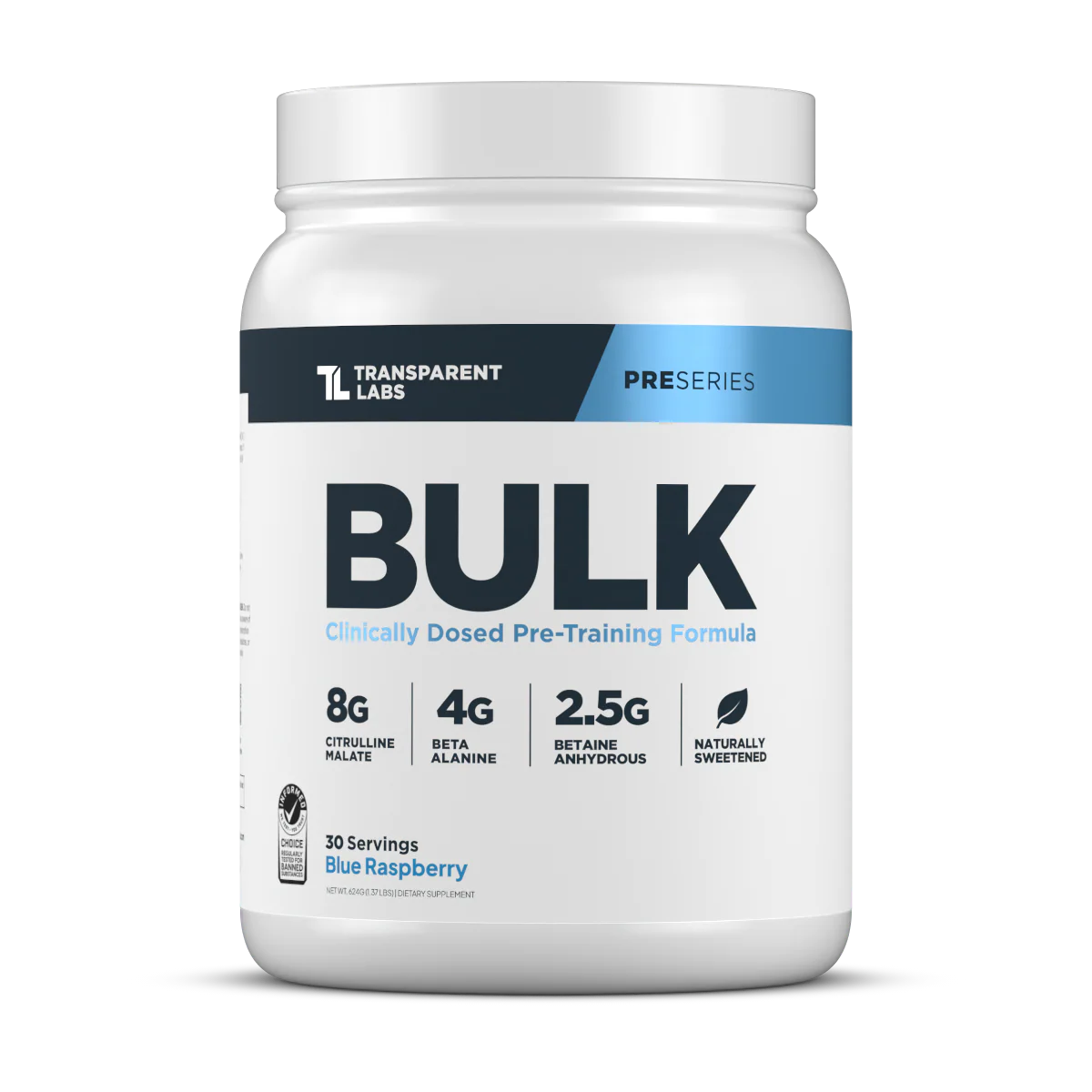
#1: Transparent Labs PreSeries BULK

The Verdict: The Gold Standard of Evidence-Based Formulations.

Taking our top spot is Transparent Labs BULK, a product that exemplifies what a modern, high-performance pre-workout should be. It wins not with flashy marketing, but with an uncompromising commitment to transparency and efficacy.

  • Key Ingredients & Dosage:
    • Citrulline Malate (6g): A perfect clinical dose for dramatically increasing nitric oxide production, blood flow, and muscular endurance. This is the pump and performance cornerstone.
    • Beta-Alanine (3.2g): The exact dose shown in studies to increase intramuscular carnosine levels, buffering acid buildup and delaying fatigue during high-intensity exercise.
    • Betaine Anhydrous (2.5g): Shown to increase power output, strength, and muscular endurance.
    • Caffeine Anhydrous (200mg): A substantial, clean energy hit that is clearly labeled, allowing users to tailor their intake.
    • Alpha-GPC (150mg): A potent cholinergic compound that enhances focus, mind-muscle connection, and power output.
  • Why It’s #1: There are zero proprietary blends. Every gram is accounted for. The formula is a masterclass in synergy—each ingredient is dosed correctly and works in concert to deliver explosive energy, skin-splitting pumps, and unparalleled endurance. It’s a stimulant-forward product, making it ideal for morning workouts or breaking through plateaus. For the athlete who wants no-compromise performance and total label transparency, BULK is unmatched.
Transparent Labs PreSeries BULK

#2: Kaged Muscle Pre-Kaged

The Verdict: A Clean, Multi-Faceted Powerhouse for the Discerning Athlete.

Kaged Muscle Pre-Kaged is a perennial favorite for a reason. Founded by renowned bodybuilder Kris Gethin, the brand is built on a foundation of purity and potency. Pre-Kaged uses many whole-food sourced ingredients and avoids artificial fillers, resulting in a premium product that delivers across all fronts.

  • Key Ingredients & Dosage:
    • Citrulline (6g): Provided as Citrulline HCl and from watermelon extract, ensuring robust NO production.
    • L-Citrulline & L-Tyrosine (2.5g): A synergistic combination for energy and endurance.
    • Hydromax® Glycerol (2g): A game-changer for hydration and the “pump.” Glycerol draws water into muscle cells and vascular tissue, enhancing fullness and vascularity beyond what nitric oxide boosters alone can achieve.
    • Fermented Creatine HCl (1.5g): A highly bioavailable form of creatine for strength and power.
    • Caffeine from Green Coffee Bean (274mg): A clean, natural source of caffeine.
  • Why It’s #2: Pre-Kaged’s inclusion of glycerol sets it apart, creating a next-level hydration and pump effect. The use of fermented ingredients and organic compounds speaks to its quality. It provides a tremendous boost in energy, focus, and performance, with a formula that feels both potent and clean. It’s a close second, appealing to those who prioritize clean labels and innovative ingredients.

#3: Legion Athletics Pulse

The Verdict: The Intelligent Choice for the Informed Consumer.

Legion Athletics, founded by health scientist Mike Matthews, operates with a philosophy similar to Transparent Labs: evidence-based, fully transparent, and no proprietary blends. Pulse is their flagship pre-workout, and it’s brilliantly formulated for a balanced yet powerful effect.

  • Key Ingredients & Dosage:
    • Citrulline Malate (6g): Again, the clinical dose for pumps and endurance.
    • Beta-Alanine (3.2g): The full clinical dose for fatigue reduction.
    • Betaine Anhydrous (2.5g): For increased power and strength.
    • L-Theanine (350mg) & Caffeine (350mg): This is Pulse’s secret weapon. The 1:1 ratio of L-Theanine to Caffeine is scientifically proven to smooth out the jittery effects of caffeine, promoting a state of calm, laser-sharp focus without the crash.
  • Why It’s #3: Pulse is for those who are sensitive to stimulants or dislike the “over-caffeinated” feeling. The L-Theanine/Caffeine combo provides incredible focus and sustained energy. Like our top pick, its label is 100% transparent. It may be slightly less intense on the initial “kick” than BULK, but its sophisticated, balanced approach to energy and focus makes it a top-tier choice for daily training.

#4: Jacked Factory Nitrosurge

The Verdict: High-Octane Performance Without the Proprietary Blends.

Jacked Factory is another brand that has earned a loyal following by prioritizing transparent, effective formulas at a competitive price point. Nitrosurge is a potent, stimulant-based pre-workout designed for maximum intensity.

  • Key Ingredients & Dosage:
    • Citrulline Malate (6g): Consistent with the top performers.
    • Beta-Alanine (3.2g): Full clinical dose.
    • Glycerol Powder (2g): Similar to Pre-Kaged, this inclusion enhances hydration and pumps significantly.
    • Taurine (2g): An amino acid that can support hydration, muscle contraction, and may help counteract nervous system fatigue.
    • Caffeine Anhydrous (250mg): A strong, clean stimulant dose.
  • Why It’s #4: Nitrosurge is a straightforward, hard-hitting formula. It doesn’t have the extra nuances of Alpha-GPC or L-Theanine, but it delivers massively on the core pillars: energy, pump, and endurance. Its transparency and inclusion of glycerol at a solid dose make it an excellent value and a fantastic option for those seeking a powerful, no-frills energy blast.

Related Products

#5: Optimum Nutrition Gold Standard Pre-Workout

The Verdict: The Trusted Name, Finally with a Transparent Formula.

Optimum Nutrition is a household name, but their original pre-workout suffered from a proprietary blend. Their updated Gold Standard Pre-Workout is a massive step in the right direction, offering a well-rounded and fully disclosed formula from a brand you can trust.

  • Key Ingredients & Dosage:
    • Creatine Monohydrate (3g): The gold standard of creatine, included for strength and power. A great addition for those not taking creatine separately.
    • Citrulline (2g): While effective, this is lower than the ideal 6-8g dose. This is the formula’s main weakness for pure pump seekers.
    • Beta-Alanine (2g): Also slightly under-dosed compared to the 3.2g clinical sweet spot, but still effective.
    • Caffeine (175mg): A moderate dose, great for intermediate users or those with lower caffeine tolerance.
  • Why It’s #5: ON’s formula may not be the most aggressive, but it’s incredibly solid, reliable, and accessible. The inclusion of 3g of Creatine Monohydrate is a huge plus. It’s a fantastic “all-in-one” option for the general lifter who wants a clean energy boost, some pump, and the benefits of creatine without an overwhelming stimulant experience.

#6: Cellucor C4 Original

The Verdict: The Gateway Pre-Workout That Started a Revolution.

It’s impossible to talk about pre-workouts without mentioning Cellucor C4. It popularized the category for a generation of gym-goers. While its formula uses a proprietary blend (a mark against it in our rankings), its effectiveness and popularity are undeniable.

  • Key Ingredients (Blend Disclosure):
    • Creatine Nitrate: A patented form that may offer better solubility than monohydrate.
    • Beta-Alanine (as part of a blend): Likely under-dosed based on the blend size.
    • Arginine AKG: A precursor to nitric oxide, though less effective than Citrulline.
    • Caffeine (150mg per scoop): A lighter dose, making it adaptable.
  • Why It’s #6: C4’s strength is its “feel.” The inclusion of niacin (Vitamin B3) causes a characteristic “tingle” (vasodilation) that many users associate with the product working. It provides a clean, noticeable energy boost and a decent pump. While it’s not the most potent or transparent formula anymore, its consistency, great flavors, and accessibility make it a reliable choice for beginners.

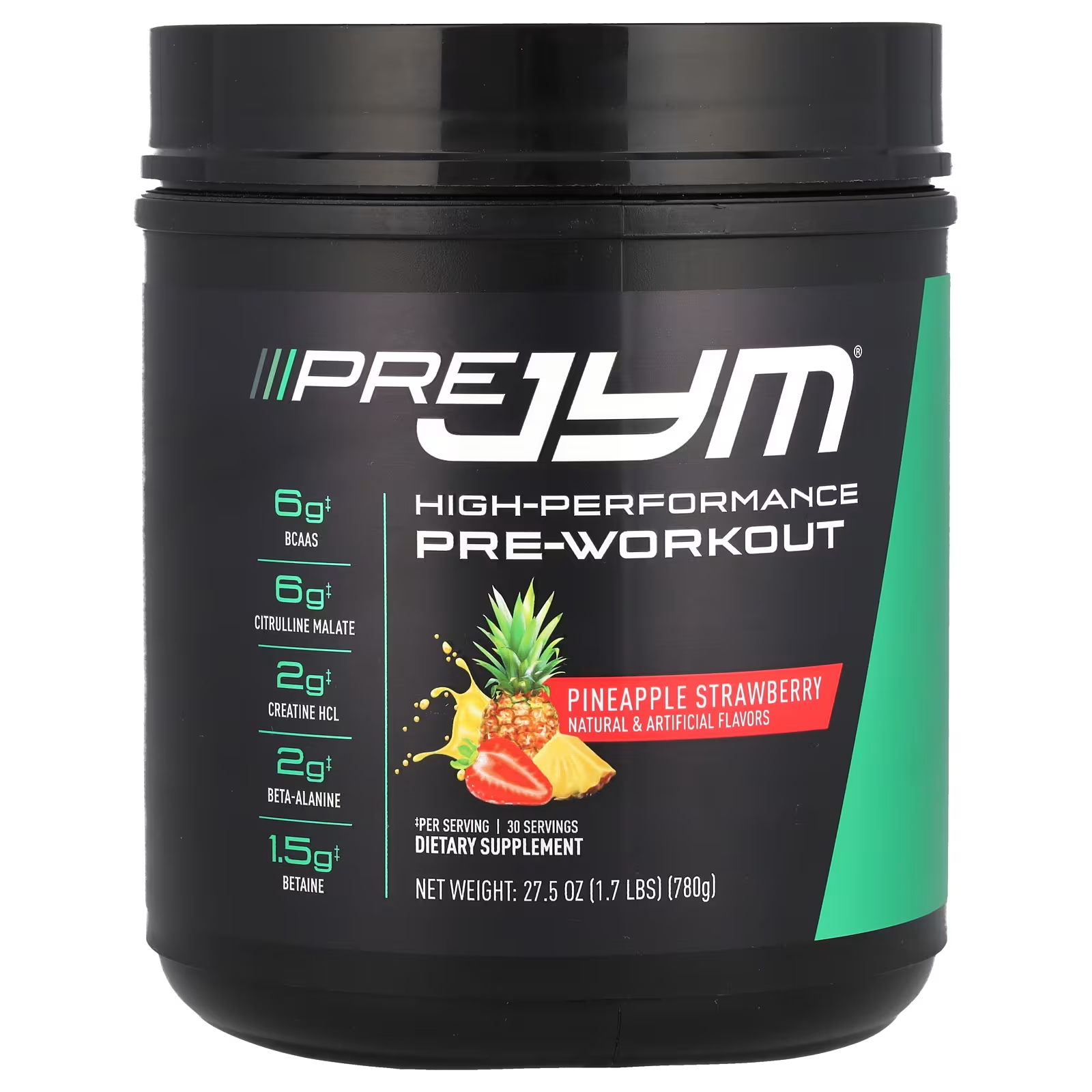
#7: Pre Jym by JYM Supplement Science

The Verdict: A Scientifically Complete Formula from a Industry Pioneer.

Dr. Jim Stoppani is a well-known figure in fitness science, and his Pre Jym product was designed to be the “complete” pre-workout. It’s a robust formula with a wide array of ingredients, all disclosed in a “Proprietary Matrix” that actually lists the amounts of each component—a step above traditional hidden blends.

  • Key Ingredients:
    • Creatine HCL (2g), Beta-Alanine (2g), Betaine (1.5g), Citrulline Malate (1g): The issue here is dispersion. While the total amount of ingredients is impressive, key components like Citrulline are significantly under-dosed compared to clinical standards when split across the recommended two scoops.
  • Why It’s #7: Pre Jym’s ambition is commendable. It tries to do everything: pump, strength, energy, focus. However, this “kitchen sink” approach means that some critical ingredients aren’t dosed high enough to be maximally effective. It’s a high-quality product that works well, but it’s expensive and doesn’t optimize the doses of its star players as effectively as our top picks.
Pre Jym by JYM Supplement Science

#8: Beast Sports Nutrition Beast Mode

The Verdict: A Potent Stimulant and Pump Experience.

Beast Mode is a popular choice for those seeking a powerful kick. It’s known for delivering intense energy and significant pumps, though it relies on a proprietary “Pump & Performance Matrix,” which limits our ability to fully validate its doses.

  • Key Ingredients (Blend):
    • L-Citrulline, Glycerol, Beta-Alanine: The combination is promising for pumps and endurance.
    • Caffeine (Amount varies by version): Beast Mode offers different stimulant levels, which is a nice feature.
  • Why It’s #8: User reports consistently praise the strong energy and solid pump effects. While the proprietary blend is a drawback, the product’s reputation and results place it in the conversation. It’s a step above more obscure brands but falls short of the transparency offered by the top half of our list.

#9: BSN NO-Xplode

The Verdict: A Classic Formula with Modern Updates.

Like C4, NO-Xplode is a classic in the pre-workout world. It has been reformulated over the years to keep up with trends. It provides a strong energy rush and a good pump, but it also contains a proprietary blend and some artificial ingredients.

  • Key Ingredients (Blend):
    • Contains a mix of Creatine, Beta-Alanine, and Citrulline, though specific doses are obscured.
  • Why It’s #9: NO-Xplode is effective. Many long-time users swear by it. However, in a modern market that values transparency, it’s hard to recommend it over brands that show you exactly what you’re paying for. It remains a solid, commercially successful product, but it’s been surpassed by more innovative and honest formulations.

#10: Old School Labs Vintage Blast

The Verdict: A “Natural” Feeling Pre-Workout for the Purist.

Old School Labs markets itself with a retro, clean-branding aesthetic. Vintage Blast follows suit, aiming for a more natural energy source from ingredients like Green Tea and Green Coffee Bean, alongside core performance ingredients.

  • Key Ingredients:
    • Citrulline Malate (3g): Under-dosed for optimal effect.
    • Beta-Alanine (2g): Also below the clinical dose.
    • Natural Caffeine (150mg): A moderate, clean dose.
  • Why It’s #10: Vintage Blast is a good option for those with a very low stimulant tolerance or who are wary of artificial ingredients. However, the under-dosing of its key active compounds limits its effectiveness for serious athletes seeking maximum performance. It’s a gentle introduction to pre-workouts but lacks the potency of higher-ranked products.

The Final Rep: Your Choice Depends on Your Goal

The “best” pre-workout is not a one-size-fits-all answer. It’s a tool, and you must choose the right tool for the job.

  • For the No-Compromise Athlete: Transparent Labs PreSeries BULK is your undisputed champion. Its transparency and optimally dosed formula are unmatched.
  • For the Focus-Seeking Mind: Legion Pulse provides a uniquely smooth, focused energy that is perfect for technical lifts or after-work training sessions.
  • For the Pump Enthusiast: Kaged Muscle Pre-Kaged and Jacked Factory Nitrosurge, with their added glycerol, will deliver unparalleled vascularity and muscle fullness.
  • For the Beginner: Optimum Nutrition Gold Standard Pre-Workout or Cellucor C4 Original offer a reliable, effective, and accessible entry point into the world of pre-workout supplementation.

No matter your choice, remember that a pre-workout is a supplement to a solid foundation: consistent training, impeccable nutrition, and adequate recovery. Use it wisely to enhance your efforts, not replace them. Now, go fuel that fire and crush your next workout.


Disclaimer: Always consult with a healthcare professional before beginning any new supplement regimen. The information contained in this article is for educational purposes only and is not intended as medical advice. Individual results may vary.

ashwaganda

Pharmacognostic Analysis of the 20 Most Common Adaptogens Reshaping Modern Wellness

20 most common adaptogens in the world. In the relentless theatre of modern high-performance culture, where the demands of cognitive acuity, emotional resilience, and sustained physical vitality perpetually escalate, a silent revolution is underway. It is not being waged solely in Silicon Valley biohacking labs or on the manicured floors of Wall Street, but has its roots deep in the ancient pharmacopeias of Traditional Chinese Medicine (TCM), Ayurveda, and other indigenous healing systems. This revolution is fueled by adaptogens—a class of non-toxic botanicals that singularly enhance the body’s systemic capacity to resist and adapt to stressors of all kinds, physiological and psychological.

The term, coined in 1947 by Soviet scientist Dr. Nikolai Lazarev and refined by his protégé, Dr. Israel I. Brekhman, has surged from obscurity into the lexicon of wellness connoisseurs and health professionals alike. The global adaptogen market, once a niche segment, is now projected to reach multi-billion dollar valuations, a testament to its burgeoning mainstream appeal. But beyond the marketing hyperbole and Instagram trends lies a sophisticated biochemical reality: these substances function as master regulators of the hypothalamic-pituitary-adrenal (HPA) axis, the body’s central stress response system.

This article provides a comprehensive exegesis of the twenty most common adaptogens, delineating their precise mechanisms of action, empirical benefits, and their potential to serve as a cornerstone for a more resilient and optimized human architecture.

ginseng adaptogen

The Mechanistic Paradigm: How Adaptogens Confer Resilience

To appreciate the efficacy of adaptogens, one must first understand the physiology of stress. The HPA axis is our primary neuroendocrine response system. Upon perceiving a stressor, the hypothalamus secretes corticotropin-releasing hormone (CRH), which signals the pituitary gland to release adrenocorticotropic hormone (ACTH). This, in turn, stimulates the adrenal glands to flood the system with cortisol, the primary “stress hormone.” While vital for the “fight or flight” response, chronic cortisol elevation is catastrophically dysregulating, leading to systemic inflammation, cognitive impairment, metabolic dysfunction, and immune suppression.

Adaptogens operate not by blocking this pathway, but by modulating it—a critical distinction. They are bidirectional or normalizing agents. Their sophisticated phytochemistry, rich in unique triterpenes, glycosteroids, and polyphenols, essentially “teaches” the HPA axis to respond to stressors more efficiently. If cortisol is too high, they help lower it; if the response is inadequate, they can potentiate it. This leads to a state of homeostasis or allostasis—achieving stability through change. Their primary mechanisms include:

  • HPA Axis Modulation: Regulating the production and release of CRH, ACTH, and cortisol.
  • Cellular Defense (Heat Shock Protein 70 Upregulation): Enhancing the production of proteins that protect cells from damage under duress.
  • Neuroendocrine-Immune System Interplay: Modulating the cross-talk between the nervous, endocrine, and immune systems, often via the master antioxidant pathway, Nrf2.

With this foundational understanding, we can now proceed to a detailed analysis of the twenty foremost adaptogens.


The Pantheon of Adaptogens: A Detailed Compendium

1. Ashwagandha (Withania somnifera)
The “King of Ayurvedic Adaptogens,” Ashwagandha (translation: “smell of a horse,” alluding to its vigor-imparting properties) is perhaps the most extensively researched adaptogen. Its primary bioactive compounds, withanolides, have been shown to significantly reduce serum cortisol levels in chronically stressed individuals.

  • Precise Action & Benefits: It functions as a potent GABA-mimetic, promoting anxiolytic (anti-anxiety) effects. Clinically, it demonstrates remarkable efficacy in improving resilience to stress, enhancing sleep quality, reducing anxiety, and improving thyroid function. It is particularly noted for its ability to bolster energy without stimulation, making it a premier choice for combating adrenal fatigue and burnout.

2. Rhodiola Rosea
Hailing from the arctic climates of Siberia and Scandinavia, Rhodiola is celebrated as a “stimulating” adaptogen. Its key active constituents, salidroside and rosavin, are critical to its function.

  • Precise Action & Benefits: Rhodiola primarily enhances cognitive function and physical endurance by optimizing the energy metabolism of neurons and muscle cells. It inhibits cortisol release during acute stress and increases levels of beta-endorphins and neuropeptides like NPY, which protect the brain from stress-related exhaustion. It is the quintessential adaptogen for overcoming fatigue and enhancing mental performance under pressure.

3. Panax Ginseng
Distinguished from other ginseng varieties, true Panax Ginseng (often called Korean or Asian Ginseng) is a cornerstone of TCM. Its active components, ginsenosides, are responsible for its wide-ranging effects.

Related Products

  • Precise Action & Benefits: Ginseng is a comprehensive tonic that enhances physical stamina, cognitive function, and immune competence. It works by modulating nitric oxide production, improving endothelial function and blood flow. It is particularly revered for its ability to increase vitality and combat general weakness and lethargy, especially in the elderly or convalescent.

4. Holy Basil (Ocimum sanctum)
Known as “Tulsi” in India, Holy Basil is revered as a sacred “Elixir of Life.” Unlike culinary basil, it is a potent adaptogen rich in eugenol, rosmarinic acid, and other bioactive compounds.

  • Precise Action & Benefits: Tulsi excels as an anti-inflammatory and immunomodulatory agent. It protects against toxic chemical stress and heavy metals by upregulating the body’s endogenous antioxidant systems (e.g., superoxide dismutase). It is exceptionally effective at promoting a calm, focused mind and supporting metabolic health, including healthy blood glucose levels.

5. Cordyceps (Cordyceps sinensis/militaris)
A unique fungal adaptogen that parasitizes insect larvae, Cordyceps has transitioned from a rare Himalayan find to a widely cultivated superfood. Its power lies in cordycepin and adenosine.

  • Precise Action & Benefits: Cordyceps is a master of aerobic capacity and energy production. It enhances adenosine triphosphate (ATP) production within the mitochondria, improving oxygen utilization. This makes it a premier ergogenic aid for athletes, increasing endurance and reducing fatigue. It also supports renal and respiratory function.

6. Eleuthero (Eleutherococcus senticosus)
Formerly mislabeled as “Siberian Ginseng,” Eleuthero is a distinct entity and was a key tool for Soviet scientists to enhance the performance of athletes and cosmonauts. Its eleutherosides are the key active molecules.

  • Precise Action & Benefits: Eleuthero is a classic endurance adaptogen. It enhances work capacity by improving the efficiency of metabolic pathways and mitigating feelings of fatigue. It is less stimulating than Rhodiola but provides a sustained, foundational energy boost and enhances immune surveillance, particularly against common viruses.

7. Reishi (Ganoderma lucidum)
The “Mushroom of Immortality” in TCM, Reishi is less of a direct stimulant and more of a deep immunomodulator and calming tonic. Its triterpenes (ganoderic acids) and beta-glucans are paramount.

  • Precise Action & Benefits: Reishi is profoundly calming to the nervous system, acting as a gentle sedative to improve sleep architecture. Its potent beta-glucans “train” the innate immune system, enhancing its response to pathogens while calming autoimmune overreactions. It is also a powerful supporter of hepatic detoxification pathways.

8. Licorice Root (Glycyrrhiza glabra)
A potent adrenal agent, Licorice Root must be used with precision due to its strong physiological effects. Glycyrrhizin is its primary, but not sole, active component.

  • Precise Action & Benefits: Licorice root inhibits the enzyme 11-beta-hydroxysteroid dehydrogenase, which breaks down cortisol. This prolongs the life of the body’s natural cortisol, providing support for depleted adrenals in cases of profound fatigue and burnout. Caution: Prolonged use can lead to hypertension and hypokalemia; deglycyrrhizinated licorice (DGL) is used for digestive support without these effects.

9. Schisandra (Schisandra chinensis)
A quintessential TCM berry known as the “five-flavor fruit,” Schisandra is a true harmonizer. Its lignans, such as schisandrin, are adaptogenic.

  • Precise Action & Benefits: Schisandra is a broad-spectrum hepatoprotective agent, shielding the liver from toxic insults. It enhances mental clarity and physical endurance while providing a gentle focusing effect. It is renowned for its ability to increase the body’s resistance to a vast array of stressors, both internal and external.

10. Maca (Lepidium meyenii)
A cruciferous root native to the Peruvian Andes, Maca is often classified as an adaptogen due to its hormone-balancing and energy-enhancing effects, though its mechanism is distinct.

  • Precise Action & Benefits: Maca is not a hormone itself but contains unique compounds called macaenes and macamides that support endocrine function. It is shown to improve libido, reduce symptoms of menopause, and enhance mood and energy, likely by supporting the health of the hypothalamic-pituitary axis rather than by supplying exogenous hormones.

11. Astragalus (Astragalus membranaceus)
A foundational herb in TCM, Astragalus is a deep immune modulator and Qi (vital energy) tonic. Its key constituents are astragalosides and polysaccharides.

  • Precise Action & Benefits: Astragalus potently stimulates the immune system by increasing the production and activity of white blood cells and interferon. It is a premier adaptogen for preventing illness and supporting recovery. It also demonstrates cardioprotective properties by supporting healthy inflammation response and endothelial function.

12. Shatavari (Asparagus racemosus)
The primary female tonic in Ayurveda, Shatavari translates to “she who possesses a hundred husbands,” hinting at its reputed vitality-promoting properties.

  • Precise Action & Benefits: Rich in saponins, Shatavari has a phytoestrogenic effect, helping to balance estrogen levels throughout the menstrual cycle and menopause. It soothes the digestive tract, supports the immune system, and has a calming, moistening nature that counteracts the drying, aggravating effects of chronic stress.

13. He Shou Wu (Polygonum multiflorum)
A revered Taoist tonic, He Shou Wu is legendary for its purported abilities to restore vitality, reverse gray hair, and promote longevity.

  • Precise Action & Benefits: Modern research indicates it is a powerful antioxidant and supports healthy liver and kidney function. It is used to combat general debility, lower cholesterol, and build “Jing” or essence in TCM, which is considered the deep, foundational energy reserve of the body.

14. Tulsi (See Holy Basil)
[Already covered above under ‘Holy Basil’]

15. Jiaogulan (Gynostemma pentaphyllum)
Dubbed “Southern Ginseng” for its growth patterns and effects, Jiaogulan is rich in gypenosides, which are structurally similar to ginsenosides.

  • Precise Action & Benefits: Jiaogulan is a powerful antioxidant that activates the AMPK enzyme, a regulator of cellular energy homeostasis often called the “metabolic master switch.” This confers benefits for metabolic syndrome, cardiovascular health, and longevity. It is also a calming adaptogen that reduces the physiological response to stress.
maca adaptogen

16. Chaga (Inonotus obliquus)
A black, charcoal-like conk growing on birch trees, Chaga is one of the highest known natural sources of antioxidants, particularly melanin and superoxide dismutase (SOD).

  • Precise Action & Benefits: Chaga is less of a direct HPA axis modulator and more of a powerful immunomodulator and antioxidant. Its immense ORAC (Oxygen Radical Absorbance Capacity) value means it excels at neutralizing oxidative stress, the cellular damage that underlies chronic disease and aging. It supports healthy inflammation response and gastrointestinal health.

17. Lion’s Mane (Hericium erinaceus)
While often categorized as a nootropic, Lion’s Mane possesses significant adaptogenic properties through its profound support of the nervous system.

  • Precise Action & Benefits: Its unique hericenones and erinacines stimulate the production of Nerve Growth Factor (NGF), a protein critical for the maintenance, survival, and regeneration of neurons. This makes it unparalleled for supporting cognitive function, memory, and nerve repair, while also calming anxiety and supporting a healthy gut-brain axis.

18. Suma (Pfaffia paniculata)
Often called “Brazilian Ginseng,” Suma is a comprehensive tonic. Its most notable constituent is beta-ecdysone, a phytosterol.

  • Precise Action & Benefits: Suma is traditionally used to combat fatigue, enhance immune function, and as a general revitalizer. It may support hormonal balance and has been studied for potential anti-tumor properties, though it is primarily valued as a broad-spectrum energy and vitality enhancer.

19. c (Moringa oleifera)
While a nutritional powerhouse first, Moringa’s high concentration of vitamins, minerals, and antioxidants allows it to function as an adaptogen by reducing the nutritional deficiencies that exacerbate stress.

  • Precise Action & Benefits: It provides a clean, sustainable energy boost by flooding the body with essential cofactors for mitochondrial energy production. Its anti-inflammatory and blood-sugar stabilizing properties further contribute to its ability to help the body manage physiological stress.

20. Turkey Tail (Trametes versicolor)
A ubiquitous polypore mushroom, Turkey Tail is one of the most extensively studied medicinal mushrooms for immune support.

  • Precise Action & Benefits: Its efficacy is driven by two key polysaccharide complexes: Polysaccharide-K (PSK) and Polysaccharide-Peptide (PSP). These compounds are validated adjuncts in oncology care, enhancing immune function and survival rates. They work by priming and modulating the innate and adaptive immune response.

Integration and Prudent Application

The sophisticated action of adaptogens is not a substitute for a poor lifestyle but a powerful adjunct to a foundation of adequate sleep, proper nutrition, and regular exercise. Their selection should be strategic, not casual.

  • For Burnout & Adrenal Fatigue: Ashwagandha, Licorice, Rhodiola
  • For Cognitive Performance & Focus: Rhodiola, Lion’s Mane, Panax Ginseng
  • For Athletic Performance & Endurance: Cordyceps, Rhodiola, Eleuthero
  • For Immune Modulation: Reishi, Astragalus, Turkey Tail, Chaga
  • For Hormonal Balance (Women): Shatavari, Maca
  • For Calm & Sleep: Ashwagandha, Reishi, Holy Basil

Crucially, consultation with a healthcare provider knowledgeable in phytotherapy is paramount, especially for those on medication, with pre-existing conditions, or who are pregnant or nursing. Quality is also non-negotiable; seek out extracts from reputable suppliers that utilize third-party testing for purity and potency.

Adaptogens as Signal Optimizers, Not Stimulants

A critical distinction often lost in popular discourse is that adaptogens do not force performance—they refine signaling fidelity. Unlike stimulants that override fatigue by artificially amplifying neurotransmitter release, adaptogens work upstream, improving the accuracy and efficiency of stress perception itself. By modulating receptor sensitivity, intracellular signaling cascades, and gene expression related to stress tolerance, adaptogens reduce biological “noise.” The result is not hyperarousal, but precision: sharper cognition without anxiety, energy without depletion, calm without sedation. This is why adaptogens tend to feel subtle at first yet transformative over time—their true power lies in recalibrating the system rather than shocking it.

The Adaptogenic Stack: Synergy Over Single-Herb Solutions

In traditional systems, adaptogens were rarely used in isolation, and modern research increasingly validates this combinatorial logic. When intelligently stacked, adaptogens exhibit synergistic effects across multiple physiological layers—neural, endocrine, immune, and mitochondrial. For example, pairing a calming HPA modulator like Ashwagandha with a mitochondrial enhancer like Cordyceps and a neurotrophic agent such as Lion’s Mane creates a multidimensional resilience profile that no single herb can achieve alone. This systems-based approach mirrors how the body itself operates: not in silos, but through dynamic, interdependent networks. Strategic stacking transforms adaptogens from passive tonics into active architects of resilience.

The Future of Resilience

Adaptogens represent a paradigm shift from reactive medicine to proactive enhancement of human resilience. They are not mere supplements but sophisticated biochemical tools that interface with our most fundamental stress-response pathways. As the pace of modern life continues to accelerate, the ancient wisdom encoded within these botanicals offers a promising path toward not merely surviving, but thriving. They provide a means to engineer a more robust human system, capable of maintaining equilibrium amidst the chaos, thereby unlocking sustained performance, health, and vitality—the ultimate competitive advantage.

protein information

Best value protein powder

Best value protein powder. Let’s cut through the noise. You’re in the supplement aisle or scrolling online, faced with a wall of tubs promising “massive gains,” “ultra-clean formulas,” and “superior absorption.” But for the savvy gym-goer, the real question isn’t just which one is best—it’s which one offers the best value.

Value isn’t just the lowest price tag. It’s the intersection of cost, quality, purity, and performance. It’s about getting the most muscle-building bang for your hard-earned buck. This guide breaks down the top contenders in the US and Canadian markets, giving you the knowledge to choose like a pro.

What Truly Defines “Value” in Protein Powder?

Before we compare brands, let’s establish the metrics. The best value protein powder should excel in:

  1. Cost Per Serving: The straightforward math. (Total Price / Number of Servings).
  2. Cost Per Gram of Protein: A more precise metric. A cheaper tub that uses fillers has a worse cost per gram than a purer, slightly more expensive one.
  3. Protein Quality: Measured by its amino acid profile, especially Leucine content (the key trigger for muscle protein synthesis), and digestibility (e.g., PDCAAS or DIAAS score).
  4. Purity & Ingredients: Does it have a “spiky” proprietary blend? Is it loaded with fillers, artificial sweeteners, or unnecessary carbs and fats? A clean label is part of the value.
  5. Taste & Mixability: Because if it tastes like chalky mud, you won’t drink it, and that’s the worst value of all ($0 return on investment).

The Contenders: US & Canada Showdown

Here’s a breakdown of the most popular products, with a specific look at the cross-border differences.

Best value protein powder

1. The Gold Standard: Optimum Nutrition (ON) Gold Standard 100% Whey

  • The Vibe: The consistent, reliable benchmark. It’s the best-selling whey protein in the world for a reason.
  • US Analysis:
    • Value: Excellent. Consistently well-priced at major retailers like Costco and Amazon.
    • Specs: ~24g of protein per 30g scoop, blend of whey isolate and concentrate. Low in carbs, fat, and sugar. Third-party tested for purity.
    • Cost/Gram: Typically around $0.04 – $0.045 per gram of protein.
    • Gym Society Verdict: The default choice for a reason. It’s not always the absolute cheapest, but its consistent quality, immense flavor variety (Double Rich Chocolate is a classic), and proven track record make it a top-tier value pick.
  • Canada Analysis:
    • The Catch: ON is significantly more expensive in Canada due to import costs and market dynamics.
    • Cost/Gram: Can range from $0.055 – $0.065 per gram, often 25-30% higher than the US.
    • Gym Society Verdict: Still a great product, but its value proposition isn’t as dominant as in the US. Canadian buyers should wait for sales at Popeye’s Supplement or Supplement Source.

2. The Budget King: MyProtein Impact Whey Protein

  • The Vibe: The direct-to-consumer disruptor. They cut out the middleman to offer aggressive pricing, especially with frequent discount codes (never buy at full price!).
  • US & Canada Analysis:
    • Value: Unbeatable on pure cost, if you buy on a 40-50% off sale.
    • Specs: Primarily whey concentrate. Offers both Whey (~$0.03-0.04/gram) and Whey Isolate (~$0.04-0.05/gram) options. Massive, massive flavor selection (read reviews first!).
    • The Trade-off: Flavors can be hit-or-miss. Some find the sweetness overwhelming. The base concentrate is less filtered than an isolate, so it has slightly more carbs/fat, but the protein content is still solid.
    • Gym Society Verdict: The undisputed champion for cost-per-gram. Ideal for the budget-conscious lifter who consumes protein frequently and doesn’t mind ordering online. Pro Tip: Buy a sample pack before committing to an 11lb bag of “White Chocolate Peanut Butter.”

3. The Premium Pure Play: Dymatize ISO 100 Hydrolyzed

  • The Vibe: The shredded athlete’s choice. If you’re dialing in for a cut, are lactose-sensitive, or want the fastest-absorbing protein, this is it.
  • US Analysis:
    • Value: Premium price for a premium product.
    • Specs: Hydrolyzed whey protein isolate. ~25g of protein, <1g of carbs/sugar/fat. Virtually lactose-free and famously easy to digest.
    • Cost/Gram: ~$0.06 – $0.08 per gram.
    • Gym Society Verdict: You’re paying for purity and speed. The value is there for those with specific needs: contest prep, serious lactose intolerance, or a post-workout shake where rapid absorption is the priority. The Gourmet Chocolate flavor is elite.
  • Canada Analysis:
    • Similar to ON, it carries a premium. Sales are your best friend.

4. The Plant-Based Powerhouse: Vega Sport Premium Protein

  • The Vibe: The elite plant-based option. Formulated specifically for athletes with a complete amino acid profile.
  • US & Canada Analysis:
    • Value: Plant-based proteins are inherently more expensive to produce. Vega is a premium brand, so you pay for it.
    • Specs: 30g of protein from a blend of pea, pumpkin seed, organic sunflower seed, and alfalfa protein. Includes 5g of BCAAs and 2g of Creatine HCL in the “Sport” version.
    • Cost/Gram: ~$0.07 – $0.09 per gram.
    • Gym Society Verdict: The best value in plant-based protein isn’t about cheapness; it’s about efficacy. For vegan athletes, the added BCAAs and creatine provide tangible performance benefits you’d otherwise have to buy separately, justifying the higher cost.

Learn more about whey protein

5. The Canadian Classic: Canadian Protein

  • The Vibe: The hometown hero. This is a direct-to-consumer Canadian company that has earned a cult following.
  • Canada Analysis:
    • Value: Exceptional. This is often the #1 value pick for Canadians.
    • Specs: They offer everything: whey concentrate, isolate, blend, vegan blends, and even beef protein. No proprietary blends; the formulations are transparent.
    • Cost/Gram: Roughly $0.035 – $0.045 per gram for whey, often beating MyProtein’s Canadian pricing.
    • Gym Society Verdict: For Canadians, this is frequently the final answer. The quality is high, the price is right, and it’s sourced within the country. The flavors are more straightforward (less “fruity pebbles”) but reliable. A must-check for any Canadian lifter.

The Hidden Cost of Cheap Protein: When “Value” Backfires

True value also means understanding what doesn’t show up on the label. Ultra-cheap protein powders often cut costs through excessive flavor systems, nitrogen spiking, or low-quality whey sourced from over-processed dairy streams. While the tub price may look attractive, poor digestibility, bloating, or inconsistent amino acid delivery can quietly undermine results—especially for athletes consuming protein multiple times per day. If a powder disrupts digestion or compliance, the real cost is stalled progress. A slightly higher-priced protein that digests cleanly, mixes well, and fits effortlessly into daily nutrition often delivers a far better long-term return.

Matching Protein Type to Use Case: The Value Multiplier Most People Miss

The smartest buyers don’t ask “Which protein is best?”—they ask “Which protein is best for this moment?” Whey isolate shines post-workout when rapid absorption matters. Whey concentrate offers unbeatable value for baking, smoothies, or between-meal supplementation. Plant-based blends work best when paired with meals to enhance amino acid utilization. When protein choice is aligned with timing and purpose, efficiency skyrockets. This strategic matching turns even mid-priced products into high-performance tools, maximizing muscle protein synthesis per dollar spent rather than relying on a single “do-it-all” powder.


The Final Scoop: How to Choose

  • For the US Lifter on a Budget: MyProtein (on sale) is your winner. ON Gold Standard is the reliable, great-tasting backup you can find anywhere.
  • For the US Lifter Wanting Purity: Dymatize ISO 100 is worth the investment for its specific benefits.
  • For the Canadian Lifter on a Budget: Canadian Protein is your champion. Check MyProtein.ca during deep sales to compare.
  • For the Canadian Lifter Wanting Convenience: Optimum Nutrition is everywhere, but wait for a BOGO 50% off deal at your local supplement store.
  • For the Vegan Athlete (Anywhere): Vega Sport provides the best functional value for recovery.

The Ultimate Gym Society Pro-Tip: Blend. Keep a premium isolate (like Dymatize) for your immediate post-workout shake and use a cost-effective concentrate (like MyProtein or Canadian Protein) for your daily smoothies or oatmeal. This strategic approach maximizes both your results and your wallet.

Stop overpaying for marketing. Let the grams, the dollars, and the labels guide you. Now go get that gain

gym equipment

Navigating Our Curated Collections: Find Your Perfect Fit

Understanding your needs is key to selecting the right equipment. We’ve organized our extensive inventory to help you find exactly what you’re looking for, whether you’re a seasoned athlete or a fitness novice.

1. Strength Training: The Cornerstone of Any Routine

Building strength is non-negotiable for boosting metabolism, improving bone density, and enhancing overall functional fitness. Our strength category is engineered for serious progress.

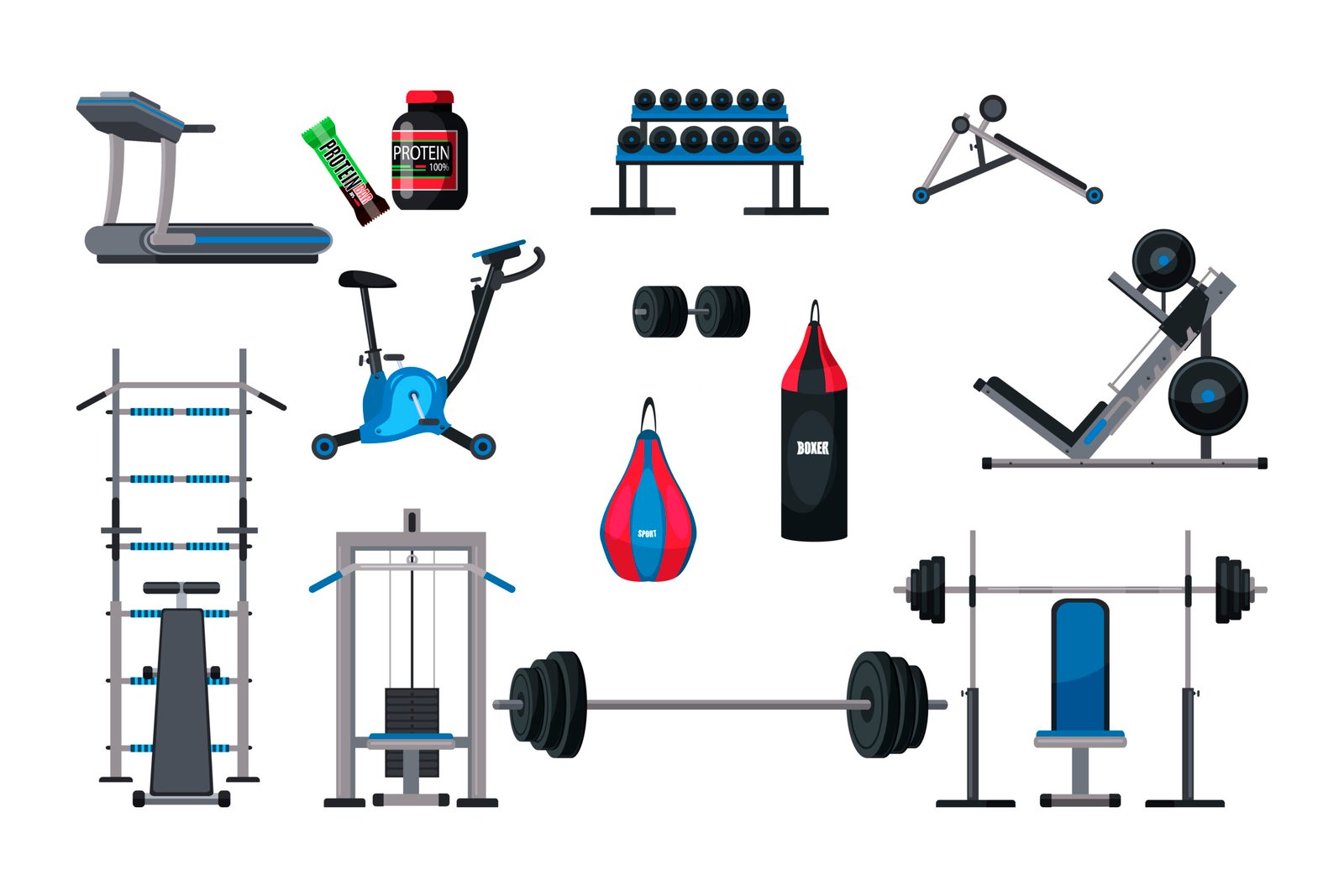
  • Power Racks & Squat Racks: The centerpiece of any home gym. Our racks are constructed from heavy-gauge steel and feature Westside spacing, secure safety arms, and pull-up bars, offering unparalleled safety for heavy lifts alone.
  • Barbells & Weight Plates: The heart of strength training. Discover a range of barbells—from aggressive knurling Olympic bars for heavy lifts to versatile multi-grip bars for joint-friendly training. Pair them with our cast iron, bumper, or urethane plates for a complete setup.
  • Dumbbells & Kettlebells: For unilateral training, accessory work, and dynamic movements. Choose from traditional rubber hex dumbbells, space-saving adjustable dumbbells, or classic iron kettlebells to add infinite variety to your workouts.
  • Benches: A flat bench is never just a flat bench. Our adjustable utility benches offer multiple inclines and declines, sturdy construction, and comfortable padding to support perfect form on presses, step-ups, and more.

2. Cardio Equipment: Engineered for Endurance and Heart Health

Elevate your cardiovascular health, boost your calorie burn, and improve your recovery with our range of commercial and home-use cardio machines.

  • Treadmills: From folding models for space-conscious homes to commercial-grade beasts with powerful motors and cushioned decks, find the perfect treadmill for walking, jogging, or sprinting.
  • Exercise Bikes: Experience the low-impact, high-intensity benefits of cycling. Explore our selection of upright bikes, comfortable recumbent bikes, and immersive indoor cycles designed for HIIT and endurance training.
  • Ellipticals & Rowers: Engage in full-body, smooth-motion cardio with our ellipticals, ideal for those with joint concerns. For the ultimate efficiency workout, our rowing machines provide a powerful combination of cardio and strength training in every stroke.

Check also: gym supplements reviews – step by step guide

3. Home Gym & All-In-One Solutions: Maximize Minimal Space

We specialize in smart solutions for the modern fitness enthusiast. You don’t need a sprawling warehouse to get a world-class workout.

  • Functional Trainers & Smith Machines: These space-efficient systems combine multiple stations into one footprint, offering cable crossovers, lat pulldowns, press arms, and guided barbell paths. They are the ultimate tool for versatility and efficiency.
  • Compact Options: We offer a wide array of foldable benches, compact racks, and modular equipment designed specifically for garages, apartments, and home offices where space is at a premium.
gym equipment

4. Accessories & Recovery: The Details That Make the Difference

The journey doesn’t end when the last rep is done. Enhance your performance and accelerate your recovery.

  • Flooring: Protect your equipment and your foundation with our high-density rubber flooring and mats. They dampen sound, absorb impact, and provide a stable, safe surface for lifting.
  • Recovery Tools: Speed up muscle repair and reduce soreness with foam rollers, massage guns, and resistance bands. These tools are essential for maintaining mobility and ensuring you’re ready for your next session.
  • Essentials: From weightlifting belts and wrist wraps for support to gym chalk and weight clips for safety, we have all the small gear that makes a big difference.

The Gym USA Store Difference: Why Train With Us?

In a crowded market, we stand by values that truly matter to our community.

  • Unbiased Expertise: Our team is comprised of fitness enthusiasts, certified trainers, and equipment specialists in gym equipment knowledge. We provide honest, unbiased advice to help you make the best decision for your goals and budget, not just the sale that makes us the most money.
  • Quality Over Quantity: We would rather carry ten exceptional products than one hundred mediocre ones. Our curation process is ruthless, focusing only on gear we would proudly use in our own homes.
  • Seamless Customer Experience: From the moment you browse our detailed product guides to the safe delivery of your equipment and our responsive after-sales support, we are committed to your complete satisfaction. We handle the logistics with care, so you can focus on the lifting.

Equipment Selection as a Long-Term Training Strategy

Choosing gym equipment is not just a purchasing decision—it is a long-term training strategy that shapes how you move, progress, and stay injury-free for years. Poorly matched equipment can quietly cap your strength gains, reinforce faulty movement patterns, or limit exercise variety as you advance. Conversely, well-selected gear evolves with you, supporting beginner fundamentals while remaining relevant at advanced stages. Adjustable racks, modular cable systems, and durable free weights create a training environment that adapts to changing goals—from fat loss and rehabilitation to hypertrophy and maximal strength—without forcing costly replacements down the line.

The Psychology of Training Environment and Equipment Quality

High-quality equipment does more than improve biomechanics—it fundamentally alters training psychology. Stability, smooth motion, and confidence in load-bearing components remove subconscious hesitation, allowing you to focus fully on effort and execution. This matters more than most realize. When equipment feels unreliable, the nervous system holds back; when it feels solid, the body commits. Over time, this trust compounds into better consistency, higher training intensity, and stronger habit formation. A well-equipped home or commercial gym becomes a performance space—not just a room with weights, but an environment that reinforces discipline, motivation, and long-term adherence.

Ready to Build Your Legacy?

Your fitness journey is a story of perseverance, discipline, and transformation. The equipment you train on should be a source of confidence, not a limitation.

At Gym USA Store, we provide the hardware for your hard work. We invite you to explore our collections, read our detailed product descriptions and buying guides, and invest in the tools that will empower you to become stronger, healthier, and more capable.

Build Your Home Gym. Equip Your Facility. Elevate Your Performance.

Welcome to Gym USA Store. Let’s Get to Work.


Nitric Oxide Boosters

What are Nitric Oxide Boosters and examples

In the relentless pursuit of optimal health, peak performance, and longevity, the scientific community continues to uncover the profound significance of molecules our body produces naturally. Among these, one simple gas—a mere two atoms—stands out for its vast and critical role in virtually every system within us: Nitric Oxide (NO).

Often hailed as the “miracle molecule,” nitric oxide is a fundamental signaling molecule that governs blood flow, oxygen delivery, energy levels, and neural communication. Its discovery and the subsequent understanding of its functions were so revolutionary that it earned the 1998 Nobel Prize in Physiology or Medicine for the three American researchers who identified its role in the cardiovascular system.

But our body’s natural production of NO can decline due to age, poor diet, lack of exercise, and high stress. This is where nitric oxide boosters come into play. This article will serve as your definitive guide, delving deep into what nitric oxide is, why it’s indispensable for your health, and the most effective, science-backed ways to boost its levels naturally.


Part 1: Understanding the Miracle Molecule – What is Nitric Oxide?

Before we explore the “boosters,” it’s crucial to understand what we’re trying to boost.

Nitric oxide is a gaseous signaling molecule, meaning it acts as a messenger within the body. It is produced by the endothelial cells that line your blood vessels (the endothelium). Think of the endothelium not as a simple lining, but as a sophisticated command center that regulates vascular tone, blood clotting, and immune function.

The primary function of nitric oxide is vasodilation—the relaxation and widening of blood vessels. When NO is released, it signals the smooth muscles in the vessel walls to relax. This expands the vessels, reducing blood pressure and dramatically increasing blood flow and oxygen delivery to every tissue and organ in the body.

This simple mechanism has cascading benefits:

  • Cardiovascular Health: Improved blood flow reduces pressure on the heart, lowers hypertension, and prevents plaque buildup by reducing arterial stiffness.
  • Exercise Performance: Enhanced blood flow delivers more oxygen and nutrients to working muscles, improving endurance, strength, and recovery. It also helps clear metabolic waste like lactate more efficiently.
  • Cognitive Function: The brain is an incredibly vascular organ. Better cerebral blood flow enhances neuroplasticity, memory, focus, and overall cognitive sharpness.
  • Immune Response: NO is a potent antimicrobial agent. Immune cells use it to attack and kill invading bacteria, viruses, and parasites.
  • Mitochondrial Biogenesis: NO plays a role in creating new mitochondria (the powerhouses of your cells), directly enhancing your energy production capabilities.
  • Sleep Quality and Libido: The mechanisms behind erectile function and certain aspects of sleep regulation are heavily dependent on healthy blood flow, which is governed by NO.
Nitric Oxide Boosters

The problem is that NO production is fragile. It peaks in our late teens and early twenties and then begins a steady decline. By age 40, most people produce only about 50% of the NO they did as a teenager. This decline is a primary contributor to age-related cardiovascular issues, lagging energy, and slower recovery.


Part 2: The Two Pathways to Nitric Oxide Production

To understand how boosters work, you must know the two primary biochemical pathways the body uses to create NO:

1. The L-arginine Pathway (NOS-dependent)
This is the classic pathway. The enzyme nitric oxide synthase (NOS) converts the amino acid L-arginine into NO and a byproduct called L-citrulline. This pathway is efficient but can be impaired. High levels of oxidative stress and inflammation create molecules called free radicals that break down NO faster than it can be produced, effectively shutting down this pathway.

2. The Nitrate-Nitrite-NO Pathway (NOS-independent)
This is a fascinating backup pathway that is not reliant on the NOS enzyme. It involves a process called the enterosalivary cycle:

  • You consume dietary nitrates (found in leafy greens and beets).
  • Gut bacteria convert these nitrates into nitrites.
  • When you swallow, these nitrites mix with saliva.
  • In the acidic, oxygen-poor environment of the stomach, these nitrites are converted into Nitric Oxide.
This pathway is crucial because it remains functional even when the L-arginine pathway is compromised by age or poor health. It is the primary target for many of the most effective natural boosters.


Part 3: A Deep Dive into Effective Nitric Oxide Boosters: Examples and Evidence

Nitric oxide boosters are compounds—either nutrients found in food or dietary supplements—that enhance the body’s ability to produce or utilize NO. They work by providing the raw materials (precursors) or by creating an environment that supports its production and prevents its breakdown.

Here are the most potent and well-researched examples:


1. Dietary Nitrates: The Power of Plants

This is arguably the most effective and direct way to boost NO via the nitrate-nitrite-NO pathway.

  • Beetroot: The undisputed champion of NO boosters. Beetroot is exceptionally high in inorganic nitrates. Numerous studies have shown that beetroot juice supplementation can significantly lower blood pressure, increase time to exhaustion during exercise by up to 16%, and reduce the oxygen cost of exercise, making movement feel easier.
  • Leafy Green Vegetables: Arugula (rocket), spinach, kale, Swiss chard, and celery are all nitrate-rich powerhouses. In fact, per gram, arugula often contains even more nitrate than beetroot.
  • Rhubarb and Celeriac: Other excellent, though less common, sources of dietary nitrates.

How to Use: Consuming 1-2 cups of these vegetables or a 2-4 oz shot of high-quality beetroot juice about 60-90 minutes before exercise can yield significant performance benefits. For general health, incorporating them daily is ideal.

2. L-Citrulline: The Superior Supplement

While L-arginine is a direct precursor, supplementing with it is often inefficient due to poor absorption and a “first-pass metabolism” effect where the liver breaks it down before it can reach circulation.

L-citrulline is a smarter choice. It is an amino acid that the kidneys convert into L-arginine, effectively raising your body’s L-arginine levels for a longer, more sustained period. This leads to a more robust and reliable increase in NO production. Studies show L-citrulline is excellent for reducing muscle soreness, improving athletic performance in both endurance and strength training, and supporting vascular health.

Dosage: A typical effective dose is 6-8 grams taken about an hour before exercise or daily for general health.

3. L-Arginine: The Classic Precursor

Despite its limitations, L-arginine is still a viable NO precursor. It can be effective, especially for those with specific cardiovascular concerns or endothelial dysfunction. However, for healthy individuals seeking performance benefits, L-citrulline is generally considered more effective. High doses of L-arginine (over 10 grams) can sometimes cause gastrointestinal distress.

4. Antioxidants: The Protectors

Remember, oxidative stress destroys NO. Therefore, one of the most powerful ways to “boost” NO is simply to protect what your body already makes. Antioxidants neutralize the free radicals that break down NO, effectively increasing its bioavailability and lifespan.

  • Vitamin C: A potent antioxidant that helps protect the endothelium and recycle other antioxidants like Vitamin E. It also supports the NOS enzyme.
  • Vitamin E: Protects cell membranes from oxidative damage.
  • Polyphenols & Flavonoids: Found in deeply colored fruits, vegetables, and certain beverages. Key examples include:
    • Pomegranate: Shown to enhance the activity of the NOS enzyme and protect NO from degradation.
    • Cocoa/Dark Chocolate (70%+): Rich in flavanols that improve endothelial function and stimulate NO production.
    • Green Tea: Contains epigallocatechin gallate (EGCG), a powerful antioxidant that supports vascular health.
    • Berries, Grapes, and Red Wine (in moderation): Contain resveratrol and other compounds that support NO synthesis.

5. Other Key Nutrients and Compounds

  • Pycnogenol (French Maritime Pine Bark Extract): This well-researched extract has been shown to significantly increase endothelial production of NO and improve blood flow. It often works synergistically with L-arginine or L-citrulline.
  • Garlic: Contains allicin, a compound that can stimulate NO production by activating nitric oxide synthase (NOS).
  • Omega-3 Fatty Acids (Fish Oil): Found in fatty fish and supplements, Omega-3s reduce inflammation and oxidative stress, creating a better environment for NO production. They also improve the flexibility of red blood cells, allowing them to flow more easily through dilated vessels.

Part 4: Lifestyle as the Ultimate Nitric Oxide Booster

Supplements and superfoods are powerful tools, but they are most effective when layered upon a lifestyle that inherently supports NO production.

Nitric Oxide Boosters
  • Exercise (Especially Aerobic): This is the most potent natural stimulus for NO production. The shear stress of blood flowing through your arteries during cardio exercise signals the endothelium to release more NO. This is why exercise is often called “medicine” for the cardiovascular system—it directly trains your endothelial cells to function better.
  • Sunlight Exposure: Exposure to sunlight, particularly UVA rays, on the skin can cause stored nitrites in the skin to be converted into NO and released into the bloodstream. This is a separate pathway entirely from diet and is a compelling reason for safe, regular sun exposure.
  • Nasal Breathing: Breathing through your nose, as opposed to your mouth, increases nasal nitric oxide production by up to 600%. Nasal NO is a potent vasodilator for the airways and lungs, improves oxygen uptake, and has antimicrobial properties. Practices like yoga and meditation that emphasize nasal breathing can support this.
  • Reducing Mouthwash: This is a surprising but critical point. Antibacterial mouthwashes kill the beneficial oral bacteria essential for the first step of the nitrate-nitrite-NO pathway. Overuse of mouthwash can obliterate your body’s ability to convert dietary nitrates into NO, potentially leading to increases in blood pressure. Use it sparingly.
  • Sleep and Stress Management: Chronic stress and poor sleep elevate cortisol and inflammation, which in turn increase oxidative stress and destroy NO. Prioritizing quality sleep and managing stress through mindfulness are foundational to maintaining healthy NO levels.

Part 5: Safety, Considerations, and the Big Picture

For most people, boosting nitric oxide through a diet rich in vegetables and a healthy lifestyle is incredibly safe and beneficial. However, there are a few considerations:

  • Blood Pressure Medication: Individuals on medication for hypertension (e.g., nitrates, ACE inhibitors) must consult a doctor before taking NO-boosting supplements. The combined effect could potentially lower blood pressure too much.
  • Kidney Health: Those with kidney disease should be cautious with amino acid supplements like L-arginine and L-citrulline, as impaired kidneys may not process them correctly.
  • “Beeturia”: Don’t be alarmed if your urine or stool turns pinkish after consuming beets; this is a harmless condition called beeturia, caused by the betalain pigments.

It’s also important to manage expectations. While the effects on blood pressure and exercise performance can be relatively rapid (within hours for dietary nitrates), rebuilding a compromised endothelial function is a long-term project requiring consistent habits.

The Nitric Oxide–Aging Connection: Why Vascular Youth Equals Biological Youth

One of the most overlooked aspects of nitric oxide is its role as a biological age regulator. While chronological age is fixed, vascular age—the functional age of your blood vessels—is highly modifiable, and NO sits at the center of that equation. Healthy endothelial cells produce NO efficiently, keeping arteries elastic, responsive, and resistant to damage. As NO declines, vessels stiffen, microcirculation deteriorates, and tissues become progressively under-oxygenated. This silent vascular aging precedes visible aging by decades, manifesting first as cold extremities, reduced exercise tolerance, slower wound healing, and diminished cognitive sharpness. From a longevity standpoint, maintaining NO production is less about short-term performance and more about preserving youthful cellular communication, capillary density, and metabolic efficiency across every organ system.

Nitric Oxide as a Metabolic Amplifier: Beyond Blood Flow

Beyond vasodilation, nitric oxide acts as a powerful metabolic signal amplifier. It directly influences insulin sensitivity by improving glucose uptake into muscle cells and enhancing mitochondrial respiration efficiency. When NO levels are optimal, cells require less oxygen to produce the same amount of ATP, effectively lowering metabolic strain. This partly explains why individuals with higher NO bioavailability often experience better body composition, more stable energy levels, and improved metabolic flexibility—the ability to switch efficiently between burning carbohydrates and fats. In this sense, nitric oxide is not merely a cardiovascular molecule; it is a master regulator that synchronizes circulation, metabolism, and cellular energy production into a single, coherent system.

Harnessing the Flow of Life

Nitric oxide is far more than a buzzword in the supplement industry. It is a fundamental pillar of human physiology, a keystone molecule that supports the health of your heart, brain, muscles, and immune system. The decline in its production is a key hallmark of aging, but it is not an irreversible fate.

By understanding the two pathways of NO production, you can strategically employ a combination of powerful tools:

  • Fueling the nitrate-nitrite pathway with beetroot and leafy greens.
  • Sustaining the L-arginine pathway with smart supplements like L-citrulline.
  • Protecting your existing NO with a rainbow of antioxidants.
  • Activating its production through the powerful stimuli of exercise, sunlight, and nasal breathing.

Ultimately, optimizing your nitric oxide levels is about embracing a holistic philosophy of health. It connects the food on your plate, the rhythm of your breath, the movement of your body, and the rest you give your mind. By consciously supporting this miraculous molecule, you are not just boosting a number—you are enhancing the very flow of life within you, paving the way for a more vibrant, energetic, and longer life.

gym guy struggling with weights

Is it possible to buy cheap, affordable whey protein in today’s us retail market?

In the grand amphitheater of fitness and nutritional wellness, few supplements have commanded the stage with the same unwavering dominance as whey protein. It is the quintessential post-workout elixir, the macronutrient cornerstone for muscle protein synthesis, and a ubiquitous presence in the pantries of athletes, bodybuilders, and health-conscious individuals alike. Yet, for all its celebrated efficacy, a persistent and pragmatic question echoes from the gym floor to the digital marketplace: Is it genuinely possible to procure cheap, affordable whey protein in today’s complex US retail market without sacrificing quality on the altar of economy?

The answer, nuanced and multifaceted, is a resounding yes—but it is a yes that demands discernment, strategic acumen, and a willingness to navigate beyond the gilded marketing of monolithic brands. This treatise is not merely a list of products; it is a sophisticated framework for intelligent consumption. We will deconstruct the very nature of whey, analyze the economic forces at play, and provide you with the analytical tools to become a savant of value, ensuring that your pursuit of physical optimization is matched by financial sagacity.

Deconstructing the Whey: Understanding What You Are Actually Buying

Before one can intelligently hunt for value, one must first understand the currency of quality. Whey protein is not a monolithic entity. Its production process and purity create a hierarchy that directly influences both its price and its physiological utility.

  1. Whey Protein Concentrate (WPC): The most common and typically most affordable form. It is created by filtering whey to remove a portion of the lactose and fat. It generally contains between 70-80% protein by weight, with the remaining 20-30% comprising carbohydrates (lactose), fats, and minerals. For those without lactose sensitivities, WPC offers an exceptional balance of bioavailable protein and cost-effectiveness. The “cheap” whey protein that is still high quality will almost always be a WPC or a blend where WPC is the primary ingredient.
  2. Whey Protein Isolate (WPI): Subjected to further processing (typically cross-flow microfiltration or ion exchange), isolates remove almost all the lactose and fat, resulting in a product that is 90% protein or higher. This makes it ideal for the lactose-intolerant and those on strict calorie/carbohydrate-restricted diets. This purity comes at a premium, placing it in a higher price bracket.
  3. Whey Protein Hydrolysate (WPH): Often referred to as “pre-digested” whey, hydrolysate undergoes enzymatic hydrolysis to break the protein down into smaller peptides. This theoretically allows for faster absorption. It is the most expensive form and is often found in medical protein supplements and specialized sports nutrition products. For the average consumer, the marginal benefit rarely justifies the significant cost increase.

The Takeaway: The most direct path to affordability is to embrace a high-quality Whey Protein Concentrate. The notion that isolate is inherently “superior” is a misconception; it is simply different, catering to specific dietary needs. For the majority of the population, a well-produced WPC provides identical muscle-building benefits at a markedly lower cost per gram of protein.

The Algorithm of Affordability: Calculating True Value

The most common error consumers make is comparing the price of tubs instead of the price of protein. A massive 5lb tub of Brand A for $49.99 seems like a better deal than a 2lb tub of Brand B for $34.99. But is it?

You must become a relentless analyst of the Cost Per Serving and, more importantly, the Cost Per Gram of Protein.

  • Tub A: 5lbs (approx. 2268g) / 30g serving size = ~75 servings. $49.99 / 75 servings = $0.67 per serving. Each serving has 24g of protein. $0.67 / 24g = ~$0.028 per gram of protein.
  • Tub B: 2lbs (approx. 907g) / 30g serving size = ~30 servings. $34.99 / 30 servings = $1.17 per serving. Each serving has 25g of protein. $1.17 / 25g = ~$0.047 per gram of protein.

Tub A provides protein at nearly half the cost per gram. This simple calculation is your most powerful weapon in cutting through marketing hype and identifying genuine value. Always look for the “Servings Per Container” and “Protein Per Serving” on the label before considering the flashy tub price.

Related Products

The Retail Landscape: Where to Find Legitimate Whey Protein for Sale

The US market is a vast ecosystem of retailers, each with its own advantages and pitfalls.

1. The Online Behemoths: Amazon & Supplement Giants

  • Amazon: The undisputed king of selection and convenience. Its algorithm is both a blessing and a curse.
    • Pros: Unbeatable variety, frequent sales (Prime Day, Black Friday), subscriber discounts (Subscribe & Save), and rapid customer reviews for social proof.
    • Cons: The platform can be a minefield of counterfeit or “frankenstein” products from third-party sellers. Always ensure you are buying “Ships from and sold by Amazon.com” or the official brand store. Use the price-per-gram calculation to compare across countless brands instantly.
  • Dedicated Online Supplement Retailers: Websites like Bodybuilding.com, Vitamin Shoppe, and GNC.com are specialists.
    • Pros: Often have exclusive deals and flavors, robust loyalty programs (e.g., Vitamin Shoppe’s Healthy Awards), and expert customer service. Their “clearance” or “overstock” sections can be goldmines for deep discounts on excellent products nearing their best-by date.
    • Cons: Prices can sometimes be higher than Amazon unless a promotion is running.

2. The Brick-and-Mortar Experience: GNC & Vitamin Shoppe

  • Pros: The ability to see and purchase a product immediately. Staff can often provide knowledgeable advice. They frequently run “Buy One, Get One 50% Off” (BOGO50) or even “Buy One, Get One Free” (BOGO) promotions, which, when calculated, can offer the absolute best value available anywhere.
  • Cons: Regular walk-in prices are almost always significantly higher than online. Only purchase in-store when a major promotion is active.

3. The Value Vanguards: Big-Box & Warehouse Clubs

  • Costco, Sam’s Club, BJ’s Wholesale: These are perhaps the most potent allies in the quest for affordable whey. They leverage their colossal buying power to secure exclusive deals with major manufacturers.
    • Pros: They often sell massive (5-6lb) tubs of high-quality WPC or blends from reputable brands like Optimum Nutrition (Gold Standard 100% Whey), Dymatize, or their own exceptional premium house brands (e.g., Orgain Organic Protein or MuscleTech’s exclusive packages) at a cost-per-gram that decimates standard retail. A $65 5lb tub at Costco is almost always a better value than a $50 2lb tub elsewhere.
    • Cons: Limited selection of brands and flavors. Requires a membership fee.

4. The Direct-to-Consumer (DTC) Disruptors
A new class of brands has emerged, cutting out the middleman to deliver value. Companies like Myprotein and Levels sell primarily through their own websites.

  • Pros: By eliminating the retailer margin, they can offer extremely competitive prices, especially with introductory discounts and frequent site-wide sales (Myprotein is notorious for offering 40-50% off almost perpetually). They often offer unflavored options, which are usually the cheapest per gram.
  • Cons: You must buy blind without the ability to see it in a store first. Shipping times can vary.
whey protein option to buy cheaper in US

The House Brand Revelation: Embracing the Unsung Heroes

The single most effective strategy for finding cheap, high-quality whey protein is to shed brand allegiance and explore the premium house brands of reputable retailers. The stigma once associated with “generic” supplements is largely obsolete.

  • Costco’s Kirkland Signature Protein: Routinely lauded by fitness communities and independent lab tests as being a top-tier product that rivals—and often surpasses—the quality of more expensive brands, at a fraction of the cost.
  • Target’s Orgain Organic Protein: A leader in the organic, clean-label space, offering fantastic value for a specialized product.
  • Walmart’s Body Fortress and Six Star: While positioned as budget options, they provide a functional product. Scrutinize the labels, as some formulas may have more fillers, but the protein content is legitimate and extremely affordable.
  • Online Retailer Brands: Bodybuilding.com’s BodyFit, Myprotein’s Impact Whey, and Vitamin Shoppe’s True Athlete line are all examples of high-quality, rigorously tested products sold without the exorbitant cost of celebrity endorsements and global advertising campaigns.

These products are cheap not because they are inferior, but because their marketing budgets are microscopic compared to their overhead. The savings are passed directly to you.

Strategic Timing: The Art of the Purchase

The savvy consumer does not buy whey protein when they need it; they buy it when it is on sale. The market is cyclical.

  • Black Friday / Cyber Monday: The absolute pinnacle of supplement discounts. This is the time to stock up for 6-12 months.
  • New Year’s Resolution Season (Jan-Feb): Prices are competitive as retailers battle for the influx of new fitness enthusiasts.
  • Prime Day (Summer): Amazon’s summer sale event features significant discounts on major brands.
  • End-of-Financial-Quarter Sales: Many online retailers offer site-wide discounts to meet sales targets (often March, June, September, December).
whey protein for sale cheaper possible?

A Curated Shortlist: Exemplars of Value (Circa 2025/2026)

While specific prices fluctuate, the following brands consistently rank high in the value-to-quality ratio within the US market:

  1. Optimum Nutrition Gold Standard 100% Whey (Costco/Sam’s Club Version): The benchmark for quality, available in bulk at club stores for a phenomenal price.
  2. Dymatize Elite Whey Protein (on Amazon Sale): A superb blend that frequently appears on lightning deals.
  3. Myprotein Impact Whey Protein: The king of customizable, direct-to-consumer value, especially with a discount code.

  4. Kirkland Signature Whey Protein (Costco): The undisputed champion of outright value and quality in a single package.

  5. MuscleTech Nitro-Tech Whey Gold (BOGO50 at GNC/Vitamin Shoppe): A premium product that becomes very affordable when its frequent buy-one-get-one-half-off promotions are applied.

Seealso: the most affordable whey protein today in US territory

The Ingredient List Decoder: Spotting Value Through Transparency, Not Just Price

Beyond the cost-per-gram calculation lies a more subtle indicator of true value: the ingredient list. A premium-priced whey with a clean, minimalist label (whey protein concentrate, sunflower lecithin, natural flavors, stevia) may actually represent better long-term value than a cheaper product padded with fillers like maltodextrin, corn syrup solids, or excessive gums and thickeners. These additives artificially inflate the serving size and scoop volume while diluting the actual protein content per gram of powder. A savvy consumer runs a second calculation: divide the protein grams per serving by the total powder weight per serving. A 30g scoop with 24g of protein (an 80% yield) is inherently a more honest and efficient product than a 40g scoop with the same 24g of protein (a 60% yield). This “purity percentage” reveals which brands are selling you protein and which are selling you air and fillers, making the true cost of your purchase strikingly clear.

The Flavoring Premium: How Your Taste Preferences Inflate the Price

One of the most significant yet overlooked drivers of whey protein cost is flavoring technology. An unflavored, unsweetened whey concentrate is the commodity; everything added to it is a markup. Natural flavors, sweetener systems (stevia, sucralose), and especially complex, branded “gourmet” flavor profiles (cinnamon churro, mocha cappuccino) add substantial cost. The pursuit of affordability often means making a sensory compromise. Opting for a straightforward chocolate or vanilla from a value brand, or better yet, purchasing unflavored whey and adding your own cocoa powder or flavor drops, can reduce your cost by 20-40% overnight. This approach not only saves money but also gives you complete control over sweetness and eliminates exposure to proprietary flavor blends that may include unwanted additives, turning your protein into a truly customizable kitchen staple rather than a pre-fabricated luxury item.

The Subscription Gambit: Automating Savings vs. Surrendering Flexibility

Many retailers push subscription models promising an additional 10-20% discount, framing it as the ultimate path to affordability. This can be a genuine value hack for a product you use consistently, but it’s also a powerful lock-in mechanism that can cost you more in the long run. By subscribing, you forfeit the ability to capitalize on the deeper, flash-market discounts discussed in the article (Black Friday, clearance sales, or a sudden BOGO at a competitor). You also risk accumulating surplus if your training intensity or diet changes. The strategic approach is to use the subscription price as your new baseline for comparison shopping, not as the final word. If you can find a one-time purchase elsewhere that beats your subscription’s effective price-per-gram—even after the subscription discount—you’ve outmaneuvered the system. True affordability requires maintaining the freedom to pivot, ensuring you’re always buying at the absolute market bottom, not just at a predictable, automated discount.

The Final Synthesis: A Protocol for the Discerning Consumer

The quest for affordable whey protein is not a hopeless endeavor but a winnable game of strategy. Arm yourself with this protocol:

  1. Identify Your Need: Unless you are lactose intolerant, prioritize Whey Protein Concentrate.
  2. Embrace the Calculation: Let Cost Per Gram of Protein be your primary metric. Ignore the allure of the big tub and focus on the nutrition label.
  3. Explore House Brands: Give the Kirkland Signature, Orgain, and True Athlete brands of the world a chance. They are the market’s worst-kept secret.
  4. Shop the Sales, Not the Need: Plan your purchases around major sale cycles. Buy in bulk during these periods.
  5. Leverage All Channels: Check club stores, online retailers, and brick-and-mortar promotions simultaneously before purchasing. A five-minute price comparison can save you 40%.
  6. Prioritize Reputable Sellers: Whether online or in-store, ensure you are buying from an authorized distributor to guarantee authenticity and purity.

In conclusion, the modern US retail market does not merely allow for the procurement of affordable, high-quality whey protein; it is, in fact, overflowing with opportunity for the educated consumer. The value is not hidden but exists in plain sight, waiting for those who are willing to move beyond brand mythology and embrace the empowering principles of informed economic choice. The perfect whey protein for sale, balancing impeccable quality with remarkable value, is not a myth—it is a purchase awaiting your discerning execution.

gym supplements consumption today

Bodybuilding and fitness supplements for sale – good affordable deals

Bodybuilding and fitness supplements for sale. Scroll through any fitness influencer’s page, and you’ll see it: a lineup of neon-colored potions, fat-burning “boosters” with proprietary blends, and enough pre-workout to power a small city. The supplement industry banks on this: selling you the dream of a shortcut, often at a premium price.

We’re here to talk about the quiet workhorse. The unsexy, clinically-dosed, and profoundly effective supplement that most beginners ignore and savvy veterans never skip.

It’s not a stimulant. It doesn’t come with a proprietary blend. And right now, we’ve found some surprisingly affordable deals on it.

But first, let’s break the cycle.

The “Shiny Object” Trap in Fitness Supplements

Most supplement marketing is designed to target your emotions, not your intellect. They sell:

  • The Burn: Fat burners with “explosive” thermogenic properties.
  • The Rush: Pre-workouts with ever-increasing stimulant cocktails.
  • The Blitz: Testosterone boosters with exotic herbal extracts.

The problem? The evidence for many of these is shaky at best. You’re often paying for the marketing, the flavoring, and the promise, not the results.

Meanwhile, sitting on the bottom shelf, often in a plain white bottle, is a supplement with decades of robust scientific research proving its benefits for muscle recovery, strength gains, and even sleep quality.

We’re talking about Creatine Monohydrate.

Boring? Maybe. Effective? Absolutely.

Related Products

Why Creatine Monohydrate is the King of Value

Forget what you think you know. Creatine isn’t just for hulking bodybuilders. It’s one of the most researched compounds in sports nutrition, and the data is overwhelmingly positive.

  1. It Actually Works: Study after study confirms creatine supplementation increases strength, power output, and lean muscle mass. It helps you push that one extra rep, which is where real growth happens.
  2. It’s Incredibly Safe: The “creatine is bad for your kidneys” myth has been thoroughly debunked for healthy individuals. It’s naturally found in red meat and fish!
  3. It’s Dirt Cheap: Compared to the cost of most supplements, creatine monohydrate offers the best return on investment, gram for gram. A few months’ supply often costs less than a single tub of branded pre-workout.
  4. It’s Simple: No proprietary blends, no mystery ingredients. Just pure, micronized creatine monohydrate. You take 3-5g daily. That’s it. No loading phase needed.

How to Spot a Good Deal (And Avoid a Bad One)

A “good deal” isn’t just the lowest price. It’s about value, purity, and trust. When hunting for creatine (or any supplement), look for:

  • Creapure® or Similar Certification: This is a patented form of creatine monohydrate known for its exceptional purity and quality. It’s a mark of trust.
  • Micronized: This means the powder particles are finer, making it much easier to mix into water, juice, or a shake without clumping.
  • Third-Party Testing: The brand should test for contaminants and ensure label accuracy. This is non-negotiable.

The Strategic Complement: How Creatine Elevates Every Other Aspect of Your Regimen

While creatine stands powerfully on its own, its true genius lies in its role as a universal performance amplifier that makes your entire fitness ecosystem more effective. Consider this: creatine’s primary mechanism is increasing phosphocreatine stores in muscle, which rapidly regenerates ATP—your body’s immediate energy currency. This means that every rep, sprint, or jump is fueled more efficiently. Practically, this transforms the value of your other investments. That premium protein powder you buy is utilized more effectively because you’re able to train with greater intensity, creating a stronger stimulus for muscle protein synthesis. Your carefully planned training program yields better results because you can consistently hit or exceed your target reps and loads. Even your recovery is enhanced, as higher quality workouts lead to more efficient neuromuscular adaptations. In this way, creatine isn’t just a supplement; it’s a force multiplier that raises the ceiling on everything else you’re doing, making it the most strategic first addition to any stack.

The Cognitive Edge: The Underrated Brain Benefits for the Modern Athlete

The conversation around creatine is overwhelmingly muscular, but emerging research reveals a compelling parallel benefit: it’s a potent nootropic. Your brain is a voracious consumer of ATP, particularly during periods of stress, sleep deprivation, or intense cognitive demand—conditions familiar to anyone balancing training, work, and life. Studies show creatine supplementation can improve short-term memory, processing speed, and reduce mental fatigue. For the fitness enthusiast, this translates to better focus during complex training sessions, improved mind-muscle connection, and enhanced resilience against the cognitive fog that often accompanies heavy training cycles or caloric deficits. This dual physical-and-mental return on investment is unparalleled in the supplement world. You’re not just buying muscle fuel; you’re investing in a clearer, more resilient mindset for both the gym and the daily grind, making its value proposition truly holistic.

The Purity Paradox: Why the Simplest Form Is Often the Most Expensive to Produce Correctly

The article rightly highlights Creapure® as a gold standard, but understanding why reveals a critical consumer lesson: in supplements, purity and simplicity are often premium features, not budget concessions. Producing a contaminant-free, consistently dosed, and rapidly dissolvable creatine monohydrate requires sophisticated manufacturing and rigorous quality control that many generic suppliers skip. Cheaper options may use inferior synthesis methods leading to higher levels of creatinine (a breakdown product) or contaminants like dicyandiamide. They may also use larger particle sizes to save on milling costs, resulting in a gritty, poorly mixing powder. When you pay for a certified, micronized product from a reputable brand, you are paying for this assurance—the guaranteed absence of harmful impurities, the bioavailability, and the user experience. This creates the “purity paradox”: the most basic, single-ingredient supplement on the shelf can also be one where the quality spectrum is widest, making discernment and a slight premium the true cost-saving choices in the long run.
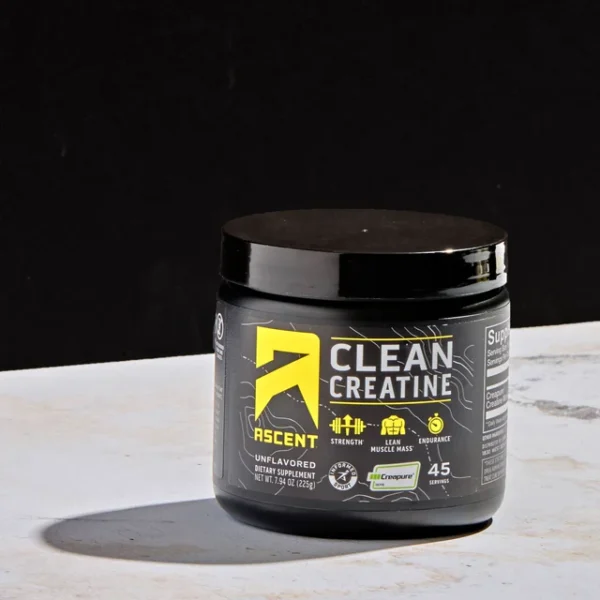
Your Curated List of Smart, Affordable Buys

We’ve done the legwork to find deals that offer genuine value—trusted brands that prioritize purity without the outrageous markup. These are the workhorses, not the show ponies.

If you’re ready to invest in a supplement that will actually contribute to your gains, skip the hype and start here.

Click Here to See Our Curated List of Affordable, High-Quality Creatine Deals

We’ve vetted the options so you don’t have to. Stop paying for the marketing; start paying for the results.

What’s your experience with creatine? Did it live up to the hype for you? Let us know in the comments below!

bodybuilding steroids

The Forged Physique: A Scientific and Ethical Examination of Steroids in Bodybuilding

n the realm of iron and sweat, where the pursuit of the ideal physique is a relentless endeavor, two distinct paths wind towards the summit. One is a steep, grueling, and often slow climb, governed by the immutable laws of human biology. The other is a deceptive express elevator, offering a rapid and spectacular ascent, but with a hidden, potentially catastrophic cost to the structural integrity of the building itself.

This is the fundamental dichotomy of bodybuilding: natural versus enhanced. The conversation is often mired in moralistic judgment, misinformation, and sensationalism. To navigate it requires stripping away the dogma and examining the cold, hard facts of endocrinology, physiology, and long-term health outcomes. This article is a deep dive into the science of anabolic-androgenic steroids (AAS), their profound effects on the human body, the sobering realities documented by studies, and the cautionary tales written in the lives of those who chose the accelerated path.

Chapter 1: The Natural Blueprint – The Limits of Human Potential

To understand the impact of steroids, one must first appreciate the magnificent yet finite machinery of the natural human body.

The Endocrine System: The Master Conductor

Muscle growth, or hypertrophy, is not merely a product of lifting weights. It is a complex hormonal symphony conducted by the endocrine system. The key players are:

  • Testosterone: The primary male sex hormone and a potent anabolic (tissue-building) agent. It increases protein synthesis, enhances neuromuscular function, and aids in recovery. Natural testosterone levels are regulated by the hypothalamic-pituitary-gonadal (HPG) axis through a delicate negative feedback loop. The hypothalamus releases GnRH, which signals the pituitary to release LH and FSH, which in turn stimulate the testes to produce testosterone. High levels of testosterone tell the hypothalamus and pituitary to slow down production, maintaining homeostasis.
  • Growth Hormone (GH) and Insulin-like Growth Factor 1 (IGF-1): Secreted by the pituitary gland, GH stimulates the liver to produce IGF-1. Together, they promote cell growth, proliferation, and regeneration across various tissues, including muscle and bone.
  • Cortisol: The primary catabolic (tissue-breaking) stress hormone. It breaks down muscle protein for energy, especially during intense training or caloric deficit. The natural bodybuilder’s goal is to maximize anabolic signals (testosterone, GH) while minimizing catabolic ones (cortisol).

Check also: how steroid use can influence men sexual performance

bodybuilding steroids usa informations

The Natural Ceiling: The Myth of Linear Gains

The concept of a “genetic potential” is not bro-science; it is a physiological reality. Based on factors like bone structure, muscle belly length, and innate hormonal levels, every individual has a maximum amount of muscle mass they can naturally carry at a low body fat percentage. This is often modeled by Lyle McDonald’s Maximum Muscular Potential (MMP) formula:

  • FFMI (Fat-Free Mass Index): FFMI = (Lean Mass in kg) / (Height in meters)²
  • A natural, drug-free male with exceptional genetics and years of dedicated training might achieve an FFMI of around 25-26. An FFMI exceeding 28 is a strong indicator of probable AAS use.

This ceiling exists because the body fiercely defends homeostasis. Progress is not linear; it follows a diminishing returns curve. The first year of proper training might yield 10-15 lbs of muscle. The second year, perhaps 5-7 lbs. After 4-5 years, gaining 2-3 lbs of pure muscle in a year is a monumental success. This slow, grinding process is the natural reality.

Chapter 2: The Steroid Engine – Hacking the Endocrine System

Anabolic-androgenic steroids are synthetic derivatives of testosterone. Their use is a deliberate attempt to bypass the body’s natural regulatory systems and create a perpetual anabolic environment.

The Mechanistic Triad: How AAS Work

  1. Dramatically Increased Protein Synthesis: AAS flood the muscle cell’s androgen receptors, acting as a constant “build now” signal. This drastically accelerates the rate at which the body can repair and build new muscle tissue, far beyond natural capabilities. A 1996 study in the New England Journal of Medicine provided a classic example: men given 600mg of testosterone enanthate per week (a supraphysiological dose) gained over 13 lbs of lean body mass without even lifting weights, while the placebo group saw no change.
  2. Enhanced Recovery Capacity: This is arguably the most significant advantage. Training breaks down muscle. Recovery rebuilds it. Natural athletes are limited by their natural cortisol and testosterone levels. With AAS, the enhanced athlete can:
    • Train more frequently (hitting muscle groups 2-3 times per week instead of once).
    • Train with higher volume and intensity every session.
    • Experience drastically less muscle soreness (DOMS).
    • This allows for a quantum leap in the overall stimulus and, consequently, muscle growth.
  3. Neurological and Metabolic Advantages: AAS increase red blood cell production, improving oxygenation and endurance. They also enhance neuromuscular efficiency, allowing for greater force production and heavier weights lifted. Furthermore, they possess anti-catabolic properties by blocking the action of cortisol on muscle cells.

The “Stack” and the “Cycle”: Pharmacological Engineering

Users don’t typically take one steroid. They create “stacks” – combinations of multiple compounds – and use them in “cycles” (periods of use followed by periods of abstinence). A typical stack might include:

  • base compound like Testosterone Enanthate for steady anabolic effect.
  • bulking oral like Dianabol for rapid mass and strength gains.
  • cutting compound like Trenbolone or Winstrol to preserve muscle while dieting, due to its nutrient partitioning effects.

This is a far cry from the simplistic image of a single “needle”; it is a complex, self-administered hormonal experiment.

bodybuilding steroids usa informations

Chapter 3: The Inevitable Cost – The Scientific Literature on Adverse Effects

The anabolic effects of AAS are undeniable. The detrimental effects are equally proven and far more wide-ranging. The body’s systems are interconnected; you cannot profoundly alter one without impacting the others.

1. Cardiovascular System: The Ticking Time Bomb

This is the most well-documented and dangerous area of concern.

  • Dyslipidemia: AAS consistently and severely negatively impacts cholesterol. They significantly decrease HDL (“good” cholesterol) by 40-70% and increase LDL (“bad” cholesterol). This dramatically accelerates atherosclerosis (plaque buildup in arteries), increasing the risk of heart attack and stroke. A study in Circulation found that powerlifters using AAS had HDL levels as low as 7 mg/dL (healthy is >40 mg/dL).
  • Hypertension: AAS cause water and sodium retention, leading to increased blood pressure, placing constant strain on the heart and vessels.
  • Cardiac Remodeling: Long-term AAS use is linked to left ventricular hypertrophy (thickening of the heart wall), which can lead to diastolic dysfunction and eventually heart failure. It also induces fibrosis (scarring) of the heart muscle, making it more prone to arrhythmias (irregular heartbeats).
  • Pro-thrombotic State: AAS increase the risk of blood clots, which can lead to pulmonary embolism or stroke.

2. Endocrine System: Shutting Down the Factory

The HPG axis’s negative feedback loop is brutally efficient. Introducing external testosterone tells the brain the body has enough, so it shuts down its own production.

  • Hypogonadism: Natural testosterone production plummets to zero. This leads to testicular atrophy (shrunken testes). Crucially, this shutdown is not always reversible. Many users never regain their natural pre-cycle testosterone levels, leading to a lifelong dependence on testosterone replacement therapy (TRT).
  • Infertility: Suppressed LH and FSH halt spermatogenesis. AAS are a leading cause of male infertility, which can also become permanent.
  • Estrogenic Side Effects: Via the aromatase enzyme, excess testosterone converts to estrogen. This can lead to gynecomastia (development of breast tissue in men), which is often irreversible without surgery.

Check the Supplements

3. Hepatic (Liver) Damage:
Oral steroids, specifically 17-alpha-alkylated compounds (e.g., Dianabol, Anadrol, Winstrol), are particularly hepatotoxic. They can cause:

  • Elevated liver enzymes (indicating stress/inflammation).
  • Cholestasis (disruption of bile flow).
  • Peliosis hepatis (blood-filled cysts in the liver).
  • Hepatic adenomas (tumors) and hepatocellular carcinoma (cancer).

4. Psychiatric and Neurological Effects:
Androgen receptors are densely populated in the brain. Altering their chemistry has profound effects.

  • “Roid Rage”: While exaggerated, it has a basis in science. AAS can cause increased aggression, irritability, and anxiety, particularly in individuals with a predisposition. The fluctuation of hormones during a cycle is a key trigger.
  • Addiction: AAS are addictive. Users can become dependent on the muscle, the strength, and the confidence, leading to continued use despite adverse consequences. Withdrawal can bring severe depression linked to crashed testosterone levels.
  • Body Dysmorphic Disorder (BDD): The pursuit of perfection becomes pathological. Even massively muscular individuals may see themselves as small and weak (“bigorexia”), driving further, more dangerous use.

Chapter 4: Faces of the Phenomenon – Real-Life Examples

The science is abstract until it is given a human face. The history of bodybuilding is, unfortunately, also a case study in the consequences of pharmacological escalation.

The Tragic Archetypes:

  • Andreas Münzer (1966-1996): The extreme example. An Austrian bodybuilder known for his freakish conditioning and vascularity. His autopsy revealed a body utterly ravaged by polypharmacy. His liver and kidneys were severely damaged, his electrolytes were catastrophically imbalanced, and his heart was enlarged and weakened. He died of fatal hemorrhaging from multiple organ failure at age 29. His physique was a testament to what AAS could achieve; his death was a testament to what they could destroy.
  • Rich Piana (1971-2017): A modern-era influencer who was radically transparent about his 20+ years of steroid and growth hormone use. He openly discussed his “whatever it takes” philosophy, using immense doses. He died at 46 after collapsing at home. While the official cause was listed as an enlarged heart with cardiopulmonary arrest, his own videos detailed his struggles with heart issues, kidney problems, and the daily physical toll of his lifestyle. He served as a walking, talking (and often shocking) documentary of the long-term price.
  • Mike Mentzer (1951-2001): While his death at 49 was officially from a heart attack, and he advocated for brief, intense training, his era was one of heavy AAS use. The premature deaths of many icons from the “Golden Era” (including Mentzer, his brother Ray, and others) point to a pattern of cardiovascular strain that cannot be ignored.

The Nuanced Reality: The “Healthy” User?
It is intellectually dishonest to claim every user drops dead. Some individuals use lower doses, undergo rigorous medical monitoring (blood work, echocardiograms), and mitigate risks with ancillary drugs (e.g., Arimidex to control estrogen, statins for cholesterol). They may appear healthy for years. However, this is not without risk. They are playing a high-stakes game of genetic lottery. The subclinical damage—the arterial stiffness, the myocardial fibrosis—often accumulates silently until it presents as a sudden, major event. They are managing risk, not eliminating it.

bodybuilding steroids usa informations

Chapter 5: The Expert Advice – A Sober Assessment

If you are considering this path, this is not a moral plea but a risk assessment from a place of knowledge.

  1. Get Your Natural House in Order First: Before you even think about exogenous hormones, you must maximize your natural potential. This means:
    • 5+ years of consistent, periodized training.
    • Mastering your nutrition: hitting protein goals, managing calories for goals.
    • Prioritizing sleep (7-9 hours) and stress management.
    • If you haven’t done this, you have no business using PEDs. You are seeking a chemical shortcut for a discipline problem.
  2. Understand It’s a Permanent Decision: The idea of “just one cycle” is a fantasy for most. The dramatic results are addictive. The shutdown may be permanent. You may be signing up for a lifetime of TRT needles and blood tests.
  3. Health is Non-Negotiable – Get Blood Work:This is mandatory. You need comprehensive pre-, mid-, and post-cycle blood work:
    • Lipid Panel (HDL, LDL, Triglycerides)
    • Hormonal Panel (Total Test, Free Test, LH, FSH, Estradiol, Prolactin)
    • Metabolic Panel (Liver Enzymes AST/ALT, Kidney markers)
    • PSA (Prostate-Specific Antigen)
    • Complete Blood Count (CBC) (to check hematocrit)
      Without this, you are flying blind into a hurricane.
  4. Have a Post-Cycle Therapy (PCT) Plan: A protocol (often involving SERMs like Nolvadex or Clomid) to attempt to restart natural testosterone production. Its success is not guaranteed.
  5. The Ethical Dimension: Are you competing in tested federations? You are cheating. Are you portraying a drugged physique as natural on social media? You are perpetuating a dangerous lie that destroys the self-esteem of young men and warps the standard of what is achievable naturally.

Read more interesting facts: Myths and Facts in Bodybuilding

The Hidden Metabolic Paradox: Why Steroids Break the Natural Energy Balance Equation

One of the most profound yet under-discussed effects of steroids is their ability to fundamentally alter the laws of metabolic thermodynamics that govern natural athletes. A natural bodybuilder operates within a tight energy balance equation: to build muscle, one must consume a caloric surplus, a significant portion of which is inevitably stored as fat. To reveal muscle, one must endure a grueling caloric deficit, during which some hard-earned muscle is catabolized for fuel. This push-pull between growth and definition is the central challenge of natural training. Steroids shatter this paradox. Compounds like Trenbolone and Masteron act as powerful nutrient partitioners, directing a greater percentage of consumed calories toward muscle tissue and away from fat stores, even in a surplus. This allows enhanced athletes to achieve the seemingly impossible: gaining lean mass while simultaneously shedding body fat. This metabolic “cheat code” not only accelerates results but creates physiques of simultaneously extreme size and conditioning that are biomechanically unattainable naturally, fundamentally warping the aesthetic standards of the sport.

The Epigenetic Legacy: The Potential for Transgenerational Impact

While the acute effects of AAS on the user are well-documented, emerging research points to a more haunting, long-term consequence: the potential for epigenetic changes that could affect future generations. The endocrine system is a master regulator of genetic expression, and forcibly altering it with supraphysiological hormone levels may trigger epigenetic modifications—chemical tags that turn genes on or off without changing the DNA sequence. Animal studies have shown that AAS exposure can alter gene expression patterns related to stress response and behavior in offspring. For the human user, this raises a disturbing, though not yet fully understood, possibility: that the choice to use steroids could echo beyond their own health, potentially influencing the hormonal health, metabolic function, or even behavioral predispositions of their future children. This transforms the risk assessment from a purely personal gamble to one with implications for a family lineage.

The Psychological Dependency on a Synthetic Self

Beyond physical addiction, AAS use fosters a profound psychological dependency on a synthetic self—an identity built upon a pharmacologically maintained physique and the neurological effects of altered androgen levels. The “confidence” users report is not purely psychological; it’s a neurochemical state induced by flooding the brain’s androgen receptors. Coming off-cycle doesn’t just mean losing muscle; it means the collapse of this chemically-derived identity, often plunging the individual into a state of depression, anxiety, and dysmorphia more severe than their pre-use baseline. This creates a terrifying feedback loop: the drugs are used to escape the negative self-image they themselves ultimately worsen. The user becomes trapped, not by the fear of losing size, but by the terror of confronting the unmedicated version of themselves they have come to despise. This psychological prison, where the key is also the lock, is one of the most insidious and enduring costs of the enhanced path.

Redefining the Summit

The choice between natural and enhanced bodybuilding is not simply about muscle. It is a philosophical decision about what you value in the journey.

The natural path is one of patience, discipline, and humility. It is about forging a physique that is a testament to your work ethic within the bounds of your genetic blueprint. The victory is in the incremental progress, the mastery of habit, and the long-term sustainability of health. The physique achieved may be less spectacular, but it is authentically and wholly yours.

The enhanced path is a Faustian bargain. It trades long-term health for short-term spectacle. It offers a physique that is, in a very real sense, a pharmacological artifact. The victory is measured in pounds on the bar and inches on the arms, but the cost is tallied on medical charts and in the silent, incremental stress on vital organs.

Both require immense work. But only one path allows you to truly enjoy the rewards of that work into old age. The true summit of bodybuilding is not a certain measurement or a trophy; it is a lifetime of health, strength, and vitality. By that measure, the natural path, though steeper and slower, is the only one that leads to a peak you can stand on forever.

gnc shop walk in premises in USA top brand

The Ultimate Guide: Top 10 Physical Walk-In Supplement Stores in the US

In an era dominated by e-commerce and next-day delivery, the physical retail store might seem like a relic. Yet, for the health and wellness enthusiast, the walk-in supplement store remains an indispensable destination. There is an undeniable value in holding a product, consulting with a knowledgeable staff member face-to-face, and walking out with your purchase in hand, ready to begin your regimen immediately.

The American supplement industry is a behemoth, valued at over $50 billion, and a significant portion of that revenue flows through physical retail locations. These stores are more than just points of sale; they are community hubs, education centers, and trusted advisors for millions on their fitness and wellness journeys.

This definitive guide profiles the top 10 physical walk-in supplement brands and retailers in the United States. We will delve into their corporate history, market presence, financial standing, the premier brands they carry, and the unique value propositions that have cemented their status as industry leaders. Whether you’re a seasoned athlete, a wellness newbie, or a researcher like ourselves, this article provides the critical insight needed to navigate the complex landscape of supplement retail.


1. GNC (General Nutrition Centers)

The Industry Titan and Household Name

If you think of a supplement store, you likely picture GNC. As the largest global specialty retailer in the sector, GNC is synonymous with vitamins and performance nutrition for generations of Americans.

  • History & Overview: Founded in 1935 by David Shakarian in Pittsburgh, Pennsylvania, as a small health food store called “Lackzoom,” the company focused on yogurt and health foods. It expanded rapidly, rebranding to General Nutrition Centers in the 1960s. GNC pioneered the mall-based supplement store model and grew to dominate the industry through franchising. It has navigated bankruptcy (Chapter 11 in 2020) and emerged under new ownership, restructuring to stay competitive in the modern market.
  • Turnover & Scale: Pre-bankruptcy, GNC reported annual revenues consistently hovering around $2.5 billion. While private since its acquisition by Harbin Pharmaceutical Group Holding Co., Ltd., it remains a colossal force with approximately 4,000+ locations across the United States and a strong international presence.
  • Brands They Carry: GNC operates a powerful multi-tiered brand strategy.
    • Proprietary Brands: This is their cornerstone. This includes:
      • GNC LiveWell: Their standard line of vitamins, minerals, and herbs.
      • GNC Sports: A comprehensive line of pre-workouts, protein powders, BCAAs, and creatine targeted at athletes.
      • GNC AMP: A line of scientifically advanced products with patented ingredients.
      • GNC GENETIC™: A personalized vitamin and supplement program based on DNA testing.
    • Third-Party Brands: They carry all the major national brands, including Optimum Nutrition (Gold Standard Whey is a flagship product), MUSCLETECH, Cellucor, JYM Supplement Science, BSN, and many more. They often have exclusive deals with these brands for specific product formulations or launch windows.
  • Key Differentiator: The GNC Gold Card™ membership program offers members significant discounts and points on purchases, creating a loyal customer base. Their extensive physical footprint makes them the most accessible store for most Americans.
gnc shop walk in premises in USA top brand us

2. The Vitamin Shoppe

The Wellness-Focused Powerhouse

Often seen as GNC’s primary competitor, The Vitamin Shoppe has carved out a distinct identity by focusing more on overall wellness and a wider array of lifestyle brands, while still maintaining a robust sports nutrition section.

  • History & Overview: Founded in 1977 by Jeffrey Horowitz in North Bergen, New Jersey, The Vitamin Shoppe differentiated itself with a large-store format, offering a broader selection than typical mall kiosks. It went public in 2009 and was later acquired by private equity firm Liberty Tax in 2019 for approximately $208 million. It is known for its well-organized, warehouse-style stores and highly trained staff.
  • Turnover & Scale: As a private company, exact figures are not disclosed, but its last public revenue reports were in the range of $1.2-$1.4 billion annually. It operates over 700 company-owned stores across the U.S.
  • Brands They Carry: The Vitamin Shoppe boasts a massive catalog of over 800 brands.
    • Proprietary Brands:
      • The Vitamin Shoppe®: Their core line of vitamins, minerals, and supplements.
      • BodyTech®: Their value-driven sports nutrition line, offering high-quality protein, pre-workouts, and more at competitive prices.
      • Platinum Naturals®: A premium line focused on superior forms and absorption.
      • True Athlete®: A line of sports supplements that are certified NSF for Sport®, meaning they are free of banned substances, crucial for competitive athletes.
    • Third-Party Brands: They carry an enormous selection, including Garden of Life, NOW Foods, Nature’s Way, Jarrow Formulas, Orgain, Ancient Nutrition, Vega, and all the major sports brands like Optimum Nutrition and Dymatize. They are particularly strong in clean, organic, and non-GMO product lines.
  • Key Differentiator: A strong emphasis on staff education through their “Health Enthusiast” training program. Their focus on overall wellness, including specialty diets (Keto, Paleo, Vegan), sets them apart. The “Healthy Awards” program is a popular customer reward system.
vitamin shoppe shop supplements premises usa top brands

3. Sprouts Farmers Market

The Fresh & Healthy Hybrid Grocer

While not a dedicated supplement retailer, Sprouts has become a major destination for health-conscious shoppers seeking supplements in a grocery environment. Their model blends fresh produce with a extensive vitamin department.

  • History & Overview: Sprouts was founded in 2002 in Chandler, Arizona, and has grown rapidly through mergers and organic expansion. It is a healthy-living grocery store offering fresh, natural, and organic products at affordable prices. Their large supplement sections are integrated into the store layout.
  • Turnover & Scale: A publicly traded company (NASDAQ: SFM), Sprouts reported net sales of $6.5 billion in 2023. They operate over 400 stores in 23 states, with a significant concentration in the Sun Belt.
  • Brands They Carry: Sprouts focuses heavily on natural, clean, and lifestyle-oriented brands.
    • Proprietary Brands: Their store brand is prominent throughout the store, including in the supplement aisle, offering a wide range of vitamins and supplements at a value price point.
    • Third-Party Brands: They excel in carrying brands like Megafood, New Chapter, Garden of Life, Vital Proteins, Sports Research, Zhou Nutrition, and a vast selection of powders (collagen, protein greens), and essential oils. They are less focused on hardcore bodybuilding brands and more on general wellness and natural sports nutrition.
  • Key Differentiator: The ability to shop for whole foods and supplements in one trip. Their staff often has cross-functional knowledge of food and supplements. Frequent promotions and sales make their supplement aisles highly competitive with dedicated retailers.

Check also: 20 biggest supplements producers in USA

Sprouts farmers market also carry a gym supplements array of products

4. Whole Foods Market (Amazon)

The Gold Standard in Natural & Organic Retail

As the leading natural and organic grocery chain, Whole Foods Market sets a high bar for quality and curation. Their supplement department is meticulously vetted, aligning with their strict company-wide quality standards.

  • History & Overview: Founded in 1980 in Austin, Texas, Whole Foods grew from one store to a national phenomenon, defining the natural foods movement. Its acquisition by Amazon in 2017 for $13.7 billion dramatically expanded its reach and logistical capabilities while maintaining its brand identity.
  • Turnover & Scale: As part of Amazon, its specific revenue is not broken out, but it contributes significantly to Amazon’s physical store segment, which reported $20 billion in 2022. Whole Foods operates 500+ stores across the U.S., Canada, and the UK.
  • Brands They Carry: Whole Foods is famous for its “Whole Foods Market Quality Standards” for body care and supplements. They ban high-risk ingredients, making them a trusted source.
    • Proprietary Brands: The Whole Foods Market™ brand includes a full spectrum of vitamins, minerals, and herbal supplements.
    • Third-Party Brands: They are highly selective, featuring premium brands like Dr. Mercola, Nordic Naturals, Gaia Herbs, Standard Process, Designs for Health, Pure Encapsulations, and a carefully chosen selection of sports nutrition brands that meet their quality criteria.
  • Key Differentiator: Unmatched quality control and a trusted environment for shoppers wary of contaminants or unwanted additives. The synergy with Amazon Prime offers members exclusive deals and discounts in-store.
Whole Foods Market also sale supplements in usa

5. Vitamin World

The Resilient Comeback Story

A familiar name that has faced significant challenges, Vitamin World has restructured and is making a concerted effort to reclaim its place in the market with a focus on value and innovation.

  • History & Overview: Originally founded in the 1970s, Vitamin World grew to become one of the largest specialty retailers. It filed for Chapter 11 bankruptcy in 2017, closing many stores. The brand and intellectual property were acquired by Parachute Health, which has been revitalizing the brand through a mix of e-commerce and physical retail.
  • Turnover & Scale: As a privately held company under new ownership, financials are not public. At its peak, it operated over 300 stores. The current physical footprint is smaller but strategic, with plans for growth.
  • Brands They Carry: Vitamin World’s strategy leverages its legacy while adapting.
    • Proprietary Brands: This is their core focus. The Vitamin World brand is their flagship, covering everything from basic multivitamins to advanced formulations. They are known for their “3-Way Action” calcium and other signature products.
    • Third-Party Brands: They carry a selective range of national brands to complement their own lines, though the selection is not as vast as GNC or Vitamin Shoppe. You will find popular proteins and pre-workouts alongside their offerings.
  • Key Differentiator: A strong legacy of product development and a focus on providing high-quality proprietary formulas at a strong value proposition. Their comeback story is centered on innovation and customer loyalty.
Vitamin World supplements for sale

6. Local/Regional Supplement Chains (The Specialists)

Beyond the national giants, several powerful regional chains offer exceptional service, deep community roots, and expert knowledge. Here are two prime examples:

A. Supplement Superstores

The Bodybuilding Mecca

A legendary chain in the bodybuilding community, Supplement Superstores is the destination for hardcore enthusiasts and professional athletes, primarily in Southern California and Nevada.

  • History & Overview: Founded by bodybuilding icon Chris Cormier and partners, this chain was built by athletes, for athletes. Their stores are massive warehouses filled with every conceivable supplement, often featuring live appearances by fitness celebrities.
  • Turnover & Scale: A private company, financials are undisclosed. They have a focused presence with several large-format stores in key California and Nevada markets.
  • Brands They Carry: They have the most comprehensive and hardcore selection anywhere. They carry every major brand (Ghost, Animal, Redcon1, Blackstone Labs, Mutant, etc.) and countless emerging and niche brands that other retailers don’t stock. They are often the first to get new product launches.
  • Key Differentiator: Unparalleled selection and authentic, expert staff who are often competitive bodybuilders themselves. The environment is designed for the serious lifter.

B. Max Muscle Sports Nutrition

The Franchise Model with a Personal Touch

Max Muscle operates on a franchise model, allowing individual store owners to deeply integrate into their local communities. They emphasize personalized nutrition plans and coaching.

  • History & Overview: Founded in 1991, Max Muscle has grown to over 100 franchise locations across the country. Their model combines retail with personalized service, offering body composition testing and custom nutrition plans.
  • Turnover & Scale: As a franchisor, their revenue comes from franchise fees and wholesale product sales to franchisees. The collective network does significant volume, estimated in the tens of millions.
  • Brands They Carry:
    • Proprietary Brands: The Max Muscle line is their primary focus, developed with their “Max R&D” team. This includes proteins, pre-workouts, fat burners, and vitamins.
    • Third-Party Brands: They also carry a curated selection of top national brands to provide customers with choice.
  • Key Differentiator: The personalized coaching aspect. Customers often go for a “Max Fit Camp” consultation, making it more than a store—it’s a personalized nutrition resource.

Related Products

7. Pharmaca Integrative Pharmacy

The Blending of Conventional and Complementary Medicine

Pharmaca offers a truly unique model: a full-service pharmacy staffed by licensed pharmacists alongside a curated selection of supplements, natural beauty products, and wellness experts.

  • History & Overview: Founded in 2000 in Boulder, Colorado, Pharmaca’s mission was to bridge the gap between traditional pharmacy and integrative medicine. It was acquired by McKesson Corporation in 2021, expanding its potential reach.
  • Turnover & Scale: Private, with undisclosed financials. They operate over 20 stores in key markets like California, Colorado, Oregon, New Mexico, and Washington.
  • Brands They Carry: The selection is premium and practitioner-grade.

    • They focus on top-tier brands like Pure Encapsulations, Metagenics, Ortho Molecular Products, Integrative Therapeutics, and Wellements. You won’t find many mass-market bodybuilding brands here.
  • Key Differentiator: The ability to consult with a pharmacist or naturopathic doctor on staff about potential drug-nutrient interactions and to get professional-grade recommendations. It’s a clinical, trusted environment.

8. The Fresh Market

The Upscale, Curated Grocery Experience

Similar to Whole Foods but with a distinct, smaller-format, upscale feel, The Fresh Market offers a well-edited selection of high-quality supplements alongside gourmet foods.

  • History & Overview: Founded in 1982 in Greensboro, North Carolina, The Fresh Market focuses on a European-style market experience with a emphasis on customer service and high-end products.
  • Turnover & Scale: A public company that was taken private in 2016 by Apollo Global Management. It operates 159 stores in 22 states, primarily in the Southeast and Midwest.
  • Brands They Carry: Their selection is limited but high-quality, focusing on natural and lifestyle brands like Vital Proteins, HUM Nutrition, Olly, and a selection of their own private-label vitamins.
  • Key Differentiator: A less overwhelming, more curated shopping experience for gym supplements in US. It’s for the shopper who wants a trusted brand in a pleasant environment without hundreds of options to sift through.

9. CVS Pharmacy & Walgreens

The Mass-Accessibility Giants

No list of physical retailers is complete without acknowledging the sheer scale and convenience of drugstore chains like CVS and Walgreens. Their supplement aisles are among the most shopped in the country due to pure convenience.

  • History & Overview: These are historic American pharmacy chains with thousands of locations, often open 24 hours. They have massively expanded their wellness and vitamin sections over the past two decades.
  • Turnover & Scale:
    • CVS Health: Revenue of $357 billion in 2023 (includes health insurance and pharmacy services). Over 9,000 retail locations.
    • Walgreens (WBA): Revenue of $139 billion in 2023. Over 8,500 locations in the US.
  • Brands They Carry:
    • Extensive Private Label: Both have powerful store brands (CVS Health and Walgreens Brand) that cover the vast majority of basic supplement needs.
    • National Brands: They carry a wide array of national brands like Nature Made, Nature’s Bounty, Bayer, Quest Nutrition, and Alani Nu. The selection is geared toward general wellness rather than specialized sports nutrition.
  • Key Differentiator: Ubiquity and convenience. They are everywhere and often open late. Their loyalty programs (ExtraCare at CVS, myWalgreens) offer deep discounts and rewards, making supplements very affordable.
CVS also sale supplements

The Hidden Financial Architecture: How Store Brands Fuel the Retail Giants

Beyond the shelves of national brands lies the true economic engine of these retailers: their proprietary product lines. For chains like GNC, The Vitamin Shoppe, and CVS, store-brand supplements are not just an additional offering—they are a critical margin fortress and a tool for customer lock-in. These products, developed through white-label manufacturers with retailer-specific formulations, typically deliver profit margins 2-3 times higher than third-party brands. This financial model allows retailers to invest in staff training, expansive real estate, and membership programs. For the consumer, this creates a strategic paradox: while store brands often provide exceptional value and quality matching their national counterparts, their exclusivity also subtly discourages price comparison across retailers. Understanding this dynamic empowers you to recognize when a “Gold Standard” store-brand protein represents a smart value versus when investing in a specialized third-party formulation is worth the premium.

The Experience Spectrum: From Transactional to Transformational Retail

Physical supplement stores operate across a broad spectrum of customer engagement, which directly correlates to their value proposition. On one end, mass retailers like CVS and Walgreens offer transactional efficiency—supplements are commoditized, self-service items in an aisle, purchased alongside groceries and prescriptions. In the middle, specialists like GNC and The Vitamin Shoppe provide consultative curation, where staff (with varying expertise) help navigate a vast selection toward a specific goal. At the premium end, destinations like Pharmaca and Max Muscle deliver transformational guidance, integrating supplements into a larger wellness protocol, complete with body composition analysis or pharmacist consultations. This spectrum explains the price variance for identical products and highlights a key strategic question for shoppers: are you buying a known commodity, or investing in a selection service and expert validation that justifies a higher price point?

The Brick-and-Mortar Defense: Physical Stores as Trust Hubs in an Age of Digital Doubt

In a market flooded with online influencers, counterfeit products, and exaggerated claims, the physical store’s most potent asset is its role as a trust verifier. A storefront represents a fixed, accountable investment; a staff member provides a human interface for questions; and the ability to hold a container allows for immediate label scrutiny. This is particularly crucial for new or skeptical consumers overwhelmed by online information. Retailers like Whole Foods and The Vitamin Shoppe amplify this trust through their rigorous vetting processes and “banned substances” lists, offering a pre-filtered selection that reduces consumer risk. In essence, the modern supplement store has evolved from a mere distribution point to a credibility platform, offering the assurance of curation and accountability—a service for which a growing segment of consumers, concerned about purity and efficacy, are willing to pay a premium.

Conclusion: Choosing Your Supplement Destination

The ideal supplement store is not a one-size-fits-all proposition. Your choice depends on your specific needs:

  • For the Hardcore Bodybuilder: Seek out Supplement Superstores or a well-stocked GNC.
  • For the Overall Wellness Enthusiast: The Vitamin Shoppe and Sprouts offer the best blend of sports nutrition and lifestyle wellness.
  • For the Quality-Purist: Whole Foods Market and Pharmaca offer the highest levels of quality control and professional-grade options.
  • For Ultimate Convenience and Value: CVS and Walgreens are unbeatable for basics, especially when combined with their loyalty programs.
  • For Personalized Advice: Max Muscle locations and the staff at Pharmaca provide consultation services that go beyond typical retail.

The physical supplement store, in all its forms, continues to thrive because it fulfills a fundamental human need: trusted guidance and immediate gratification on the path to better health. By understanding the strengths and histories of these retail powerhouses, you can make an informed decision and choose the partner that best supports your wellness journey.

supplements for female bodybuilders

Women’s Bodybuilding Supplements: A Complete Guide

Stepping into the world of women’s bodybuilding is empowering, but the supplement aisle can be overwhelming. With countless products making bold claims, how do you know what actually works for the female physique?

The truth is, supplements are just that—a supplement to a solid foundation of training, nutrition, and recovery. They are designed to fill gaps and enhance results, not replace hard work.

This definitive guide cuts through the marketing hype to explore the most effective, science-backed supplements for female bodybuilders, helping you build lean muscle, boost strength, and accelerate recovery safely and effectively.

Read also: Top Vitamins and Minerals Every Athlete Needs

The Hormonal Harmony Factor: Why Women’s Supplementation Must Prioritize Endocrine Balance

While foundational supplements like protein and creatine are universally effective, the female bodybuilder’s regimen must be acutely aware of its impact on the endocrine system. Women’s physiology is governed by a delicate hormonal rhythm that directly influences muscle building, recovery, and fat metabolism. Therefore, every supplement choice should be vetted for its potential to support—or disrupt—this balance. For instance, adaptogens like Rhodiola Rosea can be a superior choice over stimulant-heavy pre-workouts for managing cortisol, a stress hormone that, when chronically elevated, can promote abdominal fat storage and hinder recovery. Similarly, ensuring optimal levels of Magnesium and Zinc is not just for general health; these minerals are critical cofactors for progesterone and thyroid hormone production, which regulate metabolism, sleep quality, and the body’s anabolic environment. This nuanced approach means sometimes prioritizing a high-quality multivitamin or targeted mineral supplement over a flashy “fat burner,” ensuring your internal chemistry is primed for sustainable progress.

Strategic Timing: Synchronizing Your Supplement Intake with Your Physiological Cycle

To truly optimize a supplement protocol, advanced female athletes should consider aligning their intake with their menstrual cycle phases, a strategy known as cycle syncing. The body’s requirements and responsiveness to nutrients fluctuate with estrogen and progesterone levels. During the follicular phase (post-period), when insulin sensitivity and energy levels are typically higher, you might maximize your creatine and pre-workout caffeine to fuel intense, strength-focused training. Entering the luteal phase (post-ovulation), as progesterone rises and the body may prefer fat for fuel, shifting focus to supplements that support cortisol management (like Phosphatidylserine), reduce inflammation (Omega-3s), and alleviate potential water retention (Magnesium Glycinate) can enhance comfort and performance. This level of strategic timing transforms a static supplement stack into a dynamic tool, working with your biology rather than against it, to smooth out energy dips and maximize muscle-building windows.

Beyond Muscle: The Critical Role of Connective Tissue and Joint Support in Longevity

The pursuit of increased strength and muscle mass places significant demand not only on muscle fibers but on the often-overlooked connective tissues—ligaments, tendons, and joints. Female athletes, particularly due to the influence of estrogen on collagen synthesis, can benefit profoundly from proactive joint support, which is essential for injury prevention and long-term training consistency. While a general multivitamin may provide baseline nutrients, incorporating targeted supplements like Vitamin C (a crucial cofactor for collagen formation), hydrolyzed Collagen Peptides (taken with Vitamin C 30-60 minutes before exercise), and Glucosamine can provide the specific building blocks needed to strengthen these tissues. This isn’t just about “health”; it’s a performance imperative. Resilient connective tissues allow for greater training frequency, heavier loads over time, and the ability to push through demanding workouts without setback, ensuring your hard work translates to results, not time spent sidelined.

Foundation First: Diet & Training Are Non-Negotiable

Before you even consider a supplement, master these pillars:

  • Training: A consistent, progressive resistance training program is the primary driver of muscle growth.
  • Nutrition: Consuming enough total calories and protein from whole foods is essential.
  • Recovery: Prioritize sleep (7-9 hours) and manage stress for optimal hormonal balance and muscle repair.

Supplements work best when this foundation is already strong.

supplements for female bodybuilders

The Essential Supplements for Female Bodybuilders

These supplements have robust scientific evidence supporting their efficacy and safety for athletes.

1. Protein Powder

What it is: A concentrated source of protein derived from whey, casein, egg, pea, brown rice, or hemp.
Benefits for Women:

  • Muscle Repair & Growth: Provides the essential amino acids needed to repair muscle tissue broken down during training.
  • Convenience: An easy way to hit daily protein goals, especially post-workout or as a meal replacement.
  • Satiety: Helps keep you full, which can support fat loss goals.
    How to Use: Take 1 scoop (20-25g protein) post-workout or between meals. Whey isolate is fast-absorbing and low in carbs/fat. Vegan blends are a great plant-based option.

The Cleanest Supplement Brands with Third-Party Testing

2. Creatine Monohydrate

What it is: One of the most researched supplements in the world. It helps your muscles produce energy during high-intensity exercise.
Benefits for Women:

  • Increased Strength & Power: Allows you to lift heavier and perform more reps.
  • Enhanced Muscle Growth: More work capacity in the gym leads to greater muscle stimulation over time.
  • Improved Recovery: Helps replenish energy stores between sets and workouts.
    Myth Buster: Creatine does not cause bloating or a “puffy” look in most women. Any initial water weight gain is intramuscular (within the muscle cells), making muscles appear fuller and more defined.
    How to Use: 3-5 grams daily. You can take it anytime—pre-workout, post-workout, or with a meal. No loading phase is necessary.

3. Branched-Chain Amino Acids (BCAAs) / Essential Amino Acids (EAAs)

What they are: BCAAs (Leucine, Isoleucine, Valine) are three of the nine Essential Amino Acids (EAAs) that your body cannot produce itself.
Benefits for Women:

  • Reduce Muscle Soreness: Can decrease Delayed Onset Muscle Soreness (DOMS), allowing for more frequent training.
  • Prevent Muscle Breakdown: Particularly useful during fasted training or when in a calorie deficit.
  • Stimulate Muscle Protein Synthesis: Leucine, in particular, is a key trigger for building new muscle.
    How to Use: 5-10 grams before, during, or after training. Opt for an EAA supplement for a more complete amino acid profile.

Related Products

The Performance Enhancers & Support Supplements

These can provide an extra edge depending on your specific goals.

4. Caffeine (Pre-Workout)

What it is: A central nervous system stimulant found in pre-workout formulas and coffee.
Benefits for Women:

  • Increased Energy & Focus: Helps you feel more alert and energized for your training session.
  • Improved Endurance: Can reduce perceived effort, allowing you to train harder for longer.
  • Enhanced Fat Metabolism: May increase the rate at which your body burns fat for energy.
    How to Use: 100-200 mg about 30-60 minutes before training. Avoid it too late in the day to prevent disrupting sleep.

5. Beta-Alanine

What it is: An amino acid that helps buffer acid in muscles, combating the “burn” during high-rep sets.
Benefits for Women:

  • Increased Training Volume: Allows you to push through 1-2 more reps, leading to greater muscle fatigue and growth.
  • Improved Performance: Especially beneficial for high-intensity interval training (HIIT) and endurance activities.
    Note: May cause a harmless tingling sensation (paresthesia) on the skin.
    How to Use: 2-5 grams daily, often included in pre-workout blends.
supplements for female bodybuilders

6. Multivitamin & Mineral Supplement

What it is: A comprehensive blend of essential vitamins and minerals.
Benefits for Women:

  • Fills Nutritional Gaps: When dieting or eating in a calorie deficit, micronutrient intake can suffer. A multi ensures you cover your bases.
  • Supports Overall Health: Critical for immune function, bone health (Calcium, Vitamin D), energy production (B-Vitamins), and thyroid health (Selenium, Iodine).
    How to Use: Take one daily with a meal.

What to Avoid: Supplements That Are Often Overhyped

  • Fat Burners: Most are stimulant-based and produce minimal, temporary results. The best “fat burner” is a consistent calorie deficit.
  • Testosterone Boosters: Women have very low testosterone levels, and most OTC boosters have little to no effect on muscle growth. Some ingredients (like DHEA) can cause virilization (development of male characteristics) and should be avoided.
  • Proprietary Blends: Avoid products that don’t disclose specific ingredient amounts. They often hide ineffective doses under a catchy name.

See also: Best female workout supplements for weight loss

The Final Rep: A Smart Supplement Strategy for Women

Your supplement stack should be as individualized as your training program. Start with the essentials and build based on your goals and budget.

  1. Start with Protein Powder: If you struggle to meet protein goals.
  2. Add Creatine: For proven strength and muscle gains.
  3. Consider a Pre-Workout or BCAAs: If you need energy or train fasted.
  4. Support with a Multivitamin: For overall health and filling dietary gaps.

Always Remember:

  • Consult a Professional: Before starting any new supplement, talk to your doctor or a registered dietitian, especially if you have pre-existing health conditions.
  • Quality Matters: Choose products from reputable brands that use third-party testing (like NSF Certified for Sport or Informed-Choice) to ensure purity and label accuracy.
  • More is Not Better: Stick to recommended dosages.

By focusing on evidence-based supplements and ignoring the hype, you can fuel your body effectively and safely, empowering you to smash your bodybuilding goals and build the strong, powerful physique you’re working for.

multivitamins for active man informations and knowledge

The Ultimate Guide to the Best Multivitamins for Active Men

You crush it. You push the limits. Whether it’s the satisfying burn of a new deadlift PR, the rhythmic pounding of pavement on a long run, or the final sprint of a weekend bike ride, your body is your most essential tool. But high performance demands high-level maintenance. You meticulously track your macros, hydrate like a champion, and prioritize recovery. Yet, there’s a silent, often overlooked factor that could be the difference between hitting a plateau and breaking through it: micronutrient sufficiency.

For the active man, a multivitamin isn’t about preventing deficiency diseases like scurvy; it’s about optimizing performance, enhancing recovery, and protecting the engine from the wear and tear of intense exertion.

This isn’t just another listicle. This is a deep dive into the science, the strategy, and the specific solutions for men who move. We’ll cut through the marketing hype, explain what your body truly needs, and provide you with a curated list of the best multivitamins for active men, tailored to different goals and lifestyles.

The Strategic Imperative: Why “Nutritional Insurance” is Non-Negotiable for Peak Output

Think of your body not just as a tool, but as a high-performance engine in a relentless race. You wouldn’t pour contaminated fuel into a race car and expect podium results, yet many active men unknowingly operate with a latent micronutrient deficit that cap their true potential. Beyond preventing outright deficiency, achieving micronutrient sufficiency is what shifts your physiology from a state of basic function to one of optimized adaptation. Every intense session is a metabolic negotiation: your body breaks down tissue, fires neurons, and floods systems with stress hormones, all processes that consume vitamins and minerals as essential currency. A targeted multivitamin fills the gaps that even a “clean” diet can miss due to soil depletion, modern farming practices, and the sheer volume of nutrient turnover from training. This isn’t supplementation for the sake of it; it’s strategic fortification, ensuring that the biochemical machinery for energy production, neural signaling, and tissue repair never stalls mid-process because a single cofactor is missing.

The Bioavailability Edge: Why the Form of Your Vitamins is as Critical as the Formula

The most potent formula on paper is worthless if it passes through you unabsorbed. This is where premium multivitamins separate themselves, and understanding this distinction is paramount. Many mainstream options use inexpensive, poorly-absorbed forms—like magnesium oxide or synthetic folic acid—that offer a impressive label at a low cost but result in minimal biological uptake, often with gastrointestinal side effects. For the active man, seeking out bioavailable forms—methylated B-vitamins (methylfolate, methylcobalamin), chelated minerals (glycinate, citrate, picolinate), and food-cultured nutrients—is the true game-changer. These forms are recognized and utilized by the body with far greater efficiency, ensuring the nutrients you pay for actually reach your cells. This focus on bioavailability transforms a multivitamin from a speculative expense into a high-yield investment, directly influencing the return you see in recovery speed, cognitive clarity, and sustained energy levels throughout your most demanding days.

The Synergy Principle: How a Multivitamin Unlocks the Full Value of Your Entire Regimen

A high-quality multivitamin should not be viewed in isolation, but as the foundational catalyst that amplifies the effectiveness of your entire fitness ecosystem. Consider this: consuming ample protein for muscle repair is less effective if zinc and vitamin B6 levels are suboptimal for protein synthesis and enzymatic reactions. Your meticulous hydration and electrolyte balance are more difficult to maintain without sufficient sodium-potassium pump support, which relies on magnesium. Even your dedicated fish oil and vitamin D supplements operate more effectively within a body that has its full spectrum of cofactors present. By correcting micronutrient insufficiencies, a performance multi ensures that every other health-conscious decision you make—from your macro-split to your sleep hygiene—works at its maximum potential. It creates the internal environment where growth and adaptation are not just possible, but inevitable, turning your relentless effort into guaranteed upward progress.

Why an Active Man’s Needs Are Different

The sedentary man and the active man live in different physiological worlds. Your body is a biochemical furnace, and when you train, you turn up the heat. This process consumes micronutrients at an accelerated rate.

  • Energy Metabolism: B-vitamins (B1, B2, B3, B5, B6, B7, B12) are crucial coenzymes in the process of converting food into ATP—the energy currency of your cells. You burn more fuel; you need more spark plugs.
  • Muscle Repair & Synthesis: Vitamin D, Magnesium, and Zinc are critical for protein synthesis, muscle contraction, and hormonal function (including testosterone production). Without them, your body struggles to rebuild stronger after a workout.
  • Antioxidant Defense: Intense exercise increases the production of free radicals, leading to oxidative stress and inflammation. Vitamins C, E, and minerals like Selenium act as antioxidants, mopping up these damaging compounds and speeding recovery.
  • Bone & Joint Health: Weight-bearing and high-impact activities place stress on your skeletal system. Vitamin D, Vitamin K2, Calcium, and Magnesium are essential for maintaining bone density and joint integrity.
  • Stress & Immunity: Physical stress (exercise) + mental stress (life) can deplete Magnesium and Vitamin C, weakening your immune system and leading to the dreaded overtraining syndrome.

A standard multivitamin designed for the general population often falls short on these critical nutrients. You need a formula built for the grind.

multivitamins for active man informations and knowledge

Decoding the Label: What to Look For in a Performance Multivitamin

Don’t just grab the first bottle you see with a “Mega Men” label. Become a label detective. Here’s what separates the contenders from the pretenders:

1. Bioavailable Forms:
It’s not just about what’s on the label; it’s about what your body can actually use. Look for methylated forms of B-vitamins (like Methylfolate instead of Folic Acid and Methylcobalamin instead of Cyanocobalamin), which are more readily absorbed, especially for the estimated 30-40% of the population with the MTHFR gene variant. For minerals, chelated forms (like Magnesium Glycinate or Citrate) are superior to cheaper oxides.

2. Optimal Dosages for Athletes:
More isn’t always better ( megadosing certain fat-soluble vitamins can be toxic), but some key nutrients need to be present in significant amounts.

  • Vitamin D3: Aim for at least 2,000-5,000 IU. Crucial for immunity, mood, and testosterone.
  • Magnesium: 300-500 mg. The “workhorse mineral” for energy, sleep, and muscle function.
  • Zinc: 15-30 mg. Vital for testosterone production and immune health.
  • B-Vitamins: A robust, comprehensive profile.

3. The Extras: The “Performance Matrix”
Top-tier multis include synergistic blends that target an active man’s specific needs:

  • Adaptogens: Ingredients like Ashwagandha and Rhodiola Rosea help the body adapt to physical and mental stress, lower cortisol, and can improve endurance.
  • Digestive Enzymes: Help ensure you’re breaking down and absorbing all the nutrients you’re paying for, especially in pill-heavy formulas.
  • Performance Blends: Amino acids (like L-Carnitine for fat metabolism), herbal extracts (like Boron for free testosterone), and co-factors (like CoQ10 for cellular energy).

4. Third-Party Testing & Transparency:
The supplement industry is notoriously unregulated. Always choose brands that are third-party tested by organizations like NSF International, USP, or ConsumerLab.com. This ensures what’s on the label is in the bottle and that it’s free from contaminants.


The Contenders: Best Multivitamins for Active Men

After extensive research analyzing formulas, bioavailability, brand reputation, and real-world user reviews, here are our top picks, categorized by need.

🥇 The All-Around Champion: Performance Lab Whole-Food Multi

Best For: The biohacker and purist who wants the cleanest, most advanced, and most absorbable formula on the market.

Why It Wins:
Performance Lab takes a completely different approach. Instead of synthetic vitamins, they use pre-cultured, whole-food-based nutrients. This means they feed vitamins to microorganisms (like yeast and quinoa sprouts), which then naturally incorporate them into their cells. Your body recognizes these as food, dramatically increasing absorption.

  • Key Highlights: Uses P-5-P (the active form of B6), Methylcobalamin (B12), and NutriGenesis® vitamins grown in a lab setting to mimic natural food forms.
  • The Extras: Includes a prebiotic (FOS) for gut health and is designed to be ultra-gentle on the stomach. It’s also non-GMO, gluten-free, and stimulant-free.
  • Consideration: It’s a premium product with a premium price tag and requires taking 4 capsules daily.

🥈 The Workhorse: Transparent Labs Multivitamin

Best For: The evidence-based lifter and athlete who wants a no-nonsense, potent formula with full label transparency.

Why It Wins:
True to its name, Transparent Labs lists every ingredient and its exact dose—no proprietary blends where you guess what you’re getting. The formula is meticulously crafted for active individuals, with clinical doses of key performance nutrients.

  • Key Highlights: 5,000 IU of Vitamin D3, 500 mg of Magnesium (from Bisglycinate, the most bioavailable form), 30 mg of Zinc (as picolinate), and a full methylated B-complex.
  • The Extras: Includes 500 mg of Ashwagandha (KSM-66®) for stress and testosterone support, and Boron for further hormonal optimization. It’s third-party tested and banned substance tested.
  • Consideration: The high potency is excellent but may be more than someone with a sedentary lifestyle needs.

More knowledge about gym multivitamins

multivitamins for active man informations and knowledge

🥉 The Gut-Health Focus: Legion Triumph

Best For: The athlete who struggles with stomach sensitivity or wants a multivitamin that doubles as a digestive aid.

Why It Wins:
Created by fitness expert and scientist Mike Matthews, Legion emphasizes science and honesty. Triumph is unique because it includes a full spectrum of digestive enzymes and probiotics. For active men who consume large volumes of food, this is a game-changer for ensuring maximum nutrient absorption and minimizing bloating.

  • Key Highlights: Features Albion® TRAACS® mineral chelates (the gold standard for absorption), methylated B-vitamins, and a solid 2,500 IU of D3.
  • The Extras: The inclusion of 100 mg of AstraGin® is a brilliant touch—a natural compound proven to increase the absorption of amino acids and vitamins by up to 44%. The digestive enzyme blend is comprehensive.
  • Consideration: The formula is excellent but slightly less aggressive on the dosages of certain minerals (like Magnesium) compared to Transparent Labs.

The Budget-Friendly Powerhouse: NOW Foods ADAM Male Multivitamin

Best For: The value-conscious athlete who still wants a high-quality, potent formula from a trusted brand.

Why It Wins:
NOW Foods is a giant in the supplement world known for its quality and affordability. The ADAM (Advanced Daily Adam Multi) formula punches far above its weight class in terms of price-to-performance ratio. It offers a robust profile of vitamins and minerals in well-absorbed forms without the fancy (and expensive) adaptogenic extras.

  • Key Highlights: Features chelated minerals, methylcobalamin (B12), and a good dose of Zinc and Selenium for prostate and hormonal health.
  • The Extras: Includes saw palmetto and lycopene, which are beneficial for prostate health. It’s also certified non-GMO and manufactured in NOW’s own NSF-certified facilities.
  • Consideration: Lacks the “performance extras” like adaptogens and digestive enzymes. The pill is quite large, which can be a turn-off for some.

Check also: safe dosage of supplements in the gym

The Natural Whole-Food Option: MegaFood Men’s One Daily

Best For: The man with a sensitive stomach or who strongly prefers whole-food-sourced nutrients from organic ingredients.

Why It Wins:
MegaFood is a pioneer in the whole-food supplement space. They make their vitamins by fermenting real foods—like organic broccoli and oranges—with their vitamins and minerals. This creates a nutrient complex that is incredibly easy to digest and absorb.

  • Key Highlights: Extremely gentle on the stomach. Certified B Corp, Non-GMO Project Verified, and tested for 125+ herbicides and pesticides.
  • The Extras: Includes blends for energy (with Ashwagandha) and vitality (with Maca and Astragalus). It’s a fantastic “gateway” multivitamin for someone new to supplements.
  • Consideration: The dosages are designed for sufficiency, not aggressive optimization. Active men might need to supplement additional Vitamin D3 and Magnesium on top.

Beyond the Pill: Synergistic Supplements for Peak Performance

A multivitamin is your nutritional foundation, but for elite performance, consider stacking it with these targeted supplements:

  1. Omega-3s (Fish Oil): Reduces inflammation, supports joint health, and improves brain function. Look for a product high in EPA and DHA.
  2. Vitamin D3 + K2: If your multi is low on D3, this combo is essential. K2 directs calcium to your bones (where you want it) and away from your arteries (where you don’t).
  3. Magnesium Glycinate: The best form for sleep and muscle relaxation. Taking 200-400mg before bed can significantly improve sleep quality and recovery.
  4. Creatine Monohydrate: The most researched performance supplement in history. It increases strength, power output, and muscle mass.

FAQ: Your Multivitamin Questions, Answered

Q: When is the best time to take my multivitamin?
A: With a meal, preferably your largest meal of the day. The fat in the food will help absorb the fat-soluble vitamins (A, D, E, K). Avoid taking it on an empty stomach to prevent nausea.

Q: Can’t I just get everything I need from food?
A: In an ideal world, yes. But active men have heightened needs. Factor in soil depletion, food storage, and the practical challenges of eating a perfect diet every single day, and a multivitamin acts as a powerful insurance policy.

Q: What about toxicity? Can you overdose on vitamins?
A: It’s very difficult with water-soluble vitamins (B and C), as excess is excreted. The primary concern is with fat-soluble vitamins (A, D, E, K). Stick to the recommended serving size on quality supplements, and you will be well within safe limits.

Q: How long until I feel a difference?
A: Don’t expect a pre-workout-like jolt. The benefits are subtle and cumulative. You might notice improved energy levels, better sleep, and faster recovery within 2-4 weeks. The long-term benefits for health and performance are where the real value lies.

Check also: best recovery formulas – professional knowledge

multivitamins for active man informations and knowledge

The Final Rep: Your Action Plan

Choosing the best multivitamin is a personal decision based on your goals, diet, and budget.

  1. Assess Your Diet: Are you consistently eating a wide variety of fruits, vegetables, quality proteins, and healthy fats? Your need for a multi is lower if yes.
  2. Identify Your Goal: Is it better recovery? More energy? General health insurance? Let that guide your choice from the list above.
  3. Invest in Quality: Skip the gas station vitamins. Your health is worth the investment in a third-party tested, bioavailable formula.
  4. Consistency is Key: The greatest multivitamin in the world is useless sitting in the bottle. Make it a daily habit.

The path to peak performance isn’t just about the weights you lift or the miles you run; it’s about how you fuel the machine for the long haul. Choose wisely, fuel strategically, and keep crushing it.


Disclaimer: This article is for informational purposes only and does not constitute medical advice. Always consult with a healthcare professional before starting any new supplement regimen, especially if you have pre-existing health conditions or are taking medication.

Best Recovery Formulas After Heavy Lifting supplements

The Ultimate Guide to the Best Recovery Formulas After Heavy Lifting

Best Recovery Formulas After Heavy Lifting. You’ve just crushed it. The barbell is bent, the weights are scattered, and your muscles are screaming a chorus of triumph and fatigue. You pushed past your limits, broke down tissue, and poured every ounce of effort into that session. The work is done, right?

Wrong.

The truth is, your workout is the catalyst, but your results are built in the hours and days that follow. What you do next—specifically, what you fuel your body with—is what separates stagnation from growth, plateaus from personal records, and perpetual soreness from powerful comebacks.

Welcome to the definitive guide on recovery formulas. This isn’t just another list of supplements. This is a deep dive into the science of repair, a blueprint for constructing your own nutritional strategy, and an exploration of the elite compounds that can truly accelerate your journey from broken down to built up.

Find out more in GYM Science and Research

Why Recovery is Your Secret Weapon. The Science of Supercompensation

To understand why recovery supplements are non-negotiable, you must first understand the process you’re trying to optimize: Muscle Protein Synthesis (MPS) and supercompensation.

When you lift heavy, you create microscopic tears in your muscle fibers. This is muscle damage, and it’s a good thing. Your body perceives this as a threat and initiates an inflammatory response to repair the damage. But it doesn’t just patch the holes; it overcompensates, building the fibers back slightly bigger and stronger than before to handle the future stress. This is supercompensation.

This miraculous process doesn’t happen by magic. It requires two key things:

  1. Fuel (Energy & Nutrients): The raw materials to conduct the repairs.
  2. Signaling (Hormonal & Cellular): The instructions that tell your body to start the construction project.

Poor recovery means you never fully repair. You train again in a broken-down state, which can lead to overtraining, injury, and frustration. Elite recovery means you walk into your next session stronger, fueled, and ready to break new ground.

This is where strategic supplementation shines. It provides a potent, targeted dose of both the fuel and the signals your body desperately needs.


Deconstructing the Perfect Recovery Stack: The Pillars of Repair

Think of recovery as a pyramid. The foundation is non-negotiable: sleep, hydration, and whole foods. Supplements are the powerful apex—the precision tools that maximize the structure’s strength. The “best” recovery formula isn’t one single product; it’s a strategic combination that addresses the four pillars of post-lift repair.

Best Recovery Formulas After Heavy Lifting supplements

Pillar 1: Protein Synthesis & Muscle Repair

This is the most critical pillar. You need amino acids, the building blocks of protein, to repair muscle tissue.

  • The King: Whey Protein Isolate. Fast-absorbing, incredibly bioavailable, and rich in Branched-Chain Amino Acids (BCAAs), especially leucine. Leucine is the primary trigger for switching on Muscle Protein Synthesis. It’s the key that starts the engine of growth.
  • The Contender: Vegan Blends (Pea, Rice, Hemp). Modern blends have become excellent. Look for a combination of sources to ensure a complete amino acid profile.
  • The Specialist: Essential Amino Acids (EAAs). These are the 9 aminos your body cannot make itself. They are even more rapidly absorbed than whole protein and can be taken during your workout to prime the recovery pump before you even finish your last set.

Pillar 2: Inflammation & Muscle Soreness (DOMS)

The inflammatory response is necessary, but if it rages out of control, it increases soreness (Delayed Onset Muscle Soreness – DOMS) and prolongs recovery.

  • The Heavy Hitter: Omega-3 Fatty Acids (Fish Oil). EPA and DHA from quality fish oil are powerfully anti-inflammatory. They help modulate the inflammatory response, turning down the dial on excessive soreness and supporting joint health.
  • The Antioxidant Army: Tart Cherry Juice & Curcumin.
    • Tart Cherry Juice: Studies have repeatedly shown it reduces strength loss and soreness after intense exercise. It’s packed with antioxidants and compounds that support melatonin production for better sleep.
    • Curcumin (from Turmeric): The superstar of anti-inflammatories. Look for formulations paired with black pepper extract (piperine) or phospholipids to dramatically enhance its otherwise poor absorption.

Pillar 3: Glycogen Replenishment & Hydration

Heavy lifting depletes your muscles’ stored carbohydrate (glycogen) and fluids through sweat. Replenishing these is crucial for energy and cellular function.

  • The Workhorse: Carbohydrates. While not always a “supplement” in the traditional sense, adding fast-digesting carbs (like dextrose, maltodextrin, or even just fruit) to your post-workout shake creates an insulin spike. Insulin is a highly anabolic hormone that shuttles nutrients into muscle cells, accelerating glycogen replenishment and amino acid uptake.
  • The Electrolyte Elite: Magnesium & Sodium/Potassium.
    • Magnesium: Involved in over 300 biochemical reactions, including muscle relaxation and nerve function. Sweating depletes it, and deficiency is common. Magnesium glycinate is a highly bioavailable form that also promotes sleep.
    • Sodium & Potassium: Critical for fluid balance, nerve impulses, and muscle contractions. Don’t fear sodium post-workout; it helps you rehydrate effectively.

Related Products

Pillar 4: Cellular Energy & ATP Regeneration

Lifting weights burns through your body’s immediate energy currency, ATP. Supporting your mitochondria (the powerhouses of your cells) helps you regenerate ATP faster and improve overall energy levels.

  • The Mitochondrial Booster: Creatine Monohydrate. The most researched supplement in history. While known for boosting strength and power, creatine’s recovery benefits are profound. It helps recycle ATP, meaning you can perform more work on your next set and recover between sets more efficiently. It also pulls water into muscle cells, enhancing hydration and the anabolic environment.
  • The Co-Factor: Coenzyme Q10 (CoQ10). A vital antioxidant that plays a key role in energy production within the mitochondria. Supporting CoQ10 levels can enhance overall cellular energy and reduce oxidative stress.

Beyond the Basics: The Next-Level Recovery Arsenal

Once you’ve mastered the fundamentals, these advanced compounds can provide an extra edge for the dedicated athlete.

  • L-Glutamine: While its role in muscle protein synthesis may be overhyped, it is a critical fuel source for immune cells and gut lining cells. Intense training can suppress the immune system, and glutamine can help support your body’s defenses.
  • Collagen Peptides: Specifically rich in amino acids glycine and proline, collagen is the building block of tendons, ligaments, and connective tissue. If you’re lifting heavy, your joints need love too. Supporting your connective tissue is a brilliant long-term recovery strategy.
  • Ashwagandha: An adaptogenic herb that shines in its ability to lower cortisol (the catabolic stress hormone). By moderating the stress response, it can improve sleep quality, reduce feelings of fatigue, and support a more anabolic hormonal environment.
  • Beetroot Powder: Rich in dietary nitrates, which convert to nitric oxide in the body. This improves blood flow, delivering more oxygen and nutrients to damaged muscles, which can significantly speed up the repair process.
Best Recovery Formulas After Heavy Lifting supplements

Building Your Personalized Recovery Protocol

Timing is everything. The 60-minute window after your workout, often called the “anabolic window,” is a period of heightened nutrient sensitivity. Here’s how to build your protocol:

Immediately Post-Workout (0-60 minutes): The Anabolic Shake
This is your most important tactical dose. Your goal is to quickly stop muscle breakdown and initiate repair.

  • Option 1 (The Classic): 25-40g of Whey Protein Isolate + 30-60g of fast-digesting carbohydrates (e.g., a banana, dextrose, or scoop of carb powder) + 5g of Creatine Monohydrate.
  • Option 2 (The Advanced): 10g of EAAs during your workout, followed by the “Classic” shake immediately after.

60 Minutes – 2 Hours Post-Workout: The Foundation Meal
Follow your shake with a whole food meal containing a balanced source of protein (chicken, fish, beef), complex carbohydrates (sweet potato, rice, quinoa), and healthy fats (avocado, olive oil). This provides sustained release nutrients.

Evening/Bedtime: The Repair & Recharge Phase
Sleep is when the magic happens. Optimize this window.

  • 30-60 minutes before bed: Consider a casein protein shake (slow-digesting) or a tablespoon of peanut butter to provide a slow trickle of aminos overnight.
  • Consider: 300-500mg of Magnesium Glycinate and/or Tart Cherry Juice to enhance sleep quality and combat inflammation overnight.

Related Products

Daily Foundation: The Non-Negotiables

  • Fish Oil: 1-3g of combined EPA/DHA with a meal.
  • Creatine: 5g daily. Timing is irrelevant; consistency is key.
  • Collagen: 10-20g daily, often taken in the morning with coffee or in a shake.

The Dark Side: What to Avoid

Not all supplements are created equal. The market is flooded with proprietary blends that hide dosages and include cheap fillers.

  • Avoid “Proprietary Blends”: This term allows companies to hide the individual amounts of each ingredient. If a blend says “Recovery Matrix 3000mg” containing 10 different ingredients, you have no idea if you’re getting an effective dose of anything. Demand transparency.
  • Beware of Mega-Dosed “Test Boosters”: Most over-the-counter testosterone boosters are ineffective for significantly raising T-levels in healthy individuals. Save your money for the proven supplements listed above.
  • Skip the Hype: BCAAs. If you’re consuming adequate daily protein (0.8-1g per pound of bodyweight) and a post-workout protein shake, standalone BCAA supplements are largely redundant and a waste of money. Your money is better spent on EAAs or more protein.
Best Recovery Formulas After Heavy Lifting supplements

Best Recovery Formulas After Heavy Lifting: From Fatigue to Full Strength

You’ve just crushed your session. The weights are down, your muscles are screaming, and the adrenaline is high. But here’s the truth: the workout itself is only the spark. Real gains—bigger, stronger muscles and faster recovery—happen after you leave the gym. What you do in the hours and days following heavy lifting determines whether you progress or plateau.

This guide breaks down the science of recovery, outlines the most effective supplements, and shows how to build a recovery protocol tailored for serious lifters.


Why Recovery Is Your Secret Weapon: Muscle Protein Synthesis & Supercompensation

When you lift heavy, you create tiny tears in your muscle fibers—a necessary step for growth. Your body responds with muscle protein synthesis (MPS) and supercompensation, repairing fibers slightly stronger and bigger than before.

Key ingredients for effective recovery:

  1. Fuel: Protein, amino acids, carbohydrates, and essential nutrients.
  2. Signals: Hormones and cellular messengers that trigger repair and adaptation.

Neglecting recovery means walking into your next session under-repaired, increasing your risk of overtraining and injury. Strategic supplementation accelerates this process, giving your muscles everything they need to rebuild efficiently.


The Four Pillars of Recovery

Think of recovery as a pyramid: sleep, hydration, and whole foods form the base, while supplements are the apex, designed to optimize repair. Here’s how to build a complete recovery stack:

1. Muscle Repair & Protein Synthesis

Goal: Supply amino acids to trigger MPS and repair damaged tissue.

  • Whey Protein Isolate: Fast-absorbing, rich in BCAAs (especially leucine), the key amino acid for activating MPS.
  • Vegan Blends: Pea, rice, and hemp combinations for complete amino acid profiles.
  • Essential Amino Acids (EAAs): Rapidly absorbed and effective even during workouts to jump-start recovery.

Tip: Consume 25–40g post-workout for maximal effect.


2. Inflammation & Muscle Soreness (DOMS)

Goal: Reduce excessive inflammation while allowing natural repair.

  • Omega-3 Fatty Acids: EPA and DHA reduce muscle soreness and support joint health.
  • Tart Cherry Juice: Packed with antioxidants, proven to decrease DOMS and improve sleep quality.
  • Curcumin: A potent anti-inflammatory; pair with black pepper extract (piperine) for enhanced absorption.

3. Glycogen Replenishment & Hydration

Goal: Restore energy stores and maintain cellular function.

  • Carbohydrates: Fast-digesting carbs like dextrose, maltodextrin, or fruit stimulate insulin, improving nutrient uptake.
  • Electrolytes: Sodium, potassium, and magnesium are critical for fluid balance and muscle function. Magnesium glycinate supports relaxation and sleep.

4. Cellular Energy & ATP Regeneration

Goal: Support mitochondria and replenish energy for future sessions.

  • Creatine Monohydrate: Enhances ATP regeneration, improves strength, and accelerates recovery.
  • Coenzyme Q10 (CoQ10): Supports mitochondrial energy production and reduces oxidative stress.

Advanced Recovery Compounds

Once the basics are mastered, these supplements provide an extra edge:

  • L-Glutamine: Supports immune function and gut health post-training.
  • Collagen Peptides: Strengthen tendons, ligaments, and connective tissues.
  • Ashwagandha: Reduces cortisol, enhances sleep, and promotes an anabolic environment.
  • Beetroot Powder: Improves blood flow via nitric oxide, delivering nutrients to recovering muscles faster.

Building Your Post-Workout Protocol

0–60 Minutes (Anabolic Window):

  • 25–40g whey protein + 30–60g fast-digesting carbs + 5g creatine.
  • Optional: 10g EAAs during your workout to prime recovery.

60 Minutes–2 Hours:

  • Follow with a balanced meal: lean protein, complex carbs, healthy fats.

Evening/Bedtime:

  • Casein protein or slow-digesting fats (e.g., peanut butter) for overnight amino acid supply.
  • Consider magnesium or tart cherry juice to improve sleep quality and support recovery.

Daily Foundation: Non-Negotiables

  • Fish Oil: 1–3g combined EPA/DHA.
  • Creatine: 5g daily (timing flexible).
  • Collagen: 10–20g daily for joint and connective tissue support.
  • Hydration & Sleep: Never underestimate their role.

What to Avoid

  • Proprietary Blends: Hidden dosages mean you don’t know what you’re actually consuming.
  • Mega-Dosed “Test Boosters”: Largely ineffective in healthy individuals.
  • Standalone BCAAs: Redundant if protein intake is adequate.

The Bottom Line

Recovery is the multiplier of your hard work. The “best” formula is not a single supplement but a strategic, consistent routine that addresses:

  • Muscle repair and growth
  • Inflammation and soreness
  • Glycogen replenishment and hydration
  • Cellular energy and ATP regeneration

Start with whey protein, creatine, and fish oil. Master your timing, prioritize sleep, and hydrate well. Once these basics are nailed, advanced compounds like tart cherry, curcumin, or collagen can fine-tune your recovery.

Your muscles can only grow if you feed them the right fuel at the right time. Train hard, recover smarter, and watch your strength—and your physique—soar.

The Final Rep: Your Body’s Best Investment

The pursuit of the perfect physique and unparalleled strength is a marathon, not a sprint. Each workout is an investment, and your recovery protocol is the compound interest that makes that investment grow exponentially.

The “best” recovery formula is the one you consistently follow. It’s the strategic combination of proven nutrients that addresses muscle repair, tames inflammation, replenishes energy stores, and supports cellular function.

Start with the pillars: a high-quality protein powder, creatine, and fish oil. Master your timing. Hydrate relentlessly. Prioritize sleep as if your gains depend on it—because they do. Then, and only then, consider adding the advanced players like tart cherry, curcumin, or collagen to fine-tune your process.

Listen to your body. It will tell you what it needs. Less soreness, more energy, and consistent progress in the gym are the only metrics that truly matter. Now, go feed your recovery, and get ready to lift heavier than ever before.

naked nutrition

Beyond the Hype: An Expert Deep Dive into Naked Nutrition Collagen Peptides

An Expert Deep Dive into Naked Nutrition Collagen Peptides. The collagen market is booming, flooding shelves and online carts with promises of youthful skin, agile joints, and stronger hair. In this crowded space, it’s easy for consumers to become overwhelmed by marketing jargon and dubious ingredient lists. As a nutritionist and product formulator, I’ve made it a mission to cut through the noise. Today, we’re dissecting a product that has become a benchmark in the industry: Naked Nutrition Collagen Peptides.

This isn’t just a review; it’s a forensic analysis of what makes this product stand out, how it truly impacts the body, and where it sits in the pantheon of collagen supplements.

The Philosophy: “What You See Is What You Get”

Before we even look at the powder, we must understand the brand’s ethos. Naked Nutrition operates on a principle of radical transparency. Their name is their mission: to provide supplements with no artificial sweeteners, flavors, colors, or other unnecessary “proprietary blends.” This is critical in an industry rife with fillers designed to cut costs and mask low-quality ingredients.

When you pick up a bag of Naked Collagen, you get one ingredient: 100% Grass-Fed Bovine Collagen Peptides. That’s it. This simplicity is its greatest strength and immediately places it in a different category than many market leaders.

The Ingredient Analysis: Sourcing and Hydrolysis Matters

Not all collagen is created equal. The efficacy of a collagen supplement hinges on two factors: source and processing.

  1. Source: Naked Nutrition sources its collagen from pasture-raised, grass-fed bovines from farms in Europe (primarily Germany and France). Why does this matter? Grass-fed bovine collagen is richer in the specific Types I and III collagen that are most abundant in our skin, hair, nails, bones, and tendons. It’s also free from the hormones and antibiotics often associated with conventional factory farming, resulting in a purer, more ethically sourced product.
  2. Processing: The term “peptides” is key. Collagen molecules are large and difficult for the body to absorb. Naked Nutrition uses a process called enzymatic hydrolysis to break down the collagen into smaller, bioavailable chains of amino acids called peptides. This process ensures your body can actually absorb and utilize the supplement, transporting these peptides to the areas that need them most.
naked nutrition

Mechanism of Action: How It Actually Works in the Body

The science behind collagen supplementation is fascinating. Unlike some nutrients, collagen peptides don’t just passively diffuse into our tissues. Here’s the deep dive:

  • Digestion and Absorption: Upon ingestion, the hydrolyzed peptides are readily broken down further in the gut. A significant portion of these specific peptides (like Pro-Hyp and Hyp-Gly) are absorbed intact into the bloodstream.
  • The Signaling Effect: This is the magic. These circulating peptides act as signaling molecules. They travel to fibroblasts—the cells in our skin and connective tissues responsible for producing our own natural collagen, elastin, and hyaluronic acid—and effectively “nudge” them into action. They stimulate the fibroblasts to increase their collagen-producing activity.
  • Building Blocks: Simultaneously, the peptides provide a dense source of the exact amino acids (glycine, proline, and hydroxyproline) required as the raw building blocks for this synthesis.

In essence, Naked Collagen doesn’t directly become your new collagen. Instead, it brilliantly provides the raw materials and the instructions for your body to build more of its own, high-quality collagen.

Tangible Benefits: What Can You Realistically Expect?

Consistent daily use (typically around 10-20 grams) leads to cumulative benefits:

  • Skin Health: Improved skin elasticity, hydration, and density. Multiple studies show a significant reduction in wrinkles and dryness. This isn’t about turning back the clock 20 years; it’s about supporting your skin’s fundamental health from within.
  • Joint Pain and Mobility: Collagen is a primary component of cartilage. Supplementation has been shown to reduce joint pain, stiffness, and inflammation associated with conditions like osteoarthritis. It helps nourish and protect the cartilage we have.
  • Gut Health: The amino acid glycine is crucial for maintaining the integrity of the gut lining, potentially helping to manage “leaky gut” syndrome and supporting overall digestive health.
  • Hair and Nails: Stronger, faster-growing hair and nails are one of the most commonly reported anecdotal benefits, as both are primarily made of keratin, a protein that relies on the amino acids found in collagen.
naked nutrition

The Comparison: How Does Naked Stack Up Against the Competition?

Let’s compare it to other popular categories of collagen products.

FeatureNaked Nutrition CollagenTypical Mainstream Brands (e.g., Vital Proteins)Multi-Collagen BlendsVegan “Collagen” Boosters
Ingredient ListOne ingredient. Pure collagen peptides.Often include additives like hyaluronic acid, vitamin C, or flavorings.Blend of 3-5 collagen sources (bovine, chicken, fish, eggshell).No actual collagen. Contains amino acids & vitamins (C, biotin) to support natural production.
TransparencyExtreme. Sourced from EU grass-fed cows.Good, but often part of a “proprietary blend” with less clarity on ratios.Varies. Can be less transparent about the sourcing of each individual type.Transparent about ingredients, but it’s not collagen.
Primary TypesTypes I & III (skin, hair, nails, bones).Often Types I & III, but can vary with added ingredients.Types I, II, III, V, X (aims to cover all bases).N/A – Contains no collagen types.
Best ForPurists, those with sensitivities, anyone wanting a blank slate to add to any food or drink.Those who want a pre-flavored, convenient option and don’t mind additives.Those specifically targeting Type II for joints (found in chicken and eggshell).Vegans, or those seeking general skin support without animal products.

The Verdict: Naked Nutrition wins on purity and versatility. While a multi-collagen blend might be useful for someone targeting specific Type II joint benefits, for the vast majority of users seeking overall skin, hair, and joint support, the Types I and III in Naked’s product are precisely what’s needed. It’s a superior choice over mainstream flavored options for anyone avoiding additives.

How to Incorporate Naked Collagen Into Your Routine

One of the advantages of Naked Collagen is its unflavored, mixable format. This allows you to seamlessly add it to your daily diet without altering the taste of your favorite meals or drinks. Here are some practical ways to use it:

  • Morning beverages: Stir a scoop into coffee, tea, or a smoothie for a convenient start to the day.
  • Baking: Add collagen to pancakes, muffins, or protein bars to boost their protein content without changing flavor or texture.
  • Soups and sauces: Collagen dissolves well in warm liquids, making it ideal for soups, broths, and pasta sauces.
  • Evening routine: Mix into water or herbal tea as part of a nighttime ritual; some users find glycine can support restful sleep.

Consistency is key. For measurable benefits, aim for 10–20 grams daily, either as a single dose or split across multiple meals.


Synergistic Nutrition: Pairing Collagen With Vitamin C and Other Nutrients

While Naked Collagen provides the building blocks, certain nutrients enhance its effectiveness. Vitamin C is essential for the enzymatic process that stabilizes and cross-links collagen fibers. Pairing your supplement with vitamin C-rich foods or drinks—like oranges, berries, or bell peppers—can maximize skin, joint, and connective tissue benefits.

Other supportive nutrients include:

  • Zinc: Supports skin repair and immune function.
  • Copper: Important for cross-linking collagen fibers, improving structural integrity.
  • Hyaluronic Acid (optional): Helps with joint lubrication and skin hydration; can be obtained through diet or complementary supplements.

These synergistic nutrients can be easily integrated through a balanced diet or a targeted multivitamin, making your collagen supplementation even more effective.


Long-Term Benefits and Expectations

Patience is essential. Unlike stimulants or quick-fix supplements, collagen works gradually by supporting your body’s natural processes. Users typically notice:

  • Skin improvements within 8–12 weeks, with increased elasticity and hydration.
  • Joint comfort and reduced stiffness after consistent use for 3–6 months.
  • Hair and nail strength over several months, particularly with combined attention to overall protein intake and nutrient balance.

Remember, collagen supplementation is a long-term investment in tissue health, not a temporary cosmetic fix. It complements a nutrient-rich diet, consistent exercise, and lifestyle habits like sleep and stress management.

The Expert Conclusion: Who Is This For?

Naked Nutrition Collagen Peptides is the gold standard for a pure, unadulterated, and highly effective collagen supplement.

It is ideal for:

  • The health-conscious consumer who reads labels and refuses to consume artificial ingredients.
  • The biohacker who wants to add collagen to coffee, smoothies, soups, and baked goods without altering the taste.
  • Anyone with sensitivities to common fillers and additives found in other supplements.
  • Those who prioritize ethical and sustainable sourcing.

Its only potential “drawback” is that it is completely unflavored, which to an expert, is its greatest asset. It gives you complete culinary freedom. The lack of added vitamin C, a common addition to aid collagen synthesis, is easily remedied by consuming it with a source of vitamin C (like a squeeze of lemon in your water or a berry smoothie).

Final Analysis: In the world of wellness, few products live up to their marketing. Naked Nutrition Collagen Peptides is a rare exception. It delivers exactly what it promises: a single, powerful, impeccably sourced ingredient that provides the fundamental building blocks your body needs to repair, rejuvenate, and thrive. It’s not just a supplement; it’s a testament to the power of simplicity in an otherwise convoluted industry.

Buy this product

home gym equipment

Gym at Home: The Top 10 Necessary Equipment for a Total Body Transformation

Tired of crowded gyms, monthly fees, and the commute? You’re not alone. Building a home gym is one of the best investments you can make in your health, convenience, and long-term savings. But where do you start? You don’t need a room full of expensive, bulky machines to get a powerful, effective workout.

The key is to focus on versatile, space-efficient equipment that delivers maximum results. Here are the top 10 necessary pieces of equipment to build your ultimate home gym.


1. Adjustable Dumbbell Set

The Why: This is arguably the single most versatile piece of strength equipment you can own. Adjustable dumbbells replace an entire rack of fixed weights, saving you a fortune and a ton of space. They allow you to perform hundreds of exercises for every major muscle group.
What to do with them: Bicep curls, shoulder presses, goblet squats, lunges, chest presses, bent-over rows.
Pro Tip: Look for a set with a broad weight range (e.g., 5-50 lbs each) to accommodate both your beginner and advanced self.

Check also: best gym brands supplements in United States

home gym equipment

2. Resistance Bands

The Why: Incredibly affordable, portable, and versatile. Bands provide continuous tension throughout an exercise, which can lead to serious muscle growth. They’re perfect for adding resistance to bodyweight movements, assisting with pull-ups, or rehabilitating injuries.
What to do with them: Banded squats, glute bridges, pull-aparts (for shoulder health), lat pulldowns, tricep extensions.
Pro Tip: Get a set with multiple resistance levels (light, medium, heavy) to keep challenging your muscles.

3. Yoga Mat

The Why: More than just for yoga, a good mat defines your workout space, provides cushioning for your joints during floor work, and prevents slipping. It’s the foundation of your home gym floor.
What to do with it: Core workouts (planks, crunches), yoga, Pilates, stretching, and cool-downs.
Pro Tip: Choose a mat with sufficient thickness (at least 5mm) for comfort, especially if you’re working on hard floors.

4. Kettlebell

The Why: The unique off-center weight of a kettlebell is perfect for building explosive power, strength, and cardiovascular endurance all at once. It’s a fantastic tool for dynamic, full-body movements.
What to do with it: Kettlebell swings (the ultimate posterior chain exercise), goblet squats, Turkish get-ups, cleans, and presses.
Pro Tip: A single 16kg (35lb) or 20kg (44lb) kettlebell is a great starting point for most men, while an 8kg (18lb) or 12kg (26lb) is ideal for most women.

5. Jump Rope

The Why: The most efficient and affordable cardio tool on the planet. Just 10 minutes of jumping rope can be as effective as 30 minutes of jogging. It improves coordination, footwork, and bone density.
What to do with it: High-Intensity Interval Training (HIIT), warm-ups, dedicated cardio sessions.
Pro Tip: Measure your rope by standing on the middle of it; the handles should reach your armpits.

6. Pull-Up Bar

The Why: It’s challenging to train your back effectively without one. The pull-up is a fundamental bodyweight movement that builds a strong, wide back, improves grip strength, and develops formidable core stability.
What to do with it: Pull-ups, chin-ups (palms facing you), hanging knee raises (for abs), and dead hangs to decompress your spine.
Pro Tip: Get a doorway model that requires no drilling for easy installation and removal.

Check also: how to build muscle – beginners guide

7. Adjustable Weight Bench

The Why: A bench exponentially increases the number of exercises you can do with your dumbbells or kettlebell. An adjustable bench that inclines, declines, and flats allows for targeted chest, shoulder, and tricep work.
What to do with it: Incline/decline/flat dumbbell presses, step-ups, Bulgarian split squats, seated shoulder presses.
Pro Tip: If space is tight, look for a foldable model.

8. Foam Roller

The Why: Recovery is just as important as the workout itself. A foam roller is a self-massage tool that helps release muscle tightness, improve flexibility, and reduce soreness (DOMS). It’s essential for maintaining a pain-free, mobile body.
What to do with it: Roll out your quads, hamstrings, glutes, back, and lats before and after workouts.
Pro Tip: Beginners should start with a smooth roller; those needing deeper pressure can graduate to a textured or vibrating model.

home gym equipment

9. Suspension Trainer (e.g., TRX)

The Why: This is a complete gym that fits in a bag. Using your body weight and gravity, suspension trainers build incredible functional strength, core stability, and balance. They can be anchored to a door, tree, or sturdy post.
What to do with it: Rows, push-ups, pikes, fallouts, and hamstring curls.
Pro Tip: The closer you are to the anchor point, the easier the exercise; step further away to increase difficulty.

10. Ab Wheel

The Why: Simple, cheap, and brutally effective. The ab wheel is one of the best tools for building core strength and stability, targeting not just your abs but your entire midsection.
What to do with it: Rollouts from your knees (beginner) or toes (advanced).
Pro Tip: Focus on maintaining a tight, straight core throughout the movement to protect your lower back. Don’t let your hips sag!

Check also: Whey vs plant proteins

Plan for space and versatility. Before buying equipment, assess the space you have available. A small corner can still accommodate a mat, dumbbells, and resistance bands, while a larger area allows for a bench, kettlebells, and a pull-up bar. Prioritize items that offer multiple exercises and can grow with your fitness level, ensuring every square foot is used efficiently.

Invest in quality over quantity. While it’s tempting to grab the cheapest options, durable, well-designed equipment lasts longer, feels safer, and performs better. Adjustable dumbbells, a sturdy bench, and a solid pull-up bar are worth spending a little extra on, whereas cheaper bands or mats can be replaced later as needed. Think of your home gym as a long-term investment in your health.

Consistency trumps equipment. The best home gym is only effective if you actually use it. Create a routine that fits your schedule, keep your space organized, and make your workouts convenient. Even with minimal equipment, daily consistency will produce far better results than sporadic sessions with the fanciest gear. Your body adapts to effort first—equipment is just the tool that guides it.


Building Your Gym, One Piece at a Time

You don’t need to buy everything at once. Start with the basics that match your goals—perhaps a set of resistance bands and a mat, then add dumbbells and a kettlebell. The most important piece of equipment, however, will always be your own consistency and effort.

With this curated list, you can create a highly effective home gym that fuels your fitness journey for years to come, all without ever waiting for a machine again.

training gym in the age 34

Best Gym Supplements for Sale for Male Beginners at Age 34

Best Gym Supplements for Sale for Male Beginners at Age 34. Introduction: Why Supplements Matter at 34. Starting your fitness journey at the age of 34 is not too late—it’s actually one of the best times. By this age, many men have established careers, families, and routines, which makes health and fitness a top priority. For a male beginner at 34, the body is still capable of building muscle, losing fat, and performing at a high level. However, compared to being 18 or 22, hormone levels—especially testosterone—may not be as high, recovery might take longer, and metabolism can start to slow down.

This is where the right gym supplements can play a powerful role. Supplements aren’t magic pills, but they can fill nutritional gaps, support energy, improve performance, and speed up recovery. For men in their mid-30s who are just beginning a consistent workout routine, choosing the right products can mean the difference between frustration and sustainable progress.

In this article, we’ll break down the best supplements for sale that specifically benefit a 34-year-old beginner male, why they matter, and how to use them effectively.


1. Protein Powder – The Foundation of Muscle Growth

training gym in the age 34

Why it’s important at 34:
Protein is the cornerstone nutrient for building lean muscle, repairing tissues, and supporting recovery. While whole foods like chicken, beef, eggs, and beans should be your foundation, most beginners struggle to consistently hit their protein needs—usually around 1.6–2.2 grams per kilogram of body weight.

Protein powders such as whey protein isolate, whey concentrate, and plant-based protein are affordable, convenient, and quick to digest.

Benefits:

  • Supports lean muscle growth.
  • Reduces muscle soreness post-workout.
  • Helps control appetite during fat-loss phases.

Best choice for beginners:

  • Whey protein isolate (fast-digesting, high-quality).
  • Blended plant proteins if you’re lactose intolerant or vegan.

How to use it:
Take one scoop (20–30g) after workouts, or as a meal replacement snack when whole food isn’t available.


2. Creatine Monohydrate – The Most Researched Supplement

Why it’s important at 34:
Creatine is one of the most studied sports supplements, proven to increase strength, power, and muscle size. For a male beginner in his 30s, creatine helps counteract the slower recovery and slightly reduced muscle-building potential that naturally comes with age.

Benefits:

  • Improves strength and endurance.
  • Enhances lean muscle growth.
  • Supports cognitive health and brain function (a bonus at this age).

Best choice for beginners:

How to use it:
No need for “loading.” Take 5 grams daily with water or mix into your protein shake. Consistency is key.


3. Pre-Workout Supplements – Energy and Focus Boost

Why it’s important at 34:
Many men in their mid-30s juggle work, family, and gym commitments, which can lead to fatigue and lack of motivation. Pre-workout formulas with ingredients like caffeine, beta-alanine, and citrulline malate provide the energy and mental focus needed to power through workouts.

Benefits:

  • Increases workout intensity.
  • Delays fatigue during training.
  • Enhances mental clarity and motivation.

Best choice for beginners:

  • Choose a moderate-stimulant pre-workout (150–200mg caffeine).
  • Or a stim-free pre-workout if you’re sensitive to caffeine or train late in the evening.

How to use it:
Take 20–30 minutes before your workout. Start with half a scoop to test tolerance.


4. Multivitamins – Filling Nutritional Gaps

Why it’s important at 34:
Even if you eat healthy, it’s hard to cover every micronutrient your body needs. As metabolism slows and lifestyle stress increases, micronutrient deficiencies can hinder recovery, hormone production, and energy levels.

Benefits:

  • Supports immune system function.
  • Improves energy production and recovery.
  • Maintains healthy testosterone levels and metabolism.

Best choice for beginners:

How to use it:
Take one serving daily with food, preferably in the morning.


5. Omega-3 Fish Oil – Joint and Heart Health

training gym in the age 34 beginners

Why it’s important at 34:
Joint stiffness, inflammation, and cardiovascular health become more important as men approach their mid-30s. Omega-3 fatty acids (EPA and DHA) from fish oil support both fitness performance and long-term health.

Benefits:

  • Reduces inflammation in joints and muscles.
  • Improves heart and brain health.
  • Enhances recovery and endurance.

Best choice for beginners:

How to use it:
Take with meals, usually 2–3 softgels per day.


6. Branched-Chain Amino Acids (BCAAs) or EAAs

Why it’s important at 34:
While protein shakes cover most needs, some men prefer additional amino acids during workouts, especially when training fasted or doing cardio.

Benefits:

  • Reduces muscle breakdown during training.
  • Improves hydration and endurance.
  • Supports lean muscle retention.

Best choice for beginners:

How to use it:
Mix 1 scoop into your water bottle and sip during your workout.


7. Testosterone Support Supplements – Optional but Useful

Why it’s important at 34:
Testosterone levels naturally peak in the early 20s and gradually decline after 30. While supplements won’t magically replace lost testosterone, they can support healthy production and balance.

Benefits:

  • Supports strength, muscle growth, and recovery.
  • Boosts energy and motivation.
  • Improves libido and overall vitality.

Best choice for beginners:

  • Natural test boosters with zinc, vitamin D, fenugreek, and ashwagandha.

How to use it:
Take as directed, usually with food, and combine with quality sleep, resistance training, and stress management.


8. Recovery Formulas – Post-Workout Edge

Why it’s important at 34:
At this age, recovery is slower than in your early 20s. Post-workout supplements combining carbohydrates, electrolytes, and protein can speed up glycogen replenishment and reduce soreness.

Benefits:

  • Faster recovery and reduced fatigue.
  • Maintains muscle mass during calorie deficits.
  • Helps keep consistent workout intensity.

Best choice for beginners:

  • A carb + protein blend (example: dextrose plus whey isolate).
  • Or a ready-made recovery formula with BCAAs, carbs, and electrolytes.

Supplements are tools, not magic bullets. At 34, your body responds best to consistent training, smart nutrition, and adequate recovery. No powder or pill will replace effort in the gym or a balanced diet. Think of supplements as accelerators—they enhance results when the fundamentals are already in place, but they cannot create gains from poor habits.

Prioritize recovery and lifestyle factors. Muscle building and fat loss are just as dependent on sleep, stress management, and hydration as they are on protein or creatine. A 34-year-old beginner should focus on getting 7–9 hours of quality sleep, managing work and family stress, and staying well-hydrated. These factors improve energy, performance, and the effectiveness of any supplement stack.

Start simple and scale gradually. While it’s tempting to try every trendy supplement on the shelf, beginners benefit most from a focused approach. Begin with protein powder, creatine, a multivitamin, and omega-3s. Once these foundations are solid and your training is consistent, additional products like pre-workout, EAAs, or recovery blends can be introduced if desired. This approach saves money, reduces complexity, and ensures measurable benefits.


Supplement Stack for a 34-Year-Old Beginner

Here’s how a daily stack might look:

  • Morning: Multivitamin + Omega-3
  • Pre-Workout: Pre-workout supplement
  • Intra-Workout: EAAs with electrolytes
  • Post-Workout: Whey protein + creatine monohydrate + recovery carbs
  • Evening (optional): Testosterone support (if using)

This combination ensures balanced performance, recovery, and long-term health.


Practical Tips for Beginners at 34

  1. Focus on whole food first. Supplements only enhance what you’re already doing. Your diet should be built on lean proteins, whole grains, vegetables, and healthy fats.
  2. Don’t overspend. Start with the essentials: protein powder, creatine, multivitamin, and omega-3. Add others later if needed.
  3. Train smart. Recovery is just as important as lifting. Prioritize sleep and structured training over chasing every supplement.
  4. Stay consistent. Most benefits come after weeks of regular use, not overnight.
  5. Consult a professional. If you have medical conditions or are on medication, always check with your doctor before adding supplements.

Building Strength and Health Beyond 34

Starting a fitness journey as a 34-year-old beginner is both exciting and rewarding. While you may not recover as fast as you did at 20, you have the advantage of discipline, patience, and long-term vision. The right gym supplements will not replace hard work, but they can give you the extra edge to accelerate progress, stay motivated, and protect your health for years to come.

The most important supplements for men in their mid-30s include protein powder, creatine, pre-workout, multivitamins, omega-3s, and recovery formulas. These essentials ensure you build lean muscle, recover effectively, and maintain long-term vitality.

Remember: supplements are just one piece of the puzzle. Combine them with proper nutrition, structured training, good sleep, and consistency—and you’ll see results that last well beyond the gym.

More info and tips on our Gym USA Store Facebook page

bcaa training

Do BCAAs Really Work? A Critical Scientific Analysis vs. Marketing Hype

Branched-chain amino acids (BCAAs) represent one of the most popular and heavily marketed dietary supplements in the fitness and athletic industries. Promoted for their purported benefits in stimulating muscle protein synthesis, enhancing recovery, reducing muscle soreness, and fighting fatigue, they have become a staple in the regimens of athletes and casual gym-goers alike. However, a significant disconnect exists between the robust cellular and molecular mechanisms established in controlled laboratory settings and the equivocal results observed in human clinical trials, especially in the context of a balanced diet. This article will deconstruct the science of BCAAs, critically evaluate the evidence for their claimed benefits, contrast these findings with pervasive marketing messages, and provide evidence-based recommendations for their potential use.

1. Introduction: What Are BCAAs?

To understand the debate, we must first define the subject. Amino acids are the fundamental molecular building blocks of proteins. Of the 20 standard amino acids, nine are classified as “essential” – meaning the human body cannot synthesize them de novo and they must be obtained through the diet.

Branched-chain amino acids (BCAAs) are a subgroup of three essential amino acids:

  1. Leucine
  2. Isoleucine
  3. Valine

Their name derives from their unique chemical structure, which features a branching side chain—a carbon atom connected to more than two other carbon atoms. This structure influences how they are metabolized.

bcaa training

Unlike other amino acids, which are primarily catabolized in the liver, BCAAs are largely metabolized directly within skeletal muscle tissue. This unique metabolic pathway is a cornerstone of their proposed ergogenic benefits, as it allows them to be rapidly deployed for energy and signaling purposes during exercise.

The typical ratio found in most supplements is 2:1:1 (Leucine:Isoleucine:Valine), though other ratios exist. This ratio is not arbitrary; it is based on the relative importance of leucine, which we will explore in depth.

2. The Compelling Molecular Science: Why BCAAs Should Work

The theoretical case for BCAA supplementation is powerful and rooted in solid biochemical principles. At a cellular level, their mechanisms of action are well-documented.

See also: what BCAAs do to human body

A. The Master Regulator: Leucine and mTOR Activation

The most significant scientific argument for BCAAs centers on the role of leucine. Leucine is not merely a building block; it functions as a critical nutrient signal.

Inside muscle cells, leucine activates a complex biochemical pathway centered around a protein kinase called the mammalian Target of Rapamycin (mTOR). When activated (specifically, the mTORC1 complex), mTOR initiates the process of muscle protein synthesis (MPS)—the cellular machinery that builds new muscle protein. It does this by phosphorylating key downstream targets that kickstart the translation of genetic code into new muscle proteins.

In a fasted state or after exercise, providing a bolus of leucine is a potent pharmacological-like signal that tells the muscle, “Nutrients are available; it’s time to build and repair.” This mechanism is undeniable and is a primary reason why leucine is considered the most anabolic of the amino acids.

B. The Fuel Source: BCAAs as an Energy Substrate

During prolonged and intense exercise, muscle glycogen (stored carbohydrates) and blood glucose can become depleted. Under these conditions, the body seeks alternative fuel sources. BCAAs can be deaminated (their nitrogen group removed), and their carbon skeletons can enter the Krebs cycle to produce ATP, the cellular currency of energy.

This provides a direct, intramuscular energy source during endurance activities, potentially sparing glycogen and delaying the onset of fatigue.

C. The Fatigue Fighter: The Serotonin Connection

Central fatigue is a theory proposing that fatigue originates in the brain, not just the muscles. During prolonged exercise, the concentration of free fatty acids in the blood increases. This promotes the transport of the amino acid tryptophan across the blood-brain barrier.

In the brain, tryptophan is converted into the neurotransmitter serotonin (5-HT). Elevated serotonin levels are associated with feelings of lethargy, tiredness, and a reduced drive to motor neurons—essentially, the brain signaling the body to slow down.

BCAAs and tryptophan compete for the same large neutral amino acid (LNAA) transporter to cross the blood-brain barrier. The theory posits that supplementing with BCAAs increases their concentration in the blood, outcompeting tryptophan for transport into the brain. This would theoretically reduce serotonin synthesis in the brain, thereby delaying the perception of fatigue and allowing for prolonged exercise performance.

bcaa training

3. The Clinical Reality: What Does Human Trial Evidence Actually Show?

This is where the narrative becomes complicated. While the molecular mechanisms are sound, their translation into tangible, consistent benefits in healthy, well-nourished human subjects is far less clear-cut. The context of the entire diet is the critical, often-overlooked variable.

A. Muscle Growth (Hypertrophy)

Marketing Claim: “BCAAs build muscle and amplify your gains.”

Scientific Verdict: Largely Ineffective in Isolation and with Adequate Protein Intake.

This is the most critical point of contention. The mTOR pathway is not activated by leucine alone; it requires a full complement of essential amino acids (EAAs) to actually construct new muscle tissue. Think of it like building a house:

  • Leucine is the foreman (it activates the workers and starts the project).
  • All other EAAs are the bricks, wood, and wiring (the actual building materials).

You can have the best foreman in the world, but if you don’t have any bricks, the house won’t get built. Supplementing with BCAAs provides the foreman (leucine) but is missing most of the materials (other EAAs).

Multiple studies have demonstrated that while BCAAs can stimulate MPS, they cannot maximize it to the same extent as a complete protein source containing all EAAs. For individuals consuming sufficient daily protein (e.g., 1.6-2.2 g/kg of body weight), which already provides ample BCAAs and leucine, adding a BCAA supplement is redundant and unlikely to provide any additional hypertrophic benefit. The anabolic trigger is already being pulled multiple times a day by whole-food meals.

B. Muscle Recovery and Soreness (DOMS)

Marketing Claim: “BCAAs reduce muscle soreness and speed up recovery.”

Scientific Verdict: Mixed and Context-Dependent.

The evidence here is more nuanced. Some studies, particularly those involving trained athletes in a fasted state, show a modest reduction in markers of muscle damage (like creatine kinase) and a decrease in perceived muscle soreness (Delayed Onset Muscle Soreness or DOMS) following BCAA supplementation.

However, other studies show no significant effect. The benefit appears most pronounced in scenarios where overall protein intake is suboptimal or when training in a fasted state. If you consume a protein-rich meal or shake post-workout (e.g., whey protein, which is naturally ~25% BCAAs), the addition of BCAAs is unlikely to confer any further recovery advantage. The signal and materials for repair are already present.

bcaa training

C. Exercise Performance and Fatigue Reduction

Marketing Claim: “BCAAs boost energy and fight fatigue during your workout.”

Scientific Verdict: Weak and Inconsistent for Strength; Possibly Relevant for Endurance.

  • Strength/Power Training: The evidence for BCAA supplementation improving performance in short-duration, high-intensity activities like weightlifting or sprinting is very weak. These activities are primarily limited by anaerobic energy systems and neural drive, not by the mechanisms BCAAs target.
  • Endurance Training: The case is slightly stronger here. The theoretical benefits of providing an alternative fuel source and potentially reducing central fatigue via the serotonin pathway could be relevant in prolonged endurance events (>2-3 hours), like marathon running or long-distance cycling, where glycogen depletion is a real concern. However, even in these cases, the evidence is not overwhelming, and the practical benefit is often minor. Furthermore, well-formulated carbohydrate-electrolyte drinks are proven to be highly effective for endurance performance and likely overshadow any marginal benefit from BCAAs alone.

4. The Marketing vs. Science Dichotomy

The supplement industry thrives on selling hope and simplifying complex physiology. The marketing of BCAAs is a masterclass in this practice:

  1. Isolating Mechanisms from Context: Ads will highlight the “proven” role of leucine in activating mTOR, conveniently omitting the fact that this mechanism is useless for building muscle without the other EAAs present in whole protein.
  2. Using Fasted-State Studies to Sell to Fed Consumers: Many positive studies are conducted on fasted subjects. Marketers use these findings to sell products to people who typically eat before or after their workouts, a scenario where the benefits vanish.
  3. The “More is Better” Fallacy: The science of protein metabolism shows a dose-dependent response to EAAs up to a certain point (a “ceiling effect”). Marketing implies that endlessly adding BCAAs on top of an already high-protein diet will continue to yield benefits, which is biochemically implausible.
  4. Creating a Solution for a Non-Problem: For anyone consuming a balanced diet with adequate protein, a BCAA “deficiency” is virtually impossible. The market creates a perceived need for a product that, for most, is entirely unnecessary.

5. So, Who Might Actually Benefit from BCAAs?

BCAAs are not entirely without merit. There are specific, niche scenarios where supplementation could be justified:

  • Fasted State Training: Individuals who train first thing in the morning without eating may benefit from BCAAs to provide a rapid anti-catabolic signal and fuel source until they can have a full meal. However, a serving of essential amino acids (EAAs) or even a small whey protein shake would be more effective.
  • Specific Endurance Scenarios: Ultra-endurance athletes competing in events lasting many hours might use BCAAs as part of a nutritional strategy to combat central fatigue, though the evidence is still tentative.
  • Medical Populations: BCAAs are clinically used in managing certain medical conditions, such as liver cirrhosis (to help prevent hepatic encephalopathy) and in patients with muscle-wasting diseases to help preserve lean mass.
  • Vegans/Vegetarians with Limited Protein Intake: While whole protein is still superior, someone struggling to meet their protein needs might find a use case, though a complete protein powder would be a wiser choice.
  • The Placebo Effect: The belief that a supplement is working can itself be a powerful performance enhancer. If a athlete truly believes BCAAs help them, that perceived benefit has real-world value, even if it’s not directly physiological.

6. Evidence-Based Alternatives to BCAA Supplements

If your goal is muscle growth, enhanced recovery, and improved performance, your money is far better spent on proven nutritional strategies:

  1. Prioritize Total Daily Protein Intake: This is the single most important factor. Aim for 1.6 – 2.2 grams of protein per kilogram of body weight per day from high-quality sources like chicken, fish, eggs, dairy, lean beef, or plant-based proteins like tofu, tempeh, and lentils.
  2. Time Your Protein: Distribute your protein intake evenly across 3-4 meals, each containing ~0.4 g/kg of body weight (or ~20-40 grams per meal for most people). This provides a repeated, maximal stimulus for MPS throughout the day.
  3. Choose Leucine-Rich Protein Sources Post-Workout: Your post-workout meal should contain a fast-digesting, leucine-rich protein source. Whey protein isolate is the gold standard, as it is rapidly absorbed and has a very high leucine content (~2.5-3g per serving). Other complete proteins work well too.
  4. Consider an EAA Supplement: If you insist on a intra-workout supplement, Essential Amino Acids (EAAs) are a scientifically superior choice to BCAAs. They provide the crucial foreman (leucine) and all the necessary building materials.
  5. Don’t Neglect Carbohydrates: Post-workout carbohydrates replenish glycogen stores and create an insulinogenic environment that is conducive to recovery and anabolism.
bcaa training

7. Conclusion: The Final Verdict

The scientific story of BCAAs is a tale of powerful molecular mechanisms that fail to translate into consistent, practical benefits for the majority of users.

The fundamental flaw in the BCAA argument is the failure to acknowledge that they are a component of a larger nutritional system. Isolating them from the complete matrix of essential amino acids provided by dietary protein severely limits their efficacy.

For the average individual consuming adequate daily protein, BCAA supplementation is largely a redundant and financially wasteful practice. The marketing claims vastly overstate the clinical evidence. The money spent on a tub of BCAAs would yield infinitely greater returns if invested in whole foods, a high-quality whey or plant-based protein powder, or even a more comprehensive EAA product.

Final Recommendation: Focus on the foundation: total calorie intake, sufficient daily protein from whole foods, and intelligent meal timing. View supplements not as magic bullets, but as potential tools to supplement an already solid diet. In the vast majority of cases, BCAAs are a tool that is simply not needed in the toolbox.

Worth a read: Authenticity Check – Verify Supplements for Safety & Quality

BCAAs are not inherently harmful, but they are often unnecessary. For most gym-goers and athletes who consume adequate protein through meals or shakes, supplemental BCAAs don’t offer measurable benefits. They won’t accelerate muscle growth or dramatically improve recovery beyond what your existing diet already provides. The real risk is financial—it’s easy to spend hundreds of dollars per year on a product that offers little to nothing in return.

Context is everything when it comes to supplementation. The efficacy of BCAAs is highly dependent on the surrounding nutrition and training environment. In a fasted state or during ultra-endurance events, there may be a minor benefit, but these situations are exceptions rather than the rule. If your diet consistently delivers sufficient essential amino acids, leucine, and total protein, BCAAs become redundant. Understanding this context helps avoid falling for marketing hype and encourages evidence-based decisions.

Focus on foundational nutrition first. Instead of chasing marginal gains from isolated amino acids, prioritize total daily protein intake, quality whole foods, and smart meal timing. When supplements are used strategically, EAAs or complete protein powders provide a more reliable and physiologically complete way to support muscle protein synthesis. Think of BCAAs as a luxury accessory rather than a necessity—the core of progress remains consistent training and balanced nutrition.


References:

  1. Wolfe, R. R. (2017). Branched-chain amino acids and muscle protein synthesis in humans: myth or reality?. Journal of the International Society of Sports Nutrition, 14(1), 1-7.
  2. Jackman, S. R., Witard, O. C., Jeukendrup, A. E., & Tipton, K. D. (2010). Branched-chain amino acid ingestion stimulates muscle myofibrillar protein synthesis following resistance exercise in humans. Frontiers in Physiology, 8, 390.
  3. Norton, L. E., & Layman, D. K. (2006). Leucine regulates translation initiation of protein synthesis in skeletal muscle after exercise. The Journal of nutrition, 136(2), 533S-537S.
  4. Plotkin, D. L., Delcastillo, K., Van Every, D. W., Tipton, K. D., Aragon, A. A., & Schoenfeld, B. J. (2021). Isolated leucine and branched-chain amino acid supplementation for enhancing muscular strength and hypertrophy: a narrative review. International Journal of Sport Nutrition and Exercise Metabolism, 31(3), 292-301.
  5. Newsholme, E. A., & Blomstrand, E. (2006). Branched-chain amino acids and central fatigue. The Journal of nutrition, 136(1), 274S-276S.
  6. Kephart, W. C., Mumford, P. W., McCloskey, A. E., Holland, A. M., Shake, J. J., Mobley, C. B., … & Moon, J. R. (2016). Post-exercise branched-chain amino acid supplementation does not affect recovery markers following three consecutive high intensity resistance training sessions. Journal of the International Society of Sports Nutrition, 13(1), 1-9.
  7. VanDusseldorp, T. A., Escobar, K. A., Johnson, K. E., Stratton, M. T., Moriarty, T., Cole, N., … & Mermier, C. M. (2020). Effect of branched-chain amino acid supplementation on recovery following acute eccentric exercise. Nutrients, 10(10), 1389.
creatine cycle

Do You Need To Cycle Creatine? A Deep Dive Into Science and Performance

Creatine is one of the most studied and effective supplements in sports nutrition. For decades, athletes, bodybuilders, and fitness enthusiasts have relied on creatine to enhance strength, increase lean mass, and improve exercise performance. Despite its popularity, one question continues to spark debate: Do you need to cycle creatine?

Some athletes swear by creatine cycling—periods of loading, maintenance, and washout—believing it maximizes benefits and prevents the body from “getting used to” creatine. Others argue that daily, consistent intake is the most effective and scientifically supported method.

In this article, we’ll break down the science of creatine, what cycling actually means, whether it has proven benefits, and what the latest research suggests for long-term use. By the end, you’ll know exactly how to approach creatine supplementation for your fitness goals.


What Is Creatine and How Does It Work?

Creatine is a naturally occurring compound found in meat, fish, and synthesized by the body in the liver, kidneys, and pancreas. About 95% of the body’s creatine is stored in skeletal muscle, primarily as phosphocreatine.

During high-intensity exercise, phosphocreatine helps regenerate adenosine triphosphate (ATP)—the body’s immediate energy currency. Because ATP is rapidly depleted during explosive efforts like lifting heavy weights or sprinting, higher phosphocreatine levels allow you to sustain peak performance longer.

creatine cycle

Benefits of Creatine Supplementation (proven by science):

  • Increases strength and power: Creatine consistently improves 1-rep max lifts, sprinting, and explosive performance.
  • Promotes lean muscle growth: By enabling harder training and stimulating cellular hydration, creatine contributes to hypertrophy.
  • Speeds recovery: Studies show creatine reduces muscle cell damage and inflammation.
  • Supports brain health: Beyond muscles, creatine enhances energy metabolism in the brain, with potential cognitive benefits.

Creatine monohydrate remains the gold standard, with hundreds of peer-reviewed studies confirming its efficacy and safety.


What Does “Cycling Creatine” Mean?

Cycling creatine generally refers to using the supplement in phases, rather than continuously. The typical approach includes:

  1. Loading phase: 20 g per day (split into 4 doses) for 5–7 days.
  2. Maintenance phase: 3–5 g per day for 4–6 weeks.
  3. Washout phase: Stopping creatine for several weeks before restarting.

The reasoning behind cycling includes:

  • Preventing the body from becoming “desensitized.”
  • Allowing natural creatine production to reset.
  • Maximizing muscle saturation in shorter periods.

But does this approach hold up under scientific scrutiny?


The Science of Creatine Saturation

When supplementing with creatine, muscles gradually increase their stores until they reach saturation. Research shows:

  • With loading (20 g/day): Muscles reach saturation in 5–7 days.
  • Without loading (3–5 g/day): Muscles reach saturation in 3–4 weeks.

Once muscles are saturated, continuing with a daily maintenance dose (3–5 g/day) keeps levels elevated indefinitely.

Worth to read: 5 common mistakes in creatine supplementation

Key Point:

You don’t “lose” creatine effectiveness with consistent intake. As long as your muscles remain saturated, performance benefits persist. There is no scientific evidence of “creatine resistance” developing with long-term use.


Do You Need a Washout Phase?

One argument for cycling is that stopping supplementation allows the body’s endogenous (natural) creatine production to “recover.” But studies have found:

  • Creatine supplementation temporarily reduces the body’s own synthesis because demand is met through diet/supplementation.
  • Once supplementation stops, natural production resumes fully within weeks.
  • There is no evidence of long-term suppression or harm to natural creatine metabolism.

In fact, multiple long-term studies (6 months to 5 years) on athletes using creatine continuously show no adverse effects on kidney or liver function in healthy individuals.

Read also: creatine pills – safe or not safe?

creatine cycle

Translation:

There is no physiological need for a washout phase unless you simply want to save money or take a break from supplementation.


Cycling vs. Continuous Use: What Research Shows

1. Performance outcomes

  • Studies comparing cycling vs. daily continuous intake show no significant differences in strength, muscle growth, or performance when total creatine exposure is matched.
  • Consistent intake is simpler and ensures muscles remain saturated.

2. Health and safety

  • Continuous creatine use has been proven safe for years at standard doses (3–5 g/day).
  • Cycling does not offer added health benefits.

3. Psychological factors

  • Some athletes report they “feel a boost” when starting a new cycle. This could be due to the placebo effect or increased motivation during a loading phase.

4. Practicality

  • Cycling requires planning and scheduling.
  • Daily low-dose supplementation is easier and more sustainable long-term.

When Might Creatine Cycling Make Sense?

Although not necessary for most, there are a few cases where cycling might be reasonable:

  1. Budget-conscious users: Stopping creatine for a month or two can save money, especially if supplements are costly.
  2. Athletes with testing protocols: In sports where supplement use is monitored, some may cycle for personal reasons, even though creatine is legal and safe.
  3. People with sensitive digestion: Some experience mild bloating or stomach upset at higher doses. Cycling off temporarily may provide relief.

For everyone else, the evidence supports consistent daily use.

Read also: recommended dosage of creatine for gym goers


Myths About Creatine Cycling

Let’s bust a few common misconceptions:

  • “Your body stops responding if you don’t cycle.”
    False. As long as muscle stores are saturated, creatine continues to deliver benefits.
  • “Cycling prevents kidney damage.”
    False. No research shows kidney or liver damage from standard creatine use in healthy individuals. The myth persists due to confusion with creatinine (a waste product measured in kidney function tests).
  • “You only grow during the loading phase.”
    False. Gains come from consistent training supported by muscle saturation, not temporary spikes in creatine intake.

Best Practices for Creatine Supplementation

1. Skip cycling, go consistent

Take 3–5 g of creatine monohydrate daily, preferably with a meal to enhance absorption.

2. Loading is optional

  • If you want faster results, do a loading phase (20 g/day for 5–7 days).
  • If you prefer a slower, steady approach, just take 3–5 g daily. After 3–4 weeks, your muscles will be saturated.

3. Timing is flexible

  • Taking creatine post-workout with carbs and protein may slightly improve uptake, but timing isn’t critical. Daily consistency is what matters.

4. Hydration matters

Creatine increases water retention in muscle cells (a good thing for performance). Drink adequate water to support cellular hydration and performance.

creatine cycle

5. Stick with monohydrate

Newer forms (HCl, ethyl ester, buffered creatine) are marketed as superior but show no consistent advantages in research. Creatine monohydrate remains the most effective and cost-efficient.

Read also: Creatine Monohydrate vs. Creatine HCL 


Who Should Be Cautious?

While creatine is safe for most, a few groups should consult a healthcare professional before use:

  • People with pre-existing kidney disease.
  • Adolescents under 18 (limited long-term data).
  • Individuals taking nephrotoxic medications.

For healthy athletes, decades of data confirm creatine’s safety profile.


Final Verdict: Do You Need to Cycle Creatine?

The science is clear: You do not need to cycle creatine.

  • Continuous supplementation is safe, effective, and practical.
  • Cycling offers no added performance or health benefits.
  • At best, cycling is a personal preference for cost-saving or digestive reasons.

If your goal is maximizing strength, lean mass, and performance in the gym, the smartest strategy is to take 3–5 grams of creatine monohydrate daily, indefinitely.

Long-term supplementation can simplify your routine. One of the biggest advantages of skipping cycles is convenience. You don’t have to plan loading, maintenance, or washout phases—just take your 3–5 grams daily, and your muscles remain saturated. This makes it easier to stay consistent, reduces the risk of forgetting doses, and ensures that your performance gains are steady rather than fluctuating with cycles.

Cycling myths often stem from misunderstanding physiology. Some believe the body “gets used to” creatine, requiring a break to restore sensitivity. In reality, muscle cells don’t become resistant. Once saturation is achieved, creatine continues to enhance ATP regeneration, strength, and recovery. Any perceived plateau is more likely due to training adaptation or nutrition rather than a diminished effect of creatine itself.

Practical tips for maximizing results with daily creatine. Pairing creatine with a carbohydrate- or protein-rich meal can slightly enhance uptake, while staying hydrated supports muscle volumization and performance. Combine supplementation with progressive resistance training and adequate protein intake, and you’ll consistently see improvements in strength, power, and lean mass. Ultimately, consistent application—both in the gym and with supplementation—yields far more benefit than cycling phases ever could.


Key Takeaways for Gym-Goers

  • Creatine is the most effective legal performance-enhancing supplement available.
  • Muscle saturation is the goal—whether you load or not, you’ll get there.
  • Cycling is unnecessary; daily intake keeps stores elevated and performance consistent.
  • Safety is well-established in healthy individuals, even with years of use.
  • Consistency with training and nutrition matters more than supplementation cycles.
supplements gym

Most Overrated Gym Supplements (And What to Use Instead)

Most Overrated Gym Supplements. Walk into any supplement store or browse fitness websites, and you’ll quickly be bombarded with flashy tubs and bottles promising superhuman strength, rapid fat loss, or shredded abs in weeks. The fitness industry is worth billions, and much of that revenue comes from products that sound too good to be true — because they usually are.

The truth? Many supplements are overhyped, under-researched, and in some cases, completely unnecessary. As a coach, nutritionist, and someone who has followed the research for years, I can confidently say that your body doesn’t need 80% of what’s sitting on those supplement shelves.

In this article, we’ll break down the most overrated gym supplements, why they don’t live up to the hype, and what you should actually use instead if you want real results.


1. Fat Burners

Why They’re Overrated
Fat burners are some of the most aggressively marketed supplements in the fitness world. They promise rapid fat loss by “boosting metabolism,” “torch calories,” or “block fat absorption.” The reality is that most fat burners are just overpriced caffeine pills with a few exotic-sounding ingredients sprinkled in (green tea extract, cayenne pepper, yohimbine).

Yes, caffeine can slightly increase calorie expenditure and suppress appetite. But no fat burner is going to undo poor nutrition or lack of movement. Most of the added ingredients are underdosed, ineffective, or not well supported by research. Even worse, fat burners can cause side effects like jitters, increased heart rate, digestive discomfort, and sleep issues.

What to Use Instead

  • Caffeine (in moderation): If you want an edge, a cup of black coffee or a simple caffeine pill (100–200 mg) is far cheaper and equally effective.
  • Lifestyle habits: Sustainable fat loss comes from a calorie deficit created through diet and activity. Instead of chasing shortcuts, track your intake, focus on protein, and stay active.
  • Protein powder: Unlike fat burners, whey or plant protein supplements actually support fat loss by promoting satiety and preserving muscle mass in a deficit.

2. BCAAs (Branched-Chain Amino Acids)

Why They’re Overrated
BCAAs (leucine, isoleucine, valine) have been one of the most popular supplements for decades. They’re marketed as muscle-preserving, recovery-boosting magic drinks — and many gym-goers still sip neon-colored BCAA water during workouts.

But here’s the problem: if you already consume enough protein from whole foods or whey protein, BCAAs provide no additional benefit. Muscle protein synthesis (the process of building muscle) requires all nine essential amino acids, not just three. Without the full spectrum, BCAAs are incomplete and largely ineffective.

They’re essentially flavored water with a price tag.

What to Use Instead

  • Whey protein or high-quality plant protein: Gives you the full amino acid profile needed for recovery and growth.
  • EAAs (Essential Amino Acids): If you’re training fasted and really want an intra-workout boost, EAAs are more complete than BCAAs.
  • Real food: Chicken, fish, eggs, dairy, beans, and legumes deliver far more amino acids than any BCAA tub.

3. Pre-Workout “Matrix Blends”

Why They’re Overrated
Pre-workouts are one of the best-selling supplement categories — and also one of the most misleading. Many pre-workouts contain flashy “proprietary blends,” which sound scientific but hide the actual dosages. That means you have no idea if you’re getting effective amounts of ingredients like beta-alanine, citrulline malate, or creatine.

Most of the “kick” you feel from pre-workout is just caffeine — often in very high doses (300–400 mg), equivalent to 3–4 cups of coffee. This can lead to dependency, jitters, energy crashes, and disrupted sleep. Some blends even toss in exotic stimulants that aren’t well studied for safety.

What to Use Instead

  • Caffeine (strategically): A cup of coffee before training is often enough to boost focus and energy.
  • Individually dosed ingredients: If you want the actual ergogenic benefits, buy standalone supplements:
    • Creatine monohydrate (5g daily)
    • Beta-alanine (3–6g daily, taken consistently, not just pre-workout)
    • Citrulline malate (6–8g pre-workout for a pump)
  • Hydration + carbs: Sometimes the best pre-workout is simply water and a banana.
supplements gym 23 man

4. Testosterone Boosters

Why They’re Overrated
Every man who lifts has been tempted by the flashy ads promising a “natural testosterone boost.” These supplements typically contain herbs like tribulus terrestris, fenugreek, or D-aspartic acid. While they may sound promising, the research shows that most natural testosterone boosters have little to no effect on muscle growth, strength, or fat loss.

At best, some may slightly increase testosterone levels in men with deficiencies, but not enough to make a noticeable impact. At worst, they’re just expensive pills that do nothing.

What to Use Instead

  • Sleep and stress management: Poor sleep and chronic stress are two of the biggest killers of testosterone. Aim for 7–9 hours of quality rest.
  • Strength training: Heavy resistance exercise naturally boosts testosterone and growth hormone.
  • Balanced diet: Adequate protein, healthy fats, and micronutrients (especially zinc, magnesium, and vitamin D) support hormone health.

5. Detox and Cleansing Supplements

Why They’re Overrated
From detox teas to liver cleanses to “reset” powders, the supplement industry loves to sell the idea that your body is full of toxins that must be flushed out. The truth? Your body already has an incredibly efficient detoxification system: your liver, kidneys, lungs, and skin.

Detox products often work as laxatives or diuretics, causing you to lose water weight and feel “lighter.” But that’s not fat loss or improved health — it’s just temporary dehydration. Worse, some detox products can harm gut health or interact with medications.

What to Use Instead

  • Whole foods: Fruits, vegetables, fiber, and hydration all support natural detoxification.
  • Regular exercise: Sweating improves circulation and supports your body’s natural cleansing systems.
  • Consistency: Your body doesn’t need a “reset” if you’re fueling it well consistently.

6. Glutamine

Why They’re Overrated
Glutamine is one of the most abundant amino acids in the body and used to be marketed as a recovery miracle. However, unless you’re in a clinical setting (like recovering from severe illness, burns, or trauma), glutamine supplementation doesn’t significantly impact muscle growth, strength, or recovery for healthy athletes.

Your body already produces glutamine in sufficient amounts, and most protein-rich diets cover the rest.

What to Use Instead

  • Protein powder or real food: Already provides plenty of glutamine naturally.
  • Creatine: Unlike glutamine, creatine is one of the most researched and effective supplements for performance and recovery.

7. Collagen (for Muscle Growth)

Why They’re Overrated
Collagen has exploded in popularity, especially in beauty and wellness circles. While it may support skin, hair, and joint health, it’s not an effective muscle-building protein. Collagen is low in leucine — the key amino acid for muscle protein synthesis — and lacks the complete amino acid profile needed to maximize hypertrophy.

If you’re taking collagen to build muscle, you’re wasting your money.

What to Use Instead

  • Whey protein (or high-quality plant protein): These actually stimulate muscle growth.
  • Collagen (only for joints/skin): If joint health is your focus, collagen can still have value — but don’t expect it to build muscle.

8. Multivitamin Megadoses

Why They’re Overrated
A standard multivitamin can help fill small nutritional gaps, but many “sports” multivitamins provide megadoses of certain vitamins and minerals. More is not always better — in fact, too much vitamin A, E, or iron can be harmful.

Most athletes eating a balanced diet don’t need these mega-multis. They give the illusion of covering all your bases while ignoring the importance of whole food nutrition.

What to Use Instead

  • Targeted supplementation: Get blood work done and supplement only where you’re deficient (e.g., vitamin D, magnesium, omega-3s).
  • Food first: Aim to get your nutrients primarily from fruits, vegetables, whole grains, lean proteins, and healthy fats.

Supplements That Actually Work

After debunking the most overrated gym supplements, let’s highlight the few that are consistently backed by solid science:

  1. Creatine monohydrate – Increases strength, muscle mass, and performance across virtually all forms of training.
  2. Protein powder – Convenient way to meet daily protein needs.
  3. Caffeine – Improves focus, endurance, and strength when used responsibly.
  4. Fish oil (omega-3s) – Supports heart, brain, and joint health.
  5. Vitamin D & magnesium (if deficient) – Critical for energy, recovery, and hormone health.

Marketing often distorts priorities, creating a culture of “quick fixes” rather than sustainable results. The flashy tubs, proprietary blends, and exotic ingredient names are designed to capture attention, not to deliver meaningful benefits. Many gym-goers get caught up chasing the newest trends, spending hundreds of dollars on supplements that offer little more than placebo effects. Understanding the difference between hype and evidence-based supplements is critical—focusing on proven essentials like protein, creatine, and proper hydration will consistently outperform any unproven formula.

Individual variability also plays a huge role in supplement effectiveness. Genetics, training experience, diet, sleep patterns, and even gut microbiome influence how the body responds to supplements. A product that works for one person may do very little for another. This is why blanket claims like “boost testosterone naturally” or “burn fat fast” are misleading—they ignore the personal context that dictates results. Awareness of your own lifestyle and physiological needs allows you to choose only what truly supports your goals.

Finally, the real value in supplementation comes from consistency and strategy, not novelty. Supplements should be viewed as tools to support a well-structured fitness plan, not as replacements for nutrition, sleep, or hard training. Investing in foundational habits—meeting protein targets, strength training, progressive overload, and recovery—yields far greater returns than chasing the latest fat burners, BCAAs, or detox products. When used wisely, a few evidence-based supplements enhance performance, recovery, and health, but without the fundamentals, even the most expensive powders are essentially wasted money.


Final Thoughts

The supplement industry thrives on hype, marketing gimmicks, and flashy promises. But the truth is simple: no pill or powder will replace consistent training, smart nutrition, and proper recovery.

Most gym supplements are overrated because they prey on impatience — the desire for quick results. If you want to maximize your progress, focus your money and energy on the basics: real food, quality sleep, smart training, and a handful of proven supplements.

Remember: the best results don’t come from what’s in your shaker bottle. They come from what you do day after day in the gym and the kitchen.

❓ FAQ: 8 Most Common Questions

Here are eight frequently asked questions about gym supplements, especially in the context of “over-rated vs worthwhile”, along with answers.


1. What makes a supplement “over-rated”?

A supplement might be called over-rated if it is heavily marketed, expensive, claims big performance/physique gains, yet the independent research shows little meaningful effect for most users. Also if a simpler, cheaper alternative exists that offers very similar benefit.

2. Which supplements are usually worth the money?

According to many experts, the foundational ones are: high-quality protein (to hit daily protein targets), Creatine monohydrate (for strength, power, muscle mass), and in some cases vitamin D / omega-3s (if deficient). Others may still help, but these often have the most robust evidence. The article emphasizes going back to basics.

3. Why are “advanced” forms of creatine considered over-rated?

Because the research strongly supports plain creatine monohydrate as effective, safe, affordable; many “advanced” forms (e.g., creatine ethyl ester, Kre-Alkalyn) often cost more and don’t show superior benefits. The article flags this directly. GymUSA Store

4. Are mass-gainer powders a waste of money?

Not necessarily always, but the article argues that often they’re less efficient: many lifters can hit a suitable calorie surplus with whole foods + a simple protein powder + home-made shake. Mass-gainers often add sugar, simple carbs, and may cost more. The question is convenience vs value.

5. What about testosterone-boosting or GH-boosting supplements?

Many OTC “testosterone boosters” or “growth hormone releasers” make strong marketing claims, but the evidence for meaningful increases (that translate to muscle/fat benefits) is weak. The article advises scepticism.

6. If BCAAs are over-rated, what should I take instead?

The logic is: if you’re already consuming enough complete protein (which provides all essential amino acids), then isolated BCAAs add minimal benefit. A better option is ensuring your daily protein intake is adequate and of high quality, rather than spending extra on BCAAs. The referenced “over-rated” discussion supports this. seannal.com

7. How much should I prioritise diet and training vs supplements?

The article implicitly (and many experts explicitly) state: diet and training are the foundation. Supplements supplement — they don’t replace good training, sufficient calories/protein, sleep, recovery. Without the basics, even “good” supplements will have diminished effect.

8. What should I do before buying any supplement?

Some recommended steps: (a) Check whether your diet already covers the nutrient/goal; (b) Look at the research: does the supplement show meaningful, independent evidence (not just marketing); (c) Consider cost effectiveness (could simpler/cheaper option work); (d) Ensure you buy from reputable brands (quality, safety, third-party testing); (e) If you have health conditions or take medications, consult a health professional.

preparing preworkout

Pre-Workout for Beginners: A No-BS Guide to Your First Safe and Effective Boost

In the vibrant, often overwhelming world of fitness and supplementation, few products capture the imagination quite like pre-workout. These potent concoctions promise to unlock new levels of energy, focus, and endurance, transforming even the most sluggish gym session into an electrifying performance. For many, the idea of a magic powder that instantly boosts performance is incredibly appealing. However, for beginners stepping into this arena, the sheer variety of products, complex ingredient lists, and often exaggerated claims can be daunting. This guide aims to cut through the noise, offering a straightforward, no-BS approach to understanding, choosing, and safely using pre-workout supplements.

So, what exactly is pre-workout? At its core, a pre-workout supplement is a multi-ingredient dietary formula designed to be taken before exercise to enhance athletic performance. These supplements typically contain a blend of ingredients such as caffeine, creatine, beta-alanine, and L-citrulline, each targeting different aspects of physical and mental readiness. The goal is to provide a temporary boost in energy, improve focus, increase endurance, and sometimes even aid in strength and muscle pump during a workout session.

For newcomers to fitness, the allure of pre-workout can be strong. It promises to make tough workouts easier, push through plateaus, and accelerate progress. Yet, without proper guidance, beginners can easily fall prey to misinformation, choose unsuitable products, or misuse supplements, leading to unpleasant side effects or even health risks. This guide is specifically crafted for those taking their first steps into the world of pre-workouts, emphasizing safety, effectiveness, and informed decision-making. We’ll demystify common ingredients, discuss potential benefits and risks, and provide practical advice on how to integrate these supplements responsibly into your fitness routine.

Before diving in, a crucial disclaimer: while this article provides comprehensive, research-backed information, it is not a substitute for professional medical advice. Always consult with a healthcare professional or a registered dietitian before starting any new supplement regimen, especially if you have pre-existing health conditions, are pregnant or breastfeeding, or are taking other medications. Your individual health profile and fitness goals should always guide your decisions regarding supplementation.

Understanding Pre-Workout: The Basics

Pre-workout supplements are a category of dietary aids formulated to optimize your body’s readiness for physical exertion. Unlike a single-ingredient supplement, pre-workouts are typically a blend of several compounds, each chosen for its purported ergogenic (performance-enhancing) effects. The primary objective is to maximize your workout potential by addressing various physiological and psychological factors that influence exercise performance.

preparing preworkout

Common goals that pre-workout supplements aim to achieve include:

•Increased Energy: Often driven by stimulants like caffeine, this helps combat fatigue and provides a feeling of alertness and vigor.

•Enhanced Focus: Ingredients such as L-theanine or tyrosine can help improve mental clarity and concentration, allowing you to stay

engaged and motivated during your session.

•Improved Endurance: Ingredients like beta-alanine and L-citrulline can help delay muscle fatigue, allowing for longer and more intense training sessions.

•Greater Strength and Power: Creatine monohydrate is a well-researched ingredient known for its ability to enhance strength and power output, particularly in short bursts of high-intensity activity.

•Better Muscle Pumps: L-citrulline and other nitric oxide boosters can increase blood flow to muscles, leading to a temporary increase in muscle volume and vascularity, often referred to as a “pump.”

The “Proprietary Blend” Problem

One of the most significant challenges for beginners (and even experienced users) in navigating the pre-workout market is the prevalence of “proprietary blends.” These are mixtures of ingredients where the total amount of the blend is listed, but the individual quantities of each ingredient within that blend are not disclosed. Manufacturers often claim this is to protect their unique formulas, but in reality, it can obscure underdosed ingredients or hide the presence of less effective, cheaper fillers.

For example, a proprietary blend might list several beneficial ingredients, but the actual amount of the most effective compounds could be far below the clinically effective dose. As research by Dr. Jagim and others has shown, many pre-workout formulations contain ingredients in amounts too small to offer significant performance benefits. This practice makes it impossible for consumers to know exactly what they are taking and in what quantities, making it difficult to assess effectiveness and potential risks. Beginners should be particularly wary of proprietary blends and prioritize products with fully transparent labels that clearly list the dosage of each active ingredient.

III. Key Ingredients: What’s Inside and What They Do

Understanding the core ingredients in pre-workout supplements is crucial for making informed choices. Here, we break down the most common and effective components, their mechanisms of action, typical dosages, and potential side effects.

A. Caffeine

Caffeine is arguably the most ubiquitous and well-researched ingredient in pre-workout supplements, and for good reason. It’s a central nervous system stimulant that can significantly impact exercise performance.

1.Effects: Caffeine primarily works by blocking adenosine, a neurotransmitter that promotes relaxation and drowsiness. By inhibiting adenosine, caffeine increases alertness, reduces perceived exertion, and enhances focus. It can also improve endurance performance, strength, and power output, particularly in activities lasting longer than 60 seconds [2].

2.Dosage for Beginners: For beginners, starting with a low dose is paramount due to varying individual sensitivities. A common recommendation is to begin with 100-150 mg of caffeine. The Mayo Clinic suggests consuming 3 to 6 milligrams (mg) of caffeine per kilogram (kg) of body weight about 30 to 60 minutes before a workout [3]. For a 70 kg (approximately 154 lbs) individual, this translates to 210-420 mg, but beginners should start at the lower end of this range or even below. It’s crucial to assess your tolerance gradually. Many pre-workouts offer single-scoop servings with around 180 mg of caffeine, which can be a good starting point, or even half a scoop if you are particularly sensitive [4].

3.Side Effects: While generally safe in moderate doses, caffeine can cause side effects, especially in sensitive individuals or at high doses. These include jitters, anxiety, increased heart rate, elevated blood pressure, and sleeplessness if taken too close to bedtime [5]. Healthline recommends limiting caffeine intake to 400 mg per day for healthy adults and being mindful of intake 9-13 hours before sleep to prevent insomnia [6].

B. Creatine Monohydrate

Creatine is one of the most scientifically validated supplements for improving strength and muscle mass. While often found in pre-workouts, it can also be taken as a standalone supplement.

1.Effects: Creatine helps regenerate adenosine triphosphate (ATP), the primary energy currency of cells, particularly during short bursts of high-intensity exercise like weightlifting or sprinting. This leads to increased strength, power output, and muscle growth over time [7].

2.Dosage and Loading Phase: The most common and effective dosage for creatine monohydrate is 3-5 grams per day. Some protocols suggest a

loading phase (20 grams per day for 5-7 days) to saturate muscle stores quickly, followed by a maintenance phase of 3-5 grams daily. However, a loading phase is not strictly necessary; consistent daily intake of 3-5 grams will achieve the same saturation over 3-4 weeks [8]. For beginners, simply adding 3-5 grams daily, either in their pre-workout or separately, is sufficient.

1.Side Effects: Creatine is generally considered safe for most healthy individuals. The most common side effect is water retention, which can lead to a slight increase in body weight. Some individuals may experience mild digestive issues like stomach upset or diarrhea, especially with higher doses, but these are rare and often mitigated by taking creatine with food or splitting the dose [9].

gym advice training

C. Beta-Alanine

Beta-alanine is a non-essential amino acid that plays a crucial role in enhancing muscular endurance.

1.Effects: Beta-alanine combines with histidine in muscles to form carnosine, which acts as a buffer against lactic acid buildup during high-intensity exercise. This buffering capacity helps delay the onset of muscle fatigue, allowing you to perform more repetitions or sustain intense activity for longer durations [10]. The most noticeable effect for many users is a tingling sensation.

2.Dosage and Managing Paresthesia: The effective daily dose of beta-alanine is typically 2-5 grams. For beginners, starting with a lower dose (e.g., 2 grams) is advisable. The tingling sensation, known as paresthesia, is a common and harmless side effect. It usually subsides with continued use or can be minimized by splitting the dose throughout the day or using sustained-release forms [11].

D. L-Citrulline/Citrulline Malate

L-Citrulline is an amino acid that has gained popularity for its ability to improve blood flow and exercise performance.

1.Effects: L-Citrulline is converted into L-arginine in the kidneys, which then increases nitric oxide production. Nitric oxide helps relax and widen blood vessels, leading to improved blood flow to working muscles. This can result in enhanced nutrient delivery, more efficient waste removal, better muscle pumps, and increased endurance [12]. Citrulline malate is a common form, which is L-citrulline bound to malic acid, believed to further enhance energy production.

2.Dosage: For performance benefits, the recommended dose of L-citrulline is 6-8 grams, or 8-10 grams of citrulline malate (typically a 2:1 ratio of citrulline to malate) [13]. Beginners should start at the lower end of this range.

3.Side Effects: L-Citrulline is generally well-tolerated. Some individuals may experience mild digestive discomfort or, rarely, headaches due to increased blood flow [14]. If headaches occur, reducing the dosage is recommended.

Worth to read: How Influencers Are Shaping Supplement Sales in the U.S.

E. BCAAs (Branched-Chain Amino Acids)

Branched-Chain Amino Acids (leucine, isoleucine, and valine) are often included in pre-workout formulas, though their utility as a pre-workout for beginners is often debated.

1.Effects: BCAAs are essential amino acids that play a role in muscle protein synthesis and can help reduce muscle soreness and fatigue during and after exercise [15].

2.When They Might Be Useful for Beginners: For individuals consuming adequate protein through their diet, supplementing with BCAAs pre-workout may not offer significant additional benefits. However, for beginners who might not be meeting their protein needs, or those training in a fasted state, BCAAs could potentially help preserve muscle mass and reduce muscle breakdown [16]. A typical dose is 5-10 grams.

F. Other Common Ingredients

Many other ingredients can be found in pre-workout supplements, each with specific purported benefits. Here are a few notable ones:

1.L-Theanine: Often paired with caffeine, L-theanine is an amino acid that can promote relaxation and focus without causing drowsiness. It helps to smooth out the stimulating effects of caffeine, reducing jitters and improving cognitive function [17].

2.Betaine Anhydrous: This compound is involved in cellular hydration and can support power output and endurance [18]. Doses typically range from 1.5-2.5 grams.

3.Niacin (Vitamin B3): Niacin is included for its role in energy metabolism. However, high doses can cause a temporary, harmless skin flush (redness, itching, tingling) known as the “niacin flush” [19]. It’s advisable to keep niacin doses below 500 mg to avoid this, or take aspirin/ibuprofen beforehand if sensitive [20].

4.Taurine: An amino acid that supports hydration and electrolyte balance, and may help reduce muscle damage and fatigue [21].

5.Tyrosine: An amino acid precursor to neurotransmitters like dopamine and norepinephrine, which can enhance focus and mood, especially under stress [22].

IV. Safety First: Essential Considerations for Beginners

While pre-workout supplements can be effective tools, safety should always be the top priority, especially for beginners. Understanding and adhering to safe usage practices can prevent adverse effects and ensure a positive experience.

A. Start with a Low Dose

This is perhaps the most critical piece of advice for any beginner. Individual responses to pre-workout ingredients, particularly stimulants like caffeine, can vary wildly. Always start with half of the recommended serving size, or even less, to assess your tolerance. Gradually increase the dose only if you feel comfortable and need a stronger effect [23].

B. Assess Tolerance

After taking a low dose, pay close attention to how your body reacts. Look for any signs of discomfort, such as excessive jitters, nausea, rapid heart rate, or headaches. If you experience significant adverse effects, discontinue use or reduce the dose further. It may take a few sessions to understand your body’s unique response to the various ingredients.

C. Avoid Proprietary Blends

As discussed earlier, proprietary blends obscure the exact dosages of ingredients. For beginners, this lack of transparency is a red flag. Opt for products that clearly list the amount of each active ingredient. This allows you to know exactly what you’re consuming and to adjust dosages based on your tolerance and needs [24].

D. Check for Third-Party Testing

Supplement regulation is not as stringent as pharmaceutical regulation. To ensure product quality, purity, and that the label accurately reflects the contents, look for pre-workouts that have been third-party tested by organizations like NSF Certified for Sport, Informed-Sport, or USP. These certifications indicate that the product has been tested for banned substances and contaminants, and that it contains the ingredients listed on the label in the stated amounts [25].

gym supplements

E. Consult a Healthcare Professional

Before incorporating any new supplement into your routine, it is always wise to consult with a doctor, registered dietitian, or a qualified healthcare provider. This is especially important if you:

•Have any pre-existing medical conditions (e.g., heart conditions, high blood pressure, anxiety disorders).

•Are taking any prescription medications, as pre-workout ingredients can interact with certain drugs.

•Are pregnant or breastfeeding.

•Are under 18 years old.

F. Who Should Avoid Pre-Workout?

Certain individuals should generally avoid pre-workout supplements due to potential health risks:

•Individuals under 18 years old: The long-term effects of pre-workout ingredients on developing bodies are not well-studied, and the high stimulant content can be particularly risky for younger individuals [26].

•People with heart conditions or high blood pressure: The stimulant effects of caffeine and other ingredients can elevate heart rate and blood pressure, posing serious risks for those with cardiovascular issues [27].

•Individuals with extreme caffeine sensitivity: If even a small amount of coffee makes you jittery or anxious, a pre-workout with significant caffeine content is likely to cause discomfort.

•Pregnant or breastfeeding individuals: The effects of many pre-workout ingredients on fetal development or breast milk are not fully understood, making avoidance the safest option.

G. Hydration and Nutrition Basics

No supplement, including pre-workout, can replace the fundamentals of good nutrition and hydration. Ensure you are consistently eating a balanced diet rich in whole foods and staying adequately hydrated throughout the day. Pre-workout supplements are meant to complement, not substitute, these foundational elements of a healthy lifestyle [28].

One often-overlooked aspect is the synergy between pre-workout ingredients and individual lifestyle factors

Even the most carefully formulated supplement can underperform if basic elements like sleep, nutrition, and hydration are neglected. For example, caffeine can only provide meaningful energy if you are not severely sleep-deprived, and nitric oxide boosters like L-citrulline work best when your blood vessels and overall circulation are healthy. Beginners should view pre-workouts not as a standalone solution, but as an amplifier of an already solid foundation. By aligning supplementation with consistent training, balanced meals, adequate water intake, and quality rest, users can unlock the true potential of pre-workout formulas while minimizing side effects and overstimulation.

V. Timing and Usage: Maximizing Effectiveness

Proper timing and usage strategies are key to getting the most out of your pre-workout supplement while minimizing potential downsides.

A. When to Take Pre-Workout

Most pre-workout supplements are designed to be taken approximately 30 to 60 minutes before your workout [29]. This timeframe allows sufficient time for the active ingredients, particularly caffeine, to be absorbed into your bloodstream and begin exerting their effects. The exact onset and duration of effects can vary based on individual metabolism and the specific ingredients in the product.

•Caffeine: Typically takes 30-60 minutes to reach peak blood levels.

•Beta-Alanine: The tingling sensation usually starts within 15-20 minutes.

•L-Citrulline: Effects on blood flow can begin within 30-60 minutes.

Experiment within this window to find what works best for you. Some individuals might feel the effects sooner, while others might need a bit more time.

B. Cycling Pre-Workout

Regular, continuous use of stimulant-based pre-workouts can lead to a buildup of tolerance, meaning you’ll need higher doses to achieve the same effects. This is particularly true for caffeine. To maintain sensitivity and effectiveness, it’s advisable to cycle your pre-workout usage.

•Why Cycle? Cycling helps prevent your body from adapting to the stimulants, ensuring that when you do use pre-workout, you get the full benefit. It also allows your body to reset and reduces the risk of dependency or over-reliance.

•How to Cycle: A common approach is to use pre-workout for 4-8 weeks, followed by a 1-2 week break. During the break, you can opt for a stim-free pre-workout or simply rely on your natural energy. Alternatively, only use pre-workout on your most demanding training days, saving it for when you truly need an extra boost.

C. Don’t Rely Solely on Pre-Workout

It’s crucial to remember that pre-workout supplements are just that—supplements. They are not a substitute for fundamental aspects of a healthy and effective fitness regimen. Prioritize:

•Adequate Sleep: 7-9 hours of quality sleep per night is paramount for recovery, energy levels, and overall performance.

•Proper Nutrition: A balanced diet providing sufficient macronutrients (protein, carbohydrates, fats) and micronutrients is the foundation of energy and muscle growth.

•Consistent Training: Regular, well-structured workouts are what drive progress, not supplements alone.

Pre-workout should be seen as a tool to occasionally enhance these foundational elements, not replace them.

right supplements for gym goer

D. Combining with Other Supplements

For beginners, keeping supplementation simple is often best. If you choose to use pre-workout, consider combining it with other foundational supplements that have strong scientific backing:

•Protein Powder: Essential for muscle repair and growth, especially if dietary protein intake is insufficient.

•Creatine Monohydrate: As discussed, creatine can be taken daily, independent of pre-workout timing, for long-term strength and muscle gain benefits.

Avoid stacking multiple stimulant-heavy supplements, as this can lead to excessive caffeine intake and increased risk of side effects.

VI. Potential Side Effects and How to Manage Them

Even with careful usage, some individuals may experience side effects from pre-workout supplements. Knowing what to expect and how to manage these can help ensure a more comfortable experience.

A. Jitters and Anxiety (Caffeine)

•Cause: Overstimulation from caffeine.

•Management: Reduce dosage, opt for lower-caffeine or stim-free options, ensure adequate hydration, and avoid taking pre-workout on an empty stomach.

B. Tingling (Beta-Alanine)

•Cause: Paresthesia, a harmless neurological response to beta-alanine.

•Management: This sensation usually subsides with continued use. Splitting the dose or using a sustained-release form can also help reduce its intensity.

C. Digestive Upset (Various Ingredients)

•Cause: Ingredients like sodium bicarbonate, magnesium, or high doses of certain compounds can irritate the digestive system.

•Management: Reduce dosage, take with a small amount of food, or try a different brand/formula. Ensure you are well-hydrated.

D. Headaches (Citrulline, Caffeine)

•Cause: Increased blood flow (citrulline) or dehydration/caffeine sensitivity.

•Management: Reduce dosage of citrulline, ensure proper hydration, and monitor caffeine intake. If persistent, discontinue use.

E. Sleeplessness (Caffeine)

•Cause: Taking stimulant-based pre-workout too late in the day.

•Management: Avoid taking pre-workout within 6-8 hours of bedtime. Opt for stim-free options for evening workouts.

F. Skin Reactions (Niacin Flush)

•Cause: High doses of niacin.

•Management: Choose products with lower niacin content or none at all. The flush is harmless and temporary.

G. Heart Irregularities (High Doses, Sensitive Individuals)

•Cause: Excessive stimulant intake, especially in individuals with underlying heart conditions.

•Management: This is a serious concern. If you experience heart palpitations, chest pain, or irregular heartbeat, discontinue use immediately and seek medical attention. Always consult a doctor before use if you have a heart condition.

Learn also about post-workout regime

VII. Choosing Your First Pre-Workout: Recommendations

Navigating the vast market of pre-workout supplements can be overwhelming. For beginners, the goal is to find a product that is effective, safe, and transparent. Here are some recommendations and considerations:

A. Stim-Free Options

For those sensitive to caffeine or who train in the evenings, stim-free pre-workouts are an excellent choice. These products focus on ingredients that enhance blood flow, endurance, and focus without the stimulating effects. Look for products rich in L-citrulline, beta-alanine, and betaine anhydrous.

B. Low-Stim Options

If you want a gentle energy boost without the intensity of high-stim formulas, opt for products with lower caffeine content (e.g., 100-150 mg per serving). Many brands offer

versions of their popular pre-workouts with reduced caffeine. For example, C4 Sport is often recommended for beginners due to its moderate caffeine content and third-party testing [30].

C. Products with Transparent Labels

Always prioritize products that clearly list all ingredients and their exact dosages. Avoid proprietary blends. This transparency allows you to make informed decisions and understand exactly what you are putting into your body.

D. Examples of Beginner-Friendly Products

Based on research and expert recommendations, some pre-workouts are often cited as good starting points for beginners due to their balanced formulas and transparent labeling:

•Jacked Factory NitroSurge: Praised for its transparent label, moderate caffeine (180mg per scoop), and inclusion of L-citrulline, beta-alanine, and betaine anhydrous. It also offers flexible dosing with single or double scoops [31].

•C4 Sport: A third-party tested option with a moderate caffeine content, suitable for occasional users or beginners [32].

•Transparent Labs BULK: While potentially more potent, it has a fully transparent label and is formulated to support muscle gain, making it a good choice for beginners focused on strength, provided they start with a lower dose [33].

•Naked Nutrition Stim-Free: An excellent option for those who want to avoid stimulants entirely, focusing on performance-enhancing ingredients without caffeine.

pills for gym

VIII. Conclusion

Embarking on your fitness journey is an exciting endeavor, and pre-workout supplements can be a valuable tool to enhance your performance and motivation. However, like any powerful tool, they must be used wisely and responsibly. For beginners, the key lies in education, caution, and a commitment to listening to your body.

This guide has aimed to provide a no-BS approach to understanding pre-workouts, demystifying their ingredients, highlighting safety considerations, and offering practical advice on usage. We’ve covered the essential components like caffeine, creatine, beta-alanine, and L-citrulline, explaining their roles and appropriate dosages. We’ve also stressed the critical importance of starting with low doses, assessing individual tolerance, avoiding proprietary blends, and seeking third-party tested products.

Remember, pre-workout supplements are not magic pills. They are designed to complement a solid foundation of consistent training, proper nutrition, and adequate rest. They can provide that extra edge on days when you need it most, helping you push through challenging workouts and achieve your fitness goals more effectively. However, over-reliance or misuse can lead to unwanted side effects and diminish their long-term benefits.

By arming yourself with knowledge and approaching pre-workout usage thoughtfully, you can safely and effectively harness their potential. Make informed choices, prioritize your health, and enjoy the boosted energy, focus, and endurance that a well-chosen pre-workout can offer. Your fitness journey is a marathon, not a sprint, and smart supplementation can help you go the distance.

IX. References

[1] Mayo Clinic Press. “Preworkout supplements: What’s safe? What should you avoid?” July 31, 2024. Available at: https://mcpress.mayoclinic.org/nutrition-fitness/preworkout-supplements-whats-safe-what-should-you-avoid/

[2] Texas Health. “What You Need to Know About Pre-Workout Supplements.” December 20, 2023. Available at: https://www.texashealth.org/areyouawellbeing/Staying-Fit/What-You-Need-to-Know-About-Pre-Workout-Supplements

[3] Mayo Clinic Press. “Preworkout supplements: What’s safe? What should you avoid?” July 31, 2024. Available at: https://mcpress.mayoclinic.org/nutrition-fitness/preworkout-supplements-whats-safe-what-should-you-avoid/

[4] Garage Gym Reviews. “Best Pre-Workout for Beginners (2025).” Updated September 8, 2025. Available at: https://www.garagegymreviews.com/best-pre-workout-for-beginners

[5] Healthline. “5 Side Effects of Pre-Workout Supplements.” May 8, 2025. Available at: https://www.healthline.com/nutrition/pre-workout-side-effects

[6] Healthline. “5 Side Effects of Pre-Workout Supplements.” May 8, 2025. Available at: https://www.healthline.com/nutrition/pre-workout-side-effects

[7] GNC. “Common Pre-Workout Ingredients And What They Do.” November 11, 2021. Available at: https://www.gnc.com/learn/fitness/common-preworkout-ingredients.html

[8] ProSupps. “A Guide to Common Pre-Workout Ingredients and Their Dosages.” May 19, 2021. Available at: https://prosupps.com/blogs/articles/a-guide-to-common-pre-workout-ingredients-and-their-dosages

[9] Healthline. “5 Side Effects of Pre-Workout Supplements.” May 8, 2025. Available at: https://www.healthline.com/nutrition/pre-workout-side-effects

[10] GNC. “Common Pre-Workout Ingredients And What They Do.” November 11, 2021. Available at: https://www.gnc.com/learn/fitness/common-preworkout-ingredients.html

[11] Healthline. “5 Side Effects of Pre-Workout Supplements.” May 8, 2025. Available at: https://www.healthline.com/nutrition/pre-workout-side-effects

[12] GNC. “Common Pre-Workout Ingredients And What They Do.” November 11, 2021. Available at: https://www.gnc.com/learn/fitness/common-preworkout-ingredients.html

[13] ProSupps. “A Guide to Common Pre-Workout Ingredients and Their Dosages.” May 19, 2021. Available at: https://prosupps.com/blogs/articles/a-guide-to-common-pre-workout-ingredients-and-their-dosages

[14] Healthline. “5 Side Effects of Pre-Workout Supplements.” May 8, 2025. Available at: https://www.healthline.com/nutrition/pre-workout-side-effects

[15] Healthline. “Should You Take Pre-Workout Supplements?” August 16, 2019. Available at: https://www.healthline.com/nutrition/pre-workout-supplements

[16] Healthline. “Should You Take Pre-Workout Supplements?” August 16, 2019. Available at: https://www.healthline.com/nutrition/pre-workout-supplements

[17] ProSupps. “10 Common Ingredients In Pre-Workout Supplements And What They Actually Do.” June 4, 2021. Available at: https://prosupps.com/blogs/articles/10-common-ingredients-in-pre-workout-supplements-and-what-they-actually-do

[18] Garage Gym Reviews. “Best Pre-Workout for Beginners (2025).” Updated September 8, 2025. Available at: https://www.garagegymreviews.com/best-pre-workout-for-beginners

[19] Healthline. “5 Side Effects of Pre-Workout Supplements.” May 8, 2025. Available at: https://www.healthline.com/nutrition/pre-workout-side-effects

[20] Healthline. “5 Side Effects of Pre-Workout Supplements.” May 8, 2025. Available at: https://www.healthline.com/nutrition/pre-workout-side-effects

[21] ProSupps. “10 Common Ingredients In Pre-Workout Supplements And What They Actually Do.” June 4, 2021. Available at: https://prosupps.com/blogs/articles/10-common-ingredients-in-pre-workout-supplements-and-what-they-actually-do

[22] ProSupps. “10 Common Ingredients In Pre-Workout Supplements And What They Actually Do.” June 4, 2021. Available at: https://prosupps.com/blogs/articles/10-common-ingredients-in-pre-workout-supplements-and-what-they-actually-do

[23] ProSupps. “A Guide to Common Pre-Workout Ingredients and Their Dosages.” May 19, 2021. Available at: https://prosupps.com/blogs/articles/a-guide-to-common-pre-workout-ingredients-and-their-dosages

[24] Mayo Clinic Press. “Preworkout supplements: What’s safe? What should you avoid?” July 31, 2024. Available at: https://mcpress.mayoclinic.org/nutrition-fitness/preworkout-supplements-whats-safe-what-should-you-avoid/

[25] NSCA. “Pre-Workout Supplements – An Evidence-Based Guide.” Available at: https://www.nsca.com/education/articles/ptq/pre-workout-supplements-an-evidence–based-guide/

[26] UH Hospitals. “Pre-Workout Supplements: Are They Worth Taking?” May 2, 2025. Available at: https://www.uhhospitals.org/blog/articles/2025/05/pre-workout-supplements-are-they-worth-taking

[27] UH Hospitals. “Pre-Workout Supplements: Are They Worth Taking?” May 2, 2025. Available at: https://www.uhhospitals.org/blog/articles/2025/05/pre-workout-supplements-are-they-worth-taking

[28] GoodRx. “What Does Preworkout Do? Benefits, Risks, and More.” Available at: https://www.goodrx.com/well-being/movement-exercise/what-does-preworkout-do

[29] Garage Gym Reviews. “When to Take Pre-Workout: Tips from a Nutrition Coach.” June 14, 2024. Available at: https://www.garagegymreviews.com/when-to-take-pre-workout

[30] Garage Gym Reviews. “Best Pre-Workout for Beginners (2025).” Updated September 8, 2025. Available at: https://www.garagegymreviews.com/best-pre-workout-for-beginners

[31] Garage Gym Reviews. “Best Pre-Workout for Beginners (2025).” Updated September 8, 2025. Available at: https://www.garagegymreviews.com/best-pre-workout-for-beginners

[32] Garage Gym Reviews. “Best Pre-Workout for Beginners (2025).” Updated September 8, 2025. Available at: https://www.garagegymreviews.com/best-pre-workout-for-beginners

[33] Garage Gym Reviews. “Best Pre-Workout for Beginners (2025).” Updated September 8, 2025. Available at:

creatine powder

5 Common Creatine Mistakes That Are Wasting Your Money (And How to Fix Them)

You’re taking creatine every day, but the scale isn’t moving, the pump isn’t coming, and your strength feels stuck. Sound familiar? Don’t worry—you’re not alone. Creatine is one of the most researched and effective supplements on the planet, yet many athletes and gym-goers don’t get the full benefit because of a few simple mistakes.

If you’ve ever wondered “why is my creatine not working?”, this article will break down the top five mistakes you might be making—and exactly how to fix them.


Mistake 1: Not Taking Enough Water

creatine dehydration

Creatine works by pulling water into your muscle cells, which boosts strength, endurance, and recovery. But if you aren’t drinking enough water, this process gets disrupted. Instead of feeling stronger, you might experience bloating, cramping, or even mild dehydration symptoms.

The Fix: Aim for at least 3–4 liters of water per day, especially if you’re training hard. Think of creatine as a sponge—it only works if it has enough fluid to absorb. Hydration is non-negotiable.


Mistake 2: Taking It at the Wrong Time

best time to take creatine

One of the biggest myths in sports nutrition is that creatine only works if you take it right after your workout during the so-called “anabolic window.” The truth? Creatine doesn’t work instantly—it builds up in your muscles over time.

The Fix: The “best” time is simply the time you’ll remember to take it consistently. Many athletes prefer post-workout with a carb-rich meal (to aid absorption), but consistency is far more important than timing.


Mistake 3: Using the Wrong Type

creatine monohydrate vs hydrochloride

With dozens of creatine forms on the market, it’s easy to think that newer must mean better. But the truth is, creatine monohydrate is still the gold standard. It’s the most studied, proven, and affordable option.

Other forms like hydrochloride or buffered creatine might claim less bloating or faster absorption, but scientific evidence doesn’t show any major advantage over monohydrate.

The Fix: Stick with micronized creatine monohydrate. It dissolves easily, is highly effective, and saves you money compared to “fancy” alternatives.

creatine powder

Mistake 4: Expecting Immediate Results

how long for creatine to work

Some people take creatine for a week and wonder why they’re not suddenly lifting 50 pounds more. Here’s the reality: creatine takes time. It works by saturating your muscles with higher levels of stored energy (phosphocreatine). This process takes about 1–2 weeks with a daily dose of 3–5 grams.

The Fix: Be patient. Stay consistent for at least two weeks before judging whether it’s working. Remember, creatine isn’t a stimulant—you won’t “feel” it kick in like caffeine.

Read also: Is Supplementing With Creatine Necessary for Building Muscle?


Mistake 5: Buying a Low-Quality Product

how to choose a good creatine supplement

Not all creatine powders are created equal. Some are bulked up with fillers, artificial flavors, or low-grade ingredients. Worse, some aren’t third-party tested, which means you can’t be sure what’s actually in the tub.

The Fix: Look for pure creatine monohydrate with no unnecessary additives. The best products are:

  • Third-party tested for purity
  • Micronized for better absorption
  • Clinically dosed at 3–5 grams per serving

This ensures you’re getting maximum results without wasting money.

(This is the perfect place to naturally introduce your own creatine product as the trusted, tested option.)

Check also: creatine available in US gym supplements shops

Another overlooked factor is diet—specifically carbohydrate and sodium intake

Creatine uptake into muscle cells is enhanced by insulin and proper electrolyte balance. If you’re training hard but eating very low carbs or avoiding salt entirely, creatine transport can be less efficient. This doesn’t mean you need to load up on sugar, but pairing creatine with a balanced meal that includes carbohydrates and adequate sodium can meaningfully improve muscle saturation. In real-world terms, creatine works best when your overall nutrition supports muscle hydration, glycogen storage, and cellular energy demand.

Training quality also determines whether creatine’s benefits are noticeable

Creatine enhances the ability to perform high-intensity, short-duration efforts—heavy lifts, explosive reps, and repeated sets near failure. If your workouts lack sufficient intensity, progressive overload, or volume, creatine may still be working at a cellular level, but you won’t “feel” the difference. This is why beginners or inconsistent trainees sometimes believe creatine doesn’t work, while experienced lifters notice clear gains in strength, endurance, and training capacity. Creatine amplifies good training—it doesn’t replace it.

Finally, individual response plays a role that many people don’t realize

Some users are “high responders,” experiencing rapid increases in strength and muscle fullness, while others are “low responders” who already have relatively high natural muscle creatine stores. Low responders still benefit, but changes may appear more subtly through improved recovery, reduced fatigue between sets, or better long-term strength progression. Understanding this variability helps set realistic expectations and prevents people from abandoning one of the most proven supplements simply because the effects aren’t dramatic overnight.


Final Thoughts

Creatine works—but only if you use it correctly. Avoiding these five mistakes can mean the difference between wasting money and finally seeing the strength, muscle, and performance benefits you’ve been chasing.

  • Drink enough water
  • Take it consistently (timing is flexible)
  • Choose creatine monohydrate over gimmicks
  • Be patient with results
  • Buy a clean, tested product

Follow these steps, and you’ll unlock the true power of creatine.

nad plus

NAD+ Supplements in the USA: What They Are, Benefits, and Where to Buy

What Is NAD+?

Nicotinamide adenine dinucleotide (NAD+) is a vital coenzyme found in every cell of the human body. It plays a critical role in energy production, DNA repair, cellular health, and longevity. As we age, natural NAD+ levels decline, which can lead to fatigue, slower recovery, and reduced cellular efficiency. This is why NAD+ supplementation has gained attention across the U.S. wellness and fitness market.


Key Benefits of NAD+ Supplements

  1. Boosts Cellular Energy – NAD+ is essential for converting food into usable energy, supporting active lifestyles and reducing fatigue.
  2. Supports Healthy Aging – Higher NAD+ levels are linked to improved DNA repair and mitochondrial health, making it popular in anti-aging routines.
  3. Enhances Mental Clarity – Many users report sharper focus, better memory, and improved brain function.
  4. Improves Recovery & Performance – Athletes and biohackers use NAD+ to speed up recovery and optimize performance.
  5. Promotes Longevity – Research suggests NAD+ may help slow down cellular aging, making it a hot topic in longevity science.
nad plus

Forms of NAD+ Supplements in the USA

  • Capsules & Tablets – Convenient and easy for daily use.
  • Powders – Can be mixed with water or smoothies for flexible dosing.
  • Sublingual Lozenges or Sprays – Allow for faster absorption under the tongue.
  • IV Therapy (NAD+ Drips) – Available at select U.S. wellness clinics for high-dose delivery.

Check also: NAD opinions and reviews in US


Where to Buy NAD+ Supplements in the USA

When searching for NAD+ for sale in the USA, quality matters. Look for trusted supplement stores and brands that provide:

  • Third-party lab testing for purity and potency.
  • Transparent ingredient labeling.
  • Positive customer reviews and industry reputation.

You can find NAD+ supplements online through reputable retailers, official brand websites, or specialized U.S.-based supplement shops like GymUSAStore.com, which offers carefully selected products for health, performance, and longevity.

Nutricost NAD+ Supplement 1000mg

$39.95

Elevate your energy, focus, and vitality with Nutricost NAD+ 1000mg, a premium cellular health supplement scientifically formulated to support cellular repair, energy metabolism, and healthy aging.


Beyond supplementation, NAD+ sits at the center of how cells sense stress, adapt, and survive.

It acts as a critical “currency” for enzymes like sirtuins and PARPs, which regulate gene expression, inflammation, metabolic flexibility, and cellular repair. In practical terms, this means NAD+ doesn’t just help you feel more energized—it helps your cells decide how efficiently to respond to physical stress, oxidative damage, poor sleep, or intense training. This is why lifestyle factors such as exercise, caloric balance, fasting windows, and sleep quality have a measurable impact on NAD+ metabolism. Supplementation works best not as a shortcut, but as an amplifier of healthy habits, supporting the body’s natural ability to maintain resilience, metabolic efficiency, and long-term cellular integrity as biological demands increase with age.

Not all NAD+ supplements work in the same way, and understanding the difference matters. Most over-the-counter products do not deliver NAD+ directly into cells; instead, they provide precursors such as NMN or NR (nicotinamide riboside), which the body then converts into NAD+. This conversion process depends on age, metabolic health, and enzyme efficiency, meaning results can vary significantly between individuals. This explains why some users notice rapid improvements in energy and mental clarity, while others experience more subtle, gradual benefits over several weeks. Consistency, proper dosing, and overall nutritional status play a critical role in determining how effectively the body can rebuild and maintain optimal NAD+ levels.

From a long-term perspective, NAD+ is less about short-term stimulation and more about cellular sustainability. Unlike stimulants that push the nervous system, NAD+ supports the foundational processes that allow cells to function efficiently over time—mitochondrial output, genomic stability, and metabolic signaling. This makes NAD+ particularly appealing to people focused on longevity, injury recovery, cognitive preservation, and healthy aging rather than immediate performance spikes. When viewed through this lens, NAD+ supplementation becomes part of a broader strategy aimed at preserving cellular youthfulness, reducing biological wear and tear, and maintaining high-quality energy as the body ages.

Final Thoughts

NAD+ supplements are quickly becoming a must-have in the U.S. for anyone seeking more energy, improved recovery, and support for healthy aging. Whether you’re an athlete, a busy professional, or someone focused on long-term wellness, NAD+ can be a powerful addition to your daily routine.

Check also: The comprehensive guide to NAD+ – all you need to know

fat burning belly

Top 10 fat burners available in american supplement market

In the fast-growing U.S. supplement industry, fat burners have carved out a major share of the sports nutrition sector. Athletes, bodybuilders, and fitness enthusiasts often look for scientifically formulated products to help accelerate metabolism, increase energy, and improve endurance. While no pill or powder is a magic solution, the right fat burner can complement disciplined training and nutrition.

Below is a look at the top 10 fat burners currently leading the American market, based on popularity, formulation, and consumer demand.

Check fat burners in our shop for sale


1. Hydroxycut Hardcore Elite

A household name in the fat-loss category, Hydroxycut Hardcore Elite is known for its strong thermogenic blend of caffeine, green coffee extract, and yohimbine. Popular among gym-goers who want an aggressive energy surge.


2. Animal Cuts (Universal Nutrition)

Trusted for decades, Universal Nutrition’s Animal Cuts offers a multi-pack formula targeting fat metabolism, thyroid support, diuretics, and focus. Athletes like its complete approach for cutting cycles.


fat burning belly

3. JNX Sports The Ripper

Designed for both beginners and advanced users, The Ripper provides clean energy with taurine, green tea extract, and caffeine. Known for its fast-acting formula, it appeals to those who want results without heavy jitters.


4. Cellucor SuperHD

A long-time player in the supplement industry, Cellucor delivers a fat burner with thermogenic and nootropic support. Users report improved mood and focus alongside fat-loss support, making it attractive for busy professionals.


5. EVLUTION Nutrition Trans4orm

A blend of green tea, CLA, caffeine, and mood-boosting ingredients, Trans4orm is marketed as a lifestyle-friendly fat burner. Its balance between thermogenesis and mental clarity makes it versatile.


6. Burn XT (Jacked Factory)

This Amazon best-seller has built its reputation on transparency, clean labeling, and science-backed ingredients like Acetyl L-Carnitine, green tea extract, and capsimax. A go-to for first-time fat burner users.


7. PhenQ

A multi-action formula targeting appetite suppression, fat metabolism, and energy enhancement. While positioned more as a lifestyle supplement, it has gained strong traction in the U.S. weight-loss community.


8. Thermo Cuts (GNC Pro Performance)

As one of GNC’s flagship fat burners, Thermo Cuts provides sustained-release caffeine and herbal extracts. Trusted by mainstream consumers looking for reliable products from established retailers.


9. OxyShred Hardcore (EHPlabs)

A favorite among the CrossFit and HIIT community, OxyShred Hardcore boosts thermogenesis, improves energy, and enhances training intensity. Its reputation comes from both flavor options and gym-focused marketing.

Check also: Vitamin Shoppe biggest US suppliers

fat burning belly

10. Superhuman Burn (Alpha Lion)

One of the newer players on the block, Superhuman Burn combines pre-workout performance ingredients with fat-burning thermogenics. Athletes value it for its dual function—fueling workouts while supporting fat loss.

How Fat Burners Actually Work (And What They Don’t Do)

One of the biggest misconceptions in the fat-loss industry is that fat burners directly “melt” body fat. In reality, most effective fat burners work through three primary mechanisms, none of which replace proper nutrition or training.

  1. Thermogenesis
    Ingredients like caffeine, green tea extract, capsimax, and yohimbine slightly increase metabolic rate and heat production. This can raise daily calorie expenditure—but typically by a modest margin, not hundreds of calories.
  2. Energy & Performance Support
    By increasing alertness and perceived energy, fat burners often improve workout intensity and training volume. Over time, better training output can indirectly support fat loss.
  3. Appetite & Fat Utilization Support
    Certain compounds (e.g., acetyl-L-carnitine, chromium, or plant extracts) may help regulate appetite or improve fatty acid transport during exercise—but only in the context of a calorie-controlled diet.

What fat burners do not do:

  • Override poor nutrition
  • Compensate for lack of training
  • Guarantee fat loss without a caloric deficit

Understanding these limitations helps consumers use fat burners as tools, not false promises.


Who Should (and Should Not) Use Fat Burners

Fat burners are not universally appropriate, and responsible supplementation starts with knowing who benefits most—and who should avoid them.

Most suitable users:

  • Experienced trainees already following a structured diet
  • Individuals in a calorie deficit who want extra energy and focus
  • Athletes during cutting phases or competition prep
  • People with high training volume who tolerate stimulants well

Use caution or avoid if you:

  • Are sensitive to caffeine or stimulants
  • Have heart conditions, hypertension, or anxiety disorders
  • Are pregnant or breastfeeding
  • Rely on fat burners as a primary weight-loss strategy

Additionally, stacking multiple stimulant-based products (fat burners + pre-workouts + energy drinks) is one of the most common mistakes and significantly increases the risk of side effects like insomnia, elevated heart rate, and adrenal fatigue.

Best practice:
Use fat burners in short, strategic cycles, monitor tolerance, and prioritize sleep, hydration, and micronutrient intake alongside them.


Final Thoughts

The American fat burner market is competitive, with each brand catering to slightly different needs—from hardcore thermogenics to lifestyle-friendly blends. While these supplements can be effective tools, experts emphasize they should be paired with consistent training, proper nutrition, and adequate sleep for sustainable results.

As consumer interest in performance and aesthetics continues to rise, these top 10 fat burners are shaping the trends of the modern sports nutrition market.

See also: top 5 recovery supplements

crossfit supplements 23

Supplements That CrossFit Athletes Swear By

CrossFit is more than just a workout—it’s a demanding combination of strength, endurance, agility, and mental grit. Athletes push their bodies to the limit with high-intensity training sessions that require fuel, recovery support, and resilience. While a balanced diet is the foundation, many CrossFit athletes turn to supplements to give them an edge in performance and recovery. Below, we break down the top supplements that CrossFitters swear by, why they work, and how they can fit into your training routine.


1. Whey Protein

Protein is the cornerstone of muscle recovery and growth. After grueling WODs (Workouts of the Day), muscles are broken down and need high-quality protein to rebuild stronger.

  • Why it helps: Fast-digesting whey protein delivers essential amino acids, especially leucine, to kickstart muscle repair.
  • How to use: Typically taken post-workout or as a convenient protein boost during the day.

2. Creatine Monohydrate

One of the most researched sports supplements, creatine is a game-changer for strength and power.

  • Why it helps: It replenishes ATP (the body’s primary energy currency), giving athletes more strength and endurance during short bursts of intense activity—perfect for heavy lifts and sprint-style WODs.
  • How to use: 3–5 grams daily, consistently, whether training or not.

Check creatine for sale


3. Branched-Chain Amino Acids (BCAAs)

CrossFit workouts can be brutal on the body, leading to muscle breakdown and fatigue. BCAAs help minimize this.

  • Why it helps: They reduce muscle soreness, support recovery, and help maintain lean muscle mass during intense training phases.
  • How to use: Before, during, or after workouts for hydration and recovery.

4. Beta-Alanine

That burning sensation you feel during high-rep thrusters or burpees? Beta-alanine helps buffer it.

crossfit supplements 221
  • Why it helps: Increases muscle carnosine levels, delaying fatigue and improving muscular endurance.
  • How to use: 2–5 grams daily; may cause harmless tingling (paresthesia).

5. Fish Oil (Omega-3s)

CrossFit is tough not only on muscles but also on joints. Omega-3 fatty acids are crucial for recovery and overall health.

  • Why it helps: Reduces inflammation, supports joint health, and may speed up recovery after tough training sessions.
  • How to use: 1–3 grams daily, depending on diet and training intensity.

6. Pre-Workout Formulas

When energy levels dip, a well-formulated pre-workout can make the difference between dragging through a WOD and crushing it.

  • Why it helps: Provides caffeine, beta-alanine, citrulline, and other performance-boosting ingredients for energy, focus, and stamina.
  • How to use: 20–30 minutes before training, but cycle usage to avoid caffeine dependency.

Check pre workouts products for sale


7. Electrolytes

Sweaty, high-intensity sessions deplete sodium, potassium, and magnesium—critical minerals for hydration and muscle function.

crossfit supplements
  • Why it helps: Prevents cramping, supports endurance, and keeps hydration levels stable during long sessions or hot conditions.
  • How to use: Sip during workouts or throughout the day, especially in warm climates.

8. Vitamin D & Magnesium

Often overlooked, these micronutrients are essential for performance and recovery.

  • Why it helps: Vitamin D boosts bone strength, immunity, and mood, while magnesium aids muscle relaxation, energy production, and quality sleep.
  • How to use: Daily supplementation, especially if you’re deficient or not getting enough through diet and sunlight.

9. Supplements for Recovery, Sleep, and Nervous System Reset

One of the most underestimated challenges in CrossFit is central nervous system (CNS) fatigue. Heavy Olympic lifts, maximal efforts, and frequent high-intensity sessions place stress not only on muscles, but also on the nervous system. When recovery lags, performance drops, motivation declines, and injury risk rises.

Certain supplements can support this recovery process indirectly by improving sleep quality and nervous system balance:

  • Magnesium (glycinate or threonate forms) supports muscle relaxation, reduces nighttime cramps, and improves sleep depth.
  • Glycine (3–5 g before bed) may enhance sleep quality and body temperature regulation.
  • Ashwagandha has been shown to help manage cortisol levels and improve stress resilience in athletes undergoing intense training loads.

Why this matters for CrossFitters:
Better sleep and nervous system recovery translate into improved bar speed, sharper coordination during complex movements, and more consistent performance across training weeks—not just isolated workouts.


10. How to Build a Smart CrossFit Supplement Stack (Without Overdoing It)

One of the most common mistakes CrossFit athletes make is stacking too many supplements at once, often without understanding overlap or actual need. More supplements do not equal better results.

A smarter approach is to build a goal-based stack:

Foundation stack (most athletes):

  • Whey protein
  • Creatine monohydrate
  • Electrolytes
  • Omega-3s

Performance-focused stack (competition or peak training phases):

  • Add beta-alanine
  • Add a pre-workout (used strategically, not daily)
  • Optional BCAAs during long or fasted sessions

Recovery-focused stack (high volume or multiple daily sessions):

  • Magnesium
  • Vitamin D (if deficient)
  • Sleep-support nutrients (glycine, zinc)

Key principle:
If a supplement does not clearly improve performance, recovery, or health markers, it doesn’t belong in your stack. Consistency with a few evidence-based supplements will outperform sporadic use of many.


Final Thoughts

Supplements are not shortcuts—they’re tools to complement training, nutrition, and recovery. For CrossFit athletes, the right stack can mean faster recovery, better endurance, and more strength when it matters most. Always prioritize whole foods, hydration, and proper sleep first, then use supplements strategically to fill in the gaps and enhance performance.

More info about Crossfit supplementation for athletes

Select the fields to be shown. Others will be hidden. Drag and drop to rearrange the order.
  • Image
  • SKU
  • Rating
  • Price
  • Stock
  • Availability
  • Add to cart
  • Description
  • Content
  • Weight
  • Dimensions
  • Additional information
Click outside to hide the comparison bar
Compare
Shopping cart close