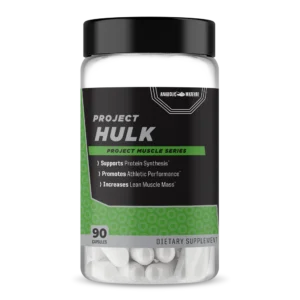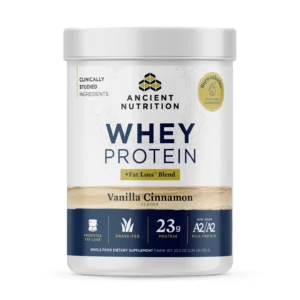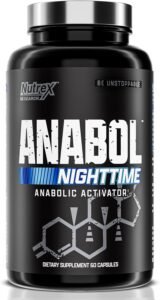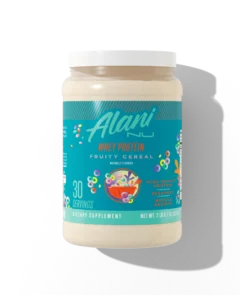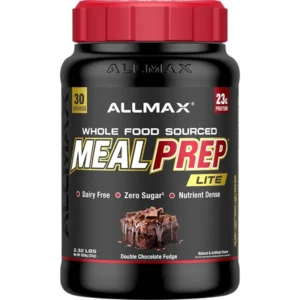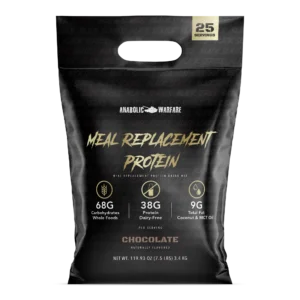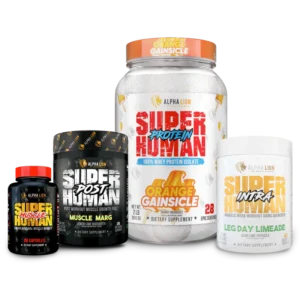



instagram supplements and gym equipment for sale

facebook gym supplements usa. Gym equipments and gym supplements for sale instagram profile social media

Best Recovery Formulas After Heavy Lifting supplements

The Ultimate Guide to the Best Recovery Formulas After Heavy Lifting

Best Recovery Formulas After Heavy Lifting. You’ve just crushed it. The barbell is bent, the weights are scattered, and your muscles are screaming a chorus of triumph and fatigue. You pushed past your limits, broke down tissue, and poured every ounce of effort into that session. The work is done, right?

Wrong.

The truth is, your workout is the catalyst, but your results are built in the hours and days that follow. What you do next—specifically, what you fuel your body with—is what separates stagnation from growth, plateaus from personal records, and perpetual soreness from powerful comebacks.

Welcome to the definitive guide on recovery formulas. This isn’t just another list of supplements. This is a deep dive into the science of repair, a blueprint for constructing your own nutritional strategy, and an exploration of the elite compounds that can truly accelerate your journey from broken down to built up.

Find out more in GYM Science and Research

Why Recovery is Your Secret Weapon. The Science of Supercompensation

To understand why recovery supplements are non-negotiable, you must first understand the process you’re trying to optimize: Muscle Protein Synthesis (MPS) and supercompensation.

When you lift heavy, you create microscopic tears in your muscle fibers. This is muscle damage, and it’s a good thing. Your body perceives this as a threat and initiates an inflammatory response to repair the damage. But it doesn’t just patch the holes; it overcompensates, building the fibers back slightly bigger and stronger than before to handle the future stress. This is supercompensation.

This miraculous process doesn’t happen by magic. It requires two key things:

  1. Fuel (Energy & Nutrients): The raw materials to conduct the repairs.
  2. Signaling (Hormonal & Cellular): The instructions that tell your body to start the construction project.

Poor recovery means you never fully repair. You train again in a broken-down state, which can lead to overtraining, injury, and frustration. Elite recovery means you walk into your next session stronger, fueled, and ready to break new ground.

This is where strategic supplementation shines. It provides a potent, targeted dose of both the fuel and the signals your body desperately needs.


Deconstructing the Perfect Recovery Stack: The Pillars of Repair

Think of recovery as a pyramid. The foundation is non-negotiable: sleep, hydration, and whole foods. Supplements are the powerful apex—the precision tools that maximize the structure’s strength. The “best” recovery formula isn’t one single product; it’s a strategic combination that addresses the four pillars of post-lift repair.

Best Recovery Formulas After Heavy Lifting supplements

Pillar 1: Protein Synthesis & Muscle Repair

This is the most critical pillar. You need amino acids, the building blocks of protein, to repair muscle tissue.

  • The King: Whey Protein Isolate. Fast-absorbing, incredibly bioavailable, and rich in Branched-Chain Amino Acids (BCAAs), especially leucine. Leucine is the primary trigger for switching on Muscle Protein Synthesis. It’s the key that starts the engine of growth.
  • The Contender: Vegan Blends (Pea, Rice, Hemp). Modern blends have become excellent. Look for a combination of sources to ensure a complete amino acid profile.
  • The Specialist: Essential Amino Acids (EAAs). These are the 9 aminos your body cannot make itself. They are even more rapidly absorbed than whole protein and can be taken during your workout to prime the recovery pump before you even finish your last set.

Pillar 2: Inflammation & Muscle Soreness (DOMS)

The inflammatory response is necessary, but if it rages out of control, it increases soreness (Delayed Onset Muscle Soreness – DOMS) and prolongs recovery.

  • The Heavy Hitter: Omega-3 Fatty Acids (Fish Oil). EPA and DHA from quality fish oil are powerfully anti-inflammatory. They help modulate the inflammatory response, turning down the dial on excessive soreness and supporting joint health.
  • The Antioxidant Army: Tart Cherry Juice & Curcumin.
    • Tart Cherry Juice: Studies have repeatedly shown it reduces strength loss and soreness after intense exercise. It’s packed with antioxidants and compounds that support melatonin production for better sleep.
    • Curcumin (from Turmeric): The superstar of anti-inflammatories. Look for formulations paired with black pepper extract (piperine) or phospholipids to dramatically enhance its otherwise poor absorption.

Pillar 3: Glycogen Replenishment & Hydration

Heavy lifting depletes your muscles’ stored carbohydrate (glycogen) and fluids through sweat. Replenishing these is crucial for energy and cellular function.

  • The Workhorse: Carbohydrates. While not always a “supplement” in the traditional sense, adding fast-digesting carbs (like dextrose, maltodextrin, or even just fruit) to your post-workout shake creates an insulin spike. Insulin is a highly anabolic hormone that shuttles nutrients into muscle cells, accelerating glycogen replenishment and amino acid uptake.
  • The Electrolyte Elite: Magnesium & Sodium/Potassium.
    • Magnesium: Involved in over 300 biochemical reactions, including muscle relaxation and nerve function. Sweating depletes it, and deficiency is common. Magnesium glycinate is a highly bioavailable form that also promotes sleep.
    • Sodium & Potassium: Critical for fluid balance, nerve impulses, and muscle contractions. Don’t fear sodium post-workout; it helps you rehydrate effectively.

Related Products

Pillar 4: Cellular Energy & ATP Regeneration

Lifting weights burns through your body’s immediate energy currency, ATP. Supporting your mitochondria (the powerhouses of your cells) helps you regenerate ATP faster and improve overall energy levels.

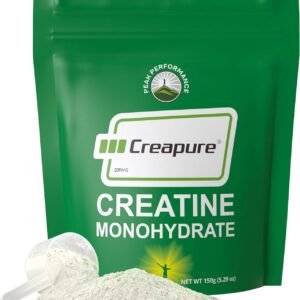
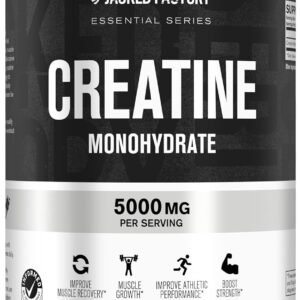
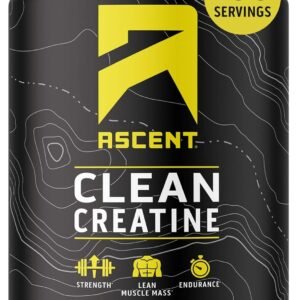
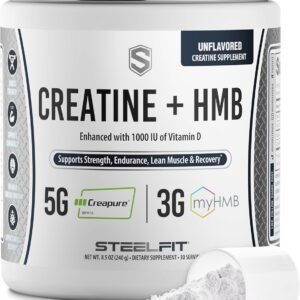
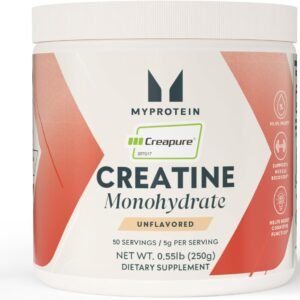
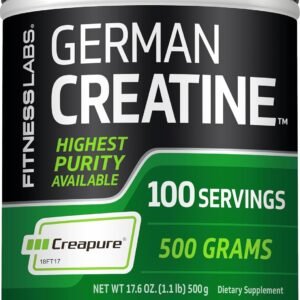
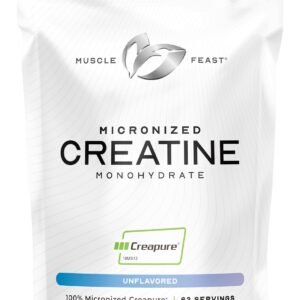
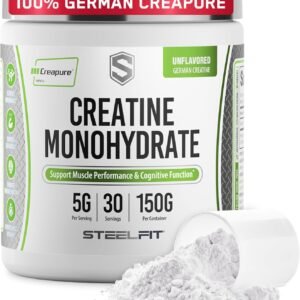
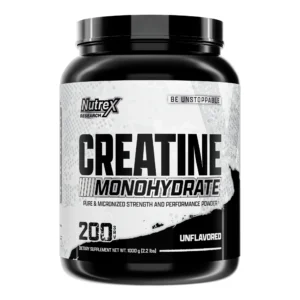
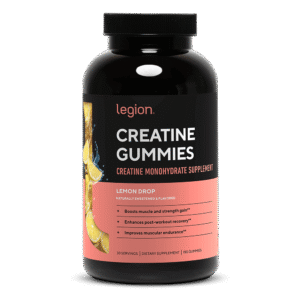
  • The Mitochondrial Booster: Creatine Monohydrate. The most researched supplement in history. While known for boosting strength and power, creatine’s recovery benefits are profound. It helps recycle ATP, meaning you can perform more work on your next set and recover between sets more efficiently. It also pulls water into muscle cells, enhancing hydration and the anabolic environment.
  • The Co-Factor: Coenzyme Q10 (CoQ10). A vital antioxidant that plays a key role in energy production within the mitochondria. Supporting CoQ10 levels can enhance overall cellular energy and reduce oxidative stress.

Beyond the Basics: The Next-Level Recovery Arsenal

Once you’ve mastered the fundamentals, these advanced compounds can provide an extra edge for the dedicated athlete.

  • L-Glutamine: While its role in muscle protein synthesis may be overhyped, it is a critical fuel source for immune cells and gut lining cells. Intense training can suppress the immune system, and glutamine can help support your body’s defenses.
  • Collagen Peptides: Specifically rich in amino acids glycine and proline, collagen is the building block of tendons, ligaments, and connective tissue. If you’re lifting heavy, your joints need love too. Supporting your connective tissue is a brilliant long-term recovery strategy.
  • Ashwagandha: An adaptogenic herb that shines in its ability to lower cortisol (the catabolic stress hormone). By moderating the stress response, it can improve sleep quality, reduce feelings of fatigue, and support a more anabolic hormonal environment.
  • Beetroot Powder: Rich in dietary nitrates, which convert to nitric oxide in the body. This improves blood flow, delivering more oxygen and nutrients to damaged muscles, which can significantly speed up the repair process.

Best Recovery Formulas After Heavy Lifting supplements

Building Your Personalized Recovery Protocol

Timing is everything. The 60-minute window after your workout, often called the “anabolic window,” is a period of heightened nutrient sensitivity. Here’s how to build your protocol:

Immediately Post-Workout (0-60 minutes): The Anabolic Shake
This is your most important tactical dose. Your goal is to quickly stop muscle breakdown and initiate repair.

  • Option 1 (The Classic): 25-40g of Whey Protein Isolate + 30-60g of fast-digesting carbohydrates (e.g., a banana, dextrose, or scoop of carb powder) + 5g of Creatine Monohydrate.
  • Option 2 (The Advanced): 10g of EAAs during your workout, followed by the “Classic” shake immediately after.

60 Minutes – 2 Hours Post-Workout: The Foundation Meal
Follow your shake with a whole food meal containing a balanced source of protein (chicken, fish, beef), complex carbohydrates (sweet potato, rice, quinoa), and healthy fats (avocado, olive oil). This provides sustained release nutrients.

Evening/Bedtime: The Repair & Recharge Phase
Sleep is when the magic happens. Optimize this window.

  • 30-60 minutes before bed: Consider a casein protein shake (slow-digesting) or a tablespoon of peanut butter to provide a slow trickle of aminos overnight.
  • Consider: 300-500mg of Magnesium Glycinate and/or Tart Cherry Juice to enhance sleep quality and combat inflammation overnight.

Daily Foundation: The Non-Negotiables

  • Fish Oil: 1-3g of combined EPA/DHA with a meal.
  • Creatine: 5g daily. Timing is irrelevant; consistency is key.
  • Collagen: 10-20g daily, often taken in the morning with coffee or in a shake.

The Dark Side: What to Avoid

Not all supplements are created equal. The market is flooded with proprietary blends that hide dosages and include cheap fillers.

  • Avoid “Proprietary Blends”: This term allows companies to hide the individual amounts of each ingredient. If a blend says “Recovery Matrix 3000mg” containing 10 different ingredients, you have no idea if you’re getting an effective dose of anything. Demand transparency.
  • Beware of Mega-Dosed “Test Boosters”: Most over-the-counter testosterone boosters are ineffective for significantly raising T-levels in healthy individuals. Save your money for the proven supplements listed above.
  • Skip the Hype: BCAAs. If you’re consuming adequate daily protein (0.8-1g per pound of bodyweight) and a post-workout protein shake, standalone BCAA supplements are largely redundant and a waste of money. Your money is better spent on EAAs or more protein.

Best Recovery Formulas After Heavy Lifting supplements

Best Recovery Formulas After Heavy Lifting: From Fatigue to Full Strength

You’ve just crushed your session. The weights are down, your muscles are screaming, and the adrenaline is high. But here’s the truth: the workout itself is only the spark. Real gains—bigger, stronger muscles and faster recovery—happen after you leave the gym. What you do in the hours and days following heavy lifting determines whether you progress or plateau.

This guide breaks down the science of recovery, outlines the most effective supplements, and shows how to build a recovery protocol tailored for serious lifters.


Why Recovery Is Your Secret Weapon: Muscle Protein Synthesis & Supercompensation

When you lift heavy, you create tiny tears in your muscle fibers—a necessary step for growth. Your body responds with muscle protein synthesis (MPS) and supercompensation, repairing fibers slightly stronger and bigger than before.

Key ingredients for effective recovery:

  1. Fuel: Protein, amino acids, carbohydrates, and essential nutrients.
  2. Signals: Hormones and cellular messengers that trigger repair and adaptation.

Neglecting recovery means walking into your next session under-repaired, increasing your risk of overtraining and injury. Strategic supplementation accelerates this process, giving your muscles everything they need to rebuild efficiently.


The Four Pillars of Recovery

Think of recovery as a pyramid: sleep, hydration, and whole foods form the base, while supplements are the apex, designed to optimize repair. Here’s how to build a complete recovery stack:

1. Muscle Repair & Protein Synthesis

Goal: Supply amino acids to trigger MPS and repair damaged tissue.

  • Whey Protein Isolate: Fast-absorbing, rich in BCAAs (especially leucine), the key amino acid for activating MPS.
  • Vegan Blends: Pea, rice, and hemp combinations for complete amino acid profiles.
  • Essential Amino Acids (EAAs): Rapidly absorbed and effective even during workouts to jump-start recovery.

Tip: Consume 25–40g post-workout for maximal effect.


2. Inflammation & Muscle Soreness (DOMS)

Goal: Reduce excessive inflammation while allowing natural repair.

  • Omega-3 Fatty Acids: EPA and DHA reduce muscle soreness and support joint health.
  • Tart Cherry Juice: Packed with antioxidants, proven to decrease DOMS and improve sleep quality.
  • Curcumin: A potent anti-inflammatory; pair with black pepper extract (piperine) for enhanced absorption.

3. Glycogen Replenishment & Hydration

Goal: Restore energy stores and maintain cellular function.

  • Carbohydrates: Fast-digesting carbs like dextrose, maltodextrin, or fruit stimulate insulin, improving nutrient uptake.
  • Electrolytes: Sodium, potassium, and magnesium are critical for fluid balance and muscle function. Magnesium glycinate supports relaxation and sleep.

4. Cellular Energy & ATP Regeneration

Goal: Support mitochondria and replenish energy for future sessions.

  • Creatine Monohydrate: Enhances ATP regeneration, improves strength, and accelerates recovery.
  • Coenzyme Q10 (CoQ10): Supports mitochondrial energy production and reduces oxidative stress.

Advanced Recovery Compounds

Once the basics are mastered, these supplements provide an extra edge:

  • L-Glutamine: Supports immune function and gut health post-training.
  • Collagen Peptides: Strengthen tendons, ligaments, and connective tissues.
  • Ashwagandha: Reduces cortisol, enhances sleep, and promotes an anabolic environment.
  • Beetroot Powder: Improves blood flow via nitric oxide, delivering nutrients to recovering muscles faster.

Building Your Post-Workout Protocol

0–60 Minutes (Anabolic Window):

  • 25–40g whey protein + 30–60g fast-digesting carbs + 5g creatine.
  • Optional: 10g EAAs during your workout to prime recovery.

60 Minutes–2 Hours:

  • Follow with a balanced meal: lean protein, complex carbs, healthy fats.

Evening/Bedtime:

  • Casein protein or slow-digesting fats (e.g., peanut butter) for overnight amino acid supply.
  • Consider magnesium or tart cherry juice to improve sleep quality and support recovery.

Daily Foundation: Non-Negotiables

  • Fish Oil: 1–3g combined EPA/DHA.
  • Creatine: 5g daily (timing flexible).
  • Collagen: 10–20g daily for joint and connective tissue support.
  • Hydration & Sleep: Never underestimate their role.

What to Avoid

  • Proprietary Blends: Hidden dosages mean you don’t know what you’re actually consuming.
  • Mega-Dosed “Test Boosters”: Largely ineffective in healthy individuals.
  • Standalone BCAAs: Redundant if protein intake is adequate.

The Bottom Line

Recovery is the multiplier of your hard work. The “best” formula is not a single supplement but a strategic, consistent routine that addresses:

  • Muscle repair and growth
  • Inflammation and soreness
  • Glycogen replenishment and hydration
  • Cellular energy and ATP regeneration

Start with whey protein, creatine, and fish oil. Master your timing, prioritize sleep, and hydrate well. Once these basics are nailed, advanced compounds like tart cherry, curcumin, or collagen can fine-tune your recovery.

Your muscles can only grow if you feed them the right fuel at the right time. Train hard, recover smarter, and watch your strength—and your physique—soar.

The Final Rep: Your Body’s Best Investment

The pursuit of the perfect physique and unparalleled strength is a marathon, not a sprint. Each workout is an investment, and your recovery protocol is the compound interest that makes that investment grow exponentially.

The “best” recovery formula is the one you consistently follow. It’s the strategic combination of proven nutrients that addresses muscle repair, tames inflammation, replenishes energy stores, and supports cellular function.

Start with the pillars: a high-quality protein powder, creatine, and fish oil. Master your timing. Hydrate relentlessly. Prioritize sleep as if your gains depend on it—because they do. Then, and only then, consider adding the advanced players like tart cherry, curcumin, or collagen to fine-tune your process.

Listen to your body. It will tell you what it needs. Less soreness, more energy, and consistent progress in the gym are the only metrics that truly matter. Now, go feed your recovery, and get ready to lift heavier than ever before.

bcaa training

Do BCAAs Really Work? A Critical Scientific Analysis vs. Marketing Hype

Branched-chain amino acids (BCAAs) represent one of the most popular and heavily marketed dietary supplements in the fitness and athletic industries. Promoted for their purported benefits in stimulating muscle protein synthesis, enhancing recovery, reducing muscle soreness, and fighting fatigue, they have become a staple in the regimens of athletes and casual gym-goers alike. However, a significant disconnect exists between the robust cellular and molecular mechanisms established in controlled laboratory settings and the equivocal results observed in human clinical trials, especially in the context of a balanced diet. This article will deconstruct the science of BCAAs, critically evaluate the evidence for their claimed benefits, contrast these findings with pervasive marketing messages, and provide evidence-based recommendations for their potential use.

1. Introduction: What Are BCAAs?

To understand the debate, we must first define the subject. Amino acids are the fundamental molecular building blocks of proteins. Of the 20 standard amino acids, nine are classified as “essential” – meaning the human body cannot synthesize them de novo and they must be obtained through the diet.

Branched-chain amino acids (BCAAs) are a subgroup of three essential amino acids:

  1. Leucine
  2. Isoleucine
  3. Valine

Their name derives from their unique chemical structure, which features a branching side chain—a carbon atom connected to more than two other carbon atoms. This structure influences how they are metabolized.

bcaa training

Unlike other amino acids, which are primarily catabolized in the liver, BCAAs are largely metabolized directly within skeletal muscle tissue. This unique metabolic pathway is a cornerstone of their proposed ergogenic benefits, as it allows them to be rapidly deployed for energy and signaling purposes during exercise.

The typical ratio found in most supplements is 2:1:1 (Leucine:Isoleucine:Valine), though other ratios exist. This ratio is not arbitrary; it is based on the relative importance of leucine, which we will explore in depth.

2. The Compelling Molecular Science: Why BCAAs Should Work

The theoretical case for BCAA supplementation is powerful and rooted in solid biochemical principles. At a cellular level, their mechanisms of action are well-documented.

See also: what BCAAs do to human body

A. The Master Regulator: Leucine and mTOR Activation

The most significant scientific argument for BCAAs centers on the role of leucine. Leucine is not merely a building block; it functions as a critical nutrient signal.

Inside muscle cells, leucine activates a complex biochemical pathway centered around a protein kinase called the mammalian Target of Rapamycin (mTOR). When activated (specifically, the mTORC1 complex), mTOR initiates the process of muscle protein synthesis (MPS)—the cellular machinery that builds new muscle protein. It does this by phosphorylating key downstream targets that kickstart the translation of genetic code into new muscle proteins.

In a fasted state or after exercise, providing a bolus of leucine is a potent pharmacological-like signal that tells the muscle, “Nutrients are available; it’s time to build and repair.” This mechanism is undeniable and is a primary reason why leucine is considered the most anabolic of the amino acids.

B. The Fuel Source: BCAAs as an Energy Substrate

During prolonged and intense exercise, muscle glycogen (stored carbohydrates) and blood glucose can become depleted. Under these conditions, the body seeks alternative fuel sources. BCAAs can be deaminated (their nitrogen group removed), and their carbon skeletons can enter the Krebs cycle to produce ATP, the cellular currency of energy.

This provides a direct, intramuscular energy source during endurance activities, potentially sparing glycogen and delaying the onset of fatigue.

C. The Fatigue Fighter: The Serotonin Connection

Central fatigue is a theory proposing that fatigue originates in the brain, not just the muscles. During prolonged exercise, the concentration of free fatty acids in the blood increases. This promotes the transport of the amino acid tryptophan across the blood-brain barrier.

In the brain, tryptophan is converted into the neurotransmitter serotonin (5-HT). Elevated serotonin levels are associated with feelings of lethargy, tiredness, and a reduced drive to motor neurons—essentially, the brain signaling the body to slow down.

BCAAs and tryptophan compete for the same large neutral amino acid (LNAA) transporter to cross the blood-brain barrier. The theory posits that supplementing with BCAAs increases their concentration in the blood, outcompeting tryptophan for transport into the brain. This would theoretically reduce serotonin synthesis in the brain, thereby delaying the perception of fatigue and allowing for prolonged exercise performance.

bcaa training

3. The Clinical Reality: What Does Human Trial Evidence Actually Show?

This is where the narrative becomes complicated. While the molecular mechanisms are sound, their translation into tangible, consistent benefits in healthy, well-nourished human subjects is far less clear-cut. The context of the entire diet is the critical, often-overlooked variable.

A. Muscle Growth (Hypertrophy)

Marketing Claim: “BCAAs build muscle and amplify your gains.”

Scientific Verdict: Largely Ineffective in Isolation and with Adequate Protein Intake.

This is the most critical point of contention. The mTOR pathway is not activated by leucine alone; it requires a full complement of essential amino acids (EAAs) to actually construct new muscle tissue. Think of it like building a house:

  • Leucine is the foreman (it activates the workers and starts the project).
  • All other EAAs are the bricks, wood, and wiring (the actual building materials).

You can have the best foreman in the world, but if you don’t have any bricks, the house won’t get built. Supplementing with BCAAs provides the foreman (leucine) but is missing most of the materials (other EAAs).

Multiple studies have demonstrated that while BCAAs can stimulate MPS, they cannot maximize it to the same extent as a complete protein source containing all EAAs. For individuals consuming sufficient daily protein (e.g., 1.6-2.2 g/kg of body weight), which already provides ample BCAAs and leucine, adding a BCAA supplement is redundant and unlikely to provide any additional hypertrophic benefit. The anabolic trigger is already being pulled multiple times a day by whole-food meals.

B. Muscle Recovery and Soreness (DOMS)

Marketing Claim: “BCAAs reduce muscle soreness and speed up recovery.”

Scientific Verdict: Mixed and Context-Dependent.

The evidence here is more nuanced. Some studies, particularly those involving trained athletes in a fasted state, show a modest reduction in markers of muscle damage (like creatine kinase) and a decrease in perceived muscle soreness (Delayed Onset Muscle Soreness or DOMS) following BCAA supplementation.

However, other studies show no significant effect. The benefit appears most pronounced in scenarios where overall protein intake is suboptimal or when training in a fasted state. If you consume a protein-rich meal or shake post-workout (e.g., whey protein, which is naturally ~25% BCAAs), the addition of BCAAs is unlikely to confer any further recovery advantage. The signal and materials for repair are already present.

bcaa training

C. Exercise Performance and Fatigue Reduction

Marketing Claim: “BCAAs boost energy and fight fatigue during your workout.”

Scientific Verdict: Weak and Inconsistent for Strength; Possibly Relevant for Endurance.

  • Strength/Power Training: The evidence for BCAA supplementation improving performance in short-duration, high-intensity activities like weightlifting or sprinting is very weak. These activities are primarily limited by anaerobic energy systems and neural drive, not by the mechanisms BCAAs target.
  • Endurance Training: The case is slightly stronger here. The theoretical benefits of providing an alternative fuel source and potentially reducing central fatigue via the serotonin pathway could be relevant in prolonged endurance events (>2-3 hours), like marathon running or long-distance cycling, where glycogen depletion is a real concern. However, even in these cases, the evidence is not overwhelming, and the practical benefit is often minor. Furthermore, well-formulated carbohydrate-electrolyte drinks are proven to be highly effective for endurance performance and likely overshadow any marginal benefit from BCAAs alone.

4. The Marketing vs. Science Dichotomy

The supplement industry thrives on selling hope and simplifying complex physiology. The marketing of BCAAs is a masterclass in this practice:

  1. Isolating Mechanisms from Context: Ads will highlight the “proven” role of leucine in activating mTOR, conveniently omitting the fact that this mechanism is useless for building muscle without the other EAAs present in whole protein.
  2. Using Fasted-State Studies to Sell to Fed Consumers: Many positive studies are conducted on fasted subjects. Marketers use these findings to sell products to people who typically eat before or after their workouts, a scenario where the benefits vanish.
  3. The “More is Better” Fallacy: The science of protein metabolism shows a dose-dependent response to EAAs up to a certain point (a “ceiling effect”). Marketing implies that endlessly adding BCAAs on top of an already high-protein diet will continue to yield benefits, which is biochemically implausible.
  4. Creating a Solution for a Non-Problem: For anyone consuming a balanced diet with adequate protein, a BCAA “deficiency” is virtually impossible. The market creates a perceived need for a product that, for most, is entirely unnecessary.

5. So, Who Might Actually Benefit from BCAAs?

BCAAs are not entirely without merit. There are specific, niche scenarios where supplementation could be justified:

  • Fasted State Training: Individuals who train first thing in the morning without eating may benefit from BCAAs to provide a rapid anti-catabolic signal and fuel source until they can have a full meal. However, a serving of essential amino acids (EAAs) or even a small whey protein shake would be more effective.
  • Specific Endurance Scenarios: Ultra-endurance athletes competing in events lasting many hours might use BCAAs as part of a nutritional strategy to combat central fatigue, though the evidence is still tentative.
  • Medical Populations: BCAAs are clinically used in managing certain medical conditions, such as liver cirrhosis (to help prevent hepatic encephalopathy) and in patients with muscle-wasting diseases to help preserve lean mass.
  • Vegans/Vegetarians with Limited Protein Intake: While whole protein is still superior, someone struggling to meet their protein needs might find a use case, though a complete protein powder would be a wiser choice.
  • The Placebo Effect: The belief that a supplement is working can itself be a powerful performance enhancer. If a athlete truly believes BCAAs help them, that perceived benefit has real-world value, even if it’s not directly physiological.

6. Evidence-Based Alternatives to BCAA Supplements

If your goal is muscle growth, enhanced recovery, and improved performance, your money is far better spent on proven nutritional strategies:

  1. Prioritize Total Daily Protein Intake: This is the single most important factor. Aim for 1.6 – 2.2 grams of protein per kilogram of body weight per day from high-quality sources like chicken, fish, eggs, dairy, lean beef, or plant-based proteins like tofu, tempeh, and lentils.
  2. Time Your Protein: Distribute your protein intake evenly across 3-4 meals, each containing ~0.4 g/kg of body weight (or ~20-40 grams per meal for most people). This provides a repeated, maximal stimulus for MPS throughout the day.
  3. Choose Leucine-Rich Protein Sources Post-Workout: Your post-workout meal should contain a fast-digesting, leucine-rich protein source. Whey protein isolate is the gold standard, as it is rapidly absorbed and has a very high leucine content (~2.5-3g per serving). Other complete proteins work well too.
  4. Consider an EAA Supplement: If you insist on a intra-workout supplement, Essential Amino Acids (EAAs) are a scientifically superior choice to BCAAs. They provide the crucial foreman (leucine) and all the necessary building materials.
  5. Don’t Neglect Carbohydrates: Post-workout carbohydrates replenish glycogen stores and create an insulinogenic environment that is conducive to recovery and anabolism.
bcaa training

7. Conclusion: The Final Verdict

The scientific story of BCAAs is a tale of powerful molecular mechanisms that fail to translate into consistent, practical benefits for the majority of users.

The fundamental flaw in the BCAA argument is the failure to acknowledge that they are a component of a larger nutritional system. Isolating them from the complete matrix of essential amino acids provided by dietary protein severely limits their efficacy.

For the average individual consuming adequate daily protein, BCAA supplementation is largely a redundant and financially wasteful practice. The marketing claims vastly overstate the clinical evidence. The money spent on a tub of BCAAs would yield infinitely greater returns if invested in whole foods, a high-quality whey or plant-based protein powder, or even a more comprehensive EAA product.

Final Recommendation: Focus on the foundation: total calorie intake, sufficient daily protein from whole foods, and intelligent meal timing. View supplements not as magic bullets, but as potential tools to supplement an already solid diet. In the vast majority of cases, BCAAs are a tool that is simply not needed in the toolbox.

Worth a read: Authenticity Check – Verify Supplements for Safety & Quality

BCAAs are not inherently harmful, but they are often unnecessary. For most gym-goers and athletes who consume adequate protein through meals or shakes, supplemental BCAAs don’t offer measurable benefits. They won’t accelerate muscle growth or dramatically improve recovery beyond what your existing diet already provides. The real risk is financial—it’s easy to spend hundreds of dollars per year on a product that offers little to nothing in return.

Context is everything when it comes to supplementation. The efficacy of BCAAs is highly dependent on the surrounding nutrition and training environment. In a fasted state or during ultra-endurance events, there may be a minor benefit, but these situations are exceptions rather than the rule. If your diet consistently delivers sufficient essential amino acids, leucine, and total protein, BCAAs become redundant. Understanding this context helps avoid falling for marketing hype and encourages evidence-based decisions.

Focus on foundational nutrition first. Instead of chasing marginal gains from isolated amino acids, prioritize total daily protein intake, quality whole foods, and smart meal timing. When supplements are used strategically, EAAs or complete protein powders provide a more reliable and physiologically complete way to support muscle protein synthesis. Think of BCAAs as a luxury accessory rather than a necessity—the core of progress remains consistent training and balanced nutrition.


References:

  1. Wolfe, R. R. (2017). Branched-chain amino acids and muscle protein synthesis in humans: myth or reality?. Journal of the International Society of Sports Nutrition, 14(1), 1-7.
  2. Jackman, S. R., Witard, O. C., Jeukendrup, A. E., & Tipton, K. D. (2010). Branched-chain amino acid ingestion stimulates muscle myofibrillar protein synthesis following resistance exercise in humans. Frontiers in Physiology, 8, 390.
  3. Norton, L. E., & Layman, D. K. (2006). Leucine regulates translation initiation of protein synthesis in skeletal muscle after exercise. The Journal of nutrition, 136(2), 533S-537S.
  4. Plotkin, D. L., Delcastillo, K., Van Every, D. W., Tipton, K. D., Aragon, A. A., & Schoenfeld, B. J. (2021). Isolated leucine and branched-chain amino acid supplementation for enhancing muscular strength and hypertrophy: a narrative review. International Journal of Sport Nutrition and Exercise Metabolism, 31(3), 292-301.
  5. Newsholme, E. A., & Blomstrand, E. (2006). Branched-chain amino acids and central fatigue. The Journal of nutrition, 136(1), 274S-276S.
  6. Kephart, W. C., Mumford, P. W., McCloskey, A. E., Holland, A. M., Shake, J. J., Mobley, C. B., … & Moon, J. R. (2016). Post-exercise branched-chain amino acid supplementation does not affect recovery markers following three consecutive high intensity resistance training sessions. Journal of the International Society of Sports Nutrition, 13(1), 1-9.
  7. VanDusseldorp, T. A., Escobar, K. A., Johnson, K. E., Stratton, M. T., Moriarty, T., Cole, N., … & Mermier, C. M. (2020). Effect of branched-chain amino acid supplementation on recovery following acute eccentric exercise. Nutrients, 10(10), 1389.
bcaas vs eaas

What BCAAs do to human body

Branched-Chain Amino Acids (BCAAs) are a group of three essential amino acids: leucine, isoleucine, and valine. Your body can’t produce them on its own, so they must come from food or supplements.

Here’s what they do:

🔑 Main Functions of BCAAs

  1. Muscle Protein Synthesis
    • Leucine in particular activates the mTOR pathway, a key trigger for building muscle.
  2. Energy During Exercise
    • BCAAs can be used directly by muscles for fuel during workouts, especially when glycogen (carbohydrate stores) runs low.
  3. Reduced Muscle Breakdown (Anti-Catabolic Effect)
    • They help limit muscle protein breakdown during intense training, dieting, or fasting.
  4. Improved Recovery
    • Supplementation may reduce muscle soreness (DOMS) after exercise by lowering exercise-induced muscle damage.
  5. Fatigue Reduction
    • BCAAs compete with tryptophan for transport to the brain, which may reduce serotonin production and delay fatigue.
bcaas vs eaas

⚖️ When They’re Most Useful

  • During fasted training or long cardio sessions (to preserve muscle).
  • For athletes on low-calorie or cutting diets.
  • When protein intake from diet is low (though whey protein or EAAs are usually more effective overall).

Shop for BCAAs

✅ Bottom Line

BCAAs can support muscle growth, reduce fatigue, and improve recovery — but if you already get enough high-quality protein (meat, eggs, whey, etc.), the added benefit from BCAAs alone is often small.


BCAAs vs EAAs – the difference

🔹 BCAAs (Branched-Chain Amino Acids)

  • What they are: Leucine, Isoleucine, Valine (3 amino acids out of the 9 essentials).
  • Main benefits:
    • Trigger muscle protein synthesis (mainly leucine).
    • Provide energy during workouts.
    • Reduce muscle breakdown during dieting/fasted training.
  • Limitations:
    • Can start muscle building, but without the other 6 essential amino acids, muscle growth can’t be completed.
    • Not as effective if you’re already eating enough protein.

bcaas vs eaas

🔹 EAAs (Essential Amino Acids)

  • What they are: All 9 essential amino acids (including the 3 BCAAs).
  • Main benefits:
    • Provide the full building blocks for muscle protein synthesis — not just the spark (leucine), but the whole construction crew.
    • More effective than BCAAs for muscle growth and recovery.
    • Useful if dietary protein is low, or between meals.
  • Limitations:
    • Usually cost a bit more.

    • Taste can be stronger/bitter compared to BCAAs.

⚖️ Head-to-Head

FeatureBCAAsEAAs
Muscle building✅ Trigger synthesis but incomplete✅✅ Full muscle growth
Recovery✅ Helps soreness✅✅ Better recovery
Prevent muscle breakdown✅ Good✅✅ Better
Training energy✅ Good fuel source✅ Good + more balanced
Cost💲 Cheaper💲💲 Slightly more expensive

The Metabolic Specificity: Understanding BCAAs’ Unique Fuel Pathway

The distinct value of BCAAs lies not just in their role as building blocks, but in their unique metabolic pathway. Unlike other amino acids, BCAAs are primarily broken down directly within muscle tissue rather than the liver. This allows them to be rapidly oxidized for energy during exercise, serving as a readily available fuel source when muscle glycogen becomes depleted. This is particularly crucial during prolonged, intense training sessions or in a fasted state, where they can help delay central fatigue by sparing glycogen and modulating serotonin production in the brain. However, this metabolic specificity is a double-edged sword; when BCAAs are used for energy, they are diverted from their role in muscle protein synthesis. This highlights the critical importance of adequate overall caloric and carbohydrate intake—when the body is well-fueled, BCAAs are more likely to be partitioned toward muscle repair and growth rather than being burned as fuel.

Strategic Supplementation: Timing and Context for Optimal Efficacy

To maximize the return on investment from BCAAs, strategic timing and clear goal-setting are essential. Their utility is most pronounced in specific, targeted scenarios: sipped during fasted morning training to provide an anti-catabolic shield, taken intra-workout during extended endurance or high-volume hypertrophy sessions to combat fatigue, or used between meals during an aggressive calorie deficit to help preserve lean mass. Outside of these contexts—particularly when consumed alongside or shortly after a protein-rich meal—their marginal benefits diminish dramatically, as the meal itself provides a full spectrum of amino acids. Therefore, BCAAs should not be viewed as a foundational daily supplement like protein powder or creatine, but rather as a situational tool. For most athletes, ensuring adequate total daily protein intake (1.6-2.2g/kg of bodyweight) from whole foods and complete protein powders remains the undisputed priority, with BCAAs serving as a strategic adjunct for specific training and dietary conditions.

🏆 Verdict

  • If your diet already has enough protein (whey, meat, eggs, etc.): BCAAs give some benefit mainly for energy and reducing fatigue.
  • If your protein intake is lower (cutting, fasting, vegan diet, missed meals): EAAs are the better choice because they provide everything your muscles need.

Shop for EAAs

👉 For maximum results, EAAs are generally superior.

stacking supplements for muscle grow

How to Stack Supplements for Maximum Muscle Gains

How to Stack Supplements for Maximum Muscle Gains. Building serious muscle requires more than just lifting heavy weights and eating enough protein — it also means fueling your body with the right supplements, in the right combinations. This is where supplement stacking comes in. By strategically combining products that work synergistically, you can boost strength, accelerate recovery, and maximize muscle growth faster than with single supplements alone.

In this guide, we’ll break down how to stack supplements effectively, the best combinations for muscle growth, and the science-backed essentials that should be in your stack.


What Is a Supplement Stack?

A supplement stack is a group of supplements taken together to target a specific fitness goal — in this case, muscle growth and strength. Instead of relying on a single product, stacking helps optimize results by addressing multiple aspects of performance: energy, protein synthesis, recovery, and hormonal support.

Think of it as building a well-rounded team: protein builds muscle, creatine powers your lifts, amino acids speed recovery, and pre-workouts enhance performance in the gym. Together, they work far better than alone.


The Core Muscle-Building Stack

If your goal is maximum muscle gains, these are the non-negotiables for your supplement arsenal:

1. Protein Powder (Whey or Plant-Based)

  • Why: Protein is the foundation of muscle growth. Whey is fast-digesting, making it ideal post-workout, while plant proteins (pea, rice, hemp) are great for those avoiding dairy.
  • How to Use: 20–40g post-workout or as needed to meet daily protein intake.
  • Pro Tip: Choose a high-quality isolate with minimal fillers for better absorption.
stacking supplements for muscle grow

2. Creatine Monohydrate

  • Why: Creatine is one of the most researched supplements ever. It boosts strength, endurance, and muscle cell hydration, leading to bigger pumps and faster gains.
  • How to Use: 5g daily, any time of day (no cycling required).
  • Stack Bonus: Works perfectly with whey and pre-workout.

3. Pre-Workout Formula

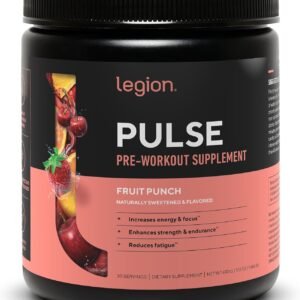
  • Why: Packed with ingredients like caffeine, beta-alanine, and citrulline malate, pre-workouts enhance focus, strength, and endurance.
  • How to Use: Take 20–30 minutes before training.
  • Pro Tip: Rotate stimulant vs. non-stimulant pre-workouts to avoid caffeine tolerance.

4. Branched-Chain Amino Acids (BCAAs) or EAAs

  • Why: Amino acids fuel recovery, reduce muscle breakdown, and enhance endurance during training. EAAs (essential amino acids) are even more complete than BCAAs.
  • How to Use: Sip during training or between meals.

5. Omega-3 Fish Oil

  • Why: Supports joint health, reduces inflammation, and enhances recovery — crucial for lifting heavy long-term.
  • How to Use: 2–3g per day with meals.

Advanced Muscle-Growth Stack (For Experienced Lifters)

Once you’ve mastered the basics, consider adding these for extra edge:

  • Beta-Alanine → Buffers lactic acid, helping you push through more reps.
  • HMB (β-Hydroxy β-Methylbutyrate) → Reduces muscle breakdown, especially during cutting.
  • ZMA (Zinc, Magnesium, Vitamin B6) → Supports testosterone, recovery, and sleep.
  • L-Citrulline → Enhances nitric oxide production for insane muscle pumps.

Example: A Daily Muscle-Building Stack

Morning

  • Multivitamin + Omega-3
  • 5g Creatine

Pre-Workout (20–30 min before training)

  • Pre-Workout formula
  • Optional: Extra L-Citrulline

Intra-Workout

  • BCAAs or EAAs in water

Post-Workout

Evening

  • ZMA (before bed for better recovery and sleep)
How to Stack Supplements for Maximum Muscle Gains

Key Tips for Stacking Supplements Safely

  1. Prioritize Nutrition First – Supplements enhance, but don’t replace, a solid diet.
  2. Stay Consistent – Muscle growth is about daily intake, not random doses.
  3. Avoid Overlapping Ingredients – Too much caffeine or creatine from multiple products can cause side effects.
  4. Cycle Stimulants – To avoid tolerance, take breaks from heavy pre-workouts.
  5. Quality Over Quantity – Choose clean, tested brands without fillers or proprietary blends.

Final Thoughts

The best supplement stack for maximum muscle gains is simple yet powerful: protein, creatine, pre-workout, amino acids, and omega-3s. When combined with hard training and proper nutrition, this foundation will help you push past plateaus and build the physique you’re chasing.

If you’re an advanced lifter, adding beta-alanine, ZMA, and citrulline can give you an extra edge. Remember, the magic isn’t in the pills and powders alone — it’s in how consistently you use them alongside smart training and recovery.


Advanced Supplement Stack for Faster Gains

Once you have the basics down, consider adding these to level up:

  • Beta-Alanine → Improves muscular endurance so you can push through extra reps.
  • HMB (β-Hydroxy β-Methylbutyrate) → Reduces muscle breakdown during intense training or cutting phases.
  • ZMA (Zinc, Magnesium, Vitamin B6) → Boosts testosterone naturally and improves sleep quality.
  • L-Citrulline → For insane muscle pumps and better nutrient delivery to muscles.
  • Ashwagandha → A natural adaptogen shown to reduce cortisol and support testosterone.
How to Stack Supplements for Maximum Muscle Gains

Example Daily Supplement Stack (Timing Matters)

Here’s how a typical day might look:

Morning

  • Multivitamin + Omega-3
  • 5g Creatine

Pre-Workout (30 min before training)

  • Pre-Workout formula
  • Optional: Extra L-Citrulline

Intra-Workout

  • BCAAs or EAAs in water

Post-Workout

  • Whey Protein Shake (30g)
  • Creatine (if not taken earlier)

Evening

  • Casein protein or slow-digesting protein snack
  • ZMA (before bed for recovery & better sleep)

Most Common Supplement Stacking Mistakes

Overlapping Ingredients – Some pre-workouts already contain creatine or BCAAs. Doubling up may lead to unnecessary excess.
Ignoring Nutrition – Supplements only work if your diet provides enough calories and macros.
Overusing Stimulants – Too much caffeine can kill your sleep and stall recovery.
Lack of Consistency – Skipping days with creatine or protein shakes reduces effectiveness.

🗓️ The Principle of Periodized Supplementation

An often-overlooked but critical strategy for advanced lifters is periodized supplementation—the intentional alteration of your supplement stack to align with your training cycles. Just as you wouldn’t train with the same intensity year-round, your supplement strategy should adapt. During a high-volume hypertrophy phase, you might prioritize supplements that enhance recovery and reduce muscle breakdown, such as increasing your BCAA/EAA intake intra-workout and adding HMB. Conversely, during a strength or power phase, the focus would shift to maximizing neural output and force production, making a potent pre-workout with citrulline and potentially a nootropic like Alpha-GPC more valuable. This strategic cycling ensures your body receives targeted nutritional support for the specific physiological demands of each training block, preventing plateaus and maximizing the return on your supplement investment.

⏳ Beyond “Post-Workout”: The Strategic Timing of Nutrient Partitioning

While the post-workout “anabolic window” is well-known, true optimization lies in strategic nutrient partitioning throughout the entire day. This means aligning specific supplements with your body’s natural hormonal rhythms and metabolic states. For example, taking creatine with a carbohydrate-rich meal (like breakfast or post-workout) can enhance its uptake into muscle cells due to the accompanying insulin spike. Similarly, consuming ZMA on an empty stomach right before bed maximizes mineral absorption without competition from dietary calcium, while also leveraging the natural nighttime surge in growth hormone for enhanced repair. This approach transforms your stack from a simple checklist into a finely-tuned schedule that works in harmony with your body’s internal clock, ensuring each compound is delivered at its most opportune moment for utilization.

🧪 From Guesswork to Data: Personalizing Your Stack with Biomarkers

The most effective stack is ultimately a personal one. Moving beyond generic recommendations requires tuning your supplementation based on individual biomarkers and feedback. Signs of overtraining, chronic fatigue, or poor sleep might indicate a need to adjust stimulant intake, increase adaptogens like ashwagandha, or prioritize magnesium. For those seeking precision, periodic blood tests can reveal deficiencies (e.g., in Vitamin D or zinc) that directly hinder performance and recovery, allowing you to tailor your multivitamin or add specific supplements to correct them. This data-driven, responsive approach ensures your stack evolves with your body’s needs, addressing your unique bottlenecks rather than following a one-size-fits-all protocol, leading to more sustainable and effective long-term muscle growth.


FAQs: Supplement Stacking for Muscle Growth

1. Can I take creatine and whey protein together?
Yes — they complement each other perfectly. Creatine boosts performance, while whey supports recovery and growth.

2. Do I need supplements to build muscle?
Technically no — but supplements make it easier to hit nutrition goals and accelerate recovery. Think of them as a shortcut to efficiency.

How to Stack Supplements for Maximum Muscle Gains

3. How long does it take to see results from stacking?
With proper training and diet, noticeable strength and recovery benefits can appear within 2–4 weeks. Muscle growth takes longer (8–12 weeks+).

4. Should beginners use stacks?
Yes, but keep it simple: start with protein + creatine + omega-3. Add more only when your training and diet are consistent.

The best muscle-building supplement stack is not about using every product under the sun — it’s about combining proven essentials. Start with protein, creatine, pre-workout, and omega-3s, then expand to advanced stacks as you progress.

Supplements are powerful, but they can’t replace consistency in training, recovery, and nutrition. When combined with a solid workout plan, the right stack can help you break plateaus, recover faster, and build serious muscle mass in 2025.

Train smart. Fuel smart. Grow stronger.

Select the fields to be shown. Others will be hidden. Drag and drop to rearrange the order.
  • Image
  • SKU
  • Rating
  • Price
  • Stock
  • Availability
  • Add to cart
  • Description
  • Content
  • Weight
  • Dimensions
  • Additional information
Click outside to hide the comparison bar
Compare
Shopping cart close