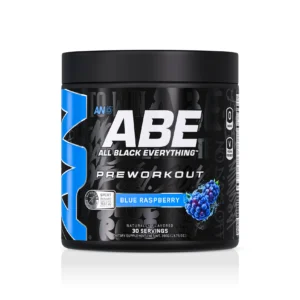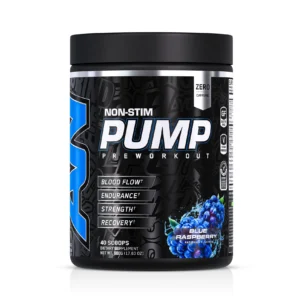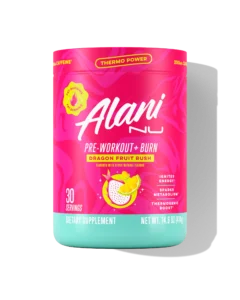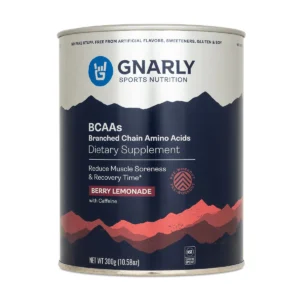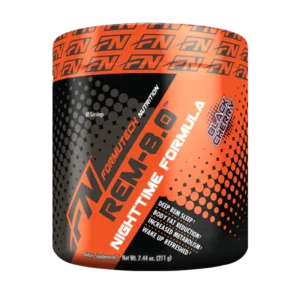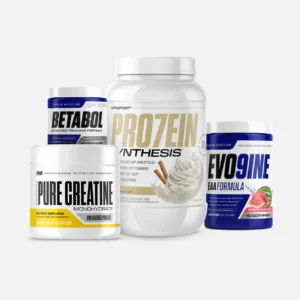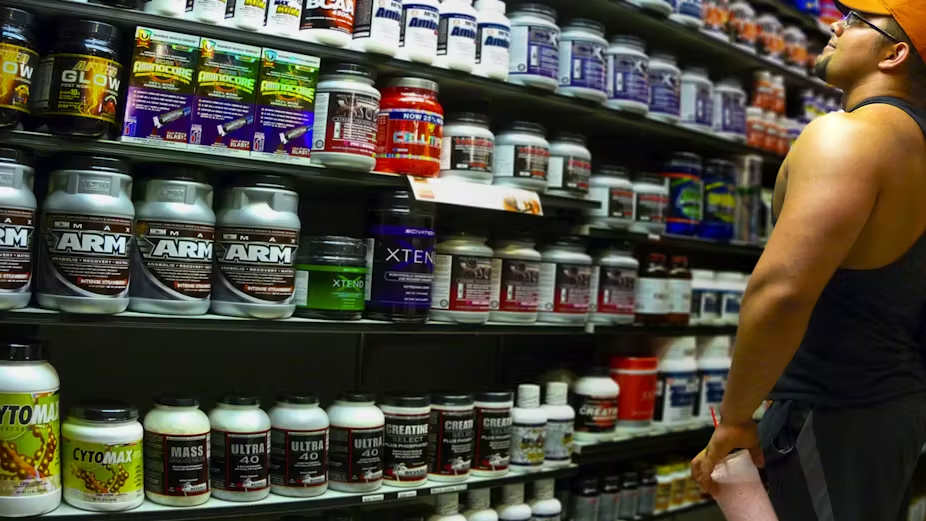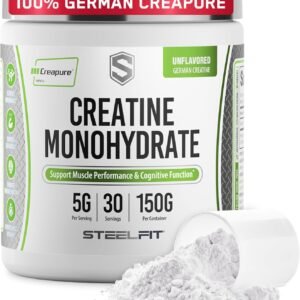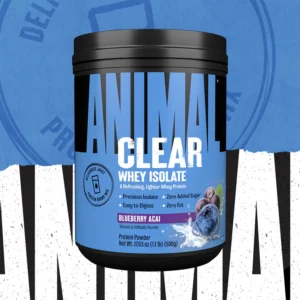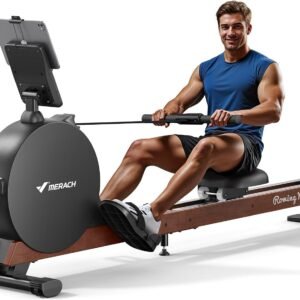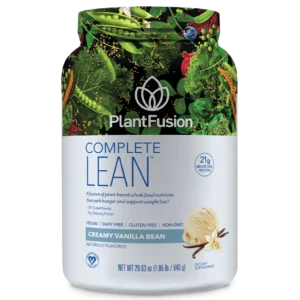


instagram supplements and gym equipment for sale

facebook gym supplements usa. Gym equipments and gym supplements for sale instagram profile social media

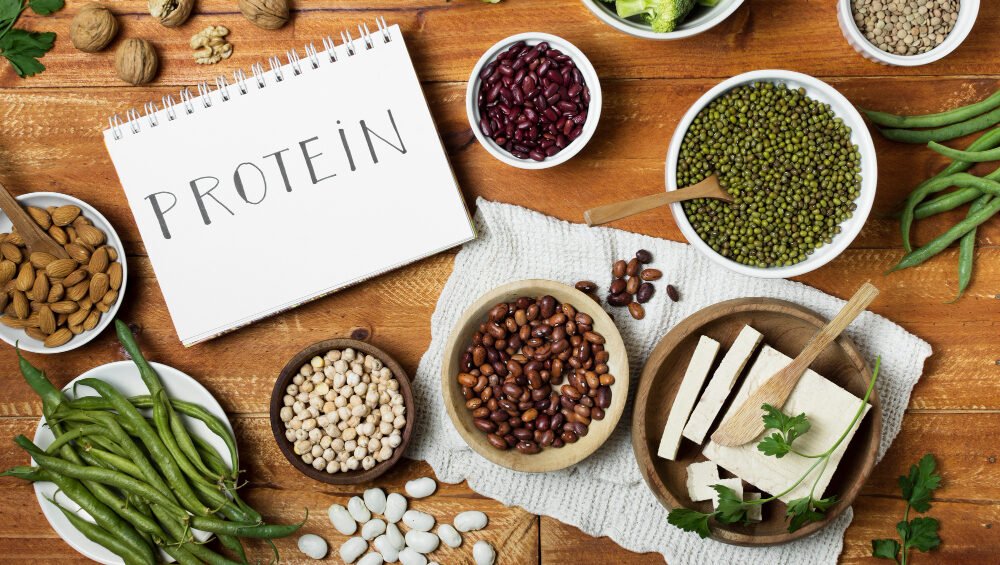
plant protein vs whey protein

The Rise of Plant Protein: A Scientific Deconstruction of the Plant vs. Whey Protein Paradigm

Plant vs. Whey Protein. The nutritional supplement landscape is undergoing a seismic shift. For decades, whey protein, a byproduct of cheese manufacturing, has been the undisputed gold standard for athletes, fitness enthusiasts, and those seeking to augment their dietary protein intake. However, the 21st century has witnessed the precipitous rise of plant-based protein sources, driven by environmental concerns, ethical considerations, dietary restrictions, and a growing consumer demand for “clean-label” products. This paradigm shift prompts a critical scientific inquiry: Is plant protein truly better than whey? This article moves beyond marketing hype and tribal allegiances to provide a rigorous, evidence-based comparison. We will dissect the fundamental parameters of protein quality—amino acid profile, digestibility, anabolic potency, and metabolic and environmental impact—to deliver a nuanced conclusion tailored to individual needs and global priorities.

Keywords: Plant Protein, Whey Protein, Protein Quality, PDCAAS, DIAAS, Leucine, Muscle Protein Synthesis (MPS), Sustainability, Bioavailability, Amino Acids, Vegan, Vegetarian, Supplementation.


1. Introduction: The Established King and the Ascendant Challenger

To understand the present debate, we must first acknowledge the biochemical supremacy that established whey protein’s reign. Whey is a milk-derived protein, classified as a complete protein, meaning it contains all nine essential amino acids (EAAs) that the human body cannot synthesize de novo. Its dominance is rooted in two key characteristics: a high concentration of branched-chain amino acids (BCAAs), particularly leucine, and rapid digestibility.

Leucine is not merely a building block; it acts as a critical signaling molecule, a primary activator of the mTOR pathway, which is the master regulator of muscle protein synthesis (MPS). The rapid influx of amino acids from whey creates a pronounced spike in blood amino acid levels, leading to a robust and efficient stimulation of MPS. This “anabolic trigger” is well-documented in sports nutrition literature, making whey the go-to choice for post-exercise recovery.

Conversely, plant proteins have historically been marginalized as “inferior.” This perception stemmed from their classification as incomplete proteins (lacking one or more EAAs) and concerns over lower digestibility due to antinutritional factors like phytates and tannins. However, this view is now recognized as overly simplistic. Modern food science and agricultural processing have enabled the creation of sophisticated plant protein blends that rival the amino acid profiles of animal proteins. The driving forces behind plant protein’s rise are multifaceted:

  • Health & Wellness: Associations with reduced risk of chronic diseases.
  • Sustainability: A significantly lower environmental footprint compared to animal agriculture.
  • Ethics: Alignment with vegan and vegetarian lifestyles.
  • Allergenicity: A solution for those with lactose intolerance or dairy allergies.

This article will systematically evaluate these two protein classes across critical scientific and ethical dimensions.
plant protein vs whey protein

2. The Fundamental Metric: Assessing Protein Quality

Comparing proteins requires a standardized metric for “quality.” Historically, the Protein Digestibility Corrected Amino Acid Score (PDCAAS) has been the FAO/WHO benchmark. It evaluates protein quality based on human amino acid requirements and fecal digestibility. Whey protein isolate typically scores a perfect 1.0 on the PDCAAS scale, as does soy protein isolate. Other plant proteins, such as pea (0.89) or wheat (0.42), score lower.

However, the scientific community is increasingly adopting a more advanced metric: the Digestible Indispensable Amino Acid Score (DIAAS). The DIAAS is considered superior because it uses ileal digestibility (absorption at the end of the small intestine) rather than fecal digestibility, providing a more accurate picture of actual amino acid uptake. Under DIAAS, the differences become more pronounced. Whey protein often scores above 1.0 (sometimes up to 1.09), indicating it provides more than the required amount of digestible EAAs. High-quality plant blends can approach 1.0, but single-source plant proteins generally score lower.

Key Takeaway: Whey protein holds a slight but measurable advantage in standardized protein quality scores due to its superior digestibility and complete EAA profile. However, this gap can be effectively closed by blending complementary plant proteins (e.g., rice and pea) to create a complete amino acid profile.

3. The Anabolic Response: Muscle Protein Synthesis in Focus

This is the crux of the debate for athletes. The primary goal of protein supplementation in a fitness context is to maximize MPS. Dozens of acute, laboratory-based studies have consistently shown that whey protein stimulates a higher peak in MPS post-exercise compared to equivalent doses of single-source plant proteins like soy or wheat.

The reasons are clear:

  1. Leucine Threshold: There is a well-established “leucine threshold” of approximately 2-3 grams needed to optimally trigger MPS. Whey protein is naturally rich in leucine (about 10-11% of its protein content), making it easy to hit this threshold with a standard 20-25g serving. Most single plant sources are lower in leucine (e.g., pea protein is ~8%). Therefore, a larger serving of a single plant protein may be required to achieve the same leucine-mediated effect.
  2. Digestion Kinetics: Whey is a “fast” protein, leading to a rapid hyperaminoacidemia (elevated blood amino acids). This swift delivery is highly effective for post-workout recovery.

However, the long-term clinical trial data tells a more nuanced story. When total protein intake is adequate over weeks and months, and especially when plant protein sources are combined (e.g., rice and pea protein, which together provide a robust EAA profile), the differences in lean mass gains between whey and plant protein consumers often become statistically insignificant.

A 2021 meta-analysis published in the International Journal of Sport Nutrition and Exercise Metabolism concluded that “soy protein produces similar gains in strength and muscle size as whey protein in response to resistance training.” Furthermore, research on blended plant proteins is showing comparable efficacy to whey in promoting muscle adaptations over training periods.

Key Takeaway: In acute, single-dose scenarios, whey protein has a superior anabolic effect. For long-term muscle building, provided total daily protein and leucine intake are sufficient, high-quality plant protein blends can produce equivalent results.

4. The Health and Metabolic Frontier: Beyond Muscle

The conversation must extend beyond the gym. The metabolic and health impacts of protein sources are critical for the general population.

  • Cardiometabolic Health: Diets high in animal protein, particularly red and processed meat, have been associated with increased risks of cardiovascular disease in some observational studies. Plant-based diets, rich in legumes, nuts, and seeds, are consistently correlated with improved lipid profiles, lower blood pressure, and reduced incidence of type 2 diabetes. Plant proteins come packaged with fiber, polyphenols, and antioxidants, which contribute to these benefits. Whey protein itself has been shown to improve satiety and glycemic control, but the overall dietary pattern favoring plants is strongly linked to long-term health.
  • Gut Health: This is a major point of divergence. Whey protein, especially concentrate containing lactose, can cause gastrointestinal distress in lactose-intolerant individuals. Plant proteins, particularly when less processed, contain prebiotic fibers that serve as fuel for beneficial gut microbiota. A diverse gut microbiome is increasingly understood to be vital for immune function, mental health, and overall well-being. However, some individuals may experience bloating from certain plant fibers or antinutritional factors.
  • Allergenicity: Whey is a dairy product, making it unsuitable for those with milk allergies or lactose intolerance. Plant proteins offer a vital alternative, with soy being a common allergen itself. Options like pea, rice, hemp, and pumpkin seed proteins provide a wide range of non-allergenic choices for sensitive individuals.

Related Products

5. The Indisputable Divide: Environmental Impact

This is arguably the most significant driver of plant protein’s rise and the area where the data is most unequivocal. The environmental footprint of animal agriculture versus plant cultivation is staggering.

  • Greenhouse Gas Emissions: According to a seminal 2018 study in Science, producing whey protein (via dairy farming) generates vastly higher GHG emissions—up to 10-50 times more per gram of protein—than plant sources like peas or soy.
  • Land Use: Dairy farming requires immense land areas for grazing and growing feed. Plant protein production is far more land-efficient. Shifting from animal to plant proteins could reduce global agricultural land use by more than 75%.
  • Water Usage: The water footprint of whey is substantially higher. It takes approximately 1,000 liters of water to produce one liter of milk, a resource cost that is orders of magnitude greater than for pulses like lentils or peas.

For the environmentally conscious consumer, the choice is clear. Plant protein offers a path to dramatically reduce one’s personal carbon, land, and water footprint.

6. Practical Application: Making an Informed Choice

So, is plant protein better than whey? The answer is: It depends on your priorities.

Choose WHEY Protein if:

  • Your Primary Goal is Peak Athletic Performance: If you are a competitive athlete seeking the most potent, fast-acting protein for immediate post-workout recovery, whey isolate remains the benchmark.
  • You Tolerate Dairy Well: If you have no issues with lactose or dairy, whey is a highly efficient and cost-effective option.
  • You Prioritize Leucine Content per Serving: For those struggling to meet protein needs or the elderly who need a potent anabolic stimulus, whey’s high leucine density is advantageous.

Choose PLANT Protein if:

  • Sustainability is a Core Value: If minimizing your environmental impact is a primary concern, plant protein is the unequivocal choice.
  • You Follow a Vegan or Vegetarian Diet: This is the only option aligned with these ethical frameworks.
  • You Have Lactose Intolerance or a Milk Allergy: Plant proteins provide a gut-friendly alternative.
  • You Seek Holistic Health Benefits: The fiber, phytonutrients, and association with long-term cardiometabolic health make plant proteins advantageous for general wellness.
  • You Prefer “Clean-Label” Products: Many consumers gravitate towards plant-based ingredients perceived as more natural.

The Hybrid Approach: There is no rule stating you must choose one exclusively. Many individuals successfully incorporate both, using whey post-workout and plant protein at other times of the day. The most important factor for muscle health and metabolic function is meeting your total daily protein target (generally 1.2-2.0g/kg of body weight, depending on activity level).
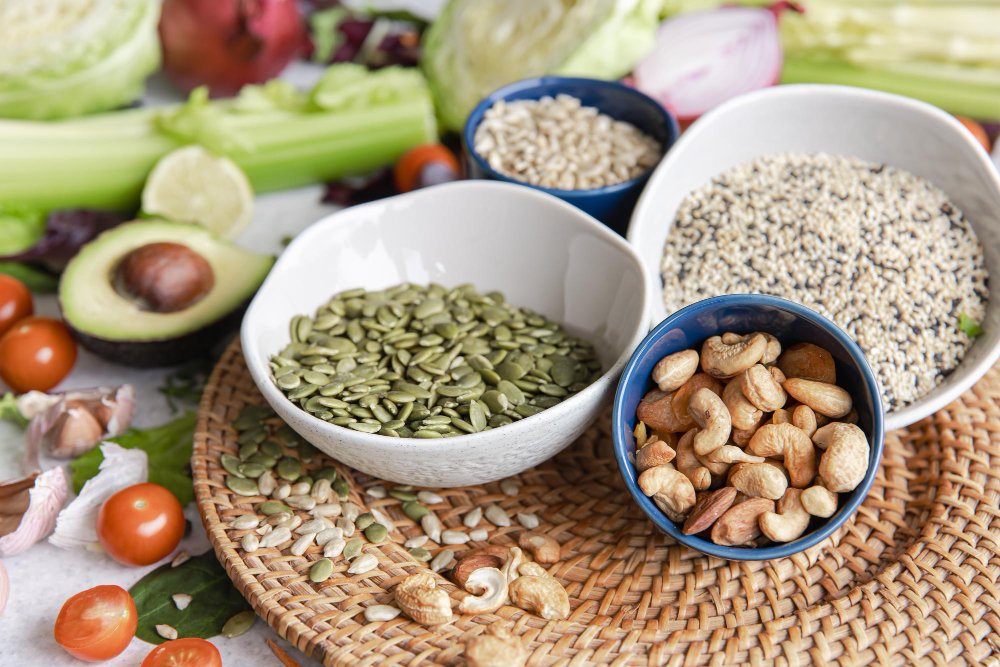
plant protein vs whey protein

7. Conclusion: A New, Nuanced Paradigm

The rise of plant protein is not a fleeting trend but a fundamental realignment of consumer and scientific understanding. The outdated notion of plant protein as “inferior” has been dismantled by advances in nutritional science and food technology.

While whey protein retains a slight edge in acute anabolic potency due to its rapid digestion and superior leucine content, this advantage diminishes in long-term, real-world scenarios where total dietary protein is sufficient. The health and environmental arguments for plant-based proteins are powerful and increasingly supported by robust evidence.

The final verdict is not about crowning a single winner, but about empowering informed choice. The “better” protein is the one that aligns with your individual health goals, ethical beliefs, dietary tolerances, and environmental values. For the athlete focused solely on maximal acute recovery, whey may still be optimal. For the globally-conscious consumer seeking long-term health and planetary sustainability, plant protein is decidedly superior. The future of protein supplementation is not a binary battle, but a diverse ecosystem where both have a vital role to play in supporting human health and the health of our planet.

Optimizing Plant Proteins Through Complementation and Processing

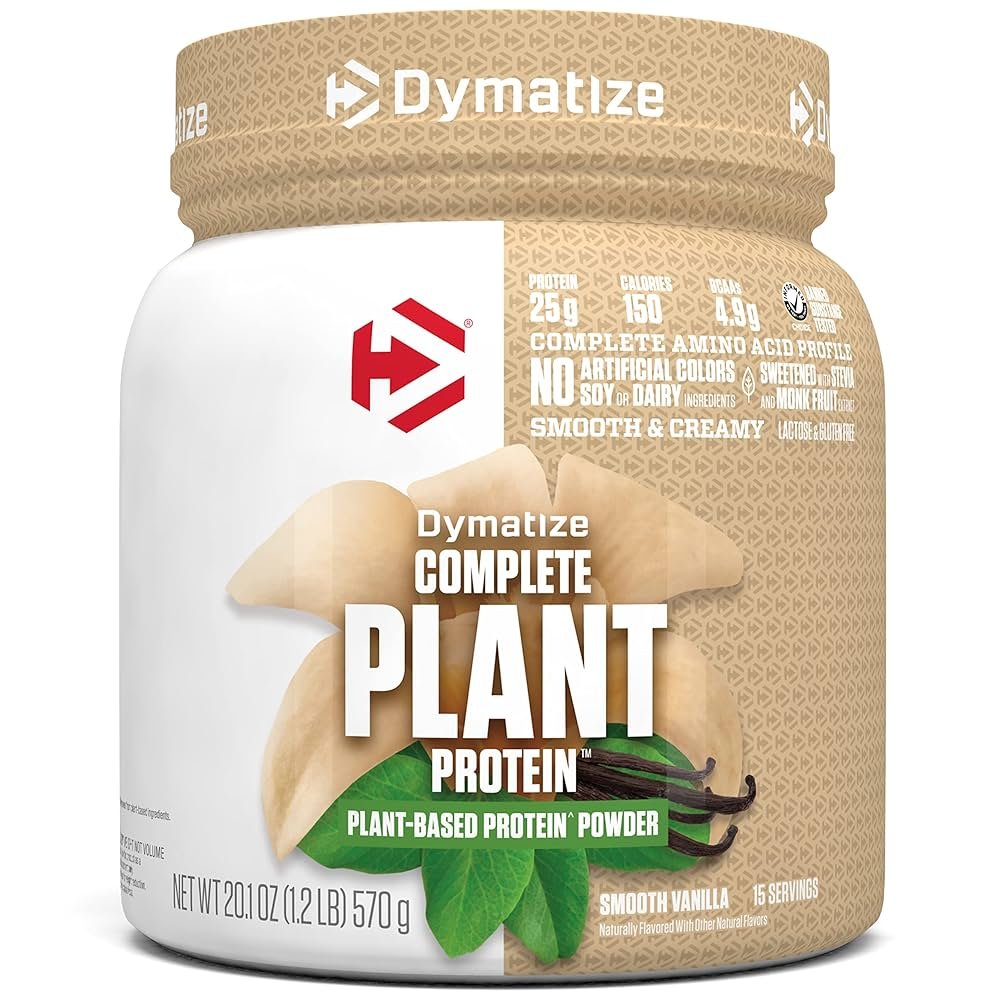
While single-source plant proteins often lack one or more essential amino acids or have lower digestibility, modern strategies can overcome these limitations. Combining complementary proteins—such as rice and pea, or lentil and pumpkin seed—creates a balanced amino acid profile that rivals whey in anabolic potential. Moreover, advanced processing techniques, including fermentation, enzymatic hydrolysis, and sprouting, reduce antinutritional factors like phytates and tannins, enhancing bioavailability. These innovations not only improve muscle protein synthesis potential but also expand the versatility of plant proteins in diverse diets, enabling athletes and general consumers to meet protein targets without sacrificing quality.


The Subtle Role of Non-Protein Nutrients in Muscle and Metabolic Health

Plant proteins deliver more than amino acids—they bring fiber, polyphenols, vitamins, and minerals that collectively influence metabolic health, inflammation, and gut microbiota composition. Emerging evidence suggests these compounds may indirectly support muscle anabolism by improving insulin sensitivity, reducing chronic low-grade inflammation, and enhancing nutrient absorption. While whey protein provides rapid leucine-driven MPS, it lacks these ancillary nutrients. For long-term health and recovery, especially in older adults or those with metabolic concerns, the additional bioactive compounds in plant proteins may confer advantages that go beyond immediate muscle-building effects.


Sustainability and Personalized Nutrition as a Performance Consideration

Increasingly, athletes and fitness enthusiasts are factoring environmental impact into their nutrition strategies—a form of “eco-performance” that aligns ethical responsibility with lifestyle goals. Life-cycle analyses consistently show that plant proteins generate far lower greenhouse gas emissions, require less water, and occupy less arable land than dairy-derived whey. From a performance perspective, diversifying protein sources can also mitigate allergen exposure, improve digestive comfort, and reduce the likelihood of dietary monotony, supporting consistent adherence. Integrating both whey and plant proteins strategically allows athletes to meet acute recovery needs while embracing a more sustainable, personalized dietary framework.


References:

Berrazaga, I., et al. (2019). The Role of the Anabolic Properties of Plant- versus Animal-Based Protein Sources in Supporting Muscle Mass Maintenance: A Critical Review. Nutrients.

Gorissen, S. H., & Witard, O. C. (2018). Characterising the muscle anabolic potential of dairy, meat and plant-based protein sources in older adults. Proceedings of the Nutrition Society.

Van Vliet, S., Burd, N. A., & van Loon, L. J. (2015). The Skeletal Muscle Anabolic Response to Plant- versus Animal-Based Protein Consumption. The Journal of Nutrition.

Messina, M., Lynch, H., Dickinson, J. M., & Reed, K. E. (2018). No Difference Between the Effects of Supplementing with Soy Protein Versus Animal Protein on Gains in Muscle Mass and Strength in Response to Resistance Exercise. International Journal of Sport Nutrition and Exercise Metabolism.

Poore, J., & Nemecek, T. (2018). Reducing food’s environmental impacts through producers and consumers. Science.

FAO. (2013). Dietary protein quality evaluation in human nutrition. Food and Agriculture Organization of the United Nations.

Guide to Finding Reliable Supplement Reviews

Navigating the Information Maze: A Professional’s Guide to Finding Reliable Supplement Reviews

The global dietary supplement market is a behemoth, projected to reach hundreds of billions of dollars within the next few years. This growth is fueled by an increasingly health-conscious public seeking to optimize wellness, fill nutritional gaps, and proactively manage their health. Walk into any pharmacy, grocery store, or browse online marketplaces, and you are met with an overwhelming array of bottles promising everything from enhanced cognitive function and peak physical performance to improved joint mobility and immune support.

This abundance of choice, however, presents a significant challenge for the consumer: how does one distinguish between genuinely beneficial products and those that are, at best, ineffective and, at worst, potentially harmful? The answer, for most, lies in seeking out reviews. Yet, the very landscape of supplement reviews is a minefield of biased opinions, fraudulent testimonials, and pseudoscientific claims. The quest for reliable information is not merely about finding a well-liked product; it is a matter of personal health, financial investment, and scientific integrity.

This guide is designed to equip you with the critical thinking skills and strategic knowledge necessary to cut through the noise. We will move beyond the simplistic five-star rating and delve into a multi-faceted approach for identifying trustworthy supplement reviews. We will explore the inherent limitations of common review sources, outline the hallmarks of credible information, and introduce you to specialized, authoritative platforms where evidence and expertise take precedence over marketing hype.

Check: how to get coupon discounts on Amazon

The Inherent Pitfalls—Why You Cannot Trust Most Review Sources

Before identifying where to find reliable reviews, it is crucial to understand why the most readily available sources are often the least trustworthy. Blind trust in these platforms can lead to poor decisions.

1.1. E-commerce Giants (Amazon, Walmart, etc.): The Wild West of Opinions
Major online retailers are the first stop for many shoppers. While they offer convenience, their review systems are plagued with systemic issues:

  • Fake and Incentivized Reviews: The practice of sellers offering free products in exchange for a “honest” review is widespread. These reviews are often disproportionately positive to maintain the seller’s status in the Amazon Vine program or similar systems. Furthermore, outright fake reviews, purchased in bulk from “review farms,” can artificially inflate a product’s rating.
  • Lack of Verification: There is no way to verify that a reviewer has actually used the product for a meaningful duration, or even at all. A review stating “Seems great, can’t wait to try!” is useless yet common.
  • The Placebo Effect and Short-Term Impressions: Many supplements, particularly those for energy or mood, can produce a strong placebo effect. Reviews based on a few days of use often reflect this initial psychological boost rather than the product’s long-term efficacy.
  • No Expert Oversight: Reviews are from the general public, who lack the scientific or medical background to evaluate a product’s formulation, bioavailability, or potential interactions with medications.

1.2. Brand and Retailer Websites: The Curated Echo Chamber
It should be self-evident, but reviews hosted directly on a supplement company’s website are inherently biased. These are marketing tools, not objective assessments. Negative reviews are frequently filtered out, and positive testimonials are hand-picked to present the product in the best possible light. Relying on a brand’s website for reviews is like asking a car salesman if his cars are reliable—the answer is predictably and universally affirmative.

Guide to Finding Reliable Supplement Reviews

1.3. General Health Blogs and Affiliate Sites: The Conflict of Interest
A significant portion of the health content on the internet is published by affiliate marketers. Their primary goal is not to educate but to earn a commission for every sale made through links on their site. This creates a powerful financial incentive to:

  • Highlight Positives and Omit Negatives: They will emphasize a product’s benefits while downplaying or ignoring its shortcomings, competing products, or critical scientific evidence.
  • Create “Top 10” Lists: These lists are often structured to include as many affiliate-linked products as possible, with rankings influenced by commission rates rather than objective quality.
  • Use Persuasive, Unscientific Language: Be wary of sites filled with phrases like “miracle cure,” “doctor’s hate this one trick,” or “scientifically proven” without linking to robust, peer-reviewed studies.

Check our supplement brand reviews

Why Popularity Is a Poor Proxy for Efficacy

One of the most dangerous assumptions consumers make is equating popularity with effectiveness. High sales volume often reflects marketing reach, influencer exposure, or aggressive discounting—not clinical merit. In fact, some of the most heavily promoted supplements rely on trendy but weakly supported ingredients, while well-researched compounds remain underrepresented due to lower profit margins or lack of brand storytelling appeal. A disciplined reviewer separates market success from biological plausibility. This distinction is critical: the human body does not respond to branding, testimonials, or algorithms—it responds to dosage, bioavailability, and biochemical interaction. Understanding this disconnect protects consumers from mistaking social proof for scientific proof.

From Passive Consumption to Evidence Literacy

The ultimate goal of reading supplement reviews should not be product selection alone, but the development of evidence literacy. This means learning to recognize study quality, differentiate correlation from causation, and understand why some effects appear strong in early trials yet disappear under rigorous testing. An evidence-literate consumer no longer asks, “Does this supplement work?” but instead, “For whom does it work, under what conditions, and at what dose?” This shift fundamentally changes the review process—from scrolling opinions to interrogating data. Over time, it also reduces dependency on external recommendations, allowing individuals to make confident, autonomous health decisions grounded in science rather than persuasion.

The Hallmarks of a Reliable Supplement Review

A trustworthy review is not a simple testimonial. It is an evaluation based on a structured framework. When assessing any review, look for these critical elements:

2.1. Transparency and Disclosure
The source should be transparent about its funding, potential conflicts of interest, and review process. Do they accept free products from manufacturers? Do they use affiliate links? If so, how do they ensure this doesn’t bias their conclusions? Credible sources will have a clear “About Us” and “Methodology” page explaining their standards.

2.2. Scientific Rigor and Evidence-Based Analysis
The core of a reliable review is its grounding in scientific evidence. This means:

  • Reference to Clinical Studies: The reviewer should cite specific human clinical trials (not just animal or lab studies) that support the supplement’s primary ingredients.
  • Evaluation of Dosage: Does the product contain an effective dose of the active ingredient? Many products are “under-dosed,” containing amounts too small to produce the claimed effect. A good review will check the dosage against what has been established in scientific literature.
  • Assessment of Bioavailability: How well is the ingredient absorbed by the body? For example, different forms of magnesium (citrate, oxide, glycinate) have vastly different absorption rates. A credible review will comment on the form used.
  • Third-Party Testing: This is non-negotiable for quality assurance. Does the brand test its products for purity, potency, and contaminants (like heavy metals or microbes) through an independent lab such as NSF International, USP, or ConsumerLab.com? Reviews should mention whether a product is third-party tested and by which organization.

2.3. Critical and Balanced Perspective
No supplement is perfect. A trustworthy review will discuss both the potential benefits and the drawbacks. This includes:

  • Potential Side Effects and Interactions: Who should avoid this supplement? Does it interact with common medications?
  • Cost-Effectiveness: Is the product fairly priced compared to competitors offering similar quality and dosage?
  • Comparison to Alternatives: How does this product stack up against other leading brands? A review that only examines one product in isolation is less valuable than one that provides a comparative analysis.

Related Products

Where to Find Reliable Supplement Reviews—A Tiered Approach

Now that we understand the criteria, let’s explore the specific types of sources that consistently meet these high standards.

Tier 1: Independent, Subscription-Based Testing Organizations
These are the gold standard for objective supplement information. They operate on a subscription model, which removes the conflict of interest inherent in affiliate marketing.

  • ConsumerLab.com: Often considered the most authoritative source, ConsumerLab.com independently tests supplements for quality, purity, and label accuracy. They select popular products from the market, put them through rigorous laboratory analysis, and publish detailed reports. Their reviews tell you unequivocally if a product contains what it claims, in the amount it claims, and is free from contaminants. They also provide extensive research summaries, dosage recommendations, and potential drug interactions. The subscription fee is a worthwhile investment for anyone serious about their supplement choices.
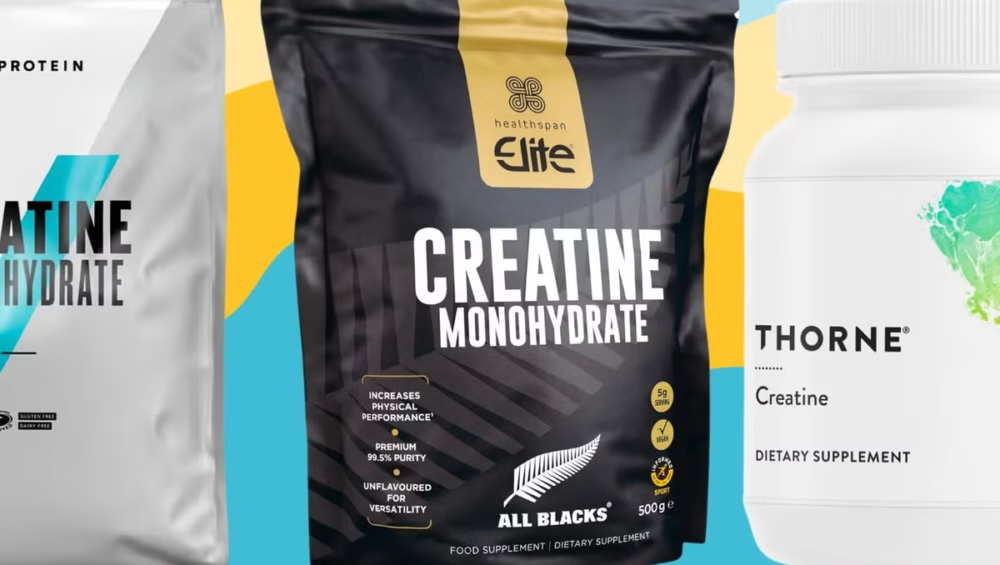
  • Labdoor: Labdoor follows a similar model, purchasing products anonymously and testing them for label accuracy and purity. They then rank products within a category (e.g., Vitamin D, Protein Powder) based on a combination of scientific efficacy and measured quality. Their data-driven approach is highly valuable, and they offer a lot of information for free, with more detailed reports available through a premium subscription.
  • USP Verified and NSF Certified: While not review sites per se, looking for the USP (U.S. Pharmacopeia) or NSF International certification marks on a product is a shortcut to quality. These organizations certify that a supplement has been manufactured to high standards of purity, potency, and good manufacturing practices (GMP). If a product bears one of these seals, it has passed a rigorous voluntary audit.

Tier 2: Expert-Driven Platforms and Scientific Databases
These sources provide deep dives into the science behind the supplements, helping you understand why an ingredient might work before you even look at a specific brand.

  • Examine.com: This is an unparalleled resource for evidence-based information on supplement ingredients. Examine.com‘s team of researchers aggregates and synthesizes thousands of scientific studies on everything from creatine and curcumin to ashwagandha and zinc. Their “Human Effect Matrix” provides a clear, visual summary of the evidence for each purported benefit. While they generally do not review commercial brands, their ingredient databases are foundational knowledge. By using Examine.com, you can first determine if the science supports the use of a particular ingredient for your goal, making you a more informed consumer when you later evaluate specific products.
  • PubMed / Google Scholar: For those with the ability to navigate scientific literature, going directly to the source is invaluable. Searching for the primary ingredient (e.g., “rhodiola rosea fatigue clinical trial”) on PubMed will bring you the original research. Look for meta-analyses and systematic reviews, which represent the highest level of evidence by combining results from multiple studies. This approach requires scientific literacy but offers the most direct access to the facts.

Tier 3: Critical and Analytical Health Journalism
Certain publications employ journalists who specialize in health and science and are committed to rigorous, investigative reporting.

  • Medscape, WebMD (with caution): These platforms provide information written or reviewed by healthcare professionals. While they may not review specific brands, their monographs on supplement ingredients are generally reliable and highlight evidence, side effects, and interactions. Use them for background research.
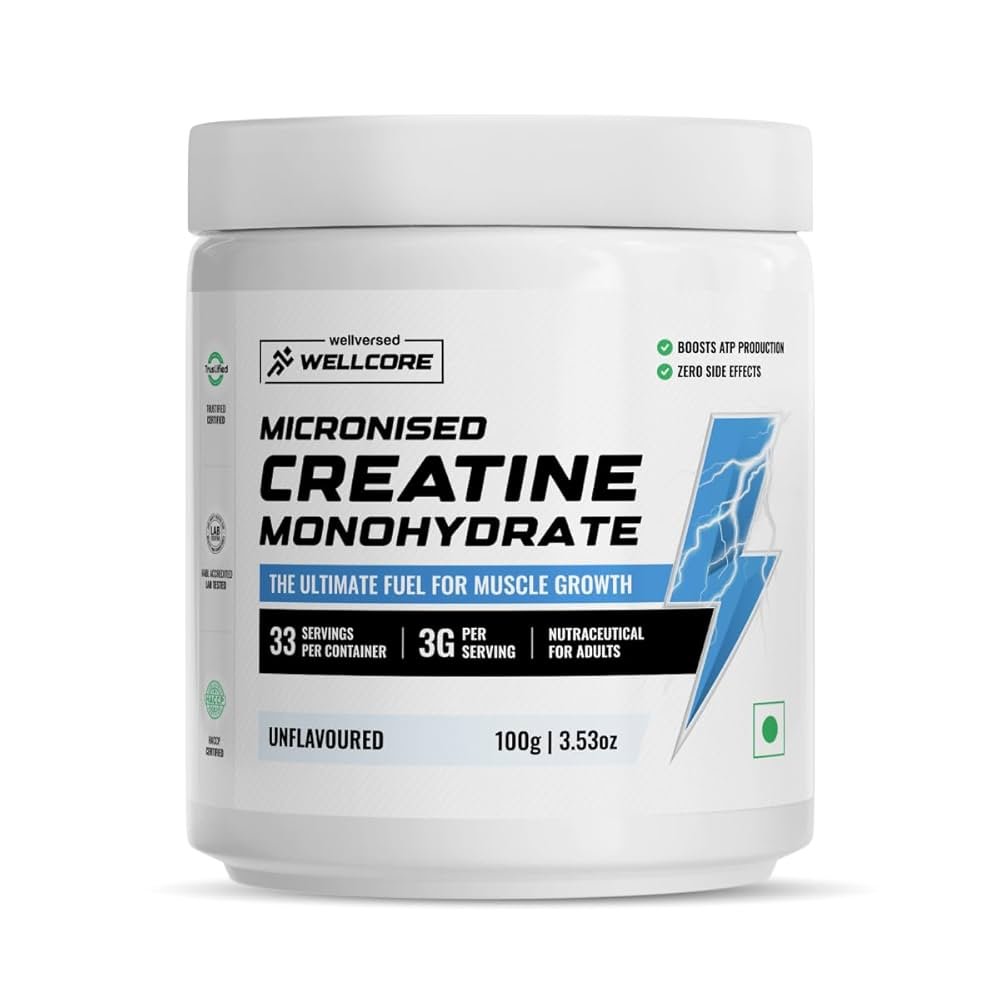
  • The Examine.com Research Digest: A paid subscription service that summarizes the latest and most important supplement studies each month, saving you the time of sifting through primary literature.
  • Reputable University and Medical Center Websites: Websites affiliated with major institutions like the Mayo Clinic, Cleveland Clinic, or Harvard Medical School often publish fact-based articles on supplements. These are excellent, unbiased sources for understanding the potential benefits and risks.

Check Myths and Facts about supplements

Are supplement reviews on Amazon reliable? guide to find reliable supplement reviews

A Cautious Approach to Professional Opinions

  • Licensed Healthcare Providers: The most reliable review you can get is a personalized one from your doctor, dietitian, or pharmacist. They know your health history, current medications, and specific needs. Crucially, always consult with a healthcare provider before starting any new supplement regimen.
  • Specialist Pharmacies (Compounding Pharmacies): Pharmacists at compounding pharmacies often have deep knowledge of nutraceuticals and can provide expert advice on brand quality and potential interactions.
A Practical Framework for Your Personal Evaluation

Armed with knowledge of reliable sources, you can create a systematic process for evaluating any supplement:

  1. Identify Your Goal: Be specific. Instead of “boost energy,” think “reduce afternoon fatigue related to poor sleep.” This clarity will guide your research.
  2. Research the Ingredient(s): Before looking at brands, go to Examine.com or a medical site to see if the core ingredients have solid evidence for your specific goal.
  3. Check for Third-Party Verification: Search for the product or brand on ConsumerLab.com or Labdoor. If it’s not listed, look for a USP, NSF, or other independent quality seal on the product’s packaging.
  4. Scrutinize the Label:
    • Dosage: Does it match the effective dose found in studies?
    • Form: Is the ingredient in a bioavailable form (e.g., magnesium glycinate vs. oxide)?
    • Fillers and Additives: Avoid products with excessive fillers, artificial colors, or allergens you wish to avoid.
  5. Read Reviews with a Critical Eye: Now, and only now, glance at Amazon or other retail reviews. Look for detailed, long-term reviews that mention specific, measurable outcomes. Ignore five-star reviews that are vague or one-star reviews based on shipping damage. Look for patterns in the feedback.
  6. Consult Your Healthcare Provider: Discuss your findings and your decision with your doctor or pharmacist to ensure it is safe and appropriate for you.

Check also: supplements studies – go deeper into the supplements world

Are supplement reviews on Amazon reliable? guide to find reliable supplement reviews

Empowering Yourself as an Informed Consumer

In the vast and unregulated world of dietary supplements, the responsibility for safety and efficacy falls largely on the consumer. The path to finding reliable reviews requires a paradigm shift—from seeking simple testimonials to demanding evidence-based analysis. By understanding the pitfalls of common review sources, recognizing the hallmarks of credibility, and prioritizing independent, science-driven platforms like ConsumerLab.com and Examine.com, you can transform yourself from a passive buyer into an empowered, informed decision-maker.

This process requires more effort than simply clicking the “top-rated” filter on an e-commerce site, but the payoff is substantial. It is the difference between wasting money on a placebo and investing in a high-quality product that genuinely supports your health and well-being. In an industry filled with noise, let scientific evidence and independent verification be your guide.

pre-workouts supplements

Top 10 Pre-Workout Supplements Ranked by Effectiveness

You’ve set the alarm for 5 AM. You’ve packed your gym bag. You’re mentally prepared to crush your legs, back, or chest. But as you stumble into the kitchen, half-asleep, a critical question arises: What will fuel this impending assault on your limits? For millions of athletes, bodybuilders, and fitness enthusiasts, the answer lies in a single scoop of pre-workout powder.

The pre-workout supplement market is a booming, often bewildering, landscape. Walk down the supplement aisle or browse online, and you’re met with a cacophony of neon tubs, explosive names, and bold claims. It’s easy to get lost in the marketing hype. That’s precisely why we’re here—to cut through the noise with a data-driven, evidence-based analysis.

Our mission is not just to list popular products, but to rank the top 10 pre-workout supplements based primarily on one criterion: scientific effectiveness. We’ve dissected the formulas, evaluated the dosages of key ingredients against clinically studied amounts, and considered factors like transparency, value, and user experience. This is your definitive guide to finding the perfect chemical co-pilot for your training sessions.
Pre-Workout as a Performance Lens, Not Just an Energy Drink

A pre-workout should be understood as a performance lens—it amplifies whatever foundation you bring into the session. If sleep, hydration, and nutrition are dialed in, the right formula can sharpen output, extend working sets, and improve neural drive. If they are not, even the strongest stimulant cocktail will merely mask fatigue. This is why scientifically dosed ingredients like Citrulline and Beta-Alanine matter more than sheer caffeine load: they enhance physiological capacity rather than borrowing energy from tomorrow. The most effective pre-workouts don’t make you feel invincible—they make you measurably better under load.

Tolerance, Cycling, and the Long Game of Pre-Workout Use

One of the most critical yet ignored factors in pre-workout effectiveness is tolerance management. Chronic high-dose caffeine use desensitizes adenosine receptors, blunting both stimulatory effects and natural energy rhythms. Savvy athletes cycle stimulants strategically—using full-dose pre-workouts for high-intensity or PR-focused sessions, and lower-stim or stim-free formulas for volume days or evening training. This approach preserves sensitivity, improves sleep quality, and maintains long-term effectiveness. In other words, the best pre-workout protocol isn’t about maximum stimulation—it’s about sustainable performance progression over months and years.
Our Ranking Methodology: Beyond the Hype

Before we dive in, it’s crucial to understand our framework. We did not rank these based on flavor or which brand has the most influencers. Our ranking is built on a multi-point system:

  1. Ingredient Efficacy (40%): Does the product contain ingredients with robust scientific backing for improving performance? We prioritized formulas built on proven compounds like Citrulline Malate, Beta-Alanine, and Creatine.
  2. Dosage Transparency & Adequacy (30%): A “proprietary blend” is often a red flag for under-dosing. We rewarded products that fully disclose the amount of each ingredient and provide them in clinically effective doses (e.g., 6-8g of Citrulline Malate, 3.2g of Beta-Alanine).
  3. Stimulant Clarity & Safety (15%): Caffeine is the king of stimulants, but its source and amount matter. We favored products that clearly state their caffeine content (from anhydrous caffeine) over those with obscure “energy blends.”
  4. Value & User Feedback (15%): While science is primary, real-world results matter. We considered the cost per serving and aggregated consistent feedback from a wide range of users on factors like focus, pump, and energy without excessive side effects.

With this rigorous approach, let’s unveil the top 10 pre-workout supplements that truly deliver.


The Definitive Ranking: Top 10 Pre-Workout Supplements

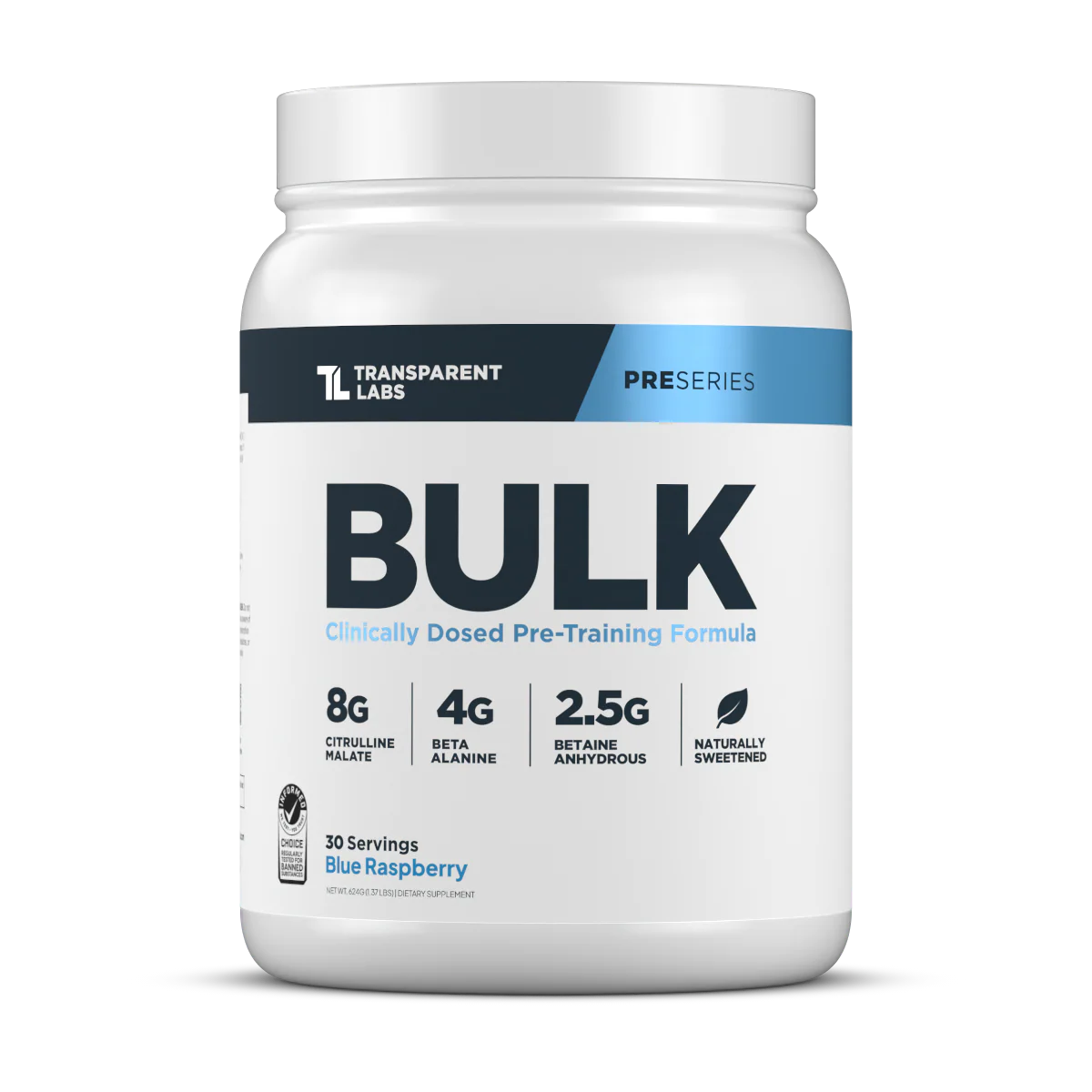
#1: Transparent Labs PreSeries BULK

The Verdict: The Gold Standard of Evidence-Based Formulations.

Taking our top spot is Transparent Labs BULK, a product that exemplifies what a modern, high-performance pre-workout should be. It wins not with flashy marketing, but with an uncompromising commitment to transparency and efficacy.

  • Key Ingredients & Dosage:
    • Citrulline Malate (6g): A perfect clinical dose for dramatically increasing nitric oxide production, blood flow, and muscular endurance. This is the pump and performance cornerstone.
    • Beta-Alanine (3.2g): The exact dose shown in studies to increase intramuscular carnosine levels, buffering acid buildup and delaying fatigue during high-intensity exercise.
    • Betaine Anhydrous (2.5g): Shown to increase power output, strength, and muscular endurance.
    • Caffeine Anhydrous (200mg): A substantial, clean energy hit that is clearly labeled, allowing users to tailor their intake.
    • Alpha-GPC (150mg): A potent cholinergic compound that enhances focus, mind-muscle connection, and power output.
  • Why It’s #1: There are zero proprietary blends. Every gram is accounted for. The formula is a masterclass in synergy—each ingredient is dosed correctly and works in concert to deliver explosive energy, skin-splitting pumps, and unparalleled endurance. It’s a stimulant-forward product, making it ideal for morning workouts or breaking through plateaus. For the athlete who wants no-compromise performance and total label transparency, BULK is unmatched.
Transparent Labs PreSeries BULK

#2: Kaged Muscle Pre-Kaged

The Verdict: A Clean, Multi-Faceted Powerhouse for the Discerning Athlete.

Kaged Muscle Pre-Kaged is a perennial favorite for a reason. Founded by renowned bodybuilder Kris Gethin, the brand is built on a foundation of purity and potency. Pre-Kaged uses many whole-food sourced ingredients and avoids artificial fillers, resulting in a premium product that delivers across all fronts.

  • Key Ingredients & Dosage:
    • Citrulline (6g): Provided as Citrulline HCl and from watermelon extract, ensuring robust NO production.
    • L-Citrulline & L-Tyrosine (2.5g): A synergistic combination for energy and endurance.
    • Hydromax® Glycerol (2g): A game-changer for hydration and the “pump.” Glycerol draws water into muscle cells and vascular tissue, enhancing fullness and vascularity beyond what nitric oxide boosters alone can achieve.
    • Fermented Creatine HCl (1.5g): A highly bioavailable form of creatine for strength and power.
    • Caffeine from Green Coffee Bean (274mg): A clean, natural source of caffeine.
  • Why It’s #2: Pre-Kaged’s inclusion of glycerol sets it apart, creating a next-level hydration and pump effect. The use of fermented ingredients and organic compounds speaks to its quality. It provides a tremendous boost in energy, focus, and performance, with a formula that feels both potent and clean. It’s a close second, appealing to those who prioritize clean labels and innovative ingredients.

#3: Legion Athletics Pulse

The Verdict: The Intelligent Choice for the Informed Consumer.

Legion Athletics, founded by health scientist Mike Matthews, operates with a philosophy similar to Transparent Labs: evidence-based, fully transparent, and no proprietary blends. Pulse is their flagship pre-workout, and it’s brilliantly formulated for a balanced yet powerful effect.

  • Key Ingredients & Dosage:
    • Citrulline Malate (6g): Again, the clinical dose for pumps and endurance.
    • Beta-Alanine (3.2g): The full clinical dose for fatigue reduction.
    • Betaine Anhydrous (2.5g): For increased power and strength.
    • L-Theanine (350mg) & Caffeine (350mg): This is Pulse’s secret weapon. The 1:1 ratio of L-Theanine to Caffeine is scientifically proven to smooth out the jittery effects of caffeine, promoting a state of calm, laser-sharp focus without the crash.
  • Why It’s #3: Pulse is for those who are sensitive to stimulants or dislike the “over-caffeinated” feeling. The L-Theanine/Caffeine combo provides incredible focus and sustained energy. Like our top pick, its label is 100% transparent. It may be slightly less intense on the initial “kick” than BULK, but its sophisticated, balanced approach to energy and focus makes it a top-tier choice for daily training.

#4: Jacked Factory Nitrosurge

The Verdict: High-Octane Performance Without the Proprietary Blends.

Jacked Factory is another brand that has earned a loyal following by prioritizing transparent, effective formulas at a competitive price point. Nitrosurge is a potent, stimulant-based pre-workout designed for maximum intensity.

  • Key Ingredients & Dosage:
    • Citrulline Malate (6g): Consistent with the top performers.
    • Beta-Alanine (3.2g): Full clinical dose.
    • Glycerol Powder (2g): Similar to Pre-Kaged, this inclusion enhances hydration and pumps significantly.
    • Taurine (2g): An amino acid that can support hydration, muscle contraction, and may help counteract nervous system fatigue.
    • Caffeine Anhydrous (250mg): A strong, clean stimulant dose.
  • Why It’s #4: Nitrosurge is a straightforward, hard-hitting formula. It doesn’t have the extra nuances of Alpha-GPC or L-Theanine, but it delivers massively on the core pillars: energy, pump, and endurance. Its transparency and inclusion of glycerol at a solid dose make it an excellent value and a fantastic option for those seeking a powerful, no-frills energy blast.

Related Products

#5: Optimum Nutrition Gold Standard Pre-Workout

The Verdict: The Trusted Name, Finally with a Transparent Formula.

Optimum Nutrition is a household name, but their original pre-workout suffered from a proprietary blend. Their updated Gold Standard Pre-Workout is a massive step in the right direction, offering a well-rounded and fully disclosed formula from a brand you can trust.

  • Key Ingredients & Dosage:
    • Creatine Monohydrate (3g): The gold standard of creatine, included for strength and power. A great addition for those not taking creatine separately.
    • Citrulline (2g): While effective, this is lower than the ideal 6-8g dose. This is the formula’s main weakness for pure pump seekers.
    • Beta-Alanine (2g): Also slightly under-dosed compared to the 3.2g clinical sweet spot, but still effective.
    • Caffeine (175mg): A moderate dose, great for intermediate users or those with lower caffeine tolerance.
  • Why It’s #5: ON’s formula may not be the most aggressive, but it’s incredibly solid, reliable, and accessible. The inclusion of 3g of Creatine Monohydrate is a huge plus. It’s a fantastic “all-in-one” option for the general lifter who wants a clean energy boost, some pump, and the benefits of creatine without an overwhelming stimulant experience.

#6: Cellucor C4 Original

The Verdict: The Gateway Pre-Workout That Started a Revolution.

It’s impossible to talk about pre-workouts without mentioning Cellucor C4. It popularized the category for a generation of gym-goers. While its formula uses a proprietary blend (a mark against it in our rankings), its effectiveness and popularity are undeniable.

  • Key Ingredients (Blend Disclosure):
    • Creatine Nitrate: A patented form that may offer better solubility than monohydrate.
    • Beta-Alanine (as part of a blend): Likely under-dosed based on the blend size.
    • Arginine AKG: A precursor to nitric oxide, though less effective than Citrulline.
    • Caffeine (150mg per scoop): A lighter dose, making it adaptable.
  • Why It’s #6: C4’s strength is its “feel.” The inclusion of niacin (Vitamin B3) causes a characteristic “tingle” (vasodilation) that many users associate with the product working. It provides a clean, noticeable energy boost and a decent pump. While it’s not the most potent or transparent formula anymore, its consistency, great flavors, and accessibility make it a reliable choice for beginners.

#7: Pre Jym by JYM Supplement Science

The Verdict: A Scientifically Complete Formula from a Industry Pioneer.

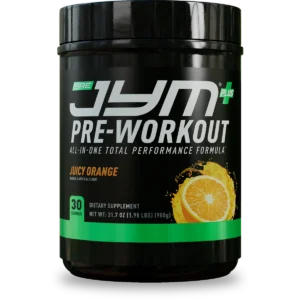
Dr. Jim Stoppani is a well-known figure in fitness science, and his Pre Jym product was designed to be the “complete” pre-workout. It’s a robust formula with a wide array of ingredients, all disclosed in a “Proprietary Matrix” that actually lists the amounts of each component—a step above traditional hidden blends.

  • Key Ingredients:
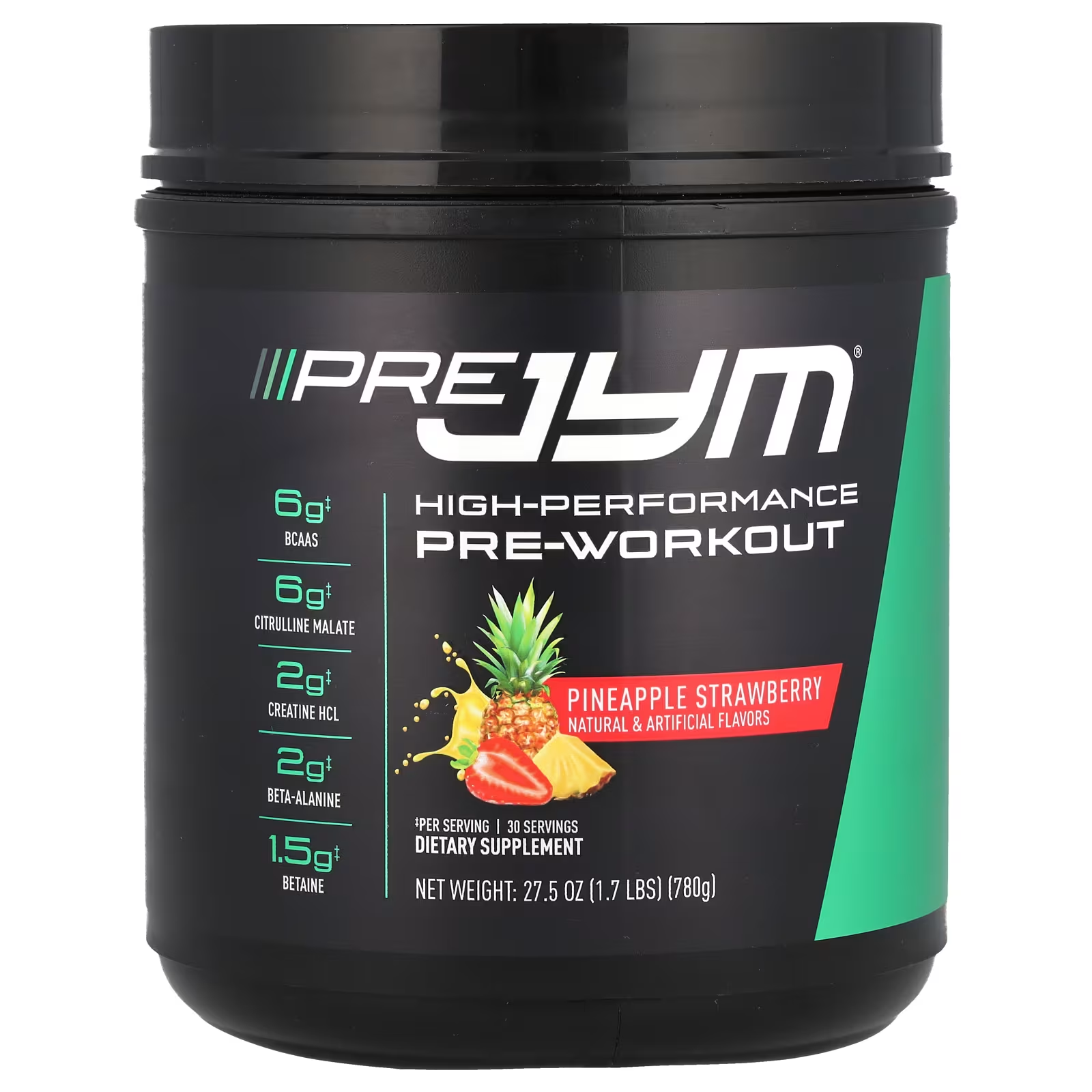
    • Creatine HCL (2g), Beta-Alanine (2g), Betaine (1.5g), Citrulline Malate (1g): The issue here is dispersion. While the total amount of ingredients is impressive, key components like Citrulline are significantly under-dosed compared to clinical standards when split across the recommended two scoops.
  • Why It’s #7: Pre Jym’s ambition is commendable. It tries to do everything: pump, strength, energy, focus. However, this “kitchen sink” approach means that some critical ingredients aren’t dosed high enough to be maximally effective. It’s a high-quality product that works well, but it’s expensive and doesn’t optimize the doses of its star players as effectively as our top picks.
Pre Jym by JYM Supplement Science

#8: Beast Sports Nutrition Beast Mode

The Verdict: A Potent Stimulant and Pump Experience.

Beast Mode is a popular choice for those seeking a powerful kick. It’s known for delivering intense energy and significant pumps, though it relies on a proprietary “Pump & Performance Matrix,” which limits our ability to fully validate its doses.

  • Key Ingredients (Blend):
    • L-Citrulline, Glycerol, Beta-Alanine: The combination is promising for pumps and endurance.
    • Caffeine (Amount varies by version): Beast Mode offers different stimulant levels, which is a nice feature.
  • Why It’s #8: User reports consistently praise the strong energy and solid pump effects. While the proprietary blend is a drawback, the product’s reputation and results place it in the conversation. It’s a step above more obscure brands but falls short of the transparency offered by the top half of our list.

#9: BSN NO-Xplode

The Verdict: A Classic Formula with Modern Updates.

Like C4, NO-Xplode is a classic in the pre-workout world. It has been reformulated over the years to keep up with trends. It provides a strong energy rush and a good pump, but it also contains a proprietary blend and some artificial ingredients.

  • Key Ingredients (Blend):
    • Contains a mix of Creatine, Beta-Alanine, and Citrulline, though specific doses are obscured.
  • Why It’s #9: NO-Xplode is effective. Many long-time users swear by it. However, in a modern market that values transparency, it’s hard to recommend it over brands that show you exactly what you’re paying for. It remains a solid, commercially successful product, but it’s been surpassed by more innovative and honest formulations.

#10: Old School Labs Vintage Blast

The Verdict: A “Natural” Feeling Pre-Workout for the Purist.

Old School Labs markets itself with a retro, clean-branding aesthetic. Vintage Blast follows suit, aiming for a more natural energy source from ingredients like Green Tea and Green Coffee Bean, alongside core performance ingredients.

  • Key Ingredients:
    • Citrulline Malate (3g): Under-dosed for optimal effect.
    • Beta-Alanine (2g): Also below the clinical dose.
    • Natural Caffeine (150mg): A moderate, clean dose.
  • Why It’s #10: Vintage Blast is a good option for those with a very low stimulant tolerance or who are wary of artificial ingredients. However, the under-dosing of its key active compounds limits its effectiveness for serious athletes seeking maximum performance. It’s a gentle introduction to pre-workouts but lacks the potency of higher-ranked products.

The Final Rep: Your Choice Depends on Your Goal

The “best” pre-workout is not a one-size-fits-all answer. It’s a tool, and you must choose the right tool for the job.

  • For the No-Compromise Athlete: Transparent Labs PreSeries BULK is your undisputed champion. Its transparency and optimally dosed formula are unmatched.
  • For the Focus-Seeking Mind: Legion Pulse provides a uniquely smooth, focused energy that is perfect for technical lifts or after-work training sessions.
  • For the Pump Enthusiast: Kaged Muscle Pre-Kaged and Jacked Factory Nitrosurge, with their added glycerol, will deliver unparalleled vascularity and muscle fullness.
  • For the Beginner: Optimum Nutrition Gold Standard Pre-Workout or Cellucor C4 Original offer a reliable, effective, and accessible entry point into the world of pre-workout supplementation.

No matter your choice, remember that a pre-workout is a supplement to a solid foundation: consistent training, impeccable nutrition, and adequate recovery. Use it wisely to enhance your efforts, not replace them. Now, go fuel that fire and crush your next workout.


Disclaimer: Always consult with a healthcare professional before beginning any new supplement regimen. The information contained in this article is for educational purposes only and is not intended as medical advice. Individual results may vary.

protein information

Best value protein powder

Best value protein powder. Let’s cut through the noise. You’re in the supplement aisle or scrolling online, faced with a wall of tubs promising “massive gains,” “ultra-clean formulas,” and “superior absorption.” But for the savvy gym-goer, the real question isn’t just which one is best—it’s which one offers the best value.

Value isn’t just the lowest price tag. It’s the intersection of cost, quality, purity, and performance. It’s about getting the most muscle-building bang for your hard-earned buck. This guide breaks down the top contenders in the US and Canadian markets, giving you the knowledge to choose like a pro.

What Truly Defines “Value” in Protein Powder?

Before we compare brands, let’s establish the metrics. The best value protein powder should excel in:

  1. Cost Per Serving: The straightforward math. (Total Price / Number of Servings).
  2. Cost Per Gram of Protein: A more precise metric. A cheaper tub that uses fillers has a worse cost per gram than a purer, slightly more expensive one.
  3. Protein Quality: Measured by its amino acid profile, especially Leucine content (the key trigger for muscle protein synthesis), and digestibility (e.g., PDCAAS or DIAAS score).
  4. Purity & Ingredients: Does it have a “spiky” proprietary blend? Is it loaded with fillers, artificial sweeteners, or unnecessary carbs and fats? A clean label is part of the value.
  5. Taste & Mixability: Because if it tastes like chalky mud, you won’t drink it, and that’s the worst value of all ($0 return on investment).

The Contenders: US & Canada Showdown

Here’s a breakdown of the most popular products, with a specific look at the cross-border differences.

Best value protein powder

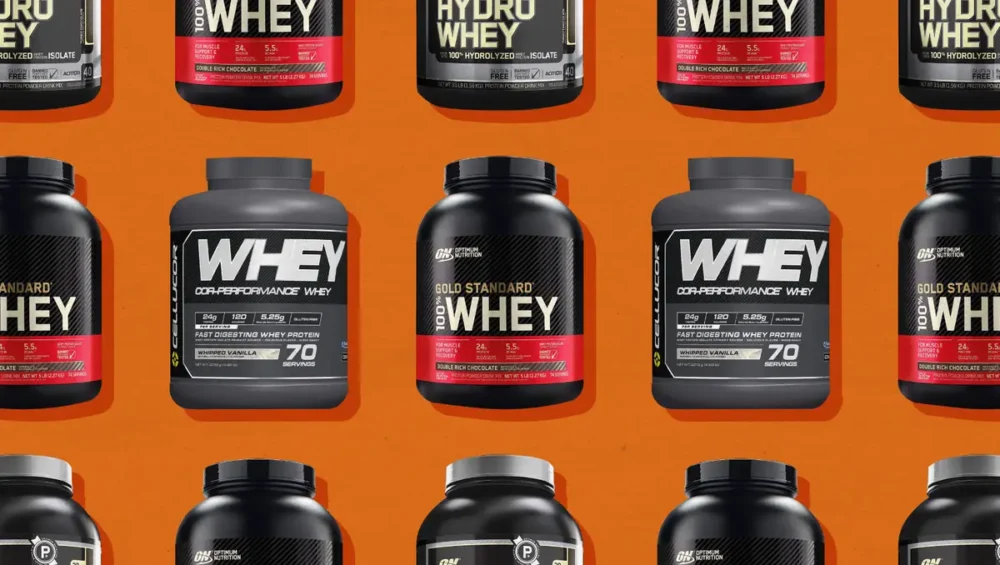
1. The Gold Standard: Optimum Nutrition (ON) Gold Standard 100% Whey

  • The Vibe: The consistent, reliable benchmark. It’s the best-selling whey protein in the world for a reason.
  • US Analysis:
    • Value: Excellent. Consistently well-priced at major retailers like Costco and Amazon.
    • Specs: ~24g of protein per 30g scoop, blend of whey isolate and concentrate. Low in carbs, fat, and sugar. Third-party tested for purity.
    • Cost/Gram: Typically around $0.04 – $0.045 per gram of protein.
    • Gym Society Verdict: The default choice for a reason. It’s not always the absolute cheapest, but its consistent quality, immense flavor variety (Double Rich Chocolate is a classic), and proven track record make it a top-tier value pick.
  • Canada Analysis:
    • The Catch: ON is significantly more expensive in Canada due to import costs and market dynamics.
    • Cost/Gram: Can range from $0.055 – $0.065 per gram, often 25-30% higher than the US.
    • Gym Society Verdict: Still a great product, but its value proposition isn’t as dominant as in the US. Canadian buyers should wait for sales at Popeye’s Supplement or Supplement Source.

2. The Budget King: MyProtein Impact Whey Protein

  • The Vibe: The direct-to-consumer disruptor. They cut out the middleman to offer aggressive pricing, especially with frequent discount codes (never buy at full price!).
  • US & Canada Analysis:
    • Value: Unbeatable on pure cost, if you buy on a 40-50% off sale.
    • Specs: Primarily whey concentrate. Offers both Whey (~$0.03-0.04/gram) and Whey Isolate (~$0.04-0.05/gram) options. Massive, massive flavor selection (read reviews first!).
    • The Trade-off: Flavors can be hit-or-miss. Some find the sweetness overwhelming. The base concentrate is less filtered than an isolate, so it has slightly more carbs/fat, but the protein content is still solid.
    • Gym Society Verdict: The undisputed champion for cost-per-gram. Ideal for the budget-conscious lifter who consumes protein frequently and doesn’t mind ordering online. Pro Tip: Buy a sample pack before committing to an 11lb bag of “White Chocolate Peanut Butter.”

3. The Premium Pure Play: Dymatize ISO 100 Hydrolyzed

  • The Vibe: The shredded athlete’s choice. If you’re dialing in for a cut, are lactose-sensitive, or want the fastest-absorbing protein, this is it.
  • US Analysis:
    • Value: Premium price for a premium product.
    • Specs: Hydrolyzed whey protein isolate. ~25g of protein, <1g of carbs/sugar/fat. Virtually lactose-free and famously easy to digest.
    • Cost/Gram: ~$0.06 – $0.08 per gram.
    • Gym Society Verdict: You’re paying for purity and speed. The value is there for those with specific needs: contest prep, serious lactose intolerance, or a post-workout shake where rapid absorption is the priority. The Gourmet Chocolate flavor is elite.
  • Canada Analysis:
    • Similar to ON, it carries a premium. Sales are your best friend.

4. The Plant-Based Powerhouse: Vega Sport Premium Protein

  • The Vibe: The elite plant-based option. Formulated specifically for athletes with a complete amino acid profile.
  • US & Canada Analysis:
    • Value: Plant-based proteins are inherently more expensive to produce. Vega is a premium brand, so you pay for it.
    • Specs: 30g of protein from a blend of pea, pumpkin seed, organic sunflower seed, and alfalfa protein. Includes 5g of BCAAs and 2g of Creatine HCL in the “Sport” version.
    • Cost/Gram: ~$0.07 – $0.09 per gram.
    • Gym Society Verdict: The best value in plant-based protein isn’t about cheapness; it’s about efficacy. For vegan athletes, the added BCAAs and creatine provide tangible performance benefits you’d otherwise have to buy separately, justifying the higher cost.

Learn more about whey protein

5. The Canadian Classic: Canadian Protein

  • The Vibe: The hometown hero. This is a direct-to-consumer Canadian company that has earned a cult following.
  • Canada Analysis:
    • Value: Exceptional. This is often the #1 value pick for Canadians.
    • Specs: They offer everything: whey concentrate, isolate, blend, vegan blends, and even beef protein. No proprietary blends; the formulations are transparent.
    • Cost/Gram: Roughly $0.035 – $0.045 per gram for whey, often beating MyProtein’s Canadian pricing.
    • Gym Society Verdict: For Canadians, this is frequently the final answer. The quality is high, the price is right, and it’s sourced within the country. The flavors are more straightforward (less “fruity pebbles”) but reliable. A must-check for any Canadian lifter.

The Hidden Cost of Cheap Protein: When “Value” Backfires

True value also means understanding what doesn’t show up on the label. Ultra-cheap protein powders often cut costs through excessive flavor systems, nitrogen spiking, or low-quality whey sourced from over-processed dairy streams. While the tub price may look attractive, poor digestibility, bloating, or inconsistent amino acid delivery can quietly undermine results—especially for athletes consuming protein multiple times per day. If a powder disrupts digestion or compliance, the real cost is stalled progress. A slightly higher-priced protein that digests cleanly, mixes well, and fits effortlessly into daily nutrition often delivers a far better long-term return.

Matching Protein Type to Use Case: The Value Multiplier Most People Miss

The smartest buyers don’t ask “Which protein is best?”—they ask “Which protein is best for this moment?” Whey isolate shines post-workout when rapid absorption matters. Whey concentrate offers unbeatable value for baking, smoothies, or between-meal supplementation. Plant-based blends work best when paired with meals to enhance amino acid utilization. When protein choice is aligned with timing and purpose, efficiency skyrockets. This strategic matching turns even mid-priced products into high-performance tools, maximizing muscle protein synthesis per dollar spent rather than relying on a single “do-it-all” powder.


The Final Scoop: How to Choose

  • For the US Lifter on a Budget: MyProtein (on sale) is your winner. ON Gold Standard is the reliable, great-tasting backup you can find anywhere.
  • For the US Lifter Wanting Purity: Dymatize ISO 100 is worth the investment for its specific benefits.
  • For the Canadian Lifter on a Budget: Canadian Protein is your champion. Check MyProtein.ca during deep sales to compare.
  • For the Canadian Lifter Wanting Convenience: Optimum Nutrition is everywhere, but wait for a BOGO 50% off deal at your local supplement store.
  • For the Vegan Athlete (Anywhere): Vega Sport provides the best functional value for recovery.

The Ultimate Gym Society Pro-Tip: Blend. Keep a premium isolate (like Dymatize) for your immediate post-workout shake and use a cost-effective concentrate (like MyProtein or Canadian Protein) for your daily smoothies or oatmeal. This strategic approach maximizes both your results and your wallet.

Stop overpaying for marketing. Let the grams, the dollars, and the labels guide you. Now go get that gain

preparing preworkout

Pre-Workout for Beginners: A No-BS Guide to Your First Safe and Effective Boost

In the vibrant, often overwhelming world of fitness and supplementation, few products capture the imagination quite like pre-workout. These potent concoctions promise to unlock new levels of energy, focus, and endurance, transforming even the most sluggish gym session into an electrifying performance. For many, the idea of a magic powder that instantly boosts performance is incredibly appealing. However, for beginners stepping into this arena, the sheer variety of products, complex ingredient lists, and often exaggerated claims can be daunting. This guide aims to cut through the noise, offering a straightforward, no-BS approach to understanding, choosing, and safely using pre-workout supplements.

So, what exactly is pre-workout? At its core, a pre-workout supplement is a multi-ingredient dietary formula designed to be taken before exercise to enhance athletic performance. These supplements typically contain a blend of ingredients such as caffeine, creatine, beta-alanine, and L-citrulline, each targeting different aspects of physical and mental readiness. The goal is to provide a temporary boost in energy, improve focus, increase endurance, and sometimes even aid in strength and muscle pump during a workout session.

For newcomers to fitness, the allure of pre-workout can be strong. It promises to make tough workouts easier, push through plateaus, and accelerate progress. Yet, without proper guidance, beginners can easily fall prey to misinformation, choose unsuitable products, or misuse supplements, leading to unpleasant side effects or even health risks. This guide is specifically crafted for those taking their first steps into the world of pre-workouts, emphasizing safety, effectiveness, and informed decision-making. We’ll demystify common ingredients, discuss potential benefits and risks, and provide practical advice on how to integrate these supplements responsibly into your fitness routine.

Before diving in, a crucial disclaimer: while this article provides comprehensive, research-backed information, it is not a substitute for professional medical advice. Always consult with a healthcare professional or a registered dietitian before starting any new supplement regimen, especially if you have pre-existing health conditions, are pregnant or breastfeeding, or are taking other medications. Your individual health profile and fitness goals should always guide your decisions regarding supplementation.

Understanding Pre-Workout: The Basics

Pre-workout supplements are a category of dietary aids formulated to optimize your body’s readiness for physical exertion. Unlike a single-ingredient supplement, pre-workouts are typically a blend of several compounds, each chosen for its purported ergogenic (performance-enhancing) effects. The primary objective is to maximize your workout potential by addressing various physiological and psychological factors that influence exercise performance.

preparing preworkout

Common goals that pre-workout supplements aim to achieve include:

•Increased Energy: Often driven by stimulants like caffeine, this helps combat fatigue and provides a feeling of alertness and vigor.

•Enhanced Focus: Ingredients such as L-theanine or tyrosine can help improve mental clarity and concentration, allowing you to stay

engaged and motivated during your session.

•Improved Endurance: Ingredients like beta-alanine and L-citrulline can help delay muscle fatigue, allowing for longer and more intense training sessions.

•Greater Strength and Power: Creatine monohydrate is a well-researched ingredient known for its ability to enhance strength and power output, particularly in short bursts of high-intensity activity.

•Better Muscle Pumps: L-citrulline and other nitric oxide boosters can increase blood flow to muscles, leading to a temporary increase in muscle volume and vascularity, often referred to as a “pump.”

The “Proprietary Blend” Problem

One of the most significant challenges for beginners (and even experienced users) in navigating the pre-workout market is the prevalence of “proprietary blends.” These are mixtures of ingredients where the total amount of the blend is listed, but the individual quantities of each ingredient within that blend are not disclosed. Manufacturers often claim this is to protect their unique formulas, but in reality, it can obscure underdosed ingredients or hide the presence of less effective, cheaper fillers.

For example, a proprietary blend might list several beneficial ingredients, but the actual amount of the most effective compounds could be far below the clinically effective dose. As research by Dr. Jagim and others has shown, many pre-workout formulations contain ingredients in amounts too small to offer significant performance benefits. This practice makes it impossible for consumers to know exactly what they are taking and in what quantities, making it difficult to assess effectiveness and potential risks. Beginners should be particularly wary of proprietary blends and prioritize products with fully transparent labels that clearly list the dosage of each active ingredient.

III. Key Ingredients: What’s Inside and What They Do

Understanding the core ingredients in pre-workout supplements is crucial for making informed choices. Here, we break down the most common and effective components, their mechanisms of action, typical dosages, and potential side effects.

A. Caffeine

Caffeine is arguably the most ubiquitous and well-researched ingredient in pre-workout supplements, and for good reason. It’s a central nervous system stimulant that can significantly impact exercise performance.

1.Effects: Caffeine primarily works by blocking adenosine, a neurotransmitter that promotes relaxation and drowsiness. By inhibiting adenosine, caffeine increases alertness, reduces perceived exertion, and enhances focus. It can also improve endurance performance, strength, and power output, particularly in activities lasting longer than 60 seconds [2].

2.Dosage for Beginners: For beginners, starting with a low dose is paramount due to varying individual sensitivities. A common recommendation is to begin with 100-150 mg of caffeine. The Mayo Clinic suggests consuming 3 to 6 milligrams (mg) of caffeine per kilogram (kg) of body weight about 30 to 60 minutes before a workout [3]. For a 70 kg (approximately 154 lbs) individual, this translates to 210-420 mg, but beginners should start at the lower end of this range or even below. It’s crucial to assess your tolerance gradually. Many pre-workouts offer single-scoop servings with around 180 mg of caffeine, which can be a good starting point, or even half a scoop if you are particularly sensitive [4].

3.Side Effects: While generally safe in moderate doses, caffeine can cause side effects, especially in sensitive individuals or at high doses. These include jitters, anxiety, increased heart rate, elevated blood pressure, and sleeplessness if taken too close to bedtime [5]. Healthline recommends limiting caffeine intake to 400 mg per day for healthy adults and being mindful of intake 9-13 hours before sleep to prevent insomnia [6].

B. Creatine Monohydrate

Creatine is one of the most scientifically validated supplements for improving strength and muscle mass. While often found in pre-workouts, it can also be taken as a standalone supplement.

1.Effects: Creatine helps regenerate adenosine triphosphate (ATP), the primary energy currency of cells, particularly during short bursts of high-intensity exercise like weightlifting or sprinting. This leads to increased strength, power output, and muscle growth over time [7].

2.Dosage and Loading Phase: The most common and effective dosage for creatine monohydrate is 3-5 grams per day. Some protocols suggest a

loading phase (20 grams per day for 5-7 days) to saturate muscle stores quickly, followed by a maintenance phase of 3-5 grams daily. However, a loading phase is not strictly necessary; consistent daily intake of 3-5 grams will achieve the same saturation over 3-4 weeks [8]. For beginners, simply adding 3-5 grams daily, either in their pre-workout or separately, is sufficient.

1.Side Effects: Creatine is generally considered safe for most healthy individuals. The most common side effect is water retention, which can lead to a slight increase in body weight. Some individuals may experience mild digestive issues like stomach upset or diarrhea, especially with higher doses, but these are rare and often mitigated by taking creatine with food or splitting the dose [9].

gym advice training

C. Beta-Alanine

Beta-alanine is a non-essential amino acid that plays a crucial role in enhancing muscular endurance.

1.Effects: Beta-alanine combines with histidine in muscles to form carnosine, which acts as a buffer against lactic acid buildup during high-intensity exercise. This buffering capacity helps delay the onset of muscle fatigue, allowing you to perform more repetitions or sustain intense activity for longer durations [10]. The most noticeable effect for many users is a tingling sensation.

2.Dosage and Managing Paresthesia: The effective daily dose of beta-alanine is typically 2-5 grams. For beginners, starting with a lower dose (e.g., 2 grams) is advisable. The tingling sensation, known as paresthesia, is a common and harmless side effect. It usually subsides with continued use or can be minimized by splitting the dose throughout the day or using sustained-release forms [11].

D. L-Citrulline/Citrulline Malate

L-Citrulline is an amino acid that has gained popularity for its ability to improve blood flow and exercise performance.

1.Effects: L-Citrulline is converted into L-arginine in the kidneys, which then increases nitric oxide production. Nitric oxide helps relax and widen blood vessels, leading to improved blood flow to working muscles. This can result in enhanced nutrient delivery, more efficient waste removal, better muscle pumps, and increased endurance [12]. Citrulline malate is a common form, which is L-citrulline bound to malic acid, believed to further enhance energy production.

2.Dosage: For performance benefits, the recommended dose of L-citrulline is 6-8 grams, or 8-10 grams of citrulline malate (typically a 2:1 ratio of citrulline to malate) [13]. Beginners should start at the lower end of this range.

3.Side Effects: L-Citrulline is generally well-tolerated. Some individuals may experience mild digestive discomfort or, rarely, headaches due to increased blood flow [14]. If headaches occur, reducing the dosage is recommended.

Worth to read: How Influencers Are Shaping Supplement Sales in the U.S.

E. BCAAs (Branched-Chain Amino Acids)

Branched-Chain Amino Acids (leucine, isoleucine, and valine) are often included in pre-workout formulas, though their utility as a pre-workout for beginners is often debated.

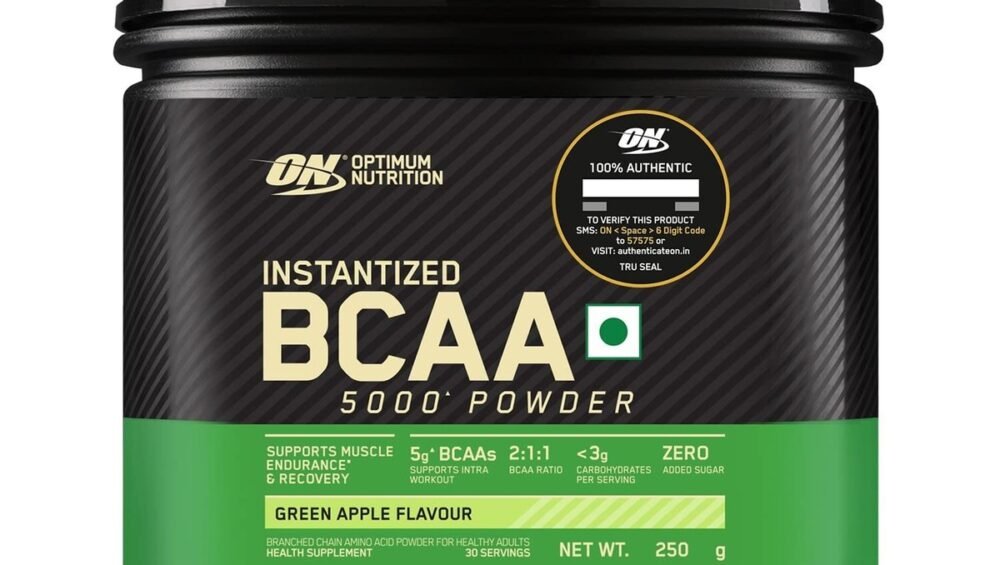
1.Effects: BCAAs are essential amino acids that play a role in muscle protein synthesis and can help reduce muscle soreness and fatigue during and after exercise [15].

2.When They Might Be Useful for Beginners: For individuals consuming adequate protein through their diet, supplementing with BCAAs pre-workout may not offer significant additional benefits. However, for beginners who might not be meeting their protein needs, or those training in a fasted state, BCAAs could potentially help preserve muscle mass and reduce muscle breakdown [16]. A typical dose is 5-10 grams.

F. Other Common Ingredients

Many other ingredients can be found in pre-workout supplements, each with specific purported benefits. Here are a few notable ones:

1.L-Theanine: Often paired with caffeine, L-theanine is an amino acid that can promote relaxation and focus without causing drowsiness. It helps to smooth out the stimulating effects of caffeine, reducing jitters and improving cognitive function [17].

2.Betaine Anhydrous: This compound is involved in cellular hydration and can support power output and endurance [18]. Doses typically range from 1.5-2.5 grams.

3.Niacin (Vitamin B3): Niacin is included for its role in energy metabolism. However, high doses can cause a temporary, harmless skin flush (redness, itching, tingling) known as the “niacin flush” [19]. It’s advisable to keep niacin doses below 500 mg to avoid this, or take aspirin/ibuprofen beforehand if sensitive [20].

4.Taurine: An amino acid that supports hydration and electrolyte balance, and may help reduce muscle damage and fatigue [21].

5.Tyrosine: An amino acid precursor to neurotransmitters like dopamine and norepinephrine, which can enhance focus and mood, especially under stress [22].

IV. Safety First: Essential Considerations for Beginners

While pre-workout supplements can be effective tools, safety should always be the top priority, especially for beginners. Understanding and adhering to safe usage practices can prevent adverse effects and ensure a positive experience.

A. Start with a Low Dose

This is perhaps the most critical piece of advice for any beginner. Individual responses to pre-workout ingredients, particularly stimulants like caffeine, can vary wildly. Always start with half of the recommended serving size, or even less, to assess your tolerance. Gradually increase the dose only if you feel comfortable and need a stronger effect [23].

B. Assess Tolerance

After taking a low dose, pay close attention to how your body reacts. Look for any signs of discomfort, such as excessive jitters, nausea, rapid heart rate, or headaches. If you experience significant adverse effects, discontinue use or reduce the dose further. It may take a few sessions to understand your body’s unique response to the various ingredients.

C. Avoid Proprietary Blends

As discussed earlier, proprietary blends obscure the exact dosages of ingredients. For beginners, this lack of transparency is a red flag. Opt for products that clearly list the amount of each active ingredient. This allows you to know exactly what you’re consuming and to adjust dosages based on your tolerance and needs [24].

D. Check for Third-Party Testing

Supplement regulation is not as stringent as pharmaceutical regulation. To ensure product quality, purity, and that the label accurately reflects the contents, look for pre-workouts that have been third-party tested by organizations like NSF Certified for Sport, Informed-Sport, or USP. These certifications indicate that the product has been tested for banned substances and contaminants, and that it contains the ingredients listed on the label in the stated amounts [25].

gym supplements

E. Consult a Healthcare Professional

Before incorporating any new supplement into your routine, it is always wise to consult with a doctor, registered dietitian, or a qualified healthcare provider. This is especially important if you:

•Have any pre-existing medical conditions (e.g., heart conditions, high blood pressure, anxiety disorders).

•Are taking any prescription medications, as pre-workout ingredients can interact with certain drugs.

•Are pregnant or breastfeeding.

•Are under 18 years old.

F. Who Should Avoid Pre-Workout?

Certain individuals should generally avoid pre-workout supplements due to potential health risks:

•Individuals under 18 years old: The long-term effects of pre-workout ingredients on developing bodies are not well-studied, and the high stimulant content can be particularly risky for younger individuals [26].

•People with heart conditions or high blood pressure: The stimulant effects of caffeine and other ingredients can elevate heart rate and blood pressure, posing serious risks for those with cardiovascular issues [27].

•Individuals with extreme caffeine sensitivity: If even a small amount of coffee makes you jittery or anxious, a pre-workout with significant caffeine content is likely to cause discomfort.

•Pregnant or breastfeeding individuals: The effects of many pre-workout ingredients on fetal development or breast milk are not fully understood, making avoidance the safest option.

G. Hydration and Nutrition Basics

No supplement, including pre-workout, can replace the fundamentals of good nutrition and hydration. Ensure you are consistently eating a balanced diet rich in whole foods and staying adequately hydrated throughout the day. Pre-workout supplements are meant to complement, not substitute, these foundational elements of a healthy lifestyle [28].

One often-overlooked aspect is the synergy between pre-workout ingredients and individual lifestyle factors

Even the most carefully formulated supplement can underperform if basic elements like sleep, nutrition, and hydration are neglected. For example, caffeine can only provide meaningful energy if you are not severely sleep-deprived, and nitric oxide boosters like L-citrulline work best when your blood vessels and overall circulation are healthy. Beginners should view pre-workouts not as a standalone solution, but as an amplifier of an already solid foundation. By aligning supplementation with consistent training, balanced meals, adequate water intake, and quality rest, users can unlock the true potential of pre-workout formulas while minimizing side effects and overstimulation.

V. Timing and Usage: Maximizing Effectiveness

Proper timing and usage strategies are key to getting the most out of your pre-workout supplement while minimizing potential downsides.

A. When to Take Pre-Workout

Most pre-workout supplements are designed to be taken approximately 30 to 60 minutes before your workout [29]. This timeframe allows sufficient time for the active ingredients, particularly caffeine, to be absorbed into your bloodstream and begin exerting their effects. The exact onset and duration of effects can vary based on individual metabolism and the specific ingredients in the product.

•Caffeine: Typically takes 30-60 minutes to reach peak blood levels.

•Beta-Alanine: The tingling sensation usually starts within 15-20 minutes.

•L-Citrulline: Effects on blood flow can begin within 30-60 minutes.

Experiment within this window to find what works best for you. Some individuals might feel the effects sooner, while others might need a bit more time.

B. Cycling Pre-Workout

Regular, continuous use of stimulant-based pre-workouts can lead to a buildup of tolerance, meaning you’ll need higher doses to achieve the same effects. This is particularly true for caffeine. To maintain sensitivity and effectiveness, it’s advisable to cycle your pre-workout usage.

•Why Cycle? Cycling helps prevent your body from adapting to the stimulants, ensuring that when you do use pre-workout, you get the full benefit. It also allows your body to reset and reduces the risk of dependency or over-reliance.

•How to Cycle: A common approach is to use pre-workout for 4-8 weeks, followed by a 1-2 week break. During the break, you can opt for a stim-free pre-workout or simply rely on your natural energy. Alternatively, only use pre-workout on your most demanding training days, saving it for when you truly need an extra boost.

C. Don’t Rely Solely on Pre-Workout

It’s crucial to remember that pre-workout supplements are just that—supplements. They are not a substitute for fundamental aspects of a healthy and effective fitness regimen. Prioritize:

•Adequate Sleep: 7-9 hours of quality sleep per night is paramount for recovery, energy levels, and overall performance.

•Proper Nutrition: A balanced diet providing sufficient macronutrients (protein, carbohydrates, fats) and micronutrients is the foundation of energy and muscle growth.

•Consistent Training: Regular, well-structured workouts are what drive progress, not supplements alone.

Pre-workout should be seen as a tool to occasionally enhance these foundational elements, not replace them.

right supplements for gym goer

D. Combining with Other Supplements

For beginners, keeping supplementation simple is often best. If you choose to use pre-workout, consider combining it with other foundational supplements that have strong scientific backing:

•Protein Powder: Essential for muscle repair and growth, especially if dietary protein intake is insufficient.

•Creatine Monohydrate: As discussed, creatine can be taken daily, independent of pre-workout timing, for long-term strength and muscle gain benefits.

Avoid stacking multiple stimulant-heavy supplements, as this can lead to excessive caffeine intake and increased risk of side effects.

VI. Potential Side Effects and How to Manage Them

Even with careful usage, some individuals may experience side effects from pre-workout supplements. Knowing what to expect and how to manage these can help ensure a more comfortable experience.

A. Jitters and Anxiety (Caffeine)

•Cause: Overstimulation from caffeine.

•Management: Reduce dosage, opt for lower-caffeine or stim-free options, ensure adequate hydration, and avoid taking pre-workout on an empty stomach.

B. Tingling (Beta-Alanine)

•Cause: Paresthesia, a harmless neurological response to beta-alanine.

•Management: This sensation usually subsides with continued use. Splitting the dose or using a sustained-release form can also help reduce its intensity.

C. Digestive Upset (Various Ingredients)

•Cause: Ingredients like sodium bicarbonate, magnesium, or high doses of certain compounds can irritate the digestive system.

•Management: Reduce dosage, take with a small amount of food, or try a different brand/formula. Ensure you are well-hydrated.

D. Headaches (Citrulline, Caffeine)

•Cause: Increased blood flow (citrulline) or dehydration/caffeine sensitivity.

•Management: Reduce dosage of citrulline, ensure proper hydration, and monitor caffeine intake. If persistent, discontinue use.

E. Sleeplessness (Caffeine)

•Cause: Taking stimulant-based pre-workout too late in the day.

•Management: Avoid taking pre-workout within 6-8 hours of bedtime. Opt for stim-free options for evening workouts.

F. Skin Reactions (Niacin Flush)

•Cause: High doses of niacin.

•Management: Choose products with lower niacin content or none at all. The flush is harmless and temporary.

G. Heart Irregularities (High Doses, Sensitive Individuals)

•Cause: Excessive stimulant intake, especially in individuals with underlying heart conditions.

•Management: This is a serious concern. If you experience heart palpitations, chest pain, or irregular heartbeat, discontinue use immediately and seek medical attention. Always consult a doctor before use if you have a heart condition.

Learn also about post-workout regime

VII. Choosing Your First Pre-Workout: Recommendations

Navigating the vast market of pre-workout supplements can be overwhelming. For beginners, the goal is to find a product that is effective, safe, and transparent. Here are some recommendations and considerations:

A. Stim-Free Options

For those sensitive to caffeine or who train in the evenings, stim-free pre-workouts are an excellent choice. These products focus on ingredients that enhance blood flow, endurance, and focus without the stimulating effects. Look for products rich in L-citrulline, beta-alanine, and betaine anhydrous.

B. Low-Stim Options

If you want a gentle energy boost without the intensity of high-stim formulas, opt for products with lower caffeine content (e.g., 100-150 mg per serving). Many brands offer

versions of their popular pre-workouts with reduced caffeine. For example, C4 Sport is often recommended for beginners due to its moderate caffeine content and third-party testing [30].

C. Products with Transparent Labels

Always prioritize products that clearly list all ingredients and their exact dosages. Avoid proprietary blends. This transparency allows you to make informed decisions and understand exactly what you are putting into your body.

D. Examples of Beginner-Friendly Products

Based on research and expert recommendations, some pre-workouts are often cited as good starting points for beginners due to their balanced formulas and transparent labeling:

•Jacked Factory NitroSurge: Praised for its transparent label, moderate caffeine (180mg per scoop), and inclusion of L-citrulline, beta-alanine, and betaine anhydrous. It also offers flexible dosing with single or double scoops [31].

•C4 Sport: A third-party tested option with a moderate caffeine content, suitable for occasional users or beginners [32].

•Transparent Labs BULK: While potentially more potent, it has a fully transparent label and is formulated to support muscle gain, making it a good choice for beginners focused on strength, provided they start with a lower dose [33].

•Naked Nutrition Stim-Free: An excellent option for those who want to avoid stimulants entirely, focusing on performance-enhancing ingredients without caffeine.

pills for gym

VIII. Conclusion

Embarking on your fitness journey is an exciting endeavor, and pre-workout supplements can be a valuable tool to enhance your performance and motivation. However, like any powerful tool, they must be used wisely and responsibly. For beginners, the key lies in education, caution, and a commitment to listening to your body.

This guide has aimed to provide a no-BS approach to understanding pre-workouts, demystifying their ingredients, highlighting safety considerations, and offering practical advice on usage. We’ve covered the essential components like caffeine, creatine, beta-alanine, and L-citrulline, explaining their roles and appropriate dosages. We’ve also stressed the critical importance of starting with low doses, assessing individual tolerance, avoiding proprietary blends, and seeking third-party tested products.

Remember, pre-workout supplements are not magic pills. They are designed to complement a solid foundation of consistent training, proper nutrition, and adequate rest. They can provide that extra edge on days when you need it most, helping you push through challenging workouts and achieve your fitness goals more effectively. However, over-reliance or misuse can lead to unwanted side effects and diminish their long-term benefits.

By arming yourself with knowledge and approaching pre-workout usage thoughtfully, you can safely and effectively harness their potential. Make informed choices, prioritize your health, and enjoy the boosted energy, focus, and endurance that a well-chosen pre-workout can offer. Your fitness journey is a marathon, not a sprint, and smart supplementation can help you go the distance.

IX. References

[1] Mayo Clinic Press. “Preworkout supplements: What’s safe? What should you avoid?” July 31, 2024. Available at: https://mcpress.mayoclinic.org/nutrition-fitness/preworkout-supplements-whats-safe-what-should-you-avoid/

[2] Texas Health. “What You Need to Know About Pre-Workout Supplements.” December 20, 2023. Available at: https://www.texashealth.org/areyouawellbeing/Staying-Fit/What-You-Need-to-Know-About-Pre-Workout-Supplements

[3] Mayo Clinic Press. “Preworkout supplements: What’s safe? What should you avoid?” July 31, 2024. Available at: https://mcpress.mayoclinic.org/nutrition-fitness/preworkout-supplements-whats-safe-what-should-you-avoid/

[4] Garage Gym Reviews. “Best Pre-Workout for Beginners (2025).” Updated September 8, 2025. Available at: https://www.garagegymreviews.com/best-pre-workout-for-beginners

[5] Healthline. “5 Side Effects of Pre-Workout Supplements.” May 8, 2025. Available at: https://www.healthline.com/nutrition/pre-workout-side-effects

[6] Healthline. “5 Side Effects of Pre-Workout Supplements.” May 8, 2025. Available at: https://www.healthline.com/nutrition/pre-workout-side-effects

[7] GNC. “Common Pre-Workout Ingredients And What They Do.” November 11, 2021. Available at: https://www.gnc.com/learn/fitness/common-preworkout-ingredients.html

[8] ProSupps. “A Guide to Common Pre-Workout Ingredients and Their Dosages.” May 19, 2021. Available at: https://prosupps.com/blogs/articles/a-guide-to-common-pre-workout-ingredients-and-their-dosages

[9] Healthline. “5 Side Effects of Pre-Workout Supplements.” May 8, 2025. Available at: https://www.healthline.com/nutrition/pre-workout-side-effects

[10] GNC. “Common Pre-Workout Ingredients And What They Do.” November 11, 2021. Available at: https://www.gnc.com/learn/fitness/common-preworkout-ingredients.html

[11] Healthline. “5 Side Effects of Pre-Workout Supplements.” May 8, 2025. Available at: https://www.healthline.com/nutrition/pre-workout-side-effects

[12] GNC. “Common Pre-Workout Ingredients And What They Do.” November 11, 2021. Available at: https://www.gnc.com/learn/fitness/common-preworkout-ingredients.html

[13] ProSupps. “A Guide to Common Pre-Workout Ingredients and Their Dosages.” May 19, 2021. Available at: https://prosupps.com/blogs/articles/a-guide-to-common-pre-workout-ingredients-and-their-dosages

[14] Healthline. “5 Side Effects of Pre-Workout Supplements.” May 8, 2025. Available at: https://www.healthline.com/nutrition/pre-workout-side-effects

[15] Healthline. “Should You Take Pre-Workout Supplements?” August 16, 2019. Available at: https://www.healthline.com/nutrition/pre-workout-supplements

[16] Healthline. “Should You Take Pre-Workout Supplements?” August 16, 2019. Available at: https://www.healthline.com/nutrition/pre-workout-supplements

[17] ProSupps. “10 Common Ingredients In Pre-Workout Supplements And What They Actually Do.” June 4, 2021. Available at: https://prosupps.com/blogs/articles/10-common-ingredients-in-pre-workout-supplements-and-what-they-actually-do

[18] Garage Gym Reviews. “Best Pre-Workout for Beginners (2025).” Updated September 8, 2025. Available at: https://www.garagegymreviews.com/best-pre-workout-for-beginners

[19] Healthline. “5 Side Effects of Pre-Workout Supplements.” May 8, 2025. Available at: https://www.healthline.com/nutrition/pre-workout-side-effects

[20] Healthline. “5 Side Effects of Pre-Workout Supplements.” May 8, 2025. Available at: https://www.healthline.com/nutrition/pre-workout-side-effects

[21] ProSupps. “10 Common Ingredients In Pre-Workout Supplements And What They Actually Do.” June 4, 2021. Available at: https://prosupps.com/blogs/articles/10-common-ingredients-in-pre-workout-supplements-and-what-they-actually-do

[22] ProSupps. “10 Common Ingredients In Pre-Workout Supplements And What They Actually Do.” June 4, 2021. Available at: https://prosupps.com/blogs/articles/10-common-ingredients-in-pre-workout-supplements-and-what-they-actually-do

[23] ProSupps. “A Guide to Common Pre-Workout Ingredients and Their Dosages.” May 19, 2021. Available at: https://prosupps.com/blogs/articles/a-guide-to-common-pre-workout-ingredients-and-their-dosages

[24] Mayo Clinic Press. “Preworkout supplements: What’s safe? What should you avoid?” July 31, 2024. Available at: https://mcpress.mayoclinic.org/nutrition-fitness/preworkout-supplements-whats-safe-what-should-you-avoid/

[25] NSCA. “Pre-Workout Supplements – An Evidence-Based Guide.” Available at: https://www.nsca.com/education/articles/ptq/pre-workout-supplements-an-evidence–based-guide/

[26] UH Hospitals. “Pre-Workout Supplements: Are They Worth Taking?” May 2, 2025. Available at: https://www.uhhospitals.org/blog/articles/2025/05/pre-workout-supplements-are-they-worth-taking

[27] UH Hospitals. “Pre-Workout Supplements: Are They Worth Taking?” May 2, 2025. Available at: https://www.uhhospitals.org/blog/articles/2025/05/pre-workout-supplements-are-they-worth-taking

[28] GoodRx. “What Does Preworkout Do? Benefits, Risks, and More.” Available at: https://www.goodrx.com/well-being/movement-exercise/what-does-preworkout-do

[29] Garage Gym Reviews. “When to Take Pre-Workout: Tips from a Nutrition Coach.” June 14, 2024. Available at: https://www.garagegymreviews.com/when-to-take-pre-workout

[30] Garage Gym Reviews. “Best Pre-Workout for Beginners (2025).” Updated September 8, 2025. Available at: https://www.garagegymreviews.com/best-pre-workout-for-beginners

[31] Garage Gym Reviews. “Best Pre-Workout for Beginners (2025).” Updated September 8, 2025. Available at: https://www.garagegymreviews.com/best-pre-workout-for-beginners

[32] Garage Gym Reviews. “Best Pre-Workout for Beginners (2025).” Updated September 8, 2025. Available at: https://www.garagegymreviews.com/best-pre-workout-for-beginners

[33] Garage Gym Reviews. “Best Pre-Workout for Beginners (2025).” Updated September 8, 2025. Available at:

fat burning belly

Top 10 fat burners available in american supplement market

In the fast-growing U.S. supplement industry, fat burners have carved out a major share of the sports nutrition sector. Athletes, bodybuilders, and fitness enthusiasts often look for scientifically formulated products to help accelerate metabolism, increase energy, and improve endurance. While no pill or powder is a magic solution, the right fat burner can complement disciplined training and nutrition.

Below is a look at the top 10 fat burners currently leading the American market, based on popularity, formulation, and consumer demand.

Check fat burners in our shop for sale


1. Hydroxycut Hardcore Elite

A household name in the fat-loss category, Hydroxycut Hardcore Elite is known for its strong thermogenic blend of caffeine, green coffee extract, and yohimbine. Popular among gym-goers who want an aggressive energy surge.


2. Animal Cuts (Universal Nutrition)

Trusted for decades, Universal Nutrition’s Animal Cuts offers a multi-pack formula targeting fat metabolism, thyroid support, diuretics, and focus. Athletes like its complete approach for cutting cycles.


fat burning belly

3. JNX Sports The Ripper

Designed for both beginners and advanced users, The Ripper provides clean energy with taurine, green tea extract, and caffeine. Known for its fast-acting formula, it appeals to those who want results without heavy jitters.


4. Cellucor SuperHD

A long-time player in the supplement industry, Cellucor delivers a fat burner with thermogenic and nootropic support. Users report improved mood and focus alongside fat-loss support, making it attractive for busy professionals.


5. EVLUTION Nutrition Trans4orm

A blend of green tea, CLA, caffeine, and mood-boosting ingredients, Trans4orm is marketed as a lifestyle-friendly fat burner. Its balance between thermogenesis and mental clarity makes it versatile.


6. Burn XT (Jacked Factory)

This Amazon best-seller has built its reputation on transparency, clean labeling, and science-backed ingredients like Acetyl L-Carnitine, green tea extract, and capsimax. A go-to for first-time fat burner users.


7. PhenQ

A multi-action formula targeting appetite suppression, fat metabolism, and energy enhancement. While positioned more as a lifestyle supplement, it has gained strong traction in the U.S. weight-loss community.


8. Thermo Cuts (GNC Pro Performance)

As one of GNC’s flagship fat burners, Thermo Cuts provides sustained-release caffeine and herbal extracts. Trusted by mainstream consumers looking for reliable products from established retailers.


9. OxyShred Hardcore (EHPlabs)

A favorite among the CrossFit and HIIT community, OxyShred Hardcore boosts thermogenesis, improves energy, and enhances training intensity. Its reputation comes from both flavor options and gym-focused marketing.

Check also: Vitamin Shoppe biggest US suppliers

fat burning belly

10. Superhuman Burn (Alpha Lion)

One of the newer players on the block, Superhuman Burn combines pre-workout performance ingredients with fat-burning thermogenics. Athletes value it for its dual function—fueling workouts while supporting fat loss.

How Fat Burners Actually Work (And What They Don’t Do)

One of the biggest misconceptions in the fat-loss industry is that fat burners directly “melt” body fat. In reality, most effective fat burners work through three primary mechanisms, none of which replace proper nutrition or training.

  1. Thermogenesis
    Ingredients like caffeine, green tea extract, capsimax, and yohimbine slightly increase metabolic rate and heat production. This can raise daily calorie expenditure—but typically by a modest margin, not hundreds of calories.
  2. Energy & Performance Support
    By increasing alertness and perceived energy, fat burners often improve workout intensity and training volume. Over time, better training output can indirectly support fat loss.
  3. Appetite & Fat Utilization Support
    Certain compounds (e.g., acetyl-L-carnitine, chromium, or plant extracts) may help regulate appetite or improve fatty acid transport during exercise—but only in the context of a calorie-controlled diet.

What fat burners do not do:

  • Override poor nutrition
  • Compensate for lack of training
  • Guarantee fat loss without a caloric deficit

Understanding these limitations helps consumers use fat burners as tools, not false promises.


Who Should (and Should Not) Use Fat Burners

Fat burners are not universally appropriate, and responsible supplementation starts with knowing who benefits most—and who should avoid them.

Most suitable users:

  • Experienced trainees already following a structured diet
  • Individuals in a calorie deficit who want extra energy and focus
  • Athletes during cutting phases or competition prep
  • People with high training volume who tolerate stimulants well

Use caution or avoid if you:

  • Are sensitive to caffeine or stimulants
  • Have heart conditions, hypertension, or anxiety disorders
  • Are pregnant or breastfeeding
  • Rely on fat burners as a primary weight-loss strategy

Additionally, stacking multiple stimulant-based products (fat burners + pre-workouts + energy drinks) is one of the most common mistakes and significantly increases the risk of side effects like insomnia, elevated heart rate, and adrenal fatigue.

Best practice:
Use fat burners in short, strategic cycles, monitor tolerance, and prioritize sleep, hydration, and micronutrient intake alongside them.


Final Thoughts

The American fat burner market is competitive, with each brand catering to slightly different needs—from hardcore thermogenics to lifestyle-friendly blends. While these supplements can be effective tools, experts emphasize they should be paired with consistent training, proper nutrition, and adequate sleep for sustainable results.

As consumer interest in performance and aesthetics continues to rise, these top 10 fat burners are shaping the trends of the modern sports nutrition market.

See also: top 5 recovery supplements

creatine

What Is The Recommended Dosage For Creatine?

Creatine is one of the most researched and effective supplements in the fitness and sports industry. Whether your goal is to build muscle, improve strength, or boost endurance, creatine has a proven track record of enhancing performance. However, one of the most common questions I hear from clients in the gym and nutrition consultations is: “How much creatine should I take?”

The truth is, creatine dosage depends on your training goals, body weight, and how you choose to start supplementation. Let’s break it down step by step so you can maximize the benefits safely and effectively.


What Does Creatine Do in the Body?

Before diving into dosage, it’s important to understand why creatine works. Creatine is a naturally occurring compound stored in your muscles as phosphocreatine. During high-intensity exercise—like lifting heavy weights or sprinting—your muscles rely on ATP (adenosine triphosphate) as their primary energy source.

The problem? ATP depletes quickly. That’s where creatine comes in. Supplementation increases your muscles’ phosphocreatine stores, allowing you to regenerate ATP faster. The result:

  • More power output during training
  • Improved strength and explosiveness
  • Better recovery between sets
  • Enhanced muscle growth over time

The Two Main Creatine Dosing Strategies

There are two popular methods to start taking creatine: the loading phase and the maintenance-only approach.

1. The Loading Phase

The goal of the loading phase is to saturate your muscle stores with creatine quickly.

  • Dosage: 20 grams per day, split into 4 doses of 5 grams each.
  • Duration: 5–7 days.
  • Followed by: A maintenance dose of 3–5 grams daily.

This approach leads to noticeable results faster—usually within a week. Many athletes prefer this method before competitions or when starting a new training cycle.

Read also: all about creatine

2. The Maintenance-Only Approach

If you want to skip loading, you can simply start with a daily dose of 3–5 grams.

  • Dosage: 3–5 grams per day, no loading required.
  • Duration: Continuous (long-term safe use has been proven in studies).

The results take slightly longer to show—around 3 to 4 weeks—but you’ll eventually reach the same muscle saturation as with the loading method.


Recommended Dosage Based on Body Weight

For a more tailored approach, some experts recommend dosing creatine according to body weight:

  • 0.03 grams per kg of body weight per day (after loading or if skipping loading).
  • Example: If you weigh 80 kg (176 lbs), that equals ~2.5 grams per day.

That said, most athletes do just fine with the standard 3–5 grams daily.


When Should You Take Creatine?

Timing isn’t as critical as consistency. The most important factor is to take it every day to maintain elevated creatine stores. However, research suggests:

  • Best times: After your workout, with a meal containing carbs and protein, as this improves absorption.
  • On rest days: Take it with any meal.
creatine

Common Mistakes with Creatine Dosage

  1. Taking too little – Less than 2 grams daily may not be enough to keep your muscles saturated.
  2. Cycling unnecessarily – You don’t need to cycle off creatine; it’s safe for long-term use.
  3. Not staying hydrated – Creatine pulls water into muscle cells, so drink enough fluids throughout the day.
  4. Expecting instant muscle growth – Creatine enhances training performance, but you still need proper nutrition and consistent workouts to build muscle.

Who Should Avoid High Dosages?

While creatine is safe for most healthy individuals, people with kidney issues should consult their doctor before use. Also, exceeding 20 grams per day beyond the initial loading phase provides no additional benefits and may cause stomach discomfort.

Worth a reading: is creatine safe? A scientific approach


Final Recommendation as a Trainer & Nutrition Expert

For most gym-goers and athletes, here’s the optimal creatine protocol:

  • Loading phase (optional): 20 g/day for 5–7 days.
  • Maintenance phase: 3–5 g/day, indefinitely.
  • Best practice: Take it daily, preferably after workouts with food.

If you’re looking for a safe, effective supplement to boost strength, muscle growth, and overall performance, creatine should be at the top of your list.

Does Creatine Dosage Change With Training Type and Age?

Creatine dosage does not need drastic adjustment based on training style, but its impact can differ depending on how you train and your age. Strength athletes, bodybuilders, and sprinters benefit the most from standard dosing (3–5 g/day) because their training relies heavily on short, high-intensity energy systems. Endurance athletes may experience subtler benefits, such as improved sprint finishes and better recovery between intervals, but the same dosage still applies. For individuals over 40, creatine becomes even more relevant: research suggests it may help preserve lean muscle mass, support strength retention, and even contribute to cognitive health. Importantly, older adults do not need higher doses—consistency matters far more than increasing intake.

Water Retention, Weight Gain, and What’s Actually Happening

One common concern around creatine dosage is rapid weight gain, often misunderstood as fat gain. In reality, creatine increases intracellular water retention within muscle cells, not subcutaneous water under the skin. This cellular hydration is a positive adaptation that supports strength output, muscle protein synthesis, and overall training capacity. Most users gain 1–3 pounds during the first week, especially if loading, but this stabilizes quickly. Reducing dosage does not eliminate this effect—it simply slows muscle saturation. Understanding this mechanism helps users stay consistent instead of prematurely stopping creatine due to scale fluctuations that are both temporary and beneficial.


Frequently Asked Questions About Creatine Dosage

1. Do I need to cycle creatine?
No. Scientific studies show creatine is safe for long-term daily use. Cycling is not necessary.

2. Can I take creatine with protein shakes?
Yes! In fact, taking creatine with protein and carbs may improve absorption. Many athletes mix creatine into their post-workout shake.

3. What happens if I skip a day?
Missing one day won’t ruin your progress, but consistency is key for long-term results. Just resume your normal dosage the next day.

4. Is more creatine better?
No. Taking more than 5 grams daily after loading doesn’t increase benefits and may cause digestive discomfort.

5. How long does it take to see results?
With a loading phase, you may notice improvements in strength and performance within a week. Without loading, expect results after 3–4 weeks of consistent use.

whey and plant protein better

Whey vs. Plant Protein – Which is Better for Muscle Growth?

When it comes to building muscle, diet plays just as crucial a role as your training routine. One of the most common debates among fitness enthusiasts is whey protein vs. plant protein: which one is better for muscle growth? Both options have their benefits, and the right choice often depends on your goals, lifestyle, and dietary preferences. Let’s break it down using science and expert insights.


What is Whey Protein?

Whey protein is derived from milk during the cheese-making process. It is a complete protein, meaning it contains all nine essential amino acids. This makes it one of the most efficient sources of protein for muscle repair and growth.

  • Rich in Leucine: Whey is especially high in leucine, the amino acid that plays a key role in triggering muscle protein synthesis.
  • Fast Absorption: Whey digests quickly, making it ideal after workouts when your muscles need nutrients fast.
  • Research-Backed: Numerous studies show whey protein supports muscle hypertrophy and strength gains when combined with resistance training.

What is Plant Protein?

Plant protein is derived from sources like peas, rice, hemp, soy, and quinoa. Unlike whey, not all plant proteins are complete on their own, but high-quality blends are formulated to provide all essential amino acids.

whey and plant protein better
  • Diverse Nutrient Profile: Plant proteins often come with added fiber, vitamins, and minerals.
  • Sustainable & Vegan-Friendly: Plant-based options have a lower environmental impact and are suitable for those avoiding dairy.
  • Muscle Growth Potential: While some plant proteins are lower in leucine, combining sources (such as pea and rice) balances the amino acid profile and supports muscle repair effectively.

Whey vs. Plant Protein: Muscle Growth Comparison

FeatureWhey ProteinPlant Protein
Amino Acid ProfileComplete, high leucineComplete if blended
Absorption SpeedFast digestionSlower digestion
Muscle Growth ResearchStrong scientific evidenceGrowing evidence, especially with blends
DigestibilityMay cause issues for lactose-sensitive individualsGentle on digestion
Lifestyle FitBest for non-vegansIdeal for vegans/vegetarians

Which Builds Muscle Better?

  • Whey Protein: The gold standard for rapid muscle repair and growth, especially if you train intensely and want quick recovery.
  • Plant Protein: With modern blends (like pea + rice), plant protein is nearly as effective for muscle building—especially when consumed in the right amounts.

👉 The key factor is total daily protein intake. If you hit your protein needs (generally 1.6–2.2 g per kg of body weight daily), both whey and plant protein can help maximize muscle growth.


How to Choose the Right Protein for You

  1. If you want fast recovery and maximum muscle support → Whey protein is the top choice.
  2. If you’re vegan, lactose-intolerant, or eco-conscious → Plant protein is your go-to.
  3. For best results → Focus on quality (look for third-party tested supplements), and be consistent with your intake.

Beyond Leucine: The Nuanced Role of Absorption Kinetics and the “Anabolic Window”

While your article correctly highlights whey’s fast absorption as ideal for post-workout recovery, this characteristic plays a more nuanced role in long-term muscle growth strategies. Whey’s rapid digestion leads to a sharp, transient spike in blood amino acid levels, which is highly effective for acutely stimulating muscle protein synthesis (MPS) immediately after training—often referred to as capitalizing on the “anabolic window.” In contrast, many plant proteins, particularly from sources like peas or blends, exhibit a slower, more sustained release of amino acids into the bloodstream. This slower kinetics can be strategically advantageous. Research suggests that combining a fast-acting protein like whey with a slower-acting one (like casein or a plant blend) may create a more prolonged elevation of amino acids, potentially extending the MPS response. For the practical athlete, this means a post-workout shake isn’t the only consideration. A plant-based blend consumed as part of a meal or later in the day can provide a steady supply of building blocks for muscle repair that lasts for hours, which may be equally beneficial for daily muscle protein balance. Therefore, the “best” protein may depend not just on the source, but on strategic timing throughout the day to maintain a consistently anabolic environment.

The Holistic Choice: Considering Systemic Health, Gut Microbiome, and Sustainability

The decision between whey and plant protein extends beyond gym performance to encompass overall health and environmental impact—factors increasingly important to modern consumers. Plant proteins bring a suite of co-passenger nutrients that whey typically lacks, such as dietary fiber, antioxidants, and phytonutrients. These compounds can positively influence gut health by acting as prebiotics, support systemic reduction of inflammation, and contribute to better long-term metabolic health. For individuals with dairy sensitivities, plant proteins avoid the issues of lactose and whey allergens, promoting better digestion and adherence. From a planetary perspective, the sustainability argument is significant. Plant-based protein production generally requires substantially less water, land, and energy, and generates fewer greenhouse gases compared to dairy-derived whey. This allows athletes to align their nutritional choices with their environmental values. Ultimately, the “better” protein is a multidimensional choice: whey may offer a marginal edge in pure muscle protein synthesis efficiency per gram, but high-quality plant blends provide a compelling package that supports muscle growth, overall wellness, and ecological sustainability, making them an excellent and effective choice for a growing number of athletes.


Final Verdict: Whey vs. Plant Protein

Both whey and plant protein can help you build muscle effectively. Whey protein has the edge in terms of absorption speed and leucine content, but plant protein is catching up with high-quality blends. The best protein is the one you’ll take consistently, that fits your lifestyle, and helps you meet your daily protein needs.

bcaas vs eaas

What BCAAs do to human body

Branched-Chain Amino Acids (BCAAs) are a group of three essential amino acids: leucine, isoleucine, and valine. Your body can’t produce them on its own, so they must come from food or supplements.

Here’s what they do:

🔑 Main Functions of BCAAs

  1. Muscle Protein Synthesis
    • Leucine in particular activates the mTOR pathway, a key trigger for building muscle.
  2. Energy During Exercise
    • BCAAs can be used directly by muscles for fuel during workouts, especially when glycogen (carbohydrate stores) runs low.
  3. Reduced Muscle Breakdown (Anti-Catabolic Effect)
    • They help limit muscle protein breakdown during intense training, dieting, or fasting.
  4. Improved Recovery
    • Supplementation may reduce muscle soreness (DOMS) after exercise by lowering exercise-induced muscle damage.
  5. Fatigue Reduction
    • BCAAs compete with tryptophan for transport to the brain, which may reduce serotonin production and delay fatigue.
bcaas vs eaas

⚖️ When They’re Most Useful

  • During fasted training or long cardio sessions (to preserve muscle).
  • For athletes on low-calorie or cutting diets.
  • When protein intake from diet is low (though whey protein or EAAs are usually more effective overall).

Shop for BCAAs

✅ Bottom Line

BCAAs can support muscle growth, reduce fatigue, and improve recovery — but if you already get enough high-quality protein (meat, eggs, whey, etc.), the added benefit from BCAAs alone is often small.


BCAAs vs EAAs – the difference

🔹 BCAAs (Branched-Chain Amino Acids)

  • What they are: Leucine, Isoleucine, Valine (3 amino acids out of the 9 essentials).
  • Main benefits:
    • Trigger muscle protein synthesis (mainly leucine).
    • Provide energy during workouts.
    • Reduce muscle breakdown during dieting/fasted training.
  • Limitations:
    • Can start muscle building, but without the other 6 essential amino acids, muscle growth can’t be completed.
    • Not as effective if you’re already eating enough protein.

bcaas vs eaas

🔹 EAAs (Essential Amino Acids)

  • What they are: All 9 essential amino acids (including the 3 BCAAs).
  • Main benefits:
    • Provide the full building blocks for muscle protein synthesis — not just the spark (leucine), but the whole construction crew.
    • More effective than BCAAs for muscle growth and recovery.
    • Useful if dietary protein is low, or between meals.
  • Limitations:
    • Usually cost a bit more.
    • Taste can be stronger/bitter compared to BCAAs.

⚖️ Head-to-Head

FeatureBCAAsEAAs
Muscle building✅ Trigger synthesis but incomplete✅✅ Full muscle growth
Recovery✅ Helps soreness✅✅ Better recovery
Prevent muscle breakdown✅ Good✅✅ Better
Training energy✅ Good fuel source✅ Good + more balanced
Cost💲 Cheaper💲💲 Slightly more expensive

The Metabolic Specificity: Understanding BCAAs’ Unique Fuel Pathway

The distinct value of BCAAs lies not just in their role as building blocks, but in their unique metabolic pathway. Unlike other amino acids, BCAAs are primarily broken down directly within muscle tissue rather than the liver. This allows them to be rapidly oxidized for energy during exercise, serving as a readily available fuel source when muscle glycogen becomes depleted. This is particularly crucial during prolonged, intense training sessions or in a fasted state, where they can help delay central fatigue by sparing glycogen and modulating serotonin production in the brain. However, this metabolic specificity is a double-edged sword; when BCAAs are used for energy, they are diverted from their role in muscle protein synthesis. This highlights the critical importance of adequate overall caloric and carbohydrate intake—when the body is well-fueled, BCAAs are more likely to be partitioned toward muscle repair and growth rather than being burned as fuel.

Strategic Supplementation: Timing and Context for Optimal Efficacy

To maximize the return on investment from BCAAs, strategic timing and clear goal-setting are essential. Their utility is most pronounced in specific, targeted scenarios: sipped during fasted morning training to provide an anti-catabolic shield, taken intra-workout during extended endurance or high-volume hypertrophy sessions to combat fatigue, or used between meals during an aggressive calorie deficit to help preserve lean mass. Outside of these contexts—particularly when consumed alongside or shortly after a protein-rich meal—their marginal benefits diminish dramatically, as the meal itself provides a full spectrum of amino acids. Therefore, BCAAs should not be viewed as a foundational daily supplement like protein powder or creatine, but rather as a situational tool. For most athletes, ensuring adequate total daily protein intake (1.6-2.2g/kg of bodyweight) from whole foods and complete protein powders remains the undisputed priority, with BCAAs serving as a strategic adjunct for specific training and dietary conditions.

🏆 Verdict

  • If your diet already has enough protein (whey, meat, eggs, etc.): BCAAs give some benefit mainly for energy and reducing fatigue.
  • If your protein intake is lower (cutting, fasting, vegan diet, missed meals): EAAs are the better choice because they provide everything your muscles need.

Shop for EAAs

👉 For maximum results, EAAs are generally superior.

whey protein as a muscle builder for bodybuilders

Whey protein as a main muscle builder for bodybuilders

Whey protein as a main muscle builder for bodybuilders. For decades, whey protein has stood atop the podium of sports nutrition, ubiquitously lining the shelves of gym bags and supplement cabinets. But its popularity is not merely a product of clever marketing; it is a direct consequence of its profound, scientifically-validated efficacy. For the serious bodybuilder, whey is not just a supplement—it is a strategic tool, engineered by nature and refined by science to optimize the complex biochemical processes of muscle protein synthesis (MPS), recovery, and growth.

This article transcends basic overviews. We will deconstruct whey protein from a molecular level, examining its unique properties, the robust clinical evidence supporting its use, and the precise protocols for integrating it into a bodybuilder’s regimen to achieve peak physiques.

1. Deconstructing Whey: More Than Just Protein

To understand why whey protein is superior, we must first understand its origin and composition.

Whey is the liquid fraction separated from curds during the cheese-making process. This liquid, once considered a waste product, is now recognized as a nutritional powerhouse. Its protein content is not a singular entity but a complex mixture of bioactive proteins, peptides, and minor constituents, each contributing to its anabolic and health-promoting properties.

The primary protein components include:

  • Beta-Lactoglobulin (~50-55%): The most abundant fraction, rich in branched-chain amino acids (BCAAs), particularly leucine.
  • Alpha-Lactalbumin (~20-25%): A highly digestible protein with a high tryptophan content.
  • Immunoglobulins (IgG) (~10-15%): Support immune function, which can be suppressed by intense training.
  • Bovine Serum Albumin (BSA) (~5-10%): Another carrier protein.
  • Glycomacropeptide: A peptide with various potential biological activities.

However, the most critical distinction for bodybuilders lies in the processing method, which defines the three primary types of whey protein available:

whey protein as a muscle builder for bodybuilders

Whey Protein Concentrate (WPC)

WPC typically contains 70-80% protein by weight. The remaining content comprises lactose (milk sugar), fat, and minerals. It retains more of the beneficial bioactive compounds but has a slightly higher calorie and carbohydrate count. It is often favored for its richer flavor and cost-effectiveness.

Whey Protein Isolate (WPI)

WPIs are further processed to remove almost all fat and lactose, resulting in a product that is >90% protein. This makes it an superior choice for those who are lactose-intolerant or for any bodybuilder seeking to maximize protein intake while minimizing calories, carbs, and fat, particularly during cutting phases.

Whey Protein Hydrolysate (WPH)

WPH is “pre-digested” through a process called enzymatic hydrolysis. This breaks the long protein chains into smaller peptides, leading to drastically faster absorption rates and a reduced potential for allergenic reactions. It often has a slightly bitter taste but is the optimal choice for rapid delivery of amino acids to muscle tissue.

2. The Anabolic Engine: How Whey Builds Muscle

Muscle growth is not a passive process; it is a constant cycle of breakdown (Muscle Protein Breakdown – MPB) and synthesis (MPS). The goal of bodybuilding is to tip this balance persistently in favor of MPS. Whey protein is exceptionally adept at doing this through several synergistic mechanisms.

1. The Leucine Trigger

The most pivotal mechanism is whey’s unparalleled Leucine content. Leucine is not just a building block; it is a potent anabolic signaling molecule.

The mammalian target of rapamycin complex 1 (mTORC1) is the primary intracellular regulator of cell growth and proliferation. Leucine acts as the key that unlocks the mTORC1 pathway, initiating the ribosomal machinery required for MPS. Research consistently shows that a leucine threshold of approximately 2-3 grams must be reached in a meal to maximally stimulate MPS.

Whey protein, by virtue of its amino acid profile, has the highest leucine concentration of any whole food or protein supplement—about 10-12% per gram of protein. This means a 25-gram serving of whey easily delivers the critical 2.5-3g of leucine required to trigger a robust anabolic response, something that slower-digesting proteins like casein or many plant-based proteins struggle to do with an equivalent serving size.

whey protein as a muscle builder for bodybuilders

2. Rapid Digestion and Absorption Kinetics

The speed of amino acid delivery to the bloodstream and subsequently to muscle tissue is crucial, especially post-workout. Whey protein is a “fast” protein.

Studies using stable isotope tracers have demonstrated that whey protein elicits a rapid, sharp, and high peak in blood amino acid levels within 60-90 minutes of ingestion. This “aminoacidemia” flood provides the immediate raw materials for repairing exercise-induced muscle damage and kick-starting MPS. This rapid absorption profile makes it the undisputed champion for post-workout nutrition.

3. Superior Amino Acid Profile (PDCAAS/DIAAS)

The quality of a protein is measured by its digestibility and its composition of the nine essential amino acids (EAAs), which the body cannot produce. The Digestible Indispensable Amino Acid Score (DIAAS, the modern standard) rates whey protein at the top of the scale, often >1.00, meaning it provides all EAAs in ratios ideal for human needs and is highly digestible. It is particularly rich in the three BCAAs (leucine, isoleucine, valine), which are metabolized directly in muscle tissue and play unique roles in energy production and anabolic signaling.

Main whey protein producers in USA

3. Clinical Evidence: What Does the Research Say?

The theoretical advantages of whey are compelling, but they are meaningless without empirical support. The body of clinical research is substantial and conclusive.

  • A 2021 meta-analysis in the Journal of the American College of Nutrition reviewed 18 randomized controlled trials. The conclusion was that whey protein supplementation, combined with resistance training, significantly improved measures of strength and lean body mass compared to placebo or no supplementation.
  • A seminal study in Medicine & Science in Sports & Exercise compared whey and casein post-workout. The whey group produced a 68% greater increase in MPS over a 4-hour period post-exercise compared to casein, highlighting the importance of protein timing and type.
  • Research on elderly populations (sarcopenia) has shown that whey protein is particularly effective at combating muscle loss due to its high leucine content, which helps overcome anabolic resistance—a condition where older muscles require more protein stimulus to grow.

Beyond pure hypertrophy, whey supplementation has been shown to enhance recovery by reducing markers of muscle damage (like creatine kinase) and supporting immune function through the elevation of the antioxidant glutathione.

See also: organic whey protein effects

4. Strategic Application: The Bodybuilder’s Protocol

Knowing why whey works is only half the battle. Implementing it correctly is key.

Optimal Timing

  • Post-Workout (The Anabolic Window): The 1-2 hour period after training is when muscles are most sensitized to nutrients. A fast-absorbing whey isolate or hydrolysate (25-40g) shuttles amino acids directly to the depleted muscle cells, drastically elevating MPS and initiating repair. Combining it with a fast-digesting carbohydrate (e.g., dextrose, maltodextrin) can further enhance recovery by spiking insulin, a hormone that promotes nutrient uptake into cells.
  • First Thing in the Morning: After a 7-9 hour fast, your body is in a catabolic state. A whey protein shake quickly halts muscle breakdown and provides a rapid anabolic stimulus.
  • Between Meals: Use a whey shake as a high-protein, convenient snack to ensure a consistent supply of amino acids throughout the day, helping you meet your total daily protein targets.
whey protein as a muscle builder for bodybuilders

Dosage: How Much is Enough?

For bodybuilders and strength athletes, total daily protein intake is paramount. General guidelines suggest 1.6 – 2.2 grams of protein per kilogram of body weight (or 0.7 – 1.0 grams per pound) to maximize MPS.

A single serving of whey should be in the range of 20-40 grams. Research indicates that doses beyond ~40g in one sitting do not further stimulate MPS and may be oxidized for energy or stored. Spread your total protein intake (from whole foods and supplements) across 4-6 meals/feedings per day.

Whey vs. Casein: A Necessary Partnership

While whey is the “king” of acute anabolism, casein—a slow-digesting milk protein—is the “protector.” Casein forms a gel in the stomach, leading to a slow, steady trickle of amino acids over several hours. This is ideal for preventing muscle breakdown during prolonged periods without food, such as before bed.

The savvy bodybuilder uses both: whey for rapid anabolic pulses (post-workout, morning) and casein for sustained anti-catabolic protection (before bed, between long meals).

5. Addressing Myths and Concerns

  • “Does whey protein damage kidneys?” This is a pervasive myth. In healthy individuals with normal kidney function, high protein intake from whole foods or supplements like whey does not cause kidney damage. Those with pre-existing kidney conditions should consult a doctor.
  • “Is it natural?” Whey is a derivative of milk. While it is processed to concentrate the protein, it is not a synthetic, laboratory-created chemical. It is a food product.
  • “Does it cause acne?” In some individuals sensitive to dairy, whey can exacerbate acne. This is likely related to its impact on insulin and IGF-1 levels. Switching to a plant-based alternative may be necessary for these individuals.

Bioavailability and Synergy: Why Whey’s Context Matters Most

The unparalleled efficacy of whey protein is not merely a function of its isolated chemical profile, but of its dynamic interaction within the body’s physiological systems—a concept known as bioavailability. Whey’s rapid digestion rate and high leucine concentration create a powerful “anabolic pulse” that is most effectively utilized when the muscle’s nutrient-sensing machinery is primed. This is why timing relative to resistance training is non-negotiable; the mechanical tension and muscle damage from lifting increase the sensitivity of mTORC1 pathways, making the muscle cells exceptionally receptive to whey’s amino acid flood. Furthermore, whey’s benefits are amplified through nutritional synergy. Consuming whey alongside a simple carbohydrate post-workout not only replenishes glycogen but creates an insulin spike that further drives amino acid and creatine uptake into muscle cells. This strategic combination transforms whey from a simple protein source into a targeted anabolic delivery system, ensuring its components are partitioned directly toward repair and growth rather than being oxidized for energy.

Beyond Hypertrophy: Whey’s Systemic Role in a Bodybuilder’s Health

While muscle protein synthesis is the primary focus, whey’s impact on a bodybuilder’s success extends far beyond the myofibril. Intense training imposes significant systemic stress, compromising immune function and increasing oxidative damage—factors that can derail consistency and progress. The bioactive peptides in whey, such as lactoferrin and immunoglobulins, have demonstrated immunomodulatory properties, helping to support robust immune defenses during periods of high physical stress. Additionally, whey is a rich dietary source of cysteine, the rate-limiting precursor for glutathione, the body’s master antioxidant. Elevated glutathione levels enhance the body’s ability to neutralize exercise-induced free radicals, reducing overall inflammation and potentially speeding systemic recovery. This means that consistent whey supplementation does not just build muscle in isolation; it helps fortify the foundational health of the athlete, enabling more frequent, high-quality training sessions by supporting the very systems that intense training challenges.

The Verdict of Science

Whey protein is far more than a simple convenience food. It is a precision-engineered nutritional supplement whose efficacy is rooted in its unique biochemical properties: an exceptional amino acid profile dominated by leucine, rapid absorption kinetics, and high digestibility.

For the bodybuilder, it is an indispensable tool that, when used strategically alongside a periodized training program and a calorie-controlled whole-food diet, provides a proven, scientifically-irrefutable advantage in the pursuit of maximal muscle growth, enhanced recovery, and improved performance.

While it is not magic—it cannot replace consistent training and overall diet—it is the closest thing the scientific community has identified to an optimal protein source for triggering the anabolic machinery of human muscle.

Disclaimer: Always consult with a healthcare professional or a registered dietitian before making significant changes to your diet or supplement regimen, especially if you have underlying health conditions.

plant based proteins

Plant-Based Proteins USA: Expert Review & Comparison vs. Europe (2025) | The Protein Shift

The American Plate in Transition: An Expert Review of the US Plant-Based Protein Market and Its Transatlantic Comparison

Author: Dr. Evelyn Reed, Senior Research Fellow, Institute for Food Systems & Sustainability

Executive Summary & Key Conclusions

The plant-based protein sector in the United States represents one of the most dynamic and disruptive forces in modern food history. Moving beyond a niche health-food category, it has exploded into a mainstream movement driven by converging consumer values: health, sustainability, and ethical consumption.

Our research concludes that while the US market is characterized by its scale, intense innovation, and “meat-mimicry” focus, the European market is often more mature, regulated, and rooted in whole-food traditions. The American market is currently in a phase of product optimization and market consolidation following a period of explosive growth. Meanwhile, Europe is advancing with stricter regulations and a stronger emphasis on clean-label and sustainability branding.

This article provides a detailed, evidence-based analysis of the US plant-based protein landscape, a point-by-point comparison with Europe, and data-driven conclusions on the future of protein consumption.


1. The US Plant-Based Protein Landscape: A Market Forged by Innovation

The US plant-based food market is valued at over $8 billion, with plant-based meat alone accounting for $1.4 billion (Source: GFI, 2023). This growth is not a fleeting trend but a fundamental shift in the American diet.

Key Market Drivers in the USA:

  • Health & Wellness: A primary motivator. Consumers are actively seeking to reduce saturated fat and cholesterol intake and increase fiber and protein. The link between high red meat consumption and health risks is a significant driver.
  • Environmental Concerns: Particularly among younger demographics (Gen Z & Millennials). Awareness of the livestock industry’s impact on greenhouse gas emissions, land use, and water consumption is a powerful purchasing factor.
  • Animal Welfare: Ethical considerations continue to play a substantial role for a core segment of the market.
  • Vast Product Availability & Innovation: From fast-food chains (Beyond Meat at McDonald’s, Dunkin’) to every major grocery store, accessibility has driven adoption.
plant based proteins

Dominant Protein Sources in the US Market:

The US approach is highly technological, focused on isolating and combining proteins to achieve specific sensory profiles.

  1. Pea Protein: The undisputed leader in the “next-generation” meat alternatives. Its neutral flavor, high protein content, and non-allergenic status made it the base for industry giants like Beyond Meat and Impossible Foods. Its functionality in creating fibrous, meat-like textures is unparalleled.
  2. Soy Protein: Still a massive player, primarily as soy protein isolate (SPI) and textured vegetable protein (TVP). It’s the cost-effective, high-protein workhorse for many brands, including MorningStar Farms and Boca. However, some consumers avoid it due to (largely unfounded) health concerns or GMO aversion.
  3. Fava Bean Protein: An emerging star. As a nitrogen-fixing crop, it has excellent sustainability credentials. Its flavor is cleaner than pea, and it’s gaining traction as a key blending component.
  4. Mycoprotein (Quorn): Though a UK import, Quorn has a strong US presence. This fungal-based protein is unique for its meat-like texture and high fiber content.
  5. Blends (Potato, Rice, Mung Bean): Innovation often comes from blends. Impossible Foods uses potato and soy protein for its burger structure. Just Egg uses mung bean protein to create a remarkably egg-like product, showcasing targeted innovation.

2. US vs. Europe: A Transatlantic Comparison of Philosophies and Markets

While the core trend is global, significant differences in consumer behavior, regulation, and product philosophy exist.

AspectUnited StatesEurope
Primary DriverHealth & WellnessSustainability & Environmentalism
Product Philosophy“Meat-Mimicry”“Whole-Food & Flexitarian”
Heavy focus on replicating the exact taste, texture, and “bleed” of animal meat. Products are often highly processed to achieve this.A greater acceptance of products that are their own entity. Strong market for pulses, legumes, and traditional foods like falafel and seitan.
Regulatory LandscapeLax, Market-DrivenStrict, Precautionary Principle
Battles over labeling terms (“burger,” “milk”). The FDA operates largely on a post-market surveillance basis.Stringent EU-wide Novel Food regulations. Heavily restricts gene-editing (GMOs). Labeling laws are stricter (e.g., “veggie disc” vs. “vegan burger” debate).
Key Protein SourcesPea, Soy (Isolates)Fava, Sunflower, Hemp, Wheat (Seitan)
Reliance on purified protein isolates for functionality.Greater use of whole foods and crops popular in regional diets (e.g., fava in the UK, sunflower in France).
Consumer PerceptionProtein-CentricIngredient-Centric
Marketing highlights protein content above all.Consumers are more wary of long ingredient lists and E-numbers. “Clean-label” is a stronger demand.
Market MaturityGrowth & Consolidation PhaseMature & Diversified Phase
Following a gold-rush period, the market is now cooling and focusing on quality and cost.A longer history of vegetarianism means the market is more stable and segmented.

Analysis: The European market’s stricter regulations, particularly the Novel Food authorization process, act as both a barrier and a quality filter. It slows down innovation but can increase consumer trust. The US’s more laissez-faire approach has fueled rapid innovation and scale but has also led to a crowded market with variable quality and ongoing debates about the “healthiness” of ultra-processed plant-based meats.

See also: ultimate guide to gym supplements in US

3. Nutritional Review: Beyond the Marketing Hype

As an expert researcher, it is critical to distinguish between plant-based and whole-food plant-based.

  • Fortification is Key: Most US meat analogues are fortified with nutrients absent in plants but present in meat, notably Vitamin B12, Zinc, and Iron. This is a positive public health measure.
  • The Sodium & Fat Dilemma: To achieve palatability, many products are high in sodium and saturated fat (often from coconut or palm oil). While better for the planet, they may not always be a direct health upgrade over lean animal protein.
  • Protein Quality: Plant proteins (except soy and pea are relatively complete) often lack one or more essential amino acids. However, the concept of “protein combining” at every meal is outdated. Eating a varied diet throughout the day provides all essential amino acids.
  • Fiber Win: This is the undisputed nutritional victory. Plant-based proteins are inherently high in fiber, a nutrient critically lacking in the standard American diet.
plant based proteins

4. Challenges and Future Outlook for the US Market

The market faces headwinds after its initial boom.

  1. The Price Barrier: Plant-based meat is often significantly more expensive than conventional animal meat, limiting widespread adoption.
  2. The “Health Halo” Crack: As consumers become more educated, demand is growing for products with simpler ingredients and less processing.
  3. Taste and Texture Refinement: While impressive, some products still fall short of consumer expectations for consistent quality.
  4. Market Saturation & Consolidation: The field is crowded. We expect to see mergers, acquisitions, and brand failures as the market corrects.

The Future is Blended and Precision-Fermented. The next wave of innovation is already here:

  • Blended Products: Meat/plant blends offer a gateway for flexitarians, improving sustainability and nutrition without a full sensory shift.
  • Precision Fermentation: This technology programs microorganisms to produce real animal proteins (like whey or egg protein) without the animal. This transcends the “mimicry” debate altogether and represents the true next frontier. Perfect Day (animal-free dairy) is a leading example.
shop now gym shop supplements USA

5. Final Conclusions and Research Summary

  1. The Shift is Real and Permanent: The plant-based protein movement in the USA is not a fad. It is a structural response to undeniable health, environmental, and ethical megatrends.
  2. Divergent Paths: The US and European markets are evolving on different trajectories. The US is a lab of high-tech, large-scale innovation, while Europe offers a case study in integrating plant-based eating into a traditional food culture with strong regulatory oversight.
  3. Nutrition is Nuanced: Whole plant foods (lentils, beans, tofu) remain the nutritional gold standard. While new analogues are effective for transitioning diets, the industry must address processing, sodium, and clean-label demands to win long-term trust.
  4. The Next Generation: The future belongs to technologies like precision fermentation and whole-cut meat alternatives (e.g., lab-grown steaks) that promise to decouple protein production from its environmental and ethical costs entirely.

🧬 The Ideological Undercurrent: Protein as a Proxy for Cultural Identity

The plant-based protein movement is not merely a dietary shift; it functions as a powerful proxy for cultural and ideological identity, particularly in the polarized US landscape. In the US, consuming a Beyond Burger or Impossible Whopper often serves as a visible, public declaration of values—a performative act aligned with progressive ideals of environmental stewardship, technological optimism, and personal health sovereignty. This contrasts with the more integrated, less politically charged role of plant-based eating in many European cultures, where it is often framed within traditional frameworks of thrift, regional cuisine, or simple moderation. The American market’s focus on “meat-mimicry” is thus not just a culinary challenge but a psychological one: it seeks to allow consumers to adopt a new identity (“plant-based eater”) without sacrificing the deeply ingrained cultural rituals and sensory experiences associated with meat consumption, which are central to American social and family life.

🔬 The Scientific Arms Race and the “Uncanny Valley” of Flavor

The US market’s pursuit of perfect meat replication has triggered a hidden scientific arms race in flavor chemistry and food physics, pushing the sector into an intriguing “uncanny valley” of taste. While companies have mastered the macro-experience—the look, sear, and chew of a burger—the micro-experience of flavor release and breakdown remains a formidable challenge. Animal meat possesses a complex, time-released flavor profile as heat renders fats and breaks down proteins. Current plant-based analogues, reliant on static blends of plant proteins and added flavor compounds, often deliver a monolithic taste that doesn’t evolve on the palate, which the discerning consumer subconsciously registers as “inauthentic.” The next frontier for US innovation lies not in better isolates, but in dynamic flavor systems and fat tissue engineering that replicate this temporal dimension of eating, a challenge less emphasized in Europe’s whole-food-focused sector.

⚖️ The Regulatory Schism: Innovation Velocity vs. Consumer Trust

The transatlantic regulatory divide represents a fundamental trade-off between innovation velocity and systemic consumer trust. The US’s post-market surveillance model, governed by the FDA’s Generally Recognized as Safe (GRAS) designation, allows for breathtakingly fast iteration and market entry, fueling the rapid growth of companies like Impossible Foods (which used a novel yeast-derived heme). However, this system places the burden of skepticism and research on the individual consumer, contributing to the “health halo crack” you note. Conversely, Europe’s pre-market Novel Food authorization process, while often criticized as a brake on innovation, functions as a quality and safety filter that builds institutional trust. It externalizes the skepticism to the regulatory body, allowing European consumers to worry less about “Is this safe?” and more about “Do I like this?” This foundational difference in regulatory philosophy is a primary driver behind the divergent market maturities and consumer perceptions you expertly outline.

The American food system is in the midst of a profound protein transition. While challenges remain, the relentless pace of innovation and shifting consumer values suggest that the plant-based protein sector will continue to grow, evolve, and play a central role in building a more sustainable and healthy future.

nad+

The Comprehensive Guide to NAD+: The Molecule of Youth, Energy, and Cellular Repair

In the burgeoning world of health optimization and longevity, one molecule has risen to prominence as a cornerstone of cellular vitality: NAD+. Touted by scientists and biohackers alike, understanding NAD+ is key to understanding how our bodies age and function at the most fundamental level. This guide will provide a deep dive into what NAD+ is, its profound benefits, the various ways to use it, and a trustworthy guide to purchasing it in the USA.

What is NAD+? A Cellular Powerhouse Explained

NAD+ (Nicotinamide Adenine Dinucleotide) is a critical coenzyme found in every single cell in your body. Think of it as an essential helper molecule that enables other enzymes to perform their jobs. Its primary roles are fundamental to life itself:

  1. Energy Production: NAD+ is a key player in mitochondrial function. Mitochondria are the “powerhouses” of your cells, converting the food you eat into usable energy (ATP). NAD+ acts as an electron shuttle, facilitating the chemical reactions that produce this energy. Without sufficient NAD+, your mitochondria cannot function optimally, leading to fatigue and slower metabolism.
  2. DNA Repair and Genomic Stability: Our DNA is constantly under attack from environmental stressors like UV radiation, pollution, and normal metabolic byproducts. Enzymes called sirtuins and PARPs act as cellular repair crews, fixing damaged DNA. Both sirtuins and PARPs are entirely dependent on NAD+ to function. Low NAD+ levels mean impaired DNA repair, which accelerates aging and increases disease risk.
  3. Regulating Circadian Rhythms: Your body’s internal clock, which governs sleep-wake cycles, is closely tied to cellular NAD+ rhythms. Proper NAD+ levels help maintain a healthy circadian rhythm, which in turn supports metabolic health and cognitive function.

Check also: what people write about NAD+

nad+

The NAD+ Decline: Why We Care About Supplementation

Here is the central problem: NAD+ levels naturally and significantly decline with age. By middle age, you may have only half the NAD+ you had in your youth. This decline is driven by increased consumption (as DNA damage accumulates with age, it uses up more NAD+ for repairs) and decreased production.

This age-related drop in NAD+ is strongly correlated with many hallmarks of aging and chronic diseases:

  • Fatigue and reduced endurance
  • Weight gain and slowed metabolism
  • Cognitive decline and neurodegenerative diseases
  • Loss of muscle strength and mass (sarcopenia)
  • Weakened immune function
  • Cardiovascular issues

The logical conclusion is that by restoring NAD+ levels, we may be able to counteract these age-related declines and promote healthier aging. This is where supplementation comes in.

How to Use NAD+: Precursors, Sublinguals, and IVs

You cannot effectively take NAD+ directly in a pill because the molecule is too large to be efficiently absorbed through the gut. Instead, we use precursors—smaller molecules that the body converts into NAD+—or methods that bypass the digestive system.

1. NAD+ Precursors (Oral Supplements) – The Most Common Method
These are supplements you take by mouth. The body converts them into NAD+ through a series of biological steps.

  • NMN (Nicotinamide Mononucleotide): A direct precursor to NAD+. It has gained immense popularity due to strong animal studies showing its efficacy in boosting NAD+ levels and improving various health markers. It is widely available in powder and capsule form.
    • Typical Dosage: 250 mg to 500 mg once or twice daily.
    • How to Take: Often recommended to be taken sublingually (under the tongue) for potential better absorption, or with food. Many take it in the morning to support energy levels.
  • NR (Nicotinamide Riboside): Another highly effective precursor, patented as Niagen®. It’s a form of Vitamin B3 that converts to NMN and then to NAD+. It has numerous human clinical trials supporting its safety and ability to raise NAD+ levels.
    • Typical Dosage: 250 mg to 300 mg once or twice daily.
    • How to Take: With or without food, typically in the morning.
  • Nicotinamide (Nam): A classic form of Vitamin B3. While it can boost NAD+, it also inhibits sirtuins (the longevity enzymes) at higher doses, which is counterproductive for the goals of most people seeking NAD+ therapy.
nad+

2. Sublingual (Under the Tongue) NAD+
Some companies offer NAD+ in a sublingual lozenge or spray. The theory is that absorption through the mucous membranes in the mouth bypasses the digestive system and liver metabolism, leading to more direct availability. While promising, the research on the efficacy of this delivery method compared to precursors is less established.

3. Intravenous (IV) NAD+ Therapy
This is the most direct and potent method. NAD+ is infused directly into the bloodstream, achieving 100% bioavailability and an immediate spike in cellular levels.

  • Benefits: Used for rapid treatment of addiction, severe chronic fatigue, and acute neurodegenerative conditions. It’s also popular for a “biohacking” boost.
  • Drawbacks: It is very expensive ($500 – $1000 per session), time-consuming (2-4 hour infusion), and must be administered by a medical professional in a clinic setting. It is not a practical long-term solution for most people.

4. Topical NAD+
Found in some high-end skincare serums and creams, the goal is to support cellular energy and repair directly in the skin cells to combat signs of aging. Evidence for its efficacy topically is still emerging.

More information in our Health blog

Where to Buy NAD+ Supplements in the USA: A Buyer’s Guide

The supplement market is largely unregulated, making quality and purity paramount. Here’s what to look for and where to find it.

What to Look For:

  • Third-Party Testing: Always choose brands that are transparent about third-party testing for purity, potency, and contaminants (look for certifications from NSF, USP, or ConsumerLab.com).
  • Patented Ingredients: For NR, look for Niagen® (licensed by ChromaDex). For NMN, look for Uthever® (a highly reputable and tested manufacturer).
  • Transparency: Reputable companies will clearly list the form and amount of the active ingredient on the label.

Nutricost NAD+ Supplement 1000mg

$39.95

Elevate your energy, focus, and vitality with Nutricost NAD+ 1000mg, a premium cellular health supplement scientifically formulated to support cellular repair, energy metabolism, and healthy aging.

Trusted Retailers and Brands:

Online (Direct from Manufacturer or Major Retailers):

  • Elysium Health: A science-first company co-founded by a Nobel Laureate. Their flagship product, Basis, uses Niagen® (NR) and pterostilbene. A very trusted source.
  • Tru Niagen: The consumer brand from ChromaDex, the patent holder for Niagen® (NR). They offer pure NR supplements in various strengths and are a gold standard for NR.
  • ProHealth Longevity / Jarrow Formulas / Life Extension / Thorne: These are all highly reputable supplement brands known for their rigorous quality control. They offer both NMN and NR products.
  • Renue by Science: A brand focused exclusively on NAD+ and longevity. They offer a wide array of products including NMN, NR, and innovative delivery systems like sublingual powders and liposomal gels.
  • Amazon: While convenient, be extremely cautious. Only purchase from the official storefront of the trusted brands listed above on Amazon. The platform has issues with counterfeit and adulterated supplements.

Brick-and-Mortar Stores:

  • The Vitamin Shoppe / GNC: These national chains carry several trusted brands like Jarrow Formulas and their own house brands that often feature Niagen®. Always check the label for the patented ingredient.
  • Whole Foods Market / Natural Grocers: These stores have curated supplement sections with a focus on quality. You can find brands like MegaFood and Garden of Life, which may carry NAD+ precursors, though their selection might be more limited than specialty retailers.
shop now gym shop supplements USA

Important Considerations and Safety

  • Side Effects: NAD+ precursors are generally considered very safe. High doses of NR or NMN can occasionally cause mild nausea, fatigue, or digestive discomfort. Starting with a lower dose and taking it with food can mitigate this.
  • Drug Interactions: While no major interactions are well-documented, if you are on medication (especially for diabetes or blood pressure), it is crucial to consult your doctor before starting any new supplement regimen.
  • Cost: High-quality NAD+ supplements are an investment, often ranging from $50 to $100+ per month.
  • The Future: NAD+ research is exploding. The first large-scale human trials on longevity outcomes are ongoing. While the preliminary science is compelling, always maintain a healthy skepticism and focus on lifestyle fundamentals first: a whole-foods diet, regular exercise, quality sleep, and stress management. NAD+ supplementation is a powerful tool to augment a healthy lifestyle, not replace it.

Disclaimer: This article is for informational purposes only and does not constitute medical advice. Always consult with a qualified healthcare professional before making any decisions about your health or supplementation regimen.


Beyond Energy: The Neurological and Emotional Frontier of NAD+

While the spotlight on NAD+ often focuses on mitochondrial energy, its most profound potential may lie in its role as a neuromodulator and emotional stabilizer. The NAD+-dependent sirtuin enzymes are highly active in the brain and are central to maintaining neuronal health, promoting neuroplasticity, and regulating mood. Early research suggests that supplementing with NAD+ precursors might support cognitive resilience by enhancing the brain’s ability to repair DNA damage and combat oxidative stress, which are key factors in age-related cognitive decline. Furthermore, by supporting cellular energy in brain regions responsible for mood regulation, such as the hippocampus, balanced NAD+ levels may contribute to greater emotional equilibrium and stress resilience. For many users, the subtle yet powerful benefits include not just increased physical stamina, but a profound sense of mental clarity and emotional steadiness—making NAD+ less a simple “energy pill” and more a foundational tool for holistic brain-body wellness.

Choosing “Why” Before “What”: A Goal-Oriented Approach to Selecting an NAD+ Product

With dozens of NAD+ products available, consumers can be paralyzed by choice. An effective way to navigate this is to reverse the decision-making process: start not with a list of ingredients, but with your own “why.” Your primary goal will dictate the optimal form, dosage, and brand. For those primarily interested in foundational cellular maintenance and healthy aging, a cost-effective, reputable brand of NR or NMN may be perfectly sufficient. However, if your goal is to address significant fatigue, manage specific health markers, or seek intensive recovery, the evidence points toward more robust solutions. This could mean opting for a high-dose or multi-ingredient longevity formula (like Momentous Longevity) or, in consultation with a professional, exploring injectable NAD+ therapy for its direct, high-bioavailability effect. This goal-first approach transforms shopping from a confusing comparison of labels into a strategic, personalized mission.

The Supplement Paradox: When Pursuit of Longevity Undermines the Present Moment

In our quest to optimize health and longevity, there exists a subtle but significant risk: the paradox of biohacking. This is the tendency to become so preoccupied with measuring, timing, and perfecting our supplement regimen—tracking every milligram and bio-marker—that we inadvertently disengage from the simple, joyful experience of living in a healthy body. NAD+ supplements are a powerful tool for supporting cellular vitality, but they are not a substitute for the foundational human experiences that truly contribute to a long, happy life: present-moment awareness, meaningful connection, and gratitude for physical capability. The most sophisticated supplement stack cannot replicate the longevity benefits of deep social bonds, the mental restoration of time spent in nature, or the profound peace found in contentment. Therefore, the wisest approach is to use science-backed tools like NAD+ to enhance your capacity for life, while ensuring that the quest for a longer future never comes at the cost of a rich and fulfilling present.

gym supplements us

The Ultimate Guide to Gym Supplements in the US

Stepping into the world of gym supplements in the US can feel overwhelming. Walk into any supplement store or browse online, and you’re met with a dizzying array of powders, pills, and promises. With so many options, how do you know what’s essential and what’s just clever marketing?

This definitive guide is designed to cut through the noise. We’ll break down the most effective, scientifically-backed gym supplements available to American fitness enthusiasts. Whether your goal is building muscle, increasing strength, boosting performance, or enhancing recovery, we’ve got you covered. Let’s build a supplement stack that actually works.

gym supplements us

Why Trust This Guide? Our Methodology

Our recommendations are based on:

  • Scientific Evidence: We prioritize supplements with robust clinical research supporting their efficacy.
  • Safety & Quality: We focus on products that are generally recognized as safe (GRAS) and emphasize the importance of choosing brands that are third-party tested.
  • Relevance for the US Market: We understand the specific brands, retailers, and regulatory landscape (governed by the FDA) that define the US supplement industry.

The Foundational Four: Essential Supplements for Every American Gym-Goer

Before you explore anything else, these four supplements form the non-negotiable foundation of any effective regimen.

1. Whey Protein Powder

What it is: A fast-digesting protein derived from milk. It’s a complete protein, meaning it contains all nine essential amino acids.
Benefits: Provides the building blocks (amino acids) for muscle repair and growth. It’s incredibly convenient for post-workout nutrition or hitting your daily protein targets.
US Brand Tips: Look for brands that are transparent about their ingredients and use third-party testing, like NSF Certified for Sport or Informed-Choice, to ensure purity.

2. Creatine Monohydrate

What it is: One of the most researched supplements in the world. It helps your muscles produce energy during heavy lifting or high-intensity exercise.
Benefits: Increases strength, power output, and muscle mass. It also draws water into your muscle cells, promoting a fuller look.
Dosage: A simple and effective protocol is 5 grams per day. No complicated loading phase is necessary.

gym supplements us

3. Pre-Workout

What it is: A blend of ingredients designed to increase energy, focus, and endurance for your training session.
Key Ingredients to Look For:

  • Caffeine: The gold standard for energy and focus.
  • Beta-Alanine: Causes a tingling sensation and helps fight muscular fatigue.
  • Citrulline Malate: Improves blood flow, pump, and endurance.
    US Buyer Beware: Many US-based pre-workouts contain proprietary blends that hide specific ingredient amounts. Opt for brands that use fully transparent labels.

4. Branched-Chain Amino Acids (BCAAs) / Essential Amino Acids (EAAs)

What it is: BCAAs (Leucine, Isoleucine, Valine) are a subset of EAAs, which are the amino acids your body cannot produce itself.
Benefits: While not a replacement for whole protein, they can aid in muscle recovery and reduce muscle soreness, especially during fasted training or very long workouts.
The Verdict: If you’re already consuming enough protein, BCAAs are less critical. However, EAAs offer a more complete profile and can be a valuable tool for recovery.


Leveling Up: Advanced Supplements for Specific Goals

Once you’ve mastered the basics, consider these evidence-based options.

  • For Muscle Growth & Strength: Beta-Alanine (standalone) and HMB.
  • For Fat Loss: Caffeine (standalone) remains the most effective. Green Tea Extract can also provide a mild metabolic boost.
  • For Joint Health: Fish Oil (Omega-3s) and Glucosamine & Chondroitin are popular choices for supporting joint lubrication and reducing inflammation.
  • For Testosterone Support: Vitamin D3 and Zinc are crucial, especially if you are deficient. Always prioritize sleep, nutrition, and stress management first.

How to Choose Safe and Effective Supplements in the US

The US supplement market is vast and, unfortunately, not as tightly regulated as the pharmaceutical industry. Follow these tips to be a smart consumer:

  1. Third-Party Testing is King: This is the most important step. Look for seals from NSF International, Informed-Choice, or USP (US Pharmacopeia). This verifies that what’s on the label is actually in the bottle and that it’s free from harmful contaminants.
  2. Avoid Proprietary Blends: A “proprietary blend” allows companies to hide the exact doses of each ingredient. Choose supplements with fully disclosed ingredient amounts.
  3. Buy from Reputable US Retailers: Purchase from well-known US-based retailers like GNC, Vitamin Shoppe, Amazon (sold/shipped by Amazon.com), or directly from the brand’s official website. This minimizes the risk of receiving counterfeit products.
  4. Read the Label: Check for other ingredients, sugar content, and serving size. Know what you’re putting into your body.
gym supplements us

FAQ: Gym Supplements US

Q: Are gym supplements regulated by the FDA in the US?
A: Yes, but differently than drugs. Supplements are regulated under the Dietary Supplement Health and Education Act (DSHEA) of 1994. The FDA takes action against unsafe products after they reach the market, which is why third-party testing is so critical.

Q: What is the best time to take protein powder?
A: The “anabolic window” is larger than once thought. The most important factor is your total daily protein intake. However, consuming protein within 1-2 hours post-workout is a reliable practice for maximizing recovery.

Q: Can I build muscle without supplements?
A: Absolutely. Supplements are meant to supplement a solid foundation of whole foods, proper training, and adequate sleep. They are not magic pills. You cannot out-supplement a bad diet.

Q: Where is the best place to buy gym supplements in the US?
A: Reputable online retailers (Amazon, brand websites) often have the best prices. Brick-and-mortar stores like Vitamin Shoppe and GNC offer the advantage of in-person advice and immediate availability.

🧠 The Psychology of “Stacking”: From Overwhelm to Empowerment

The dizzying array of gym supplements often triggers a specific psychological response: decision fatigue. This is the mental exhaustion that comes from confronting too many choices, leading to either hasty purchases or complete inaction. Stepping into a supplement store and seeing walls of “shredding,” “bulking,” and “recovery” formulas can feel like being asked to solve a complex puzzle with no solution. The most strategic mindset to adopt is one of systematic elimination. Start by acknowledging that your foundational nutrition, training, and sleep are the bedrock; supplements are the finishing touches. From there, apply filters: first by your primary goal, then by clinically proven ingredients, and finally by budget and brand transparency. This process transforms an overwhelming catalog into a manageable shortlist, turning shopping from a chore into an empowered, intentional step toward your goals.

🔄 Beyond “Best Sellers”: Developing a Consumer’s Eye for Value

The shopping environment itself is designed to guide you toward decisions that favor the retailer. “Best Seller” badges, front-of-store promotions, and influencer-touted products can be misleading indicators of true value or personal efficacy. To develop a discerning eye, shift your focus to cost-per-serving analysis and ingredient panel literacy. A larger tub at a higher price may offer far better long-term value than a smaller, heavily marketed alternative. More critically, learn to decode a supplement facts panel. Prioritize products with fully disclosed amounts of each ingredient—avoiding those that use “proprietary blends” to hide dosages—and verify the presence of third-party testing seals. This critical approach ensures your money is invested in active compounds, not clever branding or cleverly designed packaging.

🏪 Brick-and-Mortar vs. Digital Cart: The Modern Supplement Hunt

The choice of where to buy supplements is no longer just about convenience; it’s about aligning the purchasing experience with your needs for speed, trust, and expertise. The rise of multi-channel retailers has blurred the lines. A store like GNC or The Vitamin Shoppe offers a significant advantage for immediate needs and personal advice from staff. However, the sheer selection, price transparency, and detailed user reviews found on platforms like Amazon or Bodybuilding.com are often unparalleled for research and bulk purchasing. The smartest strategy for the modern consumer is often a hybrid approach. Use online marketplaces to research, compare, and purchase your staple supplements (like creatine and protein) in cost-effective bulk. Then, leverage physical stores to try new flavors, get immediate answers to questions, or purchase specialized items where authenticity and expert guidance are paramount. This dual-channel approach leverages the strengths of both worlds for optimal value and confidence.

Conclusion: Building Your Intelligent Stack

The best gym supplement stack for you depends entirely on your individual goals, diet, and training intensity. Don’t feel pressured to buy everything at once.

Start with the fundamentals:

  1. Dial in your nutrition with whole foods.
  2. Add a high-quality Whey Protein or plant-based alternative to help meet protein goals.
  3. Include Creatine Monohydrate for proven strength and muscle benefits.
  4. Consider a Pre-Workout if you need an energy and focus boost for your sessions.

Remember, consistency in the gym and the kitchen will always be more important than any powder or pill. Use this guide to make informed decisions and invest in supplements that offer real, evidence-based value for your fitness journey.

Ready to shop? Compare top-rated US supplement brands and find the best deals for your goals.
Check Out Our Top 10 US Supplement Brands

lutein

Lutein: Benefits, Uses, and Research-Backed Health Advantages

Lutein is a powerful carotenoid antioxidant that has gained recognition for its role in supporting eye health, brain function, and overall wellness. Often called the “eye vitamin,” lutein is naturally found in leafy greens, colorful fruits, and vegetables. Today, it’s also available as a dietary supplement and is one of the most researched nutrients for vision protection and healthy aging.

What Is Lutein?

Lutein is a plant pigment belonging to the carotenoid family. Unlike beta-carotene, lutein is not converted into vitamin A in the body. Instead, it accumulates in areas such as the macula of the eye and the brain, where it helps filter harmful blue light and neutralize free radicals. Because the human body cannot produce lutein, it must be obtained through diet or supplements.

lutein

Key Food Sources of Lutein

You can find lutein naturally in:

  • Leafy greens: spinach, kale, collard greens
  • Vegetables: broccoli, peas, zucchini
  • Fruits: kiwi, grapes, oranges
  • Egg yolks: one of the most bioavailable sources

For individuals who don’t consume enough of these foods daily, supplements provide a convenient alternative.

Health Benefits of Lutein

1. Eye Health and Vision Support

The most well-known benefit of lutein is its ability to protect the eyes. Lutein is highly concentrated in the macula, where it helps form the “macular pigment” that shields the retina from oxidative damage and high-energy light.

  • Age-related macular degeneration (AMD): Research shows lutein supplementation may reduce the risk of AMD progression.
  • Cataracts: Studies suggest lutein may lower the risk of cataracts by reducing oxidative stress in the lens.
  • Blue light protection: With more screen exposure, lutein is especially important in filtering digital blue light.

2. Brain Function and Cognitive Health

Lutein also accumulates in the brain. Studies indicate higher lutein levels are associated with:

  • Better memory and learning ability
  • Improved processing speed
  • Reduced risk of cognitive decline with aging

3. Skin Health

As a potent antioxidant, lutein helps protect the skin against UV radiation damage, oxidative stress, and premature aging. Some research suggests lutein supplementation improves skin hydration and elasticity.

4. Heart Health

Preliminary studies show lutein may contribute to cardiovascular health by:

  • Reducing arterial plaque buildup
  • Lowering inflammation and oxidative stress
  • Supporting healthy blood vessel function
lutein

5. Overall Antioxidant Support

Lutein works as a natural antioxidant to fight free radicals, which are linked to aging and chronic diseases. It may also complement other antioxidants like vitamin C, vitamin E, and zeaxanthin.

What Does Research Say About Lutein?

  • AREDS2 Study (National Eye Institute): Found lutein and zeaxanthin supplementation reduced the risk of advanced age-related macular degeneration.
  • Cognitive studies: Older adults with higher lutein levels performed better on memory and reasoning tasks.
  • Skin research: Clinical trials show lutein improves skin tone and protects against UV-induced oxidative damage.

Recommended Dosage of Lutein

While there is no official daily requirement, most research suggests 6–20 mg per day is effective for eye and overall health. Supplements often provide lutein in this range, frequently paired with zeaxanthin for maximum benefits.

Who Should Consider Lutein Supplements?

  • Adults over 50 concerned about eye aging
  • People with a family history of macular degeneration or cataracts
  • Those with high screen exposure (digital devices)
  • Individuals with low fruit and vegetable intake

Lutein is more than just an “eye vitamin.” Backed by strong research, it supports vision, brain health, skin protection, and cardiovascular function. Whether through a lutein-rich diet or supplements, ensuring adequate intake is a smart investment in long-term health. If you want to support your eyes, protect against blue light, and age gracefully, lutein is a nutrient worth adding to your wellness routine.

The modern digital environment has created an unprecedented demand for lutein, transforming it from a nutrient for aging eyes into a daily necessity for all ages. We are now exposed to high-energy blue light not just from the sun, but from the pervasive glow of screens—computers, smartphones, and tablets—which can contribute to digital eye strain and long-term retinal stress. Lutein acts as an internal blue light filter, concentrating in the macula to absorb these potentially damaging wavelengths before they reach delicate photoreceptor cells. This makes consistent lutein intake a proactive form of “digital sunblock” for our eyes, helping to mitigate the visual fatigue, dryness, and potential cumulative damage associated with our connected lifestyles.

Beyond its role as a passive shield, lutein functions as a dynamic neuroprotectant, with emerging research highlighting its critical role in “cognitive reserve”—the brain’s resilience to age-related decline or damage. Lutein is selectively taken up into brain tissue, where it influences the structure and function of cell membranes, enhances neural efficiency, and reduces inflammation. Fascinating studies using retinal carotenoid levels (a biomarker for brain lutein) have shown that individuals with higher concentrations process information faster and have greater “crystallized intelligence,” the ability to use skills and knowledge acquired over a lifetime. This suggests that lutein doesn’t just protect the brain; it may help optimize its operational capacity, supporting mental clarity and learning throughout life.

Importantly, the efficacy of lutein is profoundly influenced by its synergy with dietary fats and other nutrients. As a fat-soluble compound, lutein requires the presence of dietary fat for optimal absorption from both food and supplements. Consuming lutein-rich foods like spinach or eggs with a source of healthy fat—such as olive oil or avocado—can significantly increase its bioavailability. Furthermore, lutein works best in concert with its isomer, zeaxanthin, and other antioxidants like vitamin C and vitamin E in what is known as the “antioxidant network.” This collaborative effect means that a holistic approach—pairing a supplement with a nutrient-dense diet rich in colorful plants and healthy fats—creates a powerful, multiplicative defense system for the body’s most vital tissues.

creatine effect

Creatine for Sale: How to Choose the Right Supplement for Your Fitness Goals

You’ve decided to take your training to the next level, and you’ve heard the buzz about creatine. It’s one of the most researched and effective supplements on the market. But a quick search for “creatine for sale” reveals an overwhelming number of options: powders, capsules, monohydrate, HCl, flavored, unflavored… where do you even begin?

Choosing the right creatine isn’t about picking the flashiest tub. It’s about finding the pure, effective, and affordable supplement that aligns with your specific fitness journey. This guide will cut through the noise and teach you exactly how to choose the best creatine for your goals.

Why Creatine? The Proven Benefits for Every Lifter

First, let’s understand why you’re taking it. Creatine is a naturally occurring compound found in muscle cells that helps them produce energy during heavy lifting or high-intensity exercise. Supplementing with it increases your body’s stores of phosphocreatine, a key energy source. This translates to several tangible benefits:

  • Increased Strength and Power: More energy in your muscles means you can push harder for that extra rep or add more weight to the bar. This leads to greater gains in strength and muscle mass over time.
  • Enhanced Recovery: By rapidly replenishing energy stores, creatine can help reduce muscle fatigue and soreness, allowing you to recover faster between sets and workouts.
  • Improved Performance: Studies consistently show creatine enhances performance in short-duration, high-intensity activities like sprinting, jumping, and, of course, weightlifting.
creatine effect

Picking Your Potion: Which Form of Creatine is Right for You?

Not all creatine is created equal. The form you choose can depend on your experience level and specific needs.

For Beginners & Budget-Conscious Lifters: Creatine Monohydrate

  • The Gold Standard: Creatine Monohydrate is the most studied form—with decades of research proving its effectiveness and safety.
  • How it Works: It’s simple, reliable, and incredibly cost-effective. You get a massive bang for your buck.
  • Who it’s for: Everyone, especially those new to creatine. You simply can’t go wrong starting here. It’s the perfect introduction to the world of creatine supplementation.

For Advanced Users or Those with Sensitivity: Other Forms (HCL, Micronized)

  • Creatine Hydrochloride (HCL): This form is bound with hydrochloric acid, which increases its solubility. The claimed benefits include better absorption (potentially requiring a smaller dose) and reduced risk of bloating or stomach discomfort, which a small percentage of users experience with monohydrate.
  • Micronized Creatine Monohydrate: This is simply regular monohydrate that has been processed into smaller particles. It mixes more easily into liquid and may be slightly easier on the stomach for some.
  • Who it’s for: Lifters who have tried monohydrate and experienced minor digestive issues, or those who prefer a smaller serving size and don’t mind paying a premium.

The Verdict: While other forms have their place, Creatine Monohydrate remains the champion for the vast majority of people due to its proven track record and low cost.

What to Look For When Buying Creatine: The 3 Golden Rules

When scanning the endless creatine for sale online, keep these three critical factors in mind to ensure you get a quality product.

1. Purity and Ingredients

The label should have one ingredient: Creatine Monohydrate (or your chosen form). Avoid proprietary blends that hide filler ingredients. The goal is to get pure creatine, not a mix of other unnecessary compounds.

2. Third-Party Testing and Certifications

This is the most important step for ensuring safety and quality. Look for products that have been tested by independent labs like:

  • NSF Certified for Sport®
  • Informed-Choice.org
  • USP Verification
    These certifications guarantee that what’s on the label is in the tub and that the product is free from banned substances, heavy metals, and other contaminants. This is non-negotiable for competitive athletes.

3. Price Per Serving

Don’t just look at the sticker price. Calculate the cost per serving.

  • A 1000g tub with a 5g serving size gives you 200 servings.
  • Divide the total price by the number of servings to find your cost.
    Creatine monohydrate is notoriously inexpensive. You should only be paying a few cents per serving. If a product is significantly more expensive, question what you’re paying for (e.g., fancy packaging, marketing hype, or a different form).
creatine effect

3 Common Mistakes to Avoid When Buying Creatine Online

Don’t let these pitfalls derail your supplement journey.

  1. Falling for “New and Improved” Marketing Hype. Be skeptical of claims that a new, expensive form of creatine is “10x more effective.” Stick with the science, which overwhelmingly supports simple monohydrate.
  2. Choosing Based on Tub Size or Brand Name Alone. A bigger tub from a flashy brand isn’t always better. Do the math on price per serving and always check for third-party certifications, even from well-known brands.
  3. Ignoring the Serving Size. Some forms, like Creatine HCL, recommend a smaller serving (e.g., 1-2 grams) compared to monohydrate’s standard 5 grams. Make sure you understand the recommended dosage for the specific product you’re buying to accurately compare costs and effectiveness.

See also: creatine in USA guide

Beyond the physical mechanics of strength and recovery, creatine’s most profound and under-discussed value may lie in its cognitive and neurological benefits, which extend its utility far beyond the gym. Emerging research indicates that creatine supplementation can support brain health by providing an energy reserve for neurons, potentially enhancing memory, reducing mental fatigue, and even offering neuroprotective qualities. For the modern individual—whose day demands intense focus in work, studies, and complex problem-solving—this positions creatine not merely as a sports supplement, but as a broader cognitive support tool. It empowers not just the lifting of physical weight, but the mental endurance required to navigate a demanding world, making its benefits truly holistic.

The democratizing power of creatine monohydrate also represents a quiet revolution in health equity. In a wellness landscape cluttered with expensive, over-engineered solutions, pure creatine monohydrate stands out as a supremely effective, scientifically-validated, and astonishingly affordable intervention. For just pennies per day, individuals of virtually any socioeconomic background can access a supplement proven to improve physical performance, support metabolic health, and augment neurological function. This accessibility challenges the notion that optimal health and performance are commodities reserved for the affluent, placing a powerful tool for self-improvement directly into the hands of the many.

Ultimately, the disciplined, informed selection of creatine mirrors a larger philosophy of mindful consumption and personal sovereignty. In an age of algorithmic marketing and influencer-driven hype, the act of scrutinizing a label, verifying third-party testing, and calculating cost per serving is a small but potent form of rebellion. It is a practice in seeking truth over trend, substance over story, and long-term benefit over instant gratification. Choosing a supplement this way cultivates a critical mindset that serves us in all areas of life, teaching us to build our bodies and our lives on foundations of evidence, transparency, and intrinsic value rather than external persuasion.

The Final Rep: Your Simple Checklist for Choosing Creatine

Ready to buy? Use this quick checklist before you click “add to cart”:

  • I’ve chosen Creatine Monohydrate (unless I have a specific reason to try another form).
  • The ingredient list is simple and clean with no unnecessary fillers.
  • The product has a third-party certification (NSF, Informed-Choice, USP) for purity and safety.
  • I’ve calculated the price per serving and confirmed it’s cost-effective.
  • I’m buying from a reputable retailer to avoid the risk of counterfeit products.

By focusing on purity, verification, and value, you can confidently navigate the vast world of creatine for sale and choose a supplement that will effectively support your fitness goals for years to come.

Disclaimer: Always consult with a healthcare professional before starting any new supplement regimen.

organic whey protein

The Ultimate Guide to Organic Whey Protein in 2025: Benefits, Trends, and Innovations

The ultimate guide to organic whey protein. In the ever-evolving world of fitness and nutrition, organic whey protein stands out as a powerhouse supplement that’s gaining massive traction. As we dive into 2025, the organic whey protein market is booming, valued at an impressive $652 million and projected to grow at a compound annual growth rate (CAGR) of 7.7% through 2032. Whether you’re a gym enthusiast, athlete, or someone looking to boost daily protein intake, understanding organic whey protein can transform your health routine. This comprehensive guide explores what it is, its benefits, and the cutting-edge trends shaping its future in 2025.

What is Organic Whey Protein?

Organic whey protein is derived from the liquid byproduct of cheese production from organically farmed milk. Unlike conventional whey, it’s sourced from cows raised without synthetic pesticides, hormones, or antibiotics, adhering to strict USDA organic standards. This ensures a cleaner, more natural product free from harmful chemicals.

In essence, whey protein comes in forms like concentrate, isolate, and hydrolysate. Organic versions emphasize sustainability and purity, often from grass-fed cows, which can enhance the nutritional profile with higher levels of omega-3 fatty acids and antioxidants. As consumer demand for clean-label products rises, organic whey has become a go-to for those prioritizing ethical sourcing and environmental impact.

Read more about whey supplements

organic whey protein

Key Benefits of Organic Whey Protein

Organic whey protein isn’t just a trend—it’s backed by science for its health advantages. Here are some standout benefits:

  • Muscle Building and Recovery: Packed with essential amino acids like leucine, organic whey promotes muscle protein synthesis, aiding faster recovery post-workout. Studies show it can enhance muscle growth by up to 20% when combined with resistance training.
  • Weight Management: High in protein, it helps curb hunger and boost metabolism. Incorporating organic whey into meals can support fat loss while preserving lean muscle, making it ideal for weight loss goals.
  • Immune Support and Gut Health: Rich in immunoglobulins and lactoferrin, it strengthens the immune system. Plus, its prebiotic properties foster beneficial gut bacteria, improving digestion and overall wellness.
  • Antioxidant Boost: Organic sourcing often means higher conjugated linoleic acid (CLA) content, which combats inflammation and supports heart health.

Compared to non-organic whey, the organic variant avoids residues from conventional farming, potentially reducing exposure to toxins and offering a more nutrient-dense option.

Emerging Trends and New Ideas in Organic Whey Protein for 2025

2025 is ushering in exciting innovations in the organic whey protein space, driven by health-conscious consumers and technological advancements. The global whey protein market is expected to reach $26.04 billion by 2034, with organic segments leading the charge. Here’s a look at the fresh ideas reshaping this industry:

1. Protein Fortification in Everyday Foods

One of the hottest trends is integrating organic whey protein into functional foods and beverages beyond shakes. Think protein-enriched yogurts, bars, and even baked goods. The Vitamin Shoppe’s 2025 Health & Wellness Trend Report highlights “protein in everything” as a key focus, encouraging consumers to hit 1-1.6 grams per kg of body weight daily across all meals. This “protein at every meal” approach is revolutionizing diets, making it easier to maintain muscle mass without relying solely on supplements.

2. Sustainable and Regenerative Sourcing

Sustainability is non-negotiable in 2025. Brands are adopting regenerative agriculture practices for organic dairy farms, which improve soil health, sequester carbon, and enhance biodiversity. This not only boosts the environmental credentials of organic whey but also results in higher-quality protein with elevated nutrient levels. Glanbia’s megatrends report emphasizes “sustainable ingredients” as a core driver, with consumers willing to pay a premium for eco-friendly options.

3. Personalized and AI-Driven Formulations

Innovation meets technology with AI-personalized organic whey protein. Apps and wearables now analyze your fitness data, genetics, and goals to recommend custom blends—perhaps infused with adaptogens like ashwagandha for stress relief or collagen for joint health. This trend aligns with “personalized wellness,” where supplements are tailored for optimal results, reducing waste and enhancing efficacy.

Check also: weight loss supplements – which one to buy first

4. Novel Delivery Formats and Flavors

Gone are the days of bland powders. 2025 brings innovative formats like ready-to-drink (RTD) organic whey shakes, gummies, and effervescent tablets for on-the-go convenience. Flavor collaborations are exploding, with exotic options like matcha-mint or berry-basil, making protein intake enjoyable. Additionally, bioactives integration—adding ingredients for energy or women’s health—caters to niche needs.

5. Hydration-Enhanced Protein Blends

A novel idea gaining steam is combining organic whey with electrolytes and hydration boosters. Perfect for athletes, these blends support muscle recovery while preventing dehydration, tapping into the “hydration innovation” trend. Expect to see more products targeting summer workouts or endurance sports.

These trends reflect a shift toward holistic wellness, where organic whey protein isn’t just a supplement—it’s a lifestyle enhancer.

How to Choose the Best Organic Whey Protein in 2025

With so many options, selecting the right one is crucial. Look for:

  • Certifications: USDA Organic, Non-GMO, and third-party tested for purity.
  • Source: Grass-fed and hormone-free for superior quality.
  • Form: Isolate for low carbs/lactose, concentrate for affordability.
  • Additives: Avoid artificial sweeteners; opt for natural flavors.
  • Reviews and Brands: Top picks include those emphasizing sustainability, like from Glanbia or NZMP-inspired lines.

Always consult a healthcare professional before starting any supplement.

Organic Whey Protein vs. Plant-Based Proteins: The 2025 Reality Check

As plant-based nutrition continues to rise, many consumers in 2025 face a genuine dilemma: organic whey protein or plant-based alternatives such as pea, rice, or soy protein? While both have a place in modern diets, their nutritional performance and bioavailability remain fundamentally different.

Organic whey protein remains the gold standard for protein quality, scoring exceptionally high on the Biological Value (BV) and Digestible Indispensable Amino Acid Score (DIAAS). It provides a complete amino acid profile, including optimal levels of leucine—critical for muscle protein synthesis and age-related muscle preservation (sarcopenia). Most plant proteins, even when blended, struggle to consistently match this anabolic trigger.

From a digestion standpoint, organic whey isolate is rapidly absorbed, making it ideal post-workout or during recovery windows. In contrast, plant proteins digest more slowly and often contain antinutrients (such as phytates) that can reduce mineral absorption unless heavily processed.

Sustainability is often cited as a win for plant proteins, but this gap is narrowing fast. Regenerative organic dairy farming, now expanding rapidly in 2025, shows that responsibly sourced whey protein can rival—or even outperform—plant proteins in carbon efficiency when factoring in land use, soil regeneration, and nutrient density per gram of protein.

The takeaway?
Plant proteins are excellent dietary complements, especially for variety and fiber intake. But for muscle performance, recovery, and metabolic efficiency, organic whey protein remains unmatched—especially when sourced from regenerative, grass-fed systems.


Who Benefits Most from Organic Whey Protein? Use Cases Beyond the Gym

Organic whey protein is often marketed to athletes—but in 2025, its most powerful applications extend far beyond bodybuilding and fitness culture.

1. Adults 40+ Focused on Healthy Aging

As muscle mass naturally declines with age, organic whey protein plays a critical role in preserving strength, mobility, and metabolic health. Its high leucine content helps counteract anabolic resistance, a key issue in aging populations. Daily supplementation has been linked to improved balance, bone density support, and reduced risk of frailty.

2. Busy Professionals and Entrepreneurs

For individuals juggling work, travel, and high cognitive demand, organic whey protein offers fast, clean nutrition without blood sugar spikes. When used as a meal bridge or breakfast addition, it supports sustained energy, satiety, and mental focus—especially when combined with healthy fats or fiber.

3. Weight Loss and Body Recomposition Clients

Organic whey protein is uniquely effective during caloric deficits. It preserves lean muscle while enhancing thermogenesis and appetite control. Compared to ultra-processed diet foods, it delivers high satiety per calorie with minimal ingredient complexity—an important factor for long-term adherence.

4. Individuals with Digestive Sensitivities

Many people who believe they are “protein intolerant” actually react to additives, artificial sweeteners, or antibiotic residues. High-quality organic whey isolate—free from gums, fillers, and synthetic flavors—is often better tolerated than conventional whey or heavily processed plant blends.

5. Preventive Health and Wellness Enthusiasts

In 2025, protein is no longer viewed only through a muscle-building lens. Organic whey supports immune resilience, glutathione production (the body’s master antioxidant), and metabolic flexibility—making it a foundational supplement for proactive health strategies.

Embrace Organic Whey Protein for a Healthier 2025

Organic whey protein is more than a fitness staple—it’s evolving into a versatile, sustainable powerhouse in 2025. With benefits spanning muscle recovery to immune support, and innovations like personalized blends and eco-friendly sourcing, it’s poised to dominate the nutraceutical scene. Whether you’re bulking up or simply boosting daily nutrition, incorporating organic whey can elevate your health game. Stay ahead of the curve by exploring these trends and choosing products that align with your values.


Frequently Asked Questions (FAQ) About Organic Whey Protein

Is organic whey protein really better than regular whey protein?

Organic whey protein is not automatically “stronger,” but it is cleaner and more transparent. The primary difference lies in sourcing: organic whey comes from cows raised without synthetic hormones, antibiotics, or pesticide-treated feed. This reduces chemical residues and aligns better with long-term health and clean-label preferences. Nutritionally, high-quality organic whey often contains higher levels of omega-3 fatty acids and CLA due to grass-fed diets.

Does organic whey protein build muscle as effectively as conventional whey?

Yes. Organic whey protein provides the same essential amino acids—especially leucine—required for muscle protein synthesis. When protein content and amino acid profile are comparable, muscle-building results are identical. The advantage of organic whey lies in purity, digestibility, and reduced inflammatory load rather than performance trade-offs.

Is organic whey protein suitable for people with lactose intolerance?

Many people with mild lactose intolerance tolerate organic whey isolate very well, as it contains minimal lactose. Concentrate forms may still cause discomfort. Choosing a cold-filtered organic isolate without gums or fillers significantly improves digestibility.

When is the best time to take organic whey protein?

Organic whey protein is most effective:

  • Post-workout for muscle recovery
  • In the morning to break overnight fasting
  • Between meals to control appetite and maintain protein intake

There is no single “perfect” time—daily consistency matters more than timing.

Can organic whey protein help with weight loss?

Yes. High-protein diets support fat loss by increasing satiety, preserving lean muscle, and boosting metabolic rate. Organic whey protein is especially effective because it delivers high protein with minimal additives, helping reduce cravings and calorie overconsumption.

Is organic whey protein safe for daily, long-term use?

For healthy individuals, daily use is considered safe and well-tolerated when consumed within recommended protein intake ranges. Long-term safety improves when products are third-party tested, free from heavy metals, and sourced from reputable organic farms.

How much organic whey protein should I consume per day?

General guidelines suggest:

  • Sedentary adults: 0.8–1.0 g protein per kg body weight
  • Active individuals: 1.2–1.6 g per kg
  • Strength training or fat loss: up to 2.0 g per kg

Organic whey protein is a supplement—not a replacement for whole foods.

Does organic whey protein contain hormones or antibiotics?

Certified organic whey protein cannot contain added growth hormones or routine antibiotics. This is one of its key differentiators from conventional dairy-based proteins and a major reason consumers choose organic options.

Is organic whey protein environmentally sustainable?

In 2025, many organic whey producers use regenerative farming practices, improving soil health and reducing carbon impact. While dairy still has an environmental footprint, responsibly sourced organic whey compares favorably to highly processed plant proteins when measured by nutrient density per acre.

What should I avoid when buying organic whey protein?

Avoid products that contain:

  • Artificial sweeteners (sucralose, acesulfame-K)
  • Excessive gums or thickeners
  • Proprietary blends with unclear protein content
  • No third-party testing disclosure

Simplicity and transparency are key indicators of quality.

whey protein producers usa

Whey Protein in the USA – Where Are the Main Producers?

Whey protein has become one of the most important dietary supplements for athletes, bodybuilders, and health-conscious individuals across the globe. In the United States, the demand for whey protein continues to rise due to its role in muscle recovery, weight management, and overall wellness. But where exactly is whey protein produced in the USA, and which regions lead in manufacturing this essential supplement?

The Dairy Connection – Why the Midwest Dominates

Whey protein is a byproduct of cheese production, meaning that the largest whey producers are found in regions with strong dairy farming traditions. In the U.S., this naturally points to the Midwest, often referred to as “America’s Dairyland.”

  • Wisconsin – Known as the leading cheese producer in the United States, Wisconsin is also one of the largest sources of whey protein. Many major whey processing facilities are located here, benefiting from the state’s dense dairy industry.
  • Minnesota & Iowa – Both states are significant contributors, with large dairy cooperatives operating processing plants that separate and refine whey protein concentrate (WPC) and whey protein isolate (WPI).
  • Michigan – With a growing dairy sector, Michigan has become another important hub for whey protein processing.

Worth a reading: the most affordable protein brands in US

whey protein producers usa

Expanding Beyond the Midwest

While the Midwest is the traditional home of whey production, other regions in the U.S. have also developed strong manufacturing capacities:

  • California – As the number one dairy-producing state in America, California has major processing facilities for whey protein. Many large-scale dairy companies in California supply both domestic and international markets.
  • New York – With its strong dairy heritage, New York has invested in advanced whey processing technologies to keep pace with increasing demand.
  • Idaho – This state has rapidly grown into a powerhouse for dairy production and whey processing, driven by large dairy farms and modern processing facilities.

Leading U.S. Companies in Whey Protein

Several American companies are known for producing high-quality whey protein that supplies supplement brands worldwide:

  • Glanbia Nutritionals (Idaho, Wisconsin) – One of the biggest players globally, Glanbia produces whey protein ingredients for many of the most recognized supplement labels.
  • Agropur (Minnesota, Wisconsin, Iowa) – A major cooperative with extensive whey processing operations in the U.S.
  • Hilmar Cheese Company (California) – A leader in cheese and whey production, supplying protein powders across international markets.
  • Leprino Foods (Colorado, New Mexico, Michigan) – Known for its massive dairy processing operations, including whey protein isolates used in sports nutrition.
whey protein producers usa

The USA’s Global Influence

The United States is not just one of the largest consumers of whey protein but also a global exporter. American-made whey protein is highly valued for its quality, safety standards, and advanced production methods. Key export markets include Europe, Asia, and Latin America, where U.S. whey proteins are used in supplements, sports nutrition, and even infant formula.

Whey protein production in the USA is deeply tied to its powerful dairy industry. With Wisconsin, California, Idaho, and other dairy-rich states leading the way, the U.S. has positioned itself as one of the global leaders in high-quality whey protein supply. For athletes, fitness enthusiasts, and supplement companies, American whey protein remains one of the most trusted sources in the world.


From Milk to Muscle: The Science of Whey Processing in U.S. Facilities

Understanding where whey is produced is enhanced by knowing how it’s transformed from a liquid byproduct into a premium powder. U.S. facilities are global leaders in this sophisticated processing.

The Journey Begins at the Cheese Plant: The process starts in cheese-making facilities, where milk is coagulated. The leftover liquid—”sweet whey”—is pasteurized and rapidly transported via pipeline to on-site or nearby whey processing plants to prevent spoilage.

Key Processing Stages:

  1. Filtration (Ultrafiltration & Microfiltration): This is the core technology separating whey protein from lactose, fat, and minerals. The U.S. industry’s investment in advanced ceramic and spiral-wound membrane filters allows for highly efficient production of different grades:
    • Whey Protein Concentrate (WPC): Created through ultrafiltration, retaining more of the beneficial bioactive compounds and lactose.
    • Whey Protein Isolate (WPI): Achieved through additional microfiltration or ion exchange, removing almost all lactose and fat for a protein content of 90% or higher.
  2. Drying: The purified whey liquid is spray-dried into a powder in massive, computer-controlled drying towers—a common sight in Midwest and Western processing plants. The temperature and airflow are meticulously managed to preserve protein integrity (denaturation) and solubility.
  3. Agglomeration & Flavoring: For consumer-ready products, the powder may be agglomerated to improve mixability. Major ingredient suppliers like those in Glanbia’s facilities often add flavors, emulsifiers, or create custom blends for brand partners at this stage.

This technological prowess within U.S. plants ensures not only high yield but also the superior functional qualities—mixability, taste, clarity in beverages—that global brands demand.

Quality and Standards: Why U.S.-Produced Whey Protein Earns Global Trust

The reputation of American whey protein extends beyond volume; it is rooted in a rigorous ecosystem of quality control, safety standards, and traceability.

Stringent Regulatory Framework: U.S. whey production operates under the overlapping oversight of the Food and Drug Administration (FDA), the U.S. Department of Agriculture (USDA), and state-level dairy regulators. This ensures compliance with Current Good Manufacturing Practices (cGMP) and strict standards for facility hygiene and product safety.

Third-Party Certification & Transparency: Leading U.S. producers voluntarily undergo stringent third-party audits (e.g., NSF, Informed-Sport, UL-Eurofins) that certify products are free from banned substances, heavy metals, and microbial pathogens. This is especially critical for athletic supplements. Furthermore, many facilities implement farm-to-fork traceability, allowing them to track a batch of whey protein back to the farms that supplied the original milk—a level of transparency highly valued in international markets.

Focus on Grass-Fed & Sustainable Sourcing: A growing segment of the U.S. industry caters to premium markets by producing whey protein from grass-fed cows. Regions like New York, Wisconsin, and California have farms and cooperatives that certify their dairy as pasture-based, resulting in a whey powder with a different nutritional lipid profile (higher in Omega-3s and CLA) that is marketed as a superior product. This specialization demonstrates the industry’s responsiveness to nuanced consumer demands.

The Consumer’s Guide: Identifying and Choosing U.S.-Made Whey Protein

For the end-user, navigating labels to find quality U.S.-made whey can be confusing. This chapter provides practical guidance.

Decoding the Label:

  • Look for “Made in the USA”: This claim is legally defined and means the product was substantially transformed in the U.S. For whey, this typically signifies it was processed and packaged domestically, though some raw materials might be sourced globally.
  • Identify the Manufacturer: Many brands use co-manufacturers. Check for a disclaimer like “Manufactured for [Brand Name] by…” which may list a major player like Glanbia (ID, WI), Agropur (MN), or Hilmar (CA). This is a strong indicator of U.S. production and scale.
  • Ingredient Origin Statements: Some labels proudly state “Whey Protein from U.S. Farms” or “Sourced from American Dairy.” This speaks directly to the supply chain discussed in the main article.

Balancing Cost, Quality, and Ethics: The most affordable proteins often use WPC from large, efficient Midwest cooperatives. Isolates and hydrolysates command a higher price due to advanced processing. Consumers seeking ethical sourcing should look for the mentioned grass-fed certifications or brands that partner with specific farmer-owned cooperatives.

The Future: Sustainability and Innovation: The U.S. whey industry is actively addressing its environmental footprint. Plants in Idaho and California, for example, are investing in processes to convert processing wastewater into biogas for energy and are optimizing water reuse. As a consumer, supporting companies that highlight these initiatives encourages more sustainable manufacturing in the heartland and beyond.


Whey protein production in the USA is deeply tied to its powerful dairy industry, advanced processing science, and a renowned commitment to quality. With Wisconsin, California, Idaho, and other dairy-rich states leading the way, the U.S. has positioned itself as a global leader in high-quality whey protein supply. From the sophisticated filtration plants in the Midwest to the grass-fed streams from New York, American whey offers a spectrum of trusted choices. For athletes, fitness enthusiasts, and supplement brands worldwide, understanding this robust domestic landscape ensures informed choices, connecting each scoop back to the farms and innovative facilities that make the U.S. a whey protein powerhouse.

Best Gym Supplements in the USA for 2025

Best Gym Supplements in the USA for 2025: What Athletes Really Use

Best Gym Supplements in the USA for 2025. When it comes to achieving peak performance, athletes in the United States rely on more than just training and diet. The right supplements can make the difference between good results and elite performance. In 2025, the supplement market is more competitive than ever, and consumers are demanding quality, transparency, and proven science. Below, we break down the best gym supplements in the USA that athletes are actually using this year.


Whey Protein: The Cornerstone of Muscle Growth

Still the undisputed king of performance nutrition, whey protein remains the most consumed supplement in the USA. Its fast absorption, complete amino acid profile, and strong clinical evidence make it a staple for muscle recovery and growth.

  • Why athletes use it: Supports lean muscle, enhances recovery, and delivers convenient high-quality protein.
  • 2025 trends: Grass-fed whey and clean-label formulations with minimal additives are leading sales.

Creatine: Backed by Decades of Research

If there’s one supplement that’s stood the test of time, it’s creatine monohydrate. Over 20 years of research confirm its ability to increase strength, power, and training capacity.

  • Why athletes use it: Improves explosive strength and recovery between high-intensity sets.
  • 2025 trends: Creatine HCl and micronized forms are gaining traction for improved solubility, but traditional creatine monohydrate is still the gold standard in the USA.

BCAAs and EAAs: Essential for Recovery

Best Gym Supplements in the USA for 2025

Branched-Chain Amino Acids (BCAAs)—and more recently Essential Amino Acids (EAAs)—continue to play a vital role in muscle preservation and reducing fatigue.

  • Why athletes use it: Helps minimize muscle breakdown during training and accelerates recovery.
  • 2025 trends: EAAs are becoming more popular than traditional BCAAs, as athletes look for a complete amino acid spectrum.

Pre-Workouts: Energy and Focus in a Scoop

In 2025, pre-workout formulas are more sophisticated than ever, blending caffeine with nootropics, nitric oxide boosters, and hydration compounds.

  • Why athletes use it: Increases energy, pumps, and focus for better training sessions.
  • 2025 trends: Transparent labeling is now the norm. Artificial colors are being replaced with natural alternatives, and stimulant-free versions are gaining popularity for evening training.

Vitamins and Health Supplements: The Overlooked Essentials

While performance supplements get most of the attention, multivitamins, Vitamin D, Omega-3s, and Magnesium are essential to keep athletes healthy year-round.

  • Why athletes use it: Supports immune function, reduces inflammation, and improves recovery.
  • 2025 trends: Athletes are increasingly turning to personalized supplement packs based on blood testing and DNA analysis.

Check also: whey protein vs plant protein


American-Made vs. Imported Supplements

The USA is the world leader in supplement innovation, but imported products from Europe and Asia are gaining ground.

  • American-made advantages: Strict FDA oversight, transparent labeling, and strong brand reputation.
  • Imported products: Often cheaper, but quality and testing standards vary. Serious athletes in the USA overwhelmingly prefer domestic, GMP-certified brands.

What’s Trending in 2025

  • Plant-Based Performance: Vegan proteins (pea, rice, hemp) are becoming mainstream among U.S. athletes.
  • Clean-Label Formulas: Fewer fillers, artificial sweeteners, or banned substances.
  • Sustainability: Eco-friendly packaging and ethical sourcing are driving purchase decisions.
  • Stacking for Performance: Athletes are combining creatine, whey, and pre-workouts into daily regimens rather than using standalone supplements.

The 2025 American Athlete’s Supplement Guide: Science, Safety, and Peak Performance

In the relentless pursuit of athletic excellence, American athletes are navigating a supplement landscape that is evolving at lightning speed. The right nutritional support no longer just enhances performance—it safeguards long-term health, enables precise recovery, and provides a measurable competitive edge. For 2025, the paradigm has shifted from mere supplementation to strategic nutritional precision. This guide breaks down not just what top athletes are using, but why, and how to integrate these tools intelligently into your regimen.

Whey Protein: Beyond the Basics—The Bioavailability Revolution

Whey remains foundational, but 2025 sees a transformation in its application.

Why it’s Essential: Whey provides leucine, the critical trigger for Muscle Protein Synthesis (MPS), faster than any other protein source. It’s not just about grams of protein, but about activating the muscle-building machinery at the optimal time.

2025 Deep Dive:

  • Hydrolyzed Whey Isolate is surging for post-workout use due to its predigested, ultra-fast absorption.
  • Native, cold-processed whey preserves fragile immunoglobulins and lactoferrin, offering immune support—a crucial benefit for athletes training at high volumes.
  • Look for labels with “grass-fed” and “rBST-free”, which correlate with a better fatty acid profile (higher CLA and Omega-3s).

Pro Tip: The “anabolic window” is wider than once thought. For maximal daily MPS, focus on total protein intake (1.6-2.2g/kg of bodyweight) and time a fast-absorbing whey dose within 2 hours post-training.

Creatine: The Cognitive and Cellular Powerhouse

Creatine monohydrate is arguably the most researched ergogenic aid on earth, and its benefits extend far beyond the weight room.

Why it’s Essential: It rapidly regenerates ATP (cellular energy) during high-intensity efforts, allowing for more quality reps, sprints, or jumps. Emerging research consistently supports cognitive benefits, including reduced mental fatigue.

2025 Deep Dive:

  • Loading is optional. A consistent 3-5g daily dose saturates muscles in 3-4 weeks without the digestive discomfort of a 20g/day loading phase.
  • The “bloating” myth is debunked with pure, micronized monohydrate. Any initial weight gain is intramuscular water retention, contributing to cell volumization and an anabolic signaling environment.
  • It’s not just for lifters. Endurance athletes use it to buffer fatigue during hill surges and final kicks.

Pro Tip: Pair creatine with a post-workout protein/carb source. The accompanying insulin spike can enhance muscular creatine uptake.

EAAs: The Recovery and Anabolic Signal

While BCAAs (Leucine, Isoleucine, Valine) are a subset, Essential Amino Acids (EAAs)—all nine that the body cannot produce—are now recognized as the superior choice for most athletes.

Why they’re Essential: EAAs provide the complete raw material for repairing and building new muscle tissue. Intra-workout EAA supplementation can flip the body from a catabolic (breaking down) to an anabolic (building up) state during training.

2025 Deep Dive:

  • Dosing Matters: Look for products providing at least 3g of leucine per serving to maximally stimulate MPS.
  • The Intra-Workout Edge: Sipped during training, EAAs can reduce muscle soreness (DOMS) and accelerate recovery without the gut discomfort of a protein shake.
  • Fasting & Cutting: EAAs are invaluable for preserving lean mass during calorie-restricted or fasted training periods.

Pre-Workouts: Precision Engineered Stimulation

The 2025 pre-workout is a nuanced tool, moving beyond just a caffeine bomb.

Why it’s Essential: A quality pre-workout aligns your central nervous system, muscle perfusion, and mental focus for optimal performance. It’s about readiness, not just energy.

2025 Deep Dive:

  • Beta-Alanine & Carnosyn®: Look for this patented form. It buffers muscle acidity, fighting the burn during reps 8-15 and allowing for more volume.
  • Citrulline Malate (6-8g dose): The gold standard for nitric oxide support. It increases blood flow, nutrient delivery, and the coveted “pump,” which stretches fascia and may support long-term growth.
  • Focus Matrix: Ingredients like L-Theanine (to smooth caffeine jitters), Alpha-GPC, and Huperzine A support laser-like concentration.
  • Stimulant-Free Options: For evening sessions or caffeine-sensitive athletes, these provide the pump and focus benefits without sleep disruption.

The Health Foundation: Supplements You Can’t Afford to Ignore

Performance is built on a foundation of health. These are non-negotiable for the serious athlete:

  • Vitamin D3/K2: Crucial for bone health, immune function, and modulating inflammation. Most indoor athletes are deficient. 2025 Trend: Personalized dosing based on biannual blood tests.
  • Omega-3s (EPA/DHA): The ultimate inflammation manager. High-dose EPA/DHA (2-3g daily) improves joint health, brain function, and cardiovascular recovery.
  • Magnesium Glycinate/Bisglycinate: Often called the “stress mineral,” it’s depleted by sweat and stress. It supports sleep quality, muscle relaxation, and ATP production. Avoid oxide forms (poor absorption).
  • Probiotics/Postbiotics: Gut health dictates nutrient absorption and systemic inflammation. Athletes are targeting specific strains for immune and digestive resilience.

The American Advantage: Trust, Traceability, and Third-Party Testing

In 2025, provenance is everything. The NSF Certified for Sport or Informed Sport seal is the gold standard, guaranteeing the product is free from over 200 banned substances and contains exactly what the label claims.

Why Domestic Brands Lead:

  • Adherence to cGMPs: The FDA’s Current Good Manufacturing Practices are stringent.
  • Supply Chain Control: Top U.S. brands audit their ingredient sources from soil to scoop.
  • Transparency: QR codes linking to full third-party lab results are becoming standard.

The Final Word on Stacks for 2025

Forget random combinations. The modern athlete’s stack is a synergistic system:

  • Daily Foundation: Whey Protein, Creatine Monohydrate, Multivitamin, D3/K2, Omega-3s, Magnesium.
  • Training Days: Add a quality Pre-Workout and intra-workout EAAs.
  • Goal-Specific: Add hydrolyzed collagen for joint/tendon health or a nighttime casein protein for sustained muscle repair during sleep.

Your 2025 Action Plan

  1. Audit Your Diet First. No supplement fixes poor nutrition. Hit your macro and calorie targets.
  2. Prioritize the Proven. Start with Whey, Creatine, and a Health Foundation before exploring niche products.
  3. Invest in Trust. Choose brands that prioritize third-party testing and transparent labeling.
  4. Personalize. Consider basic blood work to identify deficiencies (like Vitamin D or Iron) and tailor your approach.

The 2025 supplement scene is defined by efficacy, evidence, and ethics. By choosing wisely, you’re not just buying a product—you’re investing in the sustainable engineering of your best performance self.

Navigating the Noise: The Critical Importance of Third-Party Verification

In an era where marketing claims often outpace scientific substantiation, the most informed athletes in 2025 have become adept at looking beyond the label. The true mark of a superior supplement is not its flashy packaging or bold promises, but its willingness to be scrutinized. This is why third-party certification has shifted from a premium feature to a fundamental requirement. Seals from organizations like NSF Certified for Sport, Informed-Choice, and USP verify that a product contains exactly what it claims in the stated amounts and is free from harmful contaminants, heavy metals, and banned substances. For the competitive athlete, this is non-negotiable risk management; for the dedicated fitness enthusiast, it is a guarantee of purity and value. This layer of accountability ensures that your foundational stack—your whey, creatine, and pre-workout—is building your physiology on a platform of integrity, not undermining it with impurities or mislabeled dosages.

Synergy Over Singularity: The Modern Approach to Stacking

The contemporary athlete understands that supplements are not isolated solutions but interconnected components of a performance ecosystem. The 2025 mindset is one of strategic synergy, where each element is chosen not only for its primary function but for how it amplifies the effects of others. For instance, taking creatine with a post-workout whey protein shake and simple carbohydrates can enhance muscular uptake and saturation. Combining a nitric-oxide boosting pre-workout with adequate hydration and electrolytes maximizes vascular performance and endurance. This holistic approach extends to timing, aligning supplement intake with the body’s circadian rhythms and anabolic windows. It’s a move away from random accumulation and toward a curated, purposeful regimen where the combined effect is greater than the sum of its parts, creating a daily physiological environment meticulously optimized for growth, recovery, and peak performance.

Final Thoughts

The top supplements for athletes in 2025 are not about hype—they’re about proven results. From whey protein and creatine to clean-label pre-workouts and personalized vitamins, athletes in the USA are choosing products that deliver science-backed performance and align with health-conscious lifestyles.

If you’re looking for the best gym supplements in the USA, focus on trusted, American-made brands that combine quality, innovation, and transparency.

Select the fields to be shown. Others will be hidden. Drag and drop to rearrange the order.
  • Image
  • SKU
  • Rating
  • Price
  • Stock
  • Availability
  • Add to cart
  • Description
  • Content
  • Weight
  • Dimensions
  • Additional information
Click outside to hide the comparison bar
Compare
Shopping cart close