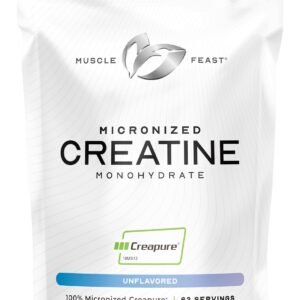
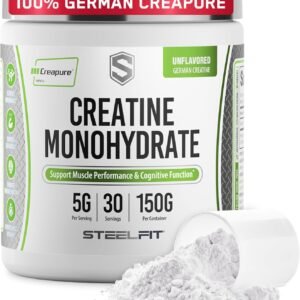
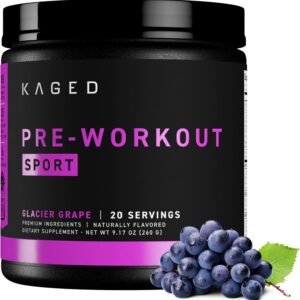
instagram supplements and gym equipment for sale

facebook gym supplements usa. Gym equipments and gym supplements for sale instagram profile social media

Testosteron booster the best options informations

Navigating the Complex Terrain of Testosterone Booster Supplements: A Critical Analysis

Testosterone Booster Supplements. What you need to know today. The pursuit of enhanced vitality, strength, and virility has led many to consider the category of dietary supplements marketed as testosterone boosters. These products promise to elevate endogenous testosterone levels, thereby influencing a spectrum of physiological functions from muscle protein synthesis to cognitive drive. This analysis moves beyond marketing claims to examine the scientific substrate, regulatory landscape, and pragmatic considerations surrounding these formulations, providing a framework for informed decision-making in an often-opaque marketplace.

Understanding the Endocrine Context: What is Testosterone, and Why Does It Fluctuate?

Testosterone, the primary androgenic hormone in males, is a critical regulator of musculoskeletal health, metabolic function, red blood cell production, and libido. Its production, orchestrated by the hypothalamic-pituitary-gonadal axis, exhibits natural variance. Levels peak in early adulthood and undergo a gradual, age-related decline—approximately 1% per year after age 30. Further modulations are induced by factors including chronic stress (elevated cortisol), insufficient sleep, adiposity (via aromatization to estrogen), nutritional deficiencies, and excessive alcohol consumption.

It is crucial to distinguish between clinically diagnosed hypogonadism—a medical condition requiring professional diagnosis and often pharmaceutical intervention (e.g., testosterone replacement therapy, or TRT)—and age-related or lifestyle-influenced low-normal levels. The latter is the primary target for over-the-counter booster supplements, which aim to support the body’s natural production pathways rather than introduce exogenous hormones.

Testosteron booster the best options informations 3

Deconstructing the Formula: Ingredients Under Scientific Scrutiny

The efficacy of a testosterone booster is contingent upon its constituent compounds. A sophisticated examination focuses on ingredients with plausible mechanisms and human clinical evidence, however nascent.

Key Ingredients with Supporting Research:

  • Fenugreek Extract (Trigonella foenum-graecum): Specifically, extracts standardized for furosaponins (e.g., Testofen®). Research suggests it may support free testosterone levels by inhibiting enzymes that convert testosterone to dihydrotestosterone (DHT) and by displacing testosterone from sex hormone-binding globulin (SHBG), making it more bioavailable. Studies often note concomitant benefits in libido and strength perception.
  • Ashwagandha (Withania somnifera): An adaptogenic herb. Clinical trials, particularly with KSM-66® or Sensoril® extracts, indicate it can reduce cortisol, improve stress resilience, and may increase testosterone in stressed or subclinical populations. Its primary value may lie in mitigating one of testosterone’s key suppressants.
  • Zinc: An essential mineral directly involved in testosterone synthesis. Deficiency is strongly correlated with hypogonadism. Supplementation in deficient individuals can restore levels to baseline, but supra-physiological dosing in replete individuals yields diminishing returns.
  • Vitamin D: Now recognized as a pro-hormone. Deficiency is widespread and correlated with low testosterone. Correction of deficiency through supplementation can support endocrine normalization.
  • D-Aspartic Acid (D-AA): An amino acid that stimulates the release of luteinizing hormone (LH), a key signal for testosterone production. Evidence is mixed; some studies show transient increases in testosterone, particularly in untrained or subfertile men, while others show no effect in trained athletes. Its utility may be cyclical rather than continuous.

Common Ingredients with Ambiguous or Primarily Mechanistic Evidence:

  • Tribulus Terrestris: Frequently marketed for libido enhancement, its direct impact on serum testosterone in humans remains inconsistent and is not strongly supported by robust clinical data.
  • Boron: A trace mineral that may influence steroid hormone metabolism. Short-term studies suggest it can reduce SHBG and increase free testosterone, but long-term data and significance for athletic performance are not fully established.
  • Maca Root: A Peruvian plant valued for its potential to enhance libido and sexual function, likely through mechanisms unrelated to direct testosterone modulation.

Check also article: Bodybuilding Supplements & Testosterone: The Real Science Behind Muscle Growth

Critical Considerations Beyond the Blend

A sophisticated evaluation extends past the ingredient panel to encompass broader, often overlooked factors.

1. The Regulatory Gray Area: Dietary supplements, including testosterone boosters, are regulated as food, not drugs, by the FDA under the 1994 DSHEA act. This means they are not approved for safety or efficacy before market entry. Manufacturers are responsible for ensuring product safety and label accuracy, but verification is primarily post-market. This underscores the necessity of choosing brands that adhere to third-party verification.

2. The Imperative of Third-Party Certification: To mitigate risks of contamination, adulteration, or label inaccuracy, seek products certified by independent organizations like NSF International, USP (United States Pharmacopeia), or ConsumerLab.com. These certifications verify that the product contains what the label claims and is free from harmful levels of contaminants.

3. Synergy with Foundational Lifestyle Interventions: No supplement can compensate for deleterious lifestyle choices. A booster’s potential is maximized only within a framework of:

  • Adequate, High-Quality Sleep: The majority of daily testosterone pulse is released during deep, slow-wave sleep.
  • Resistance Training: Particularly compound, heavy lifts (squats, deadlifts, presses) are a potent acute and chronic stimulator of anabolic hormone activity.
  • Balanced Nutrition: Sufficient caloric intake, healthy fats (cholesterol is a precursor to testosterone), and micronutrient density.
  • Stress and Weight Management: Reducing visceral adiposity and chronic psychological stress.

A Pragmatic Conclusion: Managed Expectations and Strategic Use

Testosterone booster supplements represent a category of nuanced potential, not a panacea. They may offer a marginal, supportive benefit for individuals with suboptimal lifestyles or specific, mild deficiencies, acting as endocrine optimizers rather than radical transformers.

For the discerning individual, the strategic approach involves:

  1. Prioritizing lifestyle optimization as the non-negotiable foundation.
  2. Selecting a product with a transparent, research-informed ingredient profile from a brand with stringent quality controls and third-party certification.
  3. Setting realistic expectations; significant, dramatic changes in serum testosterone are unlikely without pharmaceutical intervention.
  4. Consulting with a healthcare professional before commencement, particularly for individuals with pre-existing medical conditions or those taking other medications.

The ultimate “boost” may not come from a bottle, but from a holistic commitment to physiological stewardship, of which a well-chosen supplement may serve as one considered component.

Testosteron booster the best options informations 5

Frequently Asked Questions (FAQ)

1. Do testosterone boosters actually work for building muscle?
Their direct impact on significant muscle hypertrophy is modest at best. They may support the hormonal environment for recovery and synthesis, especially if a deficiency is corrected (e.g., Zinc, Vitamin D). However, muscle growth is predominantly driven by consistent progressive overload in training, adequate protein intake, and caloric surplus. A booster is not a substitute for these fundamentals.

2. Are testosterone booster supplements safe?
Safety is highly product-dependent. Risks include potential side effects from individual ingredients (e.g., digestive upset from Fenugreek), interactions with medications, and the significant risk of adulteration with undeclared, potentially harmful substances like prohormones or SARMs in non-certified products. Third-party certification is the best proxy for safety assurance.

3. What is the difference between a testosterone booster and SARMs or prohormones?
This is a critical distinction. Testosterone boosters are dietary supplements intended to support natural productionSARMs (Selective Androgen Receptor Modulators) and prohormones are synthetic compounds that directly activate androgen receptors or convert into active hormones. They are often sold as “research chemicals” but can pose serious health risks (liver toxicity, negative feedback shutdown of natural production, lipid profile damage) and are banned by most sports organizations. They exist in a dangerous legal and regulatory gray area.

4. How long does it take to see results from a testosterone booster?
If an effect is to be observed, most clinical trials measure changes over periods of 8 to 12 weeks. This is not an immediate solution. Effects on subjective feelings of well-being or libido may be perceived earlier, but biomarker changes (e.g., serum testosterone) require a sustained period of consistent use alongside proper lifestyle.

5. Should I get my testosterone levels tested before taking a booster?
It is highly advisable. A simple blood panel can establish a baseline and determine if you are clinically low, in the normal range, or optimal. This informs whether your efforts are best directed toward lifestyle and supplementation or require a consultation with an endocrinologist about potential medical treatment. Self-administering supplements in the presence of symptomatic hypogonadism can delay appropriate diagnosis and care.

dr berg supplements

Top 10 best sellers Dr. Berg supplements on online stores

Top 10 best sellers Dr. Berg supplements on online stores. In the world of holistic health and wellness, Dr. Eric Berg has become a trusted name. As a prominent advocate for the ketogenic diet and natural health principles, his educational content has helped millions. Alongside his advice, Dr. Berg’s line of dietary supplements has surged in popularity, consistently topping best-seller lists on Amazon.

But with so many options, which ones are truly worth it? We’ve analyzed reviews, sales rankings, and consumer feedback to bring you the definitive list of the top 10 best-selling Dr. Berg supplements on Amazon. This guide will break down what each product is, its key benefits, and why it’s earned a spot in so many cabinets.

dr berg best selling supplements

1. Dr. Berg Electrolyte Powder

The Hydration Powerhouse

Kicking off our list is the #1 best-seller, a must-have for anyone on keto, fasting, or dealing with an active lifestyle. This powder replenishes essential electrolytes—potassium, magnesium, and sodium—without any sugar, artificial colors, or maltodextrin. Users rave about its ability to combat the “keto flu,” boost energy, and prevent muscle cramps. It comes in delicious, natural flavors like Lemonade and Raspberry.
➡ Check Price & Reviews on Amazon

2. Dr. Berg Nutritional Yeast Tablets

The Natural B-Vitamin Boost

Forget the flakes! These convenient tablets offer all the benefits of nutritional yeast without the mess. Packed with natural B vitamins (including B1, B2, and B12), chromium, and trace minerals, this supplement is famous for supporting energy metabolism, reducing sugar cravings, and promoting healthy hair, skin, and nails. It’s a vegan-friendly favorite.
➡ Check Price & Reviews on Amazon

3. Dr. Gallbladder Formula

The Digestive Aid Specialist

Named after its primary function, this unique blend supports the liver and gallbladder. It contains key ingredients like bile salts, ox bile, and pancreatic enzymes to help emulsify fats, improve digestion of fatty meals, and support nutrient absorption. It’s a top choice for those who have had gallbladder issues or feel sluggish after eating fats.
➡ Check Price & Reviews on Amazon

4. Dr. Berg D3 & K2 Vitamin Supplement

The Dynamic Duo for Bones & Heart

Vitamin D3 and K2 work synergistically. D3 helps you absorb calcium, while K2 directs it to your bones and teeth—and away from your arteries. This best-seller combines these two crucial vitamins in optimal ratios to support immune function, bone strength, and cardiovascular health. The high-potency formula is a staple for overall wellness.
➡ Check Price & Reviews on Amazon

5. Dr. Berg Apple Cider Vinegar Capsules

All the Benefits, None of the Burn

Apple cider vinegar is renowned for its health benefits, but not everyone can handle the strong taste or acidity. These capsules deliver 800mg of pure, freeze-dried ACV per serving. Users take them to support healthy blood sugar levels, aid digestion, promote a feeling of fullness, and boost metabolism, all without harming tooth enamel.
➡ Check Price & Reviews on Amazon

6. Organic Castor Oil Pack

The Topical Wellness Secret

This isn’t a pill, but it’s one of Dr. Berg’s most innovative and popular products. It includes a soft flannel pack and pure, hexane-free organic castor oil. Used topically on the abdomen (over the liver) or joints, it’s celebrated for its potential to support detoxification, reduce inflammation, improve circulation, and promote relaxation and lymphatic flow.
➡ Check Price & Reviews on Amazon

Dr. Berg Liver Cleanse Detox Capsules

$23.99

The formula typically includes ingredients such as milk thistle, turmeric, NAC, beetroot, artichoke, dandelion root, choline, and bioactive antioxidants—creating a multi-layered approach to liver repair and detoxification.

7. Dr. Berg Skin Cream

Nutrient-Packed Moisturizer

Formulated with healthy fats and nutrients your skin loves, this cream contains emu oil, MSM, hyaluronic acid, and vitamins. It’s designed to deeply moisturize, support collagen production, and improve skin elasticity without clogging pores. Reviews highlight its effectiveness for dry skin, wrinkles, and even conditions like eczema.
➡ Check Price & Reviews on Amazon

8. Dr. Berg Women’s Hormone Balance

Targeted Support for Hormonal Harmony

This blend is crafted to support the specific hormonal needs of women. It contains herbs like Chaste Tree Berry (Vitex), DIM, and Magnesium, which are known to help balance estrogen and progesterone levels, manage PMS symptoms, and support mood and energy through different life stages.
➡ Check Price & Reviews on Amazon

9. Dr. Berg Digest Formula

Comprehensive Enzymatic Support

A broader digestive aid than the Gallbladder Formula, this supplement features a full spectrum of plant-based enzymes (like protease, amylase, lipase) and betaine HCl. It’s designed to help break down proteins, fats, and carbohydrates, making it ideal for those with occasional bloating, gas, or discomfort after meals.
➡ Check Price & Reviews on Amazon

10. Dr. Berg Activated Charcoal

The Natural Detoxifier

Rounding out our top 10 is the pure, food-grade activated charcoal. Known for its powerful adsorption properties, it’s used for occasional digestive upset, gas, and promoting detoxification. A key tip from users: take it away from meals and other supplements/medications (at least 2 hours) to ensure it doesn’t interfere with nutrient absorption.
➡ Check Price & Reviews on Amazon


How to Choose the Right Dr. Berg Supplement For You

  • Identify Your Goal: Are you seeking better digestion (Gallbladder/Digest Formula), more energy (Electrolytes/Nutritional Yeast), or general wellness (D3+K2)?
  • Read the Labels Carefully: Dr. Berg’s products are known for clean formulas. Always check for any specific allergens or ingredients.
  • Consult Your Healthcare Provider: Especially if you have pre-existing health conditions or are taking medications, it’s wise to talk to a professional before starting any new supplement.
  • Leverage Amazon Reviews: Look beyond the star rating. Read both positive and critical reviews to understand real-world experiences and any potential considerations.

Final Thoughts

The consistent best-seller status of these Dr. Berg supplements on Amazon is a testament to their perceived quality and alignment with the health principles he teaches. Whether you’re deep into your keto journey or simply looking for natural ways to support your well-being, this list provides a reliable starting point.

Ready to explore? Click on any of the links above to see the current prices, detailed ingredients, and thousands of customer reviews on Amazon. Find the perfect addition to your health routine today!

Disclaimer: This article is for informational purposes only and does not constitute medical advice. These statements have not been evaluated by the Food and Drug Administration. These products are not intended to diagnose, treat, cure, or prevent any disease. Always consult with a qualified healthcare professional before making any changes to your diet or supplement regimen.

I'm 35 years old female with little overweight. How to loose weight 1

I’m 35 years old female little overweight. How to loose weight fast

How to loose weight fast for young female. Losing weight at 35 is absolutely possible if you combine smart nutrition, regular exercise, and realistic expectations. The goal is not perfection, but building habits you can keep for years, not weeks.

How weight loss really works

Fat loss happens when you consistently burn more energy than you eat, but the gap does not need to be extreme to work. A common, safe target is to create a daily deficit of about 500–600 calories, which usually leads to roughly 0.5–1 kg (about 1–2 pounds) of weight loss per week.

For most adult women, this usually means eating somewhere around 1,400–1,800 calories per day, depending on your height, activity level, and metabolism, but it is best to personalize this with a doctor or dietitian. No diet for an adult woman should go below 800 calories a day, and very low-calorie diets should only be done under medical supervision.

Dr. Berg Probiotic Supplement 60 Billion CFUs Helps Ease Occasional Constipation Diarrhea Gas and Bloating

$24.99

Because gut microbiomes differ greatly among individuals, it’s wise to start with one capsule daily, watch how your body responds (especially in the first 1–2 weeks), and maintain consistent use for several weeks to assess benefits.

Simple nutrition plan you can follow

Instead of chasing “perfect” diets, think about building meals from lean protein, high-fiber carbs, healthy fats, and lots of vegetables. This combination helps control hunger, keeps blood sugar steadier, and makes it easier to stay in a calorie deficit without feeling miserable.

Practical daily guidelines for you as a slightly overweight 35-year-old woman could be:

  • Aim for protein in every meal (for example, eggs, Greek yogurt, chicken, fish, tofu or lentils).
  • Fill at least half of your plate with vegetables or salad at lunch and dinner to add volume with few calories.
  • Choose mostly whole-grain carbs (oats, brown rice, quinoa, wholemeal bread) and limit sweets, pastries and sugary drinks to occasional treats.
  • Use healthy fats (olive oil, nuts, avocado) in small amounts instead of cooking with lots of butter or eating many fried foods.

Eating slowly, putting your fork down between bites, and avoiding screens during meals will help you notice fullness before overeating. Planning your meals and snacks ahead and keeping tempting ultra-processed foods out of easy reach makes it much easier to stay on track.

I'm 35 years old female with little overweight. How to loose weight 2

How much exercise you really need

Research shows that doing 150–300 minutes per week of moderate to vigorous aerobic exercise leads to meaningful reductions in body weight, waist size and body fat in adults with overweight. This means roughly 30–60 minutes of activity, 5 days per week, which can absolutely be split into shorter blocks like 2 x 15 or 3 x 10 minutes.

In addition, strength training at least 2 days per week is recommended to build and maintain muscle, which helps your metabolism and body shape as you lose weight. Even smaller amounts of exercise (for example, 30 minutes per week) can give modest benefits, but fat loss improves clearly once you consistently reach at least 150 minutes per week.

Cellucor Super Shred™ Fat Burner

$49.99

Weekly gym and workout structure

If you want a clear weekly plan, use this as a starting point and adjust slowly as your fitness improves.

  1. Gym time per week:
  • Aim for about 3–5 days per week at the gym.
  • Total: around 4–6 hours per week, including both cardio and strength work.
  1. Cardio (to burn calories and improve heart health):
  • Goal: 150–300 minutes per week of moderate cardio (or a mix with some harder intervals).
  • Options you can rotate:
    • Brisk walking on the treadmill (slight incline).
    • Cycling (upright or recumbent bike).
    • Elliptical trainer or stair climber.
    • Rowing machine.
  • Example structure:
    • 3 days per week: 30–40 minutes moderate cardio.
    • 1 extra day: 20–30 minutes interval-style cardio (for example, 1 minute faster, 2 minutes easier repeated several times), only after a few weeks of basic conditioning.
  1. Strength training (to shape your body and protect your metabolism):
  • Goal: at least 2, ideally 3 full-body sessions per week on non-consecutive days (for example, Monday–Wednesday–Friday).
  • Each session: about 45–60 minutes.
  • Focus on big, safe movements that work many muscles at once:
    • Lower body: squats or leg press, hip thrust or glute bridge, lunges or step-ups.
    • Upper body push: chest press or push-ups, shoulder press.
    • Upper body pull: lat pulldown or assisted pull-down, seated row.
    • Core: planks, dead bugs, bird-dogs, cable or machine crunches.
  • Aim for 2–3 sets of 8–12 repetitions per exercise with a weight that feels challenging but still allows good technique.

Start conservatively with lighter weights and fewer sets, especially if you are new, and progress gradually by adding a little weight, a few reps, or one extra set as exercises feel easier. If possible, book 1–2 sessions with a trainer in your gym just to check your form and learn how to set up machines safely.

I'm 35 years old female with little overweight. How to loose weight 3

Supplements: what helps and what to avoid

Most evidence shows that supplements give, at best, only modest extra weight loss; the main driver is still your diet and activity. Many products are marketed aggressively to women in your situation, but research finds that no supplement consistently produces large, long-term weight loss on its own.

Evidence-based, usually safe options to discuss with your doctor:

  • Protein powder:
    • Helps you reach your daily protein target easily (for example, in a smoothie) and can improve satiety and muscle maintenance while dieting.
  • Caffeine/green tea extract:
    • Caffeine and green tea catechins may slightly increase energy expenditure and fat oxidation, but the effect is small; high doses can cause side effects like jitteriness or sleep problems.
  • Fiber supplements (for example, glucomannan):
    • Some fibers can help you feel fuller, which may support calorie control, but again the effect is modest and they must be taken with plenty of water to avoid digestive issues.

Important cautions:

  • Large reviews of weight-loss vitamins and supplements show only very small additional losses versus placebo and no strong proof of big, lasting effects.
  • Some “fat burners” combine multiple stimulants or unregulated herbs and can stress your heart, liver or blood pressure; avoid any product that promises extremely fast results or lists a “proprietary blend” without clear amounts.
  • Always check with a doctor or pharmacist before starting any supplement, especially if you have health conditions or take medication.

MERACH Exercise Bike Brake Pad Stationary Bike with Exclusive App

Original price was: $249.99.Current price is: $209.99.

Take your indoor cycling experience to the next level with the MERACH Exercise Bike Brake Pad Stationary Bike, designed for smooth, quiet, and customizable workouts. Built with a durable steel frame and precision-engineered flywheel, this stationary bike delivers a natural road-like riding experience—ideal for cardio training, fat burning, and endurance improvement in the comfort of your own home.

Mindset, lifestyle and realistic expectations

Because you are 35 and only a bit overweight, even losing 5–10% of your current body weight can significantly improve your health markers and how you feel. This is a very realistic goal over several months if you combine a moderate calorie deficit with regular cardio and strength training as described above.

Support your training with:

  • Sleep: aim for 7–9 hours per night, as poor sleep is linked to weight gain and stronger cravings.
  • Stress management: chronic stress can promote overeating and abdominal fat; practices like walking outdoors, breathing exercises or light yoga can help.
  • Tracking: you can weigh yourself 1–3 times per week, log your food for a few weeks, or track your steps and workouts to see progress without becoming obsessed.

If you like, the plan above can be turned into a very specific 4-week starter program with exact gym days, exercises, and progression tailored to your schedule and current fitness level.

gym equipment
Gym fitness color icon set dumbbells barbells exercise bikes stepper cycling track vector illustration

​FAQ

  1. How much weight can I realistically lose per week?
    Most women do best aiming to lose around 0.5–1 kg (about 1–2 lb) per week, which usually means a daily calorie deficit of roughly 500–600 calories. Faster loss is possible at the start (especially if you reduce salt and refined carbs), but very rapid weight loss is harder to maintain and increases the risk of regaining the weight.
  2. Do I need to cut out carbs completely to lose weight?
    You do not need to cut out all carbohydrates; in fact, very strict carb-cutting is often unnecessary and hard to sustain. A better strategy is to reduce sugary drinks, sweets and refined carbs, and to choose higher-fiber options like oats, brown rice and wholegrain bread while keeping your overall calories in check.
  3. What is more important for fat loss: cardio or strength training?
    Both matter, but in different ways: cardio burns more calories during the workout, while strength training builds and preserves muscle that keeps your metabolism higher all day. For best results, combine them by doing roughly 150–300 minutes of weekly cardio plus 2–3 full‑body strength sessions, adjusted to your fitness level.
  4. Are weight-loss supplements necessary, and are they safe?
    Weight-loss supplements are not necessary for successful fat loss and most provide only small, if any, extra benefit beyond diet and exercise. Some products may even contain hidden drugs or risky stimulants, so it is crucial to be cautious, check for third‑party testing, and talk with a healthcare professional before taking anything marketed as a fat burner.
  5. How long will it take before I see visible changes in my body?
    Many people notice more energy and slightly looser clothes within 2–4 weeks of consistent healthy eating and regular exercise, even if the scale changes slowly. Larger, more obvious changes in body shape and measurements typically become clear after about 8–12 weeks of staying close to your plan most of the time.
How woman can loose fat from lower abdominal part belly

How woman can lose fat from lower abdominal belly

Women can effectively lose fat from the lower abdominal region by combining the newest scientific approaches in exercise, nutrition, and lifestyle change, with emerging treatments and a nuanced understanding of body composition and metabolism. Tackling lower belly fat requires dedication, strategic planning, and an evidence-based mindset. This comprehensive guide details the most up-to-date strategies from both fitness and scientific perspectives, empowering women to achieve sustainable lower abdominal fat loss.


Understanding Lower Abdominal Fat

Lower abdominal fat consists of two main types: superficial subcutaneous fat beneath the skin, and deeper visceral fat surrounding internal organs. Research shows that while visceral fat responds quickly to overall weight loss and exercise, subcutaneous lower abdominal fat, which causes the “pooch,” is more stubborn and requires targeted approaches. Genetics, hormones (especially estrogen and cortisol), age, and lifestyle choices all play key roles in how and where women store fat.


Why Belly Fat Is Stubborn in Women

Women are biologically programmed to store more fat in the hips, thighs, and lower abdomen due to reproductive hormones. Factors making lower belly fat especially stubborn include:

  • Increased estrogen during reproductive years.
  • Fluctuations in cortisol (stress hormone) that favor abdominal fat accumulation.
  • A decline in metabolic rate post-menopause, shifting fat storage.

Latest Scientific Findings: Targeting Fat Loss

A 2025 study demonstrated the effectiveness of noninvasive treatments like ultrasound-based body contouring and radiofrequency skin tightening for reducing superficial abdominal fat. The results showed a significant decrease in subcutaneous fat (up to 7.2%), but minimal impact on visceral fat. While these procedures are promising for localized fat reduction—with effects measured by precise CT imaging—they should complement, not replace, foundational lifestyle strategies.

​Check also: How to lose fat in lower part of the back for woman


Nutrition: Eating for Lower Belly Fat Loss

1. Protein Pacing & Mediterranean Diet

Consuming high-protein, nutrient-dense meals spaced evenly throughout the day can enhance fat loss and protect lean muscle. The Mediterranean diet, rich in vegetables, fiber, healthy fats (olive oil, nuts), fish, and lean meats, consistently ranks among the best for reducing abdominal fat and promoting overall health.

How woman can loose fat from lower abdominal part belly 3

2. Reducing Refined Sugars and Alcohol

High intake of sugar, sugary drinks, and alcohol directly correlates with increased belly fat and insulin resistance. Limiting processed carbs and added sugars helps improve metabolic health and curb fat storage.

3. Soluble Fiber and Probiotics

Soluble fiber, found in oats, beans, and vegetables, slows digestion, increases satiety, and reduces fat absorption. Incorporating probiotics (yogurt, kefir, fermented vegetables) can support gut health, reduce inflammation, and support weight management.


Exercise: Workouts for the Lower Belly

No exercise can “spot reduce” fat from the lower belly alone, but certain modalities are more effective for reducing overall and abdominal fat.

Cardio & HIIT

Aerobic exercise, especially high-intensity interval training (HIIT), has strong evidence for reducing visceral and subcutaneous abdominal fat. Women benefit from at least 150 minutes of moderate cardio (brisk walking, cycling) or 75 minutes of vigorous activity (running, HIIT) weekly.

Ancient Nutrition Whey Protein + Fat Loss Blend

(1 customer review)
$59.95

Resistance Training & Core Activation

Lifting weights boosts metabolism, preserves muscle during fat loss, and helps shape the waistline. Compound exercises (squats, deadlifts) coupled with lower ab moves are ideal:

  • Leg Raises: Activate lower abdominals.
  • Reverse Crunches: Emphasize the lower belly.
  • Flutter Kicks & Mountain Climbers: Combine cardio and core.
  • Plank Variations: Improve stability and ab definition.

Sample Routine

ExerciseSetsReps/TimeTarget
Leg Raises315Lower abs strengthening
Mountain Climbers320–30 secondsCardio & core
Reverse Crunches315Isolate lower belly
Flutter Kicks330 secondsLower abs & cardio
Plank Hip Dips315 per sideObliques & lower abs
Compound Movement310 (squats)Full body fat burning

Pair these moves with a balanced diet and calorie control for visible results in as little as 3 weeks.


Lifestyle Secrets: Recovery, Sleep, and Stress

Sleep Matter More Than You Think

Chronic sleep deprivation alters hormone levels, raising cortisol and increasing cravings for unhealthy foods, both of which contribute to lower belly fat accumulation. Aim for 7–9 hours of quality sleep nightly.

Stress Management

Chronic stress increases circulating cortisol, which signals the body to store fat in the abdominal region. Techniques like yoga, walking outdoors, mindful breathing, and social support lower cortisol levels, helping mitigate fat gain.

How woman can loose fat from lower abdominal part belly 5

Hydration

Drinking sufficient water is crucial for metabolic health. Even mild dehydration can hinder fat burning and slow exercise recovery.

​Check also: Top 10 fat burners available in american supplement market


Advanced Approaches and Popular Myths

Intermittent Fasting

Current meta-analyses show that various intermittent fasting protocols (like 16:8 and 5:2) can promote fat loss, particularly when combined with high-protein diets and regular exercise. However, some women find fasting disrupts blood sugar control, so personalization is important.

Medications & Supplements

GLP-1 agonists—new weight loss medications such as tirzepatide—can promote substantial fat loss in women, with up to 75% of weight loss as pure fat mass. These should only be used under medical supervision and are not suited for everyone.

Apple cider vinegar, popularized for belly fat loss, shows promising effects in animals but limited results in human studies. Quality supplements can support metabolism (e.g., green tea, resistant starches), but none will produce dramatic lower belly fat loss alone.

Noninvasive Body Contouring

Ultrasound and radiofrequency-based treatments have been proven to reduce superficial abdominal fat and waist circumference. These procedures are safe, effective for localized fat, and can be a valuable tool when combined with healthy habits.


Realistic Expectations: Time Frame & Body Image

Fat loss from the lower abdominal region is naturally slow and requires consistency. Quick fixes do not exist, and significant changes take weeks to months. It’s normal to notice fat loss in other areas first before the lower belly responds. Celebrate progress, practice patience, and focus on long-term health rather than idealized body images.

How woman can loose fat from lower abdominal part belly 6

Integrating All Strategies: A Practical Blueprint

  1. Set a realistic goal: Aim for 0.5–1 kg of fat loss per week using a moderate calorie deficit.
  2. Build a balanced meal plan: Prioritize lean protein, healthy fats, whole grains, vegetables, soluble fiber, and moderate carbs.
  3. Exercise smart: Combine cardio (especially HIIT) and strength training with lower ab moves.
  4. Prioritize recovery: Sleep 7–9 hours nightly, manage stress, hydrate well.
  5. Consult experts for advanced options: Consider medical therapies, supplements, or noninvasive treatments based on personalized advice.
  6. Track progress: Use a tape measure, progress photos, and fitness logs, focusing on waist circumference and body composition, not just the scale.

Check also: Best female workout supplements for weight loss


Final Thoughts: The Science of Lower Belly Fat Loss

While genetics and hormones shape where fat is stored, science shows that smart nutrition, strategic training, good sleep, and lifestyle balance can drive meaningful fat loss from the lower abdomen. Noninvasive treatments and new medications provide additional tools but do not replace consistent habits. Women should approach fat loss holistically—focusing on health, performance, and strength. With patience and evidence-based strategy, losing lower belly fat is achievable and sustainable, transforming physique and confidence for life.

FAQ: Lower Abdominal Fat Loss in Women

1. Can I really target fat loss only from my lower belly?
In strict scientific terms, spot reduction does not work: the body mobilizes fat from all over, according to genetics and hormones, not from one chosen area like the lower belly. However, combining a moderate calorie deficit with strength training, cardio, and specific core work will reduce total body fat while visibly tightening and defining the lower abdominal area because the muscles underneath become stronger and more prominent.

12% Incline Treadmill with Handle 3-in-1 Portable Treadmills for Home and Office

Original price was: $249.99.Current price is: $189.98.

Transform any space into your personal gym with this 3-in-1 Portable Treadmill, engineered for walking, jogging, and running. Featuring a 12% adjustable incline, it helps you burn calories faster, tone muscles, and boost endurance

2. How long does it usually take to see changes in my lower abs?
Most women who train and eat consistently can notice some waist and lower belly change within 4–8 weeks, but deeper, more dramatic fat loss often takes 3–6 months or longer. The timeline depends on your starting body fat, hormonal status, stress levels, sleep, and how tight your nutrition and training are; the lower belly is often the “last holdout” area, so patience is critical.

3. Do I have to do endless ab workouts every day to lose lower belly fat?
No: doing hundreds of crunches will not melt lower belly fat if your diet and overall energy balance are off. A far more effective strategy is 2–4 weekly strength workouts (including full‑body lifts and focused core work) plus 2–4 sessions of cardio or HIIT, supported by an appropriate calorie deficit and sufficient protein.

4. What is the best kind of exercise for stubborn lower abdominal fat?
The most powerful combination is:

  • Full‑body resistance training to build and maintain muscle, which raises metabolic rate and sculpts your shape.
  • Moderate to vigorous cardio (brisk walking, running, cycling, intervals) to increase overall calorie burn and reduce visceral and subcutaneous fat.
  • Direct core work (leg raises, reverse crunches, planks, mountain climbers) to strengthen and reveal the lower abdominal muscles once fat is lost.

5. I’m doing everything “right” but my lower belly still sticks out. What could be going on?
Sometimes the issue is not just fat, but also posture, weak deep core muscles, or bloating. An anterior pelvic tilt, poor glute activation, and weak transverse abdominis can push the lower belly outward, while digestive issues, food intolerances, or chronic stress can cause gas and water retention that mimic fat gain; in these cases, posture training, deep core work (like dead bugs and diaphragmatic breathing), gut‑friendly nutrition, and stress control can make a visible difference.

Insane Labz Insane Cutz Fat Burner

Original price was: $34.99.Current price is: $26.39.

6. How much should I eat to lose lower belly fat without wrecking my hormones?
For most women, a daily deficit of roughly 300–500 kcal below maintenance is enough to drive fat loss while preserving muscle and hormonal health. Severe restriction (crash diets, very low‑calorie plans) tends to backfire by increasing hunger hormones, lowering thyroid output, disrupting menstrual cycles, and promoting muscle loss, all of which make long‑term lower belly fat loss harder.

Check also article: Best Workouts to Lose Belly Fat

7. Do hormones and age really make lower belly fat harder to lose?
Yes, but they do not make it impossible. As women approach their 40s and 50s, estrogen levels decline, favoring more central fat storage around the waist and lower abdomen, and overall metabolic rate tends to drop slightly; this means you may need to be more deliberate with protein intake, resistance training, sleep quality, and stress management, but the same principles—calorie control, movement, and muscle—still work.

How woman can loose fat from lower abdominal part belly
How woman can loose fat from lower abdominal part belly 1

8. Are fat‑burning pills, teas, or waist trainers worth it for lower belly fat?
Most over‑the‑counter “fat burners” and detox teas offer, at best, minor short‑term appetite or water‑weight effects and, at worst, side effects, without meaningfully changing lower abdominal fat. Waist trainers can temporarily compress the midsection for a different appearance but do not burn fat, build muscle, or reshape your ribcage in a healthy way; investing in coaching, high‑quality whole foods, and a sustainable program delivers far better long‑term results.

9. Is it normal for my lower belly to never be completely flat, even when lean?
Yes. Many women have a natural softness or small curve in the lower abdomen due to pelvic structure, organ placement, and the way skin and connective tissue sit over the pelvis. Visible abs and a lean waist do not have to mean a perfectly flat, “photoshopped” lower belly; aiming for strength, health, and comfort in your own skin is usually more realistic—and more sustainable—than chasing an anatomically rare ideal.

10. What is one change I can make this week that will have the biggest impact?
If only one habit could be changed immediately, combining a slight calorie deficit with higher protein intake (roughly 1.6–2.2 g of protein per kilogram of body weight per day) and committing to 7–9 hours of sleep per night will create a powerful foundation. This trio improves satiety, preserves muscle, supports hormones, and enhances training performance, accelerating overall fat loss—including from the lower abdominal area—over the coming weeks and months.

best exercise to lose belly fat, belly fat burning exercise, quickest way to lose belly fat

Best Workouts to Lose Belly Fat: A Science-Based Guide

Best Workouts to Lose Belly Fat: A Science-Based Guide. Losing belly fat isn’t just about appearance—it’s a matter of health, longevity, and daily performance. Excess abdominal fat, especially visceral fat stored deep around your organs, significantly raises the risk of heart disease, diabetes, and metabolic dysfunction. While the internet is saturated with quick fixes and “miracle” ab routines, science paints a starkly different picture: spot reduction is largely a myth, and only a holistic approach combining specific workouts, nutritional strategies, and lifestyle habits leads to sustainable results.

This guide reveals the truth behind fat loss, breaks down the most effective workouts, explains their scientific rationale, and helps you develop a training plan that works for real people in the real world.


Understanding Belly Fat: More Than Just Aesthetic

Belly fat comes in two main forms:

  • Subcutaneous Fat: The layer just beneath your skin. While less harmful, it does affect body shape.
  • Visceral Fat: Stored deeper inside, surrounding your organs. This is strongly linked to increased risk for metabolic conditions, heart disease, and cancer.

The latter is the primary target for both health improvements and fat loss. Losing it is not as simple as focusing on ab exercises; it requires whole-body fat reduction driven by a blend of targeted activity, systemic energy expenditure, and a diet that supports a calorie deficit.

Treadmills for Seniors with handrails Length Safety Handrails

$299.99

This Portable Walking Treadmill with Long Handrails is expertly designed for seniors, recovery users, and anyone needing extra stability. With large, supportive side handrails and a low-step deck, it offers a safe, accessible way to get cardio without compromising comfort or security.

The Science: Can You Target Belly Fat?

Despite widespread gym folklore, it’s not possible to selectively “burn” fat in a specific area with spot exercises. Studies using imaging and metabolic tracers show that while core exercises strengthen muscles, actual belly fat loss only happens when overall body fat is reduced. However, the type, sequence, and intensity of exercise can dramatically accelerate results.


Types of Workouts: What Works and Why

An optimal belly-fat-burning regimen blends aerobic (cardio) exercise, high-intensity intervals, resistance training, and, yes, core strengthening moves—but with a scientific twist.

best exercise to lose belly fat, belly fat burning exercise, quickest way to lose belly fat

1. Aerobic (Cardio) Exercise

How It Works: Aerobic activities—like running, swimming, cycling, brisk walking, and dancing—raise heart rate, utilize large muscle groups, and burn significant calories.

Scientific Evidence: Comprehensive reviews and meta-analyses show that performing at least 150 minutes per week of moderate-to-vigorous aerobic exercise leads to significant reductions in both body fat and waist circumference. The relationship is dose-dependent: as weekly cardio time increases (up to about 300 minutes), fat reduction continues in a linear fashion. For best results, progression (gradually increasing duration, frequency, or intensity) is crucial.

Best Cardio Workouts:

  • Running (outdoor or treadmill)
  • Swimming laps
  • Cycling (stationary or road)
  • Rowing
  • Power walking
  • Dance fitness (Zumba, step aerobics)

A pivotal long-term study found that postmenopausal women who did 300 minutes of aerobic activity per week lost more belly fat than those doing 150 minutes.

​Check also: How to lose fat in lower part of the back for woman

2. High-Intensity Interval Training (HIIT)

How It Works: HIIT alternates short bursts of intense activity with recovery intervals. Examples include sprinting, circuit training, or bodyweight exercises like burpees and jump squats performed at all-out effort, usually for sessions lasting 15–30 minutes.

Scientific Evidence: HIIT is highly efficient for burning calories and enhancing afterburn (excess post-exercise oxygen consumption), leading to increased total energy expenditure after workouts. Studies show that HIIT can reduce both subcutaneous and visceral belly fat more effectively in some cases than equivalent moderate-intensity exercise, even when the total active time is shorter.

Popular HIIT Routines:

  • Tabata: 20 seconds of all-out work, 10 seconds rest, repeated for four minutes per exercise
  • Sprint intervals: 30 seconds sprint, 60 seconds walk, repeated 8–10 times
  • Circuit HIIT: rotating between exercises like squat jumps, mountain climbers, pushups, and kettlebell swings

HIIT is ideal for people with time constraints or those who prefer efficient, challenging workouts that deliver results.

3. Resistance (Strength) Training

How It Works: Building lean muscle boosts resting metabolism, increasing the calories burned around the clock. Compound movements that recruit multiple muscle groups maximize caloric burn and hormonal effects favorable to fat loss.

Scientific Evidence: Regular resistance training changes body composition by increasing muscle mass and leading to long-term fat reduction. The carbon and nitrogen redistribution theory proposes that post-meal nutrients are preferentially used to repair and support growing muscles rather than replenish fat stores after intense strength sessions, further accelerating abdominal fat loss.

Essential Compound Lifts:

  • Deadlifts
  • Squats (front, back, goblet)
  • Lunges (with or without weights)
  • Bench presses or pushups
  • Barbell, dumbbell, or kettlebell rows
  • Overhead presses

A balanced program targeting whole-body muscle groups at least twice per week is optimal for transforming body composition and supporting metabolism.

2342 best exercise to lose belly fat, belly fat burning exercise, quickest way to lose belly fat

4. Core and Abdominal Exercises

Why They Matter: While core moves won’t melt belly fat directly, developing a strong core provides key functional benefits:

  • Improves posture
  • Protects the spine
  • Enhances performance in other workouts
  • Contributes to a defined, toned appearance once body fat levels are reduced

Best Science-Based Ab Moves:

  • Weighted crunches and cable crunches
  • Hanging knee or leg raises
  • Planks and side planks (with progressions)
  • Bicycle crunches
  • Reverse crunches
  • Bird dogs and dead bugs

Combine traditional and anti-rotation core exercises to challenge the abdominals from every angle.


Program Design: Structuring Your Weekly Plan

Building an effective belly-fat-loss program means strategically combining the workout types described above.

Sample Week (All Levels):

DayWorkout
MondayResistance Training (full body) + Short HIIT finisher
TuesdayModerate-Intensity Cardio (swimming, cycling, or brisk walk – 45 min)
WednesdayHIIT (20–30 min intervals; e.g., sprints, circuits) + Core Training
ThursdayResistance Training (emphasis on legs/back/glutes)
FridayModerate Intensity Cardio + Short Ab Circuit
SaturdayActive Recovery (yoga, stretching, walking)
SundayOptional additional cardio or recreational activity

Key Points:

  • Split strength sessions to target all muscle groups at least twice per week.
  • Incorporate short HIIT workouts 1-2 times per week, not daily (to manage recovery).
  • Add dedicated core work 2-3 times per week after cardio or strength.
  • Adjust duration/intensity to fitness level; beginners may start with shorter or less frequent sessions.

Check also: Top Fat Burners for Weight Loss


Nutrition for Fat Loss: The Unbreakable Rule

No exercise program will work without a nutrition plan that creates a caloric deficit. This doesn’t mean starvation—it means consistent, mindful eating habits that fuel workouts, preserve muscle, and promote gradual, steady fat loss.

MERACH Rowing Machines for Home Adjustable Air Resistance Professional Indoor Rowing Machine

Original price was: $529.99.Current price is: $499.99.

Train smarter, harder, and more smoothly with the MERACH NovaRow R50, a professional-grade air resistance rowing machine built for serious performance in a home setting. With 10 adjustable air resistance levels, a powerful 32-blade fan, and Bluetooth connectivity, this rower delivers gym-quality strokes without a commercial footprint.

Science-Backed Nutrition Strategies:

  • Prioritize Protein: Multiple studies show higher protein intake helps suppress hunger, maintains muscle mass, and improves fat loss outcomes.
  • Choose Whole Foods: Focus on vegetables, fruits, whole grains, lean meats, fish, legumes, and healthy fats (olive oil, nuts).
  • Limit Added Sugars and Refined Carbs: Excess sugar and refined grains are strongly linked with increased belly fat deposition.
  • Stay Hydrated: Water supports metabolism, reduces unnecessary snacking, and aids digestion.
  • Time Your Meals: Evidence supports eating a protein- and carb-rich meal after resistance training to support muscle growth and minimize fat storage.

A combination of training and nutrition, supported by sleep and stress management, is the only proven approach for belly fat loss that lasts.


The Science: Fat Loss Mechanisms

 2394 best exercise to lose belly fat, belly fat burning exercise, quickest way to lose belly fat

Traditional fat-burning theories focused on the idea that exercise increases direct oxidation of fatty acids. However, research now emphasizes different mechanisms:

  • High-Intensity Exercise: Drives greater hormonal changes, increasing output of epinephrine, which preferentially stimulates abdominal fat breakdown.
  • Carbon and Nitrogen Redistribution Theory: Suggests post-meal nutrients are directed towards muscle repair and growth (after lifting or HIIT) rather than being stored as fat, especially when meals are timed near workouts.
  • Progressive Overload and Consistency: Adaptive responses over time (more lean mass and a higher metabolic rate) ultimately drive body composition changes.

Myths and Realities: What Doesn’t Work

Spot Reduction: Doing thousands of crunches won’t whittle away belly fat. Fat is lost systemically. Core exercises still matter for strength and function, not direct fat loss.

Ab Gadgets and Fat Burners: There’s little-to-no independent evidence supporting “waist trainers,” ab belts, or most fat-burning supplements. Rely on science and consistency.

Fasted Cardio Superiority: Mixed evidence exits. While fasted cardio can increase fatty acid oxidation, overall fat loss is determined by total calorie deficit and training adherence rather than training on an empty stomach.


Special Populations and Considerations

Women: Hormonal factors, especially after menopause, can promote more central fat deposition. Resistance training and HIIT are especially effective for this group, helping counter lean mass loss and improve overall metabolic health.

Older Adults: Resistance and balance training reduce risk of falls and frailty as well as support healthy body composition. Lower-impact cardio (like brisk walking or swimming) is preferable for joint health.

Beginners: Consistency trumps intensity at first. Even modest amounts of walking, easy cycling, and bodyweight exercises are effective when paired with healthy eating.

Medical Conditions: Consult a qualified professional before starting new programs if you have cardiovascular, orthopedic, or metabolic diseases.

Bike Mat Compatible with Peloton Bike Elliptical Treadmill Mat 6mm Thick

$32.97

Protect your floors, reduce vibration, and stabilize your workout equipment with this premium 6mm thick Bike Mat, designed to be fully compatible with Peloton bikes, ellipticals, treadmills, and all stationary fitness machines. Crafted from high-density, non-slip material, this mat creates a secure, durable foundation that enhances performance while safeguarding your home.


Frequently Asked Questions

1. Why does belly fat matter medically?
Visceral fat produces inflammatory compounds and hormones that disrupt metabolism, increasing the risk of chronic diseases such as type 2 diabetes, heart disease, and certain cancers.

2. What is the best single workout for belly fat?
There is no single “best” workout. It’s the combination of aerobic training, interval workouts, and resistance training that delivers sustainable results.

3. How much exercise weekly for noticeable results?
Aim for at least 150 minutes per week of moderate-intensity cardio, plus two or more resistance training sessions. For greater or faster results, gradually increase to 300 minutes per week.

4. Do crunches or sit-ups remove belly fat?
No. Core exercises build the abdominal muscles but do not directly reduce the overlying fat.

5. How long does it take to lose belly fat?
This varies greatly. With consistent training, proper diet, and adequate sleep, many start to see visible differences in 8–12 weeks, though health improvements begin even sooner.

6. What role does diet play compared to exercise?
Diet is crucial—a calorie deficit is required for fat loss. Exercise helps preserve muscle, elevate caloric burn, and improve adherence and wellbeing.

7. Is cardio or weights more effective?
Both work best together: cardio is excellent for burning calories; weights preserve and build muscle, accelerate metabolism, and improve shape.

8. What’s the latest scientific advance in burning belly fat?
Recent research emphasizes the role of high-intensity exercise, nutrient timing around workouts (especially for protein and carbs), and individualized programming based on personal metabolism and goals.

Hydrow Wave Rowing Machine with 16″ HD Touchscreen and Speakers

Original price was: $1,995.00.Current price is: $1,795.00.

The Hydrow Wave Rowing Machine is an ultra-compact, connected fitness rower engineered for space-conscious users who still want a high-quality, immersive workout experience. With its 16″ Full HD touchscreen and front-facing speakers, it brings live and on-demand on-the-water rowing classes, strength training, yoga, and more right into your home.


Your Action Plan

  • Adopt a combined approach: Prioritize aerobic activity, add HIIT 1–2 times per week, regularly challenge yourself with resistance training, and include core strengthening.
  • Eat mindfully: Build meals around protein and whole foods, reduce processed sugar, and hydrate throughout the day.
  • Commit to consistency and progression: Results come from sustainable habits—not quick fixes or spot solutions.
  • Prioritize recovery: Sleep, stress management, and smart pacing allow for optimal fat loss and muscle gain.

Belly fat loss is achievable for anyone with the right blend of movement, nutrition, and lifestyle priorities. Every step toward improvement—no matter how small—builds health, energy, and confidence for the long term.


This comprehensive, research-driven guide is designed to place your site among the top results for anyone searching for the best workouts to lose belly fat, delivering lasting value, credibility, and actionable steps to all readers.

obese woman in the gym

What is the best treadmill for home use for obese women

What is the best treadmill for home use for obese women – all you need to know, before you start looking for right equipment. As a fitness professional who has spent over two decades specializing in safe and effective exercise for plus-size women, I’m not just going to list a few treadmill models and send you on your way. The question of the “best” treadmill for an obese woman is the wrong starting point. The right question is: “What features in a treadmill will create a safe, comfortable, and sustainable walking experience for my body, right now?”

The goal isn’t to find a machine that can withstand a high weight; it’s to find a partner in your health journey that makes you feel supported, confident, and eager to come back tomorrow.

Let’s dismantle the doubts and build a blueprint for your perfect treadmill.

Treadmill with Incline 3-in-1 Portable Treadmills for Home

Original price was: $279.99.Current price is: $199.98.

Take your fitness to the next level with the 3-in-1 Portable Treadmill with Incline, designed for ultimate versatility, power, and convenience. This compact folding treadmill functions as a running treadmill,

The Non-Negotiable: It’s an Engineering Problem, Not a Willpower One

Forget the flimsy, foldable treadmills you see advertised for a few hundred dollars. For a heavier individual, the treadmill is a critical piece of structural equipment. Here’s what to look for, in order of importance:

1. Continuous Horsepower (CHP) Motor: The Heart of the Matter

  • Ignore “Peak HP.” It’s a marketing gimmick. You care about Continuous Horsepower (CHP) – the power the motor can sustain indefinitely.
  • The Rule: Look for a minimum of 3.0 CHP, but 4.0 CHP is the sweet spot. Why? A stronger motor doesn’t just mean higher top speeds. It means the motor isn’t straining to maintain a consistent pace under your weight. This eliminates jerky starts and stops, provides a smoother ride, reduces wear and tear, and, most importantly, is drastically quieter. A straining motor is a loud motor. A 4.0 CHP motor at a walk will be whisper-quiet, allowing you to watch TV or listen to music in peace.
obese woman in the gym

2. The Deck: Your Foundation for Joint Health
This is arguably the most overlooked feature for heavier users.

  • Cushoning is NOT Enough: Most treadmills have some cushioning. You need a deck that is specifically designed to absorb impact. Look for brands that advertise their flex-deck technology or “Cushion Soft” systems. A good, long deck (at least 55 inches) allows for a natural stride without feeling like you’re going to step off the back.
  • The “Feel” Test: A well-cushioned deck should feel firm but forgiving, like a sprung wood floor, not a squishy mattress. This protects your knees, hips, and back with every single step.

3. Weight Capacity: The Real Story

  • Do NOT buy a treadmill with a user weight capacity that matches your current weight. This is a catastrophic mistake.
  • The Golden Rule: Your treadmill’s weight capacity should be at least 50-75 lbs ABOVE your current body weight. Why? The weight capacity is a structural engineering limit. Pushing it to its max with every use creates immense stress on the motor, deck, and rollers. It will break down faster, be louder, and feel less stable. Investing in a treadmill rated for more than you weigh is an investment in its longevity and your safety. Look for a minimum capacity of 350 lbs, but 400 lbs is the ideal starting point.

Addressing the Unspoken Fears: Your Doubts, Answered

“I’m worried I’ll look foolish or feel unstable.”
This is where the frame and handrails come in. You need a substantial, wide-frame treadmill that doesn’t wobble. Crucially, look for full-length, continuous handrails on both sides, not just short front console bars. Being able to comfortably rest your hands at your sides for balance is a game-changer for confidence and stability, especially when starting out.

“Walking is boring. I’ll lose motivation.”
The console matters. A large, easy-to-read display is key. But more importantly, consider incline. A good power incline (not manual) that goes up to at least 10-12% allows you to dramatically increase the intensity of your workout without having to run. A hilly walk is far more engaging and effective for building fitness than a flat one. Pre-set programs that automatically vary speed and incline can also break the monotony.

“What if I can’t keep up? What if it’s too hard?”
The best treadmills for beginners have intuitive and easy-to-reach speed and incline controls. Buttons that are too small or buried in menus are frustrating. The ability to quickly and safely reduce your speed or stop is paramount. A large, obvious safety stop button (often a bright red key attached to your clothing) is non-negotiable.

12% Incline Treadmill with Handle 3-in-1 Portable Treadmills for Home and Office

Original price was: $249.99.Current price is: $189.98.

Transform any space into your personal gym with this 3-in-1 Portable Treadmill, engineered for walking, jogging, and running. Featuring a 12% adjustable incline, it helps you burn calories faster, tone muscles, and boost endurance

Specific Recommendations: Cutting Through the Noise

Based on the above, I will not recommend a specific “best” model, as your budget and space will dictate that. Instead, I’ll point you to the brands and series known for excelling in these areas.

  • The Gold Standard (Investment Tier):Sole Fitness and LifeSpan Fitness.
    • Why: These brands are workhorses. They are not flashy, but they are built with commercial-grade components. They consistently feature powerful 4.0 CHP motors, high weight capacities (400lbs+), excellent cushioning systems, and full-length handrails. The Sole F80 or F85 are legendary for a reason. They are the Toyota Camry of the treadmill world – relentlessly reliable.
  • The Excellent Value Tier (The Smart Buy):Horizon Fitness and 3G Cardio.
    • Why: Horizon often packs a powerful 4.0 CHP motor and a robust frame into a more accessible price point. Their “Variable Response Cushioning” is excellent. 3G Cardio is a lesser-known brand that specializes in building treadmills for heavier users, with some models boasting 400-500 lb capacities. They are worth a close look.
  • Brands to Be Wary Of:
    • NordicTrack: They have fantastic marketing and fancy iFit screens. However, their durability and customer service have been inconsistent in recent years. The electronics are often the first to fail, and you’re paying a premium for the screen. For your needs, prioritize the motor and deck over a TV.
    • ProForm: Similar to NordicTrack (they are sister companies). They tend to use weaker motors and lighter frames to hit lower price points. Avoid for long-term, heavy-use scenarios.

Check also article: Best treadmill machine for sale for a 1-Bedroom 900 sq. ft. apartment

obese woman in the gym

Your Final Walk-Through Checklist Before You Buy

Before you click “add to cart,” ensure your final choice has:

  • Motor: 3.0 CHP (minimum), 4.0 CHP (ideal).
  • User Weight Capacity: At least 50 lbs over your current weight. 400 lb capacity is the target.
  • Deck: Long (55″+), wide (20″+), and with a quality cushioning system.
  • Handrails: Full-length, continuous rails on both sides.
  • Incline: Power incline, preferably up to 10-15%.
  • Warranty: A strong motor and frame warranty (look for lifetime on the frame). This is a sign the company believes in its product’s durability.

Your journey is not about punishing your body. It’s about building a partnership with it. The right treadmill isn’t a torture device; it’s a powerful tool of empowerment, a safe space inside your own home where you can move on your own terms, without judgment. Invest in the foundation, and the results—in energy, mood, strength, and confidence—will follow.

Now, go find your machine. You deserve it.

weight loss

The Truth About Weight Loss Supplements: A Science-Backed Guide to What Works and What’s Waste

You’ve seen the ads. The dramatic before-and-after photos. The testimonials promising effortless melting of fat while you sleep. The allure of weight loss supplements is powerful, tapping into a universal desire for a simpler solution to a complex problem. The global supplement market is projected to reach billions, fueled by our hopes and, often, our desperation.

But behind the glossy marketing lies a confusing and often dangerous landscape. This article is different. We are not here to sell you a miracle in a bottle. We are here to be your trusted guide, to dissect the science, expose the myths, and provide a framework for thinking about supplements that is both realistic and empowering. Our goal is not just to help you find a product, but to equip you with the knowledge to make an informed decision for your long-term health. Forget the quick fixes; let’s talk about what truly moves the needle.

Check also: Top 10 fat burners available in american supplement market

Demystifying the Mechanism: How Do Weight Loss Supplements Claim to Work?

To understand the value—or lack thereof—of any supplement, you must first understand its proposed mechanism. Most weight loss supplements fall into one or more of the following categories:

  • Appetite Suppressants: These aim to reduce hunger pangs and increase feelings of fullness (satiety), leading you to consume fewer calories naturally. They often work by influencing hormones like ghrelin (the “hunger hormone”) or boosting neurotransmitters like norepinephrine.
  • Fat Burners (Thermogenics): These claim to increase your metabolic rate, causing your body to burn more calories at rest. They often achieve this by stimulating the nervous system, in a process called thermogenesis (heat production).
  • Fat Blockers: These target dietary fat. They inhibit enzymes like lipase, which is necessary for breaking down fat in the digestive system. The undigested fat is then passed out of the body through stool.
  • Carbohydrate Blockers: Similar to fat blockers, these aim to prevent the absorption of carbohydrates from starchy foods.
  • Diuretics and Laxatives: These cause water loss or empty the bowels, leading to a temporary drop on the scale. This is not fat loss and can be dangerously dehydrating.

Understanding these categories is the first step in critically evaluating any supplement’s claims.

The Scientific Deep Dive: Analyzing the Most Common Ingredients

Let’s move from general categories to specific, evidence-based analysis of the most prevalent ingredients on the market.

H2: The Evidence-Backed Front Runners

Few ingredients have withstood the rigor of repeated scientific scrutiny. Those that have show modest, yet statistically significant, effects.

1. Caffeine: The Reliable Energizer

  • How it Works: A well-established stimulant that boosts metabolic rate and enhances fat oxidation (the breakdown of fat for energy). It also improves exercise performance, allowing you to train harder and longer.
  • The Evidence: Overwhelmingly positive. Dozens of studies confirm its thermogenic and performance-enhancing effects. A review in the American Journal of Clinical Nutrition found caffeine can increase metabolic rate by 3-11%.
  • The Reality: The effects are dose-dependent and tolerance develops quickly. It’s a tool, not a magic bullet. Best used strategically, such as pre-workout.
  • The Human Value: It’s accessible and cheap. A black coffee before a workout is one of the most cost-effective “supplements” available.

2. Protein Powder (Whey, Casein, Plant-Based): The Satiety King

  • How it Works: Protein is the most satiating macronutrient. Replacing some carbohydrates or fats in your diet with protein can lead to a natural reduction in overall calorie intake. It also helps preserve lean muscle mass during weight loss, which is critical for maintaining a high metabolism.
  • The Evidence: Extensive and robust. High-protein diets are consistently linked to greater weight loss, fat loss, and satiety compared to standard protein diets.
  • The Reality: Protein powder is a food supplement, not a pharmaceutical. It’s a convenient way to hit your daily protein targets, which should be around 1.6-2.2 grams per kilogram of body weight when aiming for fat loss.
  • The Human Value: It simplifies nutrition. A protein shake can prevent a poor food choice when you’re hungry and short on time, making adherence to a healthy diet more sustainable.
weight lose woman measure

3. Soluble Fiber (Glucomannan, Psyllium Husk): The Stomach Filler

  • How it Works: Soluble fiber absorbs water and forms a gel in your stomach, slowing digestion and promoting a powerful feeling of fullness.
  • The Evidence: Glucomannan, in particular, has a strong pedigree. A 2005 review in Alternative Therapies in Health and Medicine concluded that glucomannan induces weight loss in overweight and obese individuals when taken before meals. The European Food Safety Authority (EFSA) has approved a health claim for it.
  • The Reality: It must be taken with plenty of water (1-2 glasses) 15-30 minutes before meals to be effective. It can cause bloating initially.
  • The Human Value: It teaches mindful eating by physically curbing appetite, helping to retrain portion control habits.

H2: The Promising but Nuanced Contenders

These ingredients show potential but come with important caveats regarding effectiveness, dosage, or side effects.

1. Green Tea Extract (EGCG): The Gentle Thermogenic

  • How it Works: Its effects are attributed to its catechin content, specifically Epigallocatechin Gallate (EGCG), which is believed to enhance fat oxidation, partly by inhibiting an enzyme that breaks down norepinephrine.
  • The Evidence: Meta-analyses suggest a small, positive effect on weight loss. The combination of EGCG and caffeine seems to be more effective than EGCG alone. The effects are modest—perhaps an extra 1-2 lbs lost over several months.
  • The Reality: High doses have been linked to rare cases of liver toxicity. It’s a subtle aid, not a primary driver of weight loss.
  • The Human Value: It represents the power of plant compounds, but it’s a supporting actor, not the star of the show.

2. Creatine Monohydrate: The Indirect Ally

  • How it Works: Creatine is not a fat burner. It helps regenerate ATP, your body’s primary energy currency, allowing for more intense and voluminous strength training.
  • The Evidence: While it doesn’t directly cause fat loss, by enabling you to build more muscle, it indirectly raises your basal metabolic rate over time. More muscle means a higher “idling speed” for your metabolism.
  • The Reality: It causes initial water weight gain, which can be discouraging on the scale. Its true value is in performance and body composition.
  • The Human Value: Shifts the focus from the scale to performance and strength—a much healthier and more sustainable metric for progress.
weight lose in the gym thinking

H2: The Overhyped and Potentially Dangerous

This is where most of the marketing dollars are spent, and where you must be most cautious.

1. Garcinia Cambogia: Famously promoted by Dr. Oz, this fruit extract contains Hydroxycitric Acid (HCA). Initial animal studies were promising, but high-quality human studies (like one published in JAMA) have consistently found it to be no more effective than a placebo for weight loss.

2. Raspberry Ketones: The amount of ketones you would need to consume to mimic the fat-burning effects seen in lab studies is impossibly high from supplements—you’d have to eat kilos of raspberries daily. Human evidence for weight loss is virtually non-existent.

3. Stimulant “Blends” & Proprietary Formulas: Be extremely wary of products that list a “proprietary blend” of stimulants. This is often a way to hide the inclusion of dangerous, pharmaceutical-grade stimulants like DMAA, DMBA, or other amphetamine-like compounds. These can cause severe side effects, including high blood pressure, heart palpitations, and stroke.

Check also: Fat burners – how they works

The Dark Side of the Industry: Safety, Regulation, and Purity

This is the most critical section of this article. In the United States, dietary supplements are regulated by the FDA under the Dietary Supplement Health and Education Act (DSHEA) of 1994. This act classifies supplements as food, not drugs.

This has two monumental implications:

  1. No Pre-Market Approval: Unlike pharmaceuticals, supplement companies do not have to prove their products are safe or effective before they are sold to the public. The burden of proof is on the FDA to show a product is unsafe after it’s already on the market.
  2. Purity and Potency are Not Guaranteed: The industry is rife with adulteration. Independent testing by organizations like ConsumerLab.com frequently finds that products contain ingredients not listed on the label, contain far less (or far more) of an ingredient than advertised, or are contaminated with heavy metals, pesticides, or even prescription drugs.

Your Actionable Safety Checklist:

  • Look for Third-Party Testing Seals: Choose brands that are verified by independent labs like USP, NSF International, or ConsumerLab. This is the single best way to ensure you’re getting what the label says.
  • Avoid “Proprietary Blends”: This is a red flag for hidden or under-dosed ingredients.
  • Research the Company: Are they transparent? Do they have a good reputation? Do they employ qualified scientists?
  • Consult Your Doctor: This is non-negotiable, especially if you have any pre-existing health conditions (like high blood pressure, heart issues, diabetes) or are taking other medications.

A New Paradigm: The “Foundational First” Approach to Supplements

Here is the unique, human-centric value this article provides—a new way to think about supplements that prioritizes long-term health.

Stop thinking of supplements as the driver of weight loss. Instead, reframe them as potential optimizers of a solid foundation. They are the cherry on top, not the sundae.

Your hierarchy of focus should be:

  1. The Non-Negotiable Foundation (95% of Results):
    • Nutrition: A sustained, manageable calorie deficit achieved through whole, minimally processed foods. Focus on protein, fiber, and healthy fats.
    • Exercise: A combination of resistance training (to build metabolically active muscle) and cardiovascular activity (for heart health and calorie burn).
    • Sleep: Consistently poor sleep disrupts hunger hormones (increasing ghrelin, decreasing leptin) and sabotages weight loss efforts.
    • Stress Management: Chronic stress elevates cortisol, which can promote abdominal fat storage and increase cravings for unhealthy foods.
  2. The Strategic Optimizers (The “Supplements” – 5% of Results):
    • Caffeine to boost workout performance.
    • Protein Powder to conveniently hit daily protein goals and manage hunger.
    • Creatine to enhance strength training output.
    • Soluble Fiber to aid with appetite control.

Check also: Weight Loss Supplements in the USA: What Works, What Doesn’t

When you view supplements through this “Foundational First” lens, you reclaim your power. You are no longer a desperate consumer seeking a miracle; you are an informed individual strategically using tools to enhance an already solid plan.

weight lose bench press

Conclusion: The Final Verdict – Empowerment Over False Hope

The sobering truth is that there is no pill or powder that can replicate the metabolic and hormonal benefits of a nutrient-dense diet, consistent exercise, quality sleep, and stress management. The most powerful “supplement” for weight loss is a lifestyle you can sustain.

The most valuable takeaway from this article is not the name of a specific product. It is a framework for critical thinking.

  • Be a Skeptic: Question extravagant claims. If it sounds too good to be true, it is.
  • Be a Scientist: Look for human clinical trials, not just testimonials or animal studies.
  • Be an Advocate for Your Health: Prioritize safety and purity by seeking third-party tested brands and consulting with a healthcare professional.

Weight loss is a journey of patience and consistency, not a sprint fueled by stimulants and false promises. Invest your time, money, and energy into building the foundational habits that lead to lasting health. Use supplements not as a crutch, but as a carefully selected, minor tool in a much larger and more empowering toolbox. Your long-term health and well-being are worth far more than any quick fix.


Disclaimer: This article is for informational purposes only and does not constitute medical advice. Always consult with a qualified healthcare provider before starting any new diet, exercise regimen, or supplement, especially if you have pre-existing health conditions.

loosing weigh supplements fo over 30

Top 10 Sport Supplements That Can Help Men Over 30 Lose Weight

Losing weight after 30 feels different than it did in your twenties. Metabolism slows, muscle mass drifts down if you’re not lifting, stress and sleep patterns change, and recovery takes longer. For men over 30 who exercise and want to lose fat while preserving — or even building — muscle, supplements can help when used correctly alongside sensible nutrition and training. They’re not magic: think of supplements as tools that amplify good habits rather than replace them.

Below you’ll find a practical, evidence-focused list of the top 10 supplements that can assist weight loss for men over 30 — why each helps, how to use it, safety considerations, and real-world tips so you don’t waste money on hype.


Quick primer: what matters most for losing fat after 30

Before the list: prioritize these fundamentals, because supplements only work on top of them:

  1. Calorie control — moderate, sustainable deficit (not starvation).
  2. High protein intake — preserves muscle and increases fullness. Aim for ~1.6–2.2 g/kg body weight depending on activity.
  3. Resistance training — essential to keep/ build lean mass and metabolic rate.
  4. Quality sleep & stress management — crucial for recovery and hormones.
  5. Consistent cardio & NEAT (non-exercise activity thermogenesis).

Supplements are chosen here to help with satiety, metabolic rate, fat oxidation, muscle preservation, recovery, or practical adherence to a fat-loss plan.

loosing weigh supplements fo over 30

1. Whey Protein (or another fast-digesting high-quality protein)

Why: Higher protein helps preserve muscle during a calorie deficit, increases thermic effect of food, and reduces appetite. Whey is especially useful post-workout for fast amino acid delivery.
How to use: 20–40 g per serving. Use as needed to hit daily protein targets (e.g., a shake post-workout or as a high-protein snack).
Evidence: Numerous trials show protein supports lean mass retention and satiety during weight loss.
Safety/tips: Choose whey concentrate/ isolate if lactose is an issue; look for third-party testing. Avoid relying solely on shakes — real food first.


2. Creatine Monohydrate

Why: Creatine helps increase strength and power, allowing you to train harder and retain muscle during caloric restriction. It may cause a small weight gain from water inside muscle cells, but this is beneficial for performance.
How to use: 3–5 g daily (no loading necessary). Take anytime; post-workout with carbs/protein can be convenient.
Evidence: Strong support for improved strength and muscle mass when combined with resistance training.
Safety/tips: Extremely well-studied and safe for healthy adults. Drink water and don’t worry about the mild “weight” bump — it’s usually muscle/hydration.


3. Caffeine (or caffeine + green tea stack)

Why: Caffeine increases energy, focus, and metabolic rate, and can improve workout intensity and fat oxidation. Pairing with green tea extract (EGCG) can further aid fat loss.
How to use: 100–300 mg before workouts or in the morning (adjust tolerance). Green tea extract: 250–500 mg/day (standardized to EGCG).
Evidence: Meta-analyses show caffeine modestly increases calorie burn and enhances exercise performance. Green tea’s EGCG shows small but meaningful effects on fat loss in some studies.
Safety/tips: Don’t exceed ~400 mg caffeine/day without medical clearance. Avoid late-day caffeine if sleep suffers. Beware of interactions with certain meds and heart conditions.


4. HMB (β-Hydroxy β-Methylbutyrate)

Why: HMB helps protect muscle mass during calorie deficits and can speed recovery — very useful for older trainees who lose muscle more easily.
How to use: 2–3 g/day, split doses.
Evidence: Good data shows HMB reduces muscle breakdown and supports strength recovery in calorie-restricted adults and older populations.
Safety/tips: Safe for most people; best used when training consistently and in a deficit.


5. Fish Oil (Omega-3 EPA/DHA)

Why: Omega-3s support metabolic health, inflammation control, and recovery. They don’t directly melt fat but help you recover and maintain intensity in training, which supports long-term fat loss. Also useful for cardiovascular health as men age.
How to use: 1–3 g combined EPA+DHA daily (common supplement doses).
Evidence: Evidence for direct fat loss is modest, but strong for reducing inflammation, improving body composition when combined with exercise, and supporting overall health.
Safety/tips: Choose molecularly distilled or third-party tested oil to avoid contaminants. If on blood thinners, consult your physician.

Check also: Supplements for Men Over 40 to Stay Strong and Lean


6. Fiber/Fiber Supplements (e.g., Glucomannan, Psyllium)

Why: Soluble fiber increases fullness, reduces appetite, and can reduce calorie intake when taken before meals. Glucomannan is one of the most researched for weight loss.
How to use: Glucomannan common dose: ~1–3 g before meals (split doses); psyllium 5–10 g/day as part of meals. Always take with plenty of water.
Evidence: Small but meaningful reductions in body weight and improved satiety across studies.
Safety/tips: Increase slowly to avoid gas/bloating. Take separate from some medicines (fiber can affect absorption) — space 1–2 hours apart.

loosing weigh supplements fo over 30

7. L-Carnitine (Acetyl-L-Carnitine or L-Carnitine L-Tartrate)

Why: Carnitine plays a role in fatty acid transport into mitochondria — supplementation may help with exercise performance, recovery, and body composition, particularly in older adults or individuals low in carnitine.
How to use: 1–3 g/day; if used for performance, take ~1 g pre-workout.
Evidence: Mixed but promising for improving recovery, reducing muscle soreness, and supporting modest fat loss in some populations.
Safety/tips: Generally safe; possible mild GI effects. Some people report fishy body odor at high doses.


8. Probiotics (Targeted Strains)

Why: Gut health affects appetite, inflammation, and possibly body weight regulation. Certain probiotic strains (e.g., some Lactobacillus and Bifidobacterium species) have been associated with modest improvements in body composition.
How to use: Choose multi-strain formulas or clinically studied strains; follow label dosing (often 1–10 billion CFU+).
Evidence: Emerging—effects are strain-specific and modest but could be useful for men with digestive issues or antibiotic history.
Safety/tips: Start with lower doses if you have GI sensitivity. Look for shelf-stable strains or refrigerated options depending on the product.

Check also: Best Supplements for Beginners Starting Gym Training


9. MCT Oil (Medium-Chain Triglycerides)

Why: MCTs are rapidly absorbed fats that can increase satiety and provide a quick energy source. In some contexts, MCTs slightly increase calorie burn and reduce fat deposition when replacing other fats. They can be useful in controlled amounts to curb hunger between meals.
How to use: 1 teaspoon to 1 tablespoon per serving; start small (¼–½ tbsp) to test tolerance and avoid GI upset. Use in coffee, smoothies, or salad dressings.
Evidence: Small metabolic benefits and appetite suppression in short-term trials; long-term effects depend on total calorie balance.
Safety/tips: High doses cause diarrhea or cramping — increase gradually.


10. Conjugated Linoleic Acid (CLA)

Why: CLA is marketed for fat loss; some studies show small reductions in body fat and modest improvements in body composition. Effects are subtle and vary by individual.
How to use: Common dosing is ~2–3 g/day, usually split across meals.
Evidence: Mixed — some positive trials, many neutral. If used, treat as a marginal aid rather than a core strategy.
Safety/tips: Long-term high-dose CLA in animals linked to insulin resistance; human data mixed — monitor glucose if you’re insulin-resistant or diabetic and consult your doctor.


loosing weigh supplements fo over 30

How to choose & stack these supplements (practical plan for men over 30)

If you’re building a simple, safe stack while prioritizing value:

Core (high ROI):

  1. Whey (or protein of choice) — to hit protein targets.
  2. Creatine — to preserve/build strength and muscle.
  3. Fish oil — for overall health and recovery.
  4. Caffeine (as-needed) — to boost workouts and calorie burn.

Add-ons (situational):

  • HMB if you’re in a deep deficit or find muscle loss is a worry.
  • Glucomannan or psyllium if you struggle with appetite/portion control.
  • Green tea extract if you tolerate caffeine and want the EGCG benefit.
  • MCT oil for appetite control between meals (start small).
  • Probiotic if you have GI issues or want to support recovery and inflammation.
  • CLA if you’re curious and accept its modest effect size.

Safety, timing, and interactions (important)

  • See your doctor first if you have cardiovascular issues, hypertension, diabetes, prostate problems, are taking medications (especially blood thinners, stimulants, thyroid meds), or have chronic illness.
  • Avoid stacking multiple stimulants (e.g., high-dose fat burners + caffeine + pre-workout) without checking total stimulant load.
  • Supplements are less regulated than drugs. Choose products with third-party testing seals (NSF, USP, Informed-Choice).
  • Buy from reputable brands with transparent label practices, ingredient lists, and certificates of analysis.
  • If you’re taking prescription medication, check for interactions (e.g., green tea/EGCG can interact with certain drugs).
  • Watch for GI effects with fiber, MCT oil, or L-carnitine — start low and increase gradually.

Check also: Bodybuilding supplements for muscle growth


Shopping checklist: what to look for

  • Third-party testing (NSF, USP, Informed-Sports).
  • Full ingredient breakdown — avoid proprietary blends that hide dosages.
  • Clear dosing instructions and contact information for the manufacturer.
  • Minimal additives and fillers (especially in protein powders).
  • Return policy and good reviews from verified buyers.

Sample 8-week plan (how to use supplements with training & diet)

Week 1–2: Focus on protein, creatine, fish oil. Start resistance training 3×/week. Introduce fiber supplement if appetite is high.
Week 3–4: Add caffeine pre-workout for performance (if tolerated) and consider HMB if in a hard deficit.
Week 5–8: Monitor progress. Add green tea extract if weight loss stalled and you tolerate stimulants. Use MCT oil sparingly to control afternoon hunger. Adjust calories and training; keep protein high.


loosing weigh supplements fo over 30

FAQ — What people over 30 ask most

Q: Will a fat-burner melt belly fat fast?
A: No. “Fat-burners” may slightly increase metabolic rate and energy but are not a substitute for calorie control and training. They can have side effects (jitteriness, sleep disruption, increased heart rate).

Q: Will creatine make me gain fat?
A: No — any early weight gain is usually water in muscle. Creatine helps maintain or increase muscle mass, which supports long-term fat loss.

Q: Is protein powder necessary?
A: Not necessary, but convenient. It helps you hit protein targets which are central to preserving muscle while losing fat.

Q: Are supplements safe with my blood pressure meds?
A: Some supplements (like caffeine, yohimbine, certain stimulants) can interfere with blood pressure. Always check with your prescribing physician.

Q: Which two supplements should I buy first?
A: Whey (or high-quality protein) and creatine — highest value for cost and outcomes.


Final notes — realistic expectations and next steps

Supplements can help men over 30 lose fat more comfortably and sustainably by improving satiety, training quality, and recovery. But their power is limited: the biggest wins still come from calorie control, high protein, and progressive resistance training. Use supplements to make those core strategies easier and more effective, not as shortcuts.

How to lose fat in lower part of the back for woman

How to lose fat in lower part of the back for woman

Struggling with lower back fat? This ultimate guide for women reveals the science-backed strategy to lose stubborn fat and sculpt a stronger, more defined back. Learn the exercises, nutrition, and lifestyle hacks that actually work. That area just above your waistband, where back fat can sometimes spill over—often called “back rolls” or “bra bulge”—can feel incredibly stubborn. If you’re a woman searching for how to target this specific spot, you’ve likely been met with promises of “miracles in 7 days” or endless side bend routines.

It’s time for a new, honest, and effective approach.

The truth is, you cannot “spot reduce” fat from your lower back. Your body loses fat from its own predetermined genetic pattern. However, you can absolutely create a leaner, more sculpted back by combining strategic full-body fat loss with targeted muscle development.

This comprehensive guide moves beyond the myths and provides a science-backed blueprint used by professional trainers. We will dive into the why and the how, equipping you with the knowledge to not only lose lower back fat but to build a stronger, more resilient, and confident physique.

Understanding the “Why”: The Anatomy of Your Lower Back

To effectively change an area, you must first understand it. The lower back is not just one monolithic slab; it’s a complex interplay of muscle, bone, and connective tissue.

Key Muscles Involved:

  1. Latissimus Dorsi (Lats): These are your “wing” muscles. While they originate in the lower back, they fan up and attach to your upper arm. Well-developed lats create a V-taper, making your waist appear smaller and pulling the skin and tissue taut.
  2. Erector Spinae: This group of muscles runs vertically along your spine. Strengthening them improves posture and provides the structural definition that cuts a beautiful line down your back.
  3. Thoracolumbar Fascia: This is a dense web of connective tissue in the lower back. While you can’t “exercise” it directly, reducing overall body fat and building muscle underneath will improve its appearance.

Why is it So Stubborn?
For many women, the lower back, along with the hips and thighs (the “saddlebag” area), is a primary storage site for subcutaneous fat. This is due to the higher concentration of alpha-2 receptors in these fat cells. These receptors make it harder to release fat for energy compared to areas with more beta-2 receptors. It’s not a “flaw”; it’s a biological reality, often influenced by genetics and hormones like estrogen.

Check also: Losing fat on lower back by men – great info and advice

The Three-Pillar Strategy for a Leaner Lower Back

Forget endless crunches. The real solution rests on three, non-negotiable pillars. Ignore one, and your progress will be significantly slower.

Related Products

Pillar 1: The Nutritional Foundation – Create a Caloric Deficit with Precision

You can train like an athlete, but you cannot out-exercise a poor diet. Fat loss begins in the kitchen.

The Science of the Deficit:
To lose body fat, you must consume fewer calories than your body burns (a caloric deficit). A safe and sustainable deficit is about 300-500 calories below your Total Daily Energy Expenditure (TDEE). Aggressive cuts can backfire, spiking cortisol and leading to muscle loss.

Pro-Trainer Nutrition Tactics:

  • Prioritize Protein: Aim for 1.6-2.2 grams of protein per kilogram of body weight (or 0.7-1 gram per pound). A 150lb (68kg) woman should target 109-150g of protein daily. Protein is crucial because it:
    • Increases satiety, helping you eat less naturally.
    • Boosts metabolism through the Thermic Effect of Food (TEF)—your body uses more energy to digest it.
    • Preserves lean muscle mass while in a calorie deficit. This is non-negotiable.
  • Embrace Fiber and Volume Eating: Fill your plate with non-starchy vegetables. They are low in calories but high in volume and fiber, keeping you full. A meal with a large salad or a heap of steamed broccoli is far more satiating than a calorie-dense processed food.
  • Manage Carbohydrates and Fats: Don’t fear them. Use them strategically. Time complex carbohydrates (oats, sweet potatoes, quinoa) around your workouts for energy. Include healthy fats (avocado, nuts, olive oil) for hormone health, but be mindful of their high calorie density.
  • Limit Liquid Calories and Processed Foods: Sugary drinks, alcohol, and highly processed snacks contribute to inflammation and provide empty calories that hinder fat loss.

Pillar 2: The Training Protocol – Build Muscle, Burn Fat Everywhere

Your training must be a two-pronged attack: burning calories and building the muscle that gives your back its shape.

A. Strength Training: The Shape-Shifter

This is where you “sculpt” the back. The goal is to develop the latissimus dorsi and erector spinae.

How to lose fat in lower part of the back for woman

The 5 Essential Lower-Back-Shaping Exercises:

  1. The Deadlift (and its Variations): The king of posterior chain exercises.
    • Why it Works: It engages your entire back, glutes, and hamstrings in one powerful movement. Building strength here releases growth hormones, builds metabolically active muscle, and directly strengthens the erector spinae.
    • Pro Tip: Start with Romanian Deadlifts (RDLs) to master the hip hinge. Focus on pushing your hips back and keeping your back flat. Feel the stretch in your hamstrings.
  2. Bent-Over Rows: The ultimate back-width builder.
    • Why it Works: This movement directly targets the lats. As your lats grow wider and thicker, they create a “shelf” that makes the lower back appear tighter and more tapered.
    • Pro Tip: Use a pronated (overhand) grip for wider lats and a supinated (underhand) grip to involve the biceps and lower lats more. Squeeze your shoulder blades together at the top of the movement.
  3. Lat Pulldowns / Pull-Ups: The V-taper creator.
    • Why it Works: Nothing develops the lats quite like vertical pulling. If you can’t do a pull-up, use a lat pulldown machine or assisted pull-up machine.
    • Pro Tip: Imagine pulling your elbows down into your back pockets. This mental cue helps engage the lats instead of relying on your arms.
  4. Hyperextensions (Back Extensions): The direct lower-back sculptor.
    • Why it Works: This exercise isolates the erector spinae and glutes. A strong lower back improves posture and provides visible definition.
    • Pro Tip: Hold a weight plate against your chest to add resistance. Avoid hyperextending at the top; your body should form a straight line.
  5. Face Pulls: The posture corrector.
    • Why it Works: This exercise targets the often-neglected rear delts and upper back muscles. Improving upper back strength pulls your shoulders back, combating the hunched-forward posture that can make back fat more prominent.
    • Pro Tip: Use a rope attachment on a cable machine. Pull towards your face, externally rotating your hands so your thumbs point behind you. Squeeze for a two-count.

B. High-Intensity Interval Training (HIIT): The Fat Burn Catalyst

While strength training builds the muscle, HIIT is a supremely efficient way to burn calories and create the deficit needed to reveal that muscle.

  • The Science: HIIT involves short bursts of all-out effort followed by brief recovery periods. This creates an “afterburn effect” or Excess Post-exercise Oxygen Consumption (EPOC), where your body continues to burn calories at an elevated rate for hours after the workout.
  • Sample Workout: On a stationary bike: 30 seconds of sprinting, followed by 90 seconds of slow pedaling. Repeat 8-10 times. This can be done with sprints, burpees, or kettlebell swings.

Check also: muscle building supplements – practical informations for buyers

Pillar 3: The Lifestyle Amplifiers – The Fine Print of Fat Loss

The final 20% of your results come from these often-overlooked factors.

  • Stress and Cortisol Management: Chronic stress elevates cortisol, a hormone that encourages fat storage, particularly in the abdominal and lower back area. Incorporate daily stress-reduction techniques:
    • Mindfulness/Meditation: 10 minutes per day.
    • Walking in Nature: Without your phone.
    • Adequate Sleep: Which leads to…
  • Prioritize Sleep (7-9 hours): Poor sleep is a fat loss saboteur. It disrupts the hormones leptin and ghrelin, which control hunger and satiety. When you’re sleep-deprived, you’re hungrier and crave high-calorie foods. It also increases cortisol.
  • Hydration: Water is essential for every metabolic process, including lipolysis (the breakdown of fat). Aim for 2-3 liters per day. Often, thirst is mistaken for hunger.
How to lose fat in lower part of the back for woman

The Complete Weekly Workout Plan

Here is a sample 4-day training split that incorporates all the principles above.

  • Day 1: Lower Body Strength (Focus on Posterior Chain)
    • Barbell Romanian Deadlifts: 3 sets of 8 reps
    • Hip Thrusts: 3 sets of 10 reps
    • Goblet Squats: 3 sets of 10 reps
    • Hyperextensions: 3 sets of 12 reps (with weight)
    • Leg Curls: 3 sets of 12 reps
  • Day 2: Upper Body Strength (Focus on Back)
    • Bent-Over Barbell Rows: 3 sets of 8 reps
    • Lat Pulldowns: 3 sets of 10 reps
    • Seated Cable Rows: 3 sets of 10 reps
    • Face Pulls: 3 sets of 15 reps
    • Dumbbell Overhead Press: 3 sets of 10 reps
  • Day 3: Active Recovery
    • 30-45 minute brisk walk, yoga, or stretching.
  • Day 4: Full Body & HIIT
    • Kettlebell Swings: 4 sets of 20 reps (explosive)
    • Dumbbell Lunges: 3 sets of 10 reps per leg
    • Push-Ups (or Incline): 3 sets to failure
    • Plank: 3 sets, hold for 60 seconds
    • Finisher: 15-minute HIIT session on the bike (30s sprint/90s rest x 8)

The Final Word: Patience and Consistency

Transforming your lower back is not a 2-week project. It is a journey that requires consistency across all three pillars. Your body will lose fat from your face, your arms, and your chest before it finally taps into the stubborn stores in your lower back. This is why a full-body approach is essential.

Trust the process. Celebrate non-scale victories: your clothes fitting better, your posture improving, the strength to lift a heavier weight. The visual results will follow.

You are not just losing fat; you are building a stronger, more capable, and resilient body. Embrace the journey.

Disclaimer: Always consult with a healthcare professional before starting any new diet or exercise program.

Check also: Supplement reviews bodybuilding products for sale

supplements for sale

Supplements for sale

In today’s fitness-driven world, the search for supplements for sale has become more than just a shopping experience — it’s a personal journey toward better health, performance, and results. Whether you’re a beginner just starting your fitness path or an experienced athlete looking to maximize gains, supplements can play a crucial role in achieving your goals. But with so many options available online and in stores, how do you know which supplements are worth your time and money?

This comprehensive guide breaks down everything you need to know — from understanding supplement types and ingredients to identifying high-quality products and reliable sellers. By the end, you’ll not only know where to find the best supplements for sale, but also which ones are right for your body, your goals, and your lifestyle.


1. Why Supplements Matter in Fitness and Gym Training

The truth is, even with the best diet and training plan, your body can sometimes fall short in getting all the nutrients it needs for peak performance. That’s where supplements come in.

Supplements bridge the gap between what you consume through food and what your body demands for optimal performance, recovery, and muscle growth. They aren’t a shortcut or a magic pill — but when used wisely, they can:

  • Boost energy and endurance for better training sessions.
  • Enhance muscle recovery and reduce soreness.
  • Support fat metabolism and lean muscle growth.
  • Replenish essential nutrients that are lost through sweat or intense exercise.
  • Improve mental focus and motivation during workouts.

The key is knowing what you need and choosing products that align with your specific fitness goals.


2. Understanding the Different Types of Supplements

Before jumping into the world of supplements for sale, it’s important to understand the categories available. Here’s a breakdown of the most popular types and how they can help:

Protein Supplements

Purpose: Muscle growth, repair, and recovery
Best for: Strength trainers, athletes, and anyone looking to increase daily protein intake

Protein is the cornerstone of muscle building. Whey protein, plant-based protein, and casein protein are the most common types.

  • Whey protein is fast-digesting, perfect post-workout.
  • Casein protein digests slowly, great for overnight recovery.
  • Plant-based proteins (like pea or brown rice) suit vegans and those with lactose intolerance.

Check also: 20 biggest supplements producers in US

supplements for sale

Top Tip: Choose products with minimal fillers and at least 20g of protein per serving.

See also: how to buy affordable gym supplements


Pre-Workout Supplements

Purpose: Energy, endurance, and mental focus before training
Best for: Early-morning gym-goers or anyone needing an extra push

Pre-workouts combine ingredients like caffeine, beta-alanine, citrulline, and B-vitamins to enhance focus and stamina.
Pro Insight: Avoid overly stimulant-heavy formulas — more caffeine doesn’t always mean better performance.


Creatine Monohydrate

Purpose: Power, strength, and muscle volumization
Best for: Strength training, bodybuilding, and high-intensity workouts

Creatine is one of the most researched and proven supplements for increasing power output and muscle mass. It helps your muscles produce more ATP (energy), allowing you to lift heavier and recover faster.

Best Practice: Stick to pure creatine monohydrate — no blends or additives needed.


Branched-Chain Amino Acids (BCAAs) & EAAs

Purpose: Muscle recovery and protein synthesis
Best for: Cutting phases or fasted training

BCAAs (leucine, isoleucine, valine) and EAAs (essential amino acids) help protect muscles from breakdown and speed up recovery.
Pro Tip: EAAs are more complete, as they contain all nine essential amino acids your body can’t make on its own.

See also: Gym supplements trends for 2026


Vitamins and Minerals

Purpose: Overall wellness, immune support, and energy production
Best for: Everyone — especially those on calorie-restricted or plant-based diets

A quality multivitamin ensures your body gets the micronutrients it needs for hormone balance, recovery, and performance. Look for options with active forms of B vitamins, zinc, and magnesium — all critical for energy metabolism.


Fat Burners & Thermogenics

Purpose: Weight management and metabolic support
Best for: Those looking to reduce fat and maintain lean muscle

Fat burners often include green tea extract, caffeine, L-carnitine, or CLA. They work best when combined with proper diet and exercise — not as a replacement.


Probiotics and Gut Health Supplements

Purpose: Digestion, nutrient absorption, and immune health
Best for: Everyone — especially those using protein supplements frequently

Gut health directly affects nutrient absorption and recovery. A strong digestive system means better performance, energy, and focus.

Check also: Bodybuilding supplements for sale – a simple guide


3. How to Choose the Right Supplement for You

With thousands of supplements for sale, finding the perfect one can be overwhelming. Here’s how to make the right choice:

supplements for sale

Step 1: Identify Your Fitness Goal

Start by asking:

  • Do you want to build muscle, lose fat, or increase endurance?
  • Are you training for strength, aesthetics, or performance?

Each goal requires a different supplement approach.

  • For muscle gain: Focus on protein, creatine, and multivitamins.
  • For fat loss: Use protein, fat burners, and BCAAs.
  • For endurance: Try electrolytes, carbohydrates, and beta-alanine.

Step 2: Check the Ingredients and Dosages

Look for clinically backed doses — not proprietary blends that hide exact amounts. Research key ingredients on PubMed or trusted sports nutrition sites.


Step 3: Choose Trusted Brands

Buy from brands known for quality control and transparency, such as:

All of these offer tested, high-quality supplements for sale that meet safety and efficacy standards.


Step 4: Read Real Customer Reviews

Customer experiences reveal a lot about how a supplement performs in real-world conditions. Look for feedback on energy levels, taste, digestibility, and long-term results.


Step 5: Compare Prices and Serving Sizes

Don’t fall for the cheapest option — value matters more. A product that costs slightly more but offers clinically proven ingredients and transparency is worth it.


4. Where to Find the Best Supplements for Sale

There are many online and in-store options for buying fitness supplements — but not all sellers are created equal.

1. Official Brand Websites

Buying directly from brands like Orgain, Old School Labs, or Nature’s Bounty ensures authenticity and access to special promotions.

2. Trusted Retailers

Websites like GymUSAStore.com, Amazon, and Vitamin Shoppe offer wide selections with verified customer reviews.

3. Local Nutrition Stores

Local stores offer personalized guidance and immediate access — ideal for those who prefer face-to-face advice.

supplements for sale

4. Subscription Plans

Some companies offer subscriptions that save money and ensure you never run out of your favorite supplement. Perfect for consistent gym-goers.


5. How to Spot Fake or Low-Quality Supplements

Unfortunately, the supplement market also includes counterfeits and underdosed products. Protect yourself by checking:

  • Authenticity seals and batch numbers on the label.
  • Third-party testing certificates from organizations like NSF or Informed-Choice.
  • Transparent ingredient labels with clear dosages.
  • Reputable sellers (avoid shady marketplaces or unknown online stores).

If a deal seems too good to be true — it probably is.


6. Smart Supplement Stacking: Combining Products Safely

Once you understand what works, you can “stack” supplements for better results. Here are a few safe and effective combinations:

  • Muscle Growth Stack: Whey protein + Creatine + Multivitamin
  • Fat Loss Stack: Protein + Fat Burner + BCAA/EAA
  • Performance Stack: Pre-Workout + Creatine + Beta-Alanine
  • Recovery Stack: Casein Protein + Magnesium + Probiotics

Always introduce new supplements one at a time to monitor your body’s response.


7. Common Mistakes to Avoid When Buying Supplements

  1. Relying only on marketing claims.
    Always read ingredient labels and scientific references.
  2. Skipping hydration and nutrition.
    Supplements work best alongside a balanced diet and adequate water intake.
  3. Ignoring dosage instructions.
    More is not always better. Stick to recommended serving sizes.
  4. Not checking expiration dates.
    Expired products can lose potency or cause side effects.

8. Building Your Personalized Supplement Plan

Your supplement plan should evolve with your training.

  • Beginners: Start with a protein powder and multivitamin.
  • Intermediate level: Add creatine and pre-workout for performance.
  • Advanced athletes: Optimize with amino acids, adaptogens, and recovery formulas.

Keep a journal to track your progress and adjust your supplements every few months based on your results.


9. The Future of Fitness Supplements

The supplement industry is evolving fast, with new trends focusing on:

  • Natural and plant-based formulations (for sustainability and digestibility).
  • AI-personalized supplement plans based on DNA and biomarker testing.
  • Transparent labeling and clean ingredient sourcing.

As science advances, the next generation of supplements will be more personalized, effective, and eco-conscious than ever.


Conclusion: Invest Smart — Your Body Deserves the Best

Buying supplements for sale isn’t about following trends — it’s about fueling your body with the right nutrients for your goals. Whether you want to build muscle, lose weight, or improve endurance, the right supplements can help you perform at your best.

But remember: supplements should complement, not replace, a balanced diet and consistent training routine. Always research, read labels, and choose trusted sources.

Your body is your most valuable investment. Give it the quality it deserves — and it will reward you with strength, energy, and results that last.

Seealso: latest gym news

Weight Loss Supplements in the USA

Weight Loss Supplements in the USA: What Works, What Doesn’t, and What You Should Know Before Buying

The weight loss industry in the United States is massive—valued at over $70 billion annually—and supplements account for a growing share of this market. From fat burners and appetite suppressants to metabolism boosters and natural herbal extracts, the choices are endless. But the critical question remains: do weight loss supplements actually work, and if so, which ones are worth your investment?

This article dives deep into the science, market trends, and consumer behavior surrounding weight loss supplements in the USA. Written from a research-driven perspective, it aims to give you the knowledge and tools to make informed choices, avoid scams, and prioritize your health.


The State of Weight Loss in the USA

Obesity and overweight rates in the U.S. have reached historic highs:

  • According to the CDC, over 42% of American adults are classified as obese.
  • More than 70% of U.S. adults fall into the “overweight or obese” category.
  • Nearly $150 billion per year is spent on obesity-related healthcare costs.

These numbers explain why Americans turn to weight loss supplements in large numbers. Recent reports show that 15% of U.S. adults have tried a dietary supplement for weight management at least once. This trend has accelerated post-pandemic, as more consumers prioritize wellness and convenience.


What Are Weight Loss Supplements?

Weight Loss Supplements in the USA

Weight loss supplements are products designed to help reduce body weight, suppress appetite, block fat absorption, or increase metabolism. They come in various forms:

  • Capsules or tablets (most common)
  • Powders (mixed with water or smoothies)
  • Liquids or shots
  • Gummies (a growing trend in 2025 for convenience and taste)

They typically fall into three broad categories:

  1. Thermogenics (Fat Burners): Aim to increase calorie burn by boosting metabolism and body temperature.
  2. Appetite Suppressants: Reduce hunger signals or help users feel fuller faster.
  3. Absorption Blockers: Prevent fat or carbohydrate breakdown, reducing calorie absorption.

Check also: top 10 fat burners in US market


The Science Behind Popular Weight Loss Ingredients

Not all supplements are created equal. Some are backed by clinical research, while others rely on marketing hype. Here’s a breakdown of commonly studied ingredients:

1. Caffeine

  • Mechanism: Stimulates the central nervous system, increases metabolism, and mobilizes fat from tissues.
  • Research: Studies show caffeine can increase metabolic rate by 3–11% for a few hours.
  • Reality check: Effective when combined with diet and exercise, but tolerance develops quickly.

2. Green Tea Extract (EGCG)

  • Mechanism: Rich in antioxidants called catechins, particularly EGCG, which boosts fat oxidation.
  • Research: Meta-analyses suggest modest weight loss effects (around 2–3 pounds over 12 weeks).
  • Reality check: Works best when paired with caffeine.

3. Garcinia Cambogia

  • Mechanism: Contains hydroxycitric acid (HCA), thought to block fat-producing enzymes.
  • Research: Results are mixed—some studies show minimal weight loss, others no effect.
  • Reality check: Largely overhyped by media.

4. Glucomannan

  • Mechanism: A dietary fiber that expands in the stomach, increasing satiety.
  • Research: Shown to reduce body weight in some controlled trials.
  • Reality check: Works best alongside calorie-controlled diets.

5. Conjugated Linoleic Acid (CLA)

  • Mechanism: A fatty acid that may reduce body fat while preserving muscle.
  • Research: Studies suggest CLA can reduce fat mass modestly, though long-term safety is debated.

6. L-Carnitine

  • Mechanism: Plays a role in transporting fatty acids into mitochondria for energy.
  • Research: Mixed evidence—benefits seem greater in populations deficient in L-carnitine.
Weight Loss Supplements in the USA

7. Prescription-Grade Options

  • Examples: Orlistat (Alli), Phentermine, Semaglutide (Ozempic, Wegovy).
  • Research: Strong clinical backing, but available only under medical supervision.

Risks and Safety Concerns

Not all supplements are safe. The U.S. FDA does not pre-approve dietary supplements before they hit the market, which means consumers need to be extra cautious. Risks include:

  • Hidden ingredients: Some “natural” fat burners contain undeclared pharmaceuticals.
  • Side effects: Jitters, insomnia, digestive issues, or elevated blood pressure.
  • Drug interactions: Supplements may interfere with medications for heart disease, diabetes, or mental health.

According to a study published in the New England Journal of Medicine, supplements are responsible for over 23,000 ER visits annually in the U.S.—with weight loss products among the top culprits.


Market Trends: Weight Loss Supplements in the USA

The American market for weight loss supplements continues to expand, driven by demand for convenience and natural solutions.

2025 Consumer Trends

  • Natural & Plant-Based: Americans are seeking green tea, apple cider vinegar, and mushroom-based formulas.
  • Personalized Nutrition: Subscription services that tailor supplements to DNA or lifestyle are booming.
  • Gummies & Functional Drinks: Beyond pills, consumers prefer enjoyable formats.
  • Pharmaceutical Crossovers: The rise of GLP-1 drugs like Ozempic has reshaped consumer expectations, pushing supplement companies to innovate.

Market Numbers

  • Estimated $6.5 billion in annual supplement sales in the U.S. related to weight management.
  • Amazon controls about 60% of online supplement sales, making it the largest channel.
  • Direct-to-consumer brands like Goli, Ritual, and HUM Nutrition are rapidly growing.

Do Weight Loss Supplements Actually Work?

The honest answer: supplements alone will not transform your body.

  • Supplements can offer modest benefits—often enhancing calorie burn by 3–5% or helping users cut 100–200 calories per day.
  • The greatest results come when supplements are combined with lifestyle strategies: balanced nutrition, resistance training, cardio, and sleep optimization.
  • Consumers often overestimate effects—expecting 20 pounds of fat loss in a month is unrealistic.

The most successful users treat supplements as a support tool, not a magic pill.


Expert Tips for Buying Weight Loss Supplements in the USA

If you’re considering supplements, here’s how to shop smart:

  1. Look for Third-Party Testing: Certifications from NSF, Informed-Sport, or USP ensure purity.
  2. Check Ingredient Transparency: Avoid “proprietary blends” that hide dosages.
  3. Research Clinical Evidence: Don’t rely on influencer hype—search PubMed for actual studies.
  4. Start Small: Test tolerance with half doses, especially for stimulants.
  5. Consult Professionals: If you have medical conditions, check with a doctor before starting.

The Future of Weight Loss Supplements

The future is moving toward science-backed, personalized, and safer solutions. Expect to see:

  • AI-driven supplement plans based on health data.
  • Gut microbiome-targeted products linking weight management to digestive health.
  • Hybrid pharma-supplement models, where nutraceuticals complement prescription medications.

Conclusion: Informed Choices Lead to Better Results

Weight loss supplements in the USA occupy a complex space: a multibillion-dollar industry filled with both promising science and aggressive marketing. While no supplement will replace the fundamentals of healthy eating and exercise, the right products can provide an edge in appetite control, fat metabolism, or energy levels—especially when chosen wisely.

For intelligent, research-minded consumers, the takeaway is clear: treat supplements as tools, not miracles. Combine them with disciplined lifestyle strategies, and you’ll maximize both results and long-term health.

cutting supplements

The Ultimate Guide to Cutting Supplements: A Science-Backed Approach to Maximizing Fat Loss

The journey to a leaner, more defined physique is a marathon, not a sprint. It’s a path paved with disciplined nutrition, consistent training, and quality recovery. In the final stretch of this journey—the “cutting phase”—the goal is to shed body fat while preserving hard-earned muscle mass. This is where the world of supplements enters the conversation, promising an edge in this challenging endeavor.

A quick search online reveals a saturated market flooded with bold claims and “miracle” solutions. Most articles simply list popular supplements like caffeine, green tea extract, and L-carnitine without providing the crucial context of how they fit into the bigger picture. They often fail to answer the most important questions: Which of these are supported by real science? How do they actually work in the body? And most critically, what is their realistic impact compared to the fundamentals of diet and exercise?

This guide is different. We will move beyond a simple listicle to provide a strategic, evidence-based framework for using supplements during a cutting phase. We will analyze the mechanisms of action, rank supplements by their efficacy and importance, and place them in their proper context: as supporting actors in a production where diet, training, and sleep are the undeniable stars.

Analysis of Existing Content: The Gap We’re Filling

After analyzing top-ranking articles on Google for “supplements for cutting,” a common pattern emerges:

  1. Superficial Explanations: They state that “caffeine boosts metabolism” but rarely explain the mechanisms (e.g., increased catecholamines, enhanced lipolysis) or the diminishing returns due to tolerance.
  2. Lack of Prioritization: They present a “laundry list” of 10-15 supplements without distinguishing between the heavily researched, foundational aids and the niche, experimental ones. This can be overwhelming and misleading for beginners.
  3. Ignoring the Hierarchy of Fat Loss: The most critical flaw is the failure to emphasize that supplements are the last piece of the puzzle. The core message should always be: “Master your calorie deficit, macronutrients, and training regimen first.”
  4. Minimal Safety Warnings: Many articles gloss over the potential side effects, interactions, and the importance of cycling certain stimulants.

This article is designed to fill those gaps. We will provide a tiered system for supplements, deep-dive into the science in an accessible way, and consistently anchor the discussion back to the non-negotiable fundamentals.


The Unshakeable Foundation – What You MUST Master First

Before we discuss a single capsule, understand this: No supplement can compensate for a poor diet, inconsistent training, or inadequate sleep. Supplements are, by definition, meant to supplement an already solid plan.

cutting supplements

The Holy Trinity of Fat Loss:

  1. Sustained Calorie Deficit: This is the non-negotiable law of fat loss. You must consume fewer calories than your body burns. Tracking your food intake meticulously, even for a short period, is the single most effective step you can take.
  2. High-Protein Diet: Protein is paramount during a cut. It promotes satiety (keeping you full), has a high thermic effect (your body burns more calories digesting it), and is essential for muscle protein synthesis to prevent muscle loss.
  3. Resistance Training & Cardio: Resistance training is your primary tool for signaling to your body to hold onto muscle. Cardio is an effective tool for increasing your daily energy expenditure, helping to create or widen your calorie deficit.

Once these three pillars are firmly in place, you can strategically introduce supplements to enhance your efforts.


The Tiered Supplement Strategy for Cutting

To simplify your approach, we’ve categorized supplements into tiers based on the strength of scientific evidence, magnitude of effect, and practicality.

Tier 1: The Foundational & Heavily Researched

These supplements have robust scientific backing and provide a tangible, measurable benefit. They should be your first consideration.

1. Caffeine

  • How it Works: Caffeine is a central nervous system stimulant. It works by blocking adenosine receptors, reducing perceived fatigue and increasing alertness. This leads to:
    • Increased Metabolic Rate: It can boost resting metabolic rate (RMR) by 3-11%, primarily by stimulating the nervous system to signal fat cells to break down fat (lipolysis).
    • Enhanced Exercise Performance: By reducing fatigue, caffeine allows you to train with higher intensity and volume, leading to more calories burned during and after your workout (via Excess Post-exercise Oxygen Consumption, or EPOC).
    • Appetite Suppression: For some individuals, caffeine can temporarily curb appetite.
  • Dosage & Timing: 100-400 mg taken 30-60 minutes before training. Start with a lower dose to assess tolerance.
  • The Reality Check: The metabolic boost, while real, is modest. The primary benefit is the enhancement of workout performance. Tolerance builds quickly, so cycling (e.g., taking breaks on non-training days) is advisable.

2. Protein Powder (Whey, Casein, Plant-Based)

  • How it Works: While not a “fat burner” in the traditional sense, protein powder is arguably the most important supplement for a successful cut. It directly supports the #2 pillar of fat loss: a high-protein diet.
    • Satiety: Protein is the most satiating macronutrient. A protein shake can keep hunger at bay for hours.
    • Muscle Preservation: Ensuring adequate protein intake is the key to telling your body to burn fat for fuel instead of breaking down muscle tissue.
    • Thermic Effect: Your body uses more energy to digest protein compared to fats and carbs.
  • Dosage & Timing: Use it to meet your daily protein target (a general guideline is 1.6-2.2 grams per kg of body weight). It can be consumed at any time—post-workout, as a meal replacement, or as a snack.
  • The Reality Check: This is a convenience supplement. You can get all your protein from whole foods, but a quality powder makes hitting your targets far easier and often more affordable.

Check also: A Professional’s Guide to Finding Reliable Supplement Reviews

Tier 2: Strong Evidence with Specific Mechanisms

These supplements have solid science behind them and can provide a worthwhile boost, but their effects are often more nuanced.

3. Green Tea Extract (EGCG)

  • How it Works: The active compound in green tea, Epigallocatechin Gallate (EGCG), works synergistically with caffeine (which green tea also contains naturally).
    • Inhibition of COMT Enzyme: EGCG inhibits an enzyme that breaks down norepinephrine, a hormone that stimulates fat breakdown. This leads to a prolonged and elevated fat-burning signal.
    • Mild Increase in Thermogenesis: Similar to caffeine, it can slightly increase the calories your body burns at rest.
  • Dosage & Timing: Look for supplements standardized for EGCG content. A typical dose is 250-500 mg of EGCG. It’s often included in fat-burner blends.
  • The Reality Check: The effects are mild but consistent across studies. It’s best used as a complementary aid, not a standalone miracle. High doses can be stressful on the liver for some individuals, so start low.

4. Creatine Monohydrate

  • How it Works: This is a common point of confusion. Creatine causes water retention within the muscle cells, which can lead to a slight increase in scale weight. This is often mistaken for fat gain.
    • Performance & Muscle Preservation: By rapidly regenerating ATP (your body’s energy currency), creatine allows you to maintain strength and power output during your workouts while in a calorie deficit. This is critical for sending the “hold onto muscle” signal to your body.
    • Indirect Fat Loss: By enabling better workouts, you burn more calories and better preserve muscle, which in turn keeps your metabolism elevated.
  • Dosage & Timing: 3-5 grams daily. The loading phase is optional. It is not a stimulant and can be taken at any time.
  • The Reality Check: Creatine is one of the most researched supplements in the world and is incredibly safe. It is a performance-enhancer that indirectly supports fat loss by protecting muscle.
cutting supplements

Tier 3: Promising but Situational or Mild Effects

These supplements can be beneficial, but their effects are either smaller, more dependent on individual response, or best suited for specific scenarios.

5. Yohimbine

  • How it Works: Yohimbine is an alpha-2 adrenergic receptor antagonist. In simple terms, it blocks receptors that normally inhibit fat breakdown, particularly in “stubborn” fat areas (like the lower abdomen and thighs for men, and the hips and thighs for women) which have a high density of these alpha-2 receptors.
  • Dosage & Timing: This is a powerful compound. A typical dose is 2.5-7.5 mg, taken fasted before fasted cardio. Taking it with food can blunt its effects and increase side effects.
  • The Reality Check: Yohimbine is not for beginners. It can cause significant anxiety, jitters, and increased heart rate. It should only be considered by advanced individuals who are already very lean and are struggling with the last pockets of stubborn fat.

6. Soluble Fiber (Psyllium Husk, Glucomannan)

  • How it Works: Soluble fiber forms a gel-like substance in the gut.
    • Appetite Control: This gel slows down gastric emptying, promoting a powerful feeling of fullness and reducing overall calorie intake at meals.
    • Blood Sugar Regulation: It also helps blunt blood sugar spikes, leading to more stable energy levels and reduced cravings.
  • Dosage & Timing: 3-5 grams of glucomannan or psyllium husk with a large glass of water 15-30 minutes before meals.
  • The Reality Check: This is an excellent tool for managing hunger, which is often the biggest challenge during a deep calorie deficit. It is very effective for this specific purpose.

Tier 4: The “Hype” Cycle – Proceed with Caution

This category includes supplements that are heavily marketed but have weak, inconsistent, or non-existent human evidence for fat loss.

  • Garcinia Cambogia: Early hype was based on cell and animal studies. High-quality human studies have largely failed to show any significant fat-loss benefit.
  • Raspberry Ketones: Popularized by certain media, the doses used in animal studies are impossibly high to achieve through supplementation in humans. No credible evidence supports its use for fat loss.
  • Forskolin: Shows some promise in increasing cyclic AMP (a cellular messenger involved in fat breakdown), but human studies are few and far between, with mixed results. The effect, if it exists, is likely very small.

Building Your Personalized Supplement Stack

Rather than taking everything at once, a strategic approach is best. Here is a sample protocol based on different experience levels.

The Beginner’s Stack (Months 1-6 of Cutting):

  • Focus: Master the fundamentals. Use supplements only for clear convenience and a slight performance edge.
  • Stack:
    • Tier 1: Protein Powder (as needed to hit protein goals).
    • Tier 1: Caffeine (100-200 mg pre-workout from coffee or a simple pill).
  • Rationale: This minimizes cost and complexity while providing the two most impactful aids: ensured protein intake and improved workout energy.

The Intermediate Stack (After mastering the basics):

  • Focus: Add proven compounds that work through different mechanisms.
  • Stack:
    • Tier 1: Protein Powder + Caffeine.
    • Tier 2: Creatine Monohydrate (5g daily) + Green Tea Extract (with EGCG).
  • Rationale: This stack covers performance (Caffeine, Creatine), metabolism (Caffeine, Green Tea), and muscle preservation (Protein, Creatine).

The Advanced Stack (For those nearing single-digit body fat):

  • Focus: Address stubborn fat and extreme hunger.
  • Stack:
    • Tier 1/2: All of the above.
    • Tier 3: Yohimbine (for fasted cardio targeting stubborn areas) and/or Soluble Fiber (for hunger management).
  • Rationale: This introduces more potent, situational tools. Caution is paramount with Yohimbine.

Check also: How to Stack Supplements for Maximum Muscle Gains


Critical Considerations Beyond the Bottle

Synergy is Real, But Not Magic: The most effective “fat burners” are synergistic stacks, like caffeine and EGCG. However, the effect is additive, not multiplicative. Don’t expect a 1+1=3 scenario.

The Placebo Effect of “Feeling” the Burn: Many fat-loss supplements contain ingredients that cause a tingling sensation (like niacin). This is often marketed as “feeling the burn,” but it is purely a sensory response (a “flush”) and is not correlated with increased fat loss.

cutting supplements

Quality Matters: Choose supplements from reputable brands that undergo third-party testing (e.g., from organizations like NSF International or Informed-Choice) to ensure what’s on the label is in the bottle and that the product is free from contaminants.

Listen to Your Body: Stimulants can affect sleep and increase stress (cortisol), which can be counterproductive to fat loss. If you experience anxiety, jitters, or poor sleep, reduce the dose or eliminate the stimulant.

The Final Rep

The pursuit of a lean physique is a test of knowledge, patience, and consistency. Supplements can be valuable tools in your arsenal, but they are scalpels, not sledgehammers. They can help you chisel away the final layers of fat, but they cannot build the statue underneath—that is the work of nutrition and training.

Resist the allure of quick fixes. Invest your time and energy first in dialing in your diet, perfecting your training form, and prioritizing sleep. Then, and only then, should you consider introducing a strategic, tiered supplement plan. By understanding the science, managing your expectations, and prioritizing safety, you can navigate the complex world of cutting supplements with confidence and achieve sustainable, healthy results.

Disclaimer: This article is for informational purposes only and does not constitute medical advice. Always consult with a healthcare professional before starting any new supplement regimen, especially if you have pre-existing health conditions or are taking medication.

fat loss fat burners

Top Fat Burners for Weight Loss: What Really Works? An Evidence-Based Guide

Top Fat Burners for Weight Loss. The search for a magic pill—a single substance that can effortlessly melt away fat—is a multi-billion dollar quest. Scroll through social media, browse supplement stores, or glance at magazine ads, and you’re bombarded with promises of rapid weight loss fueled by “revolutionary” fat burners. But in a market saturated with hype and hollow claims, a critical question remains: what truly works?

Most articles on this topic simply list popular supplements with a superficial description. This guide is different. We will not only list ingredients but also explain the specific mechanisms by which they may aid fat loss, scrutinize the scientific evidence behind them, and, most importantly, frame them within the non-negotiable context of diet and exercise. Our goal is not to sell you a product but to empower you with knowledge, transforming you from a confused consumer into an informed individual capable of making smart decisions for your health.

First, The Hard Truth: There is No Magic Pill

Before we dive into specific compounds, this is the most crucial concept to grasp: There is no supplement that can compensate for a poor diet and a sedentary lifestyle.

Think of your body’s fat loss mechanism as a campfire. A fat burner might be like throwing a handful of dry kindling on the flames—it can create a brief, intense flare-up. But without a steady supply of substantial logs (a caloric deficit) and oxygen to fan the flames (physical activity), the fire will quickly die down. The kindling alone is useless.

Effective fat loss is built on a simple, immutable foundation:

  1. Sustained Caloric Deficit: Consuming fewer calories than your body burns.
  2. Adequate Protein Intake: Preserving muscle mass, which is metabolically active and crucial for long-term metabolic health.
  3. Resistance Training: Building and maintaining muscle, which directly increases your resting metabolic rate.
  4. Quality Sleep & Stress Management: Poor sleep and high cortisol levels can sabotage fat loss efforts by disrupting hunger hormones and promoting fat storage, particularly in the abdominal area.

With this foundation firmly in place, certain supplements can act as effective adjuvants—tools to provide a slight edge. They are the 5-10% that can make a difference when the 90-95% is already optimized.

Check also: How to loose fat from lover back for men

fat loss fat burners

Deconstructing “Fat Burner”: The Five Mechanisms of Action

“Fat burner” is a broad term. Scientifically, substances can aid fat loss through several distinct pathways. Understanding these will help you decipher how a supplement claims to work.

  1. Thermogenesis: Increasing the body’s core temperature, which requires energy and thus increases calorie expenditure, even at rest. This is like turning up your body’s internal thermostat.
  2. Lipolysis Stimulation: Directly signaling fat cells (adipocytes) to break down stored triglycerides into free fatty acids, making them available for energy.
  3. Appetite Suppression: Influencing hormones like ghrelin (the “hunger hormone”) and leptin (the “satiety hormone”) to reduce overall calorie intake.
  4. Nutrient Partitioning: Influencing where the body directs incoming nutrients, ideally shuttling them toward muscle cells for energy instead of fat cells for storage.
  5. Carbohydrate & Fat Metabolism Inhibition: Blocking the enzymes that digest dietary fats or carbohydrates, reducing the amount of calories absorbed from a meal.

Now, let’s evaluate the top contenders based on these mechanisms and the robustness of the scientific evidence.


The Evidence-Based Contenders: A Tiered Analysis

We will categorize these ingredients into tiers based on the strength and consistency of the human clinical data.

Check also: most overrated gym supplements

Tier 1: Strong Scientific Support

These ingredients have repeatedly shown a statistically significant, albeit often modest, effect in high-quality human studies.

1. Caffeine

  • Mechanism: Primarily Thermogenesis, Lipolysis Stimulation.
  • The Science: Caffeine is arguably the most effective and well-researched ergogenic aid and fat-burning agent. It works by antagonizing adenosine receptors in the brain and body. This blockade not reduces perceived effort and increases alertness but also stimulates the nervous system. This stimulation leads to an increase in metabolic rate (thermogenesis) and promotes the release of neurotransmitters like epinephrine (adrenaline), which signals fat cells to break down.
  • The Reality: The effects are dose-dependent (typically 3-6 mg per kg of body weight) and tolerance can develop. It’s most effective when used cyclically and consumed from sources like black coffee or pure anhydrous caffeine. The boost in energy can also enhance workout performance, leading to more calories burned.
  • Dosage: 100-400 mg per dose.

2. Green Tea Extract (Specifically, EGCG)

  • Mechanism: Thermogenesis (via catechol-O-methyltransferase inhibition), Fat Oxidation.
  • The Science: The power of green tea extract isn’t just from its caffeine content. It’s rich in a catechin called Epigallocatechin Gallate (EGCG). EGCG inhibits an enzyme that breaks down norepinephrine. By slowing this breakdown, EGCG, in synergy with caffeine, prolongs the fat-burning effects of norepinephrine. Studies consistently show that green tea extract can increase fat oxidation, particularly during exercise, by 10-20%.
  • The Reality: For optimal effect, look for supplements standardized for at least 50% EGCG. Drinking green tea is beneficial but provides a lower, more variable dose of active compounds.
  • Dosage: 250-500 mg of EGCG daily.

Related Products

Tier 2: Promising but with Caveats

These ingredients show potential, but the evidence is either less consistent, the effect size is very small, or they may only work in specific populations.

3. Protein Powder (Whey, Casein, Plant-Based)

  • Mechanism: Appetite Suppression, Thermogenesis (high Thermic Effect of Food), Muscle Preservation.
  • The Science: While not a “supplement” in the traditional fat-burner sense, protein is arguably more critical. It has the highest Thermic Effect of Food (TEF)—20-30% of its calories are burned during digestion. Compared to fat (0-3% TEF) or carbs (5-10% TEF), this is significant. Protein is also highly satiating, helping you feel full for longer and naturally reducing calorie intake. Most importantly, during a caloric deficit, adequate protein intake is essential for preserving lean muscle mass, which is your metabolic engine.
  • The Reality: Protein powder is a convenience tool to help you hit daily targets (generally 1.6-2.2 g per kg of body weight when dieting). It is not a magic potion but a foundational dietary component.
  • Dosage: Varies based on total daily needs; a typical serving is 20-40g.

Check also article: pre-workout for beginners

4. Yohimbine

  • Mechanism: Lipolysis Stimulation (specifically in stubborn fat).
  • The Science: Yohimbine is an alpha-2 adrenergic receptor antagonist. These receptors are particularly dense in stubborn fat areas like the lower abdomen and hips in men, and the thighs and glutes in women. By blocking these receptors, yohimbine can increase blood flow and enhance the fat-breaking signals to these typically resistant areas.
  • The Reality: This is a potent compound, not for beginners. It can cause significant side effects like anxiety, rapid heart rate, and nausea. It must be taken in a fasted state, as insulin release blunts its effects. It should be used with extreme caution and only by experienced individuals.
  • Dosage: 0.1-0.2 mg per kg of body weight, taken fasted.

5. Soluble Fiber (e.g., Glucomannan, Psyllium Husk)

  • Mechanism: Appetite Suppression.
  • The Science:** Soluble fiber absorbs water and forms a gel-like substance in the gut. This slows gastric emptying, promoting feelings of fullness and reducing hunger. Multiple studies show that supplementing with glucomannan, especially before meals, leads to a modest but significant reduction in subsequent calorie intake and weight loss over time.
  • The Reality: This is a safe and effective strategy for managing hunger. It must be taken with plenty of water to avoid gastrointestinal blockage.
  • Dosage: 1-3 grams before meals with a full glass of water.
fat loss fat burners

Tier 3: The “Hype Zone” – Weak or Conflicting Evidence

These are commonly marketed ingredients where the human data is either very weak, inconsistent, or based solely on rodent studies.

  • Garcinia Cambogia: Initially popularized for its HCA content, which was thought to inhibit fat production. Larger, high-quality human studies have largely failed to find any significant benefit over a placebo.
  • Raspberry Ketones: The dosage required to see any effect in animal studies is astronomically higher than what is found in supplements or even achievable through human consumption. Human evidence is virtually non-existent.
  • CLA (Conjugated Linoleic Acid): Some early studies showed a very slight fat loss effect, but the results are inconsistent. The required dose is high and can lead to unwanted side effects like increased inflammation and reduced insulin sensitivity.
  • L-Carnitine: It plays a role in transporting fatty acids into the mitochondria to be burned for energy. However, supplementing with it does not appear to increase fat burning in healthy individuals, as the body already has sufficient levels. It’s like adding more railway cars without building more tracks.

The Dark Side of Fat Burners: Safety and Side Effects

The pursuit of a leaner physique should not come at the cost of your health. Many over-the-counter fat burners, especially proprietary blends, can be problematic.

  • Stimulant Overload: Many products are “stimulant bombs” containing excessive caffeine along with other stimulants like synephrine, hordenine, or bitter orange extract. This can lead to jitters, anxiety, heart palpitations, insomnia, and high blood pressure.
  • Proprietary Blends: A major red flag. This labeling practice allows companies to hide the exact doses of each ingredient behind a collective weight. You have no way of knowing if you’re getting an effective dose or just a dusting of the active compounds.
  • Laxatives & Diuretics: Some products include ingredients that cause water loss, giving the false impression of fat loss on the scale. This is temporary and can lead to dehydration.
  • Lack of Regulation: The supplement industry is not regulated with the same rigor as pharmaceuticals. Contamination, mislabeling, and dosage inaccuracies are real risks. Always choose products from reputable companies that use third-party testing (like NSF, Informed-Choice, or USP verification).

NAD+ beginners guide

Beyond the Pill: The Ultimate “Fat Burners” You’re Not Taking

The most powerful fat-burning tools are free and available to everyone. They work synergistically and provide benefits far beyond weight loss.

  1. High-Intensity Interval Training (HIIT): Short bursts of intense exercise followed by brief recovery periods. HIIT has been shown to significantly increase Excess Post-Exercise Oxygen Consumption (EPOC), meaning your metabolism remains elevated for hours after the workout is over—a potent “afterburn” effect.
  2. Strength Training: Muscle tissue is metabolically expensive. Every pound of muscle you add increases your Basal Metabolic Rate (BMR), meaning you burn more calories 24/7, even while sleeping. This is the closest thing to a perpetual fat-burning machine.
  3. Sleep: Prioritizing 7-9 hours of quality sleep is non-negotiable. Sleep deprivation disrupts leptin and ghrelin, making you hungrier and less satisfied by food. It also increases cortisol, a hormone that promotes fat storage.
  4. Water: Drinking water, especially before meals, can enhance fullness. Furthermore, studies show that drinking cold water can temporarily boost metabolism as your body expends energy to heat it to body temperature.

A Realistic, Sustainable Strategy: Building Your Arsenal

Instead of looking for one miracle pill, think about building a toolkit based on your specific needs and challenges.

  • Struggling with Hunger? Prioritize a high-protein diet, plenty of vegetables, and consider a soluble fiber supplement like glucomannan before your main meals.
  • Need an Energy Boost for Workouts? A cup of black coffee or 200-300 mg of caffeine 30-60 minutes before training can enhance performance and fat oxidation.
  • Hit a Plateau with Stubborn Fat? For the advanced individual, incorporating fasted cardio with a low dose of yohimbine (with medical clearance) might provide an edge.
  • Simply Want a Metabolic Nudge? A high-quality green tea extract supplement can be a safe and effective daily addition.

Worth a read: top 10 gym brand membership in sunny Florida

fat burner effects

Conclusion: Knowledge is the Ultimate Fat Burner

The landscape of fat loss supplements is a mix of modestly effective tools, unproven hype, and potential risks. The true “top fat burner” is not a single ingredient but a synergistic strategy built on an unshakable foundation of a caloric deficit, resistance training, and lifestyle optimization.

Caffeine and green tea extract stand out as the most reliable supplements, offering a proven, albeit small, boost to metabolic rate and fat oxidation. However, they are assistants, not protagonists, in your weight loss story.

Arm yourself with this knowledge and read the supplements reviews. Be skeptical of sensational claims. Understand the mechanisms. And remember, the most profound and lasting transformations come not from a bottle, but from the cumulative effect of daily, consistent habits that support your long-term health and well-being.


Disclaimer: This article is for informational purposes only and does not constitute medical advice. Always consult with a qualified healthcare professional before starting any new diet, exercise regimen, or supplement, especially if you have pre-existing health conditions or are taking medication.

ashwaganda

Pharmacognostic Analysis of the 20 Most Common Adaptogens Reshaping Modern Wellness

20 most common adaptogens in the world. In the relentless theatre of modern high-performance culture, where the demands of cognitive acuity, emotional resilience, and sustained physical vitality perpetually escalate, a silent revolution is underway. It is not being waged solely in Silicon Valley biohacking labs or on the manicured floors of Wall Street, but has its roots deep in the ancient pharmacopeias of Traditional Chinese Medicine (TCM), Ayurveda, and other indigenous healing systems. This revolution is fueled by adaptogens—a class of non-toxic botanicals that singularly enhance the body’s systemic capacity to resist and adapt to stressors of all kinds, physiological and psychological.

The term, coined in 1947 by Soviet scientist Dr. Nikolai Lazarev and refined by his protégé, Dr. Israel I. Brekhman, has surged from obscurity into the lexicon of wellness connoisseurs and health professionals alike. The global adaptogen market, once a niche segment, is now projected to reach multi-billion dollar valuations, a testament to its burgeoning mainstream appeal. But beyond the marketing hyperbole and Instagram trends lies a sophisticated biochemical reality: these substances function as master regulators of the hypothalamic-pituitary-adrenal (HPA) axis, the body’s central stress response system.

This article provides a comprehensive exegesis of the twenty most common adaptogens, delineating their precise mechanisms of action, empirical benefits, and their potential to serve as a cornerstone for a more resilient and optimized human architecture.

ginseng adaptogen

The Mechanistic Paradigm: How Adaptogens Confer Resilience

To appreciate the efficacy of adaptogens, one must first understand the physiology of stress. The HPA axis is our primary neuroendocrine response system. Upon perceiving a stressor, the hypothalamus secretes corticotropin-releasing hormone (CRH), which signals the pituitary gland to release adrenocorticotropic hormone (ACTH). This, in turn, stimulates the adrenal glands to flood the system with cortisol, the primary “stress hormone.” While vital for the “fight or flight” response, chronic cortisol elevation is catastrophically dysregulating, leading to systemic inflammation, cognitive impairment, metabolic dysfunction, and immune suppression.

Adaptogens operate not by blocking this pathway, but by modulating it—a critical distinction. They are bidirectional or normalizing agents. Their sophisticated phytochemistry, rich in unique triterpenes, glycosteroids, and polyphenols, essentially “teaches” the HPA axis to respond to stressors more efficiently. If cortisol is too high, they help lower it; if the response is inadequate, they can potentiate it. This leads to a state of homeostasis or allostasis—achieving stability through change. Their primary mechanisms include:

  • HPA Axis Modulation: Regulating the production and release of CRH, ACTH, and cortisol.
  • Cellular Defense (Heat Shock Protein 70 Upregulation): Enhancing the production of proteins that protect cells from damage under duress.
  • Neuroendocrine-Immune System Interplay: Modulating the cross-talk between the nervous, endocrine, and immune systems, often via the master antioxidant pathway, Nrf2.

With this foundational understanding, we can now proceed to a detailed analysis of the twenty foremost adaptogens.


The Pantheon of Adaptogens: A Detailed Compendium

1. Ashwagandha (Withania somnifera)
The “King of Ayurvedic Adaptogens,” Ashwagandha (translation: “smell of a horse,” alluding to its vigor-imparting properties) is perhaps the most extensively researched adaptogen. Its primary bioactive compounds, withanolides, have been shown to significantly reduce serum cortisol levels in chronically stressed individuals.

  • Precise Action & Benefits: It functions as a potent GABA-mimetic, promoting anxiolytic (anti-anxiety) effects. Clinically, it demonstrates remarkable efficacy in improving resilience to stress, enhancing sleep quality, reducing anxiety, and improving thyroid function. It is particularly noted for its ability to bolster energy without stimulation, making it a premier choice for combating adrenal fatigue and burnout.

2. Rhodiola Rosea
Hailing from the arctic climates of Siberia and Scandinavia, Rhodiola is celebrated as a “stimulating” adaptogen. Its key active constituents, salidroside and rosavin, are critical to its function.

  • Precise Action & Benefits: Rhodiola primarily enhances cognitive function and physical endurance by optimizing the energy metabolism of neurons and muscle cells. It inhibits cortisol release during acute stress and increases levels of beta-endorphins and neuropeptides like NPY, which protect the brain from stress-related exhaustion. It is the quintessential adaptogen for overcoming fatigue and enhancing mental performance under pressure.

3. Panax Ginseng
Distinguished from other ginseng varieties, true Panax Ginseng (often called Korean or Asian Ginseng) is a cornerstone of TCM. Its active components, ginsenosides, are responsible for its wide-ranging effects.

Related Products

  • Precise Action & Benefits: Ginseng is a comprehensive tonic that enhances physical stamina, cognitive function, and immune competence. It works by modulating nitric oxide production, improving endothelial function and blood flow. It is particularly revered for its ability to increase vitality and combat general weakness and lethargy, especially in the elderly or convalescent.

4. Holy Basil (Ocimum sanctum)
Known as “Tulsi” in India, Holy Basil is revered as a sacred “Elixir of Life.” Unlike culinary basil, it is a potent adaptogen rich in eugenol, rosmarinic acid, and other bioactive compounds.

  • Precise Action & Benefits: Tulsi excels as an anti-inflammatory and immunomodulatory agent. It protects against toxic chemical stress and heavy metals by upregulating the body’s endogenous antioxidant systems (e.g., superoxide dismutase). It is exceptionally effective at promoting a calm, focused mind and supporting metabolic health, including healthy blood glucose levels.

5. Cordyceps (Cordyceps sinensis/militaris)
A unique fungal adaptogen that parasitizes insect larvae, Cordyceps has transitioned from a rare Himalayan find to a widely cultivated superfood. Its power lies in cordycepin and adenosine.

  • Precise Action & Benefits: Cordyceps is a master of aerobic capacity and energy production. It enhances adenosine triphosphate (ATP) production within the mitochondria, improving oxygen utilization. This makes it a premier ergogenic aid for athletes, increasing endurance and reducing fatigue. It also supports renal and respiratory function.

6. Eleuthero (Eleutherococcus senticosus)
Formerly mislabeled as “Siberian Ginseng,” Eleuthero is a distinct entity and was a key tool for Soviet scientists to enhance the performance of athletes and cosmonauts. Its eleutherosides are the key active molecules.

  • Precise Action & Benefits: Eleuthero is a classic endurance adaptogen. It enhances work capacity by improving the efficiency of metabolic pathways and mitigating feelings of fatigue. It is less stimulating than Rhodiola but provides a sustained, foundational energy boost and enhances immune surveillance, particularly against common viruses.

7. Reishi (Ganoderma lucidum)
The “Mushroom of Immortality” in TCM, Reishi is less of a direct stimulant and more of a deep immunomodulator and calming tonic. Its triterpenes (ganoderic acids) and beta-glucans are paramount.

  • Precise Action & Benefits: Reishi is profoundly calming to the nervous system, acting as a gentle sedative to improve sleep architecture. Its potent beta-glucans “train” the innate immune system, enhancing its response to pathogens while calming autoimmune overreactions. It is also a powerful supporter of hepatic detoxification pathways.

8. Licorice Root (Glycyrrhiza glabra)
A potent adrenal agent, Licorice Root must be used with precision due to its strong physiological effects. Glycyrrhizin is its primary, but not sole, active component.

  • Precise Action & Benefits: Licorice root inhibits the enzyme 11-beta-hydroxysteroid dehydrogenase, which breaks down cortisol. This prolongs the life of the body’s natural cortisol, providing support for depleted adrenals in cases of profound fatigue and burnout. Caution: Prolonged use can lead to hypertension and hypokalemia; deglycyrrhizinated licorice (DGL) is used for digestive support without these effects.

9. Schisandra (Schisandra chinensis)
A quintessential TCM berry known as the “five-flavor fruit,” Schisandra is a true harmonizer. Its lignans, such as schisandrin, are adaptogenic.

  • Precise Action & Benefits: Schisandra is a broad-spectrum hepatoprotective agent, shielding the liver from toxic insults. It enhances mental clarity and physical endurance while providing a gentle focusing effect. It is renowned for its ability to increase the body’s resistance to a vast array of stressors, both internal and external.

10. Maca (Lepidium meyenii)
A cruciferous root native to the Peruvian Andes, Maca is often classified as an adaptogen due to its hormone-balancing and energy-enhancing effects, though its mechanism is distinct.

  • Precise Action & Benefits: Maca is not a hormone itself but contains unique compounds called macaenes and macamides that support endocrine function. It is shown to improve libido, reduce symptoms of menopause, and enhance mood and energy, likely by supporting the health of the hypothalamic-pituitary axis rather than by supplying exogenous hormones.

11. Astragalus (Astragalus membranaceus)
A foundational herb in TCM, Astragalus is a deep immune modulator and Qi (vital energy) tonic. Its key constituents are astragalosides and polysaccharides.

  • Precise Action & Benefits: Astragalus potently stimulates the immune system by increasing the production and activity of white blood cells and interferon. It is a premier adaptogen for preventing illness and supporting recovery. It also demonstrates cardioprotective properties by supporting healthy inflammation response and endothelial function.

12. Shatavari (Asparagus racemosus)
The primary female tonic in Ayurveda, Shatavari translates to “she who possesses a hundred husbands,” hinting at its reputed vitality-promoting properties.

  • Precise Action & Benefits: Rich in saponins, Shatavari has a phytoestrogenic effect, helping to balance estrogen levels throughout the menstrual cycle and menopause. It soothes the digestive tract, supports the immune system, and has a calming, moistening nature that counteracts the drying, aggravating effects of chronic stress.

13. He Shou Wu (Polygonum multiflorum)
A revered Taoist tonic, He Shou Wu is legendary for its purported abilities to restore vitality, reverse gray hair, and promote longevity.

  • Precise Action & Benefits: Modern research indicates it is a powerful antioxidant and supports healthy liver and kidney function. It is used to combat general debility, lower cholesterol, and build “Jing” or essence in TCM, which is considered the deep, foundational energy reserve of the body.

14. Tulsi (See Holy Basil)
[Already covered above under ‘Holy Basil’]

15. Jiaogulan (Gynostemma pentaphyllum)
Dubbed “Southern Ginseng” for its growth patterns and effects, Jiaogulan is rich in gypenosides, which are structurally similar to ginsenosides.

  • Precise Action & Benefits: Jiaogulan is a powerful antioxidant that activates the AMPK enzyme, a regulator of cellular energy homeostasis often called the “metabolic master switch.” This confers benefits for metabolic syndrome, cardiovascular health, and longevity. It is also a calming adaptogen that reduces the physiological response to stress.
maca adaptogen

16. Chaga (Inonotus obliquus)
A black, charcoal-like conk growing on birch trees, Chaga is one of the highest known natural sources of antioxidants, particularly melanin and superoxide dismutase (SOD).

  • Precise Action & Benefits: Chaga is less of a direct HPA axis modulator and more of a powerful immunomodulator and antioxidant. Its immense ORAC (Oxygen Radical Absorbance Capacity) value means it excels at neutralizing oxidative stress, the cellular damage that underlies chronic disease and aging. It supports healthy inflammation response and gastrointestinal health.

17. Lion’s Mane (Hericium erinaceus)
While often categorized as a nootropic, Lion’s Mane possesses significant adaptogenic properties through its profound support of the nervous system.

  • Precise Action & Benefits: Its unique hericenones and erinacines stimulate the production of Nerve Growth Factor (NGF), a protein critical for the maintenance, survival, and regeneration of neurons. This makes it unparalleled for supporting cognitive function, memory, and nerve repair, while also calming anxiety and supporting a healthy gut-brain axis.

18. Suma (Pfaffia paniculata)
Often called “Brazilian Ginseng,” Suma is a comprehensive tonic. Its most notable constituent is beta-ecdysone, a phytosterol.

  • Precise Action & Benefits: Suma is traditionally used to combat fatigue, enhance immune function, and as a general revitalizer. It may support hormonal balance and has been studied for potential anti-tumor properties, though it is primarily valued as a broad-spectrum energy and vitality enhancer.

19. c (Moringa oleifera)
While a nutritional powerhouse first, Moringa’s high concentration of vitamins, minerals, and antioxidants allows it to function as an adaptogen by reducing the nutritional deficiencies that exacerbate stress.

  • Precise Action & Benefits: It provides a clean, sustainable energy boost by flooding the body with essential cofactors for mitochondrial energy production. Its anti-inflammatory and blood-sugar stabilizing properties further contribute to its ability to help the body manage physiological stress.

20. Turkey Tail (Trametes versicolor)
A ubiquitous polypore mushroom, Turkey Tail is one of the most extensively studied medicinal mushrooms for immune support.

  • Precise Action & Benefits: Its efficacy is driven by two key polysaccharide complexes: Polysaccharide-K (PSK) and Polysaccharide-Peptide (PSP). These compounds are validated adjuncts in oncology care, enhancing immune function and survival rates. They work by priming and modulating the innate and adaptive immune response.

Integration and Prudent Application

The sophisticated action of adaptogens is not a substitute for a poor lifestyle but a powerful adjunct to a foundation of adequate sleep, proper nutrition, and regular exercise. Their selection should be strategic, not casual.

  • For Burnout & Adrenal Fatigue: Ashwagandha, Licorice, Rhodiola
  • For Cognitive Performance & Focus: Rhodiola, Lion’s Mane, Panax Ginseng
  • For Athletic Performance & Endurance: Cordyceps, Rhodiola, Eleuthero
  • For Immune Modulation: Reishi, Astragalus, Turkey Tail, Chaga
  • For Hormonal Balance (Women): Shatavari, Maca
  • For Calm & Sleep: Ashwagandha, Reishi, Holy Basil

Crucially, consultation with a healthcare provider knowledgeable in phytotherapy is paramount, especially for those on medication, with pre-existing conditions, or who are pregnant or nursing. Quality is also non-negotiable; seek out extracts from reputable suppliers that utilize third-party testing for purity and potency.

The Future of Resilience

Adaptogens represent a paradigm shift from reactive medicine to proactive enhancement of human resilience. They are not mere supplements but sophisticated biochemical tools that interface with our most fundamental stress-response pathways. As the pace of modern life continues to accelerate, the ancient wisdom encoded within these botanicals offers a promising path toward not merely surviving, but thriving. They provide a means to engineer a more robust human system, capable of maintaining equilibrium amidst the chaos, thereby unlocking sustained performance, health, and vitality—the ultimate competitive advantage.

supplements gym

Most Overrated Gym Supplements (And What to Use Instead)

Most Overrated Gym Supplements. Walk into any supplement store or browse fitness websites, and you’ll quickly be bombarded with flashy tubs and bottles promising superhuman strength, rapid fat loss, or shredded abs in weeks. The fitness industry is worth billions, and much of that revenue comes from products that sound too good to be true — because they usually are.

The truth? Many supplements are overhyped, under-researched, and in some cases, completely unnecessary. As a coach, nutritionist, and someone who has followed the research for years, I can confidently say that your body doesn’t need 80% of what’s sitting on those supplement shelves.

In this article, we’ll break down the most overrated gym supplements, why they don’t live up to the hype, and what you should actually use instead if you want real results.


1. Fat Burners

Why They’re Overrated
Fat burners are some of the most aggressively marketed supplements in the fitness world. They promise rapid fat loss by “boosting metabolism,” “torch calories,” or “block fat absorption.” The reality is that most fat burners are just overpriced caffeine pills with a few exotic-sounding ingredients sprinkled in (green tea extract, cayenne pepper, yohimbine).

Yes, caffeine can slightly increase calorie expenditure and suppress appetite. But no fat burner is going to undo poor nutrition or lack of movement. Most of the added ingredients are underdosed, ineffective, or not well supported by research. Even worse, fat burners can cause side effects like jitters, increased heart rate, digestive discomfort, and sleep issues.

What to Use Instead

  • Caffeine (in moderation): If you want an edge, a cup of black coffee or a simple caffeine pill (100–200 mg) is far cheaper and equally effective.
  • Lifestyle habits: Sustainable fat loss comes from a calorie deficit created through diet and activity. Instead of chasing shortcuts, track your intake, focus on protein, and stay active.
  • Protein powder: Unlike fat burners, whey or plant protein supplements actually support fat loss by promoting satiety and preserving muscle mass in a deficit.

2. BCAAs (Branched-Chain Amino Acids)

Why They’re Overrated
BCAAs (leucine, isoleucine, valine) have been one of the most popular supplements for decades. They’re marketed as muscle-preserving, recovery-boosting magic drinks — and many gym-goers still sip neon-colored BCAA water during workouts.

But here’s the problem: if you already consume enough protein from whole foods or whey protein, BCAAs provide no additional benefit. Muscle protein synthesis (the process of building muscle) requires all nine essential amino acids, not just three. Without the full spectrum, BCAAs are incomplete and largely ineffective.

They’re essentially flavored water with a price tag.

What to Use Instead

  • Whey protein or high-quality plant protein: Gives you the full amino acid profile needed for recovery and growth.
  • EAAs (Essential Amino Acids): If you’re training fasted and really want an intra-workout boost, EAAs are more complete than BCAAs.
  • Real food: Chicken, fish, eggs, dairy, beans, and legumes deliver far more amino acids than any BCAA tub.

3. Pre-Workout “Matrix Blends”

Why They’re Overrated
Pre-workouts are one of the best-selling supplement categories — and also one of the most misleading. Many pre-workouts contain flashy “proprietary blends,” which sound scientific but hide the actual dosages. That means you have no idea if you’re getting effective amounts of ingredients like beta-alanine, citrulline malate, or creatine.

Most of the “kick” you feel from pre-workout is just caffeine — often in very high doses (300–400 mg), equivalent to 3–4 cups of coffee. This can lead to dependency, jitters, energy crashes, and disrupted sleep. Some blends even toss in exotic stimulants that aren’t well studied for safety.

What to Use Instead

  • Caffeine (strategically): A cup of coffee before training is often enough to boost focus and energy.
  • Individually dosed ingredients: If you want the actual ergogenic benefits, buy standalone supplements:
    • Creatine monohydrate (5g daily)
    • Beta-alanine (3–6g daily, taken consistently, not just pre-workout)
    • Citrulline malate (6–8g pre-workout for a pump)
  • Hydration + carbs: Sometimes the best pre-workout is simply water and a banana.
supplements gym 23 man

4. Testosterone Boosters

Why They’re Overrated
Every man who lifts has been tempted by the flashy ads promising a “natural testosterone boost.” These supplements typically contain herbs like tribulus terrestris, fenugreek, or D-aspartic acid. While they may sound promising, the research shows that most natural testosterone boosters have little to no effect on muscle growth, strength, or fat loss.

At best, some may slightly increase testosterone levels in men with deficiencies, but not enough to make a noticeable impact. At worst, they’re just expensive pills that do nothing.

What to Use Instead

  • Sleep and stress management: Poor sleep and chronic stress are two of the biggest killers of testosterone. Aim for 7–9 hours of quality rest.
  • Strength training: Heavy resistance exercise naturally boosts testosterone and growth hormone.
  • Balanced diet: Adequate protein, healthy fats, and micronutrients (especially zinc, magnesium, and vitamin D) support hormone health.

5. Detox and Cleansing Supplements

Why They’re Overrated
From detox teas to liver cleanses to “reset” powders, the supplement industry loves to sell the idea that your body is full of toxins that must be flushed out. The truth? Your body already has an incredibly efficient detoxification system: your liver, kidneys, lungs, and skin.

Detox products often work as laxatives or diuretics, causing you to lose water weight and feel “lighter.” But that’s not fat loss or improved health — it’s just temporary dehydration. Worse, some detox products can harm gut health or interact with medications.

What to Use Instead

  • Whole foods: Fruits, vegetables, fiber, and hydration all support natural detoxification.
  • Regular exercise: Sweating improves circulation and supports your body’s natural cleansing systems.
  • Consistency: Your body doesn’t need a “reset” if you’re fueling it well consistently.

6. Glutamine

Why They’re Overrated
Glutamine is one of the most abundant amino acids in the body and used to be marketed as a recovery miracle. However, unless you’re in a clinical setting (like recovering from severe illness, burns, or trauma), glutamine supplementation doesn’t significantly impact muscle growth, strength, or recovery for healthy athletes.

Your body already produces glutamine in sufficient amounts, and most protein-rich diets cover the rest.

What to Use Instead

  • Protein powder or real food: Already provides plenty of glutamine naturally.
  • Creatine: Unlike glutamine, creatine is one of the most researched and effective supplements for performance and recovery.

7. Collagen (for Muscle Growth)

Why They’re Overrated
Collagen has exploded in popularity, especially in beauty and wellness circles. While it may support skin, hair, and joint health, it’s not an effective muscle-building protein. Collagen is low in leucine — the key amino acid for muscle protein synthesis — and lacks the complete amino acid profile needed to maximize hypertrophy.

If you’re taking collagen to build muscle, you’re wasting your money.

What to Use Instead

  • Whey protein (or high-quality plant protein): These actually stimulate muscle growth.
  • Collagen (only for joints/skin): If joint health is your focus, collagen can still have value — but don’t expect it to build muscle.

8. Multivitamin Megadoses

Why They’re Overrated
A standard multivitamin can help fill small nutritional gaps, but many “sports” multivitamins provide megadoses of certain vitamins and minerals. More is not always better — in fact, too much vitamin A, E, or iron can be harmful.

Most athletes eating a balanced diet don’t need these mega-multis. They give the illusion of covering all your bases while ignoring the importance of whole food nutrition.

What to Use Instead

  • Targeted supplementation: Get blood work done and supplement only where you’re deficient (e.g., vitamin D, magnesium, omega-3s).
  • Food first: Aim to get your nutrients primarily from fruits, vegetables, whole grains, lean proteins, and healthy fats.

Supplements That Actually Work

After debunking the most overrated gym supplements, let’s highlight the few that are consistently backed by solid science:

  1. Creatine monohydrate – Increases strength, muscle mass, and performance across virtually all forms of training.
  2. Protein powder – Convenient way to meet daily protein needs.
  3. Caffeine – Improves focus, endurance, and strength when used responsibly.
  4. Fish oil (omega-3s) – Supports heart, brain, and joint health.
  5. Vitamin D & magnesium (if deficient) – Critical for energy, recovery, and hormone health.

Final Thoughts

The supplement industry thrives on hype, marketing gimmicks, and flashy promises. But the truth is simple: no pill or powder will replace consistent training, smart nutrition, and proper recovery.

Most gym supplements are overrated because they prey on impatience — the desire for quick results. If you want to maximize your progress, focus your money and energy on the basics: real food, quality sleep, smart training, and a handful of proven supplements.

Remember: the best results don’t come from what’s in your shaker bottle. They come from what you do day after day in the gym and the kitchen.

❓ FAQ: 8 Most Common Questions

Here are eight frequently asked questions about gym supplements, especially in the context of “over-rated vs worthwhile”, along with answers.


1. What makes a supplement “over-rated”?

A supplement might be called over-rated if it is heavily marketed, expensive, claims big performance/physique gains, yet the independent research shows little meaningful effect for most users. Also if a simpler, cheaper alternative exists that offers very similar benefit.

2. Which supplements are usually worth the money?

According to many experts, the foundational ones are: high-quality protein (to hit daily protein targets), Creatine monohydrate (for strength, power, muscle mass), and in some cases vitamin D / omega-3s (if deficient). Others may still help, but these often have the most robust evidence. The article emphasizes going back to basics.

3. Why are “advanced” forms of creatine considered over-rated?

Because the research strongly supports plain creatine monohydrate as effective, safe, affordable; many “advanced” forms (e.g., creatine ethyl ester, Kre-Alkalyn) often cost more and don’t show superior benefits. The article flags this directly. GymUSA Store

4. Are mass-gainer powders a waste of money?

Not necessarily always, but the article argues that often they’re less efficient: many lifters can hit a suitable calorie surplus with whole foods + a simple protein powder + home-made shake. Mass-gainers often add sugar, simple carbs, and may cost more. The question is convenience vs value.

5. What about testosterone-boosting or GH-boosting supplements?

Many OTC “testosterone boosters” or “growth hormone releasers” make strong marketing claims, but the evidence for meaningful increases (that translate to muscle/fat benefits) is weak. The article advises scepticism.

6. If BCAAs are over-rated, what should I take instead?

The logic is: if you’re already consuming enough complete protein (which provides all essential amino acids), then isolated BCAAs add minimal benefit. A better option is ensuring your daily protein intake is adequate and of high quality, rather than spending extra on BCAAs. The referenced “over-rated” discussion supports this. seannal.com

7. How much should I prioritise diet and training vs supplements?

The article implicitly (and many experts explicitly) state: diet and training are the foundation. Supplements supplement — they don’t replace good training, sufficient calories/protein, sleep, recovery. Without the basics, even “good” supplements will have diminished effect.

8. What should I do before buying any supplement?

Some recommended steps: (a) Check whether your diet already covers the nutrient/goal; (b) Look at the research: does the supplement show meaningful, independent evidence (not just marketing); (c) Consider cost effectiveness (could simpler/cheaper option work); (d) Ensure you buy from reputable brands (quality, safety, third-party testing); (e) If you have health conditions or take medications, consult a health professional.

fat burning belly

Top 10 fat burners available in american supplement market

In the fast-growing U.S. supplement industry, fat burners have carved out a major share of the sports nutrition sector. Athletes, bodybuilders, and fitness enthusiasts often look for scientifically formulated products to help accelerate metabolism, increase energy, and improve endurance. While no pill or powder is a magic solution, the right fat burner can complement disciplined training and nutrition.

Below is a look at the top 10 fat burners currently leading the American market, based on popularity, formulation, and consumer demand.

Check fat burners in our shop for sale


1. Hydroxycut Hardcore Elite

A household name in the fat-loss category, Hydroxycut Hardcore Elite is known for its strong thermogenic blend of caffeine, green coffee extract, and yohimbine. Popular among gym-goers who want an aggressive energy surge.


2. Animal Cuts (Universal Nutrition)

Trusted for decades, Universal Nutrition’s Animal Cuts offers a multi-pack formula targeting fat metabolism, thyroid support, diuretics, and focus. Athletes like its complete approach for cutting cycles.


fat burning belly

3. JNX Sports The Ripper

Designed for both beginners and advanced users, The Ripper provides clean energy with taurine, green tea extract, and caffeine. Known for its fast-acting formula, it appeals to those who want results without heavy jitters.


4. Cellucor SuperHD

A long-time player in the supplement industry, Cellucor delivers a fat burner with thermogenic and nootropic support. Users report improved mood and focus alongside fat-loss support, making it attractive for busy professionals.


5. EVLUTION Nutrition Trans4orm

A blend of green tea, CLA, caffeine, and mood-boosting ingredients, Trans4orm is marketed as a lifestyle-friendly fat burner. Its balance between thermogenesis and mental clarity makes it versatile.


6. Burn XT (Jacked Factory)

This Amazon best-seller has built its reputation on transparency, clean labeling, and science-backed ingredients like Acetyl L-Carnitine, green tea extract, and capsimax. A go-to for first-time fat burner users.


7. PhenQ

A multi-action formula targeting appetite suppression, fat metabolism, and energy enhancement. While positioned more as a lifestyle supplement, it has gained strong traction in the U.S. weight-loss community.


8. Thermo Cuts (GNC Pro Performance)

As one of GNC’s flagship fat burners, Thermo Cuts provides sustained-release caffeine and herbal extracts. Trusted by mainstream consumers looking for reliable products from established retailers.


9. OxyShred Hardcore (EHPlabs)

A favorite among the CrossFit and HIIT community, OxyShred Hardcore boosts thermogenesis, improves energy, and enhances training intensity. Its reputation comes from both flavor options and gym-focused marketing.

Check also: Vitamin Shoppe biggest US suppliers

fat burning belly

10. Superhuman Burn (Alpha Lion)

One of the newer players on the block, Superhuman Burn combines pre-workout performance ingredients with fat-burning thermogenics. Athletes value it for its dual function—fueling workouts while supporting fat loss.


Final Thoughts

The American fat burner market is competitive, with each brand catering to slightly different needs—from hardcore thermogenics to lifestyle-friendly blends. While these supplements can be effective tools, experts emphasize they should be paired with consistent training, proper nutrition, and adequate sleep for sustainable results.

As consumer interest in performance and aesthetics continues to rise, these top 10 fat burners are shaping the trends of the modern sports nutrition market.

See also: top 5 recovery supplements

Best female workout supplements

Best female workout supplements for weight loss

Best female workout supplements for weight loss. Embarking on a weight loss journey is a powerful decision. For women who are hitting the gym, counting macros, and pushing through workouts, the question inevitably arises: “Are there supplements that can help me reach my goals faster and more effectively?”

The answer is a resounding yes—but with a major caveat.

The supplement industry is flooded with products making outrageous promises, often targeted specifically at women. It’s easy to waste money on pretty pink bottles that do nothing. This guide cuts through the noise. We’re not talking about magic pills; we’re talking about evidence-based tools that support the solid foundation of a calorie deficit, consistent training, and quality sleep.

This is your deep dive into the best female workout supplements for weight loss, how to use them, and the common mistakes to avoid.

The Non-Negotiable Foundation: Diet and Training

Before we discuss a single supplement, remember this:
Supplements are meant to supplement your efforts, not replace them. They are the 1% boost after you’ve mastered the 99%.

  1. Calorie Deficit: Weight loss fundamentally requires you to consume fewer calories than you burn. No supplement can override a calorie surplus.
  2. Protein Intake: Adequate protein is crucial for preserving muscle mass while in a deficit, keeping you full, and aiding recovery. Aim for 1.6-2.2 grams of protein per kilogram of body weight.
  3. Resistance Training: Building muscle increases your resting metabolic rate, meaning you burn more calories even at rest. Don’t fear the weights!
  4. Sleep and Stress Management: Poor sleep and high cortisol levels can severely hinder fat loss and increase cravings.

Once these pillars are in place, the right supplements can provide a significant edge.

Best female workout supplements

Top Tier: The Most Effective Supplements for Female Fat Loss

These categories have strong scientific backing and are considered effective for most women.

1. Protein Powder

What it is: A convenient source of high-quality protein, typically from whey, casein, or plant-based sources like pea or brown rice protein.
Why it works for women:

  • Muscle Preservation: In a calorie deficit, your body can burn muscle for energy. High protein intake protects your hard-earned muscle, ensuring most weight lost comes from fat.
  • Satiety: Protein is the most satiating macronutrient. A protein shake can keep hunger pangs at bay for hours, making it easier to stick to your diet.
  • Recovery: Provides the building blocks your muscles need to repair after a workout.
    How to Use: Have a shake as a meal replacement for breakfast, as a post-workout drink, or as a snack between meals. Best Types: Whey Isolate (fast-absorbing, low cal/carb), Casein (slow-absorbing, great for bedtime), Vegan Blends.

2. Caffeine

What it is: A central nervous system stimulant found in coffee, tea, and pre-workouts.
Why it works for women:

  • Performance Enhancer: Caffeine reduces perceived effort, allowing you to train harder, lift heavier, and run longer. More work output = more calories burned.
  • Fat Mobilizer: It stimulates the nervous system to signal fat cells to break down fat, making it available for use as energy.
  • Metabolic Boost: It can slightly increase your metabolic rate throughout the day.
    How to Use: 100-200 mg (about 1-2 cups of coffee) 30-60 minutes before your workout. Avoid it too late in the day to prevent sleep disruption.

See also: the cleanest supplements on the US market

3. Creatine Monohydrate

What it is: A naturally occurring compound in muscle cells that helps produce energy during high-intensity exercise.
Why it works for women: (Yes, it’s 100% safe and effective for women!)

  • Strength and Power: Creatine allows you to perform more reps or lift more weight. This leads to greater muscle stimulation over time. More muscle = higher metabolism.
  • Improves Body Composition: Studies consistently show creatine helps lose more fat and retain more muscle when combined with training.
  • No, it doesn’t cause bloating or “make you bulky”: Any initial water weight is intramuscular (within the muscle cells), making muscles look fuller, not puffy.
    How to Use: 3-5 grams daily. You can “load” with 20g/day for 5-7 days to saturate muscles faster, but it’s not necessary.

See also: Supplements for women who lift

Best female workout supplements

4. Green Tea Extract (EGCG)

What it is: An extract from green tea leaves, concentrated for its active compound, Epigallocatechin gallate (EGCG).
Why it works for women:

  • Mild Fat Oxidation: EGCG can mildly enhance fat burning, especially during exercise.
  • Appetite Control: Some studies suggest it can help with feelings of satiety.
    How to Use: Look for a supplement standardized for EGCG content. A typical dose is 500-1000 mg of green tea extract.

Check also: How to loose fat from lover back for men

Second Tier: Supportive Supplements for Specific Needs

These can be helpful but are more situational.
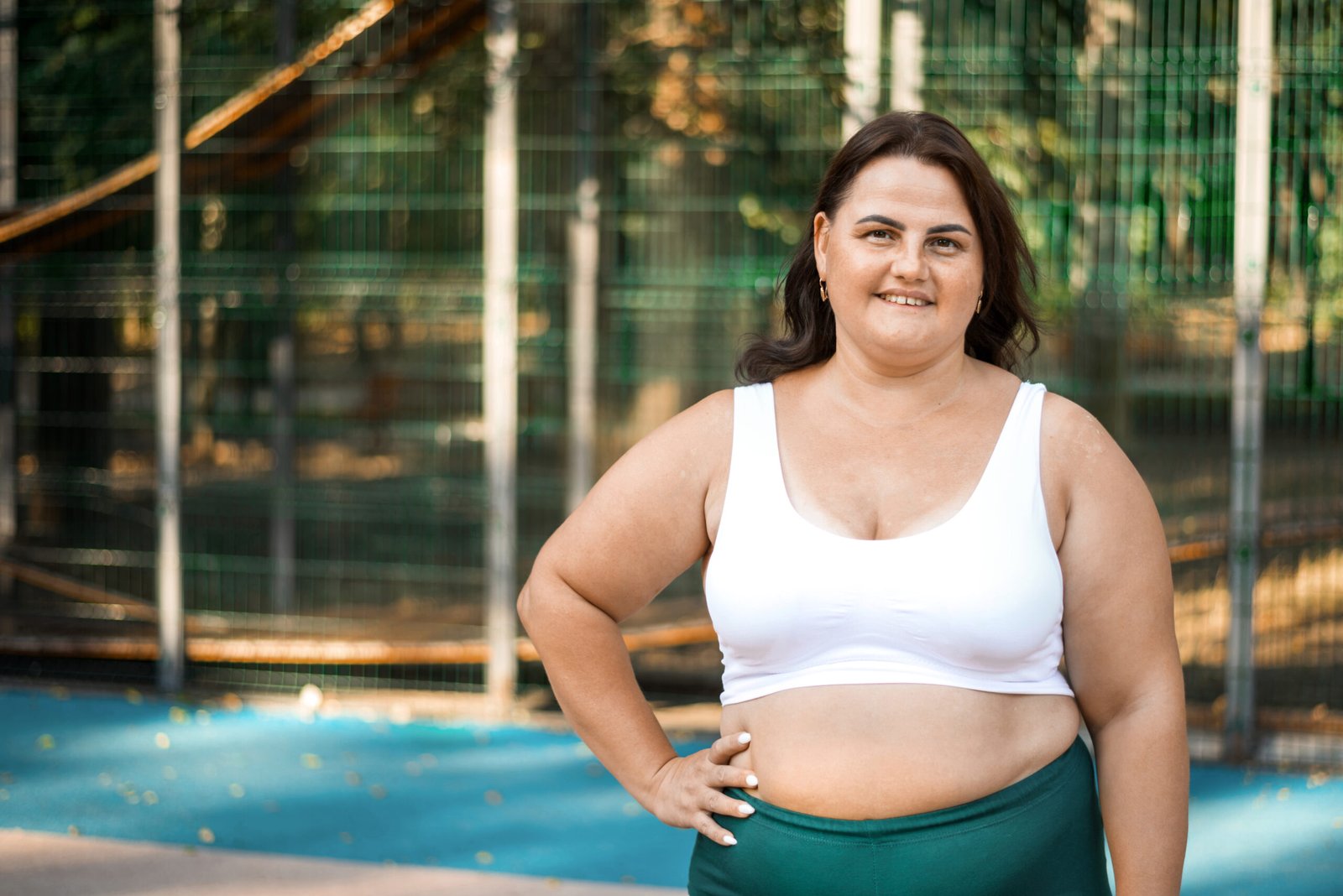
  • Branched-Chain Amino Acids (BCAAs): Useful if you train fasted to prevent muscle breakdown. However, if you eat sufficient protein daily, their necessity is debated, as whole protein sources contain BCAAs.
  • Omega-3 Fish Oil: Reduces inflammation, supports joint health (crucial for intense training), and may improve body composition and metabolic health.
  • Vitamin D3: Many women are deficient. Optimal Vitamin D levels are linked to improved mood, immune function, and may support weight management. Get your levels checked.
  • Soluble Fiber (e.g., Glucomannan): Can expand in your stomach, promoting a powerful feeling of fullness and reducing overall calorie intake. Take it before meals with plenty of water.

Training and nutrition tips

The “Fat Burner” Category: Proceed with Caution

Most over-the-counter “fat burners” are proprietary blends of the ingredients listed above (caffeine, green tea extract, etc.) with a bunch of other under-dosed, unproven compounds.

  • The Truth: They are primarily stimulant-based. The energy and appetite suppression you feel is mostly from the caffeine. They provide a minor boost at best.
  • The Risk: They can cause jitters, anxiety, crashes, and disrupt sleep. Many are marketed with “pink” packaging but are no more effective than their standard counterparts.
  • Our Verdict: You can create a more effective and cheaper stack yourself with a good pre-workout (for caffeine), creatine, and protein powder. Save your money.

Common Supplement Mistakes Women Make

  1. Prioritizing Supplements Over Food: The best nutrition comes from whole foods. Supplements fill gaps; they shouldn’t be your primary source of nutrients.
  2. Falling for “Pink” Marketing: A pink bottle labeled “women’s formula” is often just a overpriced version of a standard supplement with a weaker dose. Judge by the label, not the packaging.
  3. Using Fat Burners as a Magic Pill: Pop a pill and eat whatever you want? It doesn’t work. The small metabolic boost is easily negated by a single cookie.
  4. Not Reading Labels for Fillers: Many protein powders and “health” supplements are loaded with added sugars, artificial sweeteners, and fillers that can cause bloating and stall progress. Look for clean ingredient lists.
  5. Neglecting Electrolytes: Especially on low-carb diets or during intense sweaty workouts, electrolyte imbalances (sodium, potassium, magnesium) can cause fatigue, cramps, and headaches. Hydrate smartly.

How to Build Your Personalized Stack

  • Beginner (Focus: Foundation): Protein Powder & Creatine. Master these two before anything else.
  • Intermediate (Focus: Performance): Protein PowderCreatine, & a Caffeinated Pre-Workout (or black coffee).
  • Advanced (Focus: Optimization): Protein PowderCreatinePre-WorkoutOmega-3s, & Vitamin D3 (if needed).

Check also: fat burners – a complete guide

Best female workout supplements

Always introduce one new supplement at a time so you can monitor how your body reacts.


FAQ: Your Questions, Answered

Q: Will creatine make me gain weight?
A: You may gain 1-3 lbs of water weight inside your muscle cells initially. This is not fat. It improves muscle function and appearance. Long-term, it helps you build metabolically active muscle, which aids fat loss.

Q: I’m new to the gym. What’s the first supplement I should get?
A: A high-quality protein powder. It will help you hit your protein targets easily, control hunger, and recover better.

Q: When is the best time to take my protein shake?
A: The “anabolic window” is larger than people think. The most important factor is total daily protein intake. However, having a shake within 1-2 hours post-workout is a good practice for recovery.

Q: Are pre-workout supplements safe for women?
A: Yes, but choose wisely. Look for transparent labels that list all doses. Avoid proprietary blends with mega-doses of caffeine (300mg+). Start with a half scoop to assess tolerance.

Q: I have a sensitive stomach. What protein is best?
A: Whey Isolate is lactose-free and often the easiest to digest. For a completely dairy-free option, try a hydrolyzed pea protein isolate.

Q: Do I need to “cycle” my supplements?
A: For most (protein, creatine, omega-3s), no. For stimulants like caffeine, it’s wise to take occasional breaks (e.g., one weekend off per month) to reset your tolerance.


The Final Rep

The journey to weight loss is a marathon, not a sprint. The best female workout supplements for weight loss are those that support your training, enhance your recovery, and help you adhere to your diet.

Build your foundation first. Dial in your nutrition, push yourself in the gym, and prioritize your sleep. Then, consider adding evidence-based supplements like protein powder, caffeine, and creatine to give you that extra edge.

Forget the quick fixes. Empower yourself with knowledge, fuel your body with purpose, and let your hard work do the talking. You’ve got this.


Disclaimer: Always consult with a healthcare professional or a registered dietitian before starting any new supplement regimen, especially if you have pre-existing health conditions or are taking medication.

Select the fields to be shown. Others will be hidden. Drag and drop to rearrange the order.
  • Image
  • SKU
  • Rating
  • Price
  • Stock
  • Availability
  • Add to cart
  • Description
  • Content
  • Weight
  • Dimensions
  • Additional information
Click outside to hide the comparison bar
Compare
Shopping cart close