


instagram supplements and gym equipment for sale

facebook gym supplements usa. Gym equipments and gym supplements for sale instagram profile social media

multivitamins for active man informations and knowledge

The Ultimate Guide to the Best Multivitamins for Active Men

You crush it. You push the limits. Whether it’s the satisfying burn of a new deadlift PR, the rhythmic pounding of pavement on a long run, or the final sprint of a weekend bike ride, your body is your most essential tool. But high performance demands high-level maintenance. You meticulously track your macros, hydrate like a champion, and prioritize recovery. Yet, there’s a silent, often overlooked factor that could be the difference between hitting a plateau and breaking through it: micronutrient sufficiency.

For the active man, a multivitamin isn’t about preventing deficiency diseases like scurvy; it’s about optimizing performance, enhancing recovery, and protecting the engine from the wear and tear of intense exertion.

This isn’t just another listicle. This is a deep dive into the science, the strategy, and the specific solutions for men who move. We’ll cut through the marketing hype, explain what your body truly needs, and provide you with a curated list of the best multivitamins for active men, tailored to different goals and lifestyles.

The Strategic Imperative: Why “Nutritional Insurance” is Non-Negotiable for Peak Output

Think of your body not just as a tool, but as a high-performance engine in a relentless race. You wouldn’t pour contaminated fuel into a race car and expect podium results, yet many active men unknowingly operate with a latent micronutrient deficit that cap their true potential. Beyond preventing outright deficiency, achieving micronutrient sufficiency is what shifts your physiology from a state of basic function to one of optimized adaptation. Every intense session is a metabolic negotiation: your body breaks down tissue, fires neurons, and floods systems with stress hormones, all processes that consume vitamins and minerals as essential currency. A targeted multivitamin fills the gaps that even a “clean” diet can miss due to soil depletion, modern farming practices, and the sheer volume of nutrient turnover from training. This isn’t supplementation for the sake of it; it’s strategic fortification, ensuring that the biochemical machinery for energy production, neural signaling, and tissue repair never stalls mid-process because a single cofactor is missing.

The Bioavailability Edge: Why the Form of Your Vitamins is as Critical as the Formula

The most potent formula on paper is worthless if it passes through you unabsorbed. This is where premium multivitamins separate themselves, and understanding this distinction is paramount. Many mainstream options use inexpensive, poorly-absorbed forms—like magnesium oxide or synthetic folic acid—that offer a impressive label at a low cost but result in minimal biological uptake, often with gastrointestinal side effects. For the active man, seeking out bioavailable forms—methylated B-vitamins (methylfolate, methylcobalamin), chelated minerals (glycinate, citrate, picolinate), and food-cultured nutrients—is the true game-changer. These forms are recognized and utilized by the body with far greater efficiency, ensuring the nutrients you pay for actually reach your cells. This focus on bioavailability transforms a multivitamin from a speculative expense into a high-yield investment, directly influencing the return you see in recovery speed, cognitive clarity, and sustained energy levels throughout your most demanding days.

The Synergy Principle: How a Multivitamin Unlocks the Full Value of Your Entire Regimen

A high-quality multivitamin should not be viewed in isolation, but as the foundational catalyst that amplifies the effectiveness of your entire fitness ecosystem. Consider this: consuming ample protein for muscle repair is less effective if zinc and vitamin B6 levels are suboptimal for protein synthesis and enzymatic reactions. Your meticulous hydration and electrolyte balance are more difficult to maintain without sufficient sodium-potassium pump support, which relies on magnesium. Even your dedicated fish oil and vitamin D supplements operate more effectively within a body that has its full spectrum of cofactors present. By correcting micronutrient insufficiencies, a performance multi ensures that every other health-conscious decision you make—from your macro-split to your sleep hygiene—works at its maximum potential. It creates the internal environment where growth and adaptation are not just possible, but inevitable, turning your relentless effort into guaranteed upward progress.

Why an Active Man’s Needs Are Different

The sedentary man and the active man live in different physiological worlds. Your body is a biochemical furnace, and when you train, you turn up the heat. This process consumes micronutrients at an accelerated rate.

  • Energy Metabolism: B-vitamins (B1, B2, B3, B5, B6, B7, B12) are crucial coenzymes in the process of converting food into ATP—the energy currency of your cells. You burn more fuel; you need more spark plugs.
  • Muscle Repair & Synthesis: Vitamin D, Magnesium, and Zinc are critical for protein synthesis, muscle contraction, and hormonal function (including testosterone production). Without them, your body struggles to rebuild stronger after a workout.
  • Antioxidant Defense: Intense exercise increases the production of free radicals, leading to oxidative stress and inflammation. Vitamins C, E, and minerals like Selenium act as antioxidants, mopping up these damaging compounds and speeding recovery.
  • Bone & Joint Health: Weight-bearing and high-impact activities place stress on your skeletal system. Vitamin D, Vitamin K2, Calcium, and Magnesium are essential for maintaining bone density and joint integrity.
  • Stress & Immunity: Physical stress (exercise) + mental stress (life) can deplete Magnesium and Vitamin C, weakening your immune system and leading to the dreaded overtraining syndrome.

A standard multivitamin designed for the general population often falls short on these critical nutrients. You need a formula built for the grind.

multivitamins for active man informations and knowledge

Decoding the Label: What to Look For in a Performance Multivitamin

Don’t just grab the first bottle you see with a “Mega Men” label. Become a label detective. Here’s what separates the contenders from the pretenders:

1. Bioavailable Forms:
It’s not just about what’s on the label; it’s about what your body can actually use. Look for methylated forms of B-vitamins (like Methylfolate instead of Folic Acid and Methylcobalamin instead of Cyanocobalamin), which are more readily absorbed, especially for the estimated 30-40% of the population with the MTHFR gene variant. For minerals, chelated forms (like Magnesium Glycinate or Citrate) are superior to cheaper oxides.

2. Optimal Dosages for Athletes:
More isn’t always better ( megadosing certain fat-soluble vitamins can be toxic), but some key nutrients need to be present in significant amounts.

  • Vitamin D3: Aim for at least 2,000-5,000 IU. Crucial for immunity, mood, and testosterone.
  • Magnesium: 300-500 mg. The “workhorse mineral” for energy, sleep, and muscle function.
  • Zinc: 15-30 mg. Vital for testosterone production and immune health.
  • B-Vitamins: A robust, comprehensive profile.

3. The Extras: The “Performance Matrix”
Top-tier multis include synergistic blends that target an active man’s specific needs:

  • Adaptogens: Ingredients like Ashwagandha and Rhodiola Rosea help the body adapt to physical and mental stress, lower cortisol, and can improve endurance.
  • Digestive Enzymes: Help ensure you’re breaking down and absorbing all the nutrients you’re paying for, especially in pill-heavy formulas.
  • Performance Blends: Amino acids (like L-Carnitine for fat metabolism), herbal extracts (like Boron for free testosterone), and co-factors (like CoQ10 for cellular energy).

4. Third-Party Testing & Transparency:
The supplement industry is notoriously unregulated. Always choose brands that are third-party tested by organizations like NSF International, USP, or ConsumerLab.com. This ensures what’s on the label is in the bottle and that it’s free from contaminants.


The Contenders: Best Multivitamins for Active Men

After extensive research analyzing formulas, bioavailability, brand reputation, and real-world user reviews, here are our top picks, categorized by need.

🥇 The All-Around Champion: Performance Lab Whole-Food Multi

Best For: The biohacker and purist who wants the cleanest, most advanced, and most absorbable formula on the market.

Why It Wins:
Performance Lab takes a completely different approach. Instead of synthetic vitamins, they use pre-cultured, whole-food-based nutrients. This means they feed vitamins to microorganisms (like yeast and quinoa sprouts), which then naturally incorporate them into their cells. Your body recognizes these as food, dramatically increasing absorption.

  • Key Highlights: Uses P-5-P (the active form of B6), Methylcobalamin (B12), and NutriGenesis® vitamins grown in a lab setting to mimic natural food forms.
  • The Extras: Includes a prebiotic (FOS) for gut health and is designed to be ultra-gentle on the stomach. It’s also non-GMO, gluten-free, and stimulant-free.
  • Consideration: It’s a premium product with a premium price tag and requires taking 4 capsules daily.

🥈 The Workhorse: Transparent Labs Multivitamin

Best For: The evidence-based lifter and athlete who wants a no-nonsense, potent formula with full label transparency.

Why It Wins:
True to its name, Transparent Labs lists every ingredient and its exact dose—no proprietary blends where you guess what you’re getting. The formula is meticulously crafted for active individuals, with clinical doses of key performance nutrients.

  • Key Highlights: 5,000 IU of Vitamin D3, 500 mg of Magnesium (from Bisglycinate, the most bioavailable form), 30 mg of Zinc (as picolinate), and a full methylated B-complex.
  • The Extras: Includes 500 mg of Ashwagandha (KSM-66®) for stress and testosterone support, and Boron for further hormonal optimization. It’s third-party tested and banned substance tested.
  • Consideration: The high potency is excellent but may be more than someone with a sedentary lifestyle needs.

More knowledge about gym multivitamins

multivitamins for active man informations and knowledge

🥉 The Gut-Health Focus: Legion Triumph

Best For: The athlete who struggles with stomach sensitivity or wants a multivitamin that doubles as a digestive aid.

Why It Wins:
Created by fitness expert and scientist Mike Matthews, Legion emphasizes science and honesty. Triumph is unique because it includes a full spectrum of digestive enzymes and probiotics. For active men who consume large volumes of food, this is a game-changer for ensuring maximum nutrient absorption and minimizing bloating.

  • Key Highlights: Features Albion® TRAACS® mineral chelates (the gold standard for absorption), methylated B-vitamins, and a solid 2,500 IU of D3.
  • The Extras: The inclusion of 100 mg of AstraGin® is a brilliant touch—a natural compound proven to increase the absorption of amino acids and vitamins by up to 44%. The digestive enzyme blend is comprehensive.
  • Consideration: The formula is excellent but slightly less aggressive on the dosages of certain minerals (like Magnesium) compared to Transparent Labs.

The Budget-Friendly Powerhouse: NOW Foods ADAM Male Multivitamin

Best For: The value-conscious athlete who still wants a high-quality, potent formula from a trusted brand.

Why It Wins:
NOW Foods is a giant in the supplement world known for its quality and affordability. The ADAM (Advanced Daily Adam Multi) formula punches far above its weight class in terms of price-to-performance ratio. It offers a robust profile of vitamins and minerals in well-absorbed forms without the fancy (and expensive) adaptogenic extras.

  • Key Highlights: Features chelated minerals, methylcobalamin (B12), and a good dose of Zinc and Selenium for prostate and hormonal health.
  • The Extras: Includes saw palmetto and lycopene, which are beneficial for prostate health. It’s also certified non-GMO and manufactured in NOW’s own NSF-certified facilities.
  • Consideration: Lacks the “performance extras” like adaptogens and digestive enzymes. The pill is quite large, which can be a turn-off for some.

Check also: safe dosage of supplements in the gym

The Natural Whole-Food Option: MegaFood Men’s One Daily

Best For: The man with a sensitive stomach or who strongly prefers whole-food-sourced nutrients from organic ingredients.

Why It Wins:
MegaFood is a pioneer in the whole-food supplement space. They make their vitamins by fermenting real foods—like organic broccoli and oranges—with their vitamins and minerals. This creates a nutrient complex that is incredibly easy to digest and absorb.

  • Key Highlights: Extremely gentle on the stomach. Certified B Corp, Non-GMO Project Verified, and tested for 125+ herbicides and pesticides.
  • The Extras: Includes blends for energy (with Ashwagandha) and vitality (with Maca and Astragalus). It’s a fantastic “gateway” multivitamin for someone new to supplements.
  • Consideration: The dosages are designed for sufficiency, not aggressive optimization. Active men might need to supplement additional Vitamin D3 and Magnesium on top.

Beyond the Pill: Synergistic Supplements for Peak Performance

A multivitamin is your nutritional foundation, but for elite performance, consider stacking it with these targeted supplements:

  1. Omega-3s (Fish Oil): Reduces inflammation, supports joint health, and improves brain function. Look for a product high in EPA and DHA.
  2. Vitamin D3 + K2: If your multi is low on D3, this combo is essential. K2 directs calcium to your bones (where you want it) and away from your arteries (where you don’t).
  3. Magnesium Glycinate: The best form for sleep and muscle relaxation. Taking 200-400mg before bed can significantly improve sleep quality and recovery.
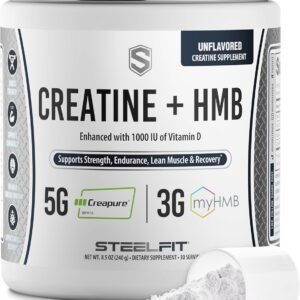
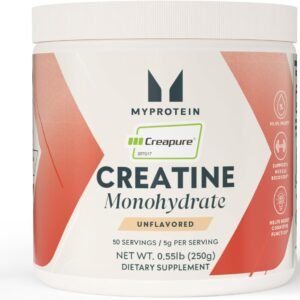
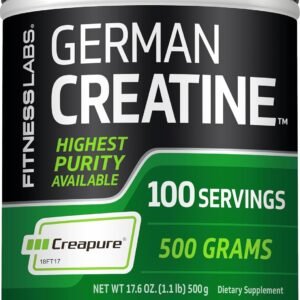
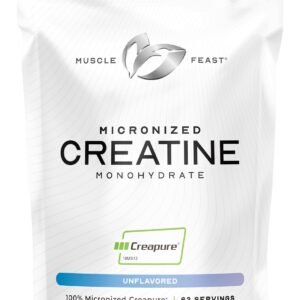
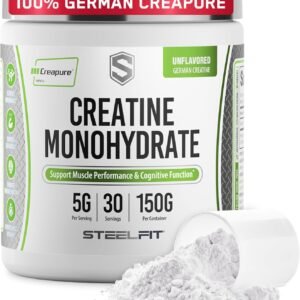
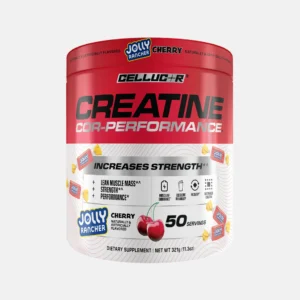
  4. Creatine Monohydrate: The most researched performance supplement in history. It increases strength, power output, and muscle mass.

FAQ: Your Multivitamin Questions, Answered

Q: When is the best time to take my multivitamin?
A: With a meal, preferably your largest meal of the day. The fat in the food will help absorb the fat-soluble vitamins (A, D, E, K). Avoid taking it on an empty stomach to prevent nausea.

Q: Can’t I just get everything I need from food?
A: In an ideal world, yes. But active men have heightened needs. Factor in soil depletion, food storage, and the practical challenges of eating a perfect diet every single day, and a multivitamin acts as a powerful insurance policy.

Q: What about toxicity? Can you overdose on vitamins?
A: It’s very difficult with water-soluble vitamins (B and C), as excess is excreted. The primary concern is with fat-soluble vitamins (A, D, E, K). Stick to the recommended serving size on quality supplements, and you will be well within safe limits.

Q: How long until I feel a difference?
A: Don’t expect a pre-workout-like jolt. The benefits are subtle and cumulative. You might notice improved energy levels, better sleep, and faster recovery within 2-4 weeks. The long-term benefits for health and performance are where the real value lies.

Check also: best recovery formulas – professional knowledge

multivitamins for active man informations and knowledge

The Final Rep: Your Action Plan

Choosing the best multivitamin is a personal decision based on your goals, diet, and budget.

  1. Assess Your Diet: Are you consistently eating a wide variety of fruits, vegetables, quality proteins, and healthy fats? Your need for a multi is lower if yes.
  2. Identify Your Goal: Is it better recovery? More energy? General health insurance? Let that guide your choice from the list above.
  3. Invest in Quality: Skip the gas station vitamins. Your health is worth the investment in a third-party tested, bioavailable formula.
  4. Consistency is Key: The greatest multivitamin in the world is useless sitting in the bottle. Make it a daily habit.

The path to peak performance isn’t just about the weights you lift or the miles you run; it’s about how you fuel the machine for the long haul. Choose wisely, fuel strategically, and keep crushing it.


Disclaimer: This article is for informational purposes only and does not constitute medical advice. Always consult with a healthcare professional before starting any new supplement regimen, especially if you have pre-existing health conditions or are taking medication.
Top Vitamins and Minerals

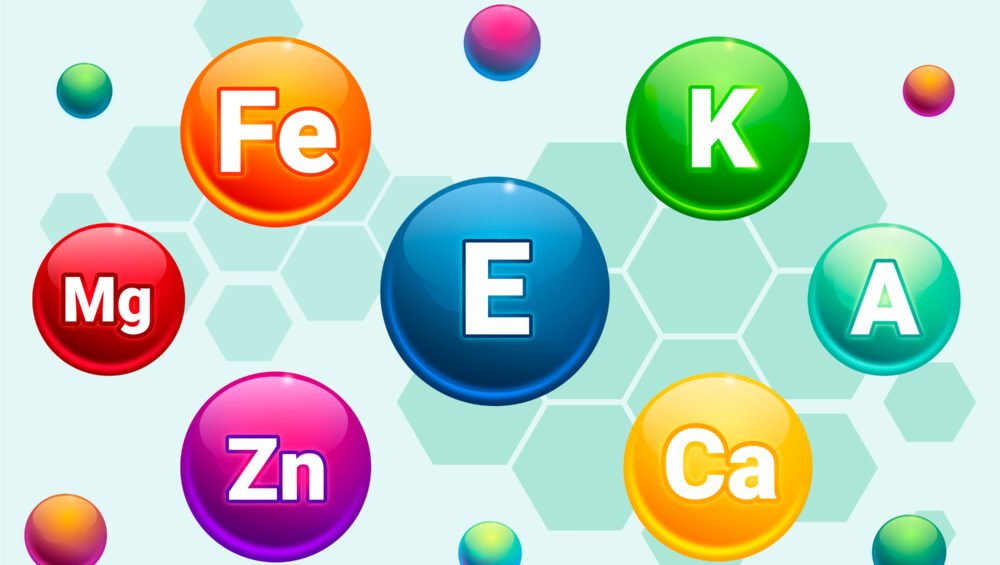
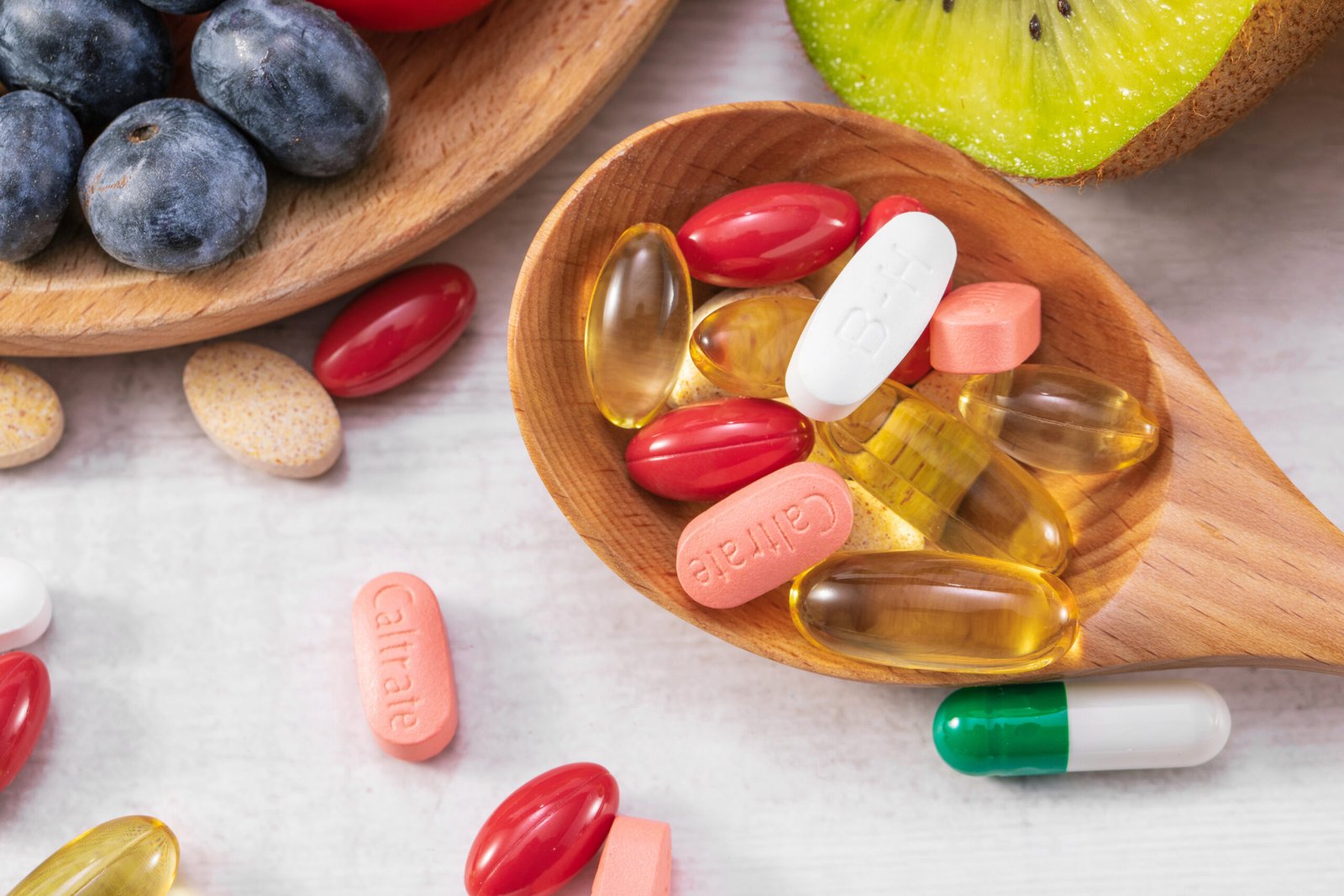
Top Vitamins and Minerals Every Athlete Needs

Top Vitamins and Minerals every athlete needs. Welcome, dedicated athlete. You’ve mastered the fundamentals: you understand periodized training programs, you prioritize protein intake for muscle protein synthesis, and you hydrate with purpose. But if you’re overlooking the intricate world of micronutrients—vitamins and minerals—you’re leaving a significant portion of your performance, recovery, and long-term health potential on the table.

Think of your body as the most advanced high-performance engine ever built. Macronutrients (carbs, proteins, fats) are your fuel. But vitamins and minerals are the spark plugs, the catalytic converters, the engine control unit, and the premium synthetic oil. Without them, that high-octane fuel can’t be efficiently burned, the engine can’t be kept cool, and the internal components will wear down prematurely.

As a research scientist specializing in exercise physiology and sports nutrition, my goal is to translate complex biochemical pathways into actionable intelligence for you. This isn’t about generic health advice; this is a targeted, evidence-based blueprint for using micronutrients to gain a tangible edge. We’re going beyond the basics of “vitamin C is good for you” and into the realm of how specific nutrients directly influence energy production, oxygen utilization, tissue repair, and inflammatory response.

Let’s dive into the top vitamins and minerals every athlete needs, powered by the latest research.


1. The B-Vitamin Complex: The Energy Production Powerhouse

The eight B-vitamins (Thiamine-B1, Riboflavin-B2, Niacin-B3, Pantothenic Acid-B5, Pyridoxine-B6, Biotin-B7, Folate-B9, Cobalamin-B12) are the undisputed champions of energy metabolism. They are not sources of energy themselves, but they are essential coenzymes—the tiny molecular helpers—that allow your body to convert dietary carbohydrates, fats, and proteins into adenosine triphosphate (ATP), the universal currency of energy in your cells.

Top Vitamins and Minerals

Why Athletes Are at Risk: Training doesn’t just burn calories; it increases the turnover rate of these vitamins. You are literally using them up faster than a sedentary person. Furthermore, losses occur through sweat and urine. Recent studies have shown that marginal deficiency in certain B-vitamins, even without clinical symptoms, can significantly impair high-intensity exercise performance and recovery.

Key Players and New Insights:

  • Vitamin B6 (Pyridoxine): Critical for breaking down glycogen (stored carbs in muscles and liver) into usable glucose. It’s also vital for protein metabolism and the production of hemoglobin, the oxygen-carrying molecule in red blood cells. New research suggests optimal B6 status is crucial for modulating the immune response post-exercise, helping you stay healthy during heavy training blocks.
  • Folate (B9) and Vitamin B12: These two work in a tightly linked partnership for red blood cell formation and DNA synthesis. Without them, you risk developing a form of anemia where your red blood cells are large and immature (megaloblastic anemia), drastically reducing their oxygen-carrying capacity. This directly cripples endurance. Important note for athletes: The MTHFR gene mutation, which is relatively common, can impair folate metabolism. For these individuals, supplemental L-methylfolate (the active form) may be more effective than synthetic folic acid.
  • Riboflavin (B2): A key component of the electron transport chain, the final and most productive stage of ATP production inside your mitochondria (the powerplants of your cells). Research is exploring its role in mitigating oxidative stress specifically induced by endurance exercise.

Practical Application: You can’t out-supplement a poor diet. Prioritize whole food sources: whole grains, eggs, lean meats, dark leafy greens, legumes, and nutritional yeast. However, given the increased demands of training, a high-quality B-complex supplement can be a wise insurance policy, particularly during periods of intense volume or caloric restriction.


2. Vitamin D: The Multifunctional Performance Hormone

Calling Vitamin D a “vitamin” is almost a misnomer. It functions primarily as a steroid hormone, and its receptors are found in nearly every tissue in your body, including skeletal muscle, heart muscle, and immune cells. This widespread presence hints at its profound importance.

The Performance Link:

  • Muscle Function and Strength: Vitamin D receptors are directly embedded in muscle tissue. When activated by Vitamin D, they influence the nucleus of the muscle cell to increase protein synthesis—the very process of building muscle. A 2023 meta-analysis confirmed that athletes with sufficient Vitamin D levels demonstrate greater muscle strength, power, and vertical jump height compared to their deficient counterparts. It enhances the contractile function of fast-twitch muscle fibers, which are essential for sprinting and explosive movements.
  • Immune Function: Strenuous exercise creates a temporary period of immunosuppression, often called the “open window,” where you’re more susceptible to infection. Vitamin D is a potent immune modulator. It enhances the pathogen-fighting abilities of monocytes and macrophages (white blood cells) and decreases inflammation, helping to keep you healthy.
  • Bone Health: Its classic role. It regulates calcium absorption. Strong bones are not just for avoiding stress fractures; they are the anchor points for muscles. A stronger skeleton allows for more powerful force production.

The Modern Problem: We are an indoor species. Most athletes, unless they train outdoors year-round in sunny climates, are at high risk of insufficiency. Sunscreen, which is crucial for skin cancer prevention, also blocks the UVB rays needed for Vitamin D synthesis.

Practical Application: Get your levels tested. This is non-negotiable. Aim for a serum 25-hydroxyvitamin D level of at least 40-60 ng/mL for optimal athletic performance, a threshold higher than the general population’s “sufficient” level. Depending on your baseline, supplementation with Vitamin D3 (cholecalciferol) is often necessary. Doses can range from 2,000 to 5,000 IU daily, but this must be personalized based on blood work. Always take it with a source of fat (like fish oil or a meal) for optimal absorption.


3. Magnesium: The Mineral of Recovery

Magnesium is involved in over 300 enzymatic reactions in the body. It is the ultimate multitasker, but for athletes, its roles in energy production, muscle function, and nervous system regulation are paramount.

The Biochemical Engine:

  • ATP Production: ATP, the energy molecule, must be bound to a magnesium ion (Mg-ATP) to be biologically active. No magnesium, no usable energy. It’s that simple.
  • Muscle Contraction and Relaxation: Magnesium acts as a natural calcium channel blocker. Calcium stimulates muscle contraction. Magnesium facilitates relaxation. An imbalance, with too little magnesium, can lead to increased muscle excitability, cramps, spasms, and impaired recovery between sessions.
  • Nervous System Regulation: It supports the function of the parasympathetic nervous system—the “rest and digest” system. This is critical for sleep quality and psychological recovery.
  • Glycogen Metabolism: Magnesium is required for enzymes that help store glucose as glycogen in your muscles and liver, your primary fuel tank.

Why Athletes Are Deficient: Intensive exercise increases urinary and sweat losses of magnesium. Furthermore, modern agricultural practices have depleted magnesium from soils, making even “healthy” diets potentially suboptimal.

New Research: Studies are now focusing on magnesium’s role in mitigating the cortisol (stress hormone) response to exercise and its impact on brain health and resilience to training stress.

Practical Application: Dietary sources include nuts, seeds, legumes, dark leafy greens, and dark chocolate. However, due to losses, supplementation is extremely common and beneficial. Forms matter:

  • Magnesium Glycinate/Bisglycinate: Highly bioavailable and gentle on the stomach. Excellent for overall sufficiency and promoting relaxation and sleep.
  • Magnesium Citrate: Good bioavailability, sometimes used for constipation.
  • Avoid Magnesium Oxide: It has very poor bioavailability (~4%).
Top Vitamins and Minerals

A daily supplemental dose of 200-400mg of elemental magnesium, preferably taken in the evening, is a solid strategy for most athletes to support recovery and sleep.


4. Iron: The Oxygen Transporter

This is one of the most critical, and most misunderstood, minerals for athletes, particularly endurance athletes and females.

Its Role: Iron is the core component of hemoglobin. Hemoglobin in red blood cells carries oxygen from your lungs to your working muscles. It’s also a key part of myoglobin, which stores oxygen within muscle cells themselves. Without adequate iron, your VO2 max—your aerobic ceiling—plummets. You’ll feel fatigued, weak, and out of breath with minimal effort.

Why Athletes Are at High Risk:

  • Foot-Strike Hemolysis: The repetitive impact of running can literally crush and destroy red blood cells in the capillaries of the feet, increasing iron turnover.
  • Sweat Losses: Iron is lost in sweat.
  • GI Tract Losses: High-intensity exercise can cause minor gastrointestinal bleeding.
  • Increased Demand: Training stimulates an increase in blood volume and red blood cell production, which requires more iron.
  • Female Athletes: Menstrual blood loss presents a significant additional challenge, making female athletes a particularly high-risk group.

The Inflammation Catch: Here’s the advanced concept. Intense exercise causes a temporary increase in the hormone hepcidin. Hepcidin’s job is to block iron absorption in the gut and lock iron away in storage. This is an inflammatory response. The peak of hepcidin occurs about 3-6 hours post-exercise. This means if you take your iron supplement too close to a workout, your body may not absorb it.

Practical Application:

  1. Get Tested Annually: Request a full iron panel: Serum Iron, Total Iron-Binding Capacity (TIBC), Transferrin Saturation (TSAT), and Ferritin (iron stores). Ferritin is the most important marker. For athletes, aim for a ferritin level of at least 50-70 ng/mL, with some experts advocating for even higher (100 ng/mL) in elite endurance athletes. The standard lab “normal” range often starts too low for an athlete’s needs.
  2. Timing is Everything: If you supplement, take your iron supplement away from exercise—either first thing in the morning or before bed. Avoid taking it within 3 hours of a training session.
  3. Enhance Absorption: Take iron with a source of Vitamin C (e.g., a small glass of orange juice) to significantly boost absorption. Avoid taking it with calcium-rich foods or coffee/tea, which can inhibit absorption.
  4. Form Matters: Ferrous sulfate is common but can cause GI distress. Ferrous bisglycinate is a chelated form that is better absorbed and much gentler on the stomach.

Check our mineral supplements selection for sale


5. Zinc: The Anabolic and Immune Guardian

Zinc is a catalyst for over 100 enzymes involved in synthesis and repair. It’s fundamental for cell division, which is constant in repairing muscle tissue, and for immune function.

The Athletic Connection:

  • Testosterone Production: Zinc is crucial for the synthesis of testosterone, a primary anabolic hormone for muscle growth and strength.
  • Protein Synthesis: It is directly involved in the process of building new proteins from amino acids.
  • Immune Health: Zinc is vital for the normal development and function of immune cells. Zinc lozenges are popular for a reason—zinc can directly inhibit the replication of certain viruses in the upper respiratory tract.
  • Antioxidant Defense: It is a component of the powerful antioxidant enzyme superoxide dismutase (SOD).

The Deficiency Danger: Like magnesium, zinc is lost in sweat. High-intensity training, especially endurance work, can increase zinc losses and requirements. Low zinc status is linked to decreased testosterone, increased cortisol, poorer recovery, and more frequent illnesses.

Practical Application: Excellent dietary sources include oysters, red meat, poultry, pumpkin seeds, and lentils. Vegetarian and vegan athletes need to be particularly mindful, as plant sources contain phytates that can bind zinc and reduce its absorption. Soaking and sprouting grains and legumes can help mitigate this. A supplemental dose of 15-30 mg of zinc (often found in ZMA formulations—Zinc, Magnesium, Vitamin B6) can be beneficial, especially during high-stress training periods. Do not megadose zinc long-term, as it can interfere with copper absorption.


6. Calcium: The Bone Commander and Muscle Contractor

While known for bones, calcium’s role is immediate and dynamic for muscle contraction.

The Mechanism: The process of muscle contraction is called the “Sliding Filament Theory.” A nerve signal triggers the release of calcium ions from storage sites within the muscle cell. This calcium flood binds to specific sites, initiating the powerful interaction between actin and myosin filaments that causes the muscle to contract. Without calcium, the signal is sent, but the muscle cannot execute the command.

The Bone Bank: For athletes, bone is a living tissue that adapts to stress. The impact and muscle pull of exercise stimulate bone remodeling, making it denser and stronger. Calcium is the primary mineral deposited during this process. Inadequate calcium intake, especially when combined with low energy availability (not eating enough to support training), can lead to stress fractures and long-term issues like osteoporosis.

The Vitamin D Partnership: Remember, you cannot absorb calcium effectively without sufficient Vitamin D. They are a non-negotiable team.

Practical Application: Aim for dietary sources first: dairy products (milk, yogurt, cheese), fortified plant milks, sardines and canned salmon with bones, dark leafy greens (kale, broccoli), and tofu made with calcium sulfate. The RDA for athletes is 1000-1300 mg per day. Supplementation may be necessary for those who avoid dairy, but it’s best to focus on food first to get a complex matrix of other bone-supporting nutrients.


7. Antioxidants: Vitamin C, Vitamin E, and Selenium – The Strategic Defense System

This is an area where the science has evolved dramatically, and the old “more is better” approach is now known to be potentially harmful.

The Exercise Paradox: Strenuous exercise produces reactive oxygen species (ROS) and free radicals. This is a normal, healthy signal. This oxidative stress is a primary trigger for adaptation—it tells your body to upregulate its own powerful, endogenous antioxidant systems (like glutathione) and to build stronger mitochondria. This is called mitochondrial hormesis.

The Problem with Megadosing: For years, athletes megadosed on antioxidants like Vitamin C and E around their workouts, thinking they were reducing muscle soreness and speeding recovery. However, newer, more sophisticated research shows that blunting this oxidative stress signal with high-dose antioxidants can actually block the training adaptation. It can diminish improvements in endurance capacity and mitochondrial biogenesis (the creation of new powerplants). You’re essentially interrupting the body’s communication system that tells it to get stronger.

The Modern, Nuanced Approach: The goal is not to eliminate oxidative stress, but to support your body’s own ability to manage it over the long term. We want a robust internal antioxidant system, not a crutch from external megadoses that might interfere at the wrong time.

  • Vitamin C: Essential for synthesizing collagen, the primary protein in connective tissue (tendons, ligaments). This is crucial for injury prevention. It also helps regenerate Vitamin E and aids iron absorption.
  • Vitamin E: A fat-soluble antioxidant that protects cell membranes from lipid peroxidation (damage).
  • Selenium: A component of the antioxidant enzyme glutathione peroxidase, one of the body’s most important internal defenders.
Top Vitamins and Minerals

Practical Application: Get these nutrients from food, not from high-dose supplements around training times. A diet rich in colorful fruits and vegetables (berries, citrus, bell peppers, spinach) provides Vitamin C. Nuts, seeds, and plant oils provide Vitamin E. Brazil nuts (just 1-2 per day!), seafood, and meats provide Selenium. This dietary approach provides a baseline of antioxidant support without the pharmacological doses that could blunt your hard-earned adaptations. Save the tart cherry juice or high-dose supplements for specific scenarios, like extreme race conditions or during periods of known high inflammation, not daily training.

The Circadian Rhythm of Nutrient Utilization: Timing Beyond the Training Window

An emerging layer of micronutrient strategy involves aligning intake with your body’s circadian biology, not just your training schedule. Your body’s absorption, utilization, and even the enzymatic activity dependent on these nutrients fluctuate throughout the 24-hour cycle. For instance, magnesium’s role in calming the nervous system and supporting GABA pathways makes evening intake ideal for promoting restorative sleep—a critical component of recovery where much of the actual repair and adaptation occurs. Conversely, B-vitamins, which are fundamentally involved in energy metabolism and can have mildly stimulating effects for some individuals, are often best taken earlier in the day to synergize with natural cortisol patterns and daytime metabolic processes. Furthermore, recent research suggests that the body’s handling of oxidative stress follows a circadian pattern; consuming high-dose antioxidants immediately post-workout may be counterproductive, but supporting the endogenous antioxidant system through consistent, food-based intake across the day reinforces your natural resilience. This chrono-nutrition approach transforms micronutrients from static building blocks into dynamic tools used to reinforce your body’s natural rhythms for peak performance and recovery.

The Gut-Performance Axis: Absorption as the Limiting Factor

You can consume the most perfect diet and supplement regimen, but its efficacy is dictated by the health and efficiency of your gastrointestinal tract—the ultimate gatekeeper. Intense exercise, particularly prolonged endurance work, can redirect blood flow away from the gut, impairing digestive function and nutrient absorption in the short term. This is compounded by the common use of anti-inflammatory drugs (NSAIDs) for soreness, which can damage the intestinal lining. Over time, chronic exercise stress without adequate recovery can contribute to increased intestinal permeability (“leaky gut”), where inflammatory compounds and undigested particles enter the bloodstream, driving systemic inflammation that hampers recovery and immune function. This directly impacts micronutrient status: an inflamed gut cannot efficiently absorb iron, magnesium, or B12. Therefore, a core component of micronutrient optimization is gut health itself. Strategic inclusion of fermented foods (for probiotics), adequate soluble fiber (for prebiotics to feed beneficial bacteria), and nutrients like zinc (critical for maintaining intestinal lining integrity) is not just about digestion—it’s about ensuring the performance-enhancing nutrients you consume can actually reach your muscles, blood, and mitochondria where they are desperately needed. Your training plan is only as good as your body’s ability to act upon its instructions.


Putting It All Together: The Athlete’s Micronutrient Action Plan

Knowledge is useless without application. Here is your step-by-step plan.
  1. Food First, Always. Build your diet on a foundation of micronutrient-dense whole foods:
    • Colorful Fruits & Vegetables: Aim for a rainbow. Each color represents different phytonutrients and vitamins.
    • Quality Proteins: Lean meats, poultry, fish, eggs, dairy, legumes. These provide B-vitamins, iron, zinc.
    • Whole Grains: Oats, quinoa, brown rice. Provide B-vitamins and magnesium.
    • Nuts and Seeds: Almonds, pumpkin seeds, sunflower seeds. Powerhouses of magnesium, zinc, Vitamin E.
    • Fatty Fish: Salmon, mackerel. Provide Vitamin D.
  2. Get Blood Work Done. This is the most important step. Don’t guess. Work with a sports dietitian or a doctor who understands athlete physiology. Test at least once a year, ideally before your hardest training block. Key tests: Vitamin D (25-OH-D), Full Iron Panel (including Ferritin), Vitamin B12, and a basic metabolic panel.
  3. Supplement Strategically, Not Recklessly.
    • Consider a Foundation: A high-quality B-Complex and a Magnesium Glycinate supplement are beneficial for nearly all serious athletes due to high turnover and losses.
    • Personalize Based on Data: Supplement with Vitamin D, Iron, or Zinc only if your blood work indicates a need.
    • Timing Matters: Take supplements away from training sessions to avoid any potential interference with absorption or adaptation signals.
  4. Remember the Synergy. Nutrients work in networks. Vitamin D needs magnesium to become active. Vitamin C enhances iron absorption. Zinc and copper balance each other. This is why a food-first approach is superior—it provides these complexes naturally.
  5. Re-evaluate Periodically. Your needs will change with your training volume, intensity, age, and diet. This is a dynamic process.

The Marginal Gains Add Up

In the pursuit of excellence, the difference between good and great is often a collection of marginal gains. Optimizing your micronutrient status is not about a magic pill; it’s about a systematic, scientific approach to supporting the incredible biochemical machinery that is your body. By moving beyond calories and macros and mastering the micronutrient game, you ensure that every ounce of effort you put into your training is effectively converted into performance, strength, and resilience. Fuel smart, train hard, recover smarter.

Read more: supplements studies

Select the fields to be shown. Others will be hidden. Drag and drop to rearrange the order.
  • Image
  • SKU
  • Rating
  • Price
  • Stock
  • Availability
  • Add to cart
  • Description
  • Content
  • Weight
  • Dimensions
  • Additional information
Click outside to hide the comparison bar
Compare
Shopping cart close