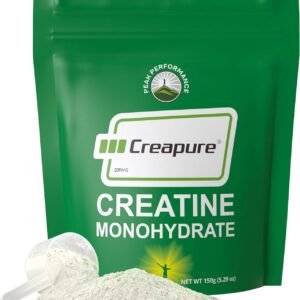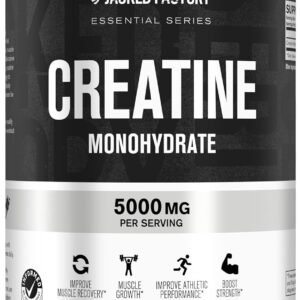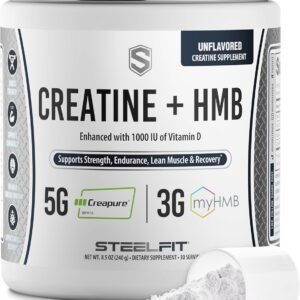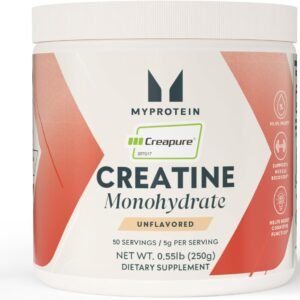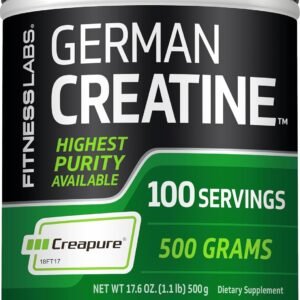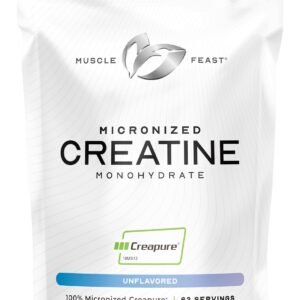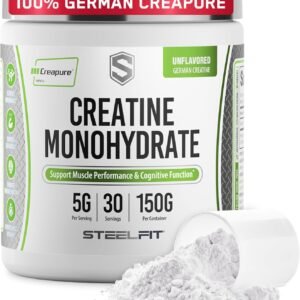



instagram supplements and gym equipment for sale

facebook gym supplements usa. Gym equipments and gym supplements for sale instagram profile social media

nad plus

The Longevity Paradox: Weighing the Pros and Cons of NAD+ Injections for Men Over 50

In the relentless pursuit of turning back the biological clock, few molecules have generated as much excitement in longevity circles as Nicotinamide Adenine Dinucleotide (NAD+). For men over 50, the decline of this essential coenzyme is no longer just a footnote in a biochemistry textbook; it is felt in the stiff joints of a morning jog, the frustrating fog of a forgotten name, and the metabolic sluggishness that turns a former athlete into a spectator.

Enter NAD+ therapy—specifically, intravenous or intramuscular injections. Promoted by biohackers and functional medicine doctors as a cellular fountain of youth, these injections promise to restore vitality. However, beneath the glossy surface of “rewiring your metabolism” lies a complex landscape of physiological trade-offs. For a man in his 50s, where blood pressure, prostate health, and cognitive reserve are already fragile, understanding the real side effects is just as critical as chasing the benefits.

This article dissects the unvarnished pros and cons of NAD+ injections for the aging male, separating clinical hope from physiological reality.

The Biological Rationale: Why Men Over 50 Are Listening

To understand the risk, you must first understand the reward. NAD+ is the fuel for two critical protein families: Sirtuins (longevity regulators) and PARPs (DNA repair enzymes). By age 50, your NAD+ levels have dropped by nearly 50% compared to your 20s. This deficit correlates with hallmarks of aging: mitochondrial decay, neurocognitive decline, and reduced muscle recovery.

Injections bypass the digestive system entirely. Unlike oral precursors (like NMN or NR), which face first-pass liver metabolism, intramuscular (IM) or IV NAD+ delivers the molecule directly into the bloodstream. This results in near-immediate bioavailability, theoretically offering faster restoration of cellular energy.

For a 55-year-old man feeling the weight of years, this sounds like salvation. But the route matters. And the side effects are often underreported.

The Cons: The Hidden Price of Cellular Reboot

1. The “NAD+ Flu” and Injection Site Trauma

The most immediate side effect is ironically the least discussed in marketing materials: the “NAD+ flu.” Within 30 to 60 minutes of an IV push, many men report severe body aches, chills, and a crushing sensation of fatigue. This is not an allergic reaction; it is a herxheimer-like response—a transient inflammatory reaction as cellular metabolism shifts abruptly.

For men over 50 with pre-existing autoimmune or inflammatory conditions (e.g., rheumatoid arthritis or gout), this reaction can be debilitating. Intramuscular injections, while slower, cause localized hematomas, muscle fibrosis, and, in rare cases, nerve irritation in the gluteal or deltoid regions. Repeated injections in the same site lead to lipohypertrophy—unsightly lumps of fatty tissue that distort muscle contour.

2. Methyl Donor Depletion and Vascular Risk

Here is the critical biochemical caveat that many longevity clinics gloss over: High-dose NAD+ metabolism requires massive amounts of methyl groups (via the methylation cycle). In men over 50, methylation capacity is already declining. Chronic NAD+ injections can deplete your reserves of SAMe (S-adenosylmethionine).

Why does this matter? Because hypomethylation is linked to elevated homocysteine—a direct risk factor for arterial stiffness, deep vein thrombosis, and stroke. For a man in his 50s with borderline hypertension or a family history of cardiovascular events, aggressively driving NAD+ without supplementing with trimethylglycine (TMG) or methyl-B12 may inadvertently accelerate vascular aging while trying to reverse it.

3. Disrupted Sleep Architecture and Craniofacial Pressure

NAD+ is a cofactor for CD38, an enzyme involved in calcium signaling. Men over 50 often have upregulated CD38 activity in microglia (brain immune cells). Exogenous NAD+ injections, particularly in the late afternoon, can overstimulate glutamatergic pathways.

Clinically, this manifests as severe, unrelenting insomnia characterized by “wired but tired” syndrome—exhausted body, racing mind. Additionally, a distinct side effect reported in male cohorts is transient intracranial pressure resembling a histamine headache: orbital pressure, jaw tightness, and tinnitus. For men with benign prostatic hyperplasia (BPH), the cholinergic shift caused by NAD+ can paradoxically worsen nocturia (nighttime urination), defeating the purpose of restorative sleep.
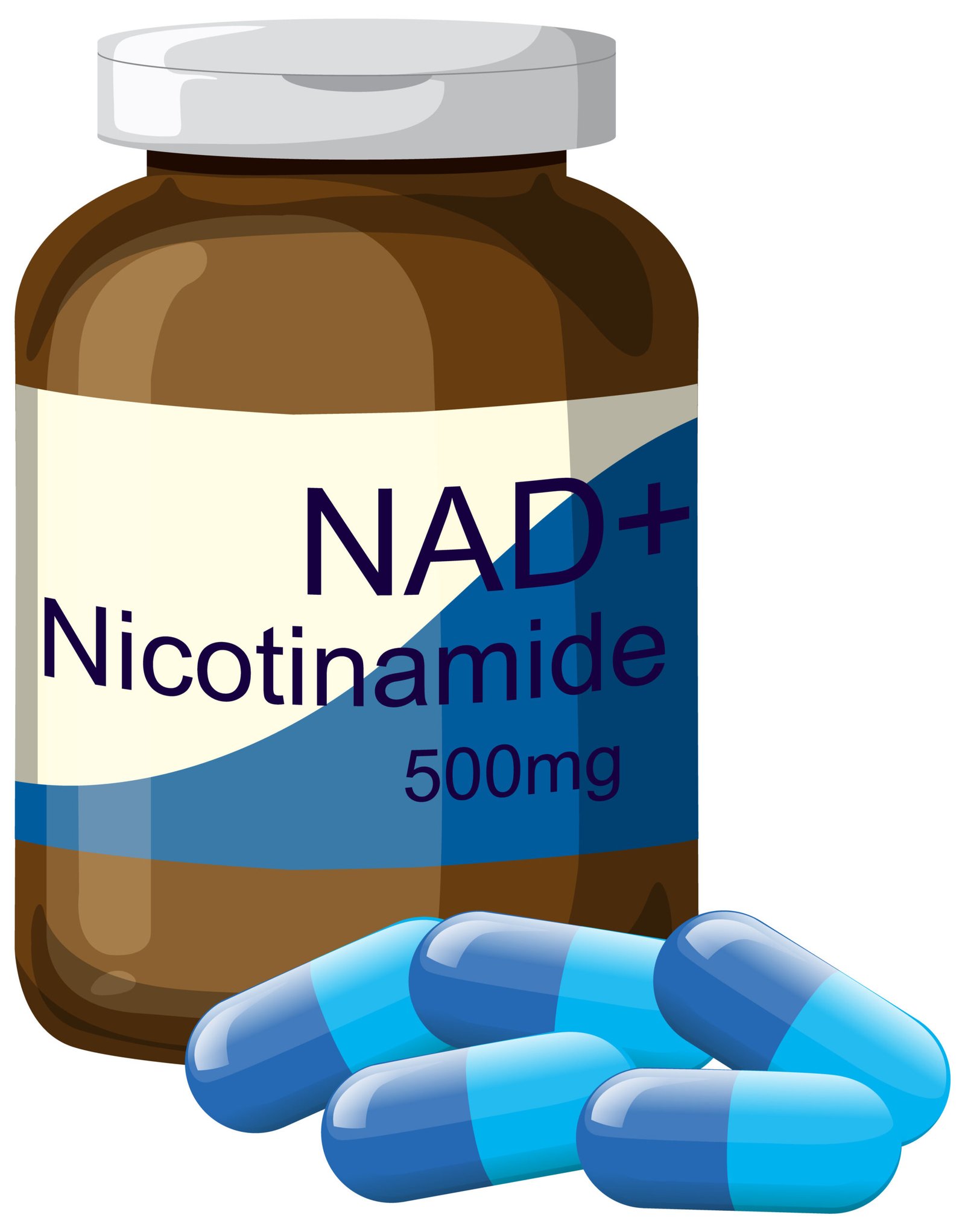
nad plus 5
Vector illustration of a brown supplement bottle labeled NAD+ Nicotinamide 500mg, accompanied by blue capsules, in a clean, flat style

4. The Economic and Psychological Cost of Dependence

While not a chemical addiction, there is a real phenomenon of “longevity anxiety.” Because NAD+ injections (costing $300 to $1,500 per session) provide acute, short-lived effects (24–48 hours), men over 50 often feel a psychological crash when levels drop. This leads to dose escalation and frequency creep—from bi-weekly to daily home injections. The result? A hollowing out of natural resilience. Your body’s endogenous biosynthesis pathways (the salvage pathway) may downregulate, creating a iatrogenic dependence where you feel worse without the needle than you did before you ever started.

The Pros: Where the Science Justifies the Risk

Despite the cons, NAD+ injections are not quackery. For specific pathologies in men over 50, the benefits are tangible.

1. Rescue from Neurocognitive Decay

The most robust data supports NAD+ for neurological resilience. In a 2022 pilot study on mild cognitive impairment (MCI), IV NAD+ improved executive function scores within 8 weeks. For a 53-year-old executive dealing with perimenopausal brain fog (yes, andropause involves cognitive changes), injections rapidly upregulate PGC-1α, clearing mitochondrial junk proteins. Men report sharper verbal recall and reduced “tip-of-the-tongue” syndrome within three sessions.

2. Skeletal Muscle Recovery and Sarcopenia Mitigation

Sarcopenia (age-related muscle loss) accelerates after 50. NAD+ injections activate SIRT1, which improves mitochondrial biogenesis in type II (fast-twitch) muscle fibers. For the aging athlete, this translates to a measurable reduction in delayed onset muscle soreness (DOMS) post-exercise. Anecdotal reports from functional medicine practices indicate that men using NAD+ injections recover from heavy resistance training in 24 hours instead of 72, allowing for consistent training volume without overtraining syndrome.

3. Metabolic Flexibility and Hepatic Health

Non-alcoholic fatty liver disease (NAFLD) is epidemic in men over 50, driven by metabolic syndrome. NAD+ is a mandatory cofactor for the enzyme SIRT3, which regulates fatty acid oxidation in the liver. Men with elevated liver enzymes (ALT/AST) and visceral adiposity have shown significant reductions in hepatic steatosis after 6 weeks of injectable NAD+ therapy, provided they maintain a low-carbohydrate diet. The injection route ensures the liver receives the molecule before peripheral tissues.

4. Opioid and Alcohol Cue Reduction (Off-Label Benefit)

While not an approved indication, a fascinating pro for men over 50 recovering from long-term substance use (including alcohol dependence) is the effect of NAD+ on dopamine receptor sensitivity. High-dose IV NAD+ has been shown to reduce cravings by restoring dopaminergic tone in the nucleus accumbens. For a man who has used alcohol as a sleep aid for decades, NAD+ injections can eliminate the “sundown craving” within 48 hours, a benefit oral precursors rarely achieve due to low absorption.

nad plus

The Verdict: A Precision Tool, Not a Daily Vitamin

So, should a man over 50 take NAD+ injections? The answer is conditional.

Do not use NAD+ injections if: You have untreated sleep apnea, advanced BPH with severe nocturia, a history of hemorrhagic stroke, or uncontrolled hypertension (over 145/90). Avoid IM injections if you are on chronic anticoagulants (Eliquis, Warfarin) due to bleeding risk.

Consider NAD+ injections only if: You are metabolically healthy, have documented low NAD+ via blood testing (not guesswork), and commit to a loading protocol of 2-3 injections per week for 4 weeks, followed by a 6-week washout. Always co-administer methyl donors (TMG 1-2g daily) to mitigate homocysteine spikes.

Furthermore, never rely solely on injections. The men who succeed with NAD+ are those who use it as a catalyst—a 4-week sprint to jumpstart exercise tolerance and dietary adherence—followed by oral precursors (NR or NMN) for maintenance. The 55-year-old who expects a weekly injection to outrun a sedentary lifestyle and processed food will not only be disappointed; he will be poorer and possibly sicker.

In the end, NAD+ is a dialogue with your biology, not a monologue of force. Injections offer a direct line to your mitochondria, but that line comes with static. Listen to the side effects—the headaches, the insomnia, the vascular signals—they are not bugs; they are your body telling you the dosage or frequency is wrong. For the discerning man over 50, NAD+ injections can be a powerful, albeit prickly, ally. Just know the price of admission before you roll up your sleeve.


creatine cycle

Do You Need To Cycle Creatine? A Deep Dive Into Science and Performance

Creatine is one of the most studied and effective supplements in sports nutrition. For decades, athletes, bodybuilders, and fitness enthusiasts have relied on creatine to enhance strength, increase lean mass, and improve exercise performance. Despite its popularity, one question continues to spark debate: Do you need to cycle creatine?

Some athletes swear by creatine cycling—periods of loading, maintenance, and washout—believing it maximizes benefits and prevents the body from “getting used to” creatine. Others argue that daily, consistent intake is the most effective and scientifically supported method.

In this article, we’ll break down the science of creatine, what cycling actually means, whether it has proven benefits, and what the latest research suggests for long-term use. By the end, you’ll know exactly how to approach creatine supplementation for your fitness goals.


What Is Creatine and How Does It Work?

Creatine is a naturally occurring compound found in meat, fish, and synthesized by the body in the liver, kidneys, and pancreas. About 95% of the body’s creatine is stored in skeletal muscle, primarily as phosphocreatine.

During high-intensity exercise, phosphocreatine helps regenerate adenosine triphosphate (ATP)—the body’s immediate energy currency. Because ATP is rapidly depleted during explosive efforts like lifting heavy weights or sprinting, higher phosphocreatine levels allow you to sustain peak performance longer.

creatine cycle

Benefits of Creatine Supplementation (proven by science):

  • Increases strength and power: Creatine consistently improves 1-rep max lifts, sprinting, and explosive performance.
  • Promotes lean muscle growth: By enabling harder training and stimulating cellular hydration, creatine contributes to hypertrophy.
  • Speeds recovery: Studies show creatine reduces muscle cell damage and inflammation.
  • Supports brain health: Beyond muscles, creatine enhances energy metabolism in the brain, with potential cognitive benefits.

Creatine monohydrate remains the gold standard, with hundreds of peer-reviewed studies confirming its efficacy and safety.


What Does “Cycling Creatine” Mean?

Cycling creatine generally refers to using the supplement in phases, rather than continuously. The typical approach includes:

  1. Loading phase: 20 g per day (split into 4 doses) for 5–7 days.
  2. Maintenance phase: 3–5 g per day for 4–6 weeks.
  3. Washout phase: Stopping creatine for several weeks before restarting.

The reasoning behind cycling includes:

  • Preventing the body from becoming “desensitized.”
  • Allowing natural creatine production to reset.
  • Maximizing muscle saturation in shorter periods.

But does this approach hold up under scientific scrutiny?


The Science of Creatine Saturation

When supplementing with creatine, muscles gradually increase their stores until they reach saturation. Research shows:

  • With loading (20 g/day): Muscles reach saturation in 5–7 days.
  • Without loading (3–5 g/day): Muscles reach saturation in 3–4 weeks.

Once muscles are saturated, continuing with a daily maintenance dose (3–5 g/day) keeps levels elevated indefinitely.

Worth to read: 5 common mistakes in creatine supplementation

Key Point:

You don’t “lose” creatine effectiveness with consistent intake. As long as your muscles remain saturated, performance benefits persist. There is no scientific evidence of “creatine resistance” developing with long-term use.


Do You Need a Washout Phase?

One argument for cycling is that stopping supplementation allows the body’s endogenous (natural) creatine production to “recover.” But studies have found:

  • Creatine supplementation temporarily reduces the body’s own synthesis because demand is met through diet/supplementation.
  • Once supplementation stops, natural production resumes fully within weeks.
  • There is no evidence of long-term suppression or harm to natural creatine metabolism.

In fact, multiple long-term studies (6 months to 5 years) on athletes using creatine continuously show no adverse effects on kidney or liver function in healthy individuals.

Read also: creatine pills – safe or not safe?

creatine cycle

Translation:

There is no physiological need for a washout phase unless you simply want to save money or take a break from supplementation.


Cycling vs. Continuous Use: What Research Shows

1. Performance outcomes

  • Studies comparing cycling vs. daily continuous intake show no significant differences in strength, muscle growth, or performance when total creatine exposure is matched.
  • Consistent intake is simpler and ensures muscles remain saturated.

2. Health and safety

  • Continuous creatine use has been proven safe for years at standard doses (3–5 g/day).
  • Cycling does not offer added health benefits.

3. Psychological factors

  • Some athletes report they “feel a boost” when starting a new cycle. This could be due to the placebo effect or increased motivation during a loading phase.

4. Practicality

  • Cycling requires planning and scheduling.
  • Daily low-dose supplementation is easier and more sustainable long-term.

When Might Creatine Cycling Make Sense?

Although not necessary for most, there are a few cases where cycling might be reasonable:

  1. Budget-conscious users: Stopping creatine for a month or two can save money, especially if supplements are costly.
  2. Athletes with testing protocols: In sports where supplement use is monitored, some may cycle for personal reasons, even though creatine is legal and safe.
  3. People with sensitive digestion: Some experience mild bloating or stomach upset at higher doses. Cycling off temporarily may provide relief.

For everyone else, the evidence supports consistent daily use.

Read also: recommended dosage of creatine for gym goers


Myths About Creatine Cycling

Let’s bust a few common misconceptions:

  • “Your body stops responding if you don’t cycle.”
    False. As long as muscle stores are saturated, creatine continues to deliver benefits.
  • “Cycling prevents kidney damage.”
    False. No research shows kidney or liver damage from standard creatine use in healthy individuals. The myth persists due to confusion with creatinine (a waste product measured in kidney function tests).
  • “You only grow during the loading phase.”
    False. Gains come from consistent training supported by muscle saturation, not temporary spikes in creatine intake.

Best Practices for Creatine Supplementation

1. Skip cycling, go consistent

Take 3–5 g of creatine monohydrate daily, preferably with a meal to enhance absorption.

2. Loading is optional

  • If you want faster results, do a loading phase (20 g/day for 5–7 days).
  • If you prefer a slower, steady approach, just take 3–5 g daily. After 3–4 weeks, your muscles will be saturated.

3. Timing is flexible

  • Taking creatine post-workout with carbs and protein may slightly improve uptake, but timing isn’t critical. Daily consistency is what matters.

4. Hydration matters

Creatine increases water retention in muscle cells (a good thing for performance). Drink adequate water to support cellular hydration and performance.

creatine cycle

5. Stick with monohydrate

Newer forms (HCl, ethyl ester, buffered creatine) are marketed as superior but show no consistent advantages in research. Creatine monohydrate remains the most effective and cost-efficient.

Read also: Creatine Monohydrate vs. Creatine HCL 


Who Should Be Cautious?

While creatine is safe for most, a few groups should consult a healthcare professional before use:

  • People with pre-existing kidney disease.
  • Adolescents under 18 (limited long-term data).
  • Individuals taking nephrotoxic medications.

For healthy athletes, decades of data confirm creatine’s safety profile.


Final Verdict: Do You Need to Cycle Creatine?

The science is clear: You do not need to cycle creatine.

  • Continuous supplementation is safe, effective, and practical.
  • Cycling offers no added performance or health benefits.
  • At best, cycling is a personal preference for cost-saving or digestive reasons.

If your goal is maximizing strength, lean mass, and performance in the gym, the smartest strategy is to take 3–5 grams of creatine monohydrate daily, indefinitely.

Long-term supplementation can simplify your routine. One of the biggest advantages of skipping cycles is convenience. You don’t have to plan loading, maintenance, or washout phases—just take your 3–5 grams daily, and your muscles remain saturated. This makes it easier to stay consistent, reduces the risk of forgetting doses, and ensures that your performance gains are steady rather than fluctuating with cycles.

Cycling myths often stem from misunderstanding physiology. Some believe the body “gets used to” creatine, requiring a break to restore sensitivity. In reality, muscle cells don’t become resistant. Once saturation is achieved, creatine continues to enhance ATP regeneration, strength, and recovery. Any perceived plateau is more likely due to training adaptation or nutrition rather than a diminished effect of creatine itself.

Practical tips for maximizing results with daily creatine. Pairing creatine with a carbohydrate- or protein-rich meal can slightly enhance uptake, while staying hydrated supports muscle volumization and performance. Combine supplementation with progressive resistance training and adequate protein intake, and you’ll consistently see improvements in strength, power, and lean mass. Ultimately, consistent application—both in the gym and with supplementation—yields far more benefit than cycling phases ever could.


Key Takeaways for Gym-Goers

  • Creatine is the most effective legal performance-enhancing supplement available.
  • Muscle saturation is the goal—whether you load or not, you’ll get there.
  • Cycling is unnecessary; daily intake keeps stores elevated and performance consistent.
  • Safety is well-established in healthy individuals, even with years of use.
  • Consistency with training and nutrition matters more than supplementation cycles.
Select the fields to be shown. Others will be hidden. Drag and drop to rearrange the order.
  • Image
  • SKU
  • Rating
  • Price
  • Stock
  • Availability
  • Add to cart
  • Description
  • Content
  • Weight
  • Dimensions
  • Additional information
Click outside to hide the comparison bar
Compare
Shopping cart close