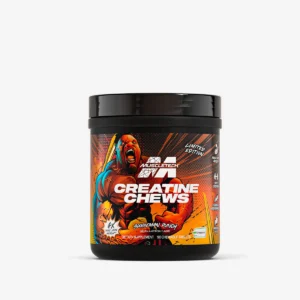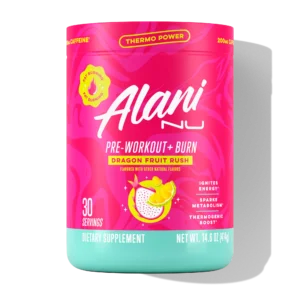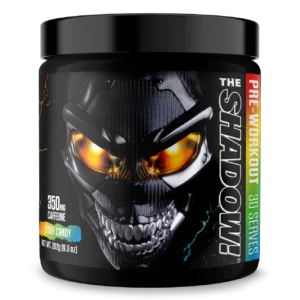


instagram supplements and gym equipment for sale

facebook gym supplements usa. Gym equipments and gym supplements for sale instagram profile social media

nad plus

The Longevity Paradox: Weighing the Pros and Cons of NAD+ Injections for Men Over 50

In the relentless pursuit of turning back the biological clock, few molecules have generated as much excitement in longevity circles as Nicotinamide Adenine Dinucleotide (NAD+). For men over 50, the decline of this essential coenzyme is no longer just a footnote in a biochemistry textbook; it is felt in the stiff joints of a morning jog, the frustrating fog of a forgotten name, and the metabolic sluggishness that turns a former athlete into a spectator.

Enter NAD+ therapy—specifically, intravenous or intramuscular injections. Promoted by biohackers and functional medicine doctors as a cellular fountain of youth, these injections promise to restore vitality. However, beneath the glossy surface of “rewiring your metabolism” lies a complex landscape of physiological trade-offs. For a man in his 50s, where blood pressure, prostate health, and cognitive reserve are already fragile, understanding the real side effects is just as critical as chasing the benefits.

This article dissects the unvarnished pros and cons of NAD+ injections for the aging male, separating clinical hope from physiological reality.

The Biological Rationale: Why Men Over 50 Are Listening

To understand the risk, you must first understand the reward. NAD+ is the fuel for two critical protein families: Sirtuins (longevity regulators) and PARPs (DNA repair enzymes). By age 50, your NAD+ levels have dropped by nearly 50% compared to your 20s. This deficit correlates with hallmarks of aging: mitochondrial decay, neurocognitive decline, and reduced muscle recovery.

Injections bypass the digestive system entirely. Unlike oral precursors (like NMN or NR), which face first-pass liver metabolism, intramuscular (IM) or IV NAD+ delivers the molecule directly into the bloodstream. This results in near-immediate bioavailability, theoretically offering faster restoration of cellular energy.

For a 55-year-old man feeling the weight of years, this sounds like salvation. But the route matters. And the side effects are often underreported.

The Cons: The Hidden Price of Cellular Reboot

1. The “NAD+ Flu” and Injection Site Trauma

The most immediate side effect is ironically the least discussed in marketing materials: the “NAD+ flu.” Within 30 to 60 minutes of an IV push, many men report severe body aches, chills, and a crushing sensation of fatigue. This is not an allergic reaction; it is a herxheimer-like response—a transient inflammatory reaction as cellular metabolism shifts abruptly.

For men over 50 with pre-existing autoimmune or inflammatory conditions (e.g., rheumatoid arthritis or gout), this reaction can be debilitating. Intramuscular injections, while slower, cause localized hematomas, muscle fibrosis, and, in rare cases, nerve irritation in the gluteal or deltoid regions. Repeated injections in the same site lead to lipohypertrophy—unsightly lumps of fatty tissue that distort muscle contour.

2. Methyl Donor Depletion and Vascular Risk

Here is the critical biochemical caveat that many longevity clinics gloss over: High-dose NAD+ metabolism requires massive amounts of methyl groups (via the methylation cycle). In men over 50, methylation capacity is already declining. Chronic NAD+ injections can deplete your reserves of SAMe (S-adenosylmethionine).

Why does this matter? Because hypomethylation is linked to elevated homocysteine—a direct risk factor for arterial stiffness, deep vein thrombosis, and stroke. For a man in his 50s with borderline hypertension or a family history of cardiovascular events, aggressively driving NAD+ without supplementing with trimethylglycine (TMG) or methyl-B12 may inadvertently accelerate vascular aging while trying to reverse it.

3. Disrupted Sleep Architecture and Craniofacial Pressure

NAD+ is a cofactor for CD38, an enzyme involved in calcium signaling. Men over 50 often have upregulated CD38 activity in microglia (brain immune cells). Exogenous NAD+ injections, particularly in the late afternoon, can overstimulate glutamatergic pathways.

Clinically, this manifests as severe, unrelenting insomnia characterized by “wired but tired” syndrome—exhausted body, racing mind. Additionally, a distinct side effect reported in male cohorts is transient intracranial pressure resembling a histamine headache: orbital pressure, jaw tightness, and tinnitus. For men with benign prostatic hyperplasia (BPH), the cholinergic shift caused by NAD+ can paradoxically worsen nocturia (nighttime urination), defeating the purpose of restorative sleep.
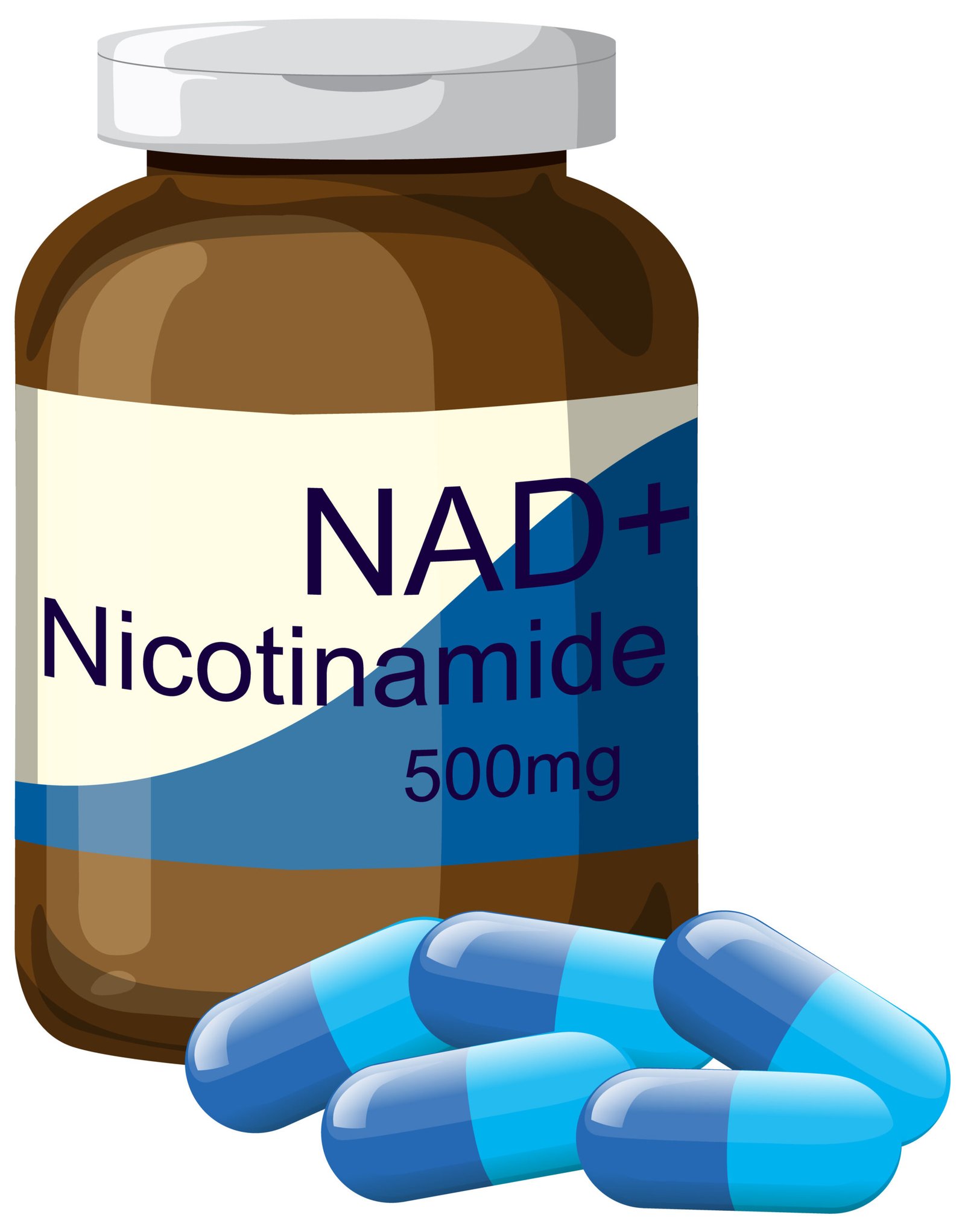
nad plus 5
Vector illustration of a brown supplement bottle labeled NAD+ Nicotinamide 500mg, accompanied by blue capsules, in a clean, flat style

4. The Economic and Psychological Cost of Dependence

While not a chemical addiction, there is a real phenomenon of “longevity anxiety.” Because NAD+ injections (costing $300 to $1,500 per session) provide acute, short-lived effects (24–48 hours), men over 50 often feel a psychological crash when levels drop. This leads to dose escalation and frequency creep—from bi-weekly to daily home injections. The result? A hollowing out of natural resilience. Your body’s endogenous biosynthesis pathways (the salvage pathway) may downregulate, creating a iatrogenic dependence where you feel worse without the needle than you did before you ever started.

The Pros: Where the Science Justifies the Risk

Despite the cons, NAD+ injections are not quackery. For specific pathologies in men over 50, the benefits are tangible.

1. Rescue from Neurocognitive Decay

The most robust data supports NAD+ for neurological resilience. In a 2022 pilot study on mild cognitive impairment (MCI), IV NAD+ improved executive function scores within 8 weeks. For a 53-year-old executive dealing with perimenopausal brain fog (yes, andropause involves cognitive changes), injections rapidly upregulate PGC-1α, clearing mitochondrial junk proteins. Men report sharper verbal recall and reduced “tip-of-the-tongue” syndrome within three sessions.

2. Skeletal Muscle Recovery and Sarcopenia Mitigation

Sarcopenia (age-related muscle loss) accelerates after 50. NAD+ injections activate SIRT1, which improves mitochondrial biogenesis in type II (fast-twitch) muscle fibers. For the aging athlete, this translates to a measurable reduction in delayed onset muscle soreness (DOMS) post-exercise. Anecdotal reports from functional medicine practices indicate that men using NAD+ injections recover from heavy resistance training in 24 hours instead of 72, allowing for consistent training volume without overtraining syndrome.

3. Metabolic Flexibility and Hepatic Health

Non-alcoholic fatty liver disease (NAFLD) is epidemic in men over 50, driven by metabolic syndrome. NAD+ is a mandatory cofactor for the enzyme SIRT3, which regulates fatty acid oxidation in the liver. Men with elevated liver enzymes (ALT/AST) and visceral adiposity have shown significant reductions in hepatic steatosis after 6 weeks of injectable NAD+ therapy, provided they maintain a low-carbohydrate diet. The injection route ensures the liver receives the molecule before peripheral tissues.

4. Opioid and Alcohol Cue Reduction (Off-Label Benefit)

While not an approved indication, a fascinating pro for men over 50 recovering from long-term substance use (including alcohol dependence) is the effect of NAD+ on dopamine receptor sensitivity. High-dose IV NAD+ has been shown to reduce cravings by restoring dopaminergic tone in the nucleus accumbens. For a man who has used alcohol as a sleep aid for decades, NAD+ injections can eliminate the “sundown craving” within 48 hours, a benefit oral precursors rarely achieve due to low absorption.
nad plus

The Verdict: A Precision Tool, Not a Daily Vitamin

So, should a man over 50 take NAD+ injections? The answer is conditional.

Do not use NAD+ injections if: You have untreated sleep apnea, advanced BPH with severe nocturia, a history of hemorrhagic stroke, or uncontrolled hypertension (over 145/90). Avoid IM injections if you are on chronic anticoagulants (Eliquis, Warfarin) due to bleeding risk.

Consider NAD+ injections only if: You are metabolically healthy, have documented low NAD+ via blood testing (not guesswork), and commit to a loading protocol of 2-3 injections per week for 4 weeks, followed by a 6-week washout. Always co-administer methyl donors (TMG 1-2g daily) to mitigate homocysteine spikes.

Furthermore, never rely solely on injections. The men who succeed with NAD+ are those who use it as a catalyst—a 4-week sprint to jumpstart exercise tolerance and dietary adherence—followed by oral precursors (NR or NMN) for maintenance. The 55-year-old who expects a weekly injection to outrun a sedentary lifestyle and processed food will not only be disappointed; he will be poorer and possibly sicker.

In the end, NAD+ is a dialogue with your biology, not a monologue of force. Injections offer a direct line to your mitochondria, but that line comes with static. Listen to the side effects—the headaches, the insomnia, the vascular signals—they are not bugs; they are your body telling you the dosage or frequency is wrong. For the discerning man over 50, NAD+ injections can be a powerful, albeit prickly, ally. Just know the price of admission before you roll up your sleeve.


bodybuilding steroids

The Forged Physique: A Scientific and Ethical Examination of Steroids in Bodybuilding

n the realm of iron and sweat, where the pursuit of the ideal physique is a relentless endeavor, two distinct paths wind towards the summit. One is a steep, grueling, and often slow climb, governed by the immutable laws of human biology. The other is a deceptive express elevator, offering a rapid and spectacular ascent, but with a hidden, potentially catastrophic cost to the structural integrity of the building itself.

This is the fundamental dichotomy of bodybuilding: natural versus enhanced. The conversation is often mired in moralistic judgment, misinformation, and sensationalism. To navigate it requires stripping away the dogma and examining the cold, hard facts of endocrinology, physiology, and long-term health outcomes. This article is a deep dive into the science of anabolic-androgenic steroids (AAS), their profound effects on the human body, the sobering realities documented by studies, and the cautionary tales written in the lives of those who chose the accelerated path.

Chapter 1: The Natural Blueprint – The Limits of Human Potential

To understand the impact of steroids, one must first appreciate the magnificent yet finite machinery of the natural human body.

The Endocrine System: The Master Conductor

Muscle growth, or hypertrophy, is not merely a product of lifting weights. It is a complex hormonal symphony conducted by the endocrine system. The key players are:

  • Testosterone: The primary male sex hormone and a potent anabolic (tissue-building) agent. It increases protein synthesis, enhances neuromuscular function, and aids in recovery. Natural testosterone levels are regulated by the hypothalamic-pituitary-gonadal (HPG) axis through a delicate negative feedback loop. The hypothalamus releases GnRH, which signals the pituitary to release LH and FSH, which in turn stimulate the testes to produce testosterone. High levels of testosterone tell the hypothalamus and pituitary to slow down production, maintaining homeostasis.
  • Growth Hormone (GH) and Insulin-like Growth Factor 1 (IGF-1): Secreted by the pituitary gland, GH stimulates the liver to produce IGF-1. Together, they promote cell growth, proliferation, and regeneration across various tissues, including muscle and bone.
  • Cortisol: The primary catabolic (tissue-breaking) stress hormone. It breaks down muscle protein for energy, especially during intense training or caloric deficit. The natural bodybuilder’s goal is to maximize anabolic signals (testosterone, GH) while minimizing catabolic ones (cortisol).

Check also: how steroid use can influence men sexual performance

bodybuilding steroids usa informations

The Natural Ceiling: The Myth of Linear Gains

The concept of a “genetic potential” is not bro-science; it is a physiological reality. Based on factors like bone structure, muscle belly length, and innate hormonal levels, every individual has a maximum amount of muscle mass they can naturally carry at a low body fat percentage. This is often modeled by Lyle McDonald’s Maximum Muscular Potential (MMP) formula:

  • FFMI (Fat-Free Mass Index): FFMI = (Lean Mass in kg) / (Height in meters)²
  • A natural, drug-free male with exceptional genetics and years of dedicated training might achieve an FFMI of around 25-26. An FFMI exceeding 28 is a strong indicator of probable AAS use.

This ceiling exists because the body fiercely defends homeostasis. Progress is not linear; it follows a diminishing returns curve. The first year of proper training might yield 10-15 lbs of muscle. The second year, perhaps 5-7 lbs. After 4-5 years, gaining 2-3 lbs of pure muscle in a year is a monumental success. This slow, grinding process is the natural reality.

Chapter 2: The Steroid Engine – Hacking the Endocrine System

Anabolic-androgenic steroids are synthetic derivatives of testosterone. Their use is a deliberate attempt to bypass the body’s natural regulatory systems and create a perpetual anabolic environment.

The Mechanistic Triad: How AAS Work

  1. Dramatically Increased Protein Synthesis: AAS flood the muscle cell’s androgen receptors, acting as a constant “build now” signal. This drastically accelerates the rate at which the body can repair and build new muscle tissue, far beyond natural capabilities. A 1996 study in the New England Journal of Medicine provided a classic example: men given 600mg of testosterone enanthate per week (a supraphysiological dose) gained over 13 lbs of lean body mass without even lifting weights, while the placebo group saw no change.
  2. Enhanced Recovery Capacity: This is arguably the most significant advantage. Training breaks down muscle. Recovery rebuilds it. Natural athletes are limited by their natural cortisol and testosterone levels. With AAS, the enhanced athlete can:
    • Train more frequently (hitting muscle groups 2-3 times per week instead of once).
    • Train with higher volume and intensity every session.
    • Experience drastically less muscle soreness (DOMS).
    • This allows for a quantum leap in the overall stimulus and, consequently, muscle growth.
  3. Neurological and Metabolic Advantages: AAS increase red blood cell production, improving oxygenation and endurance. They also enhance neuromuscular efficiency, allowing for greater force production and heavier weights lifted. Furthermore, they possess anti-catabolic properties by blocking the action of cortisol on muscle cells.

The “Stack” and the “Cycle”: Pharmacological Engineering

Users don’t typically take one steroid. They create “stacks” – combinations of multiple compounds – and use them in “cycles” (periods of use followed by periods of abstinence). A typical stack might include:

  • base compound like Testosterone Enanthate for steady anabolic effect.
  • bulking oral like Dianabol for rapid mass and strength gains.
  • cutting compound like Trenbolone or Winstrol to preserve muscle while dieting, due to its nutrient partitioning effects.

This is a far cry from the simplistic image of a single “needle”; it is a complex, self-administered hormonal experiment.

bodybuilding steroids usa informations

Chapter 3: The Inevitable Cost – The Scientific Literature on Adverse Effects

The anabolic effects of AAS are undeniable. The detrimental effects are equally proven and far more wide-ranging. The body’s systems are interconnected; you cannot profoundly alter one without impacting the others.

1. Cardiovascular System: The Ticking Time Bomb

This is the most well-documented and dangerous area of concern.

  • Dyslipidemia: AAS consistently and severely negatively impacts cholesterol. They significantly decrease HDL (“good” cholesterol) by 40-70% and increase LDL (“bad” cholesterol). This dramatically accelerates atherosclerosis (plaque buildup in arteries), increasing the risk of heart attack and stroke. A study in Circulation found that powerlifters using AAS had HDL levels as low as 7 mg/dL (healthy is >40 mg/dL).
  • Hypertension: AAS cause water and sodium retention, leading to increased blood pressure, placing constant strain on the heart and vessels.
  • Cardiac Remodeling: Long-term AAS use is linked to left ventricular hypertrophy (thickening of the heart wall), which can lead to diastolic dysfunction and eventually heart failure. It also induces fibrosis (scarring) of the heart muscle, making it more prone to arrhythmias (irregular heartbeats).
  • Pro-thrombotic State: AAS increase the risk of blood clots, which can lead to pulmonary embolism or stroke.

2. Endocrine System: Shutting Down the Factory

The HPG axis’s negative feedback loop is brutally efficient. Introducing external testosterone tells the brain the body has enough, so it shuts down its own production.

  • Hypogonadism: Natural testosterone production plummets to zero. This leads to testicular atrophy (shrunken testes). Crucially, this shutdown is not always reversible. Many users never regain their natural pre-cycle testosterone levels, leading to a lifelong dependence on testosterone replacement therapy (TRT).
  • Infertility: Suppressed LH and FSH halt spermatogenesis. AAS are a leading cause of male infertility, which can also become permanent.
  • Estrogenic Side Effects: Via the aromatase enzyme, excess testosterone converts to estrogen. This can lead to gynecomastia (development of breast tissue in men), which is often irreversible without surgery.

Check the Supplements

3. Hepatic (Liver) Damage:
Oral steroids, specifically 17-alpha-alkylated compounds (e.g., Dianabol, Anadrol, Winstrol), are particularly hepatotoxic. They can cause:

  • Elevated liver enzymes (indicating stress/inflammation).
  • Cholestasis (disruption of bile flow).
  • Peliosis hepatis (blood-filled cysts in the liver).
  • Hepatic adenomas (tumors) and hepatocellular carcinoma (cancer).

4. Psychiatric and Neurological Effects:
Androgen receptors are densely populated in the brain. Altering their chemistry has profound effects.

  • “Roid Rage”: While exaggerated, it has a basis in science. AAS can cause increased aggression, irritability, and anxiety, particularly in individuals with a predisposition. The fluctuation of hormones during a cycle is a key trigger.
  • Addiction: AAS are addictive. Users can become dependent on the muscle, the strength, and the confidence, leading to continued use despite adverse consequences. Withdrawal can bring severe depression linked to crashed testosterone levels.
  • Body Dysmorphic Disorder (BDD): The pursuit of perfection becomes pathological. Even massively muscular individuals may see themselves as small and weak (“bigorexia”), driving further, more dangerous use.

Chapter 4: Faces of the Phenomenon – Real-Life Examples

The science is abstract until it is given a human face. The history of bodybuilding is, unfortunately, also a case study in the consequences of pharmacological escalation.

The Tragic Archetypes:

  • Andreas Münzer (1966-1996): The extreme example. An Austrian bodybuilder known for his freakish conditioning and vascularity. His autopsy revealed a body utterly ravaged by polypharmacy. His liver and kidneys were severely damaged, his electrolytes were catastrophically imbalanced, and his heart was enlarged and weakened. He died of fatal hemorrhaging from multiple organ failure at age 29. His physique was a testament to what AAS could achieve; his death was a testament to what they could destroy.
  • Rich Piana (1971-2017): A modern-era influencer who was radically transparent about his 20+ years of steroid and growth hormone use. He openly discussed his “whatever it takes” philosophy, using immense doses. He died at 46 after collapsing at home. While the official cause was listed as an enlarged heart with cardiopulmonary arrest, his own videos detailed his struggles with heart issues, kidney problems, and the daily physical toll of his lifestyle. He served as a walking, talking (and often shocking) documentary of the long-term price.
  • Mike Mentzer (1951-2001): While his death at 49 was officially from a heart attack, and he advocated for brief, intense training, his era was one of heavy AAS use. The premature deaths of many icons from the “Golden Era” (including Mentzer, his brother Ray, and others) point to a pattern of cardiovascular strain that cannot be ignored.

The Nuanced Reality: The “Healthy” User?
It is intellectually dishonest to claim every user drops dead. Some individuals use lower doses, undergo rigorous medical monitoring (blood work, echocardiograms), and mitigate risks with ancillary drugs (e.g., Arimidex to control estrogen, statins for cholesterol). They may appear healthy for years. However, this is not without risk. They are playing a high-stakes game of genetic lottery. The subclinical damage—the arterial stiffness, the myocardial fibrosis—often accumulates silently until it presents as a sudden, major event. They are managing risk, not eliminating it.

bodybuilding steroids usa informations

Chapter 5: The Expert Advice – A Sober Assessment

If you are considering this path, this is not a moral plea but a risk assessment from a place of knowledge.

  1. Get Your Natural House in Order First: Before you even think about exogenous hormones, you must maximize your natural potential. This means:
    • 5+ years of consistent, periodized training.
    • Mastering your nutrition: hitting protein goals, managing calories for goals.
    • Prioritizing sleep (7-9 hours) and stress management.
    • If you haven’t done this, you have no business using PEDs. You are seeking a chemical shortcut for a discipline problem.
  2. Understand It’s a Permanent Decision: The idea of “just one cycle” is a fantasy for most. The dramatic results are addictive. The shutdown may be permanent. You may be signing up for a lifetime of TRT needles and blood tests.
  3. Health is Non-Negotiable – Get Blood Work:This is mandatory. You need comprehensive pre-, mid-, and post-cycle blood work:
    • Lipid Panel (HDL, LDL, Triglycerides)
    • Hormonal Panel (Total Test, Free Test, LH, FSH, Estradiol, Prolactin)
    • Metabolic Panel (Liver Enzymes AST/ALT, Kidney markers)
    • PSA (Prostate-Specific Antigen)
    • Complete Blood Count (CBC) (to check hematocrit)
      Without this, you are flying blind into a hurricane.
  4. Have a Post-Cycle Therapy (PCT) Plan: A protocol (often involving SERMs like Nolvadex or Clomid) to attempt to restart natural testosterone production. Its success is not guaranteed.
  5. The Ethical Dimension: Are you competing in tested federations? You are cheating. Are you portraying a drugged physique as natural on social media? You are perpetuating a dangerous lie that destroys the self-esteem of young men and warps the standard of what is achievable naturally.

Read more interesting facts: Myths and Facts in Bodybuilding

The Hidden Metabolic Paradox: Why Steroids Break the Natural Energy Balance Equation

One of the most profound yet under-discussed effects of steroids is their ability to fundamentally alter the laws of metabolic thermodynamics that govern natural athletes. A natural bodybuilder operates within a tight energy balance equation: to build muscle, one must consume a caloric surplus, a significant portion of which is inevitably stored as fat. To reveal muscle, one must endure a grueling caloric deficit, during which some hard-earned muscle is catabolized for fuel. This push-pull between growth and definition is the central challenge of natural training. Steroids shatter this paradox. Compounds like Trenbolone and Masteron act as powerful nutrient partitioners, directing a greater percentage of consumed calories toward muscle tissue and away from fat stores, even in a surplus. This allows enhanced athletes to achieve the seemingly impossible: gaining lean mass while simultaneously shedding body fat. This metabolic “cheat code” not only accelerates results but creates physiques of simultaneously extreme size and conditioning that are biomechanically unattainable naturally, fundamentally warping the aesthetic standards of the sport.

The Epigenetic Legacy: The Potential for Transgenerational Impact

While the acute effects of AAS on the user are well-documented, emerging research points to a more haunting, long-term consequence: the potential for epigenetic changes that could affect future generations. The endocrine system is a master regulator of genetic expression, and forcibly altering it with supraphysiological hormone levels may trigger epigenetic modifications—chemical tags that turn genes on or off without changing the DNA sequence. Animal studies have shown that AAS exposure can alter gene expression patterns related to stress response and behavior in offspring. For the human user, this raises a disturbing, though not yet fully understood, possibility: that the choice to use steroids could echo beyond their own health, potentially influencing the hormonal health, metabolic function, or even behavioral predispositions of their future children. This transforms the risk assessment from a purely personal gamble to one with implications for a family lineage.

The Psychological Dependency on a Synthetic Self

Beyond physical addiction, AAS use fosters a profound psychological dependency on a synthetic self—an identity built upon a pharmacologically maintained physique and the neurological effects of altered androgen levels. The “confidence” users report is not purely psychological; it’s a neurochemical state induced by flooding the brain’s androgen receptors. Coming off-cycle doesn’t just mean losing muscle; it means the collapse of this chemically-derived identity, often plunging the individual into a state of depression, anxiety, and dysmorphia more severe than their pre-use baseline. This creates a terrifying feedback loop: the drugs are used to escape the negative self-image they themselves ultimately worsen. The user becomes trapped, not by the fear of losing size, but by the terror of confronting the unmedicated version of themselves they have come to despise. This psychological prison, where the key is also the lock, is one of the most insidious and enduring costs of the enhanced path.

Redefining the Summit

The choice between natural and enhanced bodybuilding is not simply about muscle. It is a philosophical decision about what you value in the journey.

The natural path is one of patience, discipline, and humility. It is about forging a physique that is a testament to your work ethic within the bounds of your genetic blueprint. The victory is in the incremental progress, the mastery of habit, and the long-term sustainability of health. The physique achieved may be less spectacular, but it is authentically and wholly yours.

The enhanced path is a Faustian bargain. It trades long-term health for short-term spectacle. It offers a physique that is, in a very real sense, a pharmacological artifact. The victory is measured in pounds on the bar and inches on the arms, but the cost is tallied on medical charts and in the silent, incremental stress on vital organs.

Both require immense work. But only one path allows you to truly enjoy the rewards of that work into old age. The true summit of bodybuilding is not a certain measurement or a trophy; it is a lifetime of health, strength, and vitality. By that measure, the natural path, though steeper and slower, is the only one that leads to a peak you can stand on forever.

Select the fields to be shown. Others will be hidden. Drag and drop to rearrange the order.
  • Image
  • SKU
  • Rating
  • Price
  • Stock
  • Availability
  • Add to cart
  • Description
  • Content
  • Weight
  • Dimensions
  • Additional information
Click outside to hide the comparison bar
Compare
Shopping cart close