


The Ultimate Guide to the Best Supplements for Women Who Lift
You’re dedicated. You consistently crush your workouts, track your macros, and prioritize recovery. But you might be wondering: what supplements should a woman take to build muscle and strength?
The supplement industry is a minefield of false promises and pink-washed “women’s formulas” that are often under-dosed and overpriced. It’s time to cut through the noise.
This isn’t about getting “shredded” or looking like a fitness model. This is about fueling performance, enhancing recovery, and supporting your powerful body with evidence-based nutrients that actually work.
Forget the fluff. Here are the best supplements for women who lift, backed by science.
Before You Supplement: The Non-Negotiables
No pill or powder can replace the fundamentals. Supplements supplement these pillars, they don’t replace them.
- Whole Food Nutrition: Hit your protein, fat, and carbohydrate goals through lean meats, vegetables, fruits, and complex carbs.
- Progressive Overload: Consistently challenge your muscles to grow stronger.
- Quality Sleep: This is prime time for muscle repair and hormonal regulation.
- Hydration: Water is essential for every single metabolic process.
Got those locked down? Now, let’s optimize.
The Top 7 Supplements for Female Lifters
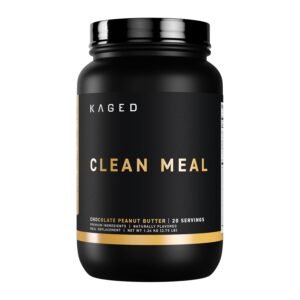
1. Protein Powder
The “Why”: Protein is the building block of muscle. After a workout, your muscles are primed to absorb nutrients to repair and rebuild torn fibers. Hitting your daily protein target (generally 1.6-2.2g per kg of bodyweight for athletes) is crucial for muscle growth (hypertrophy) and recovery. A shake is the most convenient way to ensure you hit your goals.
What to Look For:
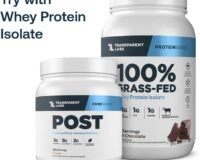
- Whey Protein Isolate or Concentrate: Fast-absorbing and complete protein. Ideal post-workout. Isolate is lactose-light for those with sensitivities.
- Plant-Based Blends: (Pea, Brown Rice, Hemp). A great option for vegans or those who avoid dairy. Look for a blend to ensure a complete amino acid profile.
- Collagen Peptides: Excellent for joint, skin, and hair health. While not a complete protein for muscle building, it’s a fantastic addition for overall wellness.
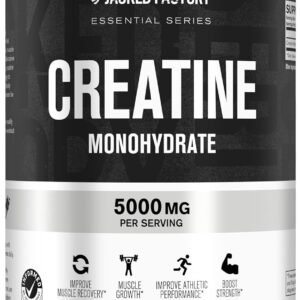
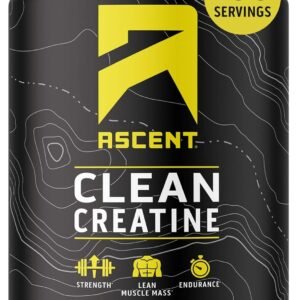
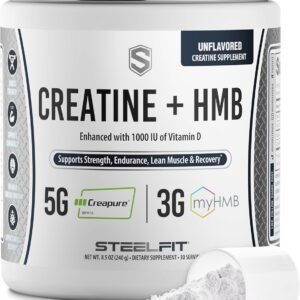
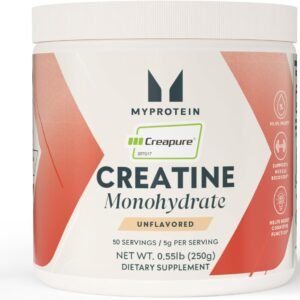
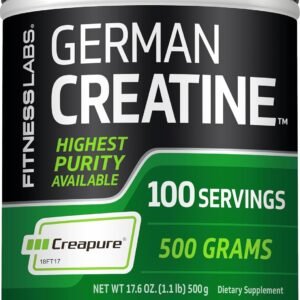
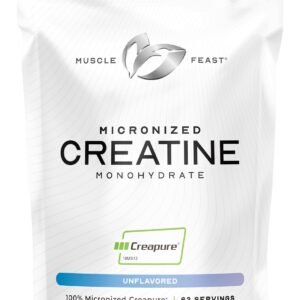
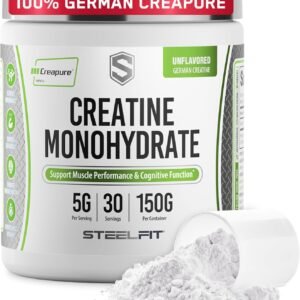
2. Creatine Monohydrate
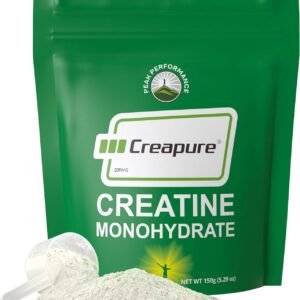
The “Why”: This is the most researched supplement in the world, and it’s not just for men. Creatine is a game-changer for female athletes. It helps your muscles produce energy during high-intensity, heavy lifts. This means you can push for one more rep, lift a little heavier, and train harder for longer. The result? Faster strength and muscle gains.
Dispelling the Myth: No, creatine will not make you “bulky” or “puffy.” It causes muscles to hold a small amount of water intramuscularly (within the muscle cells), which can actually enhance the muscle’s appearance and is temporary. Any initial scale weight increase is water, not fat.
How to Take: 3-5g daily. It’s not timing-sensitive; consistency is key.
3. Branched-Chain Amino Acids (BCAAs) / Essential Amino Acids (EAAs)
The “Why”: BCAAs (Leucine, Isoleucine, Valine) are the key amino acids that stimulate muscle protein synthesis. While you can get them from protein-rich food, sipping on BCAAs or the more complete EAAs during your workout can:
- Reduce muscle soreness (DOMS)
- Prevent muscle breakdown during fasted or long training sessions
- Enhance recovery
What to Look For: A simple, unflavored or lightly sweetened BCAA powder, or an EAA formula that includes all nine essential amino acids.
4. Caffeine (Pre-Workout)
The “Why”: Caffeine is a proven ergogenic aid. It boosts energy, increases focus, and improves exercise performance by reducing perceived exertion. Simply put, it helps you attack your workout with more intensity.
How to Take: 100-200mg about 30-60 minutes before your workout. You can get this from a dedicated pre-workout supplement or a strong cup of black coffee.
5. Vitamin D3
The “Why”: Many people, especially those in less sunny climates, are deficient in Vitamin D. This “sunshine vitamin” is critical for immune function, bone health (it aids calcium absorption), and may play a role in muscle function and strength. For women, maintaining strong bones is paramount for long-term health.
How to Take: A daily supplement of 1000-2000 IU is a good maintenance dose. It’s best to get your levels checked by a doctor for a personalized recommendation.
6. Omega-3s (Fish Oil)
The “Why”: Omega-3 fatty acids (EPA and DHA) are powerful anti-inflammatories. Intense training creates inflammation; Omega-3s help manage it, aiding in recovery and joint health. They also support heart and brain health.
How to Take: Look for a supplement that provides a combined 1000-2000mg of EPA and DHA per day.
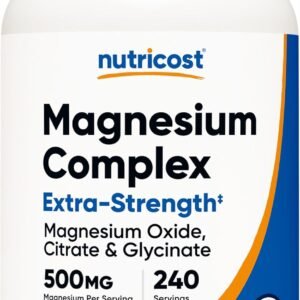
7. Magnesium
The “Why”: Magnesium is involved in over 300 biochemical reactions in the body, including muscle contraction, nerve function, and energy production. It’s crucial for sleep quality and can help reduce muscle cramps. Stress and intense exercise can deplete magnesium levels.
How to Take: 200-400mg daily, preferably in the glycinate or citrate form before bed to enhance sleep quality.
How to Build Your Supplement Stack
You don’t need to take all of these at once. Start with the fundamentals and build based on your goals and budget.
- Level 1 (The Foundation): Protein Powder + Creatine
- Level 2 (Enhanced Performance): Foundation + Pre-Workout (Caffeine) + Intra-Workout BCAAs/EAAs
- Level 3 (Total Wellness & Recovery): All of the above + Vitamin D3 + Omega-3s + Magnesium
🧘♀️ Beyond Pills and Powders: A Systems Mindset for Longevity
True supplementation isn’t about adding a list of products; it’s about strategically reinforcing the specific systems your training depletes. This “systems mindset” focuses on supporting your body’s interconnected needs. If your program is heavy on heavy lifting, prioritizing the musculoskeletal system with creatine (for energy) and collagen or omega-3s (for joint integrity) creates a synergistic defense. If high-intensity training leaves you drained, supporting the nervous and adrenal systems with magnesium (for relaxation) and adaptogens can enhance recovery. This approach ensures each supplement has a clear, functional purpose beyond a generic “get fit” claim, building resilience from the inside out for a sustainable, long-term athletic life.
📊 The Data-Driven Approach: Personalizing Your Protocol
Your body is your most important biofeedback device, and the most effective supplement protocol is one you personalize through observation. Instead of a fixed “stack,” adopt an experimental mindset. Introduce one new supplement at a time for 4-6 weeks and track objective metrics: not just gym performance (e.g., “I added a rep”), but also subjective markers like sleep quality, recovery rate, menstrual cycle regularity, and energy levels. A supplement that causes digestive distress or disrupts your cycle is a poor fit, regardless of its scientific backing. This data-driven, n=1 methodology empowers you to curate a regimen that uniquely supports your physiology, goals, and lifestyle, moving you from a passive consumer of advice to the active architect of your own wellness.
♀️ Honoring the Female Physiology: A Note on Hormones and Cycles
While the mechanisms of muscle building are universal, a woman’s hormonal landscape presents unique considerations often ignored by mainstream supplement marketing. Your menstrual cycle is a powerful physiological cycle that can influence nutrient needs, energy utilization, and recovery. For instance, iron loss through menstruation may increase requirements for some, while the luteal phase might benefit from extra magnesium to combat water retention and support sleep. Furthermore, supplements like adaptogens (e.g., Rhodiola Rosea, Ashwagandha) can be particularly valuable for supporting the hypothalamic-pituitary-adrenal (HPA) axis, which is intimately tied to both stress and reproductive hormone balance. The most empowering approach respects this biology, using supplements not to override your cycle, but to support its healthy, rhythmic function, ensuring your fitness journey works with your body, not against it.
FAQ: Supplements for Women Who Lift
Q: Do I need to take “women-specific” supplements?
A: Generally, no. The mechanisms of muscle building are the same regardless of gender. “Women’s formulas” are often marketing gimmicks with pretty packaging and lower doses. Focus on the quality and dosage of the ingredients, not the gender on the label.
Q: Will creatine or protein make me gain fat?
A: No. These supplements support muscle growth and recovery. However, they contain calories. If you consume them in significant excess of your daily caloric needs, you will gain weight, just as you would from any other food source.
Q: When is the best time to take protein?
A: While the “anabolic window” is more forgiving than once thought, consuming protein within 1-2 hours post-workout is a good practice for maximizing recovery. Your total daily intake is far more important than precise timing.
The Final Rep
The best supplement strategy is a simple, consistent one built on a foundation of hard training and proper nutrition. Start with one or two, like protein and creatine, and notice the difference in your recovery and strength.
Ready to fuel your strength journey? [Shop our curated selection of third-party tested, high-quality supplements] designed for athletes who value purity and results over hype.
What’s your favorite supplement for boosting performance? Share your experiences in the comments below!