Best Gym Supplements in the USA for 2025. When it comes to achieving peak performance, athletes in the United States rely on more than just training and diet. The right supplements can make the difference between good results and elite performance. In 2025, the supplement market is more competitive than ever, and consumers are demanding quality, transparency, and proven science. Below, we break down the best gym supplements in the USA that athletes are actually using this year.
Whey Protein: The Cornerstone of Muscle Growth
Still the undisputed king of performance nutrition, whey protein remains the most consumed supplement in the USA. Its fast absorption, complete amino acid profile, and strong clinical evidence make it a staple for muscle recovery and growth.
- Why athletes use it: Supports lean muscle, enhances recovery, and delivers convenient high-quality protein.
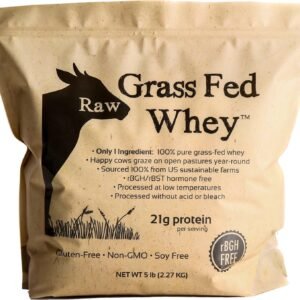
- 2025 trends: Grass-fed whey and clean-label formulations with minimal additives are leading sales.
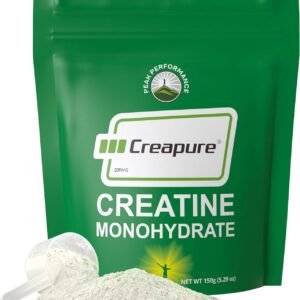
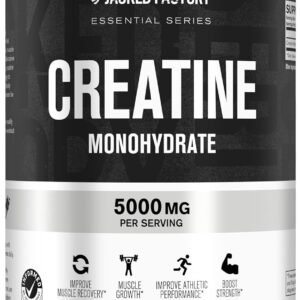
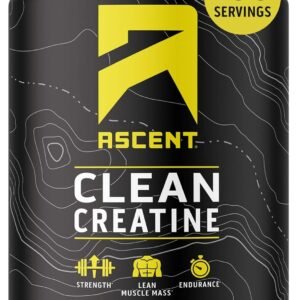
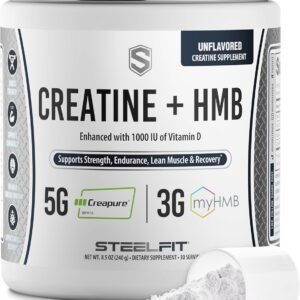
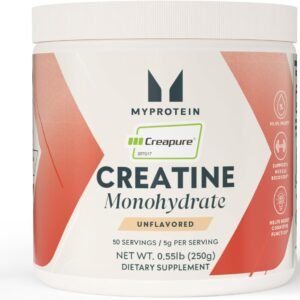
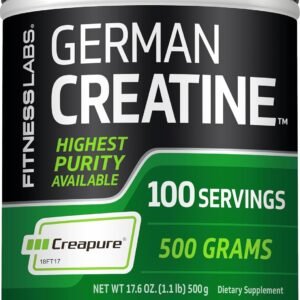
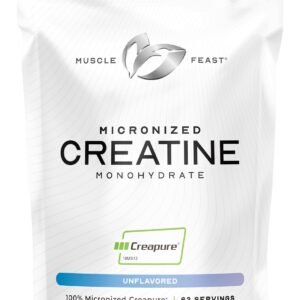
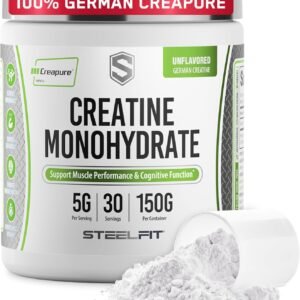
Creatine: Backed by Decades of Research
If there’s one supplement that’s stood the test of time, it’s creatine monohydrate. Over 20 years of research confirm its ability to increase strength, power, and training capacity.
- Why athletes use it: Improves explosive strength and recovery between high-intensity sets.
- 2025 trends: Creatine HCl and micronized forms are gaining traction for improved solubility, but traditional creatine monohydrate is still the gold standard in the USA.
BCAAs and EAAs: Essential for Recovery
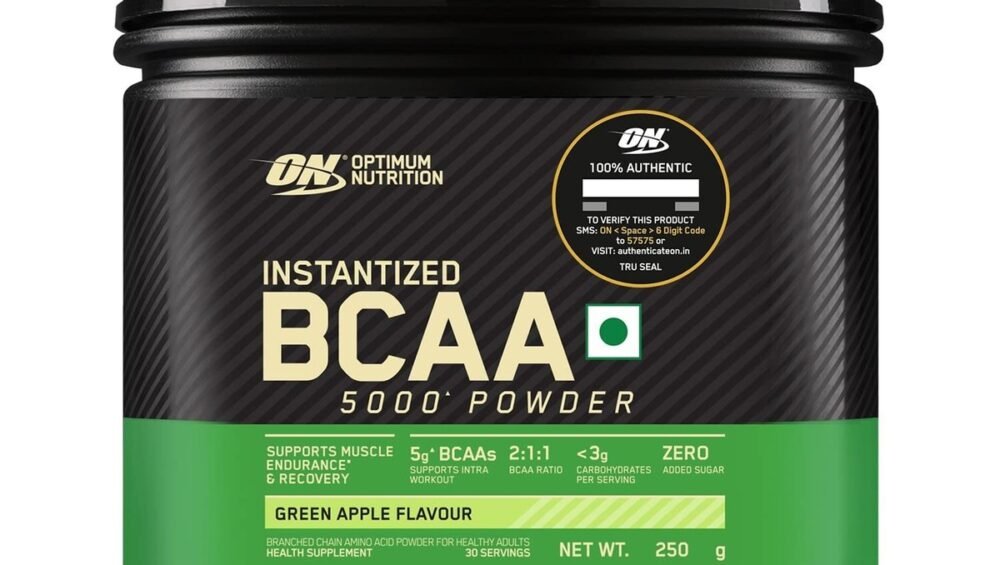
Branched-Chain Amino Acids (BCAAs)—and more recently Essential Amino Acids (EAAs)—continue to play a vital role in muscle preservation and reducing fatigue.
- Why athletes use it: Helps minimize muscle breakdown during training and accelerates recovery.
- 2025 trends: EAAs are becoming more popular than traditional BCAAs, as athletes look for a complete amino acid spectrum.
Pre-Workouts: Energy and Focus in a Scoop
In 2025, pre-workout formulas are more sophisticated than ever, blending caffeine with nootropics, nitric oxide boosters, and hydration compounds.
- Why athletes use it: Increases energy, pumps, and focus for better training sessions.
- 2025 trends: Transparent labeling is now the norm. Artificial colors are being replaced with natural alternatives, and stimulant-free versions are gaining popularity for evening training.
Vitamins and Health Supplements: The Overlooked Essentials
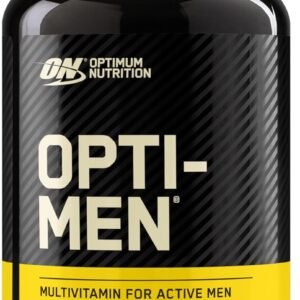
While performance supplements get most of the attention, multivitamins, Vitamin D, Omega-3s, and Magnesium are essential to keep athletes healthy year-round.
- Why athletes use it: Supports immune function, reduces inflammation, and improves recovery.
- 2025 trends: Athletes are increasingly turning to personalized supplement packs based on blood testing and DNA analysis.
Check also: whey protein vs plant protein
American-Made vs. Imported Supplements
The USA is the world leader in supplement innovation, but imported products from Europe and Asia are gaining ground.
- American-made advantages: Strict FDA oversight, transparent labeling, and strong brand reputation.
- Imported products: Often cheaper, but quality and testing standards vary. Serious athletes in the USA overwhelmingly prefer domestic, GMP-certified brands.
What’s Trending in 2025
- Plant-Based Performance: Vegan proteins (pea, rice, hemp) are becoming mainstream among U.S. athletes.
- Clean-Label Formulas: Fewer fillers, artificial sweeteners, or banned substances.
- Sustainability: Eco-friendly packaging and ethical sourcing are driving purchase decisions.
- Stacking for Performance: Athletes are combining creatine, whey, and pre-workouts into daily regimens rather than using standalone supplements.
The 2025 American Athlete’s Supplement Guide: Science, Safety, and Peak Performance
In the relentless pursuit of athletic excellence, American athletes are navigating a supplement landscape that is evolving at lightning speed. The right nutritional support no longer just enhances performance—it safeguards long-term health, enables precise recovery, and provides a measurable competitive edge. For 2025, the paradigm has shifted from mere supplementation to strategic nutritional precision. This guide breaks down not just what top athletes are using, but why, and how to integrate these tools intelligently into your regimen.
Whey Protein: Beyond the Basics—The Bioavailability Revolution
Whey remains foundational, but 2025 sees a transformation in its application.
Why it’s Essential: Whey provides leucine, the critical trigger for Muscle Protein Synthesis (MPS), faster than any other protein source. It’s not just about grams of protein, but about activating the muscle-building machinery at the optimal time.
2025 Deep Dive:
- Hydrolyzed Whey Isolate is surging for post-workout use due to its predigested, ultra-fast absorption.
- Native, cold-processed whey preserves fragile immunoglobulins and lactoferrin, offering immune support—a crucial benefit for athletes training at high volumes.
- Look for labels with “grass-fed” and “rBST-free”, which correlate with a better fatty acid profile (higher CLA and Omega-3s).
Pro Tip: The “anabolic window” is wider than once thought. For maximal daily MPS, focus on total protein intake (1.6-2.2g/kg of bodyweight) and time a fast-absorbing whey dose within 2 hours post-training.
Creatine: The Cognitive and Cellular Powerhouse
Creatine monohydrate is arguably the most researched ergogenic aid on earth, and its benefits extend far beyond the weight room.
Why it’s Essential: It rapidly regenerates ATP (cellular energy) during high-intensity efforts, allowing for more quality reps, sprints, or jumps. Emerging research consistently supports cognitive benefits, including reduced mental fatigue.
2025 Deep Dive:
- Loading is optional. A consistent 3-5g daily dose saturates muscles in 3-4 weeks without the digestive discomfort of a 20g/day loading phase.
- The “bloating” myth is debunked with pure, micronized monohydrate. Any initial weight gain is intramuscular water retention, contributing to cell volumization and an anabolic signaling environment.
- It’s not just for lifters. Endurance athletes use it to buffer fatigue during hill surges and final kicks.
Pro Tip: Pair creatine with a post-workout protein/carb source. The accompanying insulin spike can enhance muscular creatine uptake.
EAAs: The Recovery and Anabolic Signal
While BCAAs (Leucine, Isoleucine, Valine) are a subset, Essential Amino Acids (EAAs)—all nine that the body cannot produce—are now recognized as the superior choice for most athletes.
Why they’re Essential: EAAs provide the complete raw material for repairing and building new muscle tissue. Intra-workout EAA supplementation can flip the body from a catabolic (breaking down) to an anabolic (building up) state during training.
2025 Deep Dive:
- Dosing Matters: Look for products providing at least 3g of leucine per serving to maximally stimulate MPS.
- The Intra-Workout Edge: Sipped during training, EAAs can reduce muscle soreness (DOMS) and accelerate recovery without the gut discomfort of a protein shake.
- Fasting & Cutting: EAAs are invaluable for preserving lean mass during calorie-restricted or fasted training periods.
Pre-Workouts: Precision Engineered Stimulation
The 2025 pre-workout is a nuanced tool, moving beyond just a caffeine bomb.
Why it’s Essential: A quality pre-workout aligns your central nervous system, muscle perfusion, and mental focus for optimal performance. It’s about readiness, not just energy.
2025 Deep Dive:
- Beta-Alanine & Carnosyn®: Look for this patented form. It buffers muscle acidity, fighting the burn during reps 8-15 and allowing for more volume.
- Citrulline Malate (6-8g dose): The gold standard for nitric oxide support. It increases blood flow, nutrient delivery, and the coveted “pump,” which stretches fascia and may support long-term growth.
- Focus Matrix: Ingredients like L-Theanine (to smooth caffeine jitters), Alpha-GPC, and Huperzine A support laser-like concentration.
- Stimulant-Free Options: For evening sessions or caffeine-sensitive athletes, these provide the pump and focus benefits without sleep disruption.
The Health Foundation: Supplements You Can’t Afford to Ignore
Performance is built on a foundation of health. These are non-negotiable for the serious athlete:
- Vitamin D3/K2: Crucial for bone health, immune function, and modulating inflammation. Most indoor athletes are deficient. 2025 Trend: Personalized dosing based on biannual blood tests.
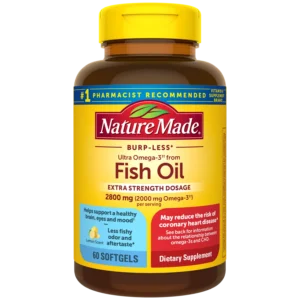
- Omega-3s (EPA/DHA): The ultimate inflammation manager. High-dose EPA/DHA (2-3g daily) improves joint health, brain function, and cardiovascular recovery.
- Magnesium Glycinate/Bisglycinate: Often called the “stress mineral,” it’s depleted by sweat and stress. It supports sleep quality, muscle relaxation, and ATP production. Avoid oxide forms (poor absorption).
- Probiotics/Postbiotics: Gut health dictates nutrient absorption and systemic inflammation. Athletes are targeting specific strains for immune and digestive resilience.
The American Advantage: Trust, Traceability, and Third-Party Testing
In 2025, provenance is everything. The NSF Certified for Sport or Informed Sport seal is the gold standard, guaranteeing the product is free from over 200 banned substances and contains exactly what the label claims.
Why Domestic Brands Lead:
- Adherence to cGMPs: The FDA’s Current Good Manufacturing Practices are stringent.
- Supply Chain Control: Top U.S. brands audit their ingredient sources from soil to scoop.
- Transparency: QR codes linking to full third-party lab results are becoming standard.
The Final Word on Stacks for 2025
Forget random combinations. The modern athlete’s stack is a synergistic system:
- Daily Foundation: Whey Protein, Creatine Monohydrate, Multivitamin, D3/K2, Omega-3s, Magnesium.
- Training Days: Add a quality Pre-Workout and intra-workout EAAs.
- Goal-Specific: Add hydrolyzed collagen for joint/tendon health or a nighttime casein protein for sustained muscle repair during sleep.
Your 2025 Action Plan
- Audit Your Diet First. No supplement fixes poor nutrition. Hit your macro and calorie targets.
- Prioritize the Proven. Start with Whey, Creatine, and a Health Foundation before exploring niche products.
- Invest in Trust. Choose brands that prioritize third-party testing and transparent labeling.
- Personalize. Consider basic blood work to identify deficiencies (like Vitamin D or Iron) and tailor your approach.
The 2025 supplement scene is defined by efficacy, evidence, and ethics. By choosing wisely, you’re not just buying a product—you’re investing in the sustainable engineering of your best performance self.
Navigating the Noise: The Critical Importance of Third-Party Verification
In an era where marketing claims often outpace scientific substantiation, the most informed athletes in 2025 have become adept at looking beyond the label. The true mark of a superior supplement is not its flashy packaging or bold promises, but its willingness to be scrutinized. This is why third-party certification has shifted from a premium feature to a fundamental requirement. Seals from organizations like NSF Certified for Sport, Informed-Choice, and USP verify that a product contains exactly what it claims in the stated amounts and is free from harmful contaminants, heavy metals, and banned substances. For the competitive athlete, this is non-negotiable risk management; for the dedicated fitness enthusiast, it is a guarantee of purity and value. This layer of accountability ensures that your foundational stack—your whey, creatine, and pre-workout—is building your physiology on a platform of integrity, not undermining it with impurities or mislabeled dosages.
Synergy Over Singularity: The Modern Approach to Stacking
The contemporary athlete understands that supplements are not isolated solutions but interconnected components of a performance ecosystem. The 2025 mindset is one of strategic synergy, where each element is chosen not only for its primary function but for how it amplifies the effects of others. For instance, taking creatine with a post-workout whey protein shake and simple carbohydrates can enhance muscular uptake and saturation. Combining a nitric-oxide boosting pre-workout with adequate hydration and electrolytes maximizes vascular performance and endurance. This holistic approach extends to timing, aligning supplement intake with the body’s circadian rhythms and anabolic windows. It’s a move away from random accumulation and toward a curated, purposeful regimen where the combined effect is greater than the sum of its parts, creating a daily physiological environment meticulously optimized for growth, recovery, and peak performance.
Final Thoughts
The top supplements for athletes in 2025 are not about hype—they’re about proven results. From whey protein and creatine to clean-label pre-workouts and personalized vitamins, athletes in the USA are choosing products that deliver science-backed performance and align with health-conscious lifestyles.
If you’re looking for the best gym supplements in the USA, focus on trusted, American-made brands that combine quality, innovation, and transparency.