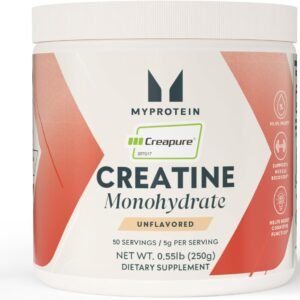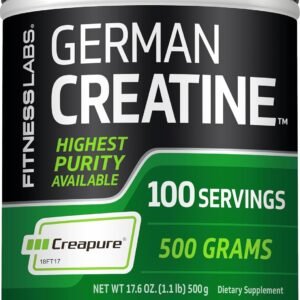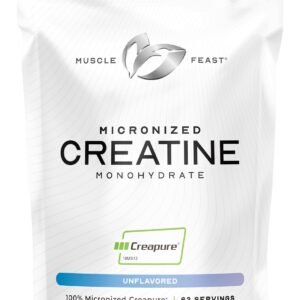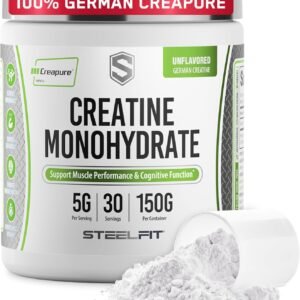



instagram supplements and gym equipment for sale

facebook gym supplements usa. Gym equipments and gym supplements for sale instagram profile social media

training gym in the age 34

Best Gym Supplements for Sale for Male Beginners at Age 34

Best Gym Supplements for Sale for Male Beginners at Age 34. Introduction: Why Supplements Matter at 34. Starting your fitness journey at the age of 34 is not too late—it’s actually one of the best times. By this age, many men have established careers, families, and routines, which makes health and fitness a top priority. For a male beginner at 34, the body is still capable of building muscle, losing fat, and performing at a high level. However, compared to being 18 or 22, hormone levels—especially testosterone—may not be as high, recovery might take longer, and metabolism can start to slow down.

This is where the right gym supplements can play a powerful role. Supplements aren’t magic pills, but they can fill nutritional gaps, support energy, improve performance, and speed up recovery. For men in their mid-30s who are just beginning a consistent workout routine, choosing the right products can mean the difference between frustration and sustainable progress.

In this article, we’ll break down the best supplements for sale that specifically benefit a 34-year-old beginner male, why they matter, and how to use them effectively.


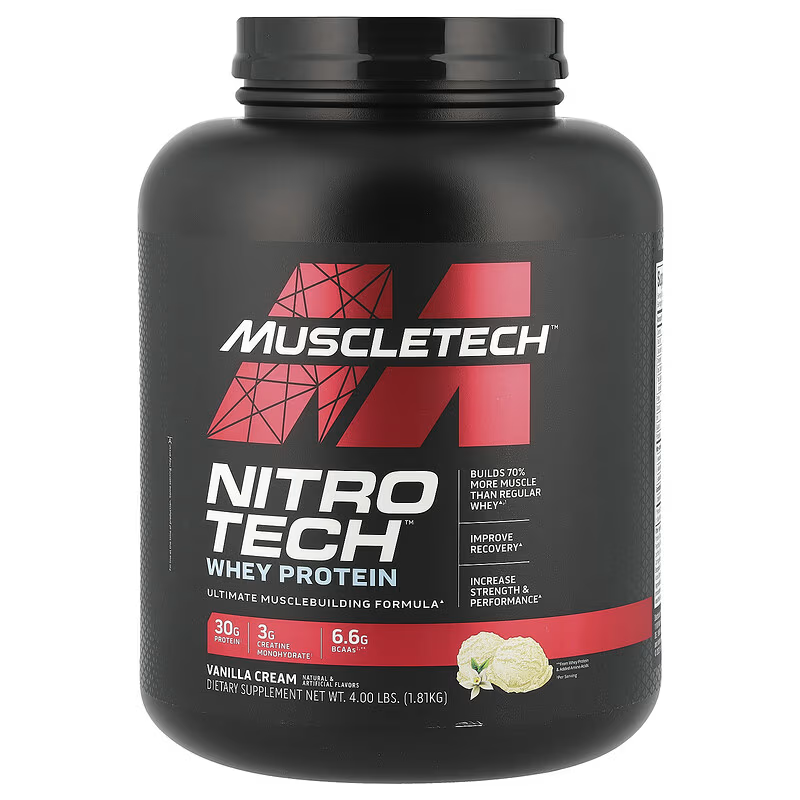
1. Protein Powder – The Foundation of Muscle Growth

training gym in the age 34

Why it’s important at 34:
Protein is the cornerstone nutrient for building lean muscle, repairing tissues, and supporting recovery. While whole foods like chicken, beef, eggs, and beans should be your foundation, most beginners struggle to consistently hit their protein needs—usually around 1.6–2.2 grams per kilogram of body weight.

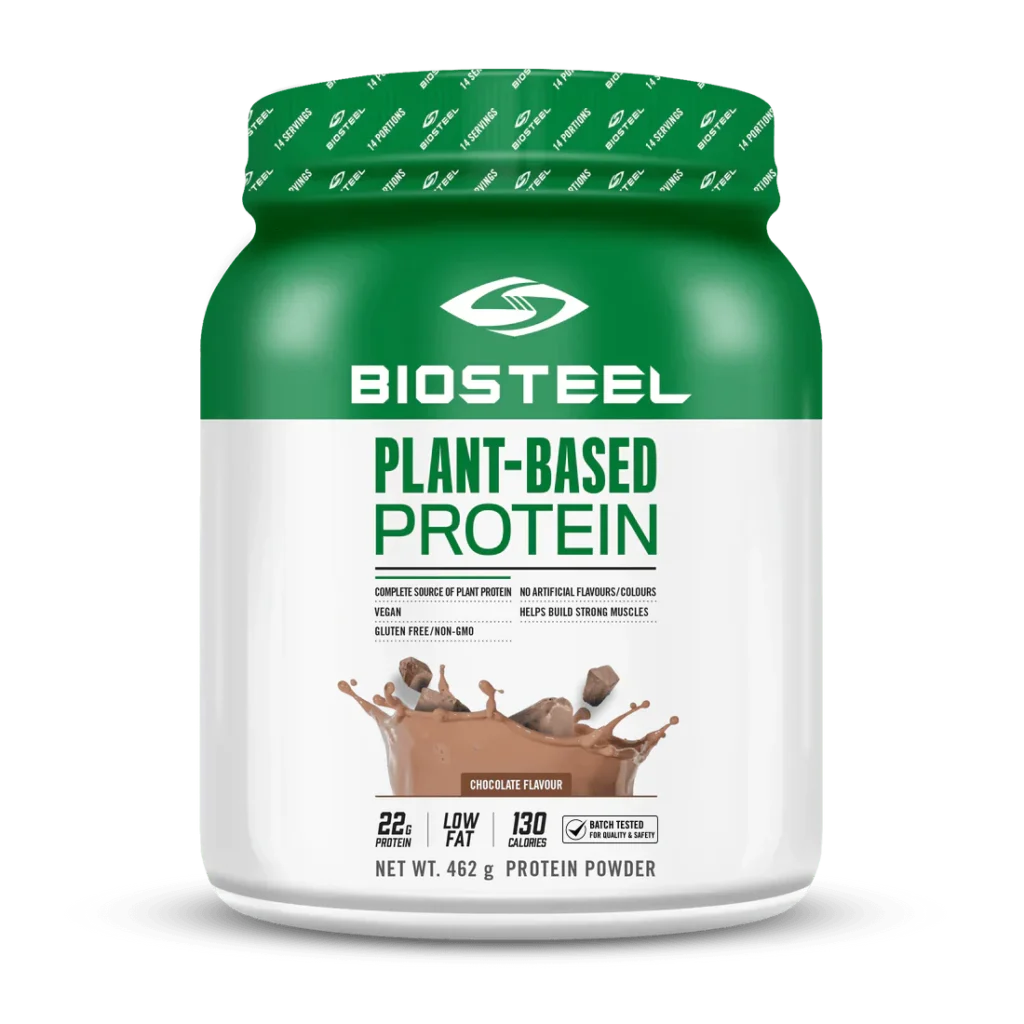
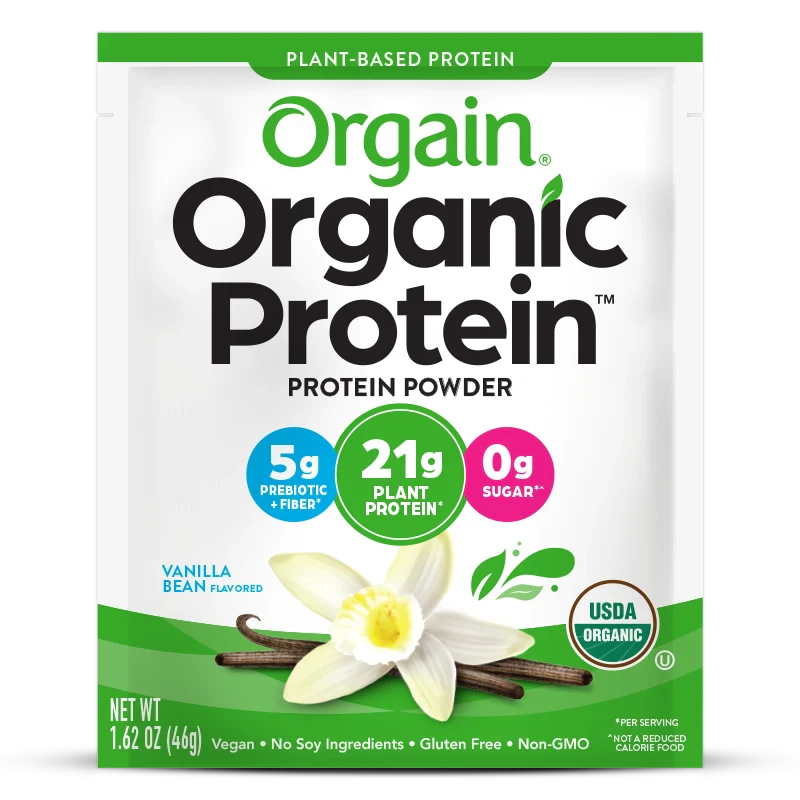
Protein powders such as whey protein isolate, whey concentrate, and plant-based protein are affordable, convenient, and quick to digest.

Benefits:

  • Supports lean muscle growth.
  • Reduces muscle soreness post-workout.
  • Helps control appetite during fat-loss phases.

Best choice for beginners:

  • Whey protein isolate (fast-digesting, high-quality).
  • Blended plant proteins if you’re lactose intolerant or vegan.

How to use it:
Take one scoop (20–30g) after workouts, or as a meal replacement snack when whole food isn’t available.


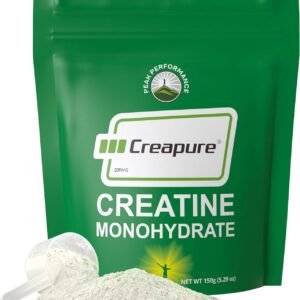
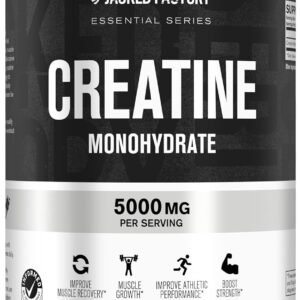
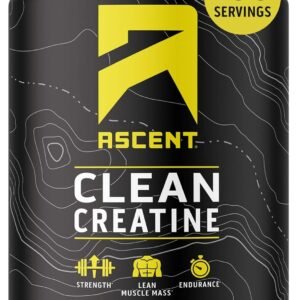
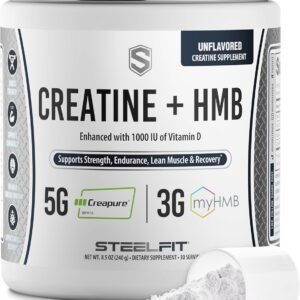
2. Creatine Monohydrate – The Most Researched Supplement

Why it’s important at 34:
Creatine is one of the most studied sports supplements, proven to increase strength, power, and muscle size. For a male beginner in his 30s, creatine helps counteract the slower recovery and slightly reduced muscle-building potential that naturally comes with age.

Benefits:

  • Improves strength and endurance.
  • Enhances lean muscle growth.
  • Supports cognitive health and brain function (a bonus at this age).

Best choice for beginners:

How to use it:
No need for “loading.” Take 5 grams daily with water or mix into your protein shake. Consistency is key.


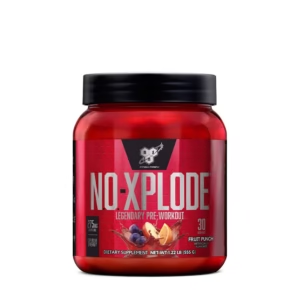
3. Pre-Workout Supplements – Energy and Focus Boost

Why it’s important at 34:
Many men in their mid-30s juggle work, family, and gym commitments, which can lead to fatigue and lack of motivation. Pre-workout formulas with ingredients like caffeine, beta-alanine, and citrulline malate provide the energy and mental focus needed to power through workouts.

Benefits:

  • Increases workout intensity.
  • Delays fatigue during training.
  • Enhances mental clarity and motivation.

Best choice for beginners:

  • Choose a moderate-stimulant pre-workout (150–200mg caffeine).
  • Or a stim-free pre-workout if you’re sensitive to caffeine or train late in the evening.

How to use it:
Take 20–30 minutes before your workout. Start with half a scoop to test tolerance.


4. Multivitamins – Filling Nutritional Gaps

Why it’s important at 34:
Even if you eat healthy, it’s hard to cover every micronutrient your body needs. As metabolism slows and lifestyle stress increases, micronutrient deficiencies can hinder recovery, hormone production, and energy levels.

Benefits:

  • Supports immune system function.
  • Improves energy production and recovery.
  • Maintains healthy testosterone levels and metabolism.

Best choice for beginners:

How to use it:
Take one serving daily with food, preferably in the morning.


5. Omega-3 Fish Oil – Joint and Heart Health

training gym in the age 34 beginners

Why it’s important at 34:
Joint stiffness, inflammation, and cardiovascular health become more important as men approach their mid-30s. Omega-3 fatty acids (EPA and DHA) from fish oil support both fitness performance and long-term health.

Benefits:

  • Reduces inflammation in joints and muscles.
  • Improves heart and brain health.
  • Enhances recovery and endurance.

Best choice for beginners:

How to use it:
Take with meals, usually 2–3 softgels per day.


6. Branched-Chain Amino Acids (BCAAs) or EAAs

Why it’s important at 34:
While protein shakes cover most needs, some men prefer additional amino acids during workouts, especially when training fasted or doing cardio.

Benefits:

  • Reduces muscle breakdown during training.
  • Improves hydration and endurance.
  • Supports lean muscle retention.

Best choice for beginners:

How to use it:
Mix 1 scoop into your water bottle and sip during your workout.


7. Testosterone Support Supplements – Optional but Useful

Why it’s important at 34:
Testosterone levels naturally peak in the early 20s and gradually decline after 30. While supplements won’t magically replace lost testosterone, they can support healthy production and balance.

Benefits:

  • Supports strength, muscle growth, and recovery.
  • Boosts energy and motivation.
  • Improves libido and overall vitality.

Best choice for beginners:

  • Natural test boosters with zinc, vitamin D, fenugreek, and ashwagandha.

How to use it:
Take as directed, usually with food, and combine with quality sleep, resistance training, and stress management.


8. Recovery Formulas – Post-Workout Edge

Why it’s important at 34:
At this age, recovery is slower than in your early 20s. Post-workout supplements combining carbohydrates, electrolytes, and protein can speed up glycogen replenishment and reduce soreness.

Benefits:

  • Faster recovery and reduced fatigue.
  • Maintains muscle mass during calorie deficits.
  • Helps keep consistent workout intensity.

Best choice for beginners:

  • A carb + protein blend (example: dextrose plus whey isolate).
  • Or a ready-made recovery formula with BCAAs, carbs, and electrolytes.

Supplements are tools, not magic bullets. At 34, your body responds best to consistent training, smart nutrition, and adequate recovery. No powder or pill will replace effort in the gym or a balanced diet. Think of supplements as accelerators—they enhance results when the fundamentals are already in place, but they cannot create gains from poor habits.

Prioritize recovery and lifestyle factors. Muscle building and fat loss are just as dependent on sleep, stress management, and hydration as they are on protein or creatine. A 34-year-old beginner should focus on getting 7–9 hours of quality sleep, managing work and family stress, and staying well-hydrated. These factors improve energy, performance, and the effectiveness of any supplement stack.

Start simple and scale gradually. While it’s tempting to try every trendy supplement on the shelf, beginners benefit most from a focused approach. Begin with protein powder, creatine, a multivitamin, and omega-3s. Once these foundations are solid and your training is consistent, additional products like pre-workout, EAAs, or recovery blends can be introduced if desired. This approach saves money, reduces complexity, and ensures measurable benefits.


Supplement Stack for a 34-Year-Old Beginner

Here’s how a daily stack might look:

  • Morning: Multivitamin + Omega-3
  • Pre-Workout: Pre-workout supplement
  • Intra-Workout: EAAs with electrolytes
  • Post-Workout: Whey protein + creatine monohydrate + recovery carbs
  • Evening (optional): Testosterone support (if using)

This combination ensures balanced performance, recovery, and long-term health.


Practical Tips for Beginners at 34

  1. Focus on whole food first. Supplements only enhance what you’re already doing. Your diet should be built on lean proteins, whole grains, vegetables, and healthy fats.
  2. Don’t overspend. Start with the essentials: protein powder, creatine, multivitamin, and omega-3. Add others later if needed.
  3. Train smart. Recovery is just as important as lifting. Prioritize sleep and structured training over chasing every supplement.
  4. Stay consistent. Most benefits come after weeks of regular use, not overnight.
  5. Consult a professional. If you have medical conditions or are on medication, always check with your doctor before adding supplements.

Building Strength and Health Beyond 34

Starting a fitness journey as a 34-year-old beginner is both exciting and rewarding. While you may not recover as fast as you did at 20, you have the advantage of discipline, patience, and long-term vision. The right gym supplements will not replace hard work, but they can give you the extra edge to accelerate progress, stay motivated, and protect your health for years to come.

The most important supplements for men in their mid-30s include protein powder, creatine, pre-workout, multivitamins, omega-3s, and recovery formulas. These essentials ensure you build lean muscle, recover effectively, and maintain long-term vitality.

Remember: supplements are just one piece of the puzzle. Combine them with proper nutrition, structured training, good sleep, and consistency—and you’ll see results that last well beyond the gym.

More info and tips on our Gym USA Store Facebook page

crossfit supplements 23

Supplements That CrossFit Athletes Swear By

CrossFit is more than just a workout—it’s a demanding combination of strength, endurance, agility, and mental grit. Athletes push their bodies to the limit with high-intensity training sessions that require fuel, recovery support, and resilience. While a balanced diet is the foundation, many CrossFit athletes turn to supplements to give them an edge in performance and recovery. Below, we break down the top supplements that CrossFitters swear by, why they work, and how they can fit into your training routine.


1. Whey Protein

Protein is the cornerstone of muscle recovery and growth. After grueling WODs (Workouts of the Day), muscles are broken down and need high-quality protein to rebuild stronger.

  • Why it helps: Fast-digesting whey protein delivers essential amino acids, especially leucine, to kickstart muscle repair.
  • How to use: Typically taken post-workout or as a convenient protein boost during the day.

2. Creatine Monohydrate

One of the most researched sports supplements, creatine is a game-changer for strength and power.

  • Why it helps: It replenishes ATP (the body’s primary energy currency), giving athletes more strength and endurance during short bursts of intense activity—perfect for heavy lifts and sprint-style WODs.
  • How to use: 3–5 grams daily, consistently, whether training or not.

Check creatine for sale


3. Branched-Chain Amino Acids (BCAAs)

CrossFit workouts can be brutal on the body, leading to muscle breakdown and fatigue. BCAAs help minimize this.

  • Why it helps: They reduce muscle soreness, support recovery, and help maintain lean muscle mass during intense training phases.
  • How to use: Before, during, or after workouts for hydration and recovery.

4. Beta-Alanine

That burning sensation you feel during high-rep thrusters or burpees? Beta-alanine helps buffer it.

crossfit supplements 221
  • Why it helps: Increases muscle carnosine levels, delaying fatigue and improving muscular endurance.
  • How to use: 2–5 grams daily; may cause harmless tingling (paresthesia).

5. Fish Oil (Omega-3s)

CrossFit is tough not only on muscles but also on joints. Omega-3 fatty acids are crucial for recovery and overall health.

  • Why it helps: Reduces inflammation, supports joint health, and may speed up recovery after tough training sessions.
  • How to use: 1–3 grams daily, depending on diet and training intensity.

6. Pre-Workout Formulas

When energy levels dip, a well-formulated pre-workout can make the difference between dragging through a WOD and crushing it.

  • Why it helps: Provides caffeine, beta-alanine, citrulline, and other performance-boosting ingredients for energy, focus, and stamina.
  • How to use: 20–30 minutes before training, but cycle usage to avoid caffeine dependency.
Check pre workouts products for sale


7. Electrolytes

Sweaty, high-intensity sessions deplete sodium, potassium, and magnesium—critical minerals for hydration and muscle function.

crossfit supplements
  • Why it helps: Prevents cramping, supports endurance, and keeps hydration levels stable during long sessions or hot conditions.
  • How to use: Sip during workouts or throughout the day, especially in warm climates.

8. Vitamin D & Magnesium

Often overlooked, these micronutrients are essential for performance and recovery.

  • Why it helps: Vitamin D boosts bone strength, immunity, and mood, while magnesium aids muscle relaxation, energy production, and quality sleep.
  • How to use: Daily supplementation, especially if you’re deficient or not getting enough through diet and sunlight.

9. Supplements for Recovery, Sleep, and Nervous System Reset

One of the most underestimated challenges in CrossFit is central nervous system (CNS) fatigue. Heavy Olympic lifts, maximal efforts, and frequent high-intensity sessions place stress not only on muscles, but also on the nervous system. When recovery lags, performance drops, motivation declines, and injury risk rises.

Certain supplements can support this recovery process indirectly by improving sleep quality and nervous system balance:

  • Magnesium (glycinate or threonate forms) supports muscle relaxation, reduces nighttime cramps, and improves sleep depth.
  • Glycine (3–5 g before bed) may enhance sleep quality and body temperature regulation.
  • Ashwagandha has been shown to help manage cortisol levels and improve stress resilience in athletes undergoing intense training loads.
Why this matters for CrossFitters:
Better sleep and nervous system recovery translate into improved bar speed, sharper coordination during complex movements, and more consistent performance across training weeks—not just isolated workouts.


10. How to Build a Smart CrossFit Supplement Stack (Without Overdoing It)

One of the most common mistakes CrossFit athletes make is stacking too many supplements at once, often without understanding overlap or actual need. More supplements do not equal better results.

A smarter approach is to build a goal-based stack:

Foundation stack (most athletes):

  • Whey protein
  • Creatine monohydrate
  • Electrolytes
  • Omega-3s

Performance-focused stack (competition or peak training phases):

  • Add beta-alanine
  • Add a pre-workout (used strategically, not daily)
  • Optional BCAAs during long or fasted sessions

Recovery-focused stack (high volume or multiple daily sessions):

  • Magnesium
  • Vitamin D (if deficient)
  • Sleep-support nutrients (glycine, zinc)

Key principle:
If a supplement does not clearly improve performance, recovery, or health markers, it doesn’t belong in your stack. Consistency with a few evidence-based supplements will outperform sporadic use of many.


Final Thoughts

Supplements are not shortcuts—they’re tools to complement training, nutrition, and recovery. For CrossFit athletes, the right stack can mean faster recovery, better endurance, and more strength when it matters most. Always prioritize whole foods, hydration, and proper sleep first, then use supplements strategically to fill in the gaps and enhance performance.

More info about Crossfit supplementation for athletes

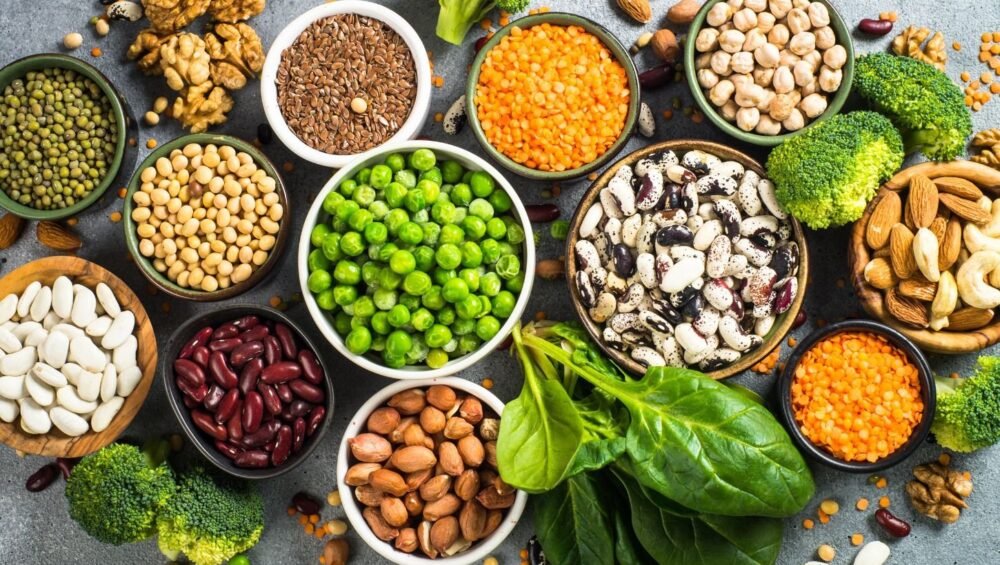
plant based proteins

Plant-Based Proteins USA: Expert Review & Comparison vs. Europe (2025) | The Protein Shift

The American Plate in Transition: An Expert Review of the US Plant-Based Protein Market and Its Transatlantic Comparison

Author: Dr. Evelyn Reed, Senior Research Fellow, Institute for Food Systems & Sustainability

Executive Summary & Key Conclusions

The plant-based protein sector in the United States represents one of the most dynamic and disruptive forces in modern food history. Moving beyond a niche health-food category, it has exploded into a mainstream movement driven by converging consumer values: health, sustainability, and ethical consumption.

Our research concludes that while the US market is characterized by its scale, intense innovation, and “meat-mimicry” focus, the European market is often more mature, regulated, and rooted in whole-food traditions. The American market is currently in a phase of product optimization and market consolidation following a period of explosive growth. Meanwhile, Europe is advancing with stricter regulations and a stronger emphasis on clean-label and sustainability branding.

This article provides a detailed, evidence-based analysis of the US plant-based protein landscape, a point-by-point comparison with Europe, and data-driven conclusions on the future of protein consumption.


1. The US Plant-Based Protein Landscape: A Market Forged by Innovation

The US plant-based food market is valued at over $8 billion, with plant-based meat alone accounting for $1.4 billion (Source: GFI, 2023). This growth is not a fleeting trend but a fundamental shift in the American diet.

Key Market Drivers in the USA:

  • Health & Wellness: A primary motivator. Consumers are actively seeking to reduce saturated fat and cholesterol intake and increase fiber and protein. The link between high red meat consumption and health risks is a significant driver.
  • Environmental Concerns: Particularly among younger demographics (Gen Z & Millennials). Awareness of the livestock industry’s impact on greenhouse gas emissions, land use, and water consumption is a powerful purchasing factor.
  • Animal Welfare: Ethical considerations continue to play a substantial role for a core segment of the market.
  • Vast Product Availability & Innovation: From fast-food chains (Beyond Meat at McDonald’s, Dunkin’) to every major grocery store, accessibility has driven adoption.
plant based proteins

Dominant Protein Sources in the US Market:

The US approach is highly technological, focused on isolating and combining proteins to achieve specific sensory profiles.

  1. Pea Protein: The undisputed leader in the “next-generation” meat alternatives. Its neutral flavor, high protein content, and non-allergenic status made it the base for industry giants like Beyond Meat and Impossible Foods. Its functionality in creating fibrous, meat-like textures is unparalleled.
  2. Soy Protein: Still a massive player, primarily as soy protein isolate (SPI) and textured vegetable protein (TVP). It’s the cost-effective, high-protein workhorse for many brands, including MorningStar Farms and Boca. However, some consumers avoid it due to (largely unfounded) health concerns or GMO aversion.
  3. Fava Bean Protein: An emerging star. As a nitrogen-fixing crop, it has excellent sustainability credentials. Its flavor is cleaner than pea, and it’s gaining traction as a key blending component.
  4. Mycoprotein (Quorn): Though a UK import, Quorn has a strong US presence. This fungal-based protein is unique for its meat-like texture and high fiber content.
  5. Blends (Potato, Rice, Mung Bean): Innovation often comes from blends. Impossible Foods uses potato and soy protein for its burger structure. Just Egg uses mung bean protein to create a remarkably egg-like product, showcasing targeted innovation.

2. US vs. Europe: A Transatlantic Comparison of Philosophies and Markets

While the core trend is global, significant differences in consumer behavior, regulation, and product philosophy exist.

AspectUnited StatesEurope
Primary DriverHealth & WellnessSustainability & Environmentalism
Product Philosophy“Meat-Mimicry”“Whole-Food & Flexitarian”
Heavy focus on replicating the exact taste, texture, and “bleed” of animal meat. Products are often highly processed to achieve this.A greater acceptance of products that are their own entity. Strong market for pulses, legumes, and traditional foods like falafel and seitan.
Regulatory LandscapeLax, Market-DrivenStrict, Precautionary Principle
Battles over labeling terms (“burger,” “milk”). The FDA operates largely on a post-market surveillance basis.Stringent EU-wide Novel Food regulations. Heavily restricts gene-editing (GMOs). Labeling laws are stricter (e.g., “veggie disc” vs. “vegan burger” debate).
Key Protein SourcesPea, Soy (Isolates)Fava, Sunflower, Hemp, Wheat (Seitan)
Reliance on purified protein isolates for functionality.Greater use of whole foods and crops popular in regional diets (e.g., fava in the UK, sunflower in France).
Consumer PerceptionProtein-CentricIngredient-Centric
Marketing highlights protein content above all.Consumers are more wary of long ingredient lists and E-numbers. “Clean-label” is a stronger demand.
Market MaturityGrowth & Consolidation PhaseMature & Diversified Phase
Following a gold-rush period, the market is now cooling and focusing on quality and cost.A longer history of vegetarianism means the market is more stable and segmented.

Analysis: The European market’s stricter regulations, particularly the Novel Food authorization process, act as both a barrier and a quality filter. It slows down innovation but can increase consumer trust. The US’s more laissez-faire approach has fueled rapid innovation and scale but has also led to a crowded market with variable quality and ongoing debates about the “healthiness” of ultra-processed plant-based meats.

See also: ultimate guide to gym supplements in US

3. Nutritional Review: Beyond the Marketing Hype

As an expert researcher, it is critical to distinguish between plant-based and whole-food plant-based.

  • Fortification is Key: Most US meat analogues are fortified with nutrients absent in plants but present in meat, notably Vitamin B12, Zinc, and Iron. This is a positive public health measure.
  • The Sodium & Fat Dilemma: To achieve palatability, many products are high in sodium and saturated fat (often from coconut or palm oil). While better for the planet, they may not always be a direct health upgrade over lean animal protein.
  • Protein Quality: Plant proteins (except soy and pea are relatively complete) often lack one or more essential amino acids. However, the concept of “protein combining” at every meal is outdated. Eating a varied diet throughout the day provides all essential amino acids.
  • Fiber Win: This is the undisputed nutritional victory. Plant-based proteins are inherently high in fiber, a nutrient critically lacking in the standard American diet.
plant based proteins

4. Challenges and Future Outlook for the US Market

The market faces headwinds after its initial boom.

  1. The Price Barrier: Plant-based meat is often significantly more expensive than conventional animal meat, limiting widespread adoption.
  2. The “Health Halo” Crack: As consumers become more educated, demand is growing for products with simpler ingredients and less processing.
  3. Taste and Texture Refinement: While impressive, some products still fall short of consumer expectations for consistent quality.
  4. Market Saturation & Consolidation: The field is crowded. We expect to see mergers, acquisitions, and brand failures as the market corrects.

The Future is Blended and Precision-Fermented. The next wave of innovation is already here:

  • Blended Products: Meat/plant blends offer a gateway for flexitarians, improving sustainability and nutrition without a full sensory shift.
  • Precision Fermentation: This technology programs microorganisms to produce real animal proteins (like whey or egg protein) without the animal. This transcends the “mimicry” debate altogether and represents the true next frontier. Perfect Day (animal-free dairy) is a leading example.
shop now gym shop supplements USA

5. Final Conclusions and Research Summary

  1. The Shift is Real and Permanent: The plant-based protein movement in the USA is not a fad. It is a structural response to undeniable health, environmental, and ethical megatrends.
  2. Divergent Paths: The US and European markets are evolving on different trajectories. The US is a lab of high-tech, large-scale innovation, while Europe offers a case study in integrating plant-based eating into a traditional food culture with strong regulatory oversight.
  3. Nutrition is Nuanced: Whole plant foods (lentils, beans, tofu) remain the nutritional gold standard. While new analogues are effective for transitioning diets, the industry must address processing, sodium, and clean-label demands to win long-term trust.
  4. The Next Generation: The future belongs to technologies like precision fermentation and whole-cut meat alternatives (e.g., lab-grown steaks) that promise to decouple protein production from its environmental and ethical costs entirely.

🧬 The Ideological Undercurrent: Protein as a Proxy for Cultural Identity

The plant-based protein movement is not merely a dietary shift; it functions as a powerful proxy for cultural and ideological identity, particularly in the polarized US landscape. In the US, consuming a Beyond Burger or Impossible Whopper often serves as a visible, public declaration of values—a performative act aligned with progressive ideals of environmental stewardship, technological optimism, and personal health sovereignty. This contrasts with the more integrated, less politically charged role of plant-based eating in many European cultures, where it is often framed within traditional frameworks of thrift, regional cuisine, or simple moderation. The American market’s focus on “meat-mimicry” is thus not just a culinary challenge but a psychological one: it seeks to allow consumers to adopt a new identity (“plant-based eater”) without sacrificing the deeply ingrained cultural rituals and sensory experiences associated with meat consumption, which are central to American social and family life.

🔬 The Scientific Arms Race and the “Uncanny Valley” of Flavor

The US market’s pursuit of perfect meat replication has triggered a hidden scientific arms race in flavor chemistry and food physics, pushing the sector into an intriguing “uncanny valley” of taste. While companies have mastered the macro-experience—the look, sear, and chew of a burger—the micro-experience of flavor release and breakdown remains a formidable challenge. Animal meat possesses a complex, time-released flavor profile as heat renders fats and breaks down proteins. Current plant-based analogues, reliant on static blends of plant proteins and added flavor compounds, often deliver a monolithic taste that doesn’t evolve on the palate, which the discerning consumer subconsciously registers as “inauthentic.” The next frontier for US innovation lies not in better isolates, but in dynamic flavor systems and fat tissue engineering that replicate this temporal dimension of eating, a challenge less emphasized in Europe’s whole-food-focused sector.

⚖️ The Regulatory Schism: Innovation Velocity vs. Consumer Trust

The transatlantic regulatory divide represents a fundamental trade-off between innovation velocity and systemic consumer trust. The US’s post-market surveillance model, governed by the FDA’s Generally Recognized as Safe (GRAS) designation, allows for breathtakingly fast iteration and market entry, fueling the rapid growth of companies like Impossible Foods (which used a novel yeast-derived heme). However, this system places the burden of skepticism and research on the individual consumer, contributing to the “health halo crack” you note. Conversely, Europe’s pre-market Novel Food authorization process, while often criticized as a brake on innovation, functions as a quality and safety filter that builds institutional trust. It externalizes the skepticism to the regulatory body, allowing European consumers to worry less about “Is this safe?” and more about “Do I like this?” This foundational difference in regulatory philosophy is a primary driver behind the divergent market maturities and consumer perceptions you expertly outline.

The American food system is in the midst of a profound protein transition. While challenges remain, the relentless pace of innovation and shifting consumer values suggest that the plant-based protein sector will continue to grow, evolve, and play a central role in building a more sustainable and healthy future.

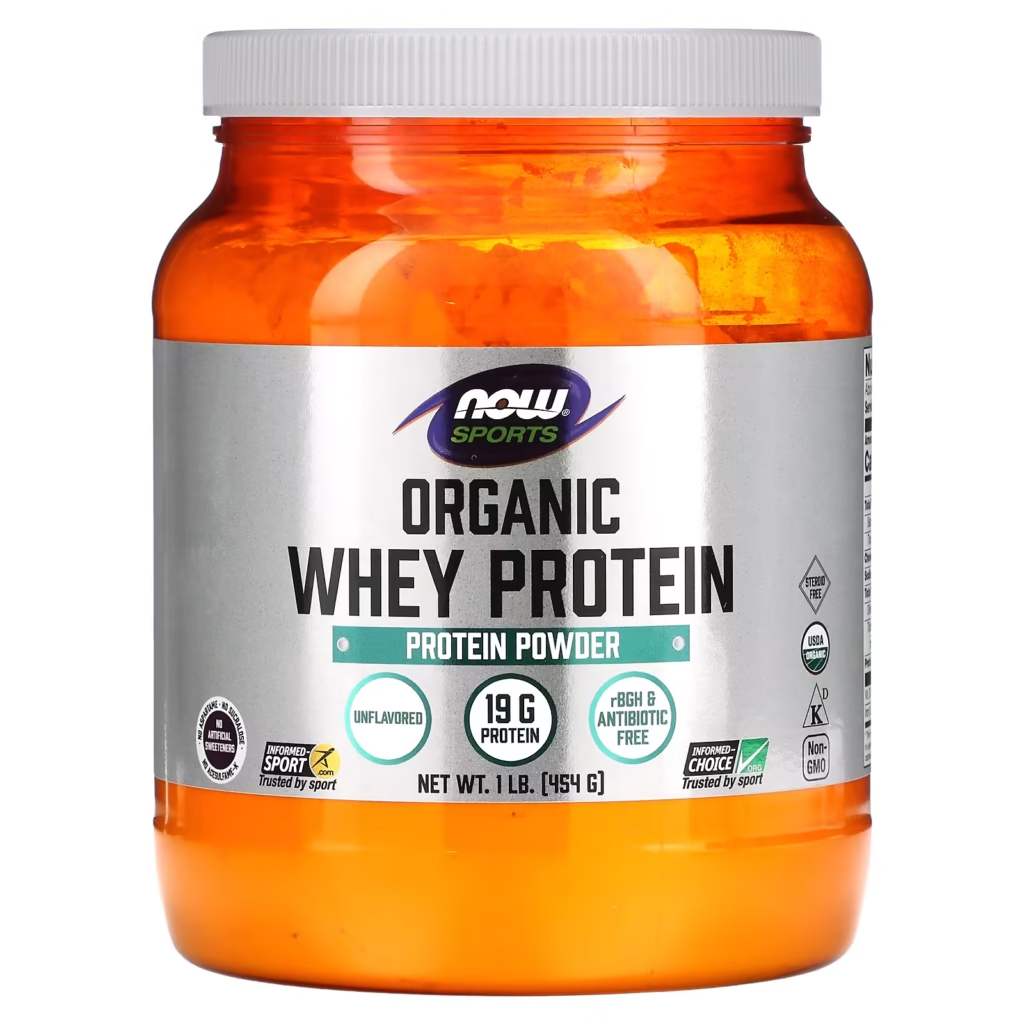
organic whey protein

The Ultimate Guide to Organic Whey Protein in 2025: Benefits, Trends, and Innovations

The ultimate guide to organic whey protein. In the ever-evolving world of fitness and nutrition, organic whey protein stands out as a powerhouse supplement that’s gaining massive traction. As we dive into 2025, the organic whey protein market is booming, valued at an impressive $652 million and projected to grow at a compound annual growth rate (CAGR) of 7.7% through 2032. Whether you’re a gym enthusiast, athlete, or someone looking to boost daily protein intake, understanding organic whey protein can transform your health routine. This comprehensive guide explores what it is, its benefits, and the cutting-edge trends shaping its future in 2025.

What is Organic Whey Protein?

Organic whey protein is derived from the liquid byproduct of cheese production from organically farmed milk. Unlike conventional whey, it’s sourced from cows raised without synthetic pesticides, hormones, or antibiotics, adhering to strict USDA organic standards. This ensures a cleaner, more natural product free from harmful chemicals.

In essence, whey protein comes in forms like concentrate, isolate, and hydrolysate. Organic versions emphasize sustainability and purity, often from grass-fed cows, which can enhance the nutritional profile with higher levels of omega-3 fatty acids and antioxidants. As consumer demand for clean-label products rises, organic whey has become a go-to for those prioritizing ethical sourcing and environmental impact.

Read more about whey supplements

organic whey protein

Key Benefits of Organic Whey Protein

Organic whey protein isn’t just a trend—it’s backed by science for its health advantages. Here are some standout benefits:

  • Muscle Building and Recovery: Packed with essential amino acids like leucine, organic whey promotes muscle protein synthesis, aiding faster recovery post-workout. Studies show it can enhance muscle growth by up to 20% when combined with resistance training.
  • Weight Management: High in protein, it helps curb hunger and boost metabolism. Incorporating organic whey into meals can support fat loss while preserving lean muscle, making it ideal for weight loss goals.
  • Immune Support and Gut Health: Rich in immunoglobulins and lactoferrin, it strengthens the immune system. Plus, its prebiotic properties foster beneficial gut bacteria, improving digestion and overall wellness.
  • Antioxidant Boost: Organic sourcing often means higher conjugated linoleic acid (CLA) content, which combats inflammation and supports heart health.

Compared to non-organic whey, the organic variant avoids residues from conventional farming, potentially reducing exposure to toxins and offering a more nutrient-dense option.

Emerging Trends and New Ideas in Organic Whey Protein for 2025

2025 is ushering in exciting innovations in the organic whey protein space, driven by health-conscious consumers and technological advancements. The global whey protein market is expected to reach $26.04 billion by 2034, with organic segments leading the charge. Here’s a look at the fresh ideas reshaping this industry:

1. Protein Fortification in Everyday Foods

One of the hottest trends is integrating organic whey protein into functional foods and beverages beyond shakes. Think protein-enriched yogurts, bars, and even baked goods. The Vitamin Shoppe’s 2025 Health & Wellness Trend Report highlights “protein in everything” as a key focus, encouraging consumers to hit 1-1.6 grams per kg of body weight daily across all meals. This “protein at every meal” approach is revolutionizing diets, making it easier to maintain muscle mass without relying solely on supplements.

2. Sustainable and Regenerative Sourcing

Sustainability is non-negotiable in 2025. Brands are adopting regenerative agriculture practices for organic dairy farms, which improve soil health, sequester carbon, and enhance biodiversity. This not only boosts the environmental credentials of organic whey but also results in higher-quality protein with elevated nutrient levels. Glanbia’s megatrends report emphasizes “sustainable ingredients” as a core driver, with consumers willing to pay a premium for eco-friendly options.

3. Personalized and AI-Driven Formulations

Innovation meets technology with AI-personalized organic whey protein. Apps and wearables now analyze your fitness data, genetics, and goals to recommend custom blends—perhaps infused with adaptogens like ashwagandha for stress relief or collagen for joint health. This trend aligns with “personalized wellness,” where supplements are tailored for optimal results, reducing waste and enhancing efficacy.

Check also: weight loss supplements – which one to buy first

4. Novel Delivery Formats and Flavors

Gone are the days of bland powders. 2025 brings innovative formats like ready-to-drink (RTD) organic whey shakes, gummies, and effervescent tablets for on-the-go convenience. Flavor collaborations are exploding, with exotic options like matcha-mint or berry-basil, making protein intake enjoyable. Additionally, bioactives integration—adding ingredients for energy or women’s health—caters to niche needs.

5. Hydration-Enhanced Protein Blends

A novel idea gaining steam is combining organic whey with electrolytes and hydration boosters. Perfect for athletes, these blends support muscle recovery while preventing dehydration, tapping into the “hydration innovation” trend. Expect to see more products targeting summer workouts or endurance sports.

These trends reflect a shift toward holistic wellness, where organic whey protein isn’t just a supplement—it’s a lifestyle enhancer.

How to Choose the Best Organic Whey Protein in 2025

With so many options, selecting the right one is crucial. Look for:

  • Certifications: USDA Organic, Non-GMO, and third-party tested for purity.
  • Source: Grass-fed and hormone-free for superior quality.
  • Form: Isolate for low carbs/lactose, concentrate for affordability.
  • Additives: Avoid artificial sweeteners; opt for natural flavors.
  • Reviews and Brands: Top picks include those emphasizing sustainability, like from Glanbia or NZMP-inspired lines.

Always consult a healthcare professional before starting any supplement.

Organic Whey Protein vs. Plant-Based Proteins: The 2025 Reality Check

As plant-based nutrition continues to rise, many consumers in 2025 face a genuine dilemma: organic whey protein or plant-based alternatives such as pea, rice, or soy protein? While both have a place in modern diets, their nutritional performance and bioavailability remain fundamentally different.

Organic whey protein remains the gold standard for protein quality, scoring exceptionally high on the Biological Value (BV) and Digestible Indispensable Amino Acid Score (DIAAS). It provides a complete amino acid profile, including optimal levels of leucine—critical for muscle protein synthesis and age-related muscle preservation (sarcopenia). Most plant proteins, even when blended, struggle to consistently match this anabolic trigger.

From a digestion standpoint, organic whey isolate is rapidly absorbed, making it ideal post-workout or during recovery windows. In contrast, plant proteins digest more slowly and often contain antinutrients (such as phytates) that can reduce mineral absorption unless heavily processed.

Sustainability is often cited as a win for plant proteins, but this gap is narrowing fast. Regenerative organic dairy farming, now expanding rapidly in 2025, shows that responsibly sourced whey protein can rival—or even outperform—plant proteins in carbon efficiency when factoring in land use, soil regeneration, and nutrient density per gram of protein.

The takeaway?
Plant proteins are excellent dietary complements, especially for variety and fiber intake. But for muscle performance, recovery, and metabolic efficiency, organic whey protein remains unmatched—especially when sourced from regenerative, grass-fed systems.


Who Benefits Most from Organic Whey Protein? Use Cases Beyond the Gym

Organic whey protein is often marketed to athletes—but in 2025, its most powerful applications extend far beyond bodybuilding and fitness culture.

1. Adults 40+ Focused on Healthy Aging

As muscle mass naturally declines with age, organic whey protein plays a critical role in preserving strength, mobility, and metabolic health. Its high leucine content helps counteract anabolic resistance, a key issue in aging populations. Daily supplementation has been linked to improved balance, bone density support, and reduced risk of frailty.

2. Busy Professionals and Entrepreneurs

For individuals juggling work, travel, and high cognitive demand, organic whey protein offers fast, clean nutrition without blood sugar spikes. When used as a meal bridge or breakfast addition, it supports sustained energy, satiety, and mental focus—especially when combined with healthy fats or fiber.

3. Weight Loss and Body Recomposition Clients

Organic whey protein is uniquely effective during caloric deficits. It preserves lean muscle while enhancing thermogenesis and appetite control. Compared to ultra-processed diet foods, it delivers high satiety per calorie with minimal ingredient complexity—an important factor for long-term adherence.

4. Individuals with Digestive Sensitivities

Many people who believe they are “protein intolerant” actually react to additives, artificial sweeteners, or antibiotic residues. High-quality organic whey isolate—free from gums, fillers, and synthetic flavors—is often better tolerated than conventional whey or heavily processed plant blends.

5. Preventive Health and Wellness Enthusiasts

In 2025, protein is no longer viewed only through a muscle-building lens. Organic whey supports immune resilience, glutathione production (the body’s master antioxidant), and metabolic flexibility—making it a foundational supplement for proactive health strategies.

Embrace Organic Whey Protein for a Healthier 2025

Organic whey protein is more than a fitness staple—it’s evolving into a versatile, sustainable powerhouse in 2025. With benefits spanning muscle recovery to immune support, and innovations like personalized blends and eco-friendly sourcing, it’s poised to dominate the nutraceutical scene. Whether you’re bulking up or simply boosting daily nutrition, incorporating organic whey can elevate your health game. Stay ahead of the curve by exploring these trends and choosing products that align with your values.


Frequently Asked Questions (FAQ) About Organic Whey Protein

Is organic whey protein really better than regular whey protein?

Organic whey protein is not automatically “stronger,” but it is cleaner and more transparent. The primary difference lies in sourcing: organic whey comes from cows raised without synthetic hormones, antibiotics, or pesticide-treated feed. This reduces chemical residues and aligns better with long-term health and clean-label preferences. Nutritionally, high-quality organic whey often contains higher levels of omega-3 fatty acids and CLA due to grass-fed diets.

Does organic whey protein build muscle as effectively as conventional whey?

Yes. Organic whey protein provides the same essential amino acids—especially leucine—required for muscle protein synthesis. When protein content and amino acid profile are comparable, muscle-building results are identical. The advantage of organic whey lies in purity, digestibility, and reduced inflammatory load rather than performance trade-offs.

Is organic whey protein suitable for people with lactose intolerance?

Many people with mild lactose intolerance tolerate organic whey isolate very well, as it contains minimal lactose. Concentrate forms may still cause discomfort. Choosing a cold-filtered organic isolate without gums or fillers significantly improves digestibility.

When is the best time to take organic whey protein?

Organic whey protein is most effective:

  • Post-workout for muscle recovery
  • In the morning to break overnight fasting
  • Between meals to control appetite and maintain protein intake

There is no single “perfect” time—daily consistency matters more than timing.

Can organic whey protein help with weight loss?

Yes. High-protein diets support fat loss by increasing satiety, preserving lean muscle, and boosting metabolic rate. Organic whey protein is especially effective because it delivers high protein with minimal additives, helping reduce cravings and calorie overconsumption.

Is organic whey protein safe for daily, long-term use?

For healthy individuals, daily use is considered safe and well-tolerated when consumed within recommended protein intake ranges. Long-term safety improves when products are third-party tested, free from heavy metals, and sourced from reputable organic farms.

How much organic whey protein should I consume per day?

General guidelines suggest:

  • Sedentary adults: 0.8–1.0 g protein per kg body weight
  • Active individuals: 1.2–1.6 g per kg
  • Strength training or fat loss: up to 2.0 g per kg

Organic whey protein is a supplement—not a replacement for whole foods.

Does organic whey protein contain hormones or antibiotics?

Certified organic whey protein cannot contain added growth hormones or routine antibiotics. This is one of its key differentiators from conventional dairy-based proteins and a major reason consumers choose organic options.

Is organic whey protein environmentally sustainable?

In 2025, many organic whey producers use regenerative farming practices, improving soil health and reducing carbon impact. While dairy still has an environmental footprint, responsibly sourced organic whey compares favorably to highly processed plant proteins when measured by nutrient density per acre.

What should I avoid when buying organic whey protein?

Avoid products that contain:

  • Artificial sweeteners (sucralose, acesulfame-K)
  • Excessive gums or thickeners
  • Proprietary blends with unclear protein content
  • No third-party testing disclosure

Simplicity and transparency are key indicators of quality.

whey protein producers usa

Whey Protein in the USA – Where Are the Main Producers?

Whey protein has become one of the most important dietary supplements for athletes, bodybuilders, and health-conscious individuals across the globe. In the United States, the demand for whey protein continues to rise due to its role in muscle recovery, weight management, and overall wellness. But where exactly is whey protein produced in the USA, and which regions lead in manufacturing this essential supplement?

The Dairy Connection – Why the Midwest Dominates

Whey protein is a byproduct of cheese production, meaning that the largest whey producers are found in regions with strong dairy farming traditions. In the U.S., this naturally points to the Midwest, often referred to as “America’s Dairyland.”

  • Wisconsin – Known as the leading cheese producer in the United States, Wisconsin is also one of the largest sources of whey protein. Many major whey processing facilities are located here, benefiting from the state’s dense dairy industry.
  • Minnesota & Iowa – Both states are significant contributors, with large dairy cooperatives operating processing plants that separate and refine whey protein concentrate (WPC) and whey protein isolate (WPI).
  • Michigan – With a growing dairy sector, Michigan has become another important hub for whey protein processing.

Worth a reading: the most affordable protein brands in US

whey protein producers usa

Expanding Beyond the Midwest

While the Midwest is the traditional home of whey production, other regions in the U.S. have also developed strong manufacturing capacities:

  • California – As the number one dairy-producing state in America, California has major processing facilities for whey protein. Many large-scale dairy companies in California supply both domestic and international markets.
  • New York – With its strong dairy heritage, New York has invested in advanced whey processing technologies to keep pace with increasing demand.
  • Idaho – This state has rapidly grown into a powerhouse for dairy production and whey processing, driven by large dairy farms and modern processing facilities.

Leading U.S. Companies in Whey Protein

Several American companies are known for producing high-quality whey protein that supplies supplement brands worldwide:

  • Glanbia Nutritionals (Idaho, Wisconsin) – One of the biggest players globally, Glanbia produces whey protein ingredients for many of the most recognized supplement labels.
  • Agropur (Minnesota, Wisconsin, Iowa) – A major cooperative with extensive whey processing operations in the U.S.
  • Hilmar Cheese Company (California) – A leader in cheese and whey production, supplying protein powders across international markets.
  • Leprino Foods (Colorado, New Mexico, Michigan) – Known for its massive dairy processing operations, including whey protein isolates used in sports nutrition.
whey protein producers usa

The USA’s Global Influence

The United States is not just one of the largest consumers of whey protein but also a global exporter. American-made whey protein is highly valued for its quality, safety standards, and advanced production methods. Key export markets include Europe, Asia, and Latin America, where U.S. whey proteins are used in supplements, sports nutrition, and even infant formula.

Whey protein production in the USA is deeply tied to its powerful dairy industry. With Wisconsin, California, Idaho, and other dairy-rich states leading the way, the U.S. has positioned itself as one of the global leaders in high-quality whey protein supply. For athletes, fitness enthusiasts, and supplement companies, American whey protein remains one of the most trusted sources in the world.


From Milk to Muscle: The Science of Whey Processing in U.S. Facilities

Understanding where whey is produced is enhanced by knowing how it’s transformed from a liquid byproduct into a premium powder. U.S. facilities are global leaders in this sophisticated processing.

The Journey Begins at the Cheese Plant: The process starts in cheese-making facilities, where milk is coagulated. The leftover liquid—”sweet whey”—is pasteurized and rapidly transported via pipeline to on-site or nearby whey processing plants to prevent spoilage.

Key Processing Stages:

  1. Filtration (Ultrafiltration & Microfiltration): This is the core technology separating whey protein from lactose, fat, and minerals. The U.S. industry’s investment in advanced ceramic and spiral-wound membrane filters allows for highly efficient production of different grades:
    • Whey Protein Concentrate (WPC): Created through ultrafiltration, retaining more of the beneficial bioactive compounds and lactose.
    • Whey Protein Isolate (WPI): Achieved through additional microfiltration or ion exchange, removing almost all lactose and fat for a protein content of 90% or higher.
  2. Drying: The purified whey liquid is spray-dried into a powder in massive, computer-controlled drying towers—a common sight in Midwest and Western processing plants. The temperature and airflow are meticulously managed to preserve protein integrity (denaturation) and solubility.
  3. Agglomeration & Flavoring: For consumer-ready products, the powder may be agglomerated to improve mixability. Major ingredient suppliers like those in Glanbia’s facilities often add flavors, emulsifiers, or create custom blends for brand partners at this stage.

This technological prowess within U.S. plants ensures not only high yield but also the superior functional qualities—mixability, taste, clarity in beverages—that global brands demand.

Quality and Standards: Why U.S.-Produced Whey Protein Earns Global Trust

The reputation of American whey protein extends beyond volume; it is rooted in a rigorous ecosystem of quality control, safety standards, and traceability.

Stringent Regulatory Framework: U.S. whey production operates under the overlapping oversight of the Food and Drug Administration (FDA), the U.S. Department of Agriculture (USDA), and state-level dairy regulators. This ensures compliance with Current Good Manufacturing Practices (cGMP) and strict standards for facility hygiene and product safety.

Third-Party Certification & Transparency: Leading U.S. producers voluntarily undergo stringent third-party audits (e.g., NSF, Informed-Sport, UL-Eurofins) that certify products are free from banned substances, heavy metals, and microbial pathogens. This is especially critical for athletic supplements. Furthermore, many facilities implement farm-to-fork traceability, allowing them to track a batch of whey protein back to the farms that supplied the original milk—a level of transparency highly valued in international markets.

Focus on Grass-Fed & Sustainable Sourcing: A growing segment of the U.S. industry caters to premium markets by producing whey protein from grass-fed cows. Regions like New York, Wisconsin, and California have farms and cooperatives that certify their dairy as pasture-based, resulting in a whey powder with a different nutritional lipid profile (higher in Omega-3s and CLA) that is marketed as a superior product. This specialization demonstrates the industry’s responsiveness to nuanced consumer demands.

The Consumer’s Guide: Identifying and Choosing U.S.-Made Whey Protein

For the end-user, navigating labels to find quality U.S.-made whey can be confusing. This chapter provides practical guidance.

Decoding the Label:

  • Look for “Made in the USA”: This claim is legally defined and means the product was substantially transformed in the U.S. For whey, this typically signifies it was processed and packaged domestically, though some raw materials might be sourced globally.
  • Identify the Manufacturer: Many brands use co-manufacturers. Check for a disclaimer like “Manufactured for [Brand Name] by…” which may list a major player like Glanbia (ID, WI), Agropur (MN), or Hilmar (CA). This is a strong indicator of U.S. production and scale.
  • Ingredient Origin Statements: Some labels proudly state “Whey Protein from U.S. Farms” or “Sourced from American Dairy.” This speaks directly to the supply chain discussed in the main article.

Balancing Cost, Quality, and Ethics: The most affordable proteins often use WPC from large, efficient Midwest cooperatives. Isolates and hydrolysates command a higher price due to advanced processing. Consumers seeking ethical sourcing should look for the mentioned grass-fed certifications or brands that partner with specific farmer-owned cooperatives.

The Future: Sustainability and Innovation: The U.S. whey industry is actively addressing its environmental footprint. Plants in Idaho and California, for example, are investing in processes to convert processing wastewater into biogas for energy and are optimizing water reuse. As a consumer, supporting companies that highlight these initiatives encourages more sustainable manufacturing in the heartland and beyond.


Whey protein production in the USA is deeply tied to its powerful dairy industry, advanced processing science, and a renowned commitment to quality. With Wisconsin, California, Idaho, and other dairy-rich states leading the way, the U.S. has positioned itself as a global leader in high-quality whey protein supply. From the sophisticated filtration plants in the Midwest to the grass-fed streams from New York, American whey offers a spectrum of trusted choices. For athletes, fitness enthusiasts, and supplement brands worldwide, understanding this robust domestic landscape ensures informed choices, connecting each scoop back to the farms and innovative facilities that make the U.S. a whey protein powerhouse.

Best Gym Supplements in the USA for 2025

Best Gym Supplements in the USA for 2025: What Athletes Really Use

Best Gym Supplements in the USA for 2025. When it comes to achieving peak performance, athletes in the United States rely on more than just training and diet. The right supplements can make the difference between good results and elite performance. In 2025, the supplement market is more competitive than ever, and consumers are demanding quality, transparency, and proven science. Below, we break down the best gym supplements in the USA that athletes are actually using this year.


Whey Protein: The Cornerstone of Muscle Growth

Still the undisputed king of performance nutrition, whey protein remains the most consumed supplement in the USA. Its fast absorption, complete amino acid profile, and strong clinical evidence make it a staple for muscle recovery and growth.

  • Why athletes use it: Supports lean muscle, enhances recovery, and delivers convenient high-quality protein.
  • 2025 trends: Grass-fed whey and clean-label formulations with minimal additives are leading sales.

Creatine: Backed by Decades of Research

If there’s one supplement that’s stood the test of time, it’s creatine monohydrate. Over 20 years of research confirm its ability to increase strength, power, and training capacity.

  • Why athletes use it: Improves explosive strength and recovery between high-intensity sets.
  • 2025 trends: Creatine HCl and micronized forms are gaining traction for improved solubility, but traditional creatine monohydrate is still the gold standard in the USA.

BCAAs and EAAs: Essential for Recovery

Best Gym Supplements in the USA for 2025

Branched-Chain Amino Acids (BCAAs)—and more recently Essential Amino Acids (EAAs)—continue to play a vital role in muscle preservation and reducing fatigue.

  • Why athletes use it: Helps minimize muscle breakdown during training and accelerates recovery.
  • 2025 trends: EAAs are becoming more popular than traditional BCAAs, as athletes look for a complete amino acid spectrum.

Pre-Workouts: Energy and Focus in a Scoop

In 2025, pre-workout formulas are more sophisticated than ever, blending caffeine with nootropics, nitric oxide boosters, and hydration compounds.

  • Why athletes use it: Increases energy, pumps, and focus for better training sessions.
  • 2025 trends: Transparent labeling is now the norm. Artificial colors are being replaced with natural alternatives, and stimulant-free versions are gaining popularity for evening training.

Vitamins and Health Supplements: The Overlooked Essentials

While performance supplements get most of the attention, multivitamins, Vitamin D, Omega-3s, and Magnesium are essential to keep athletes healthy year-round.

  • Why athletes use it: Supports immune function, reduces inflammation, and improves recovery.
  • 2025 trends: Athletes are increasingly turning to personalized supplement packs based on blood testing and DNA analysis.

Check also: whey protein vs plant protein


American-Made vs. Imported Supplements

The USA is the world leader in supplement innovation, but imported products from Europe and Asia are gaining ground.

  • American-made advantages: Strict FDA oversight, transparent labeling, and strong brand reputation.
  • Imported products: Often cheaper, but quality and testing standards vary. Serious athletes in the USA overwhelmingly prefer domestic, GMP-certified brands.

What’s Trending in 2025

  • Plant-Based Performance: Vegan proteins (pea, rice, hemp) are becoming mainstream among U.S. athletes.
  • Clean-Label Formulas: Fewer fillers, artificial sweeteners, or banned substances.
  • Sustainability: Eco-friendly packaging and ethical sourcing are driving purchase decisions.
  • Stacking for Performance: Athletes are combining creatine, whey, and pre-workouts into daily regimens rather than using standalone supplements.

The 2025 American Athlete’s Supplement Guide: Science, Safety, and Peak Performance

In the relentless pursuit of athletic excellence, American athletes are navigating a supplement landscape that is evolving at lightning speed. The right nutritional support no longer just enhances performance—it safeguards long-term health, enables precise recovery, and provides a measurable competitive edge. For 2025, the paradigm has shifted from mere supplementation to strategic nutritional precision. This guide breaks down not just what top athletes are using, but why, and how to integrate these tools intelligently into your regimen.

Whey Protein: Beyond the Basics—The Bioavailability Revolution

Whey remains foundational, but 2025 sees a transformation in its application.

Why it’s Essential: Whey provides leucine, the critical trigger for Muscle Protein Synthesis (MPS), faster than any other protein source. It’s not just about grams of protein, but about activating the muscle-building machinery at the optimal time.

2025 Deep Dive:

  • Hydrolyzed Whey Isolate is surging for post-workout use due to its predigested, ultra-fast absorption.
  • Native, cold-processed whey preserves fragile immunoglobulins and lactoferrin, offering immune support—a crucial benefit for athletes training at high volumes.
  • Look for labels with “grass-fed” and “rBST-free”, which correlate with a better fatty acid profile (higher CLA and Omega-3s).

Pro Tip: The “anabolic window” is wider than once thought. For maximal daily MPS, focus on total protein intake (1.6-2.2g/kg of bodyweight) and time a fast-absorbing whey dose within 2 hours post-training.

Creatine: The Cognitive and Cellular Powerhouse

Creatine monohydrate is arguably the most researched ergogenic aid on earth, and its benefits extend far beyond the weight room.

Why it’s Essential: It rapidly regenerates ATP (cellular energy) during high-intensity efforts, allowing for more quality reps, sprints, or jumps. Emerging research consistently supports cognitive benefits, including reduced mental fatigue.

2025 Deep Dive:

  • Loading is optional. A consistent 3-5g daily dose saturates muscles in 3-4 weeks without the digestive discomfort of a 20g/day loading phase.
  • The “bloating” myth is debunked with pure, micronized monohydrate. Any initial weight gain is intramuscular water retention, contributing to cell volumization and an anabolic signaling environment.
  • It’s not just for lifters. Endurance athletes use it to buffer fatigue during hill surges and final kicks.

Pro Tip: Pair creatine with a post-workout protein/carb source. The accompanying insulin spike can enhance muscular creatine uptake.

EAAs: The Recovery and Anabolic Signal

While BCAAs (Leucine, Isoleucine, Valine) are a subset, Essential Amino Acids (EAAs)—all nine that the body cannot produce—are now recognized as the superior choice for most athletes.

Why they’re Essential: EAAs provide the complete raw material for repairing and building new muscle tissue. Intra-workout EAA supplementation can flip the body from a catabolic (breaking down) to an anabolic (building up) state during training.

2025 Deep Dive:

  • Dosing Matters: Look for products providing at least 3g of leucine per serving to maximally stimulate MPS.
  • The Intra-Workout Edge: Sipped during training, EAAs can reduce muscle soreness (DOMS) and accelerate recovery without the gut discomfort of a protein shake.
  • Fasting & Cutting: EAAs are invaluable for preserving lean mass during calorie-restricted or fasted training periods.

Pre-Workouts: Precision Engineered Stimulation

The 2025 pre-workout is a nuanced tool, moving beyond just a caffeine bomb.

Why it’s Essential: A quality pre-workout aligns your central nervous system, muscle perfusion, and mental focus for optimal performance. It’s about readiness, not just energy.

2025 Deep Dive:

  • Beta-Alanine & Carnosyn®: Look for this patented form. It buffers muscle acidity, fighting the burn during reps 8-15 and allowing for more volume.
  • Citrulline Malate (6-8g dose): The gold standard for nitric oxide support. It increases blood flow, nutrient delivery, and the coveted “pump,” which stretches fascia and may support long-term growth.
  • Focus Matrix: Ingredients like L-Theanine (to smooth caffeine jitters), Alpha-GPC, and Huperzine A support laser-like concentration.
  • Stimulant-Free Options: For evening sessions or caffeine-sensitive athletes, these provide the pump and focus benefits without sleep disruption.

The Health Foundation: Supplements You Can’t Afford to Ignore

Performance is built on a foundation of health. These are non-negotiable for the serious athlete:

  • Vitamin D3/K2: Crucial for bone health, immune function, and modulating inflammation. Most indoor athletes are deficient. 2025 Trend: Personalized dosing based on biannual blood tests.
  • Omega-3s (EPA/DHA): The ultimate inflammation manager. High-dose EPA/DHA (2-3g daily) improves joint health, brain function, and cardiovascular recovery.
  • Magnesium Glycinate/Bisglycinate: Often called the “stress mineral,” it’s depleted by sweat and stress. It supports sleep quality, muscle relaxation, and ATP production. Avoid oxide forms (poor absorption).
  • Probiotics/Postbiotics: Gut health dictates nutrient absorption and systemic inflammation. Athletes are targeting specific strains for immune and digestive resilience.

The American Advantage: Trust, Traceability, and Third-Party Testing

In 2025, provenance is everything. The NSF Certified for Sport or Informed Sport seal is the gold standard, guaranteeing the product is free from over 200 banned substances and contains exactly what the label claims.

Why Domestic Brands Lead:

  • Adherence to cGMPs: The FDA’s Current Good Manufacturing Practices are stringent.
  • Supply Chain Control: Top U.S. brands audit their ingredient sources from soil to scoop.
  • Transparency: QR codes linking to full third-party lab results are becoming standard.

The Final Word on Stacks for 2025

Forget random combinations. The modern athlete’s stack is a synergistic system:

  • Daily Foundation: Whey Protein, Creatine Monohydrate, Multivitamin, D3/K2, Omega-3s, Magnesium.
  • Training Days: Add a quality Pre-Workout and intra-workout EAAs.
  • Goal-Specific: Add hydrolyzed collagen for joint/tendon health or a nighttime casein protein for sustained muscle repair during sleep.

Your 2025 Action Plan

  1. Audit Your Diet First. No supplement fixes poor nutrition. Hit your macro and calorie targets.
  2. Prioritize the Proven. Start with Whey, Creatine, and a Health Foundation before exploring niche products.
  3. Invest in Trust. Choose brands that prioritize third-party testing and transparent labeling.
  4. Personalize. Consider basic blood work to identify deficiencies (like Vitamin D or Iron) and tailor your approach.

The 2025 supplement scene is defined by efficacy, evidence, and ethics. By choosing wisely, you’re not just buying a product—you’re investing in the sustainable engineering of your best performance self.

Navigating the Noise: The Critical Importance of Third-Party Verification

In an era where marketing claims often outpace scientific substantiation, the most informed athletes in 2025 have become adept at looking beyond the label. The true mark of a superior supplement is not its flashy packaging or bold promises, but its willingness to be scrutinized. This is why third-party certification has shifted from a premium feature to a fundamental requirement. Seals from organizations like NSF Certified for Sport, Informed-Choice, and USP verify that a product contains exactly what it claims in the stated amounts and is free from harmful contaminants, heavy metals, and banned substances. For the competitive athlete, this is non-negotiable risk management; for the dedicated fitness enthusiast, it is a guarantee of purity and value. This layer of accountability ensures that your foundational stack—your whey, creatine, and pre-workout—is building your physiology on a platform of integrity, not undermining it with impurities or mislabeled dosages.

Synergy Over Singularity: The Modern Approach to Stacking

The contemporary athlete understands that supplements are not isolated solutions but interconnected components of a performance ecosystem. The 2025 mindset is one of strategic synergy, where each element is chosen not only for its primary function but for how it amplifies the effects of others. For instance, taking creatine with a post-workout whey protein shake and simple carbohydrates can enhance muscular uptake and saturation. Combining a nitric-oxide boosting pre-workout with adequate hydration and electrolytes maximizes vascular performance and endurance. This holistic approach extends to timing, aligning supplement intake with the body’s circadian rhythms and anabolic windows. It’s a move away from random accumulation and toward a curated, purposeful regimen where the combined effect is greater than the sum of its parts, creating a daily physiological environment meticulously optimized for growth, recovery, and peak performance.

Final Thoughts

The top supplements for athletes in 2025 are not about hype—they’re about proven results. From whey protein and creatine to clean-label pre-workouts and personalized vitamins, athletes in the USA are choosing products that deliver science-backed performance and align with health-conscious lifestyles.

If you’re looking for the best gym supplements in the USA, focus on trusted, American-made brands that combine quality, innovation, and transparency.

Select the fields to be shown. Others will be hidden. Drag and drop to rearrange the order.
  • Image
  • SKU
  • Rating
  • Price
  • Stock
  • Availability
  • Add to cart
  • Description
  • Content
  • Weight
  • Dimensions
  • Additional information
Click outside to hide the comparison bar
Compare
Shopping cart close