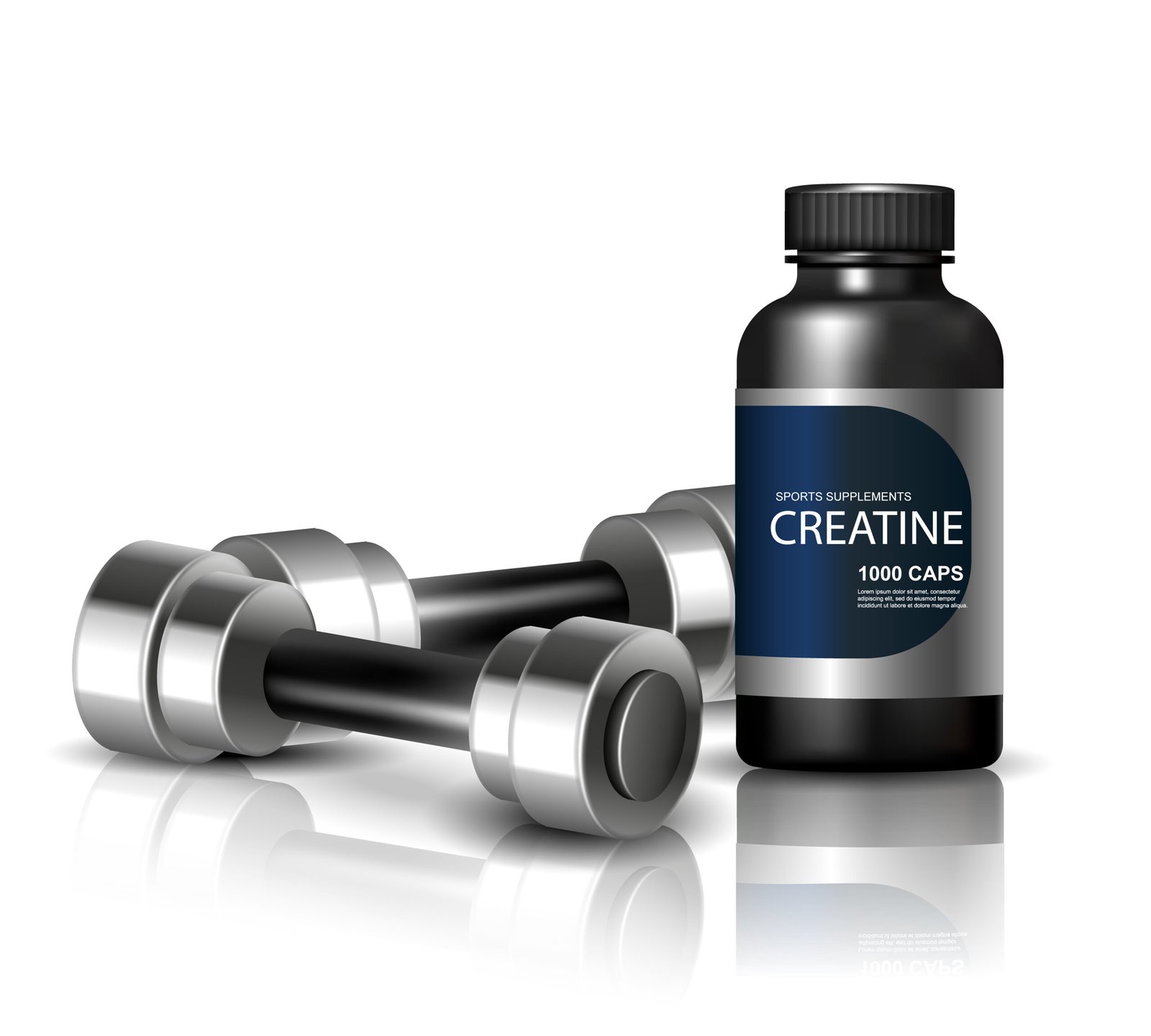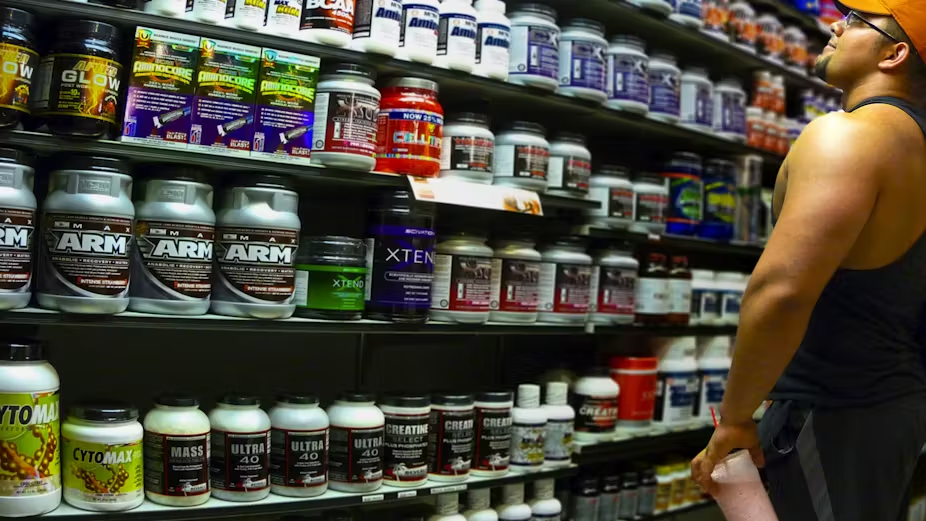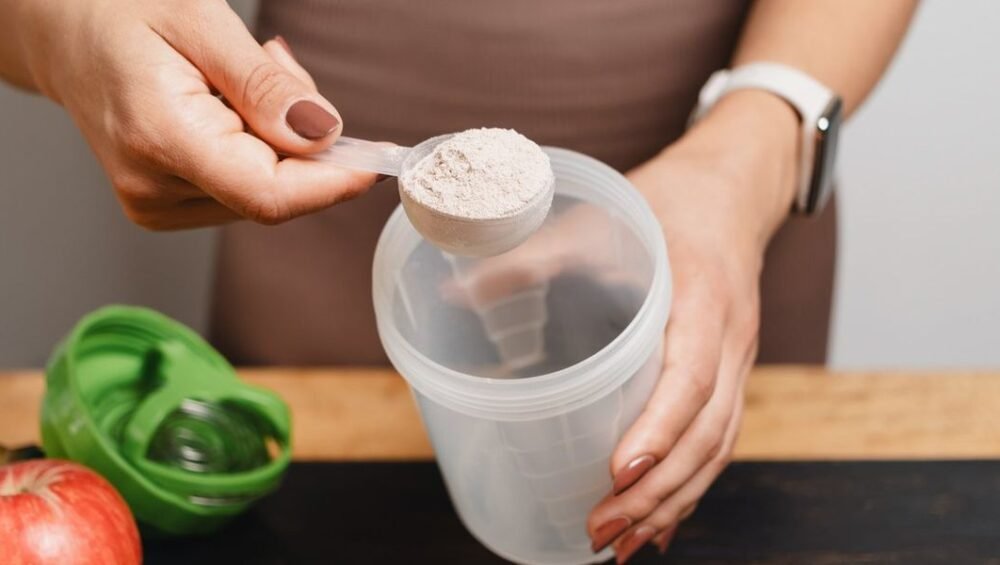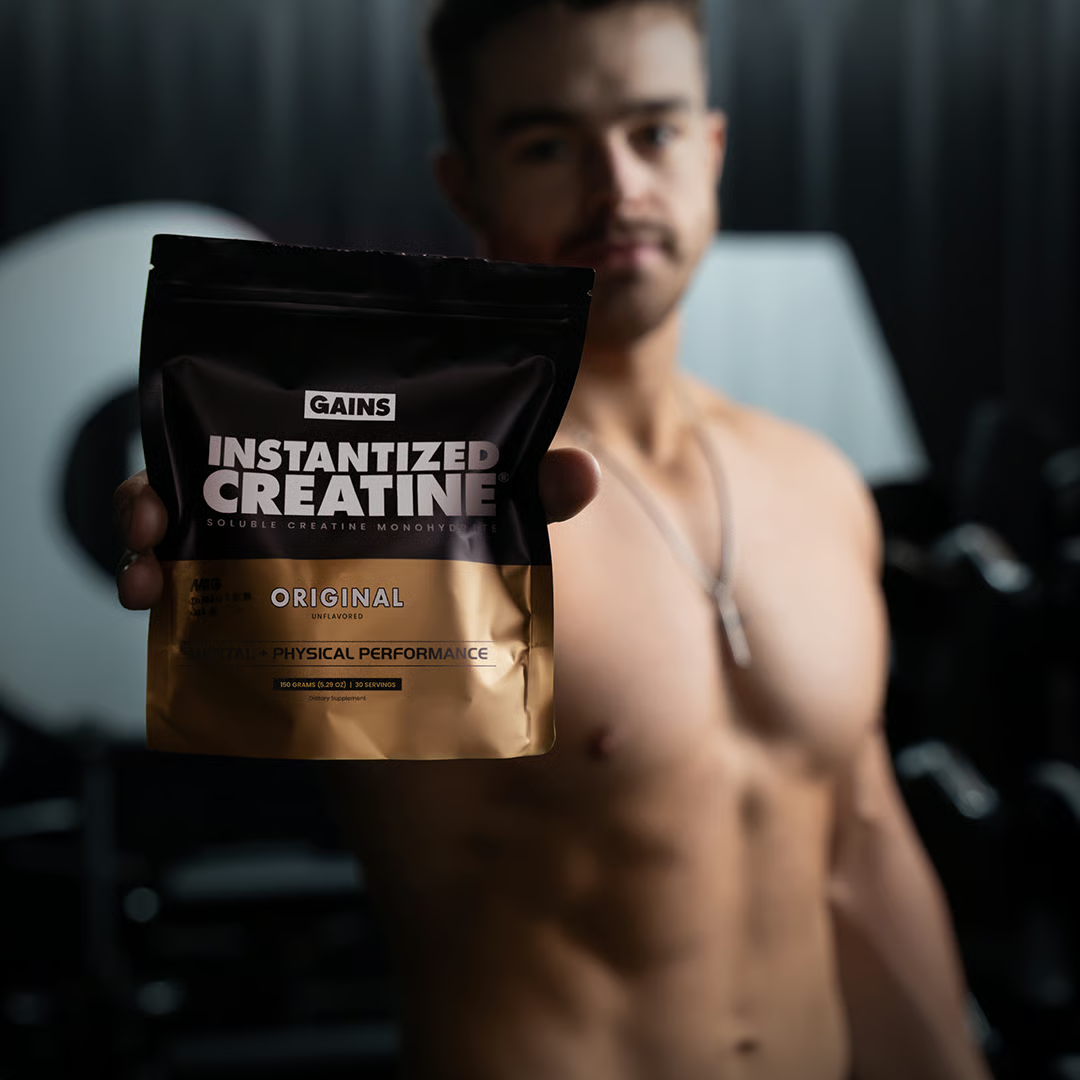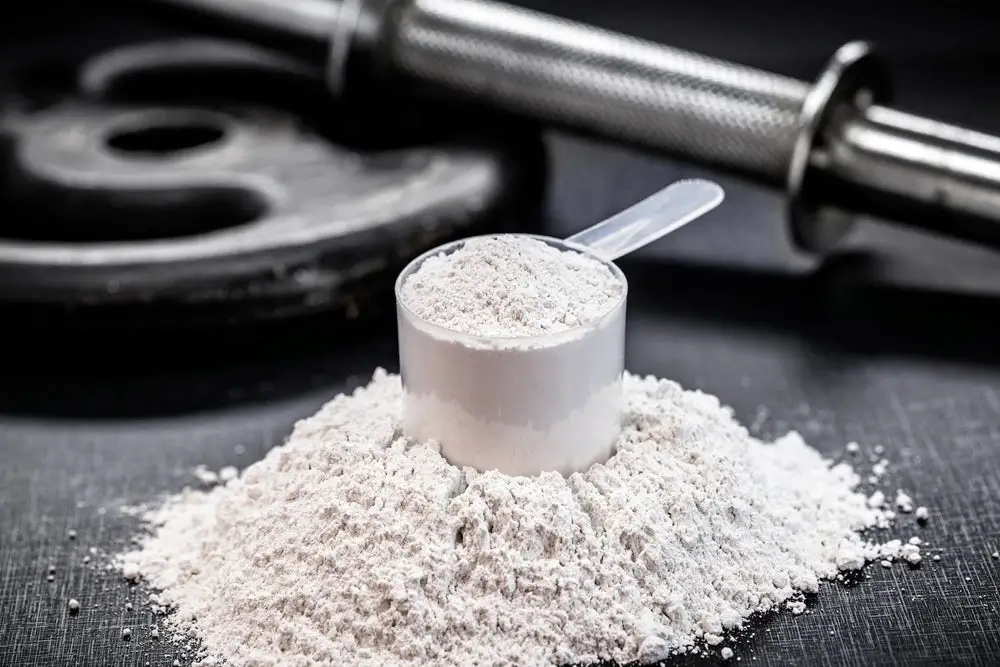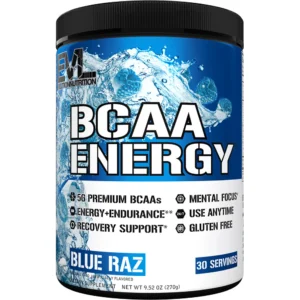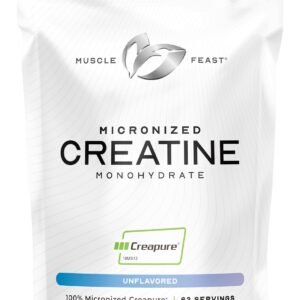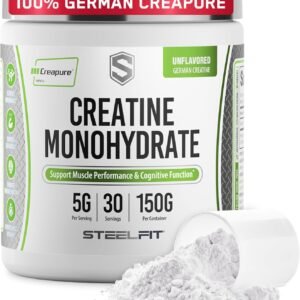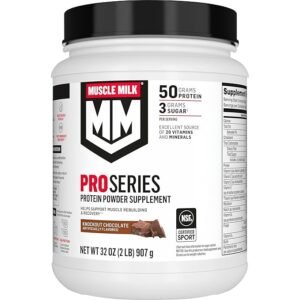



instagram supplements and gym equipment for sale

facebook gym supplements usa. Gym equipments and gym supplements for sale instagram profile social media

training gym in the age 34

Best Gym Supplements for Sale for Male Beginners at Age 34

Best Gym Supplements for Sale for Male Beginners at Age 34. Introduction: Why Supplements Matter at 34. Starting your fitness journey at the age of 34 is not too late—it’s actually one of the best times. By this age, many men have established careers, families, and routines, which makes health and fitness a top priority. For a male beginner at 34, the body is still capable of building muscle, losing fat, and performing at a high level. However, compared to being 18 or 22, hormone levels—especially testosterone—may not be as high, recovery might take longer, and metabolism can start to slow down.

This is where the right gym supplements can play a powerful role. Supplements aren’t magic pills, but they can fill nutritional gaps, support energy, improve performance, and speed up recovery. For men in their mid-30s who are just beginning a consistent workout routine, choosing the right products can mean the difference between frustration and sustainable progress.

In this article, we’ll break down the best supplements for sale that specifically benefit a 34-year-old beginner male, why they matter, and how to use them effectively.


1. Protein Powder – The Foundation of Muscle Growth

training gym in the age 34

Why it’s important at 34:
Protein is the cornerstone nutrient for building lean muscle, repairing tissues, and supporting recovery. While whole foods like chicken, beef, eggs, and beans should be your foundation, most beginners struggle to consistently hit their protein needs—usually around 1.6–2.2 grams per kilogram of body weight.

Protein powders such as whey protein isolate, whey concentrate, and plant-based protein are affordable, convenient, and quick to digest.

Benefits:

  • Supports lean muscle growth.
  • Reduces muscle soreness post-workout.
  • Helps control appetite during fat-loss phases.

Best choice for beginners:

  • Whey protein isolate (fast-digesting, high-quality).
  • Blended plant proteins if you’re lactose intolerant or vegan.

How to use it:
Take one scoop (20–30g) after workouts, or as a meal replacement snack when whole food isn’t available.


2. Creatine Monohydrate – The Most Researched Supplement

Why it’s important at 34:
Creatine is one of the most studied sports supplements, proven to increase strength, power, and muscle size. For a male beginner in his 30s, creatine helps counteract the slower recovery and slightly reduced muscle-building potential that naturally comes with age.

Benefits:

  • Improves strength and endurance.
  • Enhances lean muscle growth.
  • Supports cognitive health and brain function (a bonus at this age).

Best choice for beginners:

How to use it:
No need for “loading.” Take 5 grams daily with water or mix into your protein shake. Consistency is key.


3. Pre-Workout Supplements – Energy and Focus Boost

Why it’s important at 34:
Many men in their mid-30s juggle work, family, and gym commitments, which can lead to fatigue and lack of motivation. Pre-workout formulas with ingredients like caffeine, beta-alanine, and citrulline malate provide the energy and mental focus needed to power through workouts.

Benefits:

  • Increases workout intensity.
  • Delays fatigue during training.
  • Enhances mental clarity and motivation.

Best choice for beginners:

  • Choose a moderate-stimulant pre-workout (150–200mg caffeine).
  • Or a stim-free pre-workout if you’re sensitive to caffeine or train late in the evening.

How to use it:
Take 20–30 minutes before your workout. Start with half a scoop to test tolerance.


4. Multivitamins – Filling Nutritional Gaps

Why it’s important at 34:
Even if you eat healthy, it’s hard to cover every micronutrient your body needs. As metabolism slows and lifestyle stress increases, micronutrient deficiencies can hinder recovery, hormone production, and energy levels.

Benefits:

  • Supports immune system function.
  • Improves energy production and recovery.
  • Maintains healthy testosterone levels and metabolism.

Best choice for beginners:

How to use it:
Take one serving daily with food, preferably in the morning.


5. Omega-3 Fish Oil – Joint and Heart Health

training gym in the age 34 beginners

Why it’s important at 34:
Joint stiffness, inflammation, and cardiovascular health become more important as men approach their mid-30s. Omega-3 fatty acids (EPA and DHA) from fish oil support both fitness performance and long-term health.

Benefits:

  • Reduces inflammation in joints and muscles.
  • Improves heart and brain health.
  • Enhances recovery and endurance.

Best choice for beginners:

How to use it:
Take with meals, usually 2–3 softgels per day.


6. Branched-Chain Amino Acids (BCAAs) or EAAs

Why it’s important at 34:
While protein shakes cover most needs, some men prefer additional amino acids during workouts, especially when training fasted or doing cardio.

Benefits:

  • Reduces muscle breakdown during training.
  • Improves hydration and endurance.
  • Supports lean muscle retention.

Best choice for beginners:

How to use it:
Mix 1 scoop into your water bottle and sip during your workout.


7. Testosterone Support Supplements – Optional but Useful

Why it’s important at 34:
Testosterone levels naturally peak in the early 20s and gradually decline after 30. While supplements won’t magically replace lost testosterone, they can support healthy production and balance.

Benefits:

  • Supports strength, muscle growth, and recovery.
  • Boosts energy and motivation.
  • Improves libido and overall vitality.

Best choice for beginners:

  • Natural test boosters with zinc, vitamin D, fenugreek, and ashwagandha.

How to use it:
Take as directed, usually with food, and combine with quality sleep, resistance training, and stress management.


8. Recovery Formulas – Post-Workout Edge

Why it’s important at 34:
At this age, recovery is slower than in your early 20s. Post-workout supplements combining carbohydrates, electrolytes, and protein can speed up glycogen replenishment and reduce soreness.

Benefits:

  • Faster recovery and reduced fatigue.
  • Maintains muscle mass during calorie deficits.
  • Helps keep consistent workout intensity.

Best choice for beginners:

  • A carb + protein blend (example: dextrose plus whey isolate).
  • Or a ready-made recovery formula with BCAAs, carbs, and electrolytes.

Supplements are tools, not magic bullets. At 34, your body responds best to consistent training, smart nutrition, and adequate recovery. No powder or pill will replace effort in the gym or a balanced diet. Think of supplements as accelerators—they enhance results when the fundamentals are already in place, but they cannot create gains from poor habits.

Prioritize recovery and lifestyle factors. Muscle building and fat loss are just as dependent on sleep, stress management, and hydration as they are on protein or creatine. A 34-year-old beginner should focus on getting 7–9 hours of quality sleep, managing work and family stress, and staying well-hydrated. These factors improve energy, performance, and the effectiveness of any supplement stack.

Start simple and scale gradually. While it’s tempting to try every trendy supplement on the shelf, beginners benefit most from a focused approach. Begin with protein powder, creatine, a multivitamin, and omega-3s. Once these foundations are solid and your training is consistent, additional products like pre-workout, EAAs, or recovery blends can be introduced if desired. This approach saves money, reduces complexity, and ensures measurable benefits.


Supplement Stack for a 34-Year-Old Beginner

Here’s how a daily stack might look:

  • Morning: Multivitamin + Omega-3
  • Pre-Workout: Pre-workout supplement
  • Intra-Workout: EAAs with electrolytes
  • Post-Workout: Whey protein + creatine monohydrate + recovery carbs
  • Evening (optional): Testosterone support (if using)

This combination ensures balanced performance, recovery, and long-term health.


Practical Tips for Beginners at 34

  1. Focus on whole food first. Supplements only enhance what you’re already doing. Your diet should be built on lean proteins, whole grains, vegetables, and healthy fats.
  2. Don’t overspend. Start with the essentials: protein powder, creatine, multivitamin, and omega-3. Add others later if needed.
  3. Train smart. Recovery is just as important as lifting. Prioritize sleep and structured training over chasing every supplement.
  4. Stay consistent. Most benefits come after weeks of regular use, not overnight.
  5. Consult a professional. If you have medical conditions or are on medication, always check with your doctor before adding supplements.

Building Strength and Health Beyond 34

Starting a fitness journey as a 34-year-old beginner is both exciting and rewarding. While you may not recover as fast as you did at 20, you have the advantage of discipline, patience, and long-term vision. The right gym supplements will not replace hard work, but they can give you the extra edge to accelerate progress, stay motivated, and protect your health for years to come.

The most important supplements for men in their mid-30s include protein powder, creatine, pre-workout, multivitamins, omega-3s, and recovery formulas. These essentials ensure you build lean muscle, recover effectively, and maintain long-term vitality.

Remember: supplements are just one piece of the puzzle. Combine them with proper nutrition, structured training, good sleep, and consistency—and you’ll see results that last well beyond the gym.

More info and tips on our Gym USA Store Facebook page
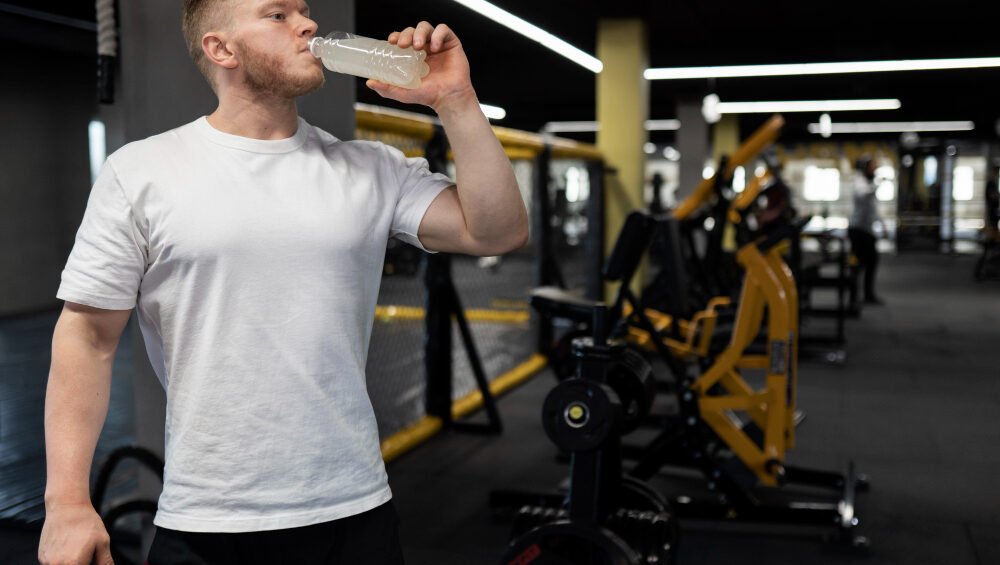
creatine cycle

Do You Need To Cycle Creatine? A Deep Dive Into Science and Performance

Creatine is one of the most studied and effective supplements in sports nutrition. For decades, athletes, bodybuilders, and fitness enthusiasts have relied on creatine to enhance strength, increase lean mass, and improve exercise performance. Despite its popularity, one question continues to spark debate: Do you need to cycle creatine?

Some athletes swear by creatine cycling—periods of loading, maintenance, and washout—believing it maximizes benefits and prevents the body from “getting used to” creatine. Others argue that daily, consistent intake is the most effective and scientifically supported method.

In this article, we’ll break down the science of creatine, what cycling actually means, whether it has proven benefits, and what the latest research suggests for long-term use. By the end, you’ll know exactly how to approach creatine supplementation for your fitness goals.


What Is Creatine and How Does It Work?

Creatine is a naturally occurring compound found in meat, fish, and synthesized by the body in the liver, kidneys, and pancreas. About 95% of the body’s creatine is stored in skeletal muscle, primarily as phosphocreatine.

During high-intensity exercise, phosphocreatine helps regenerate adenosine triphosphate (ATP)—the body’s immediate energy currency. Because ATP is rapidly depleted during explosive efforts like lifting heavy weights or sprinting, higher phosphocreatine levels allow you to sustain peak performance longer.

creatine cycle

Benefits of Creatine Supplementation (proven by science):

  • Increases strength and power: Creatine consistently improves 1-rep max lifts, sprinting, and explosive performance.
  • Promotes lean muscle growth: By enabling harder training and stimulating cellular hydration, creatine contributes to hypertrophy.
  • Speeds recovery: Studies show creatine reduces muscle cell damage and inflammation.
  • Supports brain health: Beyond muscles, creatine enhances energy metabolism in the brain, with potential cognitive benefits.

Creatine monohydrate remains the gold standard, with hundreds of peer-reviewed studies confirming its efficacy and safety.


What Does “Cycling Creatine” Mean?

Cycling creatine generally refers to using the supplement in phases, rather than continuously. The typical approach includes:

  1. Loading phase: 20 g per day (split into 4 doses) for 5–7 days.
  2. Maintenance phase: 3–5 g per day for 4–6 weeks.
  3. Washout phase: Stopping creatine for several weeks before restarting.

The reasoning behind cycling includes:

  • Preventing the body from becoming “desensitized.”
  • Allowing natural creatine production to reset.
  • Maximizing muscle saturation in shorter periods.

But does this approach hold up under scientific scrutiny?


The Science of Creatine Saturation

When supplementing with creatine, muscles gradually increase their stores until they reach saturation. Research shows:

  • With loading (20 g/day): Muscles reach saturation in 5–7 days.
  • Without loading (3–5 g/day): Muscles reach saturation in 3–4 weeks.

Once muscles are saturated, continuing with a daily maintenance dose (3–5 g/day) keeps levels elevated indefinitely.

Worth to read: 5 common mistakes in creatine supplementation

Key Point:

You don’t “lose” creatine effectiveness with consistent intake. As long as your muscles remain saturated, performance benefits persist. There is no scientific evidence of “creatine resistance” developing with long-term use.


Do You Need a Washout Phase?

One argument for cycling is that stopping supplementation allows the body’s endogenous (natural) creatine production to “recover.” But studies have found:

  • Creatine supplementation temporarily reduces the body’s own synthesis because demand is met through diet/supplementation.
  • Once supplementation stops, natural production resumes fully within weeks.
  • There is no evidence of long-term suppression or harm to natural creatine metabolism.

In fact, multiple long-term studies (6 months to 5 years) on athletes using creatine continuously show no adverse effects on kidney or liver function in healthy individuals.

Read also: creatine pills – safe or not safe?

creatine cycle

Translation:

There is no physiological need for a washout phase unless you simply want to save money or take a break from supplementation.


Cycling vs. Continuous Use: What Research Shows

1. Performance outcomes

  • Studies comparing cycling vs. daily continuous intake show no significant differences in strength, muscle growth, or performance when total creatine exposure is matched.
  • Consistent intake is simpler and ensures muscles remain saturated.

2. Health and safety

  • Continuous creatine use has been proven safe for years at standard doses (3–5 g/day).
  • Cycling does not offer added health benefits.

3. Psychological factors

  • Some athletes report they “feel a boost” when starting a new cycle. This could be due to the placebo effect or increased motivation during a loading phase.

4. Practicality

  • Cycling requires planning and scheduling.
  • Daily low-dose supplementation is easier and more sustainable long-term.

When Might Creatine Cycling Make Sense?

Although not necessary for most, there are a few cases where cycling might be reasonable:

  1. Budget-conscious users: Stopping creatine for a month or two can save money, especially if supplements are costly.
  2. Athletes with testing protocols: In sports where supplement use is monitored, some may cycle for personal reasons, even though creatine is legal and safe.
  3. People with sensitive digestion: Some experience mild bloating or stomach upset at higher doses. Cycling off temporarily may provide relief.

For everyone else, the evidence supports consistent daily use.

Read also: recommended dosage of creatine for gym goers

Myths About Creatine Cycling

Let’s bust a few common misconceptions:

  • “Your body stops responding if you don’t cycle.”
    False. As long as muscle stores are saturated, creatine continues to deliver benefits.
  • “Cycling prevents kidney damage.”
    False. No research shows kidney or liver damage from standard creatine use in healthy individuals. The myth persists due to confusion with creatinine (a waste product measured in kidney function tests).
  • “You only grow during the loading phase.”
    False. Gains come from consistent training supported by muscle saturation, not temporary spikes in creatine intake.

Best Practices for Creatine Supplementation

1. Skip cycling, go consistent

Take 3–5 g of creatine monohydrate daily, preferably with a meal to enhance absorption.

2. Loading is optional

  • If you want faster results, do a loading phase (20 g/day for 5–7 days).
  • If you prefer a slower, steady approach, just take 3–5 g daily. After 3–4 weeks, your muscles will be saturated.

3. Timing is flexible

  • Taking creatine post-workout with carbs and protein may slightly improve uptake, but timing isn’t critical. Daily consistency is what matters.

4. Hydration matters

Creatine increases water retention in muscle cells (a good thing for performance). Drink adequate water to support cellular hydration and performance.

creatine cycle

5. Stick with monohydrate

Newer forms (HCl, ethyl ester, buffered creatine) are marketed as superior but show no consistent advantages in research. Creatine monohydrate remains the most effective and cost-efficient.

Read also: Creatine Monohydrate vs. Creatine HCL 


Who Should Be Cautious?

While creatine is safe for most, a few groups should consult a healthcare professional before use:

  • People with pre-existing kidney disease.
  • Adolescents under 18 (limited long-term data).
  • Individuals taking nephrotoxic medications.

For healthy athletes, decades of data confirm creatine’s safety profile.


Final Verdict: Do You Need to Cycle Creatine?

The science is clear: You do not need to cycle creatine.

  • Continuous supplementation is safe, effective, and practical.
  • Cycling offers no added performance or health benefits.
  • At best, cycling is a personal preference for cost-saving or digestive reasons.

If your goal is maximizing strength, lean mass, and performance in the gym, the smartest strategy is to take 3–5 grams of creatine monohydrate daily, indefinitely.

Long-term supplementation can simplify your routine. One of the biggest advantages of skipping cycles is convenience. You don’t have to plan loading, maintenance, or washout phases—just take your 3–5 grams daily, and your muscles remain saturated. This makes it easier to stay consistent, reduces the risk of forgetting doses, and ensures that your performance gains are steady rather than fluctuating with cycles.

Cycling myths often stem from misunderstanding physiology. Some believe the body “gets used to” creatine, requiring a break to restore sensitivity. In reality, muscle cells don’t become resistant. Once saturation is achieved, creatine continues to enhance ATP regeneration, strength, and recovery. Any perceived plateau is more likely due to training adaptation or nutrition rather than a diminished effect of creatine itself.

Practical tips for maximizing results with daily creatine. Pairing creatine with a carbohydrate- or protein-rich meal can slightly enhance uptake, while staying hydrated supports muscle volumization and performance. Combine supplementation with progressive resistance training and adequate protein intake, and you’ll consistently see improvements in strength, power, and lean mass. Ultimately, consistent application—both in the gym and with supplementation—yields far more benefit than cycling phases ever could.


Key Takeaways for Gym-Goers

  • Creatine is the most effective legal performance-enhancing supplement available.
  • Muscle saturation is the goal—whether you load or not, you’ll get there.
  • Cycling is unnecessary; daily intake keeps stores elevated and performance consistent.
  • Safety is well-established in healthy individuals, even with years of use.
  • Consistency with training and nutrition matters more than supplementation cycles.
creatine powder

5 Common Creatine Mistakes That Are Wasting Your Money (And How to Fix Them)

You’re taking creatine every day, but the scale isn’t moving, the pump isn’t coming, and your strength feels stuck. Sound familiar? Don’t worry—you’re not alone. Creatine is one of the most researched and effective supplements on the planet, yet many athletes and gym-goers don’t get the full benefit because of a few simple mistakes.

If you’ve ever wondered “why is my creatine not working?”, this article will break down the top five mistakes you might be making—and exactly how to fix them.


Mistake 1: Not Taking Enough Water

creatine dehydration

Creatine works by pulling water into your muscle cells, which boosts strength, endurance, and recovery. But if you aren’t drinking enough water, this process gets disrupted. Instead of feeling stronger, you might experience bloating, cramping, or even mild dehydration symptoms.

The Fix: Aim for at least 3–4 liters of water per day, especially if you’re training hard. Think of creatine as a sponge—it only works if it has enough fluid to absorb. Hydration is non-negotiable.


Mistake 2: Taking It at the Wrong Time

best time to take creatine

One of the biggest myths in sports nutrition is that creatine only works if you take it right after your workout during the so-called “anabolic window.” The truth? Creatine doesn’t work instantly—it builds up in your muscles over time.

The Fix: The “best” time is simply the time you’ll remember to take it consistently. Many athletes prefer post-workout with a carb-rich meal (to aid absorption), but consistency is far more important than timing.


Mistake 3: Using the Wrong Type

creatine monohydrate vs hydrochloride

With dozens of creatine forms on the market, it’s easy to think that newer must mean better. But the truth is, creatine monohydrate is still the gold standard. It’s the most studied, proven, and affordable option.

Other forms like hydrochloride or buffered creatine might claim less bloating or faster absorption, but scientific evidence doesn’t show any major advantage over monohydrate.

The Fix: Stick with micronized creatine monohydrate. It dissolves easily, is highly effective, and saves you money compared to “fancy” alternatives.

creatine powder

Mistake 4: Expecting Immediate Results

how long for creatine to work

Some people take creatine for a week and wonder why they’re not suddenly lifting 50 pounds more. Here’s the reality: creatine takes time. It works by saturating your muscles with higher levels of stored energy (phosphocreatine). This process takes about 1–2 weeks with a daily dose of 3–5 grams.

The Fix: Be patient. Stay consistent for at least two weeks before judging whether it’s working. Remember, creatine isn’t a stimulant—you won’t “feel” it kick in like caffeine.

Read also: Is Supplementing With Creatine Necessary for Building Muscle?


Mistake 5: Buying a Low-Quality Product

how to choose a good creatine supplement

Not all creatine powders are created equal. Some are bulked up with fillers, artificial flavors, or low-grade ingredients. Worse, some aren’t third-party tested, which means you can’t be sure what’s actually in the tub.

The Fix: Look for pure creatine monohydrate with no unnecessary additives. The best products are:

  • Third-party tested for purity
  • Micronized for better absorption
  • Clinically dosed at 3–5 grams per serving

This ensures you’re getting maximum results without wasting money.

(This is the perfect place to naturally introduce your own creatine product as the trusted, tested option.)

Check also: creatine available in US gym supplements shops

Another overlooked factor is diet—specifically carbohydrate and sodium intake

Creatine uptake into muscle cells is enhanced by insulin and proper electrolyte balance. If you’re training hard but eating very low carbs or avoiding salt entirely, creatine transport can be less efficient. This doesn’t mean you need to load up on sugar, but pairing creatine with a balanced meal that includes carbohydrates and adequate sodium can meaningfully improve muscle saturation. In real-world terms, creatine works best when your overall nutrition supports muscle hydration, glycogen storage, and cellular energy demand.

Training quality also determines whether creatine’s benefits are noticeable

Creatine enhances the ability to perform high-intensity, short-duration efforts—heavy lifts, explosive reps, and repeated sets near failure. If your workouts lack sufficient intensity, progressive overload, or volume, creatine may still be working at a cellular level, but you won’t “feel” the difference. This is why beginners or inconsistent trainees sometimes believe creatine doesn’t work, while experienced lifters notice clear gains in strength, endurance, and training capacity. Creatine amplifies good training—it doesn’t replace it.

Finally, individual response plays a role that many people don’t realize

Some users are “high responders,” experiencing rapid increases in strength and muscle fullness, while others are “low responders” who already have relatively high natural muscle creatine stores. Low responders still benefit, but changes may appear more subtly through improved recovery, reduced fatigue between sets, or better long-term strength progression. Understanding this variability helps set realistic expectations and prevents people from abandoning one of the most proven supplements simply because the effects aren’t dramatic overnight.


Final Thoughts

Creatine works—but only if you use it correctly. Avoiding these five mistakes can mean the difference between wasting money and finally seeing the strength, muscle, and performance benefits you’ve been chasing.

  • Drink enough water
  • Take it consistently (timing is flexible)
  • Choose creatine monohydrate over gimmicks
  • Be patient with results
  • Buy a clean, tested product

Follow these steps, and you’ll unlock the true power of creatine.

crossfit supplements 23

Supplements That CrossFit Athletes Swear By

CrossFit is more than just a workout—it’s a demanding combination of strength, endurance, agility, and mental grit. Athletes push their bodies to the limit with high-intensity training sessions that require fuel, recovery support, and resilience. While a balanced diet is the foundation, many CrossFit athletes turn to supplements to give them an edge in performance and recovery. Below, we break down the top supplements that CrossFitters swear by, why they work, and how they can fit into your training routine.


1. Whey Protein

Protein is the cornerstone of muscle recovery and growth. After grueling WODs (Workouts of the Day), muscles are broken down and need high-quality protein to rebuild stronger.

  • Why it helps: Fast-digesting whey protein delivers essential amino acids, especially leucine, to kickstart muscle repair.
  • How to use: Typically taken post-workout or as a convenient protein boost during the day.

2. Creatine Monohydrate

One of the most researched sports supplements, creatine is a game-changer for strength and power.

  • Why it helps: It replenishes ATP (the body’s primary energy currency), giving athletes more strength and endurance during short bursts of intense activity—perfect for heavy lifts and sprint-style WODs.
  • How to use: 3–5 grams daily, consistently, whether training or not.

Check creatine for sale


3. Branched-Chain Amino Acids (BCAAs)

CrossFit workouts can be brutal on the body, leading to muscle breakdown and fatigue. BCAAs help minimize this.

  • Why it helps: They reduce muscle soreness, support recovery, and help maintain lean muscle mass during intense training phases.
  • How to use: Before, during, or after workouts for hydration and recovery.

4. Beta-Alanine

That burning sensation you feel during high-rep thrusters or burpees? Beta-alanine helps buffer it.

crossfit supplements 221
  • Why it helps: Increases muscle carnosine levels, delaying fatigue and improving muscular endurance.
  • How to use: 2–5 grams daily; may cause harmless tingling (paresthesia).

5. Fish Oil (Omega-3s)

CrossFit is tough not only on muscles but also on joints. Omega-3 fatty acids are crucial for recovery and overall health.

  • Why it helps: Reduces inflammation, supports joint health, and may speed up recovery after tough training sessions.
  • How to use: 1–3 grams daily, depending on diet and training intensity.

6. Pre-Workout Formulas

When energy levels dip, a well-formulated pre-workout can make the difference between dragging through a WOD and crushing it.

  • Why it helps: Provides caffeine, beta-alanine, citrulline, and other performance-boosting ingredients for energy, focus, and stamina.
  • How to use: 20–30 minutes before training, but cycle usage to avoid caffeine dependency.

Check pre workouts products for sale


7. Electrolytes

Sweaty, high-intensity sessions deplete sodium, potassium, and magnesium—critical minerals for hydration and muscle function.

crossfit supplements
  • Why it helps: Prevents cramping, supports endurance, and keeps hydration levels stable during long sessions or hot conditions.
  • How to use: Sip during workouts or throughout the day, especially in warm climates.

8. Vitamin D & Magnesium

Often overlooked, these micronutrients are essential for performance and recovery.

  • Why it helps: Vitamin D boosts bone strength, immunity, and mood, while magnesium aids muscle relaxation, energy production, and quality sleep.
  • How to use: Daily supplementation, especially if you’re deficient or not getting enough through diet and sunlight.

9. Supplements for Recovery, Sleep, and Nervous System Reset

One of the most underestimated challenges in CrossFit is central nervous system (CNS) fatigue. Heavy Olympic lifts, maximal efforts, and frequent high-intensity sessions place stress not only on muscles, but also on the nervous system. When recovery lags, performance drops, motivation declines, and injury risk rises.

Certain supplements can support this recovery process indirectly by improving sleep quality and nervous system balance:

  • Magnesium (glycinate or threonate forms) supports muscle relaxation, reduces nighttime cramps, and improves sleep depth.
  • Glycine (3–5 g before bed) may enhance sleep quality and body temperature regulation.
  • Ashwagandha has been shown to help manage cortisol levels and improve stress resilience in athletes undergoing intense training loads.

Why this matters for CrossFitters:
Better sleep and nervous system recovery translate into improved bar speed, sharper coordination during complex movements, and more consistent performance across training weeks—not just isolated workouts.


10. How to Build a Smart CrossFit Supplement Stack (Without Overdoing It)

One of the most common mistakes CrossFit athletes make is stacking too many supplements at once, often without understanding overlap or actual need. More supplements do not equal better results.

A smarter approach is to build a goal-based stack:

Foundation stack (most athletes):

  • Whey protein
  • Creatine monohydrate
  • Electrolytes
  • Omega-3s

Performance-focused stack (competition or peak training phases):

  • Add beta-alanine
  • Add a pre-workout (used strategically, not daily)
  • Optional BCAAs during long or fasted sessions

Recovery-focused stack (high volume or multiple daily sessions):

  • Magnesium
  • Vitamin D (if deficient)
  • Sleep-support nutrients (glycine, zinc)

Key principle:
If a supplement does not clearly improve performance, recovery, or health markers, it doesn’t belong in your stack. Consistency with a few evidence-based supplements will outperform sporadic use of many.


Final Thoughts

Supplements are not shortcuts—they’re tools to complement training, nutrition, and recovery. For CrossFit athletes, the right stack can mean faster recovery, better endurance, and more strength when it matters most. Always prioritize whole foods, hydration, and proper sleep first, then use supplements strategically to fill in the gaps and enhance performance.

More info about Crossfit supplementation for athletes

creatine

What Is The Recommended Dosage For Creatine?

Creatine is one of the most researched and effective supplements in the fitness and sports industry. Whether your goal is to build muscle, improve strength, or boost endurance, creatine has a proven track record of enhancing performance. However, one of the most common questions I hear from clients in the gym and nutrition consultations is: “How much creatine should I take?”

The truth is, creatine dosage depends on your training goals, body weight, and how you choose to start supplementation. Let’s break it down step by step so you can maximize the benefits safely and effectively.


What Does Creatine Do in the Body?

Before diving into dosage, it’s important to understand why creatine works. Creatine is a naturally occurring compound stored in your muscles as phosphocreatine. During high-intensity exercise—like lifting heavy weights or sprinting—your muscles rely on ATP (adenosine triphosphate) as their primary energy source.

The problem? ATP depletes quickly. That’s where creatine comes in. Supplementation increases your muscles’ phosphocreatine stores, allowing you to regenerate ATP faster. The result:

  • More power output during training
  • Improved strength and explosiveness
  • Better recovery between sets
  • Enhanced muscle growth over time

The Two Main Creatine Dosing Strategies

There are two popular methods to start taking creatine: the loading phase and the maintenance-only approach.

1. The Loading Phase

The goal of the loading phase is to saturate your muscle stores with creatine quickly.

  • Dosage: 20 grams per day, split into 4 doses of 5 grams each.
  • Duration: 5–7 days.
  • Followed by: A maintenance dose of 3–5 grams daily.

This approach leads to noticeable results faster—usually within a week. Many athletes prefer this method before competitions or when starting a new training cycle.

Read also: all about creatine

2. The Maintenance-Only Approach

If you want to skip loading, you can simply start with a daily dose of 3–5 grams.

  • Dosage: 3–5 grams per day, no loading required.
  • Duration: Continuous (long-term safe use has been proven in studies).

The results take slightly longer to show—around 3 to 4 weeks—but you’ll eventually reach the same muscle saturation as with the loading method.


Recommended Dosage Based on Body Weight

For a more tailored approach, some experts recommend dosing creatine according to body weight:

  • 0.03 grams per kg of body weight per day (after loading or if skipping loading).
  • Example: If you weigh 80 kg (176 lbs), that equals ~2.5 grams per day.

That said, most athletes do just fine with the standard 3–5 grams daily.


When Should You Take Creatine?

Timing isn’t as critical as consistency. The most important factor is to take it every day to maintain elevated creatine stores. However, research suggests:

  • Best times: After your workout, with a meal containing carbs and protein, as this improves absorption.
  • On rest days: Take it with any meal.
creatine

Common Mistakes with Creatine Dosage

  1. Taking too little – Less than 2 grams daily may not be enough to keep your muscles saturated.
  2. Cycling unnecessarily – You don’t need to cycle off creatine; it’s safe for long-term use.
  3. Not staying hydrated – Creatine pulls water into muscle cells, so drink enough fluids throughout the day.
  4. Expecting instant muscle growth – Creatine enhances training performance, but you still need proper nutrition and consistent workouts to build muscle.

Who Should Avoid High Dosages?

While creatine is safe for most healthy individuals, people with kidney issues should consult their doctor before use. Also, exceeding 20 grams per day beyond the initial loading phase provides no additional benefits and may cause stomach discomfort.

Worth a reading: is creatine safe? A scientific approach


Final Recommendation as a Trainer & Nutrition Expert

For most gym-goers and athletes, here’s the optimal creatine protocol:

  • Loading phase (optional): 20 g/day for 5–7 days.
  • Maintenance phase: 3–5 g/day, indefinitely.
  • Best practice: Take it daily, preferably after workouts with food.

If you’re looking for a safe, effective supplement to boost strength, muscle growth, and overall performance, creatine should be at the top of your list.

Does Creatine Dosage Change With Training Type and Age?

Creatine dosage does not need drastic adjustment based on training style, but its impact can differ depending on how you train and your age. Strength athletes, bodybuilders, and sprinters benefit the most from standard dosing (3–5 g/day) because their training relies heavily on short, high-intensity energy systems. Endurance athletes may experience subtler benefits, such as improved sprint finishes and better recovery between intervals, but the same dosage still applies. For individuals over 40, creatine becomes even more relevant: research suggests it may help preserve lean muscle mass, support strength retention, and even contribute to cognitive health. Importantly, older adults do not need higher doses—consistency matters far more than increasing intake.

Water Retention, Weight Gain, and What’s Actually Happening

One common concern around creatine dosage is rapid weight gain, often misunderstood as fat gain. In reality, creatine increases intracellular water retention within muscle cells, not subcutaneous water under the skin. This cellular hydration is a positive adaptation that supports strength output, muscle protein synthesis, and overall training capacity. Most users gain 1–3 pounds during the first week, especially if loading, but this stabilizes quickly. Reducing dosage does not eliminate this effect—it simply slows muscle saturation. Understanding this mechanism helps users stay consistent instead of prematurely stopping creatine due to scale fluctuations that are both temporary and beneficial.


Frequently Asked Questions About Creatine Dosage

1. Do I need to cycle creatine?
No. Scientific studies show creatine is safe for long-term daily use. Cycling is not necessary.

2. Can I take creatine with protein shakes?
Yes! In fact, taking creatine with protein and carbs may improve absorption. Many athletes mix creatine into their post-workout shake.

3. What happens if I skip a day?
Missing one day won’t ruin your progress, but consistency is key for long-term results. Just resume your normal dosage the next day.

4. Is more creatine better?
No. Taking more than 5 grams daily after loading doesn’t increase benefits and may cause digestive discomfort.

5. How long does it take to see results?
With a loading phase, you may notice improvements in strength and performance within a week. Without loading, expect results after 3–4 weeks of consistent use.

creatine taker

Best Creatine Supplements in the USA — 2025 Guide

Best creatine supplements available in USA in 2025.

TL;DR — Quick takeaways

  • Creatine monohydrate (micronized) is still the gold standard: most robust evidence, cheapest cost-per-gram, and widely accepted safety profile. MDPIPMC
  • Expect meaningful strength gains when creatine is combined with resistance training (meta-analyses show measurable increases in upper- and lower-body strength). MDPI
  • Cognitive benefits are promising but mixed — benefits show up in older adults, vegans, and energy-deprived brains; results in young healthy adults are inconsistent. PMC
  • Safety: creatine monohydrate is well-studied and generally safe for healthy people when used at recommended doses; authoritative reviews and ISSN position stands continue to support this. BioMed CentralTaylor & Francis Online
  • Market trend: US creatine market is growing fast (hundreds of millions USD in 2024; strong CAGR forecast through 2030) with new formats (gummies, RTD, beadlets), more third-party certification, and industry consolidation. Grand View ResearchGlobal Market Insights Inc.

Why this guide — and how it’s different

Many “best creatine” articles recycle retailer lists and product photos. This guide goes deeper: I use the latest meta-analyses and position statements, cross-check market reports, prioritize third-party testing & ingredient traceability (Creapure, NSF, Informed-Sport), and translate all of that into a practical, evidence-based shopping and usage checklist. Where press pieces give picks, I judge picks by scientific backing, purity, traceability, and value — not by marketing copy alone. MDPIU.S. Food and Drug AdministrationNSF International

Check also: a simple guide for US gym supplements


Short primer — how creatine works (so you can evaluate claims)

Creatine is a small molecule your body makes from amino acids and stores as creatine/phosphocreatine in muscle and brain. During short, intense efforts (sprinting, heavy lifting), phosphocreatine rapidly regenerates ATP — the immediate energy currency — letting you do a bit more, recover slightly faster, and train harder over time. That biochemical mechanism is why creatine reliably helps with short high-intensity performance, power and gains when paired with training. MDPI


What the science says (the newest, highest-impact findings)

Strength & muscle

Recent meta-analyses (2023–2024) show consistent, statistically significant improvements in maximal strength (bench, squat) and small to moderate gains in lean mass when creatine is taken with resistance training. Quantified examples from pooled analyses: multi-kg improvements in compound lifts versus placebo in adults under 50. MDPIPubMed

creatine sups

Dosing & protocol

Two evidence-backed options:

  • Loading: ~0.3 g/kg/day (≈20 g/day split into 4 doses) for 5–7 days, then maintenance 3–5 g/day. This saturates muscle fastest.
  • No-load: 3–5 g/day will saturate muscle stores in ~3–4 weeks and avoids temporary water gain some people dislike. Both are supported; pick what fits you. PMC+1

Cognitive & clinical uses

Systematic reviews in 2024/2025 show promising cognitive effects in older adults, sleep-deprived people, vegetarians, and some clinical contexts — but null or mixed effects in healthy young adults under normal conditions. Bottom line: cognition is a plausible secondary benefit, but more targeted trials are needed. PMCPubMed

Safety

Large bodies of work and position statements (ISSN and others) report no consistent evidence of kidney damage in healthy users at recommended doses and conclude creatine is well-tolerated for short and long term use in healthy populations. As always, people with existing kidney disease or on certain medications should consult a clinician. BioMed CentralTaylor & Francis Online


Forms on the market — what matters (and what’s mostly marketing)

  • Creatine Monohydrate (micronized)the evidence winner. Best studied, most cost-effective, and generally the recommended starting point. PMC
  • Micronized monohydrate — same molecule, smaller particle size for easier mixing. Preferable for taste/solubility.
  • Creapure® (AlzChem) — a trademarked, tightly controlled German creatine monohydrate; widely used as a quality signal and backed by a GRAS notice to the FDA. If you value traceability, look for Creapure on the label. CreapureU.S. Food and Drug Administration
  • Creatine HCl, nitrate, buffered, ethyl ester, chelates — often marketed for better solubility or absorption. Current comparative evidence does not show clear superiority over monohydrate for most users; HCl may reduce GI issues for some people but carries a higher price. Buy these only for specific tolerability reasons. PMCLegion Athletics
  • Formats: powder (dominant), capsules, gummies, RTDs, soft chews. Powders remain best value; gummies/RTDs trade convenience for price and often add sugars/flavors.

Quality & safety signals to look for (critical)

  1. Simple ingredient list — ideally only creatine monohydrate (and maybe a flow agent like silica). Avoid multi-ingredient proprietary blends unless you want those extras.
  2. Third-party certification — NSF Certified for Sport, Informed-Sport/Informed-Choice, or Labdoor testing. These lower the risk of contamination and verify label accuracy. NSF/Informed-Sport listings are searchable publicly. NSF InternationalWe Test You Trust
  3. Creapure seal / traceable source — not required, but useful for peace of mind (Creapure is made by AlzChem and has GRAS paperwork). CreapureU.S. Food and Drug Administration
  4. Batch/lot numbers and COA (certificate of analysis) — brands that publish COAs or respond quickly to COA requests are better.
  5. Transparent dosing — 5 g per scoop clearly stated; avoid hidden low-dose servings.
  6. Price per gram — compute to compare value: price ÷ (servings × grams per serving).

Market analysis (USA) — 2024–2025 snapshot & trends

  • Market size & growth: Market research firms estimate the U.S. creatine market at several hundred million USD in 2024 (reports vary: e.g., Grand View Research and industry trackers), with aggressive projected CAGR and revenue forecasts into 2030 as creatine expands beyond bodybuilding into mainstream wellness (cognitive health, aging, women’s health). Expect continued rapid growth and M&A activity as brands consolidate and add specialty lines. Grand View ResearchGlobal Market Insights Inc.
  • Drivers: mainstream acceptance driven by: robust science, awareness of cognitive/aging benefits, increased female consumer uptake, DTC (direct-to-consumer) brands and influencer marketing, and novel formats (gummies, RTD). The GuardianHealth
  • Retail channels: Amazon + DTC sites dominate volume; specialty retailers and sports stores emphasize certified/skewed-toward athletes formulas. Labdoor and similar third-party testers have become influential in purchase decisions. labdoor

Check also: where to buy best creatine in USA

The Strategic Integration: Creatine as a Foundational Supplement, Not an Isolated Ingredient

The most significant performance and cognitive benefits of creatine are realized when it is treated not as an occasional ergogenic aid, but as a foundational, non-negotiable component of your daily nutrition. This concept of “strategic integration” means pairing creatine with habits that maximize its uptake and utility. For instance, consuming your daily dose alongside a post-workout shake containing carbohydrates and protein can enhance muscular creatine uptake due to the insulinogenic effect. Similarly, consistent daily hydration is not merely a good practice but a physiological necessity to facilitate the intramuscular cell volumization that is central to creatine’s anabolic signaling. By integrating creatine into your daily ritual—whether with breakfast, post-training, or any other consistent meal—you ensure sustained muscle saturation. This creates a stable internal environment where the benefits of increased training capacity, enhanced recovery, and potential cognitive support compound over time, transforming a simple molecule into a cornerstone of long-term athletic and cognitive resilience.

Navigating the Marketplace: The Critical Distinction Between Quality Verification and Marketing Noise

As the U.S. creatine market expands, the onus is on the consumer to distinguish between legitimate quality verification and clever marketing. A product boasting “clinically studied” or “patented” on its label may still lack the independent, batch-specific testing that guarantees purity and potency. The true markers of a superior product are often found not on the front of the tub, but in the transparency of its sourcing and testing documentation. Beyond looking for the NSF or Informed-Sport seal, the most informed consumers are now demanding access to the Certificate of Analysis (COA) for the specific lot number on their purchase. This document reveals the actual assay results for heavy metals, microbial contaminants, and exact creatine content—data that a simple seal cannot provide. Furthermore, with the rise of novel formats like gummies and RTDs, scrutinizing the “other ingredients” list becomes paramount, as these can introduce unnecessary sugars, artificial colors, or fillers that contradict a health-focused regimen. In 2025, the best creatine supplement is defined not by its flavor or format, but by the brand’s willingness to provide pharmaceutical-level transparency at every step from manufacturer to consumer.


My top picks (categories & why) — shortlist based on purity, testing, evidence, value

I focused picks on: (1) proven ingredient (creatine monohydrate), (2) third-party testing / Creapure when available, (3) price/value, and (4) consumer/independent lab rankings.

  • Best overall (science + traceability): Creapure® micronized creatine monohydrate — any reputable brand using Creapure (examples favored in press: Gnarly, Thorne, Legion). Creapure provides traceability and consistent purity. CreapureMen’s Health
  • Best value (bulk powder): Unflavored micronized creatine monohydrate from transparent brands (many Labdoor A+ picks) — cheap per gram and simple label. Check Labdoor ranking pages for top value picks. labdoor
  • Best certified (for athletes): NSF Certified for Sport products (Thorne, Momentous, some 1st Phorm products) — pick these if you compete or want absolute assurance. ThorneMomentous
  • Best for sensitive stomachs: Creatine HCl formulations — some users tolerate HCl better; evidence for superior gains is weak, so use HCl for GI reasons, not performance superiority. PMCLegion Athletics
  • Best convenient format (on the go): Creatine gummies / chewables — novel and convenient. They cost more per gram; rely on independent lab scores because flavored products add ingredients. (Industry reviewing sites and Labdoor list some high-ranked gummies.) Garage Gym Reviewslabdoor

(Specific brand recommendations often overlap with Labdoor, EatingWell, Men’s Health and Healthline lists — I cross-checked those lists and elevated products that had quality signals above.) labdoorEatingWellMen’s HealthHealthline


Buying checklist — how to pick the single best tub for you

  1. Active ingredient: creatine monohydrate (micronized) — 5 g scoop.
  2. Purity: single ingredient, no junk fillers or hidden blends.
  3. Certification: NSF Certified for Sport or Informed-Sport if you care about banned-substance testing. NSF International
  4. Source / traceability: Creapure or brand transparency about supplier. Creapure
  5. Price per gram: do the math. Bulk powder almost always wins.
  6. Mixability / taste: micronized for mixability; unflavored if you want to mix into shakes.
  7. Return policy & COA availability: better brands publish lab tests or provide them on request.

Practical usage tips

  • Standard routine: 3–5 g/day (skip loading) works for most. Loading (20 g/day split for 5–7 days) saturates faster. PMC
  • Timing: timing is flexible — take daily with a meal or near workouts; pairing with carbs/protein can slightly improve uptake. PMC
  • Hydration & weight: expect a small, short-term water weight increase (intracellular), not fat gain.
  • Stacking: creatine stacks well with protein, beta-alanine, caffeine (be mindful of timing), but evaluate blended preworkouts closely for unnecessary stimulants.
  • Who might avoid it: people with known renal disease or on nephrotoxic drugs — consult your physician.

Comparing this guide to mainstream press & review lists

  • Press lists (Men’s Health, Healthline, Verywell, EatingWell) often recommend many of the same brands, but they typically focus on product taste, value or a shallow test battery. Men’s HealthHealthlineVerywell HealthEatingWell
  • What I added / improved:
    1. Up-to-date science synthesis — I cite 2023–2024 meta-analyses and 2025 position updates rather than relying solely on marketing or older single studies. MDPITaylor & Francis Online
    2. Market context — concrete U.S. market figures and trends to explain product innovation and price pressure. Grand View Research
    3. Product triage by objective signals — third-party testing, GRAS/Creapure traceability, and cost-per-gram calculations are front and center (not afterthoughts). U.S. Food and Drug AdministrationNSF International
    4. Balanced view on novel forms — HCl, nitrate, gummies: explained pros/cons and evidence rather than hype. PMC

Check also: Can Women Use Creatine The Same Way As Men Do?

creatine drinker

Final recommendations (short)

  • If you want one jar for life: buy a micronized creatine monohydrate (Creapure if you want extra traceability), 5 g serving — check price per gram and COA/NSF status. CreapureNSF International
  • If you compete: prioritize NSF Certified for Sport / Informed-Sport labeled products. NSF International
  • If you get GI issues from monohydrate: try a creatine HCl product for tolerability; monitor effects. PMC

Sources & further reading (selected)

biceps grow

Best available gym supplement for biceps grow

Best available gym supplement for biceps grow. Building strong, hypertrophied biceps has long been a hallmark of physical culture and bodybuilding. While training variables such as progressive overload, optimal volume, and mechanical tension remain the foundation of hypertrophy, supplementation can provide an evidence-based advantage. As a researcher in medical sciences, my aim is to critically examine which gym supplements demonstrate the strongest evidence for enhancing biceps growth at both the molecular and clinical level.


Mechanisms of Biceps Hypertrophy

Skeletal muscle hypertrophy in the biceps brachii is largely mediated by the following:

  • Muscle protein synthesis (MPS) via mTOR activation.
  • Cell volumization and hydration, which act as anabolic signals.
  • Enhanced neuromuscular performance, allowing for greater training intensity.
  • Recovery acceleration, reducing catabolic breakdown and inflammation.
shop now gym shop supplements USA

Any supplement claiming to support biceps growth must demonstrate measurable effects within these domains.


Creatine Monohydrate: The Gold Standard

Among all gym supplements studied over the last 30 years, creatine monohydrate remains the most consistently validated.

Check also: supplements for beginners

Evidence:

  • Molecular level: Creatine increases intramuscular phosphocreatine stores, thereby enhancing ATP regeneration. This directly allows higher training intensity and more repetitions in compound and isolation movements, such as barbell curls.
  • Cellular hydration: Creatine-induced water retention within myocytes is not merely cosmetic; it acts as a signal for anabolic gene expression.
  • Meta-analyses: Over 20 systematic reviews confirm creatine’s efficacy for increasing muscle cross-sectional area, with arm muscles—including the biceps—being particularly responsive.

Clinical Relevance:

A 2021 randomized controlled trial demonstrated that resistance-trained individuals supplementing with 5 g/day creatine exhibited significantly greater biceps thickness compared to placebo when paired with progressive overload training.


Whey Protein: The Building Block of Hypertrophy

Whey protein supplementation provides a rapidly digestible source of essential amino acids, notably leucine, the most potent stimulator of mTOR.

Check also: the “cleanest” supplement brands in US

Evidence:

  • Post-exercise window: Consuming 20–40 g of whey protein post-training elevates MPS for up to 4 hours.
  • Synergy with creatine: When combined with creatine, whey protein supplementation produces additive gains in arm circumference.
  • Clinical data: Multiple RCTs confirm that whey protein supplementation enhances hypertrophy in both whole-body and localized regions, including upper-arm musculature.

Beta-Alanine: A Secondary Ergogenic Aid

Though less directly anabolic, beta-alanine improves performance during higher-rep biceps training by buffering hydrogen ion accumulation through increased muscle carnosine concentrations.

  • Mechanism: Delays fatigue in high-intensity curling protocols, enabling greater training volume.
  • Limitation: Its effect on muscle hypertrophy is indirect and less pronounced compared to creatine and protein.
biceps grow

Emerging Candidates: HMB and EAA Formulations

  • HMB (β-Hydroxy β-Methylbutyrate): May reduce muscle breakdown during high-volume training, but evidence for significant arm hypertrophy remains inconsistent.
  • Essential Amino Acid (EAA) blends: Provide MPS stimulation comparable to protein, particularly valuable when total protein intake is insufficient.

The Importance of Systemic Support and Nutrient Partitioning

While creatine and whey protein directly target the anabolic machinery of the biceps, optimal growth requires a systemic environment conducive to hypertrophy. This is where foundational health supplements play a critical, albeit indirect, role. Adequate levels of Vitamin D3 and Omega-3 fatty acids (EPA/DHA) modulate systemic inflammation and support anabolic hormone signaling, creating a more favorable physiological state for muscle repair. Furthermore, electrolytes—particularly magnesium—are essential for neuromuscular function and protein synthesis. A deficiency can impair motor unit recruitment during curls, limiting the tension placed on the biceps. Therefore, the “best” supplement stack for biceps growth is not limited to direct ergogenic aids; it must also include these supportive nutrients that ensure the entire system is primed to partition resources toward muscle repair and growth rather than being diverted to combat inflammation or suboptimal cellular function.

Strategic Timing and Delivery: Maximizing the Localized Anabolic Response

The anatomical and physiological nature of the biceps—a relatively small muscle group with a high proportion of type II fibers—demands strategic nutrient timing to maximize the localized anabolic response. While total daily protein and creatine intake are paramount, leveraging the post-training “window” is particularly effective for arm development. Consuming a fast-digesting whey protein hydrolysate or isolate within 30 minutes post-workout ensures a rapid spike in blood amino acids, specifically leucine, precisely when blood flow to the trained biceps is elevated. This combination maximizes the delivery of building blocks to the damaged muscle fibers. For the dedicated athlete, sipping an EAA (Essential Amino Acid) solution during a high-volume arm workout can provide a continuous anti-catabolic signal and fuel source, potentially extending productive training volume. This nuanced approach to timing transforms systemic supplementation into a targeted delivery system, ensuring the nutrients are present in the bloodstream at the exact moment the biceps are most metabolically receptive.


Conclusion: The Hierarchy of Evidence

When scrutinized through the lens of molecular biology and randomized clinical trials, the best supplement for biceps growth remains creatine monohydrate, closely followed by whey protein. Creatine enhances the ability to overload the biceps with higher intensity, while whey ensures amino acid availability for repair and growth. Together, these represent the most scientifically validated supplementation strategy.

Practical Recommendation:

  • Creatine monohydrate: 3–5 g daily, ideally with consistent timing.
  • Whey protein: 20–40 g post-exercise or as needed to meet daily protein requirements.

While no supplement replaces structured training and adequate nutrition, the synergistic effect of creatine and whey protein represents the most effective, evidence-based strategy for maximizing biceps hypertrophy.

gym supplements us

The Ultimate Guide to Gym Supplements in the US

Stepping into the world of gym supplements in the US can feel overwhelming. Walk into any supplement store or browse online, and you’re met with a dizzying array of powders, pills, and promises. With so many options, how do you know what’s essential and what’s just clever marketing?

This definitive guide is designed to cut through the noise. We’ll break down the most effective, scientifically-backed gym supplements available to American fitness enthusiasts. Whether your goal is building muscle, increasing strength, boosting performance, or enhancing recovery, we’ve got you covered. Let’s build a supplement stack that actually works.

gym supplements us

Why Trust This Guide? Our Methodology

Our recommendations are based on:

  • Scientific Evidence: We prioritize supplements with robust clinical research supporting their efficacy.
  • Safety & Quality: We focus on products that are generally recognized as safe (GRAS) and emphasize the importance of choosing brands that are third-party tested.
  • Relevance for the US Market: We understand the specific brands, retailers, and regulatory landscape (governed by the FDA) that define the US supplement industry.

The Foundational Four: Essential Supplements for Every American Gym-Goer

Before you explore anything else, these four supplements form the non-negotiable foundation of any effective regimen.

1. Whey Protein Powder

What it is: A fast-digesting protein derived from milk. It’s a complete protein, meaning it contains all nine essential amino acids.
Benefits: Provides the building blocks (amino acids) for muscle repair and growth. It’s incredibly convenient for post-workout nutrition or hitting your daily protein targets.
US Brand Tips: Look for brands that are transparent about their ingredients and use third-party testing, like NSF Certified for Sport or Informed-Choice, to ensure purity.

2. Creatine Monohydrate

What it is: One of the most researched supplements in the world. It helps your muscles produce energy during heavy lifting or high-intensity exercise.
Benefits: Increases strength, power output, and muscle mass. It also draws water into your muscle cells, promoting a fuller look.
Dosage: A simple and effective protocol is 5 grams per day. No complicated loading phase is necessary.

gym supplements us

3. Pre-Workout

What it is: A blend of ingredients designed to increase energy, focus, and endurance for your training session.
Key Ingredients to Look For:

  • Caffeine: The gold standard for energy and focus.
  • Beta-Alanine: Causes a tingling sensation and helps fight muscular fatigue.
  • Citrulline Malate: Improves blood flow, pump, and endurance.
    US Buyer Beware: Many US-based pre-workouts contain proprietary blends that hide specific ingredient amounts. Opt for brands that use fully transparent labels.

4. Branched-Chain Amino Acids (BCAAs) / Essential Amino Acids (EAAs)

What it is: BCAAs (Leucine, Isoleucine, Valine) are a subset of EAAs, which are the amino acids your body cannot produce itself.
Benefits: While not a replacement for whole protein, they can aid in muscle recovery and reduce muscle soreness, especially during fasted training or very long workouts.
The Verdict: If you’re already consuming enough protein, BCAAs are less critical. However, EAAs offer a more complete profile and can be a valuable tool for recovery.


Leveling Up: Advanced Supplements for Specific Goals

Once you’ve mastered the basics, consider these evidence-based options.

  • For Muscle Growth & Strength: Beta-Alanine (standalone) and HMB.
  • For Fat Loss: Caffeine (standalone) remains the most effective. Green Tea Extract can also provide a mild metabolic boost.
  • For Joint Health: Fish Oil (Omega-3s) and Glucosamine & Chondroitin are popular choices for supporting joint lubrication and reducing inflammation.
  • For Testosterone Support: Vitamin D3 and Zinc are crucial, especially if you are deficient. Always prioritize sleep, nutrition, and stress management first.

How to Choose Safe and Effective Supplements in the US

The US supplement market is vast and, unfortunately, not as tightly regulated as the pharmaceutical industry. Follow these tips to be a smart consumer:

  1. Third-Party Testing is King: This is the most important step. Look for seals from NSF International, Informed-Choice, or USP (US Pharmacopeia). This verifies that what’s on the label is actually in the bottle and that it’s free from harmful contaminants.
  2. Avoid Proprietary Blends: A “proprietary blend” allows companies to hide the exact doses of each ingredient. Choose supplements with fully disclosed ingredient amounts.
  3. Buy from Reputable US Retailers: Purchase from well-known US-based retailers like GNC, Vitamin Shoppe, Amazon (sold/shipped by Amazon.com), or directly from the brand’s official website. This minimizes the risk of receiving counterfeit products.
  4. Read the Label: Check for other ingredients, sugar content, and serving size. Know what you’re putting into your body.
gym supplements us

FAQ: Gym Supplements US

Q: Are gym supplements regulated by the FDA in the US?
A: Yes, but differently than drugs. Supplements are regulated under the Dietary Supplement Health and Education Act (DSHEA) of 1994. The FDA takes action against unsafe products after they reach the market, which is why third-party testing is so critical.

Q: What is the best time to take protein powder?
A: The “anabolic window” is larger than once thought. The most important factor is your total daily protein intake. However, consuming protein within 1-2 hours post-workout is a reliable practice for maximizing recovery.

Q: Can I build muscle without supplements?
A: Absolutely. Supplements are meant to supplement a solid foundation of whole foods, proper training, and adequate sleep. They are not magic pills. You cannot out-supplement a bad diet.

Q: Where is the best place to buy gym supplements in the US?
A: Reputable online retailers (Amazon, brand websites) often have the best prices. Brick-and-mortar stores like Vitamin Shoppe and GNC offer the advantage of in-person advice and immediate availability.

🧠 The Psychology of “Stacking”: From Overwhelm to Empowerment

The dizzying array of gym supplements often triggers a specific psychological response: decision fatigue. This is the mental exhaustion that comes from confronting too many choices, leading to either hasty purchases or complete inaction. Stepping into a supplement store and seeing walls of “shredding,” “bulking,” and “recovery” formulas can feel like being asked to solve a complex puzzle with no solution. The most strategic mindset to adopt is one of systematic elimination. Start by acknowledging that your foundational nutrition, training, and sleep are the bedrock; supplements are the finishing touches. From there, apply filters: first by your primary goal, then by clinically proven ingredients, and finally by budget and brand transparency. This process transforms an overwhelming catalog into a manageable shortlist, turning shopping from a chore into an empowered, intentional step toward your goals.

🔄 Beyond “Best Sellers”: Developing a Consumer’s Eye for Value

The shopping environment itself is designed to guide you toward decisions that favor the retailer. “Best Seller” badges, front-of-store promotions, and influencer-touted products can be misleading indicators of true value or personal efficacy. To develop a discerning eye, shift your focus to cost-per-serving analysis and ingredient panel literacy. A larger tub at a higher price may offer far better long-term value than a smaller, heavily marketed alternative. More critically, learn to decode a supplement facts panel. Prioritize products with fully disclosed amounts of each ingredient—avoiding those that use “proprietary blends” to hide dosages—and verify the presence of third-party testing seals. This critical approach ensures your money is invested in active compounds, not clever branding or cleverly designed packaging.

🏪 Brick-and-Mortar vs. Digital Cart: The Modern Supplement Hunt

The choice of where to buy supplements is no longer just about convenience; it’s about aligning the purchasing experience with your needs for speed, trust, and expertise. The rise of multi-channel retailers has blurred the lines. A store like GNC or The Vitamin Shoppe offers a significant advantage for immediate needs and personal advice from staff. However, the sheer selection, price transparency, and detailed user reviews found on platforms like Amazon or Bodybuilding.com are often unparalleled for research and bulk purchasing. The smartest strategy for the modern consumer is often a hybrid approach. Use online marketplaces to research, compare, and purchase your staple supplements (like creatine and protein) in cost-effective bulk. Then, leverage physical stores to try new flavors, get immediate answers to questions, or purchase specialized items where authenticity and expert guidance are paramount. This dual-channel approach leverages the strengths of both worlds for optimal value and confidence.

Conclusion: Building Your Intelligent Stack

The best gym supplement stack for you depends entirely on your individual goals, diet, and training intensity. Don’t feel pressured to buy everything at once.

Start with the fundamentals:

  1. Dial in your nutrition with whole foods.
  2. Add a high-quality Whey Protein or plant-based alternative to help meet protein goals.
  3. Include Creatine Monohydrate for proven strength and muscle benefits.
  4. Consider a Pre-Workout if you need an energy and focus boost for your sessions.

Remember, consistency in the gym and the kitchen will always be more important than any powder or pill. Use this guide to make informed decisions and invest in supplements that offer real, evidence-based value for your fitness journey.

Ready to shop? Compare top-rated US supplement brands and find the best deals for your goals.
Check Out Our Top 10 US Supplement Brands

creatine orgain

Genuine Health BCAA + Creatine Review: An Expert’s Take

When it comes to performance nutrition, only a handful of supplement combinations stand out as truly effective for both professional athletes and dedicated fitness enthusiasts. One such product is Genuine Health BCAA+Creatine, a formula designed to optimize recovery, strength, and endurance in a single solution. As someone deeply familiar with sports supplementation, I’ll break down the science, benefits, and practical applications of this product so you can determine whether it deserves a place in your regimen.


What Is Genuine Health BCAA+Creatine?

Genuine Health has a long-standing reputation for producing clean, research-driven supplements. Their BCAA+Creatine is a hybrid formula that combines branched-chain amino acids (BCAAs) with creatine monohydrate—two of the most studied and trusted compounds in sports performance.

The formula is designed to:

  • Increase strength and power during training.
  • Enhance muscle recovery after intense sessions.
  • Support lean muscle growth over time.
  • Boost endurance by reducing exercise-induced fatigue.
creatine taking

Key Ingredients & Their Benefits

1. BCAAs (Leucine, Isoleucine, Valine)

  • Leucine triggers muscle protein synthesis, the process responsible for repairing and building new muscle fibers.
  • Isoleucine & Valine assist in muscle recovery and provide a direct fuel source during training.
  • Together, BCAAs help reduce muscle breakdown during workouts, particularly in calorie-restricted or high-volume training phases.

2. Creatine Monohydrate

  • Considered the gold standard in sports supplements, creatine has been proven to increase muscle strength, explosive power, and training capacity.
  • Works by replenishing ATP (the body’s primary energy molecule), allowing for more reps, heavier lifts, and greater endurance.
  • Long-term use supports increased lean muscle mass and improved recovery.
shop now gym shop supplements USA

3. Electrolyte Support

Many formulations of Genuine Health’s BCAA+Creatine include added electrolytes to replenish hydration and maintain performance during intense sessions—an overlooked but vital component of sports nutrition.


Who Should Use It?

This supplement is ideal for:

  • Strength athletes (powerlifters, bodybuilders, CrossFitters).
  • Endurance athletes seeking muscle preservation during long training sessions.
  • Recreational lifters who want noticeable improvements in recovery, performance, and lean muscle development.

Expert Assessment: Pros & Cons

Pros

  • Combines two proven supplements into one convenient formula.
  • Backed by strong scientific research on both BCAAs and creatine.
  • Clean formulation with Genuine Health’s reputation for quality and transparency.
  • Great for both performance and recovery.

Cons

  • Athletes already supplementing separately with BCAAs and creatine may not need a combined product.
  • Taste and solubility can vary depending on flavor preferences.
  • Best results come with consistent daily use, which some casual users may overlook.

🧩 The Philosophy of Synergy vs. Individual Precision

Genuine Health BCAA+Creatine is built on a philosophy of nutritional synergy, positing that combining these two foundational compounds creates an effect greater than the sum of its parts. While the science behind each ingredient is robust, the product’s true innovation is its integrated delivery system, designed to simultaneously address the energy (creatine) and recovery (BCAA) demands of a single training bout. This aligns with emerging research on the “metabolic window,” where muscles are primed for nutrient uptake. The question for the discerning athlete, however, is one of precision: does this specific, fixed ratio of BCAAs to creatine perfectly match your individual training volume, body composition, and goals? While the synergy is sound, the product prioritizes the elegant convenience of a dual-action solution over the granular customization of dosing each component independently.

📈 Strategic Application: Maximizing the Timing Advantage

To extract maximum value from this hybrid formula, its strategic timing is paramount. Unlike stand-alone creatine, which is effective taken at any time due to its role in saturating muscle stores, the BCAA component makes this product particularly potent when used as an intra-workout or immediate post-workout supplement. Consuming it during training provides a dual-stream benefit: creatine acts to rapidly re-phosphorylate ADP to ATP, supporting power output in later sets, while BCAAs serve as a readily available nitrogen pool to mitigate muscle protein breakdown in real-time. This turns your workout drink from mere hydration into a dynamic performance and recovery tool, making the combined formula more than just a convenience but a tactically timed intervention.

⚖️ A Balanced Perspective: The Hybrid’s Role in a Complete Regimen

While effective, Genuine Health BCAA+Creatine should be viewed as a strategic component of a complete supplement regimen, not a standalone solution. It expertly covers intra-workout energy and anti-catabolism but leaves other critical needs unaddressed. For instance, it does not replace the need for a comprehensive post-workout protein source (like whey or pea protein) to supply all essential amino acids for full muscle repair, nor does it provide the foundational daily micronutrient and omega-3 support crucial for systemic recovery and health. Therefore, its greatest value is realized by athletes who already have their foundational nutrition locked in and are seeking a streamlined, high-quality product to optimize the specific window surrounding their training, effectively bridging the gap between their pre-workout stimulant and post-workout meal.

bcaa taking

Final Verdict

Genuine Health BCAA+Creatine is a well-formulated, premium supplement that delivers measurable benefits in strength, recovery, and muscle growth. For high-performance clients—whether competitive athletes or serious fitness professionals—it offers a convenient way to cover two fundamental bases of sports nutrition in one product.

If your goal is to train harder, recover faster, and build lean strength efficiently, this supplement is absolutely worth considering as a cornerstone of your regimen.

creatine in USA

Where to Buy Creatine in the USA

Where to Buy Creatine in the USA. Creatine is one of the most researched and trusted supplements in the fitness industry. Athletes, bodybuilders, and everyday gym enthusiasts use creatine to increase strength, boost endurance, and support lean muscle growth. If you’re looking for where to buy creatine in the USA, this guide will help you choose the right place and the right product.


What is Creatine and Why Do People Use It?

Creatine is a natural compound stored in your muscles and used for short bursts of energy during high-intensity exercise. Supplementing with creatine increases your body’s ability to produce ATP (the energy currency of cells), which translates to:

  • Improved strength and power
  • Faster recovery between sets
  • More muscle growth over time
  • Better workout performance

Because of its proven benefits, creatine is one of the top-selling sports supplements in the USA.


Types of Creatine You Can Buy

Not all creatine supplements are the same. Here are the most popular types you’ll find on the U.S. market:

creatine in USA
  1. Creatine Monohydrate – The gold standard. Backed by hundreds of studies, affordable, and highly effective.
  2. Micronized Creatine – A finer form of monohydrate, easier to dissolve in water and gentle on the stomach.
  3. Creatine HCL (Hydrochloride) – Popular for people who want smaller doses and better solubility.
  4. Creatine Blends – Some brands mix creatine with other performance ingredients like beta-alanine or electrolytes.

Where to Buy Creatine in the USA

When buying creatine, you want quality, authenticity, and a fair price. Here are the best options:

1. Online Retailers

  • Amazon.com – Huge selection, competitive prices, and fast shipping. Many top creatine brands are available here.
  • Bodybuilding.com – Trusted supplement store with frequent discounts and bundles.
  • iHerb.com – Known for international shipping and natural health products.
  • Official Brand Websites – Many companies sell directly to consumers for guaranteed authenticity.

2. In-Store Options

  • GNC – Widely available in malls and shopping centers, carrying both popular and exclusive creatine brands.
  • The Vitamin Shoppe – A reliable chain with staff that can help you compare options.
  • Local Gyms & Supplement Shops – Smaller stores sometimes carry unique brands or limited-edition flavors.

Best Creatine Brands in the USA (2025)

If you’re not sure which product to buy, here are some of the most trusted creatine supplements available in the U.S.:

  • Optimum Nutrition Micronized Creatine Monohydrate
  • Creatine Monohydrate by Nutricost
  • Transparent Labs Creatine HMB
  • Kaged Creatine HCl
  • MuscleTech Platinum Creatine

These brands have excellent reputations, third-party testing, and strong customer reviews.


Average Price of Creatine in the USA

  • Creatine Monohydrate Powder (300–400g): $15–$25
  • Micronized Creatine (300–500g): $20–$30
  • Creatine HCL (75–100 servings): $25–$35
  • Premium Blends: $30–$50+

Buying in larger containers (1kg or more) usually gives you the best price per serving.


Tips for Buying Creatine Safely Online

creatine in USA
Close up of man hand holding measuring scoop of creatine
  • Check for third-party testing (NSF, Informed-Sport, Labdoor certifications).
  • Avoid unknown brands with no reviews or lab transparency.
  • Look for pure creatine monohydrate with no unnecessary fillers.
  • Read customer reviews before making a purchase.

Frequently Asked Questions (FAQ)

  1. Is creatine safe to take long-term?
    Yes — creatine is one of the most well-researched supplements. Studies show that taking 3–5 g/day of creatine monohydrate long-term is generally safe for healthy adults. That said, if you have kidney issues or other health concerns, you should talk to a healthcare provider before supplementing.
  2. Do I need to do a “loading phase” when taking creatine?
    Not necessarily. While a common method is to take ~20 g/day (split over several doses) for 5–7 days, you can skip loading and just take 3–5 g/day. Both approaches lead to similar muscle creatine saturation — loading just gets you there faster.
  3. Will creatine make me gain fat?
    No — the weight gain from creatine is mostly water retention in your muscles (not fat). Over time, some of the gain may come from increased muscle mass if you’re training consistently.
  4. Why do some people bloat or feel a stomach ache when using creatine?
    High single doses, especially during a loading phase, can cause stomach discomfort, diarrhea, or bloating. To reduce these side effects, you can split your dose throughout the day or use smaller daily doses.
  5. Does creatine damage the kidneys or liver?
    For healthy individuals, standard doses (3–5 g/day) have not been shown to harm kidneys or liver. But if you have preexisting kidney or liver disease, it’s important to consult a doctor before starting. WebMD+1
  6. How do I know if the creatine I’m buying is good quality?
    • Look for third-party testing (e.g., NSF, Informed Sport) to ensure purity.
    • Prefer micronized creatine, which dissolves better in water and can reduce gastrointestinal issues. Verve
    • Avoid creatine products with unnecessary proprietary blends or additives — plain creatine monohydrate is usually sufficient. Verve
  7. Can creatine help with more than just muscle gains?
    Yes — apart from boosting strength and power, creatine may support recovery and has emerging evidence for cognitive benefits (especially under stress or sleep deprivation). TIME That said, while it’s beneficial, it’s not a substitute for good sleep, nutrition, and training.

🛒 Navigating the Modern Supplement Marketplace

In today’s digital marketplace, understanding how to shop is as crucial as knowing what to buy. The search for creatine online often leads to an overwhelming number of choices, with varying price points and quality claims. Astute consumers focus on the cost per serving rather than just the sticker price of the tub to gauge true value. Furthermore, with third-party testing for purity being essential, certifications from independent labs like NSF International or Informed Sport are now a primary filter for serious athletes and informed consumers. This approach shifts the buying process from a passive purchase to an informed decision based on verifiable quality and long-term value, ensuring that your investment in fitness is both safe and cost-effective.

📈 Maximizing Your Investment in Creatine

Ultimately, the most effective creatine regimen is one that fits seamlessly into your lifestyle and budget. Given that the benefits of creatine—like improved strength and accelerated recovery—are cumulative and tied to consistent daily intake, choosing a product you will actually use every day is paramount. This might mean opting for a convenient capsule form for travel or a flavored, easy-mix powder if you dislike the taste of the unflavored version. Since muscle saturation can take several weeks, patience and consistency are non-negotiable; the best creatine isn’t the one with the most aggressive marketing, but the one you reliably take over months, allowing the science-backed benefits to fully materialize.

🔍 Developing a Discerning Mindset

Perhaps the most powerful tool a consumer can cultivate is a discerning mindset. The supplement industry thrives on novelty, but decades of research consistently point to creatine monohydrate as the gold standard. Be wary of products with proprietary blends, exaggerated claims, or significantly higher prices that aren’t backed by superior third-party verification. Instead, prioritize simplicity, transparency, and evidence. This disciplined approach not only leads to better supplement choices but also reinforces a broader philosophy of building your fitness on a foundation of proven principles rather than fleeting trends, ensuring your efforts in the gym are supported by reliable, high-quality fuel.


Final Thoughts

Finding where to buy creatine in the USA is easy once you know what to look for. Whether you prefer the convenience of Amazon, the reliability of supplement stores like GNC, or ordering directly from trusted brands, you have plenty of safe and affordable options.

If you want the most research-backed, budget-friendly choice, Creatine Monohydrate remains the #1 recommended supplement for athletes in 2025.

creatine effect

Creatine for Sale: How to Choose the Right Supplement for Your Fitness Goals

You’ve decided to take your training to the next level, and you’ve heard the buzz about creatine. It’s one of the most researched and effective supplements on the market. But a quick search for “creatine for sale” reveals an overwhelming number of options: powders, capsules, monohydrate, HCl, flavored, unflavored… where do you even begin?

Choosing the right creatine isn’t about picking the flashiest tub. It’s about finding the pure, effective, and affordable supplement that aligns with your specific fitness journey. This guide will cut through the noise and teach you exactly how to choose the best creatine for your goals.

Why Creatine? The Proven Benefits for Every Lifter

First, let’s understand why you’re taking it. Creatine is a naturally occurring compound found in muscle cells that helps them produce energy during heavy lifting or high-intensity exercise. Supplementing with it increases your body’s stores of phosphocreatine, a key energy source. This translates to several tangible benefits:

  • Increased Strength and Power: More energy in your muscles means you can push harder for that extra rep or add more weight to the bar. This leads to greater gains in strength and muscle mass over time.
  • Enhanced Recovery: By rapidly replenishing energy stores, creatine can help reduce muscle fatigue and soreness, allowing you to recover faster between sets and workouts.
  • Improved Performance: Studies consistently show creatine enhances performance in short-duration, high-intensity activities like sprinting, jumping, and, of course, weightlifting.
creatine effect

Picking Your Potion: Which Form of Creatine is Right for You?

Not all creatine is created equal. The form you choose can depend on your experience level and specific needs.

For Beginners & Budget-Conscious Lifters: Creatine Monohydrate

  • The Gold Standard: Creatine Monohydrate is the most studied form—with decades of research proving its effectiveness and safety.
  • How it Works: It’s simple, reliable, and incredibly cost-effective. You get a massive bang for your buck.
  • Who it’s for: Everyone, especially those new to creatine. You simply can’t go wrong starting here. It’s the perfect introduction to the world of creatine supplementation.

For Advanced Users or Those with Sensitivity: Other Forms (HCL, Micronized)

  • Creatine Hydrochloride (HCL): This form is bound with hydrochloric acid, which increases its solubility. The claimed benefits include better absorption (potentially requiring a smaller dose) and reduced risk of bloating or stomach discomfort, which a small percentage of users experience with monohydrate.
  • Micronized Creatine Monohydrate: This is simply regular monohydrate that has been processed into smaller particles. It mixes more easily into liquid and may be slightly easier on the stomach for some.
  • Who it’s for: Lifters who have tried monohydrate and experienced minor digestive issues, or those who prefer a smaller serving size and don’t mind paying a premium.

The Verdict: While other forms have their place, Creatine Monohydrate remains the champion for the vast majority of people due to its proven track record and low cost.

What to Look For When Buying Creatine: The 3 Golden Rules

When scanning the endless creatine for sale online, keep these three critical factors in mind to ensure you get a quality product.

1. Purity and Ingredients

The label should have one ingredient: Creatine Monohydrate (or your chosen form). Avoid proprietary blends that hide filler ingredients. The goal is to get pure creatine, not a mix of other unnecessary compounds.

2. Third-Party Testing and Certifications

This is the most important step for ensuring safety and quality. Look for products that have been tested by independent labs like:

  • NSF Certified for Sport®
  • Informed-Choice.org
  • USP Verification
    These certifications guarantee that what’s on the label is in the tub and that the product is free from banned substances, heavy metals, and other contaminants. This is non-negotiable for competitive athletes.

3. Price Per Serving

Don’t just look at the sticker price. Calculate the cost per serving.

  • A 1000g tub with a 5g serving size gives you 200 servings.
  • Divide the total price by the number of servings to find your cost.
    Creatine monohydrate is notoriously inexpensive. You should only be paying a few cents per serving. If a product is significantly more expensive, question what you’re paying for (e.g., fancy packaging, marketing hype, or a different form).
creatine effect

3 Common Mistakes to Avoid When Buying Creatine Online

Don’t let these pitfalls derail your supplement journey.

  1. Falling for “New and Improved” Marketing Hype. Be skeptical of claims that a new, expensive form of creatine is “10x more effective.” Stick with the science, which overwhelmingly supports simple monohydrate.
  2. Choosing Based on Tub Size or Brand Name Alone. A bigger tub from a flashy brand isn’t always better. Do the math on price per serving and always check for third-party certifications, even from well-known brands.
  3. Ignoring the Serving Size. Some forms, like Creatine HCL, recommend a smaller serving (e.g., 1-2 grams) compared to monohydrate’s standard 5 grams. Make sure you understand the recommended dosage for the specific product you’re buying to accurately compare costs and effectiveness.

See also: creatine in USA guide

Beyond the physical mechanics of strength and recovery, creatine’s most profound and under-discussed value may lie in its cognitive and neurological benefits, which extend its utility far beyond the gym. Emerging research indicates that creatine supplementation can support brain health by providing an energy reserve for neurons, potentially enhancing memory, reducing mental fatigue, and even offering neuroprotective qualities. For the modern individual—whose day demands intense focus in work, studies, and complex problem-solving—this positions creatine not merely as a sports supplement, but as a broader cognitive support tool. It empowers not just the lifting of physical weight, but the mental endurance required to navigate a demanding world, making its benefits truly holistic.

The democratizing power of creatine monohydrate also represents a quiet revolution in health equity. In a wellness landscape cluttered with expensive, over-engineered solutions, pure creatine monohydrate stands out as a supremely effective, scientifically-validated, and astonishingly affordable intervention. For just pennies per day, individuals of virtually any socioeconomic background can access a supplement proven to improve physical performance, support metabolic health, and augment neurological function. This accessibility challenges the notion that optimal health and performance are commodities reserved for the affluent, placing a powerful tool for self-improvement directly into the hands of the many.

Ultimately, the disciplined, informed selection of creatine mirrors a larger philosophy of mindful consumption and personal sovereignty. In an age of algorithmic marketing and influencer-driven hype, the act of scrutinizing a label, verifying third-party testing, and calculating cost per serving is a small but potent form of rebellion. It is a practice in seeking truth over trend, substance over story, and long-term benefit over instant gratification. Choosing a supplement this way cultivates a critical mindset that serves us in all areas of life, teaching us to build our bodies and our lives on foundations of evidence, transparency, and intrinsic value rather than external persuasion.

The Final Rep: Your Simple Checklist for Choosing Creatine

Ready to buy? Use this quick checklist before you click “add to cart”:

  • I’ve chosen Creatine Monohydrate (unless I have a specific reason to try another form).
  • The ingredient list is simple and clean with no unnecessary fillers.
  • The product has a third-party certification (NSF, Informed-Choice, USP) for purity and safety.
  • I’ve calculated the price per serving and confirmed it’s cost-effective.
  • I’m buying from a reputable retailer to avoid the risk of counterfeit products.

By focusing on purity, verification, and value, you can confidently navigate the vast world of creatine for sale and choose a supplement that will effectively support your fitness goals for years to come.

Disclaimer: Always consult with a healthcare professional before starting any new supplement regimen.

creatine

Creatine for Sale in the USA (2025 Guide): Best Types, Prices & Where to Buy

Creatine is one of the most trusted and researched sports supplements in the world. If you’re looking for creatine for sale in the USA, you’ll find hundreds of options—but not all are created equal. This 2025 guide breaks down the different types of creatine, price ranges, and the best places to buy so you can make the right choice for your fitness goals.


What Is Creatine and Why Do Athletes Use It?

Creatine is a naturally occurring compound found in muscle cells. It helps produce ATP (adenosine triphosphate), which fuels short bursts of high-intensity exercise like weightlifting, sprinting, or HIIT workouts.

Athletes, bodybuilders, and everyday fitness enthusiasts take creatine because it:

  • Increases strength and power output.
  • Improves muscle recovery.
  • Enhances workout endurance.
  • Supports lean muscle growth.

This is why creatine remains the #1 selling performance supplement worldwide.


Types of Creatine: Which One Is Best?

When browsing creatine for sale, you’ll see different forms. Here’s what you should know:

1. Creatine Monohydrate (Most Popular & Researched)

  • Purest, most affordable form.
  • Backed by 20+ years of scientific studies.
  • Proven to boost performance in nearly all athletes.
  • Best choice for 90% of users.
creatine

2. Creatine HCL (Hydrochloride)

  • More soluble in water.
  • May reduce stomach bloating or water retention.
  • Often more expensive per serving.

3. Micronized Creatine

  • A finer powder version of monohydrate.
  • Mixes easier and absorbs faster.
  • Slightly higher price than standard monohydrate.

👉 Best Choice for Most Athletes in 2025: Creatine Monohydrate remains the gold standard—cost-effective, safe, and highly effective.


Price Breakdown: Online vs. Retail Stores

Prices vary depending on the form, brand, and where you buy creatine. Here’s a quick comparison:

Type of CreatineAverage Price (Online)Average Price (Retail Stores)Servings (Approx.)
Creatine Monohydrate$20 – $35$30 – $4580 – 100
Micronized Creatine$25 – $40$35 – $5080 – 100
Creatine HCL$30 – $55$40 – $6560 – 90

💡 Tip: Buying online usually saves money because of bulk options and frequent discounts.


Where to Buy Creatine Safely in the USA

When searching for creatine for sale, make sure you purchase from trusted retailers to avoid counterfeit or low-quality products. Check also right dosage of creatine per day for gym goers.

creatine
  • Amazon: Huge selection, fast delivery, and customer reviews to guide your choice.
  • Walmart: Convenient for in-store pickup and nationwide availability.
  • Specialty Shops (like GNC, Vitamin Shoppe): Good for talking to staff and checking products in person.
  • [Your Store]: Buy directly from a specialized supplement retailer for guaranteed authenticity, curated selections, and exclusive deals.

Beyond the basic types, a critical factor when purchasing creatine is third-party certification for purity and safety. In an unregulated supplement market, products can be contaminated with heavy metals, diuretics, or fillers. When evaluating creatine for sale, prioritize brands that display seals from independent testing organizations like NSF Certified for Sport® or Informed-Sport. These certifications guarantee that what’s on the label is in the container, that the product is free from banned substances—crucial for competitive athletes—and that it meets strict manufacturing standards. While this may add a slight premium to the cost, it transforms your purchase from a commodity into a verified health investment, ensuring you reap the performance benefits without unwanted risks.

Furthermore, savvy buyers in 2025 should look beyond the upfront jar price and calculate the cost per serving, which reveals the true value. A bulk container of pure creatine monohydrate might seem expensive at $35, but with 100 servings, it costs a mere 35 cents per day. Conversely, a trendy, proprietary blend in flashy packaging at $30 for 30 servings actually costs $1 per day—nearly three times more for no proven additional benefit. Always check the supplement facts panel: the only ingredient you need is “Creatine Monohydrate.” Avoid products labeled “Crealkaline” or “Creatine Matrix” that dilute the effective dosage with cheaper compounds. By focusing on serving cost and ingredient transparency, you ensure your supplement budget is spent on molecules that build muscle, not on marketing hype.


Final Thoughts

If you want the best creatine for sale in the USA, stick with trusted brands and buy from reliable sources. Creatine monohydrate offers the best value and results for most athletes in 2025.

👉 Ready to get started?
Shop creatine now and fuel your next workout with the most effective supplement on the market.

Learn more: differences creatine monohydrate vs creatine HCL

buying supplements on amazon

Buying gym supplements on Amazon

Buying gym supplements on Amazon. In the fast-paced world of fitness and wellness, gym supplements have become essential tools for athletes, bodybuilders, and everyday gym-goers looking to enhance performance, build muscle, and accelerate recovery. If you’re searching for the best ways to buy gym supplements on Amazon, you’re in the right place. This comprehensive guide, optimizing content for health and e-commerce niches, will walk you through everything you need to know about purchasing high-quality gym supplements on Amazon. We’ll cover types of supplements, benefits, safe buying practices, deal-hunting strategies, and top recommendations based on current trends as of August 2025.

Whether you’re a beginner wondering how to buy protein powder on Amazon or a seasoned pro seeking the best pre-workout supplements on Amazon, this article is optimized with key search terms like “buying gym supplements on Amazon,” “best gym supplements on Amazon 2025,” and “safe ways to purchase supplements online.” By the end, you’ll be equipped to make informed decisions that support your fitness goals while avoiding common pitfalls.

What Are Gym Supplements and Why Do They Matter?

Gym supplements, also known as sports nutrition products, are dietary aids designed to complement a balanced diet and exercise routine. They come in various forms, including powders, capsules, bars, and liquids, and are formulated to address specific fitness needs like muscle gain, energy boosting, or recovery.

In 2025, the global market for gym supplements continues to boom, driven by increased awareness of health and wellness. According to industry insights, supplements can help bridge nutritional gaps, especially for those with intense training schedules. However, they’re not magic pills—experts emphasize that they work best alongside proper nutrition, hydration, and rest.

buying supplements on amazon

Key reasons gym supplements matter:

  • Performance Enhancement: They provide targeted nutrients that can improve strength, endurance, and focus during workouts.
  • Recovery Support: Ingredients like protein and BCAAs help repair muscles post-exercise, reducing soreness and downtime.
  • Convenience: Easy to incorporate into daily routines, especially for busy individuals.

Before diving into buying gym supplements on Amazon, consult a healthcare professional to ensure they align with your health needs, as overuse or poor-quality products can lead to side effects.

Popular Types of Gym Supplements and Their Benefits

Understanding the common types of gym supplements is crucial when shopping on Amazon. Based on expert reviews and health resources, here are the most sought-after categories in 2025, along with their benefits. This section draws from reliable sources on workout supplements to help you identify what suits your goals.

1. Protein Powders

Protein is the cornerstone of muscle building. Popular forms include whey, casein, plant-based (e.g., pea or soy), and collagen.

  • Benefits: Supports muscle growth, repair, and satiety. A study from health authorities notes that consuming 20-40g of protein post-workout can optimize recovery.
  • Top Picks on Amazon: Orgain Organic Vegan Protein Powder (plant-based, ideal for vegans) and Optimum Nutrition Gold Standard 100% Whey (whey isolate for fast absorption).

2. Creatine

Often hailed as one of the most researched supplements, creatine monohydrate is a staple for strength training.

  • Benefits: Increases muscle strength, power output, and lean mass. Consistent use (3-5g daily) can enhance high-intensity performance, per NIH factsheets.
  • Why Buy on Amazon?: Affordable options like Sports Research Creatine Monohydrate, often under $20 for a month’s supply.

3. Pre-Workout Supplements

These energizing formulas are designed to amp up your gym sessions.

  • Benefits: Boost energy, focus, and endurance with ingredients like caffeine (100-200mg), beta-alanine (for reduced fatigue), and nitric oxide boosters (for better blood flow). Expert-tested picks in 2025 highlight their role in improving workout intensity.
  • Popular on Amazon: Cellucor C4 Original (caffeine-based) and Optimum Nutrition Amino Energy (with BCAAs).

Check also: What sells most from gym equipment niche on Amazon

4. Branched-Chain Amino Acids (BCAAs)

Essential amino acids like leucine, isoleucine, and valine.

  • Benefits: Reduce muscle breakdown during exercise and aid recovery. Ideal for endurance athletes, with benefits including less soreness after long sessions.
  • Amazon Favorites: XTEND Original BCAA Powder, often on sale during events.

5. Post-Workout Recovery Supplements

Blends including carbs, protein, and electrolytes.

  • Benefits: Speed up glycogen replenishment and muscle repair. Ingredients like L-glutamine (2.5g per serving) support immune function and gut health.
  • Notable: MuscleTech post-workout formulas.

Check also: mineral supplements every athlete need

6. Other Emerging Supplements in 2025

  • Palmitoylethanolamide (PEA): For athletic recovery and pain relief.
  • Collagen Peptides: Joint health and skin benefits, e.g., Vital Proteins.
  • Vitamins and Minerals: Like Vitamin B12 for energy or fish oil for omega-3s.

When searching for these on Amazon, use filters like “sports nutrition” to narrow down results.

Check also: where is cheaper – Amazon or GNC

buying gym supplements on Amazon

Why Buy Gym Supplements on Amazon? Advantages Over Other Retailers

Amazon dominates the online supplement market in 2025, offering unparalleled convenience. Here’s why it’s a top choice compared to physical stores or brand sites:

  • Vast Selection: Over 100,000 gym supplement listings, from budget options to premium brands like Optimum Nutrition and Orgain.
  • Competitive Pricing and Deals: Frequent sales, especially during events like the August 2025 supplement deals, where items like Orgain Protein are 23% off. Amazon often undercuts brick-and-mortar stores by 10-20%.
  • Fast Shipping with Prime: Free two-day delivery on eligible items, perfect for restocking pre-workouts before your next gym session.
  • Customer Reviews and Transparency: Millions of verified reviews help gauge effectiveness, unlike limited feedback in local stores.
  • Easy Returns: 30-day policy for most supplements, reducing risk.
  • Subscription Savings: Subscribe & Save for 5-15% off recurring orders.

Compared to other stores like GNC or Walmart, Amazon provides more variety and user-generated insights, but direct brand purchases minimize counterfeit risks. Still, for authenticity, cross-check with brand sites.

Step-by-Step Guide to Purchasing Gym Supplements on Amazon

Buying gym supplements on Amazon is straightforward, but following these steps ensures a smart purchase:

  1. Research Your Needs: Consult a doctor or trainer. Search Amazon for “best gym supplements for muscle gain” to start.
  2. Use Advanced Search: Filter by category (Sports Nutrition), price, ratings (4+ stars), and Prime eligibility. Include keywords like “third-party tested gym supplements.”
  3. Check Product Details: Read labels for ingredients, serving sizes, and certifications (e.g., NSF, USP).
  4. Verify Seller: Opt for “Sold by Amazon” or authorized resellers. Avoid third-party sellers without high ratings.
  5. Read Reviews: Scroll to verified purchases; look for patterns in effectiveness and side effects.
  6. Add to Cart and Checkout: Apply coupons or Subscribe & Save. Use secure payment.
  7. Post-Purchase Verification: Upon arrival, check seals and verify authenticity codes on the brand’s site.
  8. Monitor Effects: Track how the supplement impacts your workouts and adjust as needed.

This process, backed by expert guides, minimizes risks while maximizing value.

Body Fortress Glutamine Powder

Original price was: $23.99.Current price is: $18.99.

How to Choose the Right Gym Supplements on Amazon

Selecting the best gym supplements involves more than picking the cheapest option. Consider these factors:

  • Your Goals: Muscle building? Go for protein and creatine. Endurance? BCAAs and pre-workouts.
  • Ingredient Quality: Look for pure forms (e.g., creatine monohydrate over blends) and avoid fillers.
  • Third-Party Testing: Certifications like NSF or Informed-Sport ensure purity and no banned substances.
  • Dosage and Form: Match servings to your needs; powders for mixing, capsules for convenience.
  • Allergies and Preferences: Vegan? Sugar-free? Filter accordingly.
  • Budget: Entry-level at $10-20/month; premium up to $50+.

Use Amazon’s comparison tools to evaluate similar products side-by-side.

Tips for Avoiding Counterfeit and Fake Supplements on Amazon

Counterfeit supplements are a major concern in 2025, with reports of fake products containing fillers or harmful substances. Here’s how to stay safe:

  • Buy from Trusted Sellers: Prioritize “Ships from and sold by Amazon” or official brand stores.
  • Check Certifications: Look for USP Verified, NSF International, or ConsumerLab seals.
  • Avoid Suspiciously Low Prices: If it’s 50% cheaper than the brand site, it’s likely fake.
  • Verify Authenticity Codes: Scan QR codes or enter batch numbers on the manufacturer’s website.
  • Research the Brand: Stick to reputable ones like Nature Made or Legion Athletics.
  • Use Tools: Apps like Fakespot to detect fake reviews.
  • Report Issues: If suspect, contact Amazon and the brand.

Experts recommend buying directly from brands when possible, but Amazon’s policies (e.g., annual testing) add a layer of protection.

Reading and Analyzing Amazon Reviews Effectively for Supplements

Amazon reviews are goldmines, but not all are genuine. Here’s how to decode them:

  • Focus on Verified Purchases: These are from real buyers; ignore unverified ones.
  • Look for Patterns: Common praises (e.g., “great taste”) or complaints (e.g., “upset stomach”) indicate reliability.
  • Check Star Distribution: A natural mix (mostly 4-5 stars with some lower) is better than all perfect scores.
  • Read Recent Reviews: Supplement formulas change; focus on 2025 feedback.
  • Analyze Demographics: Note if reviewers mention age, fitness level, or goals.
  • Use Review Analysis Tools: Fakespot or Revuze to spot fakes based on patterns.
  • Balance with Expert Opinions: Cross-reference with sites like ConsumerLab.

For supplements, superficial reviews on taste/size are common, but seek those discussing long-term effects.

Finding the Best Deals on Gym Supplements on Amazon in 2025

buying gym supplements on Amazon

Scoring deals is key to affordable fitness. As of August 2025, look for:

  • Monthly Sales: Discounts on Orgain Protein (23% off) and Sports Research Whey (10% off).
  • Prime Day Aftermath: Lingering deals from July 2025, like 40% off fish oil and biotin.
  • Subscribe & Save: Up to 15% off recurring buys.
  • Coupons and Lightning Deals: Clip digital coupons for extra savings.
  • Bundle Offers: Buy stacks (protein + creatine) for discounts.
  • Price Tracking Tools: Use CamelCamelCamel to monitor drops.

Trending deals include up to 60% off whey proteins during health sales.

See also: best gym supplements in 2025 – what athletes use

Top Recommended Gym Supplements on Amazon (Based on 2025 Bestsellers)

Drawing from current top sellers and expert picks, here are standout options as of August 2025. Prices and ratings are approximate based on recent data; check Amazon for updates.

  1. Orgain Organic Vegan Protein Powder
    • Brand: Orgain
    • Price: $28 (23% off)
    • Rating: 4.5/5 (50,000+ reviews)
    • Description: 21g plant-based protein per serving; great for vegans. Prime eligible.
  2. Optimum Nutrition Gold Standard 100% Whey
    • Brand: Optimum Nutrition
    • Price: $16 (on sale)
    • Rating: 4.7/5 (100,000+ reviews)
    • Description: 24g whey protein; fast-digesting for post-workout. Bestseller in protein category.
  3. Sports Research Creatine Monohydrate
    • Brand: Sports Research
    • Price: Around $20
    • Rating: 4.6/5 (20,000+ reviews)
    • Description: Micronized for better absorption; supports strength gains. Often bundled.
  4. Cellucor C4 Original Pre-Workout
    • Brand: Cellucor
    • Price: $25-30
    • Rating: 4.5/5 (30,000+ reviews)
    • Description: Explosive energy with beta-alanine and creatine nitrate.
  5. Vital Proteins Collagen Peptides
    • Brand: Vital Proteins
    • Price: $20-30
    • Rating: 4.6/5 (40,000+ reviews)
    • Description: Unflavored powder for joints and skin; grass-fed source.
  6. XTEND Original BCAA Powder
    • Brand: XTEND
    • Price: $20-30
    • Rating: 4.6/5 (15,000+ reviews)
    • Description: 7g BCAAs + glutamine; sugar-free recovery drink.
  7. Nature Made Vitamin B12
    • Brand: Nature Made
    • Price: Under $10
    • Rating: 4.7/5 (10,000+ reviews)
    • Description: Energy support; USP verified.
  8. Legion Whey+ Protein Powder
    • Brand: Legion
    • Price: $30-40
    • Rating: 4.7/5 (5,000+ reviews)
    • Description: Grass-fed whey; no artificial sweeteners.
  9. XWERKS Grow Whey Protein
    • Brand: XWERKS
    • Price: $35+
    • Rating: 4.6/5 (3,000+ reviews)
    • Description: Premium isolate with great flavors.
  10. HealthKart HK Vitals Fish Oil
    • Brand: HealthKart
    • Price: On sale up to 40% off
    • Rating: 4.5/5 (8,000+ reviews)
    • Description: Omega-3s for heart and joint health.

These are trending based on sales data and RD approvals.

Frequently Asked Questions (FAQs) About Buying Gym Supplements on Amazon

Is it safe to buy gym supplements on Amazon?

Yes, but stick to verified sellers and certified products to avoid fakes.

What are the best gym supplements for beginners on Amazon?

Start with protein powder and creatine for foundational support.

How can I get free shipping on supplements?

Amazon Prime members get free two-day shipping on eligible items.

Are Amazon supplements cheaper than stores?

Often yes, due to deals and subscriptions, but compare prices.

What if I receive a counterfeit product?

Return it immediately and report to Amazon; verify with the brand.

Do supplements expire?

Yes, check dates; most last 1-2 years if stored properly.

Beyond the convenience of doorstep delivery, purchasing gym supplements on Amazon provides a unique advantage through its ecosystem of data and community intelligence. The platform’s detailed product pages, question-and-answer sections, and visual reviews (including photos and videos of actual products) create a multidimensional shopping experience that physical stores cannot match. Savvy shoppers can cross-reference the “Most Bought” and “Most Wished For” charts against the “Climate Pledge Friendly” filter to align their purchases with both trending efficacy and sustainable values. This data-rich environment allows you to see not just what’s popular, but what’s consistently trusted over time by a global community of fitness enthusiasts, turning your supplement choice into a collectively vetted decision.

However, the true art of supplement acquisition on Amazon lies in strategic timing and leveraging subscription economics. The platform’s dynamic pricing algorithms and deal cycles mean that the cost of a top-tier whey protein can fluctuate significantly within a month. By utilizing price-tracking tools and aligning purchases with Amazon’s broader retail calendar—such as post-Prime Day overstocks or end-of-quarter health and wellness sales—you can secure premium brands at near-manufacturer cost. Furthermore, the “Subscribe & Save” model transcends mere convenience; it fosters supplement regimen discipline while unlocking deeper discounts, effectively turning your nutrition plan into a cost-predictable, automated component of your fitness lifestyle. This transforms Amazon from a simple retailer into a strategic partner in your long-term wellness journey.

Empower Your Fitness Journey with Smart Amazon Purchases

Buying gym supplements on Amazon in 2025 offers convenience, variety, and savings, but success lies in informed choices. By prioritizing quality, authenticity, and deals, you can fuel your workouts effectively without breaking the bank. Remember to pair supplements with a solid training plan and diet for optimal results. For the latest prices and reviews, head to Amazon and start browsing—your next PR awaits!

Select the fields to be shown. Others will be hidden. Drag and drop to rearrange the order.
  • Image
  • SKU
  • Rating
  • Price
  • Stock
  • Availability
  • Add to cart
  • Description
  • Content
  • Weight
  • Dimensions
  • Additional information
Click outside to hide the comparison bar
Compare
Shopping cart close