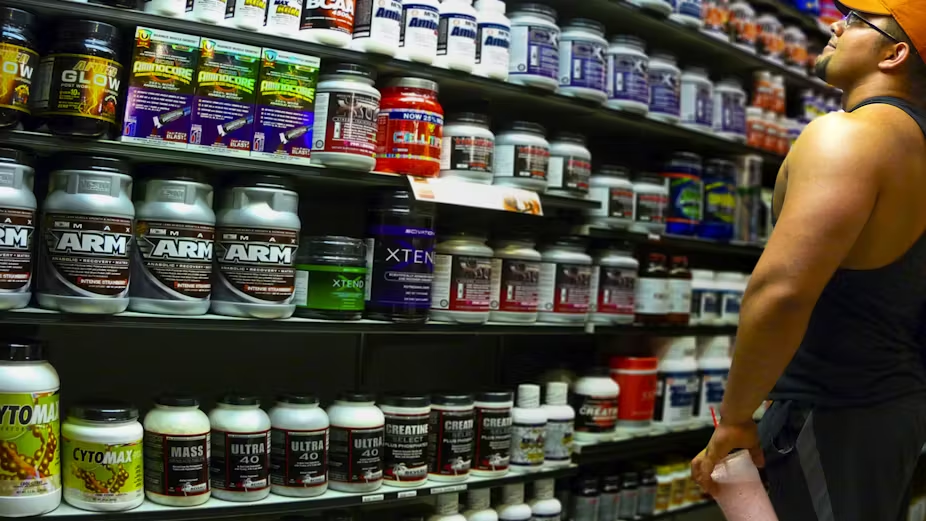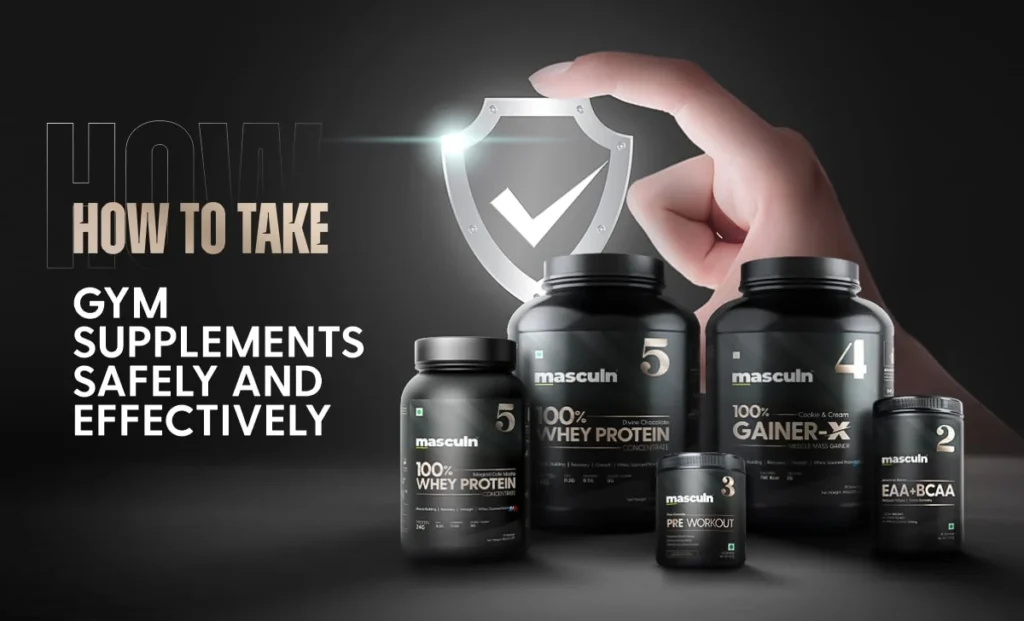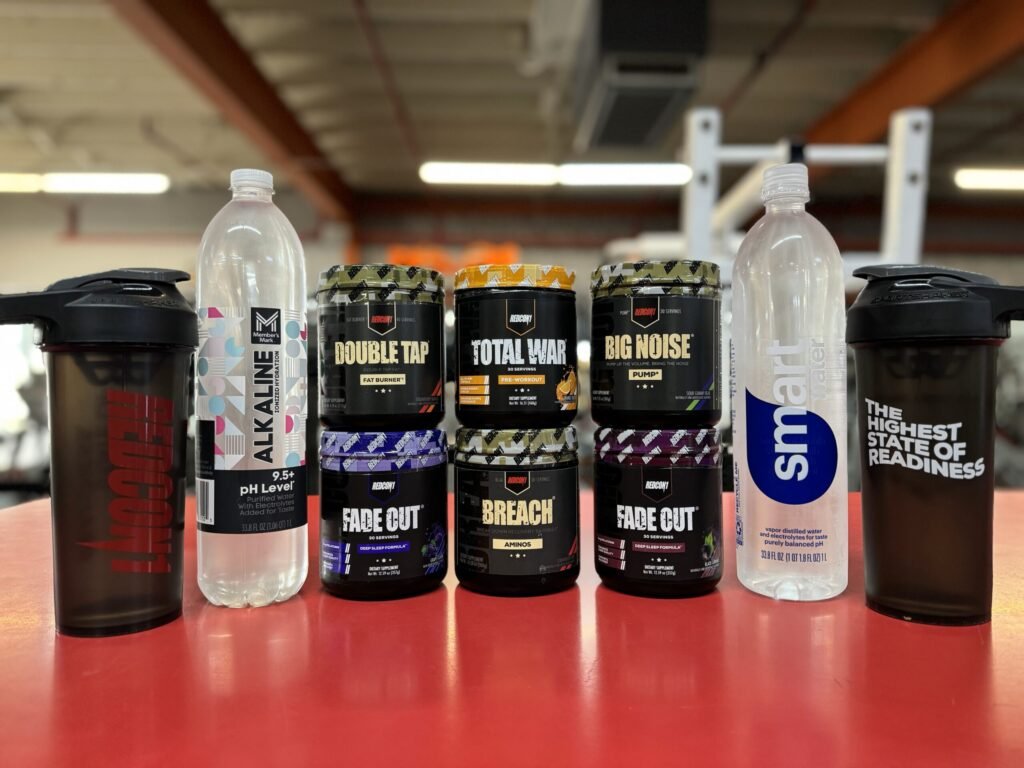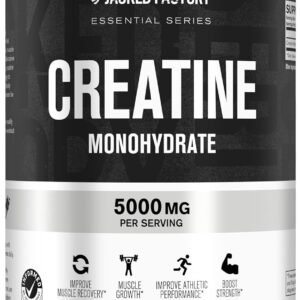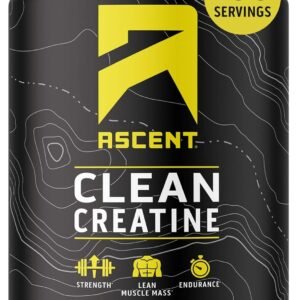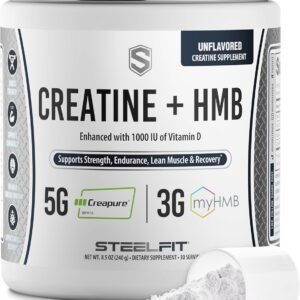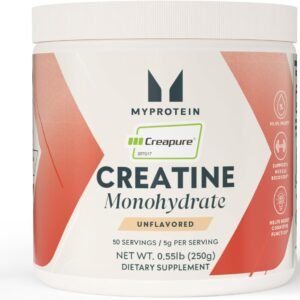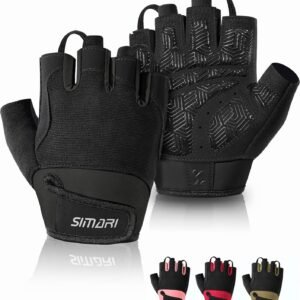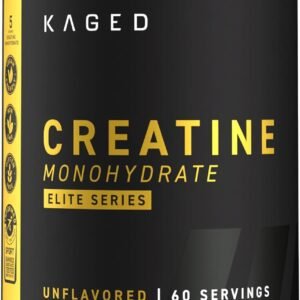


instagram supplements and gym equipment for sale

facebook gym supplements usa. Gym equipments and gym supplements for sale instagram profile social media

creatine taker

Best Creatine Supplements in the USA — 2025 Guide

Best creatine supplements available in USA in 2025.

TL;DR — Quick takeaways

  • Creatine monohydrate (micronized) is still the gold standard: most robust evidence, cheapest cost-per-gram, and widely accepted safety profile. MDPIPMC
  • Expect meaningful strength gains when creatine is combined with resistance training (meta-analyses show measurable increases in upper- and lower-body strength). MDPI
  • Cognitive benefits are promising but mixed — benefits show up in older adults, vegans, and energy-deprived brains; results in young healthy adults are inconsistent. PMC
  • Safety: creatine monohydrate is well-studied and generally safe for healthy people when used at recommended doses; authoritative reviews and ISSN position stands continue to support this. BioMed CentralTaylor & Francis Online
  • Market trend: US creatine market is growing fast (hundreds of millions USD in 2024; strong CAGR forecast through 2030) with new formats (gummies, RTD, beadlets), more third-party certification, and industry consolidation. Grand View ResearchGlobal Market Insights Inc.

Why this guide — and how it’s different

Many “best creatine” articles recycle retailer lists and product photos. This guide goes deeper: I use the latest meta-analyses and position statements, cross-check market reports, prioritize third-party testing & ingredient traceability (Creapure, NSF, Informed-Sport), and translate all of that into a practical, evidence-based shopping and usage checklist. Where press pieces give picks, I judge picks by scientific backing, purity, traceability, and value — not by marketing copy alone. MDPIU.S. Food and Drug AdministrationNSF International

Check also: a simple guide for US gym supplements


Short primer — how creatine works (so you can evaluate claims)

Creatine is a small molecule your body makes from amino acids and stores as creatine/phosphocreatine in muscle and brain. During short, intense efforts (sprinting, heavy lifting), phosphocreatine rapidly regenerates ATP — the immediate energy currency — letting you do a bit more, recover slightly faster, and train harder over time. That biochemical mechanism is why creatine reliably helps with short high-intensity performance, power and gains when paired with training. MDPI


What the science says (the newest, highest-impact findings)

Strength & muscle

Recent meta-analyses (2023–2024) show consistent, statistically significant improvements in maximal strength (bench, squat) and small to moderate gains in lean mass when creatine is taken with resistance training. Quantified examples from pooled analyses: multi-kg improvements in compound lifts versus placebo in adults under 50. MDPIPubMed
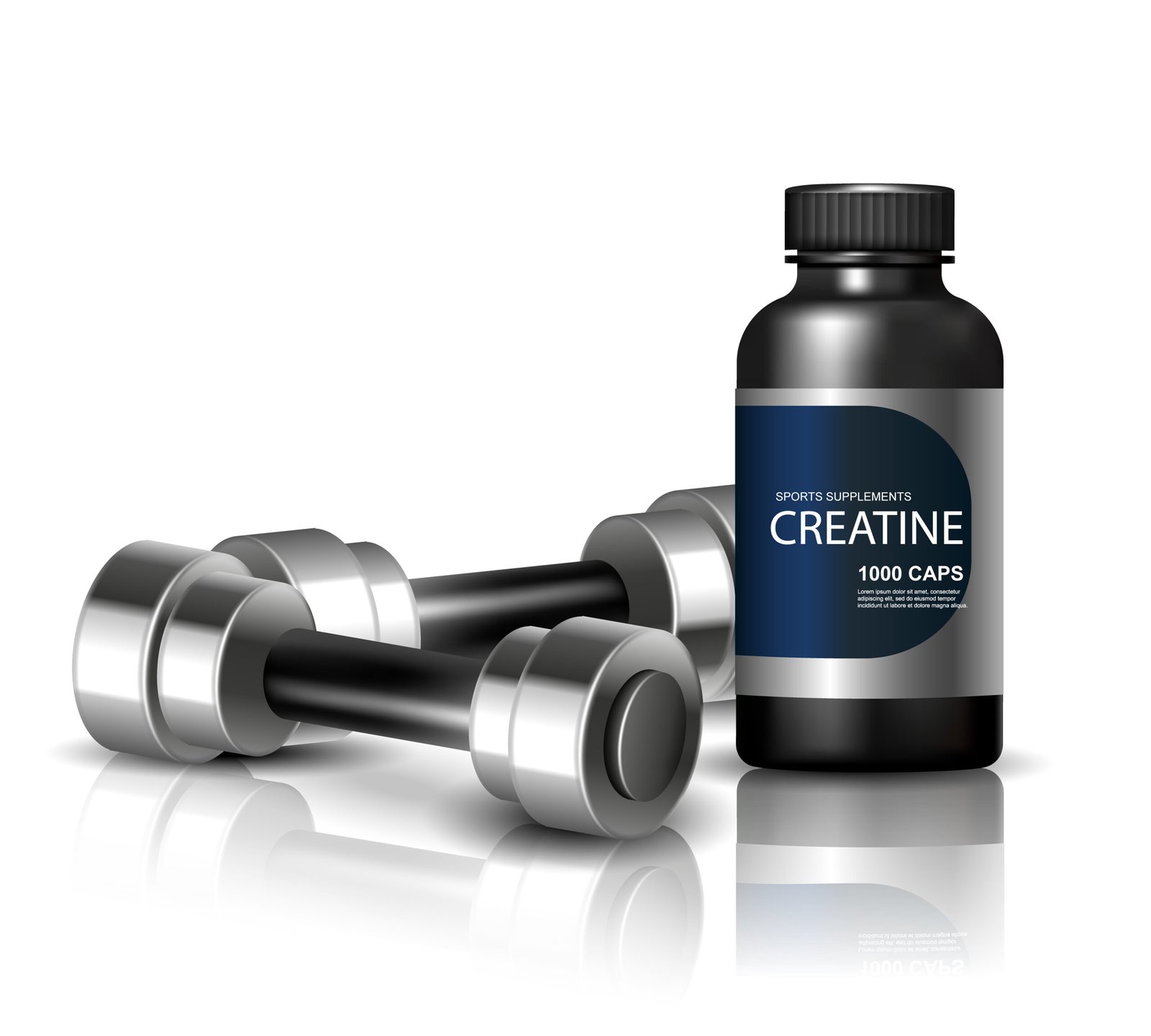
creatine sups

Dosing & protocol

Two evidence-backed options:

  • Loading: ~0.3 g/kg/day (≈20 g/day split into 4 doses) for 5–7 days, then maintenance 3–5 g/day. This saturates muscle fastest.
  • No-load: 3–5 g/day will saturate muscle stores in ~3–4 weeks and avoids temporary water gain some people dislike. Both are supported; pick what fits you. PMC+1

Cognitive & clinical uses

Systematic reviews in 2024/2025 show promising cognitive effects in older adults, sleep-deprived people, vegetarians, and some clinical contexts — but null or mixed effects in healthy young adults under normal conditions. Bottom line: cognition is a plausible secondary benefit, but more targeted trials are needed. PMCPubMed

Safety

Large bodies of work and position statements (ISSN and others) report no consistent evidence of kidney damage in healthy users at recommended doses and conclude creatine is well-tolerated for short and long term use in healthy populations. As always, people with existing kidney disease or on certain medications should consult a clinician. BioMed CentralTaylor & Francis Online


Forms on the market — what matters (and what’s mostly marketing)

  • Creatine Monohydrate (micronized)the evidence winner. Best studied, most cost-effective, and generally the recommended starting point. PMC
  • Micronized monohydrate — same molecule, smaller particle size for easier mixing. Preferable for taste/solubility.
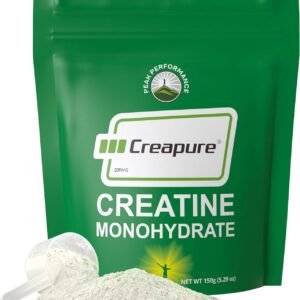
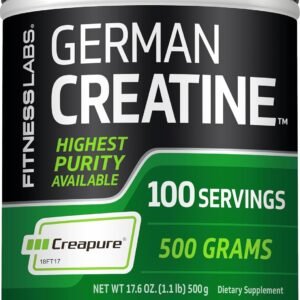
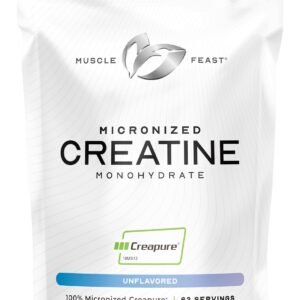
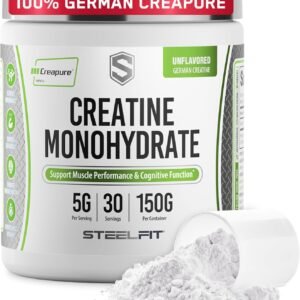
  • Creapure® (AlzChem) — a trademarked, tightly controlled German creatine monohydrate; widely used as a quality signal and backed by a GRAS notice to the FDA. If you value traceability, look for Creapure on the label. CreapureU.S. Food and Drug Administration
  • Creatine HCl, nitrate, buffered, ethyl ester, chelates — often marketed for better solubility or absorption. Current comparative evidence does not show clear superiority over monohydrate for most users; HCl may reduce GI issues for some people but carries a higher price. Buy these only for specific tolerability reasons. PMCLegion Athletics
  • Formats: powder (dominant), capsules, gummies, RTDs, soft chews. Powders remain best value; gummies/RTDs trade convenience for price and often add sugars/flavors.

Quality & safety signals to look for (critical)

  1. Simple ingredient list — ideally only creatine monohydrate (and maybe a flow agent like silica). Avoid multi-ingredient proprietary blends unless you want those extras.
  2. Third-party certification — NSF Certified for Sport, Informed-Sport/Informed-Choice, or Labdoor testing. These lower the risk of contamination and verify label accuracy. NSF/Informed-Sport listings are searchable publicly. NSF InternationalWe Test You Trust
  3. Creapure seal / traceable source — not required, but useful for peace of mind (Creapure is made by AlzChem and has GRAS paperwork). CreapureU.S. Food and Drug Administration
  4. Batch/lot numbers and COA (certificate of analysis) — brands that publish COAs or respond quickly to COA requests are better.
  5. Transparent dosing — 5 g per scoop clearly stated; avoid hidden low-dose servings.
  6. Price per gram — compute to compare value: price ÷ (servings × grams per serving).

Market analysis (USA) — 2024–2025 snapshot & trends

  • Market size & growth: Market research firms estimate the U.S. creatine market at several hundred million USD in 2024 (reports vary: e.g., Grand View Research and industry trackers), with aggressive projected CAGR and revenue forecasts into 2030 as creatine expands beyond bodybuilding into mainstream wellness (cognitive health, aging, women’s health). Expect continued rapid growth and M&A activity as brands consolidate and add specialty lines. Grand View ResearchGlobal Market Insights Inc.
  • Drivers: mainstream acceptance driven by: robust science, awareness of cognitive/aging benefits, increased female consumer uptake, DTC (direct-to-consumer) brands and influencer marketing, and novel formats (gummies, RTD). The GuardianHealth
  • Retail channels: Amazon + DTC sites dominate volume; specialty retailers and sports stores emphasize certified/skewed-toward athletes formulas. Labdoor and similar third-party testers have become influential in purchase decisions. labdoor

Check also: where to buy best creatine in USA

The Strategic Integration: Creatine as a Foundational Supplement, Not an Isolated Ingredient

The most significant performance and cognitive benefits of creatine are realized when it is treated not as an occasional ergogenic aid, but as a foundational, non-negotiable component of your daily nutrition. This concept of “strategic integration” means pairing creatine with habits that maximize its uptake and utility. For instance, consuming your daily dose alongside a post-workout shake containing carbohydrates and protein can enhance muscular creatine uptake due to the insulinogenic effect. Similarly, consistent daily hydration is not merely a good practice but a physiological necessity to facilitate the intramuscular cell volumization that is central to creatine’s anabolic signaling. By integrating creatine into your daily ritual—whether with breakfast, post-training, or any other consistent meal—you ensure sustained muscle saturation. This creates a stable internal environment where the benefits of increased training capacity, enhanced recovery, and potential cognitive support compound over time, transforming a simple molecule into a cornerstone of long-term athletic and cognitive resilience.

Navigating the Marketplace: The Critical Distinction Between Quality Verification and Marketing Noise

As the U.S. creatine market expands, the onus is on the consumer to distinguish between legitimate quality verification and clever marketing. A product boasting “clinically studied” or “patented” on its label may still lack the independent, batch-specific testing that guarantees purity and potency. The true markers of a superior product are often found not on the front of the tub, but in the transparency of its sourcing and testing documentation. Beyond looking for the NSF or Informed-Sport seal, the most informed consumers are now demanding access to the Certificate of Analysis (COA) for the specific lot number on their purchase. This document reveals the actual assay results for heavy metals, microbial contaminants, and exact creatine content—data that a simple seal cannot provide. Furthermore, with the rise of novel formats like gummies and RTDs, scrutinizing the “other ingredients” list becomes paramount, as these can introduce unnecessary sugars, artificial colors, or fillers that contradict a health-focused regimen. In 2025, the best creatine supplement is defined not by its flavor or format, but by the brand’s willingness to provide pharmaceutical-level transparency at every step from manufacturer to consumer.


My top picks (categories & why) — shortlist based on purity, testing, evidence, value

I focused picks on: (1) proven ingredient (creatine monohydrate), (2) third-party testing / Creapure when available, (3) price/value, and (4) consumer/independent lab rankings.

  • Best overall (science + traceability): Creapure® micronized creatine monohydrate — any reputable brand using Creapure (examples favored in press: Gnarly, Thorne, Legion). Creapure provides traceability and consistent purity. CreapureMen’s Health
  • Best value (bulk powder): Unflavored micronized creatine monohydrate from transparent brands (many Labdoor A+ picks) — cheap per gram and simple label. Check Labdoor ranking pages for top value picks. labdoor
  • Best certified (for athletes): NSF Certified for Sport products (Thorne, Momentous, some 1st Phorm products) — pick these if you compete or want absolute assurance. ThorneMomentous
  • Best for sensitive stomachs: Creatine HCl formulations — some users tolerate HCl better; evidence for superior gains is weak, so use HCl for GI reasons, not performance superiority. PMCLegion Athletics
  • Best convenient format (on the go): Creatine gummies / chewables — novel and convenient. They cost more per gram; rely on independent lab scores because flavored products add ingredients. (Industry reviewing sites and Labdoor list some high-ranked gummies.) Garage Gym Reviewslabdoor

(Specific brand recommendations often overlap with Labdoor, EatingWell, Men’s Health and Healthline lists — I cross-checked those lists and elevated products that had quality signals above.) labdoorEatingWellMen’s HealthHealthline


Buying checklist — how to pick the single best tub for you

  1. Active ingredient: creatine monohydrate (micronized) — 5 g scoop.
  2. Purity: single ingredient, no junk fillers or hidden blends.
  3. Certification: NSF Certified for Sport or Informed-Sport if you care about banned-substance testing. NSF International
  4. Source / traceability: Creapure or brand transparency about supplier. Creapure
  5. Price per gram: do the math. Bulk powder almost always wins.
  6. Mixability / taste: micronized for mixability; unflavored if you want to mix into shakes.
  7. Return policy & COA availability: better brands publish lab tests or provide them on request.

Practical usage tips

  • Standard routine: 3–5 g/day (skip loading) works for most. Loading (20 g/day split for 5–7 days) saturates faster. PMC
  • Timing: timing is flexible — take daily with a meal or near workouts; pairing with carbs/protein can slightly improve uptake. PMC
  • Hydration & weight: expect a small, short-term water weight increase (intracellular), not fat gain.
  • Stacking: creatine stacks well with protein, beta-alanine, caffeine (be mindful of timing), but evaluate blended preworkouts closely for unnecessary stimulants.
  • Who might avoid it: people with known renal disease or on nephrotoxic drugs — consult your physician.

Comparing this guide to mainstream press & review lists

  • Press lists (Men’s Health, Healthline, Verywell, EatingWell) often recommend many of the same brands, but they typically focus on product taste, value or a shallow test battery. Men’s HealthHealthlineVerywell HealthEatingWell
  • What I added / improved:
    1. Up-to-date science synthesis — I cite 2023–2024 meta-analyses and 2025 position updates rather than relying solely on marketing or older single studies. MDPITaylor & Francis Online
    2. Market context — concrete U.S. market figures and trends to explain product innovation and price pressure. Grand View Research
    3. Product triage by objective signals — third-party testing, GRAS/Creapure traceability, and cost-per-gram calculations are front and center (not afterthoughts). U.S. Food and Drug AdministrationNSF International
    4. Balanced view on novel forms — HCl, nitrate, gummies: explained pros/cons and evidence rather than hype. PMC

Check also: Can Women Use Creatine The Same Way As Men Do?

creatine drinker

Final recommendations (short)

  • If you want one jar for life: buy a micronized creatine monohydrate (Creapure if you want extra traceability), 5 g serving — check price per gram and COA/NSF status. CreapureNSF International
  • If you compete: prioritize NSF Certified for Sport / Informed-Sport labeled products. NSF International
  • If you get GI issues from monohydrate: try a creatine HCl product for tolerability; monitor effects. PMC

Sources & further reading (selected)

gym supplements us

The Ultimate Guide to Gym Supplements in the US

Stepping into the world of gym supplements in the US can feel overwhelming. Walk into any supplement store or browse online, and you’re met with a dizzying array of powders, pills, and promises. With so many options, how do you know what’s essential and what’s just clever marketing?

This definitive guide is designed to cut through the noise. We’ll break down the most effective, scientifically-backed gym supplements available to American fitness enthusiasts. Whether your goal is building muscle, increasing strength, boosting performance, or enhancing recovery, we’ve got you covered. Let’s build a supplement stack that actually works.

gym supplements us

Why Trust This Guide? Our Methodology
Our recommendations are based on:

  • Scientific Evidence: We prioritize supplements with robust clinical research supporting their efficacy.

  • Safety & Quality: We focus on products that are generally recognized as safe (GRAS) and emphasize the importance of choosing brands that are third-party tested.
  • Relevance for the US Market: We understand the specific brands, retailers, and regulatory landscape (governed by the FDA) that define the US supplement industry.

The Foundational Four: Essential Supplements for Every American Gym-Goer

Before you explore anything else, these four supplements form the non-negotiable foundation of any effective regimen.

1. Whey Protein Powder

What it is: A fast-digesting protein derived from milk. It’s a complete protein, meaning it contains all nine essential amino acids.
Benefits: Provides the building blocks (amino acids) for muscle repair and growth. It’s incredibly convenient for post-workout nutrition or hitting your daily protein targets.
US Brand Tips: Look for brands that are transparent about their ingredients and use third-party testing, like NSF Certified for Sport or Informed-Choice, to ensure purity.

2. Creatine Monohydrate

What it is: One of the most researched supplements in the world. It helps your muscles produce energy during heavy lifting or high-intensity exercise.
Benefits: Increases strength, power output, and muscle mass. It also draws water into your muscle cells, promoting a fuller look.
Dosage: A simple and effective protocol is 5 grams per day. No complicated loading phase is necessary.

gym supplements us

3. Pre-Workout

What it is: A blend of ingredients designed to increase energy, focus, and endurance for your training session.
Key Ingredients to Look For:

  • Caffeine: The gold standard for energy and focus.
  • Beta-Alanine: Causes a tingling sensation and helps fight muscular fatigue.
  • Citrulline Malate: Improves blood flow, pump, and endurance.
    US Buyer Beware: Many US-based pre-workouts contain proprietary blends that hide specific ingredient amounts. Opt for brands that use fully transparent labels.

4. Branched-Chain Amino Acids (BCAAs) / Essential Amino Acids (EAAs)

What it is: BCAAs (Leucine, Isoleucine, Valine) are a subset of EAAs, which are the amino acids your body cannot produce itself.
Benefits: While not a replacement for whole protein, they can aid in muscle recovery and reduce muscle soreness, especially during fasted training or very long workouts.
The Verdict: If you’re already consuming enough protein, BCAAs are less critical. However, EAAs offer a more complete profile and can be a valuable tool for recovery.


Leveling Up: Advanced Supplements for Specific Goals

Once you’ve mastered the basics, consider these evidence-based options.

  • For Muscle Growth & Strength: Beta-Alanine (standalone) and HMB.
  • For Fat Loss: Caffeine (standalone) remains the most effective. Green Tea Extract can also provide a mild metabolic boost.
  • For Joint Health: Fish Oil (Omega-3s) and Glucosamine & Chondroitin are popular choices for supporting joint lubrication and reducing inflammation.
  • For Testosterone Support: Vitamin D3 and Zinc are crucial, especially if you are deficient. Always prioritize sleep, nutrition, and stress management first.

How to Choose Safe and Effective Supplements in the US

The US supplement market is vast and, unfortunately, not as tightly regulated as the pharmaceutical industry. Follow these tips to be a smart consumer:

  1. Third-Party Testing is King: This is the most important step. Look for seals from NSF International, Informed-Choice, or USP (US Pharmacopeia). This verifies that what’s on the label is actually in the bottle and that it’s free from harmful contaminants.
  2. Avoid Proprietary Blends: A “proprietary blend” allows companies to hide the exact doses of each ingredient. Choose supplements with fully disclosed ingredient amounts.
  3. Buy from Reputable US Retailers: Purchase from well-known US-based retailers like GNC, Vitamin Shoppe, Amazon (sold/shipped by Amazon.com), or directly from the brand’s official website. This minimizes the risk of receiving counterfeit products.
  4. Read the Label: Check for other ingredients, sugar content, and serving size. Know what you’re putting into your body.
gym supplements us

FAQ: Gym Supplements US

Q: Are gym supplements regulated by the FDA in the US?
A: Yes, but differently than drugs. Supplements are regulated under the Dietary Supplement Health and Education Act (DSHEA) of 1994. The FDA takes action against unsafe products after they reach the market, which is why third-party testing is so critical.

Q: What is the best time to take protein powder?
A: The “anabolic window” is larger than once thought. The most important factor is your total daily protein intake. However, consuming protein within 1-2 hours post-workout is a reliable practice for maximizing recovery.

Q: Can I build muscle without supplements?
A: Absolutely. Supplements are meant to supplement a solid foundation of whole foods, proper training, and adequate sleep. They are not magic pills. You cannot out-supplement a bad diet.

Q: Where is the best place to buy gym supplements in the US?
A: Reputable online retailers (Amazon, brand websites) often have the best prices. Brick-and-mortar stores like Vitamin Shoppe and GNC offer the advantage of in-person advice and immediate availability.

🧠 The Psychology of “Stacking”: From Overwhelm to Empowerment

The dizzying array of gym supplements often triggers a specific psychological response: decision fatigue. This is the mental exhaustion that comes from confronting too many choices, leading to either hasty purchases or complete inaction. Stepping into a supplement store and seeing walls of “shredding,” “bulking,” and “recovery” formulas can feel like being asked to solve a complex puzzle with no solution. The most strategic mindset to adopt is one of systematic elimination. Start by acknowledging that your foundational nutrition, training, and sleep are the bedrock; supplements are the finishing touches. From there, apply filters: first by your primary goal, then by clinically proven ingredients, and finally by budget and brand transparency. This process transforms an overwhelming catalog into a manageable shortlist, turning shopping from a chore into an empowered, intentional step toward your goals.

🔄 Beyond “Best Sellers”: Developing a Consumer’s Eye for Value

The shopping environment itself is designed to guide you toward decisions that favor the retailer. “Best Seller” badges, front-of-store promotions, and influencer-touted products can be misleading indicators of true value or personal efficacy. To develop a discerning eye, shift your focus to cost-per-serving analysis and ingredient panel literacy. A larger tub at a higher price may offer far better long-term value than a smaller, heavily marketed alternative. More critically, learn to decode a supplement facts panel. Prioritize products with fully disclosed amounts of each ingredient—avoiding those that use “proprietary blends” to hide dosages—and verify the presence of third-party testing seals. This critical approach ensures your money is invested in active compounds, not clever branding or cleverly designed packaging.

🏪 Brick-and-Mortar vs. Digital Cart: The Modern Supplement Hunt

The choice of where to buy supplements is no longer just about convenience; it’s about aligning the purchasing experience with your needs for speed, trust, and expertise. The rise of multi-channel retailers has blurred the lines. A store like GNC or The Vitamin Shoppe offers a significant advantage for immediate needs and personal advice from staff. However, the sheer selection, price transparency, and detailed user reviews found on platforms like Amazon or Bodybuilding.com are often unparalleled for research and bulk purchasing. The smartest strategy for the modern consumer is often a hybrid approach. Use online marketplaces to research, compare, and purchase your staple supplements (like creatine and protein) in cost-effective bulk. Then, leverage physical stores to try new flavors, get immediate answers to questions, or purchase specialized items where authenticity and expert guidance are paramount. This dual-channel approach leverages the strengths of both worlds for optimal value and confidence.

Conclusion: Building Your Intelligent Stack

The best gym supplement stack for you depends entirely on your individual goals, diet, and training intensity. Don’t feel pressured to buy everything at once.

Start with the fundamentals:

  1. Dial in your nutrition with whole foods.
  2. Add a high-quality Whey Protein or plant-based alternative to help meet protein goals.
  3. Include Creatine Monohydrate for proven strength and muscle benefits.
  4. Consider a Pre-Workout if you need an energy and focus boost for your sessions.

Remember, consistency in the gym and the kitchen will always be more important than any powder or pill. Use this guide to make informed decisions and invest in supplements that offer real, evidence-based value for your fitness journey.

Ready to shop? Compare top-rated US supplement brands and find the best deals for your goals.
Check Out Our Top 10 US Supplement Brands

pre workout usa 1

Top 10 Pre-Workout Supplements Ranked by Effectiveness (2025 Guide)

Top 10 Pre-Workout Supplements Ranked by Effectiveness (2025 Guide). Athletes, bodybuilders, and fitness enthusiasts know that the right pre-workout supplement can make a massive difference in energy, endurance, focus, and strength. Whether you’re pushing through heavy lifts, high-intensity interval training (HIIT), or endurance sessions, a well-formulated pre-workout gives you the edge you need to perform at your peak.

But with hundreds of products on the market, which pre-workouts actually deliver results? Below, we’ve ranked the Top 10 Pre-Workout Supplements of 2025 based on effectiveness, ingredient quality, research-backed formulations, and customer reviews.


What to Look for in a Pre-Workout Supplement

Before jumping into the rankings, here are the key ingredients that actually work, according to sports nutrition research:

  • Caffeine (150–300 mg): Increases alertness, reduces fatigue, and boosts performance.
  • Beta-Alanine (2–3.2 g): Enhances muscular endurance and reduces lactic acid buildup.
  • Creatine Monohydrate (3–5 g): Improves strength and power output.
  • Citrulline Malate (6–8 g): Increases blood flow, pumps, and endurance.
  • BCAAs or EAAs: Support muscle recovery and reduce breakdown.
  • Adaptogens (Ashwagandha, Rhodiola): Help reduce stress and improve training capacity.
pre workout usa 1

A great pre-workout should be clinically dosed, transparent (no proprietary blends), and safe for athletes.


Top 10 Pre-Workout Supplements Ranked by Effectiveness

1. Transparent Labs BULK

Best Overall Pre-Workout for Strength & Endurance

  • Why it’s #1: Clinically dosed ingredients, no artificial sweeteners, excellent for athletes who want strength, focus, and pumps.
  • Key Ingredients: 8 g Citrulline Malate, 4 g Beta-Alanine, 5 g BCAAs, 300 mg Caffeine.
  • Who it’s for: Strength athletes, bodybuilders, and anyone serious about muscle growth.

2. Kaged Pre-Kaged Elite

High-Performance Formula with Extra Creatine

  • Why it’s great: Includes a powerful 10 g of Citrulline, full creatine dose, and organic caffeine.
  • Key Ingredients: 10 g Citrulline, 3.2 g Beta-Alanine, 5 g Creatine, 388 mg Caffeine.
  • Best for: Advanced lifters and athletes who want strength + endurance in one.

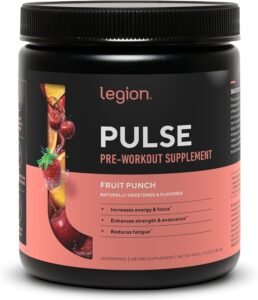
3. Legion Pulse

Clean, Natural, and Stimulant-Free Option Available

  • Why it stands out: 100% natural sweeteners and flavoring, large caffeine dose (350 mg), and fully transparent labeling.
  • Key Ingredients: 8 g Citrulline, 3.6 g Beta-Alanine, 350 mg Caffeine.
  • Great for: Athletes who prefer natural products with or without stimulants.

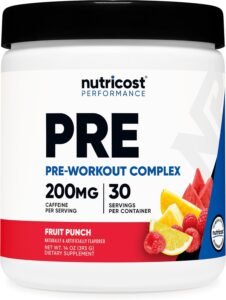
Nutricost Pre-Workout Complex Powder 30 Servings Fruit Punch

$21.95

Formulated with Caffeine, Beta-Alanine, L-Citrulline, Creatine Monohydrate, and L-Arginine, this advanced complex supports increased nitric oxide production for improved blood flow and muscle pumps. Whether you’re lifting, sprinting, or pushing through intense cardio, Nutricost gives you the mental drive and physical power to go beyond your limits.


4. Gorilla Mode

Best for Muscle Pumps & Mental Focus

  • Why it’s popular: Higher doses than most competitors, designed for insane pumps and focus.
  • Key Ingredients: 9 g Citrulline, 5 g Creatine, 3 g GlycerPump, 350 mg Caffeine.
  • Best for: Bodybuilders who want extreme pumps and vascularity.

5. C4 Ultimate by Cellucor

Most Popular & Trusted Pre-Workout Brand

  • Why it’s iconic: C4 has been around for years and remains one of the top sellers worldwide. The Ultimate version is the most powerful.
  • Key Ingredients: 6 g Citrulline Malate, 3.2 g Beta-Alanine, 300 mg Caffeine.
  • Best for: Everyday athletes looking for a reliable and affordable pre-workout.

6. Pre JYM by JYM Supplement Science

Science-Backed Formula by Dr. Jim Stoppani

  • Why it works: Created by a scientist, Pre JYM is packed with research-supported ingredients.
  • Key Ingredients: 6 g Citrulline Malate, 2 g Creatine HCL, 2 g Beta-Alanine, 300 mg Caffeine.
  • Best for: Athletes who value scientifically tested formulas.

7. RYSE Godzilla Pre-Workout

Strongest Pre-Workout on the Market

  • Why it’s extreme: Massive doses of Citrulline and Beta-Alanine plus added nootropics for brain focus.
  • Key Ingredients: 11 g Citrulline, 6.4 g Beta-Alanine, 400 mg Caffeine.
  • Best for: Advanced lifters with high caffeine tolerance.

8. Optimum Nutrition Gold Standard Pre-Workout

Budget-Friendly & Trusted Worldwide

  • Why it’s on the list: From one of the most respected supplement brands, simple and effective at a fair price.
  • Key Ingredients: 3 g Creatine, 1.5 g Beta-Alanine, 175 mg Caffeine.
  • Best for: Beginners and athletes on a budget.

Check also article: best legal pre-workouts available in US market

pre workout usa 1

9. Redcon1 Total War

Military-Grade Intensity for Hardcore Workouts

  • Why it’s intense: Designed for athletes who want high energy and extreme focus.
  • Key Ingredients: 6 g Citrulline Malate, 3.2 g Beta-Alanine, 250 mg Caffeine, plus stimulants like Theobromine.
  • Best for: High-intensity trainers and competitive athletes.

10. Ghost Legend Pre-Workout

Best for Lifestyle Athletes & Taste

  • Why athletes love it: Known for its great flavors and solid balance of energy + pump.
  • Key Ingredients: 4 g Citrulline, 3.2 g Beta-Alanine, 250 mg Caffeine.
  • Best for: Athletes who want both performance and enjoyable flavors.

Check also: discounted supplements for sale – great deals on supplements

Legion Pulse Pre Workout Supplement All Natural Nitric Oxide Preworkout

$44.99

Legion Pulse is the ultimate all-natural pre-workout designed to supercharge your energy, focus, and endurance — without the jitters, crashes, or artificial junk. Made with clinically effective doses of performance-enhancing ingredients like L-Citrulline, Beta-Alanine, Caffeine, and Theanine, Pulse helps you train harder, lift heavier, and recover faster.

Frequently Asked Questions (FAQ)

  1. What makes a pre-workout “effective”?
    An effective pre-workout usually has clinically dosed key ingredients — such as caffeine (150–300 mg), citrulline malate (6–8 g), beta-alanine (2–3.2 g), and creatine (3–5 g) — that are shown by research to boost energy, endurance, pumps, and strength.
  2. Is more caffeine always better?
    No. While caffeine increases alertness and performance, very high doses can cause jitters, elevated heart rate, or sleep disturbances. It’s best to choose a pre-workout that matches your tolerance, and consider starting with a half serving to assess how you respond.
  3. Why do some pre-workouts cause a tingling sensation?
    The “pins-and-needles” feeling (paresthesia) is usually due to beta-alanine, which is commonly included in pre-workouts for its endurance benefits. This is typically harmless, though sensitive users may lower the dose or split it.
  4. Are pre-workouts safe?
    When used appropriately, pre-workouts can be generally safe for healthy adults. But overuse or very high-stimulant formulas can lead to side effects like jitteriness, anxiety, dehydration, or elevated blood pressure. Always consult a healthcare provider if you have health conditions or take medications.
  5. What about “dry scooping” pre-workout powder?
    Dry scooping (taking pre-workout powder without mixing in water) is risky. It can raise the chance of choking, caffeine overdose, or other negative effects. Always mix your supplement with the appropriate amount of water per the label instructions.
  6. How often should I use a pre-workout supplement?
    It depends on your training schedule and stimulant tolerance. Many recommend limiting stimulant-based pre-workouts to a few times a week to avoid building up tolerance. Some users also cycle off for a few weeks to reset.
  7. Do I need a pre-workout supplement to get results?
    No — pre-workouts are not magic. You can still make significant strength or endurance gains with solid nutrition, sleep, hydration, and consistent training. As noted in the guide, pairing your supplement with a balanced diet and proper recovery is key.

🔄 Mastering Tolerance and Timing for Long-Term Efficacy

While the immediate rush of a high-stimulant pre-workout can be motivating, true long-term efficacy hinges on strategic use to avoid tolerance. Repeatedly using the same high-dose formula can desensitize your body’s response, particularly to caffeine, leading to a frustrating plateau where more is needed to achieve the same effect. To combat this, smart athletes practice supplement cycling. This involves rotating between a high-stimulant product for intense sessions, a low-stim or stimulant-free option for moderate workouts, and even designated weeks off entirely. This strategy, combined with precise timing—consuming your pre-workout 30-45 minutes before exercise to align the peak of the ingredients with the start of your session—ensures your body remains responsive and you derive consistent performance benefits without perpetually increasing your dose.

🧠 Aligning Your Choice with Your Neural Profile

The psychological and physical demands of your workout should dictate your pre-workout selection. Products are not universally effective; they cater to different neurological and physiological needs. For tasks requiring intense mental focus, such as technical lifting or complex training, a formula rich in nootropics like L-TheanineAlpha-GPC, or L-Tyrosine can sharpen cognition and mind-muscle connection. Conversely, for grueling endurance sessions or high-volume work, the primary goal shifts to delaying fatigue, making a product with robust doses of beta-alanine and citrulline malate essential. Choosing a pre-workout based on this “neural profile” of your upcoming workout—prioritizing either laser focus or fatigue-fighting endurance—ensures the supplement actively contributes to your specific training objectives rather than just providing a generic energy spike.

💰 Assessing True Value Beyond the Sticker Price

With premium pre-workouts commanding significant prices, discerning value is key. The most telling metric is not the cost of the tub, but the cost per effective serving. Many products use “proprietary blends” that hide individual ingredient dosages, making it impossible to verify if you’re getting a clinically effective amount of key compounds. A cheaper tub that under-doses its citrulline is ultimately worse value than a more expensive, fully transparent product. The highest-value supplements are those that offer full label transparency, clinically backed doses of all key ingredients, and third-party testing for purity. This ensures every dollar spent is directly purchasing proven performance benefits, not just marketing hype or filler, making your investment both financially and physically worthwhile.


Final Thoughts

The best pre-workout for you depends on your training style, caffeine tolerance, and performance goals. If you’re looking for all-around performance, Transparent Labs BULK is the top choice. For extreme pumps, Gorilla Mode or RYSE Godzilla stand out. For budget-friendly beginners, Optimum Nutrition Gold Standard Pre-Workout is an excellent entry point.

When buying a pre-workout supplement, always check for transparent labeling, clinically effective doses, and safety testing. Remember that more caffeine doesn’t always mean better performance — quality ingredients matter most.

👉 Pair your pre-workout with a balanced diet, proper hydration, and recovery supplements (like protein and creatine) for maximum results.

Best Gym Supplements in the USA for 2025

Best Gym Supplements in the USA for 2025: What Athletes Really Use

Best Gym Supplements in the USA for 2025. When it comes to achieving peak performance, athletes in the United States rely on more than just training and diet. The right supplements can make the difference between good results and elite performance. In 2025, the supplement market is more competitive than ever, and consumers are demanding quality, transparency, and proven science. Below, we break down the best gym supplements in the USA that athletes are actually using this year.


Whey Protein: The Cornerstone of Muscle Growth

Still the undisputed king of performance nutrition, whey protein remains the most consumed supplement in the USA. Its fast absorption, complete amino acid profile, and strong clinical evidence make it a staple for muscle recovery and growth.

  • Why athletes use it: Supports lean muscle, enhances recovery, and delivers convenient high-quality protein.
  • 2025 trends: Grass-fed whey and clean-label formulations with minimal additives are leading sales.

Creatine: Backed by Decades of Research

If there’s one supplement that’s stood the test of time, it’s creatine monohydrate. Over 20 years of research confirm its ability to increase strength, power, and training capacity.

  • Why athletes use it: Improves explosive strength and recovery between high-intensity sets.
  • 2025 trends: Creatine HCl and micronized forms are gaining traction for improved solubility, but traditional creatine monohydrate is still the gold standard in the USA.

BCAAs and EAAs: Essential for Recovery

Best Gym Supplements in the USA for 2025

Branched-Chain Amino Acids (BCAAs)—and more recently Essential Amino Acids (EAAs)—continue to play a vital role in muscle preservation and reducing fatigue.

  • Why athletes use it: Helps minimize muscle breakdown during training and accelerates recovery.
  • 2025 trends: EAAs are becoming more popular than traditional BCAAs, as athletes look for a complete amino acid spectrum.

Pre-Workouts: Energy and Focus in a Scoop

In 2025, pre-workout formulas are more sophisticated than ever, blending caffeine with nootropics, nitric oxide boosters, and hydration compounds.

  • Why athletes use it: Increases energy, pumps, and focus for better training sessions.
  • 2025 trends: Transparent labeling is now the norm. Artificial colors are being replaced with natural alternatives, and stimulant-free versions are gaining popularity for evening training.

Vitamins and Health Supplements: The Overlooked Essentials

While performance supplements get most of the attention, multivitamins, Vitamin D, Omega-3s, and Magnesium are essential to keep athletes healthy year-round.

  • Why athletes use it: Supports immune function, reduces inflammation, and improves recovery.
  • 2025 trends: Athletes are increasingly turning to personalized supplement packs based on blood testing and DNA analysis.

Check also: whey protein vs plant protein


American-Made vs. Imported Supplements

The USA is the world leader in supplement innovation, but imported products from Europe and Asia are gaining ground.

  • American-made advantages: Strict FDA oversight, transparent labeling, and strong brand reputation.
  • Imported products: Often cheaper, but quality and testing standards vary. Serious athletes in the USA overwhelmingly prefer domestic, GMP-certified brands.

What’s Trending in 2025

  • Plant-Based Performance: Vegan proteins (pea, rice, hemp) are becoming mainstream among U.S. athletes.
  • Clean-Label Formulas: Fewer fillers, artificial sweeteners, or banned substances.
  • Sustainability: Eco-friendly packaging and ethical sourcing are driving purchase decisions.
  • Stacking for Performance: Athletes are combining creatine, whey, and pre-workouts into daily regimens rather than using standalone supplements.

The 2025 American Athlete’s Supplement Guide: Science, Safety, and Peak Performance

In the relentless pursuit of athletic excellence, American athletes are navigating a supplement landscape that is evolving at lightning speed. The right nutritional support no longer just enhances performance—it safeguards long-term health, enables precise recovery, and provides a measurable competitive edge. For 2025, the paradigm has shifted from mere supplementation to strategic nutritional precision. This guide breaks down not just what top athletes are using, but why, and how to integrate these tools intelligently into your regimen.

Whey Protein: Beyond the Basics—The Bioavailability Revolution

Whey remains foundational, but 2025 sees a transformation in its application.

Why it’s Essential: Whey provides leucine, the critical trigger for Muscle Protein Synthesis (MPS), faster than any other protein source. It’s not just about grams of protein, but about activating the muscle-building machinery at the optimal time.

2025 Deep Dive:

  • Hydrolyzed Whey Isolate is surging for post-workout use due to its predigested, ultra-fast absorption.
  • Native, cold-processed whey preserves fragile immunoglobulins and lactoferrin, offering immune support—a crucial benefit for athletes training at high volumes.
  • Look for labels with “grass-fed” and “rBST-free”, which correlate with a better fatty acid profile (higher CLA and Omega-3s).

Pro Tip: The “anabolic window” is wider than once thought. For maximal daily MPS, focus on total protein intake (1.6-2.2g/kg of bodyweight) and time a fast-absorbing whey dose within 2 hours post-training.

Creatine: The Cognitive and Cellular Powerhouse

Creatine monohydrate is arguably the most researched ergogenic aid on earth, and its benefits extend far beyond the weight room.

Why it’s Essential: It rapidly regenerates ATP (cellular energy) during high-intensity efforts, allowing for more quality reps, sprints, or jumps. Emerging research consistently supports cognitive benefits, including reduced mental fatigue.

2025 Deep Dive:

  • Loading is optional. A consistent 3-5g daily dose saturates muscles in 3-4 weeks without the digestive discomfort of a 20g/day loading phase.
  • The “bloating” myth is debunked with pure, micronized monohydrate. Any initial weight gain is intramuscular water retention, contributing to cell volumization and an anabolic signaling environment.
  • It’s not just for lifters. Endurance athletes use it to buffer fatigue during hill surges and final kicks.

Pro Tip: Pair creatine with a post-workout protein/carb source. The accompanying insulin spike can enhance muscular creatine uptake.

EAAs: The Recovery and Anabolic Signal

While BCAAs (Leucine, Isoleucine, Valine) are a subset, Essential Amino Acids (EAAs)—all nine that the body cannot produce—are now recognized as the superior choice for most athletes.

Why they’re Essential: EAAs provide the complete raw material for repairing and building new muscle tissue. Intra-workout EAA supplementation can flip the body from a catabolic (breaking down) to an anabolic (building up) state during training.

2025 Deep Dive:

  • Dosing Matters: Look for products providing at least 3g of leucine per serving to maximally stimulate MPS.
  • The Intra-Workout Edge: Sipped during training, EAAs can reduce muscle soreness (DOMS) and accelerate recovery without the gut discomfort of a protein shake.
  • Fasting & Cutting: EAAs are invaluable for preserving lean mass during calorie-restricted or fasted training periods.

Pre-Workouts: Precision Engineered Stimulation

The 2025 pre-workout is a nuanced tool, moving beyond just a caffeine bomb.

Why it’s Essential: A quality pre-workout aligns your central nervous system, muscle perfusion, and mental focus for optimal performance. It’s about readiness, not just energy.

2025 Deep Dive:

  • Beta-Alanine & Carnosyn®: Look for this patented form. It buffers muscle acidity, fighting the burn during reps 8-15 and allowing for more volume.
  • Citrulline Malate (6-8g dose): The gold standard for nitric oxide support. It increases blood flow, nutrient delivery, and the coveted “pump,” which stretches fascia and may support long-term growth.
  • Focus Matrix: Ingredients like L-Theanine (to smooth caffeine jitters), Alpha-GPC, and Huperzine A support laser-like concentration.
  • Stimulant-Free Options: For evening sessions or caffeine-sensitive athletes, these provide the pump and focus benefits without sleep disruption.

The Health Foundation: Supplements You Can’t Afford to Ignore

Performance is built on a foundation of health. These are non-negotiable for the serious athlete:

  • Vitamin D3/K2: Crucial for bone health, immune function, and modulating inflammation. Most indoor athletes are deficient. 2025 Trend: Personalized dosing based on biannual blood tests.
  • Omega-3s (EPA/DHA): The ultimate inflammation manager. High-dose EPA/DHA (2-3g daily) improves joint health, brain function, and cardiovascular recovery.
  • Magnesium Glycinate/Bisglycinate: Often called the “stress mineral,” it’s depleted by sweat and stress. It supports sleep quality, muscle relaxation, and ATP production. Avoid oxide forms (poor absorption).
  • Probiotics/Postbiotics: Gut health dictates nutrient absorption and systemic inflammation. Athletes are targeting specific strains for immune and digestive resilience.

The American Advantage: Trust, Traceability, and Third-Party Testing

In 2025, provenance is everything. The NSF Certified for Sport or Informed Sport seal is the gold standard, guaranteeing the product is free from over 200 banned substances and contains exactly what the label claims.

Why Domestic Brands Lead:

  • Adherence to cGMPs: The FDA’s Current Good Manufacturing Practices are stringent.
  • Supply Chain Control: Top U.S. brands audit their ingredient sources from soil to scoop.
  • Transparency: QR codes linking to full third-party lab results are becoming standard.

The Final Word on Stacks for 2025

Forget random combinations. The modern athlete’s stack is a synergistic system:

  • Daily Foundation: Whey Protein, Creatine Monohydrate, Multivitamin, D3/K2, Omega-3s, Magnesium.
  • Training Days: Add a quality Pre-Workout and intra-workout EAAs.
  • Goal-Specific: Add hydrolyzed collagen for joint/tendon health or a nighttime casein protein for sustained muscle repair during sleep.

Your 2025 Action Plan

  1. Audit Your Diet First. No supplement fixes poor nutrition. Hit your macro and calorie targets.
  2. Prioritize the Proven. Start with Whey, Creatine, and a Health Foundation before exploring niche products.
  3. Invest in Trust. Choose brands that prioritize third-party testing and transparent labeling.
  4. Personalize. Consider basic blood work to identify deficiencies (like Vitamin D or Iron) and tailor your approach.

The 2025 supplement scene is defined by efficacy, evidence, and ethics. By choosing wisely, you’re not just buying a product—you’re investing in the sustainable engineering of your best performance self.

Navigating the Noise: The Critical Importance of Third-Party Verification

In an era where marketing claims often outpace scientific substantiation, the most informed athletes in 2025 have become adept at looking beyond the label. The true mark of a superior supplement is not its flashy packaging or bold promises, but its willingness to be scrutinized. This is why third-party certification has shifted from a premium feature to a fundamental requirement. Seals from organizations like NSF Certified for Sport, Informed-Choice, and USP verify that a product contains exactly what it claims in the stated amounts and is free from harmful contaminants, heavy metals, and banned substances. For the competitive athlete, this is non-negotiable risk management; for the dedicated fitness enthusiast, it is a guarantee of purity and value. This layer of accountability ensures that your foundational stack—your whey, creatine, and pre-workout—is building your physiology on a platform of integrity, not undermining it with impurities or mislabeled dosages.

Synergy Over Singularity: The Modern Approach to Stacking

The contemporary athlete understands that supplements are not isolated solutions but interconnected components of a performance ecosystem. The 2025 mindset is one of strategic synergy, where each element is chosen not only for its primary function but for how it amplifies the effects of others. For instance, taking creatine with a post-workout whey protein shake and simple carbohydrates can enhance muscular uptake and saturation. Combining a nitric-oxide boosting pre-workout with adequate hydration and electrolytes maximizes vascular performance and endurance. This holistic approach extends to timing, aligning supplement intake with the body’s circadian rhythms and anabolic windows. It’s a move away from random accumulation and toward a curated, purposeful regimen where the combined effect is greater than the sum of its parts, creating a daily physiological environment meticulously optimized for growth, recovery, and peak performance.

Final Thoughts

The top supplements for athletes in 2025 are not about hype—they’re about proven results. From whey protein and creatine to clean-label pre-workouts and personalized vitamins, athletes in the USA are choosing products that deliver science-backed performance and align with health-conscious lifestyles.

If you’re looking for the best gym supplements in the USA, focus on trusted, American-made brands that combine quality, innovation, and transparency.

Select the fields to be shown. Others will be hidden. Drag and drop to rearrange the order.
  • Image
  • SKU
  • Rating
  • Price
  • Stock
  • Availability
  • Add to cart
  • Description
  • Content
  • Weight
  • Dimensions
  • Additional information
Click outside to hide the comparison bar
Compare
Shopping cart close