


The Ultimate Guide to the Best Multivitamins for Active Men
You crush it. You push the limits. Whether it’s the satisfying burn of a new deadlift PR, the rhythmic pounding of pavement on a long run, or the final sprint of a weekend bike ride, your body is your most essential tool. But high performance demands high-level maintenance. You meticulously track your macros, hydrate like a champion, and prioritize recovery. Yet, there’s a silent, often overlooked factor that could be the difference between hitting a plateau and breaking through it: micronutrient sufficiency.
For the active man, a multivitamin isn’t about preventing deficiency diseases like scurvy; it’s about optimizing performance, enhancing recovery, and protecting the engine from the wear and tear of intense exertion.
This isn’t just another listicle. This is a deep dive into the science, the strategy, and the specific solutions for men who move. We’ll cut through the marketing hype, explain what your body truly needs, and provide you with a curated list of the best multivitamins for active men, tailored to different goals and lifestyles.
The Strategic Imperative: Why “Nutritional Insurance” is Non-Negotiable for Peak Output
Think of your body not just as a tool, but as a high-performance engine in a relentless race. You wouldn’t pour contaminated fuel into a race car and expect podium results, yet many active men unknowingly operate with a latent micronutrient deficit that cap their true potential. Beyond preventing outright deficiency, achieving micronutrient sufficiency is what shifts your physiology from a state of basic function to one of optimized adaptation. Every intense session is a metabolic negotiation: your body breaks down tissue, fires neurons, and floods systems with stress hormones, all processes that consume vitamins and minerals as essential currency. A targeted multivitamin fills the gaps that even a “clean” diet can miss due to soil depletion, modern farming practices, and the sheer volume of nutrient turnover from training. This isn’t supplementation for the sake of it; it’s strategic fortification, ensuring that the biochemical machinery for energy production, neural signaling, and tissue repair never stalls mid-process because a single cofactor is missing.
The Bioavailability Edge: Why the Form of Your Vitamins is as Critical as the Formula
The most potent formula on paper is worthless if it passes through you unabsorbed. This is where premium multivitamins separate themselves, and understanding this distinction is paramount. Many mainstream options use inexpensive, poorly-absorbed forms—like magnesium oxide or synthetic folic acid—that offer a impressive label at a low cost but result in minimal biological uptake, often with gastrointestinal side effects. For the active man, seeking out bioavailable forms—methylated B-vitamins (methylfolate, methylcobalamin), chelated minerals (glycinate, citrate, picolinate), and food-cultured nutrients—is the true game-changer. These forms are recognized and utilized by the body with far greater efficiency, ensuring the nutrients you pay for actually reach your cells. This focus on bioavailability transforms a multivitamin from a speculative expense into a high-yield investment, directly influencing the return you see in recovery speed, cognitive clarity, and sustained energy levels throughout your most demanding days.
The Synergy Principle: How a Multivitamin Unlocks the Full Value of Your Entire Regimen
A high-quality multivitamin should not be viewed in isolation, but as the foundational catalyst that amplifies the effectiveness of your entire fitness ecosystem. Consider this: consuming ample protein for muscle repair is less effective if zinc and vitamin B6 levels are suboptimal for protein synthesis and enzymatic reactions. Your meticulous hydration and electrolyte balance are more difficult to maintain without sufficient sodium-potassium pump support, which relies on magnesium. Even your dedicated fish oil and vitamin D supplements operate more effectively within a body that has its full spectrum of cofactors present. By correcting micronutrient insufficiencies, a performance multi ensures that every other health-conscious decision you make—from your macro-split to your sleep hygiene—works at its maximum potential. It creates the internal environment where growth and adaptation are not just possible, but inevitable, turning your relentless effort into guaranteed upward progress.
Why an Active Man’s Needs Are Different
The sedentary man and the active man live in different physiological worlds. Your body is a biochemical furnace, and when you train, you turn up the heat. This process consumes micronutrients at an accelerated rate.
- Energy Metabolism: B-vitamins (B1, B2, B3, B5, B6, B7, B12) are crucial coenzymes in the process of converting food into ATP—the energy currency of your cells. You burn more fuel; you need more spark plugs.
- Muscle Repair & Synthesis: Vitamin D, Magnesium, and Zinc are critical for protein synthesis, muscle contraction, and hormonal function (including testosterone production). Without them, your body struggles to rebuild stronger after a workout.
- Antioxidant Defense: Intense exercise increases the production of free radicals, leading to oxidative stress and inflammation. Vitamins C, E, and minerals like Selenium act as antioxidants, mopping up these damaging compounds and speeding recovery.
- Bone & Joint Health: Weight-bearing and high-impact activities place stress on your skeletal system. Vitamin D, Vitamin K2, Calcium, and Magnesium are essential for maintaining bone density and joint integrity.
- Stress & Immunity: Physical stress (exercise) + mental stress (life) can deplete Magnesium and Vitamin C, weakening your immune system and leading to the dreaded overtraining syndrome.
A standard multivitamin designed for the general population often falls short on these critical nutrients. You need a formula built for the grind.

Decoding the Label: What to Look For in a Performance Multivitamin
Don’t just grab the first bottle you see with a “Mega Men” label. Become a label detective. Here’s what separates the contenders from the pretenders:
1. Bioavailable Forms:
It’s not just about what’s on the label; it’s about what your body can actually use. Look for methylated forms of B-vitamins (like Methylfolate instead of Folic Acid and Methylcobalamin instead of Cyanocobalamin), which are more readily absorbed, especially for the estimated 30-40% of the population with the MTHFR gene variant. For minerals, chelated forms (like Magnesium Glycinate or Citrate) are superior to cheaper oxides.
2. Optimal Dosages for Athletes:
More isn’t always better ( megadosing certain fat-soluble vitamins can be toxic), but some key nutrients need to be present in significant amounts.
- Vitamin D3: Aim for at least 2,000-5,000 IU. Crucial for immunity, mood, and testosterone.
- Magnesium: 300-500 mg. The “workhorse mineral” for energy, sleep, and muscle function.
- Zinc: 15-30 mg. Vital for testosterone production and immune health.
- B-Vitamins: A robust, comprehensive profile.
3. The Extras: The “Performance Matrix”
Top-tier multis include synergistic blends that target an active man’s specific needs:
- Adaptogens: Ingredients like Ashwagandha and Rhodiola Rosea help the body adapt to physical and mental stress, lower cortisol, and can improve endurance.
- Digestive Enzymes: Help ensure you’re breaking down and absorbing all the nutrients you’re paying for, especially in pill-heavy formulas.
- Performance Blends: Amino acids (like L-Carnitine for fat metabolism), herbal extracts (like Boron for free testosterone), and co-factors (like CoQ10 for cellular energy).
4. Third-Party Testing & Transparency:
The supplement industry is notoriously unregulated. Always choose brands that are third-party tested by organizations like NSF International, USP, or ConsumerLab.com. This ensures what’s on the label is in the bottle and that it’s free from contaminants.
The Contenders: Best Multivitamins for Active Men
After extensive research analyzing formulas, bioavailability, brand reputation, and real-world user reviews, here are our top picks, categorized by need.
Related Products
-
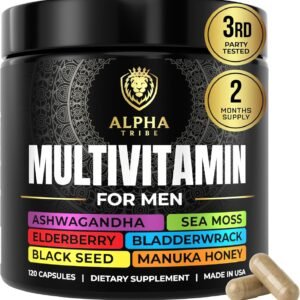
Alpha Tribe Multivitamin for Men with Sea Moss
$39.83 -
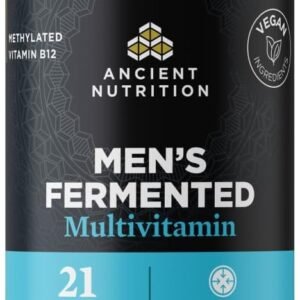
Ancient Nutrition Multivitamin for Men
$35.93 -
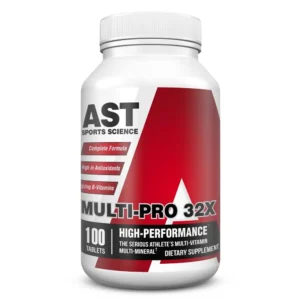
Ast Sports MultiPro 32X 100 Tablets
$22.97 -
Bulk Supplements Ascorbic Acid (Vitamin C) Powder
Original price was: $27.97.$24.97Current price is: $24.97.
🥇 The All-Around Champion: Performance Lab Whole-Food Multi
Best For: The biohacker and purist who wants the cleanest, most advanced, and most absorbable formula on the market.
Why It Wins:
Performance Lab takes a completely different approach. Instead of synthetic vitamins, they use pre-cultured, whole-food-based nutrients. This means they feed vitamins to microorganisms (like yeast and quinoa sprouts), which then naturally incorporate them into their cells. Your body recognizes these as food, dramatically increasing absorption.
- Key Highlights: Uses P-5-P (the active form of B6), Methylcobalamin (B12), and NutriGenesis® vitamins grown in a lab setting to mimic natural food forms.
- The Extras: Includes a prebiotic (FOS) for gut health and is designed to be ultra-gentle on the stomach. It’s also non-GMO, gluten-free, and stimulant-free.
- Consideration: It’s a premium product with a premium price tag and requires taking 4 capsules daily.
🥈 The Workhorse: Transparent Labs Multivitamin
Best For: The evidence-based lifter and athlete who wants a no-nonsense, potent formula with full label transparency.
Why It Wins:
True to its name, Transparent Labs lists every ingredient and its exact dose—no proprietary blends where you guess what you’re getting. The formula is meticulously crafted for active individuals, with clinical doses of key performance nutrients.
- Key Highlights: 5,000 IU of Vitamin D3, 500 mg of Magnesium (from Bisglycinate, the most bioavailable form), 30 mg of Zinc (as picolinate), and a full methylated B-complex.
- The Extras: Includes 500 mg of Ashwagandha (KSM-66®) for stress and testosterone support, and Boron for further hormonal optimization. It’s third-party tested and banned substance tested.
- Consideration: The high potency is excellent but may be more than someone with a sedentary lifestyle needs.
More knowledge about gym multivitamins

🥉 The Gut-Health Focus: Legion Triumph
Best For: The athlete who struggles with stomach sensitivity or wants a multivitamin that doubles as a digestive aid.
Why It Wins:
Created by fitness expert and scientist Mike Matthews, Legion emphasizes science and honesty. Triumph is unique because it includes a full spectrum of digestive enzymes and probiotics. For active men who consume large volumes of food, this is a game-changer for ensuring maximum nutrient absorption and minimizing bloating.
- Key Highlights: Features Albion® TRAACS® mineral chelates (the gold standard for absorption), methylated B-vitamins, and a solid 2,500 IU of D3.
- The Extras: The inclusion of 100 mg of AstraGin® is a brilliant touch—a natural compound proven to increase the absorption of amino acids and vitamins by up to 44%. The digestive enzyme blend is comprehensive.
- Consideration: The formula is excellent but slightly less aggressive on the dosages of certain minerals (like Magnesium) compared to Transparent Labs.
The Budget-Friendly Powerhouse: NOW Foods ADAM Male Multivitamin
Best For: The value-conscious athlete who still wants a high-quality, potent formula from a trusted brand.
Why It Wins:
NOW Foods is a giant in the supplement world known for its quality and affordability. The ADAM (Advanced Daily Adam Multi) formula punches far above its weight class in terms of price-to-performance ratio. It offers a robust profile of vitamins and minerals in well-absorbed forms without the fancy (and expensive) adaptogenic extras.
- Key Highlights: Features chelated minerals, methylcobalamin (B12), and a good dose of Zinc and Selenium for prostate and hormonal health.
- The Extras: Includes saw palmetto and lycopene, which are beneficial for prostate health. It’s also certified non-GMO and manufactured in NOW’s own NSF-certified facilities.
- Consideration: Lacks the “performance extras” like adaptogens and digestive enzymes. The pill is quite large, which can be a turn-off for some.
Check also: safe dosage of supplements in the gym
Related Products
-
Allmax Nutrition FiberBiotix
Original price was: $24.99.$18.99Current price is: $18.99. -
Alpha Tribe Multivitamin for Men with Sea Moss
$39.83 -
Ancient Nutrition Bone Broth Protein
$52.95 -
Ancient Nutrition Multivitamin for Men
$35.93
The Natural Whole-Food Option: MegaFood Men’s One Daily
Best For: The man with a sensitive stomach or who strongly prefers whole-food-sourced nutrients from organic ingredients.
Why It Wins:
MegaFood is a pioneer in the whole-food supplement space. They make their vitamins by fermenting real foods—like organic broccoli and oranges—with their vitamins and minerals. This creates a nutrient complex that is incredibly easy to digest and absorb.
- Key Highlights: Extremely gentle on the stomach. Certified B Corp, Non-GMO Project Verified, and tested for 125+ herbicides and pesticides.
- The Extras: Includes blends for energy (with Ashwagandha) and vitality (with Maca and Astragalus). It’s a fantastic “gateway” multivitamin for someone new to supplements.
- Consideration: The dosages are designed for sufficiency, not aggressive optimization. Active men might need to supplement additional Vitamin D3 and Magnesium on top.
Beyond the Pill: Synergistic Supplements for Peak Performance
A multivitamin is your nutritional foundation, but for elite performance, consider stacking it with these targeted supplements:
- Omega-3s (Fish Oil): Reduces inflammation, supports joint health, and improves brain function. Look for a product high in EPA and DHA.
- Vitamin D3 + K2: If your multi is low on D3, this combo is essential. K2 directs calcium to your bones (where you want it) and away from your arteries (where you don’t).
- Magnesium Glycinate: The best form for sleep and muscle relaxation. Taking 200-400mg before bed can significantly improve sleep quality and recovery.
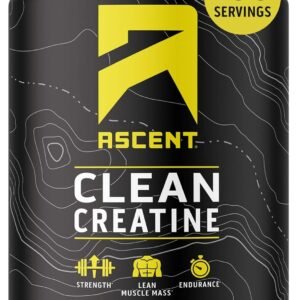
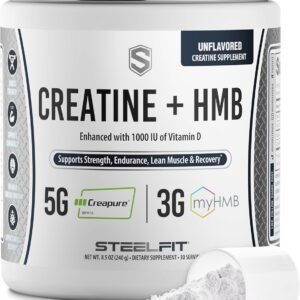
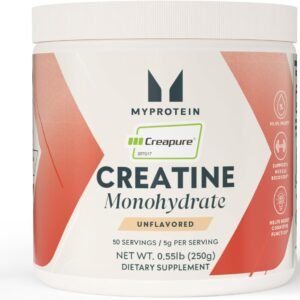
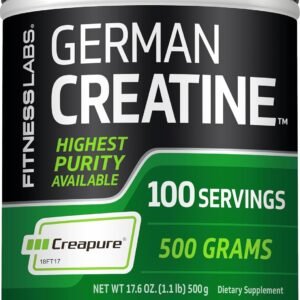
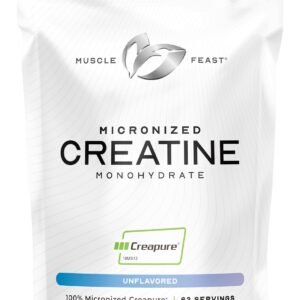
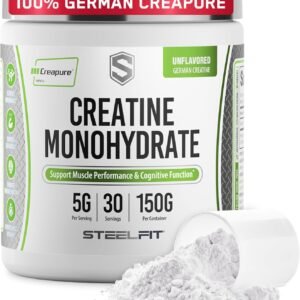
- Creatine Monohydrate: The most researched performance supplement in history. It increases strength, power output, and muscle mass.
FAQ: Your Multivitamin Questions, Answered
Q: When is the best time to take my multivitamin?
A: With a meal, preferably your largest meal of the day. The fat in the food will help absorb the fat-soluble vitamins (A, D, E, K). Avoid taking it on an empty stomach to prevent nausea.
Q: Can’t I just get everything I need from food?
A: In an ideal world, yes. But active men have heightened needs. Factor in soil depletion, food storage, and the practical challenges of eating a perfect diet every single day, and a multivitamin acts as a powerful insurance policy.
Q: What about toxicity? Can you overdose on vitamins?
A: It’s very difficult with water-soluble vitamins (B and C), as excess is excreted. The primary concern is with fat-soluble vitamins (A, D, E, K). Stick to the recommended serving size on quality supplements, and you will be well within safe limits.
Q: How long until I feel a difference?
A: Don’t expect a pre-workout-like jolt. The benefits are subtle and cumulative. You might notice improved energy levels, better sleep, and faster recovery within 2-4 weeks. The long-term benefits for health and performance are where the real value lies.
Check also: best recovery formulas – professional knowledge

The Final Rep: Your Action Plan
Choosing the best multivitamin is a personal decision based on your goals, diet, and budget.
- Assess Your Diet: Are you consistently eating a wide variety of fruits, vegetables, quality proteins, and healthy fats? Your need for a multi is lower if yes.
- Identify Your Goal: Is it better recovery? More energy? General health insurance? Let that guide your choice from the list above.
- Invest in Quality: Skip the gas station vitamins. Your health is worth the investment in a third-party tested, bioavailable formula.
- Consistency is Key: The greatest multivitamin in the world is useless sitting in the bottle. Make it a daily habit.
The path to peak performance isn’t just about the weights you lift or the miles you run; it’s about how you fuel the machine for the long haul. Choose wisely, fuel strategically, and keep crushing it.
Disclaimer: This article is for informational purposes only and does not constitute medical advice. Always consult with a healthcare professional before starting any new supplement regimen, especially if you have pre-existing health conditions or are taking medication.