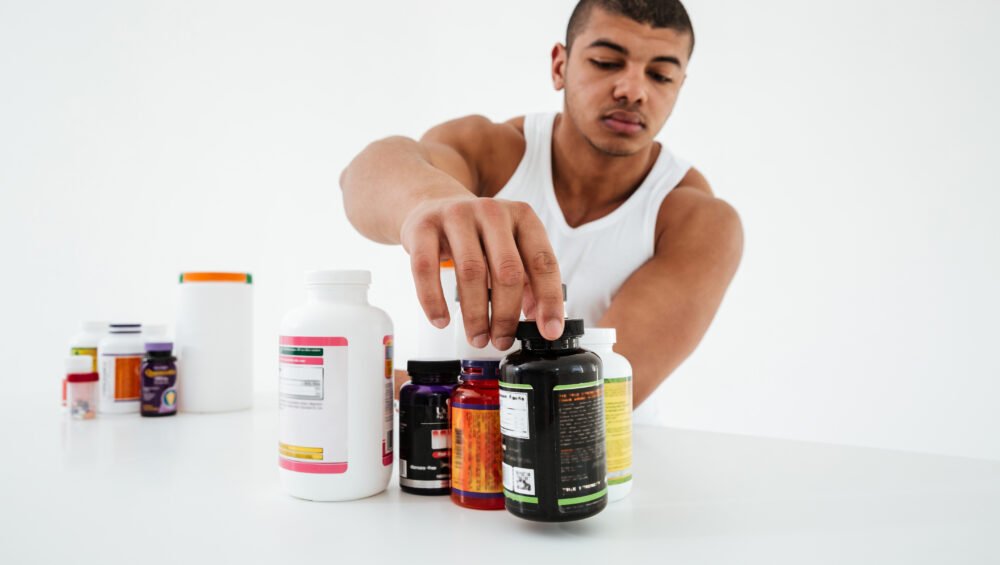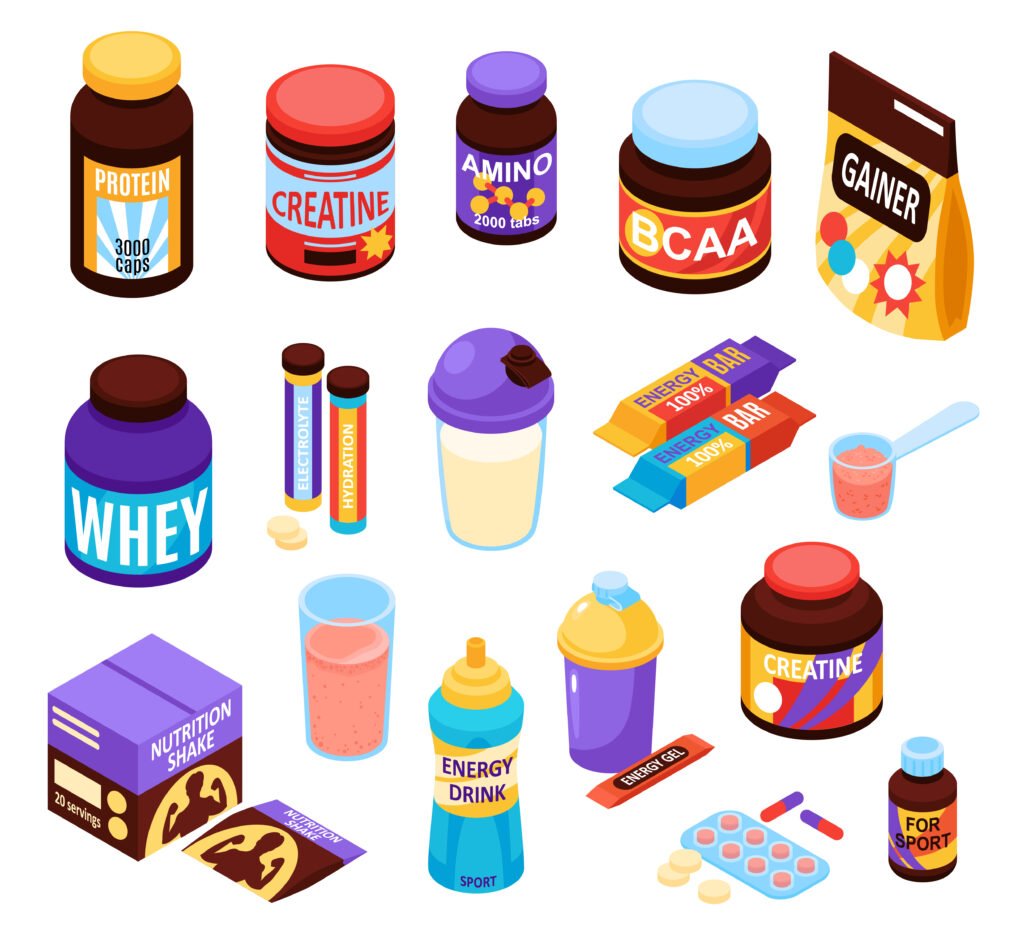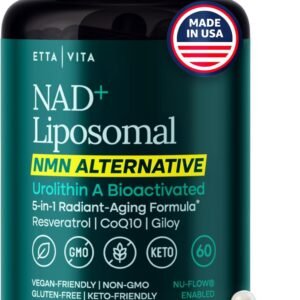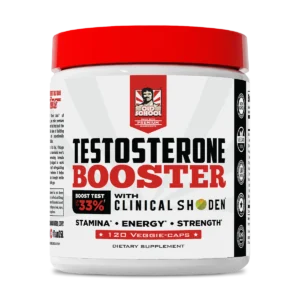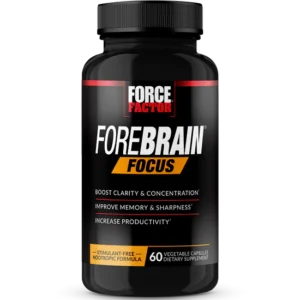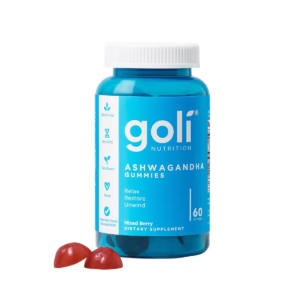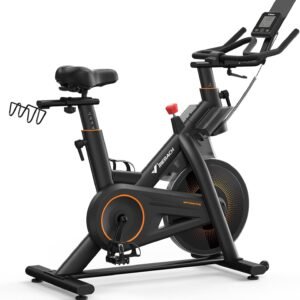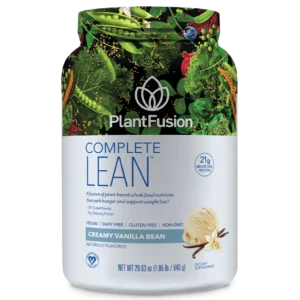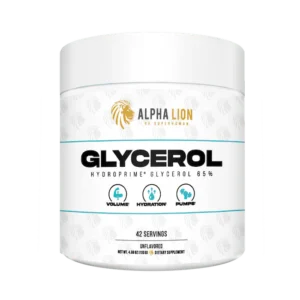


instagram supplements and gym equipment for sale

facebook gym supplements usa. Gym equipments and gym supplements for sale instagram profile social media

whey protein as a muscle builder for bodybuilders

Whey protein as a main muscle builder for bodybuilders

Whey protein as a main muscle builder for bodybuilders. For decades, whey protein has stood atop the podium of sports nutrition, ubiquitously lining the shelves of gym bags and supplement cabinets. But its popularity is not merely a product of clever marketing; it is a direct consequence of its profound, scientifically-validated efficacy. For the serious bodybuilder, whey is not just a supplement—it is a strategic tool, engineered by nature and refined by science to optimize the complex biochemical processes of muscle protein synthesis (MPS), recovery, and growth.

This article transcends basic overviews. We will deconstruct whey protein from a molecular level, examining its unique properties, the robust clinical evidence supporting its use, and the precise protocols for integrating it into a bodybuilder’s regimen to achieve peak physiques.

1. Deconstructing Whey: More Than Just Protein

To understand why whey protein is superior, we must first understand its origin and composition.

Whey is the liquid fraction separated from curds during the cheese-making process. This liquid, once considered a waste product, is now recognized as a nutritional powerhouse. Its protein content is not a singular entity but a complex mixture of bioactive proteins, peptides, and minor constituents, each contributing to its anabolic and health-promoting properties.

The primary protein components include:

  • Beta-Lactoglobulin (~50-55%): The most abundant fraction, rich in branched-chain amino acids (BCAAs), particularly leucine.
  • Alpha-Lactalbumin (~20-25%): A highly digestible protein with a high tryptophan content.
  • Immunoglobulins (IgG) (~10-15%): Support immune function, which can be suppressed by intense training.
  • Bovine Serum Albumin (BSA) (~5-10%): Another carrier protein.
  • Glycomacropeptide: A peptide with various potential biological activities.

However, the most critical distinction for bodybuilders lies in the processing method, which defines the three primary types of whey protein available:
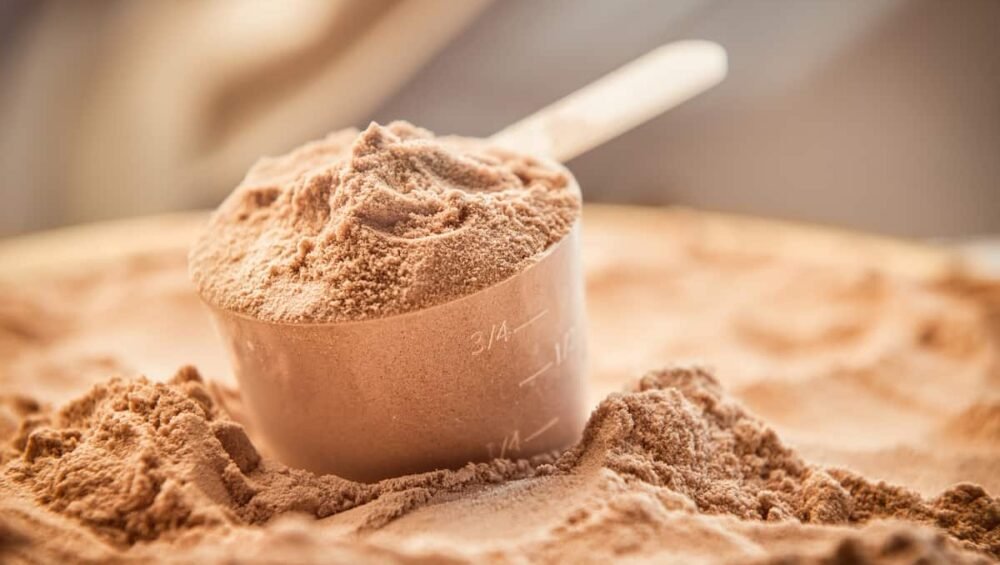
whey protein as a muscle builder for bodybuilders

Whey Protein Concentrate (WPC)

WPC typically contains 70-80% protein by weight. The remaining content comprises lactose (milk sugar), fat, and minerals. It retains more of the beneficial bioactive compounds but has a slightly higher calorie and carbohydrate count. It is often favored for its richer flavor and cost-effectiveness.

Whey Protein Isolate (WPI)

WPIs are further processed to remove almost all fat and lactose, resulting in a product that is >90% protein. This makes it an superior choice for those who are lactose-intolerant or for any bodybuilder seeking to maximize protein intake while minimizing calories, carbs, and fat, particularly during cutting phases.

Whey Protein Hydrolysate (WPH)

WPH is “pre-digested” through a process called enzymatic hydrolysis. This breaks the long protein chains into smaller peptides, leading to drastically faster absorption rates and a reduced potential for allergenic reactions. It often has a slightly bitter taste but is the optimal choice for rapid delivery of amino acids to muscle tissue.

2. The Anabolic Engine: How Whey Builds Muscle

Muscle growth is not a passive process; it is a constant cycle of breakdown (Muscle Protein Breakdown – MPB) and synthesis (MPS). The goal of bodybuilding is to tip this balance persistently in favor of MPS. Whey protein is exceptionally adept at doing this through several synergistic mechanisms.

1. The Leucine Trigger

The most pivotal mechanism is whey’s unparalleled Leucine content. Leucine is not just a building block; it is a potent anabolic signaling molecule.

The mammalian target of rapamycin complex 1 (mTORC1) is the primary intracellular regulator of cell growth and proliferation. Leucine acts as the key that unlocks the mTORC1 pathway, initiating the ribosomal machinery required for MPS. Research consistently shows that a leucine threshold of approximately 2-3 grams must be reached in a meal to maximally stimulate MPS.

Whey protein, by virtue of its amino acid profile, has the highest leucine concentration of any whole food or protein supplement—about 10-12% per gram of protein. This means a 25-gram serving of whey easily delivers the critical 2.5-3g of leucine required to trigger a robust anabolic response, something that slower-digesting proteins like casein or many plant-based proteins struggle to do with an equivalent serving size.
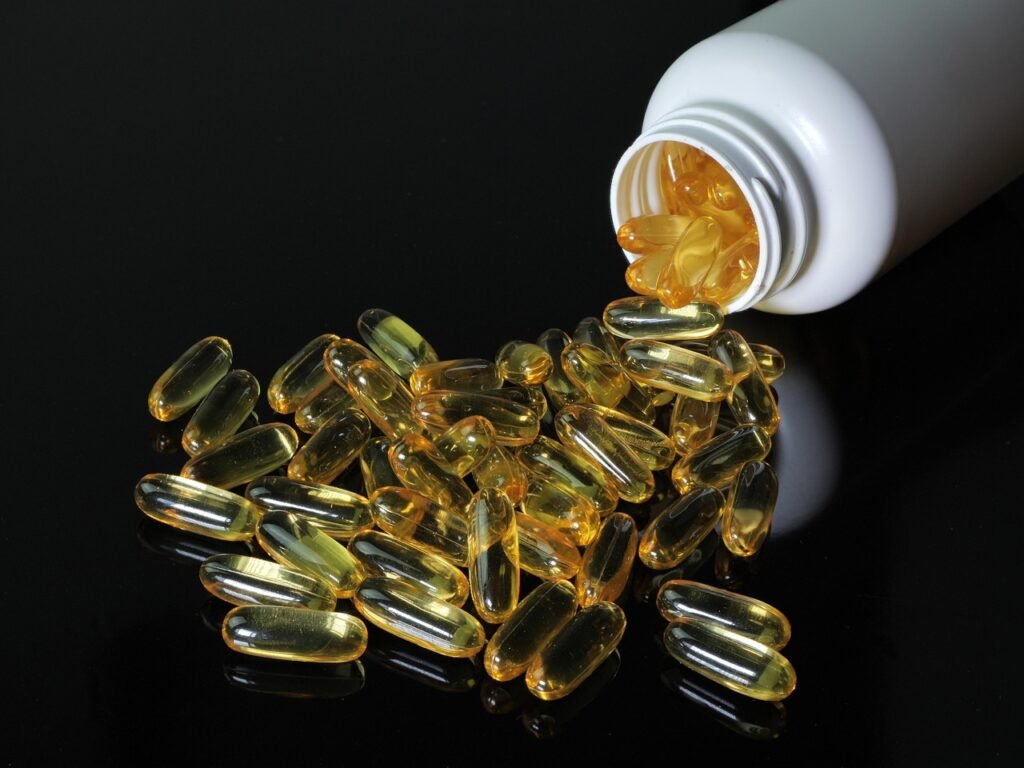
whey protein as a muscle builder for bodybuilders

2. Rapid Digestion and Absorption Kinetics

The speed of amino acid delivery to the bloodstream and subsequently to muscle tissue is crucial, especially post-workout. Whey protein is a “fast” protein.

Studies using stable isotope tracers have demonstrated that whey protein elicits a rapid, sharp, and high peak in blood amino acid levels within 60-90 minutes of ingestion. This “aminoacidemia” flood provides the immediate raw materials for repairing exercise-induced muscle damage and kick-starting MPS. This rapid absorption profile makes it the undisputed champion for post-workout nutrition.

3. Superior Amino Acid Profile (PDCAAS/DIAAS)

The quality of a protein is measured by its digestibility and its composition of the nine essential amino acids (EAAs), which the body cannot produce. The Digestible Indispensable Amino Acid Score (DIAAS, the modern standard) rates whey protein at the top of the scale, often >1.00, meaning it provides all EAAs in ratios ideal for human needs and is highly digestible. It is particularly rich in the three BCAAs (leucine, isoleucine, valine), which are metabolized directly in muscle tissue and play unique roles in energy production and anabolic signaling.

Main whey protein producers in USA

3. Clinical Evidence: What Does the Research Say?

The theoretical advantages of whey are compelling, but they are meaningless without empirical support. The body of clinical research is substantial and conclusive.

  • A 2021 meta-analysis in the Journal of the American College of Nutrition reviewed 18 randomized controlled trials. The conclusion was that whey protein supplementation, combined with resistance training, significantly improved measures of strength and lean body mass compared to placebo or no supplementation.
  • A seminal study in Medicine & Science in Sports & Exercise compared whey and casein post-workout. The whey group produced a 68% greater increase in MPS over a 4-hour period post-exercise compared to casein, highlighting the importance of protein timing and type.
  • Research on elderly populations (sarcopenia) has shown that whey protein is particularly effective at combating muscle loss due to its high leucine content, which helps overcome anabolic resistance—a condition where older muscles require more protein stimulus to grow.

Beyond pure hypertrophy, whey supplementation has been shown to enhance recovery by reducing markers of muscle damage (like creatine kinase) and supporting immune function through the elevation of the antioxidant glutathione.

See also: organic whey protein effects

4. Strategic Application: The Bodybuilder’s Protocol

Knowing why whey works is only half the battle. Implementing it correctly is key.

Optimal Timing

  • Post-Workout (The Anabolic Window): The 1-2 hour period after training is when muscles are most sensitized to nutrients. A fast-absorbing whey isolate or hydrolysate (25-40g) shuttles amino acids directly to the depleted muscle cells, drastically elevating MPS and initiating repair. Combining it with a fast-digesting carbohydrate (e.g., dextrose, maltodextrin) can further enhance recovery by spiking insulin, a hormone that promotes nutrient uptake into cells.
  • First Thing in the Morning: After a 7-9 hour fast, your body is in a catabolic state. A whey protein shake quickly halts muscle breakdown and provides a rapid anabolic stimulus.
  • Between Meals: Use a whey shake as a high-protein, convenient snack to ensure a consistent supply of amino acids throughout the day, helping you meet your total daily protein targets.
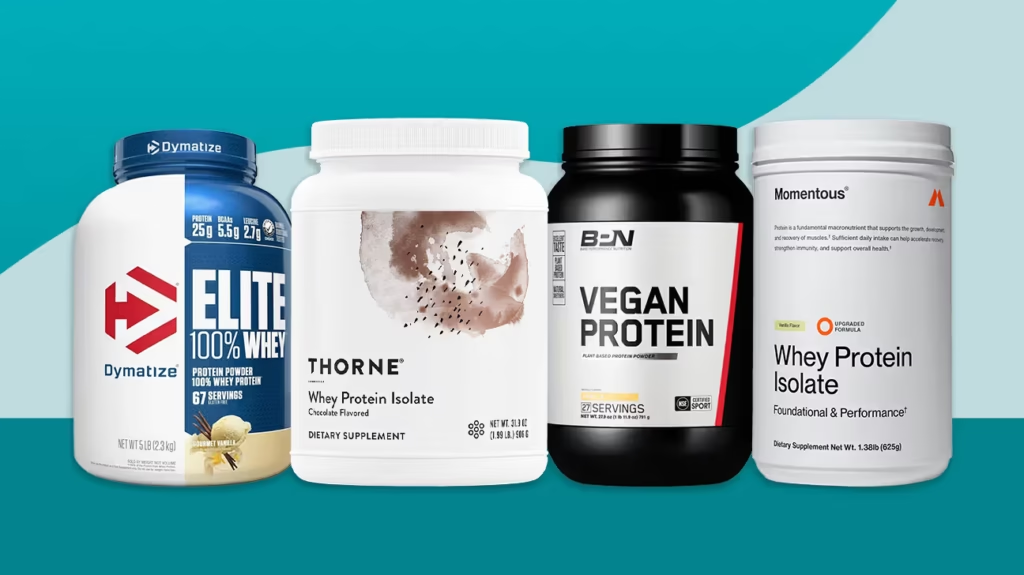
whey protein as a muscle builder for bodybuilders

Dosage: How Much is Enough?

For bodybuilders and strength athletes, total daily protein intake is paramount. General guidelines suggest 1.6 – 2.2 grams of protein per kilogram of body weight (or 0.7 – 1.0 grams per pound) to maximize MPS.

A single serving of whey should be in the range of 20-40 grams. Research indicates that doses beyond ~40g in one sitting do not further stimulate MPS and may be oxidized for energy or stored. Spread your total protein intake (from whole foods and supplements) across 4-6 meals/feedings per day.

Whey vs. Casein: A Necessary Partnership

While whey is the “king” of acute anabolism, casein—a slow-digesting milk protein—is the “protector.” Casein forms a gel in the stomach, leading to a slow, steady trickle of amino acids over several hours. This is ideal for preventing muscle breakdown during prolonged periods without food, such as before bed.

The savvy bodybuilder uses both: whey for rapid anabolic pulses (post-workout, morning) and casein for sustained anti-catabolic protection (before bed, between long meals).

5. Addressing Myths and Concerns

  • “Does whey protein damage kidneys?” This is a pervasive myth. In healthy individuals with normal kidney function, high protein intake from whole foods or supplements like whey does not cause kidney damage. Those with pre-existing kidney conditions should consult a doctor.
  • “Is it natural?” Whey is a derivative of milk. While it is processed to concentrate the protein, it is not a synthetic, laboratory-created chemical. It is a food product.
  • “Does it cause acne?” In some individuals sensitive to dairy, whey can exacerbate acne. This is likely related to its impact on insulin and IGF-1 levels. Switching to a plant-based alternative may be necessary for these individuals.

Conclusion: The Verdict of Science

Whey protein is far more than a simple convenience food. It is a precision-engineered nutritional supplement whose efficacy is rooted in its unique biochemical properties: an exceptional amino acid profile dominated by leucine, rapid absorption kinetics, and high digestibility.

For the bodybuilder, it is an indispensable tool that, when used strategically alongside a periodized training program and a calorie-controlled whole-food diet, provides a proven, scientifically-irrefutable advantage in the pursuit of maximal muscle growth, enhanced recovery, and improved performance.

While it is not magic—it cannot replace consistent training and overall diet—it is the closest thing the scientific community has identified to an optimal protein source for triggering the anabolic machinery of human muscle.

Disclaimer: Always consult with a healthcare professional or a registered dietitian before making significant changes to your diet or supplement regimen, especially if you have underlying health conditions.

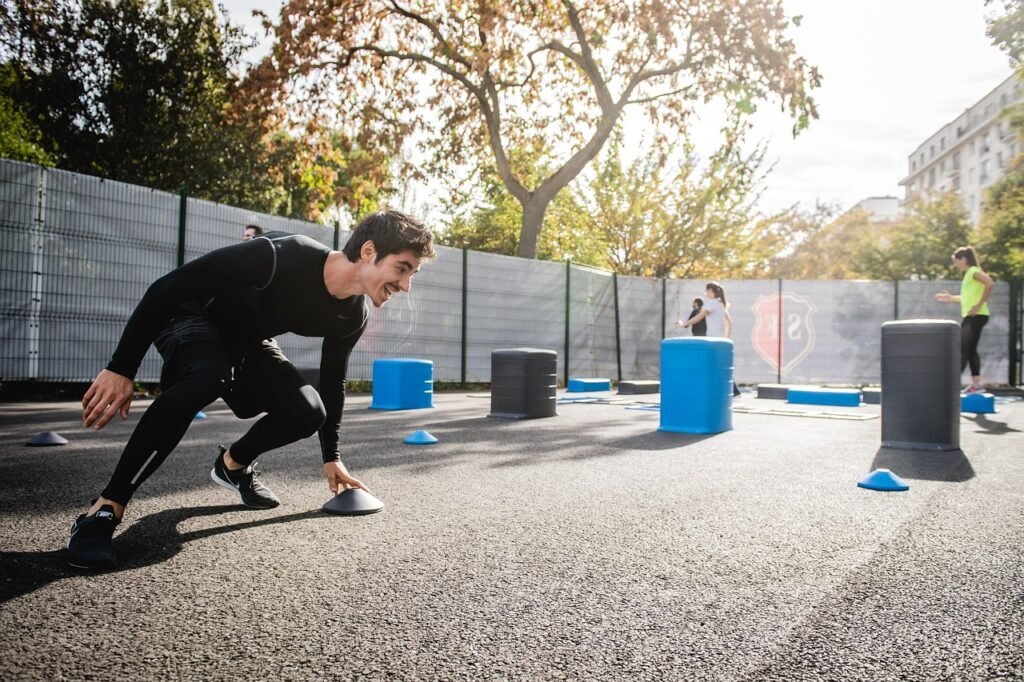
gym diabetes

Comprehensive Guide to Gym Training Over 40 with Diabetes

Reaching the age of 40 is a milestone, often accompanied by a renewed focus on health and longevity. For the millions living with diabetes, this focus becomes not just a goal, but a necessity. The gym, once a place for aesthetic pursuits, transforms into a powerful therapeutic tool. Combining strength training and cardiovascular exercise is, in the words of many endocrinologists, one of the most potent “medications” available—but it must be taken with knowledge and precision.

This article delves into the science, strategies, and sex-specific considerations for navigating gym workouts after 40 with diabetes.

The Powerful Synergy of Exercise and Glucose Management

Exercise directly combats the core issues of Type 2 diabetes: insulin resistance and glycemic control. For Type 1 diabetics, the relationship is more complex but equally beneficial for cardiovascular health and insulin sensitivity.

The Scientific Mechanism:
During muscle contraction, muscles absorb glucose from the bloodstream for fuel without requiring insulin. This is a game-changer. A single session of exercise can improve insulin sensitivity for up to 48 hours. Furthermore, resistance training builds lean muscle mass. As Dr. Ronald Sigal, a leading researcher in exercise and diabetes, states, “Muscle is the largest organ in the body to dispose of glucose. The more muscle you have, the more glucose you can dispose of, which helps lower blood sugar.” This metabolic advantage is crucial for managing both hyperglycemia and reducing the risk of diabetic complications.

See also: plant based proteins in gym training

gym diabetes

The Two Pillars of a Diabetic Exercise Regimen

A balanced routine for individuals with diabetes over 40 should rest on two pillars:

1. Resistance (Strength) Training

This is non-negotiable. After 40, adults naturally lose muscle mass (a process called sarcopenia), which is accelerated by diabetes. Strength training reverses this trend.

  • Scientific Take: A meta-analysis published in Diabetes Care concluded that resistance training significantly improves HbA1c levels (a key marker of long-term blood glucose control), increases lean mass, and reduces insulin resistance. The effects are comparable to some diabetic medications.
  • How to Implement:
    • Frequency: 2-3 non-consecutive days per week.
    • Focus: Compound movements that work multiple muscle groups: squats, lunges, chest presses, rows, lat pulldowns, and shoulder presses.
    • Form Over Weight: Perfect technique is critical to prevent injury. Consider a few sessions with a certified trainer experienced in working with older adults or those with chronic conditions.
    • Progression: Start with bodyweight or light weights. Gradually increase the resistance, not the repetition speed.

2. Cardiovascular (Aerobic) Exercise

Cardio improves heart health, increases calorie expenditure, and enhances insulin sensitivity.

  • Scientific Take: The American Diabetes Association (ADA) recommends at least 150 minutes of moderate-to-vigorous intensity aerobic activity per week. This can be broken into manageable 20-30 minute sessions.
  • How to Implement:
    • Choose Your Modality: Low-impact options like stationary biking, elliptical trainers, rowing, brisk walking, or swimming are joint-friendly and excellent choices.
    • Interval Training (HIIT): Research in journals like Diabetologia shows that High-Intensity Interval Training (short bursts of intense effort followed by recovery) is highly effective for improving glycemic control. Caution: HIIT can significantly affect blood sugar and may not be suitable for everyone, especially those with cardiovascular complications. Medical clearance is essential.

Critical Safety Considerations: The Hypoglycemia Danger Zone

The most immediate risk for diabetics, particularly those on insulin or sulfonylureas, is exercise-induced hypoglycemia (low blood sugar).

Preventing Hypoglycemia: The Scientist’s Protocol

  1. Monitor Relentlessly: Check blood glucose before, during (if session is >45 mins), and after exercise. The ADA advises against starting exercise if blood glucose is >250 mg/dL with ketosis or >300 mg/dL without ketosis.
  2. Fuel Smartly: If your pre-workout reading is <100 mg/dL (5.6 mmol/L), consume a small 15-20g carbohydrate snack (e.g., a small fruit, half a granola bar).
  3. Have Fast-Acting Carbs On Hand: Always keep glucose tablets or juice within reach during your workout.
  4. Inform Your Companions: Make sure someone at the gym knows you have diabetes and can recognize the signs of hypoglycemia (shakiness, confusion, sweating).
  5. The “Afterburn” Effect: Hypoglycemia can occur hours after exercise (nocturnal hypoglycemia is a common risk). You may need to reduce your evening insulin dose or have a small protein-rich snack before bed. Continuous Glucose Monitors (CGMs) are invaluable for tracking these trends.
gym diabetes

Sex-Specific Considerations: Men vs. Women

While the core principles remain the same, biological differences necessitate nuanced approaches.

For Men:

  • Focus on Hormonal Synergy: Testosterone levels naturally decline with age, which can hinder muscle growth and recovery. Diabetes can exacerbate this. Strength training is a powerful natural stimulus for testosterone production. Scientists have found that compound, heavy lifts (like squats and deadlifts) elicit the greatest hormonal response.
  • Heart Health Priority: Men with diabetes have a significantly higher risk of cardiovascular disease than women with diabetes. This makes the cardio component of their workout non-negotiable for heart health, not just glucose control.
  • Injury Prevention: Men may be more prone to ego-lifting. The mantra must be: “Leave your ego at the door.” Focus on controlled movements and full range of motion to protect joints and tendons, which become more vulnerable with age.

For Women:

  • Preserving Bone Density: Post-menopausal women experience a rapid decline in estrogen, leading to decreased bone density (osteoporosis). Diabetes, particularly Type 1, is an independent risk factor for fractures. Weight-bearing exercise and resistance training are paramount. As stated by Dr. Sheri Colberg, an expert in diabetes and exercise, “Pulling on the bones through weight-bearing and resistance exercise is what tells the body to keep them strong.”
  • Navigating Hormonal Fluctuations: A woman’s menstrual cycle (and its cessation during menopause) can cause significant fluctuations in insulin sensitivity. Women must be hyper-vigilant with their glucose monitoring around their workouts during these times, as insulin requirements can change daily.
  • Strength Goals: Women should embrace heavy lifting. They cannot “bulk up” like men due to lower testosterone levels. Instead, they will build metabolically active, strong muscle that is essential for glucose management and functional independence.
gym diabetes

The Non-Negotiable First Step: Medical Clearance

Before starting any new workout regimen, a thorough medical evaluation is essential. This should include:

  • Cardiovascular Stress Test: To screen for silent heart disease.
  • Foot Examination: To check for neuropathy (nerve damage). Neuropathy can lead to unnoticed injuries and alter balance, making certain exercises risky.
  • Retinopathy Screening: Strenuous lifting can increase pressure in the eyes, which is a concern for those with proliferative diabetic retinopathy.
  • Renal Function Test: To ensure the kidneys are functioning properly.

Sample Weekly Workout Structure

DayActivityKey Focus
MondayStrength Training (Full Body) – Squats, Bench Press, Rows, PlanksForm, controlled tempo, mind-muscle connection
TuesdayModerate-Intensity Cardio – 30 mins on the elliptical or stationary bikeHeart rate zone 60-70% of max, consistency
WednesdayActive Recovery – Walking, gentle yoga, or mobility workPromoting blood flow, reducing soreness
ThursdayStrength Training (Full Body) – Lunges, Overhead Press, Lat Pulldowns, Glute BridgesProgressive overload (slightly more weight/reps)
FridayLow-Impact Cardio – Swimming or brisk walkingSustainability, joint health
SaturdayOptional Fun Activity – Hike, dance class, gardeningJoyful movement, adherence
SundayRestRecovery is when the body adapts and gets stronger

Conclusion: Empowerment Through Movement

Turning 40 with diabetes is not a sentence to decline; it is an opportunity to take empowered control of your health. The gym is your laboratory, and exercise is your medicine. By combining scientifically-backed resistance and aerobic training with meticulous glucose monitoring and an understanding of your unique needs as a man or woman, you can build a stronger, healthier, and more resilient body. You are not just working out for aesthetics; you are training for your life.

gym diabetes

Disclaimer: This article is for informational purposes only and does not constitute medical advice. Always consult with your physician and a certified diabetes educator before beginning any new exercise or nutrition program.

Best female workout supplements

Best female workout supplements for weight loss

Best female workout supplements for weight loss. Embarking on a weight loss journey is a powerful decision. For women who are hitting the gym, counting macros, and pushing through workouts, the question inevitably arises: “Are there supplements that can help me reach my goals faster and more effectively?”

The answer is a resounding yes—but with a major caveat.

The supplement industry is flooded with products making outrageous promises, often targeted specifically at women. It’s easy to waste money on pretty pink bottles that do nothing. This guide cuts through the noise. We’re not talking about magic pills; we’re talking about evidence-based tools that support the solid foundation of a calorie deficit, consistent training, and quality sleep.

This is your deep dive into the best female workout supplements for weight loss, how to use them, and the common mistakes to avoid.

The Non-Negotiable Foundation: Diet and Training

Before we discuss a single supplement, remember this:
Supplements are meant to supplement your efforts, not replace them. They are the 1% boost after you’ve mastered the 99%.

  1. Calorie Deficit: Weight loss fundamentally requires you to consume fewer calories than you burn. No supplement can override a calorie surplus.
  2. Protein Intake: Adequate protein is crucial for preserving muscle mass while in a deficit, keeping you full, and aiding recovery. Aim for 1.6-2.2 grams of protein per kilogram of body weight.
  3. Resistance Training: Building muscle increases your resting metabolic rate, meaning you burn more calories even at rest. Don’t fear the weights!
  4. Sleep and Stress Management: Poor sleep and high cortisol levels can severely hinder fat loss and increase cravings.

Once these pillars are in place, the right supplements can provide a significant edge.

Best female workout supplements

Top Tier: The Most Effective Supplements for Female Fat Loss

These categories have strong scientific backing and are considered effective for most women.

1. Protein Powder

What it is: A convenient source of high-quality protein, typically from whey, casein, or plant-based sources like pea or brown rice protein.
Why it works for women:

  • Muscle Preservation: In a calorie deficit, your body can burn muscle for energy. High protein intake protects your hard-earned muscle, ensuring most weight lost comes from fat.
  • Satiety: Protein is the most satiating macronutrient. A protein shake can keep hunger pangs at bay for hours, making it easier to stick to your diet.
  • Recovery: Provides the building blocks your muscles need to repair after a workout.
    How to Use: Have a shake as a meal replacement for breakfast, as a post-workout drink, or as a snack between meals. Best Types: Whey Isolate (fast-absorbing, low cal/carb), Casein (slow-absorbing, great for bedtime), Vegan Blends.

2. Caffeine

What it is: A central nervous system stimulant found in coffee, tea, and pre-workouts.
Why it works for women:

  • Performance Enhancer: Caffeine reduces perceived effort, allowing you to train harder, lift heavier, and run longer. More work output = more calories burned.
  • Fat Mobilizer: It stimulates the nervous system to signal fat cells to break down fat, making it available for use as energy.
  • Metabolic Boost: It can slightly increase your metabolic rate throughout the day.
    How to Use: 100-200 mg (about 1-2 cups of coffee) 30-60 minutes before your workout. Avoid it too late in the day to prevent sleep disruption.

See also: the cleanest supplements on the US market

3. Creatine Monohydrate

What it is: A naturally occurring compound in muscle cells that helps produce energy during high-intensity exercise.
Why it works for women: (Yes, it’s 100% safe and effective for women!)

  • Strength and Power: Creatine allows you to perform more reps or lift more weight. This leads to greater muscle stimulation over time. More muscle = higher metabolism.
  • Improves Body Composition: Studies consistently show creatine helps lose more fat and retain more muscle when combined with training.
  • No, it doesn’t cause bloating or “make you bulky”: Any initial water weight is intramuscular (within the muscle cells), making muscles look fuller, not puffy.
    How to Use: 3-5 grams daily. You can “load” with 20g/day for 5-7 days to saturate muscles faster, but it’s not necessary.

See also: Supplements for women who lift

Best female workout supplements

4. Green Tea Extract (EGCG)

What it is: An extract from green tea leaves, concentrated for its active compound, Epigallocatechin gallate (EGCG).
Why it works for women:

  • Mild Fat Oxidation: EGCG can mildly enhance fat burning, especially during exercise.
  • Appetite Control: Some studies suggest it can help with feelings of satiety.
    How to Use: Look for a supplement standardized for EGCG content. A typical dose is 500-1000 mg of green tea extract.

Check also: How to loose fat from lover back for men

Second Tier: Supportive Supplements for Specific Needs

These can be helpful but are more situational.

  • Branched-Chain Amino Acids (BCAAs): Useful if you train fasted to prevent muscle breakdown. However, if you eat sufficient protein daily, their necessity is debated, as whole protein sources contain BCAAs.
  • Omega-3 Fish Oil: Reduces inflammation, supports joint health (crucial for intense training), and may improve body composition and metabolic health.
  • Vitamin D3: Many women are deficient. Optimal Vitamin D levels are linked to improved mood, immune function, and may support weight management. Get your levels checked.
  • Soluble Fiber (e.g., Glucomannan): Can expand in your stomach, promoting a powerful feeling of fullness and reducing overall calorie intake. Take it before meals with plenty of water.

Training and nutrition tips

The “Fat Burner” Category: Proceed with Caution

Most over-the-counter “fat burners” are proprietary blends of the ingredients listed above (caffeine, green tea extract, etc.) with a bunch of other under-dosed, unproven compounds.

  • The Truth: They are primarily stimulant-based. The energy and appetite suppression you feel is mostly from the caffeine. They provide a minor boost at best.
  • The Risk: They can cause jitters, anxiety, crashes, and disrupt sleep. Many are marketed with “pink” packaging but are no more effective than their standard counterparts.
  • Our Verdict: You can create a more effective and cheaper stack yourself with a good pre-workout (for caffeine), creatine, and protein powder. Save your money.

Common Supplement Mistakes Women Make

  1. Prioritizing Supplements Over Food: The best nutrition comes from whole foods. Supplements fill gaps; they shouldn’t be your primary source of nutrients.
  2. Falling for “Pink” Marketing: A pink bottle labeled “women’s formula” is often just a overpriced version of a standard supplement with a weaker dose. Judge by the label, not the packaging.
  3. Using Fat Burners as a Magic Pill: Pop a pill and eat whatever you want? It doesn’t work. The small metabolic boost is easily negated by a single cookie.
  4. Not Reading Labels for Fillers: Many protein powders and “health” supplements are loaded with added sugars, artificial sweeteners, and fillers that can cause bloating and stall progress. Look for clean ingredient lists.
  5. Neglecting Electrolytes: Especially on low-carb diets or during intense sweaty workouts, electrolyte imbalances (sodium, potassium, magnesium) can cause fatigue, cramps, and headaches. Hydrate smartly.

How to Build Your Personalized Stack

  • Beginner (Focus: Foundation): Protein Powder & Creatine. Master these two before anything else.
  • Intermediate (Focus: Performance): Protein PowderCreatine, & a Caffeinated Pre-Workout (or black coffee).
  • Advanced (Focus: Optimization): Protein PowderCreatinePre-WorkoutOmega-3s, & Vitamin D3 (if needed).

Check also: fat burners – a complete guide

Best female workout supplements

Always introduce one new supplement at a time so you can monitor how your body reacts.


FAQ: Your Questions, Answered

Q: Will creatine make me gain weight?
A: You may gain 1-3 lbs of water weight inside your muscle cells initially. This is not fat. It improves muscle function and appearance. Long-term, it helps you build metabolically active muscle, which aids fat loss.

Q: I’m new to the gym. What’s the first supplement I should get?
A: A high-quality protein powder. It will help you hit your protein targets easily, control hunger, and recover better.

Q: When is the best time to take my protein shake?
A: The “anabolic window” is larger than people think. The most important factor is total daily protein intake. However, having a shake within 1-2 hours post-workout is a good practice for recovery.

Q: Are pre-workout supplements safe for women?
A: Yes, but choose wisely. Look for transparent labels that list all doses. Avoid proprietary blends with mega-doses of caffeine (300mg+). Start with a half scoop to assess tolerance.

Q: I have a sensitive stomach. What protein is best?
A: Whey Isolate is lactose-free and often the easiest to digest. For a completely dairy-free option, try a hydrolyzed pea protein isolate.

Q: Do I need to “cycle” my supplements?
A: For most (protein, creatine, omega-3s), no. For stimulants like caffeine, it’s wise to take occasional breaks (e.g., one weekend off per month) to reset your tolerance.


The Final Rep

The journey to weight loss is a marathon, not a sprint. The best female workout supplements for weight loss are those that support your training, enhance your recovery, and help you adhere to your diet.

Build your foundation first. Dial in your nutrition, push yourself in the gym, and prioritize your sleep. Then, consider adding evidence-based supplements like protein powder, caffeine, and creatine to give you that extra edge.

Forget the quick fixes. Empower yourself with knowledge, fuel your body with purpose, and let your hard work do the talking. You’ve got this.


Disclaimer: Always consult with a healthcare professional or a registered dietitian before starting any new supplement regimen, especially if you have pre-existing health conditions or are taking medication.

gym beginners

Best Supplements for Beginners Starting Gym Training


Best Supplements for Beginners Starting Gym Training. Starting your fitness journey is an exciting decision! As you hit the gym, you’re likely bombarded with questions about nutrition, workout plans, and especially, gym supplements for beginners. The supplement aisle can be a confusing place, filled with flashy labels and big promises.

But here’s the truth: as a beginner, you don’t need the most advanced or exotic supplements. Your body is primed to make incredible “newbie gains” with just a solid foundation. The key is to support your body’s basic needs for recovery and growth.

This guide strips away the complexity and reveals the only best supplements for beginners you need to focus on right now.

The Golden Rule: Supplements Supplement, They Don’t Replace

Before we dive in, this is the most important principle to understand:
No supplement can outwork a bad diet or inconsistent training.

Supplements are meant to fill the gaps in a solid nutrition plan. Your primary focus should always be:

  • Whole Foods: Eating enough protein, complex carbs, and healthy fats.
  • Hydration: Drinking plenty of water throughout the day.
  • Sleep: Getting 7-9 hours of quality sleep for recovery.
  • Consistency: Sticking to your workout program.

Think of supplements as the 1% extra on top of the 99% hard work you’re already doing.


The Essential 5: Best Supplements for Gym Beginners

Based on scientific evidence, safety, and cost-effectiveness, these five supplements provide the best foundation for any beginner.

gym beginners

1. Whey Protein Powder

What it is: A fast-digesting protein derived from milk. It’s a complete protein, meaning it contains all nine essential amino acids your body needs to build muscle.

Why it’s a Top Beginner Supplement:

  • Convenience: It’s incredibly difficult to eat enough whole-food protein (like chicken, eggs, fish) throughout a busy day. A protein shake post-workout or as a snack is a quick and easy solution.
  • Muscle Recovery & Growth: Protein provides the fundamental building blocks (amino acids) for repairing the muscle tissue you break down during workouts. This is crucial for getting stronger and building muscle.

How to Use It: Mix 1 scoop (typically offering 20-25g of protein) with water or milk after your workout, or use it to supplement your meals if you’re struggling to hit your daily protein target.

2. Creatine Monohydrate

What it is: A naturally occurring compound found in muscle cells and in foods like red meat and seafood. It helps your muscles produce energy during heavy lifting or high-intensity exercise.

Why it’s a Top Beginner Supplement:

  • The Most Researched Supplement: Creatine is arguably the most studied and scientifically proven supplement for improving athletic performance.
  • Boosts Strength & Power: It allows you to push for one more rep, lift a little heavier, and train harder. Over time, this leads to significantly greater gains in strength and muscle mass.
  • Supports Muscle Fullness: Creatine pulls water into your muscle cells, making them look fuller and potentially promoting a better environment for growth.

How to Use It: The simplest method is to take 3-5 grams daily. You can mix it with your protein shake, juice, or water. There is no need for a complicated “loading phase.”

3. Branched-Chain Amino Acids (BCAAs)

What it is: A group of three essential amino acids: Leucine, Isoleucine, and Valine. They are crucial for muscle protein synthesis and reducing muscle breakdown.

Why it’s a Top Beginner Supplement:

  • Intra-Workout Support: Sipping on BCAAs during your workout can help fight fatigue, reduce muscle soreness (DOMS), and prevent muscle catabolism (breakdown), especially if you train fasted.
  • Recovery Aid: The amino acid Leucine, in particular, is a key trigger for starting the muscle-building process.

How to Use It: Mix 5-10g of BCAA powder with water and drink it during your training session. Note: If you’re already consuming a protein-rich diet and/or a whey protein shake post-workout, your need for BCAAs is less critical, but they can still be beneficial for intra-workout hydration and focus.

shop now gym shop supplements USA

4. Multivitamin

What it is: A comprehensive blend of essential vitamins and minerals that support hundreds of bodily processes, from energy production to immune function.

Why it’s a Top Beginner Supplement:

  • Fills Nutritional Gaps: When you’re focused on hitting macro targets (protein, carbs, fat), it’s easy to miss out on essential micronutrients. Intense training also increases your body’s demand for these nutrients.
  • Supports Overall Health: A strong immune system and efficient metabolism are the bedrock of consistent training. Getting sick less means you miss fewer workouts.

How to Use It: Take one serving daily with a meal, as recommended on the label.

5. Fish Oil (Omega-3s)

What it is: A source of Omega-3 fatty acids, specifically EPA and DHA, which are crucial for health but often lacking in modern diets.

Why it’s a Top Beginner Supplement:

  • Fights Inflammation: Intense exercise creates inflammation. Omega-3s are powerful anti-inflammatories that can aid joint recovery and reduce post-workout muscle soreness.
  • Joint & Heart Health: Supports flexible joints under stress from new workouts and promotes cardiovascular health.

How to Use It: Take 1-2 grams of combined EPA/DHA daily with a meal.


What Beginners Should AVOID (For Now)

Save your money and avoid these until you are far more advanced:

  • Fat Burners: Often just a cocktail of stimulants. Focus on your diet and training for fat loss.
  • Testosterone Boosters: Largely ineffective for the vast majority of people with normal hormone levels.
  • Pre-Workouts (Advanced Formulas): Many are overstimulating for beginners. You can create your own with a coffee and maybe some BCAAs.
gym beginners

Your Beginner Supplement Stack Plan

SupplementWhen to TakeWhy You Take It
Whey ProteinPost-Workout or as a snackMuscle recovery and daily protein intake
CreatineAny time of day (with a drink)Strength, power, and muscle growth
BCAAsDuring your workoutReduce fatigue and muscle soreness
MultivitaminWith breakfast or dinnerFill nutritional gaps, support immunity
Fish OilWith breakfast or dinnerReduce inflammation, support joints

Final Words of Advice

  1. Master the Basics First: Get your training, whole-food nutrition, sleep, and water intake dialed in for at least a month before even thinking about supplements.
  2. Start One at a Time: Don’t start all five supplements on the same day. Introduce one new supplement every few days. This allows you to monitor how your body reacts and identify if anything doesn’t agree with you.
  3. Quality Matters: Choose reputable brands that undergo third-party testing for purity and label accuracy (look for seals like Informed Choice or NSF Certified for Sport).

You are at the start of an amazing journey. By starting with these foundational supplements, you’re investing in a smarter, more effective path to achieving your fitness goals.

Ready to build your beginner stack? Shop our curated selection of trusted beginner-friendly supplements here! Go to shop

creatine orgain

Genuine Health BCAA + Creatine Review: An Expert’s Take

When it comes to performance nutrition, only a handful of supplement combinations stand out as truly effective for both professional athletes and dedicated fitness enthusiasts. One such product is Genuine Health BCAA+Creatine, a formula designed to optimize recovery, strength, and endurance in a single solution. As someone deeply familiar with sports supplementation, I’ll break down the science, benefits, and practical applications of this product so you can determine whether it deserves a place in your regimen.


What Is Genuine Health BCAA+Creatine?

Genuine Health has a long-standing reputation for producing clean, research-driven supplements. Their BCAA+Creatine is a hybrid formula that combines branched-chain amino acids (BCAAs) with creatine monohydrate—two of the most studied and trusted compounds in sports performance.

The formula is designed to:

  • Increase strength and power during training.
  • Enhance muscle recovery after intense sessions.

  • Support lean muscle growth over time.
  • Boost endurance by reducing exercise-induced fatigue.
creatine taking

Key Ingredients & Their Benefits

1. BCAAs (Leucine, Isoleucine, Valine)

  • Leucine triggers muscle protein synthesis, the process responsible for repairing and building new muscle fibers.
  • Isoleucine & Valine assist in muscle recovery and provide a direct fuel source during training.
  • Together, BCAAs help reduce muscle breakdown during workouts, particularly in calorie-restricted or high-volume training phases.

2. Creatine Monohydrate

  • Considered the gold standard in sports supplements, creatine has been proven to increase muscle strength, explosive power, and training capacity.
  • Works by replenishing ATP (the body’s primary energy molecule), allowing for more reps, heavier lifts, and greater endurance.
  • Long-term use supports increased lean muscle mass and improved recovery.
shop now gym shop supplements USA

3. Electrolyte Support

Many formulations of Genuine Health’s BCAA+Creatine include added electrolytes to replenish hydration and maintain performance during intense sessions—an overlooked but vital component of sports nutrition.


Who Should Use It?

This supplement is ideal for:

  • Strength athletes (powerlifters, bodybuilders, CrossFitters).
  • Endurance athletes seeking muscle preservation during long training sessions.
  • Recreational lifters who want noticeable improvements in recovery, performance, and lean muscle development.

Expert Assessment: Pros & Cons

Pros

  • Combines two proven supplements into one convenient formula.
  • Backed by strong scientific research on both BCAAs and creatine.
  • Clean formulation with Genuine Health’s reputation for quality and transparency.
  • Great for both performance and recovery.

Cons

  • Athletes already supplementing separately with BCAAs and creatine may not need a combined product.
  • Taste and solubility can vary depending on flavor preferences.
  • Best results come with consistent daily use, which some casual users may overlook.
bcaa taking

Final Verdict

Genuine Health BCAA+Creatine is a well-formulated, premium supplement that delivers measurable benefits in strength, recovery, and muscle growth. For high-performance clients—whether competitive athletes or serious fitness professionals—it offers a convenient way to cover two fundamental bases of sports nutrition in one product.

If your goal is to train harder, recover faster, and build lean strength efficiently, this supplement is absolutely worth considering as a cornerstone of your regimen.

A strong woman lifting a barbell with determination

The Ultimate Guide to the Best Supplements for Women Who Lift

You’re dedicated. You consistently crush your workouts, track your macros, and prioritize recovery. But you might be wondering: what supplements should a woman take to build muscle and strength?

The supplement industry is a minefield of false promises and pink-washed “women’s formulas” that are often under-dosed and overpriced. It’s time to cut through the noise.

This isn’t about getting “shredded” or looking like a fitness model. This is about fueling performance, enhancing recovery, and supporting your powerful body with evidence-based nutrients that actually work.

Forget the fluff. Here are the best supplements for women who lift, backed by science.

Before You Supplement: The Non-Negotiables

No pill or powder can replace the fundamentals. Supplements supplement these pillars, they don’t replace them.

  • Whole Food Nutrition: Hit your protein, fat, and carbohydrate goals through lean meats, vegetables, fruits, and complex carbs.
  • Progressive Overload: Consistently challenge your muscles to grow stronger.
  • Quality Sleep: This is prime time for muscle repair and hormonal regulation.
  • Hydration: Water is essential for every single metabolic process.

Got those locked down? Now, let’s optimize.

woman who lift

The Top 7 Supplements for Female Lifters

1. Protein Powder

The “Why”: Protein is the building block of muscle. After a workout, your muscles are primed to absorb nutrients to repair and rebuild torn fibers. Hitting your daily protein target (generally 1.6-2.2g per kg of bodyweight for athletes) is crucial for muscle growth (hypertrophy) and recovery. A shake is the most convenient way to ensure you hit your goals.

What to Look For:

  • Whey Protein Isolate or Concentrate: Fast-absorbing and complete protein. Ideal post-workout. Isolate is lactose-light for those with sensitivities.
  • Plant-Based Blends: (Pea, Brown Rice, Hemp). A great option for vegans or those who avoid dairy. Look for a blend to ensure a complete amino acid profile.
  • Collagen Peptides: Excellent for joint, skin, and hair health. While not a complete protein for muscle building, it’s a fantastic addition for overall wellness.

2. Creatine Monohydrate

The “Why”: This is the most researched supplement in the world, and it’s not just for men. Creatine is a game-changer for female athletes. It helps your muscles produce energy during high-intensity, heavy lifts. This means you can push for one more rep, lift a little heavier, and train harder for longer. The result? Faster strength and muscle gains.
Dispelling the Myth: No, creatine will not make you “bulky” or “puffy.” It causes muscles to hold a small amount of water intramuscularly (within the muscle cells), which can actually enhance the muscle’s appearance and is temporary. Any initial scale weight increase is water, not fat.

How to Take: 3-5g daily. It’s not timing-sensitive; consistency is key.

3. Branched-Chain Amino Acids (BCAAs) / Essential Amino Acids (EAAs)

The “Why”: BCAAs (Leucine, Isoleucine, Valine) are the key amino acids that stimulate muscle protein synthesis. While you can get them from protein-rich food, sipping on BCAAs or the more complete EAAs during your workout can:
  • Reduce muscle soreness (DOMS)
  • Prevent muscle breakdown during fasted or long training sessions
  • Enhance recovery

What to Look For: A simple, unflavored or lightly sweetened BCAA powder, or an EAA formula that includes all nine essential amino acids.
woman who lift

4. Caffeine (Pre-Workout)

The “Why”: Caffeine is a proven ergogenic aid. It boosts energy, increases focus, and improves exercise performance by reducing perceived exertion. Simply put, it helps you attack your workout with more intensity.

How to Take: 100-200mg about 30-60 minutes before your workout. You can get this from a dedicated pre-workout supplement or a strong cup of black coffee.

5. Vitamin D3

The “Why”: Many people, especially those in less sunny climates, are deficient in Vitamin D. This “sunshine vitamin” is critical for immune function, bone health (it aids calcium absorption), and may play a role in muscle function and strength. For women, maintaining strong bones is paramount for long-term health.

How to Take: A daily supplement of 1000-2000 IU is a good maintenance dose. It’s best to get your levels checked by a doctor for a personalized recommendation.

6. Omega-3s (Fish Oil)

The “Why”: Omega-3 fatty acids (EPA and DHA) are powerful anti-inflammatories. Intense training creates inflammation; Omega-3s help manage it, aiding in recovery and joint health. They also support heart and brain health.

How to Take: Look for a supplement that provides a combined 1000-2000mg of EPA and DHA per day.

7. Magnesium

The “Why”: Magnesium is involved in over 300 biochemical reactions in the body, including muscle contraction, nerve function, and energy production. It’s crucial for sleep quality and can help reduce muscle cramps. Stress and intense exercise can deplete magnesium levels.

How to Take: 200-400mg daily, preferably in the glycinate or citrate form before bed to enhance sleep quality.

How to Build Your Supplement Stack

You don’t need to take all of these at once. Start with the fundamentals and build based on your goals and budget.

  • Level 1 (The Foundation): Protein Powder + Creatine
  • Level 2 (Enhanced Performance): Foundation + Pre-Workout (Caffeine) + Intra-Workout BCAAs/EAAs
  • Level 3 (Total Wellness & Recovery): All of the above + Vitamin D3 + Omega-3s + Magnesium

FAQ: Supplements for Women Who Lift

Q: Do I need to take “women-specific” supplements?
A: Generally, no. The mechanisms of muscle building are the same regardless of gender. “Women’s formulas” are often marketing gimmicks with pretty packaging and lower doses. Focus on the quality and dosage of the ingredients, not the gender on the label.

Q: Will creatine or protein make me gain fat?
A: No. These supplements support muscle growth and recovery. However, they contain calories. If you consume them in significant excess of your daily caloric needs, you will gain weight, just as you would from any other food source.

Q: When is the best time to take protein?
A: While the “anabolic window” is more forgiving than once thought, consuming protein within 1-2 hours post-workout is a good practice for maximizing recovery. Your total daily intake is far more important than precise timing.

woman who lift

The Final Rep

The best supplement strategy is a simple, consistent one built on a foundation of hard training and proper nutrition. Start with one or two, like protein and creatine, and notice the difference in your recovery and strength.

Ready to fuel your strength journey? [Shop our curated selection of third-party tested, high-quality supplements] designed for athletes who value purity and results over hype.

What’s your favorite supplement for boosting performance? Share your experiences in the comments below!

stacking supplements for muscle grow

How to Stack Supplements for Maximum Muscle Gains

How to Stack Supplements for Maximum Muscle Gains. Building serious muscle requires more than just lifting heavy weights and eating enough protein — it also means fueling your body with the right supplements, in the right combinations. This is where supplement stacking comes in. By strategically combining products that work synergistically, you can boost strength, accelerate recovery, and maximize muscle growth faster than with single supplements alone.

In this guide, we’ll break down how to stack supplements effectively, the best combinations for muscle growth, and the science-backed essentials that should be in your stack.


What Is a Supplement Stack?

A supplement stack is a group of supplements taken together to target a specific fitness goal — in this case, muscle growth and strength. Instead of relying on a single product, stacking helps optimize results by addressing multiple aspects of performance: energy, protein synthesis, recovery, and hormonal support.

Think of it as building a well-rounded team: protein builds muscle, creatine powers your lifts, amino acids speed recovery, and pre-workouts enhance performance in the gym. Together, they work far better than alone.


The Core Muscle-Building Stack

If your goal is maximum muscle gains, these are the non-negotiables for your supplement arsenal:

1. Protein Powder (Whey or Plant-Based)

  • Why: Protein is the foundation of muscle growth. Whey is fast-digesting, making it ideal post-workout, while plant proteins (pea, rice, hemp) are great for those avoiding dairy.
  • How to Use: 20–40g post-workout or as needed to meet daily protein intake.
  • Pro Tip: Choose a high-quality isolate with minimal fillers for better absorption.
stacking supplements for muscle grow

2. Creatine Monohydrate

  • Why: Creatine is one of the most researched supplements ever. It boosts strength, endurance, and muscle cell hydration, leading to bigger pumps and faster gains.
  • How to Use: 5g daily, any time of day (no cycling required).
  • Stack Bonus: Works perfectly with whey and pre-workout.

3. Pre-Workout Formula

  • Why: Packed with ingredients like caffeine, beta-alanine, and citrulline malate, pre-workouts enhance focus, strength, and endurance.
  • How to Use: Take 20–30 minutes before training.
  • Pro Tip: Rotate stimulant vs. non-stimulant pre-workouts to avoid caffeine tolerance.

4. Branched-Chain Amino Acids (BCAAs) or EAAs

  • Why: Amino acids fuel recovery, reduce muscle breakdown, and enhance endurance during training. EAAs (essential amino acids) are even more complete than BCAAs.
  • How to Use: Sip during training or between meals.

5. Omega-3 Fish Oil

  • Why: Supports joint health, reduces inflammation, and enhances recovery — crucial for lifting heavy long-term.
  • How to Use: 2–3g per day with meals.

Advanced Muscle-Growth Stack (For Experienced Lifters)

Once you’ve mastered the basics, consider adding these for extra edge:

  • Beta-Alanine → Buffers lactic acid, helping you push through more reps.
  • HMB (β-Hydroxy β-Methylbutyrate) → Reduces muscle breakdown, especially during cutting.
  • ZMA (Zinc, Magnesium, Vitamin B6) → Supports testosterone, recovery, and sleep.
  • L-Citrulline → Enhances nitric oxide production for insane muscle pumps.

Example: A Daily Muscle-Building Stack

Morning

  • Multivitamin + Omega-3
  • 5g Creatine

Pre-Workout (20–30 min before training)

  • Pre-Workout formula
  • Optional: Extra L-Citrulline

Intra-Workout

  • BCAAs or EAAs in water

Post-Workout

Evening

  • ZMA (before bed for better recovery and sleep)
How to Stack Supplements for Maximum Muscle Gains

Key Tips for Stacking Supplements Safely

  1. Prioritize Nutrition First – Supplements enhance, but don’t replace, a solid diet.
  2. Stay Consistent – Muscle growth is about daily intake, not random doses.
  3. Avoid Overlapping Ingredients – Too much caffeine or creatine from multiple products can cause side effects.
  4. Cycle Stimulants – To avoid tolerance, take breaks from heavy pre-workouts.
  5. Quality Over Quantity – Choose clean, tested brands without fillers or proprietary blends.

Final Thoughts

The best supplement stack for maximum muscle gains is simple yet powerful: protein, creatine, pre-workout, amino acids, and omega-3s. When combined with hard training and proper nutrition, this foundation will help you push past plateaus and build the physique you’re chasing.

If you’re an advanced lifter, adding beta-alanine, ZMA, and citrulline can give you an extra edge. Remember, the magic isn’t in the pills and powders alone — it’s in how consistently you use them alongside smart training and recovery.


Advanced Supplement Stack for Faster Gains

Once you have the basics down, consider adding these to level up:

  • Beta-Alanine → Improves muscular endurance so you can push through extra reps.
  • HMB (β-Hydroxy β-Methylbutyrate) → Reduces muscle breakdown during intense training or cutting phases.
  • ZMA (Zinc, Magnesium, Vitamin B6) → Boosts testosterone naturally and improves sleep quality.
  • L-Citrulline → For insane muscle pumps and better nutrient delivery to muscles.
  • Ashwagandha → A natural adaptogen shown to reduce cortisol and support testosterone.
How to Stack Supplements for Maximum Muscle Gains

Example Daily Supplement Stack (Timing Matters)

Here’s how a typical day might look:

Morning

  • Multivitamin + Omega-3
  • 5g Creatine

Pre-Workout (30 min before training)

  • Pre-Workout formula
  • Optional: Extra L-Citrulline

Intra-Workout

  • BCAAs or EAAs in water

Post-Workout

  • Whey Protein Shake (30g)
  • Creatine (if not taken earlier)

Evening

  • Casein protein or slow-digesting protein snack
  • ZMA (before bed for recovery & better sleep)

Most Common Supplement Stacking Mistakes

Overlapping Ingredients – Some pre-workouts already contain creatine or BCAAs. Doubling up may lead to unnecessary excess.
Ignoring Nutrition – Supplements only work if your diet provides enough calories and macros.
Overusing Stimulants – Too much caffeine can kill your sleep and stall recovery.
Lack of Consistency – Skipping days with creatine or protein shakes reduces effectiveness.


FAQs: Supplement Stacking for Muscle Growth

1. Can I take creatine and whey protein together?
Yes — they complement each other perfectly. Creatine boosts performance, while whey supports recovery and growth.

2. Do I need supplements to build muscle?
Technically no — but supplements make it easier to hit nutrition goals and accelerate recovery. Think of them as a shortcut to efficiency.

How to Stack Supplements for Maximum Muscle Gains

3. How long does it take to see results from stacking?
With proper training and diet, noticeable strength and recovery benefits can appear within 2–4 weeks. Muscle growth takes longer (8–12 weeks+).

4. Should beginners use stacks?
Yes, but keep it simple: start with protein + creatine + omega-3. Add more only when your training and diet are consistent.

The best muscle-building supplement stack is not about using every product under the sun — it’s about combining proven essentials. Start with protein, creatine, pre-workout, and omega-3s, then expand to advanced stacks as you progress.

Supplements are powerful, but they can’t replace consistency in training, recovery, and nutrition. When combined with a solid workout plan, the right stack can help you break plateaus, recover faster, and build serious muscle mass in 2025.

Train smart. Fuel smart. Grow stronger.

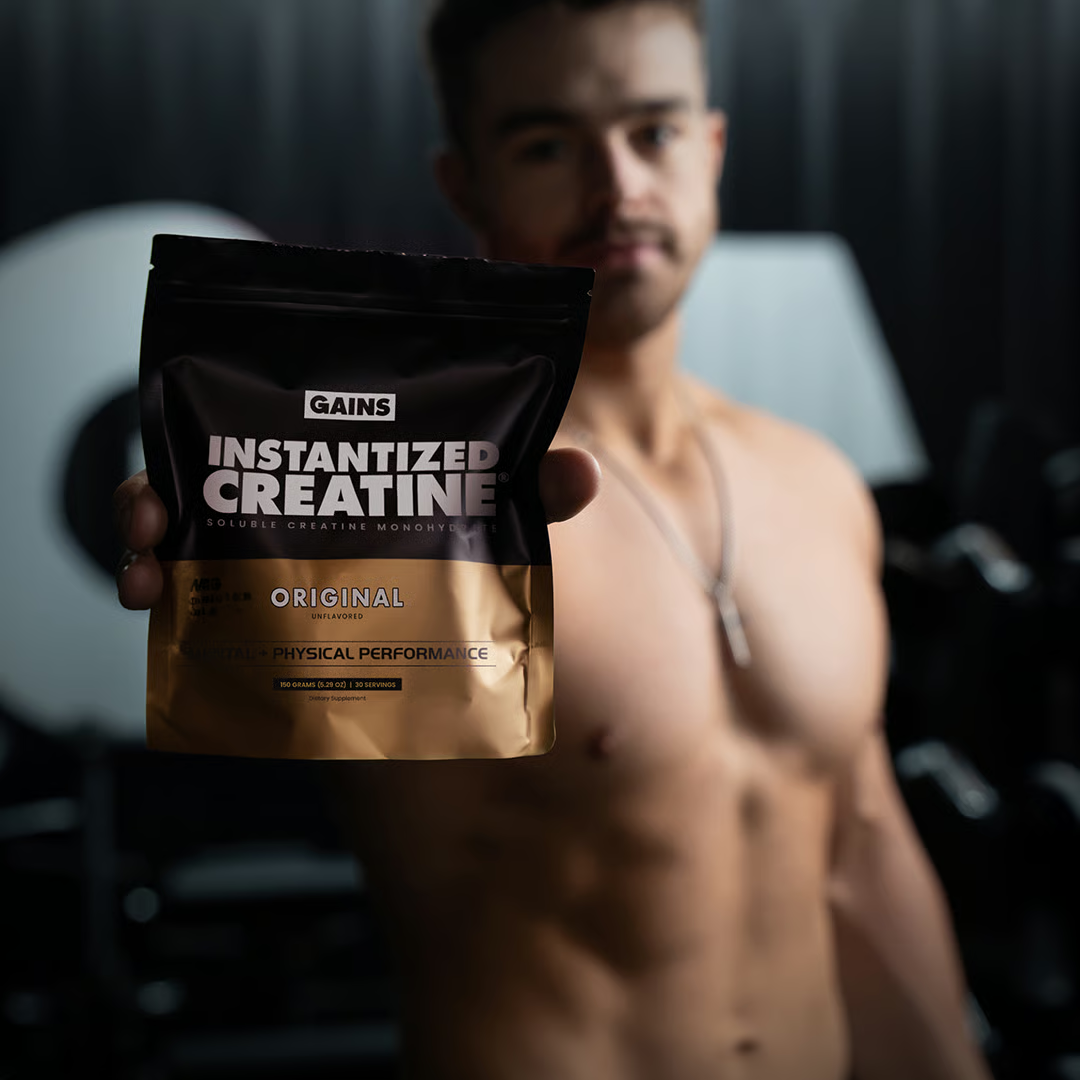
creatine effect

Creatine for Sale: How to Choose the Right Supplement for Your Fitness Goals

You’ve decided to take your training to the next level, and you’ve heard the buzz about creatine. It’s one of the most researched and effective supplements on the market. But a quick search for “creatine for sale” reveals an overwhelming number of options: powders, capsules, monohydrate, HCl, flavored, unflavored… where do you even begin?

Choosing the right creatine isn’t about picking the flashiest tub. It’s about finding the pure, effective, and affordable supplement that aligns with your specific fitness journey. This guide will cut through the noise and teach you exactly how to choose the best creatine for your goals.

Why Creatine? The Proven Benefits for Every Lifter

First, let’s understand why you’re taking it. Creatine is a naturally occurring compound found in muscle cells that helps them produce energy during heavy lifting or high-intensity exercise. Supplementing with it increases your body’s stores of phosphocreatine, a key energy source. This translates to several tangible benefits:

  • Increased Strength and Power: More energy in your muscles means you can push harder for that extra rep or add more weight to the bar. This leads to greater gains in strength and muscle mass over time.
  • Enhanced Recovery: By rapidly replenishing energy stores, creatine can help reduce muscle fatigue and soreness, allowing you to recover faster between sets and workouts.
  • Improved Performance: Studies consistently show creatine enhances performance in short-duration, high-intensity activities like sprinting, jumping, and, of course, weightlifting.
creatine effect

Picking Your Potion: Which Form of Creatine is Right for You?

Not all creatine is created equal. The form you choose can depend on your experience level and specific needs.

For Beginners & Budget-Conscious Lifters: Creatine Monohydrate

  • The Gold Standard: Creatine Monohydrate is the most studied form—with decades of research proving its effectiveness and safety.
  • How it Works: It’s simple, reliable, and incredibly cost-effective. You get a massive bang for your buck.
  • Who it’s for: Everyone, especially those new to creatine. You simply can’t go wrong starting here. It’s the perfect introduction to the world of creatine supplementation.

For Advanced Users or Those with Sensitivity: Other Forms (HCL, Micronized)

  • Creatine Hydrochloride (HCL): This form is bound with hydrochloric acid, which increases its solubility. The claimed benefits include better absorption (potentially requiring a smaller dose) and reduced risk of bloating or stomach discomfort, which a small percentage of users experience with monohydrate.
  • Micronized Creatine Monohydrate: This is simply regular monohydrate that has been processed into smaller particles. It mixes more easily into liquid and may be slightly easier on the stomach for some.
  • Who it’s for: Lifters who have tried monohydrate and experienced minor digestive issues, or those who prefer a smaller serving size and don’t mind paying a premium.

The Verdict: While other forms have their place, Creatine Monohydrate remains the champion for the vast majority of people due to its proven track record and low cost.

What to Look For When Buying Creatine: The 3 Golden Rules

When scanning the endless creatine for sale online, keep these three critical factors in mind to ensure you get a quality product.

1. Purity and Ingredients

The label should have one ingredient: Creatine Monohydrate (or your chosen form). Avoid proprietary blends that hide filler ingredients. The goal is to get pure creatine, not a mix of other unnecessary compounds.

2. Third-Party Testing and Certifications

This is the most important step for ensuring safety and quality. Look for products that have been tested by independent labs like:

  • NSF Certified for Sport®
  • Informed-Choice.org
  • USP Verification
    These certifications guarantee that what’s on the label is in the tub and that the product is free from banned substances, heavy metals, and other contaminants. This is non-negotiable for competitive athletes.

3. Price Per Serving

Don’t just look at the sticker price. Calculate the cost per serving.

  • A 1000g tub with a 5g serving size gives you 200 servings.
  • Divide the total price by the number of servings to find your cost.
    Creatine monohydrate is notoriously inexpensive. You should only be paying a few cents per serving. If a product is significantly more expensive, question what you’re paying for (e.g., fancy packaging, marketing hype, or a different form).
creatine effect

3 Common Mistakes to Avoid When Buying Creatine Online

Don’t let these pitfalls derail your supplement journey.

  1. Falling for “New and Improved” Marketing Hype. Be skeptical of claims that a new, expensive form of creatine is “10x more effective.” Stick with the science, which overwhelmingly supports simple monohydrate.
  2. Choosing Based on Tub Size or Brand Name Alone. A bigger tub from a flashy brand isn’t always better. Do the math on price per serving and always check for third-party certifications, even from well-known brands.
  3. Ignoring the Serving Size. Some forms, like Creatine HCL, recommend a smaller serving (e.g., 1-2 grams) compared to monohydrate’s standard 5 grams. Make sure you understand the recommended dosage for the specific product you’re buying to accurately compare costs and effectiveness.

See also: creatine in USA guide

The Final Rep: Your Simple Checklist for Choosing Creatine

Ready to buy? Use this quick checklist before you click “add to cart”:

  • I’ve chosen Creatine Monohydrate (unless I have a specific reason to try another form).
  • The ingredient list is simple and clean with no unnecessary fillers.
  • The product has a third-party certification (NSF, Informed-Choice, USP) for purity and safety.
  • I’ve calculated the price per serving and confirmed it’s cost-effective.
  • I’m buying from a reputable retailer to avoid the risk of counterfeit products.

By focusing on purity, verification, and value, you can confidently navigate the vast world of creatine for sale and choose a supplement that will effectively support your fitness goals for years to come.

Disclaimer: Always consult with a healthcare professional before starting any new supplement regimen.

Select the fields to be shown. Others will be hidden. Drag and drop to rearrange the order.
  • Image
  • SKU
  • Rating
  • Price
  • Stock
  • Availability
  • Add to cart
  • Description
  • Content
  • Weight
  • Dimensions
  • Additional information
Click outside to hide the comparison bar
Compare
Shopping cart close