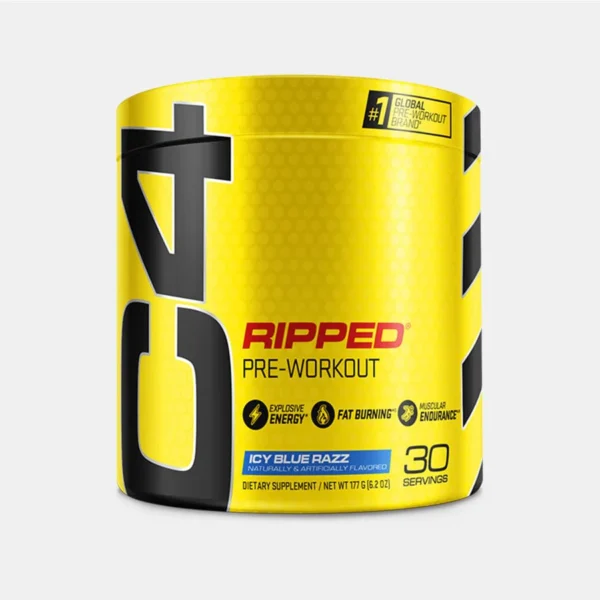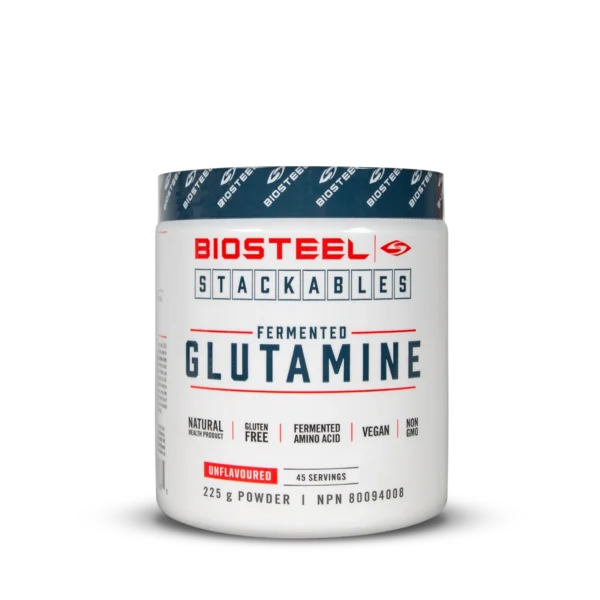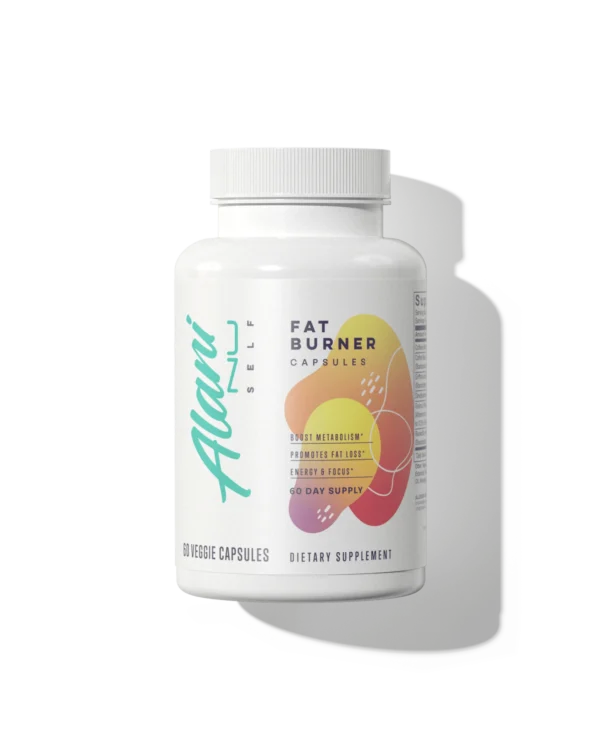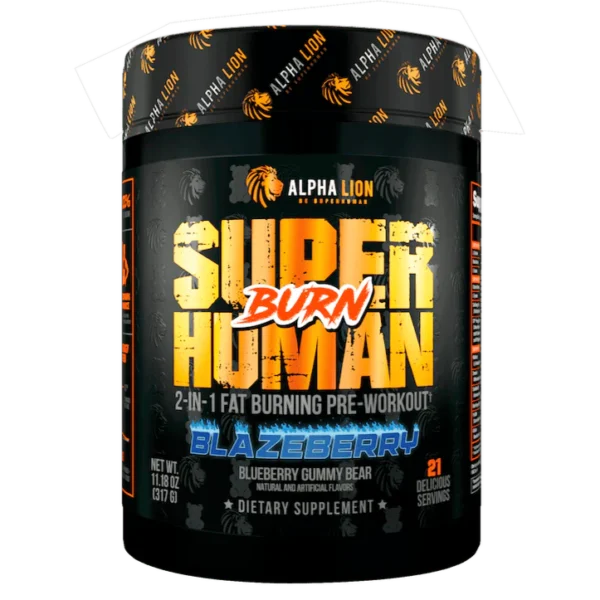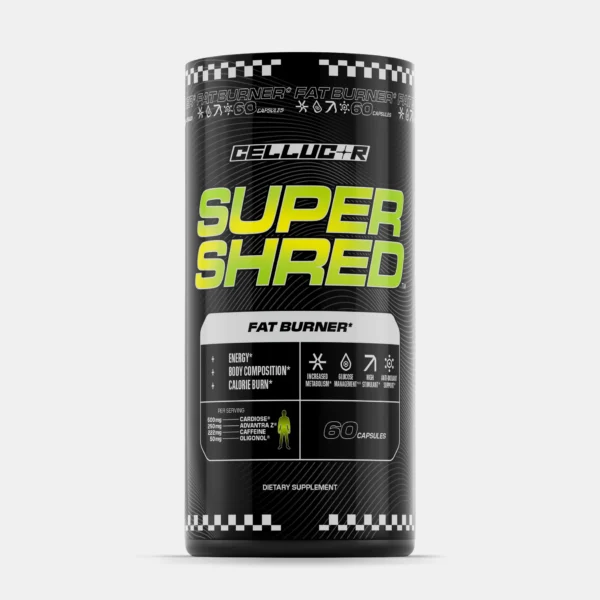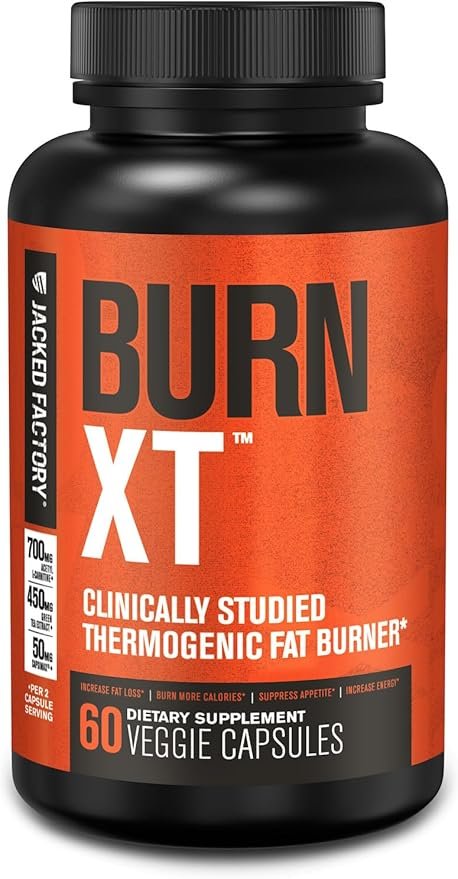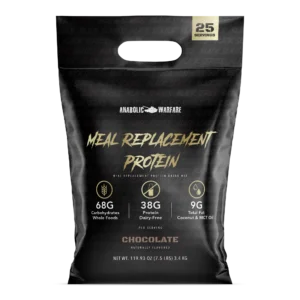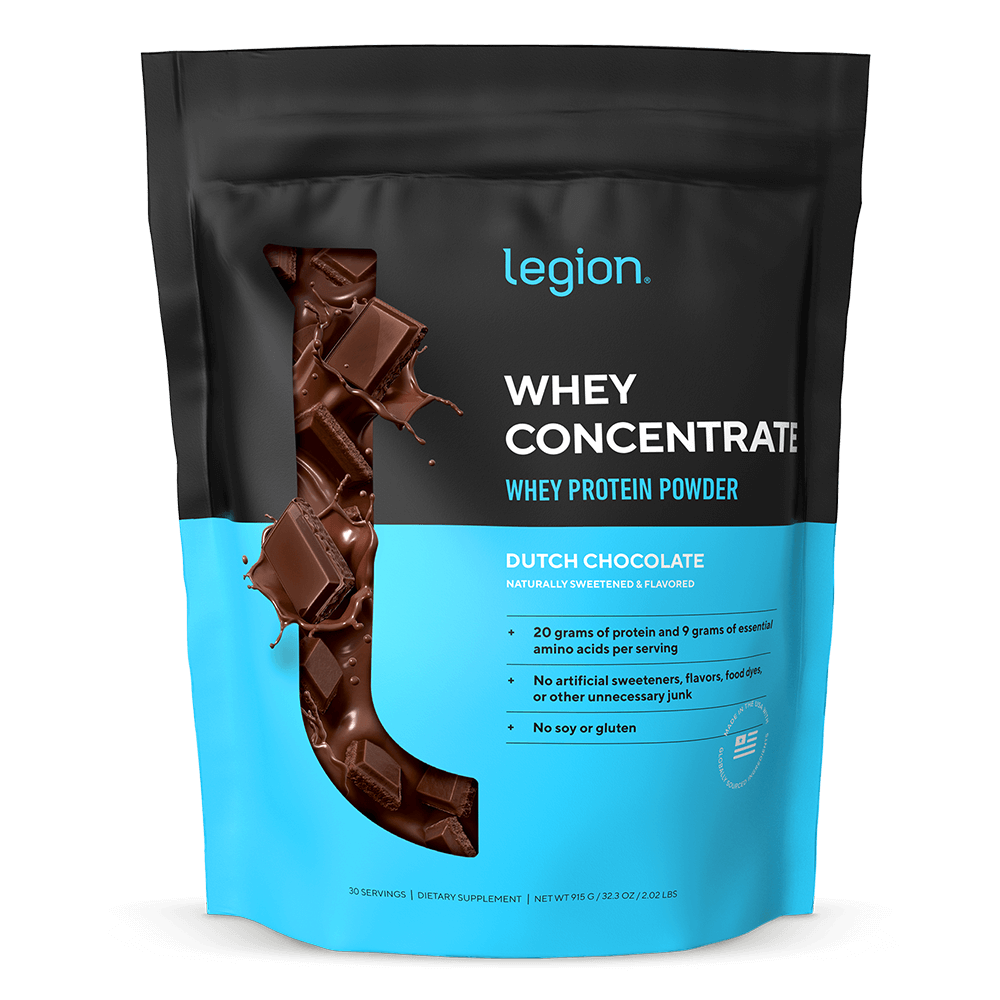


instagram supplements and gym equipment for sale

facebook gym supplements usa. Gym equipments and gym supplements for sale instagram profile social media

amazon coupons for shop for supplements 2026

What coupon can I use to shop cheaper for supplements on Amazon in US?

If you buy gym supplements on Amazon in the U.S., there are more ways to save than you might think — but not all “coupons” are the same. Below we will walk you through the real, practical coupon types and savings hacks that work specifically for vitamins, protein powders, probiotics and other supplements, plus step-by-step tips to stack discounts safely and avoid wasted time.


1) The Amazon “Clip” coupons (the easy starting point)

Amazon runs a Coupons page where manufacturers and Amazon itself publish digital coupons you can “clip” on a product page. For vitamins and supplements you’ll often see a little checkbox on the product page labelled “Save $X.XX with coupon” — click it and the discount is applied at checkout. There’s also a coupons hub where you can search by category (for example “Vitamins & Dietary Supplements”) to find current offers. These are legitimate, instant discounts and one of the fastest ways to save.

How to use: open the product page, look under the price for a coupon checkbox, tick it, then verify the final price in checkout.
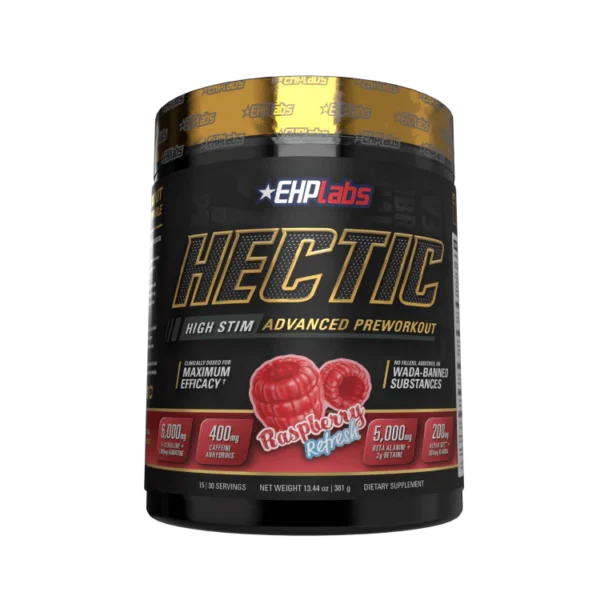

2) Subscribe & Save — best for repeat buys

If you regularly use a supplement (fish oil, multivitamin, protein powder), Amazon’s Subscribe & Save program can cut costs significantly. Subscribe & Save gives recurring-delivery discounts and — depending on how many eligible subscriptions you have shipped to the same address in a single delivery — extra percentage savings when you reach thresholds (Amazon’s page explains current rules and eligible products). For many supplement shoppers this is the single biggest ongoing saving tool.

Pro tip: You don’t have to keep the subscription forever. Many people create a Subscribe & Save order, get the one shipment, then cancel or reschedule future deliveries in their account. Always confirm the price before finalizing.

Check also: Best Amazon supplements discounts and deals in November 2025


3) Promo codes & gift-card/credit offers (limited but worth checking)

From time to time Amazon or third-party partners release promo codes, checkout credits, or gift-card bonuses that apply to broad purchases or categories. You can enter promo codes at checkout via Amazon’s promotional-code redemption flow. These codes aren’t guaranteed for supplements specifically, but during big sale periods or targeted promotions they can produce strong savings. Always check the promo’s terms and expiration before relying on it.

Caution: Amazon does not allow coupon abuse; codes and promo credits are governed by terms and can expire or be revoked. Read the small print.
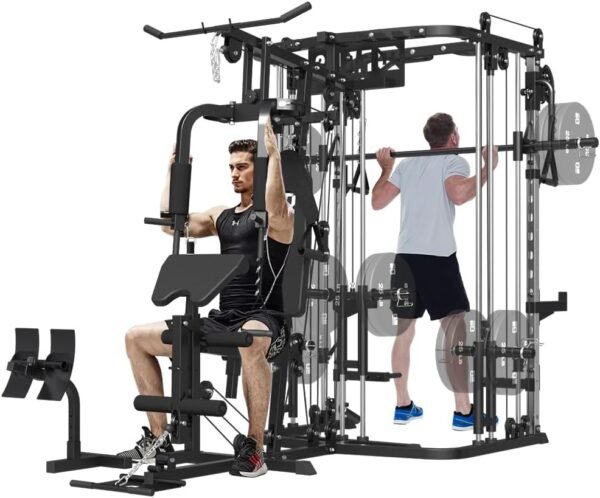
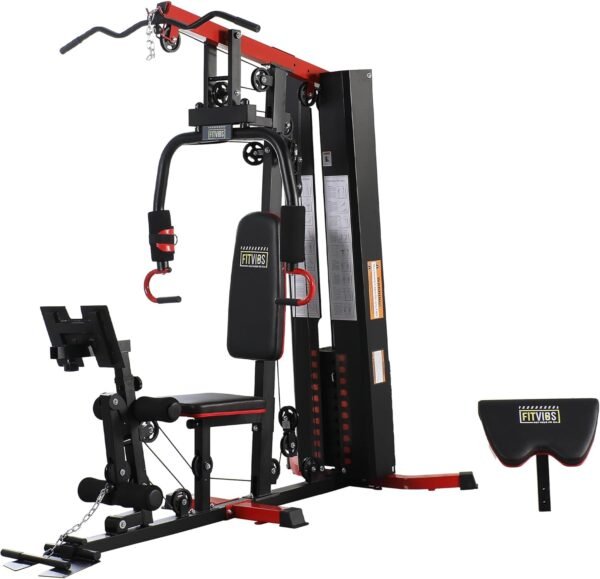
All in One Home Gym System Workout Station Multi-Function Smith Machine

Original price was: $1,499.99.Current price is: $899.99.

This All-in-One Home Gym System gives you the complete functionality of an entire training facility in one streamlined, durable machine. It empowers you to train every major muscle group.


4) “Coupon stacking” — limited and inconsistent

You may have heard of “stacking” — applying more than one discount on the same item (e.g., a percent-off sale + a coupon). Amazon has tightened up how discounts can be combined, and stacking rules vary by promotion and vendor. Sometimes a manufacturer’s percentage-off sale will prevent additional coupons from applying; other times you can clip a coupon on top of a sale. In short: stacking can happen, but don’t expect it reliably. Check the product’s discount details before assuming two discounts will combine.


5) Third-party coupon aggregators & browser extensions

Sites and browser extensions like CouponFollow, Groupon, Honey, Capital One Shopping and others scan for codes and deals. They can help find promo codes or compare prices across sellers. Extensions sometimes offer coupon testing and cash-back or price-drop alerts, which are useful adjuncts when hunting the best price on a supplement. They aren’t magic — but they save time and occasionally surface codes you won’t find manually.

Security note: use well-known extensions only and don’t paste private information into dubious coupon sites.


6) Amazon Warehouse and open-box items (different “coupon” — big savings)

Amazon Warehouse lists returned and open-box items at discounts. For supplements this is less common but sometimes available for boxes with damaged packaging or overstock. Warehouse deals aren’t coupons per se, but they can reduce price substantially — check condition notes and expiration dates carefully for supplements.

Check also: How to buy cheap gym supplements in US
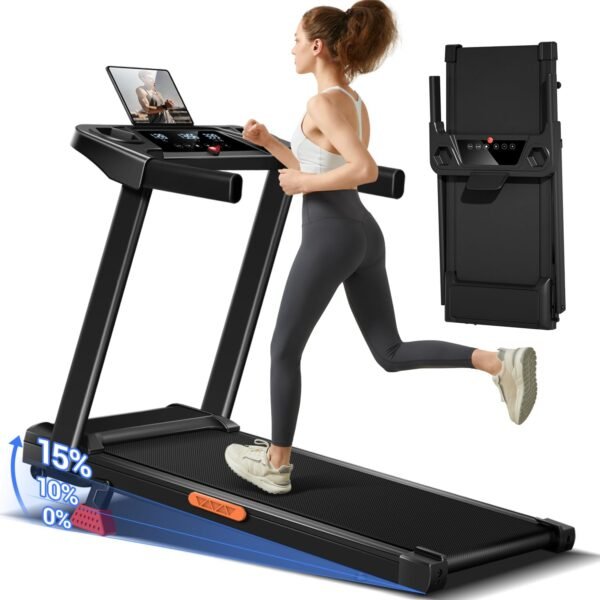
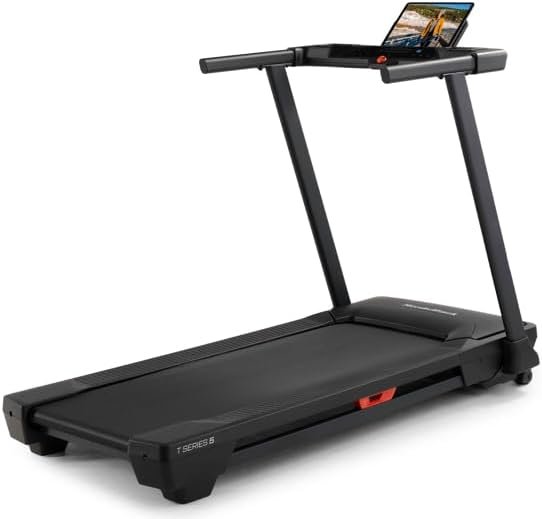
3-in-1 Treadmill with 15% Incline Portable Treadmills for Home with Handle

Original price was: $249.99.Current price is: $199.99.

Upgrade your home workouts with the 3-in-1 Foldable Treadmill with 15% Incline — a powerful, space-saving fitness solution designed for walking, jogging, and running. This advanced treadmill combines performance, versatility, and style, making it perfect for home, office, or apartment use.


7) Timing: sales events, Prime Day, Black Friday and seasonal sales

Supplement discounts spike during Prime Day, Black Friday, New Year (when people buy health products) and other seasonal events. Combine a clipped coupon or Subscribe & Save with a sale window and you’ll get the best effective price. Also watch brand-specific sales — many supplement brands run targeted deals on Amazon that include percentage discounts plus coupons.


8) Payment & membership perks

Don’t forget Amazon’s ecosystem savings: 5% back with certain Amazon cards, occasional Prime-only price boosts, or Young Adult / student Prime discounts. If you’re already a Prime member, special sale windows and exclusive coupons are more accessible. These aren’t coupons on the product page, but they affect your net cost.


9) Concrete step-by-step routine to find the cheapest option

  1. Search the product on Amazon and open the product page. Look for a coupon checkbox under the price and clip it.
  2. Check whether the item is eligible for Subscribe & Save and compare the one-time vs. subscribe price.
  3. Scan the coupons hub or brand storefront for additional offers.
  4. Try a trusted coupon aggregator or browser extension to test for promo codes and cash back. Verify any code directly at checkout.
  5. If price still isn’t where you want it, add tools: price trackers (Keepa, CamelCamelCamel) to monitor drops, and check Amazon Warehouse for open-box/return discounts.

10) Warnings & best practices

  • Check expiration dates on supplements. A cheap bottle isn’t a bargain if it’s near expiration.
  • Read coupon terms. Some coupons exclude certain sellers or require a minimum purchase. Amazon’s coupon/help pages explain the rules.
  • Avoid sketchy “coupon code” websites. Many third-party sites promise Amazon promo codes that don’t work or are scams. Use reputable aggregators and browser tools.
  • Don’t assume stacking will work. Test your cart before placing an order — confirm the final price in checkout.
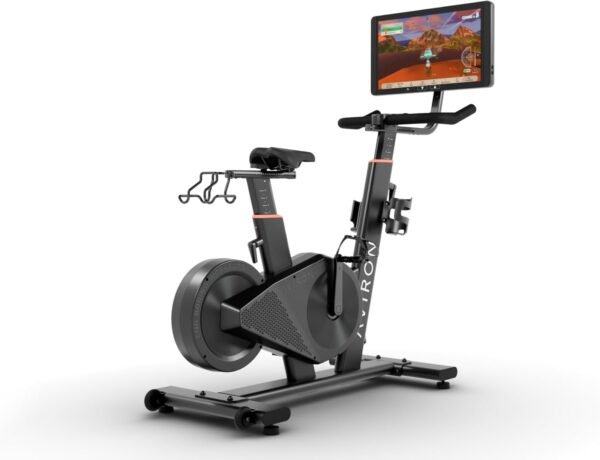
Aviron Fit Bike S with 22″ HD Touchscreen Access to Game-Based Workouts

$1,949.00

Transform your home workouts into an engaging and immersive fitness experience with the Aviron Fit Bike S, featuring a 22-inch HD touchscreen that brings interactive, game-based workouts right to your living room. This smart exercise bike combines advanced technology with a smooth, quiet ride, helping you stay motivated while improving cardiovascular health, burning calories, and building endurance.


Bottom line

The most reliable coupons for supplements on Amazon are the digital “clip” coupons and Subscribe & Save discounts. Combine those with timing (sale events), reputable coupon-finder tools, and payment perks to maximize savings. Stacking can happen but is inconsistent — always verify the final price in checkout and read the coupon/promotional terms. If you make a habit of checking the coupons hub, using Subscribe & Save for recurring items, and testing a trusted browser extension, you’ll routinely pay less for the supplements you use.

Similar article: Affordable gym supplements USA
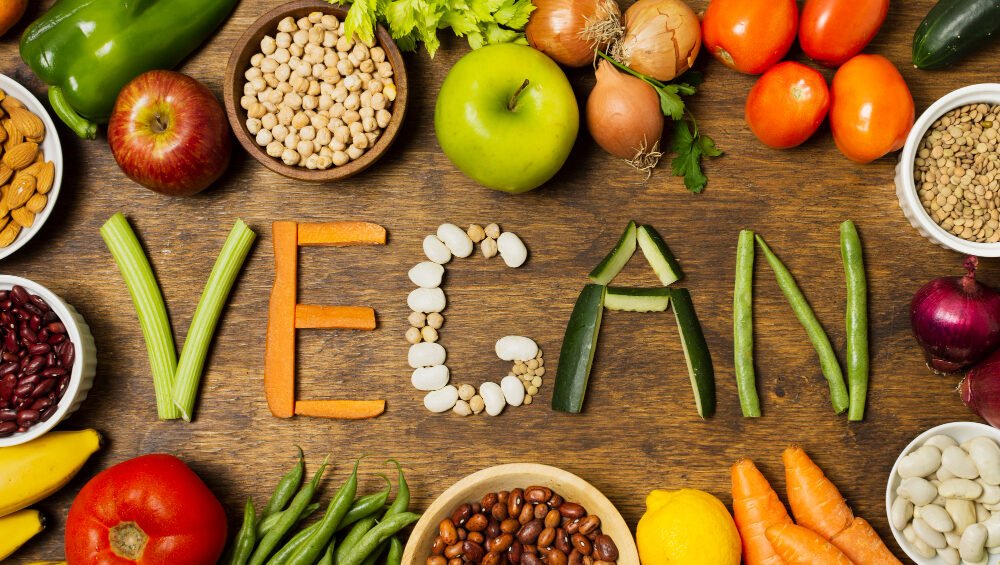
vegan-supplements-for-sale-guide- 32

Vegan Athletes: Best Plant-Based Supplements in the USA
Vegan Athletes: Best Plant-Based Supplements in the USA — an evidence-first guide from a scientist

Plant-based diets are no barrier to elite power, endurance, or recovery — but they do change the nutrients you need to watch for. As a researcher who reads original trials and meta-analyses, I’ll cut straight to what’s proven, what’s promising, and how to find reliable products in the U.S. market. This article is practical (dosing, evidence, how to shop) and forward-looking (emerging compounds you should watch).


Why supplements matter for vegan athletes

A well-designed plant diet delivers abundant antioxidants, fiber, and many vitamins. But athletes pushing training stress have higher needs for a few specific nutrients (creatine, EPA/DHA, iron, B12, certain amino acid derivatives and ergogenic compounds). Supplements are tools to close gaps and—when backed by science—improve performance, recovery, and resilience without sacrificing the principles of a plant-based lifestyle.

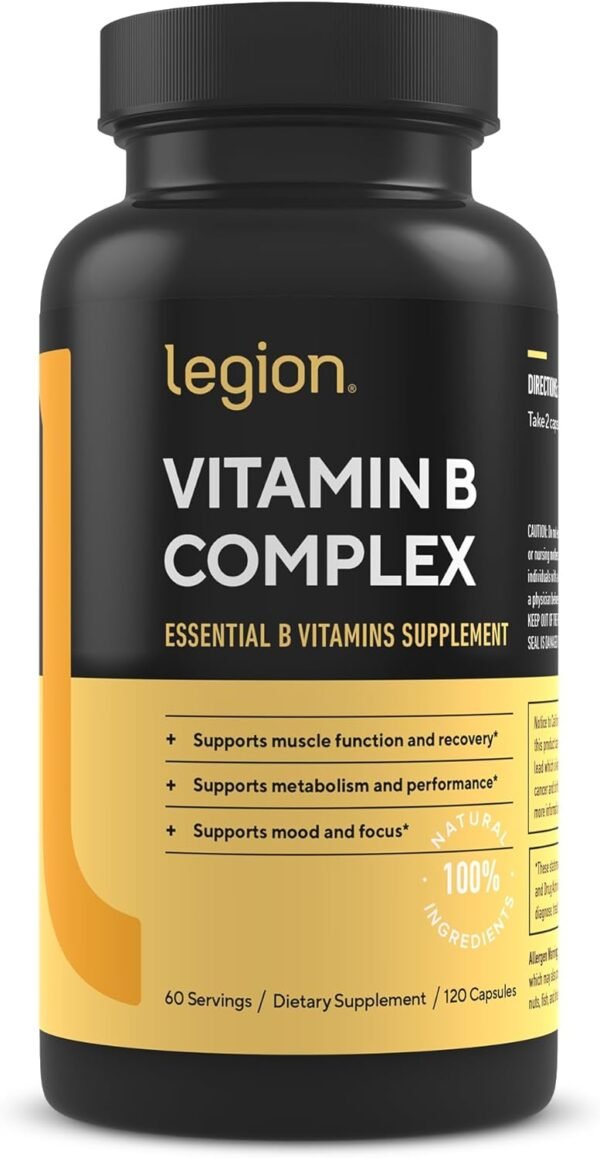
LEGION Vitamin B-Complex Vegan Supplement

$29.24

Elevate your daily wellness with LEGION Vitamin B-Complex, a precision-formulated, vegan-friendly blend designed to fuel your energy, sharpen your mind, and support your body from the inside out.


The core, science-backed essentials every vegan athlete should consider

1) Creatine monohydrate — the most consistently effective ergogenic for vegans

Creatine increases high-intensity power, lean mass and can improve cognition under stress. Because dietary creatine comes mainly from meat and fish, vegans often have lower baseline muscle creatine stores and tend to respond strongly to supplementation. Creatine monohydrate is inexpensive, highly studied, and the preferred form.

Practical: 3–5 g/day maintenance after an optional short loading phase. Synthetic creatine is vegan-friendly; check labels for purity and third-party tests.


2) Algal DHA + EPA (vegan omega-3) — inflammation, recovery, cognition

Long-chain omega-3s EPA and DHA support membrane function, inflammation control and may speed recovery. Algae-derived oil delivers bioequivalent DHA/EPA to fish oil and is the plant-based choice for vegans and sustainability-minded athletes. Clinical studies show algae oil raises the Omega-3 Index in athletes and can improve markers relevant to performance.

vegan-supplements-for-sale-guide-

Practical: aim for a combined EPA+DHA dose consistent with the product’s evidence (many athletes use 500–1500 mg/day); measure an Omega-3 Index if possible.


3) Dietary nitrate (beetroot) — legal, food-based nitric oxide boost

Nitrate-rich beetroot juice or powders can reduce the oxygen cost of submaximal exercise and improve time-to-exhaustion in many—but not all—settings. Effects are most robust in recreational and moderately trained athletes and for endurance tasks; elite responses are variable. Use beetroot in the days before an event or repeatedly for multi-day competitions.

Practical: ~300–800 mg nitrate (~70–140 mL concentrated beetroot or standardized powder) 2–3 hours before activity; experiment in training (not race day).


4) Protein strategy: high-quality plant proteins + HMB when needed

A “protein first” approach still matters. Pea, soy, rice and blends can supply complete amino profiles; choose products that list grams of protein per serving and per-amino acid when available. Beta-hydroxy-beta-methylbutyrate (HMB) — a leucine metabolite — has evidence for reducing muscle damage and preserving lean mass in catabolic phases and during return-to-training. HMB products on the market are typically vegan (synthetic).

Practical: target 1.6–2.2 g/kg/day protein for strength athletes (from food + supplements). If returning from layoff or during aggressive calorie deficit, consider 2–3 g/day HMB split doses.


Promising, newer plant-forward ingredients (the next wave)

These compounds are attracting rigorous research; they’re not miracle cures, but they’re science-worthy.

Urolithin A — mitochondrial renewal and endurance potential

Urolithin A (UA) is a gut-microbiome-derived metabolite that activates mitophagy (cellular cleaning of dysfunctional mitochondria). Human trials show UA can improve muscle mitochondrial markers and strength in older adults; sports-nutrition research exploring endurance and recovery is growing. For vegan athletes who prioritize mitochondrial efficiency and recovery, UA is a high-interest compound to watch.

Note: UA is produced by gut bacteria from dietary ellagitannins (pomegranates, walnuts); many people convert poorly, so a purified supplement form is used in trials.

vegan supplements for sale guide

Spermidine — autophagy, vascular support, and exercise synergy

Spermidine (found in wheat germ, mushrooms, soy) stimulates autophagy and has cardiometabolic and longevity effects in animal models and early human studies. Preclinical work suggests combined spermidine + exercise can enhance muscle and vascular adaptations, but human athletic trials are limited. It’s a promising adjunct for recovery and vascular health, but more athlete-specific RCTs are needed.


Ergothioneine & astaxanthin — targeted antioxidants

Ergothioneine (mushroom-derived) and astaxanthin (microalgae) are potent antioxidants that protect mitochondria and may reduce oxidative damage from intense training while preserving adaptive signaling better than broad, high-dose antioxidants. These are emerging as targeted recovery tools for plant-based athletes. (Evidence is growing; remain cautious about dosing and timing.)

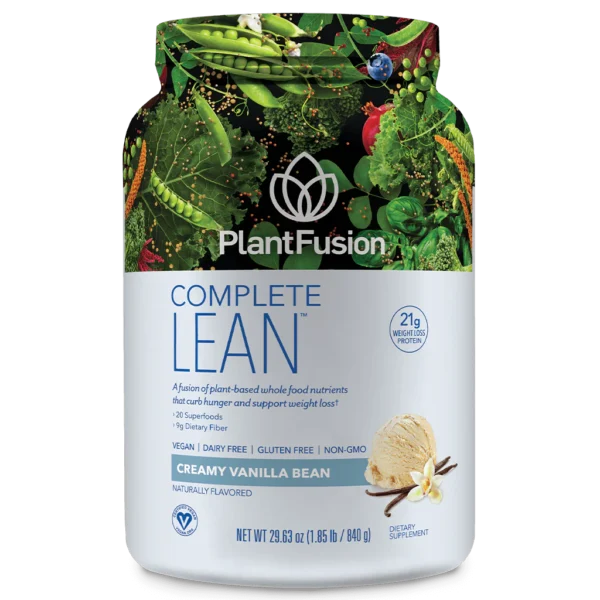
PlantFusion Complete Lean Vegan Protein Powder for Weight Loss

Original price was: $59.99.Current price is: $47.97.

Cordyceps militaris & adaptogenic fungi

Cordyceps extracts have shown potential to improve VO₂ kinetics and perceived exertion in small trials. Many fungal extracts are vegan and align with a food-first philosophy; choose standardized extracts with quantified active markers.


How to choose reliable vegan supplements in the USA (researcher’s checklist)
The U.S. supplement market is vast and lightly regulated. Here’s a practical, evidence-based shopping filter I use in lab reviews:

  1. Third-party testing — look for NSF Certified for Sport, USP, ConsumerLab, or Informed-Sport seals. These programs test for label accuracy and contaminants (heavy metals, adulterants). NSF and ConsumerLab resources are trusted starting points.
  2. Full transparency — avoid proprietary blends that hide doses. Good products list ingredient amounts and source (e.g., “algal DHA 300 mg”).
  3. Match the evidence — pick products where the dose equals what was used in human trials (or a reasonable fraction if validated).
  4. Vegan certification and allergen statements — vegan logo is helpful but check for cross-contamination warnings. If you have soy, gluten, or nut sensitivities, pick certified hypoallergenic lines.
  5. Company quality cues — GMP (good manufacturing practice) claims, batch COAs (certificate of analysis) available on request, transparent manufacturing locations, and responsive customer service.
  6. Clinical or third-party human data — premium brands sponsor human trials or publish independent studies. That’s a strong signal.
  7. Avoid red flags — extravagant claims (“cures soreness overnight”), hidden stimulants, or celebrity-only promotions without data.

For readers who want a quick primer on how to validate claims, Consumer Reports and NSF have accessible guides on choosing supplements and the importance of third-party testing.


Sample stack for different athlete goals (plant-based, evidence-aligned)

These are starting templates—tailor to training phase and consult a clinician for medical issues.

  • Endurance athlete (training): algae EPA+DHA (500–1,000 mg), beetroot nitrate (daily protocol around long sessions), creatine 3 g/day (helps repeated sprints and recovery), algal iron or B12 if lab tests show deficiency.
  • Strength athlete (hypertrophy/power): creatine 3–5 g/day, high-quality plant protein (25–40 g per serving post-workout), HMB if returning from detraining, urolithin A (experimental adjunct for recovery).
  • Recovery & longevity focus: algal DHA, astaxanthin/ergothioneine blend for mitochondrial support, spermidine/UA (as experimental cytoprotective stack).

Practical safety and dosing notes

  • Supplements can interact with medications (e.g., anticoagulants and omega-3s) — check with a healthcare provider.
  • Start one product at a time for a few weeks to assess tolerance and benefit.
  • Use reputable retailers (official brand sites, major pharmacy chains that require third-party testing) to reduce counterfeit risk. CVS and other chains tightened third-party testing policies for the supplements they stock — a sign the marketplace is improving.
vegan-supplements-for-sale-guide-3211

Final words — the scientist’s bottom line

A plant-based diet is fully compatible with top athletic performance. The smartest approach is food first, supplements strategic: use creatine and algal omega-3 as foundational evidence-based additions, leverage beetroot nitrate for endurance windows, and consider HMB or high-quality plant protein during catabolic phases. Watch emerging compounds like urolithin A, spermidine, ergothioneine and astaxanthin — they show mechanistic promise (mitochondria, autophagy, targeted antioxidant protection), but they need more athlete-directed trials before becoming mainstream staples.

When choosing any product in the U.S., prioritize third-party certification, ingredient transparency, and brands that publish their COAs or human trial data. That doubles as the simplest way to protect your health, your performance, and the organic traffic you might later get when you recommend the same products to teammates.

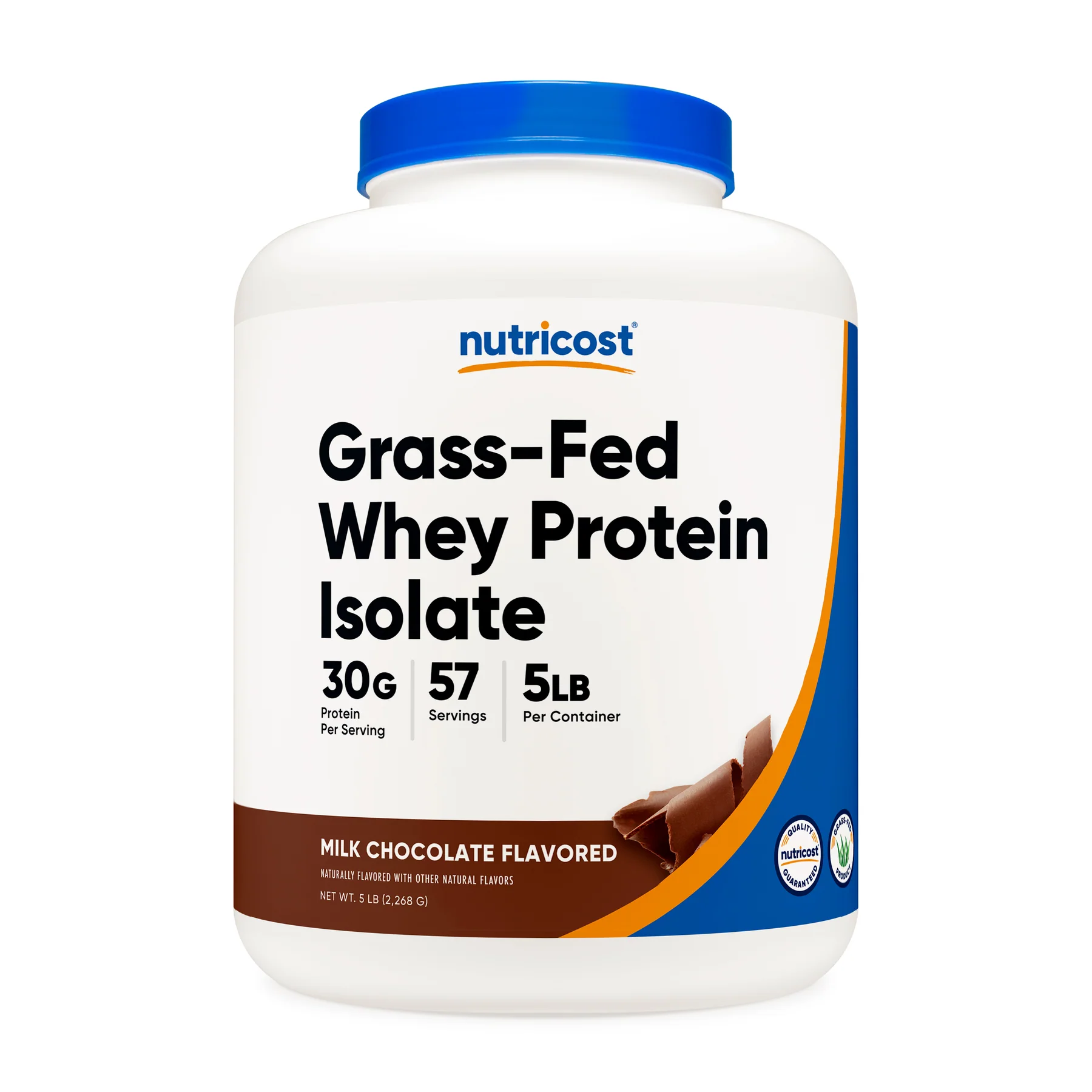
Nutricost Grass-Fed Whey Protein Isolate

Nutricost Grass-Fed Whey Protein Isolate Review and Buyer’s Guide

If you’re shopping for a clean, budget-friendly whey isolate, Nutricost’s Grass-Fed Whey Protein Isolate is one of the names you’ll see again and again. Below I walk through what it is, how it works, what buyers typically like and dislike, and whether it’s worth your money — with practical numbers so you can compare.

What it is and how it works

Nutricost Grass-Fed Whey Protein Isolate is a whey protein isolate (WPI) sourced from grass-fed cows and processed to remove most fat and lactose. As an isolate, it’s mainly used to increase daily protein intake and support muscle protein synthesis and recovery after training — the same functional role as other WPIs. Nutricost lists 30 grams of protein per scoop and positions the product as non-GMO, cold-processed, rBGH-free, gluten-free, and third-party (independent laboratory) tested. Those product claims come directly from Nutricost’s product page.

Typical nutrition facts reported by retailers show a scoop that’s roughly 33–37 g with calories around 120–130 kcal per serving (varies slightly by flavor), very low fat, and low sugar — which is what you expect from an isolate.

Quantity & price — the math (so you can compare)

Nutricost sells this isolate in 2-lb and 5-lb tubs. Here are practical numbers so you can compare price per serving:

  • A 5-lb tub = 5 × 16 = 80 ounces; 80 oz × 28.3495 g/oz = 2,267.96 g total. At a scoop size of 37 g, that’s ≈ 61.3 servings per 5-lb tub. Using an example list price of $85.95, that comes to about $1.40 per serving; with a common discount price of $77.35, it’s about $1.26/serving. (Calculation steps shown above.)
  • A 2-lb tub = 32 oz = 907.18 g, which at 37 g per scoop gives ≈ 24.5 servings. At example prices around $43.95 or sale prices near $40.45, that’s about $1.65–$1.79 per serving.

Bottom line: buying the 5-lb tub is usually the best value (lower price per serving), but the 2-lb tub can be a good trial size if you’re testing flavor or tolerance.

What consumers generally think (pros & cons)

What people like

  • Value for money: A consistent theme in reviews and forum posts is that Nutricost gives a high-protein serving for a lower price than many premium brands. Many users say it’s a reliable, cost-efficient source of protein.
  • Clean ingredient list: Because it’s an isolate with few additives, people who want minimal extras (especially in the unflavored version) appreciate it for mixing into coffee, baking, or smoothies.
  • Mixability & effectiveness: Numerous users report it mixes reasonably well and delivers the expected recovery benefits (helps hit protein targets, supports post-workout recovery).

What people dislike

  • Flavor variability and reformulation complaints: While some flavors are praised, several buyers on Reddit and other forums have reported reformulations or off-notes in certain batches (especially flavored varieties), describing changes in sweetness, artificial taste, or thin texture. If you’re picky about flavor, expect mixed experiences.
  • Some flavors are too sweet or artificial: That’s common across budget protein powders; many users prefer unflavored or stick with classic chocolate/vanilla.
Nutricost Grass-Fed Whey Protein Isolate

Quality assessment

  • Protein type: Being a whey isolate is a quality point for people who want high protein with lower carbs and fats. Isolates also reduce lactose, so they can be easier on mild lactose intolerance.
  • Grass-fed claim: Nutricost markets the product as grass-fed and rBGH-free — attractive to buyers concerned about dairy sourcing. Claims like “cold processed” and third-party testing increase perceived quality, though you should look for the specific third-party report if you want lab confirmation.

Who should buy it?

  • Budget-minded trainees who want an isolate rather than a concentrate will like the macro profile and price point.
  • People who bake or add protein to coffee will appreciate the unflavored option.
  • Anyone sensitive to lactose may find isolates more tolerable than concentrates.

Check also: Amazon vs GNC-where to buy supplements cheaper

Who might want to skip it?

  • Flavor purists — if taste is your top priority, some premium brands focus heavily on flavor engineering and may taste better.
  • People wanting full certification transparency — if independent certification (e.g., Informed-Sport, NSF) is mission-critical for competition or testing, check which certificates are present for the specific lot — Nutricost mentions independent lab testing, but you should verify the certificate for competitive athletes.

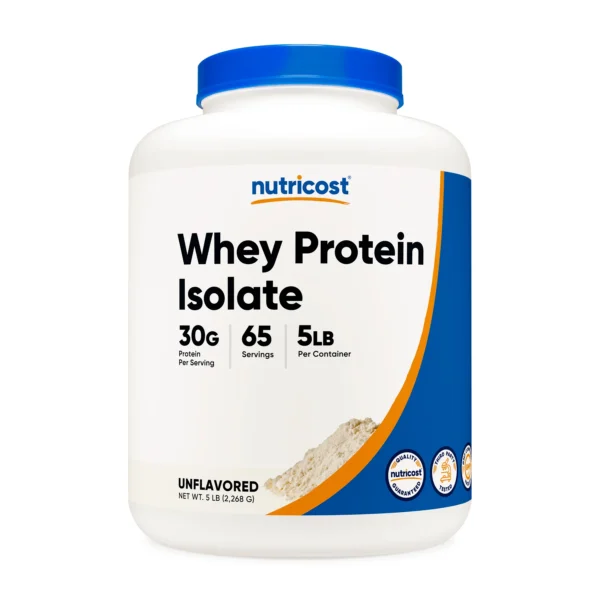
Nutricost Whey Protein Isolate Powder

(1 customer review)
$72.95

Tips before buying

  1. Buy the larger size if you tolerate the flavor — better $/serving. (Do the math; example above shows 5-lb is usually cheaper per scoop.)
  2. Start with unflavored if you plan to add to recipes or want to avoid sweetness.
  3. Check recent reviews for the flavor you want — several users report batch-to-batch differences or reformulation notices, especially for flavored tubs.
  4. Watch for coupons and subscribe/save options on retailers like Amazon or Nutricost’s own site to lower per-serving cost.

Check also: Nutricost Creatine Monohydrate Powder Review

Final verdict

Nutricost Grass-Fed Whey Protein Isolate is a solid value option if your priorities are high protein content, minimal fillers, and cost efficiency. The product’s grass-fed isolate positioning, 30 g protein per scoop, and competitive price point make it attractive for most gym-goers and home cooks. The main caveat is flavor consistency — some users report changes or artificial tastes in certain batches, so if you’re sensitive to flavor, try a small tub first or choose the unflavored version.

If you want a clean, budget-friendly isolate and don’t mind testing a flavor, Nutricost is worth trying. If you need lab certifications for competitive sport or you’re extremely particular about taste, compare third-party certified alternatives and read recent batch reviews before buying.


Sources & further reading: Nutricost product page and nutrition facts, Amazon product listings and pricing, user reports and discussion on Reddit, and independent review writeups. (Key sources: Nutricost product page; Amazon listings; Reddit threads; retailer nutrition facts.)

If you want, I can: (1) compare Nutricost side-by-side with 2–3 other grass-fed whey isolates at similar price points, or (2) calculate exactly how much protein you’ll get per month based on your daily goal — tell me which and I’ll run the numbers.

Gym equipment at home how to design it space and room

Home Gym Equipment for Small Apartments: The Ultimate Guide to Fitness in Compact Spaces

Why Building a Home Gym in a Small Apartment Is Totally Possible

Living in a small apartment doesn’t mean you have to give up on your fitness goals. In fact, with the right home gym equipment for small apartments, you can transform even a limited space into a powerful workout zone. Whether you live in a studio, a one-bedroom flat, or a shared space, there are plenty of compact, foldable, and multifunctional fitness tools designed for tight areas.

The key to success is choosing smart equipment that maximizes function while minimizing space. Below, we’ll show you how to set up an apartment-friendly gym, what gear works best, and how to stay motivated without ever stepping foot in a crowded fitness center.


Benefits of Having a Home Gym in a Small Apartment

1. Convenience and Time Savings

No more wasting time commuting to the gym or waiting for equipment. You can work out anytime—morning, lunch break, or late at night.

3-in-1 Treadmill with 15% Incline Portable Treadmills for Home with Handle

Original price was: $249.99.Current price is: $199.99.

Upgrade your home workouts with the 3-in-1 Foldable Treadmill with 15% Incline — a powerful, space-saving fitness solution designed for walking, jogging, and running. This advanced treadmill combines performance, versatility, and style, making it perfect for home, office, or apartment use.

2. Privacy and Comfort

You control your environment. Blast your music, choose your pace, and wear whatever feels comfortable without judgment.

3. Long-Term Cost Savings

Gym memberships add up quickly. Investing in compact gym equipment pays off after just a few months.

4. Custom Workouts

Your home gym is personalized to your goals—strength, cardio, flexibility, or endurance—without any unnecessary gear.


Best Home Gym Equipment for Small Apartments

When selecting home gym equipment for small apartments, focus on space-saving, quiet, and multifunctional tools. Below are some of the top-rated options that combine effectiveness with convenience.

Check also: how to buy proper gym equipment – step by step

Gym equipment at home how to design it space and room 21

🏋️‍♀️ 1. Adjustable Dumbbells

Adjustable dumbbells replace a full rack of weights with one compact design. Simply twist the dial to switch resistance, allowing for quick transitions between exercises.

Why they’re great for apartments:

  • Save space — one set equals 10–15 pairs of dumbbells.
  • Quiet operation with coated plates.
  • Ideal for strength training and toning.

Popular models: Bowflex SelectTech 552, NordicTrack iSelect Dumbbells.


🚴 2. Foldable Exercise Bike

Perfect for cardio workouts without taking up valuable space. Foldable exercise bikes can be easily stored under a desk, in a closet, or against a wall.

Why they’re great for apartments:

  • Compact and lightweight.
  • Low-impact workout option.
  • Some models include resistance bands for full-body training.

Pro Tip: Choose a bike with adjustable resistance and a digital display to track calories, distance, and heart rate.


🧘 3. Resistance Bands Set

A full gym in your backpack. Resistance bands are versatile, affordable, and suitable for all fitness levels.

Why they’re great for apartments:

  • Take up almost no space.
  • Can target every muscle group.
  • Perfect for warm-ups, toning, and stretching.

Use them for: squats, chest presses, bicep curls, rows, and core work.


🏃 4. Under-Desk Treadmill or Walking Pad

An excellent choice for those who want to stay active during work hours. Walking pads are ultra-slim and can slide under your bed or sofa.

Why they’re great for apartments:

  • Foldable and portable design.
  • Quiet motor perfect for small spaces.
  • Keeps you active during long workdays.

Recommended models: WalkingPad C2, Goplus 2-in-1 Foldable Treadmill.


💪 5. Adjustable Kettlebell

Kettlebells are excellent for strength, power, and cardio workouts. An adjustable version lets you modify the weight to suit your exercises.

Why they’re great for apartments:

  • Combines multiple kettlebells in one.
  • Great for HIIT, squats, and swings.
  • Compact and easy to store.
Gym equipment at home how to design it space and room 21

🧍 6. Pull-Up Bar or Door Gym System

Turn any doorway into a fitness station. Door-mounted pull-up bars or systems like TRX suspension trainers allow for a full-body workout using only your body weight.

Why they’re great for apartments:

  • Zero floor space required.
  • Easy to install and remove.
  • Great for upper-body and core strength.

🧘 7. Yoga Mat and Foam Roller

Never underestimate the power of a quality mat and foam roller. They’re essential for stretching, yoga, Pilates, and recovery sessions.

Why they’re great for apartments:

  • Portable and lightweight.
  • Roll up for easy storage.
  • Support joint health and flexibility.

How to Set Up a Home Gym in a Small Apartment

Step 1: Choose a Dedicated Corner

Find a space near a window or wall where you can work out comfortably. A 6×6-foot area is enough for most exercises.

Step 2: Use Vertical Storage

Install wall hooks or racks to hang resistance bands, jump ropes, or mats. Storage benches can hide weights while doubling as seating.

Step 3: Go Foldable or Stackable

Opt for foldable treadmills, stackable dumbbells, or collapsible benches. These help keep your apartment neat and functional.

Step 4: Protect Your Floors

Use rubber mats or interlocking foam tiles to absorb shock and reduce noise. Your neighbors will thank you!

12% Incline Treadmill with Handle 3-in-1 Portable Treadmills for Home and Office

Original price was: $249.99.Current price is: $189.98.

Transform any space into your personal gym with this 3-in-1 Portable Treadmill, engineered for walking, jogging, and running. Featuring a 12% adjustable incline, it helps you burn calories faster, tone muscles, and boost endurance


Small Apartment Workout Ideas

1. Full-Body Strength Circuit

  • 10 Dumbbell Squats
  • 10 Push-Ups
  • 10 Dumbbell Rows
  • 20 Jumping Jacks
  • Repeat 3–4 times

2. Resistance Band Routine

  • Squats with Band
  • Standing Rows
  • Glute Kickbacks
  • Shoulder Press
  • Core Twists

3. Cardio in Tight Spaces

  • 30 seconds Jump Rope
  • 20 Mountain Climbers
  • 10 Burpees
  • 15 High Knees
  • Rest 1 minute, then repeat.
Gym equipment at home how to design it space and room 211

Tips to Keep Your Apartment Workouts Consistent

  • Set a Schedule: Treat workouts like appointments.
  • Keep Equipment Visible: Out of sight, out of mind—store it where you’ll see it.
  • Track Progress: Use a fitness app or notebook to log your workouts.
  • Add Variety: Alternate between strength, cardio, and flexibility sessions to stay motivated.

Final Thoughts: Small Space, Big Results

Creating a home gym in a small apartment is not only possible—it’s one of the smartest investments you can make for your health and lifestyle. With compact, multifunctional equipment and a little creativity, you can achieve a full-body workout in just a few square feet.

Whether your goal is to lose weight, build strength, or stay active while working from home, the right equipment makes all the difference. Start small, stay consistent, and soon your apartment will become your favorite fitness destination.

Best Supplements for Bulking Season

Best Supplements for Bulking Season

Best Supplements for Bulking Season

Fueling the Machine: An Experienced Trainer’s Guide to the Best Supplements for Bulking Season

Alright, listen up. You’ve decided it’s time to grow. You’re tired of spinning your wheels and you’re ready to commit to a true bulking season. I’ve been there, both in my own journey and with hundreds of clients walking through the gym doors with that same fire in their eyes.

But here’s the hard truth I give every single one of them: Supplements are the last piece of the puzzle, not the first.

You can’t out-supplement a bad diet, half-hearted training, or poor sleep. Supplements are called supplements for a reason—they supplement an already solid foundation. They fill in the gaps, provide a slight edge, and help you optimize the hard work you’re already putting in.

So, before we dive into this list, I need you to promise me something. Promise me you’ve got your diet dialed in—a caloric surplus with enough protein, complex carbs, and healthy fats. Promise me you’re following a structured, progressive overload training program. And promise me you’re prioritizing 7-9 hours of quality sleep. Got it? Good. Now let’s talk about how to supercharge that foundation.

The Foundation Three: Non-Negotiable Supplements for Smart Mass

These are the workhorses. The supplements with decades of research behind them. If your budget is tight, focus here. This is where 90% of your results will come from.

1. Whey Protein: The King of Convenience and Recovery

Let’s get this straight: whey protein isn’t a magic muscle-building potion. It’s a convenient, fast-digesting, and high-quality source of protein.

Why It’s Essential for Bulking:
During a bulk, your protein needs are high—often 1-1.2 grams per pound of bodyweight. Hitting that with whole foods alone can be a chore. A shake post-workout, or between meals, is an easy way to ensure you’re feeding your muscles the amino acids they need to repair and grow. The “anabolic window” isn’t as narrow as we once thought, but providing your body with protein shortly after depleting it is still a smart strategy for maximizing recovery.

What to Look For:

  • Whey Concentrate: A great, cost-effective option. It has a bit more fat and lactose but is still packed with protein.
  • Whey Isolate: Filtered further to remove most fat and lactose, resulting in a higher percentage of protein per scoop. Ideal for those who are slightly lactose sensitive.
  • Hydrowhey/Hydrolyzed Whey: Pre-digested for the fastest possible absorption. This is the premium (and most expensive) option.

My Trainer’s Advice: Don’t break the bank on the fanciest whey. A good-quality concentrate or blend is perfect for most. Mix it with water post-workout for speed, or with milk and a banana for a more calorie-dense mass-gaining shake.

Best Supplements for Bulking Season

2. Creatine Monohydrate: The Most Researched Performance Enhancer on the Planet

If I could only recommend one supplement beyond protein, this would be it. The science on creatine is rock-solid, and it’s one of the few supplements that reliably delivers tangible results.

Why It’s Essential for Bulking:
Creatine helps regenerate ATP (adenosine triphosphate), your body’s primary source of energy for short, explosive movements. In practice, this means:

  • Increased Strength: You can push one more rep, add another 5lbs to the bar.
  • Improved Recovery Between Sets: You’re ready to go again faster.
  • Volumizing Effect: Creatine pulls water into your muscle cells, increasing cell volume. This not only gives you a fuller, “pumped” look but also creates an anabolic environment conducive to growth.

What to Look For:
Creatine Monohydrate. That’s it. Don’t be fooled by fancy marketing for “creatine ethyl ester” or “buffered creatine.” Simple, cheap, and effective creatine monohydrate is the gold standard.

My Trainer’s Advice: Skip the loading phase. Just take 3-5 grams every single day. Mix it in your post-workout shake, your morning coffee, or a glass of juice. Consistency is key.

3. A High-Quality Multivitamin & Mineral: Your Insurance Policy

Bulking often means eating a lot of the same foods. While you’re focused on macros (protein, carbs, fats), it’s easy to become deficient in essential micronutrients (vitamins and minerals).

Why It’s Essential for Bulking:
Vitamins and minerals are co-factors in thousands of bodily processes, including energy production, protein synthesis, and hormone regulation. A deficiency in something like Zinc, Magnesium, or Vitamin D can silently hamper your progress, your recovery, and even your sleep quality. Think of a multivitamin as an insurance policy against nutritional gaps.

What to Look For:
Look for a brand that uses chelated minerals (like magnesium glycinate, zinc picolinate) for better absorption. Avoid “mega-doses” that provide 1000% of your daily value—more isn’t always better.

My Trainer’s Advice: Take your multi with your largest meal of the day. The fats and other nutrients in the food will help with the absorption of the fat-soluble vitamins (A, D, E, K).

The Performance Enhancers: Gaining an Edge in the Gym

These supplements help you train harder, longer, and with more focus. When your foundation is solid, these can help you break through plateaus.

1. Beta-Alanine: The Endurance Booster

You know that burning sensation in your muscles during high-rep sets? That’s largely a build-up of hydrogen ions, leading to a drop in pH (acidosis). Beta-alanine helps buffer that acid.

Why It’s Great for Bulking:
By increasing your muscle carnosine levels, Beta-Alanine helps you fight fatigue. This is crucial for high-volume hypertrophy training. You’ll be able to squeeze out more reps on your final sets, leading to greater mechanical tension and muscle growth over time.

The “Tingle”: Don’t be alarmed by the parasthesia—the harmless “tingling” or “pins and needles” sensation. It’s just a side effect and a sign the product is working. If it bothers you, look for a sustained-release formula or split your dose.

2. Citrulline Malate: The Pump and Performance Amplifier

If you love the feeling of a skin-splitting pump, you’ll love Citrulline Malate. But its benefits go far beyond just aesthetics.

Why It’s Great for Bulking:
Citrulline is converted in the kidneys to Arginine, leading to increased nitric oxide (NO) production. More NO means vasodilation—widening of the blood vessels. This results in:

  • Insane Pumps: Increased blood flow to the muscles.
  • Better Nutrient Delivery: More blood flow means more oxygen and nutrients being delivered to the working muscles.
  • Enhanced Recovery: Improved blood flow helps shuttle metabolic waste products away from the muscle faster.

My Trainer’s Advice: Look for a pre-workout that lists Citrulline Malate explicitly, not just a “proprietary blend.” A clinically effective dose is around 6-8 grams, taken 30-45 minutes before training.

The Recovery & Growth Optimizers: Building While You Rest

You don’t grow in the gym; you grow when you’re recovering. These supplements support that critical process.

bulking season

1. Branched-Chain Amino Acids (BCAAs) & Essential Amino Acids (EAAs)

This is a topic of much debate. Let me clear it up.

The Real Deal:

  • During a Bulk, with adequate protein intake, BCAAs are largely unnecessary. If you’re eating enough protein and having a pre- or post-workout meal, you’re already getting plenty of BCAAs.
  • EAAs (Essential Amino Acids) are the more complete and superior option. They contain the 9 amino acids your body cannot make, including the 3 BCAAs. They are more effective at stimulating muscle protein synthesis.

When They Are Useful:

  • Fastened-State Training: If you train first thing in the morning completely fasted, sipping on 10g of EAAs during your workout can be highly beneficial to prevent muscle breakdown.
  • Intra-Workout for Long Sessions: For sessions pushing over 90 minutes, they can help delay fatigue.

My Trainer’s Verdict: For most people on a bulk, your money is better spent on whole food and whey protein. Consider EAAs a luxury item for specific situations.

2. Omega-3 Fish Oil: Taming the Inflammation

Training hard is a form of controlled damage. It creates systemic inflammation. While acute inflammation is part of the growth process, chronic inflammation can hinder recovery and increase injury risk.

Why It’s a Recovery Powerhouse:
The EPA and DHA in high-quality fish oil are powerful anti-inflammatories. They help:

  • Modulate the inflammatory response from training.
  • Improve joint health and mobility.
  • Support brain function and heart health.

My Trainer’s Advice: Look for a fish oil that provides a combined 1-2 grams of EPA and DHA per serving. This is more important than the total “fish oil” amount. If you don’t eat fatty fish like salmon or mackerel several times a week, this is a must-have.

3. ZMA: The Sleep and Mineral Replenishment Aid

ZMA is a specific combination of Zinc Monomethionine Aspartate, Magnesium Aspartate, and Vitamin B6.

Why It’s a Secret Weapon for Recovery:
Intense training can deplete Zinc and Magnesium levels. These minerals are critical for:

  • Sleep Quality: Magnesium is a natural relaxant. Deeper sleep means more Growth Hormone release.
  • Testosterone Production: Zinc plays a vital role in healthy testosterone levels.
  • Muscle Function and Recovery: Magnesium is involved in hundreds of enzymatic reactions, including those for energy metabolism.

My Trainer’s Advice: Take ZMA on an empty stomach 30-60 minutes before bed. You will likely notice more vivid dreams and a more restful, deeper sleep within a week.

The “Nice-to-Haves” and What to Avoid

The Mass Gainer Myth

I am generally not a fan of mass gainers. Most are just overpriced containers of maltodextrin and sugar with a cheap protein blend. They can spike your blood sugar and lead to gaining more fat than muscle.

A Better Alternative: Make your own “mass shake” with:

  • 2 scoops of whey protein
  • 1 cup of dry oats (blended into a powder first)
  • 1-2 tablespoons of peanut butter
  • 1 banana
  • Whole milk or water
    This is cheaper, more nutritious, and you control the ingredients.

What to Steer Clear Of

  • “Proprietary Blends” that don’t disclose doses: This is a way for companies to hide under-dosed ingredients.
  • Anything promising “steroid-like results”: If it sounds too good to be true, it is.
  • Extremely stimulant-heavy pre-workouts: They can fry your nervous system and lead to crashes and dependency.

KAGED Elite Creatine Powder

Original price was: $39.99.Current price is: $29.99.

The Final Word: Your Bulking Supplement Stack

Let’s build a practical, tiered stack based on your budget and goals.

The Essential Stack (The 90% Solution):

  1. Whey Protein
  2. Creatine Monohydrate
  3. Multivitamin & Mineral
  4. Fish Oil

The Advanced Stack (Maximizing Performance & Recovery):

  • All of the above, PLUS:
  1. Citrulline Malate (pre-workout)
  2. Beta-Alanine (can be taken pre-workout or anytime)
  3. ZMA (before bed)

Remember, the goal of a bulk is to build quality muscle, not just to get bigger at any cost. Track your weight gain, aim for 0.5-1 pound per week, and adjust your calories accordingly. Be patient, be consistent, and trust the process.

Now you’re armed with the knowledge. Not from a marketer, but from someone who’s been in the trenches. Now go lift, eat, recover, and grow. You’ve got this.

Best Supplements for Muscle Gain

Cheap Home Exercise Equipment 21

Cheap Home Exercise Equipment That Actually Works: Build a Fit Body on a Budget

Cheap Home Exercise Equipment. In today’s fast-paced world, staying fit has become a priority for millions of people — yet gym memberships, personal trainers, and fancy equipment can quickly burn a hole in your wallet. The good news? You don’t need an expensive setup or high-end machines to stay in shape. With the right cheap home exercise equipment, you can transform your living room, garage, or even your balcony into an efficient mini gym without spending a fortune.

Let’s explore the most effective and affordable home fitness gear that delivers real results — plus how to build a complete workout space for under $200.


1. Why Cheap Doesn’t Mean Low Quality

When people hear “cheap exercise equipment,” they often assume poor quality or limited effectiveness. That’s far from true. Many affordable pieces of workout gear — like resistance bands, jump ropes, or adjustable dumbbells — use simple mechanics that work just as well as high-end machines. The key is to choose items that give maximum versatility and durability for the price.

A great rule of thumb: if a piece of equipment allows you to perform multiple exercises and target different muscle groups, it’s worth the investment — no matter how low the price tag.


2. The Best Cheap Home Exercise Equipment for Every Goal

Here’s a list of affordable, high-impact tools to help you reach your fitness goals — from fat burning to muscle building.

Resistance Bands ($10–$30)

Resistance bands are the most versatile and portable workout tool you can own. They replace bulky weights and can be used for strength training, stretching, or physical therapy. A good set comes with different resistance levels, allowing you to progress as you get stronger.

Benefits:

  • Full-body workouts anywhere
  • Easy on joints
  • Ideal for toning and muscle activation

Pro tip: Anchor them to a door frame or sturdy furniture for a wider range of exercises.

Check also: buying fitness equipment on-line


Jump Rope ($5–$20)

A jump rope may look simple, but it’s a calorie-burning powerhouse. In just 10 minutes, you can burn as many calories as a 30-minute jog. It improves coordination, agility, and cardiovascular health.

Benefits:

  • Excellent cardio workout
  • Compact and travel-friendly
  • Boosts endurance and coordination

Pro tip: Choose a weighted jump rope if you want to engage your upper body too.

Cheap Home Exercise Equipment

Adjustable Dumbbells ($30–$60 per pair)

If you want to build strength, a set of adjustable dumbbells is essential. They save space and let you perform dozens of exercises for arms, shoulders, back, and chest.

Benefits:

  • Customizable resistance
  • Compact alternative to full dumbbell racks
  • Great for progressive overload training

Pro tip: Start light — 5 to 25 lbs — and gradually increase as your strength improves.


Yoga Mat ($10–$25)

A yoga mat isn’t just for yoga. It’s your base for stretching, core workouts, pilates, and bodyweight exercises like planks or push-ups.

Benefits:

  • Prevents slipping and injury
  • Comfortable surface for floor workouts
  • Easy to clean and store

Pro tip: Look for mats with at least 6mm thickness for better joint support.


Pull-Up Bar ($20–$40)

A doorway pull-up bar offers one of the most effective upper-body workouts. It strengthens your back, biceps, and shoulders — and can also be used for hanging leg raises to target your core.

Benefits:

  • Builds real strength using body weight
  • Quick to install and remove
  • Versatile: use for pull-ups, chin-ups, or ab training

Pro tip: Choose one that doesn’t require drilling — pressure-mounted bars are ideal for renters.

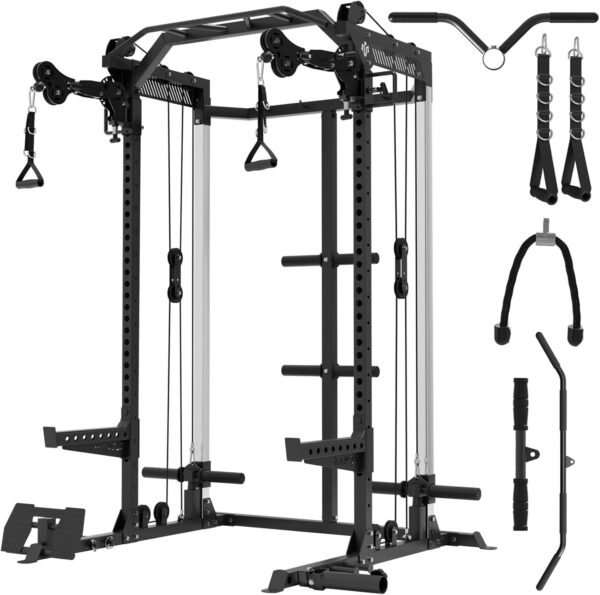
RitFit Smith Machine Power Cage with LAT Pulldown & Cable Crossover, All-in-One Power Rack Home Gym System

$3,199.99

Transform your home gym into a professional training center with the RitFit Smith Machine Power Cage with LAT Pulldown and Cable Crossover. Engineered for performance, durability, and versatility, this all-in-one strength training system delivers a complete full-body workout experience right in the comfort of your home.


Stability Ball ($15–$30)

A stability or exercise ball helps build balance, strengthen your core, and improve posture. It can also double as a replacement for a workout bench.

Benefits:

  • Engages stabilizing muscles
  • Great for abs and balance training
  • Can be used as an office chair alternative

Pro tip: Pair it with resistance bands for an extra challenge.


Kettlebell ($20–$40)

Kettlebells are fantastic for dynamic workouts — combining strength, cardio, and flexibility. Exercises like swings, squats, and snatches engage your whole body.

Benefits:

  • Builds power and endurance
  • Improves coordination
  • Great for short, high-intensity workouts

Pro tip: One 20-lb kettlebell can replace several pieces of gym equipment if used creatively.

Cheap Home Exercise Equipment 221

3. How to Build a Complete Home Gym for Under $200

You don’t need a huge space or budget to create a functional fitness zone. Here’s a sample setup:

EquipmentApprox. Price
Resistance Bands$25
Jump Rope$10
Adjustable Dumbbells$50
Yoga Mat$20
Pull-Up Bar$30
Stability Ball$25
Kettlebell$40
Total$200

With this combination, you can perform hundreds of exercises — from full-body circuits to strength training and mobility work.

Example routine:

  1. Jump rope – 5 minutes (warm-up)
  2. Resistance band squats – 15 reps
  3. Dumbbell presses – 12 reps
  4. Pull-ups – 8 reps
  5. Kettlebell swings – 15 reps
  6. Core on stability ball – 20 reps
  7. Repeat 3–4 times for a full workout

That’s a complete, budget-friendly session you can do at home with no monthly fees.

Check also: Strength training equipment – the first time buyers guide


4. Extra Tips for Getting the Most Out of Budget Equipment

  • Focus on form: Proper technique ensures better results and fewer injuries.
  • Use bodyweight training: Combine push-ups, squats, planks, and lunges with equipment to multiply effectiveness.
  • Stay consistent: Even 20–30 minutes a day adds up when done regularly.
  • Track your progress: Apps or journals help maintain motivation.
  • Upgrade over time: Start small, and gradually expand your gear as you improve.

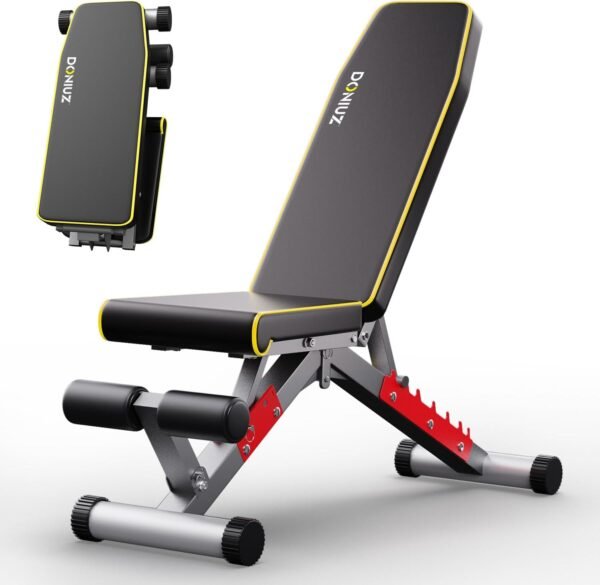
Yoleo Adjustable Weight Bench for Full Body Workout

Original price was: $129.99.Current price is: $79.99.

If you’re looking for a reliable, versatile, space-efficient and heavy-duty bench for your home gym, the YOLEO Adjustable Weight Bench checks all the boxes. It allows you to tackle full-body workouts from a single station


5. Where to Buy Cheap Home Exercise Equipment

Affordable workout gear is widely available online and in local stores. Top places to find great deals include:

  • Amazon – wide selection, verified reviews, and discounts
  • Walmart / Target – perfect for starter kits
  • Facebook Marketplace / Craigslist – gently used gear for a fraction of retail cost
  • Specialized fitness stores – clearance and bundle deals

Just be sure to read reviews and check product ratings to ensure quality before purchasing.

Check also: how to buy cheap supplements in US


6. The Bottom Line

Fitness doesn’t have to be expensive. With the right cheap home exercise equipment, you can build muscle, lose fat, and improve endurance — all from the comfort of your home. The secret lies not in how much you spend, but in how consistently you move.

Start with the basics: resistance bands, a jump rope, and a yoga mat. Add dumbbells and a pull-up bar as you progress. Within weeks, you’ll see noticeable improvements — and you’ll be proud knowing you built your own fitness journey on a budget.

Remember: your body is the best investment you’ll ever make. You don’t need luxury to be strong — just commitment and creativity.

buying cheap gym supplements in us 32

How to buy cheap gym supplements in US

How to buy cheap gym supplements in US – all you need to know. Let’s be real. Walking into a supplement store can feel like a test of your financial resolve. You’re there with a simple goal: build muscle, boost energy, recover faster. But you’re immediately confronted with a wall of glossy tubs with price tags that look more like a car payment. It’s enough to make you wonder, “Do I really need this?”

As a marketing expert who has seen the inner workings of consumer goods, I’m here to let you in on a secret: The supplement industry is built on branding, not just biochemistry. The flashy packaging, the celebrity endorsements, the “proprietary blends”—these are all marketing tactics designed to justify a premium price.

But here’s the good news. You can absolutely find high-quality, effective supplements without the luxury markup. You just need to become a savvy supplement sleuth. This isn’about cheaping out; it’s about shopping smart. Let’s break down how.

Check also: Amazon vs. GNC: Where is Cheaper

buying cheap gym supplements in us

1. Become a Label Archaeologist, Not a Brand Fanboy

The single most important skill you can develop is the ability to read a supplement label like a pro. The brand name on the front is just a logo; the truth is in the fine print on the back.

  • Ignore Proprietary Blends: This is the industry’s favorite trick. A “Mass Gainer Matrix” or “Muscle Ignition Blend” allows companies to hide the actual doses of individual ingredients. You see a long list of impressive-sounding compounds, but you have no idea if you’re getting a clinically effective dose of any of them. You’re paying for mystery dust. Always look for products that disclose the exact amount of each active ingredient per serving.
  • Identify the “Hero” Ingredient: What are you actually buying this for? If it’s creatine, the label should say “Creatine Monohydrate: 5g.” If it’s a pre-workout, look for proven stimulants like “Caffeine Anhydrous: 200mg.” If the hero ingredient is buried in a proprietary blend, put it back on the virtual shelf.
  • The Protein Purity Test: With protein powder, the goal is simple: maximum protein per scoop. Don’t be dazzled by fancy flavors alone. Calculate the cost per gram of protein. A 2lb tub with 25g of protein per serving for $40 is a worse deal than a 5lb tub with 24g of protein for $50. Do the math: (Total Protein Grams / Total Price). The second option gives you more pure fuel for your money.

Read also: Cheap BCAAs to Buy

Nutricost Creatine Monohydrate Powder

Original price was: $25.97.Current price is: $21.50.

2. Master the Online Marketplace: Your New Supplement Aisle

The days of being limited to your local GNC are over. The online world is where the deals are won.

  • Amazon is Your Warehouse: Amazon is a powerhouse for cheap supplements. Use it to:
    • Price Compare Instantly: See ten different brands of creatine monohydrate in seconds.
    • Subscribe & Save: For staples you use every month (like protein, creatine, multivitamins), this is a game-changer. You can save up to 15% and never run out.
    • Find “Amazon’s Choice” and Highly-Rated Brands: Brands like Optimum Nutrition (Gold Standard Whey) are consistently high-quality and often well-priced on Amazon. Other great value-focused brands to search for include Dymatize, BSN, and MyProtein.
  • Direct-to-Consumer (D2C) Brands: Many modern supplement companies have cut out the middleman. Brands like MyProtein and BulkSupplements sell directly to you online. MyProtein is famous for its constant, aggressive sales (never buy at full price—there’s always a 40-50% off code). BulkSupplements is the king of raw ingredients, selling pure creatine, beta-alanine, and citrulline malate in simple bags for a fraction of the cost.
  • The Power of Price Tracking: Use browser extensions like Honey or CamelCamelCamel. These tools show you the price history of an item on Amazon. You can see if the current “sale” price is actually a good deal or if you should wait for it to drop further.

3. Time Your Purchases Like a Wall Street Trader

Supplement prices are not static. They ebb and flow with demand and the calendar. If you buy strategically, you’ll save massively.

  • Holiday Sales are Real: Black Friday/Cyber Monday is the Super Bowl for supplement deals. But also watch for:
    • New Year’s (obviously)
    • Memorial Day & Fourth of July
    • Amazon Prime Day
    • Labor Day
  • The “Off-Season” Myth: There’s no real off-season for your body, but there is for retail. Retailers often clear out inventory in late winter (post-New Year’s resolution slump) and late summer (back-to-school shift). This is a great time to find deals on slower-moving items.
buying cheap gym supplements in us

4. Think Beyond the Tub: The Unconventional Wisdom

This is where true savings live. It’s about rethinking what a “supplement” is.

  • Embrace Generic Brands: Walk into any Costco, Sam’s Club, or Walmart. Kirkland Signature (Costco), Member’s Mark (Sam’s), and Spring Valley (Walmart) are your best friends. Their creatine monohydrate, for example, is chemically identical to the fancy, branded version. It’s all just C4H9N3O2. You’re paying for the molecule, not the marketing. A month’s supply of Kirkland creatine costs pennies per day.
  • Prioritize the “Big 3”: You don’t need a cabinet full of a dozen different cheap supplements. Focus your budget on what’s proven to work:
    1. Protein Powder: For convenience and hitting daily macros.
    2. Creatine Monohydrate: The most researched supplement in history for strength and muscle growth.
    3. Caffeine: The ultimate performance enhancer, either from coffee or a cheap caffeine pill.
  • Food First, Supplements Second: Never forget that supplements supplement a solid diet. A can of tuna, a carton of eggs, and a bag of oats are some of the cheapest, most effective “supplements” on the planet. Spending $50 on whole foods will almost always yield better results than spending $50 on a fancy “test booster” of dubious efficacy.

Read also: Nutricost Supplements: for savvy shopers

Nutricost Whey Protein Isolate Powder

(1 customer review)
$72.95

Your Action Plan for Affordable Gains

  1. Audit Your Stack: What are you actually using that works? Ditch the rest.
  2. Make a Staples List: Protein, Creatine, Multivitamin. Buy these in bulk from Costco, Walmart, or via MyProtein/Amazon subscriptions.
  3. Bookmark Key Sites: MyProtein, BulkSupplements, and the Amazon pages for your trusted brands.
  4. Set Price Alerts: Use CamelCamelCamel for your Amazon staples.
  5. Wait for a Sale: Have patience. A holiday or sale is always around the corner.

The path to a stronger, fitter you shouldn’t be paved with overpriced, under-dosed supplements. By shifting your mindset from a passive consumer to an informed supplement sleuth, you take back control. You’re not just saving money; you’re investing it wisely in the products that truly matter, freeing up resources for what’s really important: your consistency, your effort, and your goals.

Now go fuel those gains. Your wallet will thank you.

Check also: how to buy cheap gym equipment

gym gloves 34

The Ultimate Guide to the Best Women’s Gym Gloves for Sale in 2025

Best Women’s Gym Gloves. Are your hands paying the price for your dedication? Calluses, blisters, and sore palms can be a major deterrent in your fitness journey. The right pair of women’s gym gloves is more than an accessory; it’s essential gear that enhances your grip, protects your hands, and boosts your confidence to lift heavier and train longer.

But with so many women’s gym gloves for sale, how do you choose the perfect pair? We’ve done the heavy lifting for you. This definitive guide compares the top 15 brands to help you find your ideal fit.

Why You Need Women-Specific Gym Gloves

While unisex gloves work, gloves designed specifically for women offer crucial advantages:

  • Better Fit: They are contoured for smaller hands, shorter fingers, and a narrower palm, eliminating bulky, uncomfortable material.
  • Enhanced Grip & Security: A snug fit means less slipping, both inside the glove and between your hand and the bar.
  • Superior Protection: They strategically place padding to protect the delicate areas of a woman’s hands from calluses and bar pressure.

Schiek 540 Platinum Lifting Gloves – One Year Warranty

Original price was: $39.95.Current price is: $37.00.

Take your strength training to the next level with the Schiek 540 Platinum Lifting Gloves — engineered for lifters who demand elite performance, comfort and durability.

Top 15 Best Women’s Gym Gloves for Sale: A Detailed Comparison

Here is our ranked breakdown of the best women’s gym gloves on the market.

1. Nike Dri-FIT SuperRep Go

  • Description: A top-tier choice for HIIT and functional training. Made with Nike’s renowned Dri-FIT material, these gloves are incredibly breathable and wick sweat away rapidly. The silicone print on the palm provides an exceptional grip on kettlebell handles and pull-up bars, while the padded palm offers just enough protection without feeling bulky.
  • Best For: HIIT, CrossFit, Kettlebell Workouts.
  • Key Feature: Superior breathability and sweat-wicking.

2. Harbinger Women’s Pro WristWrap Glove

  • Description: A classic in the weightlifting world, Harbinger delivers reliable performance. These gloves feature a patented Palmar Protection® pad that shields your palm from calluses. The integrated wrist wrap provides crucial support for heavy lifts like bench presses and shoulder presses, making them a powerhouse choice.
  • Best For: Heavy Weightlifting, Bench Press, Overhead Press.
  • Key Feature: Excellent wrist support and durable palm padding.
gym gloves 21

3. Fit Four Women’s Premium Workout Gloves

  • Description: These gloves strike a perfect balance between protection, grip, and comfort. They feature a seamless palm with gel padding that absorbs shock without compromising bar feel. The hook-and-loop closure is secure, and the breathable mesh back keeps your hands cool. A fantastic all-arounder.
  • Best For: All-Around Training, Weightlifting, Machines.
  • Key Feature: Excellent gel padding and value for money.

4. Gripad Women’s Palm Protectors

  • Description: Not a traditional glove, but a game-changer for those who hate the confined feeling. Gripads are minimalist silicone pads that strap onto your palm. They offer incredible grip and protection directly where the bar sits, leaving your fingers and the back of your hand completely free.
  • Best For: Pull-Ups, Deadlifts, Bar Work, Minimalist Users.
  • Key Feature: Maximum bar feel with targeted protection.

5. Under Armour Women’s Strength Gloves

  • Description: Built with UA’s signature performance fabric, these gloves are durable and comfortable. The molded, perforated palm padding offers great protection and airflow, while the flexible, breathable back ensures a snug, second-skin fit. They are built to last through countless workouts.
  • Best For: General Strength Training, Durability.
  • Key Feature: Durable construction and perforated palm padding.

6. Trideer Women’s Workout Gloves

  • Description: A top-rated Amazon choice for a reason. Trideer gloves offer premium features at an affordable price. They include 2mm thickened padding, a long wrist wrap for support, and full finger coverage. They are a great budget-friendly option that doesn’t sacrifice quality.
  • Best For: Budget-Conscious Shoppers, All-Around Gym Use.
  • Key Feature: Excellent features at an affordable price point.

Schiek Model 710 Classic Training Lifting Gloves

Original price was: $24.95.Current price is: $20.00.

Step into your next session with gloves designed to help you dominate your workout — the Model 710 from Schiek delivers premium comfort, serious protection, and a professional finish without overcomplication.

7. Lululemon Chargefeel Lift Training Glove

  • Description: For those who value aesthetics as much as performance. These gloves from Lululemon are sleek, stylish, and highly functional. They feature strategic silicone grip and molded foam padding. The design is minimalist and the quality is top-notch, reflecting the brand’s reputation.
  • Best For: Style-Conscious Lifters, Light to Medium Weight Training.
  • Key Feature: Premium design and brand aesthetics.

8. MAST Fitness Women’s Fitness Gloves

  • Description: Designed with a focus on comfort and fit. MAST gloves use a four-way stretch material on the back for a superior, non-restrictive fit. The palm combines gel and foam padding for optimal shock absorption, and the wrist closure is extra-secure.
  • Best For: Comfort, Secure Fit, Weight Training.
  • Key Feature: Four-way stretch material for ultimate comfort.

9. Valeo Women’s Durasoft Gloves

  • Description: A reliable and durable option that has been a gym staple for years. The Durasoft palm is soft yet tough, providing consistent protection. They feature a breathable mesh back and a wide wrist closure for a secure feel. Simple, effective, and long-lasting.
  • Best For: Durability, Basic Weight Training.
  • Key Feature: Proven, durable, and no-frills design.
gym gloves 212

10. GORILLA WEAR Women’s Fitness Gloves

  • Description: Bold in design and robust in build. Gorilla Wear gloves offer strong wrist support and thick, reliable padding. They are built for serious training sessions and can handle significant wear and tear. The aesthetic is often more aggressive, appealing to those who want a “pro” look.
  • Best For: Heavy Duty Training, Longevity.
  • Key Feature: Robust construction and strong wrist support.

11. Gymnation Women’s Workout Gloves

  • Description: These gloves focus on a full-range of motion and finger flexibility. The half-finger design and flexible palm allow for excellent dexterity, making them great for workouts that require handling different equipment. The padding is sufficient for most exercises without being intrusive.
  • Best For: Versatility, Dexterity, Circuit Training.
  • Key Feature: Half-finger design for maximum finger mobility.

Check also: Top 10 Gym Equipment Brands in the USA 
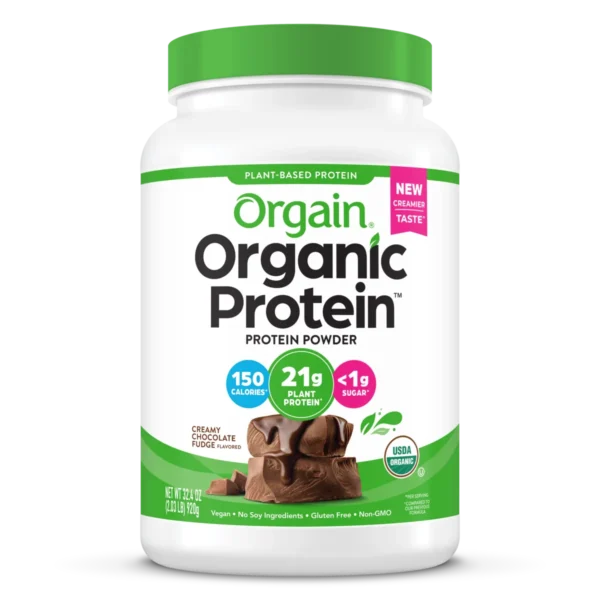
12. Grip Power Pads

  • Description: Another minimalist alternative. Grip Power Pads are simple leather pads with a strap. They offer pure, unadulterated protection against calluses and are incredibly durable. They offer zero wrist support but maximum bar contact, favored by powerlifters and purists.
  • Best For: Powerlifting, Deadlifts, Callus Prevention.
  • Key Feature: Pure, durable leather protection.

13. RDX Women’s Training Gloves

  • Description: A brand known for combat sports, RDX brings that toughness to their gym gloves. They often feature layered Maya Hide™ leather palms and gel foam quilting for impact absorption. The build is extremely rugged, designed to withstand the most intense workouts.
  • Best For: Intense Training, CrossFit, MMA Conditioning.
  • Key Feature: Extremely rugged and impact-absorbing.

Trideer Workout Gloves for Men Weight Lifting Gloves with Wrist Wrap Support

Original price was: $19.99.Current price is: $14.99.

Take your workouts to the next level with Trideer Workout Gloves, designed to provide superior grip, comfort, and wrist stability during weightlifting, CrossFit, bodybuilding, and strength training.

14. G-FORCE Weight Lifting Gloves

  • Description: A solid, no-nonsense option that provides the essentials: padded palms and a secure fit. They are affordable and get the job done, making them a great starter pair for someone new to the gym who isn’t ready to invest heavily.
  • Best For: Beginners, Light Gym Use.
  • Key Feature: Basic, affordable, and functional.

15. G&G Sport Women’s Active Gloves

  • Description: These gloves are designed for a precise, comfortable fit. They often feature pre-curved fingers and articulated seams to reduce bunching and fatigue. The padding is strategically placed to protect the metacarpal bones without adding bulk.
  • Best For: Comfort, Precision Fit, Aerobic & Weight Training Combo.
  • Key Feature: Pre-curved fingers for a natural, comfortable fit.

How to Choose the Best Women’s Gym Gloves for YOU

Before you click “add to cart,” consider your primary workout:

  • For Heavy Lifting: Prioritize wrist support and durable padding (e.g., Harbinger, Gorilla Wear).
  • For HIIT & CrossFit: Look for breathability, grip, and flexibility (e.g., Nike, Fit Four).
  • For Pull-Ups & Bar Work: Consider minimalist options for maximum bar feel (e.g., Gripad, Grip Power Pads).
  • For All-Around Fitness: Choose a balanced glove with good padding and comfort (e.g., Trideer, MAST Fitness).

Check also: Guide to Buying Fitness Equipment Online

Find Your Perfect Fit Today!

Your hands are your most important tool in the gym. Protecting them with the right pair of gloves is a small investment that yields huge returns in performance and comfort. Whether you need the robust support of the Harbinger Pro WristWrap or the minimalist design of Gripad, there is a perfect pair of women’s gym gloves for sale waiting for you.

Stop letting sore hands hold you back. Use this guide, identify your needs, and equip yourself for success. Your next PR is waiting!

gym equipment brands in usa

Top 10 Gym Equipment Brands in the USA — a professional, buyer-focused guide
Top 10 Gym Equipment Brands in the USA. Choosing gym equipment isn’t just about logos and Instagram photos. It’s about durability, biomechanics, service, resale value, and — most importantly — whether the machine helps the user reach a measurable health or performance goal. Below I’ll walk you through the ten most influential gym-equipment brands in the United States right now, explain what each brand does best, and give practical, purchase-smart advice so you buy the right gear for your budget and goals.


Quick summary: the Top 10 (by reputation, market presence, and product range)

  1. Rogue Fitness
  2. Life Fitness
  3. Precor
  4. Technogym
  5. Hammer Strength
  6. Cybex
  7. NordicTrack (ICON family)
  8. Peloton
  9. Sole Fitness
  10. Matrix

I selected these brands because they consistently appear in commercial-buildouts, consumer reviews, independent test labs, and vendor lists — covering both commercial and home markets. Below you’ll find a short profile for each brand, what problems they solve best, and who should buy from them.

RitFit Smith Machine Power Cage with LAT Pulldown & Cable Crossover, All-in-One Power Rack Home Gym System

$3,199.99

Transform your home gym into a professional training center with the RitFit Smith Machine Power Cage with LAT Pulldown and Cable Crossover. Engineered for performance, durability, and versatility, this all-in-one strength training system delivers a complete full-body workout experience right in the comfort of your home.


1) Rogue Fitness — strength, functional, built-in-America grit

Rogue made its name by focusing on strength and functional training equipment: barbells, plates, power racks, rigs, bumpers, sleds and accessories. Their products are widely used by CrossFit affiliates, collegiate strength programs, and boutique gyms because of robust manufacturing, modular systems, and a huge accessories ecosystem. If you want plate-loaded heavy equipment that survives daily use and is easy to repair/modify, Rogue is a top choice.

Best for: Serious home lifters, CrossFit boxes, commercial strength rooms.
Buyer tip: Prioritize steel thickness and weld quality on racks; Rogue lists specs for every product. Expect good resale value.

Check also: The Ultimate Guide to Buying Fitness Equipment Online


2) Life Fitness — the commercial cardio and strength workhorse

Life Fitness is ubiquitous in health clubs, corporate gyms, hotels, and premium home setups. Their machines emphasize user comfort, durability, and consistent parts/service for multi-user environments. If you’re building membership revenue or want minimal downtime, Life Fitness has the commercial network and warranties to back it.

Best for: Commercial gyms, multi-user facilities, buyers who want proven reliability.
Buyer tip: When buying used, confirm console model and whether the machine has been kept in a climate-controlled space — electronics are the first to fail.


3) Precor — ergonomics and biomechanics pioneers

Precor has a long history of building cardio and functional equipment with an emphasis on movement quality and low joint impact. Their treadmills and ellipticals are engineered for smooth gait and long service life, which is why many rehabilitation centers and upscale clubs prefer them.

Best for: Users who prioritize biomechanics and joint health (rehab, older adults).
Buyer tip: Ask for service history and belt replacement records on commercial Precor treadmills — a well-maintained belt extends life dramatically.


4) Technogym — design-forward with a wellness ecosystem

Technogym blends premium industrial design with digital wellness solutions and strong global service. They position themselves as a full wellness partner — from connected cardio to integrated software for trainers and facilities. If you care about aesthetics and an ecosystem (apps, cloud, design continuity) they are a great, albeit premium, option.

Best for: Hotels, corporate wellness programs, premium home gyms where looks and software matter.
Buyer tip: Technogym’s products are premium priced — weigh the value of software and design against raw build needs.

gym equipment brands in usa 2

5) Hammer Strength — raw, proven plate-loaded strength equipment

Part of the Life Fitness family, Hammer Strength specializes in plate-loaded, athlete-grade strength machines (plate-loaded presses, squat machines, racks). Their gear is meant to be hammered—heavy, frequent loading without fuss. If you run an athletic program, look here.

Best for: Athletic performance facilities, university strength rooms.
Buyer tip: Plate-loaded machines are low-maintenance; inspect bushings/pivots when buying used.


6) Cybex — exercise science meets durable design

Cybex is known for scientifically informed machines (think Arc Trainer and research-backed selectorized equipment). They’re common in hospitals, rehab centers, and commercial clubs where reproducible movement and data matter.

Best for: Medical facilities, clubs that require exercise-science backed solutions.
Buyer tip: If rehabilitation is a mission-critical use, insist on a pre-purchase inspection and test the range of motion on the specific unit.


7) NordicTrack / ICON — strong direct-to-consumer cardio and tech integration

Under ICON Health & Fitness, NordicTrack has dominated the DTC (direct-to-consumer) treadmill, bike, and elliptical market by pairing affordable hardware with a subscription ecosystem. Great for home users who want interactive content and a moderate price point.

Best for: Home users who want interactive studios and value a bundled app experience.
Buyer tip: Calculate the true ongoing cost: hardware + subscription = lifetime cost of ownership.


8) Peloton — connected cardio, community, and a lifestyle brand

Peloton transformed how many Americans experience indoor cycling and treadmills via high-production classes and community features. If motivation comes from live/recorded classes and leaderboard competition, Peloton’s software/hardware combo is compelling.

Best for: Users motivated by studio classes and social accountability.
Buyer tip: Peloton’s value is in the content; if you rarely use classes, a cheaper bike or used hardware may be smarter.


9) Sole Fitness — value for reliable home cardio

Sole is frequently recommended in independent tests and by brick-and-mortar retailers as a “best value” for home treadmills and ellipticals: durable decks, generous warranties, and fewer gimmicks. If you want a heavy-duty treadmill without a five-figure price tag, Sole is a solid route.

Best for: Home users wanting no-nonsense treadmills and long warranties.
Buyer tip: Check belt size and horsepower for treadmill longevity — a heavier flywheel and larger motor rarely disappoint.


10) Matrix — commercial cardio with intelligent engineering

Matrix (Johnson Health Tech) is a staple across commercial facilities that want a balance of durability, interconnected consoles, and attractive pricing compared to top premium brands. Matrix machines are engineered for heavy usage and commonly found in multi-club chains and university rec centers.

Best for: Mid-to-large commercial facilities that want modern cardio with lower total cost of ownership.
Buyer tip: For facility planners, bundle buys often include service contracts — negotiate included parts and preventative maintenance.

Check also: The Top 10 Gym Machines for Effective Home Workouts


How to choose the right brand and machine: a practical checklist

  1. Define mission first — Are you optimizing for powerlifting, hypertrophy, high-throughput classes, or home cardio? Brands specialize.
  2. Commercial vs home rating — Commercial gear uses thicker steel, industrial motors, and stronger warranties. Buying commercial for home is great if budget and space allow — but maintenance expectations are higher.
  3. Test in person (where possible) — Sit on the bike, run on the treadmill, test the range of motion. Sizing and ergonomics are not optional.
  4. Service and parts availability — Ask: Are parts stocked domestically? What’s the typical repair lead time? Rogue/Life Fitness/Technogym have large supply chains; smaller brands may not.
  5. Total cost of ownership — Include delivery, installation, maintenance, replacement parts, and subscriptions. A cheap treadmill + $20/month subscription for 5 years may cost more than a pricier treadmill with no subscription.
  6. Warranty details — Look beyond “lifetime.” Is frame lifetime? Electronics, motor, deck, and parts typically have staggered coverages.
  7. Resale value — Some brands hold value (Rogue, Life Fitness) — important if you plan to upgrade.
gym equipment brands in usa

Common buyer mistakes (and how to avoid them)

  • Buying the trend, not the need. Don’t buy a connected console because it’s flashy. Decide whether you will use the content.
  • Ignoring space and floor protection. Heavy racks and treadmills change the dynamics of your room (vibration, load on floors). Invest in flooring.
  • Skipping service contracts for high-use environments. If the gym equipment powers a revenue-generating facility, a service contract is insurance — not a cost center.
  • Not checking user limits. Home models often have lower weight capacities and duty cycles than commercial models.

Maintenance basics everyone should know

  • Wipe electronics and consoles with manufacturer-approved cleaners.
  • Treadmill belts: keep them aligned and lubricated per the manual; replace the deck belt at manufacturer recommended intervals.
  • Inspect bolts and welds on racks and rigs monthly.
  • For plate-loaded machines, grease pivots and check bushings annually.
  • Keep a spare set of commonly replaced parts (console fuses, treadmill belts/belts clips) if you manage a facility.

Recommendations by buyer profile

  • Budget home user (cardio focus): Sole or an ICON/NordicTrack machine.
  • Home strength enthusiast: Rogue or a good used commercial rack (inspect welds and plate condition).
  • Boutique/box owner: Rogue (rigs/plates) + Life Fitness or Hammer Strength for selectorized strength.
  • Hotel/corporate builder: Technogym or Life Fitness — prioritize design, service, and remote management.
  • Rehab/clinical setting: Precor or Cybex for their biomechanics focus.

Fitvids Home Gym Equipment Multifunctional Full Body Workout Weight Machine Station

$709.99

Achieve a professional-quality workout without ever stepping foot in a gym. The Fitvids Multifunctional Full Body Workout Station is a premium all-in-one home gym system designed to sculpt, strengthen, and tone your entire body.


A note of caution: watch corporate events and recalls

Brands evolve — mergers, bankruptcies, recalls, and ownership changes affect warranties and parts availability. For example, legacy consumer brands have shifted ownership and even filed for bankruptcy in recent years; buyers should confirm current ownership and recall history before purchase. (Pro tip: run a quick search for “brand name recall” and “brand name bankruptcy” during final checks.)


Final pragmatic buying playbook (3 steps)

  1. Shortlist by mission & budget. Choose 2–3 brands that match your use-case.
  2. Inspect & test-drive. Try machines in person or test via a trusted dealer demo. Ask for a maintenance and parts history on used pieces.
  3. Negotiate total package. Ask for delivery, installation, removal of old equipment, training for staff, and a parts/service credit as part of the deal.

Check also: Simple Guide to Building Your Home Gym


Closing: equipment is a tool — choose to make it a long-term investment

Great gym gear is not an impulse buy — it’s a tool that either helps you build muscle, protect joints, scale a business, or make wellness sticky in someone’s life. Choose brands that match the mission, verify the service ecosystem, and think in total cost-of-ownership terms. When you plan that way, a purchase becomes an investment into performance, health, and safety — and the right brand will reward you with years of reliable service.

fitness equipment-online for sale

The Ultimate Guide to Buying Fitness Equipment Online: How to Build Your Dream Gym in 2025

Fitness equipment online. The fitness landscape has fundamentally shifted. The crowded gym, the waiting line for the squat rack, the commute—for many, these are relics of the past. The new frontier of fitness is at home, and it’s more accessible and sophisticated than ever.

But with this opportunity comes a critical question: How do you navigate the vast online marketplace to find equipment that is safe, effective, and perfectly suited to your goals, space, and budget?

This isn’t just another list of products. This is a strategic guide. We’re going beyond the basics to give you a framework for making intelligent, long-term investments in your health. Whether you’re a seasoned athlete or taking your first fitness step, this article will equip you with the knowledge to build a home gym that inspires you to train, year after year.

The Mindset Shift: From “Buying Gear” to “Building an Ecosystem”

Before you click “add to cart,” the most crucial step is a mental one. The biggest mistake people make is purchasing individual items without a vision for how they work together.

Think of your home gym not as a collection of random equipment, but as a personalized “Fitness Ecosystem.” This ecosystem should support your primary training modalities, be adaptable for the future, and fit seamlessly into your life.

Ask yourself these foundational questions:

  • What are my non-negotiable goals? (e.g., strength, hypertrophy, metabolic conditioning, mobility, athletic performance)
  • What is my realistic, dedicated space? (A spare bedroom, a garage corner, part of the living room?)
  • What is my budget, not just for today, but for the next 5 years? (Are you making a one-time investment or building in phases?)

Your answers will dictate every decision that follows. A powerlifter’s ecosystem looks vastly different from a yogi’s or a HIIT enthusiast’s.

Check also: how to build home gym – the basic

The Foundational Framework: The 4 Pillars of a Home Gym

Every effective home gym, regardless of its focus, is built upon four key pillars. We’ll break down each one with specific, high-value recommendations you won’t find in generic articles.

fitness equipment-online for sale 32

Pillar 1: The Platform – Strength & Power

This is the bedrock of resistance training. It’s about moving external load safely and effectively.

  • The Adjustable Dumbbell Set: The undisputed king of space efficiency. Instead of a rack of fixed dumbbells, a high-quality adjustable set like the Bowflex SelectTech 552 or Nuobell offers a full range of weight in a footprint smaller than a chair. Look for: smooth weight transitions, a robust warranty, and comfortable ergonomics.
  • The Power Rack or Squat Stand: Your safety net for heavy lifting. A full Power Rack is the ultimate tool for the serious lifter, allowing for squats, bench presses, pull-ups, and band attachments. For tighter spaces, a Squat Stand with spotter arms is a brilliant compromise. Key consideration: Check your ceiling height!
  • The Barbell and Bumper Plates: The classic combination for raw strength. An Olympic barbell and a set of bumper plates are essential for deadlifts, cleans, and other dynamic movements. Pro Tip: Don’t cheap out on the barbell. A good bar has proper sleeve spin and knurling. Bumper plates protect your floor and the bar.

At Gym USA Store, we specialize in commercial-grade power racks, barbells, and plates built for a lifetime of use, not just a few years. Our experts can help you choose the right rack for your space and goals.
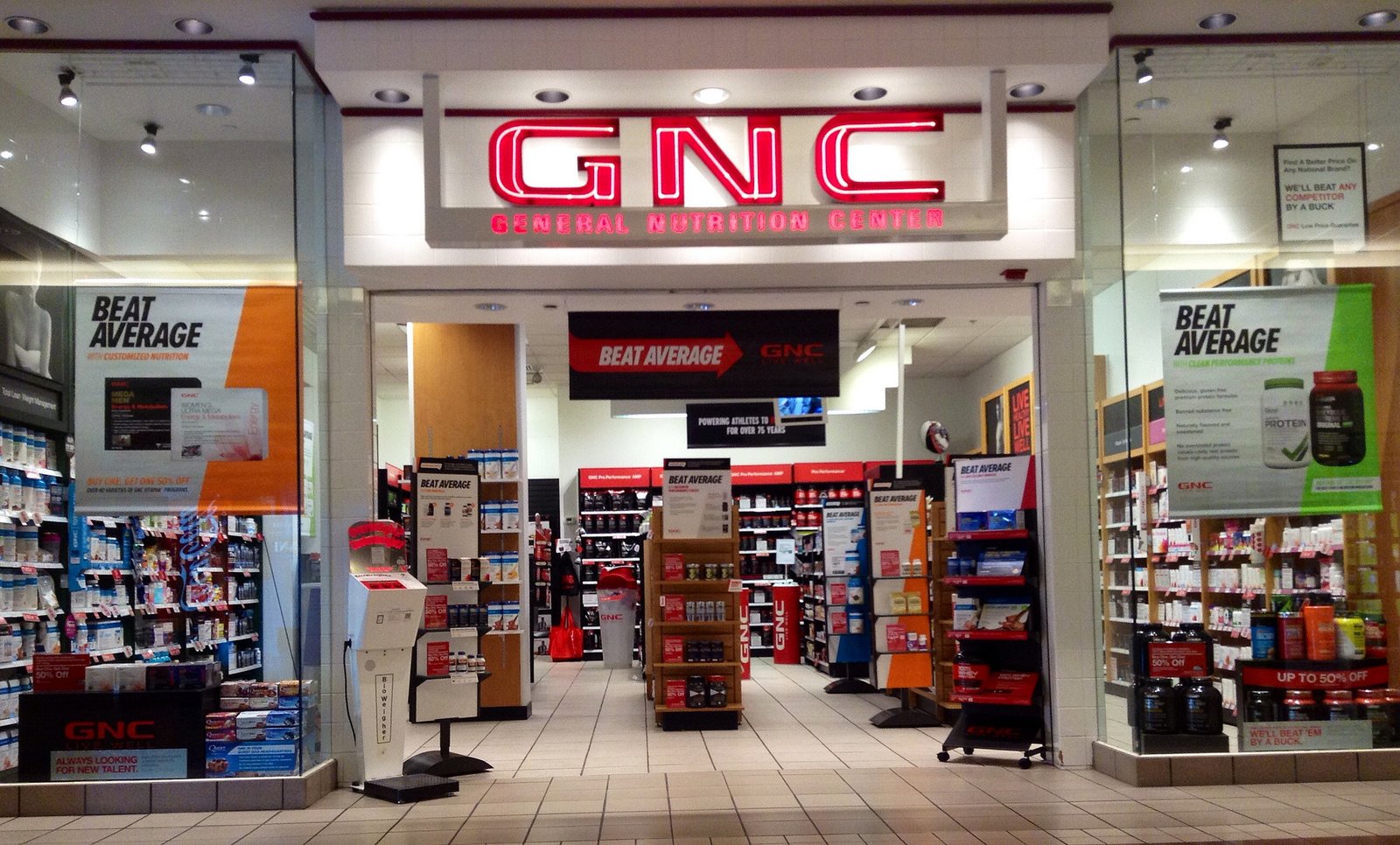
Pillar 2: The Engine – Cardio & Conditioning

This pillar keeps your heart and lungs healthy and burns calories.

  • The Rower: Often called the “perfect cardio machine,” a rower like the Concept2 Model D provides a full-body, low-impact workout. It’s durable, easy to maintain, and the industry gold standard for a reason.
  • The Assault Bike (or Air Bike): The ultimate tool for brutal, efficient metabolic conditioning. The fan resistance means the harder you push, the harder it gets. It’s famously durable and requires no electricity.
  • The Compact Treadmill: Folding treadmills have come a long way. Look for models with a decent motor (2.5 CHP+), a good running deck length, and a sturdy build. Avoid the ultra-cheap models; they often can’t handle sustained running.

Pillar 3: The Architecture – Mobility & Bodyweight Mastery

This is about moving your own body with control, improving flexibility, and supporting your heavy lifts.

  • The Adjustable Bench: A simple but critical piece. A good bench is stable at multiple angles (flat, incline, decline) to unlock countless dumbbell and barbell exercises. Ensure it’s rated for well above your bodyweight plus the weight you’ll be lifting.
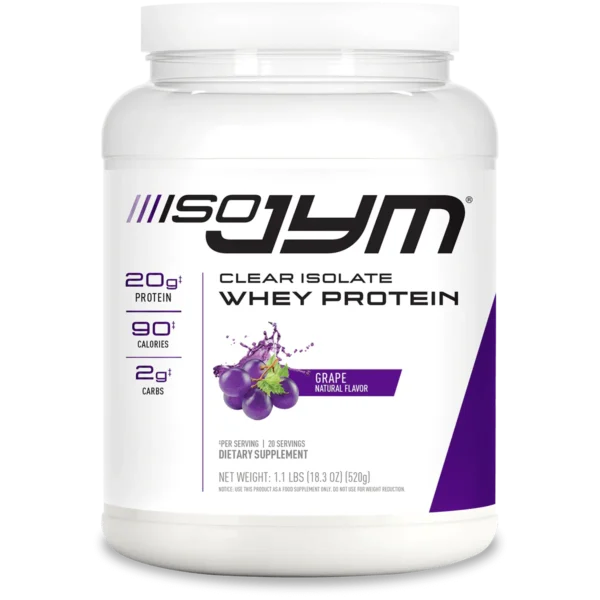
  • Gymnastics Rings: For less than $50, gymnastics rings are one of the most versatile and humbling tools you can own. Hang them from your power rack or a sturdy pull-up bar for rows, dips, push-ups, and core work, all while building incredible stabilizer strength.
  • The High-Quality Yoga Mat & Accessories: Don’t underestimate a good mat, resistance bands, and lacrosse balls. They are essential for warm-ups, cool-downs, mobility work, and active recovery days.

Check also: gym equipment at home – all you need to know

Pillar 4: The Digital Core – Guidance & Community

Your equipment is inert without a plan. The modern home gym is connected.

  • Smart Equipment & Apps: Platforms like Apple Fitness+, Peloton App, and Fiit offer thousands of guided classes that can be done with minimal equipment or integrated with your new gear.
  • Program Subscriptions: Follow a structured strength program from a reputable coach through apps like Boostcamp or Cronometer for nutrition tracking. This provides the “what to do” that so many home gyms lack.
fitness equipment-online for sale 432

The Expert’s E-Commerce Checklist: Buying Smart Online

Now that you know what to buy, here’s how to buy it wisely from an online retailer.

  1. Decode the Product Description: Look beyond the marketing fluff.
    • Weight Capacity: This is the #1 indicator of build quality. A bench with a 300lb capacity is flimsy. Look for 500lbs+ for strength equipment.
    • Steel Gauge: For racks and cages, a lower gauge number means thicker, stronger steel (e.g., 11-gauge is superior to 14-gauge).
    • Warranty Length & Coverage: A long warranty (5+ years on frames) is a sign of manufacturer confidence. Read what it doesn’t cover.
  2. Understand the True Cost: Shipping & Assembly:
    • Freight Shipping: Large items like racks and treadmills often ship via “freight.” This means a semi-truck will deliver it to your curb. You are responsible for getting it inside. “Threshold delivery” (to your doorstep) or “white-glove service” (inside and assembled) cost extra but are often worth it.
    • Assembly Complexity: Check if the item requires one or two people and specialized tools. Watch an assembly video on YouTube before you buy to know what you’re in for.
  3. Scrutinize the “Unboxing” & Long-Term Reviews:
    • Don’t just read the 5-star reviews. Focus on the 3-star reviews—they often highlight nuanced pros and cons.
    • Search for long-term (1+ year) reviews on forums like Reddit’s /r/homegym to see how the equipment holds up over time.
  4. Validate the Retailer’s Reputation:
    • How is their customer service? Can you actually get someone on the phone? Do they have a clear and fair return policy? At Gym USA Store, we pride ourselves on accessible, expert customer support before and after your purchase.

Future-Proofing Your Fitness: The 2025 Trends to Consider

To build a truly valuable home gym, think about where fitness is heading.

  • Modular & Connected Strength: Equipment like the Tonal or Tempo uses digital weights and AI coaching. While an investment, they represent the fusion of Pillars 1 and 4. Consider if this all-in-one approach suits you.
  • Compact & Multi-Functional: The market is exploding with smart, space-saving designs. Think wall-mounted squat racks, all-in-one trainers (like the Force USA MyRack), and compact functional trainers.
  • Sustainability & Durability: Invest in equipment made to last 20 years, not 2. Buying quality once is more sustainable and economical than replacing cheap gear repeatedly. This is a core philosophy behind the brands we select at Gym USA Store.

Your Blueprint for Action

Let’s condense this into a practical, phased plan.

  • Phase 1: The Cornerstone (Budget: $500 – $1,000)
    • Focus: Foundational strength and versatility.
    • Shopping List: Adjustable Dumbbells, Adjustable Bench, Yoga Mat, Resistance Bands.
    • Your Ecosystem is Born: You can now perform 90% of all strength and hypertrophy exercises.
  • Phase 2: The Expansion (Budget: $1,000 – $2,500)
    • Focus: Adding heavy compound lifts and dedicated cardio.
    • Shopping List: Power Rack/Squat Stand, Barbell, Bumper Plates, Rower or Assault Bike.
    • Your Ecosystem Grows: Your gym now rivals most commercial facilities for strength training.
  • Phase 3: The Specialization (Budget: $2,500+)
    • Focus: Filling gaps and pursuing specific goals.
    • Shopping List: Functional Trainer Cable Machine, GHD Machine, Specialty Bars (e.g., Swiss Bar), Premium Cardio equipment.
    • Your Ecosystem is Complete: You have a commercial-grade training sanctuary tailored precisely to you.

Check also: how many benches you need at home gym

Your Journey Starts Now

Building your home gym is one of the most rewarding investments you can make in your long-term health and well-being. It’s a statement of intent. By approaching it strategically—viewing it as an ecosystem, understanding the core pillars, and shopping online with an expert’s eye—you can create a space that not only gets you results but that you genuinely love to use.

You have the knowledge. Now, you need the tools.

Ready to stop planning and start building? Explore our curated selection of durable, high-performance fitness equipment at Gym USA Store. Our team is here to provide personalized advice to help you create the home gym you’ve always envisioned. Your dream gym is just a click away.

gym equipment home for sale

Gym Equipment for Sale: The Ultimate Guide to Building Your Home Gym

Tired of crowded gyms, monthly fees, and waiting for equipment? You’re not alone. Building a home gym has become the ultimate solution for fitness enthusiasts seeking convenience and consistency. But with so much gym equipment for sale, where do you even begin?

This comprehensive guide will walk you through everything you need to know—from setting a budget and assessing your space to choosing the right machines and finding the best deals. Let’s transform your fitness goals into a reality.

Step 1: The Pre-Purchase Checklist (Plan Your Perfect Gym)

Before you click “add to cart,” a little planning will save you money, space, and frustration. Ask yourself these four key questions.

1.1. Define Your Fitness Goals

Your goals dictate your gear. Are you:

  • Building muscle & strength? You’ll prioritize heavy weights and strength stations.
  • Improving cardiovascular health? A good treadmill or exercise bike will be essential.
  • text**Training for general fitness?** Versatile, multi-purpose equipment is your best friend.
  • textRehabilitating an injury? Low-impact equipment like resistance bands and a stationary bike might be ideal.

1.2. Assess Your Available Space

Be realistic. A massive power rack might be your dream, but will it fit your spare bedroom or garage?

  • Small Spaces (e.g., Apartment Corner): Focus on compact, storage-friendly gear.
  • Dedicated Room (e.g., Spare Bedroom, Basement): You can consider larger machines and a full rack setup.
  • Pro Tip: Measure your space twice! And remember to account for clearance around equipment for safe use.

1.3. Set a Realistic Budget

Home gym equipment can range from a few hundred to several thousand dollars. Having a clear budget helps narrow your choices significantly.

  • Budget-Friendly ($200 – $500): Focus on essentials like resistance bands, a yoga mat, kettlebells, and maybe a set of adjustable dumbbells.
  • Mid-Range ($500 – $2,000): This is the sweet spot for a robust setup, including a power rack, barbell, weight plates, a bench, and a cardio machine.
  • High-End ($2,000+): For a near-commercial experience, you can invest in high-end treadmills, specialized machines, and premium brands.

1.4. Consider Flooring and Safety

Protect your floors and your equipment. Investing in rubber gym mats is non-negotiable for deadlifts, dropped weights, and heavy machines. It also reduces noise and provides a stable surface.

gym equipment home for sale

Step 2: The Home Gym Equipment Tier List

Not sure what gym equipment you need? Start here. We’ve broken it down into tiers based on budget and goals.

Tier 1: The Foundation (Minimal Budget / Max Versatility)

Perfect for beginners or those with limited space and funds.

  • Adjustable Dumbbells: The crown jewel of space-saving strength training.
  • Resistance Bands: Incredibly versatile for both strength training and assisted pull-ups.
  • Yoga Mat: Essential for floor work, core exercises, and yoga.
  • Jump Rope: An ultra-efficient tool for cardio and coordination.
  • Why it Works: This setup allows for hundreds of exercises with minimal cost and footprint.

Tier 2: The Strength & Cardio Combo (The Home Gym Standard)

This tier unlocks serious strength training and dedicated cardio.

  • Add a Power Rack or Squat Stand: The safest way to squat and bench press alone. Look for one with a pull-up bar.
  • Olympic Barbell and Weight Plates: The foundation of powerlifting and weightlifting.
  • Flat Weight Bench: A must for presses and step-ups.
  • Cardio Machine: Choose one based on your preference—a treadmillexercise bike, or rowing machine.
  • Why it Works: This setup provides everything needed for a complete, full-body workout program.

Tier 3: The Commercial-Grade Experience (High Budget)

For those who want it all and have the space and budget to match.

  • Add Specialized Machines: A leg press/hack squat machine, lat pulldown/low row station, or a functional trainer.
  • High-End Cardio: A top-of-the-line treadmill with a large screen and immersive programming (like NordicTrack’s iFit) or a assault bike.
  • Dedicated Strength Equipment: A full set of hex dumbbells, a GHD machine, or a cable crossover.
  • Why it Works: This replicates a commercial gym, offering unmatched variety and specialization.

Step 3: In-Depth Product Breakdowns

Let’s dive into the specifics of the most popular categories of home gym equipment for sale.

Treadmills

What to Look For:

  • Motor (CHP): Look for a Continuous Horsepower rating of at least 2.5-3.0 CHP for regular running.
  • Belt Size: A longer and wider belt (e.g., 55″ x 20″) is more comfortable for running.
  • Cushioning: Good shock absorption protects your joints.
  • Folding vs. Non-folding: Folding is great for space savings.

Top Picks:

  • Budget Pick: Horizon T101 – A reliable, no-frills treadmill perfect for walking and light jogging.
  • Mid-Range Pick: Sole F63 – Known for its durability, strong motor, and excellent warranty.
  • High-End Pick: NordicTrack 1750 – Features a powerful motor and the immersive iFit interactive training platform.

Adjustable Dumbbells

What to Look For:

  • Weight Range: Ensure it covers from light to heavy for your needs.
  • Dial vs. Button vs. Spinlock: Dial systems (Bowflex) are fastest, while spinlock is traditional and affordable.
  • Footprint: Consider how much space they take up on the floor or a rack.

Top Picks:

  • All-Around Favorite: Bowflex SelectTech 552 – The classic dial-style dumbbell with a great reputation.
  • Premium Pick: Nuobell – Praised for its smooth mechanism and traditional “dumbbell feel.”
  • Budget Pick: PowerBlock Sport Series – A unique, space-efficient block design that is highly expandable.
gym equipment home for sale

Power Racks

What to Look For:

  • Safety: Must have solid safety arms or straps to catch failed lifts.
  • Build Quality: Look for 11-gauge or 12-gauge steel construction.
  • Attachments: Compatibility with lat pulldown attachments, dip bars, etc., adds future value.

Top Picks:

  • Value Leader: Rep Fitness PR-1100 – A highly-rated rack that offers fantastic features for a low price.
  • Industry Standard: Rogue R-3 – The benchmark for durability and quality in the home gym space.
  • Compact Pick: Titan T-2 – A great, affordable option for garages and rooms with lower ceilings.

Step 4: Where to Buy: New vs. Used Gym Equipment

Buying New Gym Equipment

  • Pros: Full warranty, latest features and models, guaranteed safety, customer support.
  • Cons: Higher cost, often requires assembly.
  • Where to Shop:
    • Direct from Manufacturers: Rogue Fitness, Rep Fitness, Titan Fitness.
    • Big-Box Retailers: Dick’s Sporting Goods, Academy Sports.
    • Online Marketplaces: Amazon (for smaller items and certain brands).

Buying Used Gym Equipment

This is where you can find incredible deals on commercial gym equipment for sale.

  • Pros: Significant cost savings (often 50-70% off retail), often already assembled.
  • Cons: No warranty, potential for wear and tear, requires inspection.
  • Where to Shop: Facebook Marketplace, Craigslist, local gym liquidators.

🛠️ Checklist for Buying Used Equipment:

  1. Inspect for Rust: Surface rust is often cosmetic, but deep, flaky rust can weaken metal.
  2. Check Moving Parts: On machines, ensure pulleys move smoothly and cables aren’t frayed.
  3. Test the Electronics: For treadmills and bikes, turn them on and run through all functions and inclines.
  4. Look for Cracks or Welds: Especially on weight plates, barbells, and rack frames.
  5. Ask “Why are you selling?” It can give you insight into the item’s history.
gym equipment home for sale

Conclusion: Your Home Gym Awaits

Building your perfect home gym is an exciting journey. By starting with a solid plan, understanding your goals and space, and making informed choices about gym equipment for sale, you can create a personalized fitness sanctuary that you’ll use for years to come.

Remember, the best home gym is the one you actually use. Start with the essentials, prioritize quality where it matters most, and build out from there.

Ready to start shopping? Use the tips in this guide to confidently browse the best deals and take the first step toward achieving your fitness goals from the comfort of your own home.

protein powder how to choose one for me

How to Choose the Right Protein Powder: A Complete Guide to Finding the Best Fit for Your Body and Goals

In today’s world of fitness, nutrition, and wellness, protein powder has become a staple supplement for millions of people. Whether you’re an athlete striving for peak performance, someone looking to lose weight, or simply trying to stay healthy and strong, protein is essential. But walk into any supplement store or browse online, and you’ll see an overwhelming number of protein powders promising muscle gain, fat loss, or better recovery. With so many options, how do you choose the right one?

This article will help you cut through the noise. We’ll break down what protein powder is, explore the different types available, explain what to look for on labels, and help you match the best protein powder to your specific goals, dietary needs, and preferences.


1. Why Protein Matters

Protein is one of the three macronutrients your body needs to function properly (alongside carbohydrates and fats). It’s made up of amino acids, the building blocks that help repair and build muscle tissue, produce enzymes and hormones, and support your immune system.

When you exercise—especially strength training or high-intensity workouts—you create tiny tears in your muscles. Consuming adequate protein helps repair those fibers, resulting in stronger, leaner muscles. Without enough protein, your body can’t recover effectively, leading to fatigue, muscle loss, and slower progress toward your goals.

While it’s always best to get nutrients from whole foods (like lean meats, eggs, fish, beans, and nuts), protein powders make it easier to hit your daily protein target—especially for people with busy schedules or higher protein demands.

Nutricost Whey Protein Isolate Powder

(1 customer review)
$72.95

2. Understanding the Different Types of Protein Powders

Before choosing a product, it’s important to understand the various types of protein sources. Each type has unique benefits, absorption rates, and nutritional profiles.

Check also: the Best Hydrolyzed Whey Protein Isolate

a. Whey Protein

Whey is the most popular and widely used protein supplement. It’s derived from milk during the cheese-making process and contains all nine essential amino acids, making it a complete protein. Whey is rich in branched-chain amino acids (BCAAs), particularly leucine, which is crucial for muscle protein synthesis.

  • Best for: Muscle growth, recovery, and general fitness
  • Absorption rate: Fast (perfect post-workout)
  • Types:
    • Whey Protein Concentrate (WPC): Contains around 70–80% protein and some fats and carbohydrates.
    • Whey Protein Isolate (WPI): Over 90% protein, very low in fat and lactose—great for those with mild lactose sensitivity.
    • Whey Hydrolysate: Pre-digested form for quicker absorption but typically more expensive and with a slightly bitter taste.

b. Casein Protein

Casein is also derived from milk, but it digests much slower than whey. It provides a steady release of amino acids over several hours, which makes it ideal for nighttime recovery.

  • Best for: Muscle repair overnight or long periods without eating
  • Absorption rate: Slow and sustained

c. Egg Protein

Egg white protein is one of the highest-quality non-dairy proteins available. It’s easily digestible, fat-free, and provides a complete amino acid profile.

  • Best for: Those who want a dairy-free, complete protein source
  • Absorption rate: Moderate

d. Plant-Based Proteins

Perfect for vegans, vegetarians, or those with dairy sensitivities. Common sources include:

  • Pea protein: High in BCAAs and easily digestible.
  • Brown rice protein: Complements pea protein well to form a complete amino acid profile.
  • Hemp protein: Contains omega-3 fats but lower in total protein per serving.
  • Soy protein: A complete plant protein with good digestibility, though some avoid it due to potential hormone-related concerns.
  • Best for: Vegans, vegetarians, or people with lactose intolerance
  • Absorption rate: Moderate to slow, depending on blend

Check also: Best muscle gain supplements available

protein powder how to choose one for me

e. Collagen Protein

Collagen is different—it’s not a complete protein, but it’s excellent for joint, skin, hair, and gut health. It won’t build muscle as efficiently as whey, but it’s great for overall recovery and tissue repair.

  • Best for: Joint health, skin, and connective tissue support

3. Identifying Your Fitness and Health Goals

Your goals should determine what type of protein powder you buy. Here’s how to match the right one to your specific purpose:

Goal 1: Building Muscle and Strength

If muscle growth and recovery are your top priorities, look for a high-quality whey isolate or a blend of whey and casein. Whey provides rapid recovery post-workout, while casein delivers sustained amino acids for hours.

Look for:

  • 20–30 grams of protein per serving
  • At least 2 grams of leucine (to stimulate muscle protein synthesis)
  • Minimal sugar and fat content

Goal 2: Weight Loss or Lean Definition

When cutting calories, choose a low-calorie, high-protein powder that keeps you full. Whey isolate or plant-based blends work well here. Avoid powders with added sugars or high-carb fillers.

Look for:

  • 100–150 calories per serving
  • Less than 2 grams of sugar
  • Added fiber or satiety-enhancing ingredients (like glucomannan or MCT oil)

Check also: The Researcher’s Guide to Optimum Nutrition Gold Standard Whey

Goal 3: General Health and Meal Replacement

If you’re using protein powder to fill nutritional gaps or as a meal substitute, opt for a balanced blend that includes protein, fiber, vitamins, and healthy fats.

Look for:

  • Multi-source proteins (e.g., pea + rice + chia)
  • Digestive enzymes and probiotics
  • Natural flavoring and no artificial additives

Goal 4: Vegan or Lactose-Free Nutrition

Plant-based blends like pea, rice, or hemp protein are excellent. They may have a slightly earthy taste but are gentle on digestion and environmentally friendly.

Look for:

  • Complete amino acid profile
  • Non-GMO and organic certification if possible

Legion Whey Concentrate Protein Powder

Original price was: $49.99.Current price is: $44.99.

4. What to Check on the Label

Choosing the right protein powder means reading beyond the marketing claims. Here’s what to focus on:

a. Protein Content per Serving

The first thing to check is the protein-to-calorie ratio. Aim for powders that provide at least 70–80% of calories from protein.

b. Amino Acid Profile

Complete proteins contain all nine essential amino acids. For muscle growth, ensure the powder is rich in BCAAs (leucine, isoleucine, valine).

c. Ingredients List

The shorter, the better. Avoid products loaded with artificial sweeteners (like sucralose or aspartame), synthetic flavors, or unnecessary fillers.

d. Sweeteners

If you’re sensitive to artificial sweeteners, look for natural alternatives like stevia, monk fruit, or cane sugar in moderation.

e. Digestibility

Look for added enzymes (like lactase or bromelain) if you have trouble digesting protein, or consider hydrolyzed whey for faster absorption.

f. Third-Party Testing

Choose brands that are third-party tested for purity and banned substances, especially if you’re an athlete. Certifications like NSF Certified for Sport or Informed Choice provide peace of mind.


5. Taste, Mixability, and Texture

Even the best protein powder won’t help if you can’t stand to drink it. Here are some practical considerations:

  • Flavor: Try sample packs or smaller containers first. Chocolate, vanilla, and unflavored are generally safest.
  • Texture: Whey isolates mix smoothly, while some plant proteins can be gritty. Blending with milk, almond milk, or fruits can improve texture.
  • Mixability: Powders with lecithin (sunflower or soy) tend to mix better.

6. When and How to Use Protein Powder

The best time to take protein powder depends on your goals and diet.

  • Post-Workout: Fast-absorbing whey protein within 30 minutes of exercise boosts recovery.
  • Morning: Great for a quick, high-protein breakfast when you’re on the go.
  • Between Meals: Helps control appetite and maintain muscle mass while cutting calories.
  • Before Bed: Slow-digesting casein is perfect for overnight muscle repair.

You can mix protein powder with water, milk, or use it creatively in smoothies, oatmeal, pancakes, or even baked goods.

protein powder how to choose one for me

7. Common Mistakes to Avoid

  • Focusing only on grams of protein: Quality matters more than quantity.
  • Ignoring added sugars: Some powders have as much sugar as a dessert.
  • Skipping ingredient checks: Artificial fillers can cause bloating and digestive discomfort.
  • Assuming more expensive means better: Price doesn’t always equal purity.
  • Neglecting dietary restrictions: Always check for allergens like soy, gluten, or dairy.

8. Top Tips for Choosing the Right Protein Powder

  1. Define your goal first. Are you building muscle, losing fat, or supplementing your diet?
  2. Choose the right source. Whey for fast recovery, casein for slow release, plant protein for vegan needs.
  3. Look for clean formulas. Fewer ingredients usually mean better quality.
  4. Test digestibility. Start with small servings to ensure it agrees with your stomach.
  5. Don’t overthink timing. Consistency matters more than when you drink it.
  6. Try before committing. Taste and texture can make or break your routine.

9. The Bottom Line

Choosing the right protein powder isn’t just about picking the most popular brand or highest price tag—it’s about finding what aligns with your body, your goals, and your lifestyle.

If you’re an athlete, go for a fast-absorbing whey isolate. If you’re vegan or lactose-intolerant, a plant-based blend will meet your needs. If you’re looking for overall health and recovery, collagen or meal-replacement blends may be perfect.

Remember: protein powders are supplements—they should support a well-rounded diet, not replace it. Focus on quality ingredients, balance, and consistency. Once you find the right fit, your protein powder can become one of the simplest yet most powerful tools for improving your fitness, health, and performance.

FAQ: Choosing the Right Protein Powder

1. How much protein do I really need per day?

Your protein needs depend on your age, activity level, and goals.

  • For general health: 0.8–1.0 g per kilogram of body weight (about 0.36–0.45 g per pound).
  • For active people or those building muscle: 1.6–2.2 g per kilogram (0.7–1.0 g per pound).
    For example, a 170-pound person aiming for muscle growth should consume around 120–160 grams of protein per day from both food and supplements combined.

2. Is protein powder safe to take every day?

Yes — as long as it fits within your total protein and calorie goals. Protein powder is a supplement, not a meal replacement. It’s safe for daily use when part of a balanced diet rich in whole foods like lean meats, eggs, legumes, and nuts.
If you have kidney or liver issues, consult a healthcare professional before long-term use.


3. Which is better: whey or plant-based protein?

Both can be excellent choices—it depends on your needs:

  • Whey protein is superior for muscle building and recovery, thanks to its complete amino acid profile and high leucine content.
  • Plant-based protein (like pea and rice blends) is ideal for vegans, vegetarians, or those with dairy intolerance. Modern blends now provide amino acid profiles that rival whey.

If you digest dairy easily and want fast results, go for whey. If you prefer natural, sustainable, or vegan options, choose a high-quality plant protein.


4. When is the best time to drink protein shakes?

The most popular time is right after a workout—especially if you use whey protein—since it digests quickly and supports muscle recovery.
However, timing isn’t everything. What truly matters is meeting your total daily protein intake. You can take your shake:

  • Post-workout (for recovery)
  • In the morning (as a quick breakfast)
  • Between meals (to curb hunger)
  • Before bed (casein for slow overnight release)

Check also: the vitamin list you need


5. What should I avoid in a protein powder?

Be cautious of powders with:

  • Added sugars or corn syrup solids (they add calories with no benefit)
  • Artificial sweeteners like sucralose or aspartame (can cause bloating for some)
  • Artificial colors or flavors
  • Unnecessary fillers or thickeners (maltodextrin, gums, or starches)
    Look for clean ingredient lists and reputable brands that use third-party testing for purity and safety.
protein powder how to choose one for me

6. Can protein powder help me lose weight?

Yes — if used correctly. Protein helps control hunger, boost metabolism, and preserve muscle while losing fat. Replacing one snack or meal with a low-calorie, high-protein shake can reduce overall calorie intake and keep you fuller longer.
Just remember, it’s not magic—it only works when combined with a calorie-controlled diet and regular exercise.


7. How do I know if my protein powder is high quality?

A high-quality protein powder should:

  • Provide at least 20 grams of protein per serving
  • Contain minimal sugar and fat
  • Be third-party tested (e.g., NSF Certified for Sport, Informed Choice, or GMP certified)
  • Have clear labeling with no proprietary blends hiding ingredient amounts
  • Mix easily and taste clean, not overly sweet or chalky

Choosing from reputable brands with transparent ingredient sourcing is the best way to ensure safety and effectiveness.

vitamins for athletes and gym goers, essential list of vitamins to help supplements

The Complete Vitamin Supplements List: What You Really Need for Optimal Health

The complete vitamin supplements list. In today’s fast-paced world, getting all essential vitamins from food alone can be difficult. That’s why vitamin supplements have become a key part of maintaining health, energy, and longevity. But not all supplements are created equal — and not everyone needs the same vitamins. This article breaks down the most important vitamins, their benefits, natural food sources, and how to choose the best supplements for your individual needs.


Why Vitamin Supplements Matter

Vitamins are organic compounds your body needs in small quantities to function properly. They support metabolism, strengthen the immune system, and promote cellular repair. While a balanced diet should ideally provide all necessary vitamins, factors like poor soil quality, processed foods, and stress have made supplementation a practical necessity for many people.

For example:

  • Busy lifestyles often lead to missed meals or convenience foods.
  • Aging reduces nutrient absorption.
  • Athletes, vegetarians, and vegans have higher micronutrient needs.
  • Chronic stress and pollution increase oxidative damage, requiring more antioxidants.

Taking the right supplements helps fill nutritional gaps and keeps your body working at its best.

Check also: Guide to Buying High-Quality Vitamins and Supplements Online


Vitamin A – Vision and Immunity Booster

What it does:
Vitamin A supports good vision, skin health, and immune function. It’s vital for the proper functioning of the heart, lungs, and kidneys.

Food sources:
Carrots, sweet potatoes, spinach, kale, and liver are excellent sources.

Supplement tip:
Choose beta-carotene (a plant-based form of Vitamin A) if you prefer a safer, non-toxic option. Look for 2500–5000 IU per day unless otherwise advised by a healthcare professional.

vitamins you need to training in the gym and get muscles

Vitamin B Complex – Energy and Brain Support

The B-vitamin family includes eight essential vitamins that work together to convert food into energy and maintain nerve and brain health.

Includes:

  • B1 (Thiamine) – supports energy metabolism and nerve function.
  • B2 (Riboflavin) – aids in cell growth and repair.
  • B3 (Niacin) – improves cholesterol and energy metabolism.
  • B5 (Pantothenic Acid) – supports hormone production.
  • B6 (Pyridoxine) – essential for brain development and immune health.
  • B7 (Biotin) – promotes healthy hair, skin, and nails.
  • B9 (Folate) – crucial for DNA synthesis and pregnancy health.
  • B12 (Cobalamin) – supports nerve cells and red blood cell formation.

Check also: multivitamins for athletes

vitamins you need to training in the gym and get muscles today informations updates

Best sources:
Whole grains, eggs, legumes, meat, fish, and leafy greens.

Supplement tip:
If you follow a vegan or vegetarian diet, supplementing B12 is a must, as it’s only naturally found in animal products. A balanced B-complex supplement provides steady energy without caffeine jitters.


Vitamin C – The Immune System Hero

What it does:
Vitamin C (ascorbic acid) is a powerful antioxidant that strengthens the immune system, promotes collagen formation, and helps absorb iron.

Food sources:
Oranges, kiwi, bell peppers, strawberries, and broccoli.

Supplement tip:
Choose a time-release Vitamin C or one with bioflavonoids for better absorption. The daily recommended intake is 500–1000 mg for most adults.


Vitamin D – The Sunshine Vitamin

What it does:
Vitamin D is crucial for calcium absorption, bone strength, immune health, and even mood regulation.

Why supplementation matters:
Many people are deficient due to limited sun exposure, sunscreen use, or living in northern climates.

Food sources:
Fatty fish (salmon, sardines), egg yolks, fortified milk, and mushrooms.

Supplement tip:
Opt for Vitamin D3 (cholecalciferol) — the most bioavailable form. A typical dosage is 1000–2000 IU daily, but check blood levels to personalize it.


Vitamin E – The Skin Protector and Antioxidant

What it does:
Vitamin E helps protect cells from oxidative stress, supports the immune system, and promotes skin and eye health.

Food sources:
Nuts, seeds, spinach, avocados, and vegetable oils.

Supplement tip:
Choose natural Vitamin E (d-alpha-tocopherol) rather than the synthetic version (dl-alpha-tocopherol). Around 200–400 IU daily is often recommended for adults.


Vitamin K – The Bone and Blood Health Vitamin

What it does:
Vitamin K is essential for blood clotting and bone metabolism. It works in harmony with Vitamin D to maintain calcium balance.

Food sources:
Kale, spinach, broccoli, and fermented foods like natto.

Supplement tip:
Look for Vitamin K2 (menaquinone), especially MK-7, as it’s better absorbed and lasts longer in the body than K1.

Check also: Top Vitamins and Minerals Every Athlete Needs


Top Multivitamin Supplements for Everyday Use

Sometimes it’s more convenient to take a comprehensive multivitamin that combines all essential nutrients. A quality formula should include vitamins A, C, D, E, K, and the full B-complex, along with minerals like zinc, magnesium, and selenium.

vitamins you need to training in the gym and get muscles today informations updates 32

Best picks:

  • Garden of Life Vitamin Code Men/Women – made from whole foods.
  • Optimum Nutrition Opti-Men / Opti-Women – trusted for athletic performance.
  • Nature Made Multivitamin – affordable and USP-verified for quality.
  • Thorne Basic Nutrients 2/day – high-quality and NSF Certified.

When choosing a multivitamin, look for one free from artificial colors and fillers, with clear labeling of nutrient amounts.


How to Choose the Right Vitamin Supplements

Here’s how to pick supplements that actually make a difference:

  1. Check ingredient quality – Choose reputable brands with third-party testing (USP, NSF, or GMP certified).
  2. Watch out for mega-doses – More is not always better; fat-soluble vitamins (A, D, E, K) can accumulate to toxic levels.
  3. Consider your lifestyle – Vegans may need B12 and D; athletes often need extra magnesium and C; older adults may require D3 and calcium.
  4. Avoid unnecessary additives – Skip supplements with artificial colors, titanium dioxide, or excess sugar.
  5. Consult a doctor or nutritionist – Especially if you take medications or have health conditions.

Common Signs of Vitamin Deficiency

Recognizing early warning signs helps you act before problems worsen.
Here are a few examples:

  • Fatigue or low energy → Possibly B12 or iron deficiency
  • Dry skin and weak nails → May indicate low biotin or Vitamin E
  • Frequent colds → Often due to low Vitamin C or D
  • Bone pain or muscle weakness → Can be linked to Vitamin D deficiency
  • Poor night vision → Could signal Vitamin A deficiency

If symptoms persist, get a blood test to confirm specific deficiencies.


Are Vitamin Supplements Safe?

When taken in recommended doses, most vitamins are safe. However, excessive intake can cause harm — particularly with fat-soluble vitamins (A, D, E, K). Always read labels carefully and avoid overlapping doses from multiple products.

Tip: Combine supplements with a balanced diet rich in fruits, vegetables, lean proteins, and whole grains for the best results. Supplements should complement your diet, not replace it.


Conclusion: Balance Is the Key to Vitamin Health

Vitamin supplements can significantly improve your overall health, energy, and longevity — but only when used wisely. Focus on getting as many nutrients as possible from whole foods, and use supplements to fill in the gaps.

Remember: the best vitamin supplement is the one that meets your body’s unique needs. Be consistent, choose quality, and track your progress. Your body will reward you with better energy, stronger immunity, and long-term vitality.

Check also: All about multivitamins supplements

cheap bcaa to buy. affordable supplements for gym

Cheap BCAAs to Buy — the 2025 shopper’s guide (top 10, side-by-side store comparisons, and how to pick the best value)

Cheap BCAAs to buy. If you want the muscle-recovery benefits of branched-chain amino acids without overpaying, you’re in the right place. Below I list the top 10 cheapest BCAA options available in the U.S. market right now, compare prices across Amazon, Walmart, GNC and manufacturers when possible, explain how to evaluate “cheap” vs “good value,” and finish with a practical FAQ so you don’t have to dig through dozens of product pages.

Note: BCAA prices fluctuate with promotions and package sizes. Where possible I include recent store listings to illustrate typical price points and price-per-serving; treat these as representative snapshots rather than permanent prices.


Quick summary — the 10 cheapest BCAAs (value-first ordering)

  1. BulkSupplements BCAA (powder, unflavored) — best per-gram value for DIY users. Amazon/Walmart both carry kilogram/500 g sizes at very competitive per-gram prices. Example listing: ~1 kg / ~$30 on Amazon (great price per gram/serving).
  2. Nutricost BCAA (2:1:1) — consistently low cost per serving, multiple sizes and flavors on Amazon; often the best “flavored budget” pick. Example Amazon listings show small tubs under $15 and larger tubs ~$20–$35 depending on size.
  3. NOW Foods BCAA Powder (Sports line) — reputable brand with budget pricing; frequently priced in the low-$20s on Amazon for typical sizes. Good for shoppers who want an established third-party tested brand.
  4. Scivation XTEND (smaller tubs / 30-serv) — not the absolute cheapest per gram, but sales and small tubs on Walmart/Amazon make it an affordable, widely available option with flavors and added electrolytes.
  5. Optimum Nutrition — Amino Energy / Amino + Electrolytes — technically an EAA/amino blend with BCAAs; Frequently priced competitively on Amazon and other retailers and offers energy/coffee extracts alongside BCAAs. Good value if you want a dual-purpose supplement.
  6. NutraBio / Generic “house” powders sold on Amazon (various sellers) — many third-party label powders (1–2 kg) undercut big brands. Watch supplier reputation and reviews. (Representative marketplace trend — check seller ratings and batch photos.)
  7. Evlution (EVL) BCAA / EAA budget tubs — frequent promos on Amazon and Walmart; mid-tier pricing but often available with discounts that push it among low-cost picks. (see marketplace listings.)
  8. Muscletech / MusclePharm budget BCAA tubs — big brand discounts and private-label runs that appear on Amazon/Walmart; watch for price spikes but good value on sale.
  9. GNC Pro Performance / GNC store house brands (on sale) — GNC’s house or clearance items sometimes match online discounters; in-store coupons can make them competitive.
  10. Capsule BCAA bundles / multi-pack tablet options on Amazon — per-serving sometimes cheaper when you buy multi-month packs; convenient for travel and pill users.
cheap bcaa to buy. affordable supplements for gym

Deep dive — the top picks with real store comparisons

1) BulkSupplements BCAA — best price-per-gram if you don’t mind powder

  • Why buy: Bulk, minimal flavoring/fillers, easy to re-scoop to your target dose. Great for people who mix at home or add to protein shakes.
  • Typical price examples: Amazon listing for BulkSupplements 1 kg BCAA shows ~ $30.57 (roughly — price varies by seller). Walmart also carries similar BulkSupplements sizes. That makes it one of the lowest cost-per-gram options available from mainstream retailers.
  • Who it’s for: DIY mixers, budget buyers, people who prefer unflavored product.

2) Nutricost BCAA (2:1:1) — budget flavored option

  • Why buy: Good blend of flavor choices, consistent dosing, and typically low prices across Amazon. Nutricost is repeatedly recommended as a “budget” champion.
  • Typical price examples: Small tubs seen under $15 (30-serv) and larger tubs ~$21–$38 depending on size and flavor on Amazon. Multiple listings and Subscribe & Save options reduce cost-per-serving.
  • Who it’s for: Flavor-conscious users who want low cost and convenience.

3) NOW Foods BCAA — budget + trusted brand

  • Why buy: NOW is an established supplement brand with reasonable pricing and transparency. Health sites note NOW as a low-cost brand pick.
  • Typical price examples: Amazon listings around $23–$33 depending on flavor/size (common for 12–16 oz tubs), which represents a low to mid price bracket for a reputable brand.
  • Who it’s for: People who want budget pricing but prefer a long-standing brand with clearer manufacturing information.

4) Scivation XTEND — value when on sale, widely available

  • Why buy: Popular formula with added electrolytes and flavors; widely stocked by Walmart and Amazon which drives competitive sale pricing. On smaller tubs it becomes very affordable per tub.
  • Typical price examples: Walmart shows small tubs for sub-$20 prices during sales (price varies by flavor/size).

5) Optimum Nutrition Amino Energy (Amino + BCAA)

  • Why buy: It’s not pure BCAA — it’s a blended EAA/energy product — but if you value a small caffeine boost plus amino acids, it is often competitively priced and available across retailers. Good for people who want multi-use.

6–10) Other budget contenders (marketplace + store strategies)

  • Generic marketplace bulk powders (Amazon third-party sellers) — cheapest per gram if you vet sellers carefully.
  • EVL / MusclePharm / Muscletech — brand clearance and Amazon Warehouse deals often bring these into the “cheap” range.
  • GNC house or clearance BCAAs — use coupons (in-store or email) to push prices down; sometimes competitive with online discounters.
  • Capsule multi-packs (big bottle of capsules) — sometimes cheaper per serving if you prefer tablets.

How I ranked “cheapest” (so you can reproduce this)

  1. Price-per-serving / price-per-gram (primary). Buying a small tub cheap doesn’t mean the best value if cost/serving is high. Healthline’s pricing guidance shows BCAA prices vary widely — this is the correct lens to use.
  2. Availability across retailers (Amazon + Walmart + manufacturer + GNC). If a product is cheap on one site but unavailable elsewhere, it’s less reliable as a “cheap” recommendation long term.
  3. Reputation & testing — extremely cheap products with no reviews or opaque sellers are higher risk; I prefer brands with GMP/third-party checks where possible.
  4. Serving size / concentration — check grams of BCAA per scoop (often 5–7 g but formulations differ).
cheap bcaa to buy. affordable supplements for gym

Practical buying tips — get the cheapest real value

  • Always calculate price / gram or price / serving. (Price ÷ total grams in container = $/g; then divide by grams per recommended serving.)
  • Watch ratios — 2:1:1 is the most common (leucine:isoleucine:valine). Some formulas are skewed (3:1:2 etc.) — that changes leucine content and affects effective dose.
  • Buy larger tubs if you use BCAAs daily — bulk sizes almost always lower $/serving (if you’ll use it before expiry).
  • Check for Subscribe & Save / auto-ship discounts on Amazon and manufacturer coupons — they often beat one-time sale prices. Nutricost and BulkSupplements frequently appear in Subscribe & Save programs.
  • If you want flavor, factor in taste — the cheapest unflavored powder may be unpleasant but mixes cleanly into shakes — flavored budget tubs can be worth the small premium.
  • Third-party testing and ingredient transparency — a tiny premium for third-party tested product can be worth it for safety and consistent dosing.

Check also: Buying supplements in Walmart


Store-by-store comparison notes

  • Amazon — widest selection and best for bulk third-party sellers; Subscribe & Save helps; check seller reviews and “Ships from” details. Examples: BulkSupplements and Nutricost are commonly well-priced on Amazon.
  • Walmart — competitive price on popular flavored tubs (Scivation XTEND often stocked), and BulkSupplements sometimes listed. Good for in-store pickup or rollbacks.
  • GNC — often higher list prices but frequent coupons and membership promos; GNC house brands or clearance can be cost-competitive when couponed.
  • Manufacturer sites — sometimes run better multi-buy promos, sample discounts, or free shipping; check the brand’s promos before buying on retail sites.
  • Third-party marketplaces (eBay, Walmart Marketplace) — can undercut prices; vet seller, avoid suspiciously low prices (counterfeits risk).

Quick price examples (representative snapshots)

  • BulkSupplements BCAA 1 kg — ~$30.57 (Amazon listing example). Great $/g.
  • Nutricost BCAA — small tubs $13–$16; larger tubs $21–$38 on Amazon depending on size/flavor.
  • NOW Foods BCAA — Amazon listings often $23–$33 for common sizes.
  • Scivation XTEND — Walmart & Amazon run sales with tubs often under $20–30 depending on tub size/servings.

How to avoid the cheapest-but-worst traps

  • Don’t chase absolute lowest price if seller has no reviews. Counterfeit and adulterated supplements exist on marketplaces.
  • Check the label for total BCAA grams (not just “amino blend” weight). Some products advertise scoop size but not how many grams of active BCAAs are included.
  • Beware of heavy fillers or proprietary blends where the exact mg of each BCAA isn’t listed.

FAQ — 7 most common questions (short answers)

1. Are BCAAs worth buying if I already take whey/protein?
If you eat enough protein (1.6–2.2 g/kg/day) or regularly use whey, extra BCAAs add limited benefit. They can help intra-workout energy or when total protein is low. Long story: evaluate your diet first.

2. What ratio should I look for?
2:1:1 (leucine:isoleucine:valine) is standard and well-researched. Higher leucine ratios exist but aren’t always necessary.

3. How should I calculate value?
Compute price ÷ total grams to get $/g, then divide by grams per recommended serving for $/serving. Buy the lowest $/serving that you trust.

4. Powder or capsules? Which is cheaper?
Powder is almost always cheaper per serving; capsules add cost for convenience.

5. Any safety checks before buying?
Look for GMP statements, transparent labels (mg per amino acid), and seller reviews. Third-party testing/COA access is a plus.

6. Where can I find the absolute lowest prices?
Bulk sellers (BulkSupplements, large promo tubs on Amazon) and Subscribe & Save or manufacturer multi-buy deals. Remember to verify seller reputation.

7. How to stack BCAAs with other supplements?
BCAAs mix fine with pre-workouts, creatine, or intra-workout electrolytes. If your product already has caffeine (Amino Energy), watch total stimulant intake.


Final recommendations — three shopping scenarios

  • Minimum price-per-serving (DIY): Buy BulkSupplements BCAA or similar bulk unflavored powder from Amazon/Walmart and measure your own servings. Check $/g before checkout.
  • Best flavored budget pick: Nutricost BCAA — low cost, decent flavors, widely available on Amazon.
  • Convenience + reliable brand: NOW Foods or Scivation XTEND on sale — slightly higher per-serving but easier mixing and brand trust.
whey protein nutricost

Nutricost Supplements: An Honest Review for Bodybuilders and Savvy Shoppers

In the crowded world of sports nutrition, finding a brand that balances quality, purity, and affordability can feel like searching for a needle in a haystack. Enter Nutricost, a brand that has carved out a significant niche by offering straightforward, no-frills supplements at a price point that turns heads.

But is a lower price a sign of lower quality? For bodybuilders and serious athletes, the stakes are too high to gamble on ineffective products. This deep dive into Nutricost will analyze their top-selling supplements, review their performance, and determine if they deserve a spot in your regimen.

What is Nutricost? The Brand Philosophy

Nutricost operates on a simple, consumer-friendly principle: provide high-quality, single-ingredient (or minimally proprietary) supplements without the marketing hype and extravagant packaging. By selling primarily online through their own website and major retailers like Amazon, they cut out the middleman and pass the savings directly to the customer.

Check also: Affordable gym supplements in USA

Key Brand Highlights:

  • Transparency: Most products feature minimal proprietary blends, so you know exactly how much of each active ingredient you’re getting.
  • Third-Party Testing: Nutricost manufactures its products in NSF-certified and GMP-compliant facilities, a crucial mark of quality and safety that ensures what’s on the label is in the bottle.
  • Made in the USA: For consumers who prioritize domestic manufacturing, this is a significant trust signal.
  • Value: They often offer some of the best cost-per-serving ratios on the market.

The Top 20 Best-Selling Nutricost Supplements: Exact Descriptions

Here is a detailed look at Nutricost’s most popular products, broken down by category. This list is compiled based on sales data and consumer demand, giving you a clear picture of what the market trusts.

Protein & Mass Gainers

  1. Nutricost Creatine Monohydrate (Micronized)
    • Exact Description: 5000mg (5g) of 99.9% pure, micronized Creapure® (in many batches) or similarly high-quality monohydrate per serving. Micronization means it mixes easily with minimal grit.
    • Why It’s a Bestseller: Creatine is the most researched supplement for increasing strength, power, and muscle mass. This is creatine in its most effective and pure form, offered at an unbeatable price.
  2. Nutricost Whey Protein Isolate (Chocolate)
    • Exact Description: 30g of protein per scoop, with 5.7g of BCAAs and only 1g of fat and sugar. It’s a fast-absorbing isolate, ideal for post-workout or any time you need a pure protein source.
    • Why It’s a Bestseller: It provides a high protein yield with minimal lactose and fillers, making it a great choice for those who are lactose-sensitive or watching their calorie intake.
  3. Nutricost Beef Protein Isolate (Chocolate)
    • Exact Description: 25g of protein per scoop sourced from hydrolyzed beef isolate. It’s dairy-free and often hypoallergenic, providing an alternative for those who don’t tolerate whey or plant-based proteins well.
    • Why It’s a Bestseller: A unique solution for individuals with dietary restrictions who still want a complete, animal-based protein. One of the best products of Nutricost brand in US.
nutricost supplements

Pre-Workout & Performance

  1. Nutricost Pre-Workout (Caffeine & Creatine)
    • Exact Description: A straightforward formula featuring 300mg of Caffeine Anhydrous, 5g of Creatine Monohydrate, 3.2g of Beta-Alanine (for that tingling “pump” sensation), and 1g of Betaine Anhydrous.
    • Why It’s a Bestseller: It delivers a powerful energy kick and proven performance ingredients without a complex proprietary blend. You know the exact dose of every key component.
  2. Nutricost Pure Caffeine Capsules (200mg)
    • Exact Description: Each capsule contains 200mg of pure caffeine anhydrous. No additives, no fillers.
    • Why It’s a Bestseller: The ultimate cost-effective and precise energy boost. A fraction of the price of an energy drink, perfect for a pre-workout kick or combating fatigue.
  3. Nutricost Beta-Alanine Powder
    • Exact Description: 1000mg of pure Beta-Alanine per serving. This amino acid is a staple for increasing carnosine levels in muscles, which fights fatigue during high-intensity exercise.
    • Why It’s a Bestseller: It allows you to dose Beta-Alanine independently, which is often recommended to be taken daily, not just on workout days.
  4. Nutricost L-Citrulline DL-Malate 2:1
    • Exact Description: Provides 6000mg of a 2:1 ratio of L-Citrulline to Malic Acid per serving. This is the gold standard for boosting nitric oxide, leading to insane pumps, increased blood flow, and enhanced endurance.
    • Why It’s a Bestseller: It’s a single-ingredient pump agent that is far more cost-effective than buying a pre-workout with a low dose.

Amino Acids & Recovery

  1. Nutricost BCAA Powder (Unflavored)
    • Exact Description: A classic 2:1:1 ratio of Branched-Chain Amino Acids (Leucine, Isoleucine, Valine) with 5000mg per serving. Unflavored for easy mixing into any drink.
    • Why It’s a Bestseller: BCAAs, particularly Leucine, are critical for stimulating muscle protein synthesis. This is a pure, effective source.
  2. Nutricost Essential Amino Acids (EAAs)
    • Exact Description: Provides a full spectrum of all 9 essential amino acids in a specific ratio, often including a higher dose of Leucine. These are the building blocks of protein that your body cannot produce on its own.
    • Why It’s a Bestseller: Many consider EAAs superior to BCAAs as they provide a more complete profile for muscle repair and can be used during fasted training.
  3. Nutricost L-Glutamine Powder
    • Exact Description: 5000mg of pure L-Glutamine per serving. This is the most abundant amino acid in the body, crucial for gut health, immune function, and muscle recovery.
    • Why It’s a Bestseller: A trusted, affordable source for a recovery and health staple.

Check also: Trusted Supplement Store Online

Health & Wellness Foundations

  1. Nutricost Magnesium Glycinate Capsules
    • Exact Description: 100mg of elemental Magnesium bisglycinate chelate per capsule. This form is highly bioavailable and gentle on the stomach, unlike cheaper forms like oxide.
    • Why It’s a Bestseller: Magnesium is critical for hundreds of biochemical reactions, including muscle contraction, nerve function, and sleep quality. Glycinate is the form most recommended for its calming effects.
  2. Nutricost Vitamin D3 (5000 IU)
    • Exact Description: 125mcg (5000 IU) of Vitamin D3 (Cholecalciferol) per softgel, the preferred, more potent form than D2.
    • Why It’s a Bestseller: Vitamin D is a pro-hormone essential for bone health, immune function, and mood regulation. Many Americans are deficient, and this high-potency option is incredibly popular.
  3. Nutricost Fish Oil (1250mg)
    • Exact Description: 1250mg of fish oil concentrate per softgel, typically providing 750mg of Omega-3s (EPA and DHA). Often sourced from anchovies and sardines.
    • Why It’s a Bestseller: Omega-3s are powerful anti-inflammatories that support joint, brain, and cardiovascular health—all vital for an active individual.
  4. Nutricost Zinc Picolinate
    • Exact Description: 50mg of Zinc (as Zinc Picolinate) per capsule. Picolinate is a highly absorbable form.
    • Why It’s a Bestseller: Zinc is crucial for immune function, testosterone production, and protein synthesis. Heavy training can deplete zinc levels.
  5. Nutricost CoQ10 (200mg)
    • Exact Description: 200mg of Coenzyme Q10 per softgel. A powerful antioxidant that supports cellular energy production and cardiovascular health.
    • Why It’s a Bestseller: Popular among those focused on heart health and energy levels, especially as they age.
  6. Nutricost Melatonin (5mg)
    • Exact Description: 5mg of Melatonin per capsule. A hormone that regulates the sleep-wake cycle.
    • Why It’s a Bestseller: Quality sleep is non-negotiable for muscle recovery and growth. This is a simple, effective, and affordable sleep aid.
whey protein nutricost

Specialty & Niche

  1. Nutricost CBD Isolate Oil (1500mg)
    • Exact Description: 50mg of broad-spectrum CBD per serving (1mL dropper) in a 30mL bottle. Contains no THC.
    • Why It’s a Bestseller: For athletes seeking the potential recovery and calming benefits of CBD without the risk of THC.
  2. Nutricost Collagen Peptides
    • Exact Description: 20g of hydrolyzed collagen peptides per scoop. Hydrolyzed for easy mixing and absorption.
    • Why It’s a Bestseller: Supports joint, skin, and hair health. Many athletes use it to maintain connective tissue integrity under heavy loads.
  3. Nutricost Betaine Anhydrous (TMG)
    • Exact Description: 2500mg of Betaine Anhydrous (Trimethylglycine) per serving. Shown to support power output and may promote a healthy homocysteine level.
    • Why It’s a Bestseller: A well-researched performance enhancer often found in high-end pre-workouts, now available in pure form.
  4. Nutricost Creatine HCL
    • Exact Description: 750mg of Creatine Hydrochloride (HCL) per capsule. This form is touted for being more soluble, potentially requiring a smaller dose without causing bloating.
    • Why It’s a Bestseller: An alternative for those who experience gastrointestinal distress from traditional creatine monohydrate.

Check also: 20 biggest gym supplements producers in USA


How Does Nutricost Perform? The Verdict for Bodybuilders

For the budget-conscious, evidence-based bodybuilder, Nutricost is an exceptional choice. Here’s why:

  • Effectiveness: The supplements that work—Creatine, Beta-Alanine, Citrulline, Caffeine—are provided in clinically effective doses. You are not under-dosing. A Nutricost pre-workout stack (Caffeine + Citrulline + Beta-Alanine) will be just as effective as a branded, expensive pre-workout, often for a fraction of the cost.
  • Purity and Trust: Manufacturing in GMP/NSF facilities is a massive advantage. This is a level of quality control that many more expensive brands don’t even achieve. You can trust the label.
  • Flexibility: By buying individual ingredients, you can create a custom stack tailored to your specific needs and avoid fillers or ingredients you don’t want (like artificial colors or sweeteners).

The Trade-off: The “downside” is the lack of fancy flavors and complex proprietary blends. If you enjoy the taste of a fruit-punch explosion pre-workout, Nutricost’s unflavored or minimally flavored powders may seem bland. However, for the serious athlete focused on results over taste, this is a non-issue.

What Do the Reviews Say?

Scouring thousands of reviews on Amazon and the Nutricost website reveals a consistent pattern:

  • Overwhelmingly Positive on Value and Purity: The most common phrases are “great value,” “works as expected,” “no fillers,” and “exactly what I needed.”
  • Positive for Bodybuilders: Users frequently report expected results: increased strength with creatine, better pumps with citrulline, and effective energy from caffeine. The transparency is repeatedly praised.
  • Criticisms: The most common complaints are about taste (for unflavored products) and capsule size (for some supplements). These are minor issues related to the no-frills nature of the brand.

Check also: Gym supplements for sale

Final Recommendation for USA Consumers

If you are in the USA and looking to build a supplement stack that is:

  • Cost-Effective
  • Transparent
  • Evidence-Based
  • Manufactured to High Standards

Then Nutricost is arguably one of the best choices on the market. Start with their staples—Creatine Monohydrate, L-Citrulline, and a high-potency Vitamin D3—and build your stack from there based on your specific performance and health goals. You will save a significant amount of money without compromising on quality or results.

Disclaimer: Always consult with a healthcare professional before starting any new supplement regimen, especially if you have pre-existing health conditions or are taking medication.

Check also: Nutricost company informations

gym supplements

Best Gym Supplements for Sale: Ultimate Guide to Choosing the Right Products

The global fitness industry has exploded in recent years, and so has the demand for gym supplements for sale. Whether you’re an athlete, bodybuilder, or casual gym-goer, supplements can help you achieve faster results, improve recovery, and enhance overall performance. From whey protein for sale to creatine for sale, there’s a supplement for every fitness goal imaginable.

Understanding the Role of Supplements in Fitness and Health

Supplements aren’t magic potions — they’re nutritional tools. They fill the gaps where diet alone might fall short. For instance, after intense workouts, your muscles crave protein and amino acids for repair. That’s where whey protein supplements step in. Similarly, creatine boosts energy production in muscles, allowing you to push harder and lift heavier.

Why Supplements Have Become Essential for Gym Enthusiasts

With fast-paced lifestyles, it’s challenging to meet all nutritional needs through food alone. Supplements provide concentrated nutrients in convenient forms — powders, capsules, or bars. They also allow precision in nutrition, ensuring you get exactly what your body needs to meet specific training goals.

gym supplements

The Science Behind Muscle Recovery and Nutritional Support

After exercise, the body undergoes muscle breakdown (catabolism). Supplements help trigger muscle synthesis (anabolism) faster. Amino acids like leucine, valine, and isoleucine — commonly found in BCAAs — activate muscle repair and reduce soreness. Protein and creatine work together to accelerate muscle recovery and enhance endurance.


Types of Gym Supplements for Sale

1. Whey Protein for Sale: The Building Block of Muscle

Whey protein remains the most popular supplement for anyone looking to build or maintain muscle. Derived from milk during cheese production, it’s a complete protein containing all nine essential amino acids.

How Whey Protein Supports Muscle Growth

When you consume whey protein after a workout, it quickly delivers amino acids to your muscles. This rapid absorption helps trigger muscle protein synthesis — the process of building new muscle tissue.

Choosing Between Isolate, Concentrate, and Hydrolysate
  • Whey Concentrate: Balanced in protein and fats, ideal for beginners.
  • Whey Isolate: Higher purity (90%+ protein), suitable for lactose-intolerant users.
  • Hydrolysate: Pre-digested for ultra-fast absorption and minimal bloating.

C4 Ripped® Pre Workout Powder

Original price was: $39.99.Current price is: $24.99.

2. Creatine for Sale: The Powerhouse Supplement for Strength and Energy

Creatine monohydrate is one of the most researched and effective supplements ever made. It naturally occurs in muscles and helps regenerate ATP (adenosine triphosphate) — the body’s primary energy molecule.

Benefits of Creatine for High-Intensity Training
  • Increases strength and power output
  • Enhances short-term muscle volume
  • Boosts recovery and reduces fatigue
  • Supports brain function and cognitive clarity
Common Myths About Creatine Usage

Contrary to myths, creatine doesn’t cause dehydration or kidney damage when taken responsibly. It’s safe, natural, and suitable for both men and women when used in recommended doses.


3. Pre-Workout Supplements for Energy and Focus

A good pre-workout can transform an average training session into a powerhouse workout.

Key Ingredients in Pre-Workout Blends
  • Caffeine: Enhances alertness and focus
  • Beta-Alanine: Reduces muscle fatigue
  • L-Citrulline: Improves blood flow
  • Taurine: Supports endurance
When and How to Take Pre-Workout Supplements

Take your pre-workout 20–30 minutes before training on an empty or lightly filled stomach for best results. Avoid overuse, as high caffeine intake can cause jitters.


4. Post-Workout Recovery Supplements

Role of BCAAs and Glutamine in Muscle Repair

BCAAs (Branched-Chain Amino Acids) — leucine, isoleucine, and valine — promote faster recovery and muscle retention. Glutamine supports immune health and replenishes muscle glycogen.

Best Practices for Post-Workout Nutrition

Combine a fast-digesting carb (like a banana) with whey protein post-workout to maximize glycogen replenishment and protein synthesis.

Check also: Weight loss supplements for sale

gym supplements

How to Choose the Right Supplements for Your Fitness Goals

  • For muscle gain: Whey protein, creatine, and mass gainers.
  • For fat loss: CLA, green tea extract, and L-carnitine.
  • For endurance: Electrolytes, BCAAs, and beta-alanine.

Always check for third-party certifications (like NSF or Informed Choice) to ensure product purity.


Benefits of Buying Gym Supplements Online

Shopping online for discount supplements offers convenience, variety, and often better pricing. You can compare ingredients, read verified customer reviews, and access exclusive online deals.

(You may later link your website www.gymusastore.com here.)


Safe and Effective Use of Supplements

  • Stick to recommended dosages.
  • Stay hydrated.
  • Cycle off certain supplements periodically.
  • Always pair supplements with a balanced diet.

Common Mistakes to Avoid

  • Believing every marketing claim.
  • Overconsuming protein (it won’t speed up results).
  • Mixing too many stimulants.
  • Ignoring storage and expiry instructions.

Latest Trends in the Supplement Industry (2025)

The market is evolving toward plant-based, eco-friendly, and AI-personalized supplements. Brands are focusing on transparency and traceability — consumers now demand clean labels and sustainable sourcing.


Frequently Asked Questions (FAQs)

  1. Are supplements necessary for muscle growth?
    Not mandatory, but they accelerate progress when combined with proper diet and exercise.
  2. What’s better — whey protein or creatine?
    They serve different purposes. Whey builds muscle; creatine enhances strength and endurance.
  3. Is it safe to take multiple supplements together?
    Yes, if they complement each other. Avoid overlapping stimulants.
  4. How long does it take to see results?
    Usually 4–8 weeks of consistent use, depending on training intensity.
  5. Can beginners use gym supplements?
    Absolutely — start with protein and a basic multivitamin.
  6. Where can I buy authentic gym supplements online?
    Always purchase from verified online stores or official brand sites to ensure quality.

Conclusion: Finding the Best Supplements for Sale for Your Goals

Supplements are powerful allies in your fitness journey — but only when used wisely. Whether you’re looking for whey protein for sale to build muscle or creatine for sale to boost performance, choose reputable sources, check ingredient transparency, and stay consistent with your workouts and nutrition.

Remember, supplements complement effort — they don’t replace it.

Check also: Trusted Supplement Store Online

loosing weigh supplements fo over 30

Top 10 Sport Supplements That Can Help Men Over 30 Lose Weight

Losing weight after 30 feels different than it did in your twenties. Metabolism slows, muscle mass drifts down if you’re not lifting, stress and sleep patterns change, and recovery takes longer. For men over 30 who exercise and want to lose fat while preserving — or even building — muscle, supplements can help when used correctly alongside sensible nutrition and training. They’re not magic: think of supplements as tools that amplify good habits rather than replace them.

Below you’ll find a practical, evidence-focused list of the top 10 supplements that can assist weight loss for men over 30 — why each helps, how to use it, safety considerations, and real-world tips so you don’t waste money on hype.


Quick primer: what matters most for losing fat after 30

Before the list: prioritize these fundamentals, because supplements only work on top of them:

  1. Calorie control — moderate, sustainable deficit (not starvation).
  2. High protein intake — preserves muscle and increases fullness. Aim for ~1.6–2.2 g/kg body weight depending on activity.
  3. Resistance training — essential to keep/ build lean mass and metabolic rate.
  4. Quality sleep & stress management — crucial for recovery and hormones.
  5. Consistent cardio & NEAT (non-exercise activity thermogenesis).

Supplements are chosen here to help with satiety, metabolic rate, fat oxidation, muscle preservation, recovery, or practical adherence to a fat-loss plan.

loosing weigh supplements fo over 30

1. Whey Protein (or another fast-digesting high-quality protein)

Why: Higher protein helps preserve muscle during a calorie deficit, increases thermic effect of food, and reduces appetite. Whey is especially useful post-workout for fast amino acid delivery.
How to use: 20–40 g per serving. Use as needed to hit daily protein targets (e.g., a shake post-workout or as a high-protein snack).
Evidence: Numerous trials show protein supports lean mass retention and satiety during weight loss.
Safety/tips: Choose whey concentrate/ isolate if lactose is an issue; look for third-party testing. Avoid relying solely on shakes — real food first.


2. Creatine Monohydrate

Why: Creatine helps increase strength and power, allowing you to train harder and retain muscle during caloric restriction. It may cause a small weight gain from water inside muscle cells, but this is beneficial for performance.
How to use: 3–5 g daily (no loading necessary). Take anytime; post-workout with carbs/protein can be convenient.
Evidence: Strong support for improved strength and muscle mass when combined with resistance training.
Safety/tips: Extremely well-studied and safe for healthy adults. Drink water and don’t worry about the mild “weight” bump — it’s usually muscle/hydration.


3. Caffeine (or caffeine + green tea stack)

Why: Caffeine increases energy, focus, and metabolic rate, and can improve workout intensity and fat oxidation. Pairing with green tea extract (EGCG) can further aid fat loss.
How to use: 100–300 mg before workouts or in the morning (adjust tolerance). Green tea extract: 250–500 mg/day (standardized to EGCG).
Evidence: Meta-analyses show caffeine modestly increases calorie burn and enhances exercise performance. Green tea’s EGCG shows small but meaningful effects on fat loss in some studies.
Safety/tips: Don’t exceed ~400 mg caffeine/day without medical clearance. Avoid late-day caffeine if sleep suffers. Beware of interactions with certain meds and heart conditions.


4. HMB (β-Hydroxy β-Methylbutyrate)

Why: HMB helps protect muscle mass during calorie deficits and can speed recovery — very useful for older trainees who lose muscle more easily.
How to use: 2–3 g/day, split doses.
Evidence: Good data shows HMB reduces muscle breakdown and supports strength recovery in calorie-restricted adults and older populations.
Safety/tips: Safe for most people; best used when training consistently and in a deficit.


5. Fish Oil (Omega-3 EPA/DHA)

Why: Omega-3s support metabolic health, inflammation control, and recovery. They don’t directly melt fat but help you recover and maintain intensity in training, which supports long-term fat loss. Also useful for cardiovascular health as men age.
How to use: 1–3 g combined EPA+DHA daily (common supplement doses).
Evidence: Evidence for direct fat loss is modest, but strong for reducing inflammation, improving body composition when combined with exercise, and supporting overall health.
Safety/tips: Choose molecularly distilled or third-party tested oil to avoid contaminants. If on blood thinners, consult your physician.

Check also: Supplements for Men Over 40 to Stay Strong and Lean


6. Fiber/Fiber Supplements (e.g., Glucomannan, Psyllium)

Why: Soluble fiber increases fullness, reduces appetite, and can reduce calorie intake when taken before meals. Glucomannan is one of the most researched for weight loss.
How to use: Glucomannan common dose: ~1–3 g before meals (split doses); psyllium 5–10 g/day as part of meals. Always take with plenty of water.
Evidence: Small but meaningful reductions in body weight and improved satiety across studies.
Safety/tips: Increase slowly to avoid gas/bloating. Take separate from some medicines (fiber can affect absorption) — space 1–2 hours apart.

loosing weigh supplements fo over 30

7. L-Carnitine (Acetyl-L-Carnitine or L-Carnitine L-Tartrate)

Why: Carnitine plays a role in fatty acid transport into mitochondria — supplementation may help with exercise performance, recovery, and body composition, particularly in older adults or individuals low in carnitine.
How to use: 1–3 g/day; if used for performance, take ~1 g pre-workout.
Evidence: Mixed but promising for improving recovery, reducing muscle soreness, and supporting modest fat loss in some populations.
Safety/tips: Generally safe; possible mild GI effects. Some people report fishy body odor at high doses.


8. Probiotics (Targeted Strains)

Why: Gut health affects appetite, inflammation, and possibly body weight regulation. Certain probiotic strains (e.g., some Lactobacillus and Bifidobacterium species) have been associated with modest improvements in body composition.
How to use: Choose multi-strain formulas or clinically studied strains; follow label dosing (often 1–10 billion CFU+).
Evidence: Emerging—effects are strain-specific and modest but could be useful for men with digestive issues or antibiotic history.
Safety/tips: Start with lower doses if you have GI sensitivity. Look for shelf-stable strains or refrigerated options depending on the product.

Check also: Best Supplements for Beginners Starting Gym Training


9. MCT Oil (Medium-Chain Triglycerides)

Why: MCTs are rapidly absorbed fats that can increase satiety and provide a quick energy source. In some contexts, MCTs slightly increase calorie burn and reduce fat deposition when replacing other fats. They can be useful in controlled amounts to curb hunger between meals.
How to use: 1 teaspoon to 1 tablespoon per serving; start small (¼–½ tbsp) to test tolerance and avoid GI upset. Use in coffee, smoothies, or salad dressings.
Evidence: Small metabolic benefits and appetite suppression in short-term trials; long-term effects depend on total calorie balance.
Safety/tips: High doses cause diarrhea or cramping — increase gradually.


10. Conjugated Linoleic Acid (CLA)

Why: CLA is marketed for fat loss; some studies show small reductions in body fat and modest improvements in body composition. Effects are subtle and vary by individual.
How to use: Common dosing is ~2–3 g/day, usually split across meals.
Evidence: Mixed — some positive trials, many neutral. If used, treat as a marginal aid rather than a core strategy.
Safety/tips: Long-term high-dose CLA in animals linked to insulin resistance; human data mixed — monitor glucose if you’re insulin-resistant or diabetic and consult your doctor.


loosing weigh supplements fo over 30

How to choose & stack these supplements (practical plan for men over 30)

If you’re building a simple, safe stack while prioritizing value:

Core (high ROI):

  1. Whey (or protein of choice) — to hit protein targets.
  2. Creatine — to preserve/build strength and muscle.
  3. Fish oil — for overall health and recovery.
  4. Caffeine (as-needed) — to boost workouts and calorie burn.

Add-ons (situational):

  • HMB if you’re in a deep deficit or find muscle loss is a worry.
  • Glucomannan or psyllium if you struggle with appetite/portion control.
  • Green tea extract if you tolerate caffeine and want the EGCG benefit.
  • MCT oil for appetite control between meals (start small).
  • Probiotic if you have GI issues or want to support recovery and inflammation.
  • CLA if you’re curious and accept its modest effect size.

Safety, timing, and interactions (important)

  • See your doctor first if you have cardiovascular issues, hypertension, diabetes, prostate problems, are taking medications (especially blood thinners, stimulants, thyroid meds), or have chronic illness.
  • Avoid stacking multiple stimulants (e.g., high-dose fat burners + caffeine + pre-workout) without checking total stimulant load.
  • Supplements are less regulated than drugs. Choose products with third-party testing seals (NSF, USP, Informed-Choice).
  • Buy from reputable brands with transparent label practices, ingredient lists, and certificates of analysis.
  • If you’re taking prescription medication, check for interactions (e.g., green tea/EGCG can interact with certain drugs).
  • Watch for GI effects with fiber, MCT oil, or L-carnitine — start low and increase gradually.

Check also: Bodybuilding supplements for muscle growth


Shopping checklist: what to look for

  • Third-party testing (NSF, USP, Informed-Sports).
  • Full ingredient breakdown — avoid proprietary blends that hide dosages.
  • Clear dosing instructions and contact information for the manufacturer.
  • Minimal additives and fillers (especially in protein powders).
  • Return policy and good reviews from verified buyers.

Sample 8-week plan (how to use supplements with training & diet)

Week 1–2: Focus on protein, creatine, fish oil. Start resistance training 3×/week. Introduce fiber supplement if appetite is high.
Week 3–4: Add caffeine pre-workout for performance (if tolerated) and consider HMB if in a hard deficit.
Week 5–8: Monitor progress. Add green tea extract if weight loss stalled and you tolerate stimulants. Use MCT oil sparingly to control afternoon hunger. Adjust calories and training; keep protein high.


loosing weigh supplements fo over 30

FAQ — What people over 30 ask most

Q: Will a fat-burner melt belly fat fast?
A: No. “Fat-burners” may slightly increase metabolic rate and energy but are not a substitute for calorie control and training. They can have side effects (jitteriness, sleep disruption, increased heart rate).

Q: Will creatine make me gain fat?
A: No — any early weight gain is usually water in muscle. Creatine helps maintain or increase muscle mass, which supports long-term fat loss.

Q: Is protein powder necessary?
A: Not necessary, but convenient. It helps you hit protein targets which are central to preserving muscle while losing fat.

Q: Are supplements safe with my blood pressure meds?
A: Some supplements (like caffeine, yohimbine, certain stimulants) can interfere with blood pressure. Always check with your prescribing physician.

Q: Which two supplements should I buy first?
A: Whey (or high-quality protein) and creatine — highest value for cost and outcomes.


Final notes — realistic expectations and next steps

Supplements can help men over 30 lose fat more comfortably and sustainably by improving satiety, training quality, and recovery. But their power is limited: the biggest wins still come from calorie control, high protein, and progressive resistance training. Use supplements to make those core strategies easier and more effective, not as shortcuts.

gnc store miami info

FAQ — What People Ask Most About GNC Stores in the Miami Area

1. How many GNC stores are in the Miami area?

As of 2025, there are around 12–15 active GNC stores in the greater Miami and Miami-Dade area. This includes locations in downtown Miami, Doral, Kendall, North Miami Beach, Coral Gables, and Miami International Airport. The number changes slightly over time, so it’s best to check the official GNC Store Locator for the most accurate list.


2. Which GNC in Miami has the largest selection of products?

The GNC at Miami International Mall in Doral (1455 NW 107th Ave) is one of the largest and best-stocked in the area. It typically carries the widest selection of protein powders, performance supplements, wellness vitamins, and weight-management products. It’s also the best stop if you’re looking for GNC-exclusive brands like Beyond Raw, AMP, or Pro Performance.


3. Are GNC stores in Miami Beach open late?

Most Miami Beach GNC stores, such as the one at 622 Lincoln Road, are open until around 8:00 PM on weekdays and weekends. However, hours may vary during holidays or tourist season. Always double-check hours on Google Maps or GNC’s official page before visiting.

Check also : where to find GNC shops in Miami area – practical info


4. Can I buy GNC products at Miami International Airport?

Yes! There’s a GNC store inside Miami International Airport (MIA), typically located near the main terminal’s retail corridors. It’s smaller than mall stores but ideal for travelers who need quick access to vitamins, protein snacks, or immune-support packs before or after a flight.


5. What are the most popular products sold at GNC in Miami?

Miami shoppers tend to buy:

  • Protein powders (whey isolate, plant-based, and meal replacement)
  • Pre-workouts and BCAAs
  • Multivitamins for men and women
  • Collagen and beauty supplements
  • Fat burners and metabolism boosters
  • Immunity support and hydration mixes
    Because Miami is fitness-driven and beach-focused, lean muscle and wellness products are especially popular.

6. Do GNC stores in Miami sell international brands?

Yes. In addition to GNC’s own product lines, most Miami locations carry international favorites such as Optimum Nutrition, MuscleTech Cellucor (C4), BSN, Dymatize, Nutrabio, Syntrax, and Barebells. Stores near tourist areas often stock global bestsellers to appeal to visiting fitness enthusiasts.


7. Does GNC Miami offer health consultations or body composition analysis?

Some larger locations, like the Miami International Mall store, have knowledgeable staff who can help you choose supplements tailored to your goals. While they don’t offer full medical consultations or body scans, they can guide you through product comparisons and nutrition basics. Always check with your healthcare provider before starting new supplements.


8. Can I return a product bought at a Miami GNC store?

Yes, GNC has a return policy allowing returns or exchanges within 30 days of purchase (with receipt). Opened items may be eligible for store credit, depending on the condition and reason for return. Each store may have slightly different enforcement, so ask at checkout or keep your receipt for easy returns.


9. Are there any GNC stores open 24 hours in Miami?

No, there are currently no 24-hour GNC stores in the Miami area. Most locations open around 10:00 AM and close between 8:00 PM and 9:00 PM. If you need late-night supplements, your best bet is ordering online via GNC.com for same-day or next-day delivery through local courier services.


10. Do GNC stores in Miami offer membership discounts or loyalty points?

Yes. Miami GNC stores participate in the GNC Rewards / Pro Access program. Members earn points for every purchase, get exclusive discounts, and receive birthday rewards. Enrollment is free and can be done in-store or online — the staff can set it up in minutes.

gnc shops miami info

11. Can tourists buy GNC supplements and take them through airport security?

Absolutely. Protein powders, vitamins, and unopened supplements are allowed in checked luggage or carry-ons (for most TSA-approved items). For powders in containers larger than 12 oz, pack them in checked bags to avoid extra screening. Always keep items sealed and labeled.


12. Do Miami GNC stores sell vegan or plant-based supplements?

Yes, and demand for plant-based options in Miami has grown rapidly. Most GNCs in the area stock vegan protein powders, BCAAs without animal products, plant-based collagen boosters, and vegan multivitamins. Look for brands like Garden of Life, Orgain, and Ghost Vegan Protein.


13. Are there any GNC stores near Brickell or Downtown Miami?

Yes. The closest locations are typically in Central Shopping Plaza (3805 NW 7th St) and along Coral Way or SW 8th Street, just minutes from Brickell. These stores cater to busy professionals who live and work downtown.

gnc shops miami info

14. Do GNC stores in Miami offer in-store pickup for online orders?

Yes. Many GNC locations in Miami support Buy Online, Pick Up In Store (BOPIS). Simply select your preferred location during checkout on GNC.com, and you’ll receive a notification when your order is ready — usually within a few hours.


15. What’s the best way to find a GNC near me while in Miami?

The easiest way is to use your phone’s GPS and search “GNC near me” in Google Maps. You can also visit www.gnc.com/storelocator and enter your ZIP code. The locator shows store addresses, phone numbers, opening hours, and directions.


16. Do GNC stores in Miami carry energy drinks or performance beverages?

Yes. Miami GNCs stock a variety of energy and performance drinks like C4 Energy, Bang, Ghost Energy, Alani Nu, and GNC Total Lean RTDs. These are popular with Miami’s fitness crowd and come in multiple flavors, including sugar-free options.


17. Are there any GNC franchise stores in South Florida?

Yes. While many are corporate-owned, GNC also has franchise-operated stores throughout South Florida, especially in suburban areas like Kendall, Hialeah Gardens, and Homestead. Franchise stores follow the same pricing and product standards as corporate ones but may feature different promotions or local management.


18. Do GNC stores in Miami deliver?

Yes — you can order directly from GNC.com for same-day local delivery in parts of Miami via delivery partners like DoorDash or Uber Eats (available for select stores). Some stores also allow phone orders for local courier pickup.

Check also: Peptides for sale

gnc shops miami info

19. What’s the most affordable GNC store in Miami?

All GNCs in the Miami area follow national pricing, but mall-based and tourist-zone stores (like Lincoln Road and the airport) may have slightly higher prices due to rent and location. For the best deals, shop suburban stores like Doral Commons or Kendall, where promotions and bulk discounts are easier to find.


20. Are there alternatives to GNC in the Miami area?

Yes. While GNC remains the most recognizable supplement chain, you’ll also find Vitamin Shoppe, AN Supps, Nutrition Smart, and independent fitness nutrition stores throughout Miami. However, GNC offers one of the most comprehensive national rewards programs and consistent product availability.


Final Thoughts

Whether you’re training at a Miami Beach gym, heading to the airport, or doing a suburban shopping run, GNC stores in the Miami area offer a reliable and extensive range of supplements, vitamins, and health products for every fitness level. Use this FAQ as your go-to guide — and remember to compare prices, read product labels, and ask staff for help choosing the best formula for your goals.

gym bench home

How Many Benches Do I Need for My Garage Home Gym

You’ve carved out a space in the garage, the concrete floor is sealed, and you’re ready to build the home gym of your dreams. As you start picking out equipment, one of the most fundamental questions arises: How many benches do I actually need?

The answer isn’t a one-size-fits-all number. It depends entirely on your goals, your available space, and your budget. Buying too many can clutter your precious floor space, while buying too few can limit your workout potential.

Let’s break it down from the minimalist setup to the fully-equipped powerhouse.

The Short Answer

For most people, two benches is the sweet spot. This typically means a Flat Bench and an Adjustable Bench. This combination covers over 90% of exercises for a wide range of goals, from strength and hypertrophy to general fitness.


The Bench Breakdown: Choosing Your Arsenal

Here’s a detailed look at the types of benches and who they are for.

1. The Solo Star: The Flat Bench

  • Best For: The pure strength enthusiast, the powerlifter, or the space-conscious minimalist.
  • Key Exercises: Flat Barbell Bench Press, Dumbbell Presses, Seated Dumbbell Curls, Step-ups.
  • Pros: Incredibly stable, no moving parts (so it’s durable and often cheaper), and takes up less space.
  • Cons: Limits your ability to do incline or decline movements, which are crucial for complete chest development.
  • Verdict: If you only do flat pressing and are tight on space or budget, this is your one and only. But for most, it’s just a starting point.
bench gym home

2. The Ultimate All-Rounder: The Adjustable Bench (The MVP)

This is, without a doubt, the most versatile piece of bench equipment you can own. A good FID (Flat, Incline, Decline) bench is the cornerstone of a well-equipped home gym.

  • Best For: Almost everyone. The bodybuilder, the general fitness enthusiast, the person with limited space who still wants variety.
  • Key Exercises:
    • Flat: All the exercises a flat bench does.
    • Incline: Incline Barbell/Dumbbell Press (targets upper chest), Incline Dumbbell Flyes, Shoulder Press.
    • Decline: Decline Press (targets lower chest), Decline Sit-ups.
  • Pros: Replaces three benches in one, incredibly space-efficient for its functionality.
  • Cons: Can be more expensive than a basic flat bench, and adjusting the backrest can be slightly less convenient than having a dedicated bench ready to go.
  • Verdict: If you only buy ONE bench, make it a high-quality adjustable bench. It’s the best value and utility per square foot.

3. The Specialists

These are for when you have the space and the specific training needs to justify them.

  • The Incline Bench: A dedicated fixed-incline bench (usually at 90 degrees) is fantastic for bodybuilders who focus heavily on shoulder press and high-incline work. It’s often more comfortable and stable for heavy overhead pressing than an adjustable bench.
  • The Decline Bench: A niche piece for those targeting lower chest development with decline presses. For most, the decline function on an adjustable bench is sufficient.
  • The Utility Bench: A simple, low, flat bench. Great for dedicated deadlift platforms (to stand on for deficit pulls), box jumps, or keeping in a corner for seated exercises so you don’t have to constantly adjust your main bench.

Scenarios: How Many Benches Do YOU Need?

Match your situation to the recommendations below.

Scenario 1: The Minimalist / Tight on Budget & Space

  • Your Goal: Basic strength, general fitness.
  • Your Equipment: Likely a barbell set or a pair of adjustable dumbbells.
  • Your Bench: ONE high-quality Adjustable Bench.
  • Why: It does everything you need without crowding your garage. You can press flat, incline, use it for step-ups, and more.

Scenario 2: The Enthusiast / Well-Rounded Athlete

  • Your Goal: Balanced muscle growth (hypertrophy), strength, and variety.
  • Your Equipment: Barbell, dumbbells, power rack, maybe some bands.
  • Your Benches: TWO benches. A Flat Bench and an Adjustable Bench.
  • Why: This is the gold standard. You keep the flat bench inside the rack for your heavy barbell bench press—it’s more stable and you never have to adjust it. Meanwhile, your adjustable bench is your “station” for all dumbbell work, incline movements, and accessory exercises. This setup prevents you from constantly moving and re-adjusting one bench during a workout.

Scenario 3: The Bodybuilder / Maximizer

  • Your Goal: Maximum muscle development from every angle.
  • Your Equipment: Extensive collection of dumbbells, multiple barbells, specialized machines.
  • Your Benches: THREE OR MORE benches.
  • A typical setup might be:
    1. Flat Bench (for heavy presses in the rack).
    2. Adjustable Bench (for versatile dumbbell and barbell work).
    3. Fixed 90-Degree Incline Bench (for dedicated shoulder pressing and high-incline work).
    4. A Utility Bench (for seated exercises, keeping the workout flow smooth).

Final Checklist Before You Buy

  1. Measure Your Space: A bench is long. Make sure you have space to walk around it, load plates, and use it comfortably, especially inside a power rack.
  2. Check the Weight Capacity: Don’t cheap out. Ensure the bench’s rated capacity far exceeds your current (and future) lifts.
  3. Consider the Pad & Frame: A grippy, firm pad is essential. A wide, stable frame is non-negotiable for safety.
  4. Think About Storage: Some benches are foldable or can be stored vertically. If space is ultra-tight, this is a huge bonus.
bench gym home

The Bottom Line

Start with a solid adjustable bench. It’s the single most important one you’ll own. As your gym, your strength, and your ambitions grow, your first addition should be a dedicated flat bench. This two-bench combo is the perfect balance of function, space, and budget for 95% of garage gym owners.

Happy lifting

best pre workouts

Ranked: The Best Pre-Workout Flavors of 2025 (That Actually Taste Amazing)

Ranked: The Best Pre-Workout Flavors. Let’s be honest: the effectiveness of your pre-workout is pointless if you can’t stomach the taste. For years, we’ve suffered through chalky textures, artificial sweetness, and chemical aftertastes—all in the name of gains.

But the supplement industry has listened. 2025 is the year of the flavor revolution. Brands are investing in sophisticated flavor technology to create taste experiences that are not just tolerable, but genuinely delicious.

We’ve gone beyond the marketing hype and assembled a team of fitness enthusiasts to blind-taste-test dozens of the top-selling pre-workouts. We judged them on flavor accuracy, mixability, aftertaste, and overall drinkability.

Forget the guesswork. Here are the officially ranked best pre-workout flavors for 2025.


What Makes a Pre-Workout Flavor “Good”?

Before we dive into the rankings, it’s important to know what we’re looking for. A top-tier flavor for pre-workouts supps isn’t just about being “sweet.” It’s a complex balance:

  • Flavor Accuracy: Does “Blue Raspberry” taste like a real blue raspberry slushy, or a melted crayon?
  • Mixability: Does it dissolve completely in water, or do you end up with a gritty sludge at the bottom of your shaker?
  • Mouthfeel: Is it smooth and refreshing, or chalky and syrupy?
  • Aftertaste: Does the flavor leave a clean finish, or are you haunted by a synthetic, chemical taste for the next hour?
  • Sweetener Balance: Is it cloyingly sweet, or perfectly balanced? We paid special attention to formulas using natural sweeteners like Stevia and Monk Fruit, which have improved dramatically.

Check also: the strongest legal pre-workouts to buy in US

best pre workouts

Check also: best value protein powder


The Top 3 Best Pre-Workout Flavors of 2025

#1: Ghost® Sour Pink Lemonade (Legend V3)

The Verdict: The undisputed champion of 2025. Ghost has perfected the art of the “sour” profile, and their Sour Pink Lemonade is a masterclass.

Why It’s #1:
This flavor hits all the right notes. The initial taste is a tangy, authentic pink lemonade that wakes up your taste buds without being overly acidic. This is followed by a distinct sour candy kick—reminiscent of a Warhead—that makes your mouth pucker just enough to be incredibly refreshing. It uses a blend of sucralose and acesulfame potassium, but the balance is so perfect that it avoids any medicinal aftertaste. It mixes instantly into a crystal-clear solution, making it the most “juice-like” pre-workout on the market. You’ll forget you’re drinking a performance supplement.

Best For: Anyone who misses sour candies and wants a pre-workout that is genuinely exciting to drink.

#2: Transparent Labs® Tropical Punch (Stim-Free)

The Verdict: A sophisticated, mature flavor that proves “fruit punch” doesn’t have to taste like a child’s party drink.

Why It’s #2:
Tropical Punch is a flavor that often falls into the trap of being a generic, red, syrupy mess. Transparent Labs has completely reimagined it. This tastes like a blend of fresh pineapple, passion fruit, and a hint of cherry, with zero artificial coloring. As a stim-free formula, it relies on natural sweeteners, and the result is a cleaner, less-sweet profile that is incredibly easy to drink session after session. The mouthfeel is light and refreshing, making it ideal for those who find most pre-workouts too heavy. It’s a flavor you will never get tired of.

Best For: Evening workouts, caffeine-sensitive individuals, and those who prefer a naturally-sweetened, “clean label” product.

#3: Gorilla Mind® Blue Raspberry (Gorilla Mode)

The Verdict: The ultimate evolution of a classic supplement flavor, dialed to perfection.

Why It’s #3:
Blue Raspberry is a staple in the pre-workout world, but it’s often too sweet or has a harsh chemical edge. Gorilla Mind’s version is what every other blue raspberry aspires to be. It’s a vibrant, sweet, and slightly tart flavor that tastes exactly like a high-quality blue raspberry ice pop. It mixes perfectly, has a smooth texture, and leaves almost no aftertaste. It delivers the classic “pre-workout” flavor experience but refines it to an elite level. For those who are loyal to the blue raspberry profile, this is the pinnacle.

Best For: Traditionalists who love classic supplement flavors but demand a higher standard of taste and quality.

Check also: What is the Best Pre-Workout Supplement in the U.S.


Honorable Mentions: Flavors That Impressed Us

The competition was fierce. These flavors deserve a shout-out for being exceptional in their own right.

  • Ryse® Loaded Pre: Ring Pop™ – Shockingly accurate. It’s a sweet, candy-like blast of nostalgia that is pure fun.
  • Alpha Lion® Superhuman Pre: Mango Peach – Incredibly juicy and natural-tasting. Feels like you’re drinking a smoothie, not a supplement.
  • Kaged Muscle® Pre-Kaged: Orange Krush – The best citrus flavor on the market. It’s like a freshly squeezed orange with a sharp, energizing bite.

How to Choose Your Perfect Pre-Workout Flavor

The “best” flavor is ultimately subjective. Use this guide to find your personal match:

  • If you have a sweet tooth: Go for Ghost Sour Pink Lemonade or Ryse Ring Pop.
  • If you prefer less-sweet, “juice-like” drinks: Choose Transparent Labs Tropical Punch.
  • If you’re a fan of classic supplement flavors: Gorilla Mind Blue Raspberry is your winner.
  • If you’re sensitive to artificial sweeteners: Opt for a naturally sweetened option like any flavor from Transparent Labs or Kaged Muscle.

Pro Tip: Always mix your pre-workout with cold water. The temperature significantly mutes any potential bitterness and enhances the flavor profile.

C4 Ripped® Pre Workout Powder

Original price was: $39.99.Current price is: $24.99.

Final Rep

The days of choking down terrible-tasting pre-workout are over. In 2025, your pre-workout should be something you look forward to—a delicious signal that it’s time to perform.

Based on our extensive testing, Ghost Sour Pink Lemonade stands tall as the best-tasting pre-workout flavor of the year, offering a unique and exhilarating taste experience that is in a league of its own. But whether you choose the sophisticated Transparent Labs Tropical Punch or the perfected classic of Gorilla Mind Blue Raspberry, you’re in for a treat.

Invest in a flavor you love, and you’ll never skip a pre-workout again. Your taste buds—and your gains—will thank you.


Disclaimer: Always consult with a healthcare professional before beginning any new supplement regimen. The products mentioned contain powerful ingredients; ensure you are aware of your tolerance to stimulants like caffeine.

Frequently Asked Questions (FAQ)

Q1: What is the best-tasting pre-workout for people who hate artificial sweeteners?
If you’re sensitive to the taste of artificial sweeteners, your best bet is to look for brands that use natural sweeteners like Stevia Leaf Extract or Monk Fruit. Our #2 ranked pick, Transparent Labs Tropical Punch (Stim-Free), is an excellent choice as it is naturally sweetened and has a clean, less-synthetic profile. Other great options include brands like Kaged Muscle and PE Science, which have invested heavily in improving their natural sweetener blends to reduce the bitter aftertaste Stevia was once known for.

best pre workouts

Q2: Does the flavor of a pre-workout affect its performance?
Not directly, but it has a huge indirect effect. A pre-workout you enjoy drinking consistently will lead to better adherence to your workout routine. If you dread the taste, you’re more likely to skip it. The psychological boost of drinking something delicious can also put you in a positive mindset before a tough session. So, while the flavor chemicals don’t increase strength, the experience certainly supports your performance goals.

Q3: I get “flavor burnout.” How can I prevent getting tired of the same taste?
Flavor burnout is very common. The best strategy is to have 2-3 different flavors from different brands in your rotation. For example, you could use the tangy Ghost Sour Pink Lemonade on heavy lift days and the smoother Transparent Labs Tropical Punch on cardio or technique days. This variation keeps your taste buds from getting desensitized to a single flavor profile. Many brands also sell single-serve packets, which are perfect for trying new flavors without committing to a full tub.

Check also: Pre-Workout for Beginners

Q4: Why does my pre-workout sometimes taste chalky or not mix well?
Chalkiness is usually due to two factors:

  1. The Formula: Pre-workouts with high concentrations of creatine monohydrate or certain pump ingredients (like glycerol) can be more difficult to dissolve.
  2. Mixing Technique: Always add water to your shaker bottle first, then add the powder. This prevents clumping. Using cold water (instead of room temperature or warm) also significantly improves mixability and taste. Investing in a good shaker bottle with a metal or high-quality plastic whisk ball is also highly recommended.

Q5: Are there any truly “bad” pre-workout flavors to avoid?
Taste is subjective, but some flavors are notoriously difficult for brands to get right. Based on widespread user feedback, you may want to approach these with caution or try a sample first:

  • “Fruit Punch”: Often tastes like generic, medicinal syrup.
  • “Chocolate” or “Milkshake” Flavors: These can be very chalky and have an unnatural, fake dessert taste.
  • “Unflavored”: While it seems versatile, unflavored pre-workouts often have a intensely bitter and chemical base taste that is very hard to mask.

Q6: Can I mix my pre-workout with something other than water to make it taste better?
You can, but be mindful of the consequences:

  • Sugar-Free Sports Drinks or Coconut Water: This can enhance flavor and add electrolytes, but it may also alter the intended concentration of the formula.
  • Juice: Adds a significant amount of sugar and calories, which may not align with your fitness goals. It can also cause stomach discomfort during a workout.
  • Milk or Plant-Based Milk: Creates a richer, creamier texture but significantly slows absorption and is not recommended for fast-acting stimulants.

For the best balance of taste and performance, we always recommend starting with cold water as the manufacturer intends.

Muscletech Plasma Whey

Best value whey protein powder

Best value whey protein powder. Tired of sifting through hundreds of tubs, confused by flashy labels and conflicting claims? You’re not alone. Finding a whey protein that is both high-quality and affordable can feel like a quest for the Holy Grail.

The term “best value” doesn’t just mean “cheapest.” True value is the perfect intersection of price, quality, purity, and taste. This guide will empower you with a simple, effective framework to identify the best value whey protein powder for your goals and your wallet.

What Does “Best Value” Really Mean?

Before we name names, let’s establish what we’re looking for. A high-value whey protein checks these boxes:

  1. Cost-Per-Gram of Protein: This is the most objective metric. You calculate the price per serving divided by the protein content per serving. The lower the cost per gram, the better the fundamental value.
  2. Quality of Ingredients: Is it using a premium blend like Whey Protein Isolate as the primary source, or is it padded with cheaper concentrates and fillers?
  3. Purity and Minimal Additives: A clean label with minimal artificial sweeteners, colors, or thickeners is a sign of a quality-focused brand.
  4. Taste and Mixability: A protein you can’t stand is a waste of money, no matter how cheap it is. Good mixability means no clumps and a pleasant drinking experience.
  5. Third-Party Testing: Brands that invest in independent testing (like from Informed-Choice or NSF) verify their products are free from contaminants and contain exactly what the label claims. This is a huge marker of trust and quality.

Check also: Low carb whey protein for athletes

Related Products

The Contenders: Top Picks for Best Value Whey Protein in 2025/2026

Based on the criteria above, here are our top recommendations that consistently deliver exceptional value.

1. The All-Around Champion: Optimum Nutrition (ON) Gold Standard 100% Whey

  • Why It’s Great Value: ON Gold Standard is the industry benchmark for a reason. It consistently ranks high for its clean label, excellent taste, and reliable quality. While it’s not always the absolute cheapest, its unparalleled consistency and widespread availability often make it the best overall value.
  • Key Specs: 24g of protein per scoop, a blend of Whey Protein Isolate and Concentrate, famously low in carbs/fat/sugar, and it’s Informed-Choice certified. It mixes effortlessly and tastes fantastic.
  • Best For: Anyone looking for a proven, no-nonsense protein that they can trust year after year. It’s the safe, high-quality bet.

Check also: best supplements for athletes over 40

2. The Budget Powerhouse: Myprotein Impact Whey Protein

  • Why It’s Great Value: Myprotein has built its empire on direct-to-consumer sales, cutting out the middleman to offer incredibly low prices per gram of protein. Their frequent sales (often 40-50% off) make it arguably the cheapest reputable protein on the market.
  • Key Specs: You can typically find it for a remarkably low cost-per-gram. They offer a massive variety of flavors. It’s primarily Whey Concentrate, so it has slightly more fat/carbs than an isolate, but the protein content is solid.
  • Best For: Budget-conscious buyers who buy in bulk and want the most protein for their money. Pro Tip: Always wait for a site-wide sale—never pay full price.
Legion Whey Concentrate Protein Powder

3. The Premium Value Pick: Dymatize ISO 100 Hydrolyzed Whey

  • Why It’s Great Value: If you have a sensitive stomach or want the purest, fastest-absorbing form of whey, Dymatize ISO 100 is your best value. It’s a hydrolyzed whey protein isolate, meaning the protein chains are “pre-digested” for rapid absorption and it’s virtually free of lactose and fat.
  • Key Specs: 25g of protein per scoop, less than 1g of carbs and sugar. It’s NSF Certified for Sport, guaranteeing purity and accuracy. While priced higher, the specialized quality justifies the cost for those who need it.
  • Best For: Athletes with lactose sensitivity, those on strict diets, or anyone prioritizing rapid recovery and ultra-pure protein.

Read also: Top 10 U.S. Supplement Brands You Can Trust

4. The Clean Label Leader: Legion Athletics Whey+

  • Why It’s Great Value: Legion focuses on absolute ingredient transparency. Whey+ is made from 100% pure, cold-processed Whey Isolate from grass-fed cows. It contains no artificial sweeteners, colors, or fillers—sweetened only with stevia and cocoa.
  • Key Specs: 22g of protein per scoop, very low in everything else. It’s third-party tested for purity and potency. You pay for this exceptional quality, but you know exactly what you’re getting.
  • Best For: Health purists who are willing to pay a slight premium for a completely clean, traceable, and natural product.

How to Spot a “Fake Value” Protein (The Red Flags)

Be wary of products that seem too good to be true. They often are.

  • “Proprietary Blends”: This is a major red flag. If a brand doesn’t tell you exactly how much of each ingredient is in the blend, they are likely padding it with cheap fillers to save money.
  • Extremely Low Price + High Gram Count: A 5lb tub with “50g of protein” for $20 is a scam. The protein is almost certainly spiked with inferior amino acids (like glycine and taurine) to artificially inflate the protein content on the label.
  • Long Ingredient Lists: The best whey proteins have short, understandable ingredient lists: Whey Protein Isolate/Concentrate, Natural Flavors, Cocoa, Stevia, Lecithin. Avoid products with a paragraph of chemical names.

Check also: post-workout supplements

The Final Verdict: Which One Should You Buy?

  • For Most People: Optimum Nutrition Gold Standard Whey. It’s the perfect balance of price, proven quality, and great taste.
  • If Your Budget is the #1 Priority: Myprotein Impact Whey (on sale). It’s the undisputed king of cost-effective protein.
  • If You Want the Purest & Fastest-Absorbing: Dymatize ISO 100. Worth the investment for its hydrolyzed, isolate formula.
  • If You Want a 100% Clean, Natural Formula: Legion Whey+. The top choice for ingredient transparency.

The Bottom Line: The best value whey protein powder is the one that fits your budget while delivering high-quality, great-tasting protein you’ll actually enjoy consuming consistently. Don’t just look at the sticker price—look at the cost per gram, the ingredient panel, and the brand’s reputation for quality. By following this guide, you can invest in your fitness with confidence.

Read also: Best supplements in US for Crossfit athletes

pre workout for gym to be the best

What is the Best Pre-Workout Supplement in the U.S. — and How to Choose One

Looking for “the best pre-workout supplement in the U.S.?” There’s no single magic powder that’s perfect for everyone — but there are clear winners depending on your goals (energy, pump, strength, or a clean, natural boost), plus objective rules you can use to pick the right product fast. Below I’ll give evidence-backed recommendations, safety tips, and a short buyer’s checklist so you — not a marketing label — decide what’s best for you.

Short answer

For most lifters who want a reliable, science-driven pre-workout with clinically effective doses and clean ingredients, Legion Pulse is frequently the top pick. If you want maximum transparency and clinically dosed formulas aimed at strength gains, Transparent Labs BULK and Optimum Nutrition Gold Standard Pre-Workout are excellent alternatives. For heavy stimulant energy or fast, intense sessions, options like Gorilla Mode or C4 Ultimate are commonly recommended — but they’re higher-risk for caffeine-sensitive users. These picks are consistently recommended across expert reviews in 2024–2025. Garage Gym Reviews and Men’s Health

Check also: best legal pre-workouts available in US

Why those brands stand out

  • Legion Pulse — praised for natural flavoring, clinical dosing (citrulline, beta-alanine, caffeine options), and third-party testing history; it’s often recommended as a versatile, effective “everyday” pre.
  • Transparent Labs BULK / Optimum Nutrition Gold Standard — focus on transparent labels, clinically meaningful ingredient levels, and value per serving; good when you want creatine included or a formula that supports strength.
  • Gorilla Mode / C4 Ultimate — strong, high-stim formulas for experienced users who want a very intense jolt; these are popular in review roundups but can contain 200–350+ mg caffeine per serving, so use caution.

What the science actually says (and one surprising truth)

If you want the single most evidence-backed supplement for improving workout performance, creatine monohydrate consistently ranks at the top of expert lists — it improves strength, power, and muscle mass and is cheap and well-researched. Many pre-workouts include creatine or pair well with a daily creatine routine. Don’t assume “pre-workout” is the only effective route—adding creatine to your daily stack often produces bigger long-term results than a single pre-workout burst.

Safety & label reading (high value — read this)

Pre-workouts vary widely in stimulant content and proprietary blends. Common side effects include jitteriness, tingling (from beta-alanine), increased heart rate, sleep disruption if taken late, and digestive upset from sugar alcohols or high sodium. The FDA doesn’t tightly regulate many supplements, so third-party testing (NSF, Labdoor, Informed-Sport) and transparent dosing are huge pluses. If you have cardiovascular issues, are pregnant, or take medication — check with a clinician first.

Check also: Are Pre-Workouts Safe? What Research Says?

choosing best pre workout supplement in us

Quick buyer’s checklist (use before you buy)

  1. Goal match: energy/focus vs pumps vs strength. Pick product formulated for that goal.
  2. Ingredient transparency: avoid proprietary blends; prefer exact mg per ingredient.
  3. Clinically effective doses: look for clinical ranges (e.g., 6–8 g citrulline, 2–3 g beta-alanine, 150–300 mg caffeine depending on tolerance).
  4. Third-party testing: NSF, Labdoor, or similar is a plus.
  5. Tolerance & timing: start with half a serving to test. Don’t take high-stim pre-workouts within 6 hours of bedtime.

Worth to read: pre-workout for beginners

Related Products

Practical recommendations by user type

  • Beginner / caffeine-sensitive: choose low-stim or stim-free options (Legion offers a stim-free version) and start small.
  • Strength athlete / powerlifter: pick formulas that include or pair well with creatine and citrulline (Transparent Labs, Optimum Nutrition).
  • Experienced gym-goer wanting max energy: Gorilla Mode, C4 Ultimate — but be conservative with dosing and aware of stimulant totals.

Final tips that save money and time

  • You don’t need a fancy pre-workout every day. On lower-intensity days, plain caffeine (a coffee) + creatine and carbs can perform similarly for cost and effectiveness.
  • Always test tolerance with a half-dose. Keep hydration up and don’t “dry scoop.” If you notice heart palpitations, dizziness, or chest pain, stop use and seek medical care.

Check also: Top 10 Pre-Workout Supplements Ranked by Effectiveness (2025 Guide)

proteins for athletes low carb

Low carb whey protein for athletes

Low carb whey protein for athletes – all you need to know. For athletes striving to build muscle, recover faster, and stay lean, low carb whey protein has become one of the most effective and efficient supplements available today. Whether you’re a professional competitor or a dedicated gym-goer, the right protein can dramatically improve your performance while keeping your body in peak condition.

Why Low Carb Whey Protein Matters for Athletes

Carbohydrates play an essential role in athletic performance, but excessive carbs—especially refined ones—can lead to unwanted fat gain and fluctuating energy levels. This is where low carb whey protein stands out. It provides a clean, lean source of amino acids without the unnecessary sugars or fillers often found in traditional protein powders.

Athletes on low-carb or ketogenic diets particularly benefit from this approach, as maintaining a lower carb intake helps optimize fat metabolism for energy while still supporting muscle recovery and growth.

Check also: buying gym supplements on Amazon – a practical info

The Power of Whey Protein

Whey protein is a complete protein derived from milk, containing all nine essential amino acids your body can’t produce on its own. It’s rich in branched-chain amino acids (BCAAs)—leucine, isoleucine, and valine—which are crucial for muscle repair and preventing tissue breakdown after intense training sessions.

Whey is also fast-digesting, meaning it quickly delivers amino acids to your muscles when they need them most—right after your workout. That rapid absorption makes low carb whey protein ideal for post-workout nutrition, as it helps kick-start recovery and supports lean muscle synthesis without adding excess calories.

Check also: Protein powder for bodybuilders in Texas

Benefits of Low Carb Whey Protein for Athletes

  1. Enhanced Muscle Recovery
    Intense workouts break down muscle fibers. Low carb whey protein provides the building blocks needed to repair and strengthen those fibers, reducing soreness and improving recovery times.
  2. Supports Lean Muscle Growth
    With minimal carbs and fat, this type of protein helps athletes increase lean muscle mass without unwanted weight gain, making it perfect for maintaining a strong, defined physique.
  3. Better Weight Management
    A high-protein, low-carb diet helps regulate appetite by increasing feelings of fullness and stabilizing blood sugar levels. This makes it easier to control calorie intake and maintain an athletic build.
  4. Improved Endurance and Energy
    Contrary to popular belief, cutting carbs doesn’t have to mean losing energy. A diet that balances low-carb intake with adequate protein and healthy fats can enhance endurance by training the body to use fat more efficiently as a fuel source.
  5. Convenient Nutrition on the Go
    For busy athletes, a scoop of low carb whey protein offers a quick, nutritious meal replacement or snack that supports their training goals without the need for complicated meal prep.

See also: Whey vs plant protein

proteins for athletes low carb

How to Choose the Best Low Carb Whey Protein

Not all protein powders are created equal. When shopping for a low carb whey protein, keep these factors in mind:

  • Whey Isolate vs. Whey Concentrate: Whey isolate is more refined, with higher protein content (usually 90% or more) and fewer carbs and fats. Whey concentrate may contain slightly more carbs and lactose but is still effective for most athletes.
  • No Added Sugars: Look for products sweetened with natural or zero-calorie alternatives like stevia or monk fruit.
  • Clean Ingredient List: Avoid artificial flavors, gums, or fillers that can cause bloating or slow digestion.
  • Third-Party Tested: Choose reputable brands that provide transparency and quality assurance through third-party lab testing.

When to Take Low Carb Whey Protein

Timing plays a major role in maximizing results:

  • Post-Workout: The best time to consume low carb whey protein is within 30 minutes after exercise. This window allows for rapid amino acid absorption and muscle recovery.
  • Morning Boost: Drinking a protein shake in the morning can jumpstart metabolism and prevent muscle breakdown after overnight fasting.
  • Meal Replacement or Snack: When you’re on the go, a low carb whey protein shake keeps your nutrition balanced and prevents energy crashes.

Read also: The Most Affordable Protein Powders in the USA

Pairing Low Carb Whey with the Right Diet

To optimize results, pair your low carb whey protein with a nutrient-rich diet that includes:

  • Lean meats, fish, and eggs for additional protein.
  • Healthy fats like avocado, olive oil, and nuts to support hormone balance.
  • Plenty of vegetables for fiber and micronutrients.

This balanced approach ensures steady energy levels, faster recovery, and a body composition that supports high-level performance.

For athletes serious about performance, low carb whey protein is more than a supplement—it’s a strategic tool. It fuels recovery, builds lean muscle, and supports fat metabolism without the unnecessary carbs that can slow you down. By choosing a high-quality, clean whey isolate and integrating it into a well-balanced nutrition plan, you can push harder, recover faster, and perform at your best—day after day.

Fitness Supplements for Women

Fitness Supplements for Women: A Science-Backed Guide to Fueling Your Body and Goals

Fitness Supplements for Women. Navigating the world of fitness supplements can feel like deciphering a complex code. Walk into any health store or browse online, and you’re met with a dizzying array of powders, pills, and potions, all promising transformative results. For women, the challenge is even greater. Our bodies have unique physiological needs, hormonal rhythms, and fitness goals that are often poorly served by a one-size-fits-all supplement industry.

This comprehensive guide cuts through the noise. We’re moving beyond simple lists to provide a foundational understanding of why and when a woman might consider specific supplements. Our goal is to empower you with knowledge, transforming you from a confused consumer into an informed advocate for your own health and performance.

The Foundational Trinity: Where Supplements Can’t Replace Basics

Before we discuss a single capsule, it’s crucial to establish this truth: Supplements are meant to supplement an already solid foundation, not replace it. No pill can compensate for poor nutrition, inconsistent sleep, or unmanaged stress. For women, this foundation is non-negotiable.

  1. Nutrition: A balanced, whole-foods-based diet rich in lean protein, complex carbohydrates, healthy fats, and a rainbow of fruits and vegetables is your primary fuel source. Supplements fill the gaps; they are not the main event.
  2. Sleep: Quality sleep is when your body repairs muscle, regulates hormones (like cortisol and growth hormone), and consolidates memory. Aim for 7-9 hours per night. Poor sleep can undermine even the most perfect supplement regimen.
  3. Stress Management: Chronic stress elevates cortisol, which can promote abdominal fat storage, disrupt sleep, and hinder recovery. Practices like meditation, yoga, walking in nature, or simply setting boundaries are critical for hormonal balance.
Fitness Supplements for Women

With this foundation firmly in place, let’s explore the supplements that can genuinely elevate a woman’s fitness journey.

Check also: Can Women Use Creatine The Same Way As Men Do?

The Essential Players: Addressing Core Female Needs

These supplements address common nutritional gaps and support fundamental physiological processes that are particularly relevant to women’s health.

Related Products

1. High-Quality Protein Powder

Why Women Need It: Protein is the building block of life. It’s essential for building and repairing muscle tissue, supporting a healthy metabolism, promoting satiety (feeling full), and maintaining strong hair, skin, and nails. Many women struggle to meet their daily protein needs (a general guideline is 0.7-1.0 grams per pound of body weight, depending on activity level) through food alone.

  • Best Choices: Look for a whey protein isolate (if you tolerate dairy) for its fast absorption and high protein percentage. For a dairy-free option, pea and rice protein blends offer a complete amino acid profile.
  • When to Use: Post-workout to kickstart muscle repair, as a meal replacement in a pinch (always pair with fiber and healthy fats), or as a snack to curb cravings.

2. Creatine Monohydrate

Why Women Need It: This is arguably the most underutilized and misunderstood supplement for women. Creatine is not just for male bodybuilders. It’s a naturally occurring compound that helps regenerate ATP, your body’s primary source of energy for short, intense bursts of activity. For women, this means:

  • Improved Strength & Power: Lift more, sprint faster, and push harder in your HIIT classes.
  • Enhanced Muscle Endurance: Squeeze out one or two more reps per set.
  • Cognitive & Bone Health Benefits: Emerging research shows creatine supports brain function and may contribute to bone density.

Dispelling the myth: Creatine does not cause bloating or a “puffy” look in the vast majority of women. Any initial water weight is intramuscular (within the muscle cells), not subcutaneous (under the skin), and can actually enhance a toned appearance.

  • Best Choice: Creatine Monohydrate. It’s the most researched, effective, and affordable form.
  • When to Use: 3-5 grams daily, mixed with water, juice, or your protein shake. Timing is not critical; consistency is.

Check also: recommended dosage of creatine

3. Omega-3 Fatty Acids (EPA & DHA)

Why Women Need It: Found primarily in fatty fish, Omega-3s are powerful anti-inflammatory agents. The modern diet is often disproportionately high in pro-inflammatory Omega-6s, creating an imbalance. For active women, Omega-3s are vital for:

  • Joint Health: Reducing exercise-induced inflammation and stiffness.
  • Brain Function & Mood Support: Supporting cognitive health and potentially helping with symptoms of PMS and perimenopause.
  • Fat Loss: Some studies suggest they can enhance the body’s ability to use fat for energy.
  • Best Choices: Fish oil or algae oil (a vegan alternative). Look for a supplement that provides a combined total of at least 1,000 mg of EPA and DHA per serving.
  • When to Use: With a meal containing fat for optimal absorption.

The Hormonal Harmonizers: Supporting a Woman’s Unique Physiology

A woman’s hormonal landscape is dynamic, fluctuating throughout her menstrual cycle and across her lifespan. These supplements can help support balance and mitigate the impact of these fluctuations on fitness and well-being.

Fitness Supplements for Women

4. Magnesium

Why Women Need It: Magnesium is involved in over 300 biochemical reactions in the body. It’s crucial for muscle relaxation, nervous system calm, and sleep quality. Stress and intense exercise can deplete magnesium levels. For women, it can be particularly helpful for:

  • Reducing PMS Symptoms: Such as bloating, mood swings, and breast tenderness.
  • Improving Sleep Quality: Especially the form Magnesium Glycinate.
  • Combating Muscle Cramps: A common issue for active women.
  • Best Choices: Magnesium Glycinate for sleep and stress; Magnesium Citrate for overall sufficiency and digestive regularity.
  • When to Use: 30-60 minutes before bed for the glycinate form, or with a meal.

5. Vitamin D3

Why Women Need It: Often called the “sunshine vitamin,” Vitamin D functions more like a hormone in the body. It’s critical for immune function, mood regulation, and—most importantly—calcium absorption for bone health. Women are at a higher risk for osteoporosis, making Vitamin D status a priority. Due to sunscreen use and indoor lifestyles, deficiency is very common in the US.

  • Best Choice: Vitamin D3 (Cholecalciferol). It’s more effective at raising blood levels than D2.
  • When to Use: With a source of dietary fat for absorption. It’s best to get your levels tested to determine the correct dosage, but 1,000-2,000 IU is a common maintenance range.

6. Iron (But Only If You Need It)

Why Women Need It: Iron is a core component of hemoglobin, which carries oxygen in your blood. Without adequate iron, you can experience fatigue, weakness, shortness of breath, and poor workout performance. Women of childbearing age are at higher risk due to monthly blood loss.

  • Crucial Warning: Do not supplement with iron unless a blood test confirms you are deficient. Iron overload (hemochromatosis) is dangerous and can cause organ damage.
  • Best Choice: If deficient, your doctor will likely recommend Ferrous Sulfate or Ferrous Bisglycinate (the latter is gentler on the stomach).
  • When to Use: As directed by your healthcare provider, typically on an empty stomach for best absorption, but with Vitamin C to enhance uptake.

The Performance & Recovery Enhancers

Once the essentials are covered, these supplements can provide a targeted edge for specific goals.

7. Branched-Chain Amino Acids (BCAAs) / Essential Amino Acids (EAAs)

Why Women Need It: BCAAs (Leucine, Isoleucine, Valine) are three of the nine Essential Amino Acids (EAAs) that your body cannot make. They can help with intra-workout muscle fuel, reduce muscle soreness, and aid recovery.

  • The Professional’s Take: If you are consuming adequate daily protein (especially post-workout), the necessity of BCAAs is diminished. However, they can be useful for:
    • Fastened Training: Training first thing in the morning without a pre-workout meal.
    • Long or Intense Sessions: As an intra-workout drink to prevent muscle breakdown.
    • Calorie-Restricted Diets: To help preserve lean muscle mass while in a deficit.
  • Best Choice: Consider an EAA supplement instead, as it provides a more complete profile of all nine essential aminos.
  • When to Use: During your workout, or between meals if you struggle to meet protein needs.

8. Caffeine (For Performance)

Why Women Need It: Caffeine is a well-researched and powerful ergogenic aid. It can increase alertness, improve focus, enhance endurance, and reduce perceived exertion during exercise.

  • Best Choices: Pre-workout formulas (check for transparency in labeling) or simple black coffee.
  • When to Use: 30-60 minutes before your workout. Be mindful of timing later in the day, as it can disrupt sleep. Cycle your use (e.g., take 1-2 days off per week) to maintain sensitivity.

Check also: The Ultimate Guide to the Best Supplements for Women Who Lift

Fitness Supplements for Women

Building Your Personalized Supplement Stack

There is no universal “best stack.” Your choices should reflect your individual goals, diet, lifestyle, and stage of life.

  • For the Fitness Beginner: Focus on the foundation. Add a protein powder and consider creatine. Master consistency before adding complexity.
  • For the Weight Loss Focus: Prioritize protein powder for satiety and muscle retention, and Omega-3s for inflammation. Caffeine can provide a pre-workout energy boost.
  • For the High-Performance Athlete: A more comprehensive stack including protein, creatine, Omega-3s, EAAs/BCAAs, and a strategic pre-workout can be highly effective.
  • For Women in Perimenopause/Menopause: The foundational trinity is critical. Vitamin D and Magnesium become even more important for bone health, sleep, and stress management. Protein needs also increase to combat age-related muscle loss (sarcopenia).

The Non-Negotiables: Quality and Safety

The supplement industry is not as tightly regulated as pharmaceuticals. Protecting your health is paramount.

  1. Third-Party Testing: Look for seals from independent labs like NSF Certified for Sport®, USP (United States Pharmacopeia), or Informed-Choice. This verifies that what’s on the label is in the bottle and that the product is free from harmful contaminants.
  2. Consult a Professional: Before starting any new supplement, especially if you have a pre-existing medical condition or are taking medication, speak with your doctor or a registered dietitian.
  3. Start Low, Go Slow: Introduce one new supplement at a time. This allows you to monitor your body’s response and identify any potential side effects.

The Final Rep: Empowerment Through Education

The most powerful supplement you have is knowledge. By understanding your body’s unique needs and the science behind these tools, you can move beyond marketing hype and make confident, informed decisions. Build your foundation first, listen to your body, and use this guide to strategically select supplements that will genuinely support your journey to becoming a stronger, healthier, and more vibrant you.


Disclaimer: This article is for informational purposes only and does not constitute medical advice. Always consult with a qualified healthcare professional before making any changes to your diet, exercise, or supplement regimen.

Select the fields to be shown. Others will be hidden. Drag and drop to rearrange the order.
  • Image
  • SKU
  • Rating
  • Price
  • Stock
  • Availability
  • Add to cart
  • Description
  • Content
  • Weight
  • Dimensions
  • Additional information
Click outside to hide the comparison bar
Compare
Shopping cart close