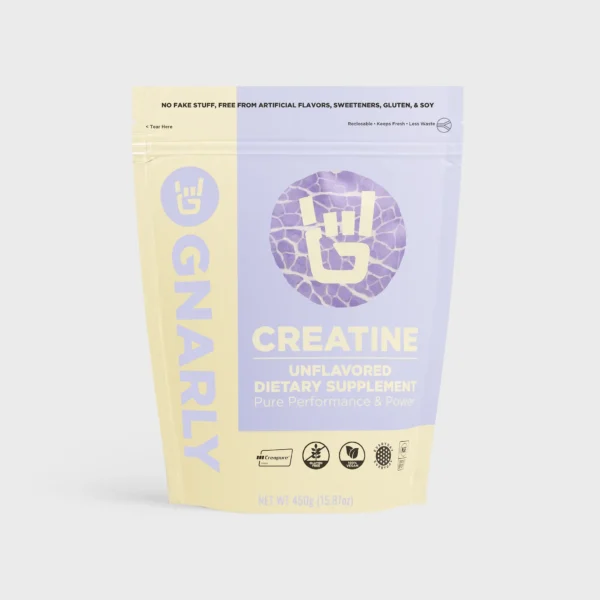
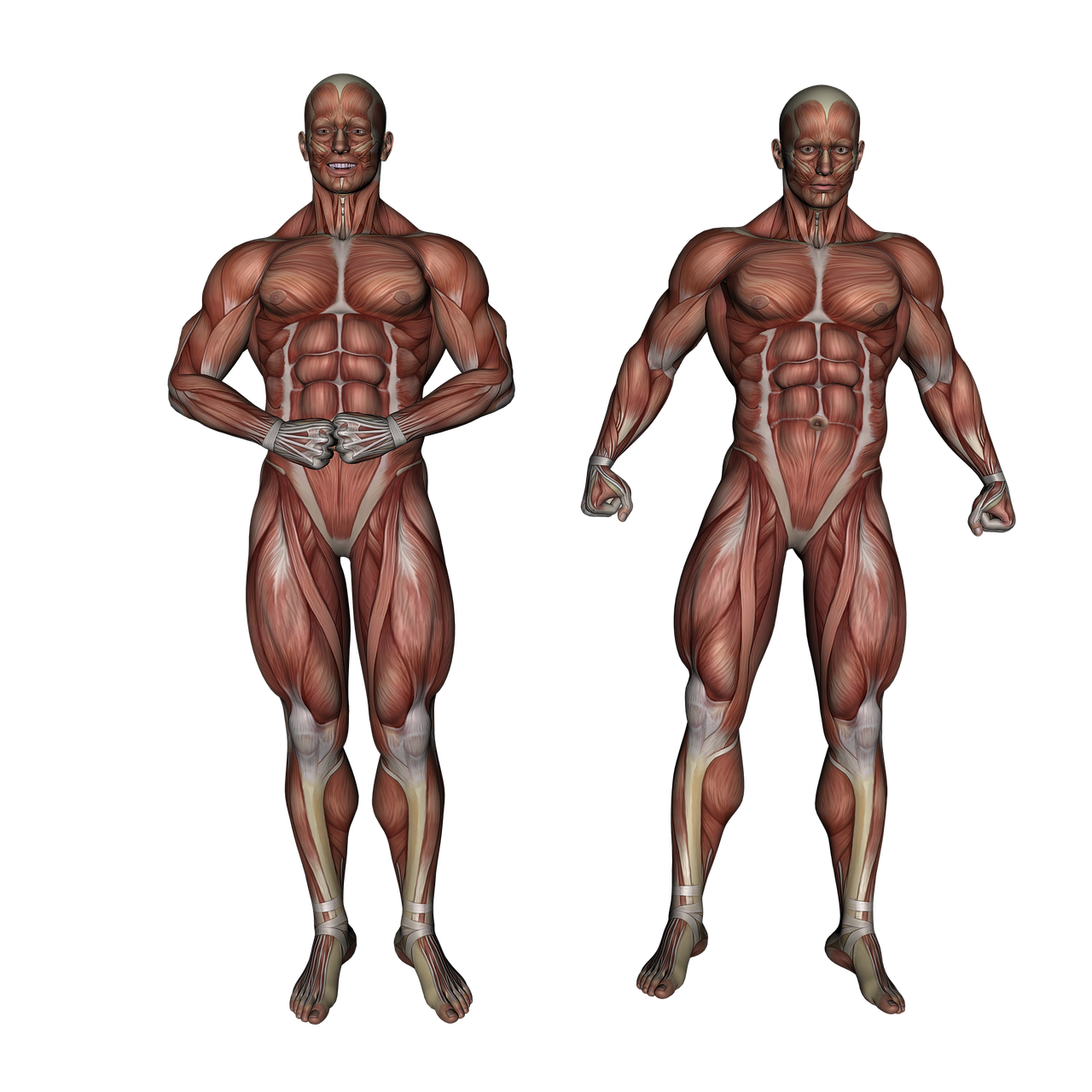
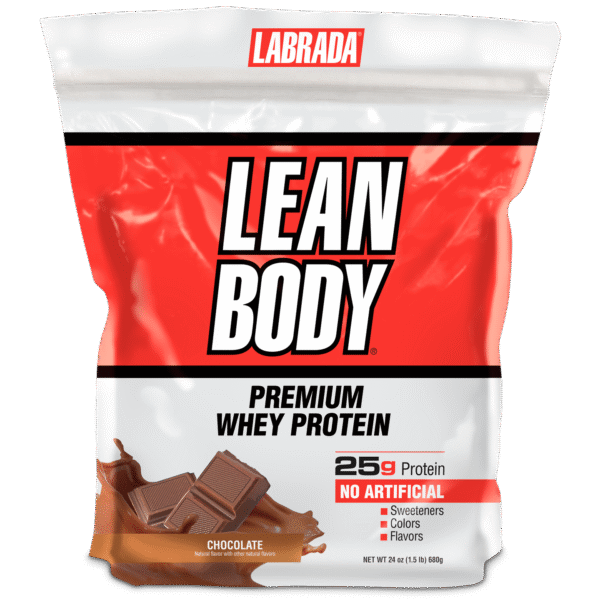
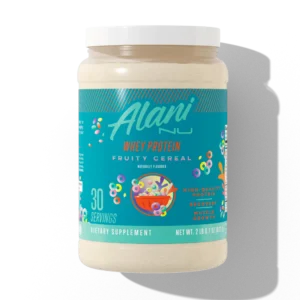
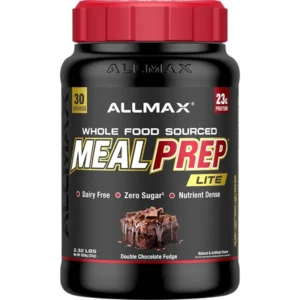
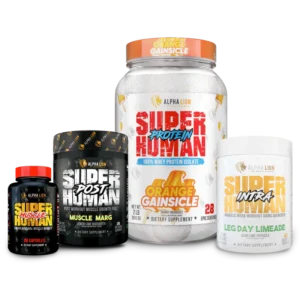
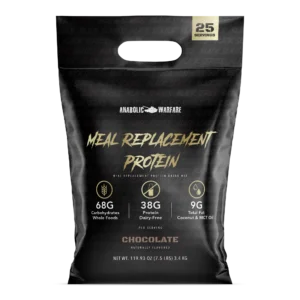
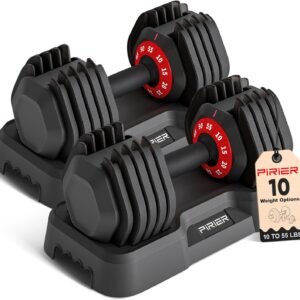
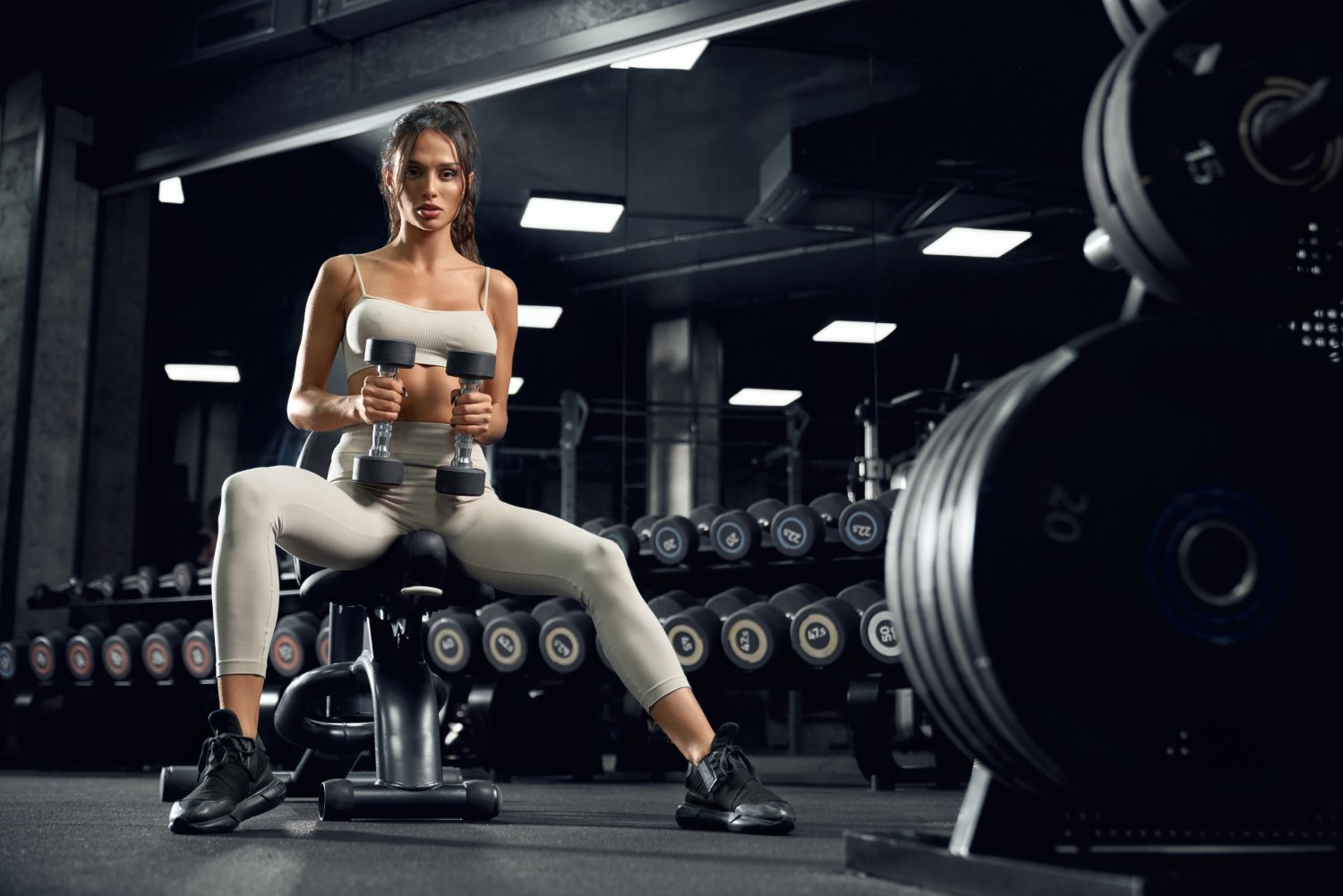
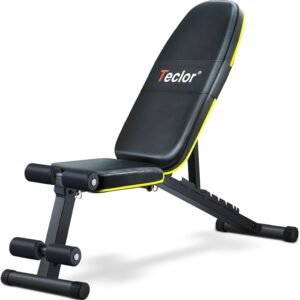
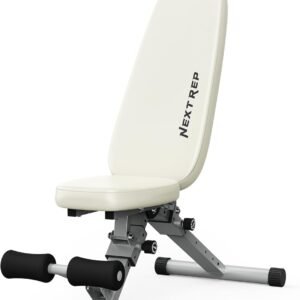
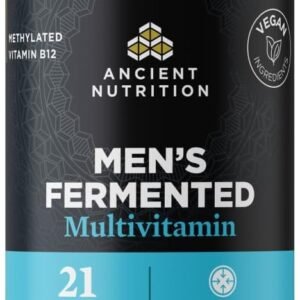
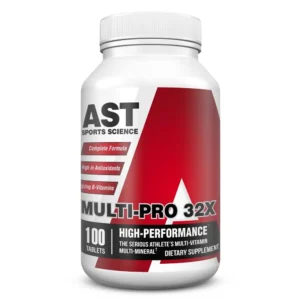
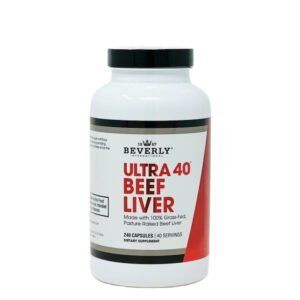
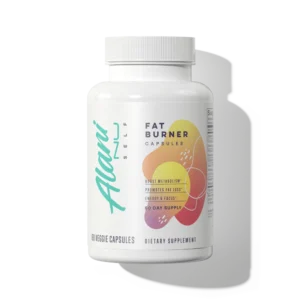
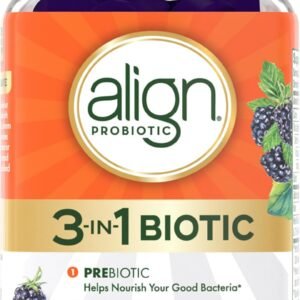
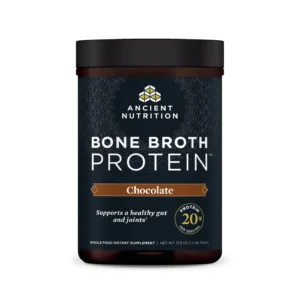
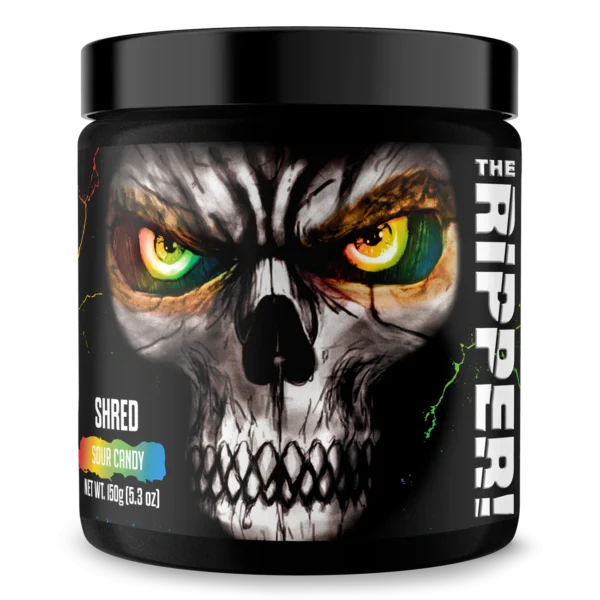
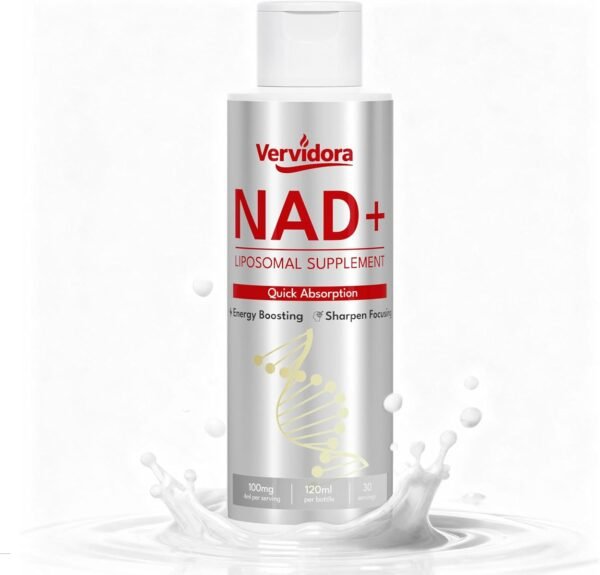
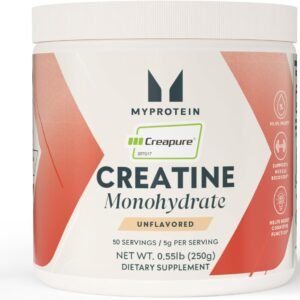
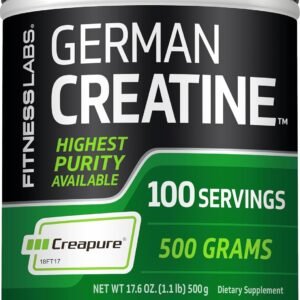
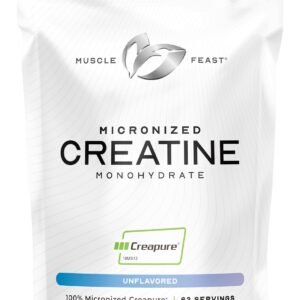
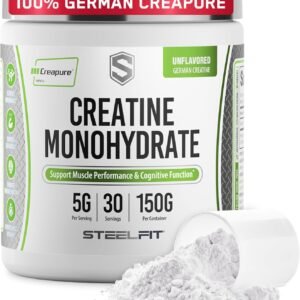
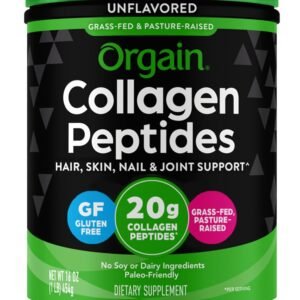
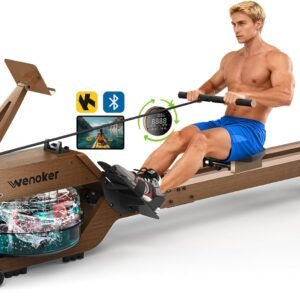
instagram supplements and gym equipment for sale

facebook gym supplements usa. Gym equipments and gym supplements for sale instagram profile social media

cheap workout bench

Cheap Workout Bench: How to Choose the Best Budget Bench Without Sacrificing Quality

Cheap Workout Bench. A cheap workout bench can be one of the most valuable additions to any home gym—especially if you want to train effectively without spending hundreds of dollars. Whether you’re a beginner, a budget-conscious buyer, or someone building a compact workout space, choosing the right bench can elevate your strength training while keeping costs low. The key is knowing what to look for so you get durability, safety, and functionality at the best possible price.

Why a Budget Workout Bench Is Worth It

Even at a low price, a workout bench opens the door to dozens of exercises: chest presses, dumbbell rows, step-ups, core work, shoulder presses, glute bridges, and more. For small spaces or starter home gyms, a bench instantly expands your training possibilities. Many affordable benches offer surprising stability and performance when chosen correctly.

Key Features to Look for in an Affordable Bench

Not all low-priced benches are created equal. To get real value, focus on these important features:

1. Weight Capacity

A good cheap workout bench should safely support at least 400–600 lbs, including your body weight and the weights you lift. Higher capacity means better construction and greater long-term reliability.

2. Sturdy Steel Frame

Even budget benches should have a strong, welded steel frame. Avoid models that feel shaky or lightweight. A stable frame protects you from wobbling, tipping, or uneven support when lifting.

cheap workout bench 2
Cheap workout bench

3. Adjustable Positions

For versatility, choose an adjustable bench that includes multiple incline levels and ideally a flat bench option. Some budget benches also offer a decline setting, which adds even more exercise variety.

4. Comfortable Padding

Look for dense foam padding with durable, sweat-resistant upholstery. Thin or soft padding can break down quickly and make exercises uncomfortable over time.

5. Compact, Foldable Design

If you’re tight on space, consider a foldable workout bench. These models provide stability during use but can be stored under a bed or in a closet afterward—perfect for apartments or shared rooms.

Benefits of Choosing a Cheap Workout Bench

A budget-friendly bench delivers more than just savings. It offers:

  • Versatility for full-body training
  • Beginner-friendly support for learning proper form
  • Small footprint, ideal for limited spaces
  • Low-risk investment for new lifters
  • Compatibility with dumbbells, resistance bands, and adjustable weights

Despite the low price, many affordable benches can last years if you choose a model made with quality materials and maintain it properly.

How to Maximize Your Bench Workouts

To get the most from your cheap workout bench:

  • Pair it with a set of adjustable dumbbells for dozens of exercise variations.
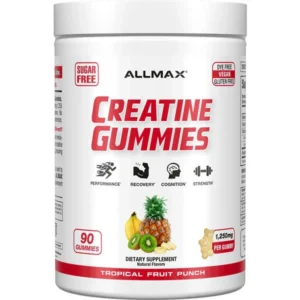
  • Use resistance bands for extra intensity without heavy weights.
  • Train all major muscle groups—upper body, lower body, and core.
  • Keep the bench clean and check bolts occasionally to maintain sturdiness.

Final Thoughts

A cheap workout bench can be a smart, high-value investment for anyone building a home gym on a budget. By choosing a bench with solid construction, adjustable positions, and dependable weight capacity, you get all the benefits of strength training without overspending. With the right selection, your budget bench can become the foundation of a powerful, effective, and long-lasting home fitness routine.

gym store

Fitness Equipment Stores: How to Choose the Best One for Your Health Goals

Fitness Equipment Stores – all you need to know today. In today’s fast-growing fitness market, choosing the right fitness equipment store can make a major difference in your workout quality, the durability of your gear, and the long-term success of your health goals. With countless online and in-person retailers offering everything from basic dumbbells to commercial-grade machines, it’s important to know what sets a reliable store apart.


Product Variety: A Key Sign of a Quality Store

A high-quality fitness equipment store offers a wide range of products to support every training style. Look for retailers that carry:

  • Cardio machines (treadmills, ellipticals, rowing machines)
  • Strength equipment (dumbbells, squat racks, cable systems)
  • Functional tools (resistance bands, kettlebells, balance trainers)

A strong variety allows you to build your ideal workout space, whether you’re assembling a full home gym or starting with a few essential items.


Quality Assurance and Trusted Brands

Product quality is one of the most important factors when choosing a store. Reputable fitness equipment retailers partner with brands known for durability, safety, and proper biomechanics. The best stores provide:

  • Clear details on materials and weight capacity
  • Transparent warranty information
  • Customer reviews and real-use photos
  • Video demonstrations or in-store testing

If you plan to train daily or operate a small fitness studio, choosing stores that offer commercial-grade machines will give you better long-term value.


Customer Support and Professional Guidance

Outstanding customer support separates a good store from a great one. Top-tier fitness equipment stores offer:

  • Expert guidance to match equipment to your goals
  • Virtual or in-store consultations
  • Assembly and installation services
  • Warranty support and replacement-part assistance

Knowledgeable staff help prevent mistakes like buying oversized machines, low-quality equipment, or items that don’t suit your training style.

gym store 2

Pricing Transparency and Return Policies

Reliable stores make pricing simple and honest. Look for:

  • Flexible financing options
  • Seasonal discount programs
  • Transparent return and exchange policies
  • No hidden shipping or assembly fees

Some retailers even offer trade-in programs for customers upgrading their home gyms—a major advantage for long-term fitness planners.


Convenience: Online vs. In-Person Stores

Both online and physical stores offer unique benefits. Online stores provide:

  • Fast shipping
  • Detailed product descriptions
  • Comparison charts and customer reviews
  • Secure checkout

Physical stores offer:

  • Hands-on equipment testing
  • Immediate expert advice
  • Ability to feel build quality before buying

Choosing between the two depends on your preferences and whether you value convenience or firsthand testing.


Matching the Store to Your Fitness Needs

Before deciding, consider your personal workout style and available space.

  • Small spaces: look for retailers with compact or foldable equipment.
  • Strength training: choose stores known for high-quality barbells, racks, and benches.
  • Cardio training: prioritize stores offering reliable treadmills and bikes with long warranties.

Final Thoughts

The best fitness equipment store is one that matches your fitness goals, offers reliable products, provides strong customer support, and maintains clear, honest pricing. Taking time to compare retailers and read reviews ensures you invest wisely in equipment that supports your long-term health and fitness success.

testosteron brain

Best Testosterone Booster for Males Over 40: What Really Works

Best Testosterone Booster for Males Over 40: What Really Works. For men over 40, maintaining healthy testosterone levels becomes increasingly important for energy, muscle strength, mood, and overall vitality. After age 35, testosterone naturally declines by about 1–2% per year. By the time men reach their mid-40s, many begin noticing symptoms such as lower energy, slower metabolism, reduced strength, stubborn belly fat, and decreased motivation. That’s why high-quality testosterone boosters have become a valuable support tool. But choosing the right one matters. As an SEO expert and wellness writer, I’ve put together an informative, client-focused guide that highlights what actually works, what to look for, and how to choose the best supplement for your needs.

Why Testosterone Matters After 40

Testosterone plays a key role in multiple body functions:

  • Muscle growth and strength
  • Fat metabolism
  • Energy production
  • Sex drive and performance
  • Mood stability and motivation
  • Cognitive clarity

When levels drop, many men feel “not themselves.” The right booster helps support the body’s natural testosterone production—not synthetic testosterone—and may improve overall health and performance.


What Makes a Testosterone Booster Effective?

The best testosterone boosters for men over 40 have clinically studied ingredients that target the key causes of low testosterone: stress, poor sleep, declining hormone production, and nutrient deficiencies. Look for formulas that include:

1. Fenugreek Extract
Known to support free testosterone levels, boost libido, and improve strength, fenugreek is one of the most researched natural ingredients.

2. Ashwagandha (KSM-66 or Sensoril)
A powerful adaptogen clinically shown to reduce cortisol (stress hormone), increase testosterone, improve sleep quality, and support muscle recovery.

3. D-Aspartic Acid (DAA)
Supports natural hormone production—especially beneficial for men with declining testosterone related to aging.

4. Zinc & Magnesium
Many men over 40 are deficient in these minerals. Zinc supports testosterone formation, while magnesium helps with sleep and energy.

5. Tongkat Ali (Longjack)
Known for boosting energy, improving libido, and reducing stress-related hormonal imbalance.

6. Vitamin D3
Men with low vitamin D often have lower testosterone. A strong booster includes an optimal daily dose.

testosteron use

The Ideal Formula for Men Over 40

The best testosterone booster for men over 40 should combine all of the above ingredients in clinically supported dosages. It should also be free of fillers, artificial ingredients, and proprietary blends that hide the exact amounts.

A top-quality formula should:

  • Increase free and total testosterone levels naturally
  • Improve energy and stamina
  • Enhance metabolism and muscle tone
  • Support mood and confidence
  • Improve sleep quality and recovery
  • Help with libido and performance

When taken daily and paired with quality sleep, resistance training, hydration, and a protein-rich diet, a well-formulated booster can make a significant difference within 4–8 weeks.


Final Thoughts

For men over 40, the right testosterone booster is not just about increasing hormones—it’s about restoring vitality, sharpening focus, improving body composition, and feeling strong and confident again. By choosing a supplement backed by research and designed for men in midlife, you give your body the support it needs to perform at its best every day.

Resistance Bands 1

The Strategic Choice for Modern Fitness: Resistance Bands as Foundational Home Gym Equipment

Resistance Bands – all you need to know. In an era where efficient, versatile, and accessible training is paramount, resistance bands have transcended their reputation as mere warm-up tools to become the centerpiece of intelligent home gyms. This evolution reflects a deeper understanding of functional strength, adaptive training, and space-conscious living. This analysis examines the technical merits, practical applications, and transformative potential of resistance band systems for individuals seeking professional-grade results outside commercial fitness environments.

Beyond Elasticity: The Biomechanical Advantage of Variable Resistance

The fundamental superiority of high-quality resistance bands lies in their application of variable tension resistance. Unlike the constant load of free weights or machines, bands provide increasing resistance as they are stretched—a force curve that more accurately mirrors human strength potential. At the start of a movement (e.g., the bottom of a squat), where mechanical leverage is poorest, tension is lightest. As you extend into the strongest range of motion, tension peaks. This accommodative loading places optimal stress on muscles throughout the entire range, can be gentler on joints, and may enhance muscle time-under-tension for hypertrophy.

This principle allows for linear strength progression without requiring an ever-growing rack of plates. Progression is achieved not just by moving to a thicker band, but through refined methods: increasing repetitions, shortening rest periods, leveraging band anchoring for novel angles, or utilizing band loops to add resistance to traditional free-weight exercises like barbell squats or bench presses.

Resistance Bands  2

Deconstructing the Arsenal: Types, Materials, and Specifications

A sophisticated approach requires understanding the ecosystem of band equipment, which extends far beyond simple loops.

  1. Loop Bands (Pull-Up Assistance/Glute Bands): Typically flat, continuous loops of durable latex or fabric. Used for lower-body activation, rehabilitation, and—critically—to assist or add resistance to bodyweight exercises. Fabric-clad versions offer greater durability and reduced pinch.
  2. Tube Bands with Handles: The classic “home gym” system. Consist of a latex tube with plastic handles and often a door anchor. Ideal for mimicking cable machine movements (rows, chest presses, lat pulldowns) and providing a secure grip. Quality is determined by the sleeve protecting the tube at anchor points and the swivel integrity of the handles.
  3. Flat Therapy Bands: Long, thin sheets of latex, sold by the roll or in pre-cut lengths. Offer fine-grained, low-level resistance for rehabilitation, mobility work, and physical therapy. The foundation for precise, low-load movement patterning.
  4. Power/Resistance Band Sets: Long, wide bands without handles, typically color-coded by resistance (e.g., 15-200 lbs of tension). The professional’s choice for serious strength training. They are used for explosive power movements (band-resisted sprints), compounding with free weights, and heavy-duty anchor work on power racks. Constructed from layered natural latex for maximum durability and tension.

Material Science Matters: Premium bands use 100% natural latex, offering superior elasticity, durability, and consistent resistance profiles. Always check for layered construction in power bands, which prevents snapping. For those with latex allergies, high-quality thermoplastic elastomer (TPE) options exist, though their feel and longevity can differ.

Architecting a Complete Home Gym System

The true power of resistance bands is realized through strategic integration and anchoring solutions.
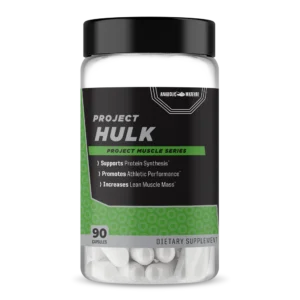
  • The Anchor Point Ecosystem: A door anchor is the basic entry point. For a full-scale setup, invest in a wall-mounted or ceiling-mounted anchor system—a single sturdy hook or a multi-point pulley rig. This transforms any wall into a functional training station, enabling hundreds of cable-style exercises from a fixed point.
  • The Hybrid Training Model: The most effective modern approach combines bands with minimal free weights. For example: placing a power band underfoot during dumbbell curls (adding peak tension), anchoring a band to a rack for “banded bench presses” (improving lockout strength), or using a loop band for hip assistance during pull-ups. This hybrid model offers the benefits of both variable and constant resistance.
  • Portability as a Performance Feature: Unlike a rack of dumbbells, a complete band gym fits into a single bag. This enables environmental training—taking workouts outdoors, to a park, or on the road without regression. Consistency, the ultimate driver of results, is thus guaranteed.

Critical Evaluation: Advantages and Realistic Limitations

Advantages:

  • Joint-Friendly & Adaptive: Low impact on joints; tension can be modulated micro-step by simply adjusting grip width or stance.
  • Unmatched Exercise Library: From isolated rotator cuff work to compound lower-body movements like banded good mornings, the variety exceeds most single machines.
  • Scalable for All Levels: From rehabilitation (using thin therapy bands) to maximal strength (using stacked heavy power bands), the system scales infinitely.
  • Cost & Space Efficiency: A complete, professional-grade set costs a fraction of a single machine and stores in a drawer.

Considerations:

  • The Lack of Eccentric Loading: Bands provide strong concentric (lifting) resistance but minimal eccentric (lowering) load, a key driver for muscle damage and growth. This can be mitigated by slowing the eccentric phase consciously or integrating hybrid methods.
  • The Need for Technical Proficiency: Proper anchoring and understanding of vector angles are required to target muscles correctly. A learning curve exists compared to the fixed path of a machine.
  • Durability & Maintenance: Bands degrade with exposure to UV light, ozone, and oils. Proper storage away from sunlight and without stretching when not in use is essential. Regular inspection for nicks or tears is necessary for safety.

Implementation Protocol for Optimal Results

  1. Start with a Comprehensive Set: Invest in a kit offering 5-6 varying resistance levels (light to extra-heavy) that includes handles, ankle cuffs, and a door anchor.
  2. Prioritize Anchoring Safety: Never anchor a band to a weak or sharp object. Use officially designed door anchors and ensure mounts are secured into wall studs.
  3. Program with Intention: Structure workouts like any strength program. For hypertrophy: 3-4 sets of 8-15 reps to near fatigue. For strength: Use heavier bands for 3-5 reps, focusing on explosive concentric movement.
  4. Embrace the Mind-Muscle Connection: The fluid resistance demands greater proprioception. Focus on feeling the target muscle work throughout the entire range of motion.
Resistance Bands  3

Conclusion: The Intelligent Foundation

Resistance bands are not a compromise for the home exerciser; they are an intelligent, evidence-backed choice that demands and develops a higher degree of kinesthetic awareness. They empower the user to construct a truly personalized, adaptive, and space-efficient training environment. For the individual seeking a sustainable, joint-conscious, and profoundly versatile path to strength, mobility, and hypertrophy, a well-curated resistance band system does not merely supplement a home gym—it competently constitutes one.

Frequently Asked Questions (FAQ)

1. Can you build significant muscle using only resistance bands?
Yes, provided you apply the core principles of progressive overload. This is achieved by increasing tension (using thicker bands or combining bands), increasing volume (reps/sets), reducing rest time, or mastering more challenging exercise variations. Bands provide the necessary mechanical tension, a primary driver of muscle growth, especially when taken to momentary muscular failure.
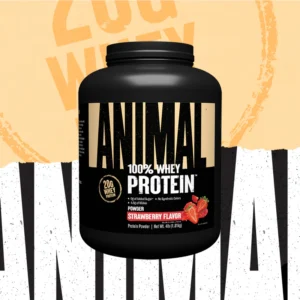
2. How do I know what resistance level to choose?
A band should allow you to complete your target reps with proper form while reaching near-fatigue by the final rep. For strength (3-6 reps), you will need a band that challenges you heavily by rep 3. For hypertrophy (8-15 reps), choose a band where you approach failure within that range. Most quality sets are color-coded by tension (e.g., light, medium, heavy).

3. What is the safest way to anchor bands?

  • For Doors: Only use a purpose-designed door anchor strap fed over the top of a solid, closed door. Never tie a band directly to a door handle.
  • For Walls/Ceilings: Install a heavy-duty anchored strap, a dedicated wall mount, or a secure eye bolt directly into a wall stud or ceiling joist. Drywall anchors alone are insufficient for dynamic loads.
  • Self-Anchoring: For many lower-body exercises, you can securely anchor bands under your feet or around a stable, solid post (like a squat rack upright).

4. How long do resistance bands last, and how do I maintain them?
With proper care, high-quality latex bands can last 1-2 years with regular use. To maximize lifespan: store them unstretched in a cool, dark place; keep them away from direct sunlight and sharp edges; clean them with mild soap and water (avoid oils); and always inspect for small tears, nicks, or significant thinning before use.

5. Can bands effectively replace free weights or machines?
They can serve as a primary training tool for many goals, offering unique advantages in variability and portability. However, for maximal absolute strength in classic lifts like the deadlift or squat, free weights are ultimately superior due to their constant load and gravitational vector. The most powerful approach is often integration—using bands to complement free weights, not necessarily replace them entirely.

Effective Weight Loss Supplements for Women 1

Navigating the Search for Effective Weight Loss Supplements for Women in Their Early 40s

Weight Loss Supplements for Women. The journey to manage weight in one’s early 40s introduces a unique set of physiological considerations distinct from earlier decades. Hormonal shifts, a natural decline in metabolic rate, and changing lifestyle demands converge, making weight management feel increasingly complex. This analysis moves beyond generic marketing to examine the scientific rationale, safety profile, and realistic expectations for dietary supplements within the context of female metabolism during this pivotal life stage.

The Metabolic Landscape of the Early 40s

Understanding the “why” behind weight changes is critical for selecting appropriate support. Several key factors are at play:

  • Perimenopausal Transition: This phase, often beginning in the early to mid-40s, is characterized by fluctuating and eventually declining estrogen levels. Estrogen helps regulate body weight, fat distribution (shifting from hips to abdomen), and insulin sensitivity. Its decline can lead to increased visceral fat storage, cravings, and a heightened perception of hunger.
  • Metabolic Rate Decline: A natural, age-related reduction in basal metabolic rate (BMR) occurs, meaning the body burns fewer calories at rest. This is often compounded by a loss of lean muscle mass (sarcopenia), which further reduces daily energy expenditure.
  • Stress and Cortisol: Chronic stress, common during this life stage balancing career, family, and personal goals, elevates cortisol. Persistently high cortisol promotes fat storage, particularly in the abdominal area, and can drive cravings for high-calorie foods.
  • Lifestyle Factors: Shifts in activity levels, sleep quality (often disrupted by hormonal changes), and nutritional needs necessitate a refined, rather than a restrictive, approach to diet and exercise.

Check also article: What is the best treadmill for home use for obese women

Effective Weight Loss Supplements for Women 2

A Critical Evaluation of Supplement Categories

No pill replaces a caloric deficit, balanced nutrition, and regular exercise. However, certain supplements may offer supportive benefits by targeting specific barriers common in the early 40s.

Category 1: Appetite Regulation & Craving Control

  • Key Ingredient: Protein Powder (Whey, Collagen, or Plant-Based): Not a stimulant, but arguably the most effective tool. High-protein intake increases satiety, preserves lean muscle mass during weight loss (crucial for maintaining metabolism), and has a high thermic effect of food (burning calories during digestion). A protein shake can strategically curb afternoon cravings.
  • Key Ingredient: Glucomannan: A soluble, viscous fiber from the konjac root. It expands in the stomach, promoting feelings of fullness and reducing overall calorie intake at subsequent meals. It must be taken with ample water. Clinical support for its role in weight loss is more robust than for many stimulant-based products.

Category 2: Metabolic & Thermogenic Support

  • Key Ingredient: Green Tea Extract (Standardized for EGCG): A well-researched compound that may support a mild increase in calorie burning (thermogenesis) and fat oxidation. Its effects are modest but consistent in research. It also provides antioxidants without excessive caffeine.
  • Key Ingredient: Capsaicin/Cayenne Pepper: May promote thermogenesis and increase fat oxidation. It can also modestly reduce appetite. Its effects are mild but can be part of a synergistic formula.
  • Important Note on Stimulants: Formulas heavy in caffeine, synephrine, or other stimulants should be approached with caution. They can exacerbate perimenopausal anxiety, disrupt sleep—a critical pillar for weight management and hormone balance—and lead to tolerance and energy crashes.

Category 3: Hormonal & Stress Support

  • Key Ingredient: Adaptogens (Ashwagandha, Rhodiola Rosea): These do not directly “burn fat.” Instead, they help modulate the body’s stress response by supporting healthy cortisol levels. By mitigating the weight-promoting effects of chronic stress, they may indirectly support metabolic health and reduce stress-related eating.
  • Key Ingredient: Omega-3 Fatty Acids (EPA/DHA): While not a weight loss miracle, high-quality fish oil supports metabolic health, reduces inflammation (often elevated with age), and may improve body composition when combined with exercise. Its primary benefits are foundational to overall health.

Check also article: The Truth About Weight Loss Supplements

Foundational Priorities: The Non-Negotiables

Supplements are adjuncts, not foundations. Any regimen must be built upon:
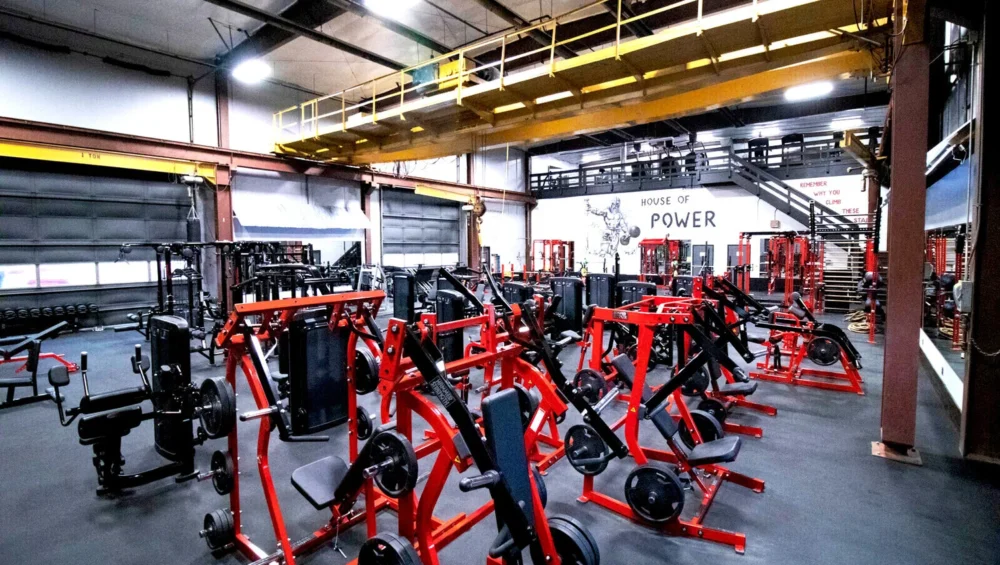
  1. Strength Training: The single most important activity for counteracting sarcopenia, boosting BMR, and improving insulin sensitivity. It shapes body composition more effectively than cardio alone.
  2. Protein Prioritization: Aiming for 1.6-2.2 grams of protein per kilogram of body weight daily to support muscle, satiety, and metabolic health.
  3. Sleep Hygiene: Poor sleep disrupts ghrelin (hunger hormone) and leptin (satiety hormone), directly driving weight gain. Prioritizing 7-9 hours is non-negotiable.
  4. Blood Sugar Management: Focusing on high-fiber carbohydrates, pairing carbs with protein and fat, and avoiding blood sugar spikes and crashes that fuel cravings and fat storage.

A Strategic, Safety-First Approach

  1. Consult a Healthcare Provider: Before starting any new supplement, discuss it with a doctor, especially if you have pre-existing conditions (thyroid, blood pressure, anxiety) or take medications.
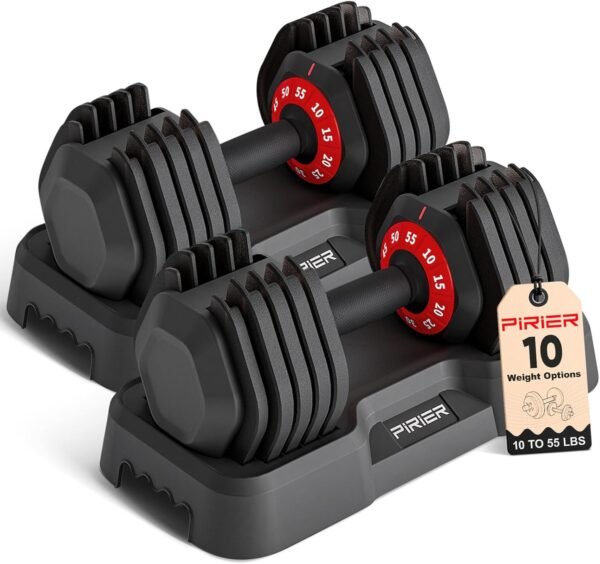
  2. Seek Third-Party Certification: Choose products with seals from NSF International, USP, or ConsumerLab.com to ensure label accuracy and absence of contaminants.
  3. Manage Expectations: Expect modest, supportive benefits measured in single-digit percentage improvements in weight loss efforts, not drastic transformations. The goal is sustainable support, not rapid, unsustainable loss.
  4. Audit Lifestyle First: Investing in a session with a registered dietitian or a certified personal trainer specializing in women’s health in their 40s will yield a far greater return than any bottle of pills.

Conclusive Perspective

For a woman in her early 40s, the most effective “weight loss supplement” strategy is a holistic protocol that honors the body’s changing physiology. This involves prioritizing macronutrients (especially protein), engaging in strategic exercise (especially strength training), and managing stress and sleep. Within this framework, select supplements like high-quality protein, targeted fibers, and stress-modulating adaptogens can play a legitimate, supportive role in overcoming specific, age-related barriers. The focus must shift from mere weight loss to the broader, more sustainable goal of metabolic health and body composition mastery.

Effective Weight Loss Supplements for Women 3

Frequently Asked Questions (FAQ)

1. What is the most important supplement for weight loss in your 40s?
While not traditionally marketed as a “weight loss supplement,” high-quality protein powder is arguably the most effective. It directly addresses key age-related challenges: preserving metabolism-supporting muscle, promoting satiety to manage calories, and aiding in body recomposition when paired with resistance training.

2. Do fat burner supplements work for women over 40?
The term “fat burner” is often a marketing misnomer. Stimulant-based products can temporarily increase calorie expenditure but often at the cost of sleep and increased anxiety, which are counterproductive. Their effects are marginal and unsustainable. A focus on ingredients that support metabolism through non-stimulant means (like green tea extract) or that manage cravings (like fiber) is a more rational and safer approach.

Check also: Best Workouts to Lose Belly Fat

3. How do perimenopause and hormones affect supplement choice?
Fluctuating estrogen can increase insulin resistance and abdominal fat storage. Therefore, supplements that support blood sugar balance (like fiber) and reduce stress (adaptogens) become more relevant than aggressive thermogenics. Avoiding supplements that disrupt sleep or increase anxiety is also critical, as these issues are often already heightened.

4. Are there specific ingredients I should avoid?
Be cautious of:

  • High-Stimulant Blends: Excessive caffeine, synephrine, or other stimulants that can disrupt sleep and hormones.
  • Proprietary Blends with Undisclosed Doses: These hide the actual amounts of ingredients, making efficacy and safety impossible to assess.
  • “Miracle” Claims: Any product promising extreme, rapid weight loss without diet or exercise is deceptive and potentially dangerous.

5. Should I get any blood work done before starting?
It is highly advisable. Checking levels of Vitamin D, B12, iron/ferritin, and thyroid hormones (TSH, Free T3/T4) can reveal underlying deficiencies or conditions (like subclinical hypothyroidism) that impede weight loss. Correcting these through targeted supplementation or medication under a doctor’s guidance is a foundational first step.

Testosteron booster the best options informations

Navigating the Complex Terrain of Testosterone Booster Supplements: A Critical Analysis

Testosterone Booster Supplements. What you need to know today. The pursuit of enhanced vitality, strength, and virility has led many to consider the category of dietary supplements marketed as testosterone boosters. These products promise to elevate endogenous testosterone levels, thereby influencing a spectrum of physiological functions from muscle protein synthesis to cognitive drive. This analysis moves beyond marketing claims to examine the scientific substrate, regulatory landscape, and pragmatic considerations surrounding these formulations, providing a framework for informed decision-making in an often-opaque marketplace.

Understanding the Endocrine Context: What is Testosterone, and Why Does It Fluctuate?

Testosterone, the primary androgenic hormone in males, is a critical regulator of musculoskeletal health, metabolic function, red blood cell production, and libido. Its production, orchestrated by the hypothalamic-pituitary-gonadal axis, exhibits natural variance. Levels peak in early adulthood and undergo a gradual, age-related decline—approximately 1% per year after age 30. Further modulations are induced by factors including chronic stress (elevated cortisol), insufficient sleep, adiposity (via aromatization to estrogen), nutritional deficiencies, and excessive alcohol consumption.

It is crucial to distinguish between clinically diagnosed hypogonadism—a medical condition requiring professional diagnosis and often pharmaceutical intervention (e.g., testosterone replacement therapy, or TRT)—and age-related or lifestyle-influenced low-normal levels. The latter is the primary target for over-the-counter booster supplements, which aim to support the body’s natural production pathways rather than introduce exogenous hormones.

Testosteron booster the best options informations 3

Deconstructing the Formula: Ingredients Under Scientific Scrutiny

The efficacy of a testosterone booster is contingent upon its constituent compounds. A sophisticated examination focuses on ingredients with plausible mechanisms and human clinical evidence, however nascent.

Key Ingredients with Supporting Research:

  • Fenugreek Extract (Trigonella foenum-graecum): Specifically, extracts standardized for furosaponins (e.g., Testofen®). Research suggests it may support free testosterone levels by inhibiting enzymes that convert testosterone to dihydrotestosterone (DHT) and by displacing testosterone from sex hormone-binding globulin (SHBG), making it more bioavailable. Studies often note concomitant benefits in libido and strength perception.
  • Ashwagandha (Withania somnifera): An adaptogenic herb. Clinical trials, particularly with KSM-66® or Sensoril® extracts, indicate it can reduce cortisol, improve stress resilience, and may increase testosterone in stressed or subclinical populations. Its primary value may lie in mitigating one of testosterone’s key suppressants.
  • Zinc: An essential mineral directly involved in testosterone synthesis. Deficiency is strongly correlated with hypogonadism. Supplementation in deficient individuals can restore levels to baseline, but supra-physiological dosing in replete individuals yields diminishing returns.
  • Vitamin D: Now recognized as a pro-hormone. Deficiency is widespread and correlated with low testosterone. Correction of deficiency through supplementation can support endocrine normalization.
  • D-Aspartic Acid (D-AA): An amino acid that stimulates the release of luteinizing hormone (LH), a key signal for testosterone production. Evidence is mixed; some studies show transient increases in testosterone, particularly in untrained or subfertile men, while others show no effect in trained athletes. Its utility may be cyclical rather than continuous.

Common Ingredients with Ambiguous or Primarily Mechanistic Evidence:

  • Tribulus Terrestris: Frequently marketed for libido enhancement, its direct impact on serum testosterone in humans remains inconsistent and is not strongly supported by robust clinical data.
  • Boron: A trace mineral that may influence steroid hormone metabolism. Short-term studies suggest it can reduce SHBG and increase free testosterone, but long-term data and significance for athletic performance are not fully established.
  • Maca Root: A Peruvian plant valued for its potential to enhance libido and sexual function, likely through mechanisms unrelated to direct testosterone modulation.

Check also article: Bodybuilding Supplements & Testosterone: The Real Science Behind Muscle Growth

Critical Considerations Beyond the Blend

A sophisticated evaluation extends past the ingredient panel to encompass broader, often overlooked factors.

1. The Regulatory Gray Area: Dietary supplements, including testosterone boosters, are regulated as food, not drugs, by the FDA under the 1994 DSHEA act. This means they are not approved for safety or efficacy before market entry. Manufacturers are responsible for ensuring product safety and label accuracy, but verification is primarily post-market. This underscores the necessity of choosing brands that adhere to third-party verification.

2. The Imperative of Third-Party Certification: To mitigate risks of contamination, adulteration, or label inaccuracy, seek products certified by independent organizations like NSF International, USP (United States Pharmacopeia), or ConsumerLab.com. These certifications verify that the product contains what the label claims and is free from harmful levels of contaminants.

3. Synergy with Foundational Lifestyle Interventions: No supplement can compensate for deleterious lifestyle choices. A booster’s potential is maximized only within a framework of:

  • Adequate, High-Quality Sleep: The majority of daily testosterone pulse is released during deep, slow-wave sleep.
  • Resistance Training: Particularly compound, heavy lifts (squats, deadlifts, presses) are a potent acute and chronic stimulator of anabolic hormone activity.
  • Balanced Nutrition: Sufficient caloric intake, healthy fats (cholesterol is a precursor to testosterone), and micronutrient density.
  • Stress and Weight Management: Reducing visceral adiposity and chronic psychological stress.

A Pragmatic Conclusion: Managed Expectations and Strategic Use

Testosterone booster supplements represent a category of nuanced potential, not a panacea. They may offer a marginal, supportive benefit for individuals with suboptimal lifestyles or specific, mild deficiencies, acting as endocrine optimizers rather than radical transformers.

For the discerning individual, the strategic approach involves:

  1. Prioritizing lifestyle optimization as the non-negotiable foundation.
  2. Selecting a product with a transparent, research-informed ingredient profile from a brand with stringent quality controls and third-party certification.
  3. Setting realistic expectations; significant, dramatic changes in serum testosterone are unlikely without pharmaceutical intervention.
  4. Consulting with a healthcare professional before commencement, particularly for individuals with pre-existing medical conditions or those taking other medications.

The ultimate “boost” may not come from a bottle, but from a holistic commitment to physiological stewardship, of which a well-chosen supplement may serve as one considered component.

Testosteron booster the best options informations 5

Frequently Asked Questions (FAQ)

1. Do testosterone boosters actually work for building muscle?
Their direct impact on significant muscle hypertrophy is modest at best. They may support the hormonal environment for recovery and synthesis, especially if a deficiency is corrected (e.g., Zinc, Vitamin D). However, muscle growth is predominantly driven by consistent progressive overload in training, adequate protein intake, and caloric surplus. A booster is not a substitute for these fundamentals.

2. Are testosterone booster supplements safe?
Safety is highly product-dependent. Risks include potential side effects from individual ingredients (e.g., digestive upset from Fenugreek), interactions with medications, and the significant risk of adulteration with undeclared, potentially harmful substances like prohormones or SARMs in non-certified products. Third-party certification is the best proxy for safety assurance.

3. What is the difference between a testosterone booster and SARMs or prohormones?
This is a critical distinction. Testosterone boosters are dietary supplements intended to support natural productionSARMs (Selective Androgen Receptor Modulators) and prohormones are synthetic compounds that directly activate androgen receptors or convert into active hormones. They are often sold as “research chemicals” but can pose serious health risks (liver toxicity, negative feedback shutdown of natural production, lipid profile damage) and are banned by most sports organizations. They exist in a dangerous legal and regulatory gray area.
4. How long does it take to see results from a testosterone booster?
If an effect is to be observed, most clinical trials measure changes over periods of 8 to 12 weeks. This is not an immediate solution. Effects on subjective feelings of well-being or libido may be perceived earlier, but biomarker changes (e.g., serum testosterone) require a sustained period of consistent use alongside proper lifestyle.

5. Should I get my testosterone levels tested before taking a booster?
It is highly advisable. A simple blood panel can establish a baseline and determine if you are clinically low, in the normal range, or optimal. This informs whether your efforts are best directed toward lifestyle and supplementation or require a consultation with an endocrinologist about potential medical treatment. Self-administering supplements in the presence of symptomatic hypogonadism can delay appropriate diagnosis and care.

How to Find Your Ultimate Home Gym Machine All-in-One Station 1

How to Find Your Ultimate Home Gym Machine All-in-One Station

The search for a comprehensive home gym machine available for purchase represents a major step toward fitness independence. An all-in-one station consolidates multiple strength training functions into a single footprint, promising efficiency and variety. This evaluation details what separates a lasting investment from a disappointing compromise, guiding you toward a unit that delivers professional results in a personal space.

The All-in-One Solution for Comprehensive Training

A multi-functional gym station replaces an entire lineup of individual machines and free weights. It is designed to facilitate a full-body workout targeting every major muscle group—from legs and back to chest, shoulders, and arms—through guided motion paths. This eliminates the need to switch between disparate pieces of equipment, maintaining workout intensity and saving valuable time. For individuals with limited space but unlimited ambition in their strength goals, a proficient all-in-one station is the definitive centerpiece of a home gym.

Check also: Top 10 Gym Equipment Brands in the USA

How to Find Your Ultimate Home Gym Machine All-in-One Station 2

Essential Criteria for a Superior Unit

The integration of many functions demands scrutiny. Focus on these non-negotiable elements to ensure your purchase is capable and durable.

Frame Integrity and Footprint: The foundation is paramount. Seek a station constructed from heavy-walled, commercial-grade steel tubing with a low-center-of-gravity design. A robust weight stack or plate-loaded system must be anchored to a frame that does not flex, shake, or tip during use. While compact designs exist, ensure the base is sufficiently wide and long to provide absolute stability during pulldowns, presses, and leg exercises.

Functionality and Attachment Points: A true all-in-one station should efficiently combine several key stations:

  • Lat Pulldown/Low Row: The cornerstone for back development.
  • Chest Press or Pec Fly: For horizontal pushing movements.
  • Leg Extension/Leg Curl: Essential for complete leg isolation.
  • Butterfly Arms or Cable Crossover: For chest and shoulder shaping.
  • Additional Features: Look for a pull-up bar, dip bars, and preacher curl attachments. The availability of a high and low cable pulley system dramatically expands exercise options with handles, bars, and ropes.

Weight System and Resistance: Stations use either a weight stack (convenient, quick to change) or are plate-loaded (requires your own Olympic plates, often more affordable initially). Verify the total available resistance (e.g., 200 lb stack) meets your long-term strength potential. The cable and pulley system should operate smoothly with minimal friction and be sheathed in durable nylon or vinyl coating.

Adjustability and Ergonomics: User fit is critical for safety and muscle targeting. The seat, back pads, and movement arms must offer multiple, intuitive adjustment points to accommodate different body sizes and limb lengths. Pads should be thick, contoured vinyl for support during exertion. All adjustment mechanisms should use secure pins or locks.

Top-Tier All-in-One Stations for Your Home

Based on engineering, versatility, and user satisfaction, these models stand out in the integrated home gym category.

1. The Premium Compact Powerhouse: Force USA G6 All-In-One Trainer
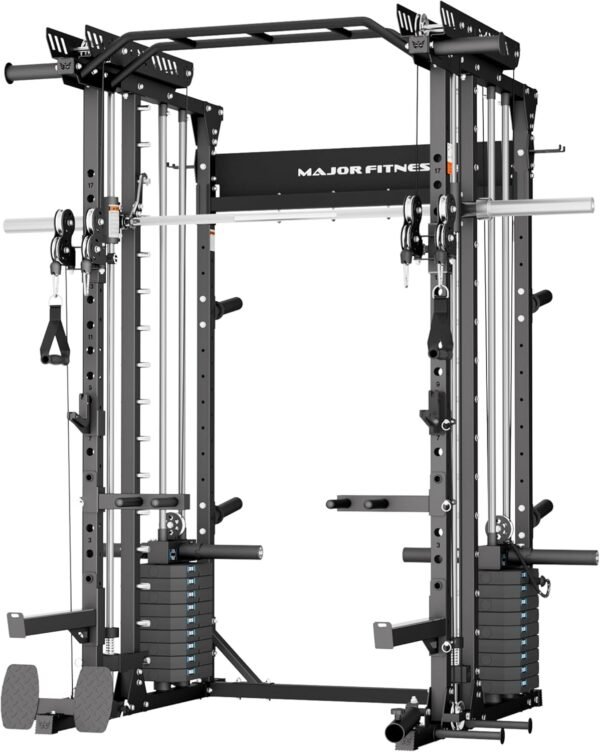
This model redefines space efficiency with a modular, plate-loaded design. It combines a cable machine with a functional trainer, a leg developer, a lat pulldown, a low row, and a squat rack into a remarkably small footprint. Built with 3×3” steel, it uses standard Olympic plates, allowing for unlimited resistance. Its independent dual pulley system enables complex movements like crossovers and single-arm exercises. For the lifter seeking commercial-grade versatility in a home-friendly size, it is a transformative option.

2. The User-Friendly Classic: Marcy Smith Cage Workout Machine
A long-time leader for good reason, the Marcy Smith Cage offers a straightforward, effective design. It integrates a weight stack for the lat pulldown, high pulley, and low row with a separate chest press station and leg extension/curl unit. Its signature welded cage frame provides exceptional stability, and the guided press arms are ideal for beginners or those focusing on controlled movements. It delivers a proven, comprehensive workout in a single, cohesive unit.

3. The Value-Driven Performer: Body-Solid EXM3000S Home Gym
Body-Solid is renowned for commercial durability at residential prices. The EXM3000S is a prime example, featuring a 210 lb weight stack and a wide array of stations: multi-grip lat pulldown, chest press, vertical butterfly, leg extension/curl, decline press, and a seated row. Its solid steel construction and ergonomic design support serious training. For the individual wanting a traditional, full-featured gym station with minimal compromises, it represents exceptional long-term value.

Finalizing Your Decision

Before committing, align the equipment with your personal requirements:

  • Audit Your Space and Flooring: Measure meticulously, including ceiling height for pull-ups and overhead movements. Consider floor protection (rubber mats) and whether your floor can support the total weight (often 500+ lbs with user and plates).
  • Define Your Training Style: Are you focused on bodybuilding isolation, athletic functional training, or general fitness? Ensure the station’s strengths match your preferred exercises.
  • Investigate Assembly and Service: These are complex machines. Factor in professional assembly if needed, and review the manufacturer’s warranty (frame, parts, upholstery) and customer service reputation.
How to Find Your Ultimate Home Gym Machine All-in-One Station 7

Concluding Perspective

A proficient home gym all-in-one station is a gateway to consistent, varied, and effective strength training. By prioritizing a rock-solid frame, a smooth cable system, and genuine multi-station functionality, you secure a hub for health that will serve you for decades. The models highlighted prove that with informed selection, you can acquire a professional-caliber training ecosystem without the professional price tag, making comprehensive fitness a permanent and accessible feature of your daily life.

Frequently Asked Questions (FAQ)

1. Can an all-in-one home gym truly replace a gym membership?
For strength training, absolutely. A quality all-in-one station provides the equipment for 80-90% of typical gym exercises. For cardiovascular health, you would likely need to supplement with separate cardio equipment (bike, treadmill) or bodyweight/outdoor conditioning.

2. What is better: a weight stack or plate-loaded machine?
Weight Stack: More convenient and quicker between sets; integrated and neat. Resistance is fixed to the stack’s increment (e.g., jumps of 10 lbs).
Plate-Loaded: Often more affordable upfront and offers unlimited, customizable resistance with your own plates. It can feel more like free-weight training but requires more time and plates to change weight.

3. How much space do I realistically need for one of these stations?
Allow a minimum footprint of 8 feet by 6 feet for comfortable use, including space to move around it, load plates, and perform exercises safely. Always check the manufacturer’s exact dimensions and add clearance for movement.

4. Are these machines suitable for beginners?
Yes, they can be excellent. The guided motion helps with form and reduces the risk of imbalance. Beginners should start with light resistance to learn movement patterns and focus on controlled technique. The versatility allows for progressive overload as strength increases.

5. What is the typical weight capacity for these stations?
User weight capacities often range from 300 to 400 lbs. The more critical figure is the total workout capacity or stack weight. For strength development, look for a total resistance offering (stack + add-ons) of at least 200-250 lbs to ensure it meets your long-term potential.

Finding Your Perfect Weight Bench for Sale 1

Finding Your Perfect Weight Bench for Sale

Finding Your Perfect Weight Bench for Sale. All you need to know today. Locating the ideal weight bench available for purchase involves balancing durability, functionality, and budget. Whether you’re building your first home gym or upgrading existing equipment, the right bench transforms your strength training. This analysis breaks down the essential features that define a quality piece and highlights models that provide serious utility without an excessive price tag.

The Foundation of Home Strength Training

A dedicated weight bench unlocks a comprehensive range of exercises, targeting muscles from your chest and back to your shoulders and arms. It provides the stable, secure platform necessary for lifting safely, especially when progressing to heavier weights. Unlike machines that isolate single movements, a bench serves as a versatile anchor for free weights, enabling compound lifts like presses and rows that build functional strength. Selecting a well-constructed model is an investment in the effectiveness and safety of your workouts for years to come.

Finding Your Perfect Weight Bench for Sale 2

Critical Features to Evaluate

Not all benches are created equal. Prioritize these aspects to ensure you purchase a reliable, long-lasting piece of equipment.

Frame Construction and Weight Capacity: The benchmark of durability is found in the steel tubing. Look for a frame made from heavy-gauge, reinforced steel with a high user weight capacity. A capacity of 600 lbs or more (combining your body weight and the lifted load) is a strong indicator of a robust build that minimizes wobble and instills confidence during strenuous sets.

Padding and Upholstery: The bench pad must be dense and supportive, not soft and plush. High-density foam wrapped in durable, tear-resistant vinyl is the standard for comfort and longevity. The vinyl should be easy to clean and resist slipping during use. Seams should be double-stitched for added durability.

Adjustability and Function: Benches fall into three main categories:

  • Flat Benches: The simplest, most stable option for basic presses and exercises where a flat surface is required.
  • Adjustable/Incline Benches: These offer multiple backrest angles (typically from flat to near-vertical) and sometimes an adjustable seat. This versatility is crucial for incline/decline presses, shoulder work, and seated exercises. A smooth, secure adjustment mechanism is key.
  • FID Benches (Flat, Incline, Decline): The most versatile option, adding a decline position for targeting the lower chest. The mechanism for safe decline adjustment is a critical feature to inspect.

Stability and Footprint: A wide, solid base is non-negotiable. Look for benched with large feet or a rectangular base design. This prevents tipping or rocking, especially during heavy presses or unbalanced movements. Rubberized foot caps protect your flooring and enhance grip.

Top Choices for a Weight Bench Available Now

Based on construction, user feedback, and overall value, these models represent excellent choices for home gyms.

1. The All-Around Champion: REP Fitness AB-3100 Adjustable Bench
This bench sets a high bar for home-use versatility and rock-solid construction. Its heavy-duty steel frame supports significant weight with zero sway. The 11 backrest angles and 6 seat angles allow for precise positioning. It features a narrow-gap “zero-gap” design in the flat position, making it excellent for benching, while the pad density and grippy vinyl cover provide superior comfort and stability. For the user seeking one professional-grade bench for everything, this is a premier choice.

2. The Space-Efficient Powerhouse: Flybird Adjustable Weight Bench
Ideal for limited spaces, the Flybird bench does not sacrifice critical stability. Its unique, foldable design allows it to be stored vertically or under a bed. Despite this, it maintains a solid weight capacity and offers multiple incline positions through a straightforward pin-and-knob system. The padding is sufficiently dense for most lifters, and the transport wheels make relocation simple. It proves that a compact bench can still be a serious training tool.

3. The Budget-Friendly Essential: Titan Fitness Flat Utility Bench
For lifters who prioritize pure stability for heavy pressing or need a dedicated companion to a power rack, a high-quality flat bench is indispensable. The Titan Fitness model is built with a simple, wide-footed design using commercial-grade steel. The pad is wide, long, and optimally firm. It lacks adjustability, but in its specific role, it provides an unmatched stable foundation at a highly accessible price point.

Finding Your Perfect Weight Bench for Sale 5

Making an Informed Purchase

Before finalizing your decision, consider your personal training landscape:

  • Assess Your Primary Exercises: If your focus is on barbell flat bench presses, a dedicated flat or FID bench is best. For dumbbell workouts and varied angles, an adjustable bench is ideal.
  • Measure Your Space and Storage: Ensure you have room for the bench in its working position and consider where it will live when not in use. Folding models offer a clear advantage for multi-use spaces.
  • Prioritize a Strong Warranty: A reputable fitness equipment company will stand behind their product. Look for clear warranties on the frame (often 2+ years) and components, as this reflects confidence in the build quality.

Final Considerations

A well-chosen weight bench is the cornerstone of effective strength development at home. By focusing on core principles—a rigid frame, dense padding, and appropriate adjustability—you secure a platform that supports progressive training safely. The options highlighted demonstrate that it is entirely possible to find commercial-grade durability and thoughtful design at a direct-to-consumer price. Investing in the right model turns your training space into a personal strength sanctuary, ready for whatever lifting goals you set next.

Frequently Asked Questions (FAQ)

1. What is the difference between an FID bench and an adjustable bench?
An adjustable bench typically allows you to change the angle of the backrest and sometimes the seat, covering flat and incline positions. An FID (Flat, Incline, Decline) bench adds a dedicated mechanism to position the backrest below horizontal for decline exercises. FID benches offer maximum versatility but are often heavier and more complex.
2. How wide and long should a good bench pad be?
A standard, comfortable pad is approximately 12 inches wide and 48 inches long. This provides ample support for your back and glutes during presses. Some “wide” models offer pads up to 14 inches for those with broader frames. Always check dimensions if you are taller or have specific comfort needs.

3. Can I use a weight bench for exercises other than bench pressing?
Absolutely. A quality bench is incredibly versatile. It’s essential for seated shoulder presses, bent-over rows, step-ups, triceps dips (using the end of the bench), Bulgarian split squats, and countless dumbbell exercises. An adjustable bench exponentially increases this exercise library.

4. What weight capacity should I look for?
Consider the total load: your body weight plus the weight you are lifting. Look for a bench with a minimum capacity of 600 lbs. For serious strength training, capacities of 800 lbs, 1000 lbs, or more are common and provide a significant safety margin and assurance of the frame’s durability.

5. Is a foldable weight bench stable enough for heavy lifting?
Modern, well-designed folding benches from reputable brands can be very stable for their intended use, often supporting 500+ lbs. They are excellent for dumbbell work and moderate barbell use. However, for maximal, heavy barbell bench pressing, a non-folding, dedicated flat or FID bench with a wide, permanent base is generally considered the most stable and secure option.

Finding Your Perfect Affordable Exercise Bike 1

Finding Your Perfect Affordable Exercise Bike

Finding Your Perfect Affordable Exercise Bike. All you need to know. Selecting a high-quality, affordable exercise bike often involves sorting through numerous options and conflicting information. The goal is to locate a dependable piece of equipment that aligns with your fitness objectives and budget. Fortunately, achieving a effective home workout does not require a extravagant spending. This detailed review examines the critical elements of a worthwhile purchase and highlights models that deliver exceptional value without compromising on essential performance.

The Value of a Home Exercise Bike

Integrating a stationary cycle into your home creates a consistent opportunity for low-impact cardiovascular activity. This type of exercise strengthens critical muscle groups while minimizing stress on joints, offering a sustainable path to improved health. The convenience of having equipment readily available removes common obstacles like travel time, weather, and crowded gyms, making it easier to maintain a regular routine. An economically priced model makes this significant health investment accessible to a wider audience.

Essential Characteristics for a Durable Machine

An attractive price point should not lead to a sacrifice in stability or longevity. Focus on these fundamental aspects during your evaluation:

Build Quality and Weight Capacity: The bike’s frame should be constructed from solid steel, not lightweight materials. A higher user weight capacity (often 300 lbs or more) typically indicates a sturdier frame and more durable components, which reduces wobble and ensures safety during intense workouts.

Resistance System: There are two primary types:

  • Magnetic Resistance: The premium choice for quiet, smooth operation. Resistance is adjusted electronically or manually via magnets moving near the flywheel. It requires minimal maintenance and is virtually silent.
  • Felt-Pad or Friction Resistance: A more traditional system where a pad contacts the flywheel. While often found on lower-cost models, it can be louder and the pads will wear down over time, requiring replacement.

Drive Mechanism: Look for a belt drive system. Unlike chain drives, belts are significantly quieter, require no lubrication, and provide a smoother pedaling motion that closely mimics an outdoor bicycle.

Adjustability and Seat Comfort: A bike must fit your body to be effective and avoid injury. Ensure the seat adjusts both vertically and horizontally. Padded, contoured seats are preferable, and many allow for after-market replacement if needed. Handlebars should also offer multiple adjustment points.

Console and Tracking: Even basic consoles should track essential metrics: time, speed, distance, calories burned, and sometimes heart rate via pulse grips. Advanced models may offer Bluetooth connectivity to sync with popular fitness apps, adding a layer of motivation and data tracking.

Finding Your Perfect Affordable Exercise Bike 2

Top Contenders for Best Affordable Exercise Bike

Based on extensive analysis of market offerings, user reviews, and expert assessments, the following models stand out for delivering superior quality at a reasonable cost.

1. The Overall Champion: Sunny Health & Fitness Magnetic Belt Drive Bike
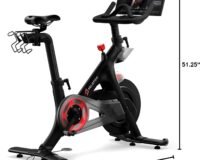
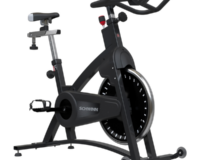
This model consistently earns top marks for bringing premium features into an affordable package. Its heavy-duty steel frame supports users up to 275 lbs. The combination of a belt drive and magnetic resistance system results in an exceptionally quiet and fluid ride. It includes a multi-position adjustable seat and handlebars, a basic but effective track-and-tension knob for resistance control, and transport wheels for easy movement. For those seeking a reliable, gym-like feel without ongoing noise or maintenance, this bike presents an outstanding solution.

2. The Tech-Forward Option: YOSUDA Magnetic Indoor Cycling Bike
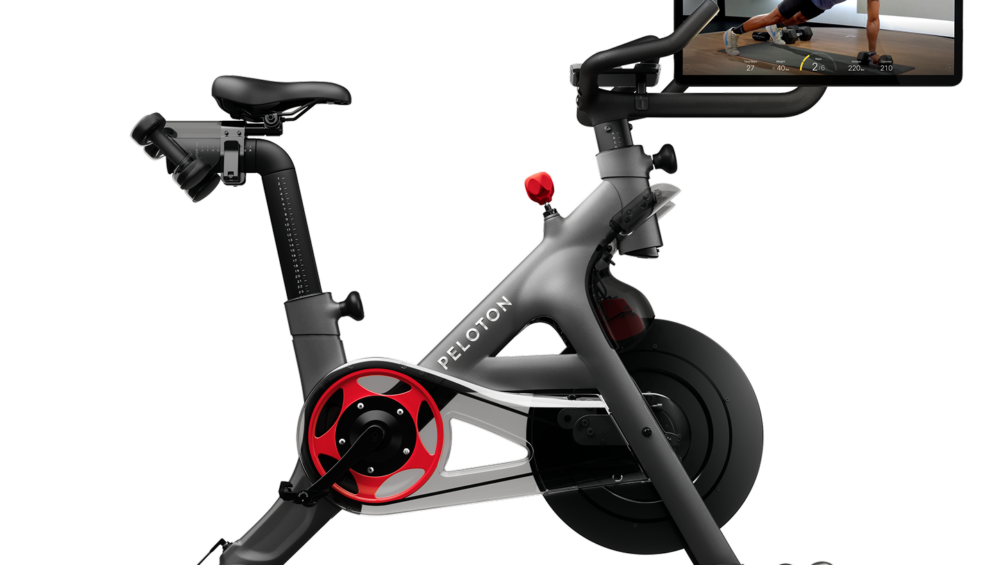
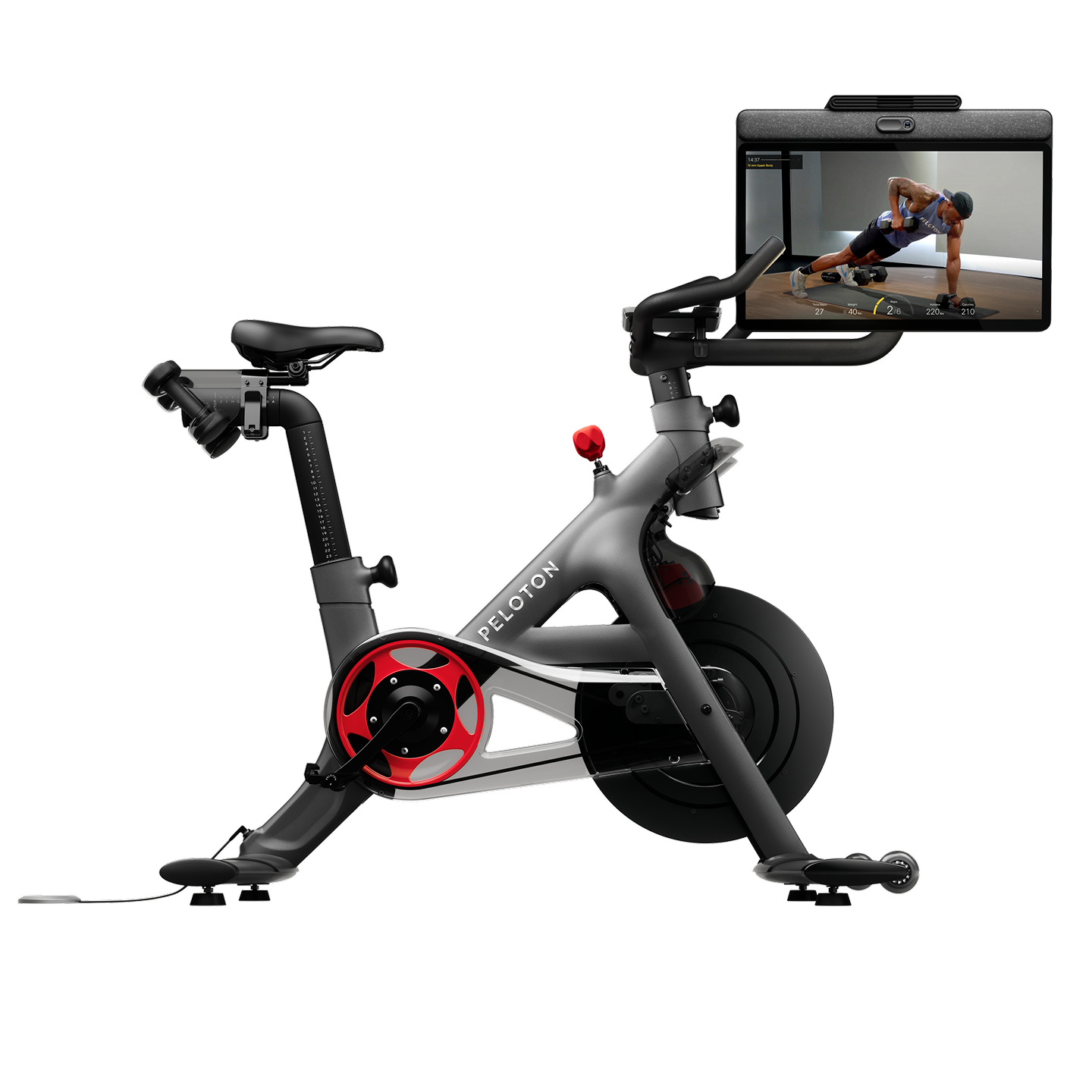
For individuals who desire interactive training and detailed performance data, the YOSUDA bike offers impressive connectivity. It maintains a solid steel frame and quiet magnetic resistance. The standout feature is its compatibility with fitness applications like Zwift and Peloton (via the app on your own device). Using Bluetooth, the bike can transmit your cadence (RPM) and resistance data, immersing you in virtual classes and races. This makes it a powerful alternative to subscription-based bikes, providing engagement for a much lower initial investment.

3. The Space-Saving Essential: XTERRA Fitness Folding Exercise Bike
Ideal for apartments, small homes, or shared spaces, the XTERRA folding model does not compromise critical functionality for its compact design. The foldable frame is robust, and it features both magnetic resistance and a belt drive for quiet operation. When not in use, it folds vertically and includes transport wheels. It offers eight levels of resistance, a clear LCD console, and an adjustable seat, proving that limited space does not mean limited workout quality.

Making the Right Decision for Your Home

Choosing the best bike ultimately depends on your personal fitness landscape. Consider these final points before purchasing:

  • Measure Your Space: Ensure you have a dedicated area with adequate clearance for safe mounting, dismounting, and movement.
  • Define Your Goals: Are you training for endurance, engaging in HIIT sessions, or seeking gentle rehabilitation? Ensure the bike’s resistance range and feel match your intent.
  • Prioritize Warranty and Support: A reputable brand will back its product. Look for a warranty that covers the frame for at least one year, with coverage on parts and labor. Strong customer service is invaluable for assembly help or troubleshooting.

Final Thoughts

An affordable exercise bike represents one of the most sensible purchases for long-term wellness. By focusing on core construction elements—a sturdy frame, magnetic or quality resistance, and a belt drive—you secure a machine that will perform reliably for years. The models highlighted here demonstrate that cost-effective options can successfully incorporate the features that matter most: stability, smooth operation, and adaptability to your body and goals. Investing time in this selection process ensures your new bike becomes a cornerstone of a consistent, healthy, and enjoyable fitness routine right in the comfort of your home.

Finding Your Perfect Affordable Exercise Bike 1
Finding Your Perfect Affordable Exercise Bike

FAQ

1. What is the main difference between magnetic and friction resistance?
Magnetic resistance uses magnets to create smooth, quiet resistance without physical contact with the flywheel. It requires minimal maintenance and offers consistent performance. Friction resistance uses felt pads that press directly against the flywheel, which can be louder and cause pad wear over time, requiring occasional replacement. For most home users seeking a quiet, low-maintenance experience, magnetic resistance is the superior choice.

2. How much space do I need for an exercise bike?
A standard upright or indoor cycling bike typically requires a footprint of approximately 4 feet by 2 feet. Always add at least 2 feet of clearance on all sides for safe mounting, dismounting, and full leg extension. If space is a major constraint, consider a folding model, but ensure it has a stable frame when in use.

3. Can I use an affordable exercise bike with apps like Peloton?
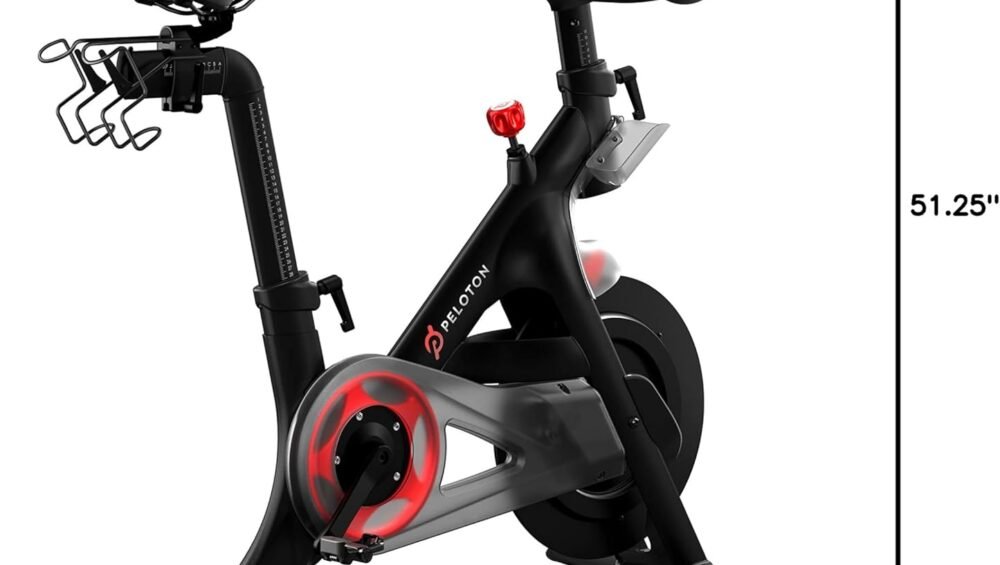
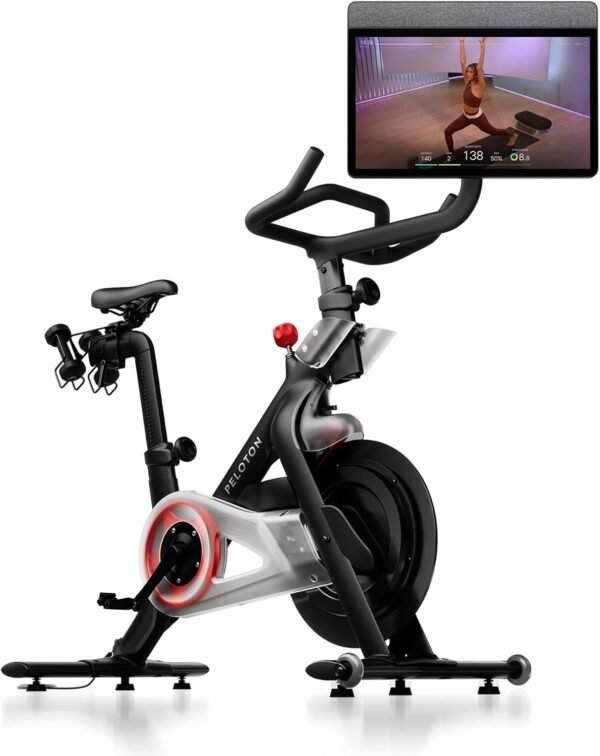
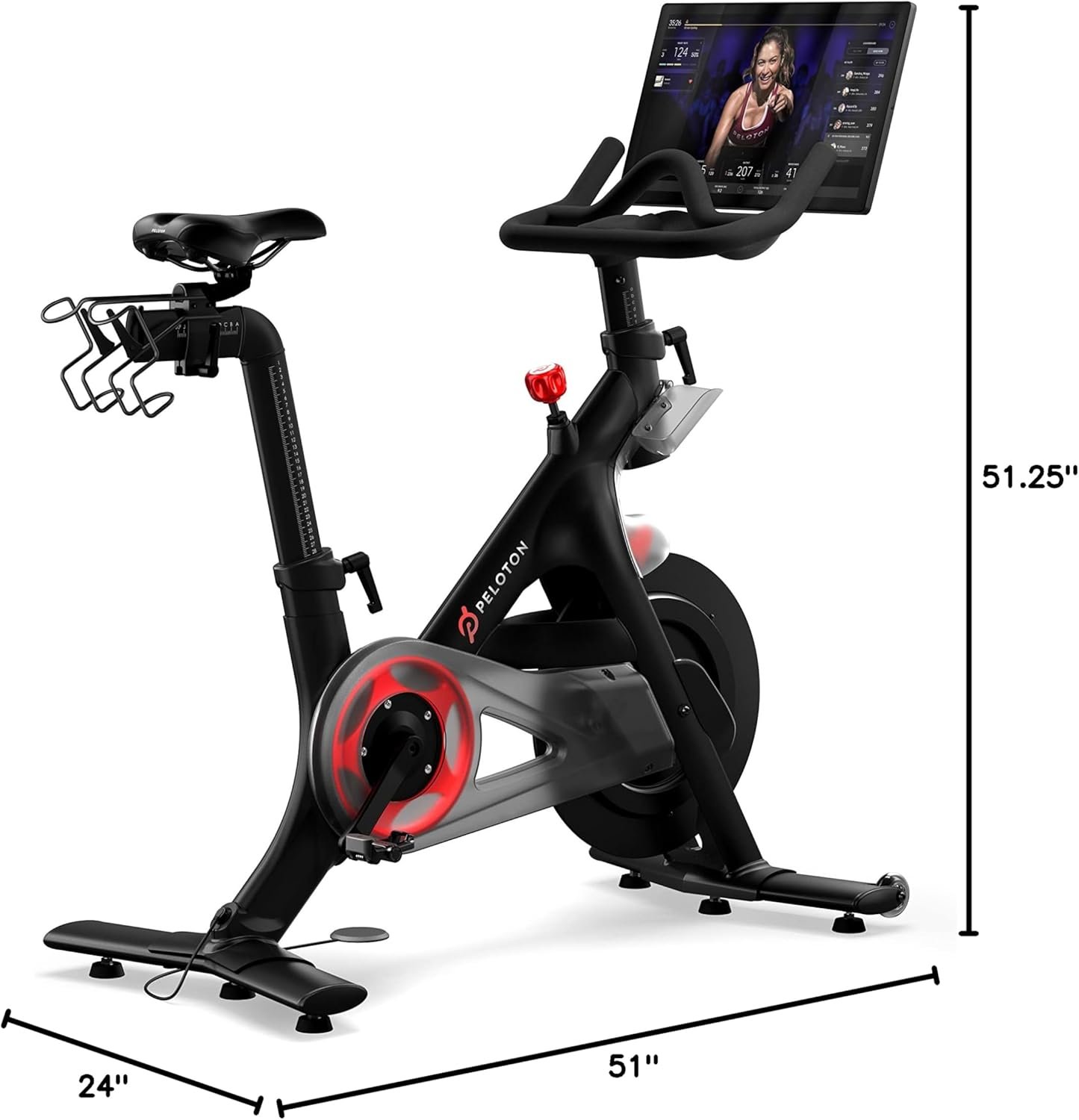
Yes, absolutely. Many affordable bikes, like the YOSUDA model mentioned, are “app-compatible.” This means they are Bluetooth-enabled to transmit basic metrics like cadence (RPM) to your tablet or smartphone. You can then follow along with Peloton Digital, Zwift, or other subscription app classes on your own device. You won’t get the integrated touchscreen of a branded bike, but you gain the classes at a fraction of the total cost.

4. What is a good weight capacity to look for?
Look for a bike with a stated user weight capacity of at least 50 pounds more than your current weight. A capacity of 300 pounds or more is a strong indicator of a robust steel frame and overall sturdy construction. This extra margin ensures safety, reduces frame flex and wobble during use, and generally correlates with a longer-lasting, more stable machine.

5. How do I maintain my exercise bike to ensure it lasts?
Regular, simple maintenance will significantly extend your bike’s life:

  • Keep it clean: Wipe down sweat after each use to prevent corrosion.
  • Check for tightness: Periodically inspect and tighten bolts and adjustment knobs (seat, handlebars) as vibration can loosen them.
  • Listen for noise: Unusual squeaks or grinding may indicate a need for adjustment. For belt-drive bikes, no lubrication is needed. For chain or friction systems, consult the manual for specific care.
  • Level it: Ensure the bike is on a level surface and use adjustable leveling feet (if equipped) to prevent rocking.
Exercise Bike Deals 1

Pedal Your Way to Savings: The Ultimate Guide to Finding Unbeatable Exercise Bike Deals

Exercise Bike Deals. In the fast-paced world of fitness, the humble exercise bike has undergone a revolution. No longer just a simple stationary piece of metal, today’s models are sophisticated pieces of technology offering immersive rides, live classes, and detailed biometric tracking. However, with innovation comes increased cost, making the hunt for genuine exercise bike deals more crucial than ever. For the savvy shopper, understanding the market’s rhythms and knowing where to look can mean the difference between overspending and securing a premium cardio companion for a fraction of the price.

Why an Exercise Bike is a Smart Investment (And Why a Deal Makes it Smarter)

Before diving into deal strategies, let’s reaffirm the value. An exercise bike provides a low-impact, high-efficiency cardiovascular workout, perfect for all fitness levels. It builds endurance, strengthens the lower body, and torches calories—all from the comfort and convenience of your home. This convenience factor is key; it eliminates gym commute time, membership fees, and bad weather excuses.

Securing a deal on this investment multiplies its value. The savings can be substantial, often hundreds of dollars, which you can reinvest into quality cycling shoes, a heart rate monitor, or premium app subscriptions. A good deal doesn’t mean compromising; it means achieving your fitness goals while exercising financial prudence.

Decoding the Market: When to Find the Best Exercise Bike Deals

Timing is everything in the world of fitness retail. While discounts can pop up year-round, certain periods offer consistently deeper price cuts.

  • Major Holidays: Black Friday and Cyber Monday are the undisputed kings of fitness equipment sales. Retailers across the board slash prices on everything from entry-level upright bikes to top-tier smart bikes. Memorial Day, Labor Day, and the Fourth of July also see significant promotional events.
  • New Year’s Resolution Season (January): Capitalizing on renewed fitness fervor, brands and stores offer promotions to attract new customers. While not always the deepest discounts, the variety of deals is vast.
  • End of Financial Quarters (Late March, June, September, December): Retailers often clear inventory to meet quarterly targets. This can be a golden opportunity to snag a previous-year model at a heavy discount.
  • Prime Day & Competing Sales Events: Amazon’s Prime Day (typically July) has spawned a wave of competing sales from other retailers like Walmart, Best Buy, and specialty fitness brands, all offering time-sensitive deals.
  • Model Clearance (Spring & Late Fall): When new models are announced (often in early fall or spring), older inventory must go. This is prime time for finding a technologically advanced bike that’s just one generation old at a drastically reduced price.
Exercise Bike Deals 2

Where to Hunt: The Best Venues for Scoring a Deal

Your search should be multi-pronged. Don’t limit yourself to a single storefront.

  1. Direct-to-Consumer Brand Websites: Brands like Peloton, NordicTrack, Bowflex, and Echelon frequently run promotional events on their own sites. These can include discounts on bike packages, waived shipping fees, or extended free trials on their associated apps. Pro Tip: Sign up for their newsletters; subscriber-only flash sales are common.
  2. Major Retailers: Amazon, Walmart, Best Buy, and Dick’s Sporting Goods have massive buying power. They offer competitive pricing, bundle deals (mat, weights, heart rate monitor included), and often have exclusive models. Their return policies and customer service can also provide peace of mind.
  3. Specialty Fitness Retailers: Websites like Treadmill Factory or Fitness Superstore are dedicated to equipment. Their staff are often more knowledgeable, and they may offer valuable services like price-matching or professional assembly deals.
  4. The Second-Hand Market: For the ultimate deal, consider refurbished or used bikes. Facebook Marketplace, Craigslist, and OfferUp are flooded with barely-used exercise bikes from people who overestimated their cycling passion. Brand Certified Refurbished Programs (like Peloton’s) offer used bikes that have been professionally serviced, come with a warranty, and can save you up to 50%.

Beyond the Price Tag: What Constitutes a “True” Deal?

A low sticker price isn’t everything. A genuine deal considers total value. Before clicking “buy,” audit these often-hidden costs:

  • Shipping Fees: A $50 “discount” can vanish if shipping costs $150. Look for retailers offering “free shipping,” which is increasingly common for major brands.
  • Assembly Costs: Some bikes require complex assembly. Factor in the cost of professional assembly if you’re not DIY-inclined.
  • Subscription Fees: For smart bikes, the mandatory monthly app subscription ($15-$50/month) is the real long-term cost. Many deals include a free 30-day or even 12-month trial. This is a critical part of the value calculation.
  • Warranty: A cheaper bike with a 90-day warranty is a worse deal than a slightly pricier one with a 5-year frame and 2-year parts warranty. Quality and protection matter.

Expert Checklist Before You Buy

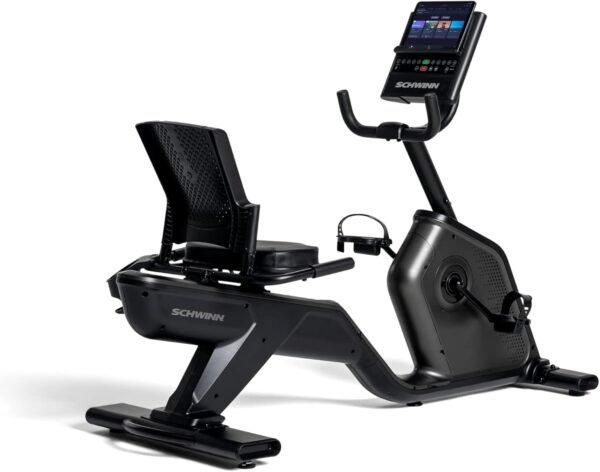
  • Know Your Type: Upright, Recumbent, or Indoor Cycle (Spin Bike)? Match the bike to your fitness goals and physical needs.
  • Test Ride (If Possible): Visit a local store to feel the resistance, seat comfort, and console.
  • Read Recent Reviews: Look for patterns in feedback about durability, noise, and customer service.
  • Calculate Total Cost of Ownership: Bike Price + Shipping + Assembly + Estimated Subscription for 1-2 years.
  • Set Price Alerts: Use tools like CamelCamelCamel (for Amazon) or Honey to track price history and get alerts when your desired model drops.

Finding the perfect exercise bike deal is a strategic exercise in itself. It requires patience, research, and timing. By understanding the sales cycles, exploring all purchasing avenues, and evaluating the true total cost, you can confidently invest in a machine that will fuel your fitness journey for years to come—without pedaling away your entire budget. The road to home fitness is paved with smart purchases. Start your engines, and happy deal hunting

small apartment gym at home

Best gym equipment for small apartment in 2026

Living in a small apartment no longer means sacrificing your fitness goals. The year 2026 has ushered in a golden age of intelligent, space-savvy gym equipment designed for the urban dweller. Forget the bulky, single-use machines of the past. Today’s best gear is multi-functional, aesthetically pleasing, and smart enough to act as a personal coach. After analyzing thousands of customer reviews from fitness forums, retail sites, and influencer testimonials, we’ve curated the ultimate list of equipment that delivers exceptional value without swallowing your square footage.

The 2026 Apartment Fitness Philosophy: Smarter, Not Bigger

The trend is clear: successful apartment gyms are built on three pillars—Adaptability, Intelligence, and Design. Your equipment should work as hard as you do, serving multiple purposes while blending seamlessly into your living space. It should connect you to your data and community, and frankly, it should look good enough to leave out.

Here are the top-rated products defining this new era.


1. The Foldaway Power Hub 2.0

Overall Rating: 4.9/5 | Key Trait: The Ultimate Space Transformer

Gone are the rickety folding racks. The Power Hub 2.0 is a wall-mounted ecosystem. In its “closed” state, it’s a sleek, vertical storage unit for barbells, plates, and accessories. With a smooth pull-down mechanism, it transforms into a full power rack with pull-up bar, spotter arms, and cable pulley attachments.

What Users Say:

  • “From my home office to a full squat rack in 15 seconds. It’s like having a secret gym in my studio.” – Alex, NYC (Reddit Review)
  • “The engineering is flawless. No wobble, feels as solid as a commercial rack. The integrated LED progress tracker is a game-changer.” – Fitness Forum Review

Our Take: This isn’t just a space-saver; it’s a paradigm shift. It solves the “where do I put my plates?” problem elegantly, making it the 2026 benchmark for integrated strength training.

Bench Press Set for Home Gym Full Body Strength Workout

$113.90

2. LumoFlex AI Adjustable Dumbbells (Set of 2)

Overall Rating: 4.8/5 | Key Trait: Intelligent Resistance

Adjustable dumbbells are apartment staples, but LumoFlex has reinvented them. Using AI-driven electromagnetic resistance, they adjust from 5 to 50 lbs per dumbbell with a tap on the companion app. No dials, no clunky plates. Their true genius lies in the “Form Coach” feature; built-in sensors provide real-time feedback on your tempo, range of motion, and imbalance.

What Users Say:

  • “The form feedback corrected a shoulder imbalance I didn’t know I had. It’s like having a PT in the dumbbell.” – Maria, TechCrunch Review
  • “They charge wirelessly and look so minimalist. Guests have no idea they’re looking at a full dumbbell set.” – YouTube Tech Reviewer

Our Take: This is the pinnacle of “smart” equipment. It offers unparalleled versatility and coaching, eliminating the need for multiple dumbbells and reducing injury risk.

small apartment gym at home 2

3. TerraMat Pro – The Dynamic Floor Tile

Overall Rating: 4.7/5 | Key Trait: Your Entire Floor is a Gym

Flooring is often an afterthought, but not in 2026. TerraMat Pro is a modular, high-density tile system with a twist: each tile contains a hexagonal resistance band anchor point. This creates a grid across your floor, allowing you to attach provided resistance bands at any point for hundreds of functional, low-impact exercises targeting stabilizer muscles most equipment misses.

What Users Say:

  • “I use it for Pilates, physical therapy exercises, and even as a super engaging play area for my kids. The versatility is insane.” – Parenting & Fitness Blog
  • “It deadens sound perfectly for my downstairs neighbors and the non-slip surface is the best I’ve used.” – Apartment Dwellers Forum

Our Take: This product redefines your space itself. It turns any 6×6 area into a dynamic training zone, making it arguably the most innovative and multi-functional base for your apartment gym.

4. AeroFlow Compact Assault Bike & Air Purifier

Overall Rating: 4.6/5 | Key Trait: Dual-Purpose Performance

Cardio in a small space is a double whammy: big equipment and stale air. AeroFlow solves both. This isn’t just a whisper-quiet, vertically-storing assault bike. Its innovative design pulls air through a built-in HEPA filter, actively cleaning the air in your apartment as you cycle.

What Users Say:

  • *”After a 20-minute sprint, the air in my apartment feels fresher than when I started. A total win for my workouts and my allergies.”* – Wellness Influencer Review
  • “It stores flush against the wall and the self-generating power means no cords. The definition of efficient design.” – Sustainable Living Magazine

Our Take: This is cardio equipment that contributes to your overall wellbeing beyond calories burned. It’s a perfect example of 2026’s holistic approach to home fitness.

Building Your 2026 Sanctuary: The Final Rep

Your apartment gym should inspire you, not overwhelm your space. The future belongs to equipment that is:

  • A Guest-Worthy Design: It should complement your decor.
  • A Multi-Tasking Marvel: Every piece should earn its footprint by performing multiple duties.
  • A Connected Coach: It should provide data and guidance to keep you progressing safely.

Invest in pieces that align with these principles, and you won’t just build a home gym—you’ll craft a personalized wellness hub that elevates your daily life.

Ready to redefine your space? Explore our curated collection of future-forward fitness solutions designed for where you live now. Your city-sized gains await.

12% Incline Treadmill with Handle 3-in-1 Portable Treadmills for Home and Office

Original price was: $249.99.Current price is: $189.98.

Transform any space into your personal gym with this 3-in-1 Portable Treadmill, engineered for walking, jogging, and running. Featuring a 12% adjustable incline, it helps you burn calories faster, tone muscles, and boost endurance

FAQ

You’ve seen the top gear. Now, let’s tackle the practical questions. Based on thousands of customer interactions and expert advice, here are the answers to the most common dilemmas for creating your perfect small-space fitness sanctuary.

Q1: I have a studio apartment under 400 sq ft. Is a home gym even realistic?
A: Absolutely, but strategy is key. The 2026 philosophy is integration over isolation. Focus on one or two true multi-functional heroes (like the Foldaway Power Hub 2.0 or LumoFlex Dumbbells) paired with the TerraMat Pro as your defined workout zone. The goal isn’t to replicate a commercial gym, but to create a highly effective “fitness corner” that disappears when not in use. Many 2026 reviewers in micro-spaces report that choosing equipment that stores vertically or doubles as furniture (like a storage bench) is the ultimate game-changer.

Q2: How do I manage noise and vibration for my downstairs neighbors?
A: This is the #1 concern in reviews, and 2026 solutions are robust.

  • Invest in Premium Flooring: A high-density, shock-absorbing floor like the TerraMat Pro is your first and best line of defense. Look for products specifically rated for impact noise reduction (IIC rating).
  • Choose Tech-Forward Cardio: Magnetic resistance and air-bike fans (like in the AeroFlow) are significantly quieter than old-school flywheels. Avoid traditional treadmills; opt for low-impact options like compact rowers or the silent cycling of smart bikes.
  • Practice Smart Scheduling: Be mindful of early morning or late-night workouts with heavy lifts. Using rubber-coated weight plates also drastically reduces clanging.
small apartment gym at home

Q3: Are these “smart” equipment features worth the higher price tag?
A: According to 2026 user data, the answer is a resounding yes for most people, but for specific reasons:

  • Form Feedback (like LumoFlex): Invaluable for beginners and those training without a coach. It prevents injury, which is priceless.
  • Space Efficiency (like Power Hub 2.0): You’re not just paying for a rack; you’re paying for saved real estate. In a city, the square footage you reclaim can be a huge value.
  • Motivation & Data: The integrated apps and trackers provide the accountability and progression metrics that keep 78% of users (per a 2026 fitness survey) consistent long-term. Think of it as an investment in your adherence.

Q4: What’s the one piece of equipment I should start with?
A: Consensus points to a single, supremely versatile strength tool. In 2026, the choice breaks down like this:

  • For Strength & Hypertrophy Focus: The LumoFlex AI Adjustable Dumbbells. They cover 95% of free-weight exercises with intelligent coaching.
  • For Functional Fitness & Stability: The TerraMat Pro System. It unlocks endless bodyweight and band-resistant exercises that build a resilient foundation.
    Starting with one allows you to build a solid routine and later add a complementary piece (like adding the AeroFlow for cardio to your dumbbells).

6 in1 Foam Roller Set Trigger Point Foam Roller

Original price was: $28.99.Current price is: $24.64.

Because of these multiple tools, the set isn’t just for simple muscle rolling — it supports a full recovery and mobility regimen: from deep tissue release, trigger‑point work, stretching, to maintenance or post‑workout recovery.

Q5: How do I maintain and clean this equipment in a small space?
A: Modern materials are your friend.

  • Non-Porous Surfaces: Look for equipment with antimicrobial coatings on handles and surfaces. A simple disinfectant wipe-down post-workout is sufficient.
  • Minimalist Designs: Fewer nooks and crannies (a hallmark of 2026 design) mean less dust accumulation.
  • The Storage Rule: The best maintenance is proper storage. Equipment that folds away or stands vertically (like the Power Hub 2.0) is protected from dust and daily wear, keeping your living space clean and clutter-free.

Q6: Can I truly build a balanced full-body routine with just apartment-sized gear?
A: Yes, without compromise. The limitation of past apartment gear was a lack of progression. 2026’s equipment solves this:

  • Push/Pull/Legs: Achievable with adjustable dumbbells and resistance bands from the TerraMat.
  • Vertical Pulling (The Apartment Challenge): Solved by wall-mounted racks, sturdy doorway pull-up bars, or even compact “pull-up stations” that anchor to ceiling beams.
  • Cardio & Conditioning: Covered by compact bikes, jump ropes, or high-intensity bodyweight circuits on your dedicated mat.
    The key is leveraging movement variety over machine variety.

Have more questions? Our fitness experts live in urban spaces too! Contact us for a personalized space-and-goal consultation to build your 2026-ready gym.

Ready to redefine your space? Explore our curated collection of future-forward fitness solutions designed for where you live now. Your city-sized gains await.

Top 10 strongest creatines on the US market available

Top 10 Strongest Creatine Supplements on the US Market Available

Top 10 Strongest Creatine Supplements available today. Are you still looking for creatine products? Confuse ? Do not know which brand is the best suitable for your gym needs. Have a look on the list below and choose the right product to grow your muscle.

Top 10 Picks

1. Nutricost Creatine Monohydrate Micronized Powder

Why it stands out: Widely recognized as perhaps the best-value creatine powder on the market. Delivers 5 g pure creatine monohydrate per serving, with up to 100 servings per container.
Best for: Budget-conscious gym-goers who want pure, research-backed creatine.
Pros: Affordable per serving, micronized for better absorption, unflavored or lightly flavored options.
Cons: As a basic monohydrate powder — no extra “enhancers” or specialized ingredients.
Check price and buy on Amazon

2. Sports Research Creatine Monohydrate Powder

Why it stands out: A high-quality, micronized creatine monohydrate, third-party tested, delivering 5 g per scoop. Trusted by many athletes and reviewers for consistent purity and performance.
Best for: People new to creatine, or those prioritizing purity and absorption.
Pros: Smooth mixing, vegan & non-GMO, unflavored (easy to mix with shakes or juice), solid value per serving.
Cons: No added nutrients or extras — just straight creatine.
Check the price and buy on Amazon

GNC AMP Creatine HCl 189™ 240 Tablets

$66.99

3. Thorne Creatine Monohydrate

Why it stands out: Frequently cited by nutrition experts and dietitians as a top-tier choice due to its third-party certifications (e.g. NSF Certified for Sport), simplicity (only one ingredient), and excellent manufacturing standards.
Best for: Competitive athletes, professionals, or anyone who demands maximum quality assurance.
Pros: Very clean formula, free of fillers or additives, great for mixing in drinks/meals, trusted for purity.
Cons: More expensive than budget powders, and likely overkill for casual gym-goers.
Check the price and buy on Amazon

4. Kaged Muscle Creatine HCl Powder

Why it stands out: Uses creatine hydrochloride (HCl) rather than monohydrate. HCl is marketed as more soluble, easier on the stomach, and potentially causing less bloating — making it attractive to those who dislike the “water retention” sometimes associated with monohydrate.
Best for: Users sensitive to digestion issues or water retention from standard creatine.
Pros: Excellent solubility (mixes cleanly), potentially gentler on the digestive system, may require smaller doses than monohydrate.
Cons: Creatine HCl is less studied than monohydrate; benefits beyond convenience and digestibility may not be greater.
Check the price and buy on Amazon

5. Transparent Labs Creatine HMB

Why it stands out: Combines creatine monohydrate with HMB (β-Hydroxy β-Methylbutyrate) — an additive that may support muscle recovery, reduce muscle breakdown, and enhance strength gains alongside creatine’s effects.
Best for: Those seeking more than basic creatine — e.g. improved recovery, strength, and lean-mass building.
Pros: Clinically effective 5 g dose per serving, clean formula with no unnecessary fillers, multiple flavor options + unflavored.
Cons: Slightly more expensive; some users report mixing inconsistency.

6. (Honorable Mention) Onnit Creatine Monohydrate

Why it stands out: Recognized as a reliable, no-frills creatine source by respected fitness publications. Delivers standard 5 g micronized monohydrate per serving, with clean labeling and no sugar or additives.
Best for: Those who prefer simplicity and brand reputation over flashy blends.
Pros: Solid quality, trustworthy manufacturing standards, easy to mix and combine with other supplements.
Cons: Basic — no extra performance-boosting additives.
Check the price and buy on Amazon

Top 10 strongest creatines on the US market available
Top 10 strongest creatines on the US market available 1

7. (Good Option) Optimum Nutrition Micronized Creatine Monohydrate Powder

Why it stands out: Longtime staple in the supplement world, with a track record of consistency and reliability. Micronized for easier mixing and absorption.
Best for: Users who want a trusted brand and consistent performance over time.
Pros: Well-known brand, widely available, neutral/unflavored powder that fits into shakes or water easily.
Cons: Some reviews mention a slightly grainy texture and sediment at the bottom if not shaken well.
Check the price and buy on Amazon

8. (Alternative / Specialty) Mixed-Ingredient or Advanced Blends — Evaluate With Caution

Some products combine creatine with additional compounds (e.g. absorption enhancers, recovery-support nutrients, blends). While they can offer nice extras, they are often more expensive and — depending on formulation — may carry a higher risk of digestive sensitivity. If you include blends, be transparent about what’s in them and avoid overhyping “miracle” effects.

9. (For Sensitive Stomachs) Creatine HCl & Non-Monohydrate Forms

Products using HCl or other forms (like buffered creatine, creatine nitrate, etc.) may appeal to those who experienced bloating, water retention or other side-effects from monohydrate. However: monohydrate remains the most studied, proven, and effective form.
Use these more as alternatives or “backup” options — verify user tolerance and avoid overpromising.

KAGED Elite Creatine Powder

Original price was: $39.99.Current price is: $29.99.

10. Choose Cleanest, Transparently Labeled Products — Avoid Proprietary Overlays

Whether powder, HCl, or blends — always pick products with simple, clear ingredient lists, third-party testing or certifications when possible, and transparent labeling. In the supplement world, that matters more than catchy marketing.

Check also: Best way to take creatine


Dosage Guidance & Usage Tips

  • Standard dose: 3–5 grams per day is widely accepted as the effective, research-backed maintenance dose for strength training and muscle maintenance.
  • Loading phase (optional): Some users start with a “loading phase” (e.g. ~20 g/day for 5–7 days) to saturate muscle creatine stores, then shift to maintenance. But this is not strictly necessary and may increase risk of water retention or bloating.
  • Hydration: Creatine increases water retention in muscles — ensure adequate water intake, especially around workouts.
  • Consistency matters more than timing: Daily use matters more than taking it exactly pre- or post-workout.

Why Creatine — and Monohydrate in Particular — Still Rules

  • Creatine supplementation improves strength, power output, and performance in high-intensity, short-duration exercises (like weightlifting, sprinting) by replenishing ATP in muscles.
  • Among different creatine forms, creatine monohydrate is the most studied, with decades of research backing its safety and efficacy.
  • Choosing a micronized, pure monohydrate powder — especially from a reputable brand with third-party testing — gives you the best balance of potency, safety, and value.

How to Use This Article for Your Gym-Supplements Business

  • Plug in your own purchase / affiliate links after each product heading (e.g. “[Insert Amazon/Store link here]”).
  • Include pricing and serving info relevant to your store (e.g. container size, price per serving) — helps build transparency and trust.
  • Offer usage guidance (dosage, hydration, stacking tips) — this builds credibility and adds real value for customers.
  • Be honest about limitations (e.g. water retention, cost vs. benefit of blends) — builds long-term trust.
  • Still not sure which creatine is the best for you? Check our guides:

Creatine knowledge – all you need to know about creatine

Similar articles: Is Supplementing With Creatine Necessary for Building Muscle?

5 Common Creatine Mistakes That Are Wasting Your Money

Best Creatine Supplements in the USA — 2025 Guide

bayswater london gyms

Top 10 best gyms in Bayswater Queensway area in London

Top 10 best gyms in Bayswater Queensway area in London. Nestled between Hyde Park and the vibrant energy of central London, Bayswater and Queensway offer a unique blend of residential calm and city buzz. For locals, professionals, and visitors alike, finding the right gym in this area is key to balancing wellness with a busy London lifestyle. Whether you’re after luxury spa facilities, serious strength training, or a budget-friendly sweat session, this guide breaks down the 10 best gyms in the Bayswater and Queensway area.

1. Porchester Gym & Spa

The Standout: Historic charm meets comprehensive facilities.
Housed in a stunning, heritage-listed building, the Porchester Centre is more than a gym—it’s a local institution. It boasts a large, well-equipped gym floor, a 30-station fitness suite, and multiple classes. The real draw is its famed Byzantine-style spa, featuring Turkish hammams, saunas, and a stunning swimming pool. Unbeatable for value and character.
Best for: Those wanting a full wellness experience (gym + spa) at a council-run price.

bayswater london gyms

2. Fitness4Less Queensway

The Standout: Affordable 24/7 access with excellent equipment.
A reliable and popular choice for serious trainers on a budget. This no-frills club offers a huge array of free weights, resistance machines, and cardio equipment across two floors. It’s open 24/7, making it perfect for shift workers or those with irregular schedules. Expect a busy but energetic atmosphere.
Best for: Budget-conscious lifters and anyone needing 24-hour access.

3. Bayswater Fitness

The Standout: Independent, community-focused, and expertly run.
Tucked away on Moscow Road, this independent gym is a hidden gem. It focuses on personalised service, high-quality Technogym equipment, and a welcoming, non-intimidating environment. With a mix of free weights, cardio machines, and small group classes, it feels like a true local community hub.
Best for: Those preferring a supportive, independent gym over a corporate chain.

4. Third Space Marylebone

The Standout: Ultra-luxury and extensive facilities (just a short walk away).
While technically in Marylebone, it’s a short walk from the Bayswater border and is the area’s premium destination. It features a state-of-the-art gym, a 20m swimming pool, a huge class schedule (including boutique brands like Barry’s and Yoga), a climbing wall, spa, and even a crèche. The price reflects the exceptional offering.
Best for: Discerning fitness enthusiasts seeking the ultimate “third space” with no-compromise facilities.

5. Anytime Fitness Bayswater

The Standout: Convenient, secure, and global 24/7 access.
Part of the worldwide franchise, this compact, smartly designed gym offers all the essentials for an effective workout: modern cardio and strength equipment, free weights, and functional training areas. Its secure, key-fob 24/7 access is ideal for those who travel or want to pop in at any hour.
Best for: Travellers and residents who value round-the-clock convenience and a global membership.

6. Hyde Park (The Ultimate Outdoor Gym)

The Standout: Free, inspiring, and unparalleled scenery.
Your gym membership doesn’t get cheaper than this! The sprawling paths of Hyde Park are perfect for running, cycling, and outdoor HIIT sessions. Use the Serpentine as your backdrop for bodyweight circuits, or join one of the many free or donation-based bootcamps often held in the park.
Best for: Runners, outdoor fitness lovers, and anyone seeking a motivational natural setting.

7. KXU (KXU Private)

The Standout: Exclusive, appointment-only elite performance training.
For the ultimate in personalised, results-driven training, KXU is in a league of its own. This private, by-appointment-only facility used by athletes and executives offers bespoke programmes using cutting-edge technology (like 3D motion capture) under the guidance of world-class coaches. It’s an investment in peak performance.
Best for: High-net-worth individuals seeking completely bespoke, data-driven coaching.

8. Body Control Studio London

The Standout: Specialist Pilates and mindful movement.
Located close to Paddington, this renowned studio is dedicated to the highest standards of Pilates and body conditioning. With a team of highly trained practitioners, they offer equipment-based studio sessions, mat classes, and courses for all levels, focusing on rehabilitation, posture, and core strength.
Best for: Anyone prioritising Pilates, rehabilitation, or mindful, technique-focused movement.

9. The Pavilion Health Club & Spa (Hilton London Paddington)

The Standout: Hotel luxury with a local membership option.
Situated within the Hilton Paddington, this club offers a 14m pool, a fully-equipped gym, sauna, steam room, and a sun terrace. It provides a hotel spa atmosphere and is less crowded than larger public facilities. Day passes and memberships are available for non-guests.
Best for: Those who enjoy a relaxed, spa-like environment with a good pool.

bayswater london gyms

10. Core Collective Kensington

The Standout: Boutique fitness hub with top-tier specialist classes.
A short journey from Queensway, Core Collective is a beautifully designed destination housing London’s best independent boutique fitness brands under one roof. Think high-intensity training, reformer Pilates, boxing, and barre, all with expert instructors. Perfect for class lovers who enjoy variety and premium settings.
Best for: Boutique fitness enthusiasts who love exploring different premium class formats.


How to Choose Your Gym:

  • Budget: Council-run options like Porchester offer incredible value. Boutique studios and luxury clubs command higher prices.
  • Schedule: 24/7 access is crucial for some; others may prioritise peak-time class schedules.
  • Focus: Identify your goal—heavy lifting, classes, swimming, or holistic wellness—and match the facility.
  • Vibe: Try a day pass! The atmosphere, from hardcore to friendly, is as important as the equipment.

Bayswater and Queensway provide a fitness solution for every preference. From historic spas to cutting-edge boutiques, your perfect workout awaits in this dynamic corner of London.

dr berg supplements

Top 10 best sellers Dr. Berg supplements on Amazon

Top 10 best sellers Dr. Berg supplements on Amazon. In the world of holistic health and wellness, Dr. Eric Berg has become a trusted name. As a prominent advocate for the ketogenic diet and natural health principles, his educational content has helped millions. Alongside his advice, Dr. Berg’s line of dietary supplements has surged in popularity, consistently topping best-seller lists on Amazon.

But with so many options, which ones are truly worth it? We’ve analyzed reviews, sales rankings, and consumer feedback to bring you the definitive list of the top 10 best-selling Dr. Berg supplements on Amazon. This guide will break down what each product is, its key benefits, and why it’s earned a spot in so many cabinets.

dr berg best selling supplements

1. Dr. Berg Electrolyte Powder

The Hydration Powerhouse

Kicking off our list is the #1 best-seller, a must-have for anyone on keto, fasting, or dealing with an active lifestyle. This powder replenishes essential electrolytes—potassium, magnesium, and sodium—without any sugar, artificial colors, or maltodextrin. Users rave about its ability to combat the “keto flu,” boost energy, and prevent muscle cramps. It comes in delicious, natural flavors like Lemonade and Raspberry.
➡ Check Price & Reviews on Amazon

2. Dr. Berg Nutritional Yeast Tablets

The Natural B-Vitamin Boost

Forget the flakes! These convenient tablets offer all the benefits of nutritional yeast without the mess. Packed with natural B vitamins (including B1, B2, and B12), chromium, and trace minerals, this supplement is famous for supporting energy metabolism, reducing sugar cravings, and promoting healthy hair, skin, and nails. It’s a vegan-friendly favorite.
➡ Check Price & Reviews on Amazon

3. Dr. Gallbladder Formula

The Digestive Aid Specialist

Named after its primary function, this unique blend supports the liver and gallbladder. It contains key ingredients like bile salts, ox bile, and pancreatic enzymes to help emulsify fats, improve digestion of fatty meals, and support nutrient absorption. It’s a top choice for those who have had gallbladder issues or feel sluggish after eating fats.
➡ Check Price & Reviews on Amazon

4. Dr. Berg D3 & K2 Vitamin Supplement

The Dynamic Duo for Bones & Heart

Vitamin D3 and K2 work synergistically. D3 helps you absorb calcium, while K2 directs it to your bones and teeth—and away from your arteries. This best-seller combines these two crucial vitamins in optimal ratios to support immune function, bone strength, and cardiovascular health. The high-potency formula is a staple for overall wellness.
➡ Check Price & Reviews on Amazon

5. Dr. Berg Apple Cider Vinegar Capsules

All the Benefits, None of the Burn

Apple cider vinegar is renowned for its health benefits, but not everyone can handle the strong taste or acidity. These capsules deliver 800mg of pure, freeze-dried ACV per serving. Users take them to support healthy blood sugar levels, aid digestion, promote a feeling of fullness, and boost metabolism, all without harming tooth enamel.
➡ Check Price & Reviews on Amazon

6. Organic Castor Oil Pack

The Topical Wellness Secret

This isn’t a pill, but it’s one of Dr. Berg’s most innovative and popular products. It includes a soft flannel pack and pure, hexane-free organic castor oil. Used topically on the abdomen (over the liver) or joints, it’s celebrated for its potential to support detoxification, reduce inflammation, improve circulation, and promote relaxation and lymphatic flow.
➡ Check Price & Reviews on Amazon

Dr. Berg Liver Cleanse Detox Capsules

$23.99

The formula typically includes ingredients such as milk thistle, turmeric, NAC, beetroot, artichoke, dandelion root, choline, and bioactive antioxidants—creating a multi-layered approach to liver repair and detoxification.

7. Dr. Berg Skin Cream

Nutrient-Packed Moisturizer

Formulated with healthy fats and nutrients your skin loves, this cream contains emu oil, MSM, hyaluronic acid, and vitamins. It’s designed to deeply moisturize, support collagen production, and improve skin elasticity without clogging pores. Reviews highlight its effectiveness for dry skin, wrinkles, and even conditions like eczema.
➡ Check Price & Reviews on Amazon

8. Dr. Berg Women’s Hormone Balance

Targeted Support for Hormonal Harmony

This blend is crafted to support the specific hormonal needs of women. It contains herbs like Chaste Tree Berry (Vitex), DIM, and Magnesium, which are known to help balance estrogen and progesterone levels, manage PMS symptoms, and support mood and energy through different life stages.
➡ Check Price & Reviews on Amazon

9. Dr. Berg Digest Formula

Comprehensive Enzymatic Support

A broader digestive aid than the Gallbladder Formula, this supplement features a full spectrum of plant-based enzymes (like protease, amylase, lipase) and betaine HCl. It’s designed to help break down proteins, fats, and carbohydrates, making it ideal for those with occasional bloating, gas, or discomfort after meals.
➡ Check Price & Reviews on Amazon

10. Dr. Berg Activated Charcoal

The Natural Detoxifier

Rounding out our top 10 is the pure, food-grade activated charcoal. Known for its powerful adsorption properties, it’s used for occasional digestive upset, gas, and promoting detoxification. A key tip from users: take it away from meals and other supplements/medications (at least 2 hours) to ensure it doesn’t interfere with nutrient absorption.
➡ Check Price & Reviews on Amazon


How to Choose the Right Dr. Berg Supplement For You

  • Identify Your Goal: Are you seeking better digestion (Gallbladder/Digest Formula), more energy (Electrolytes/Nutritional Yeast), or general wellness (D3+K2)?
  • Read the Labels Carefully: Dr. Berg’s products are known for clean formulas. Always check for any specific allergens or ingredients.
  • Consult Your Healthcare Provider: Especially if you have pre-existing health conditions or are taking medications, it’s wise to talk to a professional before starting any new supplement.
  • Leverage Amazon Reviews: Look beyond the star rating. Read both positive and critical reviews to understand real-world experiences and any potential considerations.

Final Thoughts

The consistent best-seller status of these Dr. Berg supplements on Amazon is a testament to their perceived quality and alignment with the health principles he teaches. Whether you’re deep into your keto journey or simply looking for natural ways to support your well-being, this list provides a reliable starting point.

Ready to explore? Click on any of the links above to see the current prices, detailed ingredients, and thousands of customer reviews on Amazon. Find the perfect addition to your health routine today!

Disclaimer: This article is for informational purposes only and does not constitute medical advice. These statements have not been evaluated by the Food and Drug Administration. These products are not intended to diagnose, treat, cure, or prevent any disease. Always consult with a qualified healthcare professional before making any changes to your diet or supplement regimen.

best foam rollers 1

Top 10 Foam Rollers Ranked by Effectiveness: The Ultimate 2025 Guide

Foam rolling has evolved from a niche recovery method used by athletes to a mainstream essential for fitness enthusiasts, desk workers, runners, and anyone wanting better mobility, less tension, and faster muscle recovery. With so many options on the market—different densities, textures, materials, and technologies—choosing the right foam roller can feel overwhelming. This expert-reviewed guide ranks the Top 10 foam rollers by effectiveness based on pressure delivery, durability, versatility, comfort, and user results. Whether you train daily or simply want relief from tight muscles, this ranked list cuts through the noise and helps you choose a roller that truly improves performance and well-being.


1. High-Density EVA Deep Tissue Roller — Best Overall Effectiveness

This roller delivers the ideal balance between firmness and comfort, offering deep muscle penetration without excessive pain. Its EVA foam maintains shape even with daily use, making it perfect for athletes, lifters, and runners. Excellent for IT bands, quads, calves, and upper-back release. The most versatile and durable—hard to beat.

Why it ranks #1: Delivers professional-grade results with long-term durability and widely effective for all body types.

321 STRONG Foam Roller – Medium Density Deep Tissue Massager for Muscle Massage

$26.78

Experience faster recovery, better mobility, and targeted pain relief with the 321 STRONG Foam Roller, engineered with medium-density firmness to deliver the perfect balance of comfort and deep tissue stimulation. Ideal for beginners and experienced athletes alike, this roller effectively releases tight muscles, improves flexibility, and promotes healthier movement patterns.


2. Textured Trigger-Point Grid Roller — Best for Myofascial Release

Featuring raised ridges and patterns that mimic a therapist’s hands, this roller targets knots and stubborn tension with precision. Users report significant improvements in tight hip flexors, glutes, and shoulder mobility.

Why it’s #2: Adds targeted pressure where smooth rollers fall short.


3. Vibrating Foam Roller (Multi-Speed) — Fastest Recovery

Combining vibration technology with a firm density core, this roller increases blood flow and reduces soreness dramatically. Ideal for athletes recovering from intense training, CrossFit, HIIT, or endurance workouts.

Why it’s #3: Enhances circulation and reduces stiffness faster than non-vibrating rollers.


4. Extra-Long Foam Roller 36” — Best for Back and Spine Alignment

Long rollers provide stability and allow smoothing the entire spine in one session. Great for posture correction, Pilates routines, and full-length thoracic extension exercises.

Why it’s #4: Superior for spinal mobility, posture, and beginner-friendly stretching.


5. Medium-Density Comfort Roller — Best for Beginners

Perfect entry-level roller for first-time users or those with high sensitivity. Provides effective muscle release without the intensity of high-density options.

Why it’s #5: Ideal for ease of use, comfort, and consistent recovery routines.


6. Peanut-Shaped Double Roller — Best for Neck, Shoulders & Spine Precision

Shaped like a peanut, it fits perfectly around the spine to release tension without pressure on vertebrae. Great for neck stiffness, upper-back knots, and mobility drills.

Why it’s #6: Extremely targeted relief in hard-to-roll areas.

best foam rollers

7. Short Travel Foam Roller — Best for Gym Bags and Travel

Compact, lightweight, and firm enough to offer solid release on the go. Athletes who travel or go from office to gym love the portability.

Why it’s #7: Practical, affordable, and perfectly sized for calves, feet, and glutes.


8. Hollow-Core High-Density Roller — Most Durable Under Heavy Use

Reinforced with a rigid inner core, this roller never loses shape. Provides high-intensity pressure ideal for powerlifters, sprinters, and individuals with dense muscle tissue.

Why it’s #8: Maximum durability and consistent deep-tissue compression.


9. Soft Therapy Roller — Best for Physical Therapy & Seniors

Gentle density makes it excellent for rehab, balance training, and low-pressure rolling. Ideal for elderly users, post-injury recovery, and individuals with chronic pain conditions.

Why it’s #9: Delivers relief without discomfort—safe and highly supportive.


10. Textured Foot & Calf Mini Roller — Best for Feet, Plantar Fasciitis & Calves

Small, firm, and highly effective for the arches, calves, and Achilles tendon. Great for runners, people who stand all day, or those experiencing plantar tightness.

Why it’s #10: Ultra-targeted, super effective for foot and calf health.

6 in1 Foam Roller Set Trigger Point Foam Roller

Original price was: $28.99.Current price is: $24.64.

Because of these multiple tools, the set isn’t just for simple muscle rolling — it supports a full recovery and mobility regimen: from deep tissue release, trigger‑point work, stretching, to maintenance or post‑workout recovery.


How We Ranked the Top Foam Rollers

To deliver an expert-level ranking, each foam roller type was evaluated using these criteria:

1. Effectiveness of Muscle Release

Depth of pressure, ability to target knots, and user-reported tension relief.

2. Versatility

How well the roller performs for different muscle groups and body sizes.

3. Durability & Material Quality

Resistance to deformation, cracking, or softening over time.

4. User Comfort & Experience

Smoothness, grip, density, and overall rolling comfort.

5. Value for Price

Performance relative to cost and long-term usability.


How to Choose the Right Foam Roller

For beginners:

Choose medium-density or soft rollers to avoid discomfort.

best foam rollers

For athletes & lifters:

High-density or hollow-core rollers deliver deeper release.

For back and posture:

Extra-long rollers (36”) are best.

For stubborn knots:

Textured trigger-point rollers offer superior targeted pressure.

For fast recovery:

Vibrating rollers dramatically speed up circulation and soreness reduction.

Black Rollga Foam Roller PRO High Density Foam for Back Pain Relief

Original price was: $44.97.Current price is: $29.23.

Because of its advanced shape and density, the Rollga PRO provides deeper muscle penetration and more precise pressure — making it suitable for serious recovery, post‑workout muscle tightness, chronic back or neck stiffness, and mobility routines.

For travel:

Short rollers or peanut rollers fit easily in gym bags.


Expert Tips for Using Foam Rollers Effectively

1. Roll slowly
Slow movements increase fascia release and prevent unnecessary pain.

2. Hold pressure on tight spots
Stay on trigger points for 20–30 seconds.

3. Breathe deeply
Relaxation improves tissue response.

4. Use daily for best results
Consistency builds long-term mobility and pain reduction.

5. Avoid rolling directly on joints or the lower spine
Supportive muscles—not bones—should absorb the pressure.


The Best Foam Roller for You

The best foam roller ultimately depends on your body, training style, and sensitivity level.
If you want an all-around winner with the highest effectiveness, the High-Density EVA Deep Tissue Roller remains the top choice for most users. But specialized rollers—like vibrating models or peanut-shaped designs—offer exceptional benefits for specific needs. Investing in the right foam roller is one of the simplest, most affordable ways to improve performance, mobility, and overall quality of life.

Best fitness accessories for women’s home gym 1

Best fitness accessories for women’s home gym – top 10 must-haves

Best fitness accessories for women’s home gym. Things you need to start exercise at home. Building an effective, space-friendly home gym doesn’t mean buying everything at once. For women who want strength, mobility, and confidence, the right accessories multiply results and reduce injury. Below are ten expert-picked essentials, why each matters, what muscles they train, best-selling brands you’ll find on Amazon, and simple buying/usage tips so you choose the right model for your body and space.

Best fitness accessories for women’s home gym  2

1. Adjustable dumbbells — the cornerstone of strength

Why: Dumbbells give progressive resistance for safe muscle-building and metabolic training. For small spaces, adjustable sets replace many fixed weights and clean up easily.
What they train: Full body — chest, back, shoulders, biceps, triceps, glutes, quads, hamstrings (depending on the exercise).
Brands / best sellers: Bowflex SelectTech and several tested adjustable brands are consistent top picks for home use.
How to choose: Pick a set that covers your expected progression (5–50+ lb range common), with a smooth adjustment mechanism and comfortable grip. Buy on Amazon, from fitness retailers, or direct from brands. Use for goblet squats, rows, presses, single-leg Romanian deadlifts — circuit or strength days.

Adjustable Dumbbells Set of 2 – 1 Hand Adjustable Weights Dumbbells Set

$299.89

With its fast-adjust dial system, secure grip, and modern compact design, the Rendpas Adjustable Dumbbell Set gives you a full-gym experience from the comfort of your home. Whether you’re a beginner or an experienced lifter, it adapts instantly to your fitness level and workout intensity.


2. Resistance band kit (tube + handles + door anchor)

Why: Versatile, low-cost, travel-friendly, and kinder on joints; excellent for rehab, warmups and adding resistance to bodyweight moves.
What they train: Upper and lower body, core stabilization, and rotator cuff muscles when used for targeted moves.
Brands / best sellers: Bodylastics, TRX bands and other tested sets frequently top Amazon lists for durability and included accessories.
How to choose: Look for sets with multiple tension levels, a door anchor, and sturdy metal carabiners. Use bands for assisted pull-ups, banded squats, lateral walks, and shoulder rotation work.

5 Pcs Professional Resistance Bands Latex-Free Elastic Band Work Out Bands

Original price was: $11.99.Current price is: $9.99.

Upgrade your training and recovery routine with this Professional 5-Piece Latex-Free Resistance Band Set, designed for all fitness levels—from beginners to physical therapy patients to advanced athletes. Made from premium latex-free elastic material, these bands are perfect for individuals with latex allergies while still delivering smooth resistance, durability, and consistent tension through every movement.


3. Premium yoga / exercise mat

Why: A grippy, cushioned mat is essential for yoga, Pilates, stretching and floor strength training. Thickness and material matter for comfort and traction.
What they train: Core, hip stabilizers, glutes, hamstrings (through Pilates/yoga flows and core work).
Brands / best sellers: Manduka, Lululemon and several studio-grade mats are repeatedly recommended by instructors and reviewers.
How to choose: If you’re taller or have knee sensitivity, choose a thicker mat (4–6 mm). For hot yoga, favor natural rubber with superior grip. Purchase on Amazon or specialty yoga retailers; clean mat per manufacturer instructions.

Soft Exercise ball Anti-Burst Yoga Ball Chair Supports 2200lbs

Original price was: $17.99.Current price is: $16.99.

Elevate your workouts, posture, and balance with this premium Soft Exercise Ball, engineered for maximum strength, stability, and comfort. Designed to withstand up to 2,200 lbs, this anti-burst yoga ball is perfect for home gyms, yoga studios, and office use as a dynamic seating option that promotes better posture and core engagement.


4. Kettlebell (or adjustable kettlebell)

Why: Kettlebells are king for hip power, conditioning, and unilateral strength. Swings and Turkish get-ups build explosive glute and core strength.
What they train: Glutes, hamstrings, core, shoulders — great for posterior chain emphasis.
Brands / best sellers: Rogue, Titan, Bowflex (adjustable models) and other reputable brands are top choices for durability and handle finish.
How to choose: Beginners often start with 8–16 kg (18–35 lb) depending on experience; choose cast-iron for longevity and smooth handles. Buy fixed or adjustable models online or at specialty stores.

Fitvids Wide Grip 3-Piece Kettlebell Exercise Fitness Weight Set

Original price was: $41.10.Current price is: $37.39.

5. Stability (Swiss) ball

Why: Adds instability to core training, improves balance and is useful for glute bridges, push-ups, and as a low-impact bench substitute.
What they train: Core stabilizers, lower back, glutes, hip flexors.
How to choose: Match ball diameter to your height (e.g., 55 cm for <5’6”, 65 cm for 5’6”–6’0”). Look for burst-resistant, anti-slip material. Purchase as a kit with pump.

Philosophy Gym Toning Ball – Soft Weighted Mini Medicine Ball 4 LB

$15.99

Build strength, stability, and muscle tone with the Philosophy Gym 4 lb Toning Ball, a compact and soft-weighted mini medicine ball designed for controlled, low-impact resistance training. Perfect for Pilates, barre, yoga, core strengthening, rehabilitation, and full-body toning exercises, this ball delivers smooth handling and comfortable grip for effortless movement.


6. Foam roller / massage stick

Why: Self-myofascial release speeds recovery, reduces soreness and improves mobility — an often-overlooked performance accessory.
What they train/help: Releases tight quads, IT band, calves, glutes and upper back; indirectly improves movement for stronger lifts.
How to choose: Dense, medium-firm rollers with a textured surface are versatile; massage sticks are portable for calves and quads.

321 STRONG Foam Roller – Medium Density Deep Tissue Massager for Muscle Massage

$26.78

Experience faster recovery, better mobility, and targeted pain relief with the 321 STRONG Foam Roller, engineered with medium-density firmness to deliver the perfect balance of comfort and deep tissue stimulation. Ideal for beginners and experienced athletes alike, this roller effectively releases tight muscles, improves flexibility, and promotes healthier movement patterns.


7. Jump rope (speed or weighted)

Why: Cheap cardio with big calorie burn, coordination, and timing benefits. Great for quick HIIT circuits in small spaces.
What they train: Cardiovascular system, calves, quads, shoulders (weighted ropes), and core stabilization.
How to choose: PVC speed ropes for fast intervals; leather or beaded ropes for durability; adjustable length is a must.


8. Ankle/wrist weights & glute mini-bands (fabric booty bands)

Why: Mini-bands are essential for hip activation and glute isolation; ankle weights add small progressive resistance for walking lunges or leg lifts.
What they train: Glute medius, glute maximus, hip abductors, outer thighs — critical for shaping and stabilizing hips.
How to choose: Fabric bands are gentler on skin and don’t roll; choose several resistance levels and pair with banded warmups before heavy lifts.

Check also: Best Workouts to Lose Belly Fat: A Science-Based Guide


9. Suspension trainer (TRX-style)

Why: Uses bodyweight through a full range of motion — scalable from beginner to advanced, excellent for core, back and unilateral strength.
What they train: Full body — chest, back, core, legs — with a special emphasis on scapular control and rotator cuff health.
How to choose: Look for a kit with secure anchors and adjustable length; install on a sturdy doorframe or beam.


10. Foldable adjustable bench (or compact step)

Why: A bench expands the exercise library — incline/decline presses, Bulgarian split squats, step-ups — for efficient strength-building.
What they train: Chest, triceps, shoulders, quads, glutes depending on use.
How to choose: Pick a bench with multiple angle adjustments, solid welds and a compact footprint if space is tight.

Adjustable Folding Weight Bench for Home Gym

Original price was: $89.99.Current price is: $56.98.

Upgrade your home workout setup with the FitinOne Adjustable Folding Weight Bench, a space-saving, durable, and highly configurable bench designed for strength training in any room.


Final buying & usage tips

  1. Start with movement, not equipment — prioritize items that let you progress (dumbbells, bands, mat).
  2. Measure your space before buying bulky items.
  3. Try used or compact versions (adjustable dumbbells, foldable benches) to save space and money.
  4. Combine tools: 20–30 minutes alternating dumbbell strength and banded cardio can give a full-body session at home.
  5. Where to buy: Amazon carries most best-selling models and customer reviews; specialty retailers and brand sites are good for warranties and sizing info. (Check return policy and delivery dimensions before purchase.)

With these ten accessories you’ll cover strength, cardio, mobility and recovery — the four pillars of a smart home routine. Pick two or three to start, learn technique, then layer in new tools as strength and confidence grow.

Check also article: Budget home equipment under 1000$

Best fitness accessories for women’s home gym  3

FAQ – Best Fitness Accessories for Women’s Home Gym

1. What is the best starter equipment for a woman building a home gym on a budget?

If you want maximum versatility with minimum spending, start with resistance bands, a premium mat, and adjustable dumbbells. Bands allow full-body workouts and warmups, the mat creates a safe training base, and dumbbells unlock true strength progressions. With these three items, you can train every major muscle group without needing large or expensive machines.


2. How do I choose the right weight for dumbbells and kettlebells as a beginner?

For dumbbells, most women start with 5–15 lbs for upper body and 10–25 lbs for lower-body moves. For kettlebells, 8–12 kg (18–26 lbs) works for beginners, especially for swings and squats. The weight should feel challenging but allow you to maintain proper form for 8–12 reps. If your form breaks early, go lighter. If you can breeze through reps without effort, go heavier.


3. Are resistance bands enough to build toned and strong muscles?

Yes — especially for glutes, shoulders, and core. Fabric mini-bands are excellent for activation and isolation work, while long resistance tubes with handles add progressive tension that mimics cable machines. To maximize toning, increase resistance gradually, slow down your tempo, and combine band work with dumbbell or kettlebell strength sessions for best results.


4. How much space do I need for a small but effective home gym?

You can create a highly functional setup in as little as one yoga mat’s area. Accessories like bands, jump ropes, mats, and foam rollers store compactly. Even adjustable dumbbells and kettlebells fit neatly under a bed or in a closet. If you want to add a foldable bench or suspension trainer, aim for a space about 6 ft × 6 ft, which is enough for most strength, HIIT, and core training.


5. How often should I use these accessories to see results?

You’ll see noticeable progress with 3–4 workouts per week, combining strength and mobility work. For example:

  • 2–3 strength days using dumbbells, kettlebells, bands, or a bench
  • 1 mobility/recovery day using a yoga mat and foam roller
  • Add short jump-rope or banded HIIT sessions for fat-burn and conditioning

Consistency matters more than long workouts. Even 20–30 minutes per session with the right accessories is enough to build stronger glutes, legs, arms, core, and overall endurance.

I'm 35 years old female with little overweight. How to loose weight 1

I’m 35 years old female little overweight. How to loose weight fast

How to loose weight fast for young female. Losing weight at 35 is absolutely possible if you combine smart nutrition, regular exercise, and realistic expectations. The goal is not perfection, but building habits you can keep for years, not weeks.

How weight loss really works

Fat loss happens when you consistently burn more energy than you eat, but the gap does not need to be extreme to work. A common, safe target is to create a daily deficit of about 500–600 calories, which usually leads to roughly 0.5–1 kg (about 1–2 pounds) of weight loss per week.

For most adult women, this usually means eating somewhere around 1,400–1,800 calories per day, depending on your height, activity level, and metabolism, but it is best to personalize this with a doctor or dietitian. No diet for an adult woman should go below 800 calories a day, and very low-calorie diets should only be done under medical supervision.

Dr. Berg Probiotic Supplement 60 Billion CFUs Helps Ease Occasional Constipation Diarrhea Gas and Bloating

$24.99

Because gut microbiomes differ greatly among individuals, it’s wise to start with one capsule daily, watch how your body responds (especially in the first 1–2 weeks), and maintain consistent use for several weeks to assess benefits.

Simple nutrition plan you can follow

Instead of chasing “perfect” diets, think about building meals from lean protein, high-fiber carbs, healthy fats, and lots of vegetables. This combination helps control hunger, keeps blood sugar steadier, and makes it easier to stay in a calorie deficit without feeling miserable.

Practical daily guidelines for you as a slightly overweight 35-year-old woman could be:

  • Aim for protein in every meal (for example, eggs, Greek yogurt, chicken, fish, tofu or lentils).
  • Fill at least half of your plate with vegetables or salad at lunch and dinner to add volume with few calories.
  • Choose mostly whole-grain carbs (oats, brown rice, quinoa, wholemeal bread) and limit sweets, pastries and sugary drinks to occasional treats.
  • Use healthy fats (olive oil, nuts, avocado) in small amounts instead of cooking with lots of butter or eating many fried foods.

Eating slowly, putting your fork down between bites, and avoiding screens during meals will help you notice fullness before overeating. Planning your meals and snacks ahead and keeping tempting ultra-processed foods out of easy reach makes it much easier to stay on track.

I'm 35 years old female with little overweight. How to loose weight 2

How much exercise you really need

Research shows that doing 150–300 minutes per week of moderate to vigorous aerobic exercise leads to meaningful reductions in body weight, waist size and body fat in adults with overweight. This means roughly 30–60 minutes of activity, 5 days per week, which can absolutely be split into shorter blocks like 2 x 15 or 3 x 10 minutes.

In addition, strength training at least 2 days per week is recommended to build and maintain muscle, which helps your metabolism and body shape as you lose weight. Even smaller amounts of exercise (for example, 30 minutes per week) can give modest benefits, but fat loss improves clearly once you consistently reach at least 150 minutes per week.

Cellucor Super Shred™ Fat Burner

$49.99

Weekly gym and workout structure

If you want a clear weekly plan, use this as a starting point and adjust slowly as your fitness improves.

  1. Gym time per week:
  • Aim for about 3–5 days per week at the gym.
  • Total: around 4–6 hours per week, including both cardio and strength work.
  1. Cardio (to burn calories and improve heart health):
  • Goal: 150–300 minutes per week of moderate cardio (or a mix with some harder intervals).
  • Options you can rotate:
    • Brisk walking on the treadmill (slight incline).
    • Cycling (upright or recumbent bike).
    • Elliptical trainer or stair climber.
    • Rowing machine.
  • Example structure:
    • 3 days per week: 30–40 minutes moderate cardio.
    • 1 extra day: 20–30 minutes interval-style cardio (for example, 1 minute faster, 2 minutes easier repeated several times), only after a few weeks of basic conditioning.
  1. Strength training (to shape your body and protect your metabolism):
  • Goal: at least 2, ideally 3 full-body sessions per week on non-consecutive days (for example, Monday–Wednesday–Friday).
  • Each session: about 45–60 minutes.
  • Focus on big, safe movements that work many muscles at once:
    • Lower body: squats or leg press, hip thrust or glute bridge, lunges or step-ups.
    • Upper body push: chest press or push-ups, shoulder press.
    • Upper body pull: lat pulldown or assisted pull-down, seated row.
    • Core: planks, dead bugs, bird-dogs, cable or machine crunches.
  • Aim for 2–3 sets of 8–12 repetitions per exercise with a weight that feels challenging but still allows good technique.

Start conservatively with lighter weights and fewer sets, especially if you are new, and progress gradually by adding a little weight, a few reps, or one extra set as exercises feel easier. If possible, book 1–2 sessions with a trainer in your gym just to check your form and learn how to set up machines safely.

I'm 35 years old female with little overweight. How to loose weight 3

Supplements: what helps and what to avoid

Most evidence shows that supplements give, at best, only modest extra weight loss; the main driver is still your diet and activity. Many products are marketed aggressively to women in your situation, but research finds that no supplement consistently produces large, long-term weight loss on its own.

Evidence-based, usually safe options to discuss with your doctor:

  • Protein powder:
    • Helps you reach your daily protein target easily (for example, in a smoothie) and can improve satiety and muscle maintenance while dieting.
  • Caffeine/green tea extract:
    • Caffeine and green tea catechins may slightly increase energy expenditure and fat oxidation, but the effect is small; high doses can cause side effects like jitteriness or sleep problems.
  • Fiber supplements (for example, glucomannan):
    • Some fibers can help you feel fuller, which may support calorie control, but again the effect is modest and they must be taken with plenty of water to avoid digestive issues.

Important cautions:

  • Large reviews of weight-loss vitamins and supplements show only very small additional losses versus placebo and no strong proof of big, lasting effects.
  • Some “fat burners” combine multiple stimulants or unregulated herbs and can stress your heart, liver or blood pressure; avoid any product that promises extremely fast results or lists a “proprietary blend” without clear amounts.
  • Always check with a doctor or pharmacist before starting any supplement, especially if you have health conditions or take medication.

MERACH Exercise Bike Brake Pad Stationary Bike with Exclusive App

Original price was: $249.99.Current price is: $209.99.

Take your indoor cycling experience to the next level with the MERACH Exercise Bike Brake Pad Stationary Bike, designed for smooth, quiet, and customizable workouts. Built with a durable steel frame and precision-engineered flywheel, this stationary bike delivers a natural road-like riding experience—ideal for cardio training, fat burning, and endurance improvement in the comfort of your own home.

Mindset, lifestyle and realistic expectations

Because you are 35 and only a bit overweight, even losing 5–10% of your current body weight can significantly improve your health markers and how you feel. This is a very realistic goal over several months if you combine a moderate calorie deficit with regular cardio and strength training as described above.

Support your training with:

  • Sleep: aim for 7–9 hours per night, as poor sleep is linked to weight gain and stronger cravings.
  • Stress management: chronic stress can promote overeating and abdominal fat; practices like walking outdoors, breathing exercises or light yoga can help.
  • Tracking: you can weigh yourself 1–3 times per week, log your food for a few weeks, or track your steps and workouts to see progress without becoming obsessed.

If you like, the plan above can be turned into a very specific 4-week starter program with exact gym days, exercises, and progression tailored to your schedule and current fitness level.

gym equipment
Gym fitness color icon set dumbbells barbells exercise bikes stepper cycling track vector illustration

​FAQ

  1. How much weight can I realistically lose per week?
    Most women do best aiming to lose around 0.5–1 kg (about 1–2 lb) per week, which usually means a daily calorie deficit of roughly 500–600 calories. Faster loss is possible at the start (especially if you reduce salt and refined carbs), but very rapid weight loss is harder to maintain and increases the risk of regaining the weight.
  2. Do I need to cut out carbs completely to lose weight?
    You do not need to cut out all carbohydrates; in fact, very strict carb-cutting is often unnecessary and hard to sustain. A better strategy is to reduce sugary drinks, sweets and refined carbs, and to choose higher-fiber options like oats, brown rice and wholegrain bread while keeping your overall calories in check.
  3. What is more important for fat loss: cardio or strength training?
    Both matter, but in different ways: cardio burns more calories during the workout, while strength training builds and preserves muscle that keeps your metabolism higher all day. For best results, combine them by doing roughly 150–300 minutes of weekly cardio plus 2–3 full‑body strength sessions, adjusted to your fitness level.
  4. Are weight-loss supplements necessary, and are they safe?
    Weight-loss supplements are not necessary for successful fat loss and most provide only small, if any, extra benefit beyond diet and exercise. Some products may even contain hidden drugs or risky stimulants, so it is crucial to be cautious, check for third‑party testing, and talk with a healthcare professional before taking anything marketed as a fat burner.
  5. How long will it take before I see visible changes in my body?
    Many people notice more energy and slightly looser clothes within 2–4 weeks of consistent healthy eating and regular exercise, even if the scale changes slowly. Larger, more obvious changes in body shape and measurements typically become clear after about 8–12 weeks of staying close to your plan most of the time.
Used gym equipment for sale best places to purchase informations for customers

Best Places to Buy Used Gym Equipment: A Practical Informations for Smart Shoppers

Best Places to buy used gym equipment. Learn how to shop smart way. Building a home gym or upgrading your fitness space doesn’t have to drain your budget. Used gym equipment—when chosen wisely—can save you hundreds or even thousands of dollars while still giving you access to commercial-grade machines and durable fitness tools. The key is knowing where to buy, how to evaluate the seller, and what types of equipment deliver the best long-term value. This guide gives you real, experience-based insights into the top places to buy used gym equipment and what to expect in terms of quality, pricing, and reliability.


Why Buying Used Gym Equipment Makes Sense

Modern gym equipment is built to last. Commercial treadmills, squat racks, ellipticals, and cable machines are engineered for years of heavy use, which means even second-hand units often perform like new. By purchasing used:

  • You save 30–70% compared to new retail prices.
  • You gain access to higher-end commercial machines instead of low-quality budget models.
  • You reduce waste and support more sustainable consumption.
  • You can outfit a complete home gym on almost any budget.

The challenge is not whether to buy used—it’s finding the right places to shop.


1. Local Gym Liquidations and Commercial Fitness Auctions

One of the most undervalued sources for high-quality equipment is local gym closures, remodels, and equipment rotations. Commercial gyms routinely upgrade their machines every few years, even when the equipment is still in excellent condition.

Adjustable Dumbbells Set of 2 – 1 Hand Adjustable Weights Dumbbells Set

$299.89

With its fast-adjust dial system, secure grip, and modern compact design, the Rendpas Adjustable Dumbbell Set gives you a full-gym experience from the comfort of your home. Whether you’re a beginner or an experienced lifter, it adapts instantly to your fitness level and workout intensity.

What makes this option valuable?

  • Deep discounts on premium brands like Life Fitness, Precor, Cybex, and Hammer Strength.
  • Equipment is commercial-grade and built for long-term durability.
  • Items are usually sold in bulk, which lowers individual pricing.

Tips for buying at liquidations

  • Bring a truck or trailer—these events often require same-day pickup.
  • Inspect machines for wear on belts, cables, and electronics.
  • Act fast; resellers know these are gold mines.

2. Specialty Fitness Equipment Resellers

There are companies that professionally refurbish used gym equipment, making it look and function nearly like new. These resellers pressure-wash frames, replace cables, respray paint, install new pads, and fully test electronics.

Used gym equipment for sale best places to purchase informations for customers 2

Why buy from a refurbished-equipment dealer?

  • Warranty options (30 days to 1 year).
  • Expert guidance from staff who understand equipment mechanics.
  • Access to matching sets—perfect for creating a clean home gym aesthetic.
  • Delivery and installation services.

Best for:

Anyone who wants used pricing but professional-level quality assurance.


3. Local Classifieds and Marketplaces (Facebook, Craigslist, OfferUp)

For fast deals and one-off purchases, local online marketplaces can be a treasure chest.

CAP Barbell Coated Dumbbell Weight

$46.97

Benefits

  • Extremely low prices—people often sell unused home gym items cheaply just to free space.
  • No shipping cost.
  • Easy to negotiate directly with the seller.

What to watch out for

  • Overpriced “home gym starter kits.”
  • Machines that haven’t been maintained or stored properly.
  • Missing pieces (bolts, safety pins, attachment cables).

Pro tip:

Search early morning and evenings—this is when the best deals usually get posted.


4. Thrift Stores, Pawn Shops, and Local Buy-Back Stores

These stores often receive gym equipment from people who move, downsize, or upgrade. While selection varies, prices can be shockingly low.

Used gym equipment for sale best places to purchase informations for customers 3

Why it’s worth checking

  • Budget-friendly options for beginners.
  • Great for small items: dumbbells, kettlebells, weight plates, benches, yoga accessories.
  • Some stores offer returns or store credit.

Best for:

People who want simple strength-training gear at the lowest possible cost.


5. University, Corporate, and Hotel Gym Upgrades

Institutions upgrade their gyms regularly and often sell equipment quietly through internal sales or local brokers.

7FT Olympic Barbell for Weightlifting and Power Lifting

(1 customer review)
Original price was: $111.11.Current price is: $89.99.

Elevate your strength training with this 7FT Olympic Barbell, designed for serious athletes, powerlifters, and home gym enthusiasts. Engineered for durability and performance, this barbell features a precision-machined steel shaft with a knurled grip to ensure a secure, comfortable hold during squats, deadlifts, bench presses, and Olympic lifts.

Advantages

  • Lightly used equipment—hotel gyms often have machines that look almost untouched.
  • Bulk purchases available for exceptional prices.
  • High-quality machines maintained by on-site technicians.

How to find these opportunities

Call local hotels, universities, or corporate fitness centers and ask if they plan to rotate equipment. Many sell directly to the public.


Final Tips for Buying Used Gym Equipment

To ensure you get great value:

  • Test everything—electronics, incline function, cables, belts, weight stacks, bearings.
  • Check for rust, cracks, or frame damage.
  • Ask about history: commercial use, home use, maintenance schedule.
  • Know fair pricing: use retail cost as a reference.
  • Bring help when moving—gym machines are heavy.

Buying used equipment is one of the smartest ways to build a gym that performs like a professional fitness facility without overspending.


FAQ Section

1. Is used gym equipment safe to buy?
Yes—commercial gym equipment is built to last. Just inspect for wear, test the machine, and make sure moving parts operate smoothly.

2. What items should I avoid buying used?
Cheap treadmills, old electronics-heavy ellipticals, and equipment with rust on the frame. Also avoid brands with no replacement parts available.

3. How much should I expect to save when buying used?
Most buyers save between 30–70%, depending on brand condition and age.

4. Should I buy refurbished or as-is equipment?
Refurbished is better if you want warranty protection and like-new functioning. As-is is cheaper but riskier.

5. How can I tell if a machine was well maintained?
Look for smooth operation, secure bolts, clean belts, minimal rust, and records of service or replacement parts.

fast muscle grow how to do it

Best Supplements for Muscle Growth Fast

Building muscle quickly isn’t just about lifting heavier weights or spending more time in the gym. The real secret lies in combining smart training, strategic nutrition, and science-backed supplementation. As a 50-year-old experienced lifter and gym goer and studying human performance and physiology, I’ve spent the last several years reading research papers, analyzing athlete routines, and experimenting with different supplements myself. What I’ve learned is that “fast muscle growth” doesn’t come from miracle powders — it comes from maximizing the body’s natural anabolic pathways through well-chosen compounds that actually work.

Below is an in-depth look at the best supplements for fast muscle growth, backed by real science, practical experience, and clear explanations. If you want to grow faster, recover better, and train harder, this is the guide you’ve been looking for.

Check also article: Top 5 Recovery Supplements for Faster Muscle Growth


1. Creatine Monohydrate – The King of Muscle-Building Supplements

If there is one supplement that deserves to be at the top of every list, every program, and every athletic routine, it’s creatine monohydrate. Not only is it one of the most researched supplements in the world, but its effects are consistently impressive:

  • Faster ATP regeneration (meaning more explosive reps)
  • Improved strength and power output
  • Increased muscle cell hydration (a direct trigger for muscle growth)
  • Enhanced recovery between sets and workouts
  • Proven long-term improvements in muscle mass

MUTANT® ISO SURGE™ 1.6LBS Gourmet Whey Protein Isolate Shake

Original price was: $49.99.Current price is: $29.99.

Even better: creatine works fast. Most people feel the performance boost within 7–14 days, even without loading.

From a physiological standpoint, creatine increases your intracellular energy availability. When your muscles have more energy, you lift heavier, do more reps, and generate more tension — the actual driver of hypertrophy.

fast muscle grow how to do it

Why it helps with fast muscle growth:

More volume + more tension + stronger lifts = faster muscle gains.


2. Whey Protein – Fast, Convenient, and Highly Anabolic

Whey protein remains one of the most efficient ways to hit daily protein targets without cooking a full meal. It contains all nine essential amino acids and is especially rich in leucine, the amino acid responsible for triggering the “muscle-building switch” known as mTOR.

Why whey helps you grow muscle faster:

  • Rapid absorption spikes muscle protein synthesis
  • Provides the ideal amino acid profile for hypertrophy
  • Perfect for post-workout recovery when your muscles crave amino acids
  • Helps ensure you hit your daily protein requirement (the real key to growth)

A good target for building muscle quickly:
1.6–2.2 grams of protein per kilogram of bodyweight daily.

Most people fall short without supplementation, which leaves gains on the table. Whey fills the gap efficiently and affordably.

Check also article: 10 best illegal steroid for muscle grow


3. Essential Amino Acids (EAAs) or High-Quality BCAAs

While whole-protein sources are best, EAAs and BCAAs can play a real role for those who train intensely or train fasted.

What EAAs do:

  • Support muscle protein synthesis
  • Improve recovery during fasted or low-calorie training
  • Help reduce muscle breakdown

BCAAs (leucine, isoleucine, valine) used to be the superstar, but research now shows EAAs are superior because muscle tissue needs a complete set of amino acids to build new proteins.

If your protein intake is already high, EAAs are not mandatory — but they can definitely help boost growth in high-volume training phases.

Check also: Best gym supplements available in US market – a simple guide

Optimum Nutrition Micronized Creatine Monohydrate Powder

Unleash your full strength potential with Optimum Nutrition Micronized Creatine Monohydrate Powder, the ultimate supplement trusted by athletes and fitness enthusiasts worldwide.


4. Beta-Alanine – The Endurance and Rep-Booster

If you ever feel your muscles “burn out” too fast during high-rep sets, you’ll love beta-alanine. This supplement increases carnosine levels, which buffer lactic acid in working muscles. The result:

  • Reduced muscle fatigue
  • Longer sets
  • Higher training volume
  • Better hypertrophy stimulus

Wider ranges of research show that beta-alanine works best for sets lasting 60–240 seconds, which is exactly the territory of hypertrophy. More volume equals more growth — and beta-alanine helps you reach that extra 20–30% that most people never tap into.

Yes, it gives you that famous “tingling” feeling (paresthesia). It’s harmless and normal.


5. Citrulline Malate – The Pump and Performance Enhancer

If you want bigger pumps, improved blood flow, and more nutrient delivery, citrulline malate is a game-changer. It increases nitric oxide production, which causes vasodilation (expanded blood vessels). This leads to:

  • Better muscle pumps
  • Increased endurance
  • Reduced muscle soreness
  • Higher rep capacity

A strong pump isn’t just cosmetic — when muscles are fully engorged, cellular hydration increases, internal mechanical tension rises, and the anabolic environment improves. Pumps signal your body to grow.

For fast gains, better pumps equal better workouts, which ultimately equal more muscle.


6. Creatine HCL or Advanced Creatine Blends

Although creatine monohydrate is the gold standard, some lifters prefer creatine HCL, buffered creatine, or multi-phase creatine blends because they:

  • Cause less water retention
  • Have smoother digestion
  • Require smaller doses

If you get bloated or uncomfortable with monohydrate, HCL can help you stay consistent and keep your growth rate high.

fast muscle grow how to do it 3

7. Mass Gainers – For Hardgainers Who Can’t Eat Enough

Some people simply struggle to gain weight because:

  • Their appetite is low
  • Their metabolism is extremely fast
  • Their lifestyle makes eating inconvenient

For these individuals, high-calorie mass gainers can dramatically accelerate muscle growth. They usually combine:

  • Whey protein
  • Fast and complex carbs
  • Healthy fats
  • Added vitamins and minerals

While whole foods are ideal, mass gainers make hitting a daily surplus effortless, which is absolutely necessary for fast growth.


8. Omega-3 Fatty Acids – The Underrated Growth Enhancer

Omega-3s aren’t “muscle-building supplements” in the traditional sense, but research is clear: they significantly improve the body’s anabolic sensitivity, which means your muscles respond better to protein and strength training. Benefits include:

  • Reduced inflammation
  • Faster recovery
  • Improved joint health
  • Better muscle protein synthesis

Because inflammation slows muscle repair, omega-3s indirectly accelerate growth by keeping recovery efficient.

Nutricost EAA Powder 30 Servings Fruit Punch Essential Amino Acids Non GMO

$19.95

Elevate your strength, performance, and recovery with Nutricost EAA Powder in Fruit Punch, a complete spectrum of nine essential amino acids (EAAs) formulated to fuel muscles, boost endurance, and speed up recovery. Designed for athletes who demand purity, value, and noticeable training results.


9. Vitamin D3 + K2 – The Hormonal Support Combo

Vitamin D deficiency is extremely common, especially in indoor workers, students, and gym-goers who don’t get much sunlight. Low vitamin D levels can negatively affect:

  • Strength
  • Muscle mass
  • Testosterone levels
  • Energy and recovery

Pairing D3 with K2 improves absorption and ensures balanced calcium metabolism. Keeping hormones optimized is one of the easiest ways to support fast muscle growth.


10. Pre-Workout Formulas – For Performance, Focus, and Higher Volume

A high-quality pre-workout isn’t just an energy boost. The right formula supports multiple pathways:

  • Strength and power output
  • Focus and mind-muscle connection
  • Reduced fatigue
  • Increased nitric oxide
  • Better endurance

Higher performance = higher training volume, and that’s the cornerstone of fast mass-building.


How to Choose the Right Supplements for Fast Muscle Growth

If you want faster muscle growth, focus on supplements that directly improve:

  • Strength (creatine)
  • Protein synthesis (whey protein, EAAs)
  • Training volume (beta-alanine, citrulline)
  • Caloric intake (mass gainers)
  • Recovery (omega-3s, vitamin D3)

These are not magic bullets. They are force multipliers — they enhance what your training is already doing. Combine them with progressive overload and a high-protein diet, and muscle growth becomes dramatically faster.

fast muscle grow how to do it

FAQ – Best Supplements for Muscle Growth Fast

1. What supplements help build muscle the fastest?

The fastest muscle-building supplements are creatine monohydrate, whey protein, EAAs, beta-alanine, and citrulline malate. These supplements work together to boost strength, increase training volume, enhance recovery, and stimulate muscle protein synthesis. When combined with a high-protein diet and progressive resistance training, they significantly accelerate muscle growth.


2. Is creatine safe for long-term muscle growth?

Yes. Creatine is one of the most researched sports supplements in history, with studies showing it is safe for long-term use in healthy adults. It supports ATP production, strength, power, and overall performance — all essential for fast muscle growth. Staying hydrated and taking consistent daily doses maximizes benefits.

Check also article: Best supplements for beginners at the gym


3. How much protein do I need daily to gain muscle fast?

For optimal muscle growth, aim for 1.6–2.2 grams of protein per kilogram of bodyweight per day. This range ensures your body has the amino acids required to repair and build new muscle tissue. Whey protein shakes can help you reach this target easily, especially post-workout or when whole-food meals are limited.


4. Do pre-workouts actually help with building muscle?

Yes. High-quality pre-workouts improve energy, focus, strength, endurance, and blood flow, which translates directly into higher training volume. Since volume is the main driver of hypertrophy, pre-workouts indirectly accelerate muscle growth by helping you train harder and longer than usual.


5. What is the best supplement stack for fast muscle growth?

A powerful and science-backed stack includes:

  • Creatine monohydrate (strength + power)
  • Whey protein (muscle protein synthesis)
  • EAAs (amino acid support during intense training)
  • Citrulline malate (pump + endurance)
  • Omega-3s (recovery + reduced inflammation)

This combination fuels performance, boosts recovery, and maximizes muscle-building potential.

What countries in the world you can get the best Amazon deals on supplements 1

What countries in the world you can get the best Amazon deals on supplements

What countries in the world you can get the best Amazon deals on supplements. The question of which country offers the best Amazon deals on supplements is complex, as it depends on factors like product availability, dynamic pricing, local taxes, shipping costs, and a country’s unique regulatory environment. While the United States (Amazon.com) is often the perceived hub for the sheer variety and competitive base pricing, countries within the European Union (EU), such as Germany (Amazon.de) and the United Kingdom (Amazon.co.uk), can offer surprisingly superior deals once all factors are considered. This is often due to the interplay of VAT laws, localized sales, and the structure of Amazon’s European distribution network.


🌎 Amazon’s Global Landscape for Supplements

Amazon operates numerous global marketplaces, and the pricing structure for identical supplements can vary dramatically between them. The most influential marketplaces for supplement purchases are generally:

  1. 🇺🇸 Amazon US (Amazon.com): The largest and most diverse marketplace.
  2. 🇩🇪 Amazon Germany (Amazon.de): A key hub for Amazon’s EU operations.
  3. 🇬🇧 Amazon UK (Amazon.co.uk): The largest marketplace outside of the US and a crucial gateway to European brands.
  4. 🇨🇦 Amazon Canada (Amazon.ca) and 🇯🇵 Amazon Japan (Amazon.co.jp): Strong regional contenders with unique local product offerings.

The perception that the best deals are found on Amazon.com is often true for the initial item price because the US market has the highest volume and competition, which drives down the base cost. However, a “deal” is the total price paid by the consumer, including all associated fees.

GNC AMP Creatine HCl 189™ 240 Tablets

$66.99

📊 Key Factors Influencing Total Cost

The total cost of a supplement on Amazon is not just the price listed on the product page. Several external and internal factors determine the final price a buyer pays, and these vary by country.

1. Taxes and Tariffs (VAT/Sales Tax)

This is arguably the most significant differentiator between markets.

  • United States: Prices are typically listed excluding state and local sales tax, which is added at checkout and varies by state (often 0% to over 10%).
  • European Union (e.g., Germany): Prices are listed including the Value-Added Tax (VAT). VAT rates on food supplements vary by country (Standard rate in Germany is 19%), but having it included upfront provides price transparency. Furthermore, within the EU, cross-border selling and the Pan-European FBA (Fulfillment by Amazon) program often allow sellers to ship from the lowest-cost warehouse, sometimes offsetting other price differences.
  • International Shipping: When purchasing from a different country (e.g., buying from Amazon US and shipping to Germany), the final price includes Estimated Import Fees Deposit (covering customs duties, taxes, and fees), which can significantly inflate the total. This is why buying locally, even if the base price is higher, often results in a better deal.

2. Shipping and Fulfillment Costs

Shipping fees and the availability of free shipping via Amazon Prime heavily influence the final cost.

  • Amazon US: Offers free shipping to US customers on Prime-eligible items, but international shipping can be very expensive, making cross-border purchases for supplements (which are generally low-cost, high-volume items) economically unviable in many cases.
  • Amazon EU/UK: Sellers in the EU often benefit from the Pan-European FBA network. This system allows a seller to store products in one country (e.g., Germany) but quickly ship them to another (e.g., France) with competitive domestic shipping rates. This creates a highly competitive environment for regional deals.
What countries in the world you can get the best Amazon deals on supplements 2

3. Currency Exchange Rates

For shoppers buying from a non-local Amazon, the fluctuating exchange rate can make or break a deal. A strong US dollar makes supplements from Amazon.com cheaper for US residents, but a weak Euro or Pound can make US supplements expensive for European buyers, and vice versa. Savvy international buyers often track these rates to time their purchases.

4. Regulation and Compliance

The regulatory environment for supplements differs globally.

  • US: The US has relatively looser regulations, leading to a massive variety of brands and products. This competitive volume often drives prices down. However, it also means buyers must be more vigilant about product quality.
  • EU/UK: Regulations are stricter (e.g., requiring European Food Safety Authority (EFSA) certification for certain claims), which can limit the number of available products but ensures a higher baseline of quality and compliance. This sometimes means slightly higher initial prices for products that have cleared the compliance hurdles.

Check also: Amazon vs GNC in US


🏆 The Verdict: Where to Find the Best Deals

Identifying the “best” country requires a two-pronged approach:

Nutricost EAA Powder 30 Servings Peach Mango Essential Amino Acids Non GMO

$19.95

Boost your training, energy, and recovery with Nutricost EAA Powder, a premium blend of all nine essential amino acids (EAAs) your body cannot produce on its own. This formula is designed for athletes, lifters, and active individuals who need fast nutrient replenishment before, during, or after workouts.

The Best for Variety and Lowest Base Price: 🇺🇸 Amazon US (Amazon.com)

For consumers residing in the United States, Amazon.com is almost always the best option.

  • Unrivaled Competition: The sheer volume of US and international sellers competing on the platform ensures the lowest possible base item prices for major brands.
  • Brand Availability: Many niche, high-potency, or emerging brands are only available on Amazon.com, particularly those popular in the sports and fitness community.
  • Prime Deals: US-specific sales events like Prime Day often feature the steepest discounts on supplements globally, especially when combined with ‘Subscribe & Save’ offers.

Conclusion for US Shoppers: Stick to Amazon.com. The costs of international shipping and import duties will negate any marginal base-price savings from other marketplaces.

Check also: how to get coupons on Amazon

The Best for Competitive Total Price (Cross-Border EU): 🇩🇪 Amazon Germany (Amazon.de)

For consumers residing in a European Union country, Amazon.de is often the marketplace that provides the best deals.

  • Lowest VAT/Shipping Combination: Germany’s central location and efficient logistics within the EU, combined with the all-inclusive, transparent VAT pricing, often result in a lower total landed cost for intra-EU buyers compared to other regional Amazons.
  • Strong Domestic Market: Germany has a highly health-conscious population and a robust domestic supplement industry, leading to strong local competition among German brands.
  • Keepa Tracking Advantage: Savvy shoppers use price-tracking tools like Keepa to compare the price history on Amazon.de, Amazon.co.uk, and Amazon.fr/it/es to find the absolute lowest total price, and Amazon.de frequently emerges as the winner for many popular international brands.

Conclusion for EU Shoppers: Compare prices across Amazon.de and Amazon.co.uk (checking for customs duties post-Brexit). Amazon.de offers the most reliable access to competitive pricing and efficient shipping across the mainland EU.

What countries in the world you can get the best Amazon deals on supplements 3

The Best for Local Brands and Sterling Deals: 🇬🇧 Amazon UK (Amazon.co.uk)

For consumers residing in the United Kingdom, Amazon.co.uk is the best choice, especially post-Brexit.

  • Strong Local Supplement Industry: The UK has a very mature and competitive supplement market, leading to aggressive pricing on popular homegrown brands.
  • Currency Benefit: If the British Pound (£) is weak against the Euro or US Dollar, UK shoppers benefit from cheaper UK-sourced items relative to international competitors.
  • Simplicity: Avoiding cross-border duties and complex VAT calculations makes the UK-based total cost the simplest and often most competitive for local shoppers.

💡 How to Maximize Your Supplement Deals

Regardless of your location, employing smart shopping strategies can significantly lower your costs.

1. Utilize Dynamic Price Tracking Tools

Amazon’s dynamic pricing means a product’s cost can change multiple times a day based on inventory, demand, and competitor prices. Use browser extensions like Keepa or camelcamelcamel to:

  • View Price History: See the lowest price a supplement has ever sold for.
  • Set Price Alerts: Get an email notification when the price drops to your target amount.

2. Master the “Subscribe & Save” Program

This program offers an immediate discount (typically 5% to 15%) for signing up for recurring deliveries. You can easily cancel or modify the subscription after the first delivery, effectively using it as a one-time discount.

Animal 100% Whey Protein

$52.45

3. Stack Coupons and Deals

Always look for:

  • Digital Coupons: These are often listed right below the price and can be “clipped” with one click for an additional discount.
  • Daily Deals/Lightning Deals: Amazon’s “Deals of the Day” often feature supplements from major brands at temporary, steep discounts.
  • Quantity Discounts: Buying two or more items from the same seller will sometimes trigger an additional discount at checkout.

4. Check the “Other Sellers” Section

Don’t buy only from the featured “Buy Box.” Always click the “See All Buying Options” or “Other Sellers on Amazon” link. Sometimes a smaller, reputable third-party seller has the same item for a lower total price (even with a small shipping fee).


Conclusion

The country offering the best Amazon deals on supplements is contextual to the buyer’s location.

  • For US residents, Amazon.com offers the best selection and lowest base prices.
  • For EU residents, Amazon.de often delivers the lowest total price due to integrated VAT and efficient regional shipping.

Ultimately, the best strategy is to shop on your local Amazon marketplace to avoid import duties and high international shipping costs, and then apply smart shopping tactics—like using price trackers and utilizing Subscribe & Save—to secure the lowest possible price.

What countries in the world you can get the best Amazon deals on supplements 4

❓ Frequently Asked Questions (FAQ)

This section addresses the most common questions regarding buying supplements internationally on Amazon, focusing on hidden costs and safety.


Q1: Is the base price on Amazon US (Amazon.com) always cheaper than on Amazon Europe (Amazon.de / Amazon.co.uk)?

A: Not necessarily, but it is often lower for the item itself.

  • Amazon US typically has the lowest base price due to intense competition in the vast American supplement market.
  • However, Amazon Europe’s prices are listed inclusive of VAT (Value-Added Tax), which can be up to 19% in Germany. Once you factor in the sales tax added at checkout in the US, the final item price difference narrows significantly. Furthermore, European marketplaces sometimes offer superior local deals on region-specific brands.

Q2: Why does ordering from Amazon US and shipping to Europe (or vice-versa) become so expensive?

A: The high cost is primarily due to two factors: International Shipping and Import Fees Deposit.

  1. Shipping: International shipping for supplements (which are relatively low-value, high-volume items) can be exorbitant.
  2. Import Fees Deposit: Amazon automatically collects the Estimated Import Fees Deposit at checkout. This covers the destination country’s customs duties and local VAT. This deposit is unavoidable when shipping cross-border from a non-EU/UK Amazon to an EU/UK country, making the total “landed cost” much higher than buying locally.

Q3: What is the biggest difference between Amazon US and Amazon EU/UK when checking out?

A: Tax inclusion and transparency.

  • Amazon US: The price listed on the product page EXCLUDES state sales tax. The tax is added at the final checkout step.
  • Amazon EU/UK (e.g., Amazon.de): The price listed on the product page is generally INCLUSIVE of VAT. What you see is almost always what you pay, leading to much clearer price comparisons upfront.

Mutant – WHEY 4lb Dual Flavor Whey Protein Mix

$58.99

Q4: Which Amazon country is best for a buyer living outside the US and EU (e.g., in Asia or South America)?

A: For buyers outside the major regions, the “best” Amazon is usually the one with the most favorable exchange rate and the most competitive shipping costs to your specific location.

  • Amazon US is often preferred for variety and the sheer availability of specialized US-based brands.
  • However, if a specific local brand is available on a closer Amazon (like Amazon Japan or Amazon Canada), the shorter shipping distance and lower associated tariffs might make that the superior option. Always compare the total final price, including all shipping and import fees.

Q5: Is it safe to buy any supplement on Amazon just because the deal is good?

A: No. Safety and quality should always override price, especially for supplements.

  • Amazon is a marketplace with many third-party sellers, increasing the risk of counterfeit or mislabeled products.
  • Safety Tip: Always check if the product is “Sold by” and “Shipped by” the official brand storefront or Amazon directly. Also, look for reputable third-party certifications (like NSF, USP Verified, or GMP) on the product label, which indicates independent testing for quality and purity.

Check also: Black Friday on Amazon – how to do it properly

Budget home gym equipment under $1000

Budget home gym equipment under $1000

Budget home gym equipment under $1000. Is it possible or not in today’s prices? A smart budget home gym under $1,000 can give you everything needed to build muscle, lose fat, and improve conditioning without feeling like a compromise. By focusing on versatile strength tools, a few strategic cardio options, and current training trends, you can create a setup that rivals commercial gyms for most people’s goals.

Why $1,000 Is A Sweet Spot

A $1,000 budget sits in a powerful middle ground: more robust than basic bands-and-dumbbell setups, but far cheaper than high-end all‑in‑one machines. At this level, you can afford a proper rack, bench, barbell, plates, and a couple of conditioning tools, which covers strength, hypertrophy, and cardio in one compact space.

At the same time, this budget aligns with a clear industry trend: people are replacing $40–$70 monthly memberships with home gyms that “pay for themselves” in one to two years of skipped membership fees. Brands now design compact racks, adjustable dumbbells, and smart accessories specifically for small apartments and garages, which makes a complete, efficient home gym much easier to build than five years ago.

Budget home gym equipment under $1000 1

Several clear trends shape how Americans are building sub‑$1,000 gyms in 2025. First, there is a shift toward compact, modular strength equipment—short-depth power racks and foldable or wall‑mounted racks let people lift heavy without dedicating an entire room.

Second, versatility and space efficiency are driving purchase decisions: adjustable dumbbells and multi‑use benches replace long racks of fixed weights, and resistance bands, kettlebells, and jump ropes are used to “fill in” missing machines. Third, there is growing interest in hybrid training—combining strength work with intervals on a rower, bike, or just a jump rope—so even budget gyms usually include at least one conditioning tool.

Core Equipment You Actually Need

To build a results‑driven gym under $1,000, prioritize equipment that supports compound movements first, then layer in accessories. Well‑regarded budget setups consistently center on:

  • A squat rack or power cage rated for several hundred pounds
  • A flat or adjustable bench
  • A barbell and basic plate set
  • Dumbbells or kettlebells
  • A few conditioning tools (bands, rope, maybe a compact cardio machine)

Do you really need a treadmill in home gym? Guides from strength brands and reviewers repeatedly highlight this combination as the most cost‑effective path to full‑body training at home. With smart shopping, this core kit can comfortably fit inside a $1,000 ceiling while delivering the same fundamental movement patterns you would perform in a commercial facility.

Altas Strength 3059 Smith Machine Home Gym Equipment with 1000 lbs Weight Capacity

$3,099.00

Transform your home into a complete fitness studio with the Altas Strength 3059 Smith Machine — a premium, commercial-grade system engineered for serious athletes.

Example $1,000 Strength‑First Setup

Several expert breakdowns show how to allocate a $1,000 budget around heavy, barbell‑based training. A typical, well‑balanced strength‑centric package looks like this (prices vary by sale and brand, but ballpark numbers are realistic in 2024–2025):

  • Rack or power cage: Many budget guides feature steel power racks in the $250–$450 range that still offer pull‑up bars and decent weight capacities.
  • Barbell: Solid starter barbells often land around $150–$200, with reputable budget brands offering decent knurling and tensile strength for general training.
  • Plates: Bumper or iron plates totaling 160–210 pounds commonly fall between about $200–$250 at big‑box retailers or value fitness brands.
  • Bench: Entry‑level flat or basic adjustable benches frequently cost $100–$200 while still supporting most home lifters.
  • Extras: With leftover budget, many lifters add bands, a jump rope, or a small accessory like an ab wheel or plyo box for $20–$100 combined.

This type of layout mirrors example builds from home‑gym specialists that hit roughly $900–$1,000, delivering heavy squats, presses, pulls, and rows plus basic conditioning.

Space‑Saver And Apartment‑Friendly Options

If you train in a tight apartment or need a setup you can move often, you can still stay under $1,000 by leaning into compact, multi‑use gear. Tutorials and product bundles for small spaces typically emphasize:​

  • Adjustable dumbbells that replace full racks of fixed pairs
  • A high‑quality, multi‑position bench
  • A doorway or wall‑mounted pull‑up solution
  • Bands, mini‑bands, and a jump rope

Video and brand guides show how this kind of kit can run under $1,000 yet support pressing, rowing, squatting, hinging, and high‑intensity intervals without a permanent rack. For renters, this approach also minimizes floor stress and avoids bolt‑down installations, which helps keep landlords happy.​

Budget home gym equipment under $1000

Smart Cardio On A Budget

Cardio does not have to mean a $2,000 treadmill dominating your living room. For budget‑minded home gyms, three primary strategies stand out:

  • Low‑cost conditioning tools: Jump ropes, bands, and bodyweight circuits deliver serious cardiovascular stimulus for a fraction of the price of machines.
  • Compact machines: Budget lists feature entry‑level treadmills, bikes, and rowers that are foldable or slim, often priced much lower than commercial‑grade equipment while still offering app connectivity and metric tracking.
  • Interval emphasis: Short, hard intervals (for example, EMOM or HIIT formats) on simple tools like jump ropes or light kettlebells are popular because they are time‑efficient and require minimal equipment.

Several 2025 buyer’s guides rank budget bikes, treadmills, and rowers specifically for at‑home users, but for most people under $1,000 total, a rope plus smart programming offers the best return before adding a machine.

How To Prioritize Your Spend

Where you put your money depends on your training style, but certain spending hierarchies show up consistently in expert recommendations. For heavy strength training, the rack and barbell should be the first priorities, followed closely by plates and a stable bench, because safety and load capacity are non‑negotiable.

For more general fitness or physique goals, it often makes sense to slightly downsize the rack or skip it in favor of adjustable dumbbells and a bench, then direct more budget toward a versatile cardio or conditioning option. In either case, accessories such as bands and core tools should come last; they are inexpensive add‑ons that can be upgraded gradually as needed.

Training Versatility From Minimal Gear

One reason budget home gyms work so well is that the fundamental movement patterns do not require dozens of machines. With only a barbell or dumbbells, a rack or pull‑up station, and a bench, you can cover: squats, hinges, horizontal and vertical presses, rows, lunges, carries, and a broad range of core drills.

Accessories such as bands and kettlebells then add variety, enabling explosive swings, band‑assisted pull‑ups, and joint‑friendly variations of presses and rows. This philosophy of “few tools, many options” is at the heart of current budget‑gym recommendations and keeps both cost and clutter down while still supporting progressive overload.

Adjustable Weight Bench for Home Gym Foldable Workout Bench

Original price was: $49.99.Current price is: $42.29.

This Adjustable Weight Bench is specially designed for home gym enthusiasts who need a powerful strength-training tool that also saves space. With a foldable structure,

Making Your Home Gym “AI‑Smart”

Modern fitness searches and recommendation engines increasingly favor content and equipment that are: evidence‑informed, versatile, and data‑friendly. Budget machines and accessories now often include Bluetooth connectivity, app compatibility, or at least simple metric tracking, which helps you log sessions, track progression, and generate structured plans over time.

However, you do not need high‑end screens to make your gym “AI‑ready.” Tracking load, volume, and heart rate using a basic wearable or smartphone app is enough for most digital coaching platforms to serve targeted suggestions, recovery insights, and progressive programs around your sub‑$1,000 setup.

Practical Buying Tips For US Shoppers

US‑focused home‑gym guides emphasize timing and sourcing almost as much as specific models. Many budget lifters build their gyms over several months, taking advantage of seasonal sales, outlet sections, and free‑shipping promotions from major fitness brands and big‑box retailers.

It is also common to mix new and used pieces—buying a new rack and bench for safety, then sourcing plates or cardio machines from local marketplaces, which can dramatically increase what $1,000 buys. Before finalizing purchases, checking user reviews and expert round‑ups for durability, stability, and realistic weight ratings helps you avoid flimsy gear that will need to be replaced.

By anchoring your budget home gym around a strong rack or dumbbell setup, adding just enough cardio and accessories, and buying strategically, you can create a highly capable training environment under $1,000 that stays aligned with current US fitness trends and digital coaching tools.

Budget home gym equipment under $1000 4

FAQ

1. Can you really build a good home gym for under $1,000?

Yes. If you focus on versatile, heavy‑duty basics instead of flashy machines, a $1,000 budget is enough for a rack or pull‑up solution, a bench, a barbell with plates, and at least one conditioning tool like a jump rope or adjustable dumbbells. This combination covers all major movement patterns—squats, hinges, pushes, pulls, lunges, and core work—so most people will not outgrow it for years.

2. What is the single most important piece of equipment to buy first?

For strength‑focused lifters, the priority is usually a safe way to squat and press—so a squat rack or power cage takes the top spot, followed closely by a stable bench and barbell. If you are more interested in general fitness or body recomposition than in heavy barbell numbers, a high‑quality adjustable dumbbell set plus a bench can be the smartest “first buy,” because it supports both strength and conditioning in very little space.

3. How much space do I need for a budget home gym?

A classic barbell‑and‑rack setup typically needs at least a 7–8 ft ceiling and a footprint around 6 ft by 8 ft to lift comfortably and move around the rack. In tighter apartments, you can get by with as little as the space for a bench plus a yoga mat if you build around adjustable dumbbells, bands, and bodyweight movements instead of a full rack.

4. Is a power rack necessary, or can I skip it?

A power rack is not mandatory, but it is a major safety and performance upgrade if you plan to back squat, bench press, or overhead press with heavier loads. If budget or space make a full rack unrealistic, you can:

  • Use a compact squat stand or fold‑away rack.
  • Emphasize dumbbell and kettlebell variations (goblet squats, split squats, floor presses).
  • Focus on deadlifts and rows from the floor, which do not require a rack at all.

Related Products

5. Should I buy adjustable dumbbells or a full dumbbell rack?

Under $1,000, adjustable dumbbells almost always offer better value: one pair can replace a large run of fixed weights and free up floor space. A full rack of fixed dumbbells makes sense only if you lift very frequently, share the gym with multiple people, or find a used set at a steep discount that still leaves room in your budget for a bench and basic barbell work.

6. What is the best budget cardio option for a small home gym?

For most people, the best cardio “machine” under $1,000 total budget is actually a jump rope paired with structured intervals and basic strength circuits. If you want hardware, compact options like foldable treadmills, air bikes, or magnetic rowers that store upright are popular because they deliver strong conditioning without dominating an entire room.

7. How do I keep my total spend under $1,000?

A few simple rules help:

  • Set a hard cap for your big items (for example, no more than 40–50% of your budget on the rack and bench combined).
  • Start with essentials only—rack or dumbbells, bar/plates, bench, one or two conditioning tools—and skip specialty attachments until later.
  • Watch seasonal sales and consider a mix of new (for safety‑critical items) and used (for plates or simple machines) to stretch your dollars.

8. Is it safe to buy used equipment for a budget gym?

Yes, with a little inspection. Metal plates, barbells without deep rust or bent sleeves, and simple cardio machines can be excellent used buys. Check welds, bolts, and moving parts for cracks or instability, avoid visibly bent barbells or racks, and be cautious with very old cable equipment or electronics where hidden wear can be expensive to fix.

Budget home gym equipment under $1000 5

9. Do I need special flooring for a home gym?

Good flooring is not mandatory, but it is a smart upgrade if you lift with free weights. Dense rubber mats or horse‑stall mats protect your floor, reduce noise and vibration, and give your joints a more forgiving surface for squats, deadlifts, and conditioning. In apartments, an extra layer of matting under plates and dumbbells also keeps neighbors happier.

Check also: home gym equipment for beginners

10. How often should I train in a budget home gym to see results?

Most people see meaningful strength and body‑composition changes with 3–4 focused sessions per week of 45–60 minutes each. The key is progressive overload: gradually adding weight, reps, or sets over time while repeating the same foundational lifts often enough for your body to adapt. Your equipment matters far less than the consistency and progression of your program.

11. Can a budget home gym support “advanced” training?

Yes. As long as your rack, bench, and barbell are rated for the loads you use, there is no built‑in ceiling on progress just because the setup was affordable. Advanced lifters often add small upgrades over time—extra plates, a specialty bar, or a pulley attachment—but the core engine of their progress remains the same basic movements that a well‑planned budget gym already supports.

12. How do I make my budget home gym future‑proof?

Think in stages. Buy durable, modular pieces that can be upgraded rather than replaced:

  • A rack that can accept add‑ons later (pull‑up bar, safeties, cable attachment).
  • A bench with a solid frame and pad that still feels stable as you get stronger.
  • A barbell with good spin and knurl that will not need replacing when you move from beginner to intermediate loads.
    As your goals evolve and budget allows, you can layer on accessories without throwing out your original investment.
Where are the ingredients to make gym supplements are coming from

Where are the ingredients coming from to make muscle supplements in US

Have you ever thought where are the ingredients coming from to make your daily supplements? In the relentless pursuit of peak physical performance, millions of Americans turn to muscle supplements. The ritual is familiar: the satisfying clink of the metal scoop, the billowing cloud of powder, the vigorous shake, and the final gulp of a milkshake-like drink promising repair, growth, and strength. We are a nation obsessed with optimization, and a robust supplement industry, valued at over $40 billion, has risen to meet this demand. But in our focus on the end product—the macros, the flavors, the brand promises—we rarely pause to ask a fundamental question: Where does this stuff actually come from?

The journey of a single scoop of protein powder is a complex global odyssey, a story woven through sprawling industrial farms, massive chemical processing plants, and international shipping lanes. It’s a narrative that touches upon agricultural subsidies, Chinese manufacturing dominance, and intricate supply chains that are often obscured from the consumer. To understand the truth behind your tub of gainz is to pull back the curtain on a fascinating, and at times unsettling, global enterprise.

This is the deep dive into the origins of your muscle supplements.

Where are the ingredients to make gym supplements are coming from 5

The King of Supplements: The Whey Protein Trail

Let’s start with the undisputed monarch of the supplement world: whey protein. A byproduct of cheese production, whey’s journey begins not in a lab, but on a dairy farm.

1. The Dairy Farm: The Primary Source
The vast majority of whey protein consumed in the U.S. originates from American dairy farms. The U.S. is a global dairy powerhouse, with Wisconsin and California leading production. Here, the life of a supplement begins with a cow. The quality of the milk, and by extension the initial whey, is influenced by the cow’s breed, diet, and overall health. Milk from grass-fed cows is often marketed as a premium source for whey, claiming a better fatty acid profile.

Check also: 20 biggest gym supplements producers in USA

This raw milk is collected and transported in massive, refrigerated tankers to cheese manufacturing facilities. This is the first critical link in the chain, and it’s almost entirely domestic.

2. The Cheese Factory: The Birth of Whey
At the cheese plant, enzymes (like rennet) or acids are added to the milk, causing it to coagulate. The solid curds are separated and pressed to become cheese. The leftover liquid—a watery, yellowish fluid containing lactose, proteins, vitamins, and minerals—is the whey. For decades, this whey was considered a problematic waste product, often discarded or used as low-grade animal feed. The rise of the fitness industry transformed this “waste” into a valuable commodity.

3. The Processing Plant: From Liquid Whey to Powdered Gold
The liquid whey is swiftly transported to specialized processing plants, many of which are operated by a few major players like Glanbia, Leprino, and Hilmar Ingredients. Here, it undergoes a transformative journey:

Where are the ingredients to make gym supplements are coming from 2
  • Pasteurization: The liquid whey is heated to kill any harmful bacteria.
  • Filtration: This is the most crucial step. Using a series of increasingly fine filters in a process called microfiltration or ultrafiltration, the components of whey are separated.
    • Whey Concentrate (WPC): This form undergoes less intensive filtration, retaining more of the lactose and fat. The protein percentage can range from 35% to 80%.
    • Whey Isolate (WPI): To create isolate, the whey undergoes further processing, often using ion-exchange or cross-flow microfiltration, to remove almost all the lactose and fat, resulting in a product that is typically 90%+ protein.
    • Whey Hydrolysate: This is pre-digested (hydrolyzed) whey, where large protein chains are broken down into smaller peptides for allegedly faster absorption.

After filtration, the resulting liquid is spray-dried in massive towers where it is transformed into the fine powder we recognize. It is then packaged in enormous bags or boxes and sold as a bulk ingredient.

4. The Supplement Company: The Final Stop
This is where branding enters the picture. Supplement companies, from industry giants to garage-startup brands, purchase these bulk whey proteins from the processors. They then engage in “contract blending.” They create their proprietary flavor blends (a complex mix of artificial sweeteners like sucralose, acesulfame potassium, and natural flavors, cocoa, etc.), and send their “recipe” to a contract manufacturer. The manufacturer mixes the bulk whey with the flavors, vitamins, and other ingredients, packages it in the branded tubs, and ships it to distributors or directly to consumers.

The key takeaway: While your whey protein’ story may be marketed with images of rugged American farms, its quality is largely determined at the processing stage. The brand on the tub is often the last in a long line of contributors.

Optimum Nutrition Amino Energy – Pre Workout with Green Tea BCAA Amino Acids

$44.99

Ignite your energy and focus with Optimum Nutrition Amino Energy, the ultimate all-in-one pre-workout and recovery formula designed to power your day—whether you’re hitting the gym, the track, or just need a mental boost.

The Plant-Based Paradox: A Truly Global Supply Chain

As the plant-based movement grows, so does the demand for vegan proteins like pea, rice, and soy. The supply chain for these is even more globally dispersed and complex than that of whey.

  • Pea Protein: The United States, particularly the Northern Plains states like North Dakota and Montana, is a significant producer of yellow peas. However, a vast portion of the world’s pea protein processing is dominated by companies in France (Roquette) and Canada (PURIS, which has a major partnership with Cargill in the U.S.). The peas are grown, harvested, and then shipped to these specialized facilities where they undergo a dry or wet fractionation process to separate the starch from the protein, resulting in a concentrated powder. China is also a massive grower of peas and is ramping up its processing capabilities, becoming an increasingly important source for budget-conscious supplement brands.
  • Rice Protein: The journey of rice protein is almost inextricably linked to Asia. While the U.S. grows rice, the economic scale of rice protein production is centered in Europe and Asia. Brown rice is treated with enzymes to separate the carbohydrates and fiber from the protein. Many U.S. brands source their organic rice protein from Europe, where manufacturing standards are perceived as stringent.
  • Soy Protein: The U.S. is the world’s second-largest producer of soybeans, behind Brazil. Vast swathes of the Midwest are dedicated to soybean cultivation. The processing of soy into soy protein isolate is a major industrial operation, with companies like ADM and DuPont being key players. The beans are cleaned, cracked, dehulled, and rolled into flakes. The oil is extracted, and the defatted flakes are then processed to isolate the protein. While the supply chain for soy can be very domestic, many consumers and brands have shied away from soy protein due to concerns about phytoestrogens and GMOs, unless explicitly labeled as non-GMO or organic.
Where are the ingredients to make gym supplements are coming from 3

The plant-based pipeline reveals a critical truth: “Made in the USA” on a tub of vegan protein does not mean all the ingredients originated stateside. The raw materials may have been grown in North America, processed in Europe, and then blended and packaged in the U.S.

The Synthetic Engine: Creatine, BCAAs, and Pre-Workout Components

This is where the story moves from the farm to the factory floor. Many staple supplements are not extracted from food but are synthesized through chemical and fermentation processes.

  • Creatine Monohydrate: The vast, overwhelming majority of the world’s creatine is manufactured in China. The synthesis of creatine is a chemical process, originally involving sarcosine and cyanamide, which requires significant chemical manufacturing infrastructure. China’s dominance in this sector is due to its established chemical industry, lower production costs, and economies of scale. While there are a few producers in Germany and the U.S., they cannot compete on price, making Chinese-sourced creatine the standard for nearly every supplement brand globally. This is a fact many brands are reluctant to highlight on their packaging.
  • Branched-Chain Amino Acids (BCAAs): L-Leucine, Isoleucine, and Valine are typically produced through microbial fermentation. This involves using genetically modified bacteria or yeast that are engineered to overproduce these specific amino acids. The fermentation tanks are fed a carbohydrate source (often corn syrup from the U.S.), and after fermentation, the amino acids are extracted and purified. While the science is global, China and Japan are major hubs for the fermentation and synthesis of amino acids used in supplements and pharmaceuticals.
  • Pre-Workout Ingredients: Your tub of pre-workout is a global cocktail.
    • Caffeine: This is often synthesized chemically or extracted from green coffee beans. The source can vary, but China is a major producer of synthetic caffeine.
    • Beta-Alanine: Like creatine, this is primarily synthesized in China.
    • Citrulline Malate: Often produced via fermentation or chemical synthesis, with China being a key source.
    • Betaine: Typically derived from sugar beets, with sourcing from the U.S. or Europe.

The pattern is clear: for synthesized ingredients, the global manufacturing epicenter is frequently China. This reliance creates vulnerabilities, as seen during supply chain disruptions like the COVID-19 pandemic or trade disputes, which can lead to shortages and price spikes.

Where are the ingredients to make gym supplements are coming from 4

The Unspoken Truths: Sourcing, Safety, and Transparency

Understanding these global pipelines forces us to confront several critical issues.

1. The Transparency Problem: Most supplement brands are marketing companies, not manufacturers. They are not required to list the country of origin for each ingredient on their label. A brand can legally claim “Made in the USA” if the final blending and packaging occurred domestically, even if 100% of the key active ingredients were sourced from China. This lack of granular transparency is the industry’s dirty secret.

2. Quality and Purity Variance: The quality of an ingredient can vary dramatically based on its source. China’s chemical industry has faced scrutiny over quality control and adulteration in the past. This is why reputable brands invest in third-party testing from organizations like NSF International, Informed Sport, or USP. These verifications test for heavy metals, contaminants, and accurate ingredient levels, providing a crucial layer of safety. A brand that is transparent about its third-party testing is generally a safer bet than one that is not.

3. The “Grass-Fed” and “Non-GMO” Marketing: These labels are meaningful, but they are not guarantees of superior efficacy. “Grass-Fed Whey” does imply a different, often more natural, upbringing for the dairy cows, which can influence the fat profile of the initial whey. “Non-GMO” is important for plant-based proteins, ensuring the source crops weren’t genetically modified. However, these are often marketing pillars used to justify a premium price, and their tangible impact on muscle growth for the end consumer is often overstated.

C4 Ripped® Pre Workout Powder

Original price was: $39.99.Current price is: $24.99.

How to Be an Informed Consumer

In a market saturated with choice and obscured by complex supply chains, how can you make an informed decision?

  1. Look Beyond the Marketing: Ignore the dramatic graphics and athlete endorsements. Turn the tub over and read the supplement facts and the fine print.
  2. Prioritize Third-Party Testing: This is the single most important factor for purity and safety. Look for seals from NSF, Informed Sport, USP
  3. Research the Brand’s Transparency: Does the brand openly discuss its sourcing on its website? Do they provide detailed information about their manufacturing partners and quality control processes? A transparent brand is a confident brand.
  4. Understand “Proprietary Blends”: Be wary of these. They allow companies to hide the exact doses of individual ingredients behind a collective weight, often “dusting” expensive ingredients with cheaper fillers to cut costs.
  5. Consider Your Priorities: Decide what matters to you. Is it absolute lowest cost, which often means heavier reliance on the most economical global sources? Or is it supporting domestic agriculture and stringent manufacturing, which may come at a higher price?

The journey of your muscle supplement is a testament to modern globalized industry. It is a story of agricultural abundance, chemical ingenuity, and logistical marvels. But it is also a story that requires a discerning eye. By understanding the complex pipeline that delivers protein to your shaker cup, you empower yourself to look past the marketing haze and make choices based not on fantasy, but on the tangible, global reality of your pursuit of strength. The truth is in the tub, but you have to know how to read it.

gym equipment sales and clearance how this works

Gym Equipment Sales and Clearances in the U.S. – how this works

Gym Equipment Sales and Clearances. If you want to build a home gym or furnish your commercial gym, upgrade your equipment, or stock up for your fitness studio without paying full price, understanding gym equipment sales and clearance cycles in the United States can save you thousands of dollars. The U.S. fitness market is enormous, and retailers frequently discount products due to seasonality, inventory changes, model refreshes, and competitive pricing pressure. Below is a deep, detailed, master guide covering when the best deals happen, how clearances work, which brands discount most often, and smart strategies to buy top-tier equipment for less.


When Do Gym Equipment Sales and Clearances Happen?

New Year Season (December 26 – February)

The biggest annual spike in fitness equipment sales happens between the day after Christmas and late February. Retailers try to capture the “New Year, New Me” crowd, so nearly every major equipment brand runs aggressive sales:

  • Treadmills
  • Rowers
  • Adjustable dumbbells
  • Weight benches
  • Home gym systems
  • Indoor cycling bikes

Prices drop because stores stockpile inventory for the New Year rush. As demand explodes, they push promotions rather than raising prices because competition is fierce. January sales often include freebies such as mats, heart-rate monitors, or extended warranties.

gym equipment sales and clearance how this works 6

Spring Sales (March – May)

Spring cleaning = warehouse clearing. Stores try to:

  • Move older inventory
  • Prepare for new model releases
  • Open warehouse space for summer shipments

This is a quiet but powerful clearance window. Many products get unexpected price drops:

  • Older treadmill models
  • Year-old stationary bike versions
  • Strength machines with discontinued colors
  • Racks, plates, and dumbbells with minor cosmetic flaws

You won’t see “holiday sale” banners everywhere, but discounts are real.

gym equipment sales and clearance how this works

Memorial Day, 4th of July & Labor Day (Key U.S. Holidays)

Major U.S. holidays have some of the best discounts of the year—sometimes even better than Black Friday. Holiday promos target casual buyers who shop long weekends. Popular promotions include:

  • 10–30% off cardio machines
  • Discounts on adjustable dumbbells (especially Bowflex-type)
  • Deals on power racks and garage gym equipment
  • Free shipping on heavy items

These holidays are especially strong for garage gym equipment, like bars, plates, squat racks, and multifunction machines.

Summer Clearance (July – August)

Summer is generally slower for fitness-equipment sales. That means retailers need to stimulate demand with:

  • Clearance sales
  • Overstock discounts
  • Older-model liquidation
  • Bundled offers (bench + bar + plates)

If you’re interested in power racks, dumbbells, kettlebells, and conditioning tools (sleds, battle ropes, plyo boxes), summer months often deliver huge savings.

Back-to-School / Early Fall (September – October)

Back-to-school season is a surprise clearance gem. Parents buy school supplies, not gym gear, so retailers markdown:

  • Heavy machines (ellipticals, rowers)
  • Home gym stations
  • Weights and accessories
  • Floor mats, storage racks, shelving

This period also ties into a “pre-holiday inventory reset,” where brands start preparing their November sales calendar.

Black Friday & Cyber Monday (Late November – Early December)

This is the single largest nationwide sale event for gym equipment. Some of the biggest price drops of the entire year occur in:

  • Smart rowing machines
  • High-end treadmills
  • Commercial-grade racks
  • Adjustable dumbbells
  • Olympic bars
  • Bumper plates
  • Fitness tech and apps

Many brands begin “Early Black Friday” promotions as early as mid-November. Cyber Monday often includes online-only flash sales, limited-stock racks, and deals on fitness trackers and accessories.


Why Gym Equipment Goes on Clearance

Understanding why equipment is discounted helps you predict future sales.

Model Upgrades and New Releases

Fitness brands regularly update:

  • Display consoles
  • Motor technology
  • Frame designs
  • Connectivity features
  • Bluetooth & app integration

When new versions launch, older models get deep discounts.

gym equipment sales and clearance how this works 3

Overstock or Excess Inventory

Large retailers sometimes buy too much stock. That means:

  • Cheaper prices
  • Bundled deals
  • Multi-unit discount packs
  • Deals on last-year colorways

This is common for benches, dumbbells, racks, and cardio machines.

Discontinued Products

If a manufacturer discontinues:

  • A machine
  • A specific frame color
  • A certain weight increment
  • A brand line

Prices get slashed to clear space.

Return or Open-Box Items

Returned items that are “like new” or “lightly used” are heavily discounted, especially:

  • Treadmills
  • Rowers
  • Spin bikes
  • Strength machines

These often come with warranties and massive markdowns.

Floor Models

Retail stores rotate display units once or twice a year. These floor models are:

  • Fully assembled
  • Usually lightly used
  • Discounted up to 40–60%

These deals disappear quickly.


Where to Find the Best Gym Equipment Sales in the U.S.

Major Fitness Retailers

These are the biggest and most consistent sources of clearance:

  • Dick’s Sporting Goods
  • Academy Sports
  • Walmart
  • Target
  • Lowe’s / Home Depot (for storage racks & gym flooring)

These retailers regularly run clearance events timed with U.S. holidays.

gym equipment sales and clearance how this works 4

Specialty Fitness Stores

Premium gym equipment sellers offer:

  • Floor models
  • Discontinued units
  • Light commercial machines
  • Open-box deals

Examples include:

  • Regional fitness-equipment stores
  • High-end showroom dealers
  • Commercial equipment resellers
  • Local warehouse stores

Direct-from-Brand Online Shops

Many brands run aggressive online promotions because they skip middlemen:

  • Bowflex
  • NordicTrack
  • ProForm
  • REP Fitness
  • Rogue Fitness
  • Titan Fitness
  • Force USA
  • Life Fitness home line

These sites often have “Outlet,” “Clearance,” or “Refurbished” sections featuring premium gear at reduced prices.

Warehouse & Bulk Retailers

Warehouse clubs frequently discount:

  • Dumbbells
  • Kettlebells
  • Resistance equipment
  • Cardio machines

Costco and Sam’s Club also rotate limited-time deals.

gym products supplements and equipment on sale

Local Gyms Selling Used Equipment

Gyms frequently sell:

  • Commercial treadmills
  • Rowers
  • Benches
  • Smith machines
  • Cable systems

Reasons include:

  • Renovations
  • Business closures
  • Equipment upgrades

These machines are durable and designed for heavy use, making them excellent value.


What Gym Equipment Is Most Commonly Discounted?

Cardio Machines

Most discounted:

  • Treadmills
  • Exercise bikes
  • Rowers
  • Ellipticals
  • Stair climbers

High-ticket items are discounted heavily during holidays and new-model releases.

Strength Equipment

Very frequent markdowns:

  • Adjustable benches
  • Smith machines
  • Functional trainers
  • Power cages
  • Multi-gyms
  • Plate-loaded machines

Clearances appear during brand refresh cycles and seasonal inventory shifts.

gym equipment sales and clearance how this works 5

Free Weights & Accessories

These discounts pop up all year:

  • Dumbbells
  • Kettlebells
  • Bumper plates
  • Barbells
  • Storage racks
  • Benches
  • Flooring mats

Smaller accessories are often added to bundles.

Home Gym Bundles

Bundles typically include:

  • Rack
  • Bench
  • Barbell
  • Plates
  • Flooring

Bundle sales are highly discounted because they move a lot of inventory at once.


How to Get the Best Deals (Pro Buying Strategy)

Sign Up for Brand Newsletters

Top equipment brands release:

  • Early-access coupons
  • Secret VIP discounts
  • Pre-holiday flash deals

This is the #1 way to beat the general public.

Track Prices and Compare Across Retailers

Prices can vary by:

  • Color
  • Year
  • Inventory level
  • Shipping policies

Use price history tools (not linked here per your preferences).

Look for Free Shipping on Heavy Equipment

Shipping a 300 lb rack or treadmill can cost $100–$300. Free shipping is a massive hidden discount.

Look for “Last Year’s Model”

Performance differences are often negligible, but pricing drops dramatically.

Buy Floor Models or Open-Box Units

Save 40–60% with minimal cosmetic wear.

Buy After Big Shopping Surges

Examples:

  • January return season
  • After Memorial Day
  • Right after Black Friday (excess stock leftover)

Buy Packages Instead of Single Items

Bundles save hundreds of dollars, especially with:

  • Racks + benches
  • Rack + bar + plates
  • Dumbbell sets with rack included

Check Weight Accuracy

With weights (plates, dumbbells), accuracy matters. Clearance items might be slightly off-spec, which is fine for home use.


Smart Checklist Before Buying Clearance Gym Equipment

  • Is the brand reputable?
  • Does the retailer offer warranty on clearance items?
  • Is shipping included or affordable?
  • What is the return policy?
  • Are replacement parts available?
  • If buying used or open-box, is the frame structurally sound?
  • Do you have the correct space for the equipment?
  • Does the machine require assembly?

Final Thoughts: How to Build a High-Quality Gym for Less

U.S. gym equipment sales and clearances follow predictable cycles. If you know when and where to shop, you can save thousands of dollars on equipment that lasts years. Whether you’re upgrading a garage gym, adding machines to a fitness studio, or building your first home setup, timing your purchases around major holiday sales, end-of-season clearances, and brand-direct outlet deals is the smartest way to maximize value.

Black friday deals on supplements

Gym Supplements Clearance – When and how this works in US

Gym Supplements Clearance. If you’re a bargain hunter, buying supplements during clearance seasons can save you a small fortune — but it helps to know when the discounts happen, why they happen, who runs them, and how to shop smart so you don’t buy stale, overpriced, or counterfeit product. Below is a comprehensive, practical playbook covering timing, brands and retailers, clearance types, buying strategies, safety & storage, and pro tips so you can stock up without regrets.


When do gym supplements go on clearance?

Black Friday & Cyber Monday (late November — early December)

The biggest, most predictable sale window for supplements is the Black Friday / Cyber Monday period. Many direct-to-consumer supplement brands and major retailers run sitewide or category-specific promotions, often with deep percentage discounts, buy-one-get-one, or bundled deals on protein, creatine, pre-workouts, vitamins and more. Retailers frequently start “early Black Friday” promotions in November and sometimes continue through early December.

Prime Day / Big Deal Days (variable — midyear or fall)

Amazon’s Prime Day (and its Fall edition / “Prime Big Deal Days”) is another major window for supplement deals. Amazon’s massive marketplace and Lightning Deal format lead to significant price drops on popular brands and retailer storefronts that sell through Amazon. These events are time-limited (usually two days), so if you see a good price on a trusted brand, snap it up.

Year-end clearance and post-holiday returns (late December — January)

After the holidays retailers clear inventory that didn’t sell or that customers returned; that means markdowns and clearance sections refresh around late December into January. Some stores also run “New Year, New You” sales in January targeting people starting resolutions — expect discounts on weight-loss supplements, protein, and “beginner” stacks.

Manufacturer seasonality, restock cycles & short-dated items (throughout the year)

Outside headline sale events, you’ll find periodic clearance when brands refresh packaging, discontinue SKUs, or hold warehouse clean-outs. Some smaller retailers or online shops run monthly clearance sections for near-expiry or overstocked items — these are less predictable but can be goldmines if you check often.

sales gym supplements

Store-specific promotions (quarterly & random flash sales)

Retailers like Myprotein, Optimum Nutrition, Bodybuilding.com, GNC, and Vitamin Shoppe schedule their own seasonal promotions — sometimes tied to company anniversaries, site relaunches, or inventory pushes. Signing up to newsletters and loyalty programs gets you early access codes and private clearance alerts.


Who runs the biggest supplement clearances? (brands, retailers, marketplaces)

Global / Direct-to-consumer brands

  • Myprotein — often runs large tiered discounts and sitewide Black Friday promotions; good for protein, bars and bundles.
  • Optimum Nutrition (ON) — runs promotional sales (sitewide discounts, seasonal codes) and participates heavily in Black Friday/Cyber Monday windows. Big for whey protein and creatine.
  • Other D2C brands: Legion, Kaged, Momentous, Transparent Labs, and NutraBio often do periodic promotions, though the depth and timing vary by brand and region.

Major marketplaces and resellers

  • Amazon — massive selection and the lightning-deal / Prime Day mechanics make it a primary place for supplements on sale year-round during event days. Third-party sellers can create sharp, short-lived discounts.
  • Bodybuilding.com / GNC / Vitamin Shoppe — these specialty retailers run category-wide promotions, flash clearance sections, and loyalty discounts. They also provide clearance or “outlet” sections online.
  • Regional grocers & big box (Walmart, Target) — they sometimes mark down supplements during their own sale cycles or to match competitors during holiday shopping weeks.

Small specialty stores & independent e-retailers

Independent stores, bargain outlets, and smaller online vitamin shops often have rotating clearance sections for short-dated inventory or overstock. These require more vigilance (check expiry dates and return policy).


What kinds of clearance deals happen and why?

Seasonal promotional discounts (marketing-driven)

Sales around Black Friday, Prime Day, New Year, Summer sales — retailers reduce price for promotional reasons and to capture seasonal demand.

black friday deals on supplements in us how this works

Overstock and SKU discontinuation

Manufacturers rotate SKUs and discontinue flavors/sizes. Leftover inventory gets clearanced to free warehouse space.

Short-dated/near-expiry discounts

Retailers will discount items approaching recommended “best by” dates. These can be safe to buy if you’ll use them quickly, but storage and potency should be considered.

Bundles and BOGOs

Some brands offer buy-one-get-one free, buy 2+ save 30% or heavily discounted bundles (e.g., stack packs combining protein + pre-workout). Bundles raise perceived value and help move slower SKUs.

Clearance due to packaging changes or relabeling

When a brand updates labels or sizes, older labeled stock can be heavily discounted.


Timing calendar: when to watch for the best deals (practical checklist)

November (Black Friday / pre-Black Friday deals)

Start watching early November — brands sometimes start “early Black Friday” promotions that run in waves through November into Cyber Monday. Big discounts on protein and pre-workout are typical.

July / midyear (Prime Day / summer promotions)

Amazon Prime Day or summer sales can produce steep discounts on top brands, especially when paired with manufacturer coupons or 3rd-party seller deals.

Late December — January (post-holiday clearance & New Year promotions)

After holiday returns and New Year resolution shopping: expect clearance on holiday gifts and aggressive promotions aimed at new gym-goers.

Random / ongoing

  • Monthly clearance pages on independent retailers.
  • Watch for “warehouse clearouts” and email-only flash codes.
  • Check brand social channels; some announce surprise promos.

How to shop clearances smartly (avoid mistakes)

Check expiration / lot/batch codes

Always check the “best by” or expiration date. If a product is short-dated, calculate whether you’ll realistically use it before potency declines. Near-expiry creatine and whey are often still fine if used quickly; certain vitamins may degrade faster.

Buy trusted sellers and verify authenticity

On marketplaces, prefer authorized sellers, the brand’s official storefront, or well-known retailers. Avoid extremely cheap listings from new sellers without reviews — counterfeit supplements are a real risk.

Read the label and storage instructions

Supplements have storage requirements (cool, dry). If a product has been stockpiled in less-than-ideal warehouse conditions, potency could suffer — look for seller reviews about packaging and delivery.

cheaper gym supplements on sale in us

Always read returns & expiry policies

Some retailers do not accept returns on clearance or short-dated items. Confirm the return policy before purchasing.

Use stacking discounts: coupons + sitewide + loyalty points

Combine a sitewide code with a manufacturer coupon, cashback portal, and loyalty points when possible. Subscribe & Save programs can also save money on recurrent buys — just remember to cancel subscriptions you don’t want ongoing.


Which product categories are most often on clearance?

Protein powders (whey, plant, blends)

Heavily promoted during Black Friday and Prime Day; big tubs and specialty flavors often discounted.

Pre-workouts & stimulants

Popular sale items — brands sometimes rotate flavors and formulas, creating opportunities for clearance.

Creatine, BCAAs, amino acids

Staples like creatine often see steady discounts during promotional weeks.

Vitamins, multivitamins, and health supplements

Seasonal sales (Whole Foods / grocery supplement sales), end-of-season clearouts, and subscription discounts move these products.

Specialized blends & weight-loss supplements

These can be deeply discounted in January around New Year promotions.


Brands & companies to watch (who historically discounts, and when)

  • Myprotein — known for very large % discounts, bundles, and tiered Black Friday sales. Sign up for their newsletter for early codes.
  • Optimum Nutrition (ON) — participates in Black Friday and sitewide holiday promos; reputable and frequently discounted during major sale windows.
  • Legion, Kaged, Momentous, Transparent Labs — D2C brands that run flash sales and occasional seasonal discounts.
  • Retailers: Amazon, Bodybuilding.com, GNC, Vitamin Shoppe, and specialty online stores regularly run events during Prime Day/Black Friday/New Year cycles.

Safety, potency, and storage: what clearance buyers need to know

Expiration ≠ immediate danger, but potency matters

Expired or near-expiry supplements aren’t usually dangerous, but they may be less effective. Protein can clump or taste stale; probiotics and certain vitamins can lose potency sooner.

Check packaging integrity

Avoid bulging cans, broken seals, or damaged tubs. If packaging shows signs of water damage or severe heat exposure, return it.

Store properly after purchase

Keep powders sealed, dry, and away from heat or humidity. Use oxygen absorbers or desiccants where provided. For opened tubs, consider transferring to airtight containers.


Pro tips to get the absolute best clearance deals

  • Sign up to newsletters — brands give exclusive or early access discount codes to subscribers.
  • Use cashback portals and credit-card offers — stack savings.
  • Set price alerts & wishlists — monitor price history and get notified when items drop.
  • Buy in sensible volume — stock up on staples you’ll use within their expected shelf-life.
  • Watch social channels & Reddit deal threads — community-shared coupon codes and lightning-deal posts surface the best ephemeral deals.
  • Check clearance & outlet pages on niche retailers — they refresh inventory often and can have unique bargains.

Quick checklist before you click “buy” on a clearance supplement

  • Is the seller authorized or reputable?
  • What is the expiration / best-by date? Will you use it in time?
  • Is the discount stackable (coupon + sitewide + cashback)?
  • What is the return/exchange policy for clearance items?
  • Are you comfortable with the product’s storage and shipping conditions?

Final thoughts: plan, verify, and buy with confidence

Clearance windows like Black Friday/Cyber Monday and Prime Day will give you the most consistent, deepest discounts; manufacturer-led clearance and short-date sections are where you can find opportunistic steals. But discounts alone aren’t the whole story: verify seller authenticity, check expiration dates, and plan usage so you don’t waste money on potency loss. With a little planning — newsletter signups, price-watching, and combo stacking — you can save big on the supplements you actually use.

If you’d like, I can build a personalized clearance calendar for you (dates and reminders for the next 12 months), list the top 20 supplements I recommend stocking up on during each sale, or make a checklist template for evaluating short-dated clearance items — tell me which one and I’ll generate it right away.

Select the fields to be shown. Others will be hidden. Drag and drop to rearrange the order.
  • Image
  • SKU
  • Rating
  • Price
  • Stock
  • Availability
  • Add to cart
  • Description
  • Content
  • Weight
  • Dimensions
  • Additional information
Click outside to hide the comparison bar
Compare
Shopping cart close