

What BCAAs do to human body
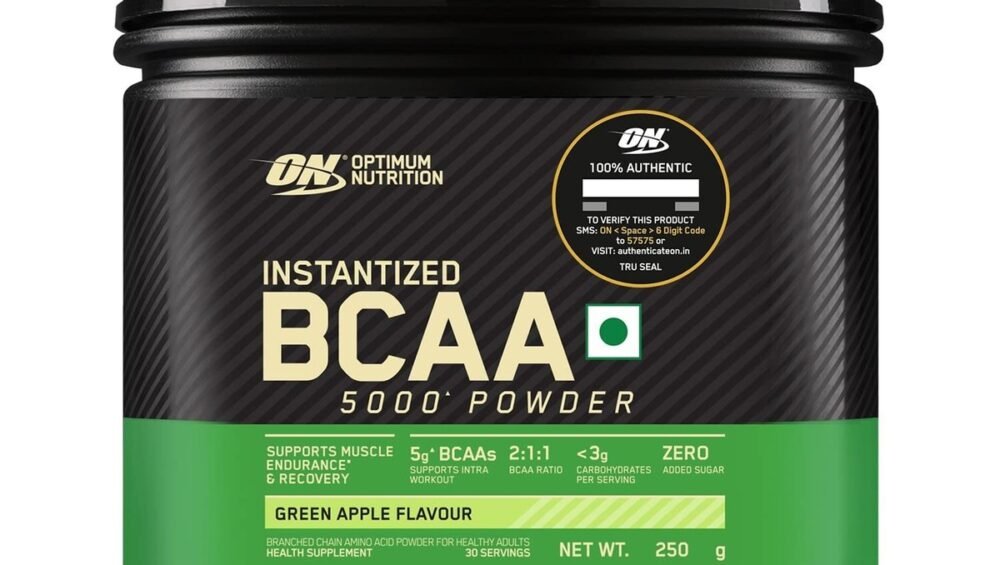
Branched-Chain Amino Acids (BCAAs) are a group of three essential amino acids: leucine, isoleucine, and valine. Your body can’t produce them on its own, so they must come from food or supplements.
Here’s what they do:
🔑 Main Functions of BCAAs
- Muscle Protein Synthesis
- Leucine in particular activates the mTOR pathway, a key trigger for building muscle.
- Energy During Exercise
- BCAAs can be used directly by muscles for fuel during workouts, especially when glycogen (carbohydrate stores) runs low.
- Reduced Muscle Breakdown (Anti-Catabolic Effect)
- They help limit muscle protein breakdown during intense training, dieting, or fasting.
- Improved Recovery
- Supplementation may reduce muscle soreness (DOMS) after exercise by lowering exercise-induced muscle damage.
- Fatigue Reduction
- BCAAs compete with tryptophan for transport to the brain, which may reduce serotonin production and delay fatigue.
⚖️ When They’re Most Useful
- During fasted training or long cardio sessions (to preserve muscle).
- For athletes on low-calorie or cutting diets.
- When protein intake from diet is low (though whey protein or EAAs are usually more effective overall).
✅ Bottom Line
BCAAs can support muscle growth, reduce fatigue, and improve recovery — but if you already get enough high-quality protein (meat, eggs, whey, etc.), the added benefit from BCAAs alone is often small.
BCAAs vs EAAs – the difference
🔹 BCAAs (Branched-Chain Amino Acids)
- What they are: Leucine, Isoleucine, Valine (3 amino acids out of the 9 essentials).
- Main benefits:
- Trigger muscle protein synthesis (mainly leucine).
- Provide energy during workouts.
- Reduce muscle breakdown during dieting/fasted training.
- Limitations:
- Can start muscle building, but without the other 6 essential amino acids, muscle growth can’t be completed.
- Not as effective if you’re already eating enough protein.

🔹 EAAs (Essential Amino Acids)
- What they are: All 9 essential amino acids (including the 3 BCAAs).
- Main benefits:
- Provide the full building blocks for muscle protein synthesis — not just the spark (leucine), but the whole construction crew.
- More effective than BCAAs for muscle growth and recovery.
- Useful if dietary protein is low, or between meals.
- Limitations:
- Usually cost a bit more.
- Taste can be stronger/bitter compared to BCAAs.
⚖️ Head-to-Head
| Feature | BCAAs | EAAs |
|---|---|---|
| Muscle building | ✅ Trigger synthesis but incomplete | ✅✅ Full muscle growth |
| Recovery | ✅ Helps soreness | ✅✅ Better recovery |
| Prevent muscle breakdown | ✅ Good | ✅✅ Better |
| Training energy | ✅ Good fuel source | ✅ Good + more balanced |
| Cost | 💲 Cheaper | 💲💲 Slightly more expensive |
The Metabolic Specificity: Understanding BCAAs’ Unique Fuel Pathway
The distinct value of BCAAs lies not just in their role as building blocks, but in their unique metabolic pathway. Unlike other amino acids, BCAAs are primarily broken down directly within muscle tissue rather than the liver. This allows them to be rapidly oxidized for energy during exercise, serving as a readily available fuel source when muscle glycogen becomes depleted. This is particularly crucial during prolonged, intense training sessions or in a fasted state, where they can help delay central fatigue by sparing glycogen and modulating serotonin production in the brain. However, this metabolic specificity is a double-edged sword; when BCAAs are used for energy, they are diverted from their role in muscle protein synthesis. This highlights the critical importance of adequate overall caloric and carbohydrate intake—when the body is well-fueled, BCAAs are more likely to be partitioned toward muscle repair and growth rather than being burned as fuel.
Strategic Supplementation: Timing and Context for Optimal Efficacy
To maximize the return on investment from BCAAs, strategic timing and clear goal-setting are essential. Their utility is most pronounced in specific, targeted scenarios: sipped during fasted morning training to provide an anti-catabolic shield, taken intra-workout during extended endurance or high-volume hypertrophy sessions to combat fatigue, or used between meals during an aggressive calorie deficit to help preserve lean mass. Outside of these contexts—particularly when consumed alongside or shortly after a protein-rich meal—their marginal benefits diminish dramatically, as the meal itself provides a full spectrum of amino acids. Therefore, BCAAs should not be viewed as a foundational daily supplement like protein powder or creatine, but rather as a situational tool. For most athletes, ensuring adequate total daily protein intake (1.6-2.2g/kg of bodyweight) from whole foods and complete protein powders remains the undisputed priority, with BCAAs serving as a strategic adjunct for specific training and dietary conditions.
🏆 Verdict
- If your diet already has enough protein (whey, meat, eggs, etc.): BCAAs give some benefit mainly for energy and reducing fatigue.
- If your protein intake is lower (cutting, fasting, vegan diet, missed meals): EAAs are the better choice because they provide everything your muscles need.
👉 For maximum results, EAAs are generally superior.