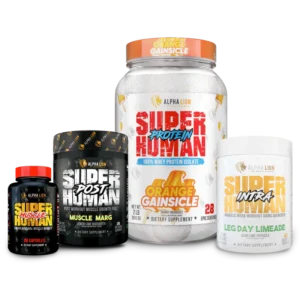
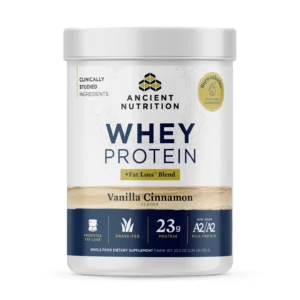
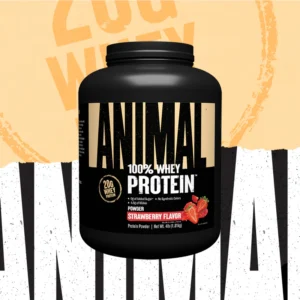
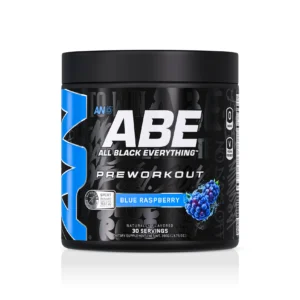
Most Overrated Gym Supplements. Walk into any supplement store or browse fitness websites, and you’ll quickly be bombarded with flashy tubs and bottles promising superhuman strength, rapid fat loss, or shredded abs in weeks. The fitness industry is worth billions, and much of that revenue comes from products that sound too good to be true — because they usually are.
The truth? Many supplements are overhyped, under-researched, and in some cases, completely unnecessary. As a coach, nutritionist, and someone who has followed the research for years, I can confidently say that your body doesn’t need 80% of what’s sitting on those supplement shelves.
In this article, we’ll break down the most overrated gym supplements, why they don’t live up to the hype, and what you should actually use instead if you want real results.
1. Fat Burners
Why They’re Overrated
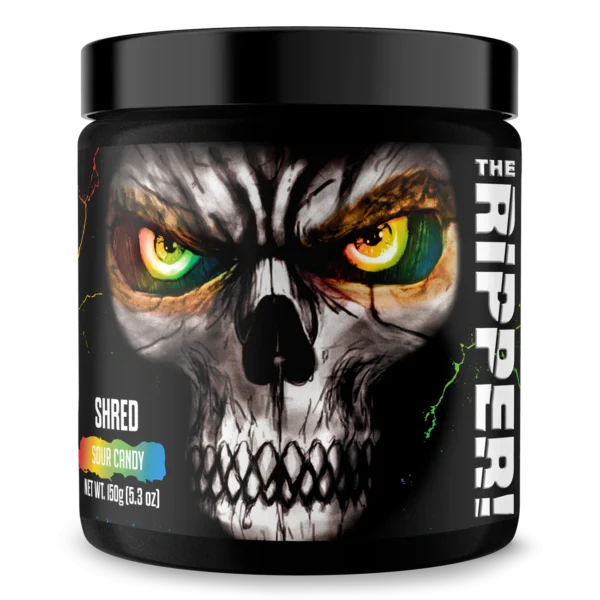
Fat burners are some of the most aggressively marketed supplements in the fitness world. They promise rapid fat loss by “boosting metabolism,” “torch calories,” or “block fat absorption.” The reality is that most fat burners are just overpriced caffeine pills with a few exotic-sounding ingredients sprinkled in (green tea extract, cayenne pepper, yohimbine).
Yes, caffeine can slightly increase calorie expenditure and suppress appetite. But no fat burner is going to undo poor nutrition or lack of movement. Most of the added ingredients are underdosed, ineffective, or not well supported by research. Even worse, fat burners can cause side effects like jitters, increased heart rate, digestive discomfort, and sleep issues.
What to Use Instead
- Caffeine (in moderation): If you want an edge, a cup of black coffee or a simple caffeine pill (100–200 mg) is far cheaper and equally effective.
- Lifestyle habits: Sustainable fat loss comes from a calorie deficit created through diet and activity. Instead of chasing shortcuts, track your intake, focus on protein, and stay active.
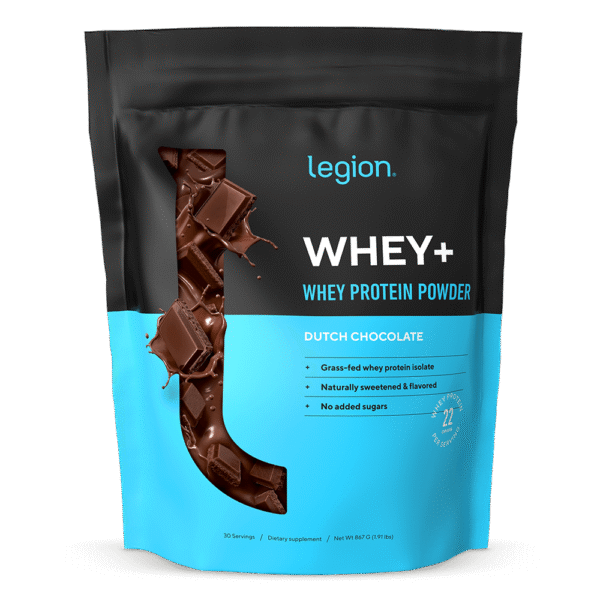
- Protein powder: Unlike fat burners, whey or plant protein supplements actually support fat loss by promoting satiety and preserving muscle mass in a deficit.
2. BCAAs (Branched-Chain Amino Acids)
Why They’re Overrated
BCAAs (leucine, isoleucine, valine) have been one of the most popular supplements for decades. They’re marketed as muscle-preserving, recovery-boosting magic drinks — and many gym-goers still sip neon-colored BCAA water during workouts.
But here’s the problem: if you already consume enough protein from whole foods or whey protein, BCAAs provide no additional benefit. Muscle protein synthesis (the process of building muscle) requires all nine essential amino acids, not just three. Without the full spectrum, BCAAs are incomplete and largely ineffective.
They’re essentially flavored water with a price tag.
What to Use Instead
- Whey protein or high-quality plant protein: Gives you the full amino acid profile needed for recovery and growth.
- EAAs (Essential Amino Acids): If you’re training fasted and really want an intra-workout boost, EAAs are more complete than BCAAs.
- Real food: Chicken, fish, eggs, dairy, beans, and legumes deliver far more amino acids than any BCAA tub.
3. Pre-Workout “Matrix Blends”
Why They’re Overrated
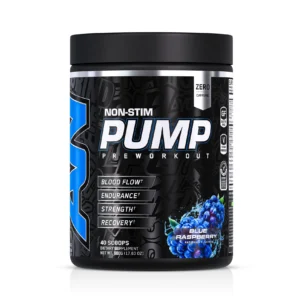
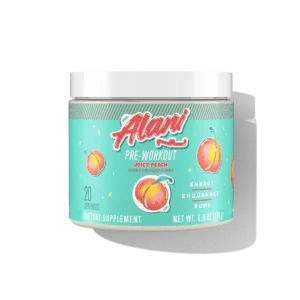
Pre-workouts are one of the best-selling supplement categories — and also one of the most misleading. Many pre-workouts contain flashy “proprietary blends,” which sound scientific but hide the actual dosages. That means you have no idea if you’re getting effective amounts of ingredients like beta-alanine, citrulline malate, or creatine.
Most of the “kick” you feel from pre-workout is just caffeine — often in very high doses (300–400 mg), equivalent to 3–4 cups of coffee. This can lead to dependency, jitters, energy crashes, and disrupted sleep. Some blends even toss in exotic stimulants that aren’t well studied for safety.
What to Use Instead
- Caffeine (strategically): A cup of coffee before training is often enough to boost focus and energy.
- Individually dosed ingredients: If you want the actual ergogenic benefits, buy standalone supplements:
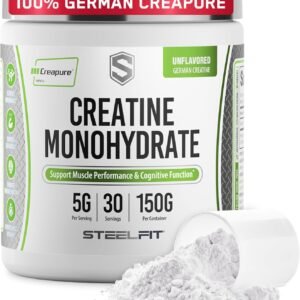
- Creatine monohydrate (5g daily)
- Beta-alanine (3–6g daily, taken consistently, not just pre-workout)
- Citrulline malate (6–8g pre-workout for a pump)
- Hydration + carbs: Sometimes the best pre-workout is simply water and a banana.
4. Testosterone Boosters
Why They’re Overrated
Every man who lifts has been tempted by the flashy ads promising a “natural testosterone boost.” These supplements typically contain herbs like tribulus terrestris, fenugreek, or D-aspartic acid. While they may sound promising, the research shows that most natural testosterone boosters have little to no effect on muscle growth, strength, or fat loss.
At best, some may slightly increase testosterone levels in men with deficiencies, but not enough to make a noticeable impact. At worst, they’re just expensive pills that do nothing.
What to Use Instead
- Sleep and stress management: Poor sleep and chronic stress are two of the biggest killers of testosterone. Aim for 7–9 hours of quality rest.
- Strength training: Heavy resistance exercise naturally boosts testosterone and growth hormone.
- Balanced diet: Adequate protein, healthy fats, and micronutrients (especially zinc, magnesium, and vitamin D) support hormone health.
5. Detox and Cleansing Supplements
Why They’re Overrated
From detox teas to liver cleanses to “reset” powders, the supplement industry loves to sell the idea that your body is full of toxins that must be flushed out. The truth? Your body already has an incredibly efficient detoxification system: your liver, kidneys, lungs, and skin.
Detox products often work as laxatives or diuretics, causing you to lose water weight and feel “lighter.” But that’s not fat loss or improved health — it’s just temporary dehydration. Worse, some detox products can harm gut health or interact with medications.
What to Use Instead
- Whole foods: Fruits, vegetables, fiber, and hydration all support natural detoxification.
- Regular exercise: Sweating improves circulation and supports your body’s natural cleansing systems.
- Consistency: Your body doesn’t need a “reset” if you’re fueling it well consistently.
6. Glutamine
Why They’re Overrated
Glutamine is one of the most abundant amino acids in the body and used to be marketed as a recovery miracle. However, unless you’re in a clinical setting (like recovering from severe illness, burns, or trauma), glutamine supplementation doesn’t significantly impact muscle growth, strength, or recovery for healthy athletes.
Your body already produces glutamine in sufficient amounts, and most protein-rich diets cover the rest.
What to Use Instead
- Protein powder or real food: Already provides plenty of glutamine naturally.
- Creatine: Unlike glutamine, creatine is one of the most researched and effective supplements for performance and recovery.
7. Collagen (for Muscle Growth)
Why They’re Overrated
Collagen has exploded in popularity, especially in beauty and wellness circles. While it may support skin, hair, and joint health, it’s not an effective muscle-building protein. Collagen is low in leucine — the key amino acid for muscle protein synthesis — and lacks the complete amino acid profile needed to maximize hypertrophy.
If you’re taking collagen to build muscle, you’re wasting your money.
What to Use Instead
- Whey protein (or high-quality plant protein): These actually stimulate muscle growth.
- Collagen (only for joints/skin): If joint health is your focus, collagen can still have value — but don’t expect it to build muscle.
8. Multivitamin Megadoses
Why They’re Overrated
A standard multivitamin can help fill small nutritional gaps, but many “sports” multivitamins provide megadoses of certain vitamins and minerals. More is not always better — in fact, too much vitamin A, E, or iron can be harmful.
Most athletes eating a balanced diet don’t need these mega-multis. They give the illusion of covering all your bases while ignoring the importance of whole food nutrition.
What to Use Instead
- Targeted supplementation: Get blood work done and supplement only where you’re deficient (e.g., vitamin D, magnesium, omega-3s).
- Food first: Aim to get your nutrients primarily from fruits, vegetables, whole grains, lean proteins, and healthy fats.
Supplements That Actually Work
After debunking the most overrated gym supplements, let’s highlight the few that are consistently backed by solid science:
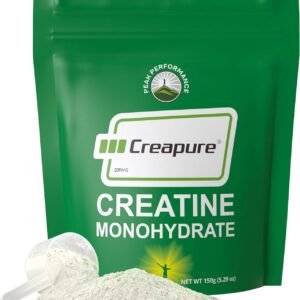
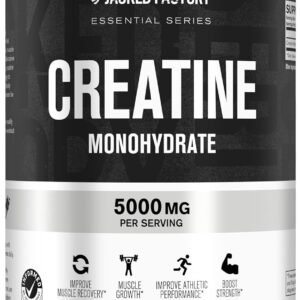
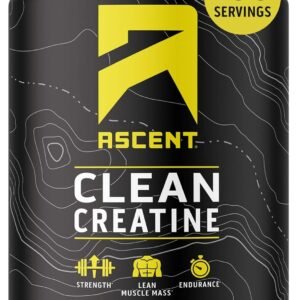
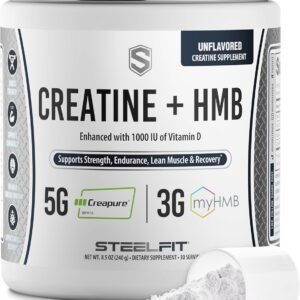
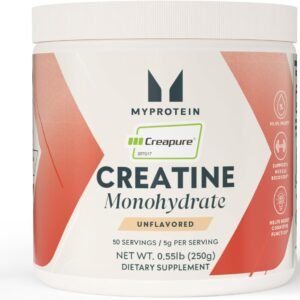
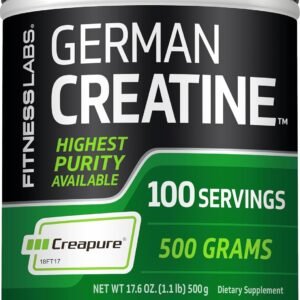
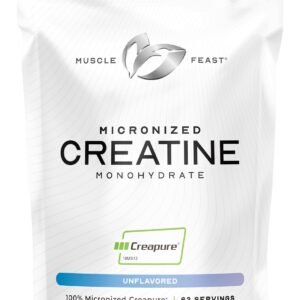
- Creatine monohydrate – Increases strength, muscle mass, and performance across virtually all forms of training.
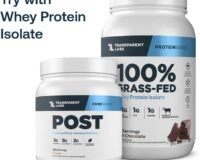
- Protein powder – Convenient way to meet daily protein needs.
- Caffeine – Improves focus, endurance, and strength when used responsibly.
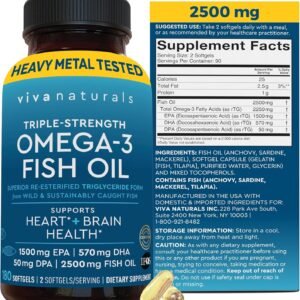
- Fish oil (omega-3s) – Supports heart, brain, and joint health.
- Vitamin D & magnesium (if deficient) – Critical for energy, recovery, and hormone health.
Marketing often distorts priorities, creating a culture of “quick fixes” rather than sustainable results. The flashy tubs, proprietary blends, and exotic ingredient names are designed to capture attention, not to deliver meaningful benefits. Many gym-goers get caught up chasing the newest trends, spending hundreds of dollars on supplements that offer little more than placebo effects. Understanding the difference between hype and evidence-based supplements is critical—focusing on proven essentials like protein, creatine, and proper hydration will consistently outperform any unproven formula.
Individual variability also plays a huge role in supplement effectiveness. Genetics, training experience, diet, sleep patterns, and even gut microbiome influence how the body responds to supplements. A product that works for one person may do very little for another. This is why blanket claims like “boost testosterone naturally” or “burn fat fast” are misleading—they ignore the personal context that dictates results. Awareness of your own lifestyle and physiological needs allows you to choose only what truly supports your goals.
Finally, the real value in supplementation comes from consistency and strategy, not novelty. Supplements should be viewed as tools to support a well-structured fitness plan, not as replacements for nutrition, sleep, or hard training. Investing in foundational habits—meeting protein targets, strength training, progressive overload, and recovery—yields far greater returns than chasing the latest fat burners, BCAAs, or detox products. When used wisely, a few evidence-based supplements enhance performance, recovery, and health, but without the fundamentals, even the most expensive powders are essentially wasted money.
Final Thoughts
The supplement industry thrives on hype, marketing gimmicks, and flashy promises. But the truth is simple: no pill or powder will replace consistent training, smart nutrition, and proper recovery.
Most gym supplements are overrated because they prey on impatience — the desire for quick results. If you want to maximize your progress, focus your money and energy on the basics: real food, quality sleep, smart training, and a handful of proven supplements.
Remember: the best results don’t come from what’s in your shaker bottle. They come from what you do day after day in the gym and the kitchen.
❓ FAQ: 8 Most Common Questions
Here are eight frequently asked questions about gym supplements, especially in the context of “over-rated vs worthwhile”, along with answers.
1. What makes a supplement “over-rated”?
A supplement might be called over-rated if it is heavily marketed, expensive, claims big performance/physique gains, yet the independent research shows little meaningful effect for most users. Also if a simpler, cheaper alternative exists that offers very similar benefit.
2. Which supplements are usually worth the money?
According to many experts, the foundational ones are: high-quality protein (to hit daily protein targets), Creatine monohydrate (for strength, power, muscle mass), and in some cases vitamin D / omega-3s (if deficient). Others may still help, but these often have the most robust evidence. The article emphasizes going back to basics.
3. Why are “advanced” forms of creatine considered over-rated?
Because the research strongly supports plain creatine monohydrate as effective, safe, affordable; many “advanced” forms (e.g., creatine ethyl ester, Kre-Alkalyn) often cost more and don’t show superior benefits. The article flags this directly. GymUSA Store
4. Are mass-gainer powders a waste of money?
Not necessarily always, but the article argues that often they’re less efficient: many lifters can hit a suitable calorie surplus with whole foods + a simple protein powder + home-made shake. Mass-gainers often add sugar, simple carbs, and may cost more. The question is convenience vs value.
5. What about testosterone-boosting or GH-boosting supplements?
Many OTC “testosterone boosters” or “growth hormone releasers” make strong marketing claims, but the evidence for meaningful increases (that translate to muscle/fat benefits) is weak. The article advises scepticism.
6. If BCAAs are over-rated, what should I take instead?
The logic is: if you’re already consuming enough complete protein (which provides all essential amino acids), then isolated BCAAs add minimal benefit. A better option is ensuring your daily protein intake is adequate and of high quality, rather than spending extra on BCAAs. The referenced “over-rated” discussion supports this. seannal.com
7. How much should I prioritise diet and training vs supplements?
The article implicitly (and many experts explicitly) state: diet and training are the foundation. Supplements supplement — they don’t replace good training, sufficient calories/protein, sleep, recovery. Without the basics, even “good” supplements will have diminished effect.
8. What should I do before buying any supplement?
Some recommended steps: (a) Check whether your diet already covers the nutrient/goal; (b) Look at the research: does the supplement show meaningful, independent evidence (not just marketing); (c) Consider cost effectiveness (could simpler/cheaper option work); (d) Ensure you buy from reputable brands (quality, safety, third-party testing); (e) If you have health conditions or take medications, consult a health professional.