


instagram supplements and gym equipment for sale

facebook gym supplements usa. Gym equipments and gym supplements for sale instagram profile social media

gym supplements

Best Gym Supplements for Sale: Ultimate Guide to Choosing the Right Products

The global fitness industry has exploded in recent years, and so has the demand for gym supplements for sale. Whether you’re an athlete, bodybuilder, or casual gym-goer, supplements can help you achieve faster results, improve recovery, and enhance overall performance. From whey protein for sale to creatine for sale, there’s a supplement for every fitness goal imaginable.

Understanding the Role of Supplements in Fitness and Health

Supplements aren’t magic potions — they’re nutritional tools. They fill the gaps where diet alone might fall short. For instance, after intense workouts, your muscles crave protein and amino acids for repair. That’s where whey protein supplements step in. Similarly, creatine boosts energy production in muscles, allowing you to push harder and lift heavier.

Why Supplements Have Become Essential for Gym Enthusiasts

With fast-paced lifestyles, it’s challenging to meet all nutritional needs through food alone. Supplements provide concentrated nutrients in convenient forms — powders, capsules, or bars. They also allow precision in nutrition, ensuring you get exactly what your body needs to meet specific training goals.

gym supplements

The Science Behind Muscle Recovery and Nutritional Support

After exercise, the body undergoes muscle breakdown (catabolism). Supplements help trigger muscle synthesis (anabolism) faster. Amino acids like leucine, valine, and isoleucine — commonly found in BCAAs — activate muscle repair and reduce soreness. Protein and creatine work together to accelerate muscle recovery and enhance endurance.


Types of Gym Supplements for Sale

1. Whey Protein for Sale: The Building Block of Muscle

Whey protein remains the most popular supplement for anyone looking to build or maintain muscle. Derived from milk during cheese production, it’s a complete protein containing all nine essential amino acids.

How Whey Protein Supports Muscle Growth

When you consume whey protein after a workout, it quickly delivers amino acids to your muscles. This rapid absorption helps trigger muscle protein synthesis — the process of building new muscle tissue.

Choosing Between Isolate, Concentrate, and Hydrolysate
  • Whey Concentrate: Balanced in protein and fats, ideal for beginners.
  • Whey Isolate: Higher purity (90%+ protein), suitable for lactose-intolerant users.
  • Hydrolysate: Pre-digested for ultra-fast absorption and minimal bloating.

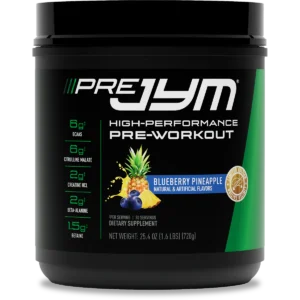
C4 Ripped® Pre Workout Powder

Original price was: $39.99.Current price is: $24.99.

2. Creatine for Sale: The Powerhouse Supplement for Strength and Energy

Creatine monohydrate is one of the most researched and effective supplements ever made. It naturally occurs in muscles and helps regenerate ATP (adenosine triphosphate) — the body’s primary energy molecule.

Benefits of Creatine for High-Intensity Training
  • Increases strength and power output
  • Enhances short-term muscle volume
  • Boosts recovery and reduces fatigue
  • Supports brain function and cognitive clarity
Common Myths About Creatine Usage

Contrary to myths, creatine doesn’t cause dehydration or kidney damage when taken responsibly. It’s safe, natural, and suitable for both men and women when used in recommended doses.


3. Pre-Workout Supplements for Energy and Focus

A good pre-workout can transform an average training session into a powerhouse workout.

Key Ingredients in Pre-Workout Blends
  • Caffeine: Enhances alertness and focus
  • Beta-Alanine: Reduces muscle fatigue
  • L-Citrulline: Improves blood flow
  • Taurine: Supports endurance
When and How to Take Pre-Workout Supplements

Take your pre-workout 20–30 minutes before training on an empty or lightly filled stomach for best results. Avoid overuse, as high caffeine intake can cause jitters.


4. Post-Workout Recovery Supplements

Role of BCAAs and Glutamine in Muscle Repair

BCAAs (Branched-Chain Amino Acids) — leucine, isoleucine, and valine — promote faster recovery and muscle retention. Glutamine supports immune health and replenishes muscle glycogen.

Best Practices for Post-Workout Nutrition

Combine a fast-digesting carb (like a banana) with whey protein post-workout to maximize glycogen replenishment and protein synthesis.

Check also: Weight loss supplements for sale

gym supplements

How to Choose the Right Supplements for Your Fitness Goals

  • For muscle gain: Whey protein, creatine, and mass gainers.
  • For fat loss: CLA, green tea extract, and L-carnitine.
  • For endurance: Electrolytes, BCAAs, and beta-alanine.

Always check for third-party certifications (like NSF or Informed Choice) to ensure product purity.


Benefits of Buying Gym Supplements Online

Shopping online for discount supplements offers convenience, variety, and often better pricing. You can compare ingredients, read verified customer reviews, and access exclusive online deals.

(You may later link your website www.gymusastore.com here.)


Safe and Effective Use of Supplements

  • Stick to recommended dosages.
  • Stay hydrated.
  • Cycle off certain supplements periodically.
  • Always pair supplements with a balanced diet.

Common Mistakes to Avoid

  • Believing every marketing claim.
  • Overconsuming protein (it won’t speed up results).
  • Mixing too many stimulants.
  • Ignoring storage and expiry instructions.

Latest Trends in the Supplement Industry (2025)

The market is evolving toward plant-based, eco-friendly, and AI-personalized supplements. Brands are focusing on transparency and traceability — consumers now demand clean labels and sustainable sourcing.


Frequently Asked Questions (FAQs)

  1. Are supplements necessary for muscle growth?
    Not mandatory, but they accelerate progress when combined with proper diet and exercise.
  2. What’s better — whey protein or creatine?
    They serve different purposes. Whey builds muscle; creatine enhances strength and endurance.
  3. Is it safe to take multiple supplements together?
    Yes, if they complement each other. Avoid overlapping stimulants.
  4. How long does it take to see results?
    Usually 4–8 weeks of consistent use, depending on training intensity.
  5. Can beginners use gym supplements?
    Absolutely — start with protein and a basic multivitamin.
  6. Where can I buy authentic gym supplements online?
    Always purchase from verified online stores or official brand sites to ensure quality.

Conclusion: Finding the Best Supplements for Sale for Your Goals

Supplements are powerful allies in your fitness journey — but only when used wisely. Whether you’re looking for whey protein for sale to build muscle or creatine for sale to boost performance, choose reputable sources, check ingredient transparency, and stay consistent with your workouts and nutrition.

Remember, supplements complement effort — they don’t replace it.

Check also: Trusted Supplement Store Online

creatine cycle

Do You Need To Cycle Creatine? A Deep Dive Into Science and Performance

Creatine is one of the most studied and effective supplements in sports nutrition. For decades, athletes, bodybuilders, and fitness enthusiasts have relied on creatine to enhance strength, increase lean mass, and improve exercise performance. Despite its popularity, one question continues to spark debate: Do you need to cycle creatine?

Some athletes swear by creatine cycling—periods of loading, maintenance, and washout—believing it maximizes benefits and prevents the body from “getting used to” creatine. Others argue that daily, consistent intake is the most effective and scientifically supported method.

In this article, we’ll break down the science of creatine, what cycling actually means, whether it has proven benefits, and what the latest research suggests for long-term use. By the end, you’ll know exactly how to approach creatine supplementation for your fitness goals.


What Is Creatine and How Does It Work?

Creatine is a naturally occurring compound found in meat, fish, and synthesized by the body in the liver, kidneys, and pancreas. About 95% of the body’s creatine is stored in skeletal muscle, primarily as phosphocreatine.

During high-intensity exercise, phosphocreatine helps regenerate adenosine triphosphate (ATP)—the body’s immediate energy currency. Because ATP is rapidly depleted during explosive efforts like lifting heavy weights or sprinting, higher phosphocreatine levels allow you to sustain peak performance longer.

creatine cycle

Benefits of Creatine Supplementation (proven by science):

  • Increases strength and power: Creatine consistently improves 1-rep max lifts, sprinting, and explosive performance.
  • Promotes lean muscle growth: By enabling harder training and stimulating cellular hydration, creatine contributes to hypertrophy.
  • Speeds recovery: Studies show creatine reduces muscle cell damage and inflammation.
  • Supports brain health: Beyond muscles, creatine enhances energy metabolism in the brain, with potential cognitive benefits.

Creatine monohydrate remains the gold standard, with hundreds of peer-reviewed studies confirming its efficacy and safety.


What Does “Cycling Creatine” Mean?

Cycling creatine generally refers to using the supplement in phases, rather than continuously. The typical approach includes:

  1. Loading phase: 20 g per day (split into 4 doses) for 5–7 days.
  2. Maintenance phase: 3–5 g per day for 4–6 weeks.
  3. Washout phase: Stopping creatine for several weeks before restarting.

The reasoning behind cycling includes:

  • Preventing the body from becoming “desensitized.”
  • Allowing natural creatine production to reset.
  • Maximizing muscle saturation in shorter periods.

But does this approach hold up under scientific scrutiny?


The Science of Creatine Saturation

When supplementing with creatine, muscles gradually increase their stores until they reach saturation. Research shows:

  • With loading (20 g/day): Muscles reach saturation in 5–7 days.
  • Without loading (3–5 g/day): Muscles reach saturation in 3–4 weeks.

Once muscles are saturated, continuing with a daily maintenance dose (3–5 g/day) keeps levels elevated indefinitely.

Worth to read: 5 common mistakes in creatine supplementation

Key Point:

You don’t “lose” creatine effectiveness with consistent intake. As long as your muscles remain saturated, performance benefits persist. There is no scientific evidence of “creatine resistance” developing with long-term use.


Do You Need a Washout Phase?

One argument for cycling is that stopping supplementation allows the body’s endogenous (natural) creatine production to “recover.” But studies have found:

  • Creatine supplementation temporarily reduces the body’s own synthesis because demand is met through diet/supplementation.
  • Once supplementation stops, natural production resumes fully within weeks.
  • There is no evidence of long-term suppression or harm to natural creatine metabolism.

In fact, multiple long-term studies (6 months to 5 years) on athletes using creatine continuously show no adverse effects on kidney or liver function in healthy individuals.

Read also: creatine pills – safe or not safe?
creatine cycle

Translation:

There is no physiological need for a washout phase unless you simply want to save money or take a break from supplementation.


Cycling vs. Continuous Use: What Research Shows

1. Performance outcomes

  • Studies comparing cycling vs. daily continuous intake show no significant differences in strength, muscle growth, or performance when total creatine exposure is matched.
  • Consistent intake is simpler and ensures muscles remain saturated.

2. Health and safety

  • Continuous creatine use has been proven safe for years at standard doses (3–5 g/day).
  • Cycling does not offer added health benefits.

3. Psychological factors

  • Some athletes report they “feel a boost” when starting a new cycle. This could be due to the placebo effect or increased motivation during a loading phase.

4. Practicality

  • Cycling requires planning and scheduling.
  • Daily low-dose supplementation is easier and more sustainable long-term.

When Might Creatine Cycling Make Sense?

Although not necessary for most, there are a few cases where cycling might be reasonable:

  1. Budget-conscious users: Stopping creatine for a month or two can save money, especially if supplements are costly.
  2. Athletes with testing protocols: In sports where supplement use is monitored, some may cycle for personal reasons, even though creatine is legal and safe.
  3. People with sensitive digestion: Some experience mild bloating or stomach upset at higher doses. Cycling off temporarily may provide relief.

For everyone else, the evidence supports consistent daily use.

Read also: recommended dosage of creatine for gym goers


Myths About Creatine Cycling

Let’s bust a few common misconceptions:

  • “Your body stops responding if you don’t cycle.”
    False. As long as muscle stores are saturated, creatine continues to deliver benefits.
  • “Cycling prevents kidney damage.”
    False. No research shows kidney or liver damage from standard creatine use in healthy individuals. The myth persists due to confusion with creatinine (a waste product measured in kidney function tests).
  • “You only grow during the loading phase.”
    False. Gains come from consistent training supported by muscle saturation, not temporary spikes in creatine intake.

Best Practices for Creatine Supplementation

1. Skip cycling, go consistent

Take 3–5 g of creatine monohydrate daily, preferably with a meal to enhance absorption.

2. Loading is optional

  • If you want faster results, do a loading phase (20 g/day for 5–7 days).
  • If you prefer a slower, steady approach, just take 3–5 g daily. After 3–4 weeks, your muscles will be saturated.

3. Timing is flexible

  • Taking creatine post-workout with carbs and protein may slightly improve uptake, but timing isn’t critical. Daily consistency is what matters.

4. Hydration matters

Creatine increases water retention in muscle cells (a good thing for performance). Drink adequate water to support cellular hydration and performance.
creatine cycle

5. Stick with monohydrate

Newer forms (HCl, ethyl ester, buffered creatine) are marketed as superior but show no consistent advantages in research. Creatine monohydrate remains the most effective and cost-efficient.

Read also: Creatine Monohydrate vs. Creatine HCL 


Who Should Be Cautious?

While creatine is safe for most, a few groups should consult a healthcare professional before use:

  • People with pre-existing kidney disease.
  • Adolescents under 18 (limited long-term data).
  • Individuals taking nephrotoxic medications.

For healthy athletes, decades of data confirm creatine’s safety profile.


Final Verdict: Do You Need to Cycle Creatine?

The science is clear: You do not need to cycle creatine.

  • Continuous supplementation is safe, effective, and practical.
  • Cycling offers no added performance or health benefits.
  • At best, cycling is a personal preference for cost-saving or digestive reasons.

If your goal is maximizing strength, lean mass, and performance in the gym, the smartest strategy is to take 3–5 grams of creatine monohydrate daily, indefinitely.


Key Takeaways for Gym-Goers

  • Creatine is the most effective legal performance-enhancing supplement available.
  • Muscle saturation is the goal—whether you load or not, you’ll get there.
  • Cycling is unnecessary; daily intake keeps stores elevated and performance consistent.
  • Safety is well-established in healthy individuals, even with years of use.
  • Consistency with training and nutrition matters more than supplementation cycles.
creatine in USA

Where to Buy Creatine in the USA

Where to Buy Creatine in the USA. Creatine is one of the most researched and trusted supplements in the fitness industry. Athletes, bodybuilders, and everyday gym enthusiasts use creatine to increase strength, boost endurance, and support lean muscle growth. If you’re looking for where to buy creatine in the USA, this guide will help you choose the right place and the right product.


What is Creatine and Why Do People Use It?

Creatine is a natural compound stored in your muscles and used for short bursts of energy during high-intensity exercise. Supplementing with creatine increases your body’s ability to produce ATP (the energy currency of cells), which translates to:

  • Improved strength and power
  • Faster recovery between sets
  • More muscle growth over time
  • Better workout performance

Because of its proven benefits, creatine is one of the top-selling sports supplements in the USA.


Types of Creatine You Can Buy

Not all creatine supplements are the same. Here are the most popular types you’ll find on the U.S. market:

creatine in USA
  1. Creatine Monohydrate – The gold standard. Backed by hundreds of studies, affordable, and highly effective.
  2. Micronized Creatine – A finer form of monohydrate, easier to dissolve in water and gentle on the stomach.
  3. Creatine HCL (Hydrochloride) – Popular for people who want smaller doses and better solubility.
  4. Creatine Blends – Some brands mix creatine with other performance ingredients like beta-alanine or electrolytes.

Where to Buy Creatine in the USA

When buying creatine, you want quality, authenticity, and a fair price. Here are the best options:

1. Online Retailers

  • Amazon.com – Huge selection, competitive prices, and fast shipping. Many top creatine brands are available here.
  • Bodybuilding.com – Trusted supplement store with frequent discounts and bundles.
  • iHerb.com – Known for international shipping and natural health products.
  • Official Brand Websites – Many companies sell directly to consumers for guaranteed authenticity.

2. In-Store Options

  • GNC – Widely available in malls and shopping centers, carrying both popular and exclusive creatine brands.
  • The Vitamin Shoppe – A reliable chain with staff that can help you compare options.
  • Local Gyms & Supplement Shops – Smaller stores sometimes carry unique brands or limited-edition flavors.

Best Creatine Brands in the USA (2025)

If you’re not sure which product to buy, here are some of the most trusted creatine supplements available in the U.S.:

  • Optimum Nutrition Micronized Creatine Monohydrate
  • Creatine Monohydrate by Nutricost
  • Transparent Labs Creatine HMB
  • Kaged Creatine HCl
  • MuscleTech Platinum Creatine

These brands have excellent reputations, third-party testing, and strong customer reviews.


Average Price of Creatine in the USA

  • Creatine Monohydrate Powder (300–400g): $15–$25
  • Micronized Creatine (300–500g): $20–$30
  • Creatine HCL (75–100 servings): $25–$35
  • Premium Blends: $30–$50+

Buying in larger containers (1kg or more) usually gives you the best price per serving.


Tips for Buying Creatine Safely Online

creatine in USA
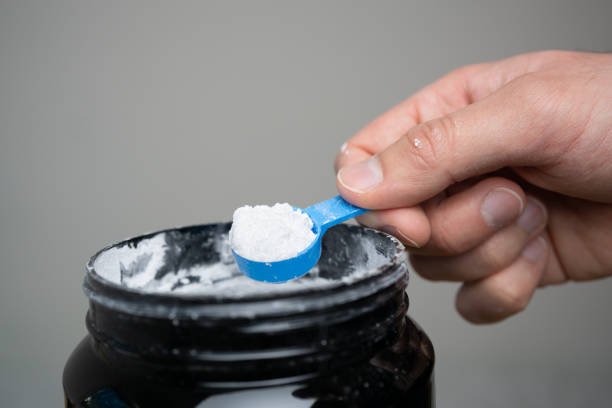
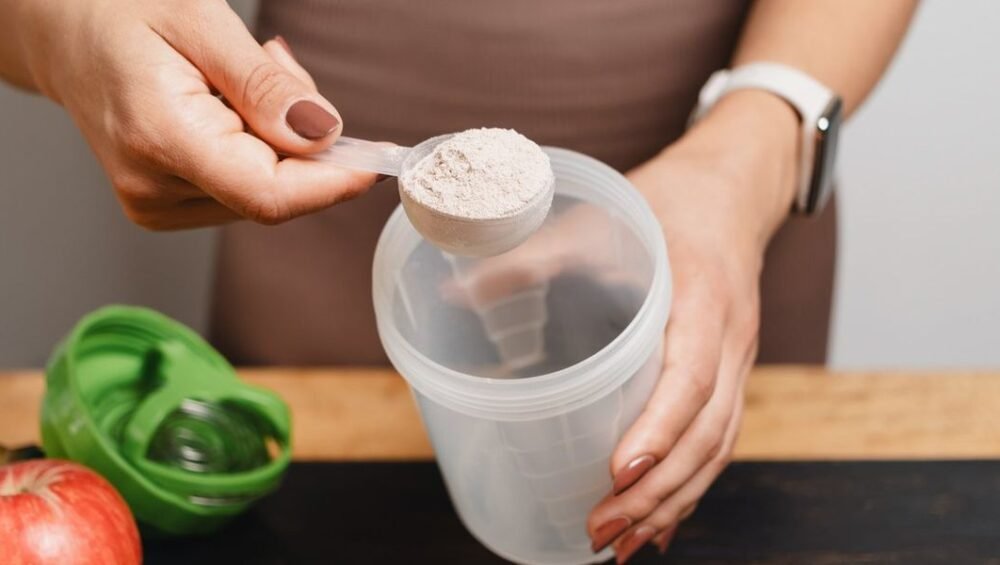
Close up of man hand holding measuring scoop of creatine
  • Check for third-party testing (NSF, Informed-Sport, Labdoor certifications).
  • Avoid unknown brands with no reviews or lab transparency.
  • Look for pure creatine monohydrate with no unnecessary fillers.
  • Read customer reviews before making a purchase.

Frequently Asked Questions (FAQ)

  1. Is creatine safe to take long-term?
    Yes — creatine is one of the most well-researched supplements. Studies show that taking 3–5 g/day of creatine monohydrate long-term is generally safe for healthy adults. That said, if you have kidney issues or other health concerns, you should talk to a healthcare provider before supplementing.
  2. Do I need to do a “loading phase” when taking creatine?
    Not necessarily. While a common method is to take ~20 g/day (split over several doses) for 5–7 days, you can skip loading and just take 3–5 g/day. Both approaches lead to similar muscle creatine saturation — loading just gets you there faster.
  3. Will creatine make me gain fat?
    No — the weight gain from creatine is mostly water retention in your muscles (not fat). Over time, some of the gain may come from increased muscle mass if you’re training consistently.
  4. Why do some people bloat or feel a stomach ache when using creatine?
    High single doses, especially during a loading phase, can cause stomach discomfort, diarrhea, or bloating. To reduce these side effects, you can split your dose throughout the day or use smaller daily doses.
  5. Does creatine damage the kidneys or liver?
    For healthy individuals, standard doses (3–5 g/day) have not been shown to harm kidneys or liver. But if you have preexisting kidney or liver disease, it’s important to consult a doctor before starting. WebMD+1
  6. How do I know if the creatine I’m buying is good quality?
    • Look for third-party testing (e.g., NSF, Informed Sport) to ensure purity.
    • Prefer micronized creatine, which dissolves better in water and can reduce gastrointestinal issues. Verve
    • Avoid creatine products with unnecessary proprietary blends or additives — plain creatine monohydrate is usually sufficient. Verve
  7. Can creatine help with more than just muscle gains?
    Yes — apart from boosting strength and power, creatine may support recovery and has emerging evidence for cognitive benefits (especially under stress or sleep deprivation). TIME That said, while it’s beneficial, it’s not a substitute for good sleep, nutrition, and training.

Final Thoughts

Finding where to buy creatine in the USA is easy once you know what to look for. Whether you prefer the convenience of Amazon, the reliability of supplement stores like GNC, or ordering directly from trusted brands, you have plenty of safe and affordable options.

If you want the most research-backed, budget-friendly choice, Creatine Monohydrate remains the #1 recommended supplement for athletes in 2025.

creatine effect

Creatine for Sale: How to Choose the Right Supplement for Your Fitness Goals

You’ve decided to take your training to the next level, and you’ve heard the buzz about creatine. It’s one of the most researched and effective supplements on the market. But a quick search for “creatine for sale” reveals an overwhelming number of options: powders, capsules, monohydrate, HCl, flavored, unflavored… where do you even begin?

Choosing the right creatine isn’t about picking the flashiest tub. It’s about finding the pure, effective, and affordable supplement that aligns with your specific fitness journey. This guide will cut through the noise and teach you exactly how to choose the best creatine for your goals.

Why Creatine? The Proven Benefits for Every Lifter

First, let’s understand why you’re taking it. Creatine is a naturally occurring compound found in muscle cells that helps them produce energy during heavy lifting or high-intensity exercise. Supplementing with it increases your body’s stores of phosphocreatine, a key energy source. This translates to several tangible benefits:

  • Increased Strength and Power: More energy in your muscles means you can push harder for that extra rep or add more weight to the bar. This leads to greater gains in strength and muscle mass over time.
  • Enhanced Recovery: By rapidly replenishing energy stores, creatine can help reduce muscle fatigue and soreness, allowing you to recover faster between sets and workouts.
  • Improved Performance: Studies consistently show creatine enhances performance in short-duration, high-intensity activities like sprinting, jumping, and, of course, weightlifting.
creatine effect

Picking Your Potion: Which Form of Creatine is Right for You?

Not all creatine is created equal. The form you choose can depend on your experience level and specific needs.

For Beginners & Budget-Conscious Lifters: Creatine Monohydrate

  • The Gold Standard: Creatine Monohydrate is the most studied form—with decades of research proving its effectiveness and safety.
  • How it Works: It’s simple, reliable, and incredibly cost-effective. You get a massive bang for your buck.
  • Who it’s for: Everyone, especially those new to creatine. You simply can’t go wrong starting here. It’s the perfect introduction to the world of creatine supplementation.

For Advanced Users or Those with Sensitivity: Other Forms (HCL, Micronized)

  • Creatine Hydrochloride (HCL): This form is bound with hydrochloric acid, which increases its solubility. The claimed benefits include better absorption (potentially requiring a smaller dose) and reduced risk of bloating or stomach discomfort, which a small percentage of users experience with monohydrate.
  • Micronized Creatine Monohydrate: This is simply regular monohydrate that has been processed into smaller particles. It mixes more easily into liquid and may be slightly easier on the stomach for some.
  • Who it’s for: Lifters who have tried monohydrate and experienced minor digestive issues, or those who prefer a smaller serving size and don’t mind paying a premium.

The Verdict: While other forms have their place, Creatine Monohydrate remains the champion for the vast majority of people due to its proven track record and low cost.

What to Look For When Buying Creatine: The 3 Golden Rules

When scanning the endless creatine for sale online, keep these three critical factors in mind to ensure you get a quality product.

1. Purity and Ingredients

The label should have one ingredient: Creatine Monohydrate (or your chosen form). Avoid proprietary blends that hide filler ingredients. The goal is to get pure creatine, not a mix of other unnecessary compounds.

2. Third-Party Testing and Certifications

This is the most important step for ensuring safety and quality. Look for products that have been tested by independent labs like:

  • NSF Certified for Sport®
  • Informed-Choice.org
  • USP Verification
    These certifications guarantee that what’s on the label is in the tub and that the product is free from banned substances, heavy metals, and other contaminants. This is non-negotiable for competitive athletes.

3. Price Per Serving

Don’t just look at the sticker price. Calculate the cost per serving.

  • A 1000g tub with a 5g serving size gives you 200 servings.
  • Divide the total price by the number of servings to find your cost.
    Creatine monohydrate is notoriously inexpensive. You should only be paying a few cents per serving. If a product is significantly more expensive, question what you’re paying for (e.g., fancy packaging, marketing hype, or a different form).
creatine effect

3 Common Mistakes to Avoid When Buying Creatine Online

Don’t let these pitfalls derail your supplement journey.

  1. Falling for “New and Improved” Marketing Hype. Be skeptical of claims that a new, expensive form of creatine is “10x more effective.” Stick with the science, which overwhelmingly supports simple monohydrate.
  2. Choosing Based on Tub Size or Brand Name Alone. A bigger tub from a flashy brand isn’t always better. Do the math on price per serving and always check for third-party certifications, even from well-known brands.
  3. Ignoring the Serving Size. Some forms, like Creatine HCL, recommend a smaller serving (e.g., 1-2 grams) compared to monohydrate’s standard 5 grams. Make sure you understand the recommended dosage for the specific product you’re buying to accurately compare costs and effectiveness.

See also: creatine in USA guide

The Final Rep: Your Simple Checklist for Choosing Creatine

Ready to buy? Use this quick checklist before you click “add to cart”:

  • I’ve chosen Creatine Monohydrate (unless I have a specific reason to try another form).
  • The ingredient list is simple and clean with no unnecessary fillers.
  • The product has a third-party certification (NSF, Informed-Choice, USP) for purity and safety.
  • I’ve calculated the price per serving and confirmed it’s cost-effective.
  • I’m buying from a reputable retailer to avoid the risk of counterfeit products.

By focusing on purity, verification, and value, you can confidently navigate the vast world of creatine for sale and choose a supplement that will effectively support your fitness goals for years to come.

Disclaimer: Always consult with a healthcare professional before starting any new supplement regimen.

creatine

Creatine for Sale in the USA (2025 Guide): Best Types, Prices & Where to Buy

Creatine is one of the most trusted and researched sports supplements in the world. If you’re looking for creatine for sale in the USA, you’ll find hundreds of options—but not all are created equal. This 2025 guide breaks down the different types of creatine, price ranges, and the best places to buy so you can make the right choice for your fitness goals.


What Is Creatine and Why Do Athletes Use It?

Creatine is a naturally occurring compound found in muscle cells. It helps produce ATP (adenosine triphosphate), which fuels short bursts of high-intensity exercise like weightlifting, sprinting, or HIIT workouts.

Athletes, bodybuilders, and everyday fitness enthusiasts take creatine because it:

  • Increases strength and power output.
  • Improves muscle recovery.
  • Enhances workout endurance.
  • Supports lean muscle growth.

This is why creatine remains the #1 selling performance supplement worldwide.


Types of Creatine: Which One Is Best?

When browsing creatine for sale, you’ll see different forms. Here’s what you should know:

1. Creatine Monohydrate (Most Popular & Researched)

  • Purest, most affordable form.
  • Backed by 20+ years of scientific studies.
  • Proven to boost performance in nearly all athletes.
  • Best choice for 90% of users.
creatine

2. Creatine HCL (Hydrochloride)

  • More soluble in water.
  • May reduce stomach bloating or water retention.
  • Often more expensive per serving.

3. Micronized Creatine

  • A finer powder version of monohydrate.
  • Mixes easier and absorbs faster.
  • Slightly higher price than standard monohydrate.

👉 Best Choice for Most Athletes in 2025: Creatine Monohydrate remains the gold standard—cost-effective, safe, and highly effective.


Price Breakdown: Online vs. Retail Stores

Prices vary depending on the form, brand, and where you buy creatine. Here’s a quick comparison:

Type of CreatineAverage Price (Online)Average Price (Retail Stores)Servings (Approx.)
Creatine Monohydrate$20 – $35$30 – $4580 – 100
Micronized Creatine$25 – $40$35 – $5080 – 100
Creatine HCL$30 – $55$40 – $6560 – 90

💡 Tip: Buying online usually saves money because of bulk options and frequent discounts.


Where to Buy Creatine Safely in the USA

When searching for creatine for sale, make sure you purchase from trusted retailers to avoid counterfeit or low-quality products. Check also right dosage of creatine per day for gym goers.

creatine
  • Amazon: Huge selection, fast delivery, and customer reviews to guide your choice.
  • Walmart: Convenient for in-store pickup and nationwide availability.
  • Specialty Shops (like GNC, Vitamin Shoppe): Good for talking to staff and checking products in person.
  • [Your Store]: Buy directly from a specialized supplement retailer for guaranteed authenticity, curated selections, and exclusive deals.

Final Thoughts

If you want the best creatine for sale in the USA, stick with trusted brands and buy from reliable sources. Creatine monohydrate offers the best value and results for most athletes in 2025.

👉 Ready to get started?
Shop creatine now and fuel your next workout with the most effective supplement on the market.

Learn more: differences creatine monohydrate vs creatine HCL

Select the fields to be shown. Others will be hidden. Drag and drop to rearrange the order.
  • Image
  • SKU
  • Rating
  • Price
  • Stock
  • Availability
  • Add to cart
  • Description
  • Content
  • Weight
  • Dimensions
  • Additional information
Click outside to hide the comparison bar
Compare
Shopping cart close