


CrossFit is more than just a workout—it’s a demanding combination of strength, endurance, agility, and mental grit. Athletes push their bodies to the limit with high-intensity training sessions that require fuel, recovery support, and resilience. While a balanced diet is the foundation, many CrossFit athletes turn to supplements to give them an edge in performance and recovery. Below, we break down the top supplements that CrossFitters swear by, why they work, and how they can fit into your training routine.
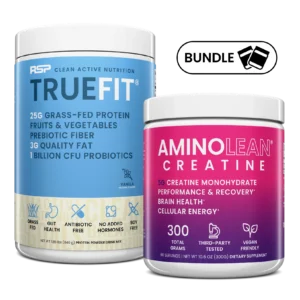
1. Whey Protein
Protein is the cornerstone of muscle recovery and growth. After grueling WODs (Workouts of the Day), muscles are broken down and need high-quality protein to rebuild stronger.
- Why it helps: Fast-digesting whey protein delivers essential amino acids, especially leucine, to kickstart muscle repair.
- How to use: Typically taken post-workout or as a convenient protein boost during the day.
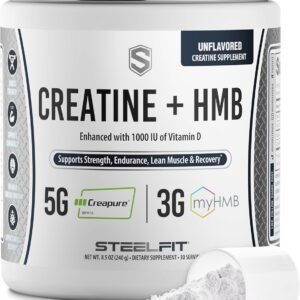
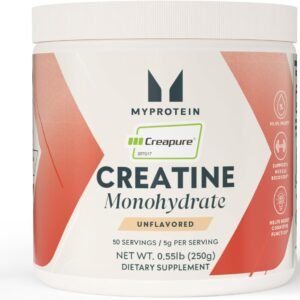
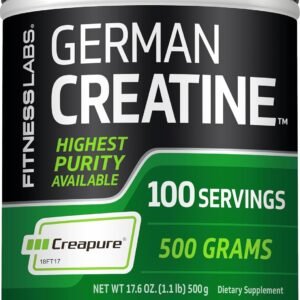
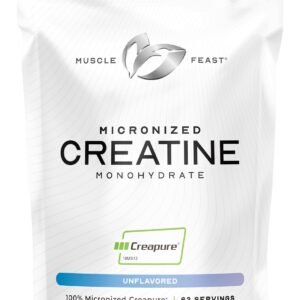
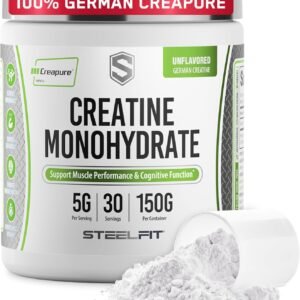
2. Creatine Monohydrate
One of the most researched sports supplements, creatine is a game-changer for strength and power.
- Why it helps: It replenishes ATP (the body’s primary energy currency), giving athletes more strength and endurance during short bursts of intense activity—perfect for heavy lifts and sprint-style WODs.
- How to use: 3–5 grams daily, consistently, whether training or not.
Check creatine for sale
3. Branched-Chain Amino Acids (BCAAs)
CrossFit workouts can be brutal on the body, leading to muscle breakdown and fatigue. BCAAs help minimize this.
- Why it helps: They reduce muscle soreness, support recovery, and help maintain lean muscle mass during intense training phases.
- How to use: Before, during, or after workouts for hydration and recovery.
4. Beta-Alanine
That burning sensation you feel during high-rep thrusters or burpees? Beta-alanine helps buffer it.

- Why it helps: Increases muscle carnosine levels, delaying fatigue and improving muscular endurance.
- How to use: 2–5 grams daily; may cause harmless tingling (paresthesia).
5. Fish Oil (Omega-3s)
CrossFit is tough not only on muscles but also on joints. Omega-3 fatty acids are crucial for recovery and overall health.
- Why it helps: Reduces inflammation, supports joint health, and may speed up recovery after tough training sessions.
- How to use: 1–3 grams daily, depending on diet and training intensity.
6. Pre-Workout Formulas
When energy levels dip, a well-formulated pre-workout can make the difference between dragging through a WOD and crushing it.
- Why it helps: Provides caffeine, beta-alanine, citrulline, and other performance-boosting ingredients for energy, focus, and stamina.
- How to use: 20–30 minutes before training, but cycle usage to avoid caffeine dependency.
Check pre workouts products for sale
7. Electrolytes
Sweaty, high-intensity sessions deplete sodium, potassium, and magnesium—critical minerals for hydration and muscle function.

- Why it helps: Prevents cramping, supports endurance, and keeps hydration levels stable during long sessions or hot conditions.
- How to use: Sip during workouts or throughout the day, especially in warm climates.
8. Vitamin D & Magnesium
Often overlooked, these micronutrients are essential for performance and recovery.
- Why it helps: Vitamin D boosts bone strength, immunity, and mood, while magnesium aids muscle relaxation, energy production, and quality sleep.
- How to use: Daily supplementation, especially if you’re deficient or not getting enough through diet and sunlight.
9. Supplements for Recovery, Sleep, and Nervous System Reset
One of the most underestimated challenges in CrossFit is central nervous system (CNS) fatigue. Heavy Olympic lifts, maximal efforts, and frequent high-intensity sessions place stress not only on muscles, but also on the nervous system. When recovery lags, performance drops, motivation declines, and injury risk rises.
Certain supplements can support this recovery process indirectly by improving sleep quality and nervous system balance:
- Magnesium (glycinate or threonate forms) supports muscle relaxation, reduces nighttime cramps, and improves sleep depth.
- Glycine (3–5 g before bed) may enhance sleep quality and body temperature regulation.
- Ashwagandha has been shown to help manage cortisol levels and improve stress resilience in athletes undergoing intense training loads.
Why this matters for CrossFitters:
Better sleep and nervous system recovery translate into improved bar speed, sharper coordination during complex movements, and more consistent performance across training weeks—not just isolated workouts.
10. How to Build a Smart CrossFit Supplement Stack (Without Overdoing It)
One of the most common mistakes CrossFit athletes make is stacking too many supplements at once, often without understanding overlap or actual need. More supplements do not equal better results.
A smarter approach is to build a goal-based stack:
Foundation stack (most athletes):
- Whey protein
- Creatine monohydrate
- Electrolytes
- Omega-3s
Performance-focused stack (competition or peak training phases):
- Add beta-alanine
- Add a pre-workout (used strategically, not daily)
- Optional BCAAs during long or fasted sessions
Recovery-focused stack (high volume or multiple daily sessions):
- Magnesium
- Vitamin D (if deficient)
- Sleep-support nutrients (glycine, zinc)
Key principle:
If a supplement does not clearly improve performance, recovery, or health markers, it doesn’t belong in your stack. Consistency with a few evidence-based supplements will outperform sporadic use of many.
Final Thoughts
Supplements are not shortcuts—they’re tools to complement training, nutrition, and recovery. For CrossFit athletes, the right stack can mean faster recovery, better endurance, and more strength when it matters most. Always prioritize whole foods, hydration, and proper sleep first, then use supplements strategically to fill in the gaps and enhance performance.
More info about Crossfit supplementation for athletes









1 Comment
[…] Read also: Best supplements in US for Crossfit athletes […]