

In an era where wellness is a priority, the health supplement industry has exploded into a multi-billion dollar market. Walk into any store or browse online, and you’re met with a dizzying array of bottles, powders, and capsules, all promising better health, more energy, and peak performance. But with so many options, a critical question arises: How do you separate the science-backed support from the mere marketing hype?
This comprehensive guide is designed to be your trusted resource. We will demystify the world of health supplements, exploring their potential benefits, inherent limitations, and the key principles for choosing and using them safely and effectively. The goal is not to sell you a product, but to empower you with the knowledge to make informed decisions that align with your unique health journey and your character.
Related Products
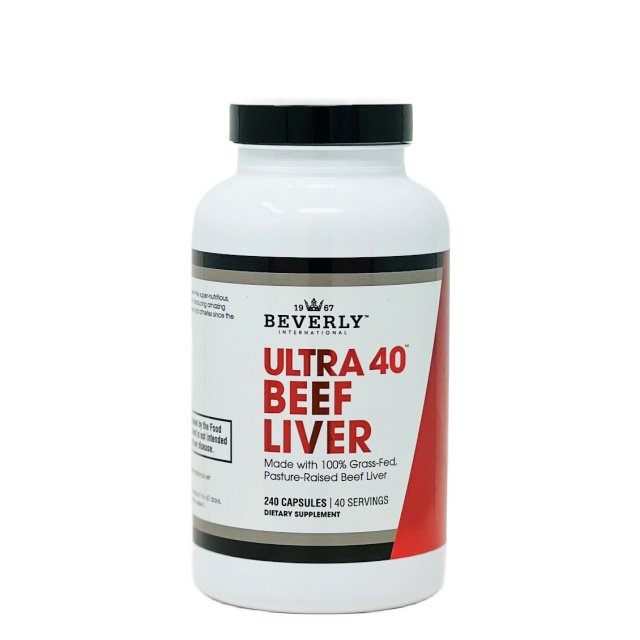
What Are Health Supplements, Really?
Let’s start with a clear definition. According to the U.S. Food and Drug Administration (FDA), dietary supplements are products intended to supplement the diet. They contain one or more dietary ingredients, including:
- Vitamins
- Minerals
- Herbs or other botanicals
- Amino acids
- Enzymes
- Probiotics
- Other substances like glucosamine or fish oils
Crucially, supplements are not medicines. They are not intended to diagnose, treat, cure, or prevent any disease. Instead, they are meant to complement a healthy lifestyle by filling nutritional gaps, supporting bodily functions, and promoting overall well-being. Think of them as the supporting actors, not the lead role, in the play of your health.
The Foundation First: Why Diet and Lifestyle Are Non-Negotiable
No amount of supplementation can undo the effects of a poor diet and a sedentary lifestyle. Supplements are called “supplements” for a reason—they supplement an already solid foundation.
Before you even consider a pill or powder, focus on these pillars of health:
- A Balanced, Whole-Foods Diet: Prioritize fruits, vegetables, lean proteins, healthy fats, and complex carbohydrates. This should be your primary source of nutrients.
- Adequate Hydration: Water is essential for every cellular process in your body.
- Quality Sleep: 7-9 hours of restorative sleep is foundational for recovery, hormone regulation, and cognitive function.
- Regular Physical Activity: A mix of cardiovascular, strength, and flexibility training is key.
- Stress Management: Chronic stress can deplete nutrients and disrupt bodily systems.
Once these fundamentals are in place, supplements can be strategically used to address specific needs or deficiencies.
The Most Researched and Beneficial Supplements
While individual needs vary, several categories of supplements have substantial scientific backing for their efficacy.
1. For Filling Nutritional Gaps: Multivitamins and Minerals
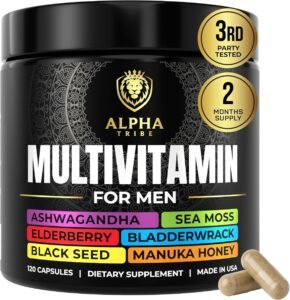
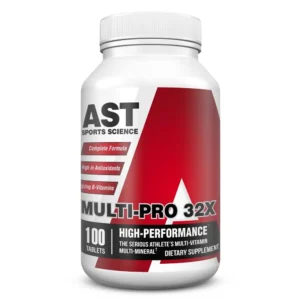
A high-quality multivitamin acts as a nutritional insurance policy. In our modern world, soil depletion, busy schedules, and food processing can make it challenging to get all the micronutrients we need. A multivitamin helps cover your bases, supporting everything from immune function to energy production.
2. For Brain, Heart, and Joint Health: Omega-3 Fatty Acids
Omega-3s, particularly EPA (eicosapentaenoic acid) and DHA (docosahexaenoic acid), are essential fats that the body cannot produce on its own. Found predominantly in fatty fish, they are renowned for their powerful anti-inflammatory properties. Benefits include supporting cognitive health, reducing triglyceride levels, and promoting joint mobility. For those who don’t eat fish regularly, a high-quality fish oil or algae-based supplement is an excellent choice.
3. For Bone Health and Immunity: Vitamin D
Often called the “sunshine vitamin,” Vitamin D is a hormone precursor that a vast majority of the population is deficient in, especially those in northern climates or with indoor lifestyles. It is critical for calcium absorption (bone health) and plays a vital role in immune system modulation. Supplementing with Vitamin D3 (cholecalciferol) is one of the most impactful steps many people can take for their health.
4. For Gut Health: Probiotics
Your gut is home to trillions of bacteria that influence digestion, immunity, and even mood. Probiotics are live, beneficial bacteria that can help restore balance to your gut microbiome. They are particularly useful after a course of antibiotics or for supporting general digestive wellness. Look for a supplement with multiple strains and a high CFU (colony-forming unit) count.
5. For Muscle Recovery and Performance: Protein and BCAAs
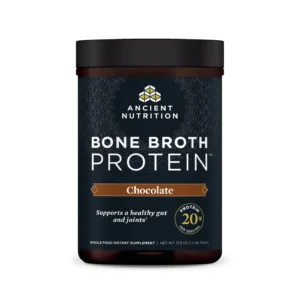
For athletes and fitness enthusiasts, protein is the building block of muscle repair. While whole food sources are best, protein powder supplements like whey, casein, or plant-based blends offer a convenient and efficient way to meet increased protein demands, especially around workouts.
Branched-Chain Amino Acids (BCAAs)—leucine, isoleucine, and valine—are also popular for reducing exercise-induced muscle soreness and promoting muscle protein synthesis. You can explore a wide range of flavors and types to find one that suits your taste and dietary needs in our comprehensive protein powder collection
6. For Energy and Metabolism: B-Vitamins and Iron
The family of B-vitamins (B1, B2, B3, B5, B6, B7, B9, B12) are crucial for converting food into usable energy. A B-complex supplement can be beneficial for energy levels, especially for vegetarians and vegans who may be at risk for B12 deficiency. Iron is essential for oxygen transport in the blood, and deficiency can lead to fatigue and anemia, particularly in women.
Navigating the Gray Areas: Pre-Workout, Fat Burners, and Nootropics
This category requires extra caution and research.
- Pre-Workout Supplements: Designed to increase energy, focus, and blood flow during exercise. They typically contain caffeine, beta-alanine (causes a tingling sensation), and citrulline malate. While effective, it’s vital to check the label for proprietary blends and excessive stimulant amounts. For those looking to enhance their training focus and endurance, our selection of pre-workout supplements includes transparently dosed options from trusted brands.
- Fat Burners: These supplements claim to increase metabolism or reduce appetite. Ingredients like caffeine and green tea extract have some evidence, but the effects are often modest. They are not magic pills and should only be considered alongside a strict diet and exercise regimen.
- Nootropics (“Smart Drugs”): This class includes substances that may improve cognitive function, such as memory and creativity. While some, like caffeine, are well-established, others lack long-term safety data. Thorough research is paramount.
How to Choose a High-Quality Supplement: A Buyer’s Checklist
The supplement industry is not as tightly regulated as the pharmaceutical industry. Therefore, the burden of quality control often falls on the manufacturer—and the informed consumer. Here’s how to be a smart shopper:
- Look for Third-Party Testing: This is the gold standard. Independent organizations like NSF International, USP (United States Pharmacopeia), or ConsumerLab.com test products to verify that what’s on the label is in the bottle and that the product is free from harmful contaminants. Always prioritize brands that use third-party testing.
- Check for Bioavailable Forms: Not all forms of a nutrient are created equal. For example, Magnesium Citrate is better absorbed than Magnesium Oxide. A little research on the best forms of your desired supplement can make a big difference in its effectiveness.
- Avoid Proprietary Blends: A “proprietary blend” allows companies to hide the exact doses of individual ingredients behind a total weight. This is a red flag, as you have no way of knowing if effective doses are used.
- Research the Brand’s Reputation: Choose established brands with a long history of transparency and good manufacturing practices (GMP). Read reviews and look for companies that invest in scientific research.
- Consult a Healthcare Professional: This cannot be overstated. Before starting any new supplement, especially if you have a pre-existing health condition or are taking medication, talk to your doctor or a registered dietitian. They can help you identify actual deficiencies and recommend appropriate types and dosages.
Related Products
-
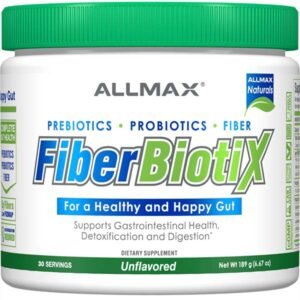
Allmax Nutrition FiberBiotix
Original price was: $24.99.$18.99Current price is: $18.99. -
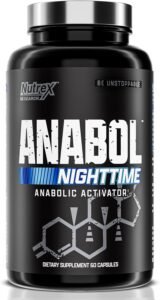
Anabol PM Nighttime Muscle Builder and Sleep Aid Anabolic Muscle Building Supplement
Original price was: $39.49.$31.59Current price is: $31.59. -
Anabolic Warfare Project Hulk
$64.99 -
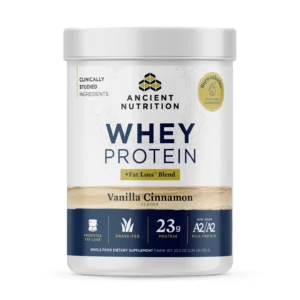
Ancient Nutrition Whey Protein + Fat Loss Blend
$59.95
The Potential Risks and Side Effects
“Natural” does not always mean “safe.” Supplements can have side effects and can interact with medications.
- Vitamin Toxicity: Fat-soluble vitamins (A, D, E, K) can build up in the body to toxic levels if taken in excess.
- Drug Interactions: For example, Vitamin K can interfere with blood thinners like Warfarin. St. John’s Wort is notorious for interacting with a wide range of medications, including antidepressants and birth control pills.
- Purity Concerns: Low-quality supplements may be contaminated with heavy metals, pesticides, or even unlisted pharmaceutical ingredients.
Always start with the lowest effective dose and monitor your body’s response.
Building Your Personalized Supplement Stack
Your supplement regimen should be as unique as you are. It should be tailored to your age, gender, diet, activity level, and specific health goals.
- The General Wellness Stack: A high-quality multivitamin, Vitamin D3, and an Omega-3 supplement form a solid foundation for most adults.
- The Fitness Enthusiast Stack: In addition to the foundation, a fitness-focused individual might add a protein powder for recovery and a creatine monohydrate supplement, which is one of the most researched and effective supplements for increasing strength and power output.
- Specialized Stacks: Those with specific goals, like supporting joint health under heavy training loads, might look into targeted formulas. For instance, our vitamins and health section includes joint support complexes containing glucosamine, chondroitin, and MSM.
Check info: best supplements stacks available

Conclusion: Empowerment Through Education
The world of health supplements is vast and complex, but it doesn’t have to be intimidating. By understanding that they are a complement to a healthy lifestyle, not a replacement for one, you are already on the right path.
Remember the core principles: prioritize a nutrient-dense diet and healthy habits, identify your specific needs, choose third-party tested products from reputable brands, and always consult a healthcare professional. When used wisely and intentionally, health supplements can be powerful tools to help you optimize your well-being and perform at your best, both in and out of the gym.
Disclaimer: This article is for informational purposes only and does not constitute medical advice. Always consult with a qualified healthcare provider before making any changes to your diet, exercise, or supplement regimen.