

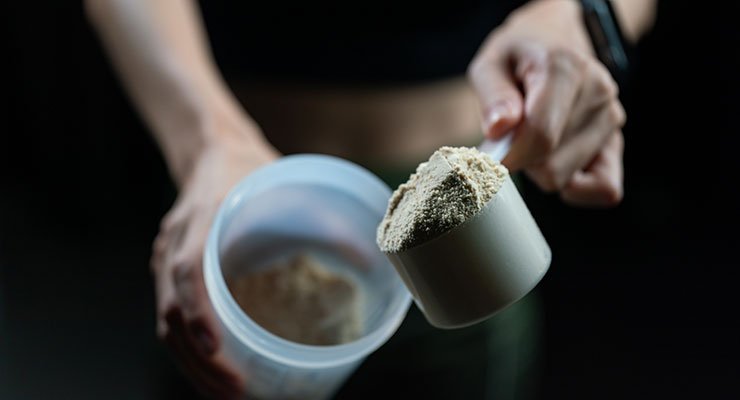
Whey protein has become one of the most important dietary supplements for athletes, bodybuilders, and health-conscious individuals across the globe. In the United States, the demand for whey protein continues to rise due to its role in muscle recovery, weight management, and overall wellness. But where exactly is whey protein produced in the USA, and which regions lead in manufacturing this essential supplement?
The Dairy Connection – Why the Midwest Dominates
Whey protein is a byproduct of cheese production, meaning that the largest whey producers are found in regions with strong dairy farming traditions. In the U.S., this naturally points to the Midwest, often referred to as “America’s Dairyland.”
- Wisconsin – Known as the leading cheese producer in the United States, Wisconsin is also one of the largest sources of whey protein. Many major whey processing facilities are located here, benefiting from the state’s dense dairy industry.
- Minnesota & Iowa – Both states are significant contributors, with large dairy cooperatives operating processing plants that separate and refine whey protein concentrate (WPC) and whey protein isolate (WPI).
- Michigan – With a growing dairy sector, Michigan has become another important hub for whey protein processing.
Worth a reading: the most affordable protein brands in US

Expanding Beyond the Midwest
While the Midwest is the traditional home of whey production, other regions in the U.S. have also developed strong manufacturing capacities:
- California – As the number one dairy-producing state in America, California has major processing facilities for whey protein. Many large-scale dairy companies in California supply both domestic and international markets.
- New York – With its strong dairy heritage, New York has invested in advanced whey processing technologies to keep pace with increasing demand.
- Idaho – This state has rapidly grown into a powerhouse for dairy production and whey processing, driven by large dairy farms and modern processing facilities.
Leading U.S. Companies in Whey Protein
Several American companies are known for producing high-quality whey protein that supplies supplement brands worldwide:
- Glanbia Nutritionals (Idaho, Wisconsin) – One of the biggest players globally, Glanbia produces whey protein ingredients for many of the most recognized supplement labels.
- Agropur (Minnesota, Wisconsin, Iowa) – A major cooperative with extensive whey processing operations in the U.S.
- Hilmar Cheese Company (California) – A leader in cheese and whey production, supplying protein powders across international markets.
- Leprino Foods (Colorado, New Mexico, Michigan) – Known for its massive dairy processing operations, including whey protein isolates used in sports nutrition.
The USA’s Global Influence
The United States is not just one of the largest consumers of whey protein but also a global exporter. American-made whey protein is highly valued for its quality, safety standards, and advanced production methods. Key export markets include Europe, Asia, and Latin America, where U.S. whey proteins are used in supplements, sports nutrition, and even infant formula.
Whey protein production in the USA is deeply tied to its powerful dairy industry. With Wisconsin, California, Idaho, and other dairy-rich states leading the way, the U.S. has positioned itself as one of the global leaders in high-quality whey protein supply. For athletes, fitness enthusiasts, and supplement companies, American whey protein remains one of the most trusted sources in the world.
From Milk to Muscle: The Science of Whey Processing in U.S. Facilities
Understanding where whey is produced is enhanced by knowing how it’s transformed from a liquid byproduct into a premium powder. U.S. facilities are global leaders in this sophisticated processing.
The Journey Begins at the Cheese Plant: The process starts in cheese-making facilities, where milk is coagulated. The leftover liquid—”sweet whey”—is pasteurized and rapidly transported via pipeline to on-site or nearby whey processing plants to prevent spoilage.
Key Processing Stages:
- Filtration (Ultrafiltration & Microfiltration): This is the core technology separating whey protein from lactose, fat, and minerals. The U.S. industry’s investment in advanced ceramic and spiral-wound membrane filters allows for highly efficient production of different grades:
- Whey Protein Concentrate (WPC): Created through ultrafiltration, retaining more of the beneficial bioactive compounds and lactose.
- Whey Protein Isolate (WPI): Achieved through additional microfiltration or ion exchange, removing almost all lactose and fat for a protein content of 90% or higher.
- Drying: The purified whey liquid is spray-dried into a powder in massive, computer-controlled drying towers—a common sight in Midwest and Western processing plants. The temperature and airflow are meticulously managed to preserve protein integrity (denaturation) and solubility.
- Agglomeration & Flavoring: For consumer-ready products, the powder may be agglomerated to improve mixability. Major ingredient suppliers like those in Glanbia’s facilities often add flavors, emulsifiers, or create custom blends for brand partners at this stage.
This technological prowess within U.S. plants ensures not only high yield but also the superior functional qualities—mixability, taste, clarity in beverages—that global brands demand.
Quality and Standards: Why U.S.-Produced Whey Protein Earns Global Trust
The reputation of American whey protein extends beyond volume; it is rooted in a rigorous ecosystem of quality control, safety standards, and traceability.
Stringent Regulatory Framework: U.S. whey production operates under the overlapping oversight of the Food and Drug Administration (FDA), the U.S. Department of Agriculture (USDA), and state-level dairy regulators. This ensures compliance with Current Good Manufacturing Practices (cGMP) and strict standards for facility hygiene and product safety.
Third-Party Certification & Transparency: Leading U.S. producers voluntarily undergo stringent third-party audits (e.g., NSF, Informed-Sport, UL-Eurofins) that certify products are free from banned substances, heavy metals, and microbial pathogens. This is especially critical for athletic supplements. Furthermore, many facilities implement farm-to-fork traceability, allowing them to track a batch of whey protein back to the farms that supplied the original milk—a level of transparency highly valued in international markets.
Focus on Grass-Fed & Sustainable Sourcing: A growing segment of the U.S. industry caters to premium markets by producing whey protein from grass-fed cows. Regions like New York, Wisconsin, and California have farms and cooperatives that certify their dairy as pasture-based, resulting in a whey powder with a different nutritional lipid profile (higher in Omega-3s and CLA) that is marketed as a superior product. This specialization demonstrates the industry’s responsiveness to nuanced consumer demands.
The Consumer’s Guide: Identifying and Choosing U.S.-Made Whey Protein
For the end-user, navigating labels to find quality U.S.-made whey can be confusing. This chapter provides practical guidance.
Decoding the Label:
- Look for “Made in the USA”: This claim is legally defined and means the product was substantially transformed in the U.S. For whey, this typically signifies it was processed and packaged domestically, though some raw materials might be sourced globally.
- Identify the Manufacturer: Many brands use co-manufacturers. Check for a disclaimer like “Manufactured for [Brand Name] by…” which may list a major player like Glanbia (ID, WI), Agropur (MN), or Hilmar (CA). This is a strong indicator of U.S. production and scale.
- Ingredient Origin Statements: Some labels proudly state “Whey Protein from U.S. Farms” or “Sourced from American Dairy.” This speaks directly to the supply chain discussed in the main article.
Balancing Cost, Quality, and Ethics: The most affordable proteins often use WPC from large, efficient Midwest cooperatives. Isolates and hydrolysates command a higher price due to advanced processing. Consumers seeking ethical sourcing should look for the mentioned grass-fed certifications or brands that partner with specific farmer-owned cooperatives.
The Future: Sustainability and Innovation: The U.S. whey industry is actively addressing its environmental footprint. Plants in Idaho and California, for example, are investing in processes to convert processing wastewater into biogas for energy and are optimizing water reuse. As a consumer, supporting companies that highlight these initiatives encourages more sustainable manufacturing in the heartland and beyond.
Whey protein production in the USA is deeply tied to its powerful dairy industry, advanced processing science, and a renowned commitment to quality. With Wisconsin, California, Idaho, and other dairy-rich states leading the way, the U.S. has positioned itself as a global leader in high-quality whey protein supply. From the sophisticated filtration plants in the Midwest to the grass-fed streams from New York, American whey offers a spectrum of trusted choices. For athletes, fitness enthusiasts, and supplement brands worldwide, understanding this robust domestic landscape ensures informed choices, connecting each scoop back to the farms and innovative facilities that make the U.S. a whey protein powerhouse.










3 Comments
[…] ultimate guide to organic whey protein. In the ever-evolving world of fitness and nutrition, organic whey protein stands out as a […]
[…] you’re a beginner wondering how to buy protein powder on Amazon or a seasoned pro seeking the best pre-workout supplements on Amazon, this article is […]
[…] Main whey protein producers in USA […]