


The Ultimate Guide to the Best Recovery Formulas After Heavy Lifting
Best Recovery Formulas After Heavy Lifting. You’ve just crushed it. The barbell is bent, the weights are scattered, and your muscles are screaming a chorus of triumph and fatigue. You pushed past your limits, broke down tissue, and poured every ounce of effort into that session. The work is done, right?
Wrong.
The truth is, your workout is the catalyst, but your results are built in the hours and days that follow. What you do next—specifically, what you fuel your body with—is what separates stagnation from growth, plateaus from personal records, and perpetual soreness from powerful comebacks.
Welcome to the definitive guide on recovery formulas. This isn’t just another list of supplements. This is a deep dive into the science of repair, a blueprint for constructing your own nutritional strategy, and an exploration of the elite compounds that can truly accelerate your journey from broken down to built up.
Find out more in GYM Science and Research
Why Recovery is Your Secret Weapon. The Science of Supercompensation
To understand why recovery supplements are non-negotiable, you must first understand the process you’re trying to optimize: Muscle Protein Synthesis (MPS) and supercompensation.
When you lift heavy, you create microscopic tears in your muscle fibers. This is muscle damage, and it’s a good thing. Your body perceives this as a threat and initiates an inflammatory response to repair the damage. But it doesn’t just patch the holes; it overcompensates, building the fibers back slightly bigger and stronger than before to handle the future stress. This is supercompensation.
This miraculous process doesn’t happen by magic. It requires two key things:
- Fuel (Energy & Nutrients): The raw materials to conduct the repairs.
- Signaling (Hormonal & Cellular): The instructions that tell your body to start the construction project.
Poor recovery means you never fully repair. You train again in a broken-down state, which can lead to overtraining, injury, and frustration. Elite recovery means you walk into your next session stronger, fueled, and ready to break new ground.
This is where strategic supplementation shines. It provides a potent, targeted dose of both the fuel and the signals your body desperately needs.
Deconstructing the Perfect Recovery Stack: The Pillars of Repair
Think of recovery as a pyramid. The foundation is non-negotiable: sleep, hydration, and whole foods. Supplements are the powerful apex—the precision tools that maximize the structure’s strength. The “best” recovery formula isn’t one single product; it’s a strategic combination that addresses the four pillars of post-lift repair.

Pillar 1: Protein Synthesis & Muscle Repair
This is the most critical pillar. You need amino acids, the building blocks of protein, to repair muscle tissue.
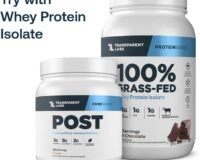
- The King: Whey Protein Isolate. Fast-absorbing, incredibly bioavailable, and rich in Branched-Chain Amino Acids (BCAAs), especially leucine. Leucine is the primary trigger for switching on Muscle Protein Synthesis. It’s the key that starts the engine of growth.
- The Contender: Vegan Blends (Pea, Rice, Hemp). Modern blends have become excellent. Look for a combination of sources to ensure a complete amino acid profile.
- The Specialist: Essential Amino Acids (EAAs). These are the 9 aminos your body cannot make itself. They are even more rapidly absorbed than whole protein and can be taken during your workout to prime the recovery pump before you even finish your last set.
Pillar 2: Inflammation & Muscle Soreness (DOMS)
The inflammatory response is necessary, but if it rages out of control, it increases soreness (Delayed Onset Muscle Soreness – DOMS) and prolongs recovery.
- The Heavy Hitter: Omega-3 Fatty Acids (Fish Oil). EPA and DHA from quality fish oil are powerfully anti-inflammatory. They help modulate the inflammatory response, turning down the dial on excessive soreness and supporting joint health.
- The Antioxidant Army: Tart Cherry Juice & Curcumin.
- Tart Cherry Juice: Studies have repeatedly shown it reduces strength loss and soreness after intense exercise. It’s packed with antioxidants and compounds that support melatonin production for better sleep.
- Curcumin (from Turmeric): The superstar of anti-inflammatories. Look for formulations paired with black pepper extract (piperine) or phospholipids to dramatically enhance its otherwise poor absorption.
Pillar 3: Glycogen Replenishment & Hydration
Heavy lifting depletes your muscles’ stored carbohydrate (glycogen) and fluids through sweat. Replenishing these is crucial for energy and cellular function.
- The Workhorse: Carbohydrates. While not always a “supplement” in the traditional sense, adding fast-digesting carbs (like dextrose, maltodextrin, or even just fruit) to your post-workout shake creates an insulin spike. Insulin is a highly anabolic hormone that shuttles nutrients into muscle cells, accelerating glycogen replenishment and amino acid uptake.
- The Electrolyte Elite: Magnesium & Sodium/Potassium.
- Magnesium: Involved in over 300 biochemical reactions, including muscle relaxation and nerve function. Sweating depletes it, and deficiency is common. Magnesium glycinate is a highly bioavailable form that also promotes sleep.
- Sodium & Potassium: Critical for fluid balance, nerve impulses, and muscle contractions. Don’t fear sodium post-workout; it helps you rehydrate effectively.
Related Products
-
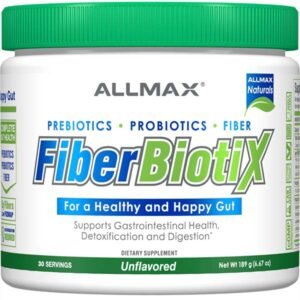
Allmax Nutrition FiberBiotix
Original price was: $24.99.$18.99Current price is: $18.99. -
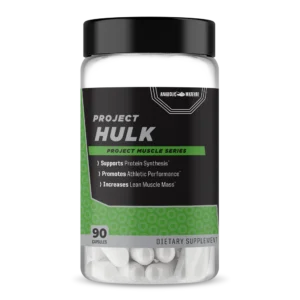
Anabolic Warfare Project Hulk
$64.99 -
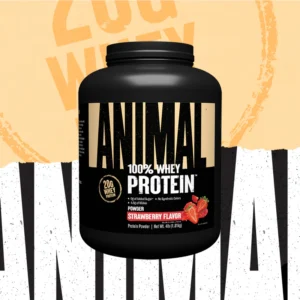
Animal 100% Whey Protein
$52.45 -
Animal Juiced Amino Acids
Original price was: $33.75.$31.95Current price is: $31.95.

Pillar 4: Cellular Energy & ATP Regeneration
Lifting weights burns through your body’s immediate energy currency, ATP. Supporting your mitochondria (the powerhouses of your cells) helps you regenerate ATP faster and improve overall energy levels.
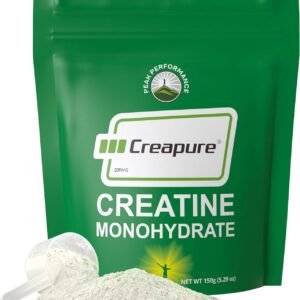
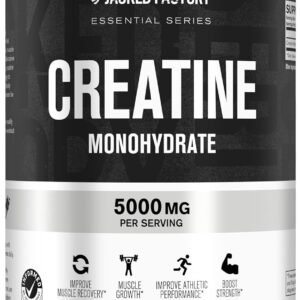
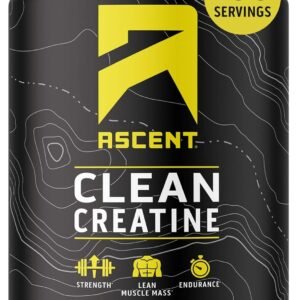
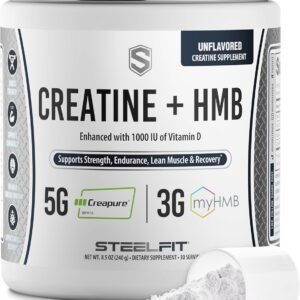
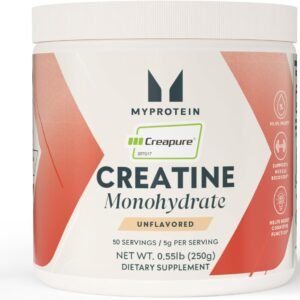
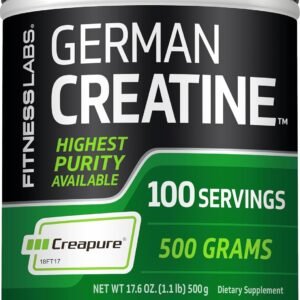
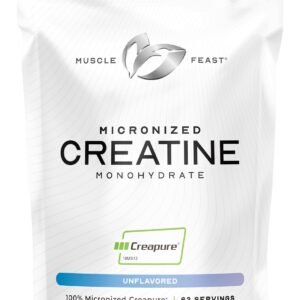
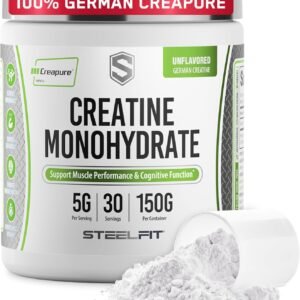
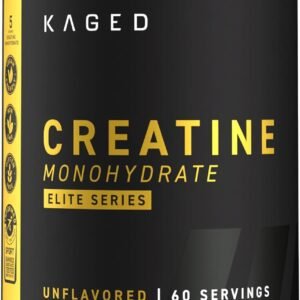
- The Mitochondrial Booster: Creatine Monohydrate. The most researched supplement in history. While known for boosting strength and power, creatine’s recovery benefits are profound. It helps recycle ATP, meaning you can perform more work on your next set and recover between sets more efficiently. It also pulls water into muscle cells, enhancing hydration and the anabolic environment.
- The Co-Factor: Coenzyme Q10 (CoQ10). A vital antioxidant that plays a key role in energy production within the mitochondria. Supporting CoQ10 levels can enhance overall cellular energy and reduce oxidative stress.
Beyond the Basics: The Next-Level Recovery Arsenal
Once you’ve mastered the fundamentals, these advanced compounds can provide an extra edge for the dedicated athlete.
- L-Glutamine: While its role in muscle protein synthesis may be overhyped, it is a critical fuel source for immune cells and gut lining cells. Intense training can suppress the immune system, and glutamine can help support your body’s defenses.
- Collagen Peptides: Specifically rich in amino acids glycine and proline, collagen is the building block of tendons, ligaments, and connective tissue. If you’re lifting heavy, your joints need love too. Supporting your connective tissue is a brilliant long-term recovery strategy.
- Ashwagandha: An adaptogenic herb that shines in its ability to lower cortisol (the catabolic stress hormone). By moderating the stress response, it can improve sleep quality, reduce feelings of fatigue, and support a more anabolic hormonal environment.
- Beetroot Powder: Rich in dietary nitrates, which convert to nitric oxide in the body. This improves blood flow, delivering more oxygen and nutrients to damaged muscles, which can significantly speed up the repair process.

Building Your Personalized Recovery Protocol
Timing is everything. The 60-minute window after your workout, often called the “anabolic window,” is a period of heightened nutrient sensitivity. Here’s how to build your protocol:
Immediately Post-Workout (0-60 minutes): The Anabolic Shake
This is your most important tactical dose. Your goal is to quickly stop muscle breakdown and initiate repair.
- Option 1 (The Classic): 25-40g of Whey Protein Isolate + 30-60g of fast-digesting carbohydrates (e.g., a banana, dextrose, or scoop of carb powder) + 5g of Creatine Monohydrate.
- Option 2 (The Advanced): 10g of EAAs during your workout, followed by the “Classic” shake immediately after.
60 Minutes – 2 Hours Post-Workout: The Foundation Meal
Follow your shake with a whole food meal containing a balanced source of protein (chicken, fish, beef), complex carbohydrates (sweet potato, rice, quinoa), and healthy fats (avocado, olive oil). This provides sustained release nutrients.
Evening/Bedtime: The Repair & Recharge Phase
Sleep is when the magic happens. Optimize this window.
- 30-60 minutes before bed: Consider a casein protein shake (slow-digesting) or a tablespoon of peanut butter to provide a slow trickle of aminos overnight.
- Consider: 300-500mg of Magnesium Glycinate and/or Tart Cherry Juice to enhance sleep quality and combat inflammation overnight.
Related Products
-
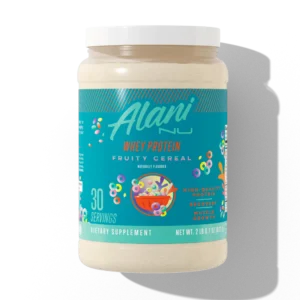
Alani Nu Whey Protein Fruity Cereal
$44.99 -
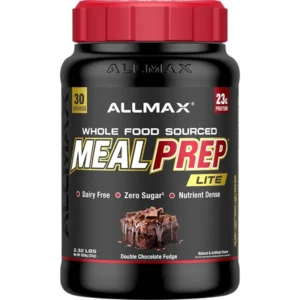
Allmax Nutrition Mealprep Lite
$48.99 -
Alpha Lion Mass Monster Stack
Original price was: $268.41.$169.99Current price is: $169.99. -
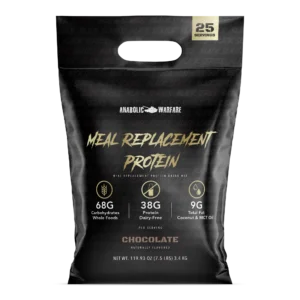
Anabolic Warfare Meal Replacement Protein
$79.99
Daily Foundation: The Non-Negotiables
- Fish Oil: 1-3g of combined EPA/DHA with a meal.
- Creatine: 5g daily. Timing is irrelevant; consistency is key.
- Collagen: 10-20g daily, often taken in the morning with coffee or in a shake.
The Dark Side: What to Avoid
Not all supplements are created equal. The market is flooded with proprietary blends that hide dosages and include cheap fillers.
- Avoid “Proprietary Blends”: This term allows companies to hide the individual amounts of each ingredient. If a blend says “Recovery Matrix 3000mg” containing 10 different ingredients, you have no idea if you’re getting an effective dose of anything. Demand transparency.
- Beware of Mega-Dosed “Test Boosters”: Most over-the-counter testosterone boosters are ineffective for significantly raising T-levels in healthy individuals. Save your money for the proven supplements listed above.
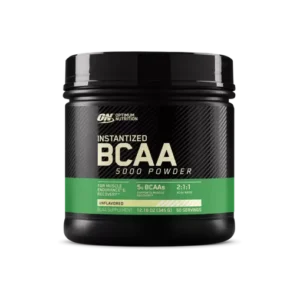
- Skip the Hype: BCAAs. If you’re consuming adequate daily protein (0.8-1g per pound of bodyweight) and a post-workout protein shake, standalone BCAA supplements are largely redundant and a waste of money. Your money is better spent on EAAs or more protein.

Best Recovery Formulas After Heavy Lifting: From Fatigue to Full Strength
You’ve just crushed your session. The weights are down, your muscles are screaming, and the adrenaline is high. But here’s the truth: the workout itself is only the spark. Real gains—bigger, stronger muscles and faster recovery—happen after you leave the gym. What you do in the hours and days following heavy lifting determines whether you progress or plateau.
This guide breaks down the science of recovery, outlines the most effective supplements, and shows how to build a recovery protocol tailored for serious lifters.
Why Recovery Is Your Secret Weapon: Muscle Protein Synthesis & Supercompensation
When you lift heavy, you create tiny tears in your muscle fibers—a necessary step for growth. Your body responds with muscle protein synthesis (MPS) and supercompensation, repairing fibers slightly stronger and bigger than before.
Key ingredients for effective recovery:
- Fuel: Protein, amino acids, carbohydrates, and essential nutrients.
- Signals: Hormones and cellular messengers that trigger repair and adaptation.
Neglecting recovery means walking into your next session under-repaired, increasing your risk of overtraining and injury. Strategic supplementation accelerates this process, giving your muscles everything they need to rebuild efficiently.
The Four Pillars of Recovery
Think of recovery as a pyramid: sleep, hydration, and whole foods form the base, while supplements are the apex, designed to optimize repair. Here’s how to build a complete recovery stack:
1. Muscle Repair & Protein Synthesis
Goal: Supply amino acids to trigger MPS and repair damaged tissue.
- Whey Protein Isolate: Fast-absorbing, rich in BCAAs (especially leucine), the key amino acid for activating MPS.
- Vegan Blends: Pea, rice, and hemp combinations for complete amino acid profiles.
- Essential Amino Acids (EAAs): Rapidly absorbed and effective even during workouts to jump-start recovery.
Tip: Consume 25–40g post-workout for maximal effect.
2. Inflammation & Muscle Soreness (DOMS)
Goal: Reduce excessive inflammation while allowing natural repair.
- Omega-3 Fatty Acids: EPA and DHA reduce muscle soreness and support joint health.
- Tart Cherry Juice: Packed with antioxidants, proven to decrease DOMS and improve sleep quality.
- Curcumin: A potent anti-inflammatory; pair with black pepper extract (piperine) for enhanced absorption.
3. Glycogen Replenishment & Hydration
Goal: Restore energy stores and maintain cellular function.
- Carbohydrates: Fast-digesting carbs like dextrose, maltodextrin, or fruit stimulate insulin, improving nutrient uptake.
- Electrolytes: Sodium, potassium, and magnesium are critical for fluid balance and muscle function. Magnesium glycinate supports relaxation and sleep.
4. Cellular Energy & ATP Regeneration
Goal: Support mitochondria and replenish energy for future sessions.
- Creatine Monohydrate: Enhances ATP regeneration, improves strength, and accelerates recovery.
- Coenzyme Q10 (CoQ10): Supports mitochondrial energy production and reduces oxidative stress.
Advanced Recovery Compounds
Once the basics are mastered, these supplements provide an extra edge:
- L-Glutamine: Supports immune function and gut health post-training.
- Collagen Peptides: Strengthen tendons, ligaments, and connective tissues.
- Ashwagandha: Reduces cortisol, enhances sleep, and promotes an anabolic environment.
- Beetroot Powder: Improves blood flow via nitric oxide, delivering nutrients to recovering muscles faster.
Building Your Post-Workout Protocol
0–60 Minutes (Anabolic Window):
- 25–40g whey protein + 30–60g fast-digesting carbs + 5g creatine.
- Optional: 10g EAAs during your workout to prime recovery.
60 Minutes–2 Hours:
- Follow with a balanced meal: lean protein, complex carbs, healthy fats.
Evening/Bedtime:
- Casein protein or slow-digesting fats (e.g., peanut butter) for overnight amino acid supply.
- Consider magnesium or tart cherry juice to improve sleep quality and support recovery.
Daily Foundation: Non-Negotiables
- Fish Oil: 1–3g combined EPA/DHA.
- Creatine: 5g daily (timing flexible).
- Collagen: 10–20g daily for joint and connective tissue support.
- Hydration & Sleep: Never underestimate their role.
What to Avoid
- Proprietary Blends: Hidden dosages mean you don’t know what you’re actually consuming.
- Mega-Dosed “Test Boosters”: Largely ineffective in healthy individuals.
- Standalone BCAAs: Redundant if protein intake is adequate.
The Bottom Line
Recovery is the multiplier of your hard work. The “best” formula is not a single supplement but a strategic, consistent routine that addresses:
- Muscle repair and growth
- Inflammation and soreness
- Glycogen replenishment and hydration
- Cellular energy and ATP regeneration
Start with whey protein, creatine, and fish oil. Master your timing, prioritize sleep, and hydrate well. Once these basics are nailed, advanced compounds like tart cherry, curcumin, or collagen can fine-tune your recovery.
Your muscles can only grow if you feed them the right fuel at the right time. Train hard, recover smarter, and watch your strength—and your physique—soar.
The Final Rep: Your Body’s Best Investment
The pursuit of the perfect physique and unparalleled strength is a marathon, not a sprint. Each workout is an investment, and your recovery protocol is the compound interest that makes that investment grow exponentially.
The “best” recovery formula is the one you consistently follow. It’s the strategic combination of proven nutrients that addresses muscle repair, tames inflammation, replenishes energy stores, and supports cellular function.
Start with the pillars: a high-quality protein powder, creatine, and fish oil. Master your timing. Hydrate relentlessly. Prioritize sleep as if your gains depend on it—because they do. Then, and only then, consider adding the advanced players like tart cherry, curcumin, or collagen to fine-tune your process.
Listen to your body. It will tell you what it needs. Less soreness, more energy, and consistent progress in the gym are the only metrics that truly matter. Now, go feed your recovery, and get ready to lift heavier than ever before.