



What is morph in fitness industry? In the fitness industry, the term “morph” usually refers to body transformation — how someone’s physique changes over time through training, diet, or supplements. It can be used in a few contexts:
- Body Morphing / Transformation
- Often used in before-and-after comparisons to show fat loss, muscle gain, or overall physical progress.
- Some fitness apps and software even use “morphing” effects to visualize how a person’s body could change with consistent training and nutrition.
- Digital Morphing Tools
- Some gyms, personal trainers, and supplement brands use “morph apps” or visualizers to let clients see potential results (e.g., slimmer waist, more muscle definition) if they follow a program.
- These can be motivational tools in marketing.

- Supplement Branding
- A few supplement companies use the word “Morph” in product names (e.g., pre-workouts, fat burners, muscle builders). In this context, it implies the supplement will help “morph” or transform your body.
- Slang in Bodybuilding Communities
- Athletes sometimes say they’re “morphing” when their physique is changing noticeably — either getting shredded for a competition or bulking up.
🧠 The Psychological Power and Peril of the Morph
The concept of the “morph” is fundamentally a psychological tool, leveraging the powerful human desire for transformation and self-improvement. Before-and-after photos and digital simulations tap into our innate optimism, providing a tangible vision of a future self that can significantly boost motivation and commitment at the start of a fitness journey. However, this powerful narrative carries a potential peril: the propagation of unrealistic or unhealthy standards. When the “after” image is presented as the sole, inevitable result of a program or product—often omitting factors like genetics, time, or professional coaching—it can create a distorted benchmark for success. This can lead to frustration, unsustainable practices, or a harmful relationship with one’s body if the real-world transformation doesn’t mirror the idealized digital or marketed morph. Thus, the most ethical application of the morph focuses on celebrating individual progress and functional improvement, not just aesthetic conformity to an idealized standard.
🤖 From Static Images to Dynamic Data: The Digital Evolution of the Morph
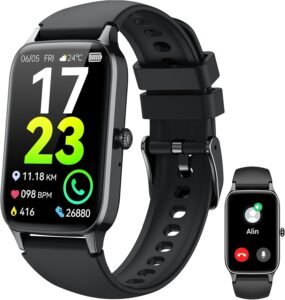
The fitness morph is evolving from simple side-by-side photos into a dynamic, data-driven experience powered by wearable technology and artificial intelligence. Modern fitness apps and smart devices no longer just show a static “after”; they create a continuous, real-time morph by synthesizing data streams—daily heart rate variability, sleep quality, workout performance, and nutritional intake—into personalized feedback loops. This transforms the morph from a passive, retrospective look at change into an active, predictive, and interactive coach. For instance, an app might use your current body composition scan, workout consistency, and diet log to generate a projected morph for 3 or 6 months in the future, adjusting the visualization as your real data changes. This creates a more nuanced and personalized roadmap, making the abstract goal of “transformation” a tangible, data-informed journey.
🧬 The Biological Morph: Understanding Your Body’s Adaptive Language
Beyond the visual, a true “morph” is the biological story of adaptation written by your cells in response to consistent stimuli. When you lift weights, you’re not just building muscle; you’re triggering a cascade of hormonal and genetic responses—increased protein synthesis, mitochondrial biogenesis, and neural pathway strengthening—that literally reshape your physiology. This internal morph is governed by principles like progressive overload, metabolic adaptation, and hormonal flux. Supplements or diets branded with the term “morph” are essentially attempting to support or accelerate these underlying biological processes. Understanding this separates marketing from mechanism: the real transformation occurs through the silent, cumulative dialogue between your training, nutrition, and recovery, with external aids playing a supporting, not a leading, role in your body’s native adaptive intelligence.
⚖️ Morph vs. Core: The Critical Distinction Between Transformation and Identity
A crucial, often unspoken dimension of the fitness morph is the tension between transformation and identity. The morph narrative is inherently future-oriented—it’s about becoming something you are not yet. This can be powerfully motivating but can also subtly reinforce the idea that your current self is inadequate. The healthiest long-term mindset shifts from a constant state of “morphing” to one of “integrating,” where fitness practices become expressions of your core identity, not just tools to escape it. This is the difference between someone who exercises to look like a different person and someone who trains because they are an active, healthy person. The most sustainable “morph,” therefore, may be an internal one: the gradual reshaping of your self-concept to align with the disciplined, resilient, and healthy behaviors that naturally lead to external physical change.
👉 So in short:
In fitness, “morph” is mostly about transformation — either your real body changing, or a digital/visual tool showing what’s possible.









1 Comment
[…] Interesting article: What is morph in fitness industry? […]