


The Ultimate Guide to Organic Whey Protein in 2025: Benefits, Trends, and Innovations
The ultimate guide to organic whey protein. In the ever-evolving world of fitness and nutrition, organic whey protein stands out as a powerhouse supplement that’s gaining massive traction. As we dive into 2025, the organic whey protein market is booming, valued at an impressive $652 million and projected to grow at a compound annual growth rate (CAGR) of 7.7% through 2032. Whether you’re a gym enthusiast, athlete, or someone looking to boost daily protein intake, understanding organic whey protein can transform your health routine. This comprehensive guide explores what it is, its benefits, and the cutting-edge trends shaping its future in 2025.
What is Organic Whey Protein?
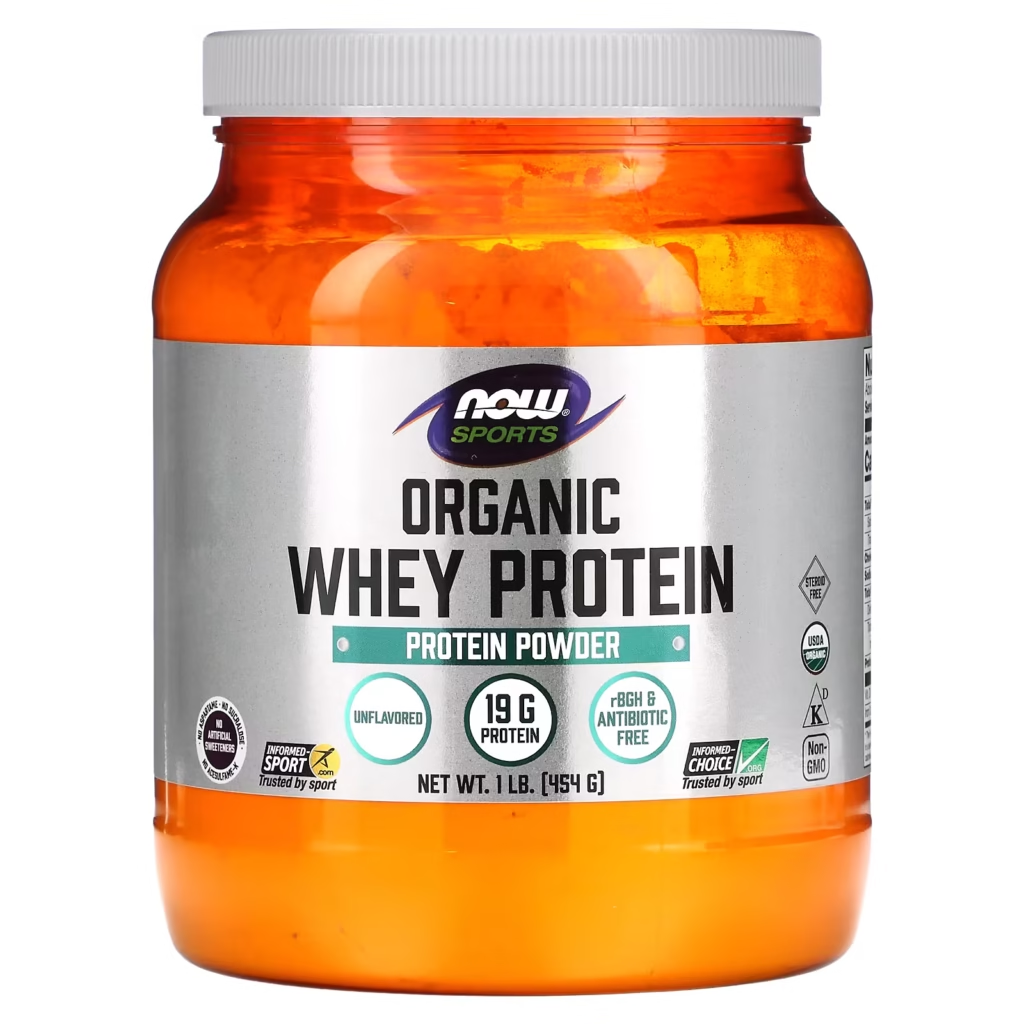
Organic whey protein is derived from the liquid byproduct of cheese production from organically farmed milk. Unlike conventional whey, it’s sourced from cows raised without synthetic pesticides, hormones, or antibiotics, adhering to strict USDA organic standards. This ensures a cleaner, more natural product free from harmful chemicals.
In essence, whey protein comes in forms like concentrate, isolate, and hydrolysate. Organic versions emphasize sustainability and purity, often from grass-fed cows, which can enhance the nutritional profile with higher levels of omega-3 fatty acids and antioxidants. As consumer demand for clean-label products rises, organic whey has become a go-to for those prioritizing ethical sourcing and environmental impact.
Read more about whey supplements
Key Benefits of Organic Whey Protein
Organic whey protein isn’t just a trend—it’s backed by science for its health advantages. Here are some standout benefits:
- Muscle Building and Recovery: Packed with essential amino acids like leucine, organic whey promotes muscle protein synthesis, aiding faster recovery post-workout. Studies show it can enhance muscle growth by up to 20% when combined with resistance training.
- Weight Management: High in protein, it helps curb hunger and boost metabolism. Incorporating organic whey into meals can support fat loss while preserving lean muscle, making it ideal for weight loss goals.
- Immune Support and Gut Health: Rich in immunoglobulins and lactoferrin, it strengthens the immune system. Plus, its prebiotic properties foster beneficial gut bacteria, improving digestion and overall wellness.
- Antioxidant Boost: Organic sourcing often means higher conjugated linoleic acid (CLA) content, which combats inflammation and supports heart health.
Compared to non-organic whey, the organic variant avoids residues from conventional farming, potentially reducing exposure to toxins and offering a more nutrient-dense option.
Emerging Trends and New Ideas in Organic Whey Protein for 2025
2025 is ushering in exciting innovations in the organic whey protein space, driven by health-conscious consumers and technological advancements. The global whey protein market is expected to reach $26.04 billion by 2034, with organic segments leading the charge. Here’s a look at the fresh ideas reshaping this industry:
1. Protein Fortification in Everyday Foods
One of the hottest trends is integrating organic whey protein into functional foods and beverages beyond shakes. Think protein-enriched yogurts, bars, and even baked goods. The Vitamin Shoppe’s 2025 Health & Wellness Trend Report highlights “protein in everything” as a key focus, encouraging consumers to hit 1-1.6 grams per kg of body weight daily across all meals. This “protein at every meal” approach is revolutionizing diets, making it easier to maintain muscle mass without relying solely on supplements.
2. Sustainable and Regenerative Sourcing
Sustainability is non-negotiable in 2025. Brands are adopting regenerative agriculture practices for organic dairy farms, which improve soil health, sequester carbon, and enhance biodiversity. This not only boosts the environmental credentials of organic whey but also results in higher-quality protein with elevated nutrient levels. Glanbia’s megatrends report emphasizes “sustainable ingredients” as a core driver, with consumers willing to pay a premium for eco-friendly options.
3. Personalized and AI-Driven Formulations
Innovation meets technology with AI-personalized organic whey protein. Apps and wearables now analyze your fitness data, genetics, and goals to recommend custom blends—perhaps infused with adaptogens like ashwagandha for stress relief or collagen for joint health. This trend aligns with “personalized wellness,” where supplements are tailored for optimal results, reducing waste and enhancing efficacy.
Check also: weight loss supplements – which one to buy first
4. Novel Delivery Formats and Flavors
Gone are the days of bland powders. 2025 brings innovative formats like ready-to-drink (RTD) organic whey shakes, gummies, and effervescent tablets for on-the-go convenience. Flavor collaborations are exploding, with exotic options like matcha-mint or berry-basil, making protein intake enjoyable. Additionally, bioactives integration—adding ingredients for energy or women’s health—caters to niche needs.
5. Hydration-Enhanced Protein Blends
A novel idea gaining steam is combining organic whey with electrolytes and hydration boosters. Perfect for athletes, these blends support muscle recovery while preventing dehydration, tapping into the “hydration innovation” trend. Expect to see more products targeting summer workouts or endurance sports.
These trends reflect a shift toward holistic wellness, where organic whey protein isn’t just a supplement—it’s a lifestyle enhancer.
How to Choose the Best Organic Whey Protein in 2025
With so many options, selecting the right one is crucial. Look for:
- Certifications: USDA Organic, Non-GMO, and third-party tested for purity.
- Source: Grass-fed and hormone-free for superior quality.
- Form: Isolate for low carbs/lactose, concentrate for affordability.
- Additives: Avoid artificial sweeteners; opt for natural flavors.
- Reviews and Brands: Top picks include those emphasizing sustainability, like from Glanbia or NZMP-inspired lines.
Always consult a healthcare professional before starting any supplement.
Organic Whey Protein vs. Plant-Based Proteins: The 2025 Reality Check
As plant-based nutrition continues to rise, many consumers in 2025 face a genuine dilemma: organic whey protein or plant-based alternatives such as pea, rice, or soy protein? While both have a place in modern diets, their nutritional performance and bioavailability remain fundamentally different.
Organic whey protein remains the gold standard for protein quality, scoring exceptionally high on the Biological Value (BV) and Digestible Indispensable Amino Acid Score (DIAAS). It provides a complete amino acid profile, including optimal levels of leucine—critical for muscle protein synthesis and age-related muscle preservation (sarcopenia). Most plant proteins, even when blended, struggle to consistently match this anabolic trigger.
From a digestion standpoint, organic whey isolate is rapidly absorbed, making it ideal post-workout or during recovery windows. In contrast, plant proteins digest more slowly and often contain antinutrients (such as phytates) that can reduce mineral absorption unless heavily processed.
Sustainability is often cited as a win for plant proteins, but this gap is narrowing fast. Regenerative organic dairy farming, now expanding rapidly in 2025, shows that responsibly sourced whey protein can rival—or even outperform—plant proteins in carbon efficiency when factoring in land use, soil regeneration, and nutrient density per gram of protein.
The takeaway?
Plant proteins are excellent dietary complements, especially for variety and fiber intake. But for muscle performance, recovery, and metabolic efficiency, organic whey protein remains unmatched—especially when sourced from regenerative, grass-fed systems.
Who Benefits Most from Organic Whey Protein? Use Cases Beyond the Gym
Organic whey protein is often marketed to athletes—but in 2025, its most powerful applications extend far beyond bodybuilding and fitness culture.
1. Adults 40+ Focused on Healthy Aging
As muscle mass naturally declines with age, organic whey protein plays a critical role in preserving strength, mobility, and metabolic health. Its high leucine content helps counteract anabolic resistance, a key issue in aging populations. Daily supplementation has been linked to improved balance, bone density support, and reduced risk of frailty.
2. Busy Professionals and Entrepreneurs
For individuals juggling work, travel, and high cognitive demand, organic whey protein offers fast, clean nutrition without blood sugar spikes. When used as a meal bridge or breakfast addition, it supports sustained energy, satiety, and mental focus—especially when combined with healthy fats or fiber.
3. Weight Loss and Body Recomposition Clients
Organic whey protein is uniquely effective during caloric deficits. It preserves lean muscle while enhancing thermogenesis and appetite control. Compared to ultra-processed diet foods, it delivers high satiety per calorie with minimal ingredient complexity—an important factor for long-term adherence.
4. Individuals with Digestive Sensitivities
Many people who believe they are “protein intolerant” actually react to additives, artificial sweeteners, or antibiotic residues. High-quality organic whey isolate—free from gums, fillers, and synthetic flavors—is often better tolerated than conventional whey or heavily processed plant blends.
5. Preventive Health and Wellness Enthusiasts
In 2025, protein is no longer viewed only through a muscle-building lens. Organic whey supports immune resilience, glutathione production (the body’s master antioxidant), and metabolic flexibility—making it a foundational supplement for proactive health strategies.
Embrace Organic Whey Protein for a Healthier 2025
Organic whey protein is more than a fitness staple—it’s evolving into a versatile, sustainable powerhouse in 2025. With benefits spanning muscle recovery to immune support, and innovations like personalized blends and eco-friendly sourcing, it’s poised to dominate the nutraceutical scene. Whether you’re bulking up or simply boosting daily nutrition, incorporating organic whey can elevate your health game. Stay ahead of the curve by exploring these trends and choosing products that align with your values.
Frequently Asked Questions (FAQ) About Organic Whey Protein
Is organic whey protein really better than regular whey protein?
Organic whey protein is not automatically “stronger,” but it is cleaner and more transparent. The primary difference lies in sourcing: organic whey comes from cows raised without synthetic hormones, antibiotics, or pesticide-treated feed. This reduces chemical residues and aligns better with long-term health and clean-label preferences. Nutritionally, high-quality organic whey often contains higher levels of omega-3 fatty acids and CLA due to grass-fed diets.
Does organic whey protein build muscle as effectively as conventional whey?
Yes. Organic whey protein provides the same essential amino acids—especially leucine—required for muscle protein synthesis. When protein content and amino acid profile are comparable, muscle-building results are identical. The advantage of organic whey lies in purity, digestibility, and reduced inflammatory load rather than performance trade-offs.
Is organic whey protein suitable for people with lactose intolerance?
Many people with mild lactose intolerance tolerate organic whey isolate very well, as it contains minimal lactose. Concentrate forms may still cause discomfort. Choosing a cold-filtered organic isolate without gums or fillers significantly improves digestibility.
When is the best time to take organic whey protein?
Organic whey protein is most effective:
- Post-workout for muscle recovery
- In the morning to break overnight fasting
- Between meals to control appetite and maintain protein intake
There is no single “perfect” time—daily consistency matters more than timing.
Can organic whey protein help with weight loss?
Yes. High-protein diets support fat loss by increasing satiety, preserving lean muscle, and boosting metabolic rate. Organic whey protein is especially effective because it delivers high protein with minimal additives, helping reduce cravings and calorie overconsumption.
Is organic whey protein safe for daily, long-term use?
For healthy individuals, daily use is considered safe and well-tolerated when consumed within recommended protein intake ranges. Long-term safety improves when products are third-party tested, free from heavy metals, and sourced from reputable organic farms.
How much organic whey protein should I consume per day?
General guidelines suggest:
- Sedentary adults: 0.8–1.0 g protein per kg body weight
- Active individuals: 1.2–1.6 g per kg
- Strength training or fat loss: up to 2.0 g per kg
Organic whey protein is a supplement—not a replacement for whole foods.
Does organic whey protein contain hormones or antibiotics?
Certified organic whey protein cannot contain added growth hormones or routine antibiotics. This is one of its key differentiators from conventional dairy-based proteins and a major reason consumers choose organic options.
Is organic whey protein environmentally sustainable?
In 2025, many organic whey producers use regenerative farming practices, improving soil health and reducing carbon impact. While dairy still has an environmental footprint, responsibly sourced organic whey compares favorably to highly processed plant proteins when measured by nutrient density per acre.
What should I avoid when buying organic whey protein?
Avoid products that contain:
- Artificial sweeteners (sucralose, acesulfame-K)
- Excessive gums or thickeners
- Proprietary blends with unclear protein content
- No third-party testing disclosure
Simplicity and transparency are key indicators of quality.