


For the male over 40, the persistent deposition of adipose tissue in the lower abdominal region—often colloquially termed the “spare tire”—is not merely a cosmetic concern but a distinct physiological phenomenon. This fat depot, scientifically recognized as a combination of subcutaneous and a deeper, more problematic visceral adipose tissue (VAT), becomes increasingly recalcitrant with age due to a confluence of endocrine, metabolic, and lifestyle factors. Successful reduction requires moving beyond simplistic calorie-counting to a strategic, systems-based intervention.
The primary biochemical shift underlying this challenge is age-related hypogonadism—a gradual decline in circulating testosterone. Testosterone is a potent regulator of fat distribution, promoting lipolysis (fat breakdown) in central adipose depots and supporting lean muscle mass, the body’s primary metabolic engine. As testosterone dips, a dual effect occurs: fat storage becomes more favorable, and the basal metabolic rate (BMR) declines due to muscle loss (sarcopenia). Concurrently, insulin sensitivity often decreases, a condition known as insulin resistance. This causes elevated insulin levels, a hormone that promotes fat storage and inhibits lipolysis, particularly in the abdominal region.
Furthermore, the lower abdomen is rich in alpha-2 adrenergic receptors. These receptors, when activated by catecholamines (stress hormones like cortisol), actually inhibit lipolysis. Chronic stress, common in midlife, elevates cortisol, which not only stimulates these receptors but also further promotes visceral fat accumulation and muscle catabolism. Thus, the aging man faces a perfect storm: a hormonal milieu favoring storage, a metabolism slowing annually, and receptors designed to lock fat in place.

Given this pathophysiology, an effective protocol must be multipronged:
1. Nutritional Endocrinology: The goal is not a drastic diet but a targeted nutritional strategy to improve insulin sensitivity and support hormone function. Dramatic calorie restriction exacerbates muscle loss and lowers metabolic rate. Instead, adopt a moderate caloric deficit (300-500 kcal/day) with a focus on:
- Protein: Consume 1.6-2.2 g per kg of body weight daily. This provides satiety, has the highest thermic effect of food, and is crucial for preserving and building muscle mass.
- Carbohydrate Management: Time carbohydrates around activity periods. Prioritize low-glycemic, high-fiber sources (non-starchy vegetables, legumes, whole grains) to minimize insulin spikes.
- Dietary Fat: Ensure adequate healthy fats (monounsaturated, omega-3) for hormonal synthesis, but control overall intake due to energy density.
Check also: how to lose fat fast – more interesting aticles
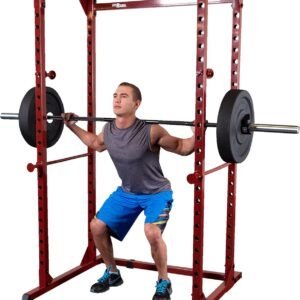
2. Resistance Training as Metabolic Therapy: Cardiovascular exercise burns calories but does little to address the core issue of sarcopenia and receptor sensitivity. Progressive resistance training is non-negotiable. Compound movements (squats, deadlifts, rows, presses) recruit large muscle groups, eliciting a significant anabolic hormone response, directly countering muscle loss and elevating BMR for hours post-exercise—the “afterburn” effect (Excess Post-exercise Oxygen Consumption, or EPOC). Aim for 3-4 sessions weekly, focusing on progressive overload.

3. Strategic Cardio and Stress Modulation: High-Intensity Interval Training (HIIT) can be a potent adjunct, improving insulin sensitivity and stimulating lipolysis more effectively than steady-state cardio. However, its application must be judicious to avoid compounding systemic stress. Stress management is not ancillary; it is central. Chronic cortisol elevation directly undermines your efforts. Incorporate deliberate parasympathetic nervous system activation through practices like mindfulness, walking in nature, or dedicated breathwork. Prioritize sleep hygiene, as poor sleep disrupts leptin and ghrelin (hunger hormones) and elevates cortisol.
4. The Critical Investigation: Before initiating any major protocol, consult a physician. Request assessments for fasting insulin, HbA1c, and a full hormone panel including testosterone and cortisol. Data is empowering. Significant hormonal imbalances may require clinical intervention, making lifestyle changes vastly more effective.
In conclusion, the lower abdominal adipose tissue in men over 40 is a hallmark of systemic metabolic change. Its reduction is an exercise in physiological persuasion, not force. By strategically manipulating nutrition to control insulin, employing resistance training to rebuild metabolic machinery, and mitigating the catabolic effects of stress and poor sleep, one can create an internal environment where lipolysis is favored and this specific adipose depot can finally, and sustainably, be mobilized.