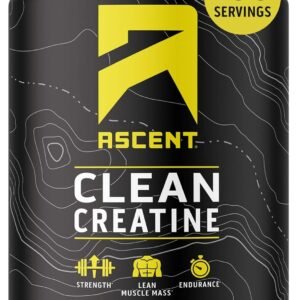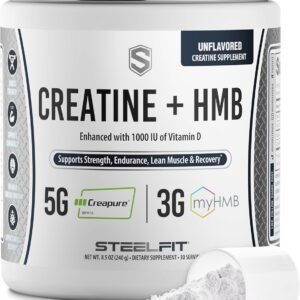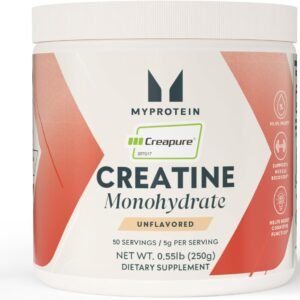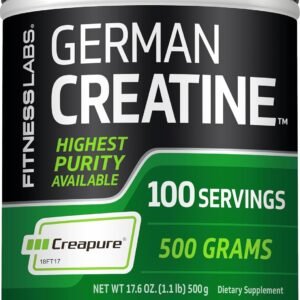


instagram supplements and gym equipment for sale

facebook gym supplements usa. Gym equipments and gym supplements for sale instagram profile social media

Effective Weight Loss Supplements for Women 1

Navigating the Search for Effective Weight Loss Supplements for Women in Their Early 40s

Weight Loss Supplements for Women. The journey to manage weight in one’s early 40s introduces a unique set of physiological considerations distinct from earlier decades. Hormonal shifts, a natural decline in metabolic rate, and changing lifestyle demands converge, making weight management feel increasingly complex. This analysis moves beyond generic marketing to examine the scientific rationale, safety profile, and realistic expectations for dietary supplements within the context of female metabolism during this pivotal life stage.

The Metabolic Landscape of the Early 40s

Understanding the “why” behind weight changes is critical for selecting appropriate support. Several key factors are at play:

  • Perimenopausal Transition: This phase, often beginning in the early to mid-40s, is characterized by fluctuating and eventually declining estrogen levels. Estrogen helps regulate body weight, fat distribution (shifting from hips to abdomen), and insulin sensitivity. Its decline can lead to increased visceral fat storage, cravings, and a heightened perception of hunger.
  • Metabolic Rate Decline: A natural, age-related reduction in basal metabolic rate (BMR) occurs, meaning the body burns fewer calories at rest. This is often compounded by a loss of lean muscle mass (sarcopenia), which further reduces daily energy expenditure.
  • Stress and Cortisol: Chronic stress, common during this life stage balancing career, family, and personal goals, elevates cortisol. Persistently high cortisol promotes fat storage, particularly in the abdominal area, and can drive cravings for high-calorie foods.
  • Lifestyle Factors: Shifts in activity levels, sleep quality (often disrupted by hormonal changes), and nutritional needs necessitate a refined, rather than a restrictive, approach to diet and exercise.

Check also article: What is the best treadmill for home use for obese women

Effective Weight Loss Supplements for Women 2

A Critical Evaluation of Supplement Categories

No pill replaces a caloric deficit, balanced nutrition, and regular exercise. However, certain supplements may offer supportive benefits by targeting specific barriers common in the early 40s.

Category 1: Appetite Regulation & Craving Control

  • Key Ingredient: Protein Powder (Whey, Collagen, or Plant-Based): Not a stimulant, but arguably the most effective tool. High-protein intake increases satiety, preserves lean muscle mass during weight loss (crucial for maintaining metabolism), and has a high thermic effect of food (burning calories during digestion). A protein shake can strategically curb afternoon cravings.
  • Key Ingredient: Glucomannan: A soluble, viscous fiber from the konjac root. It expands in the stomach, promoting feelings of fullness and reducing overall calorie intake at subsequent meals. It must be taken with ample water. Clinical support for its role in weight loss is more robust than for many stimulant-based products.

Category 2: Metabolic & Thermogenic Support

  • Key Ingredient: Green Tea Extract (Standardized for EGCG): A well-researched compound that may support a mild increase in calorie burning (thermogenesis) and fat oxidation. Its effects are modest but consistent in research. It also provides antioxidants without excessive caffeine.
  • Key Ingredient: Capsaicin/Cayenne Pepper: May promote thermogenesis and increase fat oxidation. It can also modestly reduce appetite. Its effects are mild but can be part of a synergistic formula.
  • Important Note on Stimulants: Formulas heavy in caffeine, synephrine, or other stimulants should be approached with caution. They can exacerbate perimenopausal anxiety, disrupt sleep—a critical pillar for weight management and hormone balance—and lead to tolerance and energy crashes.

Category 3: Hormonal & Stress Support

  • Key Ingredient: Adaptogens (Ashwagandha, Rhodiola Rosea): These do not directly “burn fat.” Instead, they help modulate the body’s stress response by supporting healthy cortisol levels. By mitigating the weight-promoting effects of chronic stress, they may indirectly support metabolic health and reduce stress-related eating.
  • Key Ingredient: Omega-3 Fatty Acids (EPA/DHA): While not a weight loss miracle, high-quality fish oil supports metabolic health, reduces inflammation (often elevated with age), and may improve body composition when combined with exercise. Its primary benefits are foundational to overall health.

Check also article: The Truth About Weight Loss Supplements

Foundational Priorities: The Non-Negotiables

Supplements are adjuncts, not foundations. Any regimen must be built upon:

  1. Strength Training: The single most important activity for counteracting sarcopenia, boosting BMR, and improving insulin sensitivity. It shapes body composition more effectively than cardio alone.
  2. Protein Prioritization: Aiming for 1.6-2.2 grams of protein per kilogram of body weight daily to support muscle, satiety, and metabolic health.
  3. Sleep Hygiene: Poor sleep disrupts ghrelin (hunger hormone) and leptin (satiety hormone), directly driving weight gain. Prioritizing 7-9 hours is non-negotiable.
  4. Blood Sugar Management: Focusing on high-fiber carbohydrates, pairing carbs with protein and fat, and avoiding blood sugar spikes and crashes that fuel cravings and fat storage.

A Strategic, Safety-First Approach

  1. Consult a Healthcare Provider: Before starting any new supplement, discuss it with a doctor, especially if you have pre-existing conditions (thyroid, blood pressure, anxiety) or take medications.
  2. Seek Third-Party Certification: Choose products with seals from NSF International, USP, or ConsumerLab.com to ensure label accuracy and absence of contaminants.
  3. Manage Expectations: Expect modest, supportive benefits measured in single-digit percentage improvements in weight loss efforts, not drastic transformations. The goal is sustainable support, not rapid, unsustainable loss.
  4. Audit Lifestyle First: Investing in a session with a registered dietitian or a certified personal trainer specializing in women’s health in their 40s will yield a far greater return than any bottle of pills.

Conclusive Perspective

For a woman in her early 40s, the most effective “weight loss supplement” strategy is a holistic protocol that honors the body’s changing physiology. This involves prioritizing macronutrients (especially protein), engaging in strategic exercise (especially strength training), and managing stress and sleep. Within this framework, select supplements like high-quality protein, targeted fibers, and stress-modulating adaptogens can play a legitimate, supportive role in overcoming specific, age-related barriers. The focus must shift from mere weight loss to the broader, more sustainable goal of metabolic health and body composition mastery.

Effective Weight Loss Supplements for Women 3

Frequently Asked Questions (FAQ)

1. What is the most important supplement for weight loss in your 40s?
While not traditionally marketed as a “weight loss supplement,” high-quality protein powder is arguably the most effective. It directly addresses key age-related challenges: preserving metabolism-supporting muscle, promoting satiety to manage calories, and aiding in body recomposition when paired with resistance training.

2. Do fat burner supplements work for women over 40?
The term “fat burner” is often a marketing misnomer. Stimulant-based products can temporarily increase calorie expenditure but often at the cost of sleep and increased anxiety, which are counterproductive. Their effects are marginal and unsustainable. A focus on ingredients that support metabolism through non-stimulant means (like green tea extract) or that manage cravings (like fiber) is a more rational and safer approach.

Check also: Best Workouts to Lose Belly Fat

3. How do perimenopause and hormones affect supplement choice?
Fluctuating estrogen can increase insulin resistance and abdominal fat storage. Therefore, supplements that support blood sugar balance (like fiber) and reduce stress (adaptogens) become more relevant than aggressive thermogenics. Avoiding supplements that disrupt sleep or increase anxiety is also critical, as these issues are often already heightened.

4. Are there specific ingredients I should avoid?
Be cautious of:

  • High-Stimulant Blends: Excessive caffeine, synephrine, or other stimulants that can disrupt sleep and hormones.
  • Proprietary Blends with Undisclosed Doses: These hide the actual amounts of ingredients, making efficacy and safety impossible to assess.
  • “Miracle” Claims: Any product promising extreme, rapid weight loss without diet or exercise is deceptive and potentially dangerous.

5. Should I get any blood work done before starting?
It is highly advisable. Checking levels of Vitamin D, B12, iron/ferritin, and thyroid hormones (TSH, Free T3/T4) can reveal underlying deficiencies or conditions (like subclinical hypothyroidism) that impede weight loss. Correcting these through targeted supplementation or medication under a doctor’s guidance is a foundational first step.

vegan-supplements-for-sale-guide- 32

Vegan Athletes: Best Plant-Based Supplements in the USA

Vegan Athletes: Best Plant-Based Supplements in the USA — an evidence-first guide from a scientist

Plant-based diets are no barrier to elite power, endurance, or recovery — but they do change the nutrients you need to watch for. As a researcher who reads original trials and meta-analyses, I’ll cut straight to what’s proven, what’s promising, and how to find reliable products in the U.S. market. This article is practical (dosing, evidence, how to shop) and forward-looking (emerging compounds you should watch).


Why supplements matter for vegan athletes

A well-designed plant diet delivers abundant antioxidants, fiber, and many vitamins. But athletes pushing training stress have higher needs for a few specific nutrients (creatine, EPA/DHA, iron, B12, certain amino acid derivatives and ergogenic compounds). Supplements are tools to close gaps and—when backed by science—improve performance, recovery, and resilience without sacrificing the principles of a plant-based lifestyle.

LEGION Vitamin B-Complex Vegan Supplement

$29.24

Elevate your daily wellness with LEGION Vitamin B-Complex, a precision-formulated, vegan-friendly blend designed to fuel your energy, sharpen your mind, and support your body from the inside out.


The core, science-backed essentials every vegan athlete should consider

1) Creatine monohydrate — the most consistently effective ergogenic for vegans

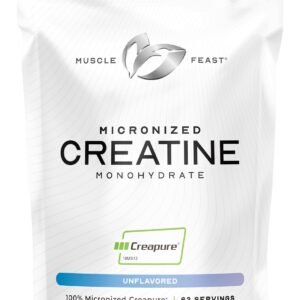
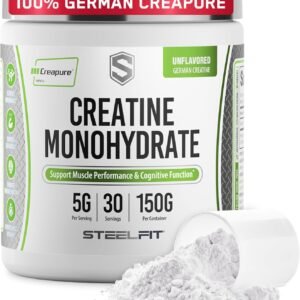
Creatine increases high-intensity power, lean mass and can improve cognition under stress. Because dietary creatine comes mainly from meat and fish, vegans often have lower baseline muscle creatine stores and tend to respond strongly to supplementation. Creatine monohydrate is inexpensive, highly studied, and the preferred form.

Practical: 3–5 g/day maintenance after an optional short loading phase. Synthetic creatine is vegan-friendly; check labels for purity and third-party tests.


2) Algal DHA + EPA (vegan omega-3) — inflammation, recovery, cognition

Long-chain omega-3s EPA and DHA support membrane function, inflammation control and may speed recovery. Algae-derived oil delivers bioequivalent DHA/EPA to fish oil and is the plant-based choice for vegans and sustainability-minded athletes. Clinical studies show algae oil raises the Omega-3 Index in athletes and can improve markers relevant to performance.

vegan-supplements-for-sale-guide-

Practical: aim for a combined EPA+DHA dose consistent with the product’s evidence (many athletes use 500–1500 mg/day); measure an Omega-3 Index if possible.


3) Dietary nitrate (beetroot) — legal, food-based nitric oxide boost

Nitrate-rich beetroot juice or powders can reduce the oxygen cost of submaximal exercise and improve time-to-exhaustion in many—but not all—settings. Effects are most robust in recreational and moderately trained athletes and for endurance tasks; elite responses are variable. Use beetroot in the days before an event or repeatedly for multi-day competitions.

Practical: ~300–800 mg nitrate (~70–140 mL concentrated beetroot or standardized powder) 2–3 hours before activity; experiment in training (not race day).


4) Protein strategy: high-quality plant proteins + HMB when needed

A “protein first” approach still matters. Pea, soy, rice and blends can supply complete amino profiles; choose products that list grams of protein per serving and per-amino acid when available. Beta-hydroxy-beta-methylbutyrate (HMB) — a leucine metabolite — has evidence for reducing muscle damage and preserving lean mass in catabolic phases and during return-to-training. HMB products on the market are typically vegan (synthetic).

Practical: target 1.6–2.2 g/kg/day protein for strength athletes (from food + supplements). If returning from layoff or during aggressive calorie deficit, consider 2–3 g/day HMB split doses.


Promising, newer plant-forward ingredients (the next wave)

These compounds are attracting rigorous research; they’re not miracle cures, but they’re science-worthy.

Urolithin A — mitochondrial renewal and endurance potential

Urolithin A (UA) is a gut-microbiome-derived metabolite that activates mitophagy (cellular cleaning of dysfunctional mitochondria). Human trials show UA can improve muscle mitochondrial markers and strength in older adults; sports-nutrition research exploring endurance and recovery is growing. For vegan athletes who prioritize mitochondrial efficiency and recovery, UA is a high-interest compound to watch.

Note: UA is produced by gut bacteria from dietary ellagitannins (pomegranates, walnuts); many people convert poorly, so a purified supplement form is used in trials.

vegan supplements for sale guide

Spermidine — autophagy, vascular support, and exercise synergy

Spermidine (found in wheat germ, mushrooms, soy) stimulates autophagy and has cardiometabolic and longevity effects in animal models and early human studies. Preclinical work suggests combined spermidine + exercise can enhance muscle and vascular adaptations, but human athletic trials are limited. It’s a promising adjunct for recovery and vascular health, but more athlete-specific RCTs are needed.


Ergothioneine & astaxanthin — targeted antioxidants

Ergothioneine (mushroom-derived) and astaxanthin (microalgae) are potent antioxidants that protect mitochondria and may reduce oxidative damage from intense training while preserving adaptive signaling better than broad, high-dose antioxidants. These are emerging as targeted recovery tools for plant-based athletes. (Evidence is growing; remain cautious about dosing and timing.)

PlantFusion Complete Lean Vegan Protein Powder for Weight Loss

Original price was: $59.99.Current price is: $47.97.

Cordyceps militaris & adaptogenic fungi

Cordyceps extracts have shown potential to improve VO₂ kinetics and perceived exertion in small trials. Many fungal extracts are vegan and align with a food-first philosophy; choose standardized extracts with quantified active markers.


How to choose reliable vegan supplements in the USA (researcher’s checklist)

The U.S. supplement market is vast and lightly regulated. Here’s a practical, evidence-based shopping filter I use in lab reviews:

  1. Third-party testing — look for NSF Certified for Sport, USP, ConsumerLab, or Informed-Sport seals. These programs test for label accuracy and contaminants (heavy metals, adulterants). NSF and ConsumerLab resources are trusted starting points.
  2. Full transparency — avoid proprietary blends that hide doses. Good products list ingredient amounts and source (e.g., “algal DHA 300 mg”).
  3. Match the evidence — pick products where the dose equals what was used in human trials (or a reasonable fraction if validated).
  4. Vegan certification and allergen statements — vegan logo is helpful but check for cross-contamination warnings. If you have soy, gluten, or nut sensitivities, pick certified hypoallergenic lines.
  5. Company quality cues — GMP (good manufacturing practice) claims, batch COAs (certificate of analysis) available on request, transparent manufacturing locations, and responsive customer service.
  6. Clinical or third-party human data — premium brands sponsor human trials or publish independent studies. That’s a strong signal.
  7. Avoid red flags — extravagant claims (“cures soreness overnight”), hidden stimulants, or celebrity-only promotions without data.

For readers who want a quick primer on how to validate claims, Consumer Reports and NSF have accessible guides on choosing supplements and the importance of third-party testing.


Sample stack for different athlete goals (plant-based, evidence-aligned)

These are starting templates—tailor to training phase and consult a clinician for medical issues.

  • Endurance athlete (training): algae EPA+DHA (500–1,000 mg), beetroot nitrate (daily protocol around long sessions), creatine 3 g/day (helps repeated sprints and recovery), algal iron or B12 if lab tests show deficiency.
  • Strength athlete (hypertrophy/power): creatine 3–5 g/day, high-quality plant protein (25–40 g per serving post-workout), HMB if returning from detraining, urolithin A (experimental adjunct for recovery).
  • Recovery & longevity focus: algal DHA, astaxanthin/ergothioneine blend for mitochondrial support, spermidine/UA (as experimental cytoprotective stack).

Practical safety and dosing notes

  • Supplements can interact with medications (e.g., anticoagulants and omega-3s) — check with a healthcare provider.
  • Start one product at a time for a few weeks to assess tolerance and benefit.
  • Use reputable retailers (official brand sites, major pharmacy chains that require third-party testing) to reduce counterfeit risk. CVS and other chains tightened third-party testing policies for the supplements they stock — a sign the marketplace is improving.
vegan-supplements-for-sale-guide-3211

Final words — the scientist’s bottom line

A plant-based diet is fully compatible with top athletic performance. The smartest approach is food first, supplements strategic: use creatine and algal omega-3 as foundational evidence-based additions, leverage beetroot nitrate for endurance windows, and consider HMB or high-quality plant protein during catabolic phases. Watch emerging compounds like urolithin A, spermidine, ergothioneine and astaxanthin — they show mechanistic promise (mitochondria, autophagy, targeted antioxidant protection), but they need more athlete-directed trials before becoming mainstream staples.

When choosing any product in the U.S., prioritize third-party certification, ingredient transparency, and brands that publish their COAs or human trial data. That doubles as the simplest way to protect your health, your performance, and the organic traffic you might later get when you recommend the same products to teammates.

gluten free woman gym

Gluten-Free Whey Protein: More Than a Trend, It’s a Tactical Advantage for Athletes

Gluten-Free Whey Protein. If you’re serious about your training, you’re no stranger to the post-workout shake. Whey protein is the gold standard for muscle repair and growth. But in your quest for the perfect supplement, have you considered what’s not in your powder? For an increasing number of athletes, the choice is clear: gluten-free whey protein.

This isn’t just a label for those with Celiac Disease. For the dedicated gym-goer, opting for a gluten-free whey supplement can be a strategic move for unlocking peak performance, faster recovery, and unparalleled digestive comfort.

Why Gluten in Protein Powder? The Unnecessary Ingredient

First, let’s be clear: pure, high-quality whey protein isolate or concentrate is naturally gluten-free. Gluten is a protein found in wheat, barley, and rye. So why does it end up in some protein powders?

The culprits are often the added ingredients:

  • Flavorings and Thickeners: Certain cookie dough, cake batter, or brownie flavors might use wheat-based ingredients.
  • “Complex” Blends: Powders that mix whey with casein or other proteins might use gluten-containing grains as a cheap filler.
  • Cross-Contamination: Manufacturing facilities that process wheat-based products can lead to trace amounts contaminating the whey.

For an athlete, any of these sources can introduce an unnecessary and potentially performance-sapping element into your system.

The Athlete’s Edge: 3 Reasons to Go Gluten-Free

1. Maximized Nutrient Absorption and Reduced Inflammation.
Your goal post-workout is to shuttle nutrients to your muscle cells as quickly and efficiently as possible. For some individuals, even trace amounts of gluten can trigger low-grade systemic inflammation and irritate the gut lining. An inflamed gut is a “leaky” gut, which is less efficient at absorbing the precious amino acids from your whey. By choosing a certified gluten-free product, you ensure your gut is in an optimal state to absorb every gram of protein you pay for, directly fueling recovery.

2. Eliminate Unpredictable Digestive Distress.
Bloating, gas, and stomach cramps are the last things you want during a heavy squat session or a high-intensity metcon. Even if you don’t have a diagnosed gluten intolerance, you might have a sensitivity. The physical stress of intense training can make your digestive system more reactive. A gluten-free whey protein removes a common irritant, leading to more comfortable and consistent digestion. This means no more guessing if your pre-workout shake will side-line your workout.

3. A Cleaner, Purer Protein Source.
Brands that take the extra step to certify their whey as gluten-free are often those committed to overall quality and purity. This focus typically correlates with other desirable traits:

  • Higher protein percentage per serving.
  • Less filler ingredients, artificial sweeteners, and junk.
  • Rigorous third-party testing for heavy metals and other contaminants.
gluten free supplements

You’re not just buying a protein; you’re investing in a quality-controlled fuel designed for a high-performance body.

Check also: Supplements Brand Reviews

How to Choose the Right Gluten-Free Whey for You

Simply seeing “gluten-free” on the label isn’t enough. Here’s your quick checklist:

  1. Look for Certification: A “Certified Gluten-Free” seal from organizations like the GFCO is the gold standard. This means the product has been tested to contain less than 10-20 parts per million of gluten, a level safe for virtually everyone.
  2. Prioritize Whey Protein Isolate (WPI): Isolate is the purest form of whey, undergoing more processing to remove fat and lactose. It’s naturally lower in potential allergens and irritants, making it the top choice for athletes with sensitive stomachs.
  3. Scrutinize the Ingredient List: Keep it simple. The best products have a short list of recognizable ingredients. Be wary of long lists with complex “proprietary blends” that can hide unwanted additives.

The Bottom Line

In the world of athletic performance, the margin for error is slim. Every choice, from your training split to your nutrition, matters. Choosing a gluten-free whey protein is a simple, yet powerful, decision to optimize your body’s internal environment.

It’s about ensuring that your hard work in the gym is fully supported by the fuel you use—leading to better absorption, less inflammation, and a rock-solid digestive system. Don’t let an unnecessary ingredient hinder your gains. Make the clean switch and feel the difference.


Disclaimer: Always consult with a healthcare professional or registered dietitian before making significant changes to your diet, especially if you suspect you have Celiac Disease or a severe gluten intolerance.

creatine cycle

Do You Need To Cycle Creatine? A Deep Dive Into Science and Performance

Creatine is one of the most studied and effective supplements in sports nutrition. For decades, athletes, bodybuilders, and fitness enthusiasts have relied on creatine to enhance strength, increase lean mass, and improve exercise performance. Despite its popularity, one question continues to spark debate: Do you need to cycle creatine?

Some athletes swear by creatine cycling—periods of loading, maintenance, and washout—believing it maximizes benefits and prevents the body from “getting used to” creatine. Others argue that daily, consistent intake is the most effective and scientifically supported method.

In this article, we’ll break down the science of creatine, what cycling actually means, whether it has proven benefits, and what the latest research suggests for long-term use. By the end, you’ll know exactly how to approach creatine supplementation for your fitness goals.


What Is Creatine and How Does It Work?

Creatine is a naturally occurring compound found in meat, fish, and synthesized by the body in the liver, kidneys, and pancreas. About 95% of the body’s creatine is stored in skeletal muscle, primarily as phosphocreatine.

During high-intensity exercise, phosphocreatine helps regenerate adenosine triphosphate (ATP)—the body’s immediate energy currency. Because ATP is rapidly depleted during explosive efforts like lifting heavy weights or sprinting, higher phosphocreatine levels allow you to sustain peak performance longer.
creatine cycle

Benefits of Creatine Supplementation (proven by science):

  • Increases strength and power: Creatine consistently improves 1-rep max lifts, sprinting, and explosive performance.
  • Promotes lean muscle growth: By enabling harder training and stimulating cellular hydration, creatine contributes to hypertrophy.
  • Speeds recovery: Studies show creatine reduces muscle cell damage and inflammation.
  • Supports brain health: Beyond muscles, creatine enhances energy metabolism in the brain, with potential cognitive benefits.

Creatine monohydrate remains the gold standard, with hundreds of peer-reviewed studies confirming its efficacy and safety.


What Does “Cycling Creatine” Mean?

Cycling creatine generally refers to using the supplement in phases, rather than continuously. The typical approach includes:

  1. Loading phase: 20 g per day (split into 4 doses) for 5–7 days.
  2. Maintenance phase: 3–5 g per day for 4–6 weeks.
  3. Washout phase: Stopping creatine for several weeks before restarting.

The reasoning behind cycling includes:

  • Preventing the body from becoming “desensitized.”
  • Allowing natural creatine production to reset.
  • Maximizing muscle saturation in shorter periods.

But does this approach hold up under scientific scrutiny?


The Science of Creatine Saturation

When supplementing with creatine, muscles gradually increase their stores until they reach saturation. Research shows:

  • With loading (20 g/day): Muscles reach saturation in 5–7 days.
  • Without loading (3–5 g/day): Muscles reach saturation in 3–4 weeks.

Once muscles are saturated, continuing with a daily maintenance dose (3–5 g/day) keeps levels elevated indefinitely.

Worth to read: 5 common mistakes in creatine supplementation

Key Point:

You don’t “lose” creatine effectiveness with consistent intake. As long as your muscles remain saturated, performance benefits persist. There is no scientific evidence of “creatine resistance” developing with long-term use.


Do You Need a Washout Phase?

One argument for cycling is that stopping supplementation allows the body’s endogenous (natural) creatine production to “recover.” But studies have found:

  • Creatine supplementation temporarily reduces the body’s own synthesis because demand is met through diet/supplementation.
  • Once supplementation stops, natural production resumes fully within weeks.
  • There is no evidence of long-term suppression or harm to natural creatine metabolism.

In fact, multiple long-term studies (6 months to 5 years) on athletes using creatine continuously show no adverse effects on kidney or liver function in healthy individuals.

Read also: creatine pills – safe or not safe?
creatine cycle

Translation:

There is no physiological need for a washout phase unless you simply want to save money or take a break from supplementation.


Cycling vs. Continuous Use: What Research Shows

1. Performance outcomes

  • Studies comparing cycling vs. daily continuous intake show no significant differences in strength, muscle growth, or performance when total creatine exposure is matched.
  • Consistent intake is simpler and ensures muscles remain saturated.

2. Health and safety

  • Continuous creatine use has been proven safe for years at standard doses (3–5 g/day).
  • Cycling does not offer added health benefits.

3. Psychological factors

  • Some athletes report they “feel a boost” when starting a new cycle. This could be due to the placebo effect or increased motivation during a loading phase.

4. Practicality

  • Cycling requires planning and scheduling.
  • Daily low-dose supplementation is easier and more sustainable long-term.

When Might Creatine Cycling Make Sense?

Although not necessary for most, there are a few cases where cycling might be reasonable:

  1. Budget-conscious users: Stopping creatine for a month or two can save money, especially if supplements are costly.
  2. Athletes with testing protocols: In sports where supplement use is monitored, some may cycle for personal reasons, even though creatine is legal and safe.
  3. People with sensitive digestion: Some experience mild bloating or stomach upset at higher doses. Cycling off temporarily may provide relief.

For everyone else, the evidence supports consistent daily use.

Read also: recommended dosage of creatine for gym goers


Myths About Creatine Cycling

Let’s bust a few common misconceptions:

  • “Your body stops responding if you don’t cycle.”
    False. As long as muscle stores are saturated, creatine continues to deliver benefits.
  • “Cycling prevents kidney damage.”
    False. No research shows kidney or liver damage from standard creatine use in healthy individuals. The myth persists due to confusion with creatinine (a waste product measured in kidney function tests).
  • “You only grow during the loading phase.”
    False. Gains come from consistent training supported by muscle saturation, not temporary spikes in creatine intake.

Best Practices for Creatine Supplementation

1. Skip cycling, go consistent

Take 3–5 g of creatine monohydrate daily, preferably with a meal to enhance absorption.

2. Loading is optional

  • If you want faster results, do a loading phase (20 g/day for 5–7 days).
  • If you prefer a slower, steady approach, just take 3–5 g daily. After 3–4 weeks, your muscles will be saturated.

3. Timing is flexible

  • Taking creatine post-workout with carbs and protein may slightly improve uptake, but timing isn’t critical. Daily consistency is what matters.

4. Hydration matters

Creatine increases water retention in muscle cells (a good thing for performance). Drink adequate water to support cellular hydration and performance.
creatine cycle

5. Stick with monohydrate

Newer forms (HCl, ethyl ester, buffered creatine) are marketed as superior but show no consistent advantages in research. Creatine monohydrate remains the most effective and cost-efficient.

Read also: Creatine Monohydrate vs. Creatine HCL 


Who Should Be Cautious?

While creatine is safe for most, a few groups should consult a healthcare professional before use:

  • People with pre-existing kidney disease.
  • Adolescents under 18 (limited long-term data).
  • Individuals taking nephrotoxic medications.

For healthy athletes, decades of data confirm creatine’s safety profile.


Final Verdict: Do You Need to Cycle Creatine?

The science is clear: You do not need to cycle creatine.

  • Continuous supplementation is safe, effective, and practical.
  • Cycling offers no added performance or health benefits.
  • At best, cycling is a personal preference for cost-saving or digestive reasons.

If your goal is maximizing strength, lean mass, and performance in the gym, the smartest strategy is to take 3–5 grams of creatine monohydrate daily, indefinitely.


Key Takeaways for Gym-Goers

  • Creatine is the most effective legal performance-enhancing supplement available.
  • Muscle saturation is the goal—whether you load or not, you’ll get there.
  • Cycling is unnecessary; daily intake keeps stores elevated and performance consistent.
  • Safety is well-established in healthy individuals, even with years of use.
  • Consistency with training and nutrition matters more than supplementation cycles.
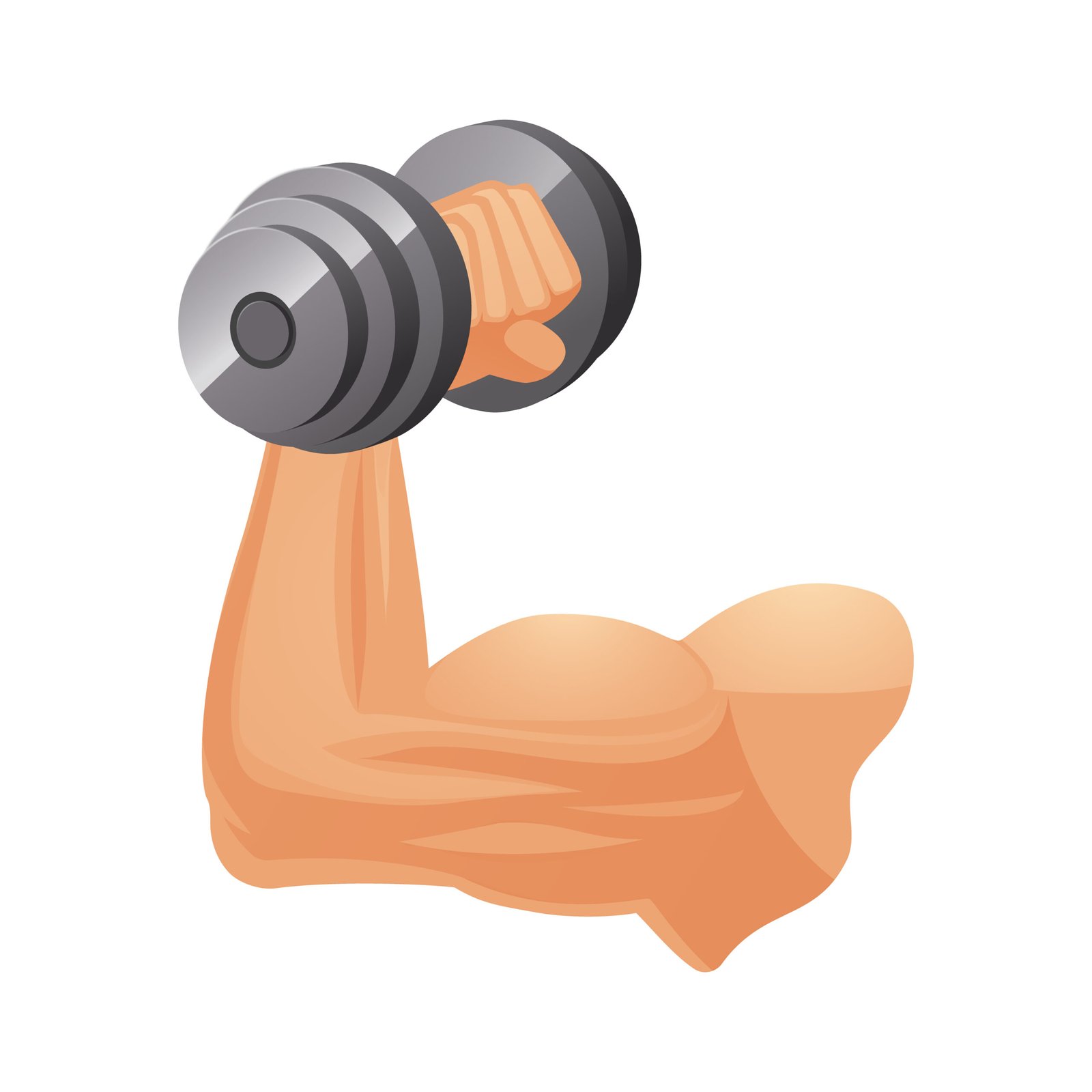
biceps grow

Best available gym supplement for biceps grow

Best available gym supplement for biceps grow. Building strong, hypertrophied biceps has long been a hallmark of physical culture and bodybuilding. While training variables such as progressive overload, optimal volume, and mechanical tension remain the foundation of hypertrophy, supplementation can provide an evidence-based advantage. As a researcher in medical sciences, my aim is to critically examine which gym supplements demonstrate the strongest evidence for enhancing biceps growth at both the molecular and clinical level.


Mechanisms of Biceps Hypertrophy

Skeletal muscle hypertrophy in the biceps brachii is largely mediated by the following:

  • Muscle protein synthesis (MPS) via mTOR activation.
  • Cell volumization and hydration, which act as anabolic signals.
  • Enhanced neuromuscular performance, allowing for greater training intensity.
  • Recovery acceleration, reducing catabolic breakdown and inflammation.
shop now gym shop supplements USA

Any supplement claiming to support biceps growth must demonstrate measurable effects within these domains.


Creatine Monohydrate: The Gold Standard

Among all gym supplements studied over the last 30 years, creatine monohydrate remains the most consistently validated.

Check also: supplements for beginners

Evidence:

  • Molecular level: Creatine increases intramuscular phosphocreatine stores, thereby enhancing ATP regeneration. This directly allows higher training intensity and more repetitions in compound and isolation movements, such as barbell curls.
  • Cellular hydration: Creatine-induced water retention within myocytes is not merely cosmetic; it acts as a signal for anabolic gene expression.
  • Meta-analyses: Over 20 systematic reviews confirm creatine’s efficacy for increasing muscle cross-sectional area, with arm muscles—including the biceps—being particularly responsive.

Clinical Relevance:

A 2021 randomized controlled trial demonstrated that resistance-trained individuals supplementing with 5 g/day creatine exhibited significantly greater biceps thickness compared to placebo when paired with progressive overload training.


Whey Protein: The Building Block of Hypertrophy

Whey protein supplementation provides a rapidly digestible source of essential amino acids, notably leucine, the most potent stimulator of mTOR.

Check also: the “cleanest” supplement brands in US

Evidence:

  • Post-exercise window: Consuming 20–40 g of whey protein post-training elevates MPS for up to 4 hours.
  • Synergy with creatine: When combined with creatine, whey protein supplementation produces additive gains in arm circumference.
  • Clinical data: Multiple RCTs confirm that whey protein supplementation enhances hypertrophy in both whole-body and localized regions, including upper-arm musculature.

Beta-Alanine: A Secondary Ergogenic Aid

Though less directly anabolic, beta-alanine improves performance during higher-rep biceps training by buffering hydrogen ion accumulation through increased muscle carnosine concentrations.

  • Mechanism: Delays fatigue in high-intensity curling protocols, enabling greater training volume.
  • Limitation: Its effect on muscle hypertrophy is indirect and less pronounced compared to creatine and protein.
biceps grow

Emerging Candidates: HMB and EAA Formulations

  • HMB (β-Hydroxy β-Methylbutyrate): May reduce muscle breakdown during high-volume training, but evidence for significant arm hypertrophy remains inconsistent.
  • Essential Amino Acid (EAA) blends: Provide MPS stimulation comparable to protein, particularly valuable when total protein intake is insufficient.

Conclusion: The Hierarchy of Evidence

When scrutinized through the lens of molecular biology and randomized clinical trials, the best supplement for biceps growth remains creatine monohydrate, closely followed by whey protein. Creatine enhances the ability to overload the biceps with higher intensity, while whey ensures amino acid availability for repair and growth. Together, these represent the most scientifically validated supplementation strategy.

Practical Recommendation:

  • Creatine monohydrate: 3–5 g daily, ideally with consistent timing.
  • Whey protein: 20–40 g post-exercise or as needed to meet daily protein requirements.

While no supplement replaces structured training and adequate nutrition, the synergistic effect of creatine and whey protein represents the most effective, evidence-based strategy for maximizing biceps hypertrophy.

Select the fields to be shown. Others will be hidden. Drag and drop to rearrange the order.
  • Image
  • SKU
  • Rating
  • Price
  • Stock
  • Availability
  • Add to cart
  • Description
  • Content
  • Weight
  • Dimensions
  • Additional information
Click outside to hide the comparison bar
Compare
Shopping cart close