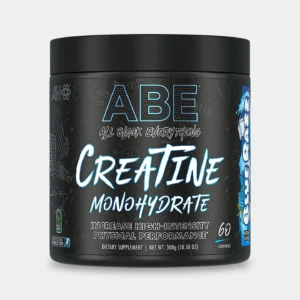
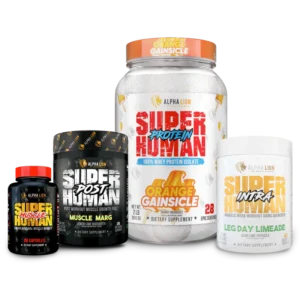
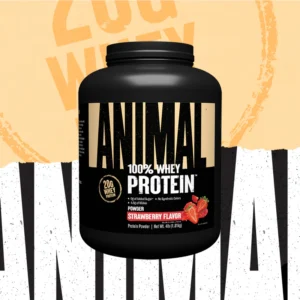
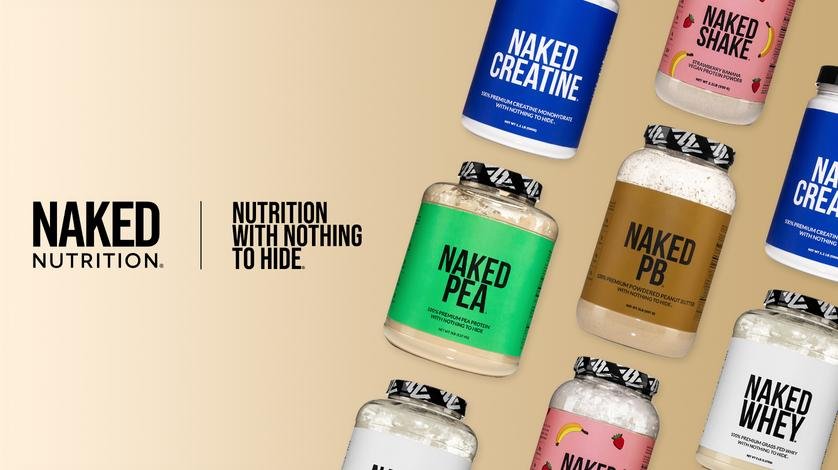
Explore the best US supplement brands trusted by athletes, bodybuilders, and fitness enthusiasts across the nation. Our in-depth guides and reviews highlight top American companies known for premium quality, science-backed formulas, and outstanding results.
From muscle-building proteins and recovery essentials to wellness and performance supplements, discover which US brands set the standard in the fitness industry. Stay informed about brand reputation, ingredient transparency, and product effectiveness so you can choose supplements that truly deliver on your goals.
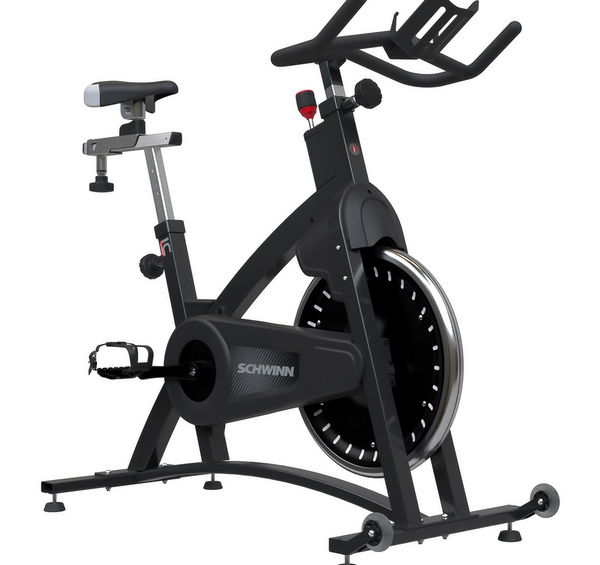
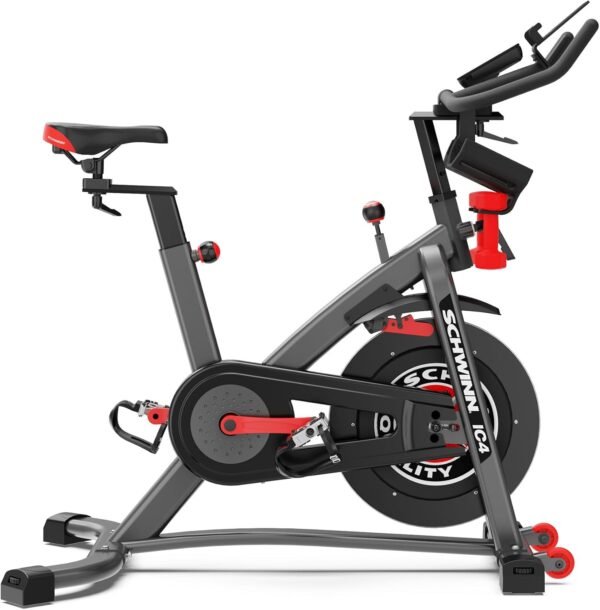
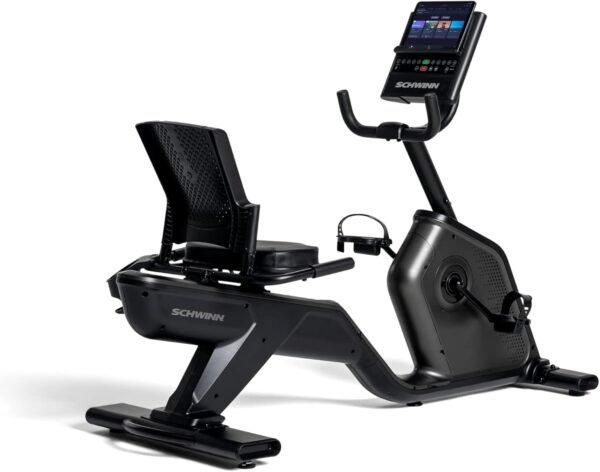
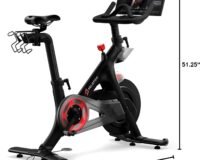
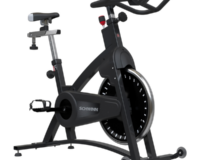
If you’re shopping for a Schwinn stationary bike — whether it’s for home workouts, weight loss, or serious fitness goals — reading reliable reviews is one of the smartest ways to decide which model is right for you. Schwinn makes several well-known bikes like the Schwinn IC4, Schwinn 170, and Schwinn 130, and honest user feedback can help you compare performance, durability, comfort, and long-term satisfaction.
But not all review sources are equal. Some are biased, incomplete, or influenced by advertising relationships. Below are the most trustworthy places to find honest, well-informed Schwinn stationary bike reviews.
1. Dedicated Fitness Equipment Review Sites
Some websites are specifically focused on evaluating fitness gear, including stationary bikes. These sites usually:
Test products hands-on
Compare multiple models side-by-side
Cover technical specs, pros/cons, and performance details
Update content annually
The best fitness review sites are data-driven, disclose review methods, and clearly show both strengths and weaknesses of each bike.
The Schwinn IC4 Indoor Cycling Bike offers a well-rounded, home-friendly cycling option with smooth magnetic resistance, flexible adjustability, and broad app compatibility.
When real customers write reviews, you get insight into how bikes perform over months — not just a quick first impression. On major retailers, look for reviews that include:
Photo or video uploads from buyers
Detailed comments about durability and comfort
Ratings broken down by features (e.g., noise level, assembly, value)
The most reliable retail reviews tend to be longer, specific, and balanced (not all 5-star hype or one-line complaints).
3. Fitness Influencers and YouTube Reviews
Many fitness experts post video reviews showing bikes in action. These can be especially useful for:
Seeing the bike assembled
Watching real demonstrations of resistance levels
Hearing honest commentary on comfort, build quality, and performance
Look for reviewers who:
Test multiple bikes from different brands
Explain both positives and negatives
Don’t just read off a manufacturer spec sheet
4. Community Forums and Fitness Subreddits
Online forums (like Reddit’s fitness communities) and niche message boards are great for unfiltered user discussion. You’ll find threads about:
Long-term use experiences
Comparison between models (e.g., Schwinn vs Peloton or NordicTrack)
Tips for dealing with maintenance or customer service
Because these communities are volunteer-moderated, you’ll often see honest debate instead of polished marketing language.
5. Independent Consumer Review Publications
Consumer advocacy outlets publish reviews based on expert testing, often with rigorous criteria like:
Stability and frame rigidity
Accuracy of digital monitors
Seat comfort over multiple hours
Warranty coverage and support experience
These publications tend to report their methodology clearly and focus on value for money over brand hype.
Tips for Evaluating Reviews
To make sure you’re reading reliable and unbiased Schwinn stationary bike reviews, keep these points in mind:
🧠 Check for Transparency
A trustworthy review explains how the bike was tested — not just whether it got a high score.
Beware of listings with only five-star reviews or only one-sentence opinions. The best reviews include mixed feedback.
👀 Watch for Recency
Fitness tech changes quickly. Prioritize reviews from the past 12–18 months so you see up-to-date insights on the exact model you’re considering.
🛠️ Consider Long-Term Use Feedback
Early reviews often focus on first impressions. The most valuable insights come from users who have owned their bike for months or longer.
Bottom Line
Finding reliable Schwinn stationary bike reviews takes a mix of expert analysis and honest user feedback. The best sources combine detailed testing, clear pros and cons, real customer experiences, and up-to-date information on performance and reliability.
By using a combination of dedicated fitness review sites, verified retail reviews, influencer videos, online communities, and consumer publications, you’ll get a well-rounded picture of each Schwinn bike — helping you choose the one that fits your fitness goals, budget, and lifestyle.
In the crowded world of fitness supplements, where slick marketing and pseudo-science often blur into one another, one brand stands out — Transparent Labs. Billed as the antidote to industry fog: clean, science-backed formulas, no proprietary blends, no hidden ingredients, and complete disclosure of every milligram in every product. At least, that’s how the company presents itself.
But when you pull back the curtain on the narrative — reviewing consumer feedback, regulatory ratings, and grassroots commentary — the picture is more complex and, in some ways, contradictory.
The Promise: Science-Driven, Clean, No Nonsense
On the surface, Transparent Labs markets itself as the anti-typical supplement brand. Its website emphasizes formulations free of artificial colors, sweeteners, fillers, and other “junk” that critics say plagues so many competitors. Each product is said to be backed by clinical research and third-party testing, and Certificates of Analysis (COAs) are made available so consumers can see exactly what’s inside.
The company’s portfolio spans pre-workouts, protein powders, creatine, greens blends, and other performance and wellness supplements — all aimed at athletes, gym-goers, and fitness enthusiasts who want proven results without mystery ingredients.
Independent reviewers and wellness sites generally confirm that Transparent Labs fulfills its core promise: dosages for key ingredients align with effective levels shown in research, and the brand avoids proprietary blends, a hallmark of transparency in supplement labeling.
There’s also a growing online community of loyal customers who swear by the products — not just for performance gains, but for mixability, lack of bloating, and an overall clean profile that doesn’t upset sensitive stomachs.
For many in the fitness world, that kind of clarity — knowing exactly what you’re putting into your body — is a breath of fresh air in an industry rife with marketing jargon and opaque formulas.
The Other Side: Customer Service Nightmares and Mixed Experiences
But not everyone’s experience mirrors the ideal. Consumer review sites paint a much more conflicted picture.
On Trustpilot, Transparent Labs has a respectable average score of around 4.2 out of 5, with hundreds of reviews praising product quality and responsive support teams. Many customers highlight the “clean” formulations, great flavors, and effective results — especially for whey protein, creatine, and pre-workouts.
Yet nearly a quarter of reviewers give the lowest rating, often citing shipping delays, missing orders, or unresponsive customer service. Complaints range from orders never arriving, substitutions without consent, and support requests that go unanswered for weeks.
Meanwhile, the Better Business Bureau (BBB) paints an even harsher picture. The company is not accredited by the BBB and carries a D- rating, citing a failure to respond to multiple complaints from customers. The reviews on the BBB site are overwhelmingly negative, with several customers alleging incomplete shipments and unreturned emails or phone calls.
This sharp contrast — glowing praise on one review platform, and serious grievances on another — raises questions about the consistency of the company’s support infrastructure and how it handles dissatisfied buyers.
transparent labs
Real Users Weigh In: Social Media Skepticism and Anecdotes
Beyond formal reviews, grassroots discussions on forums like Reddit reveal nuanced — sometimes skeptical — perspectives.
Some longtime lifters and supplement hobbyists praise Transparent Labs products as effective and worth the price, acknowledging that the quality of ingredients can justify higher costs.
Others, however, frame the brand’s pricing as excessive, arguing that consumers are essentially paying for marketing rather than magic. One thread specifically labels Transparent Labs a “ripoff,” suggesting that comparable ingredients can be sourced for far less elsewhere.
There are also more concerning conversations — including isolated posts alleging issues with heavy metal contamination in certain products like mass gainers, though these claims are anecdotal and not verified in formal testing reports.
And then there’s the taste factor: several threads focus less on efficacy and more on palatability, noting that flavors or aftertastes can be hit or miss — a reminder that even the most scientifically formulated product can fail on a basic user experience level.
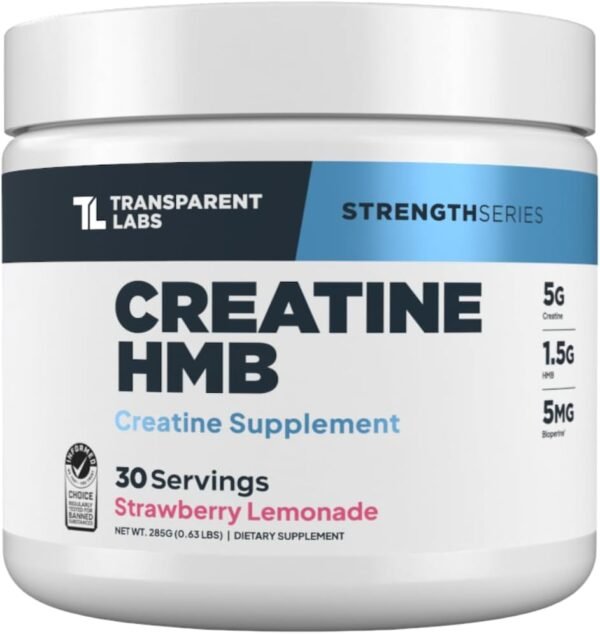
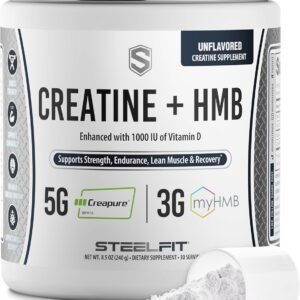
Take your training results to the next level with this science-backed creatine and HMB blend — formulated to fuel tougher workouts, support faster recovery, and promote lean muscle growth without artificial junk.
When it comes to safety and scientific backing, Transparent Labs generally comes out stronger than many competitors. Independent testing — including third-party COAs and certifications like Informed Choice on some products — supports the brand’s claim that what’s on the label is what’s in the bottle.
Yet experts caution that “science backed” doesn’t always mean universally beneficial. Some products contain high levels of caffeine or other stimulants, which may interact with medications or underlying health conditions. Consulting a healthcare professional is widely recommended before starting any supplement regimen.
This is a crucial distinction in investigative reporting: transparency in labeling doesn’t automatically translate to suitability for every individual — particularly in a space where regulation is limited, and products can vary widely in their effects.
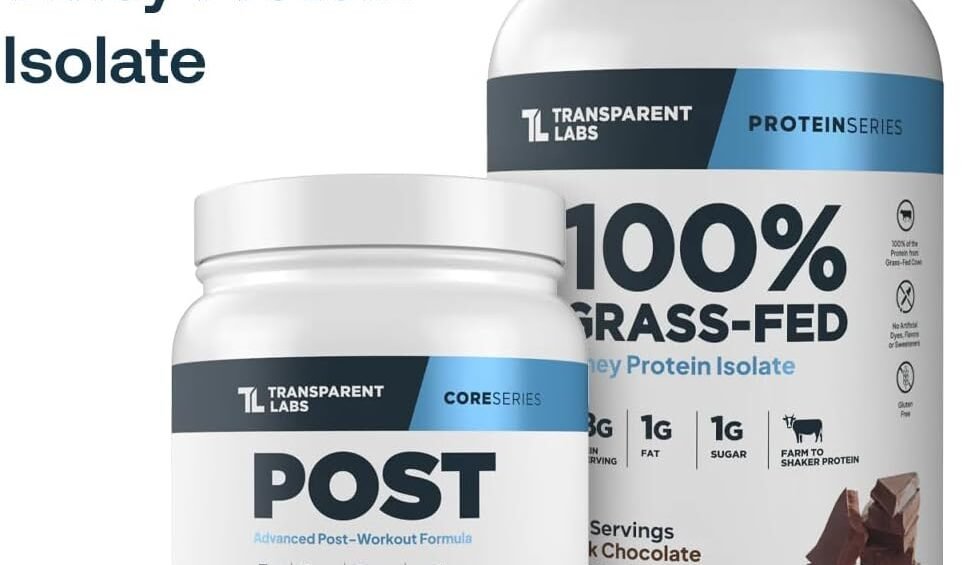
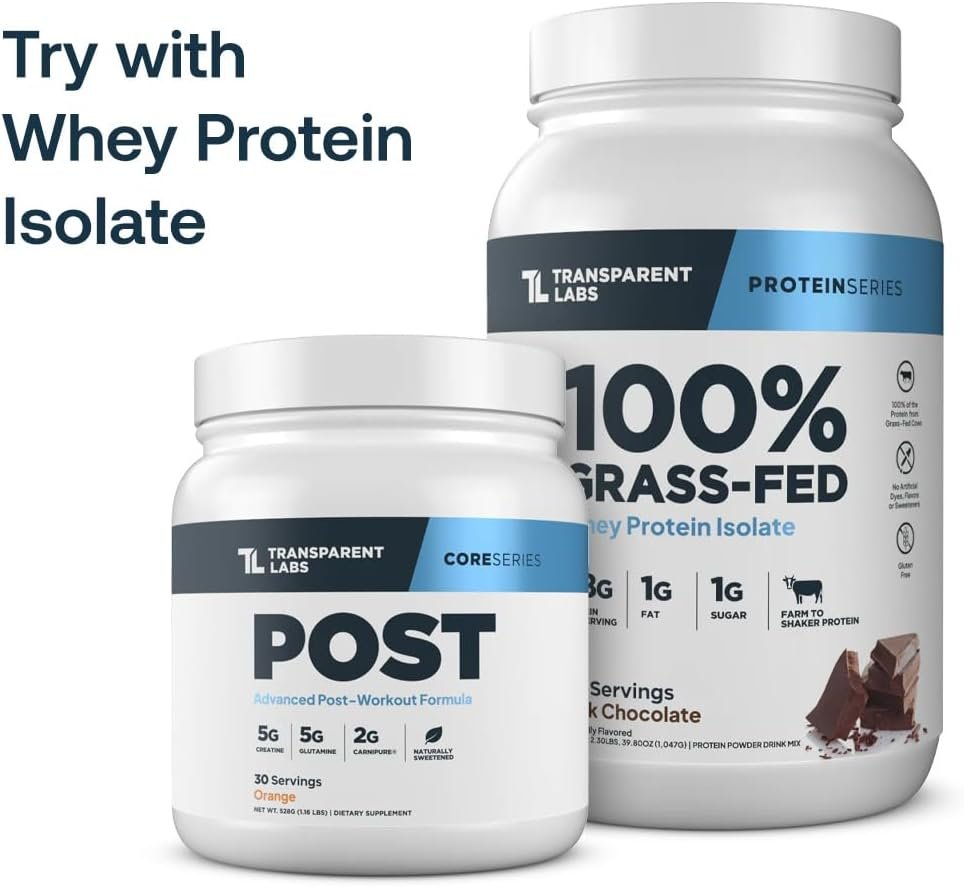
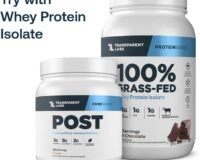
A high‑quality 100% grass‑fed whey protein isolate powder designed to help support muscle growth, recovery, and daily protein intake without artificial additives. It’s a top‑selling item in Transparent Labs’ protein lineup and one of their most popular products for fitness and nutrition goals.
The Bigger Picture: Transparency in an Opaque Industry
Transparent Labs entered the market at a time when consumer distrust in supplement companies was already high. Proprietary blends, misleading labels, and dodgy third-party claims had become common enough that a brand promising radical honesty struck a chord.
And yet — transparency in branding is different from transparency in practice. The divergent customer service experiences, third-party ratings, and social commentary underscore the reality that even the most promising brands can have blind spots.
The company promises that its products are clean, its ingredients are documented, and its testing rigorous. For many customers, that promise holds up — and their success stories are powerful testimonials in a sea of empty bottles.
But for others, the gaps between expectation and delivery — particularly in customer relations and consistent quality control — reveal a less polished reality.
Final Verdict: A Brand Worth Watching — With Caution
Transparent Labs represents an important movement in the supplement world: a push toward honesty, clarity, and science-informed products. For consumers tired of secret formulas and hype-driven marketing, that mission resonates deeply.
But like any company making big promises, the proof isn’t just in the label — it’s in the lived experiences of users, the responsiveness of support teams, and the consistency of quality across every batch shipped.
For now, Transparent Labs sits at the crossroads: innovative on paper, polarizing in practice — and an emblem of both the potential and pitfalls of transparency in an industry that sorely needs it.
Best American Websites to Purchase Gym Equipment. Having a home gym isn’t just a trend — it’s a long-term investment in your health, strength, and confidence. Whether you’re building a full workout room or just buying a few pieces to supplement your workouts, shopping online for gym gear gives you the widest selection, best pricing, and often better delivery options than brick-and-mortar stores.
But with so many online stores selling fitness equipment, it can be overwhelming to know where to buy quality gear without overpaying. That’s why we researched and tested the major players and narrowed down the top five American websites where you can confidently purchase gym equipment online.
Here are the best sites — what they offer, who they’re best for, and tips for making smart purchases.
1. Rogue Fitness
Best For: Serious athletes, CrossFitters, powerlifters, commercial-grade equipment
Why It’s Great: Rogue Fitness has become synonymous with high-performance strength equipment. Headquartered in the U.S., Rogue manufacturers many of its products domestically, and their build quality is one of the highest in the industry. From barbells and bumpers to rigs and platforms, Rogue delivers competition-grade gear used in gyms around the world.
Standout Features:
Olympic barbells with precise whip
Durable bumpers and steel plates
Modular rigs and squat stands
Custom branding options
Buying Tips:
Don’t overlook package deals — Rogue often bundles plates, bars, and racks at better prices.
Shipping costs on heavy items can add up; if possible, order several items at once to save.
Who Should Shop Here: If you are building a home powerlifting or CrossFit gym and want equipment that can withstand daily heavy use, Rogue is a top choice.
Best For: Budget-minded buyers who still want durable equipment
Why It’s Great: Titan Fitness offers a wide range of gym gear at competitive prices. While the build quality isn’t always as premium as higher-end brands, Titan gives excellent value for the money — especially if you’re just starting out or outfitting a garage gym on a budget.
Standout Features:
Affordable squat racks and power cages
Cardio machines like treadmills and bikes
Dumbbells, kettlebells, and functional training gear
Frequent sales and clearance deals
Buying Tips:
Compare specs carefully; cheaper price doesn’t always equal better value. Look at dimensions and weight capacities.
Check customer reviews for assembly difficulty — some items require more setup than expected.
Who Should Shop Here: Novice lifters, casual exercisers, or anyone wanting solid gear without a premium price tag.
Top 5 Best American Websites to Purchase Gym Equipment Online (and How to Buy Smart)
3. Perform Better
Best For: Functional trainers, trainers, physical therapy equipment
Why It’s Great: Perform Better caters to fitness professionals and home users seeking functional training solutions. Their catalog is curated with performance, mobility, and strength in mind, offering tools used in rehabilitation, athletic training, and everyday workouts.
Standout Features:
Suspension trainers, resistance bands, and plyometric gear
Medicine balls, balance trainers, and mobility tools
Foam rollers and athletic performance accessories
Buying Tips:
If your goal is athletic development rather than just lifting weights, focus on their functional training and recovery tools.
Create a balanced setup — strength and mobility — for long-term injury prevention.
Who Should Shop Here: Athletes, coaches, physical therapists, and fitness enthusiasts focused on movement quality and performance.
4. Fitness Superstore
Best For: Variety and home-focused gym solutions
Why It’s Great: Fitness Superstore is an online retailer with a huge range of cardio and strength equipment. From treadmills and ellipticals to benches and cable machines, they often carry multiple brands, giving you choice and price comparison in one place.
Standout Features:
Treadmills, rowers, and ellipticals
Strength training machines and benches
Free weights and accessories
Frequent bundle deals
Buying Tips:
Use their product filters — sort by price, brand, and rating — to find the best match for your level and budget.
Look for seasonal sales around holidays for bigger discounts.
Who Should Shop Here: Home fitness shoppers who want variety and value without brand loyalty restrictions.
5. Dick’s Sporting Goods
Best For: Mainstream selection, easy returns, and installment payment plans
Why It’s Great: Dick’s Sporting Goods has grown its online selection significantly, offering both cardio and strength gear from well-known brands. The added benefit is trust and convenience: they’re a major American retailer with a reputation for customer service and easy returns.
Standout Features:
Treadmills, bikes, weight benches, and power racks
Top brands like Bowflex, ProForm, and more
Financing options like installment payments
Buying Tips:
Take advantage of financing if you’re planning larger purchases but want to spread out payments.
Check return policies before you buy — Dick’s is known for being more flexible than niche retailers.
Who Should Shop Here: Casual users who want a balance of quality gear from trusted brands and flexible purchasing options.
Not every gym gear site is right for every buyer. Before you purchase, consider the following:
Your Goals: Are you building a serious strength setup, or do you want general fitness gear for cardio and conditioning? Rogue is great for elite strength; Perform Better excels in functional training.
Budget: Can you spend on premium gear, or do you need value options first? Titan Fitness wins on cost-to-value for starters.
Shipping & Assembly: Heavy gear costs more to ship. Ordering in bulk or choosing in-store pickup (where available) can save big. Also, some equipment requires complex assembly — check if you need tools or professional setup.
Warranty and Support: Always look for warranty coverage and return policy — especially on expensive machines like treadmills and ellipticals. Retailers with solid customer service might save you headaches later.
Reviews and Ratings: Customer reviews often reveal real performance and durability over time. Look for detailed feedback on stability, build quality, and long-term usage.
Final Thoughts
Buying gym equipment online can feel overwhelming, but choosing the right website makes all the difference. Whether you need top-tier strength gear, budget-friendly options, functional training tools, wide variety, or trusted customer support, these five American sites have you covered.
With thoughtful planning, smart comparisons, and attention to specs and customer feedback, you can create a home gym that works for you — without ever stepping foot in a crowded store.
Still looking for proper bottle shaker for your daily gym session? Whether you’re smashing personal bests, prepping pre-workout drinks, or sipping post-lift protein, the right shaker bottle is essential. A great shaker isn’t just a water vessel — it’s your everyday gym companion. It blends efficiently, doesn’t leak in your bag, stays comfortable in hand, and adds long-term value to your fitness routine. Here are the top 5 shaker bottles that truly stand out in 2026.
1. Blender Bottle Pro Series 32 oz. Shaker Bottle with Loop Top — Best All-Around Performance
If you want one shaker bottle that does everything right, the Pro Series from BlenderBottle tops most lists. BlenderBottle is practically synonymous with shaker bottles and for good reason: a classic swirling wire mixing ball creates smooth, lump-free protein shakes every time.
Why it’s great for gym goers:
Effortless blending: The patented BlenderBall wire whisk breaks up clumps fast.
Large capacity: 32 oz gives you plenty of space for protein, pre-workout, or hydration drinks.
Gym lifetime companion: Durable, portable, and easy to use for everyday training.
With thousands of positive reviews and an unbeatable price-to-performance ratio, this is the best all-purpose shaker for most athletes.
With a leak‑proof lid, dishwasher‑safe construction, and BPA‑free materials, it’s a solid everyday choice for gym sessions, travel hydration, or supplement routines without complexity
YETI built its reputation around durability — and its Yonder Helimix Vortex Shaker Bottle brings that philosophy to gym gear. Instead of a traditional whisk ball, the bottle’s Helimix Vortex design creates a smooth blend without loose parts to wash or lose.
Standout features:
No blender ball: Means fewer nooks where gunk or smells can hide.
100% leakproof: Confidently toss it in your bag without drama.
Lightweight but tough: Perfect for daily gym use or travel.
This option is ideal if you want simplicity matched with rugged performance — a shaker designed not to break down after just a few months.
3. Takeya Tritan 24-oz. Protein Shaker — Premium Mid-Range Pick
Not all plastic shakers feel cheap — and Takeya proves it. With a patented mixing agitator and high-quality Tritan material, this shaker is both stylish and functional.
Why gym enthusiasts love it:
Ultra-smooth shakes every time: The agitator makes blending efficient and consistent.
BPA-free & durable: Tritan plastic resists odor and wear.
Just right size: 24 oz — ideal capacity for workouts of all types.
It’s a perfect choice if you want premium quality without premium pricing, great for resistance training, HIIT, or weightlifting days.
shaker bottle
4. Hydro Flask Insulated Shaker Bottle 24 oz Trillium — Best Insulated Shaker for Temperature Control
If you’re someone who hates warm shakes or enjoys cold hydration throughout your workout, an insulated shaker is worth investing in. Hydro Flask’s version keeps your drink cold for hours — whether it’s a summer sweat session or an early morning lift.
Under Armour’s Clarity shaker ticks every box for serious athletes: lightweight, clump-free mixing, easy clean-ability, and premium feel. With a stellar rating, it’s a standout option if you’re after performance and style.
Highlights include:
No leaks, no clumps: Smooth, consistent drinks every time.
Odor- and stain-resistant: Keeps your bottle fresh longer.
Comfortable grip and ergonomic design: Perfect for gym bags and hand-held use.
This is an excellent choice if you want a substantial upgrade in both feel and function compared to very basic bottles.
$10.99Original price was: $10.99.$9.99Current price is: $9.99.
The BlenderBottle Classic V2 Shaker Bottle (28 oz) is a reliable, everyday solution for smooth nutrition shakes and supplement drinks. With its patented mixing ball, leak-proof cap,
Choose a size that fits your routine. Bigger (30 oz+) for serious shakes, and mid-size (20–24 oz) for hydration plus protein.
Final Thoughts
A shaker bottle is one of those small pieces of gym gear that can wildly improve your daily fitness experience. From crushing clumps to staying cool, the right shaker keeps you focused on gains — not cleanup. Whether you want a no-nonsense everyday bottle or a rugged insulated solution, there’s an ideal shaker for every gym goer.
With these top picks — from classic performance to premium insulation — you’re ready to elevate your workouts with smooth shakes and reliable hydration.
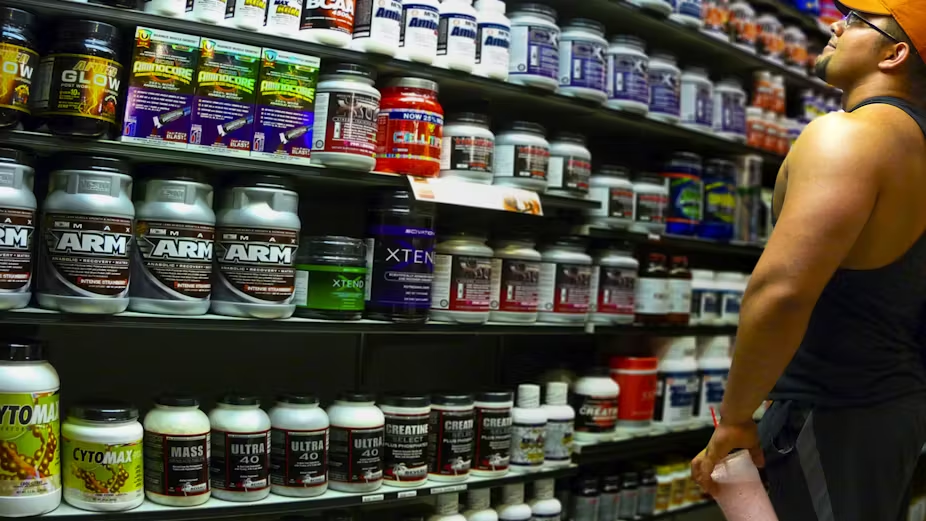
In an era dominated by e-commerce and next-day delivery, the physical retail store might seem like a relic. Yet, for the health and wellness enthusiast, the walk-in supplement store remains an indispensable destination. There is an undeniable value in holding a product, consulting with a knowledgeable staff member face-to-face, and walking out with your purchase in hand, ready to begin your regimen immediately.
The American supplement industry is a behemoth, valued at over $50 billion, and a significant portion of that revenue flows through physical retail locations. These stores are more than just points of sale; they are community hubs, education centers, and trusted advisors for millions on their fitness and wellness journeys.
This definitive guide profiles the top 10 physical walk-in supplement brands and retailers in the United States. We will delve into their corporate history, market presence, financial standing, the premier brands they carry, and the unique value propositions that have cemented their status as industry leaders. Whether you’re a seasoned athlete, a wellness newbie, or a researcher like ourselves, this article provides the critical insight needed to navigate the complex landscape of supplement retail.
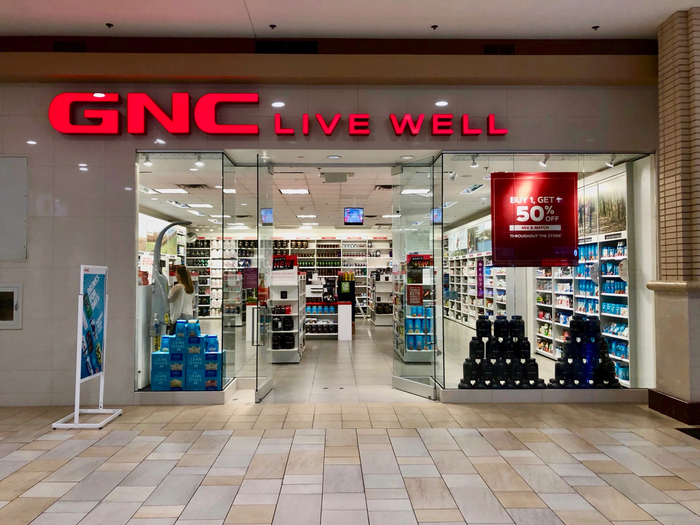
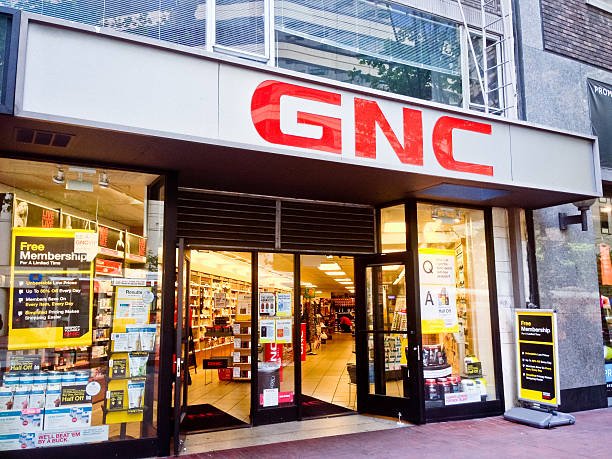
1. GNC (General Nutrition Centers)
The Industry Titan and Household Name
If you think of a supplement store, you likely picture GNC. As the largest global specialty retailer in the sector, GNC is synonymous with vitamins and performance nutrition for generations of Americans.
History & Overview: Founded in 1935 by David Shakarian in Pittsburgh, Pennsylvania, as a small health food store called “Lackzoom,” the company focused on yogurt and health foods. It expanded rapidly, rebranding to General Nutrition Centers in the 1960s. GNC pioneered the mall-based supplement store model and grew to dominate the industry through franchising. It has navigated bankruptcy (Chapter 11 in 2020) and emerged under new ownership, restructuring to stay competitive in the modern market.
Turnover & Scale: Pre-bankruptcy, GNC reported annual revenues consistently hovering around $2.5 billion. While private since its acquisition by Harbin Pharmaceutical Group Holding Co., Ltd., it remains a colossal force with approximately 4,000+ locations across the United States and a strong international presence.
Brands They Carry: GNC operates a powerful multi-tiered brand strategy.
Proprietary Brands: This is their cornerstone. This includes:
GNC LiveWell: Their standard line of vitamins, minerals, and herbs.
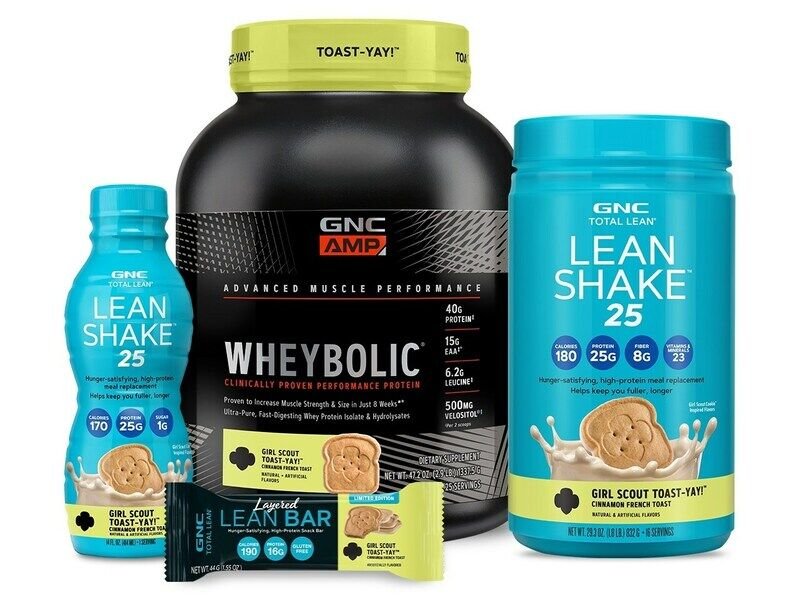
GNC Sports: A comprehensive line of pre-workouts, protein powders, BCAAs, and creatine targeted at athletes.
GNC AMP: A line of scientifically advanced products with patented ingredients.
GNC GENETIC™: A personalized vitamin and supplement program based on DNA testing.
Third-Party Brands: They carry all the major national brands, including Optimum Nutrition (Gold Standard Whey is a flagship product), MUSCLETECH, Cellucor, JYM Supplement Science, BSN, and many more. They often have exclusive deals with these brands for specific product formulations or launch windows.
Key Differentiator: The GNC Gold Card™ membership program offers members significant discounts and points on purchases, creating a loyal customer base. Their extensive physical footprint makes them the most accessible store for most Americans.
2. The Vitamin Shoppe
The Wellness-Focused Powerhouse
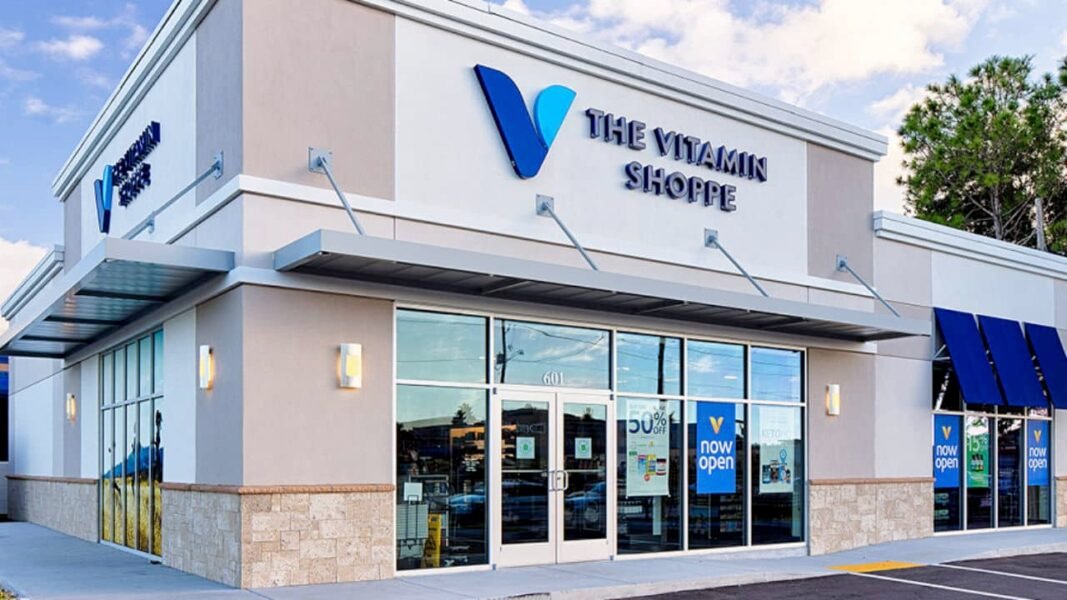
Often seen as GNC’s primary competitor, The Vitamin Shoppe has carved out a distinct identity by focusing more on overall wellness and a wider array of lifestyle brands, while still maintaining a robust sports nutrition section.
History & Overview: Founded in 1977 by Jeffrey Horowitz in North Bergen, New Jersey, The Vitamin Shoppe differentiated itself with a large-store format, offering a broader selection than typical mall kiosks. It went public in 2009 and was later acquired by private equity firm Liberty Tax in 2019 for approximately $208 million. It is known for its well-organized, warehouse-style stores and highly trained staff.
Turnover & Scale: As a private company, exact figures are not disclosed, but its last public revenue reports were in the range of $1.2-$1.4 billion annually. It operates over 700 company-owned stores across the U.S.
Brands They Carry: The Vitamin Shoppe boasts a massive catalog of over 800 brands.
Proprietary Brands:
The Vitamin Shoppe®: Their core line of vitamins, minerals, and supplements.
BodyTech®: Their value-driven sports nutrition line, offering high-quality protein, pre-workouts, and more at competitive prices.
Platinum Naturals®: A premium line focused on superior forms and absorption.
True Athlete®: A line of sports supplements that are certified NSF for Sport®, meaning they are free of banned substances, crucial for competitive athletes.
Third-Party Brands: They carry an enormous selection, including Garden of Life, NOW Foods, Nature’s Way, Jarrow Formulas, Orgain, Ancient Nutrition, Vega, and all the major sports brands like Optimum Nutrition and Dymatize. They are particularly strong in clean, organic, and non-GMO product lines.
Key Differentiator: A strong emphasis on staff education through their “Health Enthusiast” training program. Their focus on overall wellness, including specialty diets (Keto, Paleo, Vegan), sets them apart. The “Healthy Awards” program is a popular customer reward system.
3. Sprouts Farmers Market
The Fresh & Healthy Hybrid Grocer
While not a dedicated supplement retailer, Sprouts has become a major destination for health-conscious shoppers seeking supplements in a grocery environment. Their model blends fresh produce with a extensive vitamin department.
History & Overview: Sprouts was founded in 2002 in Chandler, Arizona, and has grown rapidly through mergers and organic expansion. It is a healthy-living grocery store offering fresh, natural, and organic products at affordable prices. Their large supplement sections are integrated into the store layout.
Turnover & Scale: A publicly traded company (NASDAQ: SFM), Sprouts reported net sales of $6.5 billion in 2023. They operate over 400 stores in 23 states, with a significant concentration in the Sun Belt.
Brands They Carry: Sprouts focuses heavily on natural, clean, and lifestyle-oriented brands.
Proprietary Brands: Their store brand is prominent throughout the store, including in the supplement aisle, offering a wide range of vitamins and supplements at a value price point.
Third-Party Brands: They excel in carrying brands like Megafood, New Chapter, Garden of Life, Vital Proteins, Sports Research, Zhou Nutrition, and a vast selection of powders (collagen, protein greens), and essential oils. They are less focused on hardcore bodybuilding brands and more on general wellness and natural sports nutrition.
Key Differentiator: The ability to shop for whole foods and supplements in one trip. Their staff often has cross-functional knowledge of food and supplements. Frequent promotions and sales make their supplement aisles highly competitive with dedicated retailers.
As the leading natural and organic grocery chain, Whole Foods Market sets a high bar for quality and curation. Their supplement department is meticulously vetted, aligning with their strict company-wide quality standards.
History & Overview: Founded in 1980 in Austin, Texas, Whole Foods grew from one store to a national phenomenon, defining the natural foods movement. Its acquisition by Amazon in 2017 for $13.7 billion dramatically expanded its reach and logistical capabilities while maintaining its brand identity.
Turnover & Scale: As part of Amazon, its specific revenue is not broken out, but it contributes significantly to Amazon’s physical store segment, which reported $20 billion in 2022. Whole Foods operates 500+ stores across the U.S., Canada, and the UK.
Brands They Carry: Whole Foods is famous for its “Whole Foods Market Quality Standards” for body care and supplements. They ban high-risk ingredients, making them a trusted source.
Proprietary Brands: The Whole Foods Market™ brand includes a full spectrum of vitamins, minerals, and herbal supplements.
Third-Party Brands: They are highly selective, featuring premium brands like Dr. Mercola, Nordic Naturals, Gaia Herbs, Standard Process, Designs for Health, Pure Encapsulations, and a carefully chosen selection of sports nutrition brands that meet their quality criteria.
Key Differentiator: Unmatched quality control and a trusted environment for shoppers wary of contaminants or unwanted additives. The synergy with Amazon Prime offers members exclusive deals and discounts in-store.
5. Vitamin World
The Resilient Comeback Story
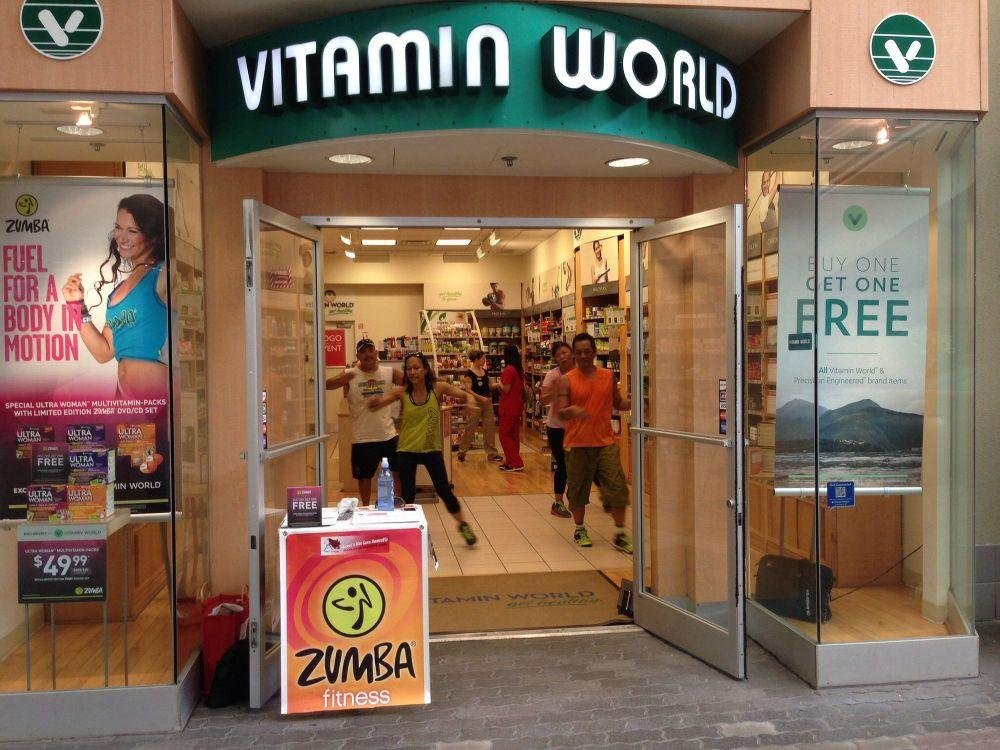
A familiar name that has faced significant challenges, Vitamin World has restructured and is making a concerted effort to reclaim its place in the market with a focus on value and innovation.
History & Overview: Originally founded in the 1970s, Vitamin World grew to become one of the largest specialty retailers. It filed for Chapter 11 bankruptcy in 2017, closing many stores. The brand and intellectual property were acquired by Parachute Health, which has been revitalizing the brand through a mix of e-commerce and physical retail.
Turnover & Scale: As a privately held company under new ownership, financials are not public. At its peak, it operated over 300 stores. The current physical footprint is smaller but strategic, with plans for growth.
Brands They Carry: Vitamin World’s strategy leverages its legacy while adapting.
Proprietary Brands: This is their core focus. The Vitamin World brand is their flagship, covering everything from basic multivitamins to advanced formulations. They are known for their “3-Way Action” calcium and other signature products.
Third-Party Brands: They carry a selective range of national brands to complement their own lines, though the selection is not as vast as GNC or Vitamin Shoppe. You will find popular proteins and pre-workouts alongside their offerings.
Key Differentiator: A strong legacy of product development and a focus on providing high-quality proprietary formulas at a strong value proposition. Their comeback story is centered on innovation and customer loyalty.
6. Local/Regional Supplement Chains (The Specialists)
Beyond the national giants, several powerful regional chains offer exceptional service, deep community roots, and expert knowledge. Here are two prime examples:
A. Supplement Superstores
The Bodybuilding Mecca
A legendary chain in the bodybuilding community, Supplement Superstores is the destination for hardcore enthusiasts and professional athletes, primarily in Southern California and Nevada.
History & Overview: Founded by bodybuilding icon Chris Cormier and partners, this chain was built by athletes, for athletes. Their stores are massive warehouses filled with every conceivable supplement, often featuring live appearances by fitness celebrities.
Turnover & Scale: A private company, financials are undisclosed. They have a focused presence with several large-format stores in key California and Nevada markets.
Brands They Carry: They have the most comprehensive and hardcore selection anywhere. They carry every major brand (Ghost, Animal, Redcon1, Blackstone Labs, Mutant, etc.) and countless emerging and niche brands that other retailers don’t stock. They are often the first to get new product launches.
Key Differentiator: Unparalleled selection and authentic, expert staff who are often competitive bodybuilders themselves. The environment is designed for the serious lifter.
B. Max Muscle Sports Nutrition
The Franchise Model with a Personal Touch
Max Muscle operates on a franchise model, allowing individual store owners to deeply integrate into their local communities. They emphasize personalized nutrition plans and coaching.
History & Overview: Founded in 1991, Max Muscle has grown to over 100 franchise locations across the country. Their model combines retail with personalized service, offering body composition testing and custom nutrition plans.
Turnover & Scale: As a franchisor, their revenue comes from franchise fees and wholesale product sales to franchisees. The collective network does significant volume, estimated in the tens of millions.
Brands They Carry:
Proprietary Brands: The Max Muscle line is their primary focus, developed with their “Max R&D” team. This includes proteins, pre-workouts, fat burners, and vitamins.
Third-Party Brands: They also carry a curated selection of top national brands to provide customers with choice.
Key Differentiator: The personalized coaching aspect. Customers often go for a “Max Fit Camp” consultation, making it more than a store—it’s a personalized nutrition resource.
The Blending of Conventional and Complementary Medicine
Pharmaca offers a truly unique model: a full-service pharmacy staffed by licensed pharmacists alongside a curated selection of supplements, natural beauty products, and wellness experts.
History & Overview: Founded in 2000 in Boulder, Colorado, Pharmaca’s mission was to bridge the gap between traditional pharmacy and integrative medicine. It was acquired by McKesson Corporation in 2021, expanding its potential reach.
Turnover & Scale: Private, with undisclosed financials. They operate over 20 stores in key markets like California, Colorado, Oregon, New Mexico, and Washington.
Brands They Carry: The selection is premium and practitioner-grade.
They focus on top-tier brands like Pure Encapsulations, Metagenics, Ortho Molecular Products, Integrative Therapeutics, and Wellements. You won’t find many mass-market bodybuilding brands here.
Key Differentiator: The ability to consult with a pharmacist or naturopathic doctor on staff about potential drug-nutrient interactions and to get professional-grade recommendations. It’s a clinical, trusted environment.
8. The Fresh Market
The Upscale, Curated Grocery Experience
Similar to Whole Foods but with a distinct, smaller-format, upscale feel, The Fresh Market offers a well-edited selection of high-quality supplements alongside gourmet foods.
History & Overview: Founded in 1982 in Greensboro, North Carolina, The Fresh Market focuses on a European-style market experience with a emphasis on customer service and high-end products.
Turnover & Scale: A public company that was taken private in 2016 by Apollo Global Management. It operates 159 stores in 22 states, primarily in the Southeast and Midwest.
Brands They Carry: Their selection is limited but high-quality, focusing on natural and lifestyle brands like Vital Proteins, HUM Nutrition, Olly, and a selection of their own private-label vitamins.
Key Differentiator: A less overwhelming, more curated shopping experience for gym supplements in US. It’s for the shopper who wants a trusted brand in a pleasant environment without hundreds of options to sift through.
9. CVS Pharmacy & Walgreens
The Mass-Accessibility Giants
No list of physical retailers is complete without acknowledging the sheer scale and convenience of drugstore chains like CVS and Walgreens. Their supplement aisles are among the most shopped in the country due to pure convenience.
History & Overview: These are historic American pharmacy chains with thousands of locations, often open 24 hours. They have massively expanded their wellness and vitamin sections over the past two decades.
Turnover & Scale:
CVS Health: Revenue of $357 billion in 2023 (includes health insurance and pharmacy services). Over 9,000 retail locations.
Walgreens (WBA): Revenue of $139 billion in 2023. Over 8,500 locations in the US.
Brands They Carry:
Extensive Private Label: Both have powerful store brands (CVS Health and Walgreens Brand) that cover the vast majority of basic supplement needs.
National Brands: They carry a wide array of national brands like Nature Made, Nature’s Bounty, Bayer, Quest Nutrition, and Alani Nu. The selection is geared toward general wellness rather than specialized sports nutrition.
Key Differentiator: Ubiquity and convenience. They are everywhere and often open late. Their loyalty programs (ExtraCare at CVS, myWalgreens) offer deep discounts and rewards, making supplements very affordable.
The Hidden Financial Architecture: How Store Brands Fuel the Retail Giants
Beyond the shelves of national brands lies the true economic engine of these retailers: their proprietary product lines. For chains like GNC, The Vitamin Shoppe, and CVS, store-brand supplements are not just an additional offering—they are a critical margin fortress and a tool for customer lock-in. These products, developed through white-label manufacturers with retailer-specific formulations, typically deliver profit margins 2-3 times higher than third-party brands. This financial model allows retailers to invest in staff training, expansive real estate, and membership programs. For the consumer, this creates a strategic paradox: while store brands often provide exceptional value and quality matching their national counterparts, their exclusivity also subtly discourages price comparison across retailers. Understanding this dynamic empowers you to recognize when a “Gold Standard” store-brand protein represents a smart value versus when investing in a specialized third-party formulation is worth the premium.
The Experience Spectrum: From Transactional to Transformational Retail
Physical supplement stores operate across a broad spectrum of customer engagement, which directly correlates to their value proposition. On one end, mass retailers like CVS and Walgreens offer transactional efficiency—supplements are commoditized, self-service items in an aisle, purchased alongside groceries and prescriptions. In the middle, specialists like GNC and The Vitamin Shoppe provide consultative curation, where staff (with varying expertise) help navigate a vast selection toward a specific goal. At the premium end, destinations like Pharmaca and Max Muscle deliver transformational guidance, integrating supplements into a larger wellness protocol, complete with body composition analysis or pharmacist consultations. This spectrum explains the price variance for identical products and highlights a key strategic question for shoppers: are you buying a known commodity, or investing in a selection service and expert validation that justifies a higher price point?
The Brick-and-Mortar Defense: Physical Stores as Trust Hubs in an Age of Digital Doubt
In a market flooded with online influencers, counterfeit products, and exaggerated claims, the physical store’s most potent asset is its role as a trust verifier. A storefront represents a fixed, accountable investment; a staff member provides a human interface for questions; and the ability to hold a container allows for immediate label scrutiny. This is particularly crucial for new or skeptical consumers overwhelmed by online information. Retailers like Whole Foods and The Vitamin Shoppe amplify this trust through their rigorous vetting processes and “banned substances” lists, offering a pre-filtered selection that reduces consumer risk. In essence, the modern supplement store has evolved from a mere distribution point to a credibility platform, offering the assurance of curation and accountability—a service for which a growing segment of consumers, concerned about purity and efficacy, are willing to pay a premium.
Conclusion: Choosing Your Supplement Destination
The ideal supplement store is not a one-size-fits-all proposition. Your choice depends on your specific needs:
For the Hardcore Bodybuilder: Seek out Supplement Superstores or a well-stocked GNC.
For the Overall Wellness Enthusiast:The Vitamin Shoppe and Sprouts offer the best blend of sports nutrition and lifestyle wellness.
For the Quality-Purist:Whole Foods Market and Pharmaca offer the highest levels of quality control and professional-grade options.
For Ultimate Convenience and Value:CVS and Walgreens are unbeatable for basics, especially when combined with their loyalty programs.
For Personalized Advice:Max Muscle locations and the staff at Pharmaca provide consultation services that go beyond typical retail.
The physical supplement store, in all its forms, continues to thrive because it fulfills a fundamental human need: trusted guidance and immediate gratification on the path to better health. By understanding the strengths and histories of these retail powerhouses, you can make an informed decision and choose the partner that best supports your wellness journey.
Stepping into the world of women’s bodybuilding is empowering, but the supplement aisle can be overwhelming. With countless products making bold claims, how do you know what actually works for the female physique?
The truth is, supplements are just that—a supplement to a solid foundation of training, nutrition, and recovery. They are designed to fill gaps and enhance results, not replace hard work.
This definitive guide cuts through the marketing hype to explore the most effective, science-backed supplements for female bodybuilders, helping you build lean muscle, boost strength, and accelerate recovery safely and effectively.
The Hormonal Harmony Factor: Why Women’s Supplementation Must Prioritize Endocrine Balance
While foundational supplements like protein and creatine are universally effective, the female bodybuilder’s regimen must be acutely aware of its impact on the endocrine system. Women’s physiology is governed by a delicate hormonal rhythm that directly influences muscle building, recovery, and fat metabolism. Therefore, every supplement choice should be vetted for its potential to support—or disrupt—this balance. For instance, adaptogens like Rhodiola Rosea can be a superior choice over stimulant-heavy pre-workouts for managing cortisol, a stress hormone that, when chronically elevated, can promote abdominal fat storage and hinder recovery. Similarly, ensuring optimal levels of Magnesium and Zinc is not just for general health; these minerals are critical cofactors for progesterone and thyroid hormone production, which regulate metabolism, sleep quality, and the body’s anabolic environment. This nuanced approach means sometimes prioritizing a high-quality multivitamin or targeted mineral supplement over a flashy “fat burner,” ensuring your internal chemistry is primed for sustainable progress.
Strategic Timing: Synchronizing Your Supplement Intake with Your Physiological Cycle
To truly optimize a supplement protocol, advanced female athletes should consider aligning their intake with their menstrual cycle phases, a strategy known as cycle syncing. The body’s requirements and responsiveness to nutrients fluctuate with estrogen and progesterone levels. During the follicular phase (post-period), when insulin sensitivity and energy levels are typically higher, you might maximize your creatine and pre-workout caffeine to fuel intense, strength-focused training. Entering the luteal phase (post-ovulation), as progesterone rises and the body may prefer fat for fuel, shifting focus to supplements that support cortisol management (like Phosphatidylserine), reduce inflammation (Omega-3s), and alleviate potential water retention (Magnesium Glycinate) can enhance comfort and performance. This level of strategic timing transforms a static supplement stack into a dynamic tool, working with your biology rather than against it, to smooth out energy dips and maximize muscle-building windows.
Beyond Muscle: The Critical Role of Connective Tissue and Joint Support in Longevity
The pursuit of increased strength and muscle mass places significant demand not only on muscle fibers but on the often-overlooked connective tissues—ligaments, tendons, and joints. Female athletes, particularly due to the influence of estrogen on collagen synthesis, can benefit profoundly from proactive joint support, which is essential for injury prevention and long-term training consistency. While a general multivitamin may provide baseline nutrients, incorporating targeted supplements like Vitamin C (a crucial cofactor for collagen formation), hydrolyzed Collagen Peptides (taken with Vitamin C 30-60 minutes before exercise), and Glucosamine can provide the specific building blocks needed to strengthen these tissues. This isn’t just about “health”; it’s a performance imperative. Resilient connective tissues allow for greater training frequency, heavier loads over time, and the ability to push through demanding workouts without setback, ensuring your hard work translates to results, not time spent sidelined.
Foundation First: Diet & Training Are Non-Negotiable
Before you even consider a supplement, master these pillars:
Training: A consistent, progressive resistance training program is the primary driver of muscle growth.
Nutrition: Consuming enough total calories and protein from whole foods is essential.
Recovery: Prioritize sleep (7-9 hours) and manage stress for optimal hormonal balance and muscle repair.
Supplements work best when this foundation is already strong.
The Essential Supplements for Female Bodybuilders
These supplements have robust scientific evidence supporting their efficacy and safety for athletes.
1. Protein Powder
What it is: A concentrated source of protein derived from whey, casein, egg, pea, brown rice, or hemp. Benefits for Women:
Muscle Repair & Growth: Provides the essential amino acids needed to repair muscle tissue broken down during training.
Convenience: An easy way to hit daily protein goals, especially post-workout or as a meal replacement.
Satiety: Helps keep you full, which can support fat loss goals. How to Use: Take 1 scoop (20-25g protein) post-workout or between meals. Whey isolate is fast-absorbing and low in carbs/fat. Vegan blends are a great plant-based option.
What it is: One of the most researched supplements in the world. It helps your muscles produce energy during high-intensity exercise. Benefits for Women:
Increased Strength & Power: Allows you to lift heavier and perform more reps.
Enhanced Muscle Growth: More work capacity in the gym leads to greater muscle stimulation over time.
Improved Recovery: Helps replenish energy stores between sets and workouts. Myth Buster: Creatine does not cause bloating or a “puffy” look in most women. Any initial water weight gain is intramuscular (within the muscle cells), making muscles appear fuller and more defined. How to Use: 3-5 grams daily. You can take it anytime—pre-workout, post-workout, or with a meal. No loading phase is necessary.
What they are: BCAAs (Leucine, Isoleucine, Valine) are three of the nine Essential Amino Acids (EAAs) that your body cannot produce itself. Benefits for Women:
Reduce Muscle Soreness: Can decrease Delayed Onset Muscle Soreness (DOMS), allowing for more frequent training.
Prevent Muscle Breakdown: Particularly useful during fasted training or when in a calorie deficit.
Stimulate Muscle Protein Synthesis: Leucine, in particular, is a key trigger for building new muscle. How to Use: 5-10 grams before, during, or after training. Opt for an EAA supplement for a more complete amino acid profile.
These can provide an extra edge depending on your specific goals.
4. Caffeine (Pre-Workout)
What it is: A central nervous system stimulant found in pre-workout formulas and coffee. Benefits for Women:
Increased Energy & Focus: Helps you feel more alert and energized for your training session.
Improved Endurance: Can reduce perceived effort, allowing you to train harder for longer.
Enhanced Fat Metabolism: May increase the rate at which your body burns fat for energy. How to Use: 100-200 mg about 30-60 minutes before training. Avoid it too late in the day to prevent disrupting sleep.
5. Beta-Alanine
What it is: An amino acid that helps buffer acid in muscles, combating the “burn” during high-rep sets. Benefits for Women:
Increased Training Volume: Allows you to push through 1-2 more reps, leading to greater muscle fatigue and growth.
Improved Performance: Especially beneficial for high-intensity interval training (HIIT) and endurance activities. Note: May cause a harmless tingling sensation (paresthesia) on the skin. How to Use: 2-5 grams daily, often included in pre-workout blends.
6. Multivitamin & Mineral Supplement
What it is: A comprehensive blend of essential vitamins and minerals. Benefits for Women:
Fills Nutritional Gaps: When dieting or eating in a calorie deficit, micronutrient intake can suffer. A multi ensures you cover your bases.
Supports Overall Health: Critical for immune function, bone health (Calcium, Vitamin D), energy production (B-Vitamins), and thyroid health (Selenium, Iodine). How to Use: Take one daily with a meal.
What to Avoid: Supplements That Are Often Overhyped
Fat Burners: Most are stimulant-based and produce minimal, temporary results. The best “fat burner” is a consistent calorie deficit.
Testosterone Boosters: Women have very low testosterone levels, and most OTC boosters have little to no effect on muscle growth. Some ingredients (like DHEA) can cause virilization (development of male characteristics) and should be avoided.
Proprietary Blends: Avoid products that don’t disclose specific ingredient amounts. They often hide ineffective doses under a catchy name.
The Final Rep: A Smart Supplement Strategy for Women
Your supplement stack should be as individualized as your training program. Start with the essentials and build based on your goals and budget.
Start with Protein Powder: If you struggle to meet protein goals.
Add Creatine: For proven strength and muscle gains.
Consider a Pre-Workout or BCAAs: If you need energy or train fasted.
Support with a Multivitamin: For overall health and filling dietary gaps.
Always Remember:
Consult a Professional: Before starting any new supplement, talk to your doctor or a registered dietitian, especially if you have pre-existing health conditions.
Quality Matters: Choose products from reputable brands that use third-party testing (like NSF Certified for Sport or Informed-Choice) to ensure purity and label accuracy.
More is Not Better: Stick to recommended dosages.
By focusing on evidence-based supplements and ignoring the hype, you can fuel your body effectively and safely, empowering you to smash your bodybuilding goals and build the strong, powerful physique you’re working for.
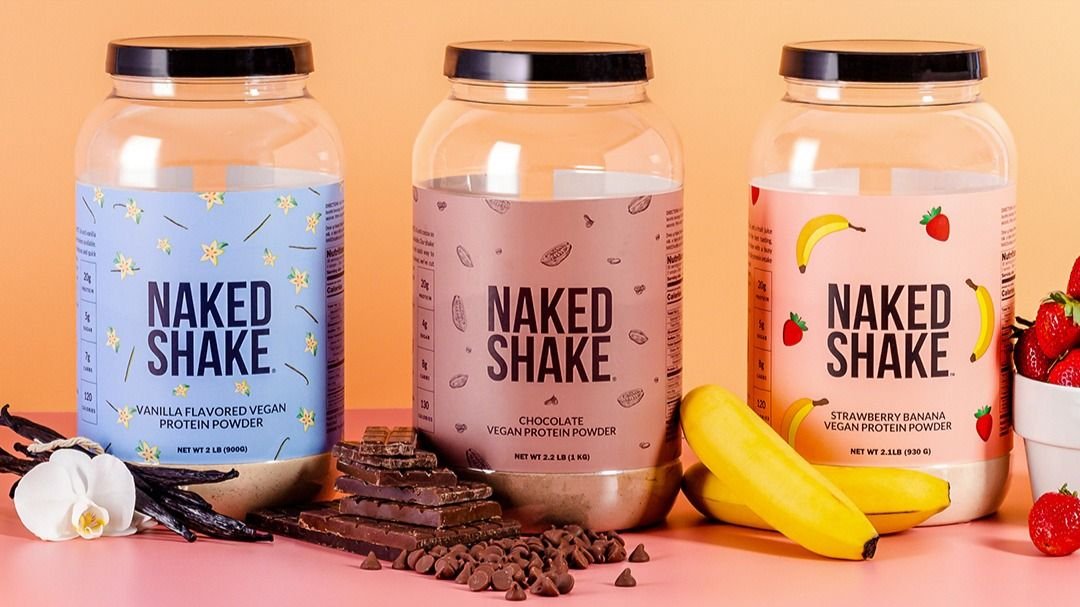
An Expert Deep Dive into Naked Nutrition Collagen Peptides. The collagen market is booming, flooding shelves and online carts with promises of youthful skin, agile joints, and stronger hair. In this crowded space, it’s easy for consumers to become overwhelmed by marketing jargon and dubious ingredient lists. As a nutritionist and product formulator, I’ve made it a mission to cut through the noise. Today, we’re dissecting a product that has become a benchmark in the industry: Naked Nutrition Collagen Peptides.
This isn’t just a review; it’s a forensic analysis of what makes this product stand out, how it truly impacts the body, and where it sits in the pantheon of collagen supplements.
The Philosophy: “What You See Is What You Get”
Before we even look at the powder, we must understand the brand’s ethos. Naked Nutrition operates on a principle of radical transparency. Their name is their mission: to provide supplements with no artificial sweeteners, flavors, colors, or other unnecessary “proprietary blends.” This is critical in an industry rife with fillers designed to cut costs and mask low-quality ingredients.
When you pick up a bag of Naked Collagen, you get one ingredient: 100% Grass-Fed Bovine Collagen Peptides. That’s it. This simplicity is its greatest strength and immediately places it in a different category than many market leaders.
The Ingredient Analysis: Sourcing and Hydrolysis Matters
Not all collagen is created equal. The efficacy of a collagen supplement hinges on two factors: source and processing.
Source: Naked Nutrition sources its collagen from pasture-raised, grass-fed bovines from farms in Europe (primarily Germany and France). Why does this matter? Grass-fed bovine collagen is richer in the specific Types I and III collagen that are most abundant in our skin, hair, nails, bones, and tendons. It’s also free from the hormones and antibiotics often associated with conventional factory farming, resulting in a purer, more ethically sourced product.
Processing: The term “peptides” is key. Collagen molecules are large and difficult for the body to absorb. Naked Nutrition uses a process called enzymatic hydrolysis to break down the collagen into smaller, bioavailable chains of amino acids called peptides. This process ensures your body can actually absorb and utilize the supplement, transporting these peptides to the areas that need them most.
Mechanism of Action: How It Actually Works in the Body
The science behind collagen supplementation is fascinating. Unlike some nutrients, collagen peptides don’t just passively diffuse into our tissues. Here’s the deep dive:
Digestion and Absorption: Upon ingestion, the hydrolyzed peptides are readily broken down further in the gut. A significant portion of these specific peptides (like Pro-Hyp and Hyp-Gly) are absorbed intact into the bloodstream.
The Signaling Effect: This is the magic. These circulating peptides act as signaling molecules. They travel to fibroblasts—the cells in our skin and connective tissues responsible for producing our own natural collagen, elastin, and hyaluronic acid—and effectively “nudge” them into action. They stimulate the fibroblasts to increase their collagen-producing activity.
Building Blocks: Simultaneously, the peptides provide a dense source of the exact amino acids (glycine, proline, and hydroxyproline) required as the raw building blocks for this synthesis.
In essence, Naked Collagen doesn’t directly become your new collagen. Instead, it brilliantly provides the raw materials and the instructions for your body to build more of its own, high-quality collagen.
Tangible Benefits: What Can You Realistically Expect?
Consistent daily use (typically around 10-20 grams) leads to cumulative benefits:
Skin Health: Improved skin elasticity, hydration, and density. Multiple studies show a significant reduction in wrinkles and dryness. This isn’t about turning back the clock 20 years; it’s about supporting your skin’s fundamental health from within.
Joint Pain and Mobility: Collagen is a primary component of cartilage. Supplementation has been shown to reduce joint pain, stiffness, and inflammation associated with conditions like osteoarthritis. It helps nourish and protect the cartilage we have.
Gut Health: The amino acid glycine is crucial for maintaining the integrity of the gut lining, potentially helping to manage “leaky gut” syndrome and supporting overall digestive health.
Hair and Nails: Stronger, faster-growing hair and nails are one of the most commonly reported anecdotal benefits, as both are primarily made of keratin, a protein that relies on the amino acids found in collagen.
The Comparison: How Does Naked Stack Up Against the Competition?
Let’s compare it to other popular categories of collagen products.
Feature
Naked Nutrition Collagen
Typical Mainstream Brands (e.g., Vital Proteins)
Multi-Collagen Blends
Vegan “Collagen” Boosters
Ingredient List
One ingredient. Pure collagen peptides.
Often include additives like hyaluronic acid, vitamin C, or flavorings.
Blend of 3-5 collagen sources (bovine, chicken, fish, eggshell).
No actual collagen. Contains amino acids & vitamins (C, biotin) to support natural production.
Transparency
Extreme. Sourced from EU grass-fed cows.
Good, but often part of a “proprietary blend” with less clarity on ratios.
Varies. Can be less transparent about the sourcing of each individual type.
Transparent about ingredients, but it’s not collagen.
Primary Types
Types I & III (skin, hair, nails, bones).
Often Types I & III, but can vary with added ingredients.
Types I, II, III, V, X (aims to cover all bases).
N/A – Contains no collagen types.
Best For
Purists, those with sensitivities, anyone wanting a blank slate to add to any food or drink.
Those who want a pre-flavored, convenient option and don’t mind additives.
Those specifically targeting Type II for joints (found in chicken and eggshell).
Vegans, or those seeking general skin support without animal products.
The Verdict: Naked Nutrition wins on purity and versatility. While a multi-collagen blend might be useful for someone targeting specific Type II joint benefits, for the vast majority of users seeking overall skin, hair, and joint support, the Types I and III in Naked’s product are precisely what’s needed. It’s a superior choice over mainstream flavored options for anyone avoiding additives.
How to Incorporate Naked Collagen Into Your Routine
One of the advantages of Naked Collagen is its unflavored, mixable format. This allows you to seamlessly add it to your daily diet without altering the taste of your favorite meals or drinks. Here are some practical ways to use it:
Morning beverages: Stir a scoop into coffee, tea, or a smoothie for a convenient start to the day.
Baking: Add collagen to pancakes, muffins, or protein bars to boost their protein content without changing flavor or texture.
Soups and sauces: Collagen dissolves well in warm liquids, making it ideal for soups, broths, and pasta sauces.
Evening routine: Mix into water or herbal tea as part of a nighttime ritual; some users find glycine can support restful sleep.
Consistency is key. For measurable benefits, aim for 10–20 grams daily, either as a single dose or split across multiple meals.
Synergistic Nutrition: Pairing Collagen With Vitamin C and Other Nutrients
While Naked Collagen provides the building blocks, certain nutrients enhance its effectiveness. Vitamin C is essential for the enzymatic process that stabilizes and cross-links collagen fibers. Pairing your supplement with vitamin C-rich foods or drinks—like oranges, berries, or bell peppers—can maximize skin, joint, and connective tissue benefits.
Other supportive nutrients include:
Zinc: Supports skin repair and immune function.
Copper: Important for cross-linking collagen fibers, improving structural integrity.
Hyaluronic Acid (optional): Helps with joint lubrication and skin hydration; can be obtained through diet or complementary supplements.
These synergistic nutrients can be easily integrated through a balanced diet or a targeted multivitamin, making your collagen supplementation even more effective.
Long-Term Benefits and Expectations
Patience is essential. Unlike stimulants or quick-fix supplements, collagen works gradually by supporting your body’s natural processes. Users typically notice:
Skin improvements within 8–12 weeks, with increased elasticity and hydration.
Joint comfort and reduced stiffness after consistent use for 3–6 months.
Hair and nail strength over several months, particularly with combined attention to overall protein intake and nutrient balance.
Remember, collagen supplementation is a long-term investment in tissue health, not a temporary cosmetic fix. It complements a nutrient-rich diet, consistent exercise, and lifestyle habits like sleep and stress management.
The Expert Conclusion: Who Is This For?
Naked Nutrition Collagen Peptides is the gold standard for a pure, unadulterated, and highly effective collagen supplement.
It is ideal for:
The health-conscious consumer who reads labels and refuses to consume artificial ingredients.
The biohacker who wants to add collagen to coffee, smoothies, soups, and baked goods without altering the taste.
Anyone with sensitivities to common fillers and additives found in other supplements.
Those who prioritize ethical and sustainable sourcing.
Its only potential “drawback” is that it is completely unflavored, which to an expert, is its greatest asset. It gives you complete culinary freedom. The lack of added vitamin C, a common addition to aid collagen synthesis, is easily remedied by consuming it with a source of vitamin C (like a squeeze of lemon in your water or a berry smoothie).
Final Analysis: In the world of wellness, few products live up to their marketing. Naked Nutrition Collagen Peptides is a rare exception. It delivers exactly what it promises: a single, powerful, impeccably sourced ingredient that provides the fundamental building blocks your body needs to repair, rejuvenate, and thrive. It’s not just a supplement; it’s a testament to the power of simplicity in an otherwise convoluted industry.
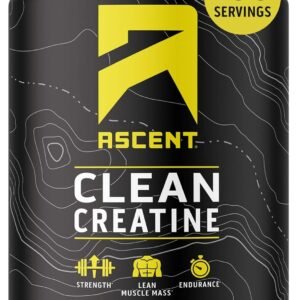
Best creatine supplements available in USA in 2025.
TL;DR — Quick takeaways
Creatine monohydrate (micronized) is still the gold standard: most robust evidence, cheapest cost-per-gram, and widely accepted safety profile. MDPIPMC
Expect meaningful strength gains when creatine is combined with resistance training (meta-analyses show measurable increases in upper- and lower-body strength). MDPI
Cognitive benefits are promising but mixed — benefits show up in older adults, vegans, and energy-deprived brains; results in young healthy adults are inconsistent. PMC
Safety: creatine monohydrate is well-studied and generally safe for healthy people when used at recommended doses; authoritative reviews and ISSN position stands continue to support this. BioMed CentralTaylor & Francis Online
Market trend: US creatine market is growing fast (hundreds of millions USD in 2024; strong CAGR forecast through 2030) with new formats (gummies, RTD, beadlets), more third-party certification, and industry consolidation. Grand View ResearchGlobal Market Insights Inc.
Why this guide — and how it’s different
Many “best creatine” articles recycle retailer lists and product photos. This guide goes deeper: I use the latest meta-analyses and position statements, cross-check market reports, prioritize third-party testing & ingredient traceability (Creapure, NSF, Informed-Sport), and translate all of that into a practical, evidence-based shopping and usage checklist. Where press pieces give picks, I judge picks by scientific backing, purity, traceability, and value — not by marketing copy alone. MDPIU.S. Food and Drug AdministrationNSF International
Short primer — how creatine works (so you can evaluate claims)
Creatine is a small molecule your body makes from amino acids and stores as creatine/phosphocreatine in muscle and brain. During short, intense efforts (sprinting, heavy lifting), phosphocreatine rapidly regenerates ATP — the immediate energy currency — letting you do a bit more, recover slightly faster, and train harder over time. That biochemical mechanism is why creatine reliably helps with short high-intensity performance, power and gains when paired with training. MDPI
What the science says (the newest, highest-impact findings)
Strength & muscle
Recent meta-analyses (2023–2024) show consistent, statistically significant improvements in maximal strength (bench, squat) and small to moderate gains in lean mass when creatine is taken with resistance training. Quantified examples from pooled analyses: multi-kg improvements in compound lifts versus placebo in adults under 50. MDPIPubMed
Dosing & protocol
Two evidence-backed options:
Loading: ~0.3 g/kg/day (≈20 g/day split into 4 doses) for 5–7 days, then maintenance 3–5 g/day. This saturates muscle fastest.
No-load: 3–5 g/day will saturate muscle stores in ~3–4 weeks and avoids temporary water gain some people dislike. Both are supported; pick what fits you. PMC+1
Cognitive & clinical uses
Systematic reviews in 2024/2025 show promising cognitive effects in older adults, sleep-deprived people, vegetarians, and some clinical contexts — but null or mixed effects in healthy young adults under normal conditions. Bottom line: cognition is a plausible secondary benefit, but more targeted trials are needed. PMCPubMed
Safety
Large bodies of work and position statements (ISSN and others) report no consistent evidence of kidney damage in healthy users at recommended doses and conclude creatine is well-tolerated for short and long term use in healthy populations. As always, people with existing kidney disease or on certain medications should consult a clinician. BioMed CentralTaylor & Francis Online
Forms on the market — what matters (and what’s mostly marketing)
Creatine Monohydrate (micronized) — the evidence winner. Best studied, most cost-effective, and generally the recommended starting point. PMC
Micronized monohydrate — same molecule, smaller particle size for easier mixing. Preferable for taste/solubility.
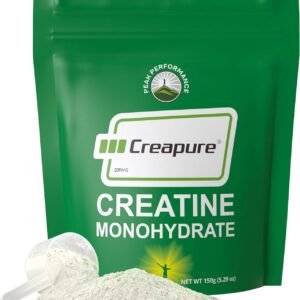
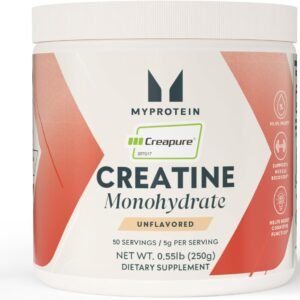
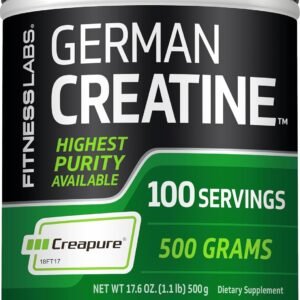
Creapure® (AlzChem) — a trademarked, tightly controlled German creatine monohydrate; widely used as a quality signal and backed by a GRAS notice to the FDA. If you value traceability, look for Creapure on the label. CreapureU.S. Food and Drug Administration
Creatine HCl, nitrate, buffered, ethyl ester, chelates — often marketed for better solubility or absorption. Current comparative evidence does not show clear superiority over monohydrate for most users; HCl may reduce GI issues for some people but carries a higher price. Buy these only for specific tolerability reasons. PMCLegion Athletics
Formats: powder (dominant), capsules, gummies, RTDs, soft chews. Powders remain best value; gummies/RTDs trade convenience for price and often add sugars/flavors.
Quality & safety signals to look for (critical)
Simple ingredient list — ideally only creatine monohydrate (and maybe a flow agent like silica). Avoid multi-ingredient proprietary blends unless you want those extras.
Third-party certification — NSF Certified for Sport, Informed-Sport/Informed-Choice, or Labdoor testing. These lower the risk of contamination and verify label accuracy. NSF/Informed-Sport listings are searchable publicly. NSF InternationalWe Test You Trust
Creapure seal / traceable source — not required, but useful for peace of mind (Creapure is made by AlzChem and has GRAS paperwork). CreapureU.S. Food and Drug Administration
Batch/lot numbers and COA (certificate of analysis) — brands that publish COAs or respond quickly to COA requests are better.
Transparent dosing — 5 g per scoop clearly stated; avoid hidden low-dose servings.
Price per gram — compute to compare value: price ÷ (servings × grams per serving).
Market size & growth: Market research firms estimate the U.S. creatine market at several hundred million USD in 2024 (reports vary: e.g., Grand View Research and industry trackers), with aggressive projected CAGR and revenue forecasts into 2030 as creatine expands beyond bodybuilding into mainstream wellness (cognitive health, aging, women’s health). Expect continued rapid growth and M&A activity as brands consolidate and add specialty lines. Grand View ResearchGlobal Market Insights Inc.
Drivers: mainstream acceptance driven by: robust science, awareness of cognitive/aging benefits, increased female consumer uptake, DTC (direct-to-consumer) brands and influencer marketing, and novel formats (gummies, RTD). The GuardianHealth
Retail channels: Amazon + DTC sites dominate volume; specialty retailers and sports stores emphasize certified/skewed-toward athletes formulas. Labdoor and similar third-party testers have become influential in purchase decisions. labdoor
The Strategic Integration: Creatine as a Foundational Supplement, Not an Isolated Ingredient
The most significant performance and cognitive benefits of creatine are realized when it is treated not as an occasional ergogenic aid, but as a foundational, non-negotiable component of your daily nutrition. This concept of “strategic integration” means pairing creatine with habits that maximize its uptake and utility. For instance, consuming your daily dose alongside a post-workout shake containing carbohydrates and protein can enhance muscular creatine uptake due to the insulinogenic effect. Similarly, consistent daily hydration is not merely a good practice but a physiological necessity to facilitate the intramuscular cell volumization that is central to creatine’s anabolic signaling. By integrating creatine into your daily ritual—whether with breakfast, post-training, or any other consistent meal—you ensure sustained muscle saturation. This creates a stable internal environment where the benefits of increased training capacity, enhanced recovery, and potential cognitive support compound over time, transforming a simple molecule into a cornerstone of long-term athletic and cognitive resilience.
Navigating the Marketplace: The Critical Distinction Between Quality Verification and Marketing Noise
As the U.S. creatine market expands, the onus is on the consumer to distinguish between legitimate quality verification and clever marketing. A product boasting “clinically studied” or “patented” on its label may still lack the independent, batch-specific testing that guarantees purity and potency. The true markers of a superior product are often found not on the front of the tub, but in the transparency of its sourcing and testing documentation. Beyond looking for the NSF or Informed-Sport seal, the most informed consumers are now demanding access to the Certificate of Analysis (COA) for the specific lot number on their purchase. This document reveals the actual assay results for heavy metals, microbial contaminants, and exact creatine content—data that a simple seal cannot provide. Furthermore, with the rise of novel formats like gummies and RTDs, scrutinizing the “other ingredients” list becomes paramount, as these can introduce unnecessary sugars, artificial colors, or fillers that contradict a health-focused regimen. In 2025, the best creatine supplement is defined not by its flavor or format, but by the brand’s willingness to provide pharmaceutical-level transparency at every step from manufacturer to consumer.
My top picks (categories & why) — shortlist based on purity, testing, evidence, value
I focused picks on: (1) proven ingredient (creatine monohydrate), (2) third-party testing / Creapure when available, (3) price/value, and (4) consumer/independent lab rankings.
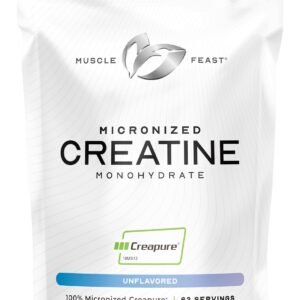
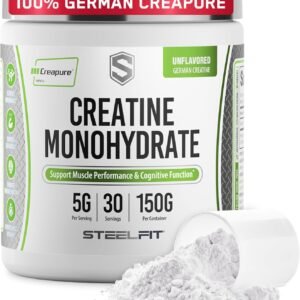
Best overall (science + traceability):Creapure® micronized creatine monohydrate — any reputable brand using Creapure (examples favored in press: Gnarly, Thorne, Legion). Creapure provides traceability and consistent purity. CreapureMen’s Health
Best value (bulk powder):Unflavored micronized creatine monohydrate from transparent brands (many Labdoor A+ picks) — cheap per gram and simple label. Check Labdoor ranking pages for top value picks. labdoor
Best certified (for athletes):NSF Certified for Sport products (Thorne, Momentous, some 1st Phorm products) — pick these if you compete or want absolute assurance. ThorneMomentous
Best for sensitive stomachs:Creatine HCl formulations — some users tolerate HCl better; evidence for superior gains is weak, so use HCl for GI reasons, not performance superiority. PMCLegion Athletics
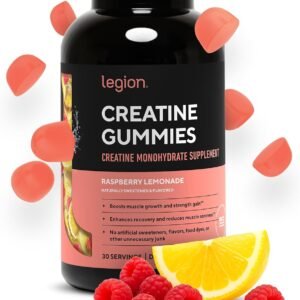
Best convenient format (on the go):Creatine gummies / chewables — novel and convenient. They cost more per gram; rely on independent lab scores because flavored products add ingredients. (Industry reviewing sites and Labdoor list some high-ranked gummies.) Garage Gym Reviewslabdoor
(Specific brand recommendations often overlap with Labdoor, EatingWell, Men’s Health and Healthline lists — I cross-checked those lists and elevated products that had quality signals above.)labdoorEatingWellMen’s HealthHealthline
Buying checklist — how to pick the single best tub for you
Active ingredient: creatine monohydrate (micronized) — 5 g scoop.
Purity: single ingredient, no junk fillers or hidden blends.
Certification: NSF Certified for Sport or Informed-Sport if you care about banned-substance testing. NSF International
Source / traceability: Creapure or brand transparency about supplier. Creapure
Price per gram: do the math. Bulk powder almost always wins.
Mixability / taste: micronized for mixability; unflavored if you want to mix into shakes.
Return policy & COA availability: better brands publish lab tests or provide them on request.
Practical usage tips
Standard routine: 3–5 g/day (skip loading) works for most. Loading (20 g/day split for 5–7 days) saturates faster. PMC
Timing: timing is flexible — take daily with a meal or near workouts; pairing with carbs/protein can slightly improve uptake. PMC
Hydration & weight: expect a small, short-term water weight increase (intracellular), not fat gain.
Stacking: creatine stacks well with protein, beta-alanine, caffeine (be mindful of timing), but evaluate blended preworkouts closely for unnecessary stimulants.
Who might avoid it: people with known renal disease or on nephrotoxic drugs — consult your physician.
Comparing this guide to mainstream press & review lists
Press lists (Men’s Health, Healthline, Verywell, EatingWell) often recommend many of the same brands, but they typically focus on product taste, value or a shallow test battery. Men’s HealthHealthlineVerywell HealthEatingWell
What I added / improved:
Up-to-date science synthesis — I cite 2023–2024 meta-analyses and 2025 position updates rather than relying solely on marketing or older single studies. MDPITaylor & Francis Online
Market context — concrete U.S. market figures and trends to explain product innovation and price pressure. Grand View Research
Product triage by objective signals — third-party testing, GRAS/Creapure traceability, and cost-per-gram calculations are front and center (not afterthoughts). U.S. Food and Drug AdministrationNSF International
Balanced view on novel forms — HCl, nitrate, gummies: explained pros/cons and evidence rather than hype. PMC
If you want one jar for life: buy a micronized creatine monohydrate (Creapure if you want extra traceability), 5 g serving — check price per gram and COA/NSF status. CreapureNSF International
If you compete: prioritize NSF Certified for Sport / Informed-Sport labeled products. NSF International
If you get GI issues from monohydrate: try a creatine HCl product for tolerability; monitor effects. PMC
The Cleanest Supplement Brands with Third-Party Testing. In the modern wellness and sports nutrition market, supplements are everywhere. From multivitamins and omega-3 capsules to protein powders and creatine, shelves are filled with products claiming purity, potency, and effectiveness. Yet what many consumers don’t realize is that dietary supplements are not regulated like prescription medications. The Food and Drug Administration (FDA) sets broad standards for supplement manufacturing, but it does not pre-approve formulas before they reach the market. That gap means products may contain contaminants, undisclosed ingredients, or lower doses than promised.
This is why third-party testing has become the gold standard for clean, trustworthy supplements. Independent verification separates marketing hype from scientific reality and ensures that what is on the label is actually in the bottle. Brands that commit to transparent testing earn the trust of health professionals, athletes, and consumers who want safety and efficacy above all else.
Why Third-Party Testing Matters
Third-party testing means that a laboratory, unaffiliated with the supplement manufacturer, conducts rigorous analysis of the product. These tests can verify four crucial factors:
Identity – Does the product actually contain the ingredient listed on the label?
Potency – Is the ingredient present in the claimed dosage? Many supplements fall short here, especially with herbs and botanicals.
Purity – Are there contaminants such as heavy metals, pesticides, residual solvents, or harmful microbes?
Banned Substances – For athletes, the biggest risk is inadvertent doping. Independent certification helps ensure supplements are free of steroids, stimulants, or other illegal compounds.
Without independent testing, consumers must rely solely on the company’s word. History shows that mislabeling and contamination are common in the supplement industry. Third-party certification reduces this risk and brings supplements closer to pharmaceutical-grade standards.
The Major Certification Programs
Several organizations around the world test supplements and grant certification seals that consumers can look for. Here are the most trusted:
USP Verified (United States Pharmacopeia) – Confirms that supplements contain the ingredients and dosages listed, meet strict purity standards, and break down properly in the body. USP has some of the most rigorous protocols, making its seal highly respected.
NSF International – Offers “NSF Contents Certified” for general products and “NSF Certified for Sport” for athletic supplements. The sport certification screens for over 280 banned substances, making it essential for competitive athletes.
Informed-Choice and Informed-Sport – Widely recognized in professional sports. These programs test both ingredients and finished products for contaminants and banned substances, verifying each production batch.
ConsumerLab – An independent laboratory that purchases products off the shelf, tests them for accuracy and purity, and publishes results. ConsumerLab also offers a voluntary quality certification for companies that pass ongoing testing.
BSCG (Banned Substances Control Group) – Specializes in athlete-focused testing for prohibited compounds, offering assurance for sports teams and professionals subject to anti-doping rules.
Understanding what each seal represents helps buyers choose the right products for their health goals. For example, a person simply seeking a clean daily multivitamin might rely on USP, while a professional athlete will require NSF Certified for Sport or Informed-Sport.
Supplement Brands Known for Clean Formulas and Testing
While many companies claim purity, only a handful consistently subject their products to outside scrutiny. Below are brands with strong reputations for transparency and rigorous quality systems:
Thorne Research – Thorne is often recommended by healthcare professionals for clinical-grade supplements. The company emphasizes ingredient sourcing, in-house quality controls, and third-party certifications, including NSF Certified for Sport on many products.
Pure Encapsulations – Known for hypoallergenic, research-based supplements. Pure Encapsulations sends ingredients and finished products to accredited independent labs for verification. Certificates of Analysis are available upon request.
Nature Made – One of the largest mainstream brands in the United States. Many of its core vitamins and minerals carry the USP Verified seal, making it a rare large-scale brand that consistently submits to outside testing.
Nordic Naturals – A leader in omega-3 fish oils, Nordic Naturals publishes Certificates of Analysis for each lot, showing heavy metal testing, oxidation levels, and purity scores. This level of transparency is uncommon in the supplement world.
Garden of Life – A popular whole-food supplement brand. Selected products have earned NSF Contents Certified or Informed-Choice certification, proving that even natural-focused companies can meet strict third-party standards.
Optimum Nutrition – A sports supplement powerhouse. Flagship products like Gold Standard Whey Protein are Informed-Choice tested, making them safe options for athletes subject to anti-doping policies.
Klean Athlete – Built specifically for sports performance, every product in the Klean Athlete line carries NSF Certified for Sport certification. This brand is widely trusted by Olympians, endurance athletes, and professionals who cannot risk contamination.
NOW Foods – A family-owned company producing a wide range of supplements at scale. NOW operates advanced in-house labs but also employs independent testing to confirm label accuracy and purity. They publish details of their testing processes to demonstrate accountability.
How to Verify Clean Supplements Yourself
Even with strong brands, it is important for consumers to know how to confirm quality before purchasing:
Look for Seals – Check the label for USP, NSF, Informed-Sport, or ConsumerLab logos.
Verify the Seal Online – Go to the certifier’s website and enter the product name or lot number. This ensures the certification is real and not just printed on the label.
Request Certificates of Analysis (COAs) – Some brands provide COAs directly on their website, while others will email them if requested. A COA lists exact test results for a product batch.
Check Recall History – Search whether the brand has faced FDA warnings or product recalls in the past.
Evaluate Transparency – Brands that publish details about sourcing, testing, and manufacturing practices are generally more reliable than those making vague “lab-tested” claims without proof.
Why Athletes Need Extra Care
Professional and competitive athletes are at the highest risk from contaminated supplements. Even a trace amount of a banned stimulant or steroid metabolite can lead to disqualification or suspension. That’s why organizations like NSF Certified for Sport and Informed-Sport exist: they test products for a broad spectrum of prohibited substances.
Athletes should never assume a product is safe because it looks reputable. Instead, they should:
Use only supplements listed in official NSF or Informed-Sport databases.
Cross-check the batch number to confirm the exact lot has been tested.
Avoid supplements that make exaggerated performance claims without transparent testing documentation.
The Future of Clean Supplements
The clean supplement movement is growing. Consumers are demanding traceability, and brands are responding by publishing test results, improving supply chain oversight, and adopting certifications. Advances in blockchain and QR code systems may soon make COAs accessible in real-time on every bottle, offering instant verification.
Meanwhile, smaller boutique brands are emerging that focus exclusively on “transparent label” supplements, where every ingredient and batch test is made public. This shift toward openness could redefine the industry over the next decade.
The Critical Distinction: In-House Testing vs. Independent Verification
A fundamental concept consumers must grasp is the significant difference between a company’s in-house quality control and true third-party certification. Many brands proudly state their products are “lab-tested” or “quality assured,” but this testing is often conducted by their own internal laboratories or by contracted labs with a direct commercial relationship. While this is a positive step, it lacks the impartiality and standardized rigor of a true independent certifier. Third-party organizations like NSF and USP operate under globally recognized Good Laboratory Practices (GLP), using methods and standards that are not influenced by the manufacturer’s desire to pass. They test random samples purchased directly from retail shelves, not curated samples provided by the company, ensuring the results reflect what the consumer actually buys. This objective firewall is what transforms a marketing claim into a credible guarantee, protecting against both accidental contamination and intentional, profit-driven adulteration.
The Cost of Clean Supplements: An Investment in Bioavailability and Safety
Choosing a third-party tested supplement often comes with a higher price point, which reflects the substantial cost of rigorous, repeated laboratory analysis and premium ingredient sourcing. This investment, however, translates directly into superior value and safety. Certified purity means you are paying for active ingredients, not fillers or contaminants. More importantly, the verification of proper disintegration and dissolution (a key part of USP testing) ensures that the capsule or tablet will actually break down in your digestive system, allowing the nutrients to be absorbed. A cheaper, untested product may pass through the body largely intact, rendering it biologically useless regardless of its label claims. For athletes, the cost of a certified product is negligible compared to the financial and reputational devastation of a failed doping test caused by a contaminated supplement. Therefore, the premium for a clean, verified brand is not an expense, but a strategic investment in predictable efficacy, safety, and long-term health.
Conclusion
The supplement industry is full of noise, but third-party testing is the clearest signal of quality. Seals from USP, NSF, Informed-Sport, and ConsumerLab are not just marketing badges—they are evidence that an independent authority has confirmed safety, purity, and accuracy.
Trusted brands like Thorne, Pure Encapsulations, Nature Made, Nordic Naturals, Garden of Life, Optimum Nutrition, Klean Athlete, and NOW Foods have earned their reputations by consistently submitting to this outside scrutiny. For consumers and athletes alike, choosing products from these companies reduces risk and increases confidence that supplements are both clean and effective.
Ultimately, the cleanest supplement is not the one with the fanciest label—it is the one backed by transparent testing, verifiable certifications, and a commitment to proving quality every step of the way.
Best Supplements for Beginners Starting Gym Training. Starting your fitness journey is an exciting decision! As you hit the gym, you’re likely bombarded with questions about nutrition, workout plans, and especially, gym supplements for beginners. The supplement aisle can be a confusing place, filled with flashy labels and big promises.
But here’s the truth: as a beginner, you don’t need the most advanced or exotic supplements. Your body is primed to make incredible “newbie gains” with just a solid foundation. The key is to support your body’s basic needs for recovery and growth.
This guide strips away the complexity and reveals the only best supplements for beginners you need to focus on right now.
The Golden Rule: Supplements Supplement, They Don’t Replace
Before we dive in, this is the most important principle to understand: No supplement can outwork a bad diet or inconsistent training.
Supplements are meant to fill the gaps in a solid nutrition plan. Your primary focus should always be:
Whole Foods: Eating enough protein, complex carbs, and healthy fats.
Hydration: Drinking plenty of water throughout the day.
Sleep: Getting 7-9 hours of quality sleep for recovery.
Consistency: Sticking to your workout program.
Think of supplements as the 1% extra on top of the 99% hard work you’re already doing.
The Essential 5: Best Supplements for Gym Beginners
Based on scientific evidence, safety, and cost-effectiveness, these five supplements provide the best foundation for any beginner.
1. Whey Protein Powder
What it is: A fast-digesting protein derived from milk. It’s a complete protein, meaning it contains all nine essential amino acids your body needs to build muscle.
Why it’s a Top Beginner Supplement:
Convenience: It’s incredibly difficult to eat enough whole-food protein (like chicken, eggs, fish) throughout a busy day. A protein shake post-workout or as a snack is a quick and easy solution.
Muscle Recovery & Growth: Protein provides the fundamental building blocks (amino acids) for repairing the muscle tissue you break down during workouts. This is crucial for getting stronger and building muscle.
How to Use It: Mix 1 scoop (typically offering 20-25g of protein) with water or milk after your workout, or use it to supplement your meals if you’re struggling to hit your daily protein target.
2. Creatine Monohydrate
What it is: A naturally occurring compound found in muscle cells and in foods like red meat and seafood. It helps your muscles produce energy during heavy lifting or high-intensity exercise.
Why it’s a Top Beginner Supplement:
The Most Researched Supplement:Creatine is arguably the most studied and scientifically proven supplement for improving athletic performance.
Boosts Strength & Power: It allows you to push for one more rep, lift a little heavier, and train harder. Over time, this leads to significantly greater gains in strength and muscle mass.
Supports Muscle Fullness: Creatine pulls water into your muscle cells, making them look fuller and potentially promoting a better environment for growth.
How to Use It: The simplest method is to take 3-5 grams daily. You can mix it with your protein shake, juice, or water. There is no need for a complicated “loading phase.”
3. Branched-Chain Amino Acids (BCAAs)
What it is: A group of three essential amino acids: Leucine, Isoleucine, and Valine. They are crucial for muscle protein synthesis and reducing muscle breakdown.
Why it’s a Top Beginner Supplement:
Intra-Workout Support: Sipping on BCAAs during your workout can help fight fatigue, reduce muscle soreness (DOMS), and prevent muscle catabolism (breakdown), especially if you train fasted.
Recovery Aid: The amino acid Leucine, in particular, is a key trigger for starting the muscle-building process.
How to Use It: Mix 5-10g of BCAA powder with water and drink it during your training session. Note: If you’re already consuming a protein-rich diet and/or a whey protein shake post-workout, your need for BCAAs is less critical, but they can still be beneficial for intra-workout hydration and focus.
4. Multivitamin
What it is: A comprehensive blend of essential vitamins and minerals that support hundreds of bodily processes, from energy production to immune function.
Why it’s a Top Beginner Supplement:
Fills Nutritional Gaps: When you’re focused on hitting macro targets (protein, carbs, fat), it’s easy to miss out on essential micronutrients. Intense training also increases your body’s demand for these nutrients.
Supports Overall Health: A strong immune system and efficient metabolism are the bedrock of consistent training. Getting sick less means you miss fewer workouts.
How to Use It: Take one serving daily with a meal, as recommended on the label.
5. Fish Oil (Omega-3s)
What it is: A source of Omega-3 fatty acids, specifically EPA and DHA, which are crucial for health but often lacking in modern diets.
Why it’s a Top Beginner Supplement:
Fights Inflammation: Intense exercise creates inflammation. Omega-3s are powerful anti-inflammatories that can aid joint recovery and reduce post-workout muscle soreness.
Joint & Heart Health: Supports flexible joints under stress from new workouts and promotes cardiovascular health.
How to Use It: Take 1-2 grams of combined EPA/DHA daily with a meal.
What Beginners Should AVOID (For Now)
Save your money and avoid these until you are far more advanced:
Fat Burners: Often just a cocktail of stimulants. Focus on your diet and training for fat loss.
Testosterone Boosters: Largely ineffective for the vast majority of people with normal hormone levels.
Pre-Workouts (Advanced Formulas): Many are overstimulating for beginners. You can create your own with a coffee and maybe some BCAAs.
Your Beginner Supplement Stack Plan
Supplement
When to Take
Why You Take It
Whey Protein
Post-Workout or as a snack
Muscle recovery and daily protein intake
Creatine
Any time of day (with a drink)
Strength, power, and muscle growth
BCAAs
During your workout
Reduce fatigue and muscle soreness
Multivitamin
With breakfast or dinner
Fill nutritional gaps, support immunity
Fish Oil
With breakfast or dinner
Reduce inflammation, support joints
Final Words of Advice
Master the Basics First: Get your training, whole-food nutrition, sleep, and water intake dialed in for at least a month before even thinking about supplements.
Start One at a Time: Don’t start all five supplements on the same day. Introduce one new supplement every few days. This allows you to monitor how your body reacts and identify if anything doesn’t agree with you.
Quality Matters: Choose reputable brands that undergo third-party testing for purity and label accuracy (look for seals like Informed Choice or NSF Certified for Sport).
You are at the start of an amazing journey. By starting with these foundational supplements, you’re investing in a smarter, more effective path to achieving your fitness goals.
Beyond the Scoop: Establishing the “Mindset Meter”
Before opening a single container, the most critical supplement for any beginner is developing a clear “why” and learning to track progress beyond the scale. This “mindset meter” is your internal system for gauging success based on more than just metrics. Before you invest in powders, invest in a small notebook or use your phone’s notes app. For your first two weeks, track fundamental metrics like energy levels, workout quality, and recovery speed. Note things like: “Did I sleep better? Could I add five pounds to my squat? Did I feel less sore after my workout?” This practice accomplishes three things: it shifts your focus from just taking a supplement to observing its effect, it grounds your expectations in tangible, non-scale victories, and it provides the personal data needed to decide if a supplement is truly working for you, which is the ultimate definition of “effective.”
Learning Your Body’s Language: Starting with a Single Ingredient
While a “stack” can be appealing, the beginner’s greatest power is simplicity and observation. I strongly recommend starting with a single, foundational supplement: whey protein OR creatine monohydrate. Introduce it alone for a full 2-4 week “observation cycle.” During this time, eliminate the variable of other new supplements so you can clearly interpret your body’s signals. If you start with whey, pay close attention to your digestion, energy after consumption, and hunger levels. If you start with creatine, note any changes in strength, workout endurance, or feelings of fullness. This disciplined, isolated approach prevents the common beginner pitfall of taking multiple things and having no idea what’s actually working (or causing a minor issue). It teaches you to become a student of your own physiology, which is a far more valuable long-term skill than following a generic list.
Creating a Sustainable System, Not a Stack
The goal is not to build a supplement regimen that feels like a pharmaceutical schedule. The goal is to integrate 1-2 supportive tools into your day with minimal friction, creating a sustainable system that enhances your new lifestyle, not complicates it. This means thinking about integration points. For example, decide on one non-negotiable anchor point: “I will always take my protein shake within 30 minutes of finishing my last set at the gym.” This anchors the habit to an existing behavior. For creatine, choose a simple daily trigger, like mixing it into your morning glass of water or your first cup of coffee. The more seamlessly these actions can be woven into the fabric of your existing routine, the more likely you are to be consistent for the months and years it takes to build a lasting transformation. Ultimately, the best “stack” for a beginner is not a list of bottles, but a personalized, simple, and consistent system you will actually follow.
Ready to build your beginner stack? Shop our curated selection of trusted beginner-friendly supplements here! Go to shop
Stepping into the world of gym supplements in the US can feel overwhelming. Walk into any supplement store or browse online, and you’re met with a dizzying array of powders, pills, and promises. With so many options, how do you know what’s essential and what’s just clever marketing?
This definitive guide is designed to cut through the noise. We’ll break down the most effective, scientifically-backed gym supplements available to American fitness enthusiasts. Whether your goal is building muscle, increasing strength, boosting performance, or enhancing recovery, we’ve got you covered. Let’s build a supplement stack that actually works.
Why Trust This Guide? Our Methodology
Our recommendations are based on:
Scientific Evidence: We prioritize supplements with robust clinical research supporting their efficacy.
Safety & Quality: We focus on products that are generally recognized as safe (GRAS) and emphasize the importance of choosing brands that are third-party tested.
Relevance for the US Market: We understand the specific brands, retailers, and regulatory landscape (governed by the FDA) that define the US supplement industry.
The Foundational Four: Essential Supplements for Every American Gym-Goer
Before you explore anything else, these four supplements form the non-negotiable foundation of any effective regimen.
1. Whey Protein Powder
What it is: A fast-digesting protein derived from milk. It’s a complete protein, meaning it contains all nine essential amino acids. Benefits: Provides the building blocks (amino acids) for muscle repair and growth. It’s incredibly convenient for post-workout nutrition or hitting your daily protein targets. US Brand Tips: Look for brands that are transparent about their ingredients and use third-party testing, like NSF Certified for Sport or Informed-Choice, to ensure purity.
2. Creatine Monohydrate
What it is: One of the most researched supplements in the world. It helps your muscles produce energy during heavy lifting or high-intensity exercise. Benefits: Increases strength, power output, and muscle mass. It also draws water into your muscle cells, promoting a fuller look. Dosage: A simple and effective protocol is 5 grams per day. No complicated loading phase is necessary.
3. Pre-Workout
What it is: A blend of ingredients designed to increase energy, focus, and endurance for your training session. Key Ingredients to Look For:
Caffeine: The gold standard for energy and focus.
Beta-Alanine: Causes a tingling sensation and helps fight muscular fatigue.
Citrulline Malate: Improves blood flow, pump, and endurance. US Buyer Beware: Many US-based pre-workouts contain proprietary blends that hide specific ingredient amounts. Opt for brands that use fully transparent labels.
What it is: BCAAs (Leucine, Isoleucine, Valine) are a subset of EAAs, which are the amino acids your body cannot produce itself. Benefits: While not a replacement for whole protein, they can aid in muscle recovery and reduce muscle soreness, especially during fasted training or very long workouts. The Verdict: If you’re already consuming enough protein, BCAAs are less critical. However, EAAs offer a more complete profile and can be a valuable tool for recovery.
Leveling Up: Advanced Supplements for Specific Goals
Once you’ve mastered the basics, consider these evidence-based options.
For Muscle Growth & Strength:Beta-Alanine (standalone) and HMB.
For Fat Loss:Caffeine (standalone) remains the most effective. Green Tea Extract can also provide a mild metabolic boost.
For Joint Health:Fish Oil (Omega-3s) and Glucosamine & Chondroitin are popular choices for supporting joint lubrication and reducing inflammation.
For Testosterone Support:Vitamin D3 and Zinc are crucial, especially if you are deficient. Always prioritize sleep, nutrition, and stress management first.
How to Choose Safe and Effective Supplements in the US
The US supplement market is vast and, unfortunately, not as tightly regulated as the pharmaceutical industry. Follow these tips to be a smart consumer:
Third-Party Testing is King: This is the most important step. Look for seals from NSF International, Informed-Choice, or USP (US Pharmacopeia). This verifies that what’s on the label is actually in the bottle and that it’s free from harmful contaminants.
Avoid Proprietary Blends: A “proprietary blend” allows companies to hide the exact doses of each ingredient. Choose supplements with fully disclosed ingredient amounts.
Buy from Reputable US Retailers: Purchase from well-known US-based retailers like GNC, Vitamin Shoppe, Amazon (sold/shipped by Amazon.com), or directly from the brand’s official website. This minimizes the risk of receiving counterfeit products.
Read the Label: Check for other ingredients, sugar content, and serving size. Know what you’re putting into your body.
FAQ: Gym Supplements US
Q: Are gym supplements regulated by the FDA in the US? A: Yes, but differently than drugs. Supplements are regulated under the Dietary Supplement Health and Education Act (DSHEA) of 1994. The FDA takes action against unsafe products after they reach the market, which is why third-party testing is so critical.
Q: What is the best time to take protein powder? A: The “anabolic window” is larger than once thought. The most important factor is your total daily protein intake. However, consuming protein within 1-2 hours post-workout is a reliable practice for maximizing recovery.
Q: Can I build muscle without supplements? A: Absolutely. Supplements are meant to supplement a solid foundation of whole foods, proper training, and adequate sleep. They are not magic pills. You cannot out-supplement a bad diet.
Q: Where is the best place to buy gym supplements in the US? A: Reputable online retailers (Amazon, brand websites) often have the best prices. Brick-and-mortar stores like Vitamin Shoppe and GNC offer the advantage of in-person advice and immediate availability.
🧠 The Psychology of “Stacking”: From Overwhelm to Empowerment
The dizzying array of gym supplements often triggers a specific psychological response: decision fatigue. This is the mental exhaustion that comes from confronting too many choices, leading to either hasty purchases or complete inaction. Stepping into a supplement store and seeing walls of “shredding,” “bulking,” and “recovery” formulas can feel like being asked to solve a complex puzzle with no solution. The most strategic mindset to adopt is one of systematic elimination. Start by acknowledging that your foundational nutrition, training, and sleep are the bedrock; supplements are the finishing touches. From there, apply filters: first by your primary goal, then by clinically proven ingredients, and finally by budget and brand transparency. This process transforms an overwhelming catalog into a manageable shortlist, turning shopping from a chore into an empowered, intentional step toward your goals.
🔄 Beyond “Best Sellers”: Developing a Consumer’s Eye for Value
The shopping environment itself is designed to guide you toward decisions that favor the retailer. “Best Seller” badges, front-of-store promotions, and influencer-touted products can be misleading indicators of true value or personal efficacy. To develop a discerning eye, shift your focus to cost-per-serving analysis and ingredient panel literacy. A larger tub at a higher price may offer far better long-term value than a smaller, heavily marketed alternative. More critically, learn to decode a supplement facts panel. Prioritize products with fully disclosed amounts of each ingredient—avoiding those that use “proprietary blends” to hide dosages—and verify the presence of third-party testing seals. This critical approach ensures your money is invested in active compounds, not clever branding or cleverly designed packaging.
🏪 Brick-and-Mortar vs. Digital Cart: The Modern Supplement Hunt
The choice of where to buy supplements is no longer just about convenience; it’s about aligning the purchasing experience with your needs for speed, trust, and expertise. The rise of multi-channel retailers has blurred the lines. A store like GNC or The Vitamin Shoppe offers a significant advantage for immediate needs and personal advice from staff. However, the sheer selection, price transparency, and detailed user reviews found on platforms like Amazon or Bodybuilding.com are often unparalleled for research and bulk purchasing. The smartest strategy for the modern consumer is often a hybrid approach. Use online marketplaces to research, compare, and purchase your staple supplements (like creatine and protein) in cost-effective bulk. Then, leverage physical stores to try new flavors, get immediate answers to questions, or purchase specialized items where authenticity and expert guidance are paramount. This dual-channel approach leverages the strengths of both worlds for optimal value and confidence.
Conclusion: Building Your Intelligent Stack
The best gym supplement stack for you depends entirely on your individual goals, diet, and training intensity. Don’t feel pressured to buy everything at once.
Start with the fundamentals:
Dial in your nutrition with whole foods.
Add a high-quality Whey Protein or plant-based alternative to help meet protein goals.
Include Creatine Monohydrate for proven strength and muscle benefits.
Consider a Pre-Workout if you need an energy and focus boost for your sessions.
Remember, consistency in the gym and the kitchen will always be more important than any powder or pill. Use this guide to make informed decisions and invest in supplements that offer real, evidence-based value for your fitness journey.
Amazon vs. GNC: Where to Buy Supplements Cheaper? When it comes to buying supplements in the USA, two of the most popular options are Amazon and GNC (General Nutrition Centers). Both are trusted by millions of athletes, fitness enthusiasts, and health-conscious consumers—but the question remains: where can you buy supplements cheaper?
In this article, we’ll break down pricing, promotions, membership perks, product selection, and overall value to help you make the smartest choice.
1. Price Comparison: Amazon vs. GNC
Amazon: Amazon is known for competitive pricing, often undercutting retail stores. Because third-party sellers and brands compete directly on the platform, supplement prices tend to be lower on average. For example, a 5lb tub of whey protein or a month’s supply of creatine is often 5–15% cheaper on Amazon compared to GNC.
GNC: GNC usually prices supplements at MSRP (Manufacturer’s Suggested Retail Price). While this can mean higher costs, GNC does offer in-store exclusives, sales events, and loyalty discounts that occasionally bring prices closer to Amazon levels. Without these promotions, GNC is typically more expensive.
2. Subscription and Auto-Delivery Savings
Amazon Subscribe & Save: If you consistently use certain supplements (protein, creatine, multivitamins), Amazon’s Subscribe & Save program can save you 5–15% per recurring order. That adds up significantly over time.
GNC Auto-Delivery: GNC offers its own subscription program, but the average savings are smaller—around 10%, with fewer stackable discounts compared to Amazon.
Winner: Amazon, due to larger discounts and broader product availability.
3. Loyalty Programs and Membership Perks
Amazon Prime: With free two-day shipping and exclusive Prime-only deals, Amazon Prime is a major advantage if you’re buying supplements regularly.
GNC Pro Access Membership: For $39.99 per year, you get 10% off every purchase, free shipping, and access to exclusive sales. If you shop often at GNC stores, this can offset higher retail prices—but it only works if you remain loyal to GNC.
Winner: Depends on shopping habits. Amazon Prime is better for overall value, while GNC Pro Access works for in-store buyers who want consistent discounts.
San Francisco, USA – May 22, 2013: GNC Store on Market Street, San Francisco, selling vitamins and sport nutrition
4. Variety and Product Selection
Amazon: Huge selection—from mainstream brands like Optimum Nutrition, Dymatize, and MuscleTech, to niche supplement companies. Amazon often lists bundles, multi-packs, and off-size variations that can be significantly cheaper.
GNC: GNC mainly sells products from big-name brands and its own private-label line (GNC AMP, Beyond Raw, etc.). While quality is strong, the selection is more limited than Amazon.
Winner: Amazon, thanks to sheer variety and competitive pricing among sellers.
Amazon: While Amazon has improved its anti-counterfeit measures (via Amazon Transparency Program), some buyers worry about third-party sellers. To be safe, always buy from Amazon directly or brand-authorized sellers.
GNC: GNC’s strength is trust and authenticity. Every product is sourced directly from manufacturers or GNC’s in-house lines. This gives peace of mind, especially for customers wary of counterfeit supplements.
Winner: GNC, for guaranteed authenticity.
6. Convenience: Online vs. In-Store
Amazon: Fast shipping (Prime), easy returns, and subscription management make Amazon the most convenient option for regular supplement users.
GNC: In-store shopping is helpful if you want immediate access, product advice from staff, or to try something new without waiting for delivery.
Winner: Tie—Amazon wins for online, GNC wins for in-person.
Final Verdict: Amazon vs. GNC—Where Are Supplements Cheaper?
If your priority is price, selection, and convenience → Amazon is the cheaper and more flexible choice. With Subscribe & Save, Prime shipping, and constant competitive pricing, Amazon almost always beats GNC.
If your priority is trust, guidance, and in-person shopping → GNC is worth the extra cost. You’ll get guaranteed authenticity, personalized recommendations, and exclusive in-store promotions.
👉 Best Strategy: Use Amazon for bulk and recurring supplement purchases, and GNC for specialty items, exclusive brands, or when you want in-store expert advice.
Below, we’ll compare prices, memberships, discounts, product variety, and authenticity to help you make the smartest choice.
Amazon: Reliable if you buy directly from Amazon or verified sellers. Counterfeits can be a risk with third-party vendors.
GNC: 100% authentic products, sourced directly.
Winner: GNC.
7. Convenience: Online vs. In-Store
Amazon: Best for recurring orders, bulk buying, and fast shipping.
GNC: Ideal if you need something right away or want expert staff recommendations.
Winner: Depends on needs.
💰 The Hidden Cost of Convenience and Risk
While the upfront price tag is critical, the total cost of a supplement purchase includes often-overlooked factors like convenience, risk, and effort. Amazon’s vast marketplace can present a “paradox of choice,” where time spent scrutinizing seller authenticity, analyzing thousands of reviews, and verifying lot numbers becomes a hidden mental and time cost. Conversely, GNC’s premium often buys you risk mitigation—the assurance that the product is authentic and stored properly, which is invaluable for sensitive supplements like probiotics or fish oil. Furthermore, immediate in-store availability at GNC eliminates shipping wait times, which can be a tangible cost if a delayed order disrupts your training or nutrition regimen. Therefore, the cheaper retailer isn’t always the one with the lower list price, but the one that minimizes your total expenditure of money, time, and peace of mind.
🧠 Beyond Transaction: The Value of Education and Curation
A key differentiator lies in the type of value each retailer provides. GNC’s model is built on curation and education. In-store staff, while varying in expertise, can offer immediate guidance, help decipher labels, and suggest alternatives based on your goals—a form of value that doesn’t exist on a digital product page. This is particularly beneficial for beginners navigating the overwhelming supplement landscape. Amazon, on the other hand, excels in crowdsourced intelligence. Its value is in the aggregate data: the “most bought” rankings, detailed Q&A sections, and long-term review trends that reveal a product’s real-world efficacy and side effects over time. Thus, choosing a retailer becomes a choice between guided, expert-led curation and data-driven, community-validated selection, each serving different consumer needs.
⚖️ The Strategic Hybrid Approach for the Informed Consumer
The most cost-effective strategy for savvy shoppers is not loyalty to a single retailer, but a dynamic, hybrid approach that leverages the unique strengths of each. Use Amazon’s competitive pricing and Subscribe & Save for predictable, high-volume purchases of commoditized staples like pure creatine monohydrate or a trusted whey protein, where the risk of counterfeits is lower and reviews are plentiful. Simultaneously, reserve GNC for high-consideration purchases—such as trying a new complex formula, buying temperature-sensitive items, or when you need immediate expert (or at least experienced) feedback. This method also allows you to capitalize on flash sales at either outlet without bias, turning you from a passive consumer into an active strategist who extracts maximum value from the entire marketplace.
Final Verdict: Where Are Supplements Cheaper?
Amazon is cheaper for most buyers. Thanks to lower prices, Subscribe & Save, and Prime perks, Amazon offers better long-term savings.
GNC is worth it for trust and in-store shopping. While more expensive, you get guaranteed authenticity and personal guidance.
👉 Smart Tip: Buy your everyday staples on Amazon (protein, creatine, vitamins), but use GNC for specialty items, exclusive in-store deals, or when authenticity is your #1 concern.
Top 10 Pre-Workout Supplements Ranked by Effectiveness (2025 Guide). Athletes, bodybuilders, and fitness enthusiasts know that the right pre-workout supplement can make a massive difference in energy, endurance, focus, and strength. Whether you’re pushing through heavy lifts, high-intensity interval training (HIIT), or endurance sessions, a well-formulated pre-workout gives you the edge you need to perform at your peak.
But with hundreds of products on the market, which pre-workouts actually deliver results? Below, we’ve ranked the Top 10 Pre-Workout Supplements of 2025 based on effectiveness, ingredient quality, research-backed formulations, and customer reviews.
What to Look for in a Pre-Workout Supplement
Before jumping into the rankings, here are the key ingredients that actually work, according to sports nutrition research:
Caffeine (150–300 mg): Increases alertness, reduces fatigue, and boosts performance.
Formulated with Caffeine, Beta-Alanine, L-Citrulline, Creatine Monohydrate, and L-Arginine, this advanced complex supports increased nitric oxide production for improved blood flow and muscle pumps. Whether you’re lifting, sprinting, or pushing through intense cardio, Nutricost gives you the mental drive and physical power to go beyond your limits.
4. Gorilla Mode
Best for Muscle Pumps & Mental Focus
Why it’s popular: Higher doses than most competitors, designed for insane pumps and focus.
Key Ingredients: 9 g Citrulline, 5 g Creatine, 3 g GlycerPump, 350 mg Caffeine.
Best for: Bodybuilders who want extreme pumps and vascularity.
5. C4 Ultimate by Cellucor
Most Popular & Trusted Pre-Workout Brand
Why it’s iconic: C4 has been around for years and remains one of the top sellers worldwide. The Ultimate version is the most powerful.
Key Ingredients: 6 g Citrulline Malate, 3.2 g Beta-Alanine, 300 mg Caffeine.
Best for: Everyday athletes looking for a reliable and affordable pre-workout.
6. Pre JYM by JYM Supplement Science
Science-Backed Formula by Dr. Jim Stoppani
Why it works: Created by a scientist, Pre JYM is packed with research-supported ingredients.
Key Ingredients: 6 g Citrulline Malate, 2 g Creatine HCL, 2 g Beta-Alanine, 300 mg Caffeine.
Best for: Athletes who value scientifically tested formulas.
7. RYSE Godzilla Pre-Workout
Strongest Pre-Workout on the Market
Why it’s extreme: Massive doses of Citrulline and Beta-Alanine plus added nootropics for brain focus.
Key Ingredients: 11 g Citrulline, 6.4 g Beta-Alanine, 400 mg Caffeine.
Best for: Advanced lifters with high caffeine tolerance.
8. Optimum Nutrition Gold Standard Pre-Workout
Budget-Friendly & Trusted Worldwide
Why it’s on the list: From one of the most respected supplement brands, simple and effective at a fair price.
Key Ingredients: 3 g Creatine, 1.5 g Beta-Alanine, 175 mg Caffeine.
Legion Pulse is the ultimate all-natural pre-workout designed to supercharge your energy, focus, and endurance — without the jitters, crashes, or artificial junk. Made with clinically effective doses of performance-enhancing ingredients like L-Citrulline, Beta-Alanine, Caffeine, and Theanine, Pulse helps you train harder, lift heavier, and recover faster.
Frequently Asked Questions (FAQ)
What makes a pre-workout “effective”? An effective pre-workout usually has clinically dosed key ingredients — such as caffeine (150–300 mg), citrulline malate (6–8 g), beta-alanine (2–3.2 g), and creatine (3–5 g) — that are shown by research to boost energy, endurance, pumps, and strength.
Is more caffeine always better? No. While caffeine increases alertness and performance, very high doses can cause jitters, elevated heart rate, or sleep disturbances. It’s best to choose a pre-workout that matches your tolerance, and consider starting with a half serving to assess how you respond.
Why do some pre-workouts cause a tingling sensation? The “pins-and-needles” feeling (paresthesia) is usually due to beta-alanine, which is commonly included in pre-workouts for its endurance benefits. This is typically harmless, though sensitive users may lower the dose or split it.
Are pre-workouts safe? When used appropriately, pre-workouts can be generally safe for healthy adults. But overuse or very high-stimulant formulas can lead to side effects like jitteriness, anxiety, dehydration, or elevated blood pressure. Always consult a healthcare provider if you have health conditions or take medications.
What about “dry scooping” pre-workout powder? Dry scooping (taking pre-workout powder without mixing in water) is risky. It can raise the chance of choking, caffeine overdose, or other negative effects. Always mix your supplement with the appropriate amount of water per the label instructions.
How often should I use a pre-workout supplement? It depends on your training schedule and stimulant tolerance. Many recommend limiting stimulant-based pre-workouts to a few times a week to avoid building up tolerance. Some users also cycle off for a few weeks to reset.
Do I need a pre-workout supplement to get results? No — pre-workouts are not magic. You can still make significant strength or endurance gains with solid nutrition, sleep, hydration, and consistent training. As noted in the guide, pairing your supplement with a balanced diet and proper recovery is key.
🔄 Mastering Tolerance and Timing for Long-Term Efficacy
While the immediate rush of a high-stimulant pre-workout can be motivating, true long-term efficacy hinges on strategic use to avoid tolerance. Repeatedly using the same high-dose formula can desensitize your body’s response, particularly to caffeine, leading to a frustrating plateau where more is needed to achieve the same effect. To combat this, smart athletes practice supplement cycling. This involves rotating between a high-stimulant product for intense sessions, a low-stim or stimulant-free option for moderate workouts, and even designated weeks off entirely. This strategy, combined with precise timing—consuming your pre-workout 30-45 minutes before exercise to align the peak of the ingredients with the start of your session—ensures your body remains responsive and you derive consistent performance benefits without perpetually increasing your dose.
🧠 Aligning Your Choice with Your Neural Profile
The psychological and physical demands of your workout should dictate your pre-workout selection. Products are not universally effective; they cater to different neurological and physiological needs. For tasks requiring intense mental focus, such as technical lifting or complex training, a formula rich in nootropics like L-Theanine, Alpha-GPC, or L-Tyrosine can sharpen cognition and mind-muscle connection. Conversely, for grueling endurance sessions or high-volume work, the primary goal shifts to delaying fatigue, making a product with robust doses of beta-alanine and citrulline malate essential. Choosing a pre-workout based on this “neural profile” of your upcoming workout—prioritizing either laser focus or fatigue-fighting endurance—ensures the supplement actively contributes to your specific training objectives rather than just providing a generic energy spike.
💰 Assessing True Value Beyond the Sticker Price
With premium pre-workouts commanding significant prices, discerning value is key. The most telling metric is not the cost of the tub, but the cost per effective serving. Many products use “proprietary blends” that hide individual ingredient dosages, making it impossible to verify if you’re getting a clinically effective amount of key compounds. A cheaper tub that under-doses its citrulline is ultimately worse value than a more expensive, fully transparent product. The highest-value supplements are those that offer full label transparency, clinically backed doses of all key ingredients, and third-party testing for purity. This ensures every dollar spent is directly purchasing proven performance benefits, not just marketing hype or filler, making your investment both financially and physically worthwhile.
Final Thoughts
The best pre-workout for you depends on your training style, caffeine tolerance, and performance goals. If you’re looking for all-around performance, Transparent Labs BULK is the top choice. For extreme pumps, Gorilla Mode or RYSE Godzilla stand out. For budget-friendly beginners, Optimum Nutrition Gold Standard Pre-Workout is an excellent entry point.
When buying a pre-workout supplement, always check for transparent labeling, clinically effective doses, and safety testing. Remember that more caffeine doesn’t always mean better performance — quality ingredients matter most.
👉 Pair your pre-workout with a balanced diet, proper hydration, and recovery supplements (like protein and creatine) for maximum results.