


Best available gym supplement for biceps grow
Best available gym supplement for biceps grow. Building strong, hypertrophied biceps has long been a hallmark of physical culture and bodybuilding. While training variables such as progressive overload, optimal volume, and mechanical tension remain the foundation of hypertrophy, supplementation can provide an evidence-based advantage. As a researcher in medical sciences, my aim is to critically examine which gym supplements demonstrate the strongest evidence for enhancing biceps growth at both the molecular and clinical level.
Mechanisms of Biceps Hypertrophy
Skeletal muscle hypertrophy in the biceps brachii is largely mediated by the following:
- Muscle protein synthesis (MPS) via mTOR activation.
- Cell volumization and hydration, which act as anabolic signals.
- Enhanced neuromuscular performance, allowing for greater training intensity.
- Recovery acceleration, reducing catabolic breakdown and inflammation.

Any supplement claiming to support biceps growth must demonstrate measurable effects within these domains.
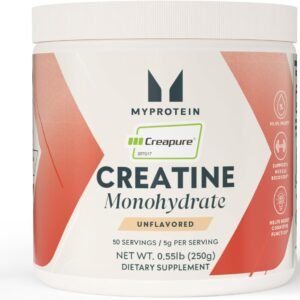
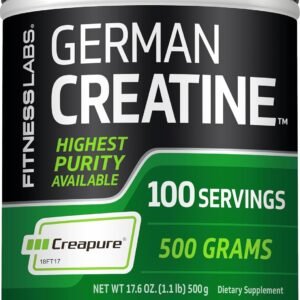
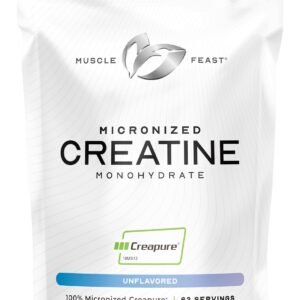
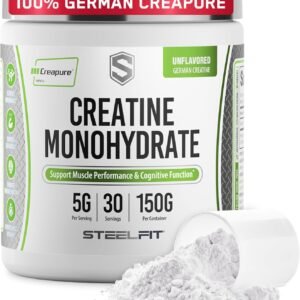
Creatine Monohydrate: The Gold Standard
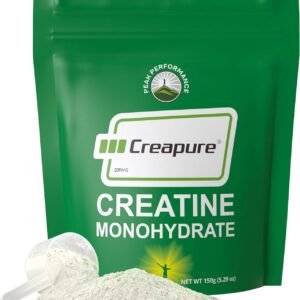
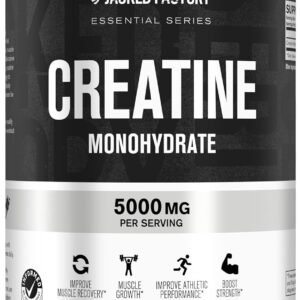
Among all gym supplements studied over the last 30 years, creatine monohydrate remains the most consistently validated.
Check also: supplements for beginners
Evidence:
- Molecular level: Creatine increases intramuscular phosphocreatine stores, thereby enhancing ATP regeneration. This directly allows higher training intensity and more repetitions in compound and isolation movements, such as barbell curls.
- Cellular hydration: Creatine-induced water retention within myocytes is not merely cosmetic; it acts as a signal for anabolic gene expression.
- Meta-analyses: Over 20 systematic reviews confirm creatine’s efficacy for increasing muscle cross-sectional area, with arm muscles—including the biceps—being particularly responsive.
Clinical Relevance:
A 2021 randomized controlled trial demonstrated that resistance-trained individuals supplementing with 5 g/day creatine exhibited significantly greater biceps thickness compared to placebo when paired with progressive overload training.
Whey Protein: The Building Block of Hypertrophy
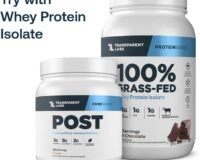
Whey protein supplementation provides a rapidly digestible source of essential amino acids, notably leucine, the most potent stimulator of mTOR.
Check also: the “cleanest” supplement brands in US
Evidence:
- Post-exercise window: Consuming 20–40 g of whey protein post-training elevates MPS for up to 4 hours.
- Synergy with creatine: When combined with creatine, whey protein supplementation produces additive gains in arm circumference.
- Clinical data: Multiple RCTs confirm that whey protein supplementation enhances hypertrophy in both whole-body and localized regions, including upper-arm musculature.
Beta-Alanine: A Secondary Ergogenic Aid
Though less directly anabolic, beta-alanine improves performance during higher-rep biceps training by buffering hydrogen ion accumulation through increased muscle carnosine concentrations.
- Mechanism: Delays fatigue in high-intensity curling protocols, enabling greater training volume.
- Limitation: Its effect on muscle hypertrophy is indirect and less pronounced compared to creatine and protein.

Emerging Candidates: HMB and EAA Formulations
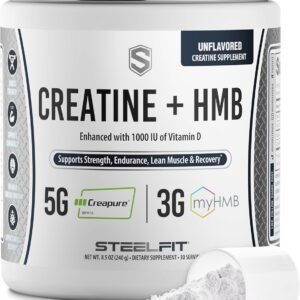
- HMB (β-Hydroxy β-Methylbutyrate): May reduce muscle breakdown during high-volume training, but evidence for significant arm hypertrophy remains inconsistent.
- Essential Amino Acid (EAA) blends: Provide MPS stimulation comparable to protein, particularly valuable when total protein intake is insufficient.
The Importance of Systemic Support and Nutrient Partitioning
While creatine and whey protein directly target the anabolic machinery of the biceps, optimal growth requires a systemic environment conducive to hypertrophy. This is where foundational health supplements play a critical, albeit indirect, role. Adequate levels of Vitamin D3 and Omega-3 fatty acids (EPA/DHA) modulate systemic inflammation and support anabolic hormone signaling, creating a more favorable physiological state for muscle repair. Furthermore, electrolytes—particularly magnesium—are essential for neuromuscular function and protein synthesis. A deficiency can impair motor unit recruitment during curls, limiting the tension placed on the biceps. Therefore, the “best” supplement stack for biceps growth is not limited to direct ergogenic aids; it must also include these supportive nutrients that ensure the entire system is primed to partition resources toward muscle repair and growth rather than being diverted to combat inflammation or suboptimal cellular function.
Strategic Timing and Delivery: Maximizing the Localized Anabolic Response
The anatomical and physiological nature of the biceps—a relatively small muscle group with a high proportion of type II fibers—demands strategic nutrient timing to maximize the localized anabolic response. While total daily protein and creatine intake are paramount, leveraging the post-training “window” is particularly effective for arm development. Consuming a fast-digesting whey protein hydrolysate or isolate within 30 minutes post-workout ensures a rapid spike in blood amino acids, specifically leucine, precisely when blood flow to the trained biceps is elevated. This combination maximizes the delivery of building blocks to the damaged muscle fibers. For the dedicated athlete, sipping an EAA (Essential Amino Acid) solution during a high-volume arm workout can provide a continuous anti-catabolic signal and fuel source, potentially extending productive training volume. This nuanced approach to timing transforms systemic supplementation into a targeted delivery system, ensuring the nutrients are present in the bloodstream at the exact moment the biceps are most metabolically receptive.
Conclusion: The Hierarchy of Evidence
When scrutinized through the lens of molecular biology and randomized clinical trials, the best supplement for biceps growth remains creatine monohydrate, closely followed by whey protein. Creatine enhances the ability to overload the biceps with higher intensity, while whey ensures amino acid availability for repair and growth. Together, these represent the most scientifically validated supplementation strategy.
Practical Recommendation:
- Creatine monohydrate: 3–5 g daily, ideally with consistent timing.
- Whey protein: 20–40 g post-exercise or as needed to meet daily protein requirements.
While no supplement replaces structured training and adequate nutrition, the synergistic effect of creatine and whey protein represents the most effective, evidence-based strategy for maximizing biceps hypertrophy.