


Sourcing Gym Equipment in the USA: Beyond the Big Box Stores
Where to find gym exercise equipment for sale. The decision to build a home gym or outfit a commercial facility is an investment in health, convenience, and long-term savings. However, the marketplace for gym equipment is vast, fragmented, and fraught with potential pitfalls. A treadmill bought on impulse can become a very expensive clothes rack, while a strategically sourced power rack can serve you for decades. This guide moves beyond simple listings to provide a strategic framework for where to shop, tailored to who you are as a buyer, ensuring you find equipment that offers true value—a combination of quality, price, and longevity.
Understanding Your Buyer Profile: The Foundation of Your Search
Before visiting a single website or showroom, define your profile:
- The Home Gym Beginner: Focused on foundational pieces (rack, bench, barbell, plates) with a moderate budget. Value, safety, and space efficiency are key.
- The Home Gym Enthusiast/Athlete: Seeking commercial-grade durability or specialty equipment (competition racks, strongman tools, sleds). Prioritizes performance and durability over price.
- The Commercial Buyer (Small Studio/Large Gym): Needs volume, extreme durability, warranty service, and commercial UL listings. Budget is significant but per-unit cost is weighed against depreciation and maintenance.
- The Budget-Conscious & Used Equipment Hunter: Willing to invest time in search and refurbishment for massive savings. Values function over form.
Your profile dictates which of the following venues will be your primary hunting grounds.
Category 1: The New Equipment Retailers (From Boutique to Behemoth)
A. Specialty Online Retailers (The Knowledge Hubs)
These are not just stores; they are curators and information centers. They cater to the informed buyer.
- Reputable Examples: Rogue Fitness, REP Fitness, Titan Fitness, American Barbell, EliteFTS.
- The Value Proposition: Here, you’re paying for a direct-to-consumer model that often offers superior specifications, transparency about steel gauges and bolt patterns, and robust warranties. Rogue defined this category by selling to CrossFit boxes and serious home users, offering professional-grade equipment that ships from their own U.S. manufacturing floors. REP Fitness has mastered the balance of high quality at a mid-range price point.
- Best For: Home Gym Beginners to Enthusiasts who want the right tool for the job without compromise. Their websites are treasure troves of specs, comparison guides, and customer reviews.
- Pro Tip: Sign up for newsletters. These companies rarely do broad sales, but they offer meaningful holiday promotions (Black Friday, Memorial Day) and blemish/clearance sections with discounted cosmetically flawed items.
B. Large Sporting Goods Chains (The Accessible Showroom)
- Examples: Dick’s Sporting Goods, Academy Sports + Outdoors, Modell’s.
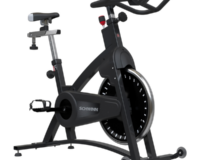
- The Value Proposition: Immediate gratification and the ability to see, touch, and sometimes try equipment. They stock well-known mainstream brands like Nautilus, Bowflex, Schwinn, and Sole. Their real value lies in their seasonal clearance events, where floor models and last-year’s inventory are slashed by 50-70% to make room for new stock.
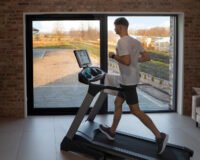
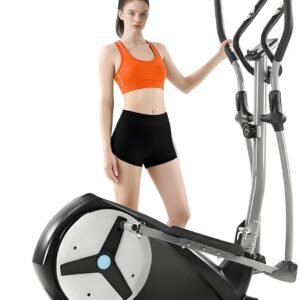
- Best For: Beginners looking for cardio machines (treadmills, ellipticals) or basic weight sets. Ideal for those who need to try a bike’s seat or a treadmill’s deck before buying.
- Caution: Much of the strength equipment here is “residential” grade—often made with lighter steel and plastic components that may not withstand heavy, frequent use.
C. Commercial Equipment Distributors (The B2B Powerhouses)
- Examples: Life Fitness, Precor, Technogym, Hammer Strength distributors (found via regional dealers).
- The Value Proposition: This is the equipment built for 20-hour daily use in hotel gyms and corporate wellness centers. It’s over-engineered for home use, meaning it will last a lifetime. Purchasing new often includes professional delivery, installation, and long-term service contracts.
- Best For: The serious Enthusiast with no budget constraints and the Commercial Buyer. You are investing in a 15-20 year asset.
- Key Insight: Don’t just visit the national website. Find your local authorized dealer. They can provide quotes, demo opportunities at their showroom, and critically, local service technicians.
Category 2: The Secondhand Market (Where Knowledge Equals Massive Savings)
This is where the true treasure hunts happen. Patience and diligence here can save you 50-80% off retail.
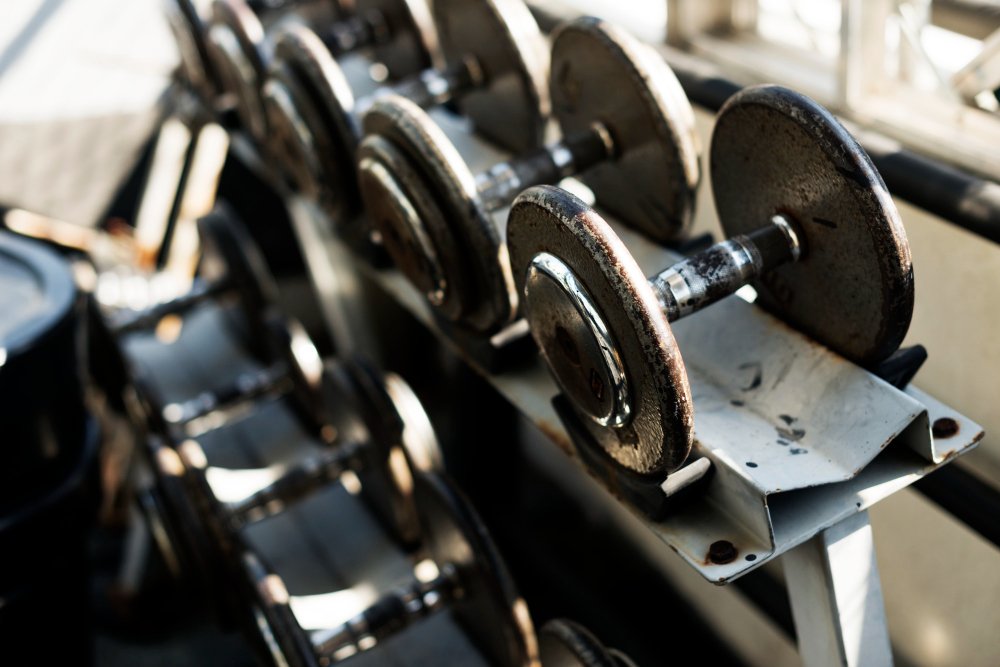
A. Facebook Marketplace & Craigslist (The Digital Flea Market)
- The Landscape: A chaotic mix of overpriced dust-collectors and incredible, barely-used gems. The key is velocity and search mastery.
- Strategy:
- Use Broad and Specific Searches: “Weight set,” “barbell,” “squat rack,” “gym equipment,” “exercise bike.”
- Set Alerts: Enable notifications for new postings matching your key terms.
- Move Fast: Good deals sell within hours.
- The “COVID Gym” Phenomenon: Many people are still selling equipment bought in 2020-2021, often lightly used. Look for these modern pieces.
- Best For: Budget-Conscious Hunters and Beginners willing to invest time. Perfect for plates, dumbbells, benches, and racks.
- Safety Note: Always inspect before paying. Check for weld integrity, cracks in bench padding, frayed cables on functional trainers, and smooth operation of moving parts.
B. Gym & Fitness Equipment Resellers (The Curated Middlemen)
- What They Are: Local businesses that buy, refurbish, and resell commercial equipment. They often have warehouses you can visit.
- The Value Proposition: They do the hard work for you. They’ve acquired equipment from gym closures, hotel renovations, or corporate liquidations, serviced it (new upholstery, belts, bearings), and offer a limited warranty. You get commercial quality at 40-60% off new prices.
- How to Find Them: Google “[Your City] used gym equipment” or “commercial fitness reseller.” Also check local listings on PlayItAgain Sports (a franchise for used sporting goods).
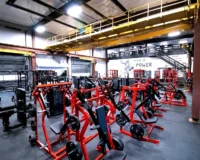
- Best For: Almost everyone. This is arguably the smartest single channel for the value-seeking Home Gym Enthusiast and the small Commercial Buyer. You get to test drive a Leg Press or Cybex chest press that would cost $10,000 new for a fraction of the price.
C. Liquidation & Auction Websites (The High-Risk, High-Reward Arena)
- Examples: GovDeals, Auction.com, Liquidity Services. Local auction houses that handle commercial liquidations.
- The Opportunity: These are where gyms, schools, and military bases sell equipment en masse. You can buy a pallet of dumbbells or 20 treadmills at once.
- The Risks: You often buy as-is, where-is with no warranty. You must arrange and pay for freight shipping and loading. Inspection is usually limited to a photo gallery.
- Best For: Commercial Buyers needing bulk equipment or ultra-savvy Home Gym hunters looking for a single, nearby lot (e.g., a single treadmill from a local hotel liquidation). Never bid without calculating all costs: final bid price + buyer’s premium (10-18%) + rigging/shipping.
Category 3: The Direct & Unconventional Sources
A. Local Manufacturing & Fabrication
For custom pieces or raw basics, a local metal fabricator can be a goldmine. Want a sled, a farmer’s walk handle, or custom-sized weight storage? A fabricator can often build it for less than retail, to your exact specifications. This is a fantastic option for strongman implements.
B. Equipment Company “Blem” or “Overstock” Pages
As mentioned, companies like Rogue have “Blem” sections. Others, like Fray Fitness, frequently have overstock sales. These items have minor cosmetic flaws but are functionally perfect with a full warranty.
C. Word of Mouth & Community
Your local climbing gym, CrossFit box, or powerlifting club is a network. Tell them you’re looking for gym equipment. Often, gyms know of other gyms upgrading or closing, and members may be selling personal gear.
Strategic Recommendations by Buyer Profile
- For the Home Gym Beginner: Start with Facebook Marketplace for plates and dumbbells. Buy a new rack, bench, and barbell from a specialty retailer (REP or Titan) for safety and warranty. Check Dick’s Clearance for cardio.
- For the Home Gym Enthusiast: Make local used commercial resellers your first stop for machines and racks. Fill in gaps with specialty online retailers. Monitor auctions for specific high-ticket items.
- For the Commercial Buyer: Establish relationships with both new commercial distributors (for core, warrantied equipment) and regional resellers/liquidators (to fill out your floor plan cost-effectively). Auctions can be viable for bulk basics.
- For the Budget Hunter: Facebook Marketplace alerts are your life. Develop a checklist for quick inspection. Learn how to lubricate a treadmill belt and replace bench padding. Your sweat equity converts to cash savings.
Final Word: The Pillars of a Wise Purchase
Regardless of where you buy, let these principles guide you:
- Prioritize the Foundation: Allocate your budget to the items you’ll use most: a solid rack, a good barbell, a flat bench, and weight plates. These are worth buying new or high-quality used.
- Shipping is King: A $300 rack with $200 shipping is a $500 rack. Factor this in immediately. Local pickup is the ultimate cost-saver.
- Beware the “Cheap New” Trap: A $400 multigym from a department store is often a complex, frustrating assembly of weak steel and plastic pulleys that will fail. Simple, well-built iron lasts forever.
- Test When Possible: Sit on it, lift with it, move it. Does it feel stable? Is the motion smooth?
Building your gym is a marathon, not a sprint. By aligning your search strategy with your buyer profile and leveraging the unique advantages of each sourcing channel, you can build a space that is not just a collection of gear, but a lasting testament to your commitment to fitness—without breaking the bank. The perfect piece is out there; you just need to know where to look.