

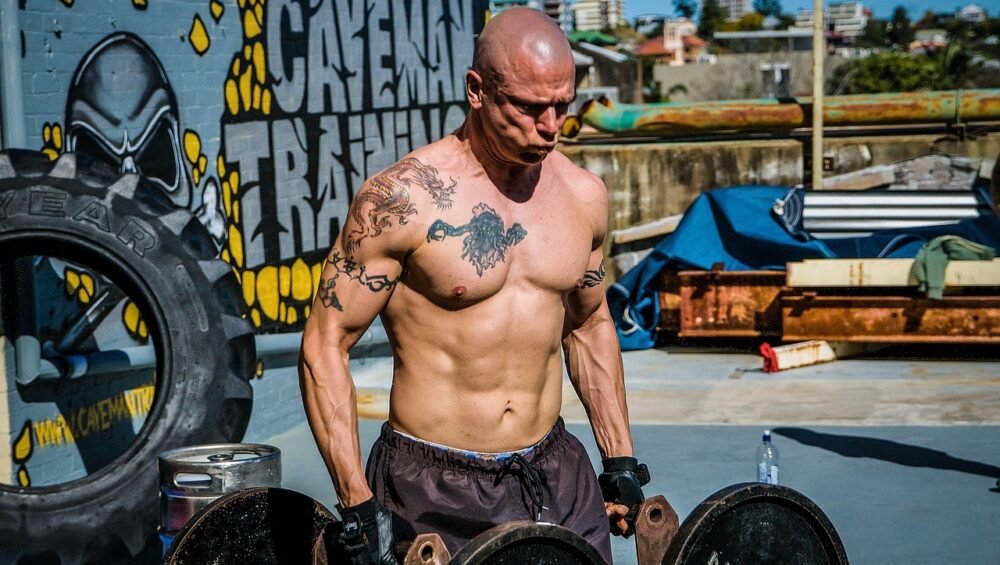
How Long Should My Workouts Be. As a trainer who has worked with hundreds of beginners over the years, I hear this question constantly: “How long should my workouts be?”
The honest answer? Long enough to stimulate progress. Short enough to recover.
That may sound vague, but let me walk you through it the way I explain it to every new client stepping onto the gym floor for the first time.
The Beginner’s Trap: More Is Not Better
When you’re just starting out, motivation is high. You’re inspired. You want change now. So what do many beginners do? They train for 90 minutes… sometimes two hours. They leave drenched in sweat, barely able to walk, convinced that exhaustion equals effectiveness.
It doesn’t.
As a beginner, your body is highly responsive. You don’t need marathon sessions to grow muscle, lose fat, or build endurance. In fact, too much volume can slow progress by increasing fatigue and delaying recovery.
For most beginners, the ideal workout length is:
45–60 minutes
That’s it.
And if structured properly, that is more than enough.
Related Products
-

Alani Nu Whey Protein Fruity Cereal
$44.99 -
Alpha Lion Mass Monster Stack
Original price was: $268.41.$169.99Current price is: $169.99. -
Anabolic Warfare Meal Replacement Protein
$79.99 -
Ancient Nutrition Multi Collagen Protein
$45.01

Why 45–60 Minutes Works So Well
1. Focus Stays Sharp
After about an hour of focused resistance training, mental performance drops. Technique begins to suffer. Rest periods get longer. Conversations get longer. The workout becomes less productive.
Quality always beats quantity.
A focused 50-minute session with intent and proper rest will outperform a distracted 90-minute session every time.
2. Hormonal Efficiency
When you strength train, your body releases beneficial hormones that support muscle growth and fat loss. But prolonged, excessive sessions may elevate stress hormones like cortisol for too long.
For beginners especially, shorter, high-quality sessions stimulate progress without overwhelming the nervous system.
3. Recovery Is Where Growth Happens
Training is the stimulus. Recovery is where adaptation occurs.
If you train too long and too hard, your body spends more time recovering and less time progressing. Beginners often underestimate how much rest they need.
If your workout leaves you completely destroyed, you won’t train consistently — and consistency is the true secret.

How to Structure a 60-Minute Workout
Let me show you how I structure a typical beginner session:
1. Warm-Up (5–10 minutes)
Light cardio + mobility work + activation drills.
Goal: prepare joints and muscles, not exhaust yourself.
2. Main Strength Work (30–40 minutes)
4–6 exercises
2–4 sets each
Focus on compound movements:
- Squats or leg press
- Push-ups or bench press
- Rows or lat pulldown
- Deadlift variations
- Shoulder presses
Keep rest between 60–90 seconds.
3. Finisher or Conditioning (5–10 minutes)
Short circuits, sled pushes, light intervals, or core work.
4. Cool Down (5 minutes)
Stretching and breathing work.
Total: ~50–60 minutes.
Clean. Efficient. Effective.
What About Cardio?
Beginners often ask if cardio should be separate or combined.
If fat loss is your goal, you do not need endless treadmill sessions.
20–30 minutes of moderate cardio, 2–3 times per week, is enough when paired with strength training and proper nutrition.
If you enjoy longer cardio sessions (cycling, running, swimming), that’s fine — but understand that performance goals differ from body composition goals.
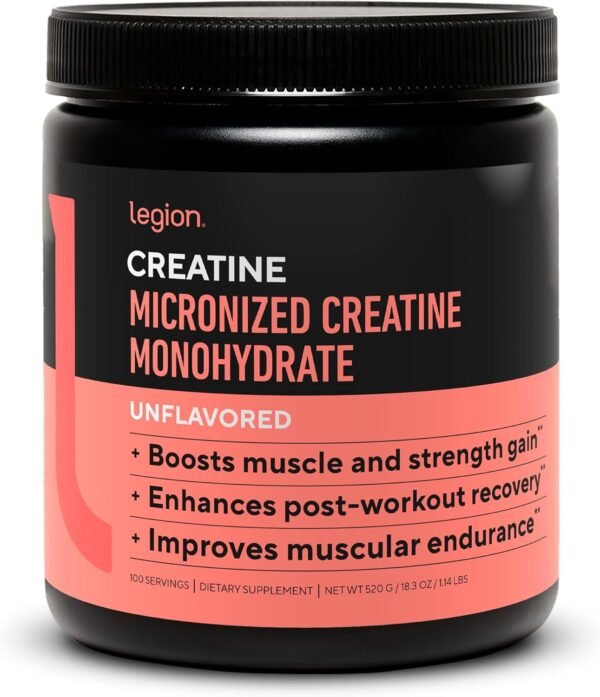
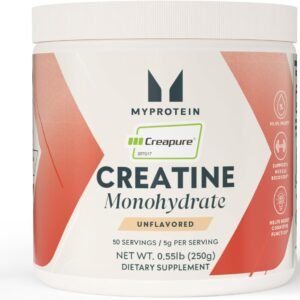
LEGION Micronized Creatine Monohydrate Supplement
This is creatine in its purest form: unflavored, unsweetened, and additive-free. It is simply the most researched sports supplement in history, micronized for superior mixing and digestion.
The 30-Minute Exception
Can you train for 30 minutes and still get results?
Absolutely.
If you’re short on time, a focused 30-minute session of compound movements can be extremely effective.
I’ve coached busy professionals who train 30–40 minutes, four times per week, and make outstanding progress.
Intensity and structure matter more than duration.
Signs Your Workouts Are Too Long
Watch for these warning signs:
- You feel drained for the rest of the day
- Your performance decreases halfway through
- You’re constantly sore
- You start skipping workouts
- Motivation drops after 2–3 weeks
If this sounds familiar, shorten your sessions and improve your structure.
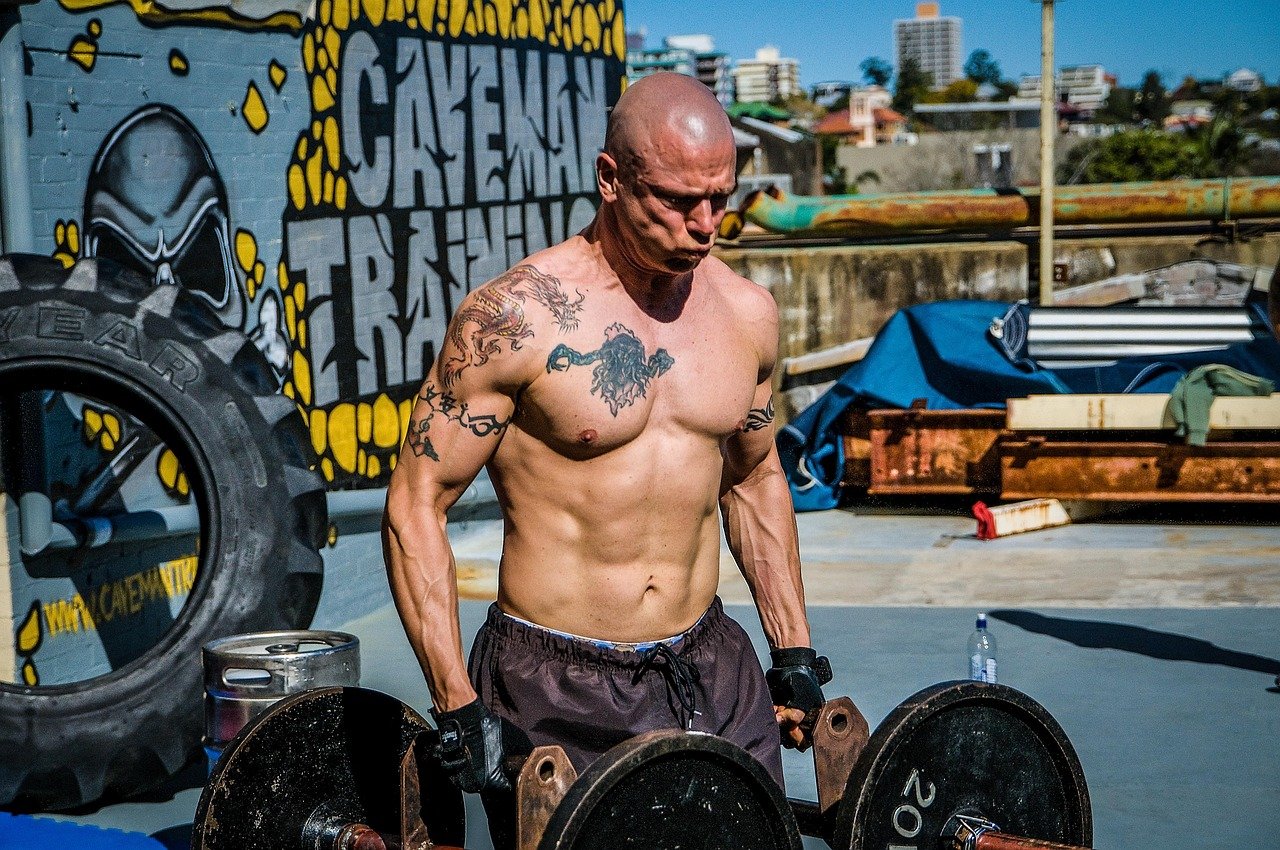
Frequency Matters More Than Length
I would rather see a beginner train:
4 times per week for 45 minutes
Than:
2 times per week for 2 hours
Why?
Because skill development improves with repetition. Movement patterns become cleaner. Confidence builds. Habit formation strengthens.
Fitness is not a single event — it is a lifestyle rhythm.
What Changes As You Advance?
As you gain experience (after 6–12 months), your body becomes more efficient. It takes more volume or intensity to stimulate progress.
At that stage, workouts may extend to:
- 60–75 minutes for hypertrophy
- 75–90 minutes for advanced strength training
But this is earned, not required at the beginning.
The Real Question: How Long Can You Sustain?
Instead of asking, “How long should my workout be?”
Ask yourself:
“How long can I train consistently for the next 12 months?”
If 45 minutes fits your schedule and energy levels — that’s your answer.
The best workout length is the one you can repeat week after week without burnout.
Related Products
-

ABE Creatine
$24.99 -

Allmax Creatine Gummies
$39.99 -
Alpha Lion Mass Monster Stack
Original price was: $268.41.$169.99Current price is: $169.99. -
Anabolic Warfare Project Hulk
$64.99
My Advice to Every Beginner
- Start with 45–60 minutes.
- Focus on form, not fatigue.
- Leave the gym feeling accomplished — not destroyed.
- Track your progress.
- Increase volume gradually over time.
Remember this: the goal is not to survive your workout.
The goal is to build strength, confidence, and health for years to come.
When you walk into the gym, you are not there to punish your body. You are there to train it.
Keep your sessions purposeful. Keep them structured. Keep them consistent.
If you do that, 60 minutes is more than enough to change your body — and your life.