

What are Nitric Oxide Boosters and examples
In the relentless pursuit of optimal health, peak performance, and longevity, the scientific community continues to uncover the profound significance of molecules our body produces naturally. Among these, one simple gas—a mere two atoms—stands out for its vast and critical role in virtually every system within us: Nitric Oxide (NO).
Often hailed as the “miracle molecule,” nitric oxide is a fundamental signaling molecule that governs blood flow, oxygen delivery, energy levels, and neural communication. Its discovery and the subsequent understanding of its functions were so revolutionary that it earned the 1998 Nobel Prize in Physiology or Medicine for the three American researchers who identified its role in the cardiovascular system.
But our body’s natural production of NO can decline due to age, poor diet, lack of exercise, and high stress. This is where nitric oxide boosters come into play. This article will serve as your definitive guide, delving deep into what nitric oxide is, why it’s indispensable for your health, and the most effective, science-backed ways to boost its levels naturally.
Part 1: Understanding the Miracle Molecule – What is Nitric Oxide?
Before we explore the “boosters,” it’s crucial to understand what we’re trying to boost.
Nitric oxide is a gaseous signaling molecule, meaning it acts as a messenger within the body. It is produced by the endothelial cells that line your blood vessels (the endothelium). Think of the endothelium not as a simple lining, but as a sophisticated command center that regulates vascular tone, blood clotting, and immune function.
The primary function of nitric oxide is vasodilation—the relaxation and widening of blood vessels. When NO is released, it signals the smooth muscles in the vessel walls to relax. This expands the vessels, reducing blood pressure and dramatically increasing blood flow and oxygen delivery to every tissue and organ in the body.
This simple mechanism has cascading benefits:
- Cardiovascular Health: Improved blood flow reduces pressure on the heart, lowers hypertension, and prevents plaque buildup by reducing arterial stiffness.
- Exercise Performance: Enhanced blood flow delivers more oxygen and nutrients to working muscles, improving endurance, strength, and recovery. It also helps clear metabolic waste like lactate more efficiently.
- Cognitive Function: The brain is an incredibly vascular organ. Better cerebral blood flow enhances neuroplasticity, memory, focus, and overall cognitive sharpness.
- Immune Response: NO is a potent antimicrobial agent. Immune cells use it to attack and kill invading bacteria, viruses, and parasites.
- Mitochondrial Biogenesis: NO plays a role in creating new mitochondria (the powerhouses of your cells), directly enhancing your energy production capabilities.
- Sleep Quality and Libido: The mechanisms behind erectile function and certain aspects of sleep regulation are heavily dependent on healthy blood flow, which is governed by NO.

The problem is that NO production is fragile. It peaks in our late teens and early twenties and then begins a steady decline. By age 40, most people produce only about 50% of the NO they did as a teenager. This decline is a primary contributor to age-related cardiovascular issues, lagging energy, and slower recovery.
Part 2: The Two Pathways to Nitric Oxide Production
To understand how boosters work, you must know the two primary biochemical pathways the body uses to create NO:
1. The L-arginine Pathway (NOS-dependent)
This is the classic pathway. The enzyme nitric oxide synthase (NOS) converts the amino acid L-arginine into NO and a byproduct called L-citrulline. This pathway is efficient but can be impaired. High levels of oxidative stress and inflammation create molecules called free radicals that break down NO faster than it can be produced, effectively shutting down this pathway.
2. The Nitrate-Nitrite-NO Pathway (NOS-independent)
This is a fascinating backup pathway that is not reliant on the NOS enzyme. It involves a process called the enterosalivary cycle:
- You consume dietary nitrates (found in leafy greens and beets).
- Gut bacteria convert these nitrates into nitrites.
- When you swallow, these nitrites mix with saliva.
- In the acidic, oxygen-poor environment of the stomach, these nitrites are converted into Nitric Oxide.
This pathway is crucial because it remains functional even when the L-arginine pathway is compromised by age or poor health. It is the primary target for many of the most effective natural boosters.
Part 3: A Deep Dive into Effective Nitric Oxide Boosters: Examples and Evidence
Nitric oxide boosters are compounds—either nutrients found in food or dietary supplements—that enhance the body’s ability to produce or utilize NO. They work by providing the raw materials (precursors) or by creating an environment that supports its production and prevents its breakdown.
Here are the most potent and well-researched examples:
1. Dietary Nitrates: The Power of Plants
This is arguably the most effective and direct way to boost NO via the nitrate-nitrite-NO pathway.
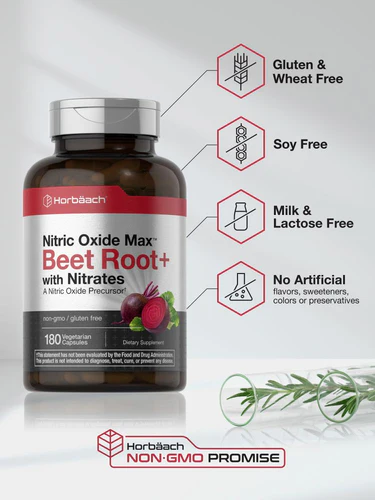
- Beetroot: The undisputed champion of NO boosters. Beetroot is exceptionally high in inorganic nitrates. Numerous studies have shown that beetroot juice supplementation can significantly lower blood pressure, increase time to exhaustion during exercise by up to 16%, and reduce the oxygen cost of exercise, making movement feel easier.
- Leafy Green Vegetables: Arugula (rocket), spinach, kale, Swiss chard, and celery are all nitrate-rich powerhouses. In fact, per gram, arugula often contains even more nitrate than beetroot.
- Rhubarb and Celeriac: Other excellent, though less common, sources of dietary nitrates.
How to Use: Consuming 1-2 cups of these vegetables or a 2-4 oz shot of high-quality beetroot juice about 60-90 minutes before exercise can yield significant performance benefits. For general health, incorporating them daily is ideal.
2. L-Citrulline: The Superior Supplement
While L-arginine is a direct precursor, supplementing with it is often inefficient due to poor absorption and a “first-pass metabolism” effect where the liver breaks it down before it can reach circulation.
L-citrulline is a smarter choice. It is an amino acid that the kidneys convert into L-arginine, effectively raising your body’s L-arginine levels for a longer, more sustained period. This leads to a more robust and reliable increase in NO production. Studies show L-citrulline is excellent for reducing muscle soreness, improving athletic performance in both endurance and strength training, and supporting vascular health.
Dosage: A typical effective dose is 6-8 grams taken about an hour before exercise or daily for general health.
3. L-Arginine: The Classic Precursor
Despite its limitations, L-arginine is still a viable NO precursor. It can be effective, especially for those with specific cardiovascular concerns or endothelial dysfunction. However, for healthy individuals seeking performance benefits, L-citrulline is generally considered more effective. High doses of L-arginine (over 10 grams) can sometimes cause gastrointestinal distress.
4. Antioxidants: The Protectors
Remember, oxidative stress destroys NO. Therefore, one of the most powerful ways to “boost” NO is simply to protect what your body already makes. Antioxidants neutralize the free radicals that break down NO, effectively increasing its bioavailability and lifespan.
- Vitamin C: A potent antioxidant that helps protect the endothelium and recycle other antioxidants like Vitamin E. It also supports the NOS enzyme.
- Vitamin E: Protects cell membranes from oxidative damage.
- Polyphenols & Flavonoids: Found in deeply colored fruits, vegetables, and certain beverages. Key examples include:
- Pomegranate: Shown to enhance the activity of the NOS enzyme and protect NO from degradation.
- Cocoa/Dark Chocolate (70%+): Rich in flavanols that improve endothelial function and stimulate NO production.
- Green Tea: Contains epigallocatechin gallate (EGCG), a powerful antioxidant that supports vascular health.
- Berries, Grapes, and Red Wine (in moderation): Contain resveratrol and other compounds that support NO synthesis.
5. Other Key Nutrients and Compounds
- Pycnogenol (French Maritime Pine Bark Extract): This well-researched extract has been shown to significantly increase endothelial production of NO and improve blood flow. It often works synergistically with L-arginine or L-citrulline.
- Garlic: Contains allicin, a compound that can stimulate NO production by activating nitric oxide synthase (NOS).
- Omega-3 Fatty Acids (Fish Oil): Found in fatty fish and supplements, Omega-3s reduce inflammation and oxidative stress, creating a better environment for NO production. They also improve the flexibility of red blood cells, allowing them to flow more easily through dilated vessels.
Part 4: Lifestyle as the Ultimate Nitric Oxide Booster
Supplements and superfoods are powerful tools, but they are most effective when layered upon a lifestyle that inherently supports NO production.
- Exercise (Especially Aerobic): This is the most potent natural stimulus for NO production. The shear stress of blood flowing through your arteries during cardio exercise signals the endothelium to release more NO. This is why exercise is often called “medicine” for the cardiovascular system—it directly trains your endothelial cells to function better.
- Sunlight Exposure: Exposure to sunlight, particularly UVA rays, on the skin can cause stored nitrites in the skin to be converted into NO and released into the bloodstream. This is a separate pathway entirely from diet and is a compelling reason for safe, regular sun exposure.
- Nasal Breathing: Breathing through your nose, as opposed to your mouth, increases nasal nitric oxide production by up to 600%. Nasal NO is a potent vasodilator for the airways and lungs, improves oxygen uptake, and has antimicrobial properties. Practices like yoga and meditation that emphasize nasal breathing can support this.
- Reducing Mouthwash: This is a surprising but critical point. Antibacterial mouthwashes kill the beneficial oral bacteria essential for the first step of the nitrate-nitrite-NO pathway. Overuse of mouthwash can obliterate your body’s ability to convert dietary nitrates into NO, potentially leading to increases in blood pressure. Use it sparingly.
- Sleep and Stress Management: Chronic stress and poor sleep elevate cortisol and inflammation, which in turn increase oxidative stress and destroy NO. Prioritizing quality sleep and managing stress through mindfulness are foundational to maintaining healthy NO levels.
Part 5: Safety, Considerations, and the Big Picture
For most people, boosting nitric oxide through a diet rich in vegetables and a healthy lifestyle is incredibly safe and beneficial. However, there are a few considerations:
- Blood Pressure Medication: Individuals on medication for hypertension (e.g., nitrates, ACE inhibitors) must consult a doctor before taking NO-boosting supplements. The combined effect could potentially lower blood pressure too much.
- Kidney Health: Those with kidney disease should be cautious with amino acid supplements like L-arginine and L-citrulline, as impaired kidneys may not process them correctly.
- “Beeturia”: Don’t be alarmed if your urine or stool turns pinkish after consuming beets; this is a harmless condition called beeturia, caused by the betalain pigments.
It’s also important to manage expectations. While the effects on blood pressure and exercise performance can be relatively rapid (within hours for dietary nitrates), rebuilding a compromised endothelial function is a long-term project requiring consistent habits.
The Nitric Oxide–Aging Connection: Why Vascular Youth Equals Biological Youth
One of the most overlooked aspects of nitric oxide is its role as a biological age regulator. While chronological age is fixed, vascular age—the functional age of your blood vessels—is highly modifiable, and NO sits at the center of that equation. Healthy endothelial cells produce NO efficiently, keeping arteries elastic, responsive, and resistant to damage. As NO declines, vessels stiffen, microcirculation deteriorates, and tissues become progressively under-oxygenated. This silent vascular aging precedes visible aging by decades, manifesting first as cold extremities, reduced exercise tolerance, slower wound healing, and diminished cognitive sharpness. From a longevity standpoint, maintaining NO production is less about short-term performance and more about preserving youthful cellular communication, capillary density, and metabolic efficiency across every organ system.
Nitric Oxide as a Metabolic Amplifier: Beyond Blood Flow
Beyond vasodilation, nitric oxide acts as a powerful metabolic signal amplifier. It directly influences insulin sensitivity by improving glucose uptake into muscle cells and enhancing mitochondrial respiration efficiency. When NO levels are optimal, cells require less oxygen to produce the same amount of ATP, effectively lowering metabolic strain. This partly explains why individuals with higher NO bioavailability often experience better body composition, more stable energy levels, and improved metabolic flexibility—the ability to switch efficiently between burning carbohydrates and fats. In this sense, nitric oxide is not merely a cardiovascular molecule; it is a master regulator that synchronizes circulation, metabolism, and cellular energy production into a single, coherent system.
Harnessing the Flow of Life
Nitric oxide is far more than a buzzword in the supplement industry. It is a fundamental pillar of human physiology, a keystone molecule that supports the health of your heart, brain, muscles, and immune system. The decline in its production is a key hallmark of aging, but it is not an irreversible fate.
By understanding the two pathways of NO production, you can strategically employ a combination of powerful tools:
- Fueling the nitrate-nitrite pathway with beetroot and leafy greens.
- Sustaining the L-arginine pathway with smart supplements like L-citrulline.
- Protecting your existing NO with a rainbow of antioxidants.
- Activating its production through the powerful stimuli of exercise, sunlight, and nasal breathing.
Ultimately, optimizing your nitric oxide levels is about embracing a holistic philosophy of health. It connects the food on your plate, the rhythm of your breath, the movement of your body, and the rest you give your mind. By consciously supporting this miraculous molecule, you are not just boosting a number—you are enhancing the very flow of life within you, paving the way for a more vibrant, energetic, and longer life.