

instagram supplements and gym equipment for sale

facebook gym supplements usa. Gym equipments and gym supplements for sale instagram profile social media

Biggest Gym Supplement Trends in the USA

Biggest Gym Supplement Trends in the USA (2025)

The supplement aisle in 2025 looks nothing like it did five years ago. Out of the powder tubs and blister packs has emerged an industry that’s part science, part culture, part direct-to-consumer retail war. For retailers, gym owners and ecommerce entrepreneurs in the U.S., this is a moment of opportunity: consumer demand is accelerating in predictable categories (protein, pre-workout, creatine), while riskier, high-margin microtrends (peptides, personalized blends, nootropic stacks) are carving out niches — and requiring careful marketing and compliance. Below I break down the biggest trends shaping the U.S. market in 2025, explain why each matters, compare how other regions are adopting the same ideas, and give tactical steps you can use to turn traffic into repeat buyers.


Creatine’s Second Act: mainstream, female, and convenience-led

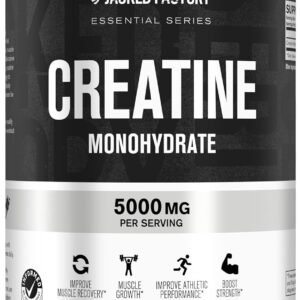
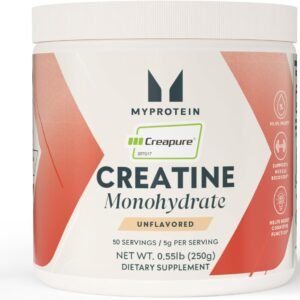
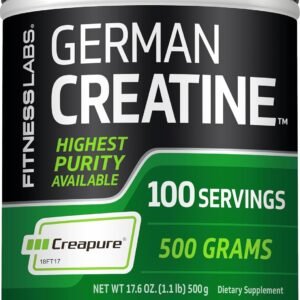
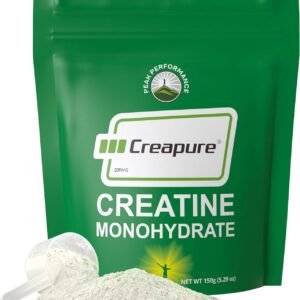
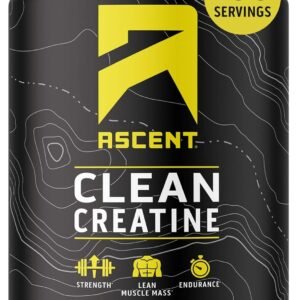
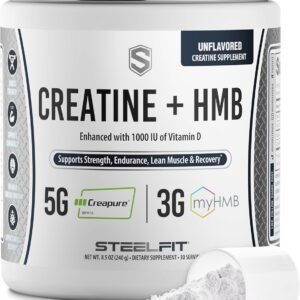
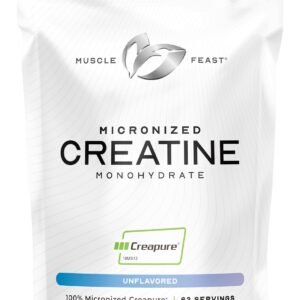
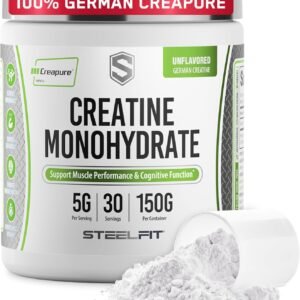
Creatine is no longer confined to gym bros. In 2025 the ingredient has crossed into mainstream wellness: women are a major growth segment, creatine gummies and ready-to-drink formats are proliferating, and new research highlighting cognitive and metabolic benefits is widening the audience. Analysts peg the U.S. creatine market as one of the fastest-growing subcategories in sports nutrition, with multi-year double-digit growth forecasts driven by innovation in formats and marketing. Grand View Research+1

Why retailers care: creatine has the perfect profile for scale — low ingredient cost, proven efficacy, and repeat purchase behavior. The savvy seller bundles creatine with basic protein offers, positions it to non-traditional buyers (e.g., women seeking cognitive benefits), and tests gummy or capsule SKUs alongside powder.

Tactical play: run a targeted ad or content series reframing creatine benefits for women and aging consumers (strength, bone health, cognition). Use customer testimonials and short explainer videos (60–90 seconds) that translate clinical claims into everyday outcomes. Pair creatine with a “starter kit” (scoop, shaker, 30-day supply) and an educational email drip — conversion rates on low-cost bundles tend to eclipse single high-margin SKUs.

Check also: All about creatine


Peptides and “clinic-grade” therapies: hype, clinic cashflows, and compliance landmines

Peptide therapies (BPC-157, TB-500, CJC-1295/ipamorelin stacks) are the buzziest, highest-margin story of 2025. Clinics and concierge providers in metropolitan areas are monetizing peptide injections and regimens for recovery, fat loss and anti-aging. Peer-reviewed animal studies and a smattering of small human investigations have fueled consumer interest, but broad clinical validation and FDA approval for these fitness uses remain limited — which creates both commercial opportunity and legal risk. Medical and sports-medicine literature is actively reviewing peptide applications, but experts warn that evidence is preliminary and safety profiles are not yet fully established in humans. Business Insider+1

Why retailers and gym operators care: peptide clinics are converting high-LTV customers who are willing to spend on “fast recovery” services and ancillary retail (supplements, recovery gear). But selling peptide products or directing consumers to self-administered kits exposes brands to regulatory and reputation risk. Many of these peptides are banned in competitive sport and sit in a gray regulatory zone for consumer marketing.

Biggest Gym Supplement Trends in the USA

Tactical play: if you’re a retailer, lean into education, not sales. Create a compliance page and physician-referral list for customers curious about peptides. If you’re a clinic or medical provider, build transparent informed-consent flows, publish case studies (with de-identified data), and offer combo packages (injection + recovery supplement + physical therapy) priced to encourage multi-visit retention.


Nootropic pre-workouts and cognitive performance supplements

The old distinction between “mind” and “muscle” is evaporating. Nootropic pre-workouts — blends that combine caffeine, adaptogens, and cognitive actives (L-theanine, citicoline, lion’s mane, racetams in some markets) — are one of 2025’s most consistent growth stories. Market research firms track the nootropic pre-workout segment as a fast-expanding niche within the broader pre-workout market, with brands positioning themselves for office-to-gym lifestyles. Dataintelo+1

Why retailers care: nootropic pre-workouts carry higher perceived value and margin than commodity creatine or generic whey. They also open the door to subscription models: once a customer trusts a “focus + pump” stack, monthly replenishment is natural.

Tactical play: craft product pages that emphasize cognitive outcomes (focus, reaction time, fatigue resistance) with short videos showing dual use — morning productivity and evening training. Offer sample sachets for $1–3 to capture first-time buyers and use a 14-day subscription discount to convert trial users into recurring customers.


Personalized nutrition: data + DTC = the future of repeat buyers

Personalized nutrition — formulas designed from DNA tests, blood markers, or lifestyle questionnaires — escalated from experimental to mainstream in 2025. Major players and startups compete on ease: short questionnaires, saliva or finger-prick tests, and app-based recommendations that translate into bespoke monthly supplement packs. The global personalized nutrition market is sizeable and growing quickly, with North America representing a critical share. Precedence Research+1

Why retailers care: personalization increases lifetime value and reduces churn when expectation management is good. Consumers who pay for custom formulations are less price-sensitive and more likely to subscribe.

Tactical play: integrate a concise “micro quiz” funnel on your site (3–7 questions) that segments users into product cohorts (e.g., “recoverer,” “strength builder,” “endurance”). Combine the quiz with a first-order discount and a 7-day follow-up sequence that educates why the blend was chosen. If you can partner with a validated lab or clinical partner to add optional blood biomarker tests, your customer acquisition cost will rise — but so will average order value and retention.


Plant-based proteins: innovation beyond soy and pea

Plant-based protein is no longer a niche for vegans; it’s mainstream, especially among younger consumers who want sustainability and digestibility alongside performance. R&D has improved flavor and amino-acid profiles (blends of pea, pumpkin, rice, and mycoprotein) and new processing techniques reduce anti-nutrients and increase bioavailability. Market forecasts show solid CAGR for plant-based protein supplements in the U.S., mirroring global demand. Grand View Research+1

Related Products

Why retailers care: plant proteins let you capture a different shopper — environmentally conscious, often willing to pay a premium for clean labels and certifications (organic, non-GMO). They also pair well with lifestyle claims (gut health, digestibility) that command clickthrough on search.

Tactical play: create a “Plant Performance” landing page with SEO-targeted longform content (700–1,200 words) comparing blends, addressing common objections (amino acid completeness, taste), and featuring recipes (smoothies, pancakes). Promote cross-sells: plant protein + BCAA or fermented amino acid boosters for strength gains.


Recovery and sleep: supplements that sell when people aren’t training

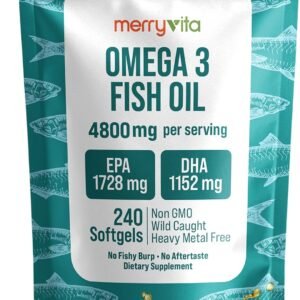
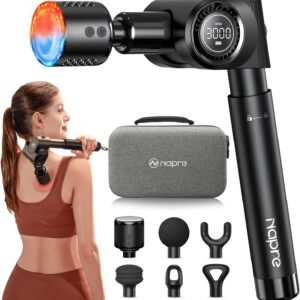
Recovery is the unstated fourth pillar of training in 2025. CBD, magnesium chelates, adaptogens, and sleep aids (melatonin formulations, herbal stacks) are being marketed as the missing piece for gains, not just relaxation. The connection between recovery product consumption and higher long-term retention is clear: customers who buy recovery stacks are often more serious and buy other performance SKUs. Industry observers note a healthy intersection between recovery supplements and hardware (percussive therapy, sleep devices) that drives accessory sales. GQ+1

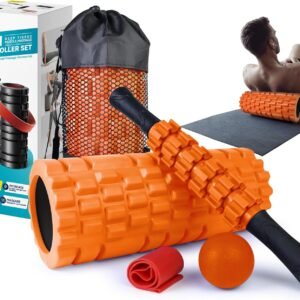
Why retailers care: recovery products (lower price, high margin) are excellent entry points for cross-selling more expensive equipment like massage guns and sleep trackers. Bundles (sleep supplement + half-priced massage gun add-on) convert well.

Tactical play: build a “Recovery Ritual” kit that mimics a coaching prescription: pre-sleep supplement, bedtime routine guide, discount on recovery gear. Create targeted social ads (retargeting users who viewed high-intensity training products) and measure bundle attach rate.


Regulation, safety and the new ingredient vetting process

2025 is the year the regulatory tail started wagging louder. After years of rapid ingredient proliferation, regulators in the U.S. have signaled more scrutiny on novel actives and New Dietary Ingredient (NDI) filings. That regulatory tightening matters for ecommerce merchants: product claims, sourcing transparency, and NDI completeness are now competitive differentiators — and potential legal minefields. Brands that publish Certificates of Analysis (COAs), third-party lab tests, and clear ingredient provenance win trust and sustained organic traffic. Mordor Intelligence+1

Why retailers care: a simple compliance page and public COAs reduce return rates and chargebacks. They also improve organic search performance when legal keywords like “third-party tested” and “GMP” are included in product schema and FAQ sections.

Biggest Gym Supplement Trends in the USA

Tactical play: invest in a compliance landing page, set up structured data (schema.org Product + review), and display COAs on product pages (PDFs indexed via your CDN). For risky categories (peptides, melatonin high-dose blends, certain nootropics), add physician disclaimers and referral pathways.


International flavors: how the U.S. compares (and where growth is happening)

North America remains the largest sports nutrition market, but Asia-Pacific is the fastest-growing region, and Europe is seeing rapid interest in health-adjacent categories such as beauty-from-within supplements and nutraceuticals. Creatine and pre-workout dominate U.S. interest; Asia leads demand for convenient formats and localized botanicals; Europe pushes high-quality protein isolates and sustainability certification. For marketers, this means U.S. brands that plan to export must adapt formulations, labeling and claims to local rules and consumer tastes. Precedence Research+1

Why retailers care: international demand creates white-label and OEM opportunities, but expansion requires localization (label languages, dosage norms, allowed health claims). Countries also differ in their openness to peptides and stronger actives — Australia and parts of Europe enforce tighter pathways.

Tactical play: test small SKUs in high-interest export markets via marketplaces (Amazon EU, Amazon Japan) and local distributor partnerships. Use geo-targeted search ads and translate your high-performing pages, but ensure label and claim compliance with local law before shipping.

How to sell American supplements overseas


Influencer & community commerce: authenticity beats reach

Influencer marketing is no longer just about follower counts — it’s about conversion and community. Micro-influencers with tight niches (crossfit coaches, vegan athletes, recovery specialists) are outperforming celebrity endorsements for direct sales. Brands that build community commerce — coaching content, private groups, UGC driven reviews — are seeing higher repeat purchase rates and lower cost-per-acquisition. Analyst reads emphasize social proof, creator partnerships and livestream commerce as durable levers into 2025. Clarkston Consulting+1

Why retailers care: the lifetime value of customers acquired through community channels is higher. Micro-influencer campaigns are cheaper to test and easier to scale with affiliate and discount codes.

Tactical play: recruit 8–12 micro-influencers across different performance niches (strength, endurance, recovery, female fitness), run a 6-week affiliate test with trackable codes and UTM links, and use the best performers for deeper collaborations (co-branded product launches, exclusive bundles).


SEO and content strategy for 2025: what actually drives organic traffic

If your goal is to drive organic traffic and convert it into supplement + equipment sales, content must do three things: educate (answer buyer questions), differentiate (explain why your blend is unique), and convert (clear CTAs, comparison tables, and bundles). Longform comparison posts, regimen pages (e.g., “The 12-Week Hypertrophy Stack”), and product vs. use-case landing pages rank well. Users searching “best supplements for…” are intent-rich — capture them with research-backed, well-structured articles and clear product funnels.

SEO playbook (practical):

  1. Keyword buckets: split content into: product comparisons (e.g., “best creatine for women 2025”), regimen pages (e.g., “beginner muscle-gain stack”), and “why” pages (e.g., “how creatine helps cognition”).
  2. Schema & E-A-T: implement Product, FAQ and Review schema; publish author bios with credentials or editorial standards to improve E-A-T signals.
  3. Internal commerce funnels: every high-traffic article should link to a single, optimized product landing page or one curated bundle. Use anchor CTAs at 300, 800 and end of article.
  4. Multimedia: include short video explainers, comparison tables and downloadable regimen PDFs (lead magnets) to increase time on page and capture emails.
  5. Backlink strategy: pitch data-driven pieces to fitness and health outlets; original research (even a 1,000-person user survey) attracts links and drives referral traffic.
Biggest Gym Supplement Trends in the USA

This is not speculative advice — market and editorial research repeatedly show that longform, authoritative content plus optimized product funnels are the highest ROI for supplement ecommerce. Glanbia Nutritionals+1


A checklist for merchants: convert trends into revenue (quick reference)

  • Product Mix: stock creatine (powder + convenient formats), a nootropic pre-workout, plant-based protein options, and recovery stacks.
  • Content: publish two longform cornerstone posts this month: “Beginner’s Guide to Creatine (2025)” and “How to Build a Recovery Ritual.” Each should be 1,500+ words with clinical citations, FAQ schema and internal CTAs.
  • Bundles: 3 starter bundles (Beginner, Performance, Recovery) priced to convert on mobile.
  • Compliance: publicly post COAs; add medical disclaimers for peptides and high-potency nootropics.
  • Acquisition: test micro-influencer affiliate campaigns and sample sachets for $1–3. Track conversion by cohort.
  • Retention: 14-day subscription discount + 30-day regimen email series with educational content and cross-sell offers.

The reputational risks you must manage

High margins attract quick entrants — and with them, product quality variance. In 2025, consumers and regulators are increasingly skeptical of vague claims. Selling peptides, experimental nootropics, or high-dose hormonal actives without clinical support invites returns, negative press, and regulatory action. The safest route for most ecommerce players is to focus on clinically backed actives (creatine, whey isolate/peptide hydrolysates, magnesium, evidence-based adaptogens), be transparent about limitations, and avoid direct medical claims.

Clinical nuance matters: small animal or preliminary human studies do not equal broad safety approval or efficacy for all users. If you plan to sell or promote anything beyond well-established ingredients, consult legal counsel and medical experts and prefer referral/education models rather than direct sales. PMC+1


What’s next: predictions for 2026 and beyond

  1. Subscription-as-default: personalized monthly stacks and algorithmic replenishment will be table stakes for market leaders.
  2. Hybrid retail experiences: in-person testing clinics and performance assessments will funnel into online sales (clinic → product).
  3. Ingredient transparency becomes a ranking factor: search engines and platforms will favor sites with structured COA data and verified clinical claims.
  4. Consolidation: expect M&A activity — supplement brands with strong DTC performance, proprietary formulations, and community will be acquisition targets for larger CPG players. Precedence Research+1

Final takeaway: where to place your bets

  • Bet on staples (creatine, protein, recovery) as reliable revenue drivers. Optimize SKUs and subscription offers around them. Grand View Research+1
  • Experiment wisely with higher-margin niches (nootropic pre-workouts, peptides, personalized blends) but prioritize education and compliance. Dataintelo+1
  • Invest in content and community: your best organic traffic converts when visitors trust your expertise and can buy an easy, curated regimen. Clarkston Consulting

If you want, I can convert this reporting into ready-to-publish assets for your site: a 1,800–2,200-word cornerstone article (SEO optimized), three product landing pages with bundle copy and CTAs, and a 6-email post-purchase drip targeted to new supplement buyers. Tell me which pieces you want first and I’ll draft them to match your brand voice and conversion goals.

Select the fields to be shown. Others will be hidden. Drag and drop to rearrange the order.
  • Image
  • SKU
  • Rating
  • Price
  • Stock
  • Availability
  • Add to cart
  • Description
  • Content
  • Weight
  • Dimensions
  • Additional information
Click outside to hide the comparison bar
Compare
Shopping cart close