

NAD+ full information how this supplements works. In the relentless pursuit of health, longevity, and peak performance, a molecule once known only to biochemists has surged to the forefront of wellness: NAD+. Touted as a potential key to slowing aging, boosting energy, and enhancing cellular repair, NAD+ supplements and therapies are capturing global attention. But what exactly is this molecule, and how does it work within the intricate machinery of our bodies? This in-depth article demystifies NAD+, explaining its fundamental role, why its levels decline, and the science behind how supplementation aims to restore this vital cellular currency.

NAD+ Defined – The Cellular Currency
NAD+ stands for Nicotinamide Adenine Dinucleotide. The “+” sign denotes its oxidized form, which is crucial for its function as an electron carrier. Think of NAD+ not as a fuel, but as the universal cellular currency or courier service. It doesn’t produce energy itself but is essential for the processes that do. It shuttles energetic electrons from one molecule to another, facilitating over 500 different enzymatic reactions.
It exists in every single cell of every living organism, from bacteria to humans, underscoring its fundamental role in biology. There are two primary forms:
- NAD+: The oxidized form, ready to accept electrons.
- NADH: The reduced form (carrying the extra electrons), ready to donate them.
The continuous cycling between NAD+ and NADH is the heartbeat of cellular metabolism.
Related Products
-
Liposomal NAD+ Supplement with Resveratrol
Original price was: $44.99.$39.99Current price is: $39.99. -
Liposomal NAD+ Supplement with Resveratrol Urolithin A CoQ10 and Giloy
Original price was: $47.95.$38.95Current price is: $38.95. -
Momentous Longevity Cellular Health 90 capsules
$109.95 -

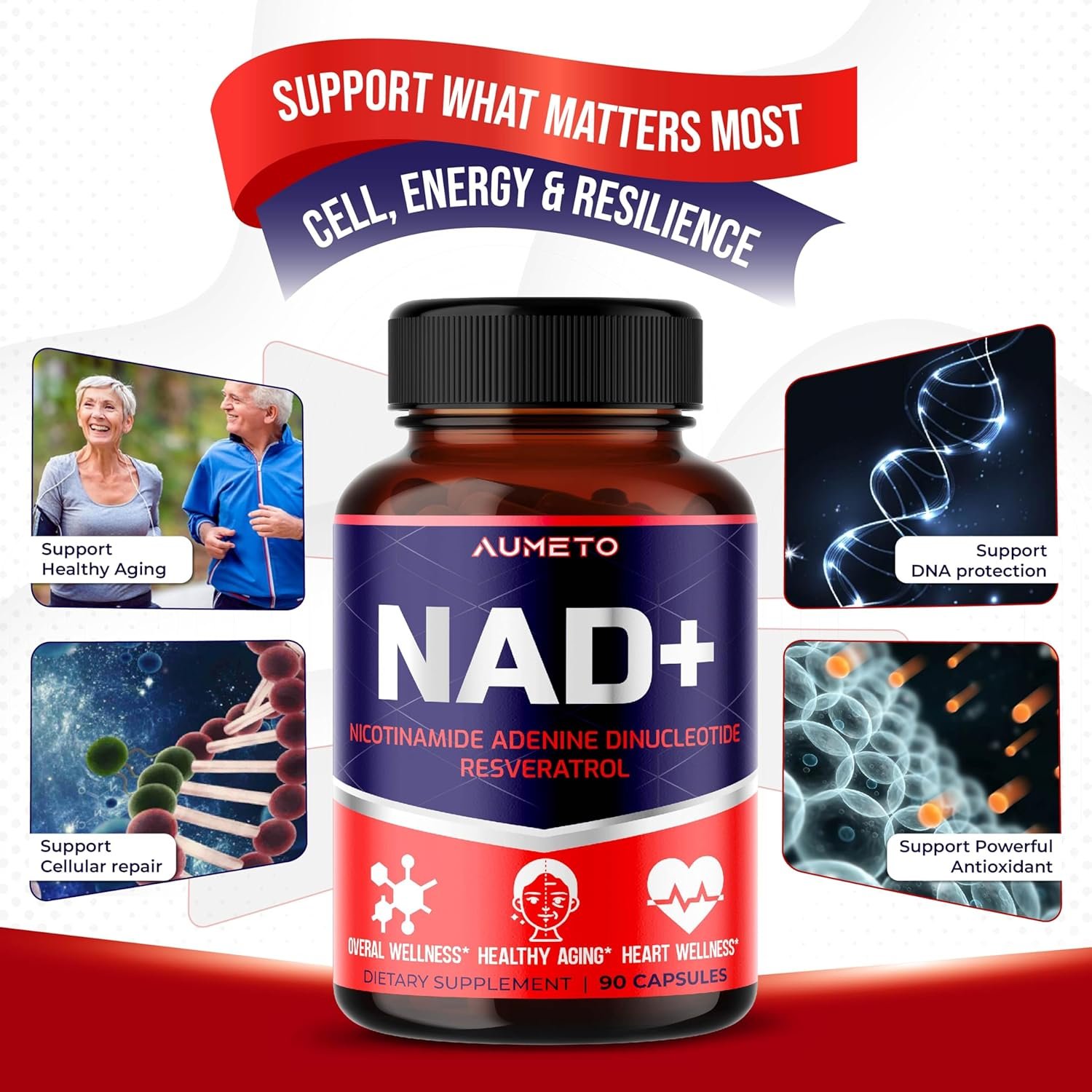
NAD Supplement 2000 Mg 120 Capsules True NAD and Resveratrol
$24.88

The Core Functions – How NAD+ Works in the Body
NAD+ operates across several critical biological pathways. Its depletion is not just a marker of aging but a driver of it. Here’s how it works in key systems:
1. Energy Production: The Powerhouse Facilitator
This is NAD+’s most famous role. In the mitochondria (the cell’s power plants), NAD+ is a critical coenzyme in cellular respiration—the process that converts food (glucose, fats, amino acids) into ATP (adenosine triphosphate), the cell’s usable energy currency.
- Process: During glycolysis and the Krebs (citric acid) cycle, NAD+ accepts electrons, becoming NADH. NADH then delivers these electrons to the electron transport chain, a series of protein complexes in the mitochondrial membrane. This chain uses the electron energy to pump protons, creating a gradient that ultimately drives ATP synthesis. Without sufficient NAD+ to accept electrons initially, this entire energy-production pipeline stalls, leading to fatigue and reduced cellular function.
2. DNA Repair and Genomic Stability: The Guardian
One of the most crucial consumers of NAD+ is a family of enzymes called sirtuins (particularly SIRT1 and SIRT6 in the nucleus) and another enzyme called PARP-1 (Poly (ADP-ribose) polymerase).
- PARP-1’s Role: When DNA is damaged by UV light, radiation, or toxins, PARP-1 springs into action. It uses NAD+ as a substrate to create ADP-ribose polymers, which act as signal flags to recruit DNA repair machinery. Severe or chronic DNA damage can deplete NAD+ reserves as PARP-1 consumes it voraciously.
- Sirtuins’ Role: Sirtuins are deacetylase enzymes that regulate gene expression, promote DNA repair, and suppress inflammation. They require NAD+ to function. SIRT1, for example, helps maintain telomere integrity and activates proteins that repair damaged DNA. Low NAD+ levels directly impair sirtuin activity, leaving DNA damage unrepaired and accelerating cellular aging.
3. Epigenetic Regulation and Longevity: The Master Controller
Sirtuins, fueled by NAD+, are master regulators of epigenetics—the chemical modifications that turn genes on or off without changing the DNA sequence. By removing acetyl groups from histones (proteins around which DNA wraps), sirtuins promote a tighter, more stable chromatin structure, often silencing genes related to aging and inflammation. Through this, they influence:
- Cellular stress resistance
- Metabolic efficiency
- Circadian rhythm regulation
- Neuroprotection
This is why sirtuins are often called “longevity genes,” and their dependency on NAD+ links this molecule directly to the aging process.
4. Cellular Defense and Recycling: The Cleanup Crew
NAD+ is essential for autophagy, the cell’s “cleanup” process where damaged organelles and misfolded proteins are broken down and recycled. Sirtuins (like SIRT1) activate genes responsible for autophagy. Efficient autophagy is crucial for preventing cellular junk accumulation, a hallmark of aging and neurodegenerative diseases like Alzheimer’s.
Check also: The Comprehensive Guide to NAD+
5. Calcium Signaling and Immune Function: The Communicator
NAD+ is a precursor for cyclic ADP-ribose, a molecule that helps regulate calcium release within cells. Calcium is a vital signaling ion for muscle contraction, neurotransmitter release, and immune cell function. Additionally, NAD+ influences the activity of CD38, an enzyme involved in immune response but also a major consumer of NAD+ during inflammation and aging.
Related Products
-
Liposomal NAD+ Supplement with Resveratrol
Original price was: $44.99.$39.99Current price is: $39.99. -
Liposomal NAD+ Supplement with Resveratrol Urolithin A CoQ10 and Giloy
Original price was: $47.95.$38.95Current price is: $38.95. -
Momentous Longevity Cellular Health 90 capsules
$109.95 -
NAD Supplement 2000 Mg 120 Capsules True NAD and Resveratrol
$24.88
The NAD+ Decline – Why We Lose It
The central problem is that NAD+ levels naturally and significantly decline with age—by up to 50% in some tissues. This decline is a primary driver of the aging phenotype: loss of energy, slower metabolism, increased DNA damage, and susceptibility to disease. The reasons are multifaceted:
- Increased Consumption: Age-related increases in DNA damage (using PARP) and chronic, low-grade inflammation (using CD38) consume more NAD+.
- Reduced Production: The efficiency of the salvage pathways (the primary way mammals recycle NAD+ from its precursors) diminishes.
- Circadian Rhythm Disruption: NAD+ levels and sirtuin activity are tied to circadian cycles. Poor sleep and irregular rhythms disrupt NAD+ synthesis.
Beyond the broad decline, it’s critical to understand that NAD+ depletion is not uniform across all tissues. Research indicates that certain organs with high metabolic demand or those particularly susceptible to age-related damage experience a more severe deficit. The brain, heart, skeletal muscle, and liver often show the most significant reductions. This tissue-specific depletion helps explain the constellation of age-related symptoms: brain fog and cognitive decline from neuronal energy crisis, cardiovascular stiffness from vascular endothelial dysfunction, and persistent fatigue from impaired muscle mitochondria. A targeted NAD+ repletion strategy, therefore, isn’t just about raising a general blood level, but about ensuring the precursors or delivery methods can effectively reach and restore these critical, NAD+-starved tissues to restore systemic function.
NAD+ Supplementation Strategies – How They Work
Since taking NAD+ directly is inefficient (it’s poorly absorbed and broken down in the gut), strategies focus on providing precursors—molecules the body uses to make NAD+ via the salvage pathways.
- Niacin (Vitamin B3): The simplest precursor. It uses the Preiss-Handler pathway. However, high doses often cause an uncomfortable “flush” (skin reddening and itching) due to prostaglandin release, limiting its use.
- Nicotinamide (NAM): Another form of B3, it efficiently boosts NAD+ but can, at high doses, inhibit sirtuins and PARP (the very enzymes we want to support), acting as a feedback inhibitor.
- Nicotinamide Riboside (NR): A more advanced precursor discovered in 2004. NR enters the salvage pathway directly as nicotinamide riboside, efficiently boosting NAD+ without causing a flush and with less risk of inhibiting sirtuins compared to NAM. It is a patented, well-researched ingredient.
- Nicotinamide Mononucleotide (NMN): The direct precursor to NAD+ in the final step of the salvage pathway. It’s theorized to be even more efficient than NR, as it converts to NAD+ in one step. However, its bioavailability when taken orally has been a subject of debate (though recent studies suggest specific transporters may exist in the gut). Like NR, it does not cause flushing.
- Other Boosters: Compounds like resveratrol (found in red wine) and pterostilbene do not provide NAD+ directly but are thought to activate sirtuins, potentially making the existing NAD+ pool more effective.

Potential Benefits and Current Science
Increased NAD+ bioavailability is linked in preclinical and some human studies to:
- Enhanced Mitochondrial Function: Improved energy production, reducing age-related fatigue.
- Improved Metabolic Health: Increased insulin sensitivity, better lipid profiles, and protection against diet-induced obesity in animal models.
- Neuroprotection: Support for neuronal health, with potential implications for Alzheimer’s, Parkinson’s, and cognitive decline. NAD+ is crucial for axonal integrity and mitochondrial function in energy-intensive neurons.
- Cardiovascular Health: Improved vascular function and protection against oxidative stress in heart tissue.
- Muscle Health and Exercise Performance: Improved mitochondrial function in muscles, potentially enhancing endurance and recovery. Some human studies on NR show improved performance in older adults.
- Healthy Aging: By supporting DNA repair, sirtuin activity, and autophagy, NAD+ boosting aims to target the fundamental mechanisms of aging, promoting healthspan.
Important Note: While animal studies (particularly in mice) are overwhelmingly positive, human clinical data is still evolving. Early results are promising, but larger, long-term studies are needed to fully confirm efficacy for specific age-related conditions.
Safety, Dosage, and Considerations
NAD+ precursors like NR and NMN are generally well-tolerated in studied doses (typically 250-1000 mg/day). Reported side effects are mild (minor digestive upset, fatigue at high doses). However:
- Long-term Safety: Multi-year safety data in humans is still being collected.
- Cancer Considerations: NAD+ fuels all cellular processes. Theoretically, it could support cancerous growth (which often has a hyperactive metabolism). While no direct link is established, individuals with active cancer or a history should consult a doctor.
- Purity and Regulation: As dietary supplements, they are not FDA-approved for treating diseases. Product purity and quality can vary greatly between brands. Choose reputable suppliers with third-party testing.
- Lifestyle Synergy: Supplements are not magic. Their effect is likely magnified by lifestyle choices that naturally support NAD+ and sirtuins: caloric restriction/intermittent fasting, regular exercise (especially high-intensity interval training), and maintaining circadian rhythm through good sleep and daylight exposure.
The relationship between NAD+ and cellular metabolism introduces a crucial paradox for supplementation. While declining NAD+ is a hallmark of aging in healthy cells, many cancer cells exhibit a phenomenon known as the “Warburg effect,” relying heavily on glycolysis even in the presence of oxygen. This inefficient pathway consumes vast amounts of NAD+ to recycle itself. Consequently, some cancer types upregulate NAD+ salvage pathways to fuel their rapid proliferation. This creates a theoretical concern that indiscriminate NAD+ boosting could, in worst-case scenarios, provide fuel to a pre-existing, undiagnosed malignant clone. This does not mean NAD+ precursors cause cancer, but it underscores the non-trivial nature of supplementing a fundamental metabolic cofactor. It strongly reinforces the imperative for thorough health screening and professional guidance, particularly for individuals with significant personal or family cancer history, before embarking on high-dose, long-term NAD+ precursor regimens.
Related Products
-
Liposomal NAD+ Supplement NAD+ Liquid Supplement
Original price was: $55.99.$36.99Current price is: $36.99. -
Liposomal NAD+ Supplement with Resveratrol Urolithin A CoQ10 and Giloy
Original price was: $47.95.$38.95Current price is: $38.95. -
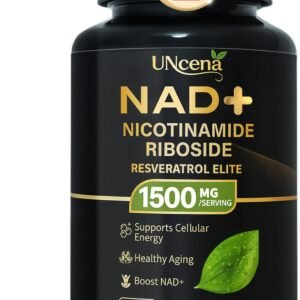
NAD Supplement 1500mg Liposomal NAD+ Nicotinamide Riboside with Resveratrol
Original price was: $39.99.$24.99Current price is: $24.99. -
NAD Supplement 2000 Mg 120 Capsules True NAD and Resveratrol
$24.88

Frequently Asked Questions (FAQ)
1. What is the difference between NMN and NR? Which one is better?
Both NMN (Nicotinamide Mononucleotide) and NR (Nicotinamide Riboside) are direct precursors to NAD+. NMN is one enzymatic step closer to becoming NAD+ than NR (NR must first convert to NMN). The debate centers on bioavailability. Some argue NMN is too large to enter cells directly and must be converted to NR first, while others point to evidence of specific NMN transporters. Currently, both have strong scientific backing and human studies showing they effectively raise NAD+ levels. The “better” choice may come down to individual response, product quality, and cost.
2. Can I get enough NAD+ from food?
Food sources contain NAD+ and its precursors in relatively small amounts. You can find them in:
- NAD+/NMN: Dairy milk, fish (like tuna, salmon), mushrooms, yeast, green vegetables.
- Tryptophan (a distant precursor): Turkey, chicken, eggs, seeds.
- Niacin (B3): Meat, poultry, legumes, nuts.
While a healthy diet supports baseline levels, the amounts needed for a significant boost—especially to counteract age-related decline—are difficult to achieve through diet alone, which is why supplementation is explored.
3. What are the side effects of taking NAD+ supplements?
The most common side effects, if any, are mild and include temporary nausea, stomach discomfort, headache, or fatigue. These often subside as the body adjusts or with a reduced dose. Niacin (as nicotinic acid) is known for causing a pronounced “flush.” NR and NMN typically do not cause this flushing effect.
4. How long does it take to feel the effects of NAD+ supplements?
This varies by individual, their baseline NAD+ levels, age, and lifestyle. Some people report subjective improvements in energy and focus within a few weeks. However, many of the benefits—like enhanced DNA repair, mitochondrial biogenesis, and epigenetic changes—occur at a cellular level and are not immediately “felt.” Most clinical trials measure changes in blood NAD+ levels over weeks, with significant increases often seen in 2-4 weeks.

5. Are NAD+ injections or IV therapies better than oral supplements?
IV therapies deliver NAD+ directly into the bloodstream, bypassing the digestive system. This can lead to a rapid, sharp increase in plasma NAD+ levels and is used in some clinics for intensive therapy. However, it is expensive, invasive, and requires medical supervision. The question is whether this spike is superior to the sustained, gradual elevation from oral precursors that replenish intracellular NAD+ pools. For most people seeking long-term healthspan support, high-quality oral precursors (NR/NMN) are considered effective, practical, and safe.
6. Can NAD+ help with aging and wrinkles?
Indirectly, yes. By supporting DNA repair, activating sirtuins (which improve skin cell function and resilience), and promoting autophagy (cellular cleanup), NAD+ can enhance skin health at a fundamental level. Improved mitochondrial function may also lead to better skin cell energy. This can potentially translate to healthier skin, improved barrier function, and reduced signs of aging, though it’s not a direct “wrinkle filler.”
7. Is there an optimal time of day to take NAD+ supplements?
Emerging science suggests yes. NAD+ levels and sirtuin activity are intrinsically tied to our circadian rhythms. Taking NAD+ precursors in the morning may help align with the body’s natural metabolic cycle, potentially enhancing mitochondrial function for the day’s activities. Some researchers advise against taking them late at night, as the energy-boosting effects might theoretically interfere with sleep for some individuals. Aligning supplementation with your circadian rhythm (morning with food) is a prudent approach.