

The Gender Research Gap That’s Holding Women Back
For decades, women stepping into the gym have been navigating a supplement landscape built almost exclusively on male physiology. Shockingly, recent research published in Frontiers in Nutrition reveals that approximately 60% of performance supplement studies focus exclusively on male athletes, with only 10% dedicated to female athletes—creating what experts now call “the estrogen gap” in sports nutrition. This isn’t just a statistical oversight; it’s a fundamental barrier preventing women from optimizing their training, recovery, and overall health through evidence-based supplementation.
As a fitness professional who’s worked with hundreds of female clients and reviewed the latest research, I’ve witnessed how this knowledge gap manifests in real-world confusion. Women are either blindly following protocols designed for men or avoiding supplements altogether due to conflicting information. This comprehensive guide bridges that gap by translating the emerging science of women-specific supplementation into actionable strategies—while highlighting where the research still falls short.
Check also: Gym Supplements for Women: A Comprehensive, Evidence-Based Guide
Why Women’s Supplement Needs Are Fundamentally Different
The physiological differences between men and women extend far beyond muscle mass and body composition. Women experience monthly hormonal fluctuations that significantly impact how supplements are metabolized and their effectiveness. Estrogen and progesterone influence everything from nutrient absorption to inflammation response and muscle protein synthesis.
Key physiological differences affecting supplement efficacy:
- Fluid Regulation: Women naturally retain more water during certain menstrual phases, affecting how creatine and electrolytes work
- Iron Metabolism: Menstruating women lose iron monthly, creating different mineral requirements
- Muscle Fiber Composition: Women have a higher percentage of type I (endurance) muscle fibers
- Inflammatory Response: Estrogen modulates inflammation pathways, altering recovery needs
- Gut Microbiome: Hormonal fluctuations impact gut bacteria composition, affecting nutrient absorption
Check also: gut health articles
This isn’t merely about adjusting dosages—it’s about recognizing that some supplements work through entirely different mechanisms in women. For instance, while creatine’s performance benefits were historically attributed solely to increased phosphocreatine stores, emerging research suggests it may also interact with estrogen receptors to support cognitive function and bone density—a critical consideration for women’s long-term health.
Evidence-Based Supplement Guide: What Actually Works for Women
1. Creatine: Beyond Just Muscle Growth
Contrary to popular belief that creatine causes “bulking,” recent 12-week trials at UNSW reveal something remarkable: women taking creatine (5g daily) without a loading phase saw significant strength gains without unwanted weight gain. The initial water retention (about 0.5kg in the first week) stabilized, with no additional fluid accumulation during resistance training.
Women-specific benefits emerging from 2024-2025 research:
- Cognitive Support: Particularly during the luteal phase when progesterone can cause “brain fog”
- Bone Density: Preliminary studies show creatine combined with resistance training increases bone mineral density by 3.2% in premenopausal women
- Menopausal Transition: May help offset muscle loss during perimenopause when estrogen declines
Practical Implementation: Start with 3g daily for two weeks, then increase to 5g. Take with your post-workout meal for optimal absorption. Skip the loading phase to minimize potential bloating.
Related Products
-
ABE Creatine
$24.99 -
Allmax Creatine Gummies
$39.99 -
Alpha Lion Mass Monster Stack
Original price was: $268.41.$169.99Current price is: $169.99. -
Ascent Clean Creatine 45 servings
$24.99
2. Caffeine: Timing Is Everything
While caffeine’s ergogenic effects are well-documented for men, research shows women experience more variable results due to hormonal fluctuations. A 2024 meta-analysis revealed that:
- Follicular Phase (Days 1-14): Women experience similar performance boosts to men (3-7% improvement in endurance)
- Luteal Phase (Days 15-28): Effects diminish significantly, with some women showing no benefit
- Oral Contraceptive Users: May experience reduced caffeine metabolism, requiring lower doses
Practical Implementation: For natural-cycle women, use 3-6mg/kg caffeine during follicular phase workouts. During luteal phase, consider alternative strategies like beetroot juice. Oral contraceptive users should limit to 2-3mg/kg and avoid late-day consumption to prevent sleep disruption.
3. Protein Timing: Aligning With Your Cycle
The conventional “20-30g protein every 3-4 hours” advice fails to account for women’s cyclic protein metabolism. New research shows:
- Follicular Phase: Higher protein synthesis rates allow for optimal muscle growth with 25-30g per meal
- Luteal Phase: Protein requirements increase by 15-20% due to elevated metabolic rate, but absorption efficiency decreases
Practical Implementation: During luteal phase, increase protein intake to 1.8-2.2g/kg bodyweight and consider adding digestive enzymes to improve absorption. Choose hydrolyzed whey or plant-based blends with added proteases.
4. Omega-3s: The Underutilized Recovery Tool
While fish oil is commonly recommended, few understand its specific benefits for women’s training. Recent studies show omega-3s (particularly EPA) significantly reduce exercise-induced inflammation during the luteal phase when progesterone creates a pro-inflammatory state.
Practical Implementation: Take 2-3g of high-EPA fish oil daily, with an additional 1g 30 minutes pre-workout during luteal phase. Look for products with at least 60% EPA concentration.
The Menstrual Cycle Supplement Strategy
The most groundbreaking advancement in women’s supplementation is cycle-syncing—aligning your supplement regimen with your hormonal fluctuations. Here’s your evidence-based roadmap:
Follicular Phase (Day 1-14): The Power Phase
- Supplements: Full creatine loading, standard caffeine doses, regular protein
- Why: Rising estrogen enhances nutrient partitioning and recovery
- Performance Tip: This is your optimal window for strength and power training
Ovulation (Day 14-16): The Peak Performance Window
- Supplements: Continue follicular protocol, add 5g citrulline malate pre-workout
- Why: Estrogen peaks, improving blood flow and oxygen delivery
- Performance Tip: Schedule your most challenging workouts during this 48-hour window
Luteal Phase (Day 16-28): The Strategic Adaptation Phase
- Supplements: Increase protein by 20%, reduce caffeine, add magnesium glycinate
- Why: Progesterone increases core temperature and reduces glycogen storage
- Performance Tip: Focus on technique refinement and lower-intensity endurance work
Menstruation (Day 1-5): The Recovery Phase
- Supplements: Iron-rich foods or supplements (if deficient), increased magnesium
- Why: Blood loss creates temporary iron depletion; prostaglandins increase cramping
- Performance Tip: Prioritize active recovery and mobility work
Safety Considerations Often Overlooked
Women face unique supplement risks that rarely get discussed:
1. Iron Overload: While many menstruating women need iron, postmenopausal women or those with genetic conditions like hemochromatosis can experience dangerous iron accumulation from indiscriminate supplementation.
2. Thyroid Interactions: Common supplements like soy protein and high-dose iodine can interfere with thyroid function—particularly relevant as women are 5-8 times more likely to develop thyroid disorders.
3. Hormonal Disruption: Certain “natural” supplements like high-dose licorice root or wild yam can interfere with hormonal balance, especially problematic for women with PCOS or endometriosis.
Critical Action Step: Always get blood work before starting new supplements. Key markers for women: ferritin (iron stores), TSH (thyroid), vitamin D, and omega-3 index.
Related Products
-
Abe Pump Zero Stim Preworkout
$40.49 -
Alani Nu Pre Workout+Burn
Original price was: $44.99.$39.99Current price is: $39.99. -
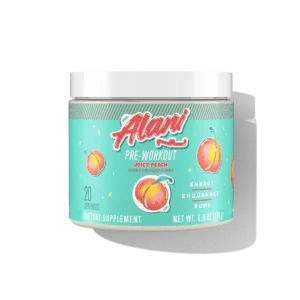
Alani Pre Workout Juicy Peach
$26.99 -
Alpha Lion Mass Monster Stack
Original price was: $268.41.$169.99Current price is: $169.99.
Debunking the Top 3 Women’s Supplement Myths
Myth 1: “Women Should Take Less Creatine Than Men” Reality: Research shows women benefit from the same 3-5g daily dose. The misconception stems from early studies using bodyweight-based dosing without accounting for women’s lower average bodyweight but similar muscle creatine saturation levels.
Myth 2: “Pre-Workouts Are Too Strong for Women” Reality: Many women avoid pre-workouts due to marketing that targets “extreme” male experiences. The issue isn’t gender—it’s about matching ingredients to your specific physiology. Women often respond better to lower-stimulant formulas with added electrolytes.
Myth 3: “Supplements Will Make Me Bulky” Reality: No supplement alone causes significant muscle growth without appropriate training stimulus. The fear of “bulking” prevents many women from benefiting from proven supplements like protein and creatine that actually support lean body composition.
Your Personalized Supplement Roadmap
Follow this four-step process to create your customized supplement strategy:
Step 1: Determine Your Cycle Status
- Natural cycle? Track with a fertility awareness method app
- On hormonal birth control? Note your specific formulation
- Perimenopausal/postmenopausal? Consider hormone testing
Check also: Can Women Use Creatine The Same Way As Men Do?
Step 2: Assess Your Primary Goal
- Strength/hypertrophy: Prioritize creatine, protein timing
- Endurance: Focus on beta-alanine, citrulline, strategic caffeine
- Body composition: Emphasize protein distribution, omega-3s
Step 3: Match to Your Cycle Phase Use the menstrual cycle supplement strategy outlined earlier, adjusting for your specific status
Step 4: Implement With Precision
- Start with 1-2 supplements maximum
- Track performance, recovery, and subjective feelings
- Adjust after 4-6 weeks based on results
The Future of Women’s Supplement Science
Exciting developments are on the horizon. The 2025 Aging journal study mentioned in our search results reveals promising research on natural supplement systems that may reduce biological age while improving muscle strength—particularly relevant for women navigating perimenopause. Meanwhile, researchers are finally addressing the gender gap, with several major studies now exclusively examining supplement effects on female athletes across various sports.
The most promising frontier is personalized supplement regimens based on genetic testing. Companies are developing panels that analyze genes related to caffeine metabolism, creatine transporter efficiency, and inflammatory responses—allowing for truly individualized protocols rather than one-size-fits-all recommendations.
Conclusion: Your Empowerment Through Knowledge
The supplement industry has long treated women as afterthoughts, but the emerging science of female physiology is changing that. By understanding how your unique biology interacts with these compounds, you’re no longer guessing what might work—you’re making informed decisions based on your body’s specific needs.
Remember: supplements enhance, they don’t replace. Prioritize foundational nutrition first—whole foods, adequate protein, and proper hydration. Then, strategically implement 1-2 evidence-based supplements that align with your cycle and goals. Get tested, track your response, and adjust accordingly.
This isn’t about chasing the latest trend; it’s about claiming your right to evidence-based strategies designed specifically for the female body. As research continues to close the gender gap, women will no longer have to train in the shadows of male-centric protocols but will instead optimize their performance through science that finally recognizes their unique physiology.
Your Action Steps Today:
- Download a cycle tracking app if you have a natural cycle
- Schedule blood work to establish your baseline
- Choose ONE supplement from this guide to implement this week
- Track your response in a training journal for 4 weeks
The future of women’s fitness isn’t about working harder—it’s about working smarter with strategies designed specifically for you. The science is finally catching up, and it’s time we all benefit from it.
Why the Research Gap Persists—and Who Pays the Price
The gender research gap in supplementation is not accidental; it is largely economic and logistical. Historically, researchers excluded women from trials to avoid the “complexity” of menstrual cycles, hormonal contraceptives, pregnancy risk, and fluctuating biomarkers. While this simplified study design and reduced costs, it also produced decades of male-centric data that were lazily generalized to women. The consequence is profound: dosing guidelines, safety thresholds, and performance claims that are statistically valid for men but incomplete—or misleading—for women. In practical terms, this means women are more likely to experience side effects, underdose effective supplements, or abandon supplementation altogether due to inconsistent results.
From Pink Labels to Precision Science
In response to growing awareness, many brands have attempted to “solve” the problem with superficial fixes—pink packaging, lower stimulant formulas, or vague promises of “female balance.” These cosmetic changes do little to address the core issue: a lack of sex-specific clinical validation. True progress is emerging not from marketing departments but from female-focused trials that examine hormonal phases, contraceptive status, and life stages such as perimenopause and menopause. This shift marks a critical evolution from gender-neutral assumptions to precision nutrition. The future of women’s supplementation will not be about softer formulas—it will be about smarter ones, grounded in endocrinology, metabolism, and long-term health outcomes unique to the female body.