

Powerlifting equipment. Powerlifting equipment is far more than metal, leather, and rubber—it is a collection of tools that help people discover their physical potential, build resilience, and train their minds to push beyond self-imposed limits. Whether someone is stepping into a garage gym, a commercial facility, or preparing for competition, the right gear shapes both performance and safety. In a world where fitness trends shift constantly, powerlifting stands out because it is rooted in timeless principles: discipline, effort, and measurable progress. And behind every great lift is reliable equipment designed to support human strength in its purest form.
For reduced whip, aggressive knurling for grip, and a tensile strength capable of supporting enormous loads. The beauty of this tool is universal—any lifter, beginner or elite, can use it to develop strength through progressive overload. The barbell teaches patience, control, and consistency as the lifter adds weight over time. It may look like steel, but in many ways, it’s a mirror of human development.
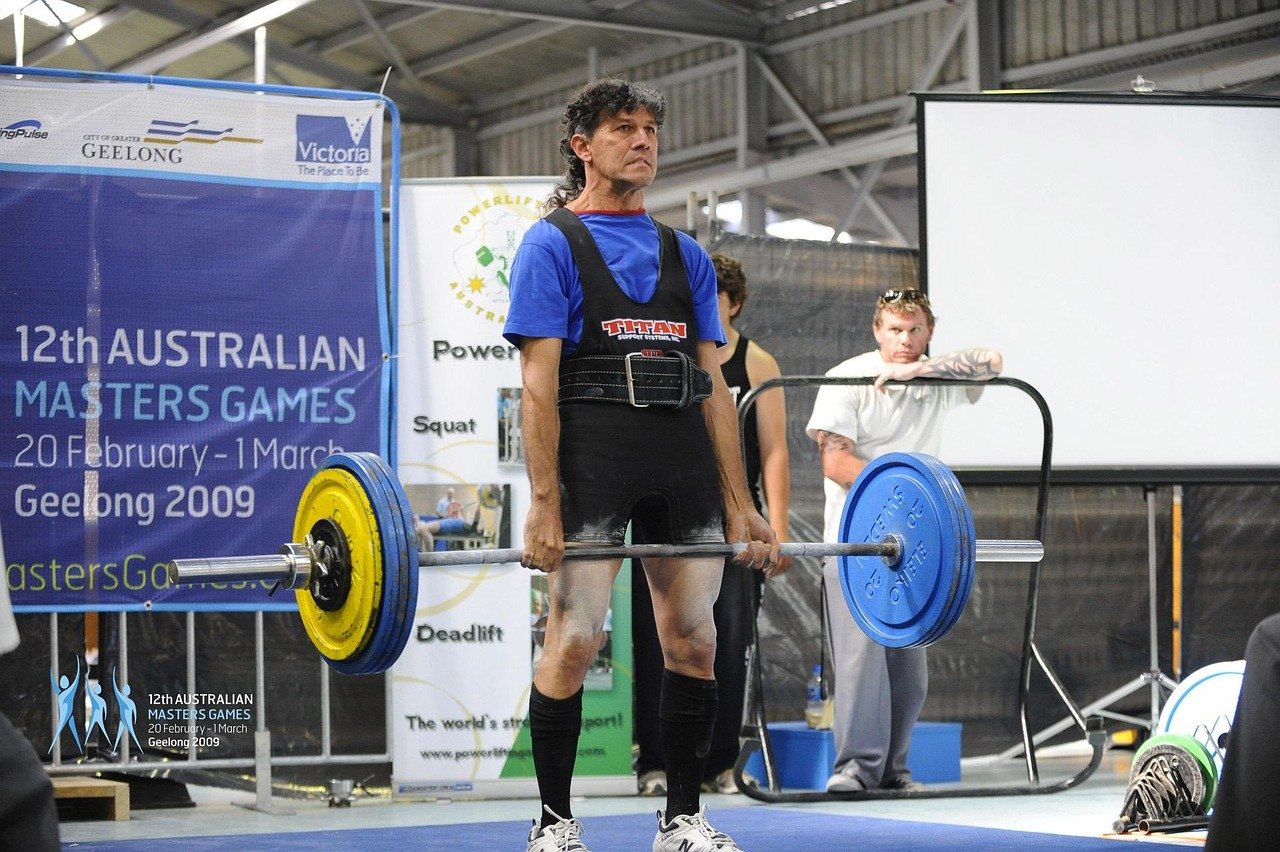
Each of these tools, from the belt to the chalk, serves as an external cue for a required internal state. The act of tightening a 13mm leather belt is a physical signal to engage the core and brace the spine, a ritual that separates the unloaded state from the state of maximum tension. Chalk dust on the hands is not just for grip; it is a tangible reminder of focus, demanding presence and precision in the moment before the pull. This transformation of external gear into internal psychology is a subtle but profound aspect of the sport. The equipment ceases to be merely protective or assistive; it becomes part of the psychological architecture of the lift, a series of learned triggers that prepare the nervous system for a peak output that feels both controlled and primal.
Related Products
-
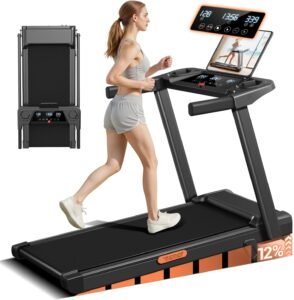
12% Incline Treadmill with Handle 3-in-1 Portable Treadmills for Home and Office
Original price was: $249.99.$189.98Current price is: $189.98. -
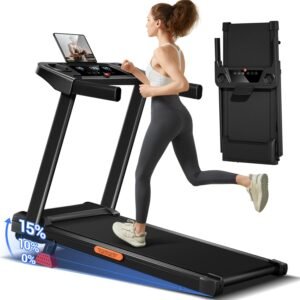
3-in-1 Treadmill with 15% Incline Portable Treadmills for Home with Handle
Original price was: $249.99.$199.99Current price is: $199.99. -
7FT Olympic Barbell for Weightlifting and Power Lifting
Original price was: $111.11.$89.99Current price is: $89.99. -
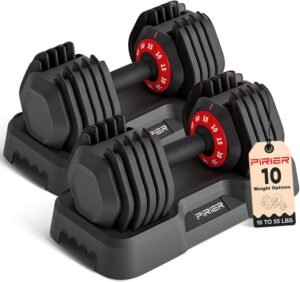
Adjustable Dumbbell Set 55LB Dumbbells Weight
Original price was: $399.99.$289.99Current price is: $289.99.

Alongside the barbell, the power rack serves as the lifter’s fortress of safety. Built with thick-gauge steel and adjustable safety pins, the rack ensures that even a failed squat becomes a learning experience rather than a dangerous one. A good rack offers hundreds of height combinations, pull-up bars, J-cups, and attachment options. It encourages independence—allowing people to train alone, at their own pace, while staying protected. In this sense, the power rack contributes to a valuable life skill: the ability to face challenges head-on while having a safety plan in place.
The bench is another essential component, supporting the body during heavy bench presses. A stable, competition-standard bench provides a firm foundation, ensuring that the lifter’s strength—not the equipment—is what determines the outcome of the lift. This piece of equipment teaches alignment, stability, and the significance of technique, reminding us that proper foundations matter just as much in life as in training.

Beyond the big items, powerlifting relies on smaller tools that amplify performance and safeguard the body. Weightlifting belts help brace the core, teaching lifters how to stabilize themselves under heavy loads. Knee sleeves provide warmth, compression, and joint support, allowing for longevity in training. Wrist wraps, lifting shoes, and chalk each serve a specific purpose—supporting structure, balance, and grip. These accessories symbolize preparation and the understanding that success often lies in the small details.
Ultimately, powerlifting equipment empowers people to strengthen more than just muscle. It builds character, encourages goal-setting, and creates communities of lifters who support each other’s growth. Even the simplest pieces of equipment can inspire a lifelong dedication to health and self-improvement. Powerlifting doesn’t just make people stronger—it helps them realize what strength truly means, both inside and out.
The Evolution of Powerlifting Equipment Through the Ages
Powerlifting equipment has come a long way from crude iron bars and makeshift benches. In the early days of strength culture, lifters trained with whatever they could find—rusted weights, uneven barbells, and homemade racks. Over time, engineering, materials science, and human biomechanics have shaped the tools we now use. Modern barbells feature precision knurling and high-tensile steel, racks are built to withstand thousands of pounds, and accessories are crafted to enhance technique and longevity. This evolution reflects a deeper human desire—to refine, innovate, and progress. Each new generation of equipment represents our collective pursuit of excellence, showing how far determination and curiosity can take us.
This progression from raw, homemade gear to engineered, purpose-built tools mirrors a fundamental shift in the sport’s relationship with the body. Early equipment treated the body as an indomitable force to be tested against crude iron, embracing a certain raw risk. Modern equipment, with its calibrated whip, ergonomic knurling, and fail-safe racks, treats the body as a sophisticated, durable, yet ultimately precious system to be protected and optimized for longevity. The goal is no longer merely to see what it can survive, but to create the precise conditions under which it can thrive and express maximum force, repeatedly and safely, over decades. In this light, the power rack is not just a cage of steel; it is a statement of intent—a commitment to pursuing extreme strength within a framework of intelligent, sustainable progress.
How Powerlifting Equipment Impacts Mental Health and Human Growth
While the physical benefits of powerlifting equipment are obvious, the mental impact is equally transformative. Training with purpose-built equipment teaches lifters to set goals, develop discipline, and embrace incremental progress. Every rep under a barbell becomes an exercise in focus and resilience. The structure provided by power racks, the support from belts and sleeves, and the stability of lifting platforms create a controlled environment where the mind can explore challenge and reward. Many athletes report reduced stress, improved confidence, and a deeper sense of identity through lifting. In this way, powerlifting equipment helps build a stronger society—not just physically, but mentally and emotionally.
FAQ: Powerlifting Equipment
1. What equipment do I need to start powerlifting?
Beginners need only a barbell, weight plates, a sturdy power rack, and a flat bench. Accessories like belts or knee sleeves can come later.
2. Is there a difference between powerlifting and Olympic lifting equipment?
Yes. Powerlifting bars are stiffer with less whip, while Olympic bars are designed to flex more during explosive lifts like the clean and jerk.
3. Do I need lifting shoes for powerlifting?
Lifting shoes offer stability and a solid base, especially for squats and bench presses. While not mandatory, they can improve technique and safety.
4. What type of belt is best for powerlifting?
A 10 mm or 13 mm leather lifting belt with consistent thickness all around is typically preferred for optimal core support.
5. How often should I replace my powerlifting equipment?
High-quality bars and racks can last decades. Accessories like wraps or sleeves may need replacement every 1–3 years depending on use.
6. Can I build a powerlifting setup at home?
Absolutely. With a rack, barbell, bench, and plates, a home gym can become a highly effective environment for long-term strength development.