

The image is iconic: a dusty warehouse, a mountain of iron plates, and a screaming banner promising “ROCK-BOTTOM PRICES!” For decades, the strength equipment sale was a brute-force affair. It was about mass, weight, and little else. But a quiet revolution has been happening in home fitness, and the savvy shopper of today isn’t just looking for “heavy.” They’re looking for smart, adaptable, and sustainable.
If you’re in the market for new gear, the old rules no longer apply. The modern strength equipment sale isn’t an event; it’s a strategic opportunity to invest in a system, not just a collection of items. Let’s dive into the trends and technologies you need to understand to build a future-proof home gym without breaking the bank.
Related Products
-
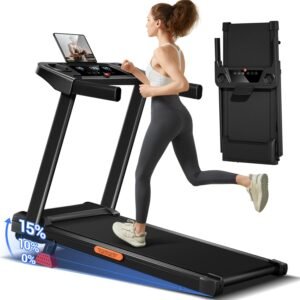
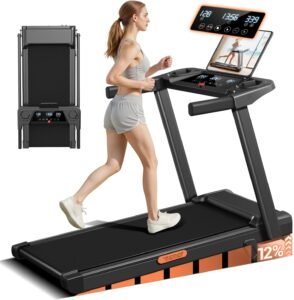
3-in-1 Treadmill with 15% Incline Portable Treadmills for Home with Handle
Original price was: $249.99.$199.99Current price is: $199.99. -
7FT Olympic Barbell for Weightlifting and Power Lifting
Original price was: $111.11.$89.99Current price is: $89.99. -
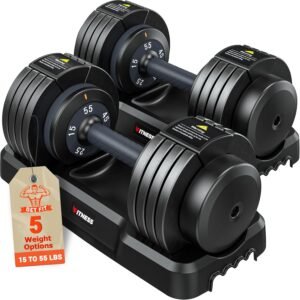
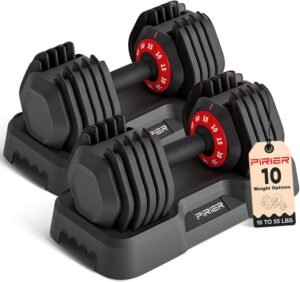
Adjustable Dumbbells Set of 2 – 1 Hand Adjustable Weights Dumbbells Set
$299.89 -
Adjustable Dumbbells Set of 2 Free Weights Dumbbells Set
Original price was: $299.99.$259.99Current price is: $259.99.


The Paradigm Shift: From “How Much?” to “How Well?”
The first critical shift is in mindset. The primary question is no longer “How many pounds can I get for my dollar?” but “How much functionality, durability, and versatility can I acquire?”
This is driven by two major factors:
- The Rise of Hybrid Training: People aren’t just powerlifters or bodybuilders anymore. They are hybrid athletes, CrossFitters, yoga practitioners, and HIIT enthusiasts who need equipment that can flow with a dynamic routine. A single, fixed barbell is limiting. The demand is for equipment that enables a wider range of motion and compound movements.
- The Data-Driven Lifter: We live in an age of biometrics. People track their sleep, heart rate, and daily steps. It was only a matter of time before this demand for data infiltrated strength training. The modern lifter wants to track velocity, volume, and progressive overload with precision.
Understanding this shift is key to navigating a sale effectively. You’re not just buying iron; you’re buying potential.
The Smart Buys: Equipment Categories Poised for Growth
When scanning sale categories, look beyond the basics. Here are the areas where innovation is thriving and your investment will pay long-term dividends.
1. The Adjustable Dumbbell Ecosystem:
The classic adjustable dumbbell has been reinvented. Gone are the cumbersome spin-lock collars. The new generation—think brands like Nuobell or the REP Fitness Adjustable Dumbbells—offer dial-a-weight systems with seamless transitions and a sleek, compact footprint. During a sale, this is a prime target. It replaces an entire rack of dumbbells, saving space and money, and its versatility is unmatched for everything from shoulder presses to renegade rows.
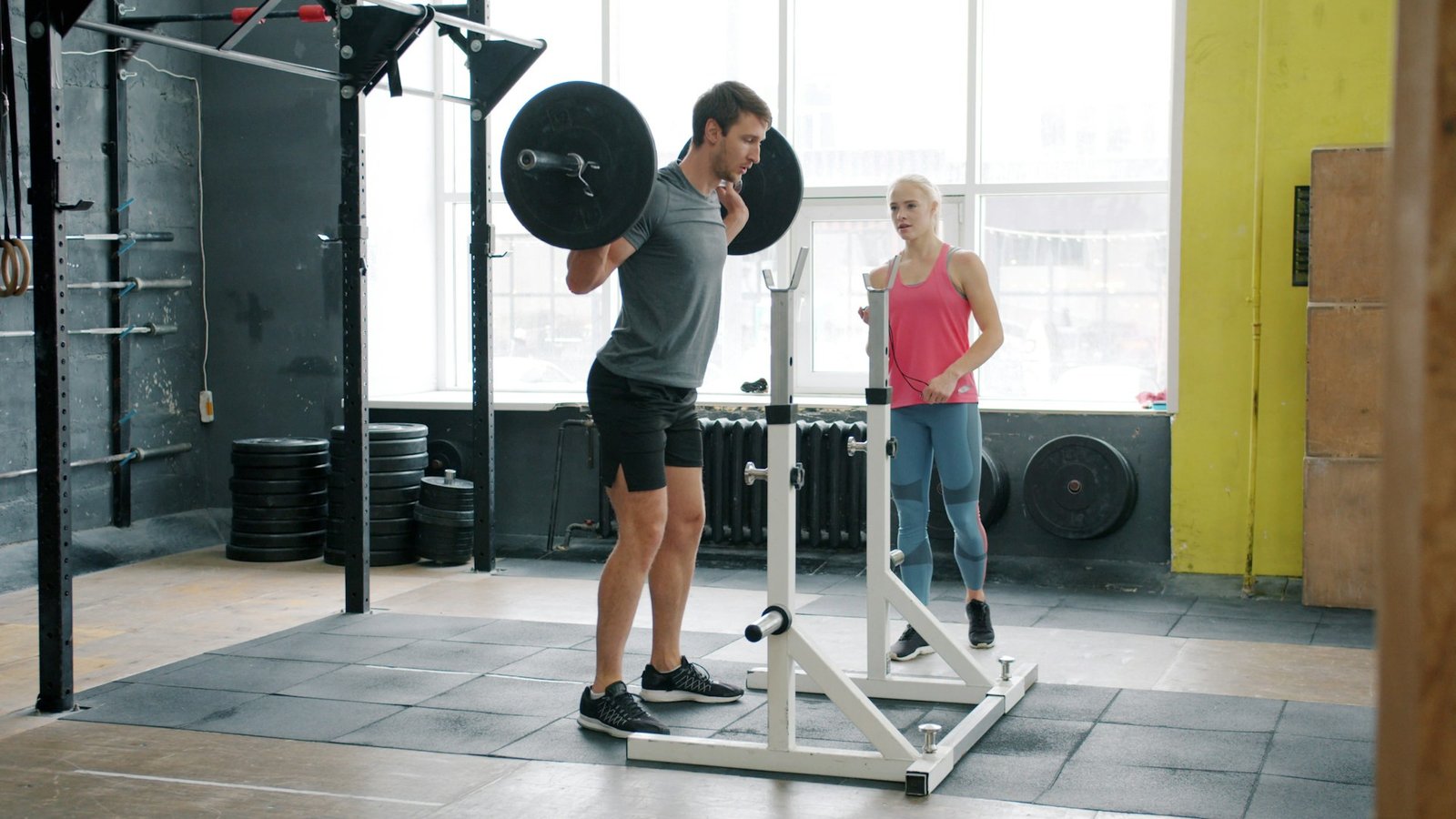
2. Modular Racks and Functional Trainers:
The power cage is the bedrock of a home gym, but the new wave is about modularity. Companies like REP Fitness, Rogue, and Fringe Sport are designing racks with a universe of attachments. Lat pulldowns, landmine arms, dip stations, and cable crossovers can all be integrated into a single, robust frame.
The Sale Insight: Look for “attachment bundles” or “rack builder” sales. Investing in a high-quality, modular rack on sale and adding attachments over time is a smarter long-term strategy than buying a cheap, non-expandable rack.
3. The Compact Cable Machine Revolution:
Cable machines were once the domain of commercial gyms due to their size and cost. Innovative designs have democratized them. Wall-mounted cable towers, compact functional trainers, and even standalone units like the Tonal or Speediance are changing the game.
- Tonal/Speediance: These are the all-in-one smart gyms that use electromagnetic resistance instead of weights. They are a significant investment, but their major sales (often around Black Friday or New Year’s) are the time to buy. They offer digital weight, built-in coaching, and extreme space efficiency.
- Traditional Cable Stations: For those who prefer iron, sales on brands like Titan Fitness or REP’s functional trainers make them increasingly accessible. The value isn’t just in the weight stack, but in the endless exercise variety they provide.
4. The “Unsexy” Essentials: Flooring and Storage
This is where the true pros separate themselves from the amateurs. A sale on high-quality, rubber stall mats is a goldmine. They protect your floor, your equipment, and you. Similarly, organized storage—plate trees, barbell holders, dumbbell racks—isn’t just about aesthetics. It preserves your equipment, maximizes your training space, and creates a professional, motivating environment. Don’t overlook these foundational elements during a major sale event.
Beyond dial-a-weight dumbbells, the true next frontier is connected resistance. While smart gyms like Tonal use electromagnetic motors, the innovation is trickling down to traditional gear. Imagine a barbell or plate stack with integrated sensors that connect to an app, automatically logging your sets, reps, and bar velocity. For companies, sales on “dumb” versions of equipment with the capability to add sensor modules later (via smart collars or weight plate inserts) represent a savvy strategy. This allows you to invest in high-quality physical gear now, with a clear, affordable path to digitize your training data in the future, protecting your investment from immediate obsolescence in a rapidly digitizing market.
This week’s popular products
-
Original price was: $34.99.$17.99Current price is: $17.99.
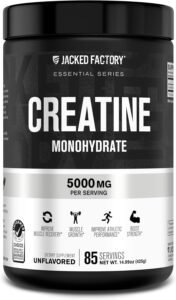
Jacked Factory Creatine Monohydrate Powder 425g


The Algorithm of a Sale: When and How to Buy
The calendar is your friend. While random sales occur, the big waves are predictable:
- Black Friday / Cyber Monday: The undisputed champion. This is when you’ll find the deepest discounts on high-ticket items like smart gyms, racks, and benches.
- New Year’s: Capitalizing on resolution culture, this is a strong second. Expect discounts on bundles and beginner-friendly gym equipment.
- Memorial Day / 4th of July: These summer holidays are perfect for scoring deals on accessories, bars, plates, and apparel.
- Brand Anniversaries: Follow your favorite brands on social media or subscribe to their newsletters. They often run significant sales for their company milestones.
Pro Tip: Use price tracking tools like Honey or CamelCamelCamel (for Amazon) to see the historical price data of an item. This tells you if a “sale” is genuinely a good deal or just marketing.
The Second-Hand Secret: A Market of Its Own
The modern “sale” isn’t confined to retail. The secondary market for strength equipment is a thriving ecosystem. As people upgrade, move, or lose interest, high-quality equipment floods sites like Facebook Marketplace and Craigslist.
The Advantage: You can often find commercial-grade equipment (Legend, Cybex, Ivanko) for a fraction of its original cost. This gear is built to last generations.
The Caveat: Inspect carefully for rust, worn-out bushings, or bent bars. But for the discerning eye, the second-hand market is the ultimate perpetual sale.
The secondary market also offers a unique opportunity to acquire discontinued legacy equipment built to a standard that is often unmatched by modern, cost-optimized equivalents. While a new, budget-friendly power rack might use 2×2 or 2×3-inch steel tubing, you can frequently find older commercial racks from the 90s or early 2000s with 3×3, 11-gauge steel frames on the used market for a comparable price. This equipment was overbuilt for commercial abuse and, if free from major rust or damage, will provide a lifetime of service. The “sale” here isn’t a seasonal discount, but a permanent value proposition found by knowing which vintage brands (like certain lines from Parabody, Body-Solid, or early Ivanko) represent a golden era of durability.
Building Your Arsenal: A Strategic Approach
Before you click “add to cart,” have a plan.
- Audit Your Movement Patterns: Instead of making a list of items, make a list of movements you want to perform. Do you need to push horizontally (bench press) and vertically (overhead press)? Pull horizontally (rows) and vertically (pull-ups)? Hinge (deadlifts) and squat? This will dictate your needs far more effectively.
- Prioritize the Foundation: Your hierarchy of purchase should be: 1) Quality Barbell, 2) Power Rack or Stand, 3) Bench, 4) Plates, 5) Everything Else. A sale is the time to secure the core pillars of your gym.
- Think in Systems: Does this rack have the attachments I might want later? Do these dumbbells feel good in my hand? Does this bench fit my rack? Compatibility is everything.
Related Products
-
Adjustable Dumbbell Set 55LB Dumbbells Weight
Original price was: $399.99.$289.99Current price is: $289.99. -
Adjustable Dumbbells Set of 2 Free Weights Dumbbells Set
Original price was: $299.99.$259.99Current price is: $259.99. -
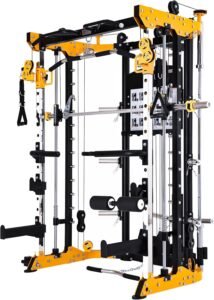
Altas Strength 3059 Smith Machine Home Gym Equipment with 1000 lbs Weight Capacity
$3,099.00 -
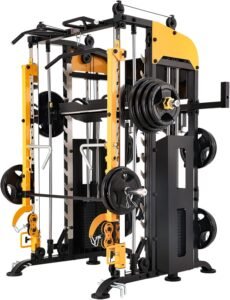
Altas Strength Smith Machine with Lever Arms Pulley
$4,499.00
Lift Smarter, Not Just Heavier
The landscape of strength equipment has evolved from a simple commodity market to a sophisticated arena of engineering and design. The modern sale is your chance to participate in this evolution intelligently. It’s an opportunity to move beyond accumulating weight and toward curating a personalized training environment that inspires consistency and fosters growth.
So, the next time you see a “Strength Equipment Sale,” look past the screaming discounts. Look for the versatile, the durable, the smart, and the sustainable. Invest in a system that elevates your practice, and you’ll build more than muscle—you’ll build a lifelong foundation for strength.
FAQ: Buying Strength Equipment Smartly
1. What is the biggest mistake people make during strength equipment sales?
The most common mistake is focusing solely on price per pound instead of functionality and versatility. Many buyers go for the cheapest heavy gear without considering long-term adaptability, modular options, or build quality. Investing in a system that grows with you provides far more value than buying based on initial cost alone.
2. Are adjustable dumbbells really worth the investment?
Yes—modern adjustable dumbbells, especially models with quick dial or slide systems, replace an entire rack of fixed weights while saving space and money. They’re ideal for home gyms with limited room and for lifters who train across multiple modalities such as strength, HIIT, or functional workouts.
3. How can I tell if a sale price is actually a good deal?
Use price-tracking tools like Honey, Keepa, or CamelCamelCamel to view the item’s historical pricing. If the discount is lower than the average drop seen during major events (like Black Friday), it might be a marketing tactic rather than a real bargain. Always verify before purchasing.
4. What’s the best time of year to buy gym equipment?
The top three times are:
- Black Friday / Cyber Monday for the largest discounts on high-ticket items.
- New Year’s sales, when brands target resolution shoppers with bundles and starter sets.
- Memorial Day or 4th of July for great accessory deals and summer clearance events.
5. Is second-hand gym equipment a smart purchase?
Absolutely—if you know what to look for. High-end commercial-grade equipment can be found at a fraction of the cost on platforms like Facebook Marketplace, Craigslist, or OfferUp. Inspect items for rust, damage, or excessive wear. Brands like Rogue, Cybex, and Ivanko are built to last decades.
Related Products
-
12% Incline Treadmill with Handle 3-in-1 Portable Treadmills for Home and Office
Original price was: $249.99.$189.98Current price is: $189.98. -
7FT Olympic Barbell for Weightlifting and Power Lifting
Original price was: $111.11.$89.99Current price is: $89.99. -
Adjustable Dumbbells Set of 2 Free Weights Dumbbells Set
Original price was: $299.99.$259.99Current price is: $259.99. -
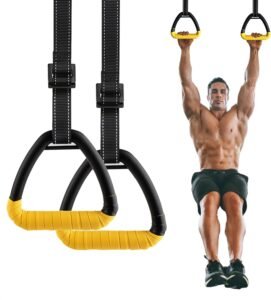
Adult Rings Fitness Rings Equipment Pull-up Rings
Original price was: $19.99.$13.99Current price is: $13.99.
6. What should I prioritize when building a home gym on a budget?
Start with the essentials that form your workout foundation:
- A quality barbell
- A modular power rack or squat stand
- A sturdy adjustable bench
- Plates and flooring
Once the core is in place, you can gradually add accessories like cable attachments, dip bars, or specialty handles during future sales.
7. Are smart gyms like Tonal or Speediance worth it?
For those who value data tracking, coaching, and compact design, smart gyms are excellent long-term investments. They provide resistance without weights, integrated training programs, and performance metrics. However, their high price makes them best to purchase during major seasonal sales or brand anniversary discounts.