

Vegan Athletes: Best Plant-Based Supplements in the USA — an evidence-first guide from a scientist
Plant-based diets are no barrier to elite power, endurance, or recovery — but they do change the nutrients you need to watch for. As a researcher who reads original trials and meta-analyses, I’ll cut straight to what’s proven, what’s promising, and how to find reliable products in the U.S. market. This article is practical (dosing, evidence, how to shop) and forward-looking (emerging compounds you should watch).
Why supplements matter for vegan athletes
A well-designed plant diet delivers abundant antioxidants, fiber, and many vitamins. But athletes pushing training stress have higher needs for a few specific nutrients (creatine, EPA/DHA, iron, B12, certain amino acid derivatives and ergogenic compounds). Supplements are tools to close gaps and—when backed by science—improve performance, recovery, and resilience without sacrificing the principles of a plant-based lifestyle.
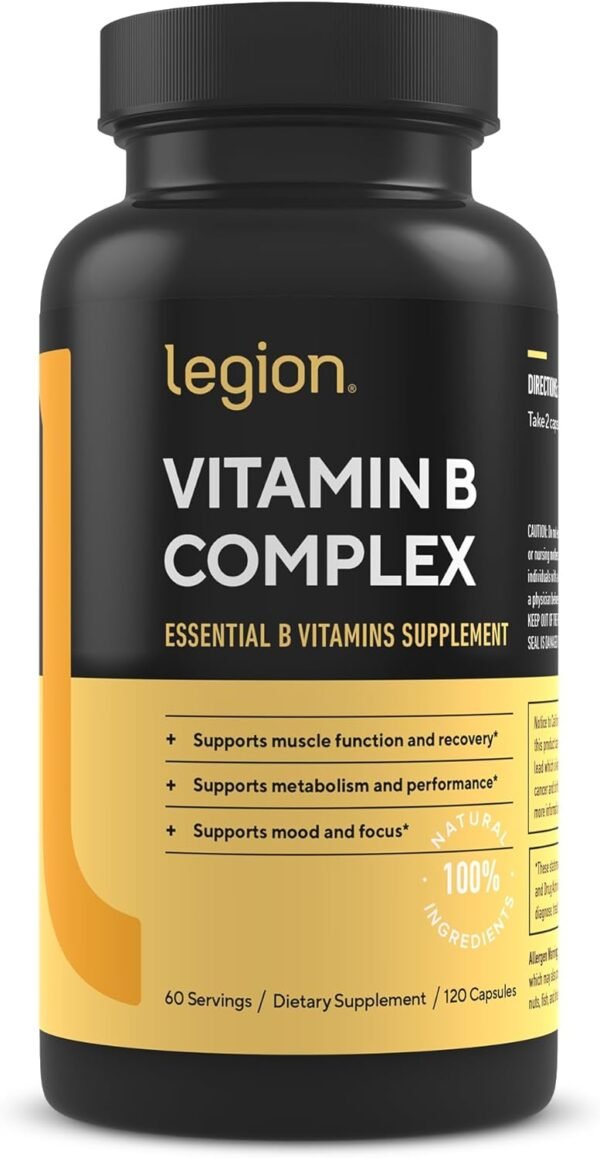
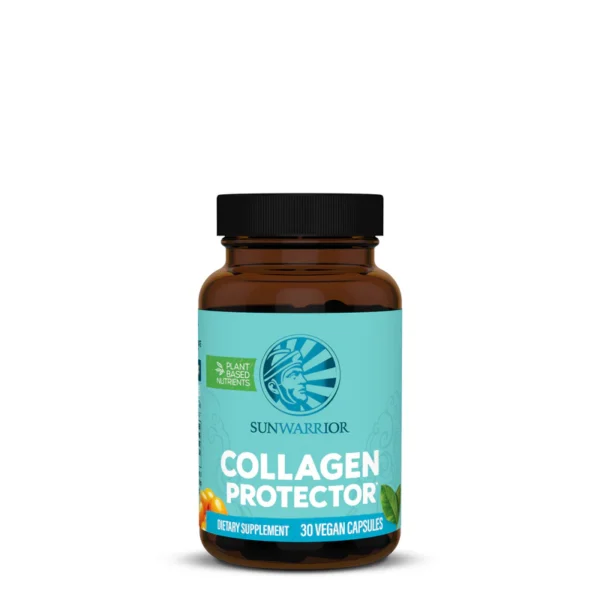
LEGION Vitamin B-Complex Vegan Supplement
Elevate your daily wellness with LEGION Vitamin B-Complex, a precision-formulated, vegan-friendly blend designed to fuel your energy, sharpen your mind, and support your body from the inside out.
The core, science-backed essentials every vegan athlete should consider
1) Creatine monohydrate — the most consistently effective ergogenic for vegans
Creatine increases high-intensity power, lean mass and can improve cognition under stress. Because dietary creatine comes mainly from meat and fish, vegans often have lower baseline muscle creatine stores and tend to respond strongly to supplementation. Creatine monohydrate is inexpensive, highly studied, and the preferred form.
Practical: 3–5 g/day maintenance after an optional short loading phase. Synthetic creatine is vegan-friendly; check labels for purity and third-party tests.
2) Algal DHA + EPA (vegan omega-3) — inflammation, recovery, cognition
Long-chain omega-3s EPA and DHA support membrane function, inflammation control and may speed recovery. Algae-derived oil delivers bioequivalent DHA/EPA to fish oil and is the plant-based choice for vegans and sustainability-minded athletes. Clinical studies show algae oil raises the Omega-3 Index in athletes and can improve markers relevant to performance.
Practical: aim for a combined EPA+DHA dose consistent with the product’s evidence (many athletes use 500–1500 mg/day); measure an Omega-3 Index if possible.
3) Dietary nitrate (beetroot) — legal, food-based nitric oxide boost
Nitrate-rich beetroot juice or powders can reduce the oxygen cost of submaximal exercise and improve time-to-exhaustion in many—but not all—settings. Effects are most robust in recreational and moderately trained athletes and for endurance tasks; elite responses are variable. Use beetroot in the days before an event or repeatedly for multi-day competitions.
Practical: ~300–800 mg nitrate (~70–140 mL concentrated beetroot or standardized powder) 2–3 hours before activity; experiment in training (not race day).
4) Protein strategy: high-quality plant proteins + HMB when needed
A “protein first” approach still matters. Pea, soy, rice and blends can supply complete amino profiles; choose products that list grams of protein per serving and per-amino acid when available. Beta-hydroxy-beta-methylbutyrate (HMB) — a leucine metabolite — has evidence for reducing muscle damage and preserving lean mass in catabolic phases and during return-to-training. HMB products on the market are typically vegan (synthetic).
Practical: target 1.6–2.2 g/kg/day protein for strength athletes (from food + supplements). If returning from layoff or during aggressive calorie deficit, consider 2–3 g/day HMB split doses.
Promising, newer plant-forward ingredients (the next wave)
These compounds are attracting rigorous research; they’re not miracle cures, but they’re science-worthy.
Urolithin A — mitochondrial renewal and endurance potential
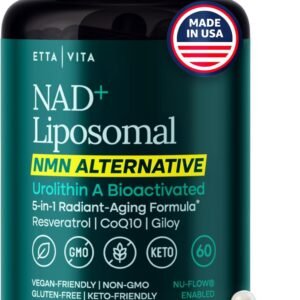
Urolithin A (UA) is a gut-microbiome-derived metabolite that activates mitophagy (cellular cleaning of dysfunctional mitochondria). Human trials show UA can improve muscle mitochondrial markers and strength in older adults; sports-nutrition research exploring endurance and recovery is growing. For vegan athletes who prioritize mitochondrial efficiency and recovery, UA is a high-interest compound to watch.
Note: UA is produced by gut bacteria from dietary ellagitannins (pomegranates, walnuts); many people convert poorly, so a purified supplement form is used in trials.

Spermidine — autophagy, vascular support, and exercise synergy
Spermidine (found in wheat germ, mushrooms, soy) stimulates autophagy and has cardiometabolic and longevity effects in animal models and early human studies. Preclinical work suggests combined spermidine + exercise can enhance muscle and vascular adaptations, but human athletic trials are limited. It’s a promising adjunct for recovery and vascular health, but more athlete-specific RCTs are needed.
Ergothioneine & astaxanthin — targeted antioxidants
Ergothioneine (mushroom-derived) and astaxanthin (microalgae) are potent antioxidants that protect mitochondria and may reduce oxidative damage from intense training while preserving adaptive signaling better than broad, high-dose antioxidants. These are emerging as targeted recovery tools for plant-based athletes. (Evidence is growing; remain cautious about dosing and timing.)
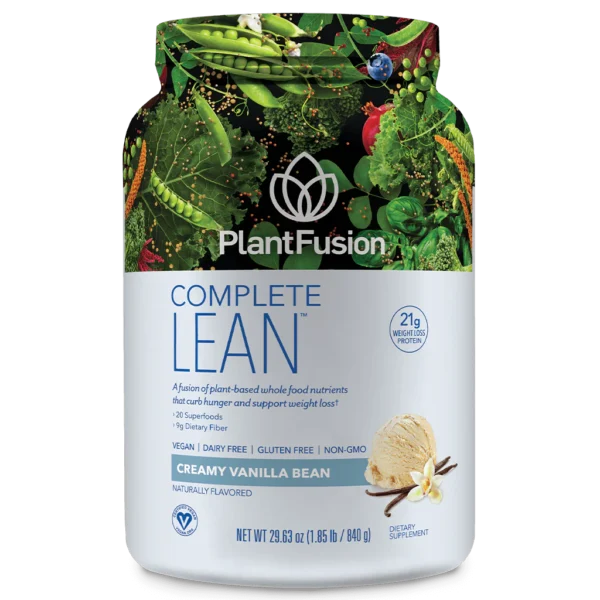
PlantFusion Complete Lean Vegan Protein Powder for Weight Loss
Cordyceps militaris & adaptogenic fungi
Cordyceps extracts have shown potential to improve VO₂ kinetics and perceived exertion in small trials. Many fungal extracts are vegan and align with a food-first philosophy; choose standardized extracts with quantified active markers.
How to choose reliable vegan supplements in the USA (researcher’s checklist)
The U.S. supplement market is vast and lightly regulated. Here’s a practical, evidence-based shopping filter I use in lab reviews:
- Third-party testing — look for NSF Certified for Sport, USP, ConsumerLab, or Informed-Sport seals. These programs test for label accuracy and contaminants (heavy metals, adulterants). NSF and ConsumerLab resources are trusted starting points.
- Full transparency — avoid proprietary blends that hide doses. Good products list ingredient amounts and source (e.g., “algal DHA 300 mg”).
- Match the evidence — pick products where the dose equals what was used in human trials (or a reasonable fraction if validated).
- Vegan certification and allergen statements — vegan logo is helpful but check for cross-contamination warnings. If you have soy, gluten, or nut sensitivities, pick certified hypoallergenic lines.
- Company quality cues — GMP (good manufacturing practice) claims, batch COAs (certificate of analysis) available on request, transparent manufacturing locations, and responsive customer service.
- Clinical or third-party human data — premium brands sponsor human trials or publish independent studies. That’s a strong signal.
- Avoid red flags — extravagant claims (“cures soreness overnight”), hidden stimulants, or celebrity-only promotions without data.
For readers who want a quick primer on how to validate claims, Consumer Reports and NSF have accessible guides on choosing supplements and the importance of third-party testing.
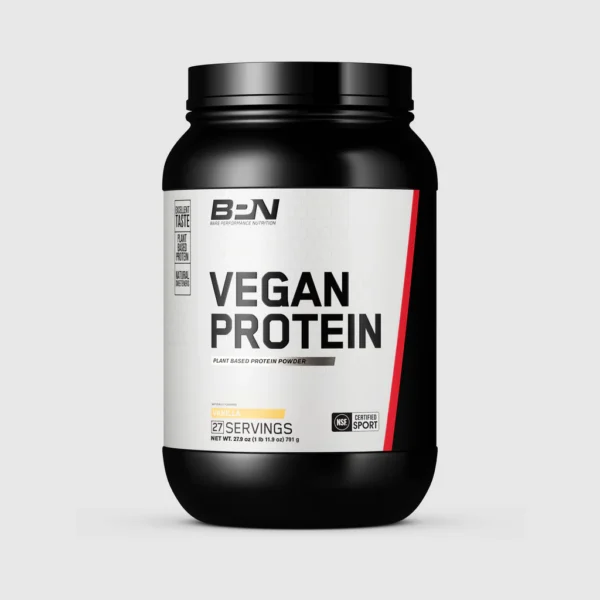
BPN Vegan Protein Powder
Sample stack for different athlete goals (plant-based, evidence-aligned)
These are starting templates—tailor to training phase and consult a clinician for medical issues.
- Endurance athlete (training): algae EPA+DHA (500–1,000 mg), beetroot nitrate (daily protocol around long sessions), creatine 3 g/day (helps repeated sprints and recovery), algal iron or B12 if lab tests show deficiency.
- Strength athlete (hypertrophy/power): creatine 3–5 g/day, high-quality plant protein (25–40 g per serving post-workout), HMB if returning from detraining, urolithin A (experimental adjunct for recovery).
- Recovery & longevity focus: algal DHA, astaxanthin/ergothioneine blend for mitochondrial support, spermidine/UA (as experimental cytoprotective stack).
Practical safety and dosing notes
- Supplements can interact with medications (e.g., anticoagulants and omega-3s) — check with a healthcare provider.
- Start one product at a time for a few weeks to assess tolerance and benefit.
- Use reputable retailers (official brand sites, major pharmacy chains that require third-party testing) to reduce counterfeit risk. CVS and other chains tightened third-party testing policies for the supplements they stock — a sign the marketplace is improving.
Final words — the scientist’s bottom line
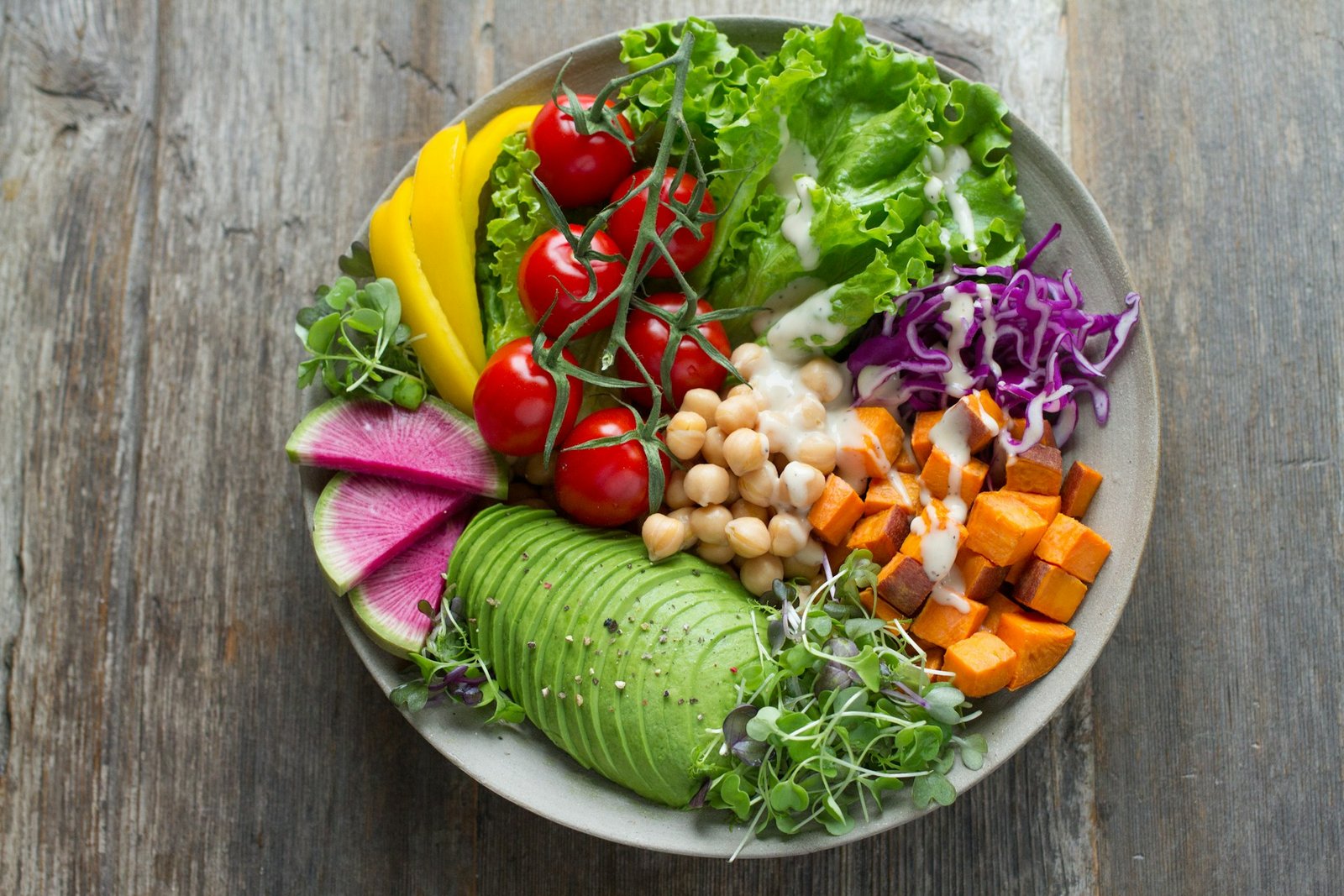
A plant-based diet is fully compatible with top athletic performance. The smartest approach is food first, supplements strategic: use creatine and algal omega-3 as foundational evidence-based additions, leverage beetroot nitrate for endurance windows, and consider HMB or high-quality plant protein during catabolic phases. Watch emerging compounds like urolithin A, spermidine, ergothioneine and astaxanthin — they show mechanistic promise (mitochondria, autophagy, targeted antioxidant protection), but they need more athlete-directed trials before becoming mainstream staples.
When choosing any product in the U.S., prioritize third-party certification, ingredient transparency, and brands that publish their COAs or human trial data. That doubles as the simplest way to protect your health, your performance, and the organic traffic you might later get when you recommend the same products to teammates.