

Understanding the Best Hydrolyzed Whey Protein Isolate: A Scientific & Prudent Guide
Protein supplements can be a powerful tool for supporting motion, muscle recovery, health, and even longevity. Among those supplements, one form stands out for its advanced processing and potential benefits: hydrolyzed whey protein isolate. In this article I’ll walk you through what it is, how it’s made, what the science says about its benefits and limitations, and how you can choose a high-quality product and make best use of it. The goal is to provide value—not simply to market supplements—but to help you make informed, science-based decisions that can support human health and well-being.
What is Hydrolyzed Whey Protein Isolate?
Let’s begin by breaking it down into its components.
Whey Protein Isolate (WPI)
Whey is the liquid by-product of cheese production (the liquid left after milk curdles). It’s a complete, high-quality protein: it contains all the essential amino acids, including the branched-chain amino acids (BCAAs) like leucine, isoleucine, and valine.
A “whey protein isolate” means that the whey has undergone extra filtration/purification so that fat, lactose (milk sugar), and non-protein components are removed or minimized. This results in a high percentage of protein content, often 90 % or more of dry weight.
This makes WPI appealing especially for people who are lactose-sensitive or want a “cleaner” protein with less fat/carbs.
Hydrolysis: what does that mean?
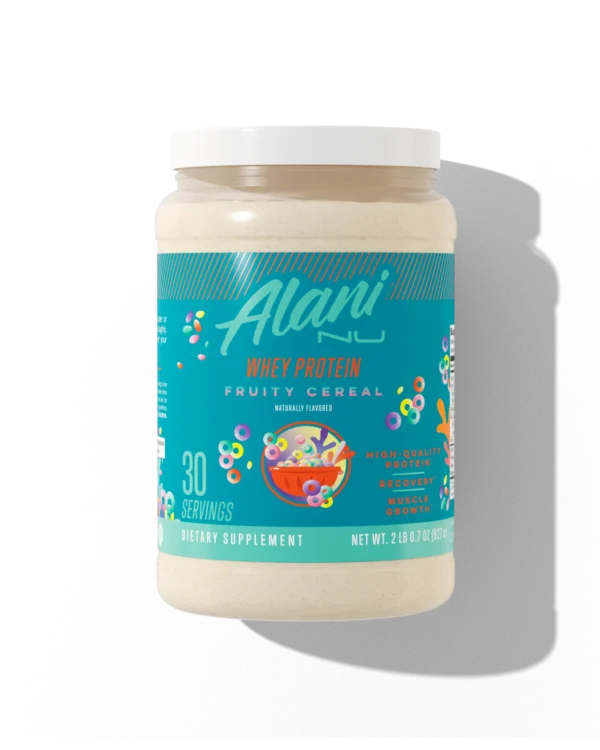
“Hydrolyzed” means that the protein (in this case WPI) has been partially digested in advance: enzymes (or sometimes heat/acid) are used to break down the whole protein into smaller peptides (short chains of amino acids) and even free amino acids.
In simple terms: imagine a whole protein chain vs. many shorter “links” that are easier for your body to absorb. Because of this, hydrolyzed WPI is sometimes called a pre-digested or ultra-fast protein.
So: hydrolyzed whey protein isolate (HWPI) combines:
- The “isolate” level purification (high protein, low lactose/fat)
- The “hydrolyzed” processing (smaller peptides → faster absorption)
Why the fuss?
The reasoning is that HWPI may:
- Be digested and absorbed more rapidly → faster delivery of amino acids to muscle and other tissues
- Be gentler on digestion (less bloating, less lactose) for some people
- Possibly provide additional bioactive peptides (because hydrolysis creates new peptide fragments) which may have effects beyond “just protein for muscle”
Studies point in these directions. For example: christophegaron.com+2PubMed+2
Science Review: What the Research Says
Let’s dive into the evidence. I’ll cover major areas: muscle/protein synthesis, body composition/fat loss, metabolism and health beyond muscle, digestion/tolerance, and limitations.
Muscle Protein Synthesis (MPS) & Recovery
One of the key objectives of protein supplementation is to stimulate muscle protein synthesis (MPS)—the process by which muscles rebuild and repair themselves after exercise.
- A study comparing whey hydrolysate vs other proteins found that ingestion of whey hydrolysate resulted in larger increases in blood essential amino acid (EAA) and BCAA concentrations than slower-digesting proteins (casein) after exercise.
- At rest (non-exercised leg): MPS was higher with the faster proteins (~0.091 %/h for whey vs ~0.047 %/h for casein) in that study.
- A systematic comparative meta-analysis looked at whey protein in its different forms (concentrate, hydrolyzed, isolate) in athletes over ~64 days. It found that whey supplementation supported fat-free mass gain and fat mass loss (in people doing resistance training) but did not find a consistent “hydrolyzed is vastly superior” benefit across everything.
- Another 8-week study of resistance-trained men found that the hydrolyzed whey group reduced fat mass more than the placebo, but did not show significantly greater muscle mass/strength gains compared to other whey forms.
Take-away: HWPI is at least as effective as other high-quality whey proteins for supporting MPS/recovery. It may offer marginal extra speed in amino acid delivery and possibly help fat-loss slightly more in some contexts – but it is not a magical “turn muscle into steel overnight” solution. Context (training load, diet, recovery) still matters.
Check also: The Truth About Weight Loss Supplements
Body Composition & Fat Loss
Beyond muscle growth, some evidence suggests that hydrolyzed whey may help with fat loss or body composition.
- In that 8-week study above, the hydrolyzed whey group lost ~6% body fat, which was significantly better than placebo (+4.4% fat mass) in resistance-trained young men.
- The meta-analysis for whey (all forms) found significant fat mass loss vs isocaloric placebo in regular exercisers (weighted mean difference ≈ –0.96 kg) over ~2 months.
Mechanisms might include: faster amino acid delivery leading to better muscle repair (which helps metabolic rate), higher thermic effect of protein, better satiety, and possibly some bioactive peptides from hydrolysis that influence metabolism.
Metabolic Health & Beyond Muscle
Interestingly, HWPI and hydrolyzed whey peptides may have benefits beyond muscle. A few emerging areas:
- A study using in-vitro simulated digestion found that a whey hydrolysate (vs intact isolate) produced more bioactive peptides that increased GLP-1 secretion in enteroendocrine cells and inhibited DPP-IV activity (an enzyme that degrades GLP-1) → so potential glucose-homeostasis benefit.
- Another review pointed out that hydrolyzed whey peptides may increase insulin secretion/GLP-1 and improve glycemic response in humans vs intact whey.
- A review of general whey health benefits noted reductions in blood pressure and LDL cholesterol in some cases; hydrolyzed whey protein isolate was listed among forms that have shown such effect.
These are promising, especially given the global burden of metabolic diseases (diabetes, pre-diabetes, etc.). But: these applications are still emerging and not as strong as the muscle/fitness evidence. More human trials are needed.

Digestibility, Absorption & Tolerance
One of the practical benefits to many users is improved digestibility/absorption. Hydrolyzed isolate is often marketed to people who:
- Have mild dairy/lactose sensitivity
- Experience bloating or digestive discomfort with standard whey concentrates/isolates
- Are looking for very fast absorption (e.g., immediately post-workout)
From reviews:
- Hydrolysis reduces peptide size; this tends to speed absorption and reduce the burden on digestive enzymes.
- Anecdotally some people report less bloating with hydrolysate vs regular whey (though individual responses vary).
- However, digestibility is not guaranteed: if someone has a true milk protein allergy (not just lactose intolerance) even hydrolyzed whey may still pose risk. Also, hydrolysis may degrade taste or increase bitter flavour.
Limitations, Caveats & Considerations
It’s important to be realistic. Here are key caveats:
- Cost: Hydrolyzed isolate is typically more expensive than standard whey concentrate or isolate. For many people the marginal benefit may not justify the extra cost.
- Diminishing Returns: If you already consume a high-quality whey isolate, train well, eat sufficient protein overall, and recover well, switching to hydrolyzed may yield only small gains.
- Taste / Solubility: The hydrolysis process can result in increased bitterness, and some products may have less favourable taste or mixability. Journal of Nutrition
- Processing Matters: Not all “hydrolyzed” products are equal. Degree of hydrolysis (how many peptide bonds were broken), the source of whey, filtration/purification methods, presence of other ingredients (sweeteners, fillers), third-party testing all matter.
- Health claims: While beneficial effects on glycemic control, blood pressure, etc are promising, these should not replace core lifestyle strategies (diet, exercise, sleep). Also, such claims may not apply to everyone.
- Allergies/Intolerances: Even an isolate/hydrolyzed form can contain residual dairy proteins or allergens. Always check labels and consult if you have a milk allergy.
How to Choose the Best Hydrolyzed Whey Protein Isolate
If you’ve decided that a hydrolyzed whey protein isolate is right for your needs, here is a practical checklist + criteria so you choose one wisely—and avoid common pitfalls.

1. Verify the Protein Source & Purity
- Look for “whey protein isolate” as the base (not just whey concentrate).
- Check for high protein percentage per serving (≥ 90 % by weight is typical for isolate powders).
- Low lactose, low fat, low carbs – these are expected features of a true isolate.
2. Degree of Hydrolysis & Quality of Processing
- Some brands may list “extensively hydrolyzed”, “predigested”, or include % DH (degree of hydrolysis). The higher the DH, the smaller the peptides on average. For example: “above 10% DH, majority of peptides < 1000 Da” in one processing study.
- Prefer brands that disclose their processing, peptide profile, or provide independent lab results.
3. Amino Acid Profile & BCAAs
- Since one of the benefits of whey is its rich BCAA (especially leucine) content for muscle protein synthesis, check for a robust amino acid profile. Hydrolysate should not degrade that.
- Some marketing may inflate “added BCAAs” – focus on total EAAs and per-serving leucine content (often >2.5 g leucine for effective MPS support in a ~20–30g serving).
4. Third-Party Testing & Purity
- Look for certifications such as NSF Certified for Sport, Informed Choice, or similar.
- Light contaminants, heavy metals or adulterants are sadly plausible in supplements—transparency is key.
- Check for allergens (dairy cross-contamination, soy, gluten) if you are sensitive.
5. Ingredients & Additives
- Minimal additives is good: flavouring, sweeteners (artificial or natural), thickeners are common. Consider your preferences (e.g., avoid artificial sweeteners if you prefer).
- Some hydrolyzed isolates add digestive enzymes — this may improve tolerance for sensitive users.
- Consider taste and mixability—read reviews: hydrolyzed products can taste more bitter.
6. Value & Serving Size
- Compare cost per gram of actual protein delivered, not just cost per container.
- Consider your usage frequency. If you are using protein just part-time, maybe a standard isolate is adequate.
7. Fit to Your Goals & Context
- Are you an athlete, doing high volume/very intense training? Then the extra premium of hydrolyzed isolate may be worth it.
- Are you older (ageing muscle) or recovering from injury? Faster absorption may help.
- Do you have digestion or lactose issues? Hydrolyzed isolate may reduce discomfort.
- On the other hand, if you train moderately, have no digestion issues, use standard isolate and get good results, you might be fine with a “plain” isolate.
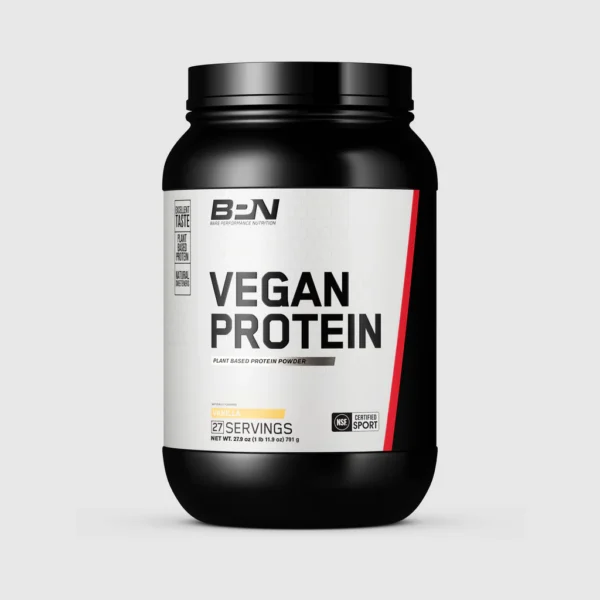
BPN Vegan Protein Powder
Practical Usage Tips: How to Integrate HWPI Effectively
Having chosen a good product, how do you use it so that you maximize benefit and minimize waste?
Timing
- Ideal usage is after resistance training when your muscles are primed for amino acids. Because hydrolyzed peptides are absorbed faster, this may speed the “anabolic window”.
- Some users also take it before workouts or between meals, especially if they have difficulty meeting total daily protein targets or want minimal digestion burden.
- Total daily protein intake matters far more than “magic timing”. Ensure you reach your target (often ~1.6–2.2 g protein/kg body-weight for resistance training) before focusing on timing.
Serving Size
- Many studies use ~20–30 g of high-quality protein post-workout. The earlier MPS study used 10 g EAA from hydrolysate vs other proteins.
- Ensuring enough leucine (≥2.5g) in that serving is helpful.
Mix With What?
- Water is fine; the faster absorption is preserved.
- Mixing with milk may slow absorption somewhat (due to fats and casein) but for most recreational users that isn’t a problem.
- Some users add creatine, carbs, or other recovery nutrients—but these are independent decisions.
Combine With Good Overall Habits
- Training: you must stimulate the muscle with resistance exercise (weights, body-weight, etc)—supplementation isn’t enough by itself.
- Nutrition: ensure sufficient total calories, nutrients (carbs, fat, micronutrients).
- Sleep & Recovery: your body repairs during rest. Even the best protein supplement won’t replace poor sleep or chronic stress.
- Consistency: chronic intake + regular training beat acute “spikes”.
Special Populations
- Older adults: Age-related muscle loss (sarcopenia) is a real concern. Faster-absorbed proteins may help—but dosage and overall diet/training are still key.
- Injured/recovering individuals: If digestion or appetite are impaired, hydrolyzed isolate may be easier.
- Metabolic health: As mentioned, there is emerging evidence of benefits (GLP-1, DPP-IV inhibition) but this does not mean you can skip medical/nutritional advice.
Ethical & Human-Value Considerations
Beyond the mechanics of nutrition, it’s worth stepping back and reflecting on how protein supplementation fits into human health and wellbeing.
Accessibility & Cost
Premium protein supplements like HWPI often cost significantly more than standard isolates or whole-food protein sources. When considering value for humanity:
- Can the funds be better used wholly as better diet (whole foods, more protein from lean meats/poultry/fish/plant sources) rather than premium supplement?
- For communities or individuals with limited means, emphasizing basic nutritional sufficiency may have far more impact than “ultra premium” supplements.
Check also: About Gym USA store company
Sustainability & Environmental Impact
Many whey-based supplements are dairy-derived, which ties into broader issues of environmental footprint, animal welfare, and global food systems.
- If you are conscious of sustainability, you might ask: what is the source of the whey? Was it from grass-fed, pasture-raised cattle? How was the processing done?
- Could the resources invested in ultra-premium supplements be redirected toward improving access to basic high-quality nutrition for underserved communities?

Health Equity
The mission of “adding value for humanity” suggests we also consider how supplementation fits into broader health equity.
- A well-formulated nutrition strategy should prioritize food security, adequate protein intake, and balanced diet for all people, not just athletes or affluent markets.
- Supplements should complement, not replace, whole-food nutrition and lifestyle foundations.
- Health messaging should avoid implying that only those who can buy ultra-premium products are “doing it right” — this risks marginalizing people with fewer resources.
Balanced Messaging
Finally, while the benefits of HWPI are real, it’s important to avoid hyperbole. Some marketers oversell “hydro = miracle muscle” which can set unrealistic expectations. A scientifically informed, honest approach helps people make empowered choices.
Summary & Key Take-Away Points
Here are the most important points you should remember:
- Hydrolyzed whey protein isolate (HWPI) = whey protein isolate (high purity) + hydrolysis (pre-digested peptides) → faster absorption, easier digestion for some.
- The scientific evidence supports HWPI as an effective high-quality protein source for muscle synthesis, recovery, and possibly improved body composition (especially when combined with resistance training).
- There are emerging non-muscle health benefits (glycemic control, blood pressure, bioactive peptides) but these are still earlier in the evidence chain.
- It is not dramatically superior in all cases; the marginal gain vs high-quality regular isolate may be relatively small unless your training/needs are high.
- Choosing a good product matters: source, purity, degree of hydrolysis, third-party testing, ingredient profile.
- Supplements should be integrated into an overall nutrition, training, recovery, and lifestyle plan—not used in isolation.
- Ethical/human-value considerations matter: cost, sustainability, accessibility, balanced messaging.
- Always consider individual context: age, training status, diet, digestion, allergies/intolerances.
Final Thoughts: Is HWPI Right For You?
If I were to distil this into advice:
- Yes, if you are an athlete or serious trainee doing frequent/heavy resistance workouts, want maximal recovery, or have digestive/lactose issues and are willing to invest a premium.
- Maybe, if you train moderately and already use a good standard isolate and your results are solid — you might get benefit but perhaps not justify extra cost.
- Less priority, if you are more casual about exercise, or your budget is tight, or your overall diet/protein intake is low—basic nutrition first.
In a world where many struggle with protein deficit, malnutrition, unhealthy food systems, and sedentary lifestyles, the real “value” comes not just from buying the “best” supplement, but from building sustainable habits: consistent training, sufficient total protein from a variety of sources, sleep, good diet, and overall health mindset. HWPI is one tool—not the whole toolbox.