


Navigating the Search for Effective Weight Loss Supplements for Women in Their Early 40s
Weight Loss Supplements for Women. The journey to manage weight in one’s early 40s introduces a unique set of physiological considerations distinct from earlier decades. Hormonal shifts, a natural decline in metabolic rate, and changing lifestyle demands converge, making weight management feel increasingly complex. This analysis moves beyond generic marketing to examine the scientific rationale, safety profile, and realistic expectations for dietary supplements within the context of female metabolism during this pivotal life stage.
The Metabolic Landscape of the Early 40s
Understanding the “why” behind weight changes is critical for selecting appropriate support. Several key factors are at play:
- Perimenopausal Transition: This phase, often beginning in the early to mid-40s, is characterized by fluctuating and eventually declining estrogen levels. Estrogen helps regulate body weight, fat distribution (shifting from hips to abdomen), and insulin sensitivity. Its decline can lead to increased visceral fat storage, cravings, and a heightened perception of hunger.
- Metabolic Rate Decline: A natural, age-related reduction in basal metabolic rate (BMR) occurs, meaning the body burns fewer calories at rest. This is often compounded by a loss of lean muscle mass (sarcopenia), which further reduces daily energy expenditure.
- Stress and Cortisol: Chronic stress, common during this life stage balancing career, family, and personal goals, elevates cortisol. Persistently high cortisol promotes fat storage, particularly in the abdominal area, and can drive cravings for high-calorie foods.
- Lifestyle Factors: Shifts in activity levels, sleep quality (often disrupted by hormonal changes), and nutritional needs necessitate a refined, rather than a restrictive, approach to diet and exercise.
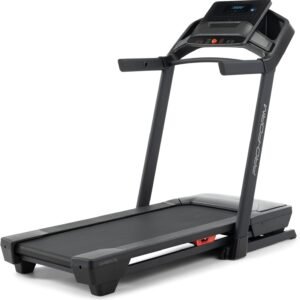
Check also article: What is the best treadmill for home use for obese women

A Critical Evaluation of Supplement Categories
No pill replaces a caloric deficit, balanced nutrition, and regular exercise. However, certain supplements may offer supportive benefits by targeting specific barriers common in the early 40s.
Category 1: Appetite Regulation & Craving Control
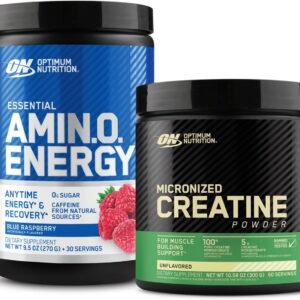
- Key Ingredient: Protein Powder (Whey, Collagen, or Plant-Based): Not a stimulant, but arguably the most effective tool. High-protein intake increases satiety, preserves lean muscle mass during weight loss (crucial for maintaining metabolism), and has a high thermic effect of food (burning calories during digestion). A protein shake can strategically curb afternoon cravings.
- Key Ingredient: Glucomannan: A soluble, viscous fiber from the konjac root. It expands in the stomach, promoting feelings of fullness and reducing overall calorie intake at subsequent meals. It must be taken with ample water. Clinical support for its role in weight loss is more robust than for many stimulant-based products.
Category 2: Metabolic & Thermogenic Support
- Key Ingredient: Green Tea Extract (Standardized for EGCG): A well-researched compound that may support a mild increase in calorie burning (thermogenesis) and fat oxidation. Its effects are modest but consistent in research. It also provides antioxidants without excessive caffeine.
- Key Ingredient: Capsaicin/Cayenne Pepper: May promote thermogenesis and increase fat oxidation. It can also modestly reduce appetite. Its effects are mild but can be part of a synergistic formula.
- Important Note on Stimulants: Formulas heavy in caffeine, synephrine, or other stimulants should be approached with caution. They can exacerbate perimenopausal anxiety, disrupt sleep—a critical pillar for weight management and hormone balance—and lead to tolerance and energy crashes.
Category 3: Hormonal & Stress Support
- Key Ingredient: Adaptogens (Ashwagandha, Rhodiola Rosea): These do not directly “burn fat.” Instead, they help modulate the body’s stress response by supporting healthy cortisol levels. By mitigating the weight-promoting effects of chronic stress, they may indirectly support metabolic health and reduce stress-related eating.
- Key Ingredient: Omega-3 Fatty Acids (EPA/DHA): While not a weight loss miracle, high-quality fish oil supports metabolic health, reduces inflammation (often elevated with age), and may improve body composition when combined with exercise. Its primary benefits are foundational to overall health.
Check also article: The Truth About Weight Loss Supplements
Foundational Priorities: The Non-Negotiables
Supplements are adjuncts, not foundations. Any regimen must be built upon:
- Strength Training: The single most important activity for counteracting sarcopenia, boosting BMR, and improving insulin sensitivity. It shapes body composition more effectively than cardio alone.
- Protein Prioritization: Aiming for 1.6-2.2 grams of protein per kilogram of body weight daily to support muscle, satiety, and metabolic health.
- Sleep Hygiene: Poor sleep disrupts ghrelin (hunger hormone) and leptin (satiety hormone), directly driving weight gain. Prioritizing 7-9 hours is non-negotiable.
- Blood Sugar Management: Focusing on high-fiber carbohydrates, pairing carbs with protein and fat, and avoiding blood sugar spikes and crashes that fuel cravings and fat storage.
A Strategic, Safety-First Approach
- Consult a Healthcare Provider: Before starting any new supplement, discuss it with a doctor, especially if you have pre-existing conditions (thyroid, blood pressure, anxiety) or take medications.
- Seek Third-Party Certification: Choose products with seals from NSF International, USP, or ConsumerLab.com to ensure label accuracy and absence of contaminants.
- Manage Expectations: Expect modest, supportive benefits measured in single-digit percentage improvements in weight loss efforts, not drastic transformations. The goal is sustainable support, not rapid, unsustainable loss.
- Audit Lifestyle First: Investing in a session with a registered dietitian or a certified personal trainer specializing in women’s health in their 40s will yield a far greater return than any bottle of pills.
Conclusive Perspective
For a woman in her early 40s, the most effective “weight loss supplement” strategy is a holistic protocol that honors the body’s changing physiology. This involves prioritizing macronutrients (especially protein), engaging in strategic exercise (especially strength training), and managing stress and sleep. Within this framework, select supplements like high-quality protein, targeted fibers, and stress-modulating adaptogens can play a legitimate, supportive role in overcoming specific, age-related barriers. The focus must shift from mere weight loss to the broader, more sustainable goal of metabolic health and body composition mastery.
Frequently Asked Questions (FAQ)
1. What is the most important supplement for weight loss in your 40s?
While not traditionally marketed as a “weight loss supplement,” high-quality protein powder is arguably the most effective. It directly addresses key age-related challenges: preserving metabolism-supporting muscle, promoting satiety to manage calories, and aiding in body recomposition when paired with resistance training.
2. Do fat burner supplements work for women over 40?
The term “fat burner” is often a marketing misnomer. Stimulant-based products can temporarily increase calorie expenditure but often at the cost of sleep and increased anxiety, which are counterproductive. Their effects are marginal and unsustainable. A focus on ingredients that support metabolism through non-stimulant means (like green tea extract) or that manage cravings (like fiber) is a more rational and safer approach.
Check also: Best Workouts to Lose Belly Fat
3. How do perimenopause and hormones affect supplement choice?
Fluctuating estrogen can increase insulin resistance and abdominal fat storage. Therefore, supplements that support blood sugar balance (like fiber) and reduce stress (adaptogens) become more relevant than aggressive thermogenics. Avoiding supplements that disrupt sleep or increase anxiety is also critical, as these issues are often already heightened.
4. Are there specific ingredients I should avoid?
Be cautious of:
- High-Stimulant Blends: Excessive caffeine, synephrine, or other stimulants that can disrupt sleep and hormones.
- Proprietary Blends with Undisclosed Doses: These hide the actual amounts of ingredients, making efficacy and safety impossible to assess.
- “Miracle” Claims: Any product promising extreme, rapid weight loss without diet or exercise is deceptive and potentially dangerous.
5. Should I get any blood work done before starting?
It is highly advisable. Checking levels of Vitamin D, B12, iron/ferritin, and thyroid hormones (TSH, Free T3/T4) can reveal underlying deficiencies or conditions (like subclinical hypothyroidism) that impede weight loss. Correcting these through targeted supplementation or medication under a doctor’s guidance is a foundational first step.