


The Complete Vitamin Supplements List: What You Really Need for Optimal Health
The complete vitamin supplements list. In today’s fast-paced world, getting all essential vitamins from food alone can be difficult. That’s why vitamin supplements have become a key part of maintaining health, energy, and longevity. But not all supplements are created equal — and not everyone needs the same vitamins. This article breaks down the most important vitamins, their benefits, natural food sources, and how to choose the best supplements for your individual needs.
Why Vitamin Supplements Matter
Vitamins are organic compounds your body needs in small quantities to function properly. They support metabolism, strengthen the immune system, and promote cellular repair. While a balanced diet should ideally provide all necessary vitamins, factors like poor soil quality, processed foods, and stress have made supplementation a practical necessity for many people.
For example:
- Busy lifestyles often lead to missed meals or convenience foods.
- Aging reduces nutrient absorption.
- Athletes, vegetarians, and vegans have higher micronutrient needs.
- Chronic stress and pollution increase oxidative damage, requiring more antioxidants.
Taking the right supplements helps fill nutritional gaps and keeps your body working at its best.
Check also: Guide to Buying High-Quality Vitamins and Supplements Online
Vitamin A – Vision and Immunity Booster
What it does:
Vitamin A supports good vision, skin health, and immune function. It’s vital for the proper functioning of the heart, lungs, and kidneys.
Food sources:
Carrots, sweet potatoes, spinach, kale, and liver are excellent sources.
Supplement tip:
Choose beta-carotene (a plant-based form of Vitamin A) if you prefer a safer, non-toxic option. Look for 2500–5000 IU per day unless otherwise advised by a healthcare professional.

Vitamin B Complex – Energy and Brain Support
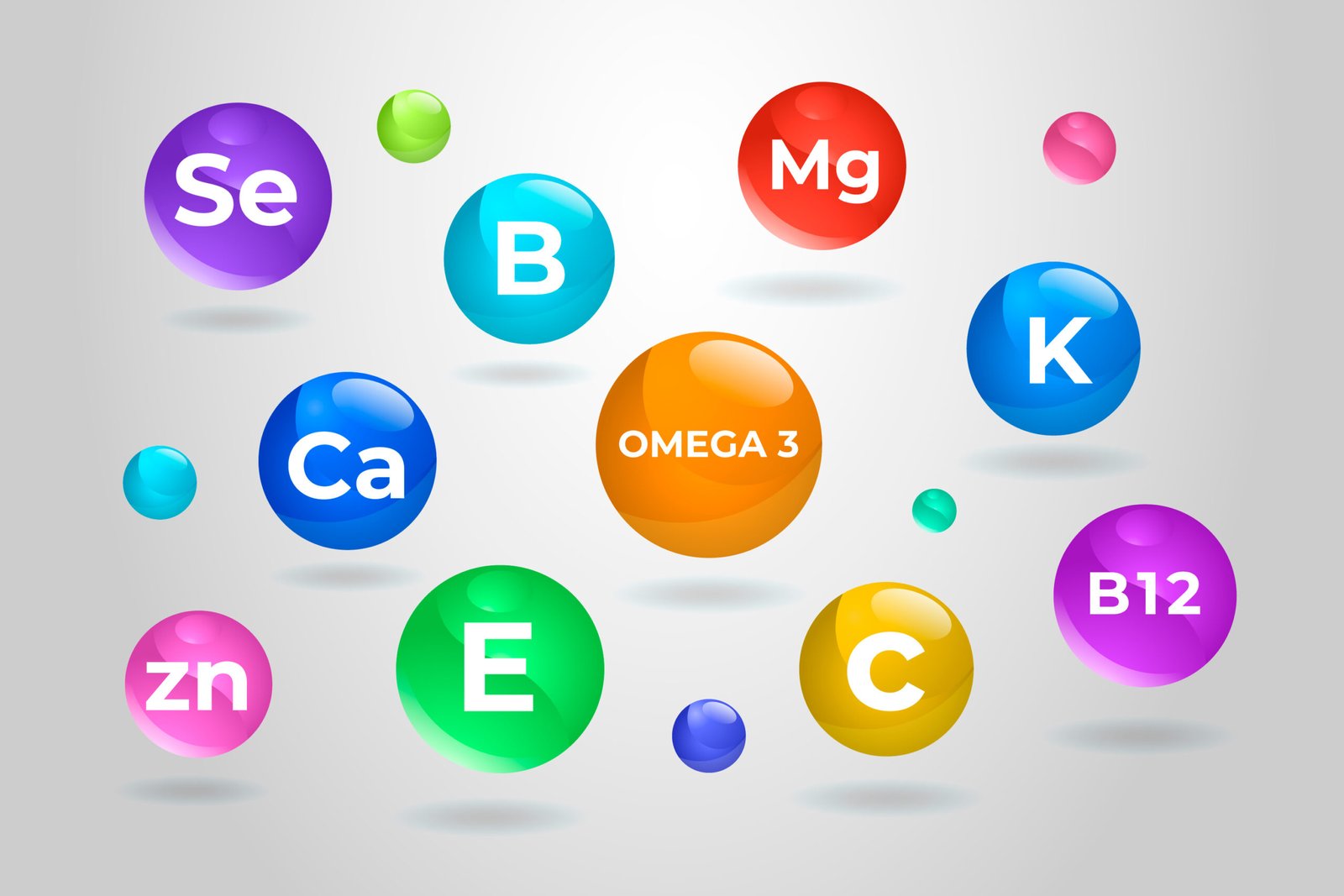
The B-vitamin family includes eight essential vitamins that work together to convert food into energy and maintain nerve and brain health.
Includes:
- B1 (Thiamine) – supports energy metabolism and nerve function.
- B2 (Riboflavin) – aids in cell growth and repair.
- B3 (Niacin) – improves cholesterol and energy metabolism.
- B5 (Pantothenic Acid) – supports hormone production.
- B6 (Pyridoxine) – essential for brain development and immune health.
- B7 (Biotin) – promotes healthy hair, skin, and nails.
- B9 (Folate) – crucial for DNA synthesis and pregnancy health.
- B12 (Cobalamin) – supports nerve cells and red blood cell formation.
Check also: multivitamins for athletes
Best sources:
Whole grains, eggs, legumes, meat, fish, and leafy greens.
Supplement tip:
If you follow a vegan or vegetarian diet, supplementing B12 is a must, as it’s only naturally found in animal products. A balanced B-complex supplement provides steady energy without caffeine jitters.
Vitamin C – The Immune System Hero
What it does:
Vitamin C (ascorbic acid) is a powerful antioxidant that strengthens the immune system, promotes collagen formation, and helps absorb iron.
Food sources:
Oranges, kiwi, bell peppers, strawberries, and broccoli.
Supplement tip:
Choose a time-release Vitamin C or one with bioflavonoids for better absorption. The daily recommended intake is 500–1000 mg for most adults.
Vitamin D – The Sunshine Vitamin
What it does:
Vitamin D is crucial for calcium absorption, bone strength, immune health, and even mood regulation.
Why supplementation matters:
Many people are deficient due to limited sun exposure, sunscreen use, or living in northern climates.
Food sources:
Fatty fish (salmon, sardines), egg yolks, fortified milk, and mushrooms.
Supplement tip:
Opt for Vitamin D3 (cholecalciferol) — the most bioavailable form. A typical dosage is 1000–2000 IU daily, but check blood levels to personalize it.
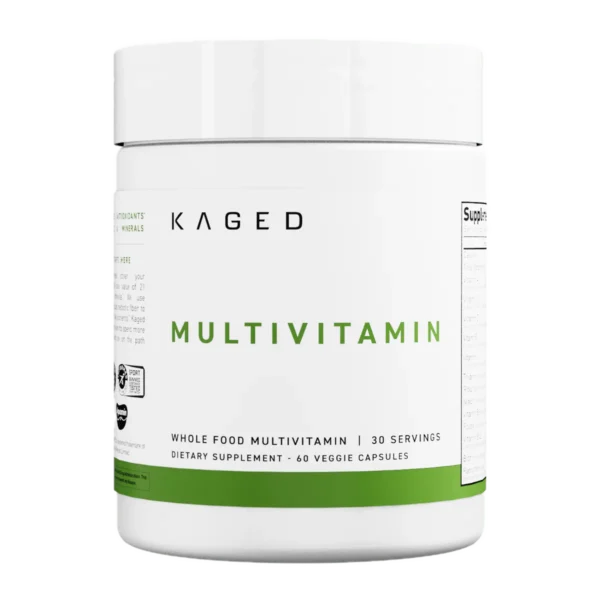
KAGED Multivitamin
Vitamin E – The Skin Protector and Antioxidant
What it does:
Vitamin E helps protect cells from oxidative stress, supports the immune system, and promotes skin and eye health.
Food sources:
Nuts, seeds, spinach, avocados, and vegetable oils.
Supplement tip:
Choose natural Vitamin E (d-alpha-tocopherol) rather than the synthetic version (dl-alpha-tocopherol). Around 200–400 IU daily is often recommended for adults.
Vitamin K – The Bone and Blood Health Vitamin
What it does:
Vitamin K is essential for blood clotting and bone metabolism. It works in harmony with Vitamin D to maintain calcium balance.
Food sources:
Kale, spinach, broccoli, and fermented foods like natto.
Supplement tip:
Look for Vitamin K2 (menaquinone), especially MK-7, as it’s better absorbed and lasts longer in the body than K1.
Check also: Top Vitamins and Minerals Every Athlete Needs
Top Multivitamin Supplements for Everyday Use
Sometimes it’s more convenient to take a comprehensive multivitamin that combines all essential nutrients. A quality formula should include vitamins A, C, D, E, K, and the full B-complex, along with minerals like zinc, magnesium, and selenium.

Best picks:
- Garden of Life Vitamin Code Men/Women – made from whole foods.
- Optimum Nutrition Opti-Men / Opti-Women – trusted for athletic performance.
- Nature Made Multivitamin – affordable and USP-verified for quality.
- Thorne Basic Nutrients 2/day – high-quality and NSF Certified.
When choosing a multivitamin, look for one free from artificial colors and fillers, with clear labeling of nutrient amounts.
How to Choose the Right Vitamin Supplements
Here’s how to pick supplements that actually make a difference:
- Check ingredient quality – Choose reputable brands with third-party testing (USP, NSF, or GMP certified).
- Watch out for mega-doses – More is not always better; fat-soluble vitamins (A, D, E, K) can accumulate to toxic levels.
- Consider your lifestyle – Vegans may need B12 and D; athletes often need extra magnesium and C; older adults may require D3 and calcium.
- Avoid unnecessary additives – Skip supplements with artificial colors, titanium dioxide, or excess sugar.
- Consult a doctor or nutritionist – Especially if you take medications or have health conditions.
Common Signs of Vitamin Deficiency
Recognizing early warning signs helps you act before problems worsen.
Here are a few examples:
- Fatigue or low energy → Possibly B12 or iron deficiency
- Dry skin and weak nails → May indicate low biotin or Vitamin E
- Frequent colds → Often due to low Vitamin C or D
- Bone pain or muscle weakness → Can be linked to Vitamin D deficiency
- Poor night vision → Could signal Vitamin A deficiency
If symptoms persist, get a blood test to confirm specific deficiencies.
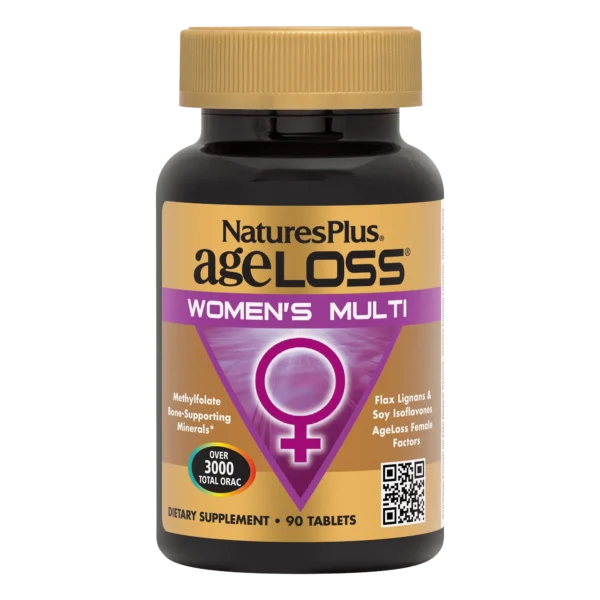
Natures Plus AgeLoss Women’s Multivitamin Tablets
Are Vitamin Supplements Safe?
When taken in recommended doses, most vitamins are safe. However, excessive intake can cause harm — particularly with fat-soluble vitamins (A, D, E, K). Always read labels carefully and avoid overlapping doses from multiple products.
Tip: Combine supplements with a balanced diet rich in fruits, vegetables, lean proteins, and whole grains for the best results. Supplements should complement your diet, not replace it.
Conclusion: Balance Is the Key to Vitamin Health
Vitamin supplements can significantly improve your overall health, energy, and longevity — but only when used wisely. Focus on getting as many nutrients as possible from whole foods, and use supplements to fill in the gaps.
Remember: the best vitamin supplement is the one that meets your body’s unique needs. Be consistent, choose quality, and track your progress. Your body will reward you with better energy, stronger immunity, and long-term vitality.
Check also: All about multivitamins supplements