

Gym Supplements for Women: A Comprehensive, Evidence-Based Guide
Gym Supplements for Women. In the evolving world of fitness, more and more women are lifting weights, doing high-intensity training (HIIT) and optimizing their bodies—not merely for aesthetics but for strength, longevity, health and performance. With that shift comes one of the common questions: Should I use supplements? If yes — which ones, when, how much, and are they safe?
This article aims to give women (of all ages, fitness levels and goals) a robust, science-informed guide to gym supplements. I’ll cover what you should prioritise, what supplements can help (and when), how to choose them wisely, and when they may be unnecessary.
Because this is for information purposes, I’ll weave in key-phrases relevant to what someone might search: “gym supplements for women,” “best supplements for female fitness,” “women’s workout supplements,” “supplements for women strength training,” etc. My goal: give you something truly valuable (not just fluff) so women can make informed decisions—rather than blindly follow marketing.
Why supplements must be approached differently for women
While many supplement articles treat men and women identically, the truth is the female body has unique physiology, life-stage changes, hormonal fluctuations and nutritional needs. Research shows that women’s responses to exercise and nutrition can differ meaningfully.
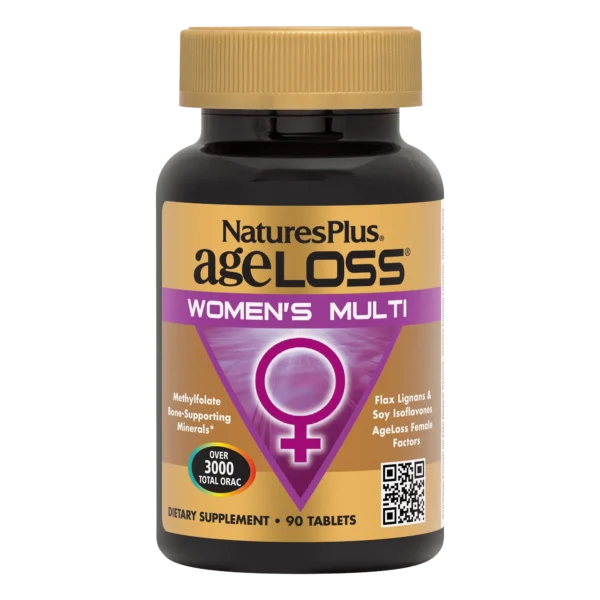
Natures Plus AgeLoss Women’s Multivitamin Tablets
Here are key considerations:
- Hormonal cycles & phases: The menstrual cycle (follicular and luteal phases), oral contraceptive use, pregnancy, postpartum and menopause all create shifts in metabolism, muscle protein synthesis and nutrient needs. For example, during the luteal phase (high progesterone) muscle-building may be harder.
- Lean mass & baseline stores: Women on average have less lean muscle mass (and lower circulating testosterone) than men, which affects how quickly muscle is built and how supplements like creatine behave.
- Different nutrient requirements: Bone health, iron status, hormonal health and recovery may be more critical for many women. Some supplements that are often male-targeted may not address the best priorities for women.
- Research gap: Historically, women have been under-represented in sports nutrition research. So, while we can apply many findings, the data for women specifically is smaller.
Because of these factors, “gym supplements for women” isn’t simply “supplements in general” with a pink label. The priority is food + training, then select supplements that fill meaningful gaps—not chase every trendy pill.
Read more: Fitness Supplements for Women: A Science-Backed Guide to Fueling Your Body and Goals
The foundational pillars before supplements
Before you buy a single bottle, make sure these fundamentals are in place. Supplements cannot overwrite poor habits.
1. Balanced, high-quality diet
No amount of powders will fix a diet that’s chronically low in calories, nutrients or protein. Some experts assert that most athletes get all they need from whole foods. For women especially: adequate calories, quality protein, veggies, healthy fats, iron (if needed) and proper hydration.
2. Strength-based training & consistency
Supplements support training—they don’t create it. If you’re doing minimal resistance training or inconsistent workouts, then supplements will have minimal effect. For building lean muscle or improving strength, you need a consistent plan, progressive overload, proper rest and recovery.
3. Recovery, sleep & stress management
Muscle repair, hormonal balance, metabolic health—these all rely on good rest. Sleep-deprived, chronically stressed or over-trained bodies are less responsive to training and supplementation.
4. Individual assessment
Women have variable iron status, menstrual cycles, bone health needs (especially around menopause), etc. A supplement may be helpful—or unnecessary—depending on your individual context. A healthcare professional or sports dietitian can help you assess.
Only after these pillars are solid should you think of supplements as the “fine-tuning” tools of your regimen.
The “best supplements for women working out” – a tiered approach
Below I outline key supplements that can be beneficial for women who engage in gym training, along with how to think about them, how to choose them, and special considerations.
Check also: a scientific guide for women’s supplements
A. Very likely helpful (high priority)
These are supplements with strong evidence, suitability for many active women, and relatively low risk (assuming good health and rights doses).
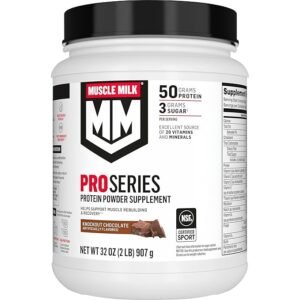
1. Protein supplementation
Why it matters: Protein is arguably the single most important nutrient for strength training, repair, recovery and lean muscle retention. For women, especially during higher hormone-phases or aging, higher protein intakes support muscle-building.
What to look for: Whey protein (or for those vegan/plant-based, good quality plant proteins) with sufficient essential amino acids and at least ~2-3 g of leucine per serving (leucine is key for muscle protein synthesis).
Practical tip: Aim for ~1.2-2.2 g/kg/day of protein depending on your goal (maintenance vs growth) and distribute 20-30 g servings throughout the day, ideally around training.
Special for women: During certain phases (e.g., luteal) or aging/menopause when muscle synthesis is harder, prioritising protein becomes even more important.
Caveats: Not a substitute for whole-food protein sources. Choose a third-party tested product if you’re buying.
2. Creatine monohydrate
Why it matters: Contrary to some myths, creatine is not just for men. For women it offers benefits in lean body mass, strength, recovery and bone health. Research shows women have lower natural creatine stores, so supplementation may yield meaningful gains. Another study: women’s lower endogenous stores compared with men.
How to take: Typical dose 3-5 g/day of creatine monohydrate (the most studied form). Some “loading” protocols exist but not strictly necessary.
Women-specific benefits: Helps in phases of low estrogen (e.g., menopause) when muscle and bone loss risk increase.
Caveats: Ensure kidney health is OK; stay well hydrated; choose a product tested by third-party (NSF Certified, etc.) to avoid contamination.
Bonus: May also support cognitive function, though that is secondary.
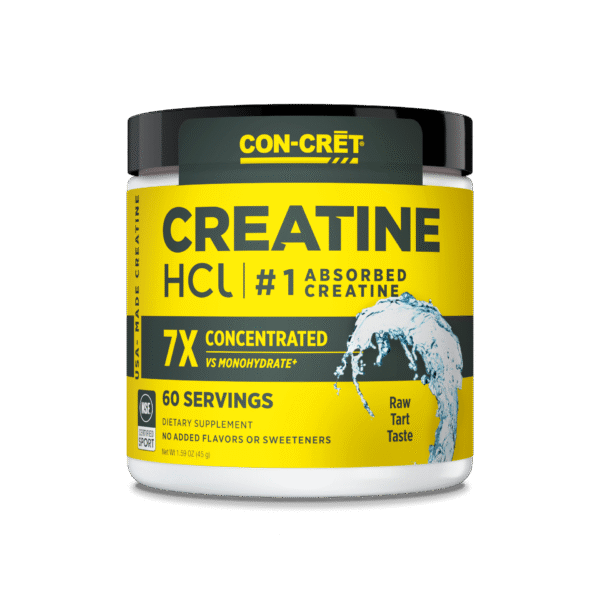
CON-CRĒT Creatine HCL
B. Possibly helpful (mid priority, depending on goal/context)
These supplements may offer benefit in certain contexts (e.g., fat-loss phase, heavy training schedule, older age, etc). They are not universally necessary.
3. Beta-alanine
What it does: An amino acid that, when supplemented ~4-6 g/day over 2-4 weeks, has been shown to improve performance in high-intensity efforts (1-4 min) by helping buffer muscle acidosis (build-up of H+ ions).
Why for women: If you do HIIT, sprints, circuit training, or hard intervals, beta-alanine can support endurance and delay fatigue.
Considerations: There is a tingling (paresthesia) side-effect at higher doses—harmless but can feel odd.
Caveats: Less critical for long slow cardio; best when matched to training type.
4. Omega-3 fatty acids (EPA/DHA) & anti-inflammatory nutrients
Why it matters for women: Women may face more inflammation from training plus hormone fluctuations. Omega-3s support recovery, joint-health, and general wellbeing. While not strictly a “gym supplement,” they are helpful support nutrients.
Practical tip: Prioritise oily fish 2-3x/week; if diet lacking, a high-quality omega-3 supplement (third-party tested) could help.
Caveat: Supplements are supporting players, not front-line performance enhancers—so keep expectations realistic.
5. Multivitamin & mineral support (if indicated)
Why it matters: Women can be at risk of iron deficiency, calcium/vitamin D shortfall (especially if vegan/vegetarian), and bone health issues (especially post-menopause). For women training regularly, ensuring micronutrient adequacy supports performance, recovery and long-term health.
Key nutrients for women: Iron (if blood-tested low), vitamin D, calcium, magnesium, zinc, B-vitamins.
Caveat: Supplements cannot make up for poor diet; iron supplementation should always be blood-test-driven.
Worth a read: The Ultimate Guide to the Best Supplements for Women Who Lift
C. Lower-priority or situational (use with caution)
These are supplements that might be used in special situations (fat-loss, cutting, hormonal transition, ageing) but should not be first line, and often come with more hype and less research.
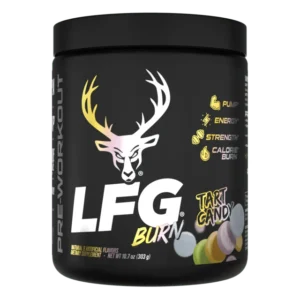
6. Caffeine & pre-workout blends
What to know: Caffeine is one of the most effective ergogenic aids—improves focus, power output and endurance. Pre-workout blends often combine caffeine with beta-alanine, citrulline, etc.
For women specifically: It can boost performance in training, especially when energy is low. But: sensitivity varies, and the hormonal cycle (and contraceptive use) may affect caffeine metabolism (so extra caution).
Caveats: Timing, dose and quality matter. Avoid “glitterbomb” pre-workouts with massive stimulants or proprietary blends you don’t understand. Especially important if you have anxiety, insomnia or are pregnant.
7. Fat-burner / thermogenic supplements
Reality check: These have less consistent evidence, can carry more risk (stimulants, proprietary blends) and for women especially the hormonal fluctuations can raise side-effect risk (sleep issues, hormone disruption). Articles caution about supplement misuse.
Use only if: You are already lean, training intensely, nutrition and recovery are dialled, and you’ve consulted a professional. Otherwise skip.
Check also article: Top Fat Burners for Weight Loss – what really works
8. Herbal adaptogens / hormone-supporting supplements
There is growing interest in adaptogens (ashwagandha, maca, etc) especially for women experiencing stress, hormonal changes, menopause. But evidence is moderate at best—use as complementary, not foundational.
Timing & integration with training
Knowing what to take is only half the battle. When and how you integrate supplements into your training and nutrition matters.
- Protein: Post-workout (~30-60 minutes after) is a useful window for recovery and muscle protein synthesis. Also, spacing protein across the day (~3-4 hours) seems optimal.
- Creatine: Daily dosing is key (not just pre or post-workout). A consistent habit matters more than timing.
- Beta-alanine: Requires loading / several weeks of use.
- Caffeine / pre-workout: 15-30 minutes before training is typical.
- Omega-3 / vitamins: Daily, with meals, for ongoing support—not dependent on workout timing.
Ghost Legend All Out
Life-stage integration for women
Because women’s physiology changes, you may want to adjust based on phase:
- During menstrual cycle: In the luteal phase when progesterone is higher (which is more catabolic), emphasising protein and recovery support may be wise.
- Pregnancy / postpartum: Many supplements aren’t recommended; professional guidance is essential.
- Peri-menopause & menopause: Given decline in estrogen and muscle mass, creatine + strength training + enough protein become more important.
How to choose supplement brands & stay safe
With a crowded market and marketing hype, you want to choose wisely:
- Look for third-party testing: Certifications like NSF Certified for Sport or Informed Choice help ensure product is free of banned substances and accurately labelled.
- Avoid proprietary blends you can’t decipher: If a label doesn’t tell you exact amounts of key ingredients, skip.
- Check ingredient list for unnecessary fillers, stimulants or allergens.
- Be wary of claims that sound too good (quick fat-loss, “magic pill”) – they often lack evidence.
- Keep your doctor or dietitian in the loop: Especially if you take medications, have hormone issues, are pregnant or have health conditions. Many supplement ingredients can interact, and the research in women is still emerging.
- Remember: Supplements support, not replace, a sound training & nutrition foundation. As one expert put it: “In general, most athletes do not need supplements of any kind and are best off to get all their calories, healthy proteins, and other vitamins and minerals from real foods.”
Check also: Can Women Use Creatine The Same Way As Men Do?
Sample supplementation plan for a woman training 3-5x/week
Here’s an example of how it could look, depending on your goal. Always tailor to your individual needs.
Goal: Build lean muscle / strength
- Ensure daily protein ~1.6-2.0 g/kg body-weight (or as advised by a pro).
- Use a whey or plant protein supplement post-workout (or later in the day) to hit your target.
- Take 3-5 g creatine monohydrate daily (with water or in shake).
- On HIIT days, consider adding beta-alanine (if chosen) or caffeine pre-workout (if no contraindications).
- Ensure omega-3 intake (via diet or supplement).
- Monitor iron/vitamin D/calcium status (especially if vegetarian/vegan/less dairy).
- Follow recovery protocol: sleep 7-9 h, manage stress, include mobility/recovery sessions.
Goal: Maintenance / fat-loss with strength retention
- Protein target slightly higher (e.g., 1.6-2.2 g/kg) to preserve lean mass during calorie deficit.
- Creatine still beneficial (supports performance & retention of muscle).
- Caffeine + good training session can help maintain performance even when calories are lower.
- Skip aggressive fat-burners unless vetted and necessary.
- Focus on nutrient-rich food and recovery.
Goal: Older woman (50+), peri-menopause/menopause
- Emphasise resistance training and muscle preservation.
- Creatine is especially helpful (supports muscle + bone).
- Protein intake is critical—aim toward upper end of range (perhaps 1.8-2.2 g/kg or as adjusted by professional).
- Omega-3 + vitamin D + calcium for bone health.
- Consider adaptogens or hormonal-support supplements only with medical guidance.
Frequently asked questions (FAQs)
Q: Do I have to take supplements to see results?
A: No. Fundamentally, you’ll see results from good training, nutrition and rest. Supplements may accelerate, support or fill gaps—but they aren’t required. Indeed, some researchers suggest many exercisers don’t need them.
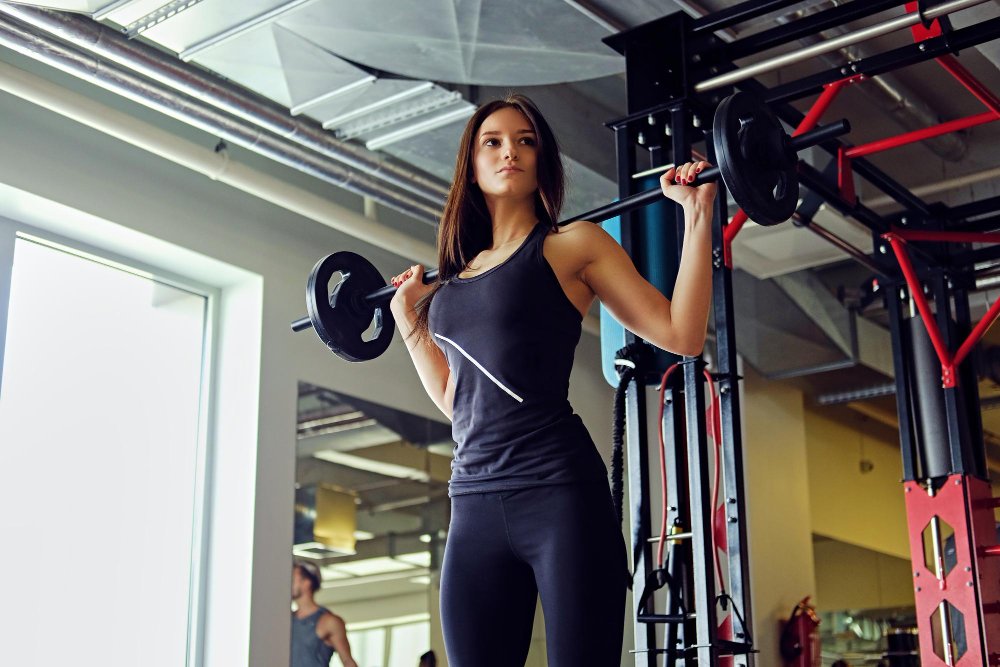
Q: Will supplements make me bulky or “bulky like men”?
A: Very unlikely. Women generally have far lower testosterone, so muscle-growth is much slower. Supplements like protein and creatine support your gains—they don’t create them alone. The muscle you build depends on your training, diet and genetics. The myth of going “too bulky” is largely unfounded for most women.
Q: Are there supplements I should avoid?
A: Be cautious with fat-burner/thermogenic blends (especially untested ones), very high-dose stimulants, or “hormone-support” products without clinical backing. Also, any supplement marketed to “treat” disease or replace food is suspect. Research shows some products are adulterated or mis-labelled.
Q: What about vegan/vegetarian women?
A: Good question. If you’re plant-based, you may have slightly different priorities: ensure adequate protein quality (combining plant proteins if needed), pay attention to iron/B12/zinc/omega-3 (EPA/DHA) status. Creatine stores might be lower in vegetarians, so creatine supplement can be especially helpful.
Q: When should I stop or review my supplement protocol?
A: Good triggers include: change in goals (e.g., from strength-building to maintenance), life-stage change (pregnancy, menopause, injury), hitting a plateau, or if you’ve been using something for >6-12 months without review. Also, always review if you change medications, health status or training frequency/intensity.
Key take-away
If you’re a woman training in the gym (for strength, body-composition, performance or health), a smart approach to supplements is:
- Nail the foundation: diet + training + recovery
- Add supplements that have strong evidence and suit your goals (e.g., protein, creatine)
- Use mid-tier supplements when your context calls for them (e.g., beta-alanine for HIIT)
- Be cautious with gimmicks and remember: supplements support—they don’t replace
- Choose high-quality, third-party tested products and consult a professional, especially when life-stage or health context is unique.
When done well, gym supplements for women can become the fine-tuned tools that help you train harder, recover faster and build a stronger, healthier body—with fewer compromises. But they work best when you respect the unique physiology of women, and integrate them into a holistic plan.