

Top 10 Sport Supplements That Can Help Men Over 30 Lose Weight
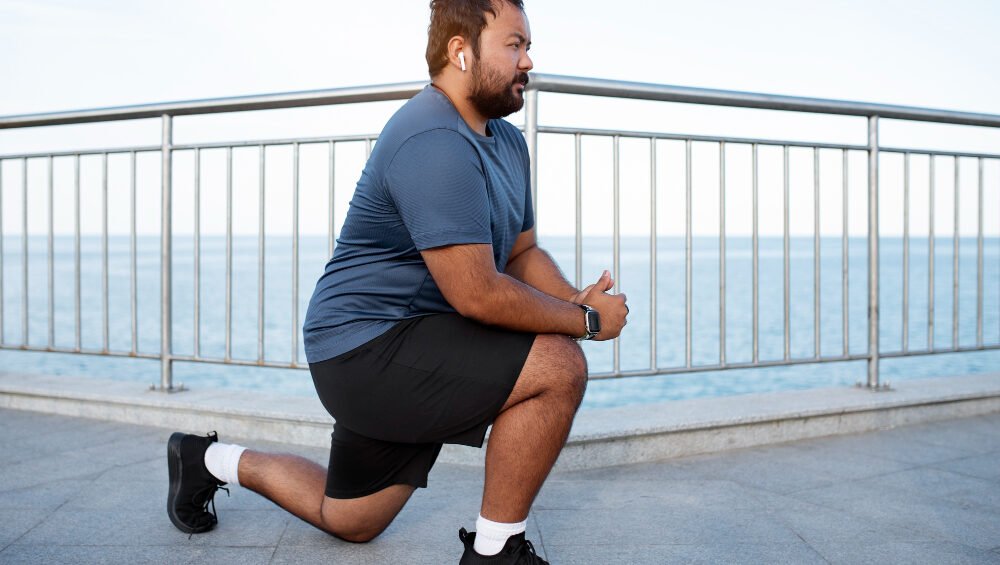
Losing weight after 30 feels different than it did in your twenties. Metabolism slows, muscle mass drifts down if you’re not lifting, stress and sleep patterns change, and recovery takes longer. For men over 30 who exercise and want to lose fat while preserving — or even building — muscle, supplements can help when used correctly alongside sensible nutrition and training. They’re not magic: think of supplements as tools that amplify good habits rather than replace them.
Below you’ll find a practical, evidence-focused list of the top 10 supplements that can assist weight loss for men over 30 — why each helps, how to use it, safety considerations, and real-world tips so you don’t waste money on hype.
Quick primer: what matters most for losing fat after 30
Before the list: prioritize these fundamentals, because supplements only work on top of them:
- Calorie control — moderate, sustainable deficit (not starvation).
- High protein intake — preserves muscle and increases fullness. Aim for ~1.6–2.2 g/kg body weight depending on activity.
- Resistance training — essential to keep/ build lean mass and metabolic rate.
- Quality sleep & stress management — crucial for recovery and hormones.
- Consistent cardio & NEAT (non-exercise activity thermogenesis).
Supplements are chosen here to help with satiety, metabolic rate, fat oxidation, muscle preservation, recovery, or practical adherence to a fat-loss plan.

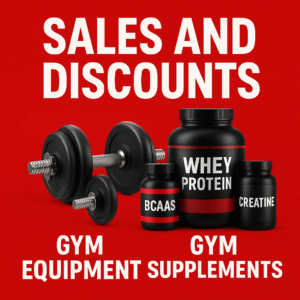
1. Whey Protein (or another fast-digesting high-quality protein)
Why: Higher protein helps preserve muscle during a calorie deficit, increases thermic effect of food, and reduces appetite. Whey is especially useful post-workout for fast amino acid delivery.
How to use: 20–40 g per serving. Use as needed to hit daily protein targets (e.g., a shake post-workout or as a high-protein snack).
Evidence: Numerous trials show protein supports lean mass retention and satiety during weight loss.
Safety/tips: Choose whey concentrate/ isolate if lactose is an issue; look for third-party testing. Avoid relying solely on shakes — real food first.
2. Creatine Monohydrate
Why: Creatine helps increase strength and power, allowing you to train harder and retain muscle during caloric restriction. It may cause a small weight gain from water inside muscle cells, but this is beneficial for performance.
How to use: 3–5 g daily (no loading necessary). Take anytime; post-workout with carbs/protein can be convenient.
Evidence: Strong support for improved strength and muscle mass when combined with resistance training.
Safety/tips: Extremely well-studied and safe for healthy adults. Drink water and don’t worry about the mild “weight” bump — it’s usually muscle/hydration.
3. Caffeine (or caffeine + green tea stack)
Why: Caffeine increases energy, focus, and metabolic rate, and can improve workout intensity and fat oxidation. Pairing with green tea extract (EGCG) can further aid fat loss.
How to use: 100–300 mg before workouts or in the morning (adjust tolerance). Green tea extract: 250–500 mg/day (standardized to EGCG).
Evidence: Meta-analyses show caffeine modestly increases calorie burn and enhances exercise performance. Green tea’s EGCG shows small but meaningful effects on fat loss in some studies.
Safety/tips: Don’t exceed ~400 mg caffeine/day without medical clearance. Avoid late-day caffeine if sleep suffers. Beware of interactions with certain meds and heart conditions.
4. HMB (β-Hydroxy β-Methylbutyrate)
Why: HMB helps protect muscle mass during calorie deficits and can speed recovery — very useful for older trainees who lose muscle more easily.
How to use: 2–3 g/day, split doses.
Evidence: Good data shows HMB reduces muscle breakdown and supports strength recovery in calorie-restricted adults and older populations.
Safety/tips: Safe for most people; best used when training consistently and in a deficit.
Alani Nu Fat Burner
5. Fish Oil (Omega-3 EPA/DHA)
Why: Omega-3s support metabolic health, inflammation control, and recovery. They don’t directly melt fat but help you recover and maintain intensity in training, which supports long-term fat loss. Also useful for cardiovascular health as men age.
How to use: 1–3 g combined EPA+DHA daily (common supplement doses).
Evidence: Evidence for direct fat loss is modest, but strong for reducing inflammation, improving body composition when combined with exercise, and supporting overall health.
Safety/tips: Choose molecularly distilled or third-party tested oil to avoid contaminants. If on blood thinners, consult your physician.
Check also: Supplements for Men Over 40 to Stay Strong and Lean
6. Fiber/Fiber Supplements (e.g., Glucomannan, Psyllium)
Why: Soluble fiber increases fullness, reduces appetite, and can reduce calorie intake when taken before meals. Glucomannan is one of the most researched for weight loss.
How to use: Glucomannan common dose: ~1–3 g before meals (split doses); psyllium 5–10 g/day as part of meals. Always take with plenty of water.
Evidence: Small but meaningful reductions in body weight and improved satiety across studies.
Safety/tips: Increase slowly to avoid gas/bloating. Take separate from some medicines (fiber can affect absorption) — space 1–2 hours apart.
7. L-Carnitine (Acetyl-L-Carnitine or L-Carnitine L-Tartrate)
Why: Carnitine plays a role in fatty acid transport into mitochondria — supplementation may help with exercise performance, recovery, and body composition, particularly in older adults or individuals low in carnitine.
How to use: 1–3 g/day; if used for performance, take ~1 g pre-workout.
Evidence: Mixed but promising for improving recovery, reducing muscle soreness, and supporting modest fat loss in some populations.
Safety/tips: Generally safe; possible mild GI effects. Some people report fishy body odor at high doses.
8. Probiotics (Targeted Strains)
Why: Gut health affects appetite, inflammation, and possibly body weight regulation. Certain probiotic strains (e.g., some Lactobacillus and Bifidobacterium species) have been associated with modest improvements in body composition.
How to use: Choose multi-strain formulas or clinically studied strains; follow label dosing (often 1–10 billion CFU+).
Evidence: Emerging—effects are strain-specific and modest but could be useful for men with digestive issues or antibiotic history.
Safety/tips: Start with lower doses if you have GI sensitivity. Look for shelf-stable strains or refrigerated options depending on the product.
Check also: Best Supplements for Beginners Starting Gym Training
9. MCT Oil (Medium-Chain Triglycerides)
Why: MCTs are rapidly absorbed fats that can increase satiety and provide a quick energy source. In some contexts, MCTs slightly increase calorie burn and reduce fat deposition when replacing other fats. They can be useful in controlled amounts to curb hunger between meals.
How to use: 1 teaspoon to 1 tablespoon per serving; start small (¼–½ tbsp) to test tolerance and avoid GI upset. Use in coffee, smoothies, or salad dressings.
Evidence: Small metabolic benefits and appetite suppression in short-term trials; long-term effects depend on total calorie balance.
Safety/tips: High doses cause diarrhea or cramping — increase gradually.
10. Conjugated Linoleic Acid (CLA)
Why: CLA is marketed for fat loss; some studies show small reductions in body fat and modest improvements in body composition. Effects are subtle and vary by individual.
How to use: Common dosing is ~2–3 g/day, usually split across meals.
Evidence: Mixed — some positive trials, many neutral. If used, treat as a marginal aid rather than a core strategy.
Safety/tips: Long-term high-dose CLA in animals linked to insulin resistance; human data mixed — monitor glucose if you’re insulin-resistant or diabetic and consult your doctor.

How to choose & stack these supplements (practical plan for men over 30)
If you’re building a simple, safe stack while prioritizing value:
Core (high ROI):
- Whey (or protein of choice) — to hit protein targets.
- Creatine — to preserve/build strength and muscle.
- Fish oil — for overall health and recovery.
- Caffeine (as-needed) — to boost workouts and calorie burn.
Add-ons (situational):
- HMB if you’re in a deep deficit or find muscle loss is a worry.
- Glucomannan or psyllium if you struggle with appetite/portion control.
- Green tea extract if you tolerate caffeine and want the EGCG benefit.
- MCT oil for appetite control between meals (start small).
- Probiotic if you have GI issues or want to support recovery and inflammation.
- CLA if you’re curious and accept its modest effect size.
Safety, timing, and interactions (important)
- See your doctor first if you have cardiovascular issues, hypertension, diabetes, prostate problems, are taking medications (especially blood thinners, stimulants, thyroid meds), or have chronic illness.
- Avoid stacking multiple stimulants (e.g., high-dose fat burners + caffeine + pre-workout) without checking total stimulant load.
- Supplements are less regulated than drugs. Choose products with third-party testing seals (NSF, USP, Informed-Choice).
- Buy from reputable brands with transparent label practices, ingredient lists, and certificates of analysis.
- If you’re taking prescription medication, check for interactions (e.g., green tea/EGCG can interact with certain drugs).
- Watch for GI effects with fiber, MCT oil, or L-carnitine — start low and increase gradually.
Check also: Bodybuilding supplements for muscle growth
Shopping checklist: what to look for
- Third-party testing (NSF, USP, Informed-Sports).
- Full ingredient breakdown — avoid proprietary blends that hide dosages.
- Clear dosing instructions and contact information for the manufacturer.
- Minimal additives and fillers (especially in protein powders).
- Return policy and good reviews from verified buyers.
Sample 8-week plan (how to use supplements with training & diet)
Week 1–2: Focus on protein, creatine, fish oil. Start resistance training 3×/week. Introduce fiber supplement if appetite is high.
Week 3–4: Add caffeine pre-workout for performance (if tolerated) and consider HMB if in a hard deficit.
Week 5–8: Monitor progress. Add green tea extract if weight loss stalled and you tolerate stimulants. Use MCT oil sparingly to control afternoon hunger. Adjust calories and training; keep protein high.
FAQ — What people over 30 ask most
Q: Will a fat-burner melt belly fat fast?
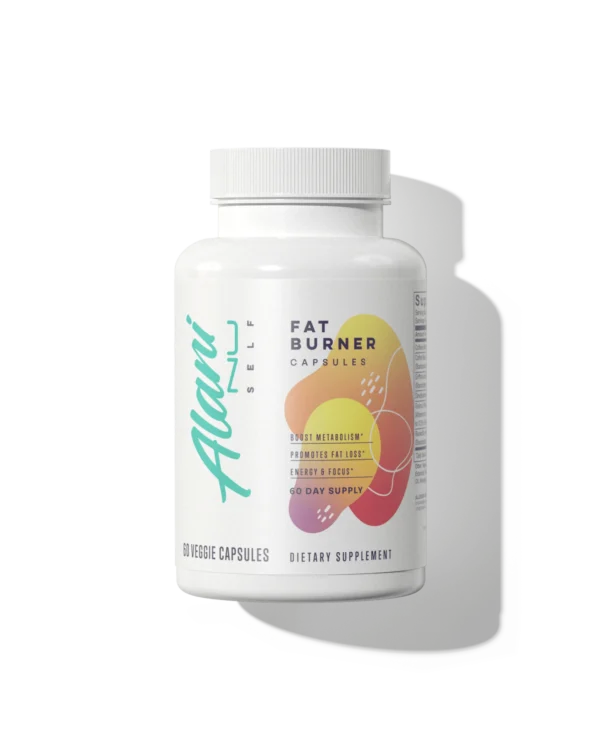
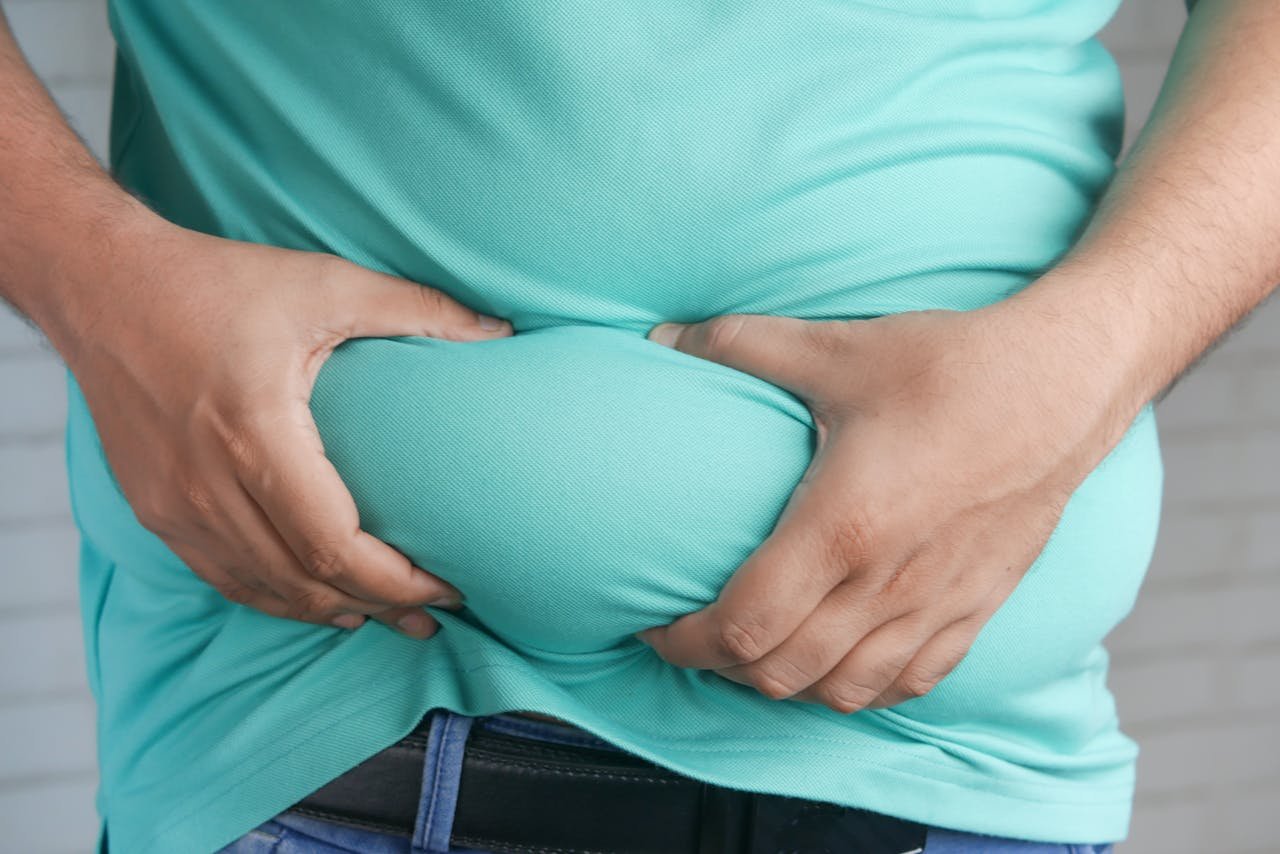
A: No. “Fat-burners” may slightly increase metabolic rate and energy but are not a substitute for calorie control and training. They can have side effects (jitteriness, sleep disruption, increased heart rate).
Q: Will creatine make me gain fat?
A: No — any early weight gain is usually water in muscle. Creatine helps maintain or increase muscle mass, which supports long-term fat loss.
Q: Is protein powder necessary?
A: Not necessary, but convenient. It helps you hit protein targets which are central to preserving muscle while losing fat.
Q: Are supplements safe with my blood pressure meds?
A: Some supplements (like caffeine, yohimbine, certain stimulants) can interfere with blood pressure. Always check with your prescribing physician.
Q: Which two supplements should I buy first?
A: Whey (or high-quality protein) and creatine — highest value for cost and outcomes.
Final notes — realistic expectations and next steps
Supplements can help men over 30 lose fat more comfortably and sustainably by improving satiety, training quality, and recovery. But their power is limited: the biggest wins still come from calorie control, high protein, and progressive resistance training. Use supplements to make those core strategies easier and more effective, not as shortcuts.