


Multivitamins for Athletes — a data-forward guide that actually helps (and won’t waste your time)
Multivitamins for Athletes. Athletes push physiological systems hard: more sweat (loss of electrolytes), higher metabolic turnover, phases of heavy training where appetite or food variety may fall short. That creates both opportunity for micronutrient shortfalls and temptation for quick fixes (one pill = nutritional insurance) — but medicine and marketing are not the same. Population and clinical data show mixed results: micronutrients are essential, but routine multivitamins rarely improve objective performance in well-nourished athletes. MDPI+1
What the science says — short answers with sources
- Are multis ergogenic (performance-boosting) for healthy, well-fed athletes?
No consistent, high-quality evidence supports that routine multivitamin use improves performance metrics in well-nourished athletes. Older and influential reviews concluded little ergogenic effect, and many recent studies echo that message. (Classic synthesis: Williams 2004; long-term trials show no clear performance gains). PMC+1 - Do multis prevent deficiency and help athletes who are deficient?
Yes — targeted supplementation reduces deficiency-related problems. Vitamin D, iron, and B12 are common culprits in athletes and have evidence showing functional benefits when corrected (e.g., improved strength/endurance with vitamin D repletion in deficient athletes). Screening + targeted therapy beats indiscriminate mega-dosing. BioMed Central+1 - How common is supplement use among athletes?
Very common. Surveys show the majority of competitive athletes use some supplements, driven by recovery, health, and belief in performance benefits. That raises risks for inadvertent banned-substance exposure if products aren’t sport-certified. Human Kinetics Journals+1 - Safety note: Fat-soluble vitamins (A, D, E, K) can accumulate; chronic high doses risk toxicity. Also, product quality varies—recalls and contamination occur—so choose third-party tested, sport-certified brands. EatingWell+1
(Those are the five most important evidence-backed points; sources above are high-quality reviews and consensus papers.)
Practical, athlete-first protocol (what I’d do if I were advising a team)
- Test first (don’t guess). Basic labs: CBC (to check iron), ferritin, 25-OH vitamin D, B12 (if vegan/vegetarian), and basic metabolic panel if indicated. If labs are normal and diet is varied, skip a daily multi. If labs show deficiency or insufficiency, treat specifically. SpringerLink+1
- Assess diet in context. Use a 3-day food log with a sports RD or evidence-based tracker. If calories or food variety are chronically low (e.g., heavy endurance training with suppressed appetite, restrictive diets, weight-class sports), a multi can be a low-cost safety net. Eleat Sports Nutrition
- Choose quality, sport-safe products. Look for NSF Certified for Sport or Informed-Sport, transparent label, and no proprietary blends that hide dosages. Avoid brands with sketchy GMP histories or recalls. Cost ≠ quality, but certification matters for athletes. Eleat Sports Nutrition+1
- Dose sensibly; avoid mega-doses unless directed. Going above Tolerable Upper Intake Levels isn’t harmless. Correct deficiencies with protocols overseen by clinicians (e.g., high-dose vitamin D for deficiency, iron therapy for low ferritin). Daily multivitamins should provide roughly 100% of RDAs for most nutrients — not multiples. EatingWell
- Periodize supplementation. During heavy training blocks, travel, or poor diet windows, a temporarily used quality multi makes sense. Stop or reassess when diet and labs recover.
- Monitor outcomes, not pills. If recovery, energy, illness frequency, or lab markers improve after targeted supplementation, the pill served its purpose. If nothing measurable changes, re-evaluate necessity.
Check also: supplements guide
Which nutrients matter most for athletes (actionable list)
- Iron / ferritin — female endurance athletes and heavy-training males are at risk. Low ferritin impairs oxygen delivery and endurance. Test ferritin; treat deficiency with clinician oversight. SpringerLink
- Vitamin D — common insufficiency; repletion helps bone health, may improve strength and power in deficient athletes. Screen and correct. BioMed Central
- B12 & Folate — relevant for vegetarians/vegan athletes and those with signs of anemia or neuropathy.
- B-complex — supports energy metabolism (coenzymes for carbohydrate/fat/protein use), useful if diet is lacking in whole grains, meats, or dairy.
- Electrolytes & magnesium — magnesium supports muscle function; heavy sweaters may need targeted replacement rather than a daily one-a-day.
- Antioxidants (vitamins C, E) — while they support immune function, high-dose antioxidant megadoses around training can blunt training adaptations; stick to food-first sources. MDPI
Real-world examples & numbers (data that helps decision-making)
- A cross-sectional study found high prevalence of supplement use among competitive athletes; recovery and health were the top motivations (~70% and ~52% respectively). That aligns with athlete behavior: many take supplements even without documented deficiency. Human Kinetics Journals
- Systematic reviews show no consistent ergogenic effect from general multivitamin/mineral supplements in healthy, well-fed athletes when measured on performance outcomes (VO₂max, time-trial times, strength tests). However, targeted correction of deficiencies (e.g., vitamin D repletion) has shown functional improvements in specific contexts. PMC+1
Short FAQ
Q: Should every athlete take a multivitamin?
A: No — test and assess diet first. If you’re well nourished, a multivitamin rarely improves performance; if you’re at risk for deficiency it can be useful. PMC+1
Q: Which single supplement is most commonly recommended for athletes?
A: Vitamin D (when deficient) and iron (when low ferritin) are two of the most commonly recommended targeted supplements with evidence supporting functional benefits after correction. BioMed Central+1
Q: Are multis safe for doping-tested athletes?
A: Use only third-party sport-certified products (NSF Certified for Sport, Informed-Sport). That significantly reduces but does not eliminate the risk of contamination with banned substances. Eleat Sports Nutrition
Related Products
-
Allmax Allgreens+
$24.99 -
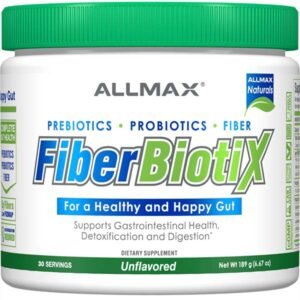
Allmax Nutrition FiberBiotix
Original price was: $24.99.$18.99Current price is: $18.99. -
Ancient Nutrition Bone Broth Protein
$52.95 -
Ast Sports MultiPro 32X 100 Tablets
$22.97
Final, human-forward verdict (in one paragraph)
Multivitamins can be a useful safety net for athletes with limited diets, during heavy training phases, or when testing shows deficiency—but they are not a magic performance pill for well-nourished athletes. The smart, ethical path: test, correct specific deficits, use sport-certified products, and treat multis as temporary insurance rather than a daily performance hack. That approach reduces risk (toxicity, contamination, wasted money) and aligns with the best evidence.
Regulatory & Legal Environment in the U.S.
In the United States, dietary supplements (which includes multivitamins) are regulated under the Dietary Supplement Health and Education Act (DSHEA) of 1994, which classifies them as a sub‐category of “food,” not drugs. That means manufacturers are not required to prove safety or effectiveness before a supplement goes to market. DSHEA does require that any “new dietary ingredient” (one not previously on the market) be notified to FDA with safety data, but many multis rely on more established vitamin/mineral ingredients. U.S. Food and Drug Administration+1
Quality standards are enforced in part via regulations like FDA’s Current Good Manufacturing Practices (cGMPs) for dietary supplements, which set standards for manufacturing, packaging, labeling, etc. However, enforcement is reactive: the FDA typically intervenes when adverse events occur or inspections reveal problems. There’s no pre-market approval for most multis the way there would be for a pharmaceutical. Pew Charitable Trusts
Further, there are additional U.S. laws like the Poison Prevention Packaging Act (PPPA), which require certain products containing iron (including many multivitamins) to have child-resistant packaging. Recently, multiple recalls have occurred because iron-containing multivitamins were sold in packaging that failed to meet child safety standards. Health Today Magazine+3U.S. Consumer Product Safety Commission+3U.S. Consumer Product Safety Commission+3
Thus, the U.S. multivitamin market has a mixed standard: decent regulations on manufacturing and labeling, but substantial leeway for claims and widely varying product quality. For athletes, this means that simply buying a multivitamin off a shelf carries risk unless care is taken.
See also: workouts supplements for sale – a buyers guide
Market Size, Growth, and Trends
The U.S. multivitamin market is large and continuing to grow. One market forecast estimates multivitamin tablets/capsules market size in the U.S. at USD 6.5 billion in 2024, rising to about USD 9.0 billion by 2035, with a CAGR (compound annual growth rate) around 3% over that span. Market Research Future
A segment of the market—multivitamin chewables—is also significant. In 2023, the U.S. consumed over 280 million units of chewable multivitamins, with consumer demand increasing particularly among adults aged ~30-55. Chewables are often perceived as more convenient, easier on digestion, or more palatable. Market Growth Reports
Other noticeable trends influencing the U.S. market include:
- Growing interest in clean label / plant-based / vegan / non-GMO multis.
- Increase in online sales and direct-to-consumer brands, which often leverage influencer marketing or social media.
- Personalization (e.g., “multivitamins for endurance athletes,” “for women,” “for vegans,” etc.), tailoring micronutrient profiles to dietary patterns.
These trends imply that athletes have more options but also more complexity in choosing safe, effective products.
Check also: The Ultimate Guide to the Best Multivitamins for Active Men
Recent Safety & Recall Events
Recent U.S. recalls illustrate that even established brands or widely distributed products can slip in safety or regulatory compliance. Some examples:
- In June 2025, iHerb/California Gold Nutrition recalled ~60,000 bottles of three multivitamin/iron supplement products (Daily Prenatal Multi; Ultamins Women’s Multivitamin; Ultamins Women’s 50+ Multivitamin) because the packaging was not child-resistant as required by PPPA, posing risk of iron poisoning in young children. Industry Intelligence Inc.+3U.S. Consumer Product Safety Commission+3Prevention+3
- Another recall: Blueroot Health recalled Bariatric Fusion iron multivitamins for similar child poisoning risks (non child-resistant caps) in 2025. U.S. Consumer Product Safety Commission
- Also, MTN OPS Multivitamin (for men) was recalled due to undeclared soy flour (allergen risk) in 2025. Prevention
These events show multiple kinds of risk: packaging, undeclared ingredients/allergens, labeling. For an athlete who might be tested or have allergies, or need reliability, these are red flags.
Consumers & Athletes: Behavior & Awareness
In the U.S., consumers (including athletes) are increasingly educated but also vulnerable to marketing. Key points:
- Many athletes or active people assume “if it says NSF Certified for Sport / Informed-Sport / USP / etc., it’s safe,” and that’s often a good assumption—but lots of products don’t have those certifications.
- Athletes are typically more risk-averse when it comes to supplement quality because of doping policies. However, awareness of recall events or packaging violations tends to lag behind until well publicized.
- Price is often used as a proxy for quality, but that’s not always valid. A higher-priced multivitamin does not guarantee third-party testing, correct dosages, or clean ingredients.
- Athletes on restrictive diets (vegan, keto, calorie-restricted), or those with high sweat losses (endurance sports), or in certain life phases (female athletes, teenage, older athletes) are more likely to seek or need high-quality multis. These subgroups are more motivated to read labels, certifications, and seek trusted sources (dietitians, sports-nutrition professionals).
Implications & What It Means for Athletes (in the U.S.)
Putting together regulation, market size, safety events, and consumer behavior, here’s what U.S. athletes should take away:
- Due diligence matters. Don’t just accept “multivitamin” on the label. Check for certifications (NSF Certified for Sport, Informed-Sport, USP), look for third-party testing, read label active ingredient amounts vs Daily Values, and check if there are allergens or non-declared ingredients.
- Packaging and safety issues are real. Even non-performance aspects—like child-resistant caps if iron is included—are legally mandated and safety relevant. If a product is pulled or recalled, it can affect access, trust, or cause unintended harm.
- No substitute for diet + testing. Because the U.S. market is big and varied, with many products of mixed quality, relying on a “safe” multi is helpful only if your diet is not covering needs or your labs show deficiency. Otherwise you may be wasting money or even risking overdosing some vitamins/minerals.
- Budget vs quality trade-offs. Athletes with smaller budgets can still choose wisely: maybe fewer nutrients but higher quality dosage/certification rather than a “kitchen-sink” formulation with many nutrients in speculative doses.
- Watch regulatory trends. There’s ongoing pressure for tighter supplement oversight (more audits, stricter labeling enforcement, more recalls). Athletes and practitioners should keep up with recall alerts, FDA updates, and legal changes that influence what’s allowable.