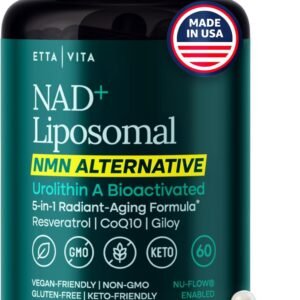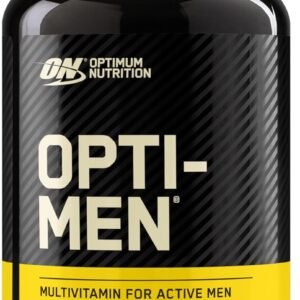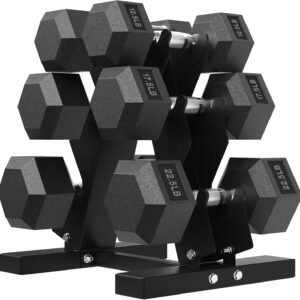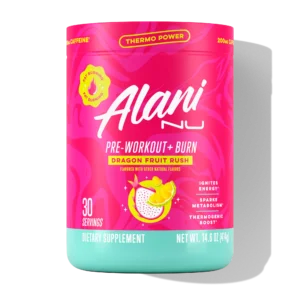


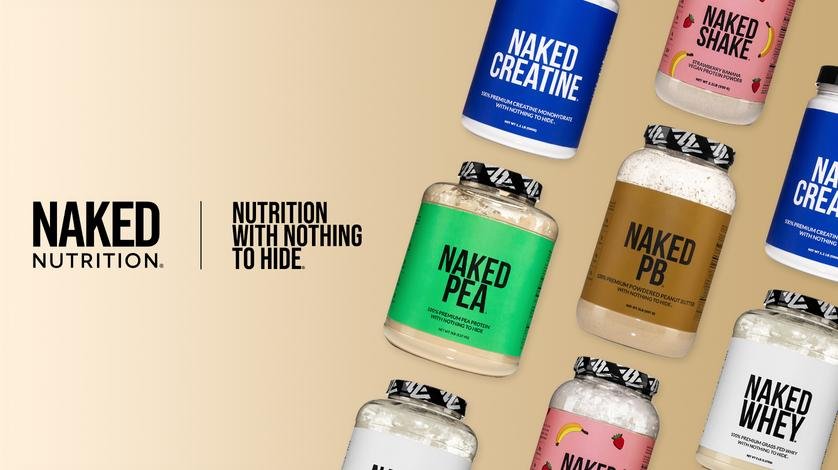
instagram supplements and gym equipment for sale

facebook gym supplements usa. Gym equipments and gym supplements for sale instagram profile social media

naked nutrition

Beyond the Hype: An Expert Deep Dive into Naked Nutrition Collagen Peptides

An Expert Deep Dive into Naked Nutrition Collagen Peptides. The collagen market is booming, flooding shelves and online carts with promises of youthful skin, agile joints, and stronger hair. In this crowded space, it’s easy for consumers to become overwhelmed by marketing jargon and dubious ingredient lists. As a nutritionist and product formulator, I’ve made it a mission to cut through the noise. Today, we’re dissecting a product that has become a benchmark in the industry: Naked Nutrition Collagen Peptides.

This isn’t just a review; it’s a forensic analysis of what makes this product stand out, how it truly impacts the body, and where it sits in the pantheon of collagen supplements.

The Philosophy: “What You See Is What You Get”

Before we even look at the powder, we must understand the brand’s ethos. Naked Nutrition operates on a principle of radical transparency. Their name is their mission: to provide supplements with no artificial sweeteners, flavors, colors, or other unnecessary “proprietary blends.” This is critical in an industry rife with fillers designed to cut costs and mask low-quality ingredients.

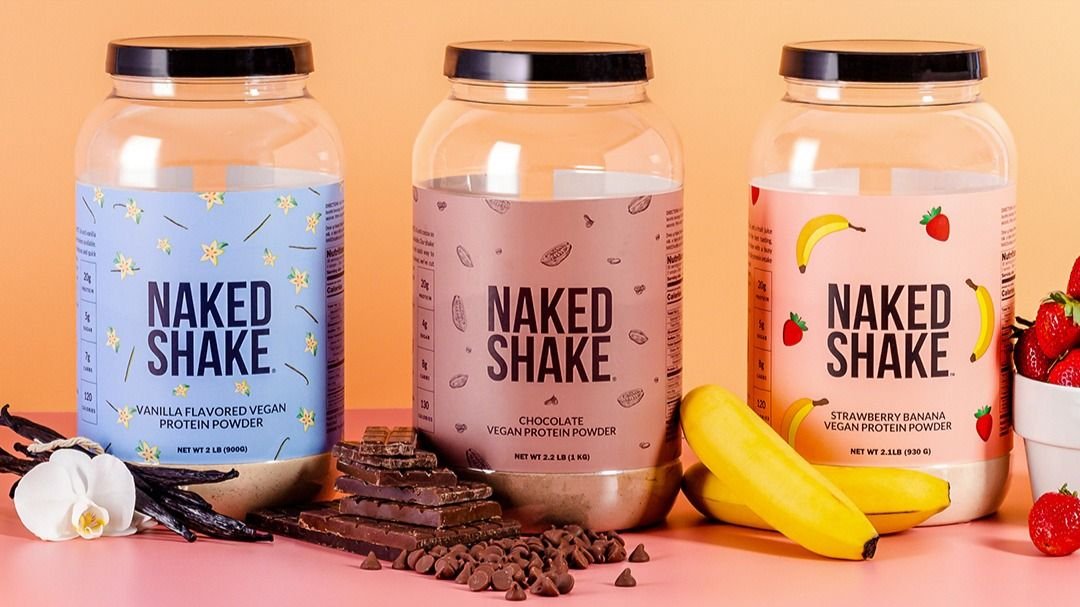
When you pick up a bag of Naked Collagen, you get one ingredient: 100% Grass-Fed Bovine Collagen Peptides. That’s it. This simplicity is its greatest strength and immediately places it in a different category than many market leaders.

The Ingredient Analysis: Sourcing and Hydrolysis Matters

Not all collagen is created equal. The efficacy of a collagen supplement hinges on two factors: source and processing.

  1. Source: Naked Nutrition sources its collagen from pasture-raised, grass-fed bovines from farms in Europe (primarily Germany and France). Why does this matter? Grass-fed bovine collagen is richer in the specific Types I and III collagen that are most abundant in our skin, hair, nails, bones, and tendons. It’s also free from the hormones and antibiotics often associated with conventional factory farming, resulting in a purer, more ethically sourced product.
  2. Processing: The term “peptides” is key. Collagen molecules are large and difficult for the body to absorb. Naked Nutrition uses a process called enzymatic hydrolysis to break down the collagen into smaller, bioavailable chains of amino acids called peptides. This process ensures your body can actually absorb and utilize the supplement, transporting these peptides to the areas that need them most.
naked nutrition

Mechanism of Action: How It Actually Works in the Body

The science behind collagen supplementation is fascinating. Unlike some nutrients, collagen peptides don’t just passively diffuse into our tissues. Here’s the deep dive:

  • Digestion and Absorption: Upon ingestion, the hydrolyzed peptides are readily broken down further in the gut. A significant portion of these specific peptides (like Pro-Hyp and Hyp-Gly) are absorbed intact into the bloodstream.
  • The Signaling Effect: This is the magic. These circulating peptides act as signaling molecules. They travel to fibroblasts—the cells in our skin and connective tissues responsible for producing our own natural collagen, elastin, and hyaluronic acid—and effectively “nudge” them into action. They stimulate the fibroblasts to increase their collagen-producing activity.
  • Building Blocks: Simultaneously, the peptides provide a dense source of the exact amino acids (glycine, proline, and hydroxyproline) required as the raw building blocks for this synthesis.

In essence, Naked Collagen doesn’t directly become your new collagen. Instead, it brilliantly provides the raw materials and the instructions for your body to build more of its own, high-quality collagen.

Tangible Benefits: What Can You Realistically Expect?

Consistent daily use (typically around 10-20 grams) leads to cumulative benefits:

  • Skin Health: Improved skin elasticity, hydration, and density. Multiple studies show a significant reduction in wrinkles and dryness. This isn’t about turning back the clock 20 years; it’s about supporting your skin’s fundamental health from within.
  • Joint Pain and Mobility: Collagen is a primary component of cartilage. Supplementation has been shown to reduce joint pain, stiffness, and inflammation associated with conditions like osteoarthritis. It helps nourish and protect the cartilage we have.
  • Gut Health: The amino acid glycine is crucial for maintaining the integrity of the gut lining, potentially helping to manage “leaky gut” syndrome and supporting overall digestive health.
  • Hair and Nails: Stronger, faster-growing hair and nails are one of the most commonly reported anecdotal benefits, as both are primarily made of keratin, a protein that relies on the amino acids found in collagen.
naked nutrition

The Comparison: How Does Naked Stack Up Against the Competition?

Let’s compare it to other popular categories of collagen products.

FeatureNaked Nutrition CollagenTypical Mainstream Brands (e.g., Vital Proteins)Multi-Collagen BlendsVegan “Collagen” Boosters
Ingredient ListOne ingredient. Pure collagen peptides.Often include additives like hyaluronic acid, vitamin C, or flavorings.Blend of 3-5 collagen sources (bovine, chicken, fish, eggshell).No actual collagen. Contains amino acids & vitamins (C, biotin) to support natural production.
TransparencyExtreme. Sourced from EU grass-fed cows.Good, but often part of a “proprietary blend” with less clarity on ratios.Varies. Can be less transparent about the sourcing of each individual type.Transparent about ingredients, but it’s not collagen.
Primary TypesTypes I & III (skin, hair, nails, bones).Often Types I & III, but can vary with added ingredients.Types I, II, III, V, X (aims to cover all bases).N/A – Contains no collagen types.
Best ForPurists, those with sensitivities, anyone wanting a blank slate to add to any food or drink.Those who want a pre-flavored, convenient option and don’t mind additives.Those specifically targeting Type II for joints (found in chicken and eggshell).Vegans, or those seeking general skin support without animal products.

The Verdict: Naked Nutrition wins on purity and versatility. While a multi-collagen blend might be useful for someone targeting specific Type II joint benefits, for the vast majority of users seeking overall skin, hair, and joint support, the Types I and III in Naked’s product are precisely what’s needed. It’s a superior choice over mainstream flavored options for anyone avoiding additives.

The Expert Conclusion: Who Is This For?

Naked Nutrition Collagen Peptides is the gold standard for a pure, unadulterated, and highly effective collagen supplement.

It is ideal for:

  • The health-conscious consumer who reads labels and refuses to consume artificial ingredients.
  • The biohacker who wants to add collagen to coffee, smoothies, soups, and baked goods without altering the taste.
  • Anyone with sensitivities to common fillers and additives found in other supplements.
  • Those who prioritize ethical and sustainable sourcing.

Its only potential “drawback” is that it is completely unflavored, which to an expert, is its greatest asset. It gives you complete culinary freedom. The lack of added vitamin C, a common addition to aid collagen synthesis, is easily remedied by consuming it with a source of vitamin C (like a squeeze of lemon in your water or a berry smoothie).

Final Analysis: In the world of wellness, few products live up to their marketing. Naked Nutrition Collagen Peptides is a rare exception. It delivers exactly what it promises: a single, powerful, impeccably sourced ingredient that provides the fundamental building blocks your body needs to repair, rejuvenate, and thrive. It’s not just a supplement; it’s a testament to the power of simplicity in an otherwise convoluted industry.

Buy this product

bcaa training

Do BCAAs Really Work? A Critical Scientific Analysis vs. Marketing Hype

Branched-chain amino acids (BCAAs) represent one of the most popular and heavily marketed dietary supplements in the fitness and athletic industries. Promoted for their purported benefits in stimulating muscle protein synthesis, enhancing recovery, reducing muscle soreness, and fighting fatigue, they have become a staple in the regimens of athletes and casual gym-goers alike. However, a significant disconnect exists between the robust cellular and molecular mechanisms established in controlled laboratory settings and the equivocal results observed in human clinical trials, especially in the context of a balanced diet. This article will deconstruct the science of BCAAs, critically evaluate the evidence for their claimed benefits, contrast these findings with pervasive marketing messages, and provide evidence-based recommendations for their potential use.

1. Introduction: What Are BCAAs?

To understand the debate, we must first define the subject. Amino acids are the fundamental molecular building blocks of proteins. Of the 20 standard amino acids, nine are classified as “essential” – meaning the human body cannot synthesize them de novo and they must be obtained through the diet.

Branched-chain amino acids (BCAAs) are a subgroup of three essential amino acids:

  1. Leucine
  2. Isoleucine
  3. Valine

Their name derives from their unique chemical structure, which features a branching side chain—a carbon atom connected to more than two other carbon atoms. This structure influences how they are metabolized.

bcaa training

Unlike other amino acids, which are primarily catabolized in the liver, BCAAs are largely metabolized directly within skeletal muscle tissue. This unique metabolic pathway is a cornerstone of their proposed ergogenic benefits, as it allows them to be rapidly deployed for energy and signaling purposes during exercise.

The typical ratio found in most supplements is 2:1:1 (Leucine:Isoleucine:Valine), though other ratios exist. This ratio is not arbitrary; it is based on the relative importance of leucine, which we will explore in depth.

2. The Compelling Molecular Science: Why BCAAs Should Work

The theoretical case for BCAA supplementation is powerful and rooted in solid biochemical principles. At a cellular level, their mechanisms of action are well-documented.

See also: what BCAAs do to human body

A. The Master Regulator: Leucine and mTOR Activation

The most significant scientific argument for BCAAs centers on the role of leucine. Leucine is not merely a building block; it functions as a critical nutrient signal.

Inside muscle cells, leucine activates a complex biochemical pathway centered around a protein kinase called the mammalian Target of Rapamycin (mTOR). When activated (specifically, the mTORC1 complex), mTOR initiates the process of muscle protein synthesis (MPS)—the cellular machinery that builds new muscle protein. It does this by phosphorylating key downstream targets that kickstart the translation of genetic code into new muscle proteins.

In a fasted state or after exercise, providing a bolus of leucine is a potent pharmacological-like signal that tells the muscle, “Nutrients are available; it’s time to build and repair.” This mechanism is undeniable and is a primary reason why leucine is considered the most anabolic of the amino acids.

B. The Fuel Source: BCAAs as an Energy Substrate

During prolonged and intense exercise, muscle glycogen (stored carbohydrates) and blood glucose can become depleted. Under these conditions, the body seeks alternative fuel sources. BCAAs can be deaminated (their nitrogen group removed), and their carbon skeletons can enter the Krebs cycle to produce ATP, the cellular currency of energy.

This provides a direct, intramuscular energy source during endurance activities, potentially sparing glycogen and delaying the onset of fatigue.

C. The Fatigue Fighter: The Serotonin Connection

Central fatigue is a theory proposing that fatigue originates in the brain, not just the muscles. During prolonged exercise, the concentration of free fatty acids in the blood increases. This promotes the transport of the amino acid tryptophan across the blood-brain barrier.

In the brain, tryptophan is converted into the neurotransmitter serotonin (5-HT). Elevated serotonin levels are associated with feelings of lethargy, tiredness, and a reduced drive to motor neurons—essentially, the brain signaling the body to slow down.

BCAAs and tryptophan compete for the same large neutral amino acid (LNAA) transporter to cross the blood-brain barrier. The theory posits that supplementing with BCAAs increases their concentration in the blood, outcompeting tryptophan for transport into the brain. This would theoretically reduce serotonin synthesis in the brain, thereby delaying the perception of fatigue and allowing for prolonged exercise performance.

bcaa training

3. The Clinical Reality: What Does Human Trial Evidence Actually Show?

This is where the narrative becomes complicated. While the molecular mechanisms are sound, their translation into tangible, consistent benefits in healthy, well-nourished human subjects is far less clear-cut. The context of the entire diet is the critical, often-overlooked variable.

A. Muscle Growth (Hypertrophy)

Marketing Claim: “BCAAs build muscle and amplify your gains.”

Scientific Verdict: Largely Ineffective in Isolation and with Adequate Protein Intake.

This is the most critical point of contention. The mTOR pathway is not activated by leucine alone; it requires a full complement of essential amino acids (EAAs) to actually construct new muscle tissue. Think of it like building a house:

  • Leucine is the foreman (it activates the workers and starts the project).
  • All other EAAs are the bricks, wood, and wiring (the actual building materials).

You can have the best foreman in the world, but if you don’t have any bricks, the house won’t get built. Supplementing with BCAAs provides the foreman (leucine) but is missing most of the materials (other EAAs).

Multiple studies have demonstrated that while BCAAs can stimulate MPS, they cannot maximize it to the same extent as a complete protein source containing all EAAs. For individuals consuming sufficient daily protein (e.g., 1.6-2.2 g/kg of body weight), which already provides ample BCAAs and leucine, adding a BCAA supplement is redundant and unlikely to provide any additional hypertrophic benefit. The anabolic trigger is already being pulled multiple times a day by whole-food meals.

B. Muscle Recovery and Soreness (DOMS)

Marketing Claim: “BCAAs reduce muscle soreness and speed up recovery.”

Scientific Verdict: Mixed and Context-Dependent.

The evidence here is more nuanced. Some studies, particularly those involving trained athletes in a fasted state, show a modest reduction in markers of muscle damage (like creatine kinase) and a decrease in perceived muscle soreness (Delayed Onset Muscle Soreness or DOMS) following BCAA supplementation.

However, other studies show no significant effect. The benefit appears most pronounced in scenarios where overall protein intake is suboptimal or when training in a fasted state. If you consume a protein-rich meal or shake post-workout (e.g., whey protein, which is naturally ~25% BCAAs), the addition of BCAAs is unlikely to confer any further recovery advantage. The signal and materials for repair are already present.

bcaa training

C. Exercise Performance and Fatigue Reduction

Marketing Claim: “BCAAs boost energy and fight fatigue during your workout.”

Scientific Verdict: Weak and Inconsistent for Strength; Possibly Relevant for Endurance.

  • Strength/Power Training: The evidence for BCAA supplementation improving performance in short-duration, high-intensity activities like weightlifting or sprinting is very weak. These activities are primarily limited by anaerobic energy systems and neural drive, not by the mechanisms BCAAs target.
  • Endurance Training: The case is slightly stronger here. The theoretical benefits of providing an alternative fuel source and potentially reducing central fatigue via the serotonin pathway could be relevant in prolonged endurance events (>2-3 hours), like marathon running or long-distance cycling, where glycogen depletion is a real concern. However, even in these cases, the evidence is not overwhelming, and the practical benefit is often minor. Furthermore, well-formulated carbohydrate-electrolyte drinks are proven to be highly effective for endurance performance and likely overshadow any marginal benefit from BCAAs alone.

4. The Marketing vs. Science Dichotomy

The supplement industry thrives on selling hope and simplifying complex physiology. The marketing of BCAAs is a masterclass in this practice:

  1. Isolating Mechanisms from Context: Ads will highlight the “proven” role of leucine in activating mTOR, conveniently omitting the fact that this mechanism is useless for building muscle without the other EAAs present in whole protein.
  2. Using Fasted-State Studies to Sell to Fed Consumers: Many positive studies are conducted on fasted subjects. Marketers use these findings to sell products to people who typically eat before or after their workouts, a scenario where the benefits vanish.
  3. The “More is Better” Fallacy: The science of protein metabolism shows a dose-dependent response to EAAs up to a certain point (a “ceiling effect”). Marketing implies that endlessly adding BCAAs on top of an already high-protein diet will continue to yield benefits, which is biochemically implausible.
  4. Creating a Solution for a Non-Problem: For anyone consuming a balanced diet with adequate protein, a BCAA “deficiency” is virtually impossible. The market creates a perceived need for a product that, for most, is entirely unnecessary.

5. So, Who Might Actually Benefit from BCAAs?

BCAAs are not entirely without merit. There are specific, niche scenarios where supplementation could be justified:

  • Fasted State Training: Individuals who train first thing in the morning without eating may benefit from BCAAs to provide a rapid anti-catabolic signal and fuel source until they can have a full meal. However, a serving of essential amino acids (EAAs) or even a small whey protein shake would be more effective.
  • Specific Endurance Scenarios: Ultra-endurance athletes competing in events lasting many hours might use BCAAs as part of a nutritional strategy to combat central fatigue, though the evidence is still tentative.
  • Medical Populations: BCAAs are clinically used in managing certain medical conditions, such as liver cirrhosis (to help prevent hepatic encephalopathy) and in patients with muscle-wasting diseases to help preserve lean mass.
  • Vegans/Vegetarians with Limited Protein Intake: While whole protein is still superior, someone struggling to meet their protein needs might find a use case, though a complete protein powder would be a wiser choice.
  • The Placebo Effect: The belief that a supplement is working can itself be a powerful performance enhancer. If a athlete truly believes BCAAs help them, that perceived benefit has real-world value, even if it’s not directly physiological.

6. Evidence-Based Alternatives to BCAA Supplements

If your goal is muscle growth, enhanced recovery, and improved performance, your money is far better spent on proven nutritional strategies:

  1. Prioritize Total Daily Protein Intake: This is the single most important factor. Aim for 1.6 – 2.2 grams of protein per kilogram of body weight per day from high-quality sources like chicken, fish, eggs, dairy, lean beef, or plant-based proteins like tofu, tempeh, and lentils.
  2. Time Your Protein: Distribute your protein intake evenly across 3-4 meals, each containing ~0.4 g/kg of body weight (or ~20-40 grams per meal for most people). This provides a repeated, maximal stimulus for MPS throughout the day.
  3. Choose Leucine-Rich Protein Sources Post-Workout: Your post-workout meal should contain a fast-digesting, leucine-rich protein source. Whey protein isolate is the gold standard, as it is rapidly absorbed and has a very high leucine content (~2.5-3g per serving). Other complete proteins work well too.
  4. Consider an EAA Supplement: If you insist on a intra-workout supplement, Essential Amino Acids (EAAs) are a scientifically superior choice to BCAAs. They provide the crucial foreman (leucine) and all the necessary building materials.
  5. Don’t Neglect Carbohydrates: Post-workout carbohydrates replenish glycogen stores and create an insulinogenic environment that is conducive to recovery and anabolism.
bcaa training

7. Conclusion: The Final Verdict

The scientific story of BCAAs is a tale of powerful molecular mechanisms that fail to translate into consistent, practical benefits for the majority of users.

The fundamental flaw in the BCAA argument is the failure to acknowledge that they are a component of a larger nutritional system. Isolating them from the complete matrix of essential amino acids provided by dietary protein severely limits their efficacy.

For the average individual consuming adequate daily protein, BCAA supplementation is largely a redundant and financially wasteful practice. The marketing claims vastly overstate the clinical evidence. The money spent on a tub of BCAAs would yield infinitely greater returns if invested in whole foods, a high-quality whey or plant-based protein powder, or even a more comprehensive EAA product.

Final Recommendation: Focus on the foundation: total calorie intake, sufficient daily protein from whole foods, and intelligent meal timing. View supplements not as magic bullets, but as potential tools to supplement an already solid diet. In the vast majority of cases, BCAAs are a tool that is simply not needed in the toolbox.

Worth a read: Authenticity Check – Verify Supplements for Safety & Quality


References:

  1. Wolfe, R. R. (2017). Branched-chain amino acids and muscle protein synthesis in humans: myth or reality?. Journal of the International Society of Sports Nutrition, 14(1), 1-7.
  2. Jackman, S. R., Witard, O. C., Jeukendrup, A. E., & Tipton, K. D. (2010). Branched-chain amino acid ingestion stimulates muscle myofibrillar protein synthesis following resistance exercise in humans. Frontiers in Physiology, 8, 390.
  3. Norton, L. E., & Layman, D. K. (2006). Leucine regulates translation initiation of protein synthesis in skeletal muscle after exercise. The Journal of nutrition, 136(2), 533S-537S.
  4. Plotkin, D. L., Delcastillo, K., Van Every, D. W., Tipton, K. D., Aragon, A. A., & Schoenfeld, B. J. (2021). Isolated leucine and branched-chain amino acid supplementation for enhancing muscular strength and hypertrophy: a narrative review. International Journal of Sport Nutrition and Exercise Metabolism, 31(3), 292-301.
  5. Newsholme, E. A., & Blomstrand, E. (2006). Branched-chain amino acids and central fatigue. The Journal of nutrition, 136(1), 274S-276S.
  6. Kephart, W. C., Mumford, P. W., McCloskey, A. E., Holland, A. M., Shake, J. J., Mobley, C. B., … & Moon, J. R. (2016). Post-exercise branched-chain amino acid supplementation does not affect recovery markers following three consecutive high intensity resistance training sessions. Journal of the International Society of Sports Nutrition, 13(1), 1-9.
  7. VanDusseldorp, T. A., Escobar, K. A., Johnson, K. E., Stratton, M. T., Moriarty, T., Cole, N., … & Mermier, C. M. (2020). Effect of branched-chain amino acid supplementation on recovery following acute eccentric exercise. Nutrients, 10(10), 1389.
creatine cycle

Do You Need To Cycle Creatine? A Deep Dive Into Science and Performance

Creatine is one of the most studied and effective supplements in sports nutrition. For decades, athletes, bodybuilders, and fitness enthusiasts have relied on creatine to enhance strength, increase lean mass, and improve exercise performance. Despite its popularity, one question continues to spark debate: Do you need to cycle creatine?

Some athletes swear by creatine cycling—periods of loading, maintenance, and washout—believing it maximizes benefits and prevents the body from “getting used to” creatine. Others argue that daily, consistent intake is the most effective and scientifically supported method.

In this article, we’ll break down the science of creatine, what cycling actually means, whether it has proven benefits, and what the latest research suggests for long-term use. By the end, you’ll know exactly how to approach creatine supplementation for your fitness goals.


What Is Creatine and How Does It Work?

Creatine is a naturally occurring compound found in meat, fish, and synthesized by the body in the liver, kidneys, and pancreas. About 95% of the body’s creatine is stored in skeletal muscle, primarily as phosphocreatine.

During high-intensity exercise, phosphocreatine helps regenerate adenosine triphosphate (ATP)—the body’s immediate energy currency. Because ATP is rapidly depleted during explosive efforts like lifting heavy weights or sprinting, higher phosphocreatine levels allow you to sustain peak performance longer.

creatine cycle

Benefits of Creatine Supplementation (proven by science):

  • Increases strength and power: Creatine consistently improves 1-rep max lifts, sprinting, and explosive performance.
  • Promotes lean muscle growth: By enabling harder training and stimulating cellular hydration, creatine contributes to hypertrophy.
  • Speeds recovery: Studies show creatine reduces muscle cell damage and inflammation.
  • Supports brain health: Beyond muscles, creatine enhances energy metabolism in the brain, with potential cognitive benefits.

Creatine monohydrate remains the gold standard, with hundreds of peer-reviewed studies confirming its efficacy and safety.


What Does “Cycling Creatine” Mean?

Cycling creatine generally refers to using the supplement in phases, rather than continuously. The typical approach includes:

  1. Loading phase: 20 g per day (split into 4 doses) for 5–7 days.
  2. Maintenance phase: 3–5 g per day for 4–6 weeks.
  3. Washout phase: Stopping creatine for several weeks before restarting.

The reasoning behind cycling includes:

  • Preventing the body from becoming “desensitized.”
  • Allowing natural creatine production to reset.
  • Maximizing muscle saturation in shorter periods.

But does this approach hold up under scientific scrutiny?


The Science of Creatine Saturation

When supplementing with creatine, muscles gradually increase their stores until they reach saturation. Research shows:

  • With loading (20 g/day): Muscles reach saturation in 5–7 days.
  • Without loading (3–5 g/day): Muscles reach saturation in 3–4 weeks.

Once muscles are saturated, continuing with a daily maintenance dose (3–5 g/day) keeps levels elevated indefinitely.

Worth to read: 5 common mistakes in creatine supplementation

Key Point:

You don’t “lose” creatine effectiveness with consistent intake. As long as your muscles remain saturated, performance benefits persist. There is no scientific evidence of “creatine resistance” developing with long-term use.


Do You Need a Washout Phase?

One argument for cycling is that stopping supplementation allows the body’s endogenous (natural) creatine production to “recover.” But studies have found:

  • Creatine supplementation temporarily reduces the body’s own synthesis because demand is met through diet/supplementation.
  • Once supplementation stops, natural production resumes fully within weeks.
  • There is no evidence of long-term suppression or harm to natural creatine metabolism.

In fact, multiple long-term studies (6 months to 5 years) on athletes using creatine continuously show no adverse effects on kidney or liver function in healthy individuals.

Read also: creatine pills – safe or not safe?

creatine cycle

Translation:

There is no physiological need for a washout phase unless you simply want to save money or take a break from supplementation.


Cycling vs. Continuous Use: What Research Shows

1. Performance outcomes

  • Studies comparing cycling vs. daily continuous intake show no significant differences in strength, muscle growth, or performance when total creatine exposure is matched.
  • Consistent intake is simpler and ensures muscles remain saturated.

2. Health and safety

  • Continuous creatine use has been proven safe for years at standard doses (3–5 g/day).
  • Cycling does not offer added health benefits.

3. Psychological factors

  • Some athletes report they “feel a boost” when starting a new cycle. This could be due to the placebo effect or increased motivation during a loading phase.

4. Practicality

  • Cycling requires planning and scheduling.
  • Daily low-dose supplementation is easier and more sustainable long-term.

When Might Creatine Cycling Make Sense?

Although not necessary for most, there are a few cases where cycling might be reasonable:

  1. Budget-conscious users: Stopping creatine for a month or two can save money, especially if supplements are costly.
  2. Athletes with testing protocols: In sports where supplement use is monitored, some may cycle for personal reasons, even though creatine is legal and safe.
  3. People with sensitive digestion: Some experience mild bloating or stomach upset at higher doses. Cycling off temporarily may provide relief.

For everyone else, the evidence supports consistent daily use.

Read also: recommended dosage of creatine for gym goers


Myths About Creatine Cycling

Let’s bust a few common misconceptions:

  • “Your body stops responding if you don’t cycle.”
    False. As long as muscle stores are saturated, creatine continues to deliver benefits.
  • “Cycling prevents kidney damage.”
    False. No research shows kidney or liver damage from standard creatine use in healthy individuals. The myth persists due to confusion with creatinine (a waste product measured in kidney function tests).
  • “You only grow during the loading phase.”
    False. Gains come from consistent training supported by muscle saturation, not temporary spikes in creatine intake.

Best Practices for Creatine Supplementation

1. Skip cycling, go consistent

Take 3–5 g of creatine monohydrate daily, preferably with a meal to enhance absorption.

2. Loading is optional

  • If you want faster results, do a loading phase (20 g/day for 5–7 days).
  • If you prefer a slower, steady approach, just take 3–5 g daily. After 3–4 weeks, your muscles will be saturated.

3. Timing is flexible

  • Taking creatine post-workout with carbs and protein may slightly improve uptake, but timing isn’t critical. Daily consistency is what matters.

4. Hydration matters

Creatine increases water retention in muscle cells (a good thing for performance). Drink adequate water to support cellular hydration and performance.

creatine cycle

5. Stick with monohydrate

Newer forms (HCl, ethyl ester, buffered creatine) are marketed as superior but show no consistent advantages in research. Creatine monohydrate remains the most effective and cost-efficient.

Read also: Creatine Monohydrate vs. Creatine HCL 


Who Should Be Cautious?

While creatine is safe for most, a few groups should consult a healthcare professional before use:

  • People with pre-existing kidney disease.
  • Adolescents under 18 (limited long-term data).
  • Individuals taking nephrotoxic medications.

For healthy athletes, decades of data confirm creatine’s safety profile.


Final Verdict: Do You Need to Cycle Creatine?

The science is clear: You do not need to cycle creatine.

  • Continuous supplementation is safe, effective, and practical.
  • Cycling offers no added performance or health benefits.
  • At best, cycling is a personal preference for cost-saving or digestive reasons.

If your goal is maximizing strength, lean mass, and performance in the gym, the smartest strategy is to take 3–5 grams of creatine monohydrate daily, indefinitely.


Key Takeaways for Gym-Goers

  • Creatine is the most effective legal performance-enhancing supplement available.
  • Muscle saturation is the goal—whether you load or not, you’ll get there.
  • Cycling is unnecessary; daily intake keeps stores elevated and performance consistent.
  • Safety is well-established in healthy individuals, even with years of use.
  • Consistency with training and nutrition matters more than supplementation cycles.
creatine safe

Are Creatine Pills Safe To Take? Is Creatine Safe In General?

A Comprehensive Scientific Analysis of Creatine Supplementation: Efficacy, Safety, and Clinical Considerations

Abstract
Creatine monohydrate stands as one of the most extensively researched ergogenic aids in the history of sports nutrition. Despite its widespread use and scientific endorsement, public perception remains intermittently clouded by misconceptions regarding its safety profile. This scholarly review synthesizes empirical evidence from biochemical, physiological, and clinical studies to critically evaluate the safety of creatine supplementation in both pill and powder forms. The analysis encompasses acute and chronic administration, impacts on renal and hepatic function, potential for adverse effects, and considerations for specific populations. The overwhelming consensus of the scientific literature indicates that creatine supplementation is not only effective for enhancing high-intensity exercise performance and lean mass accretion but is also safe for long-term use in healthy individuals when consumed within recommended guidelines.

1. Introduction
Creatine (α-methyl guanidine-acetic acid) is a naturally occurring nitrogenous organic acid that serves a pivotal role in cellular energy metabolism, particularly in tissues with high and fluctuating energy demands such as skeletal muscle and the brain. Approximately 95% of the body’s creatine pool is stored in skeletal muscle, with two-thirds existing as phosphocreatine (PCr) and the remainder as free creatine. The PCr system provides a rapid reservoir for the regeneration of adenosine triphosphate (ATP) during short-duration, high-intensity activities, such as sprinting or weightlifting.

Check also info: creatine monohydrate vs creatine HCL

Endogenous synthesis, primarily in the liver and kidneys, combines the amino acids arginine and glycine to form guanidinoacetate, which is then methylated in the liver to form creatine. This endogenous production is supplemented by dietary intake, with meat and fish being the primary exogenous sources. The total body creatine pool for a 70-kilogram individual is roughly 120-140 grams. To saturate muscle creatine stores, an individual would need to consume over two kilograms of red meat daily, an impractical and inefficient endeavor. This is where supplementation provides a viable and effective strategy to maximize muscle creatine storage, typically increasing concentrations by 15-40%.

The objective of this treatise is to move beyond anecdotal evidence and critically appraise the peer-reviewed scientific literature to answer two central questions: Are creatine pills safe to take? And is creatine, in all its supplemental forms, safe in general?

2. Pharmacokinetics and Forms of Supplementation
Creatine monohydrate, the most studied and cost-effective form, consists of a creatine molecule bound to a single water molecule. Its bioavailability is high, with a vast majority of ingested creatine being actively transported into muscle tissue via the sodium-dependent creatine transporter (SLC6A8).

The debate between creatine pills (often capsules or tablets) versus powder is largely one of convenience and absorption kinetics, not safety or fundamental efficacy.

  • Powder: This form is typically mixed with a liquid. Its dissolution allows for rapid gastric emptying and intestinal absorption. It is often the most economical option per serving.
  • Pills (Capsules/Tablets): These offer portability and convenience, eliminating the need for mixing. The primary consideration is that tablets must disintegrate and capsules must dissolve in the gastrointestinal tract before the creatine can be absorbed. While this may slightly delay peak plasma concentration compared to a pre-dissolved powder, the overall bioavailability is not significantly different. For individuals experiencing gastric discomfort with powder, pills may mitigate issues as the creatine is released further along the digestive tract. From a safety perspective, the two forms are indistinguishable; the body ultimately processes the same creatine molecule.
creatine safe lady

Other forms, such as creatine ethyl ester, buffered creatine, or liquid creatine, are often marketed with claims of superior absorption or reduced side effects. However, robust independent research consistently demonstrates that these novel forms offer no advantage over simple, pure creatine monohydrate and are frequently less stable.

3. Established Benefits and Mechanisms of Action
The ergogenic benefits of creatine supplementation are well-documented and multi-faceted:

  • Enhanced ATP Resynthesis: By increasing the PCr pool, supplementation augments the ability to rapidly regenerate ATP during repeated bouts of maximal effort, delaying fatigue.
  • Increased Work Capacity: Users can often perform more repetitions per set or sustain a higher power output across multiple sets, leading to greater training volumes over time.
  • Promotion of Lean Mass Accretion: The increased training stimulus, coupled with creatine’s osmotic effect of pulling water into muscle cells (cell volumization), creates an anabolic environment conducive to protein synthesis and muscle growth.
  • Neuroprotective Potential: Emerging research indicates cognitive benefits, particularly in scenarios of sleep deprivation, traumatic brain injury, or neurodegenerative diseases like Parkinson’s, due to the brain’s reliance on the PCr energy system.

Check also: where to look for reliable supplements reviews

4. Critical Analysis of Safety Profile
This section addresses the most common safety concerns raised in the scientific and public domains.

4.1 Renal Safety
The most pervasive myth surrounding creatine supplementation is that it causes kidney damage. This concern stems from creatine’s metabolic pathway. Creatine is irreversibly converted to creatinine, a waste product excreted by the kidneys and a marker used to assess renal function.

  • Evidence: Numerous long-term studies (up to 5 years) in healthy adults have shown that while serum creatinine levels may rise slightly due to the increased substrate load, this is not indicative of renal impairment. Glomerular filtration rate (GFR), a more sensitive marker of kidney function, remains unchanged. A landmark review published in the Journal of the International Society of Sports Nutrition concluded that creatine supplementation does not adversely affect kidney function in healthy individuals.
  • Considerations: The caution for individuals with pre-existing kidney disease is prudent. In a compromised kidney, the increased filtered load of creatinine could potentially exacerbate the condition. Therefore, those with known renal dysfunction should avoid supplementation unless under direct medical supervision. For healthy kidneys, the “extra work” is well within functional capacity.

Read also: best creatine supplements in 2025

4.2 Hepatic (Liver) Safety
Similar to renal concerns, some speculate that creatine may stress the liver.

  • Evidence: Comprehensive studies monitoring liver enzymes (ALT, AST), albumin, and bilirubin levels have found no clinically significant alterations in healthy individuals supplementing with creatine. The liver efficiently handles the methylation process involved in creatine metabolism without adverse effect.

4.3 Gastrointestinal Distress
This is the most frequently reported adverse effect, though it is often avoidable.

  • Evidence: Symptoms like bloating, stomach cramps, and diarrhea are typically linked to improper dosing protocols, particularly large single doses (>10g) or insufficient mixing of powder, leading to a high osmolarity bolus in the stomach that draws in water.
  • Mitigation: These issues are largely mitigated by splitting the total daily dose into smaller servings (e.g., 5g taken 2-4 times daily), consuming it with a meal, or ensuring it is fully dissolved in ample fluid. As noted, pills may reduce the incidence of these symptoms for some users.
creatine safe supplements

4.4 Dehydration and Muscle Cramping
A historical concern was that creatine’s osmotic effect would predispose athletes to dehydration and muscle cramps.

  • Evidence: Controlled research has effectively debunked this myth. Multiple studies examining athletes training in thermogenic environments have found no increase in cramping, dehydration, or heat-related illnesses in creatine users compared to placebo groups. In fact, by promoting cell volumization, creatine may enhance hydration status at the cellular level. The anecdotal reports of cramping are more likely attributable to the intense exercise that creatine enables, rather than the supplement itself.

4.5 Weight Gain
The initial weight gain associated with creatine supplementation (typically 1-2 kg in the first week) is almost exclusively due to increased water retention within the muscle cells. This is not detrimental “water weight” but rather intracellular water that contributes to the anabolic cell-volumizing effect. Over the longer term, weight gain is associated with increased fat-free mass due to enhanced training adaptations.

5. Special Populations and Considerations

  • Adolescents: While often considered a sensitive population, research indicates that creatine supplementation is safe for adolescents when used appropriately. The American Academy of Pediatrics, while generally discouraging ergogenic aid use in minors, notes that creatine is among the safer options. Its use should be considered only for serious young athletes under parental and professional guidance, focusing on proper nutrition and training as the foundation.
  • Older Adults: Creatine is highly beneficial for combating sarcopenia (age-related muscle loss). It improves strength, functional capacity, and bone health in older populations. Safety profiles in studies with elderly participants are excellent.
  • Females: Research confirms that females experience similar ergogenic benefits and exhibit the same excellent safety profile as males. Dosage should be scaled to body mass (e.g., 0.1 g/kg/day).
  • Long-Term Use (>5 Years): Data on multi-decade use is limited for obvious reasons. However, the longest continuous studies (up to 5 years) show no adverse health outcomes. Given that creatine is a natural compound constantly present in the body and diet, long-term use within recommended guidelines is not theorized to pose significant risks.

Worth to know: why you need to take lutein

6. Purity and Contamination
A critical safety aspect often overlooked is the purity of the supplement product. The market is not uniformly regulated. Low-quality products may be contaminated with heavy metals, dioxins, or other impurities.

  • Recommendation: Consumers should purchase creatine monohydrate from reputable brands that undergo independent third-party testing for purity and potency, such as those certified by NSF International, Informed-Sport, or USP (United States Pharmacopeia). This ensures the product contains what the label claims and is free from harmful contaminants.

7. Conclusion
Based on a synthesis of over three decades of rigorous scientific investigation, the following conclusions can be drawn:

  1. Creatine monohydrate is exceptionally safe for long-term use by healthy individuals when consumed within the recommended guidelines (a maintenance dose of 3-5g daily following a loading phase, if chosen).
  2. Creatine pills (capsules/tablets) are as safe as powdered creatine. The choice between the two is a matter of personal preference, convenience, and gastrointestinal tolerance, not safety.
  3. The purported risks to renal and hepatic function in healthy individuals are not supported by empirical evidence.
  4. The most common adverse effects, primarily gastrointestinal discomfort, are typically dose-dependent and avoidable with proper dosing strategies.
  5. Special populations, including adolescents, older adults, and females, can safely use creatine, though appropriate guidance is advised.

Creatine monohydrate is not a panacea or a substitute for proper training and nutrition. However, it is a powerful, evidence-based ergogenic aid whose safety profile is arguably superior to that of common over-the-counter drugs like acetaminophen or ibuprofen. The scientific consensus is clear and unequivocal: for healthy individuals seeking to enhance athletic performance and improve body composition, creatine supplementation is both effective and safe.


Frequently Asked Questions (FAQ)

Q1: What is the proper way to take creatine? Do I need to “load”?
A: The loading protocol (20g per day, split into 4 doses, for 5-7 days) saturates muscle stores quickly. However, it is not mandatory. You can achieve the same muscle saturation by taking a maintenance dose of 3-5g per day, though it will take longer (approximately 3-4 weeks). The loading phase may increase the likelihood of gastrointestinal upset. Taking creatine post-workout with a source of carbohydrates and protein may slightly enhance uptake, but consistency (taking it daily) is far more important than timing.

creatine safe male

Q2: Does creatine cause hair loss?
A: This concern stems from a single study that found an association between increased serum dihydrotestosterone (DHT) levels and creatine supplementation in rugby players. However, this study has not been replicated, and the increase in DHT remained within the normal clinical range. The current body of evidence does not support a causal link between creatine supplementation and hair loss (alopecia). Individuals with a strong genetic predisposition to androgenetic alopecia may wish to consult a dermatologist, but for the vast majority, this is not a documented concern.

Q3: Should I cycle creatine?
A: There is no physiological requirement to cycle creatine. It is not a hormone and does not downregulate the body’s natural production. The body maintains a fairly constant total creatine pool, excreting any excess through the kidneys. You can supplement continuously without any need for a “washout” period.

Q4: How much water should I drink when taking creatine?
A: It is prudent to ensure adequate hydration. A general recommendation is to consume an additional 8-16 ounces of water per day while supplementing. This supports overall health and kidney function, though as established, creatine does not harm healthy kidneys.

Check also: buying supplements on Amazon – what you don’t know

Q5: Is creatine a steroid?
A: Absolutely not. Creatine is a naturally occurring compound found in food. Anabolic steroids are synthetic derivatives of testosterone, a hormone. Creatine works by enhancing the body’s energy systems and is not hormonally active.

Q6: Can I take creatine if I am vegetarian or vegan?
A: Yes. In fact, vegetarians and vegans often have lower baseline muscle creatine stores due to the absence of meat in their diet. Consequently, they may experience even more pronounced benefits from supplementation than omnivores.

Q7: Are there any medications that interact with creatine?
A: Due to its potential, albeit minimal, effect on kidney function markers, caution is advised when taking creatine with drugs that are nephrotoxic (toxic to the kidneys). These include certain nonsteroidal anti-inflammatory drugs (NSAIDs like ibuprofen or naproxen) if used excessively, and some antibiotics. It is always imperative to consult with a physician or clinical pharmacist before combining any supplement with prescription medication.

creatine supplementation

Creatine Monohydrate vs. Creatine HCL – What’s the Difference?

Creatine is among the most extensively researched ergogenic aids in sports nutrition, with a robust body of evidence supporting its efficacy in enhancing high-intensity exercise performance, increasing lean muscle mass, and potentially conferring cognitive benefits. For decades, creatine monohydrate (CM) has been the unequivocal gold standard. However, the nutritional supplement market has seen the emergence of alternative forms, most notably creatine hydrochloride (CHCL), which purport to offer superior solubility, bioavailability, and tolerability with reduced dosing requirements.

This scholarly article provides a comprehensive, critical examination of the scientific literature comparing creatine monohydrate and creatine hydrochloride. We delve into the fundamental chemistry, pharmacokinetic profiles, mechanistic actions, clinical outcomes, and safety data of both compounds to determine if the claims surrounding newer formulations are substantiated by empirical evidence. The analysis concludes that while CHCL exhibits favorable physicochemical properties in vitro, creatine monohydrate remains the most proven, cost-effective, and reliable choice for athletes and clinicians based on the overwhelming weight of human in vivo research.

1. Introduction: The Role of Creatine in Human Physiology

To understand the debate between creatine forms, one must first appreciate the critical physiological role of creatine itself. Creatine (α-methyl guanidio-acetic acid) is a naturally occurring nitrogenous organic acid synthesized endogenously primarily in the liver, kidneys, and pancreas from the amino acids arginine, glycine, and methionine. Approximately 95% of the body’s total creatine pool is stored in skeletal muscle, with the remaining 5% found in the brain, heart, and other tissues.

creatine supplementation

Within muscle cells, roughly two-thirds of creatine exists as phosphocreatine (PCr), while the remaining third is free creatine. The primary function of this system is to act as a rapid reservoir for the regeneration of adenosine triphosphate (ATP), the fundamental currency of cellular energy. During short-duration, high-intensity activities (e.g., weightlifting, sprinting), ATP is hydrolyzed to adenosine diphosphate (ADP) to release energy. The enzyme creatine kinase facilitates the transfer of a phosphate group from PCr to ADP, swiftly resynthesizing ATP. This reaction is paramount for maintaining energy output during the initial seconds of intense exertion.

Worth to read: Best creatine supplements available in USA today

The average individual metabolizes about 1-2 grams of creatine per day, which is replenished through endogenous synthesis and dietary intake (primarily from meat and fish). However, it is impossible to ingest the doses used for ergogenic purposes (5-20 g/day) through diet alone, necessitating supplementation. The goal of supplementation is to saturate the muscle’s creatine stores beyond their natural ceiling, thereby enhancing the capacity for PCr resynthesis and improving performance in repeated bouts of high-intensity exercise.

See also: recommended dosage of creatine

2. Creatine Monohydrate: The Established Gold Standard

2.1 Chemical Structure and Properties
Creatine monohydrate is a simple, stable compound consisting of a creatine molecule bound to a single molecule of water (approximately 88% creatine and 12% water by weight). Its chemical formula is C₄H₉N₃O₂·H₂O. This hydrous form is a white, crystalline, tasteless powder. A key consideration for any supplement is solubility, and CM has moderate solubility in water—approximately 14 g/L at 20°C. This solubility decreases in acidic environments, such as the stomach, which has implications for its gastrointestinal tolerability.

2.2 Pharmacokinetics and Dosing Protocols
The pharmacokinetics of CM are well-documented. Upon oral ingestion, it is absorbed in the small intestine via a sodium-dependent transporter. It then enters the bloodstream and is taken up by muscle cells via a specific creatine transporter (CRT), a process facilitated by insulin.

Two primary dosing strategies have been developed:

  1. Loading Protocol: 20 grams per day (typically divided into 4 doses of 5 grams each) for 5-7 days, followed by a maintenance dose of 3-5 grams per day.
  2. Low-Dose Protocol: 3-5 grams per day without a loading phase. This method achieves full muscle saturation similarly to the loading protocol, albeit over a longer period (3-4 weeks).

Muscle creatine content typically increases by 10-40% following a supplementation period, though response varies based on initial muscle creatine levels (individuals with lower baseline levels, often vegetarians, experience greater increases) and muscle fiber type (type II fast-twitch fibers have a higher capacity for creatine storage).

Worth to read: gym nutrition and training over 40

2.3 Efficacy and Clinical Evidence
The efficacy of CM is supported by a vast and incontrovertible body of scientific literature comprising hundreds of peer-reviewed studies and meta-analyses. Its ergogenic benefits are consistently demonstrated in:

creatine supplementation
  • Increased Strength and Power Output: Enhanced performance in exercises like bench press, squats, and cycling sprints.
  • Increased Lean Body Mass: Likely due to greater training volume capacity and cellular hydration (creatine osmotically draws water into muscle cells, creating an anabolic environment).
  • Improved Sprint Performance: Enhanced repeat sprint ability with shorter recovery times.
  • Neuroprotection and Cognitive Benefits: Emerging research suggests potential benefits for brain health, including reduced mental fatigue and improved cognitive performance under stress.

2.4 Safety and Tolerability
The International Society of Sports Nutrition (ISSN) has stated that creatine monohydrate is one of the safest supplements available when consumed within recommended guidelines. Long-term studies (up to 5 years) have shown no adverse effects on renal, hepatic, or cardiovascular function in healthy populations.
The most commonly reported side effect is gastrointestinal distress, including bloating, gas, and stomach cramps. This is largely attributed to two factors: 1) incomplete dissolution of the powder in the gut, and 2) the large loading doses sometimes used, which can draw water into the intestines. These issues are often mitigated by consuming smaller, divided doses with a meal or beverage containing carbohydrates and protein to stimulate insulin secretion and enhance uptake.

3. Creatine Hydrochloride: The Modern Challenger

3.1 Chemical Structure and Proposed Advantages
Creatine hydrochloride is a salt form where a creatine molecule is bound to a hydrochloride (HCl) group. Its chemical formula is C₄H₉N₃O₂·HCl. The attachment of the HCl group significantly alters the compound’s physicochemical properties. The primary claims made by manufacturers of CHCL are:

  1. Enhanced Solubility: CHCL is markedly more soluble in water than CM. It can achieve solubility of up to 50-60 g/L, compared to CM’s 14 g/L. This high solubility is maintained across a wider pH range, including the acidic environment of the stomach.
  2. Superior Bioavailability: It is hypothesized that greater solubility leads to more efficient and complete absorption in the gastrointestinal tract.
  3. Reduced Dosing Requirements: Due to purported superior absorption, a much smaller dose (e.g., 1-2 grams) is claimed to be as effective as a 5-gram dose of CM.
  4. Improved Tolerability: The enhanced solubility is proposed to eliminate the bloating and GI distress sometimes associated with CM, as less undissolved creatine would reach the lower intestines.

See also article: BCAA and creatine supplementation

3.2 Examining the Evidence for CHCL
The marketing claims for CHCL are compelling, but they must be scrutinized against the available scientific evidence.

  • In Vitro and Physicochemical Evidence: There is no dispute that CHCL demonstrates superior solubility in vitro. Studies confirming its high solubility in lab settings are valid. This is a demonstrable chemical fact.
  • Human In Vivo Evidence: This is where the evidence for CHCL becomes significantly less robust. The central claim—that greater solubility translates to clinically superior bioavailability and efficacy in humans—lacks strong support from independent, peer-reviewed clinical trials.
    • A frequently cited study often used to promote CHCL was published in a journal and concluded that CHCL was 59 times more soluble and 38 times more stable in solution than CM. However, this study did not measure actual muscle creatine uptake or athletic performance in humans; it was an in vitro analysis.
    • A critical human study directly comparing the two forms was conducted by Jagim et al. (2021). In this randomized, double-blind trial, resistance-trained athletes supplemented with either 5 g/day of CM or 1.5 g/day of CHCL for 28 days. The study measured body composition, muscle creatine content, strength, and power. The results found no significant differences between the groups in any outcome measure. Importantly, the CM group showed a trend toward greater increases in muscle creatine content and bench press performance, though these did not reach statistical significance. This study directly challenges the claim that a smaller dose of CHCL is equipotent to a standard dose of CM.
    • Other human studies are sparse. Much of the evidence supporting CHCL comes from manufacturer-funded research that is not published in high-impact, peer-reviewed journals, making independent verification difficult.
creatine supplementation

3.3 Safety and Tolerability
CHCL is generally considered safe. Its proponents argue that the reduced incidence of bloating and GI distress is a major advantage. Anecdotal reports and some small studies suggest that individuals who are sensitive to CM may tolerate CHCL better. This is a plausible claim given its solubility, but it requires more extensive confirmation in larger, robust clinical trials. For the majority of users who tolerate CM without issue, this advantage may be negligible.

4. Critical Comparative Analysis: Monohydrate vs. Hydrochloride

4.1 The Bioavailability Paradox
The core of the marketing for CHCL hinges on the concept of bioavailability. However, a critical scientific distinction must be made between solubility and bioavailability.

  • Solubility is a physicochemical property describing a substance’s ability to dissolve in a solvent. CHCL wins this contest unequivocally.
  • Bioavailability refers to the fraction of an ingested dose that reaches systemic circulation and is delivered to the site of action (in this case, muscle tissue).

The assumption that higher solubility automatically guarantees higher bioavailability is flawed. The absorption of creatine is not limited by its solubility per se but by the capacity of the specific creatine transporters in the intestine and muscle. Once creatine is in solution, the transporter proteins become the rate-limiting step. CM, even with its lower solubility, is effectively dissolved and absorbed at standard doses (5g) when taken with sufficient fluid. flooding the system with a highly soluble form does not necessarily increase the number or efficiency of these transporters. The Jagim et al. study supports this, showing that a much smaller dose of CHCL did not lead to superior—or even equivalent—muscle creatine retention compared to the standard CM dose.

4.2 The Economic and Practical Consideration
CHCL is almost invariably more expensive per gram than CM. If a user must consume a similar gram-dose to achieve the same effect (as the current best evidence suggests), then CHCL becomes a significantly less cost-effective option. The claim of needing only a “small scoop” is economically attractive but appears to be physiologically unsubstantiated for achieving maximal muscle creatine saturation.

4.3 The Placebo and Novelty Effect
The supplement industry thrives on innovation and “new and improved” formulas. It is possible that some anecdotal positive reports associated with CHCL are influenced by a placebo effect, driven by compelling marketing and the desire for a better product. Furthermore, individuals who switch to CHCL after experiencing GI issues with poorly consumed CM (e.g., taking a large dose without enough water) may misattribute their improved tolerability solely to the form of creatine, rather than the improved consumption practice.

Worth to read it: Top 10 pre workout supplements in US

creatine supplementation

5. Conclusion and Practical Recommendations

Based on a rigorous examination of the extant scientific literature, the following conclusions can be drawn:

  1. Efficacy: Creatine monohydrate possesses an unparalleled body of evidence demonstrating its efficacy, safety, and reliability for improving high-intensity exercise performance and body composition. It is the most clinically validated ergogenic aid available.
  2. Bioavailability Claims: The theoretical advantages of creatine hydrochloride, primarily its superior solubility, have not been consistently demonstrated to translate into meaningfully greater muscle creatine uptake or performance enhancements in human trials when compared to standard dosing of creatine monohydrate.
  3. Tolerability: CHCL may offer a marginal advantage in gastrointestinal tolerability for a small subset of individuals who are acutely sensitive to creatine monohydrate. For the vast majority, CM is well-tolerated, especially when consumed in divided doses with food and ample water.
  4. Cost-Effectiveness: Creatine monohydrate remains the most cost-effective option by a significant margin, offering proven results at a fraction of the cost of most alternative forms.

See also: supplements buying tips

Practical Application for Athletes and Practitioners:
For scientists, clinicians, coaches, and athletes seeking a evidence-based approach, creatine monohydrate should continue to be the form of first choice. It is the unequivocal gold standard. The choice to use an alternative form like creatine hydrochloride should be made with a clear understanding that the claims of superior efficacy are not robustly supported by independent science. Such a choice may be justified only for an individual who has genuinely attempted and failed to tolerate monohydrate (after adjusting consumption methods) and for whom cost is not a primary concern.

The arrival of new compounds should be welcomed by the scientific community, but they must be subjected to the same rigorous, independent scrutiny that has built the formidable reputation of creatine monohydrate. Until such time as a substantial body of high-quality research demonstrates clear and consistent advantages for creatine hydrochloride, monohydrate will rightly retain its premier position in sports nutrition.


Disclaimer & Sources:

This article is intended for informational and scholarly purposes only and does not constitute medical or nutritional advice. Individuals should consult with a healthcare professional before beginning any new dietary supplement regimen.

The analysis presented is synthesized from the following sources and the broader corpus of scientific literature on creatine supplementation:

  1. Kreider, R. B., et al. (2017). International Society of Sports Nutrition position stand: safety and efficacy of creatine supplementation in exercise, sport, and medicine. Journal of the International Society of Sports Nutrition.
  2. Jagim, A. R., et al. (2021). A buffered form of creatine does not promote greater changes in muscle creatine content, body composition, or training adaptations than creatine monohydrate. Journal of the International Society of Sports Nutrition.
  3. Persky, A. M., & Brazeau, G. A. (2001). Clinical pharmacology of the dietary supplement creatine monohydrate. Pharmacological Reviews.
  4. Harris, R. C., et al. (1992). The absorption of orally supplied creatine. Acta Physiologica Scandinavica.
  5. Ostojic, S. M., et al. (2014). Creatine hydrochloride supplementation: A potent and novel form of creatine. Journal of Strength and Conditioning Research (Note: This is an example of a study often cited; its methodology and conclusions have been debated within the scientific community).
  6. Buford, T. W., et al. (2007). International Society of Sports Nutrition position stand: creatine supplementation and exercise. Journal of the International Society of Sports Nutrition.
  7. Hultman, E., et al. (1996). Muscle creatine loading in men. Journal of Applied Physiology.
  8. Gualano, B., et al. (2012). In sickness and in health: the widespread application of creatine supplementation. Amino Acids.

The Cleanest Supplement Brands with Third-Party Testing

The Cleanest Supplement Brands with Third-Party Testing


The Cleanest Supplement Brands with Third-Party Testing. In the modern wellness and sports nutrition market, supplements are everywhere. From multivitamins and omega-3 capsules to protein powders and creatine, shelves are filled with products claiming purity, potency, and effectiveness. Yet what many consumers don’t realize is that dietary supplements are not regulated like prescription medications. The Food and Drug Administration (FDA) sets broad standards for supplement manufacturing, but it does not pre-approve formulas before they reach the market. That gap means products may contain contaminants, undisclosed ingredients, or lower doses than promised.

This is why third-party testing has become the gold standard for clean, trustworthy supplements. Independent verification separates marketing hype from scientific reality and ensures that what is on the label is actually in the bottle. Brands that commit to transparent testing earn the trust of health professionals, athletes, and consumers who want safety and efficacy above all else.


Why Third-Party Testing Matters

Third-party testing means that a laboratory, unaffiliated with the supplement manufacturer, conducts rigorous analysis of the product. These tests can verify four crucial factors:

  1. Identity – Does the product actually contain the ingredient listed on the label?
  2. Potency – Is the ingredient present in the claimed dosage? Many supplements fall short here, especially with herbs and botanicals.
  3. Purity – Are there contaminants such as heavy metals, pesticides, residual solvents, or harmful microbes?
  4. Banned Substances – For athletes, the biggest risk is inadvertent doping. Independent certification helps ensure supplements are free of steroids, stimulants, or other illegal compounds.

Without independent testing, consumers must rely solely on the company’s word. History shows that mislabeling and contamination are common in the supplement industry. Third-party certification reduces this risk and brings supplements closer to pharmaceutical-grade standards.
The Cleanest Supplement Brands with Third-Party Testing

The Major Certification Programs

Several organizations around the world test supplements and grant certification seals that consumers can look for. Here are the most trusted:

  • USP Verified (United States Pharmacopeia) – Confirms that supplements contain the ingredients and dosages listed, meet strict purity standards, and break down properly in the body. USP has some of the most rigorous protocols, making its seal highly respected.
  • NSF International – Offers “NSF Contents Certified” for general products and “NSF Certified for Sport” for athletic supplements. The sport certification screens for over 280 banned substances, making it essential for competitive athletes.
  • Informed-Choice and Informed-Sport – Widely recognized in professional sports. These programs test both ingredients and finished products for contaminants and banned substances, verifying each production batch.
  • ConsumerLab – An independent laboratory that purchases products off the shelf, tests them for accuracy and purity, and publishes results. ConsumerLab also offers a voluntary quality certification for companies that pass ongoing testing.
  • BSCG (Banned Substances Control Group) – Specializes in athlete-focused testing for prohibited compounds, offering assurance for sports teams and professionals subject to anti-doping rules.

Understanding what each seal represents helps buyers choose the right products for their health goals. For example, a person simply seeking a clean daily multivitamin might rely on USP, while a professional athlete will require NSF Certified for Sport or Informed-Sport.

Learn more: creatine HCL avs creatine monohydrate


Supplement Brands Known for Clean Formulas and Testing

While many companies claim purity, only a handful consistently subject their products to outside scrutiny. Below are brands with strong reputations for transparency and rigorous quality systems:

  • Thorne Research – Thorne is often recommended by healthcare professionals for clinical-grade supplements. The company emphasizes ingredient sourcing, in-house quality controls, and third-party certifications, including NSF Certified for Sport on many products.
  • Pure Encapsulations – Known for hypoallergenic, research-based supplements. Pure Encapsulations sends ingredients and finished products to accredited independent labs for verification. Certificates of Analysis are available upon request.
  • Nature Made – One of the largest mainstream brands in the United States. Many of its core vitamins and minerals carry the USP Verified seal, making it a rare large-scale brand that consistently submits to outside testing.
  • Nordic Naturals – A leader in omega-3 fish oils, Nordic Naturals publishes Certificates of Analysis for each lot, showing heavy metal testing, oxidation levels, and purity scores. This level of transparency is uncommon in the supplement world.
  • Garden of Life – A popular whole-food supplement brand. Selected products have earned NSF Contents Certified or Informed-Choice certification, proving that even natural-focused companies can meet strict third-party standards.
  • Optimum Nutrition – A sports supplement powerhouse. Flagship products like Gold Standard Whey Protein are Informed-Choice tested, making them safe options for athletes subject to anti-doping policies.
  • Klean Athlete – Built specifically for sports performance, every product in the Klean Athlete line carries NSF Certified for Sport certification. This brand is widely trusted by Olympians, endurance athletes, and professionals who cannot risk contamination.
  • NOW Foods – A family-owned company producing a wide range of supplements at scale. NOW operates advanced in-house labs but also employs independent testing to confirm label accuracy and purity. They publish details of their testing processes to demonstrate accountability.
The Cleanest Supplement Brands with Third-Party Testing

How to Verify Clean Supplements Yourself

Even with strong brands, it is important for consumers to know how to confirm quality before purchasing:

  1. Look for Seals – Check the label for USP, NSF, Informed-Sport, or ConsumerLab logos.
  2. Verify the Seal Online – Go to the certifier’s website and enter the product name or lot number. This ensures the certification is real and not just printed on the label.
  3. Request Certificates of Analysis (COAs) – Some brands provide COAs directly on their website, while others will email them if requested. A COA lists exact test results for a product batch.
  4. Check Recall History – Search whether the brand has faced FDA warnings or product recalls in the past.
  5. Evaluate Transparency – Brands that publish details about sourcing, testing, and manufacturing practices are generally more reliable than those making vague “lab-tested” claims without proof.

Why Athletes Need Extra Care

Professional and competitive athletes are at the highest risk from contaminated supplements. Even a trace amount of a banned stimulant or steroid metabolite can lead to disqualification or suspension. That’s why organizations like NSF Certified for Sport and Informed-Sport exist: they test products for a broad spectrum of prohibited substances.

Athletes should never assume a product is safe because it looks reputable. Instead, they should:

  • Use only supplements listed in official NSF or Informed-Sport databases.
  • Cross-check the batch number to confirm the exact lot has been tested.
  • Avoid supplements that make exaggerated performance claims without transparent testing documentation.

The Future of Clean Supplements

The clean supplement movement is growing. Consumers are demanding traceability, and brands are responding by publishing test results, improving supply chain oversight, and adopting certifications. Advances in blockchain and QR code systems may soon make COAs accessible in real-time on every bottle, offering instant verification.

Meanwhile, smaller boutique brands are emerging that focus exclusively on “transparent label” supplements, where every ingredient and batch test is made public. This shift toward openness could redefine the industry over the next decade.

The Cleanest Supplement Brands with Third-Party Testing

Conclusion

The supplement industry is full of noise, but third-party testing is the clearest signal of quality. Seals from USP, NSF, Informed-Sport, and ConsumerLab are not just marketing badges—they are evidence that an independent authority has confirmed safety, purity, and accuracy.

Trusted brands like Thorne, Pure Encapsulations, Nature Made, Nordic Naturals, Garden of Life, Optimum Nutrition, Klean Athlete, and NOW Foods have earned their reputations by consistently submitting to this outside scrutiny. For consumers and athletes alike, choosing products from these companies reduces risk and increases confidence that supplements are both clean and effective.

Ultimately, the cleanest supplement is not the one with the fanciest label—it is the one backed by transparent testing, verifiable certifications, and a commitment to proving quality every step of the way.

gym diabetes

Comprehensive Guide to Gym Training Over 40 with Diabetes

Reaching the age of 40 is a milestone, often accompanied by a renewed focus on health and longevity. For the millions living with diabetes, this focus becomes not just a goal, but a necessity. The gym, once a place for aesthetic pursuits, transforms into a powerful therapeutic tool. Combining strength training and cardiovascular exercise is, in the words of many endocrinologists, one of the most potent “medications” available—but it must be taken with knowledge and precision.

This article delves into the science, strategies, and sex-specific considerations for navigating gym workouts after 40 with diabetes.

The Powerful Synergy of Exercise and Glucose Management

Exercise directly combats the core issues of Type 2 diabetes: insulin resistance and glycemic control. For Type 1 diabetics, the relationship is more complex but equally beneficial for cardiovascular health and insulin sensitivity.

The Scientific Mechanism:
During muscle contraction, muscles absorb glucose from the bloodstream for fuel without requiring insulin. This is a game-changer. A single session of exercise can improve insulin sensitivity for up to 48 hours. Furthermore, resistance training builds lean muscle mass. As Dr. Ronald Sigal, a leading researcher in exercise and diabetes, states, “Muscle is the largest organ in the body to dispose of glucose. The more muscle you have, the more glucose you can dispose of, which helps lower blood sugar.” This metabolic advantage is crucial for managing both hyperglycemia and reducing the risk of diabetic complications.

See also: plant based proteins in gym training

gym diabetes

The Two Pillars of a Diabetic Exercise Regimen

A balanced routine for individuals with diabetes over 40 should rest on two pillars:

1. Resistance (Strength) Training

This is non-negotiable. After 40, adults naturally lose muscle mass (a process called sarcopenia), which is accelerated by diabetes. Strength training reverses this trend.

  • Scientific Take: A meta-analysis published in Diabetes Care concluded that resistance training significantly improves HbA1c levels (a key marker of long-term blood glucose control), increases lean mass, and reduces insulin resistance. The effects are comparable to some diabetic medications.
  • How to Implement:
    • Frequency: 2-3 non-consecutive days per week.
    • Focus: Compound movements that work multiple muscle groups: squats, lunges, chest presses, rows, lat pulldowns, and shoulder presses.
    • Form Over Weight: Perfect technique is critical to prevent injury. Consider a few sessions with a certified trainer experienced in working with older adults or those with chronic conditions.

    • Progression: Start with bodyweight or light weights. Gradually increase the resistance, not the repetition speed.

2. Cardiovascular (Aerobic) Exercise

Cardio improves heart health, increases calorie expenditure, and enhances insulin sensitivity.
  • Scientific Take: The American Diabetes Association (ADA) recommends at least 150 minutes of moderate-to-vigorous intensity aerobic activity per week. This can be broken into manageable 20-30 minute sessions.
  • How to Implement:
    • Choose Your Modality: Low-impact options like stationary biking, elliptical trainers, rowing, brisk walking, or swimming are joint-friendly and excellent choices.
    • Interval Training (HIIT): Research in journals like Diabetologia shows that High-Intensity Interval Training (short bursts of intense effort followed by recovery) is highly effective for improving glycemic control. Caution: HIIT can significantly affect blood sugar and may not be suitable for everyone, especially those with cardiovascular complications. Medical clearance is essential.

Critical Safety Considerations: The Hypoglycemia Danger Zone

The most immediate risk for diabetics, particularly those on insulin or sulfonylureas, is exercise-induced hypoglycemia (low blood sugar).

Preventing Hypoglycemia: The Scientist’s Protocol

  1. Monitor Relentlessly: Check blood glucose before, during (if session is >45 mins), and after exercise. The ADA advises against starting exercise if blood glucose is >250 mg/dL with ketosis or >300 mg/dL without ketosis.
  2. Fuel Smartly: If your pre-workout reading is <100 mg/dL (5.6 mmol/L), consume a small 15-20g carbohydrate snack (e.g., a small fruit, half a granola bar).
  3. Have Fast-Acting Carbs On Hand: Always keep glucose tablets or juice within reach during your workout.
  4. Inform Your Companions: Make sure someone at the gym knows you have diabetes and can recognize the signs of hypoglycemia (shakiness, confusion, sweating).
  5. The “Afterburn” Effect: Hypoglycemia can occur hours after exercise (nocturnal hypoglycemia is a common risk). You may need to reduce your evening insulin dose or have a small protein-rich snack before bed. Continuous Glucose Monitors (CGMs) are invaluable for tracking these trends.
gym diabetes

Sex-Specific Considerations: Men vs. Women

While the core principles remain the same, biological differences necessitate nuanced approaches.

For Men:

  • Focus on Hormonal Synergy: Testosterone levels naturally decline with age, which can hinder muscle growth and recovery. Diabetes can exacerbate this. Strength training is a powerful natural stimulus for testosterone production. Scientists have found that compound, heavy lifts (like squats and deadlifts) elicit the greatest hormonal response.
  • Heart Health Priority: Men with diabetes have a significantly higher risk of cardiovascular disease than women with diabetes. This makes the cardio component of their workout non-negotiable for heart health, not just glucose control.
  • Injury Prevention: Men may be more prone to ego-lifting. The mantra must be: “Leave your ego at the door.” Focus on controlled movements and full range of motion to protect joints and tendons, which become more vulnerable with age.

For Women:

  • Preserving Bone Density: Post-menopausal women experience a rapid decline in estrogen, leading to decreased bone density (osteoporosis). Diabetes, particularly Type 1, is an independent risk factor for fractures. Weight-bearing exercise and resistance training are paramount. As stated by Dr. Sheri Colberg, an expert in diabetes and exercise, “Pulling on the bones through weight-bearing and resistance exercise is what tells the body to keep them strong.”
  • Navigating Hormonal Fluctuations: A woman’s menstrual cycle (and its cessation during menopause) can cause significant fluctuations in insulin sensitivity. Women must be hyper-vigilant with their glucose monitoring around their workouts during these times, as insulin requirements can change daily.
  • Strength Goals: Women should embrace heavy lifting. They cannot “bulk up” like men due to lower testosterone levels. Instead, they will build metabolically active, strong muscle that is essential for glucose management and functional independence.
gym diabetes

The Non-Negotiable First Step: Medical Clearance

Before starting any new workout regimen, a thorough medical evaluation is essential. This should include:

  • Cardiovascular Stress Test: To screen for silent heart disease.
  • Foot Examination: To check for neuropathy (nerve damage). Neuropathy can lead to unnoticed injuries and alter balance, making certain exercises risky.
  • Retinopathy Screening: Strenuous lifting can increase pressure in the eyes, which is a concern for those with proliferative diabetic retinopathy.
  • Renal Function Test: To ensure the kidneys are functioning properly.

Sample Weekly Workout Structure

DayActivityKey Focus
MondayStrength Training (Full Body) – Squats, Bench Press, Rows, PlanksForm, controlled tempo, mind-muscle connection
TuesdayModerate-Intensity Cardio – 30 mins on the elliptical or stationary bikeHeart rate zone 60-70% of max, consistency
WednesdayActive Recovery – Walking, gentle yoga, or mobility workPromoting blood flow, reducing soreness
ThursdayStrength Training (Full Body) – Lunges, Overhead Press, Lat Pulldowns, Glute BridgesProgressive overload (slightly more weight/reps)
FridayLow-Impact Cardio – Swimming or brisk walkingSustainability, joint health
SaturdayOptional Fun Activity – Hike, dance class, gardeningJoyful movement, adherence
SundayRestRecovery is when the body adapts and gets stronger

Conclusion: Empowerment Through Movement

Turning 40 with diabetes is not a sentence to decline; it is an opportunity to take empowered control of your health. The gym is your laboratory, and exercise is your medicine. By combining scientifically-backed resistance and aerobic training with meticulous glucose monitoring and an understanding of your unique needs as a man or woman, you can build a stronger, healthier, and more resilient body. You are not just working out for aesthetics; you are training for your life.

gym diabetes

Disclaimer: This article is for informational purposes only and does not constitute medical advice. Always consult with your physician and a certified diabetes educator before beginning any new exercise or nutrition program.

nad+

The Comprehensive Guide to NAD+: The Molecule of Youth, Energy, and Cellular Repair

In the burgeoning world of health optimization and longevity, one molecule has risen to prominence as a cornerstone of cellular vitality: NAD+. Touted by scientists and biohackers alike, understanding NAD+ is key to understanding how our bodies age and function at the most fundamental level. This guide will provide a deep dive into what NAD+ is, its profound benefits, the various ways to use it, and a trustworthy guide to purchasing it in the USA.

What is NAD+? A Cellular Powerhouse Explained

NAD+ (Nicotinamide Adenine Dinucleotide) is a critical coenzyme found in every single cell in your body. Think of it as an essential helper molecule that enables other enzymes to perform their jobs. Its primary roles are fundamental to life itself:

  1. Energy Production: NAD+ is a key player in mitochondrial function. Mitochondria are the “powerhouses” of your cells, converting the food you eat into usable energy (ATP). NAD+ acts as an electron shuttle, facilitating the chemical reactions that produce this energy. Without sufficient NAD+, your mitochondria cannot function optimally, leading to fatigue and slower metabolism.
  2. DNA Repair and Genomic Stability: Our DNA is constantly under attack from environmental stressors like UV radiation, pollution, and normal metabolic byproducts. Enzymes called sirtuins and PARPs act as cellular repair crews, fixing damaged DNA. Both sirtuins and PARPs are entirely dependent on NAD+ to function. Low NAD+ levels mean impaired DNA repair, which accelerates aging and increases disease risk.
  3. Regulating Circadian Rhythms: Your body’s internal clock, which governs sleep-wake cycles, is closely tied to cellular NAD+ rhythms. Proper NAD+ levels help maintain a healthy circadian rhythm, which in turn supports metabolic health and cognitive function.

Check also: what people write about NAD+

nad+

The NAD+ Decline: Why We Care About Supplementation

Here is the central problem: NAD+ levels naturally and significantly decline with age. By middle age, you may have only half the NAD+ you had in your youth. This decline is driven by increased consumption (as DNA damage accumulates with age, it uses up more NAD+ for repairs) and decreased production.

This age-related drop in NAD+ is strongly correlated with many hallmarks of aging and chronic diseases:

  • Fatigue and reduced endurance
  • Weight gain and slowed metabolism
  • Cognitive decline and neurodegenerative diseases
  • Loss of muscle strength and mass (sarcopenia)
  • Weakened immune function
  • Cardiovascular issues

The logical conclusion is that by restoring NAD+ levels, we may be able to counteract these age-related declines and promote healthier aging. This is where supplementation comes in.

How to Use NAD+: Precursors, Sublinguals, and IVs

You cannot effectively take NAD+ directly in a pill because the molecule is too large to be efficiently absorbed through the gut. Instead, we use precursors—smaller molecules that the body converts into NAD+—or methods that bypass the digestive system.

1. NAD+ Precursors (Oral Supplements) – The Most Common Method
These are supplements you take by mouth. The body converts them into NAD+ through a series of biological steps.

  • NMN (Nicotinamide Mononucleotide): A direct precursor to NAD+. It has gained immense popularity due to strong animal studies showing its efficacy in boosting NAD+ levels and improving various health markers. It is widely available in powder and capsule form.
    • Typical Dosage: 250 mg to 500 mg once or twice daily.
    • How to Take: Often recommended to be taken sublingually (under the tongue) for potential better absorption, or with food. Many take it in the morning to support energy levels.
  • NR (Nicotinamide Riboside): Another highly effective precursor, patented as Niagen®. It’s a form of Vitamin B3 that converts to NMN and then to NAD+. It has numerous human clinical trials supporting its safety and ability to raise NAD+ levels.
    • Typical Dosage: 250 mg to 300 mg once or twice daily.
    • How to Take: With or without food, typically in the morning.
  • Nicotinamide (Nam): A classic form of Vitamin B3. While it can boost NAD+, it also inhibits sirtuins (the longevity enzymes) at higher doses, which is counterproductive for the goals of most people seeking NAD+ therapy.
nad+

2. Sublingual (Under the Tongue) NAD+
Some companies offer NAD+ in a sublingual lozenge or spray. The theory is that absorption through the mucous membranes in the mouth bypasses the digestive system and liver metabolism, leading to more direct availability. While promising, the research on the efficacy of this delivery method compared to precursors is less established.

3. Intravenous (IV) NAD+ Therapy
This is the most direct and potent method. NAD+ is infused directly into the bloodstream, achieving 100% bioavailability and an immediate spike in cellular levels.

  • Benefits: Used for rapid treatment of addiction, severe chronic fatigue, and acute neurodegenerative conditions. It’s also popular for a “biohacking” boost.
  • Drawbacks: It is very expensive ($500 – $1000 per session), time-consuming (2-4 hour infusion), and must be administered by a medical professional in a clinic setting. It is not a practical long-term solution for most people.

4. Topical NAD+
Found in some high-end skincare serums and creams, the goal is to support cellular energy and repair directly in the skin cells to combat signs of aging. Evidence for its efficacy topically is still emerging.

More information in our Health blog

Where to Buy NAD+ Supplements in the USA: A Buyer’s Guide

The supplement market is largely unregulated, making quality and purity paramount. Here’s what to look for and where to find it.

What to Look For:

  • Third-Party Testing: Always choose brands that are transparent about third-party testing for purity, potency, and contaminants (look for certifications from NSF, USP, or ConsumerLab.com).
  • Patented Ingredients: For NR, look for Niagen® (licensed by ChromaDex). For NMN, look for Uthever® (a highly reputable and tested manufacturer).
  • Transparency: Reputable companies will clearly list the form and amount of the active ingredient on the label.

Nutricost NAD+ Supplement 1000mg

$39.95

Elevate your energy, focus, and vitality with Nutricost NAD+ 1000mg, a premium cellular health supplement scientifically formulated to support cellular repair, energy metabolism, and healthy aging.

Trusted Retailers and Brands:

Online (Direct from Manufacturer or Major Retailers):

  • Elysium Health: A science-first company co-founded by a Nobel Laureate. Their flagship product, Basis, uses Niagen® (NR) and pterostilbene. A very trusted source.
  • Tru Niagen: The consumer brand from ChromaDex, the patent holder for Niagen® (NR). They offer pure NR supplements in various strengths and are a gold standard for NR.
  • ProHealth Longevity / Jarrow Formulas / Life Extension / Thorne: These are all highly reputable supplement brands known for their rigorous quality control. They offer both NMN and NR products.
  • Renue by Science: A brand focused exclusively on NAD+ and longevity. They offer a wide array of products including NMN, NR, and innovative delivery systems like sublingual powders and liposomal gels.
  • Amazon: While convenient, be extremely cautious. Only purchase from the official storefront of the trusted brands listed above on Amazon. The platform has issues with counterfeit and adulterated supplements.

Brick-and-Mortar Stores:

  • The Vitamin Shoppe / GNC: These national chains carry several trusted brands like Jarrow Formulas and their own house brands that often feature Niagen®. Always check the label for the patented ingredient.
  • Whole Foods Market / Natural Grocers: These stores have curated supplement sections with a focus on quality. You can find brands like MegaFood and Garden of Life, which may carry NAD+ precursors, though their selection might be more limited than specialty retailers.
shop now gym shop supplements USA

Important Considerations and Safety

  • Side Effects: NAD+ precursors are generally considered very safe. High doses of NR or NMN can occasionally cause mild nausea, fatigue, or digestive discomfort. Starting with a lower dose and taking it with food can mitigate this.
  • Drug Interactions: While no major interactions are well-documented, if you are on medication (especially for diabetes or blood pressure), it is crucial to consult your doctor before starting any new supplement regimen.
  • Cost: High-quality NAD+ supplements are an investment, often ranging from $50 to $100+ per month.
  • The Future: NAD+ research is exploding. The first large-scale human trials on longevity outcomes are ongoing. While the preliminary science is compelling, always maintain a healthy skepticism and focus on lifestyle fundamentals first: a whole-foods diet, regular exercise, quality sleep, and stress management. NAD+ supplementation is a powerful tool to augment a healthy lifestyle, not replace it.

Disclaimer: This article is for informational purposes only and does not constitute medical advice. Always consult with a qualified healthcare professional before making any decisions about your health or supplementation regimen.

creatine orgain

Genuine Health BCAA + Creatine Review: An Expert’s Take

When it comes to performance nutrition, only a handful of supplement combinations stand out as truly effective for both professional athletes and dedicated fitness enthusiasts. One such product is Genuine Health BCAA+Creatine, a formula designed to optimize recovery, strength, and endurance in a single solution. As someone deeply familiar with sports supplementation, I’ll break down the science, benefits, and practical applications of this product so you can determine whether it deserves a place in your regimen.


What Is Genuine Health BCAA+Creatine?

Genuine Health has a long-standing reputation for producing clean, research-driven supplements. Their BCAA+Creatine is a hybrid formula that combines branched-chain amino acids (BCAAs) with creatine monohydrate—two of the most studied and trusted compounds in sports performance.

The formula is designed to:

  • Increase strength and power during training.
  • Enhance muscle recovery after intense sessions.
  • Support lean muscle growth over time.
  • Boost endurance by reducing exercise-induced fatigue.
creatine taking

Key Ingredients & Their Benefits

1. BCAAs (Leucine, Isoleucine, Valine)

  • Leucine triggers muscle protein synthesis, the process responsible for repairing and building new muscle fibers.
  • Isoleucine & Valine assist in muscle recovery and provide a direct fuel source during training.
  • Together, BCAAs help reduce muscle breakdown during workouts, particularly in calorie-restricted or high-volume training phases.

2. Creatine Monohydrate

  • Considered the gold standard in sports supplements, creatine has been proven to increase muscle strength, explosive power, and training capacity.
  • Works by replenishing ATP (the body’s primary energy molecule), allowing for more reps, heavier lifts, and greater endurance.
  • Long-term use supports increased lean muscle mass and improved recovery.
shop now gym shop supplements USA

3. Electrolyte Support

Many formulations of Genuine Health’s BCAA+Creatine include added electrolytes to replenish hydration and maintain performance during intense sessions—an overlooked but vital component of sports nutrition.


Who Should Use It?

This supplement is ideal for:

  • Strength athletes (powerlifters, bodybuilders, CrossFitters).
  • Endurance athletes seeking muscle preservation during long training sessions.
  • Recreational lifters who want noticeable improvements in recovery, performance, and lean muscle development.

Expert Assessment: Pros & Cons

Pros

  • Combines two proven supplements into one convenient formula.
  • Backed by strong scientific research on both BCAAs and creatine.
  • Clean formulation with Genuine Health’s reputation for quality and transparency.
  • Great for both performance and recovery.

Cons

  • Athletes already supplementing separately with BCAAs and creatine may not need a combined product.
  • Taste and solubility can vary depending on flavor preferences.
  • Best results come with consistent daily use, which some casual users may overlook.
bcaa taking

Final Verdict

Genuine Health BCAA+Creatine is a well-formulated, premium supplement that delivers measurable benefits in strength, recovery, and muscle growth. For high-performance clients—whether competitive athletes or serious fitness professionals—it offers a convenient way to cover two fundamental bases of sports nutrition in one product.

If your goal is to train harder, recover faster, and build lean strength efficiently, this supplement is absolutely worth considering as a cornerstone of your regimen.

amazon shopping supplements usa

Amazon vs. GNC: Where to Buy Supplements Cheaper?


Amazon vs. GNC: Where to Buy Supplements Cheaper? When it comes to buying supplements in the USA, two of the most popular options are Amazon and GNC (General Nutrition Centers). Both are trusted by millions of athletes, fitness enthusiasts, and health-conscious consumers—but the question remains: where can you buy supplements cheaper?

In this article, we’ll break down pricing, promotions, membership perks, product selection, and overall value to help you make the smartest choice.


1. Price Comparison: Amazon vs. GNC

  • Amazon:
    Amazon is known for competitive pricing, often undercutting retail stores. Because third-party sellers and brands compete directly on the platform, supplement prices tend to be lower on average. For example, a 5lb tub of whey protein or a month’s supply of creatine is often 5–15% cheaper on Amazon compared to GNC.
  • GNC:
    GNC usually prices supplements at MSRP (Manufacturer’s Suggested Retail Price). While this can mean higher costs, GNC does offer in-store exclusives, sales events, and loyalty discounts that occasionally bring prices closer to Amazon levels. Without these promotions, GNC is typically more expensive.

2. Subscription and Auto-Delivery Savings

  • Amazon Subscribe & Save:
    If you consistently use certain supplements (protein, creatine, multivitamins), Amazon’s Subscribe & Save program can save you 5–15% per recurring order. That adds up significantly over time.
  • GNC Auto-Delivery:
    GNC offers its own subscription program, but the average savings are smaller—around 10%, with fewer stackable discounts compared to Amazon.

Winner: Amazon, due to larger discounts and broader product availability.


3. Loyalty Programs and Membership Perks

  • Amazon Prime:
    With free two-day shipping and exclusive Prime-only deals, Amazon Prime is a major advantage if you’re buying supplements regularly.
  • GNC Pro Access Membership:
    For $39.99 per year, you get 10% off every purchase, free shipping, and access to exclusive sales. If you shop often at GNC stores, this can offset higher retail prices—but it only works if you remain loyal to GNC.

Winner: Depends on shopping habits. Amazon Prime is better for overall value, while GNC Pro Access works for in-store buyers who want consistent discounts.

Checkalso: top 10 US supplements retailers

gnc shopping supplements usa
San Francisco, USA – May 22, 2013: GNC Store on Market Street, San Francisco, selling vitamins and sport nutrition

4. Variety and Product Selection

  • Amazon:
    Huge selection—from mainstream brands like Optimum Nutrition, Dymatize, and MuscleTech, to niche supplement companies. Amazon often lists bundles, multi-packs, and off-size variations that can be significantly cheaper.
  • GNC:
    GNC mainly sells products from big-name brands and its own private-label line (GNC AMP, Beyond Raw, etc.). While quality is strong, the selection is more limited than Amazon.

Winner: Amazon, thanks to sheer variety and competitive pricing among sellers.

Check also Kirkland Signature from Costco gym products


5. Quality and Authenticity

  • Amazon:
    While Amazon has improved its anti-counterfeit measures (via Amazon Transparency Program), some buyers worry about third-party sellers. To be safe, always buy from Amazon directly or brand-authorized sellers.
  • GNC:
    GNC’s strength is trust and authenticity. Every product is sourced directly from manufacturers or GNC’s in-house lines. This gives peace of mind, especially for customers wary of counterfeit supplements.

Winner: GNC, for guaranteed authenticity.


6. Convenience: Online vs. In-Store

  • Amazon:
    Fast shipping (Prime), easy returns, and subscription management make Amazon the most convenient option for regular supplement users.
  • GNC:
    In-store shopping is helpful if you want immediate access, product advice from staff, or to try something new without waiting for delivery.

Winner: Tie—Amazon wins for online, GNC wins for in-person.


Final Verdict: Amazon vs. GNC—Where Are Supplements Cheaper?

  • If your priority is price, selection, and convenience → Amazon is the cheaper and more flexible choice. With Subscribe & Save, Prime shipping, and constant competitive pricing, Amazon almost always beats GNC.
  • If your priority is trust, guidance, and in-person shopping → GNC is worth the extra cost. You’ll get guaranteed authenticity, personalized recommendations, and exclusive in-store promotions.

👉 Best Strategy: Use Amazon for bulk and recurring supplement purchases, and GNC for specialty items, exclusive brands, or when you want in-store expert advice.


Below, we’ll compare prices, memberships, discounts, product variety, and authenticity to help you make the smartest choice.

See also: buying gym supplements in USA on Amazon


1. Amazon vs. GNC: Quick Comparison Table

FeatureAmazonGNC
PricingUsually 5–15% cheaper than retail; frequent discounts due to multiple sellers.Priced at MSRP, higher on average; occasional sales events.
Subscription SavingsSubscribe & Save: 5–15% off recurring orders.Auto-Delivery: ~10% off, fewer discount options.
MembershipAmazon Prime: Free 2-day shipping + exclusive deals.GNC Pro Access: $39.99/year for 10% off + free shipping.
Product SelectionHuge variety—mainstream and niche brands, bundles, multipacks.Limited to top brands + GNC private label (AMP, Beyond Raw).
AuthenticityMust buy from verified sellers; risk with some third-party vendors.100% guaranteed authenticity from official suppliers.
ConvenienceFast online orders, easy returns, subscription management.In-store shopping with expert advice and instant availability.

2. Price Comparison: Amazon vs. GNC

  • Amazon:
    Competitive pricing dominates. Popular supplements like whey protein and creatine are 5–15% cheaper on average.
  • GNC:
    Priced closer to MSRP. Without membership or promo codes, you’ll usually pay more.

Winner: Amazon.


3. Subscriptions & Auto-Delivery

  • Amazon Subscribe & Save: Up to 15% off recurring orders + bundled discounts.
  • GNC Auto-Delivery: ~10% savings, less flexible than Amazon.

Winner: Amazon.


4. Loyalty & Membership Programs

  • Amazon Prime: Free shipping, lightning deals, and added streaming perks.
  • GNC Pro Access ($39.99/year): 10% off all purchases, exclusive discounts, free shipping.

Winner: Tie. Amazon is better for online bulk buyers, GNC is good if you’re loyal to their brand.

supplements usa shopping

5. Variety & Availability

  • Amazon: Largest selection online, from mainstream brands like Optimum Nutrition to niche products.
  • GNC: Focuses on trusted brands + in-house lines (GNC AMP, Beyond Raw).

Winner: Amazon.


6. Quality & Authenticity

  • Amazon: Reliable if you buy directly from Amazon or verified sellers. Counterfeits can be a risk with third-party vendors.
  • GNC: 100% authentic products, sourced directly.

Winner: GNC.


7. Convenience: Online vs. In-Store

  • Amazon: Best for recurring orders, bulk buying, and fast shipping.
  • GNC: Ideal if you need something right away or want expert staff recommendations.

Winner: Depends on needs.


Final Verdict: Where Are Supplements Cheaper?

  • Amazon is cheaper for most buyers. Thanks to lower prices, Subscribe & Save, and Prime perks, Amazon offers better long-term savings.
  • GNC is worth it for trust and in-store shopping. While more expensive, you get guaranteed authenticity and personal guidance.

👉 Smart Tip: Buy your everyday staples on Amazon (protein, creatine, vitamins), but use GNC for specialty items, exclusive in-store deals, or when authenticity is your #1 concern.

See also: where to buy creatine in USA

Select the fields to be shown. Others will be hidden. Drag and drop to rearrange the order.
  • Image
  • SKU
  • Rating
  • Price
  • Stock
  • Availability
  • Add to cart
  • Description
  • Content
  • Weight
  • Dimensions
  • Additional information
Click outside to hide the comparison bar
Compare
Shopping cart close