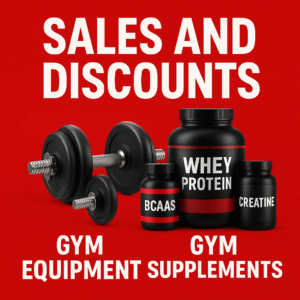
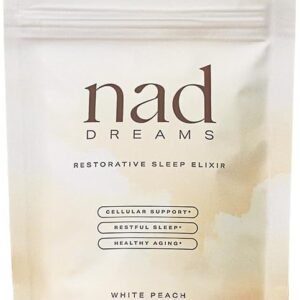
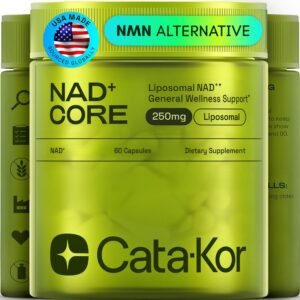
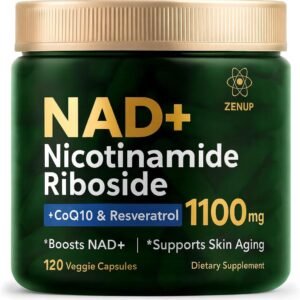
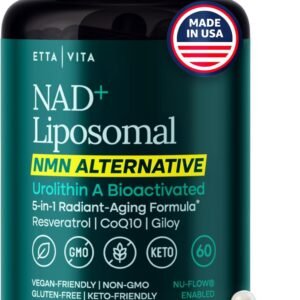
instagram supplements and gym equipment for sale

facebook gym supplements usa. Gym equipments and gym supplements for sale instagram profile social media

crossfit supplements 23

Supplements That CrossFit Athletes Swear By

CrossFit is more than just a workout—it’s a demanding combination of strength, endurance, agility, and mental grit. Athletes push their bodies to the limit with high-intensity training sessions that require fuel, recovery support, and resilience. While a balanced diet is the foundation, many CrossFit athletes turn to supplements to give them an edge in performance and recovery. Below, we break down the top supplements that CrossFitters swear by, why they work, and how they can fit into your training routine.


1. Whey Protein

Protein is the cornerstone of muscle recovery and growth. After grueling WODs (Workouts of the Day), muscles are broken down and need high-quality protein to rebuild stronger.

  • Why it helps: Fast-digesting whey protein delivers essential amino acids, especially leucine, to kickstart muscle repair.
  • How to use: Typically taken post-workout or as a convenient protein boost during the day.

2. Creatine Monohydrate

One of the most researched sports supplements, creatine is a game-changer for strength and power.

  • Why it helps: It replenishes ATP (the body’s primary energy currency), giving athletes more strength and endurance during short bursts of intense activity—perfect for heavy lifts and sprint-style WODs.
  • How to use: 3–5 grams daily, consistently, whether training or not.

Check creatine for sale


3. Branched-Chain Amino Acids (BCAAs)

CrossFit workouts can be brutal on the body, leading to muscle breakdown and fatigue. BCAAs help minimize this.

  • Why it helps: They reduce muscle soreness, support recovery, and help maintain lean muscle mass during intense training phases.
  • How to use: Before, during, or after workouts for hydration and recovery.

4. Beta-Alanine

That burning sensation you feel during high-rep thrusters or burpees? Beta-alanine helps buffer it.

crossfit supplements 221
  • Why it helps: Increases muscle carnosine levels, delaying fatigue and improving muscular endurance.
  • How to use: 2–5 grams daily; may cause harmless tingling (paresthesia).

5. Fish Oil (Omega-3s)

CrossFit is tough not only on muscles but also on joints. Omega-3 fatty acids are crucial for recovery and overall health.

  • Why it helps: Reduces inflammation, supports joint health, and may speed up recovery after tough training sessions.
  • How to use: 1–3 grams daily, depending on diet and training intensity.

6. Pre-Workout Formulas

When energy levels dip, a well-formulated pre-workout can make the difference between dragging through a WOD and crushing it.

  • Why it helps: Provides caffeine, beta-alanine, citrulline, and other performance-boosting ingredients for energy, focus, and stamina.
  • How to use: 20–30 minutes before training, but cycle usage to avoid caffeine dependency.

Check pre workouts products for sale


7. Electrolytes

Sweaty, high-intensity sessions deplete sodium, potassium, and magnesium—critical minerals for hydration and muscle function.

crossfit supplements
  • Why it helps: Prevents cramping, supports endurance, and keeps hydration levels stable during long sessions or hot conditions.
  • How to use: Sip during workouts or throughout the day, especially in warm climates.

8. Vitamin D & Magnesium

Often overlooked, these micronutrients are essential for performance and recovery.

  • Why it helps: Vitamin D boosts bone strength, immunity, and mood, while magnesium aids muscle relaxation, energy production, and quality sleep.
  • How to use: Daily supplementation, especially if you’re deficient or not getting enough through diet and sunlight.

Final Thoughts

Supplements are not shortcuts—they’re tools to complement training, nutrition, and recovery. For CrossFit athletes, the right stack can mean faster recovery, better endurance, and more strength when it matters most. Always prioritize whole foods, hydration, and proper sleep first, then use supplements strategically to fill in the gaps and enhance performance.

More info about Crossfit supplementation for athletes

vaping and gym training effects

Vaping and gym training

Vaping and Gym Training: What Science Says About Performance, Recovery, and Health

Over the past decade, vaping has grown in popularity, often marketed as a “safer” alternative to smoking traditional cigarettes. At the same time, more people are engaging in gym training, from casual fitness enthusiasts to competitive athletes. The overlap of these two lifestyles raises an important question: does vaping affect your performance, recovery, and long-term health as someone who trains in the gym?

As a health expert, I’ll break down the science, explain how vaping impacts cardiovascular and muscular performance, and provide guidance for those who want to optimize their fitness results.


1. Understanding What’s in a Vape

Most e-cigarettes deliver nicotine through aerosolized liquids that may also contain propylene glycol, vegetable glycerin, and flavoring chemicals. Unlike traditional smoking, vaping eliminates combustion, which reduces exposure to many harmful carcinogens. However, this does not mean vaping is risk-free.

  • Nicotine is a stimulant that affects heart rate, blood pressure, and vascular function.
  • Flavoring chemicals have been linked to oxidative stress and inflammation in lung tissues.
  • Aerosolized particles may impair respiratory efficiency, even if less harmful than cigarette smoke.

Check more in Gym Lifestyle


2. Vaping and Cardiovascular Health in Training

Cardiovascular health is critical for both endurance and resistance training. Research published in the Journal of the American Heart Association (2022) shows that acute e-cigarette use can increase arterial stiffness and elevate blood pressure, both of which limit optimal circulation during workouts.

vaping and gym training effects
  • Heart rate elevation: Nicotine increases resting and exercise-induced heart rate, which can make cardio sessions feel harder.
  • Reduced oxygen transport: Some studies indicate vaping aerosols may impair endothelial function (blood vessel dilation), leading to reduced oxygen delivery to muscles.
  • Potential recovery delays: Poor circulation means slower nutrient and oxygen transport, crucial for post-training recovery.

In simple terms: vaping stresses the cardiovascular system, which directly conflicts with the adaptations gym training is supposed to build.


3. Effects on Lung Function and Endurance Training

For endurance athletes, lung function is everything. A 2021 systematic review in Tobacco Induced Diseases found that chronic e-cigarette users displayed reduced lung capacity and exercise tolerance compared to non-users, though still less severe than cigarette smokers.

  • VO₂ max decline: Some studies report small but measurable declines in maximal oxygen uptake in regular vapers.
  • Airway inflammation: The inhaled aerosols can irritate airways, leading to cough, tightness, and decreased exercise efficiency.
  • Long-term concerns: Repeated exposure may lead to chronic bronchitis-like symptoms, which directly impair endurance training progress.

4. Vaping and Strength Training

Strength athletes might assume vaping doesn’t affect them much because they rely less on cardiovascular capacity. However, research suggests otherwise:

  • Blood flow restriction: Nicotine-induced vasoconstriction reduces the delivery of oxygen and nutrients to muscles.
  • Impaired muscle protein synthesis: Some animal studies show nicotine can interfere with mTOR signaling, the pathway essential for muscle growth.
  • Hormonal disruption: Chronic nicotine exposure may alter testosterone and cortisol balance, potentially hindering recovery and hypertrophy.

Even if the immediate impact isn’t as visible as in endurance athletes, over time, these effects can blunt strength and muscle gains.


5. Recovery and Sleep Quality

Recovery is just as important as the workout itself, and vaping may interfere with this process.

  • Sleep disturbances: Nicotine is a central nervous system stimulant. Evening use can reduce deep sleep and REM cycles, both critical for recovery and growth hormone release.
  • Oxidative stress: Vaping increases oxidative stress markers, which can prolong muscle soreness and inflammation after training.
  • Hydration issues: Some compounds in vape liquid can dry out the mouth and throat, potentially contributing to dehydration, which affects muscle performance.

6. Comparing Vaping to Cigarette Smoking

It’s important to note:

  • Vaping is less harmful than smoking for overall lung and cardiovascular health.
  • However, “less harmful” does not mean “harmless.” For gym-goers striving for peak performance, even small reductions in oxygen capacity or recovery efficiency can make a noticeable difference over time.
vaping and gym training effects

In other words, vaping may be the “lesser evil,” but quitting altogether remains the optimal choice for health and performance.


7. Practical Recommendations for Gym-Goers Who Vape

If you vape and train, here are strategies to minimize the negative effects while working toward healthier habits:

  1. Avoid vaping pre-workout: Nicotine-induced vasoconstriction and heart rate elevation can make workouts feel harder.
  2. Stay hydrated: Compensate for potential dehydration by drinking more water before and after workouts.
  3. Prioritize lung health: Incorporate aerobic conditioning (cycling, running, swimming) to counteract vaping-related declines in respiratory capacity.
  4. Focus on recovery: Improve sleep hygiene and reduce evening nicotine use.
  5. Consider quitting: If peak performance and long-term health are priorities, seek professional support or nicotine replacement therapies to taper down use.

8. Final Takeaway

Vaping may seem harmless compared to traditional smoking, but scientific evidence shows clear negative effects on cardiovascular efficiency, lung function, muscle recovery, and overall gym performance. While it may not devastate health in the short term, consistent vaping conflicts with the physiological demands of training and slows progress.

For athletes and fitness enthusiasts who aim to maximize their potential, the best path is clear: reducing or eliminating vaping altogether will give your body the best environment to grow stronger, recover faster, and perform at its peak.

supplement influencer

How Influencers Are Shaping Supplement Sales in the U.S.


How Influencers Are Shaping Supplement Sales in the U.S. The U.S. dietary supplement market, a behemoth valued at over $50 billion, is undergoing a paradigm shift. The traditional pillars of authority—white-coated doctors, clinical studies in obscure journals, and pharmacy aisle recommendations—are being rapidly supplanted by a new, potent force: the social media influencer. This is not merely a change in advertising channel; it is a fundamental restructuring of trust, consumer education, and purchasing pathways. As both a researcher delving into the data and a marketer navigating this landscape, I posit that influencer marketing has become the single most significant catalyst in the modern supplement industry, wielding immense power to build and destroy brands with unparalleled velocity.

Deconstructing the Shift: From Clinical Authority to Relatable Authenticity

For decades, supplement marketing relied on an “authority-based” model. Efficacy was communicated through scientific jargon, third-party certifications (USP, NSF), and endorsements from medical professionals. The consumer’s decision-making process was linear: identify a need, research solutions (often via a healthcare provider or static websites like WebMD), and purchase.

The influencer-driven model operates on a “community-based” framework of trust. A 2023 study by the Influencer Marketing Hub revealed that 61% of consumers trust influencer recommendations, compared to just 38% who trust branded content. This trust is not built on credentials but on perceived authenticity, relatability, and shared identity. A fitness influencer’s “50-day wellness journey” documenting their personal use of a greens powder feels more genuine and accessible than a clinical trial abstract. This is the phenomenon of parasocial relationship—a one-sided, intimate feeling towards a media personality—being leveraged with surgical precision.

The Mechanisms of Influence: A Data-Driven Funnel

The impact is not anecdotal; it is quantifiable across the sales funnel.

  1. Awareness & Education (Top of Funnel): Influencers excel at translating complex health concepts into digestible content. A TikTok video demonstrating a “morning routine” seamlessly integrates a supplement, normalizing its use. Instagram Reels showcasing pre-workout “tingles” or the aesthetic results of collagen peptides provide tangible, albeit anecdotal, evidence. According to Nielsen data, campaigns leveraging influencers see a 10-30% higher recall rate compared to traditional digital ads.
  2. Consideration & Validation (Middle of Funnel): User-Generated Content (UGC) acts as social proof, a powerful heuristic for consumers. A potential buyer is far more likely to be convinced by 100 video reviews from “people like them” than by a brand’s claims. Furthermore, micro-influencers (10k-100k followers) often boast higher engagement rates (often 3-5%), making their endorsements feel more curated and trustworthy for niche audiences (e.g., vegan athletes, menopausal health, biohackers).
  3. Conversion & Purchase (Bottom of Funnel): The direct link is undeniable. The use of unique discount codes and affiliate links provides flawless attribution. A single well-timed post from a mega-influencer can cause a product to sell out in hours, a phenomenon dubbed the “Prime Effect” after Logan Paul’s explosive launch of Prime Hydration. Data from impact.com suggests that influencer-driven affiliate marketing can generate an average Return on Ad Spend (ROAS) of $5.20 for every $1 spent, outperforming many traditional digital marketing channels.
supplement influencer woman

The Scientific and Regulatory Tightrope

This new paradigm is not without significant peril. The very nature of influencer content often blurs the line between anecdotal experience and evidence-based science.

  • The Placebo Effect in the Wild: The enthusiastic, personal testimony of an influencer can powerfully induce a placebo effect in their audience. While real in its perceived benefits, this creates a feedback loop that can inflate a product’s efficacy beyond its scientifically validated bounds.
  • The FDA and FTC Regulatory Gray Zone: The U.S. Food and Drug Administration (FDA) regulates supplements as a category of food, not drugs, meaning they cannot be marketed to treat or cure diseases. The Federal Trade Commission (FTC) mandates that material connections between advertisers and endorsers must be clearly disclosed (#ad, #sponsored). However, influencers frequently walk up to the line—or cross it—with claims like “This cured my brain fog” or “This supplement helped my anxiety,” effectively making illegal drug claims. Monitoring and enforcement across millions of posts remain a monumental challenge.

Check also: weight loss supplements – where to start

supplement influencer 212

The Future Paradigm: Sustainability, Personalization, and Biometric Integration

The influencer-supplement nexus is evolving into a more sophisticated, data-rich ecosystem.

  1. The Rise of Credentialed Influencers: The next wave will be led by influencer-dietitians, naturopathic doctors, and PhDs in nutrition who can merge scientific authority with social media savvy. They offer a compelling compromise: evidence-based information delivered with relatable appeal.
  2. Hyper-Personalization and Nootropics: Influencers are driving demand for sophisticated, personalized stacks, particularly in the cognitive enhancement (nootropics) and hormonal health spaces. Content is shifting from “one-size-fits-all” to highly specific protocols based on genetics, biometrics, and lifestyle.
  3. Biometric Data as Content: The most advanced influencers are integrating wearable data (WHOOP, Oura Ring, continuous glucose monitors) into their supplement narratives. Showing a tangible improvement in HRV (Heart Rate Variability) or sleep depth after starting a new supplement provides a data point that resonates deeply with an increasingly savvy audience, adding a layer of “quantifiable” proof to their testimony.

Check also: Iherb – company profile

A Symbiotic Relationship Demanding Ethical Vigilance

Influencer marketing has irrevocably shaped the supplement industry, creating a dynamic, responsive, and highly effective channel for growth. It has democratized health information while also creating a Wild West of anecdotal evidence and regulatory challenges.

For brands, the mandate is clear: partner transparently with influencers who genuinely align with your product’s validated benefits and invest in educating them on compliant communication. For consumers, the imperative is to practice media literacy—to view influencer content as a starting point for discovery, not the final word on efficacy. The future of supplements lies in a symbiotic relationship between authentic storytelling and rigorous science, where influence is not just measured in likes, but in legitimate, positive health outcomes.

The laboratory of public opinion is now hosted on Instagram and TikTok, and the experiment is ongoing. Our responsibility as researchers and marketers is to ensure its results are both profitable and ethical.

gym diabetes

Comprehensive Guide to Gym Training Over 40 with Diabetes

Reaching the age of 40 is a milestone, often accompanied by a renewed focus on health and longevity. For the millions living with diabetes, this focus becomes not just a goal, but a necessity. The gym, once a place for aesthetic pursuits, transforms into a powerful therapeutic tool. Combining strength training and cardiovascular exercise is, in the words of many endocrinologists, one of the most potent “medications” available—but it must be taken with knowledge and precision.

This article delves into the science, strategies, and sex-specific considerations for navigating gym workouts after 40 with diabetes.

The Powerful Synergy of Exercise and Glucose Management

Exercise directly combats the core issues of Type 2 diabetes: insulin resistance and glycemic control. For Type 1 diabetics, the relationship is more complex but equally beneficial for cardiovascular health and insulin sensitivity.

The Scientific Mechanism:
During muscle contraction, muscles absorb glucose from the bloodstream for fuel without requiring insulin. This is a game-changer. A single session of exercise can improve insulin sensitivity for up to 48 hours. Furthermore, resistance training builds lean muscle mass. As Dr. Ronald Sigal, a leading researcher in exercise and diabetes, states, “Muscle is the largest organ in the body to dispose of glucose. The more muscle you have, the more glucose you can dispose of, which helps lower blood sugar.” This metabolic advantage is crucial for managing both hyperglycemia and reducing the risk of diabetic complications.

See also: plant based proteins in gym training

gym diabetes

The Two Pillars of a Diabetic Exercise Regimen

A balanced routine for individuals with diabetes over 40 should rest on two pillars:

1. Resistance (Strength) Training

This is non-negotiable. After 40, adults naturally lose muscle mass (a process called sarcopenia), which is accelerated by diabetes. Strength training reverses this trend.

  • Scientific Take: A meta-analysis published in Diabetes Care concluded that resistance training significantly improves HbA1c levels (a key marker of long-term blood glucose control), increases lean mass, and reduces insulin resistance. The effects are comparable to some diabetic medications.
  • How to Implement:
    • Frequency: 2-3 non-consecutive days per week.
    • Focus: Compound movements that work multiple muscle groups: squats, lunges, chest presses, rows, lat pulldowns, and shoulder presses.
    • Form Over Weight: Perfect technique is critical to prevent injury. Consider a few sessions with a certified trainer experienced in working with older adults or those with chronic conditions.
    • Progression: Start with bodyweight or light weights. Gradually increase the resistance, not the repetition speed.

2. Cardiovascular (Aerobic) Exercise

Cardio improves heart health, increases calorie expenditure, and enhances insulin sensitivity.

  • Scientific Take: The American Diabetes Association (ADA) recommends at least 150 minutes of moderate-to-vigorous intensity aerobic activity per week. This can be broken into manageable 20-30 minute sessions.
  • How to Implement:
    • Choose Your Modality: Low-impact options like stationary biking, elliptical trainers, rowing, brisk walking, or swimming are joint-friendly and excellent choices.
    • Interval Training (HIIT): Research in journals like Diabetologia shows that High-Intensity Interval Training (short bursts of intense effort followed by recovery) is highly effective for improving glycemic control. Caution: HIIT can significantly affect blood sugar and may not be suitable for everyone, especially those with cardiovascular complications. Medical clearance is essential.

Critical Safety Considerations: The Hypoglycemia Danger Zone

The most immediate risk for diabetics, particularly those on insulin or sulfonylureas, is exercise-induced hypoglycemia (low blood sugar).

Preventing Hypoglycemia: The Scientist’s Protocol

  1. Monitor Relentlessly: Check blood glucose before, during (if session is >45 mins), and after exercise. The ADA advises against starting exercise if blood glucose is >250 mg/dL with ketosis or >300 mg/dL without ketosis.
  2. Fuel Smartly: If your pre-workout reading is <100 mg/dL (5.6 mmol/L), consume a small 15-20g carbohydrate snack (e.g., a small fruit, half a granola bar).
  3. Have Fast-Acting Carbs On Hand: Always keep glucose tablets or juice within reach during your workout.
  4. Inform Your Companions: Make sure someone at the gym knows you have diabetes and can recognize the signs of hypoglycemia (shakiness, confusion, sweating).
  5. The “Afterburn” Effect: Hypoglycemia can occur hours after exercise (nocturnal hypoglycemia is a common risk). You may need to reduce your evening insulin dose or have a small protein-rich snack before bed. Continuous Glucose Monitors (CGMs) are invaluable for tracking these trends.
gym diabetes

Sex-Specific Considerations: Men vs. Women

While the core principles remain the same, biological differences necessitate nuanced approaches.

For Men:

  • Focus on Hormonal Synergy: Testosterone levels naturally decline with age, which can hinder muscle growth and recovery. Diabetes can exacerbate this. Strength training is a powerful natural stimulus for testosterone production. Scientists have found that compound, heavy lifts (like squats and deadlifts) elicit the greatest hormonal response.
  • Heart Health Priority: Men with diabetes have a significantly higher risk of cardiovascular disease than women with diabetes. This makes the cardio component of their workout non-negotiable for heart health, not just glucose control.
  • Injury Prevention: Men may be more prone to ego-lifting. The mantra must be: “Leave your ego at the door.” Focus on controlled movements and full range of motion to protect joints and tendons, which become more vulnerable with age.

For Women:

  • Preserving Bone Density: Post-menopausal women experience a rapid decline in estrogen, leading to decreased bone density (osteoporosis). Diabetes, particularly Type 1, is an independent risk factor for fractures. Weight-bearing exercise and resistance training are paramount. As stated by Dr. Sheri Colberg, an expert in diabetes and exercise, “Pulling on the bones through weight-bearing and resistance exercise is what tells the body to keep them strong.”
  • Navigating Hormonal Fluctuations: A woman’s menstrual cycle (and its cessation during menopause) can cause significant fluctuations in insulin sensitivity. Women must be hyper-vigilant with their glucose monitoring around their workouts during these times, as insulin requirements can change daily.
  • Strength Goals: Women should embrace heavy lifting. They cannot “bulk up” like men due to lower testosterone levels. Instead, they will build metabolically active, strong muscle that is essential for glucose management and functional independence.
gym diabetes

The Non-Negotiable First Step: Medical Clearance

Before starting any new workout regimen, a thorough medical evaluation is essential. This should include:

  • Cardiovascular Stress Test: To screen for silent heart disease.
  • Foot Examination: To check for neuropathy (nerve damage). Neuropathy can lead to unnoticed injuries and alter balance, making certain exercises risky.
  • Retinopathy Screening: Strenuous lifting can increase pressure in the eyes, which is a concern for those with proliferative diabetic retinopathy.
  • Renal Function Test: To ensure the kidneys are functioning properly.

Sample Weekly Workout Structure

DayActivityKey Focus
MondayStrength Training (Full Body) – Squats, Bench Press, Rows, PlanksForm, controlled tempo, mind-muscle connection
TuesdayModerate-Intensity Cardio – 30 mins on the elliptical or stationary bikeHeart rate zone 60-70% of max, consistency
WednesdayActive Recovery – Walking, gentle yoga, or mobility workPromoting blood flow, reducing soreness
ThursdayStrength Training (Full Body) – Lunges, Overhead Press, Lat Pulldowns, Glute BridgesProgressive overload (slightly more weight/reps)
FridayLow-Impact Cardio – Swimming or brisk walkingSustainability, joint health
SaturdayOptional Fun Activity – Hike, dance class, gardeningJoyful movement, adherence
SundayRestRecovery is when the body adapts and gets stronger

Conclusion: Empowerment Through Movement

Turning 40 with diabetes is not a sentence to decline; it is an opportunity to take empowered control of your health. The gym is your laboratory, and exercise is your medicine. By combining scientifically-backed resistance and aerobic training with meticulous glucose monitoring and an understanding of your unique needs as a man or woman, you can build a stronger, healthier, and more resilient body. You are not just working out for aesthetics; you are training for your life.

gym diabetes

Disclaimer: This article is for informational purposes only and does not constitute medical advice. Always consult with your physician and a certified diabetes educator before beginning any new exercise or nutrition program.

nad+

The Comprehensive Guide to NAD+: The Molecule of Youth, Energy, and Cellular Repair

In the burgeoning world of health optimization and longevity, one molecule has risen to prominence as a cornerstone of cellular vitality: NAD+. Touted by scientists and biohackers alike, understanding NAD+ is key to understanding how our bodies age and function at the most fundamental level. This guide will provide a deep dive into what NAD+ is, its profound benefits, the various ways to use it, and a trustworthy guide to purchasing it in the USA.

What is NAD+? A Cellular Powerhouse Explained

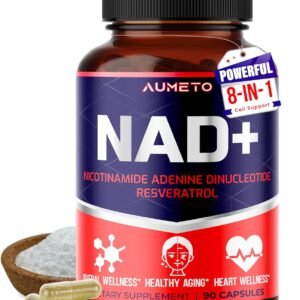
NAD+ (Nicotinamide Adenine Dinucleotide) is a critical coenzyme found in every single cell in your body. Think of it as an essential helper molecule that enables other enzymes to perform their jobs. Its primary roles are fundamental to life itself:

  1. Energy Production: NAD+ is a key player in mitochondrial function. Mitochondria are the “powerhouses” of your cells, converting the food you eat into usable energy (ATP). NAD+ acts as an electron shuttle, facilitating the chemical reactions that produce this energy. Without sufficient NAD+, your mitochondria cannot function optimally, leading to fatigue and slower metabolism.
  2. DNA Repair and Genomic Stability: Our DNA is constantly under attack from environmental stressors like UV radiation, pollution, and normal metabolic byproducts. Enzymes called sirtuins and PARPs act as cellular repair crews, fixing damaged DNA. Both sirtuins and PARPs are entirely dependent on NAD+ to function. Low NAD+ levels mean impaired DNA repair, which accelerates aging and increases disease risk.
  3. Regulating Circadian Rhythms: Your body’s internal clock, which governs sleep-wake cycles, is closely tied to cellular NAD+ rhythms. Proper NAD+ levels help maintain a healthy circadian rhythm, which in turn supports metabolic health and cognitive function.

Check also: what people write about NAD+

nad+

The NAD+ Decline: Why We Care About Supplementation

Here is the central problem: NAD+ levels naturally and significantly decline with age. By middle age, you may have only half the NAD+ you had in your youth. This decline is driven by increased consumption (as DNA damage accumulates with age, it uses up more NAD+ for repairs) and decreased production.

This age-related drop in NAD+ is strongly correlated with many hallmarks of aging and chronic diseases:

  • Fatigue and reduced endurance
  • Weight gain and slowed metabolism
  • Cognitive decline and neurodegenerative diseases
  • Loss of muscle strength and mass (sarcopenia)
  • Weakened immune function
  • Cardiovascular issues

The logical conclusion is that by restoring NAD+ levels, we may be able to counteract these age-related declines and promote healthier aging. This is where supplementation comes in.

How to Use NAD+: Precursors, Sublinguals, and IVs

You cannot effectively take NAD+ directly in a pill because the molecule is too large to be efficiently absorbed through the gut. Instead, we use precursors—smaller molecules that the body converts into NAD+—or methods that bypass the digestive system.

1. NAD+ Precursors (Oral Supplements) – The Most Common Method
These are supplements you take by mouth. The body converts them into NAD+ through a series of biological steps.

  • NMN (Nicotinamide Mononucleotide): A direct precursor to NAD+. It has gained immense popularity due to strong animal studies showing its efficacy in boosting NAD+ levels and improving various health markers. It is widely available in powder and capsule form.
    • Typical Dosage: 250 mg to 500 mg once or twice daily.
    • How to Take: Often recommended to be taken sublingually (under the tongue) for potential better absorption, or with food. Many take it in the morning to support energy levels.
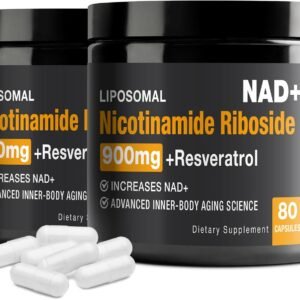
  • NR (Nicotinamide Riboside): Another highly effective precursor, patented as Niagen®. It’s a form of Vitamin B3 that converts to NMN and then to NAD+. It has numerous human clinical trials supporting its safety and ability to raise NAD+ levels.
    • Typical Dosage: 250 mg to 300 mg once or twice daily.
    • How to Take: With or without food, typically in the morning.
  • Nicotinamide (Nam): A classic form of Vitamin B3. While it can boost NAD+, it also inhibits sirtuins (the longevity enzymes) at higher doses, which is counterproductive for the goals of most people seeking NAD+ therapy.
nad+

2. Sublingual (Under the Tongue) NAD+
Some companies offer NAD+ in a sublingual lozenge or spray. The theory is that absorption through the mucous membranes in the mouth bypasses the digestive system and liver metabolism, leading to more direct availability. While promising, the research on the efficacy of this delivery method compared to precursors is less established.

3. Intravenous (IV) NAD+ Therapy
This is the most direct and potent method. NAD+ is infused directly into the bloodstream, achieving 100% bioavailability and an immediate spike in cellular levels.

  • Benefits: Used for rapid treatment of addiction, severe chronic fatigue, and acute neurodegenerative conditions. It’s also popular for a “biohacking” boost.
  • Drawbacks: It is very expensive ($500 – $1000 per session), time-consuming (2-4 hour infusion), and must be administered by a medical professional in a clinic setting. It is not a practical long-term solution for most people.

4. Topical NAD+
Found in some high-end skincare serums and creams, the goal is to support cellular energy and repair directly in the skin cells to combat signs of aging. Evidence for its efficacy topically is still emerging.

More information in our Health blog

Where to Buy NAD+ Supplements in the USA: A Buyer’s Guide

The supplement market is largely unregulated, making quality and purity paramount. Here’s what to look for and where to find it.

What to Look For:

  • Third-Party Testing: Always choose brands that are transparent about third-party testing for purity, potency, and contaminants (look for certifications from NSF, USP, or ConsumerLab.com).
  • Patented Ingredients: For NR, look for Niagen® (licensed by ChromaDex). For NMN, look for Uthever® (a highly reputable and tested manufacturer).
  • Transparency: Reputable companies will clearly list the form and amount of the active ingredient on the label.

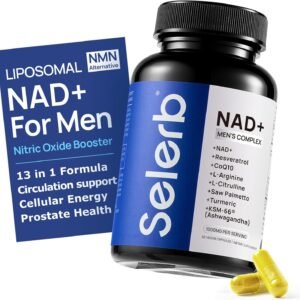
Nutricost NAD+ Supplement 1000mg

$39.95

Elevate your energy, focus, and vitality with Nutricost NAD+ 1000mg, a premium cellular health supplement scientifically formulated to support cellular repair, energy metabolism, and healthy aging.

Trusted Retailers and Brands:

Online (Direct from Manufacturer or Major Retailers):

  • Elysium Health: A science-first company co-founded by a Nobel Laureate. Their flagship product, Basis, uses Niagen® (NR) and pterostilbene. A very trusted source.
  • Tru Niagen: The consumer brand from ChromaDex, the patent holder for Niagen® (NR). They offer pure NR supplements in various strengths and are a gold standard for NR.
  • ProHealth Longevity / Jarrow Formulas / Life Extension / Thorne: These are all highly reputable supplement brands known for their rigorous quality control. They offer both NMN and NR products.
  • Renue by Science: A brand focused exclusively on NAD+ and longevity. They offer a wide array of products including NMN, NR, and innovative delivery systems like sublingual powders and liposomal gels.
  • Amazon: While convenient, be extremely cautious. Only purchase from the official storefront of the trusted brands listed above on Amazon. The platform has issues with counterfeit and adulterated supplements.

Brick-and-Mortar Stores:

  • The Vitamin Shoppe / GNC: These national chains carry several trusted brands like Jarrow Formulas and their own house brands that often feature Niagen®. Always check the label for the patented ingredient.
  • Whole Foods Market / Natural Grocers: These stores have curated supplement sections with a focus on quality. You can find brands like MegaFood and Garden of Life, which may carry NAD+ precursors, though their selection might be more limited than specialty retailers.
shop now gym shop supplements USA

Important Considerations and Safety

  • Side Effects: NAD+ precursors are generally considered very safe. High doses of NR or NMN can occasionally cause mild nausea, fatigue, or digestive discomfort. Starting with a lower dose and taking it with food can mitigate this.
  • Drug Interactions: While no major interactions are well-documented, if you are on medication (especially for diabetes or blood pressure), it is crucial to consult your doctor before starting any new supplement regimen.
  • Cost: High-quality NAD+ supplements are an investment, often ranging from $50 to $100+ per month.
  • The Future: NAD+ research is exploding. The first large-scale human trials on longevity outcomes are ongoing. While the preliminary science is compelling, always maintain a healthy skepticism and focus on lifestyle fundamentals first: a whole-foods diet, regular exercise, quality sleep, and stress management. NAD+ supplementation is a powerful tool to augment a healthy lifestyle, not replace it.

Disclaimer: This article is for informational purposes only and does not constitute medical advice. Always consult with a qualified healthcare professional before making any decisions about your health or supplementation regimen.

gym arizona

The Ultimate Guide to the Top 10 Gym Brands in Arizona

Top 10 Gym Brands in Arizona. The sun-drenched landscape of Arizona is more than just a haven for hikers and golfers; it’s a thriving fitness ecosystem. From the sprawling urban centers of Phoenix and Tucson to the growing communities in Scottsdale, Tempe, and Flagstaff, Arizonans are passionate about health and wellness. This passion is reflected in the incredible diversity and quality of gym brands that call the state home.

But with so many options, how do you choose? The “best” gym isn’t a universal concept—it’s deeply personal. It depends on your budget, your fitness goals, your preferred training style, and even the vibe you’re looking for.

This definitive guide is designed to cut through the noise. We’ve sweat-tested, researched, and compiled a list of the top 10 gym brands in Arizona, providing an in-depth look at what makes each one unique. Whether you’re a bodybuilding purist, a yoga enthusiast, a CrossFit fanatic, or someone just starting their fitness journey, your perfect gym is on this list.

gym arizona

Let’s lift the curtain on Arizona’s fitness scene.


1. Mountainside Fitness: The Arizona Original

Website: https://www.mountainsidefitness.com/

If there’s one gym brand that screams “Arizona,” it’s Mountainside Fitness. Founded locally in 1991, it has grown from a single location to the state’s largest locally-owned fitness chain, with over 20 clubs spread across the Valley and in Tucson in Arizona. Mountainside has earned its place as a community staple by offering a massive, all-in-one fitness experience.

What Makes It Stand Out?

  • Arizona-Grown: There’s a sense of state pride that comes with supporting a homegrown business. They understand the local culture and climate, often featuring resort-style pools and outdoor workout areas perfect for Arizona’s beautiful winters.
  • Unmatched Variety: You will never get bored at a Mountainside. Their facilities are enormous, typically featuring:
    • Extensive cardio and strength training zones with top-of-the-line equipment.
    • Large group fitness studios with a huge schedule of classes included in membership (Yoga, Zumba, Spin, HIIT, etc.).
    • Dedicated functional training areas with turf, sleds, and rigs.
    • Basketball and racquetball courts.
    • Luxury amenities like saunas, steam rooms, and resort-style pools.
  • The “Sweat for Success” Kids Club: This is a major draw for families. They offer free, supervised childcare for members, making it easier for parents to prioritize their health.

Ideal For:

  • Families who need childcare options.
  • Fitness enthusiasts who want everything under one roof and love variety.
  • Anyone who prefers a large, social gym environment with plenty of amenities.
  • Supporters of local Arizona businesses.

Considerations:

  • The sheer size can be intimidating for absolute beginners.
  • Peak hours (5-7 PM) can be very crowded due to its popularity.
  • Pricing is mid-to-high range, though they often run specials.

2. EŌS Fitness: The Value Juggernaut

Website: https://www.eosfitness.com/

Born in Arizona as “Elevation Fitness,” EŌS has exploded into a national brand, but its roots are deeply planted in the desert soil. The name EŌS, meaning “Goddess of the Dawn,” reflects their mission to be a new beginning for their members. Their primary weapon? Offering a premium, large-scale gym experience at an astonishingly affordable price point, often starting at just $10 a month.

arizona gym

What Makes It Stand Out?

  • Incredible Value: This is their flagship offering. For a budget-friendly fee, you get access to clean, modern facilities packed with brand-new equipment.
  • Modern & Clean Facilities: EŌS locations are typically newer or recently renovated. They are bright, clean, and filled with a massive array of Hammer Strength and Life Fitness equipment, a vast cardio theater, and dedicated functional training zones.
  • Surprising Amenities for the Price: Even at the base tier, many locations offer perks like hydro-massage beds, and for a small upgrade, you can access amenities like tanning, red light therapy, and their group fitness classes (which are among the best in the budget category).
  • Abundant Locations: With dozens of locations throughout the Phoenix metro area and Tucson, you’re never far from an EŌS, making it convenient for those with busy schedules.

Ideal For:

  • Budget-conscious individuals and families.
  • Anyone who wants a no-frills, equipment-heavy gym to do their own workouts.
  • People who value new, well-maintained machines and a clean environment.

Considerations:

  • The low price point means it can get very crowded, especially during peak hours.
  • While they have classes and amenities, the culture is less about community and more about individual workouts compared to boutique studios.

3. Lifetime Athletic: The Luxury Lifestyle Destination

Website: https://www.lifetime.life/

When “gym” isn’t a strong enough word, you go to Lifetime. Lifetime Athletic is more than a place to work out; it’s a luxury lifestyle destination. With stunning locations in upscale areas like Scottsdale, Gilbert, and North Phoenix, Lifetime redefines what a health club can be. This comes at a premium price, but for those who can afford it, the experience is unparalleled.

What Makes It Stand Out?

  • Resort-Level Amenities: We’re talking full-service spas, indoor and outdoor pools, basketball courts, dedicated yoga and cycling studios, and cafes serving healthy, chef-prepared meals and smoothies.
  • Superior Programming: Their group fitness schedule is vast and diverse, featuring exclusive formats like LT Intensity and Alpha Yoga. They also offer top-tier athletic leagues, youth programming, and pilates reformer classes.
  • Impeccable Facilities and Service: Everything at Lifetime is top-shelf. The equipment is the best available, the locker rooms are luxurious (with towels, toiletries, and dry saunas), and the staff is trained to provide exceptional service.
  • A True Community Hub: People come to Lifetime to work out, socialize, work from the cafe, and relax. It’s designed to be a second home.
shop now gym shop supplements USA

Ideal For:

  • Those for whom budget is not a primary concern.
  • Families looking for extensive youth programs and activities.
  • Fitness enthusiasts who want a comprehensive wellness experience (fitness, nutrition, recovery, spa).
  • Professionals who can utilize the club as a networking and social space.

Considerations:

  • Price: This is the most expensive option on the list, with memberships often exceeding $200/month.
  • The environment, while beautiful, can feel intimidating or less focused on hardcore training for some.

4. Orangetheory Fitness: The Science-Backed Group Burn

Website: https://www.orangetheory.com/en-us

Orangetheory Fitness (OTF) took the world by storm with its unique, science-backed, high-intensity group training model. With over 50 studios in Arizona alone, its popularity shows no signs of waning. The signature orange lights and heart rate monitors have become symbols of a effective, efficient, and community-driven workout.

What Makes It Stand Out?

  • The Heart Rate Monitoring Technology: Every member wears a heart rate monitor that projects their real-time stats onto screens in the studio. The goal is to spend 12+ minutes in the “Orange Zone” (84-91% of max heart rate), which leads to Excess Post-Exercise Oxygen Consumption (EPOC), or “afterburn,” where you continue to burn calories for up to 36 hours after the workout.
  • Structured, Coach-Led Workouts: You never have to think about what to do. Every class is a structured, one-hour, full-body workout that alternates between treadmill, water rower, and strength floor blocks. The template changes daily, so you never plateau.
  • A Supportive Community: The group setting, led by motivating coaches, creates a powerful sense of camaraderie. You’re all in it together, and the shared experience is a huge motivator.
  • Proven Results: The combination of HIIT, heart rate tracking, and professional coaching delivers tangible, measurable results for fat loss and improved cardiovascular endurance.

Ideal For:

  • People who need the motivation of a group and a coach.
  • Those who love data and seeing their effort quantified in real-time.
  • Individuals looking for a efficient, one-hour, full-body workout that maximizes calorie burn.
  • Anyone who gets bored with a routine and needs constant variety.
arizona gym

Considerations:

  • Less focus on heavy strength training and muscle building.
  • The monthly membership is priced like a boutique studio ($100-$160/month), so it’s more expensive than a traditional gym.
  • The template is not customizable; you do the workout of the day.

5. CrossFit: The Community of Intensity

Website: https://www.crossfit.com/affiliate (Use to find local boxes)

CrossFit isn’t a single brand but a methodology practiced by thousands of independently-owned affiliates (“boxes”) worldwide. Arizona has a massive and passionate CrossFit community, with renowned boxes like CrossFit Scottsdale, CrossFit PHX, and CrossFit Valor in Tucson. The workout itself is defined as “constantly varied, high-intensity, functional movement.”

What Makes It Stand Out?

  • Unmatched Community Vibe: This is the cornerstone of CrossFit. The shared suffering of a brutal “WOD” (Workout of the Day) creates incredibly strong bonds. You’ll find your toughest critics and your biggest cheerleaders all in one room.
  • Functional Fitness: The movements are designed to prepare you for the demands of real life—lifting, carrying, pushing, pulling, and squatting. You get strong, agile, and capable, not just aesthetically fit.
  • Scalability: Every single workout can and is scaled to any fitness level. The coach ensures that whether you’re a rookie or a Games athlete, the workout is equally challenging and safe for you.
  • Never Boring: The constantly varied nature means you might be lifting heavy barbells one day, doing gymnastics the next, and finishing with a cardio burner. You’ll never plateau.

Ideal For:

  • Those who thrive on competition and community support.
  • People who want to get functionally strong and improve overall athleticism.
  • Individuals who enjoy the challenge of learning new, complex skills (like Olympic lifting).

Considerations:

  • The risk of injury can be higher if form is sacrificed for intensity or under poor coaching. Choosing a box with highly credentialed, attentive coaches is critical.
  • The culture can feel intense or intimidating to outsiders (though most boxes are incredibly welcoming).
  • Pricing is typically in the boutique range ($150-$200+/month).

6. F45 Training: The 45-Minute Functional Team Burn

Website: https://f45training.com/find-a-studio

Hailing from Australia, F45 Training has conquered the globe with its unique team training concept. The “F” stands for Functional, and the “45” is the duration of the workout. It combines elements of High-Intensity Interval Training (HIIT), Circuit Training, and Functional Movements into a fast-paced, addictive class format.

What Makes It Stand Out?

  • The Ultimate “No-Thinking” Workout: Like Orangetheory, the workout is designed for you. The circuit is set up around the room with screens demonstrating each exercise. You simply move from station to station when the timer tells you to.
  • Team-Based Atmosphere: While you work at your own pace, the team environment is a huge motivator. The workouts are designed to be high-energy and fun, often with music pumping and trainers hyping everyone up.
  • Functional Focus with Variety: The workouts change every day, focusing on different goals: cardio, resistance, or hybrid. The exercises are functional, using equipment like kettlebells, battle ropes, sleds, and sandbags.
  • Efficiency: In just 45 minutes, you get a incredibly effective full-body workout that torches calories and builds lean muscle.

Ideal For:

  • People who love the group energy of OTF or CrossFit but want a slightly less technical approach.
  • Those short on time who want a maximally efficient workout.
  • Individuals who get bored easily and need daily variety.

Considerations:

  • Less focus on skill development and heavy lifting compared to CrossFit.
  • The pace is very fast, which can sometimes lead to compromised form if not careful.
  • Membership is priced as a boutique studio.

7. The Village Health Clubs & Spas: The Refined Athletic Club

Website: https://www.villageclubs.com/

The Village Health Clubs & Spas is Arizona’s answer to the premier, family-oriented athletic club. With locations in the state’s most desirable communities—including Gainey, DC Ranch, and Verrado—The Village offers a refined, less corporate alternative to Lifetime, with a intense focus on community and impeccable service.

arizona gym

What Makes It Stand Out?

  • Exceptional Service and Attention to Detail: From the moment you walk in, the focus is on personalized service. The staff knows members by name, and every detail, from the cleanliness of the facilities to the quality of the programming, is meticulously managed.
  • World-Class Tennis and Pickleball: A major differentiator for The Village is its incredible racquet sports facilities. They offer top-tier instruction, leagues, and tournaments, making it a paradise for tennis and pickleball enthusiasts.
  • Comprehensive Family Offerings: Like its competitors, The Village boasts amazing pools, kids’ clubs, and extensive youth programming, from swim teams to summer camps.
  • Elegant, Resort-Style Environment: The clubs are beautifully designed, less “mega-gym” and more “luxury resort,” creating a comfortable and upscale atmosphere for all activities.

Ideal For:

  • Families, particularly those interested in racquet sports.
  • Discerning individuals who value personalized service and a less crowded, more refined environment.
  • Those living in the communities they serve who want a true neighborhood club feel.

Considerations:

  • Limited number of locations, primarily in high-end master-planned communities.
  • Membership dues are at the premium level, similar to Lifetime.

8. VASA Fitness: The All-Inclusive Value Play

Website: https://vasafitness.com/

A rapidly growing competitor in the value gym space, VASA Fitness has entered the Arizona market with a bang. Their model is simple: offer a huge range of amenities and equipment at a staggeringly low price point, directly challenging EŌS and Mountainside.

What Makes It Stand Out?

  • Staggered Membership Tiers: VASA’s genius is in its tiered system. You can choose a basic ” cardio and weights” membership for a rock-bottom price, or upgrade to their “Studio” or “Premium” levels to unlock everything: all group fitness classes (including their exclusive formats), hydro-massage, tanning, kids’ club, and even gyms.
  • Incredible Amenities for the Price: Even mid-tier members get access to a massive selection of group classes, making it one of the best values in fitness if you take advantage of them.
  • “Studio” Blends Boutique and Big-Box: Their class studios are designed to feel like separate boutique experiences within the large gym, offering HIIT, cycling, and yoga in dedicated, themed rooms.

Ideal For:

  • Budget-conscious members who still want a wide array of classes and amenities.
  • Those who like the option to start cheap and upgrade later as their needs change.
  • Anyone who wants a clean, modern, and well-equipped gym without the luxury price tag.

Considerations:

  • Can be extremely crowded during peak hours.
  • As a newer entrant to the market, locations are still expanding but not yet as ubiquitous as EŌS.

9. UFC GYM: Where Fighters and Families Train

Website: https://www.ufcgym.com/

UFC GYM is a unique fusion of a traditional health club and the high-energy world of mixed martial arts. It’s not just for fighters; it’s built on the concept that the training methods of the world’s best athletes are effective for everyone, from kids to grandparents.

What Makes It Stand Out?

  • The Signature Octagon®: Where else can you train in a real Octagon? This is the heart of the gym, used for MMA classes, personal training, and functional workouts.
  • Authentic Martial Arts Programming: They offer authentic, accredited coaching in Brazilian Jiu-Jitsu, Muay Thai, Boxing, and MMA. This is a major draw for those looking to learn self-defense, get into fighting, or just find a incredibly engaging way to get in shape.
  • Daily Functional Training Classes (DUT™): These are their signature group fitness classes, inspired by the training regimens of UFC athletes. They are high-intensity, functional, and varied.
  • An Emphasis on Youth Fitness: Their UFC GYM Youth Program combines fitness, martial arts, and self-defense, all designed to build confidence and discipline in kids.

Ideal For:

  • Martial arts enthusiasts or those curious about learning.
  • Anyone bored with traditional cardio and weightlifting and looking for a skill-based, high-energy alternative.
  • Families interested in youth martial arts programs.
arizona gym

Considerations:

  • The MMA focus might not appeal to everyone.
  • The environment can be intense and loud, which may not be conducive to those looking for a quiet, focused workout.

10. Local Strength & Conditioning Gyms: The Hidden Gems

Beyond the big brands, Arizona is teeming with exceptional locally-owned strength gyms, powerlifting clubs, and bodybuilding sanctuaries. These are places like ****

  • Trainyard Fitness (Scottsdale): A renowned strength and conditioning facility known for expert coaching.
  • The Rush Fitness (Multiple Locations): A local chain focused on a social, results-driven small group training model.
  • Independent Powerlifting Gyms (e.g., Powerhouse Gym franchises or specific clubs like Deserto Barbell): Mecca for serious lifters with platforms, competition racks, and like-minded communities.

What Makes Them Stand Out?

  • Expert Coaching: These gyms are often founded and staffed by competitive athletes and specialists who live and breathe their discipline.
  • Serious Training Environment: Filled with specialized equipment you won’t find in commercial gyms: competition power racks, kilo plates, strongman logs, sleds, and GHR machines.
  • Niche Community: The community is smaller, tighter-knit, and hyper-focused on a specific goal, whether it’s powerlifting, bodybuilding, or athletic performance.

Ideal For:

  • Serious athletes and competitive lifters.
  • Individuals who are highly focused on a specific training goal.
  • Those who prefer a no-frills, hardcore training environment without distractions.

Considerations:

  • Often lack the amenities of larger clubs (pools, courts, extensive cardio).
  • The culture can be intimidating for beginners.
  • You must seek them out, as they don’t have the marketing reach of national brands.

How to Choose the Right Gym for You: A Step-by-Step Guide

Now that you’ve seen the options, how do you decide? Ask yourself these crucial questions:

  1. What are my fitness goals? (Weight loss, muscle building, training for a sport, general health?)
  2. What is my budget? Be realistic about monthly fees and any annual or startup costs.
  3. What is my preferred training style? (Solo, group classes, team sports, one-on-one coaching?)
  4. How important are amenities to me? (Pool, childcare, spa, locker rooms, cafe?)
  5. Where is it located, and what are the hours? Convenience is key to consistency. A perfect gym 30 minutes away is worse than a good gym 5 minutes away.
  6. What is the vibe and culture? THIS IS CRUCIAL. Always, always take a tour and ask for a free trial pass. Does the gym feel welcoming? Do the members look like people you’d want to be around? Is the staff helpful?

Final Rep: Find Your Fitness Home

Arizona’s fitness landscape is as diverse and dynamic as its geography. From the budget-friendly, massive floors of EŌS Fitness to the luxurious, resort-like oasis of Lifetime, there is a perfect gym waiting for you. The passionate, community-driven intensity of CrossFit boxes offers a unique challenge, while the data-driven, group energy of Orangetheory provides a science-backed burn.

Your fitness journey is personal. The best gym is the one that makes you feel excited to walk through its doors, supports your goals, and fits your lifestyle. Use this guide as your starting point, take those free trials, and find the place where you can become the healthiest, strongest version of yourself.

What’s your favorite gym in Arizona? Did we miss a great one? Share your thoughts in the comments below!

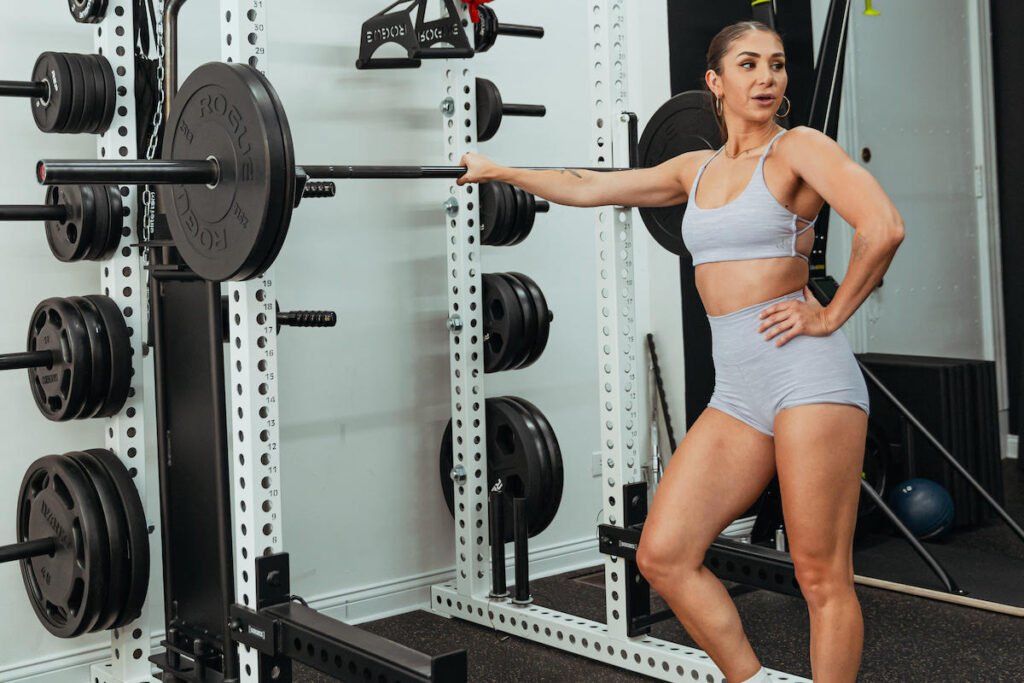
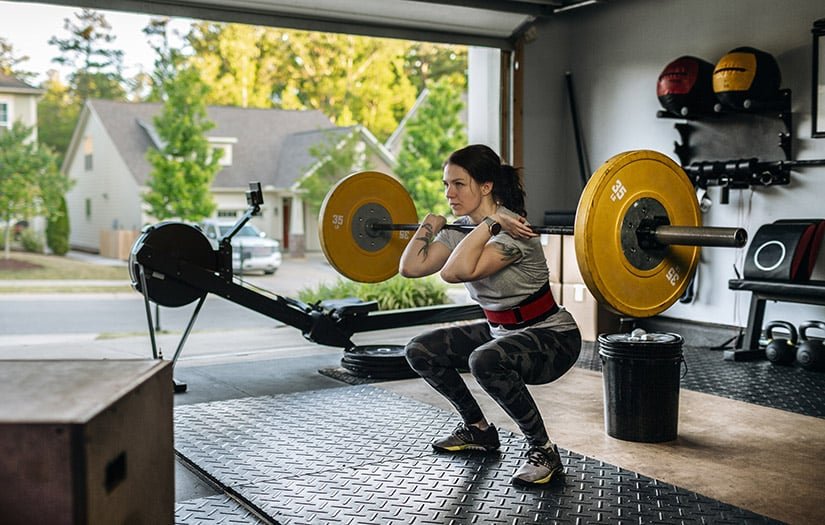
A strong woman lifting a barbell with determination

The Ultimate Guide to the Best Supplements for Women Who Lift

You’re dedicated. You consistently crush your workouts, track your macros, and prioritize recovery. But you might be wondering: what supplements should a woman take to build muscle and strength?

The supplement industry is a minefield of false promises and pink-washed “women’s formulas” that are often under-dosed and overpriced. It’s time to cut through the noise.

This isn’t about getting “shredded” or looking like a fitness model. This is about fueling performance, enhancing recovery, and supporting your powerful body with evidence-based nutrients that actually work.

Forget the fluff. Here are the best supplements for women who lift, backed by science.

Before You Supplement: The Non-Negotiables

No pill or powder can replace the fundamentals. Supplements supplement these pillars, they don’t replace them.

  • Whole Food Nutrition: Hit your protein, fat, and carbohydrate goals through lean meats, vegetables, fruits, and complex carbs.
  • Progressive Overload: Consistently challenge your muscles to grow stronger.
  • Quality Sleep: This is prime time for muscle repair and hormonal regulation.
  • Hydration: Water is essential for every single metabolic process.

Got those locked down? Now, let’s optimize.

woman who lift

The Top 7 Supplements for Female Lifters

1. Protein Powder

The “Why”: Protein is the building block of muscle. After a workout, your muscles are primed to absorb nutrients to repair and rebuild torn fibers. Hitting your daily protein target (generally 1.6-2.2g per kg of bodyweight for athletes) is crucial for muscle growth (hypertrophy) and recovery. A shake is the most convenient way to ensure you hit your goals.

What to Look For:

  • Whey Protein Isolate or Concentrate: Fast-absorbing and complete protein. Ideal post-workout. Isolate is lactose-light for those with sensitivities.
  • Plant-Based Blends: (Pea, Brown Rice, Hemp). A great option for vegans or those who avoid dairy. Look for a blend to ensure a complete amino acid profile.
  • Collagen Peptides: Excellent for joint, skin, and hair health. While not a complete protein for muscle building, it’s a fantastic addition for overall wellness.

2. Creatine Monohydrate

The “Why”: This is the most researched supplement in the world, and it’s not just for men. Creatine is a game-changer for female athletes. It helps your muscles produce energy during high-intensity, heavy lifts. This means you can push for one more rep, lift a little heavier, and train harder for longer. The result? Faster strength and muscle gains.

Dispelling the Myth: No, creatine will not make you “bulky” or “puffy.” It causes muscles to hold a small amount of water intramuscularly (within the muscle cells), which can actually enhance the muscle’s appearance and is temporary. Any initial scale weight increase is water, not fat.

How to Take: 3-5g daily. It’s not timing-sensitive; consistency is key.

3. Branched-Chain Amino Acids (BCAAs) / Essential Amino Acids (EAAs)

The “Why”: BCAAs (Leucine, Isoleucine, Valine) are the key amino acids that stimulate muscle protein synthesis. While you can get them from protein-rich food, sipping on BCAAs or the more complete EAAs during your workout can:

  • Reduce muscle soreness (DOMS)
  • Prevent muscle breakdown during fasted or long training sessions
  • Enhance recovery

What to Look For: A simple, unflavored or lightly sweetened BCAA powder, or an EAA formula that includes all nine essential amino acids.

woman who lift

4. Caffeine (Pre-Workout)

The “Why”: Caffeine is a proven ergogenic aid. It boosts energy, increases focus, and improves exercise performance by reducing perceived exertion. Simply put, it helps you attack your workout with more intensity.

How to Take: 100-200mg about 30-60 minutes before your workout. You can get this from a dedicated pre-workout supplement or a strong cup of black coffee.

5. Vitamin D3

The “Why”: Many people, especially those in less sunny climates, are deficient in Vitamin D. This “sunshine vitamin” is critical for immune function, bone health (it aids calcium absorption), and may play a role in muscle function and strength. For women, maintaining strong bones is paramount for long-term health.

How to Take: A daily supplement of 1000-2000 IU is a good maintenance dose. It’s best to get your levels checked by a doctor for a personalized recommendation.

6. Omega-3s (Fish Oil)

The “Why”: Omega-3 fatty acids (EPA and DHA) are powerful anti-inflammatories. Intense training creates inflammation; Omega-3s help manage it, aiding in recovery and joint health. They also support heart and brain health.

How to Take: Look for a supplement that provides a combined 1000-2000mg of EPA and DHA per day.

7. Magnesium

The “Why”: Magnesium is involved in over 300 biochemical reactions in the body, including muscle contraction, nerve function, and energy production. It’s crucial for sleep quality and can help reduce muscle cramps. Stress and intense exercise can deplete magnesium levels.

How to Take: 200-400mg daily, preferably in the glycinate or citrate form before bed to enhance sleep quality.

How to Build Your Supplement Stack

You don’t need to take all of these at once. Start with the fundamentals and build based on your goals and budget.

  • Level 1 (The Foundation): Protein Powder + Creatine
  • Level 2 (Enhanced Performance): Foundation + Pre-Workout (Caffeine) + Intra-Workout BCAAs/EAAs
  • Level 3 (Total Wellness & Recovery): All of the above + Vitamin D3 + Omega-3s + Magnesium

FAQ: Supplements for Women Who Lift

Q: Do I need to take “women-specific” supplements?
A: Generally, no. The mechanisms of muscle building are the same regardless of gender. “Women’s formulas” are often marketing gimmicks with pretty packaging and lower doses. Focus on the quality and dosage of the ingredients, not the gender on the label.

Q: Will creatine or protein make me gain fat?
A: No. These supplements support muscle growth and recovery. However, they contain calories. If you consume them in significant excess of your daily caloric needs, you will gain weight, just as you would from any other food source.

Q: When is the best time to take protein?
A: While the “anabolic window” is more forgiving than once thought, consuming protein within 1-2 hours post-workout is a good practice for maximizing recovery. Your total daily intake is far more important than precise timing.

woman who lift

The Final Rep

The best supplement strategy is a simple, consistent one built on a foundation of hard training and proper nutrition. Start with one or two, like protein and creatine, and notice the difference in your recovery and strength.

Ready to fuel your strength journey? [Shop our curated selection of third-party tested, high-quality supplements] designed for athletes who value purity and results over hype.

What’s your favorite supplement for boosting performance? Share your experiences in the comments below!

morph fitness gym

What is morph in fitness industry?

What is morph in fitness industry? In the fitness industry, the term “morph” usually refers to body transformation — how someone’s physique changes over time through training, diet, or supplements. It can be used in a few contexts:

  1. Body Morphing / Transformation
    • Often used in before-and-after comparisons to show fat loss, muscle gain, or overall physical progress.
    • Some fitness apps and software even use “morphing” effects to visualize how a person’s body could change with consistent training and nutrition.
  2. Digital Morphing Tools
    • Some gyms, personal trainers, and supplement brands use “morph apps” or visualizers to let clients see potential results (e.g., slimmer waist, more muscle definition) if they follow a program.
    • These can be motivational tools in marketing.
morph fitness gym
  1. Supplement Branding
    • A few supplement companies use the word “Morph” in product names (e.g., pre-workouts, fat burners, muscle builders). In this context, it implies the supplement will help “morph” or transform your body.
  2. Slang in Bodybuilding Communities
    • Athletes sometimes say they’re “morphing” when their physique is changing noticeably — either getting shredded for a competition or bulking up.

👉 So in short:
In fitness, “morph” is mostly about transformation — either your real body changing, or a digital/visual tool showing what’s possible.

stacking supplements for muscle grow

How to Stack Supplements for Maximum Muscle Gains

How to Stack Supplements for Maximum Muscle Gains. Building serious muscle requires more than just lifting heavy weights and eating enough protein — it also means fueling your body with the right supplements, in the right combinations. This is where supplement stacking comes in. By strategically combining products that work synergistically, you can boost strength, accelerate recovery, and maximize muscle growth faster than with single supplements alone.

In this guide, we’ll break down how to stack supplements effectively, the best combinations for muscle growth, and the science-backed essentials that should be in your stack.


What Is a Supplement Stack?

A supplement stack is a group of supplements taken together to target a specific fitness goal — in this case, muscle growth and strength. Instead of relying on a single product, stacking helps optimize results by addressing multiple aspects of performance: energy, protein synthesis, recovery, and hormonal support.

Think of it as building a well-rounded team: protein builds muscle, creatine powers your lifts, amino acids speed recovery, and pre-workouts enhance performance in the gym. Together, they work far better than alone.


The Core Muscle-Building Stack

If your goal is maximum muscle gains, these are the non-negotiables for your supplement arsenal:

1. Protein Powder (Whey or Plant-Based)

  • Why: Protein is the foundation of muscle growth. Whey is fast-digesting, making it ideal post-workout, while plant proteins (pea, rice, hemp) are great for those avoiding dairy.
  • How to Use: 20–40g post-workout or as needed to meet daily protein intake.
  • Pro Tip: Choose a high-quality isolate with minimal fillers for better absorption.
stacking supplements for muscle grow

2. Creatine Monohydrate

  • Why: Creatine is one of the most researched supplements ever. It boosts strength, endurance, and muscle cell hydration, leading to bigger pumps and faster gains.
  • How to Use: 5g daily, any time of day (no cycling required).
  • Stack Bonus: Works perfectly with whey and pre-workout.

3. Pre-Workout Formula

  • Why: Packed with ingredients like caffeine, beta-alanine, and citrulline malate, pre-workouts enhance focus, strength, and endurance.
  • How to Use: Take 20–30 minutes before training.
  • Pro Tip: Rotate stimulant vs. non-stimulant pre-workouts to avoid caffeine tolerance.

4. Branched-Chain Amino Acids (BCAAs) or EAAs

  • Why: Amino acids fuel recovery, reduce muscle breakdown, and enhance endurance during training. EAAs (essential amino acids) are even more complete than BCAAs.
  • How to Use: Sip during training or between meals.

5. Omega-3 Fish Oil

  • Why: Supports joint health, reduces inflammation, and enhances recovery — crucial for lifting heavy long-term.
  • How to Use: 2–3g per day with meals.

Advanced Muscle-Growth Stack (For Experienced Lifters)

Once you’ve mastered the basics, consider adding these for extra edge:

  • Beta-Alanine → Buffers lactic acid, helping you push through more reps.
  • HMB (β-Hydroxy β-Methylbutyrate) → Reduces muscle breakdown, especially during cutting.
  • ZMA (Zinc, Magnesium, Vitamin B6) → Supports testosterone, recovery, and sleep.
  • L-Citrulline → Enhances nitric oxide production for insane muscle pumps.

Example: A Daily Muscle-Building Stack

Morning

  • Multivitamin + Omega-3
  • 5g Creatine

Pre-Workout (20–30 min before training)

  • Pre-Workout formula
  • Optional: Extra L-Citrulline

Intra-Workout

  • BCAAs or EAAs in water

Post-Workout

Evening

  • ZMA (before bed for better recovery and sleep)
How to Stack Supplements for Maximum Muscle Gains

Key Tips for Stacking Supplements Safely

  1. Prioritize Nutrition First – Supplements enhance, but don’t replace, a solid diet.
  2. Stay Consistent – Muscle growth is about daily intake, not random doses.
  3. Avoid Overlapping Ingredients – Too much caffeine or creatine from multiple products can cause side effects.
  4. Cycle Stimulants – To avoid tolerance, take breaks from heavy pre-workouts.
  5. Quality Over Quantity – Choose clean, tested brands without fillers or proprietary blends.

Final Thoughts

The best supplement stack for maximum muscle gains is simple yet powerful: protein, creatine, pre-workout, amino acids, and omega-3s. When combined with hard training and proper nutrition, this foundation will help you push past plateaus and build the physique you’re chasing.

If you’re an advanced lifter, adding beta-alanine, ZMA, and citrulline can give you an extra edge. Remember, the magic isn’t in the pills and powders alone — it’s in how consistently you use them alongside smart training and recovery.


Advanced Supplement Stack for Faster Gains

Once you have the basics down, consider adding these to level up:

  • Beta-Alanine → Improves muscular endurance so you can push through extra reps.
  • HMB (β-Hydroxy β-Methylbutyrate) → Reduces muscle breakdown during intense training or cutting phases.
  • ZMA (Zinc, Magnesium, Vitamin B6) → Boosts testosterone naturally and improves sleep quality.
  • L-Citrulline → For insane muscle pumps and better nutrient delivery to muscles.
  • Ashwagandha → A natural adaptogen shown to reduce cortisol and support testosterone.
How to Stack Supplements for Maximum Muscle Gains

Example Daily Supplement Stack (Timing Matters)

Here’s how a typical day might look:

Morning

  • Multivitamin + Omega-3
  • 5g Creatine

Pre-Workout (30 min before training)

  • Pre-Workout formula
  • Optional: Extra L-Citrulline

Intra-Workout

  • BCAAs or EAAs in water

Post-Workout

  • Whey Protein Shake (30g)
  • Creatine (if not taken earlier)

Evening

  • Casein protein or slow-digesting protein snack
  • ZMA (before bed for recovery & better sleep)

Most Common Supplement Stacking Mistakes

Overlapping Ingredients – Some pre-workouts already contain creatine or BCAAs. Doubling up may lead to unnecessary excess.
Ignoring Nutrition – Supplements only work if your diet provides enough calories and macros.
Overusing Stimulants – Too much caffeine can kill your sleep and stall recovery.
Lack of Consistency – Skipping days with creatine or protein shakes reduces effectiveness.


FAQs: Supplement Stacking for Muscle Growth

1. Can I take creatine and whey protein together?
Yes — they complement each other perfectly. Creatine boosts performance, while whey supports recovery and growth.

2. Do I need supplements to build muscle?
Technically no — but supplements make it easier to hit nutrition goals and accelerate recovery. Think of them as a shortcut to efficiency.

How to Stack Supplements for Maximum Muscle Gains

3. How long does it take to see results from stacking?
With proper training and diet, noticeable strength and recovery benefits can appear within 2–4 weeks. Muscle growth takes longer (8–12 weeks+).

4. Should beginners use stacks?
Yes, but keep it simple: start with protein + creatine + omega-3. Add more only when your training and diet are consistent.

The best muscle-building supplement stack is not about using every product under the sun — it’s about combining proven essentials. Start with protein, creatine, pre-workout, and omega-3s, then expand to advanced stacks as you progress.

Supplements are powerful, but they can’t replace consistency in training, recovery, and nutrition. When combined with a solid workout plan, the right stack can help you break plateaus, recover faster, and build serious muscle mass in 2025.

Train smart. Fuel smart. Grow stronger.

gym florida

Top 10 Gym Brand Memberships in Florida

Top 10 Gym Brand Memberships in Florida. If you live in Florida and want to stay in shape, finding the right gym membership is key. From affordable fitness chains to luxury health clubs, the Sunshine State offers countless options. But which gyms provide the best value, equipment, classes, and overall experience?

We’ve put together the Top 10 Gym Brand Memberships in Florida to help you decide where to sign up in 2025.


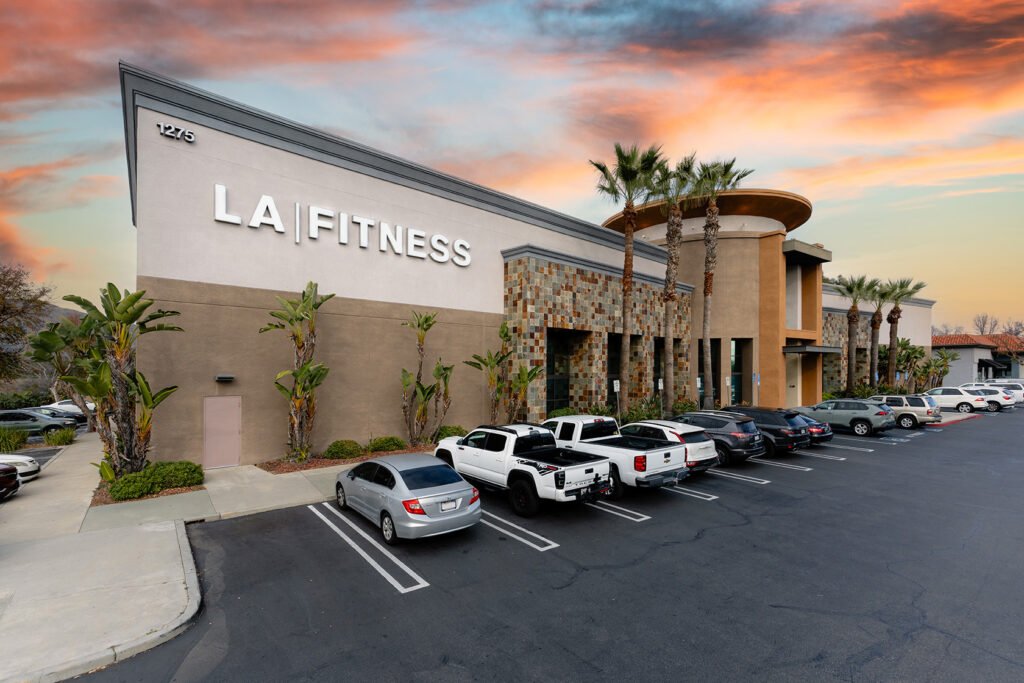
1. LA Fitness

One of the most popular gym chains in Florida, LA Fitness is known for its large facilities, wide range of equipment, basketball courts, and swimming pools in the gym.

  • Membership Price: Around $30–$40 per month.
  • Best For: People who want a full-service gym with multiple locations.
gym florida

2. Planet Fitness

With more than 100 locations across Florida, Planet Fitness is the go-to for budget-friendly memberships.

  • Membership Price: Starting at $10/month.
  • Best For: Beginners and those looking for a “judgment-free” environment.

3. Crunch Fitness

Crunch Fitness is exploding in popularity throughout Florida thanks to its modern equipment, group classes, and high-energy vibe.

  • Membership Price: $10–$30/month depending on access.
  • Best For: Group class lovers and younger gym-goers.

4. YMCA

The YMCA is more than just a gym – it’s a community hub with family-friendly facilities, pools, sports leagues, and wellness programs.

  • Membership Price: $35–$60/month depending on family or individual plans.
  • Best For: Families and people looking for a supportive community.

5. Youfit Gyms

Founded in Florida, Youfit offers affordable memberships and convenient locations. It’s a favorite among people looking for a simple, no-frills fitness option.

  • Membership Price: $10–$25/month.
  • Best For: Budget-conscious fitness fans.

6. Equinox

For those who want luxury, Equinox offers spa-like facilities, personal training, and upscale amenities.

  • Membership Price: Around $180–$250/month.
  • Best For: Professionals and fitness enthusiasts who want premium service.

7. 24 Hour Fitness

Although not as widespread in Florida as other states, 24 Hour Fitness has large facilities with extended hours and tons of equipment.

  • Membership Price: $40–$60/month.
  • Best For: People with unpredictable schedules.
gym florida

8. Gold’s Gym

An iconic fitness brand, Gold’s Gym continues to attract serious lifters and bodybuilders. Florida locations offer state-of-the-art equipment and strength training areas in the gym.

  • Membership Price: $25–$50/month.
  • Best For: Strength training and bodybuilding enthusiasts.

9. Anytime Fitness

Perfect for people who want convenience, Anytime Fitness gives you 24/7 access to your local gym plus access to thousands of locations nationwide.

  • Membership Price: $40–$60/month.
  • Best For: Frequent travelers and people who work out at odd hours.

10. OrangeTheory Fitness

Although technically a studio rather than a full gym, OrangeTheory is extremely popular in Florida for its high-intensity interval training (HIIT) classes.

  • Membership Price: $59–$159/month depending on class packages.
  • Best For: Cardio lovers and people who want structured workouts.

Final Thoughts

Florida is home to every type of gym membership, from affordable chains like Planet Fitness and Youfit, to luxury clubs like Equinox, and specialized fitness programs like OrangeTheory.

When choosing, consider your budget, location, fitness goals, and preferred workout style. With so many options, there’s a gym for everyone in Florida.

Check also: Top 20 Gyms in Miami Area

Select the fields to be shown. Others will be hidden. Drag and drop to rearrange the order.
  • Image
  • SKU
  • Rating
  • Price
  • Stock
  • Availability
  • Add to cart
  • Description
  • Content
  • Weight
  • Dimensions
  • Additional information
Click outside to hide the comparison bar
Compare
Shopping cart close