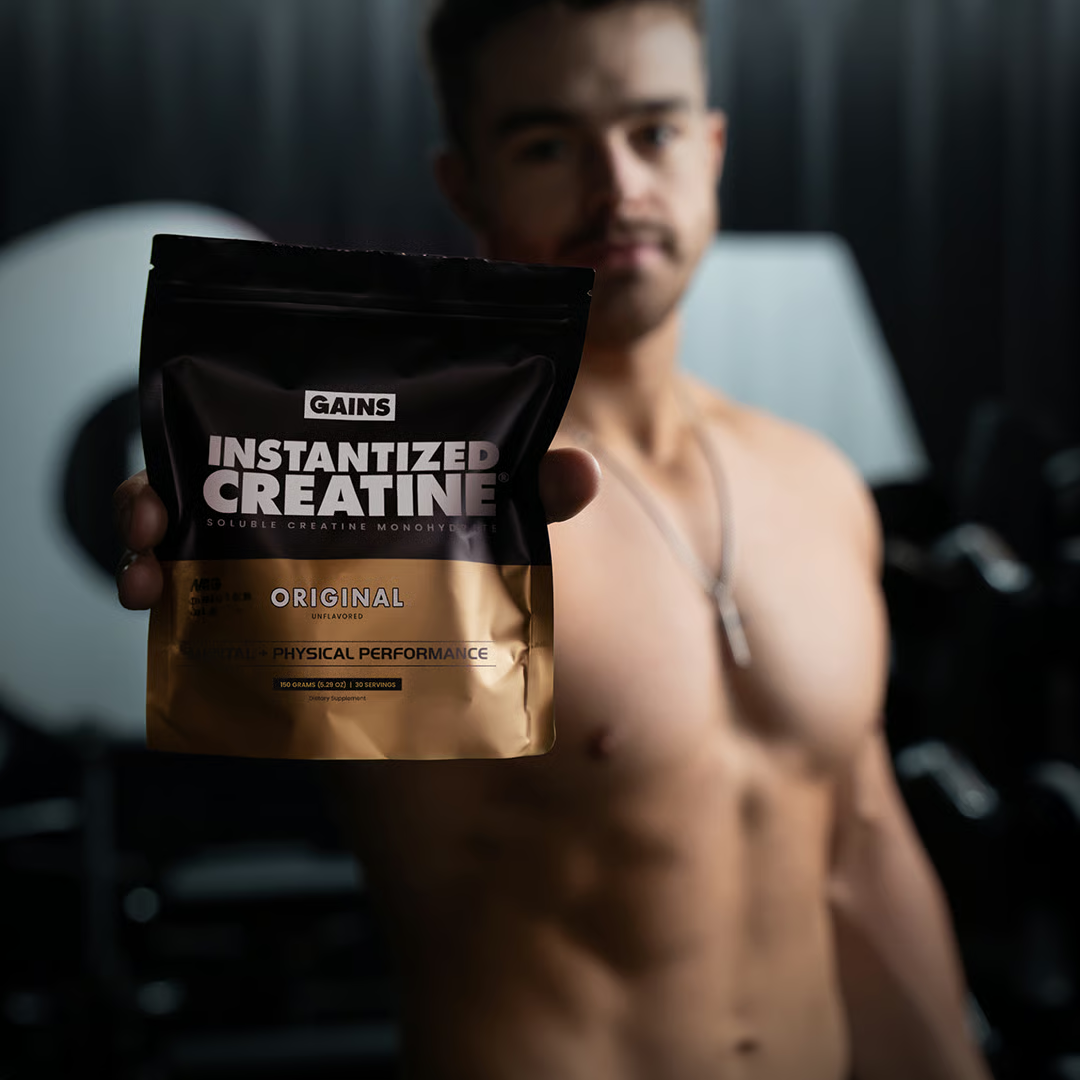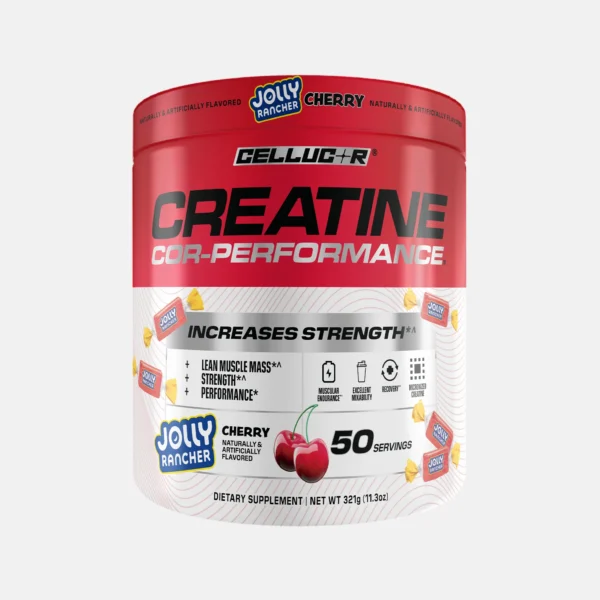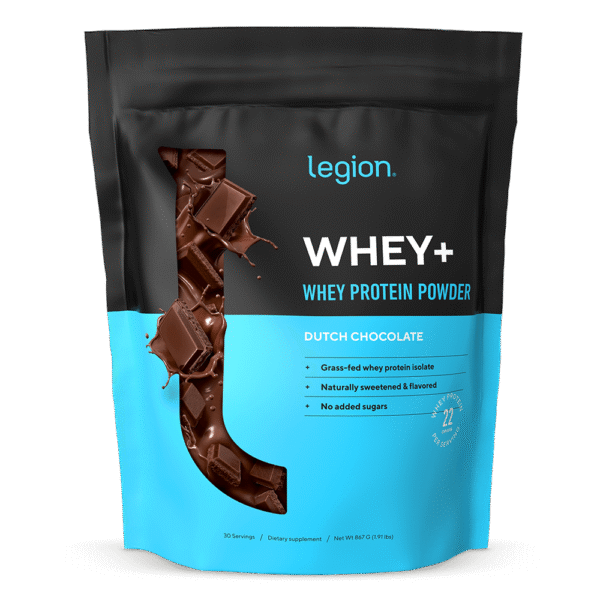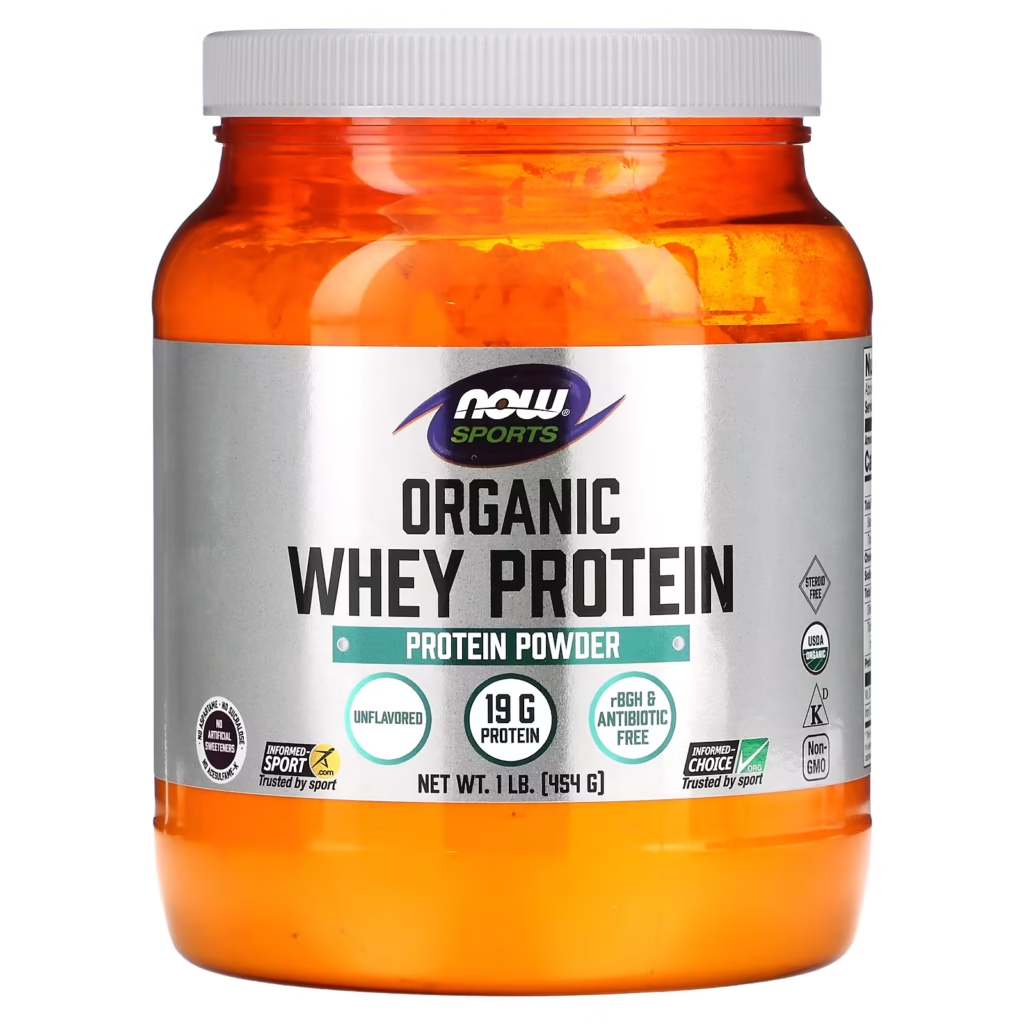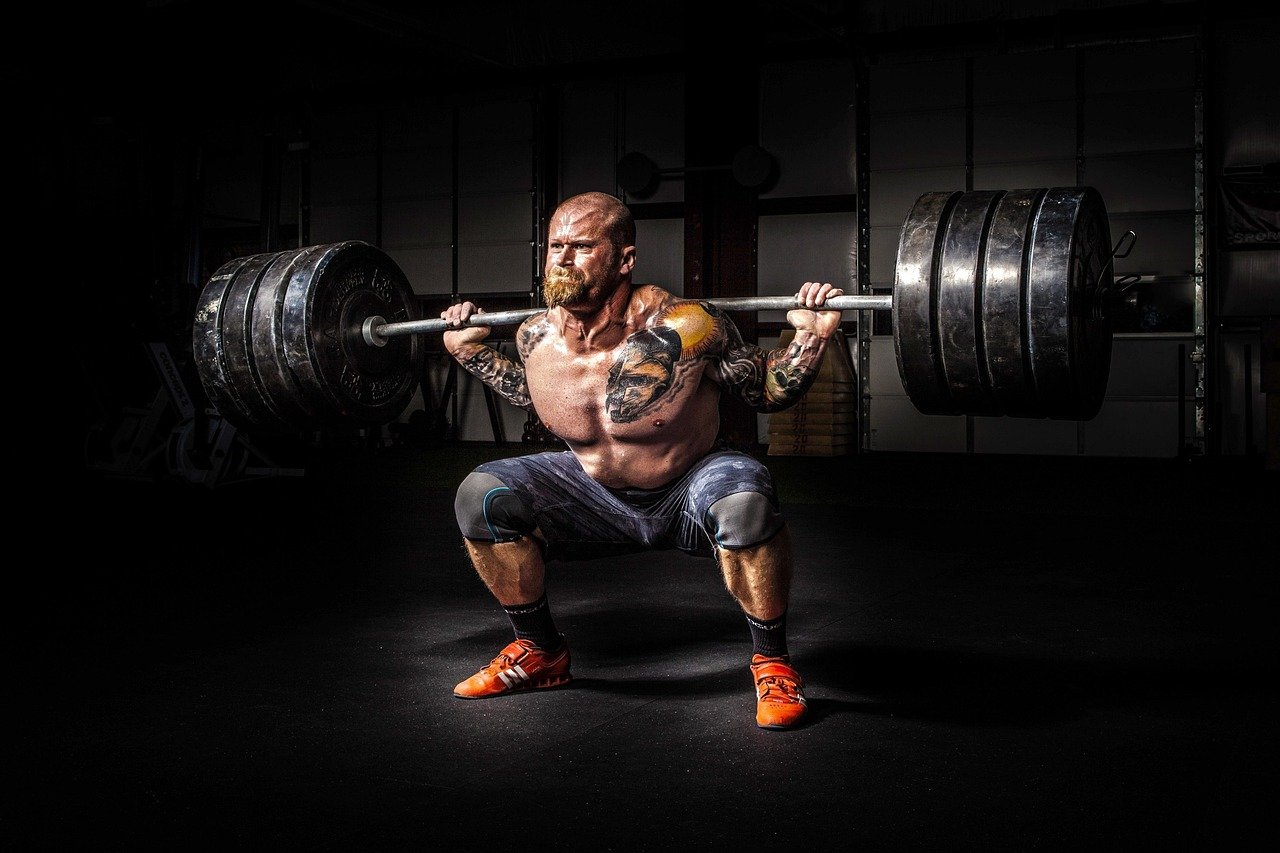


instagram supplements and gym equipment for sale

facebook gym supplements usa. Gym equipments and gym supplements for sale instagram profile social media

creatine in USA

Where to Buy Creatine in the USA

Where to Buy Creatine in the USA. Creatine is one of the most researched and trusted supplements in the fitness industry. Athletes, bodybuilders, and everyday gym enthusiasts use creatine to increase strength, boost endurance, and support lean muscle growth. If you’re looking for where to buy creatine in the USA, this guide will help you choose the right place and the right product.


What is Creatine and Why Do People Use It?

Creatine is a natural compound stored in your muscles and used for short bursts of energy during high-intensity exercise. Supplementing with creatine increases your body’s ability to produce ATP (the energy currency of cells), which translates to:

  • Improved strength and power
  • Faster recovery between sets
  • More muscle growth over time
  • Better workout performance

Because of its proven benefits, creatine is one of the top-selling sports supplements in the USA.


Types of Creatine You Can Buy

Not all creatine supplements are the same. Here are the most popular types you’ll find on the U.S. market:

creatine in USA
  1. Creatine Monohydrate – The gold standard. Backed by hundreds of studies, affordable, and highly effective.
  2. Micronized Creatine – A finer form of monohydrate, easier to dissolve in water and gentle on the stomach.
  3. Creatine HCL (Hydrochloride) – Popular for people who want smaller doses and better solubility.
  4. Creatine Blends – Some brands mix creatine with other performance ingredients like beta-alanine or electrolytes.

Where to Buy Creatine in the USA

When buying creatine, you want quality, authenticity, and a fair price. Here are the best options:

1. Online Retailers

  • Amazon.com – Huge selection, competitive prices, and fast shipping. Many top creatine brands are available here.
  • Bodybuilding.com – Trusted supplement store with frequent discounts and bundles.
  • iHerb.com – Known for international shipping and natural health products.
  • Official Brand Websites – Many companies sell directly to consumers for guaranteed authenticity.

2. In-Store Options

  • GNC – Widely available in malls and shopping centers, carrying both popular and exclusive creatine brands.
  • The Vitamin Shoppe – A reliable chain with staff that can help you compare options.
  • Local Gyms & Supplement Shops – Smaller stores sometimes carry unique brands or limited-edition flavors.

Best Creatine Brands in the USA (2025)

If you’re not sure which product to buy, here are some of the most trusted creatine supplements available in the U.S.:

  • Optimum Nutrition Micronized Creatine Monohydrate
  • Creatine Monohydrate by Nutricost
  • Transparent Labs Creatine HMB
  • Kaged Creatine HCl
  • MuscleTech Platinum Creatine

These brands have excellent reputations, third-party testing, and strong customer reviews.


Average Price of Creatine in the USA

  • Creatine Monohydrate Powder (300–400g): $15–$25
  • Micronized Creatine (300–500g): $20–$30
  • Creatine HCL (75–100 servings): $25–$35
  • Premium Blends: $30–$50+

Buying in larger containers (1kg or more) usually gives you the best price per serving.


Tips for Buying Creatine Safely Online
creatine in USA
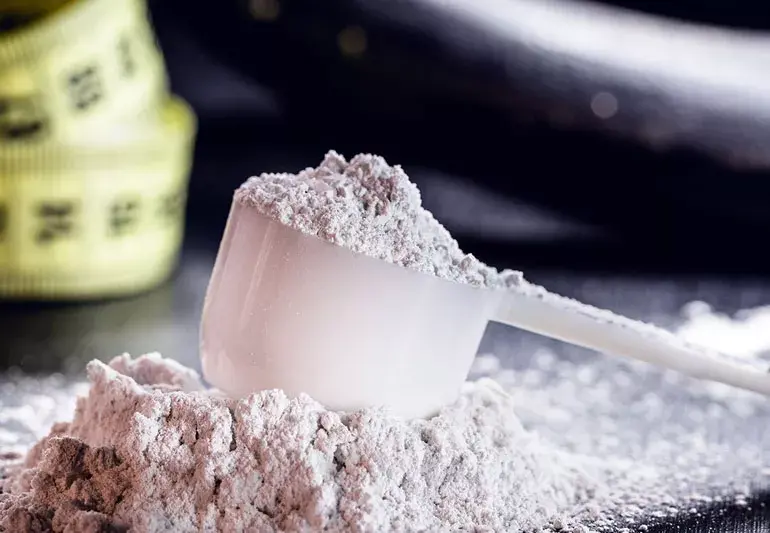
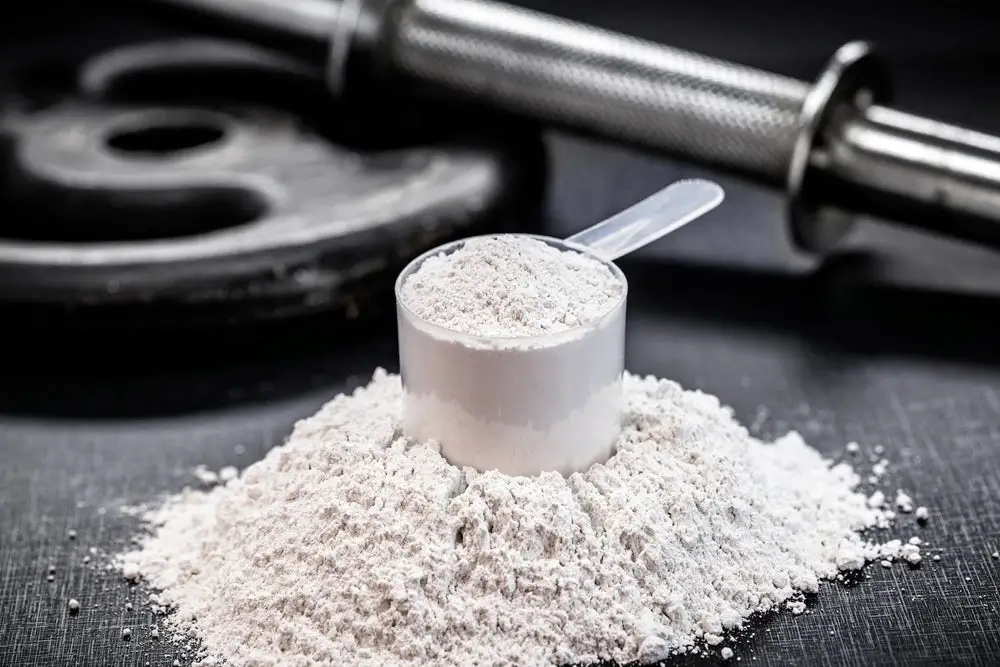
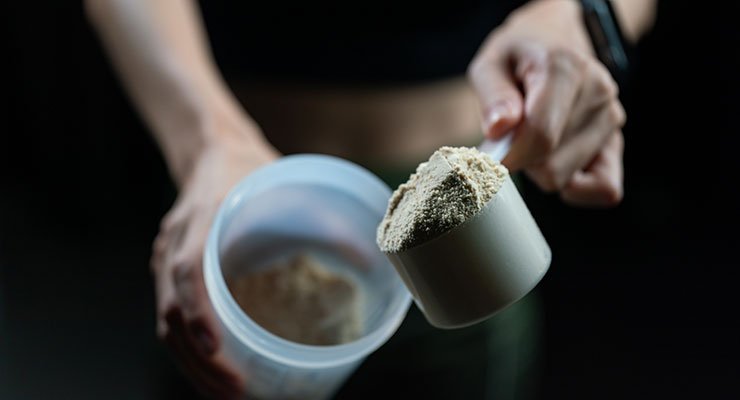
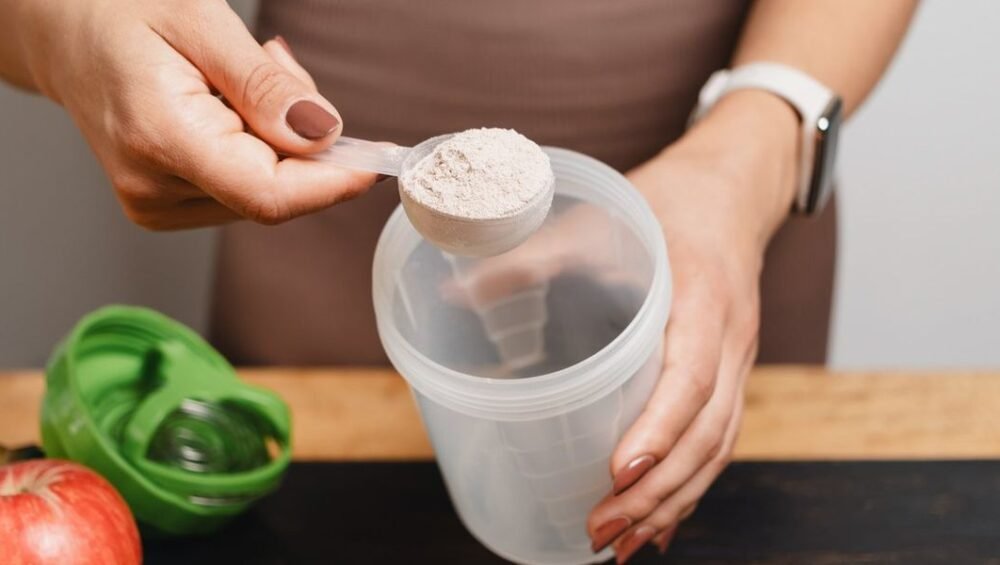
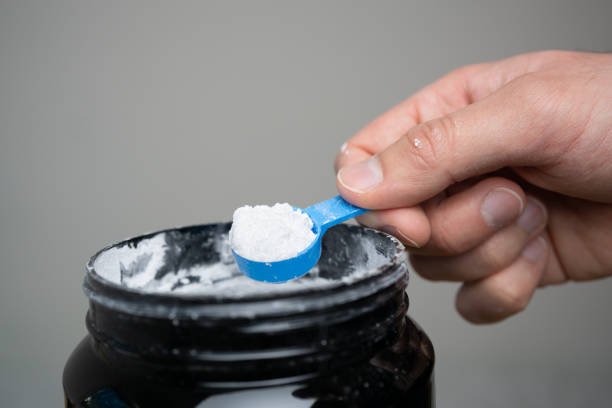
Close up of man hand holding measuring scoop of creatine
  • Check for third-party testing (NSF, Informed-Sport, Labdoor certifications).
  • Avoid unknown brands with no reviews or lab transparency.
  • Look for pure creatine monohydrate with no unnecessary fillers.
  • Read customer reviews before making a purchase.

Frequently Asked Questions (FAQ)

  1. Is creatine safe to take long-term?
    Yes — creatine is one of the most well-researched supplements. Studies show that taking 3–5 g/day of creatine monohydrate long-term is generally safe for healthy adults. That said, if you have kidney issues or other health concerns, you should talk to a healthcare provider before supplementing.
  2. Do I need to do a “loading phase” when taking creatine?
    Not necessarily. While a common method is to take ~20 g/day (split over several doses) for 5–7 days, you can skip loading and just take 3–5 g/day. Both approaches lead to similar muscle creatine saturation — loading just gets you there faster.
  3. Will creatine make me gain fat?
    No — the weight gain from creatine is mostly water retention in your muscles (not fat). Over time, some of the gain may come from increased muscle mass if you’re training consistently.
  4. Why do some people bloat or feel a stomach ache when using creatine?
    High single doses, especially during a loading phase, can cause stomach discomfort, diarrhea, or bloating. To reduce these side effects, you can split your dose throughout the day or use smaller daily doses.
  5. Does creatine damage the kidneys or liver?
    For healthy individuals, standard doses (3–5 g/day) have not been shown to harm kidneys or liver. But if you have preexisting kidney or liver disease, it’s important to consult a doctor before starting. WebMD+1
  6. How do I know if the creatine I’m buying is good quality?
    • Look for third-party testing (e.g., NSF, Informed Sport) to ensure purity.
    • Prefer micronized creatine, which dissolves better in water and can reduce gastrointestinal issues. Verve
    • Avoid creatine products with unnecessary proprietary blends or additives — plain creatine monohydrate is usually sufficient. Verve
  7. Can creatine help with more than just muscle gains?
    Yes — apart from boosting strength and power, creatine may support recovery and has emerging evidence for cognitive benefits (especially under stress or sleep deprivation). TIME That said, while it’s beneficial, it’s not a substitute for good sleep, nutrition, and training.

Final Thoughts

Finding where to buy creatine in the USA is easy once you know what to look for. Whether you prefer the convenience of Amazon, the reliability of supplement stores like GNC, or ordering directly from trusted brands, you have plenty of safe and affordable options.

If you want the most research-backed, budget-friendly choice, Creatine Monohydrate remains the #1 recommended supplement for athletes in 2025.
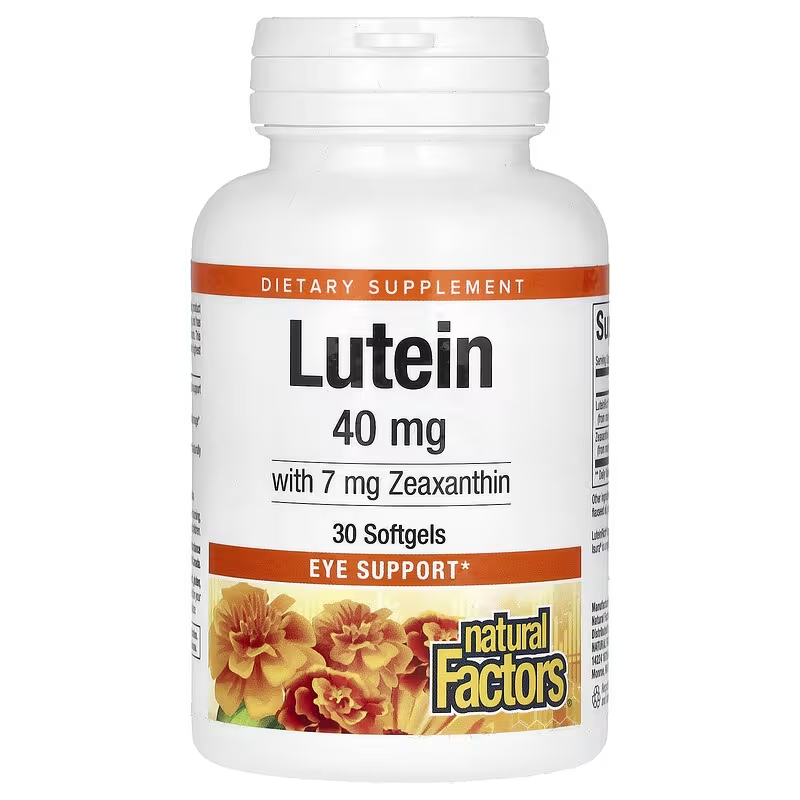
lutein

Lutein: Benefits, Uses, and Research-Backed Health Advantages

Lutein is a powerful carotenoid antioxidant that has gained recognition for its role in supporting eye health, brain function, and overall wellness. Often called the “eye vitamin,” lutein is naturally found in leafy greens, colorful fruits, and vegetables. Today, it’s also available as a dietary supplement and is one of the most researched nutrients for vision protection and healthy aging.

What Is Lutein?

Lutein is a plant pigment belonging to the carotenoid family. Unlike beta-carotene, lutein is not converted into vitamin A in the body. Instead, it accumulates in areas such as the macula of the eye and the brain, where it helps filter harmful blue light and neutralize free radicals. Because the human body cannot produce lutein, it must be obtained through diet or supplements.

lutein

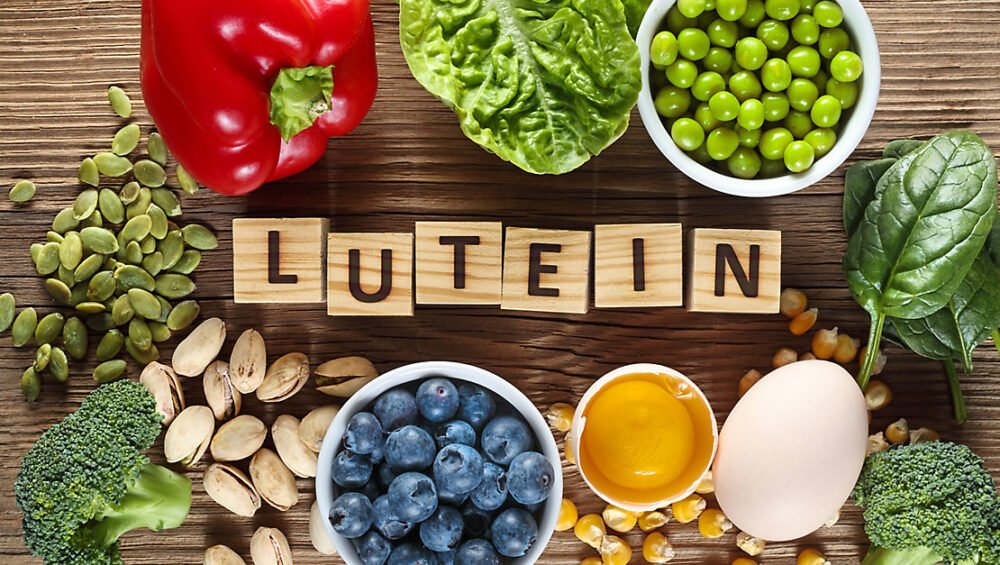
Key Food Sources of Lutein

You can find lutein naturally in:

  • Leafy greens: spinach, kale, collard greens
  • Vegetables: broccoli, peas, zucchini
  • Fruits: kiwi, grapes, oranges
  • Egg yolks: one of the most bioavailable sources

For individuals who don’t consume enough of these foods daily, supplements provide a convenient alternative.

Health Benefits of Lutein

1. Eye Health and Vision Support

The most well-known benefit of lutein is its ability to protect the eyes. Lutein is highly concentrated in the macula, where it helps form the “macular pigment” that shields the retina from oxidative damage and high-energy light.

  • Age-related macular degeneration (AMD): Research shows lutein supplementation may reduce the risk of AMD progression.
  • Cataracts: Studies suggest lutein may lower the risk of cataracts by reducing oxidative stress in the lens.
  • Blue light protection: With more screen exposure, lutein is especially important in filtering digital blue light.

2. Brain Function and Cognitive Health

Lutein also accumulates in the brain. Studies indicate higher lutein levels are associated with:

  • Better memory and learning ability
  • Improved processing speed
  • Reduced risk of cognitive decline with aging

3. Skin Health

As a potent antioxidant, lutein helps protect the skin against UV radiation damage, oxidative stress, and premature aging. Some research suggests lutein supplementation improves skin hydration and elasticity.

4. Heart Health

Preliminary studies show lutein may contribute to cardiovascular health by:

  • Reducing arterial plaque buildup
  • Lowering inflammation and oxidative stress
  • Supporting healthy blood vessel function
lutein

5. Overall Antioxidant Support

Lutein works as a natural antioxidant to fight free radicals, which are linked to aging and chronic diseases. It may also complement other antioxidants like vitamin C, vitamin E, and zeaxanthin.

What Does Research Say About Lutein?

  • AREDS2 Study (National Eye Institute): Found lutein and zeaxanthin supplementation reduced the risk of advanced age-related macular degeneration.
  • Cognitive studies: Older adults with higher lutein levels performed better on memory and reasoning tasks.
  • Skin research: Clinical trials show lutein improves skin tone and protects against UV-induced oxidative damage.

Recommended Dosage of Lutein

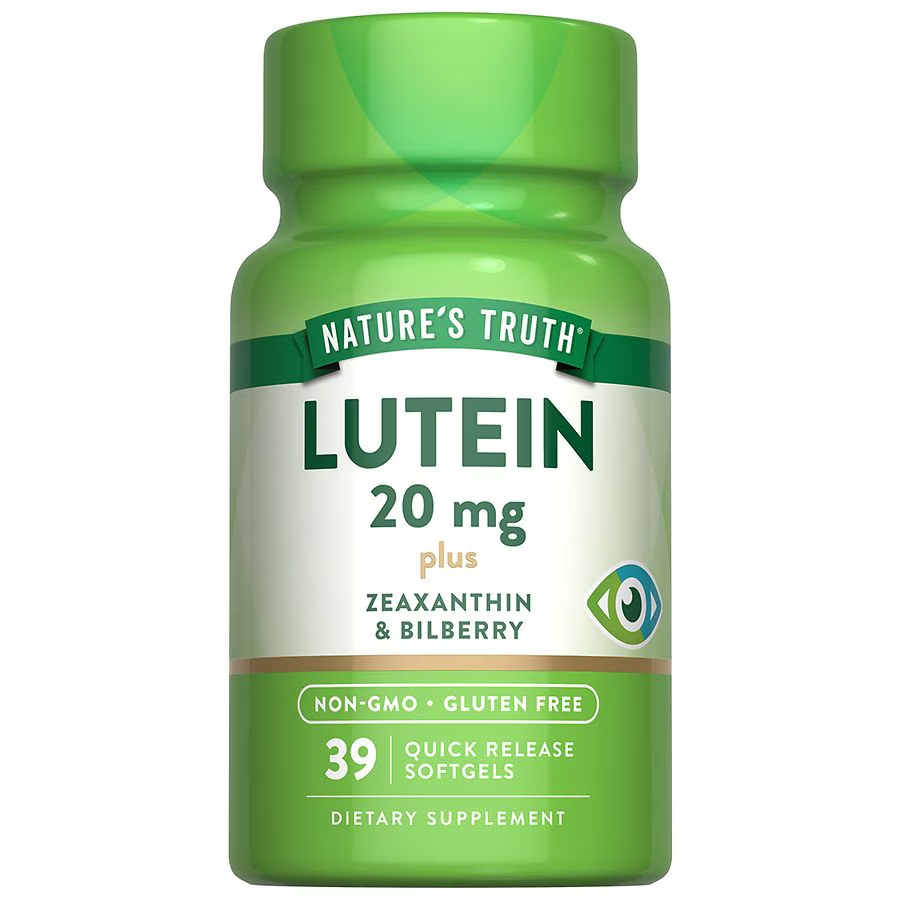
While there is no official daily requirement, most research suggests 6–20 mg per day is effective for eye and overall health. Supplements often provide lutein in this range, frequently paired with zeaxanthin for maximum benefits.

Who Should Consider Lutein Supplements?

  • Adults over 50 concerned about eye aging
  • People with a family history of macular degeneration or cataracts
  • Those with high screen exposure (digital devices)
  • Individuals with low fruit and vegetable intake

Lutein is more than just an “eye vitamin.” Backed by strong research, it supports vision, brain health, skin protection, and cardiovascular function. Whether through a lutein-rich diet or supplements, ensuring adequate intake is a smart investment in long-term health.

If you want to support your eyes, protect against blue light, and age gracefully, lutein is a nutrient worth adding to your wellness routine.

gym florida

Top 10 Gym Brand Memberships in Florida

Top 10 Gym Brand Memberships in Florida. If you live in Florida and want to stay in shape, finding the right gym membership is key. From affordable fitness chains to luxury health clubs, the Sunshine State offers countless options. But which gyms provide the best value, equipment, classes, and overall experience?

We’ve put together the Top 10 Gym Brand Memberships in Florida to help you decide where to sign up in 2025.


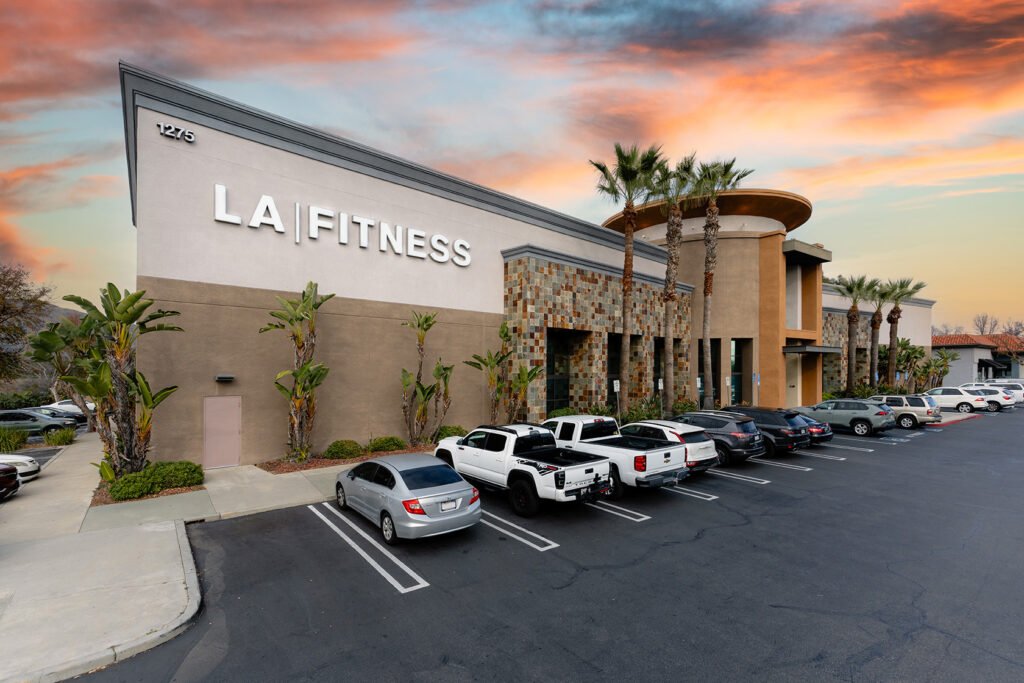
1. LA Fitness

One of the most popular gym chains in Florida, LA Fitness is known for its large facilities, wide range of equipment, basketball courts, and swimming pools in the gym.

  • Membership Price: Around $30–$40 per month.
  • Best For: People who want a full-service gym with multiple locations.
gym florida

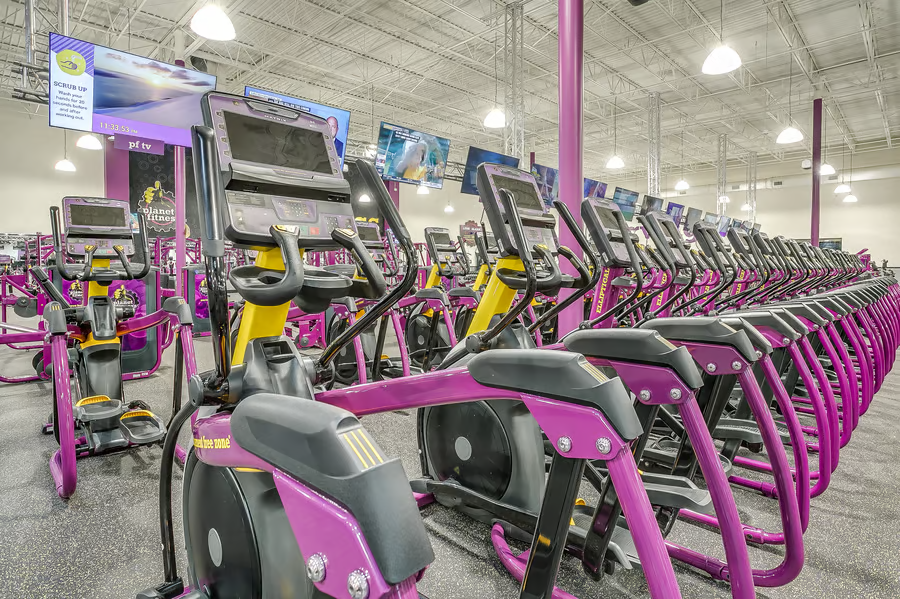
2. Planet Fitness

With more than 100 locations across Florida, Planet Fitness is the go-to for budget-friendly memberships.

  • Membership Price: Starting at $10/month.
  • Best For: Beginners and those looking for a “judgment-free” environment.

3. Crunch Fitness

Crunch Fitness is exploding in popularity throughout Florida thanks to its modern equipment, group classes, and high-energy vibe.

  • Membership Price: $10–$30/month depending on access.
  • Best For: Group class lovers and younger gym-goers.

4. YMCA

The YMCA is more than just a gym – it’s a community hub with family-friendly facilities, pools, sports leagues, and wellness programs.

  • Membership Price: $35–$60/month depending on family or individual plans.
  • Best For: Families and people looking for a supportive community.

5. Youfit Gyms

Founded in Florida, Youfit offers affordable memberships and convenient locations. It’s a favorite among people looking for a simple, no-frills fitness option.

  • Membership Price: $10–$25/month.
  • Best For: Budget-conscious fitness fans.

6. Equinox

For those who want luxury, Equinox offers spa-like facilities, personal training, and upscale amenities.

  • Membership Price: Around $180–$250/month.
  • Best For: Professionals and fitness enthusiasts who want premium service.

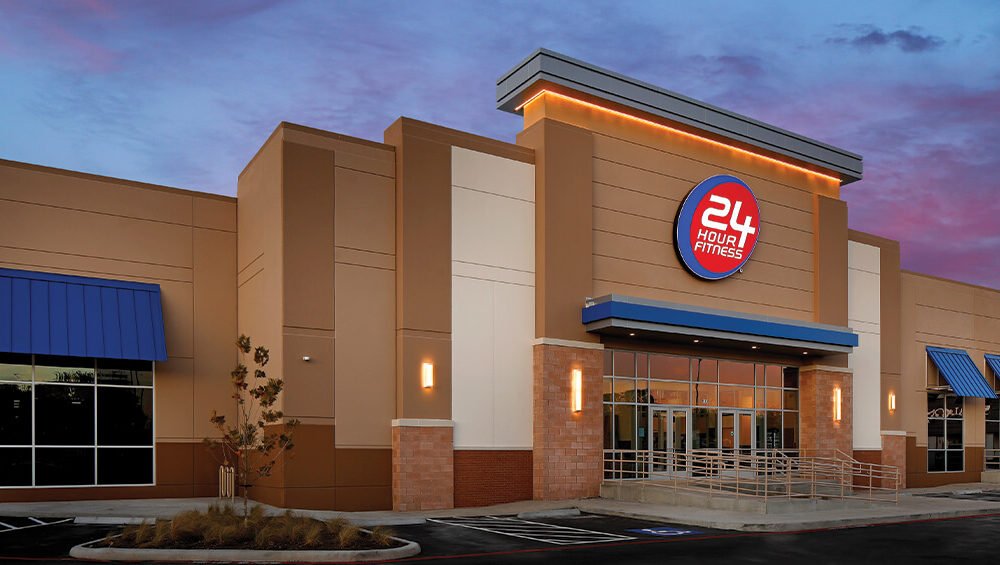
7. 24 Hour Fitness

Although not as widespread in Florida as other states, 24 Hour Fitness has large facilities with extended hours and tons of equipment.

  • Membership Price: $40–$60/month.
  • Best For: People with unpredictable schedules.
gym florida

8. Gold’s Gym

An iconic fitness brand, Gold’s Gym continues to attract serious lifters and bodybuilders. Florida locations offer state-of-the-art equipment and strength training areas in the gym.

  • Membership Price: $25–$50/month.
  • Best For: Strength training and bodybuilding enthusiasts.

9. Anytime Fitness

Perfect for people who want convenience, Anytime Fitness gives you 24/7 access to your local gym plus access to thousands of locations nationwide.

  • Membership Price: $40–$60/month.
  • Best For: Frequent travelers and people who work out at odd hours.

10. OrangeTheory Fitness

Although technically a studio rather than a full gym, OrangeTheory is extremely popular in Florida for its high-intensity interval training (HIIT) classes.

  • Membership Price: $59–$159/month depending on class packages.
  • Best For: Cardio lovers and people who want structured workouts.

Final Thoughts

Florida is home to every type of gym membership, from affordable chains like Planet Fitness and Youfit, to luxury clubs like Equinox, and specialized fitness programs like OrangeTheory.

When choosing, consider your budget, location, fitness goals, and preferred workout style. With so many options, there’s a gym for everyone in Florida.

Check also: Top 20 Gyms in Miami Area

creatine effect

Creatine for Sale: How to Choose the Right Supplement for Your Fitness Goals

You’ve decided to take your training to the next level, and you’ve heard the buzz about creatine. It’s one of the most researched and effective supplements on the market. But a quick search for “creatine for sale” reveals an overwhelming number of options: powders, capsules, monohydrate, HCl, flavored, unflavored… where do you even begin?

Choosing the right creatine isn’t about picking the flashiest tub. It’s about finding the pure, effective, and affordable supplement that aligns with your specific fitness journey. This guide will cut through the noise and teach you exactly how to choose the best creatine for your goals.

Why Creatine? The Proven Benefits for Every Lifter

First, let’s understand why you’re taking it. Creatine is a naturally occurring compound found in muscle cells that helps them produce energy during heavy lifting or high-intensity exercise. Supplementing with it increases your body’s stores of phosphocreatine, a key energy source. This translates to several tangible benefits:

  • Increased Strength and Power: More energy in your muscles means you can push harder for that extra rep or add more weight to the bar. This leads to greater gains in strength and muscle mass over time.
  • Enhanced Recovery: By rapidly replenishing energy stores, creatine can help reduce muscle fatigue and soreness, allowing you to recover faster between sets and workouts.
  • Improved Performance: Studies consistently show creatine enhances performance in short-duration, high-intensity activities like sprinting, jumping, and, of course, weightlifting.
creatine effect

Picking Your Potion: Which Form of Creatine is Right for You?

Not all creatine is created equal. The form you choose can depend on your experience level and specific needs.

For Beginners & Budget-Conscious Lifters: Creatine Monohydrate

  • The Gold Standard: Creatine Monohydrate is the most studied form—with decades of research proving its effectiveness and safety.
  • How it Works: It’s simple, reliable, and incredibly cost-effective. You get a massive bang for your buck.
  • Who it’s for: Everyone, especially those new to creatine. You simply can’t go wrong starting here. It’s the perfect introduction to the world of creatine supplementation.

For Advanced Users or Those with Sensitivity: Other Forms (HCL, Micronized)

  • Creatine Hydrochloride (HCL): This form is bound with hydrochloric acid, which increases its solubility. The claimed benefits include better absorption (potentially requiring a smaller dose) and reduced risk of bloating or stomach discomfort, which a small percentage of users experience with monohydrate.
  • Micronized Creatine Monohydrate: This is simply regular monohydrate that has been processed into smaller particles. It mixes more easily into liquid and may be slightly easier on the stomach for some.
  • Who it’s for: Lifters who have tried monohydrate and experienced minor digestive issues, or those who prefer a smaller serving size and don’t mind paying a premium.

The Verdict: While other forms have their place, Creatine Monohydrate remains the champion for the vast majority of people due to its proven track record and low cost.

What to Look For When Buying Creatine: The 3 Golden Rules

When scanning the endless creatine for sale online, keep these three critical factors in mind to ensure you get a quality product.

1. Purity and Ingredients

The label should have one ingredient: Creatine Monohydrate (or your chosen form). Avoid proprietary blends that hide filler ingredients. The goal is to get pure creatine, not a mix of other unnecessary compounds.

2. Third-Party Testing and Certifications

This is the most important step for ensuring safety and quality. Look for products that have been tested by independent labs like:

  • NSF Certified for Sport®
  • Informed-Choice.org
  • USP Verification
    These certifications guarantee that what’s on the label is in the tub and that the product is free from banned substances, heavy metals, and other contaminants. This is non-negotiable for competitive athletes.

3. Price Per Serving

Don’t just look at the sticker price. Calculate the cost per serving.

  • A 1000g tub with a 5g serving size gives you 200 servings.
  • Divide the total price by the number of servings to find your cost.
    Creatine monohydrate is notoriously inexpensive. You should only be paying a few cents per serving. If a product is significantly more expensive, question what you’re paying for (e.g., fancy packaging, marketing hype, or a different form).
creatine effect

3 Common Mistakes to Avoid When Buying Creatine Online

Don’t let these pitfalls derail your supplement journey.

  1. Falling for “New and Improved” Marketing Hype. Be skeptical of claims that a new, expensive form of creatine is “10x more effective.” Stick with the science, which overwhelmingly supports simple monohydrate.
  2. Choosing Based on Tub Size or Brand Name Alone. A bigger tub from a flashy brand isn’t always better. Do the math on price per serving and always check for third-party certifications, even from well-known brands.
  3. Ignoring the Serving Size. Some forms, like Creatine HCL, recommend a smaller serving (e.g., 1-2 grams) compared to monohydrate’s standard 5 grams. Make sure you understand the recommended dosage for the specific product you’re buying to accurately compare costs and effectiveness.

See also: creatine in USA guide

The Final Rep: Your Simple Checklist for Choosing Creatine

Ready to buy? Use this quick checklist before you click “add to cart”:

  • I’ve chosen Creatine Monohydrate (unless I have a specific reason to try another form).
  • The ingredient list is simple and clean with no unnecessary fillers.
  • The product has a third-party certification (NSF, Informed-Choice, USP) for purity and safety.
  • I’ve calculated the price per serving and confirmed it’s cost-effective.
  • I’m buying from a reputable retailer to avoid the risk of counterfeit products.

By focusing on purity, verification, and value, you can confidently navigate the vast world of creatine for sale and choose a supplement that will effectively support your fitness goals for years to come.

Disclaimer: Always consult with a healthcare professional before starting any new supplement regimen.

creatine

Creatine for Sale in the USA (2025 Guide): Best Types, Prices & Where to Buy

Creatine is one of the most trusted and researched sports supplements in the world. If you’re looking for creatine for sale in the USA, you’ll find hundreds of options—but not all are created equal. This 2025 guide breaks down the different types of creatine, price ranges, and the best places to buy so you can make the right choice for your fitness goals.


What Is Creatine and Why Do Athletes Use It?

Creatine is a naturally occurring compound found in muscle cells. It helps produce ATP (adenosine triphosphate), which fuels short bursts of high-intensity exercise like weightlifting, sprinting, or HIIT workouts.

Athletes, bodybuilders, and everyday fitness enthusiasts take creatine because it:

  • Increases strength and power output.
  • Improves muscle recovery.
  • Enhances workout endurance.
  • Supports lean muscle growth.

This is why creatine remains the #1 selling performance supplement worldwide.


Types of Creatine: Which One Is Best?

When browsing creatine for sale, you’ll see different forms. Here’s what you should know:

1. Creatine Monohydrate (Most Popular & Researched)

  • Purest, most affordable form.
  • Backed by 20+ years of scientific studies.
  • Proven to boost performance in nearly all athletes.
  • Best choice for 90% of users.
creatine

2. Creatine HCL (Hydrochloride)

  • More soluble in water.
  • May reduce stomach bloating or water retention.
  • Often more expensive per serving.

3. Micronized Creatine

  • A finer powder version of monohydrate.
  • Mixes easier and absorbs faster.
  • Slightly higher price than standard monohydrate.

👉 Best Choice for Most Athletes in 2025: Creatine Monohydrate remains the gold standard—cost-effective, safe, and highly effective.


Price Breakdown: Online vs. Retail Stores

Prices vary depending on the form, brand, and where you buy creatine. Here’s a quick comparison:

Type of CreatineAverage Price (Online)Average Price (Retail Stores)Servings (Approx.)
Creatine Monohydrate$20 – $35$30 – $4580 – 100
Micronized Creatine$25 – $40$35 – $5080 – 100
Creatine HCL$30 – $55$40 – $6560 – 90

💡 Tip: Buying online usually saves money because of bulk options and frequent discounts.


Where to Buy Creatine Safely in the USA

When searching for creatine for sale, make sure you purchase from trusted retailers to avoid counterfeit or low-quality products. Check also right dosage of creatine per day for gym goers.

creatine
  • Amazon: Huge selection, fast delivery, and customer reviews to guide your choice.
  • Walmart: Convenient for in-store pickup and nationwide availability.
  • Specialty Shops (like GNC, Vitamin Shoppe): Good for talking to staff and checking products in person.
  • [Your Store]: Buy directly from a specialized supplement retailer for guaranteed authenticity, curated selections, and exclusive deals.

Final Thoughts

If you want the best creatine for sale in the USA, stick with trusted brands and buy from reliable sources. Creatine monohydrate offers the best value and results for most athletes in 2025.
👉 Ready to get started?
Shop creatine now and fuel your next workout with the most effective supplement on the market.

Learn more: differences creatine monohydrate vs creatine HCL

can't grow muscles gym training

Can’t gain muscle even with training

Struggling to build muscle no matter how hard you train? You’re not alone. Discover the 9 hidden reasons behind your plateau and the practical fixes to finally start gaining size. You’re putting in the work. You’re sweating through workouts, feeling the burn, and waiting for the gains to come. But when you look in the mirror, nothing has changed. The frustration is real.

If you’re thinking, “I can’t gain muscle even with training,” you’re not broken. You’re likely missing a key piece of the muscle-building puzzle.

Building muscle is a complex process. It’s not just about lifting weights. It’s a symphony of training, nutrition, and recovery. If one section of the orchestra is out of tune, the whole performance suffers.

This guide will walk you through the 9 most common reasons for stalled muscle growth and provide a clear, actionable plan to get you back on track.


1. You’re Not Eating in a Caloric Surplus (The Biggest Reason!)

This is the most common culprit. You cannot build new muscle tissue out of thin air. Your body needs excess energy (calories) to repair and grow muscle fibers broken down during training.

  • The Problem: You might be undereating without realizing it. You feel full, but your total caloric intake isn’t enough to support growth.
  • The Fix:
    • Calculate Your Maintenance Calories: Use an online TDEE (Total Daily Energy Expenditure) calculator.
    • Eat 300-500 Calories More: Aim for a slight surplus above your maintenance number.
    • Track Your Intake: Use an app like MyFitnessPal for just one week to audit your food. The results will often surprise you.

Check also: Best legal supplements for muscle growth

can't grow muscles gym training

2. You’re Not Eating Enough Protein

Calories are the fuel, but protein is the building block. Muscle is made of protein. Without adequate intake, your body lacks the raw materials needed for repair and growth.

  • The Problem: The classic “I eat a lot of food” might mean a lot of carbs or fats, but not enough protein.
  • The Fix:
    • Aim for 1.6 – 2.2 grams of protein per kilogram of body weight (or 0.7 – 1 gram per pound).
    • Space it out: Distribute your protein intake evenly across 3-4 meals throughout the day for optimal absorption.

See more in Gym training tips

3. Your Training Lacks Progressive Overload

Progressive overload is the #1 principle of muscle growth. It means consistently challenging your muscles more over time. If you lift the same weight for the same reps every week, your body has no reason to adapt and grow.

  • The Problem: Your workout routine has become just that—a routine. It’s comfortable, not challenging.
  • The Fix: Each week, try to do just a little more. You can:
    • Add more weight to the bar.
    • Perform more repetitions with the same weight.
    • Do more sets.
    • Increase your training frequency for a muscle group.

4. You’re Not Lifting with Proper Form

Swinging weights and using momentum might make you feel strong, but it steals tension away from the target muscle. Poor form limits muscle fiber engagement and increases injury risk.

  • The Problem: Ego lifting. Prioritizing weight on the bar over feeling the muscle work.
  • The Fix:
    • Master mind-muscle connection: Focus on feeling the target muscle contract and stretch with every rep.
    • Film yourself: Check your form or ask a qualified trainer for feedback.
    • Prioritize control: Lower the weight (eccentric phase) with control for 2-3 seconds.

5. You’re Not Getting Enough Quality Sleep

This is non-negotiable. Your muscles grow when you rest, not when you train. During deep sleep, your body releases growth hormone (GH), which is critical for muscle repair and growth.

  • The Problem: Sacrificing sleep for late nights, thinking your gains are only made in the gym.
  • The Fix:
    • Aim for 7-9 hours of quality sleep per night.
    • Establish a routine: Go to bed and wake up at consistent times.
    • Optimize your environment: Keep your room dark, cool, and free from screens an hour before bed.

6. You’re Doing Too Much Cardio

Excessive cardio, especially in a calorie deficit, can create a catabolic (muscle-wasting) environment. Your body struggles to recover from strength training when it’s also recovering from long runs or HIIT sessions.

  • The Problem: Believing more exercise is always better.
  • The Fix:
    • Cardio is great for health, but moderate it for muscle growth. 2-3 sessions of 20-30 minutes of low-intensity steady-state (LISS) cardio per week is a great target.
    • Time it wisely: Do cardio on separate days from weights or at least 6 hours apart.

Check also: 5 biggest mistakes during bench press

7. Your Routine Lacks Compound Movements

While bicep curls have their place, you can’t build a powerful physique with isolation exercises alone. Compound movements like squats, deadlifts, bench presses, and rows work multiple large muscle groups at once, allowing you to lift heavier weights and release more muscle-building hormones.

  • The Problem: A program filled with machine exercises and cable work, missing the foundational lifts.
  • The Fix: Ensure your program is built around heavy compound lifts. They should be the core of your training week.
can't grow muscles gym training

8. You’re Stressed Out (Cortisol)

Chronic stress elevates the hormone cortisol. High cortisol levels can break down muscle tissue, increase fat storage, and hinder recovery, directly opposing your muscle-building goals.

  • The Problem: High-stress job, poor work-life balance, and lack of relaxation.
  • The Fix: Actively manage stress through:
    • Mindfulness or meditation (even 10 minutes a day).
    • Walking in nature.
    • Proper sleep and nutrition.
    • Adaptogenic supplements like Ashwagandha*, which have been shown to help the body manage cortisol levels.

9. You Have Unrealistic Expectations

Muscle growth is a slow process. It’s measured in months and years, not days and weeks. Social media often showcases steroid-enhanced physiques and misleading transformation timelines.

Celebrate small wins like adding 5lbs to your lift or getting an extra rep.

The Problem: Comparing your day 100 to someone else’s year 10.

The Fix:

Practice patience and consistency. Trust the process.

Track progress beyond the scale: Take progress photos, measure strength gains (more weight or reps), and note how your clothes fit.


The Bottom Line: It’s a System

If you can’t gain muscle, the answer is rarely one magical fix. It’s about auditing your entire system—training, nutrition, and recovery. Be honest with yourself. Which of these nine areas can you improve?

Start with one. Nail your protein intake for two weeks. Then focus on adding progressive overload to your main lifts. Then prioritize sleep.

The gains will come. You just need to give your body the right signals and materials to build.


FAQ: Can’t Gain Muscle

Q: Could it be a medical issue if I can’t gain muscle?
A: In rare cases, conditions like low testosterone, thyroid issues, or other hormonal imbalances can hinder growth. If you’re confident your training, nutrition, and recovery are all dialed in for several months with zero progress, it may be worth consulting a doctor.

Q: What are the best supplements for muscle growth?
A: Supplements supplement a good foundation; they don’t replace it. Once your diet and training are perfect, consider:

  1. Whey Protein Powder: A convenient way to hit your daily protein targets.
  2. Creatine Monohydrate: The most researched supplement in the world. Proven to increase strength and muscle mass.
  3. Pre-Workout: Can improve energy and focus for better training sessions, but isn’t essential.

Q: How long does it take to see muscle gain?
A: With a perfect program, a beginner can see noticeable changes in 2-3 months. However, measurable strength gains can often be seen within the first few weeks.

See also: all you need to know about biggest supplements trends in US for 2026 i 2027

organic whey protein

The Ultimate Guide to Organic Whey Protein in 2025: Benefits, Trends, and Innovations

The ultimate guide to organic whey protein. In the ever-evolving world of fitness and nutrition, organic whey protein stands out as a powerhouse supplement that’s gaining massive traction. As we dive into 2025, the organic whey protein market is booming, valued at an impressive $652 million and projected to grow at a compound annual growth rate (CAGR) of 7.7% through 2032. Whether you’re a gym enthusiast, athlete, or someone looking to boost daily protein intake, understanding organic whey protein can transform your health routine. This comprehensive guide explores what it is, its benefits, and the cutting-edge trends shaping its future in 2025.

What is Organic Whey Protein?

Organic whey protein is derived from the liquid byproduct of cheese production from organically farmed milk. Unlike conventional whey, it’s sourced from cows raised without synthetic pesticides, hormones, or antibiotics, adhering to strict USDA organic standards. This ensures a cleaner, more natural product free from harmful chemicals.

In essence, whey protein comes in forms like concentrate, isolate, and hydrolysate. Organic versions emphasize sustainability and purity, often from grass-fed cows, which can enhance the nutritional profile with higher levels of omega-3 fatty acids and antioxidants. As consumer demand for clean-label products rises, organic whey has become a go-to for those prioritizing ethical sourcing and environmental impact.

Read more about whey supplements

organic whey protein

Key Benefits of Organic Whey Protein

Organic whey protein isn’t just a trend—it’s backed by science for its health advantages. Here are some standout benefits:

  • Muscle Building and Recovery: Packed with essential amino acids like leucine, organic whey promotes muscle protein synthesis, aiding faster recovery post-workout. Studies show it can enhance muscle growth by up to 20% when combined with resistance training.
  • Weight Management: High in protein, it helps curb hunger and boost metabolism. Incorporating organic whey into meals can support fat loss while preserving lean muscle, making it ideal for weight loss goals.
  • Immune Support and Gut Health: Rich in immunoglobulins and lactoferrin, it strengthens the immune system. Plus, its prebiotic properties foster beneficial gut bacteria, improving digestion and overall wellness.
  • Antioxidant Boost: Organic sourcing often means higher conjugated linoleic acid (CLA) content, which combats inflammation and supports heart health.

Compared to non-organic whey, the organic variant avoids residues from conventional farming, potentially reducing exposure to toxins and offering a more nutrient-dense option.

Emerging Trends and New Ideas in Organic Whey Protein for 2025

2025 is ushering in exciting innovations in the organic whey protein space, driven by health-conscious consumers and technological advancements. The global whey protein market is expected to reach $26.04 billion by 2034, with organic segments leading the charge. Here’s a look at the fresh ideas reshaping this industry:

1. Protein Fortification in Everyday Foods

One of the hottest trends is integrating organic whey protein into functional foods and beverages beyond shakes. Think protein-enriched yogurts, bars, and even baked goods. The Vitamin Shoppe’s 2025 Health & Wellness Trend Report highlights “protein in everything” as a key focus, encouraging consumers to hit 1-1.6 grams per kg of body weight daily across all meals. This “protein at every meal” approach is revolutionizing diets, making it easier to maintain muscle mass without relying solely on supplements.

2. Sustainable and Regenerative Sourcing

Sustainability is non-negotiable in 2025. Brands are adopting regenerative agriculture practices for organic dairy farms, which improve soil health, sequester carbon, and enhance biodiversity. This not only boosts the environmental credentials of organic whey but also results in higher-quality protein with elevated nutrient levels. Glanbia’s megatrends report emphasizes “sustainable ingredients” as a core driver, with consumers willing to pay a premium for eco-friendly options.
3. Personalized and AI-Driven Formulations

Innovation meets technology with AI-personalized organic whey protein. Apps and wearables now analyze your fitness data, genetics, and goals to recommend custom blends—perhaps infused with adaptogens like ashwagandha for stress relief or collagen for joint health. This trend aligns with “personalized wellness,” where supplements are tailored for optimal results, reducing waste and enhancing efficacy.

Check also: weight loss supplements – which one to buy first

4. Novel Delivery Formats and Flavors

Gone are the days of bland powders. 2025 brings innovative formats like ready-to-drink (RTD) organic whey shakes, gummies, and effervescent tablets for on-the-go convenience. Flavor collaborations are exploding, with exotic options like matcha-mint or berry-basil, making protein intake enjoyable. Additionally, bioactives integration—adding ingredients for energy or women’s health—caters to niche needs.

5. Hydration-Enhanced Protein Blends

A novel idea gaining steam is combining organic whey with electrolytes and hydration boosters. Perfect for athletes, these blends support muscle recovery while preventing dehydration, tapping into the “hydration innovation” trend. Expect to see more products targeting summer workouts or endurance sports.

These trends reflect a shift toward holistic wellness, where organic whey protein isn’t just a supplement—it’s a lifestyle enhancer.

How to Choose the Best Organic Whey Protein in 2025

With so many options, selecting the right one is crucial. Look for:

  • Certifications: USDA Organic, Non-GMO, and third-party tested for purity.
  • Source: Grass-fed and hormone-free for superior quality.
  • Form: Isolate for low carbs/lactose, concentrate for affordability.
  • Additives: Avoid artificial sweeteners; opt for natural flavors.
  • Reviews and Brands: Top picks include those emphasizing sustainability, like from Glanbia or NZMP-inspired lines.

Always consult a healthcare professional before starting any supplement.

Conclusion: Embrace Organic Whey Protein for a Healthier 2025

Organic whey protein is more than a fitness staple—it’s evolving into a versatile, sustainable powerhouse in 2025. With benefits spanning muscle recovery to immune support, and innovations like personalized blends and eco-friendly sourcing, it’s poised to dominate the nutraceutical scene. Whether you’re bulking up or simply boosting daily nutrition, incorporating organic whey can elevate your health game. Stay ahead of the curve by exploring these trends and choosing products that align with your values.
whey protein producers usa

Whey Protein in the USA – Where Are the Main Producers?

Whey protein has become one of the most important dietary supplements for athletes, bodybuilders, and health-conscious individuals across the globe. In the United States, the demand for whey protein continues to rise due to its role in muscle recovery, weight management, and overall wellness. But where exactly is whey protein produced in the USA, and which regions lead in manufacturing this essential supplement?

The Dairy Connection – Why the Midwest Dominates

Whey protein is a byproduct of cheese production, meaning that the largest whey producers are found in regions with strong dairy farming traditions. In the U.S., this naturally points to the Midwest, often referred to as “America’s Dairyland.”

  • Wisconsin – Known as the leading cheese producer in the United States, Wisconsin is also one of the largest sources of whey protein. Many major whey processing facilities are located here, benefiting from the state’s dense dairy industry.
  • Minnesota & Iowa – Both states are significant contributors, with large dairy cooperatives operating processing plants that separate and refine whey protein concentrate (WPC) and whey protein isolate (WPI).
  • Michigan – With a growing dairy sector, Michigan has become another important hub for whey protein processing.

Worth a reading: the most affordable protein brands in US

whey protein producers usa

Expanding Beyond the Midwest

While the Midwest is the traditional home of whey production, other regions in the U.S. have also developed strong manufacturing capacities:

  • California – As the number one dairy-producing state in America, California has major processing facilities for whey protein. Many large-scale dairy companies in California supply both domestic and international markets.
  • New York – With its strong dairy heritage, New York has invested in advanced whey processing technologies to keep pace with increasing demand.
  • Idaho – This state has rapidly grown into a powerhouse for dairy production and whey processing, driven by large dairy farms and modern processing facilities.

Leading U.S. Companies in Whey Protein

Several American companies are known for producing high-quality whey protein that supplies supplement brands worldwide:

  • Glanbia Nutritionals (Idaho, Wisconsin) – One of the biggest players globally, Glanbia produces whey protein ingredients for many of the most recognized supplement labels.
  • Agropur (Minnesota, Wisconsin, Iowa) – A major cooperative with extensive whey processing operations in the U.S.
  • Hilmar Cheese Company (California) – A leader in cheese and whey production, supplying protein powders across international markets.
  • Leprino Foods (Colorado, New Mexico, Michigan) – Known for its massive dairy processing operations, including whey protein isolates used in sports nutrition.
whey protein producers usa

The USA’s Global Influence

The United States is not just one of the largest consumers of whey protein but also a global exporter. American-made whey protein is highly valued for its quality, safety standards, and advanced production methods. Key export markets include Europe, Asia, and Latin America, where U.S. whey proteins are used in supplements, sports nutrition, and even infant formula.

Whey protein production in the USA is deeply tied to its powerful dairy industry. With Wisconsin, California, Idaho, and other dairy-rich states leading the way, the U.S. has positioned itself as one of the global leaders in high-quality whey protein supply. For athletes, fitness enthusiasts, and supplement companies, American whey protein remains one of the most trusted sources in the world.

Best Gym Supplements in the USA for 2025

Best Gym Supplements in the USA for 2025: What Athletes Really Use

Best Gym Supplements in the USA for 2025. When it comes to achieving peak performance, athletes in the United States rely on more than just training and diet. The right supplements can make the difference between good results and elite performance. In 2025, the supplement market is more competitive than ever, and consumers are demanding quality, transparency, and proven science. Below, we break down the best gym supplements in the USA that athletes are actually using this year.

Whey Protein: The Cornerstone of Muscle Growth

Still the undisputed king of performance nutrition, whey protein remains the most consumed supplement in the USA. Its fast absorption, complete amino acid profile, and strong clinical evidence make it a staple for muscle recovery and growth.

  • Why athletes use it: Supports lean muscle, enhances recovery, and delivers convenient high-quality protein.
  • 2025 trends: Grass-fed whey and clean-label formulations with minimal additives are leading sales.

Creatine: Backed by Decades of Research

If there’s one supplement that’s stood the test of time, it’s creatine monohydrate. Over 20 years of research confirm its ability to increase strength, power, and training capacity.

  • Why athletes use it: Improves explosive strength and recovery between high-intensity sets.
  • 2025 trends: Creatine HCl and micronized forms are gaining traction for improved solubility, but traditional creatine monohydrate is still the gold standard in the USA.

BCAAs and EAAs: Essential for Recovery

Best Gym Supplements in the USA for 2025

Branched-Chain Amino Acids (BCAAs)—and more recently Essential Amino Acids (EAAs)—continue to play a vital role in muscle preservation and reducing fatigue.

  • Why athletes use it: Helps minimize muscle breakdown during training and accelerates recovery.
  • 2025 trends: EAAs are becoming more popular than traditional BCAAs, as athletes look for a complete amino acid spectrum.

Pre-Workouts: Energy and Focus in a Scoop

In 2025, pre-workout formulas are more sophisticated than ever, blending caffeine with nootropics, nitric oxide boosters, and hydration compounds.

  • Why athletes use it: Increases energy, pumps, and focus for better training sessions.
  • 2025 trends: Transparent labeling is now the norm. Artificial colors are being replaced with natural alternatives, and stimulant-free versions are gaining popularity for evening training.

Vitamins and Health Supplements: The Overlooked Essentials

While performance supplements get most of the attention, multivitamins, Vitamin D, Omega-3s, and Magnesium are essential to keep athletes healthy year-round.

  • Why athletes use it: Supports immune function, reduces inflammation, and improves recovery.
  • 2025 trends: Athletes are increasingly turning to personalized supplement packs based on blood testing and DNA analysis.

Check also: whey protein vs plant protein


American-Made vs. Imported Supplements

The USA is the world leader in supplement innovation, but imported products from Europe and Asia are gaining ground.

  • American-made advantages: Strict FDA oversight, transparent labeling, and strong brand reputation.
  • Imported products: Often cheaper, but quality and testing standards vary. Serious athletes in the USA overwhelmingly prefer domestic, GMP-certified brands.

What’s Trending in 2025

  • Plant-Based Performance: Vegan proteins (pea, rice, hemp) are becoming mainstream among U.S. athletes.
  • Clean-Label Formulas: Fewer fillers, artificial sweeteners, or banned substances.
  • Sustainability: Eco-friendly packaging and ethical sourcing are driving purchase decisions.
  • Stacking for Performance: Athletes are combining creatine, whey, and pre-workouts into daily regimens rather than using standalone supplements.

Final Thoughts

The top supplements for athletes in 2025 are not about hype—they’re about proven results. From whey protein and creatine to clean-label pre-workouts and personalized vitamins, athletes in the USA are choosing products that deliver science-backed performance and align with health-conscious lifestyles.

If you’re looking for the best gym supplements in the USA, focus on trusted, American-made brands that combine quality, innovation, and transparency.

Select the fields to be shown. Others will be hidden. Drag and drop to rearrange the order.
  • Image
  • SKU
  • Rating
  • Price
  • Stock
  • Availability
  • Add to cart
  • Description
  • Content
  • Weight
  • Dimensions
  • Additional information
Click outside to hide the comparison bar
Compare
Shopping cart close